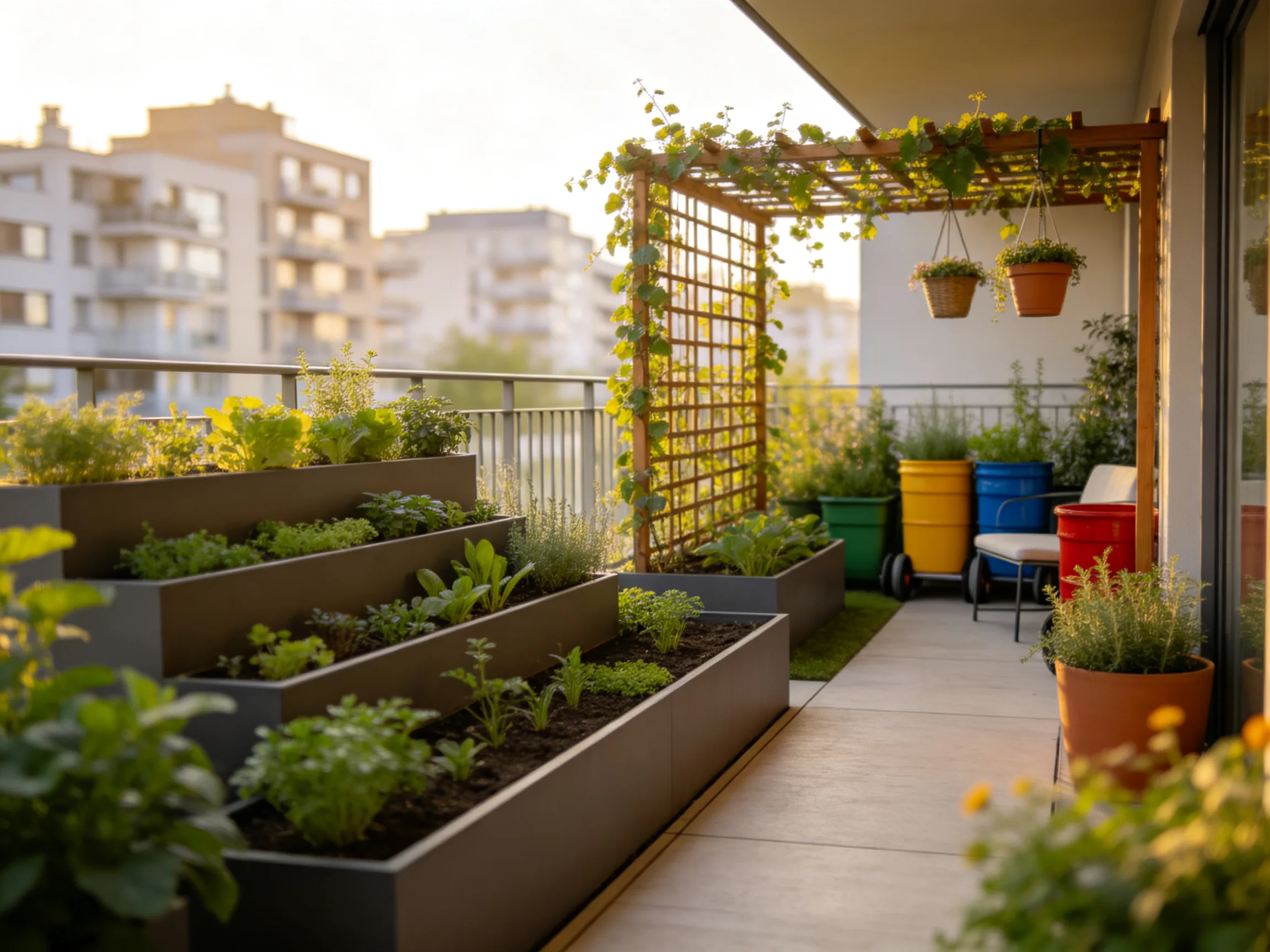
An urban garden can fit on a balcony, rooftop, patio, fire escape landing, or narrow side yard when every container and vertical surface has a purpose. Use these practical urban garden design ideas to add herbs, flowers, privacy, shade, and visual depth without requiring a large plot or complicated maintenance routine.
1. Stackable Planters for a Vertical Herb Garden
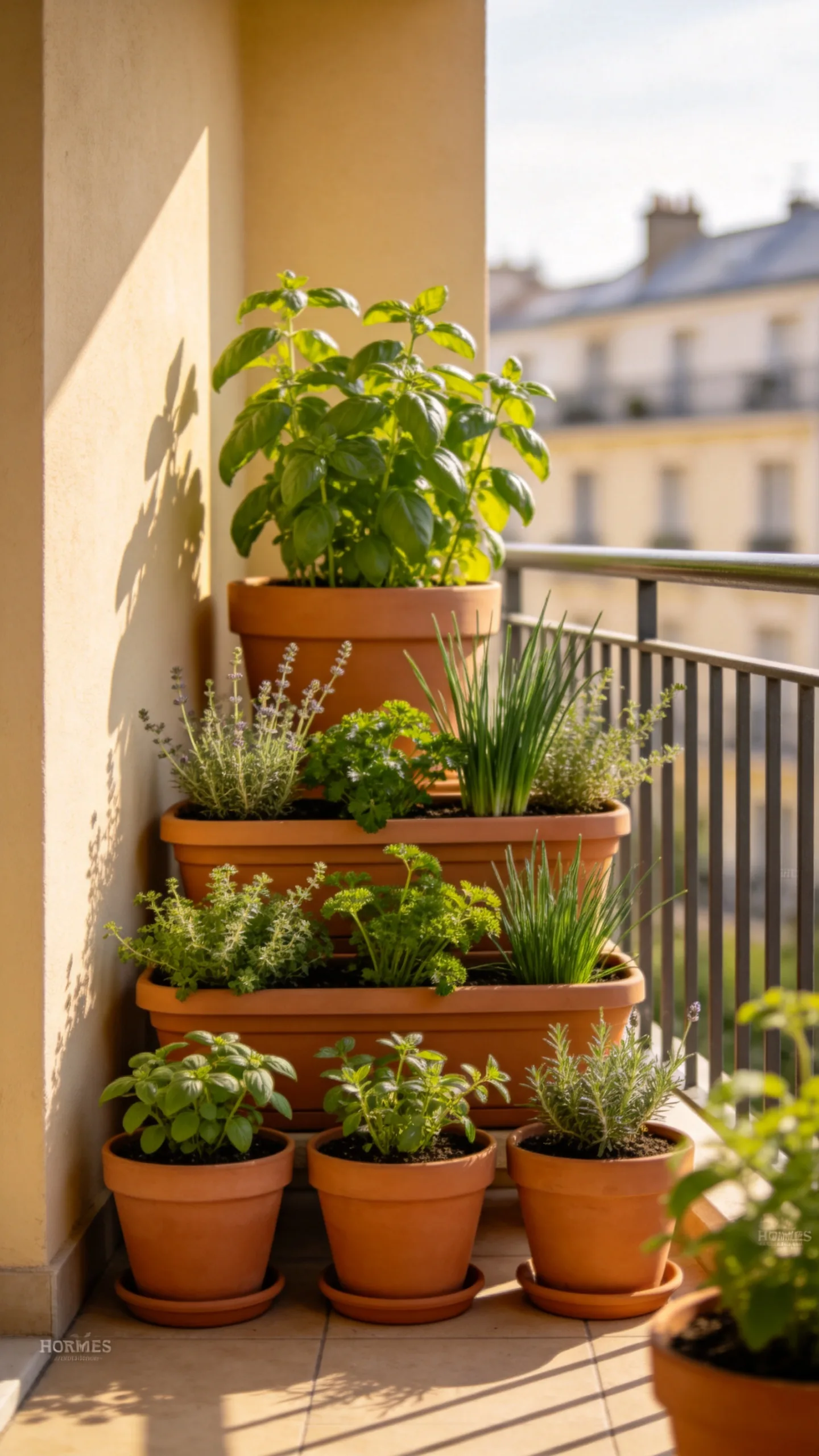
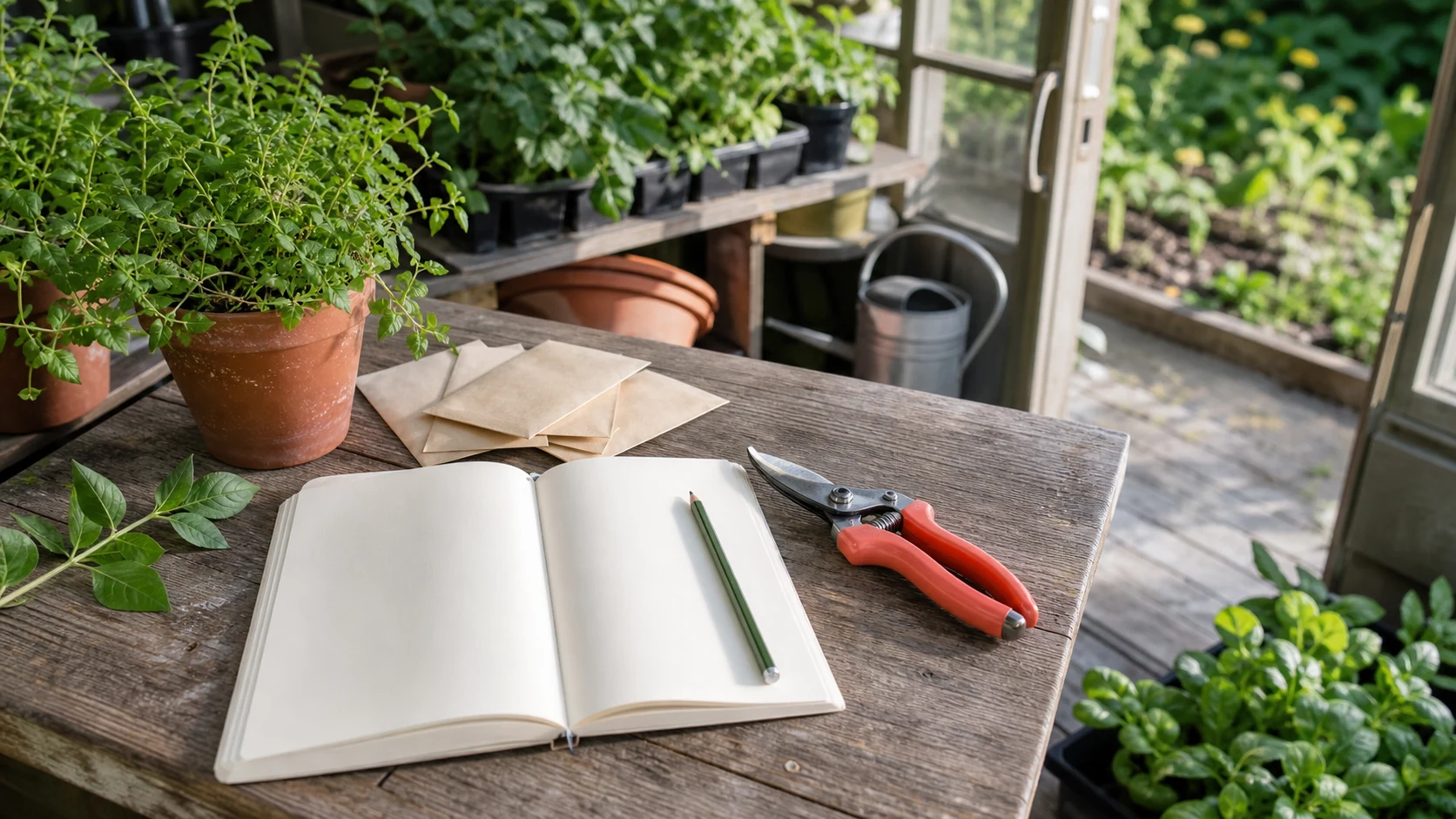
Place tiered or stackable planters against a sunny wall to grow basil, thyme, parsley, chives, and oregano in a small footprint. Choose a location with at least six hours of light, and keep the tallest containers at the back so lower herbs still receive sun.
Use lightweight potting mix and confirm that each tier drains freely. Group herbs with similar watering needs together, while placing drought-tolerant thyme and oregano in the upper, fastest-drying pots.
2. Slim Raised Bed Along a Balcony Wall
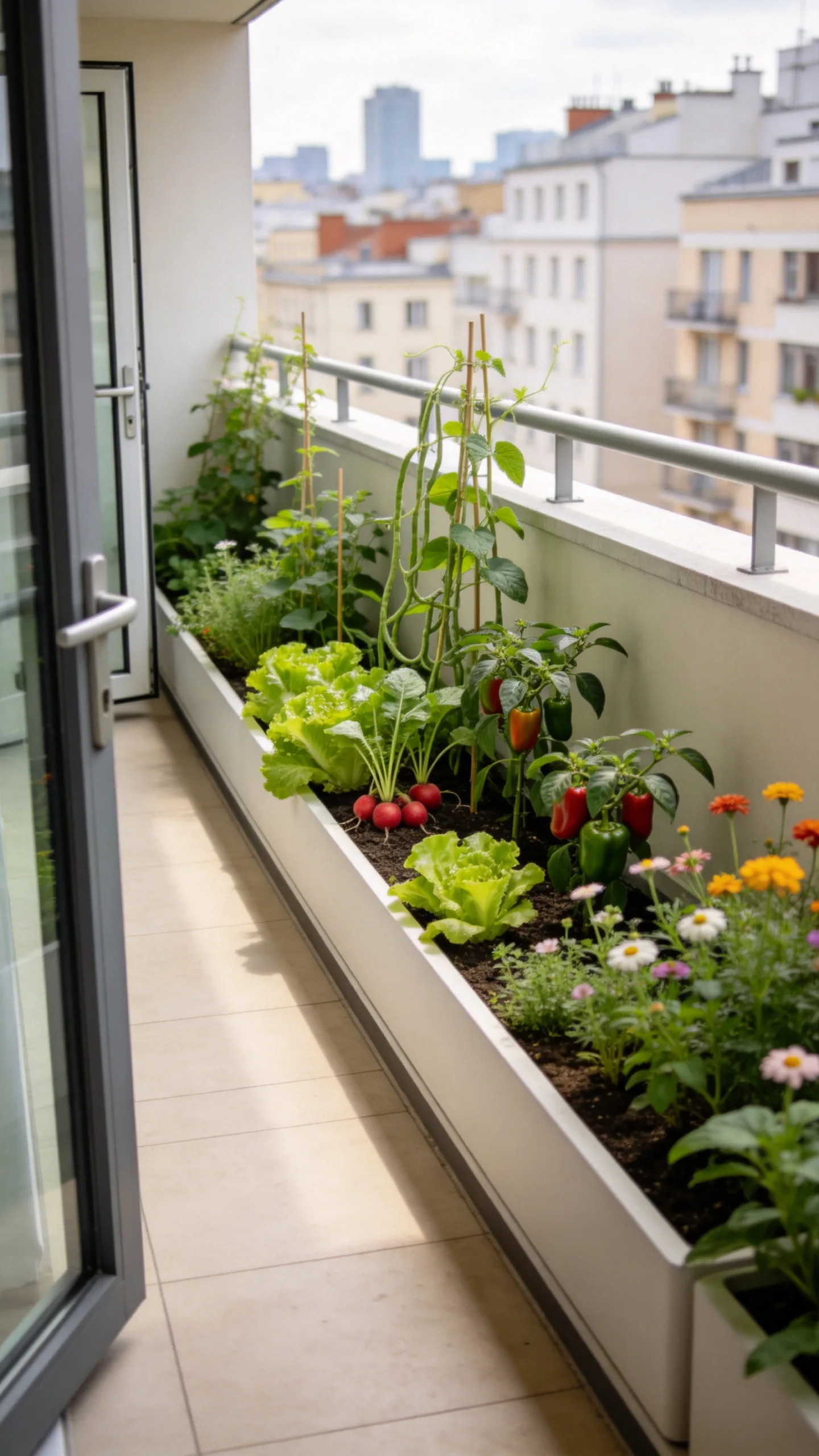
Build or buy a narrow raised planter that is 8 to 16 inches wide and position it along the inside edge of a balcony or patio. Leaf lettuce, radishes, bush beans, compact peppers, and edible flowers can provide a productive garden without blocking the main walking route.
Line the bottom with drainage holes and use a container-safe soil mix rather than heavy garden soil. Leave enough clearance for doors, railings, and routine watering so the bed remains convenient instead of becoming an obstacle.
3. Trellis Screen for Climbing Vegetables
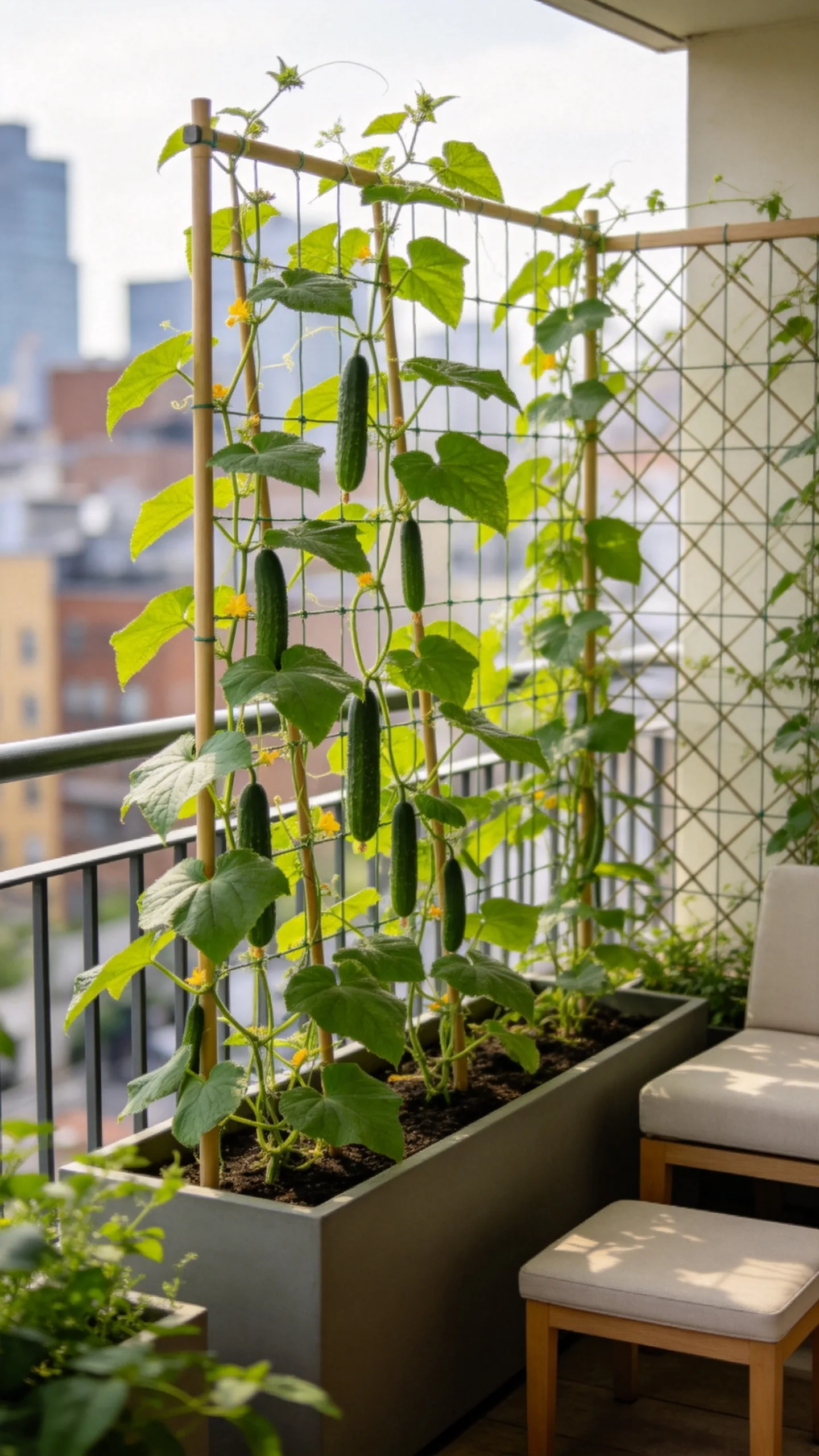
Install a freestanding trellis or tension-wire panel to grow cucumbers, peas, compact squash, or pole beans upward. This design uses vertical space while creating a soft screen between a seating area and a neighboring building or walkway.
Anchor the trellis securely, especially on exposed balconies and rooftops. Choose a container at least 12 inches deep, guide young vines onto the support, and harvest regularly to keep the plants manageable.
4. Rolling Container Garden for Flexible Layouts
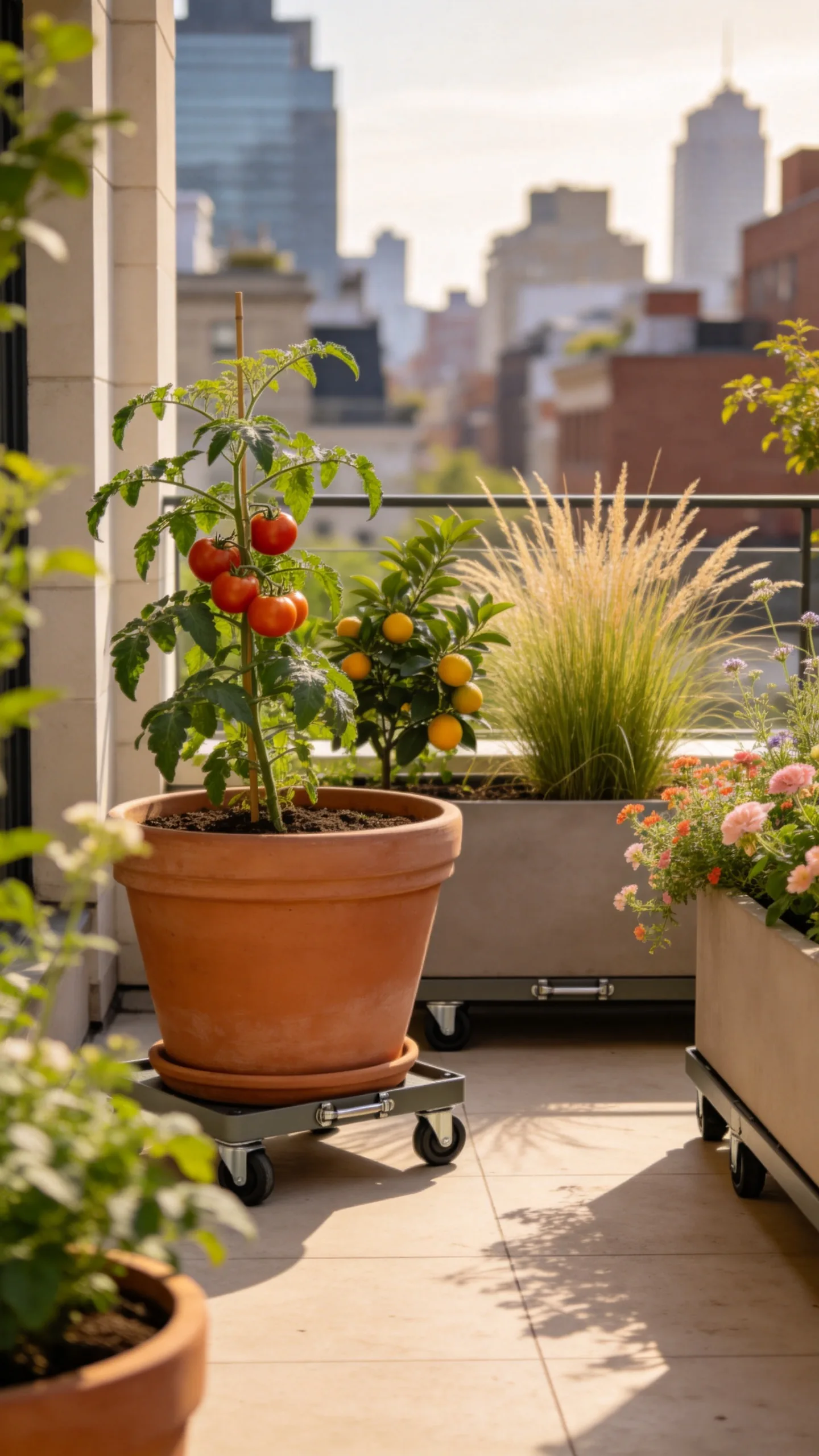
Set large pots on sturdy plant caddies so you can move the garden as sunlight changes throughout the season. Rolling containers work well for tomatoes, dwarf citrus, ornamental grasses, and flowering plants that may need winter protection indoors.
Select containers with locking wheels and avoid moving them when the soil is saturated. Arrange the largest pots along the back or corners, then roll them aside when cleaning, entertaining, or accessing storage.
5. Reclaimed Crate Garden for Edible Greens
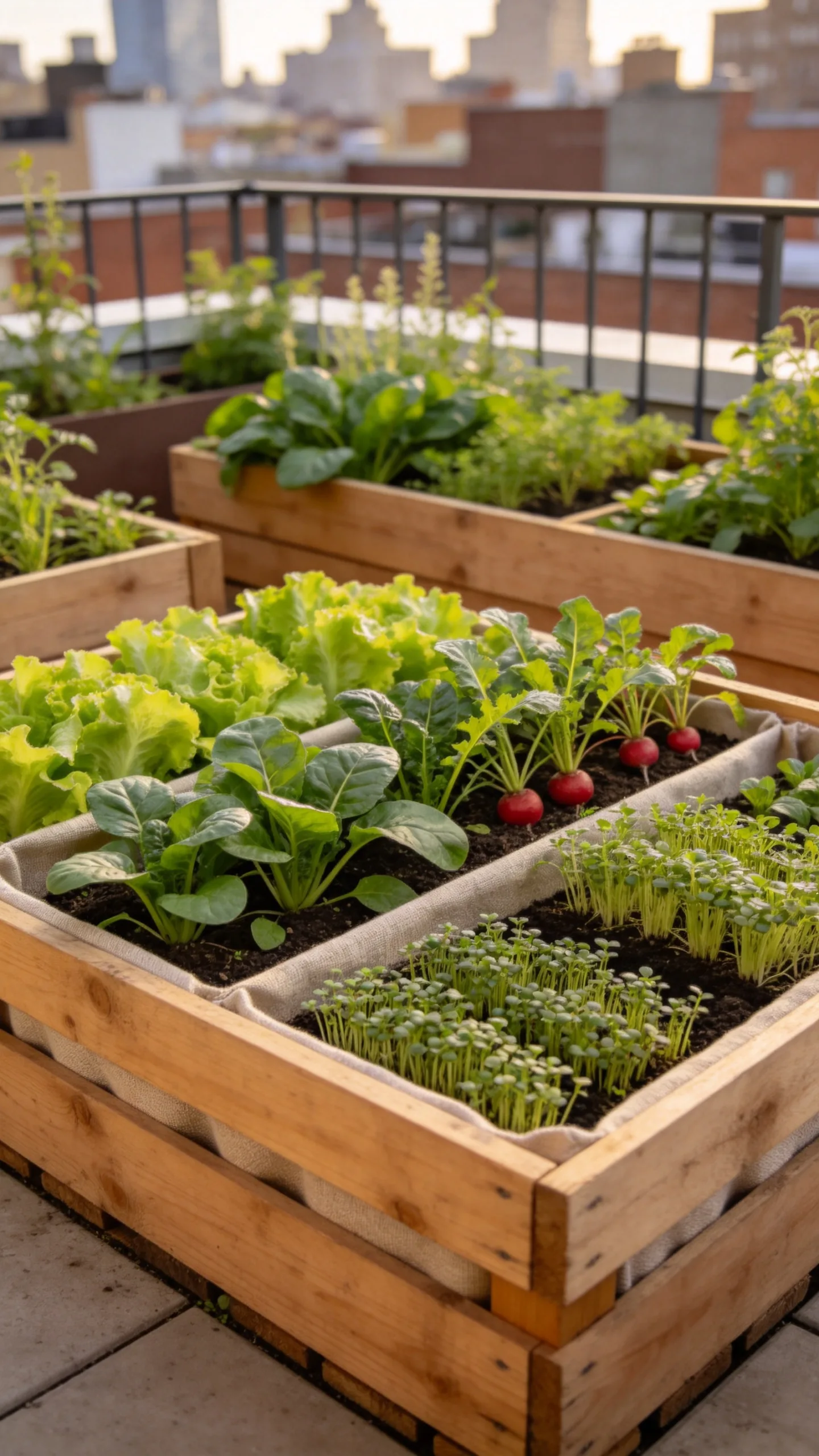
Turn untreated wooden crates into shallow planters for lettuce, spinach, arugula, radishes, and microgreens. Line the inside with landscape fabric, add drainage openings, and place the crates on a stable surface that will not be damaged by occasional water runoff.
Use succession planting by sowing a small row every two or three weeks. This keeps the compact garden producing fresh greens instead of leaving the entire harvest ready at once.
6. Hanging Rail Planters for a Narrow Balcony
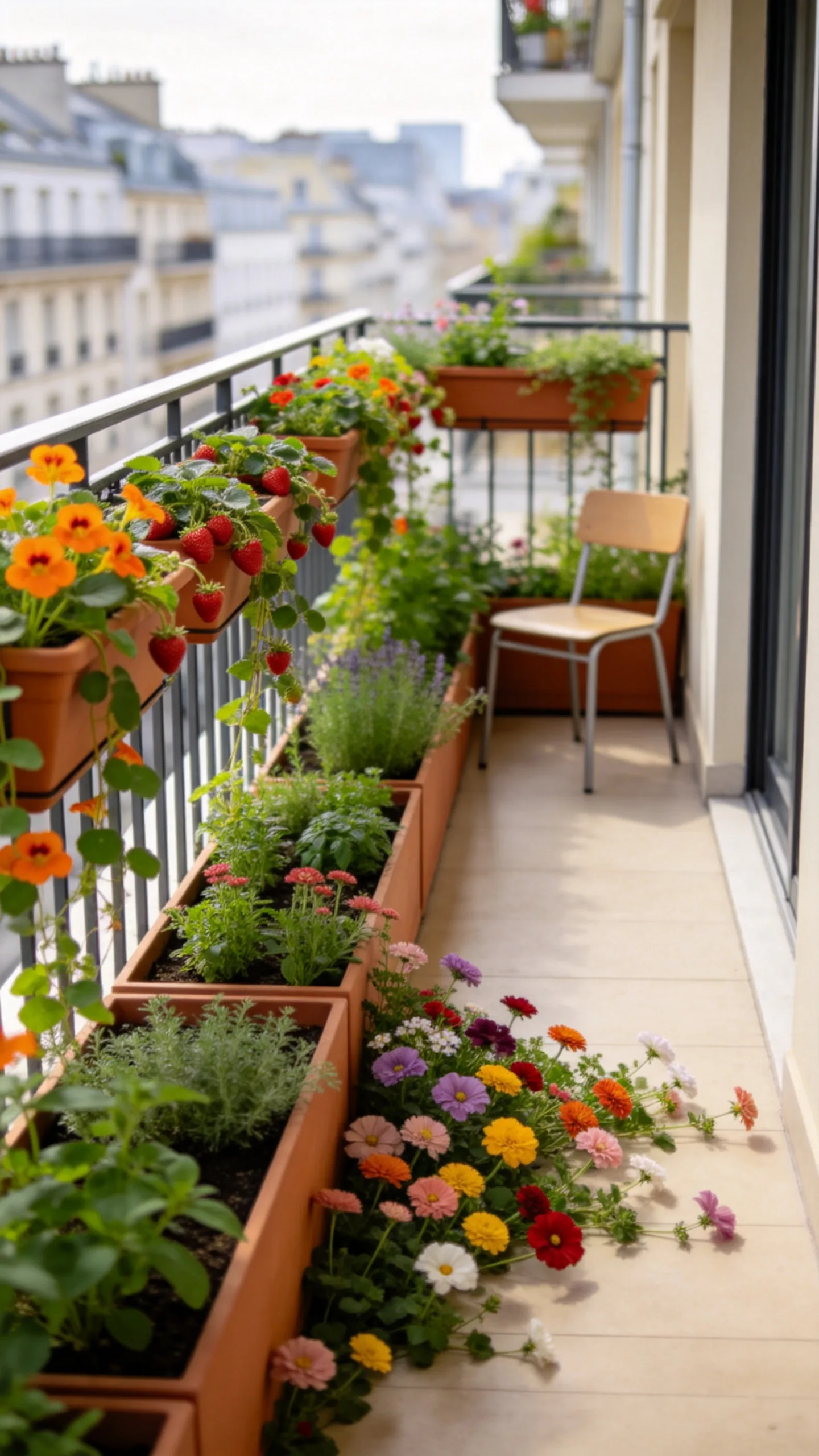
Attach railing-safe planters to the inside of a balcony rail to keep the floor open for chairs and walking space. Trailing nasturtiums, strawberries, compact herbs, and seasonal flowers can spill over the edge and add color at eye level.
Use containers designed for the rail width and secure them against wind movement. Water slowly until moisture reaches the drainage holes, then check more often during hot weather because small planters dry out quickly.
7. Pocket Wall Garden for Herbs and Flowers
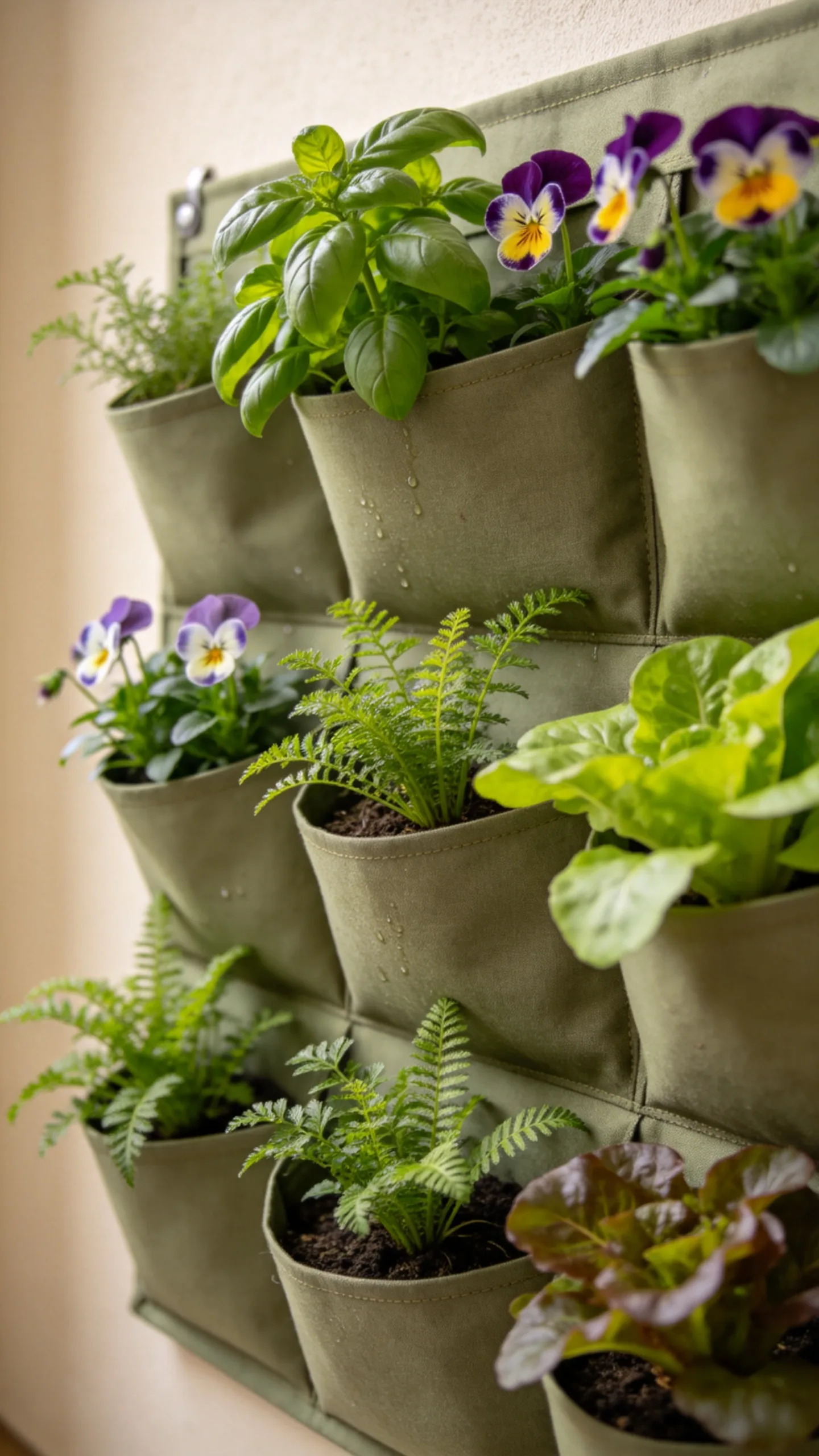
Mount a fabric pocket planter or modular wall system on a protected exterior wall for shallow-rooted plants. Mint, basil, small ferns, violas, and leafy greens can occupy separate pockets while adding texture to a blank wall.
Keep aggressive spreaders such as mint in their own pocket or container. Before mounting the system, protect the wall from moisture and verify that its combined weight will not damage siding, masonry, or balcony infrastructure.
8. Narrow Container Border Around a Patio
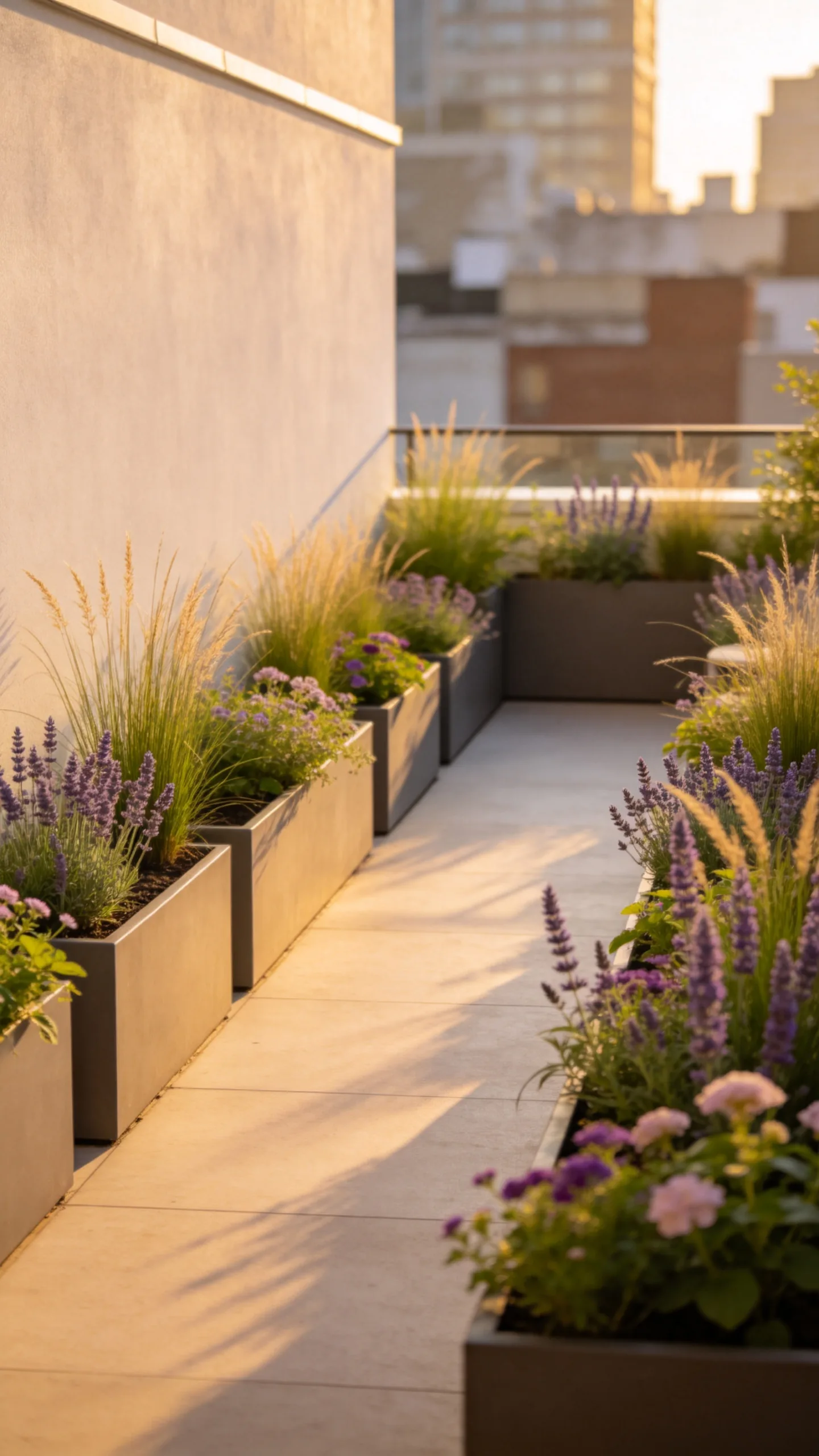
Create a clear garden edge by lining one or two sides of a patio with matching rectangular containers. Use dwarf grasses, lavender, salvia, compact hydrangeas, or flowering annuals to define the space without installing a permanent bed.
Keep containers at least several inches away from walls to allow airflow and inspection. Repeat two or three plant types instead of using a different plant in every pot for a more organized design.
9. Tiered Shade Garden Beneath a Stairway
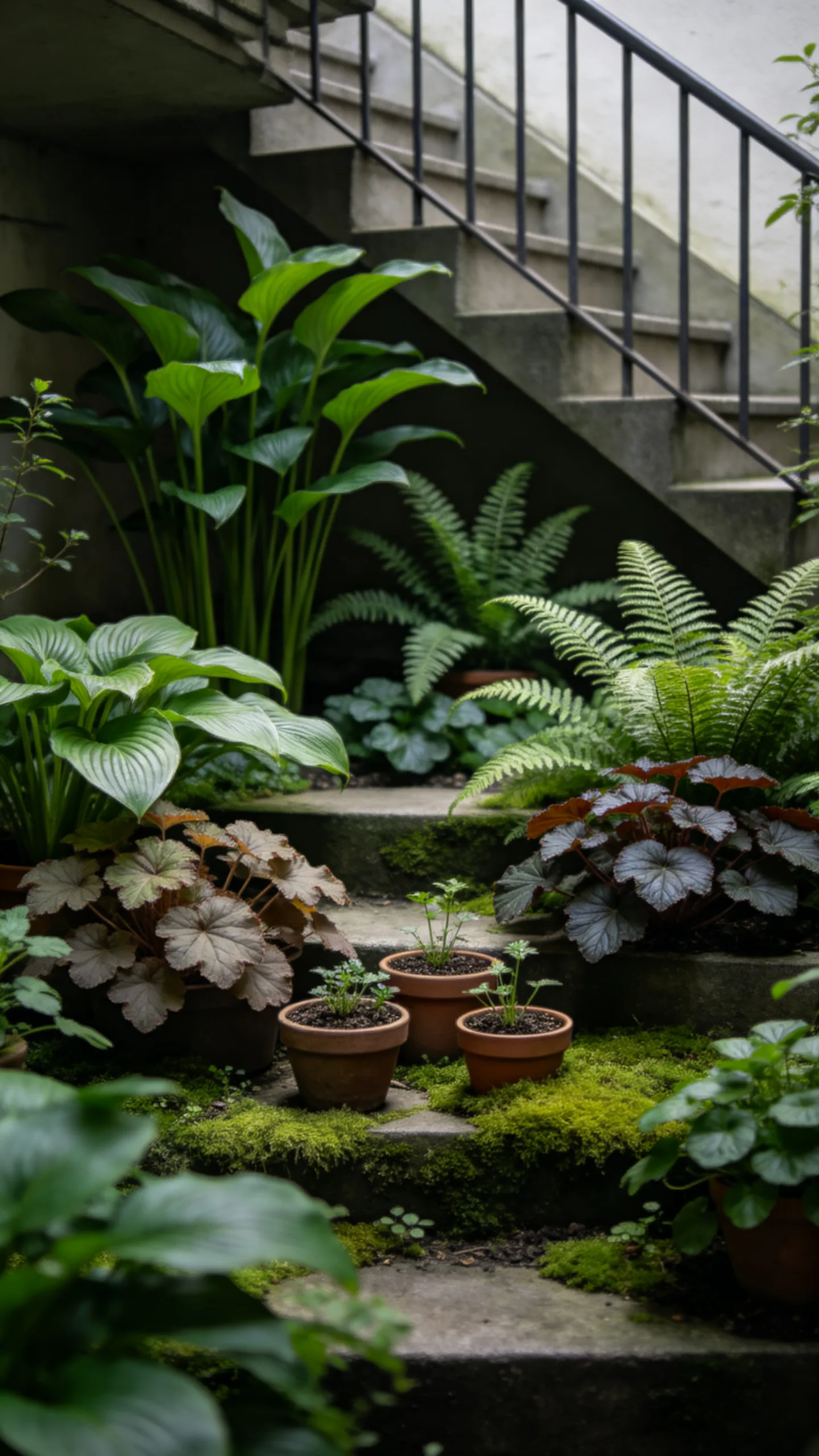
Use the shaded area beneath an exterior stairway, balcony overhang, or mature tree for a layered garden of hostas, heucheras, ferns, begonias, and moss-like ground covers. Place taller foliage at the rear and smaller pots near the front to create depth.
Check whether the location receives bright indirect light, dry shade, or several hours of direct sun before selecting plants. Containers with saucers help protect the surface, but do not allow water to remain pooled around roots.
10. Small Edible Garden in a Window Box
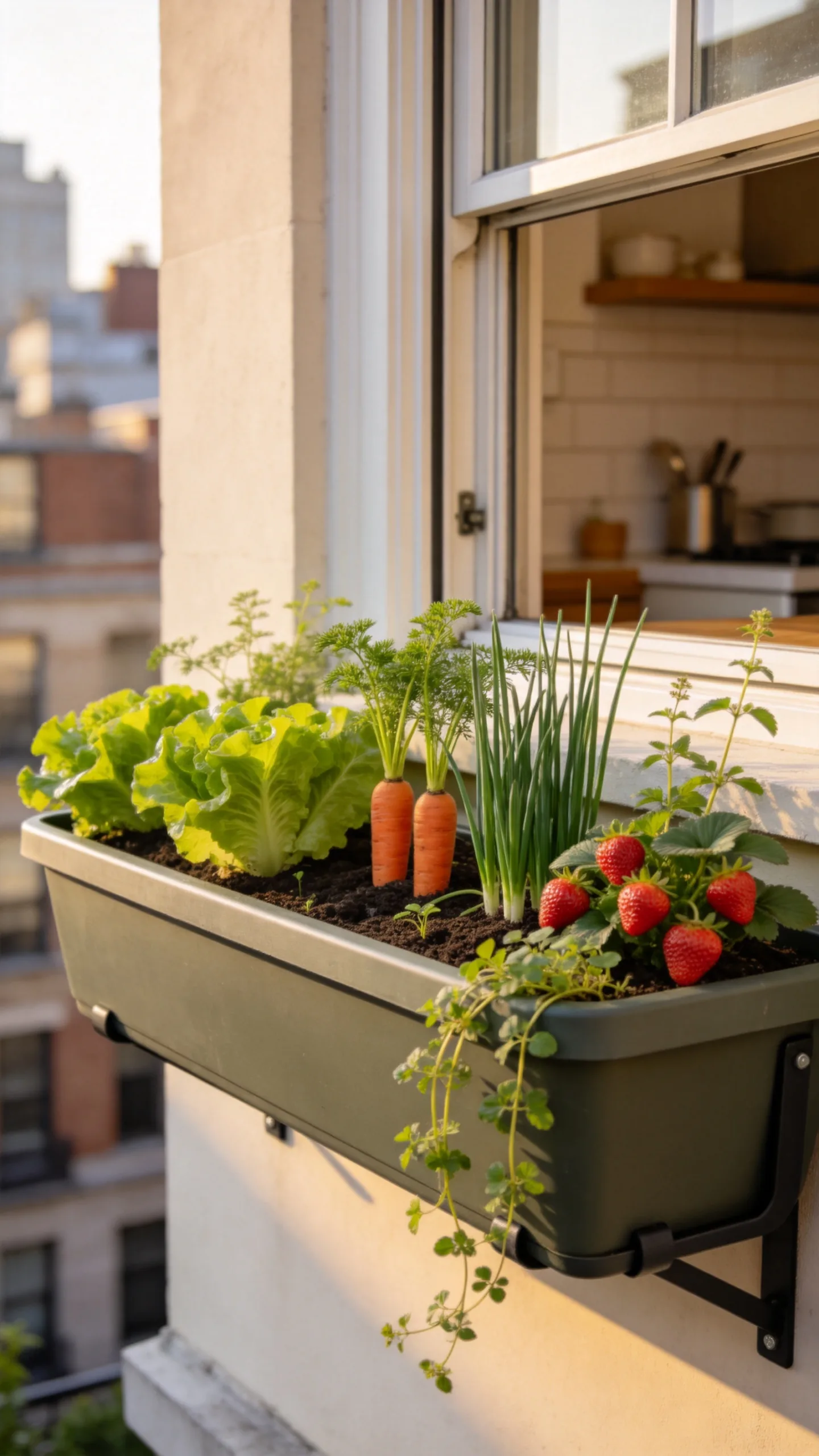
Install deep window boxes for salad greens, compact carrots, chives, strawberries, or trailing herbs. A window box makes use of an otherwise empty ledge and keeps frequently harvested plants close to the kitchen.
Choose a box with reliable brackets and adequate drainage, particularly on upper floors. Rotate the box or trim taller plants if they shade the entire planting, and confirm building rules before attaching anything to an exterior wall.
11. Recycled Bucket Planters for a Budget Makeover
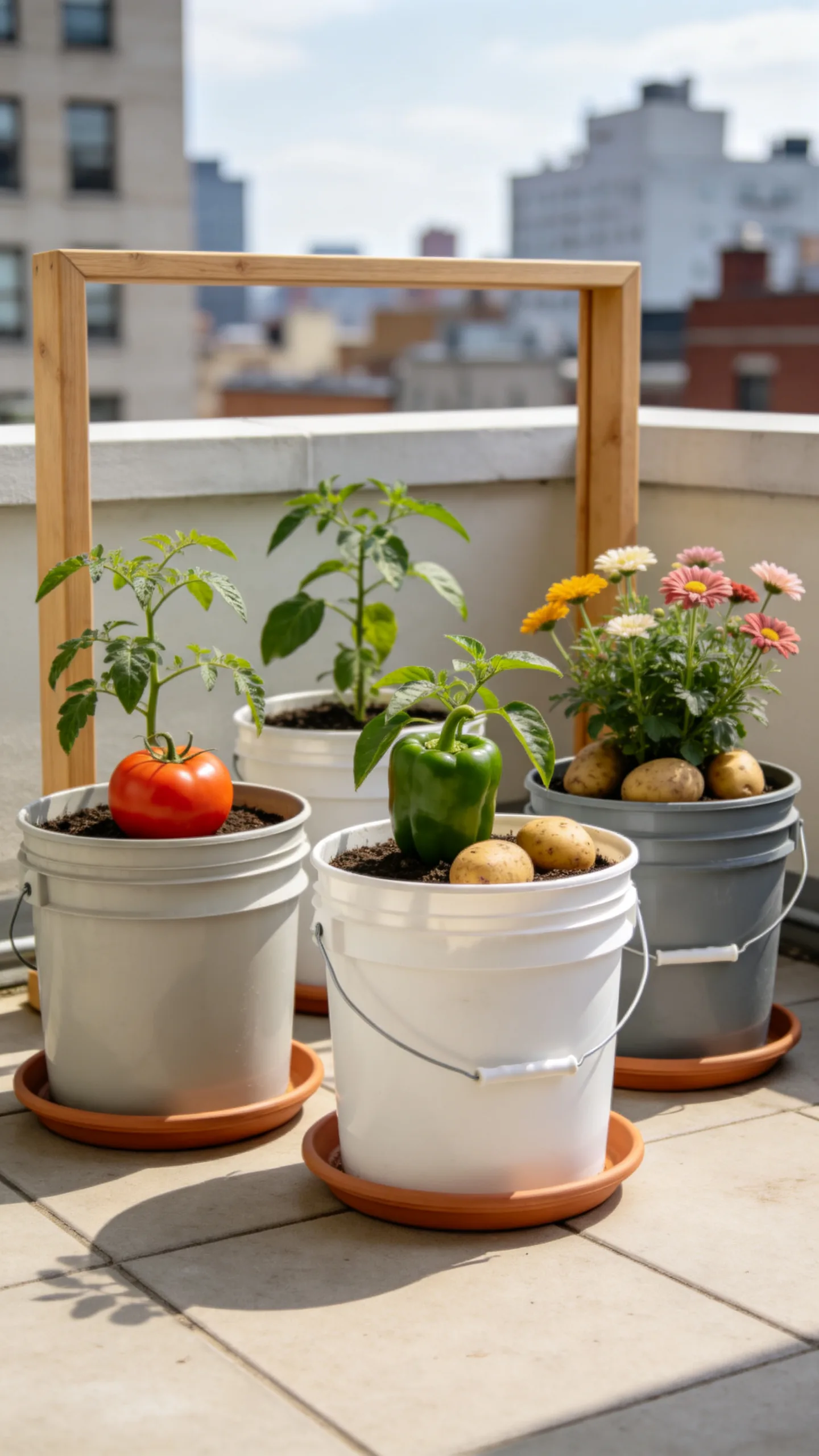
Clean food-grade buckets, storage tubs, or large recycled containers can become inexpensive planters for tomatoes, peppers, potatoes, and flowers. Drill several drainage holes in the base and cover sharp edges before filling them with potting mix.
Paint the outside in a coordinated color or group containers inside a simple wooden frame. Use one plant per large bucket when growing vigorous crops, and place saucers beneath them to reduce staining on patios.
12. Privacy Trellis with Flowering Vines
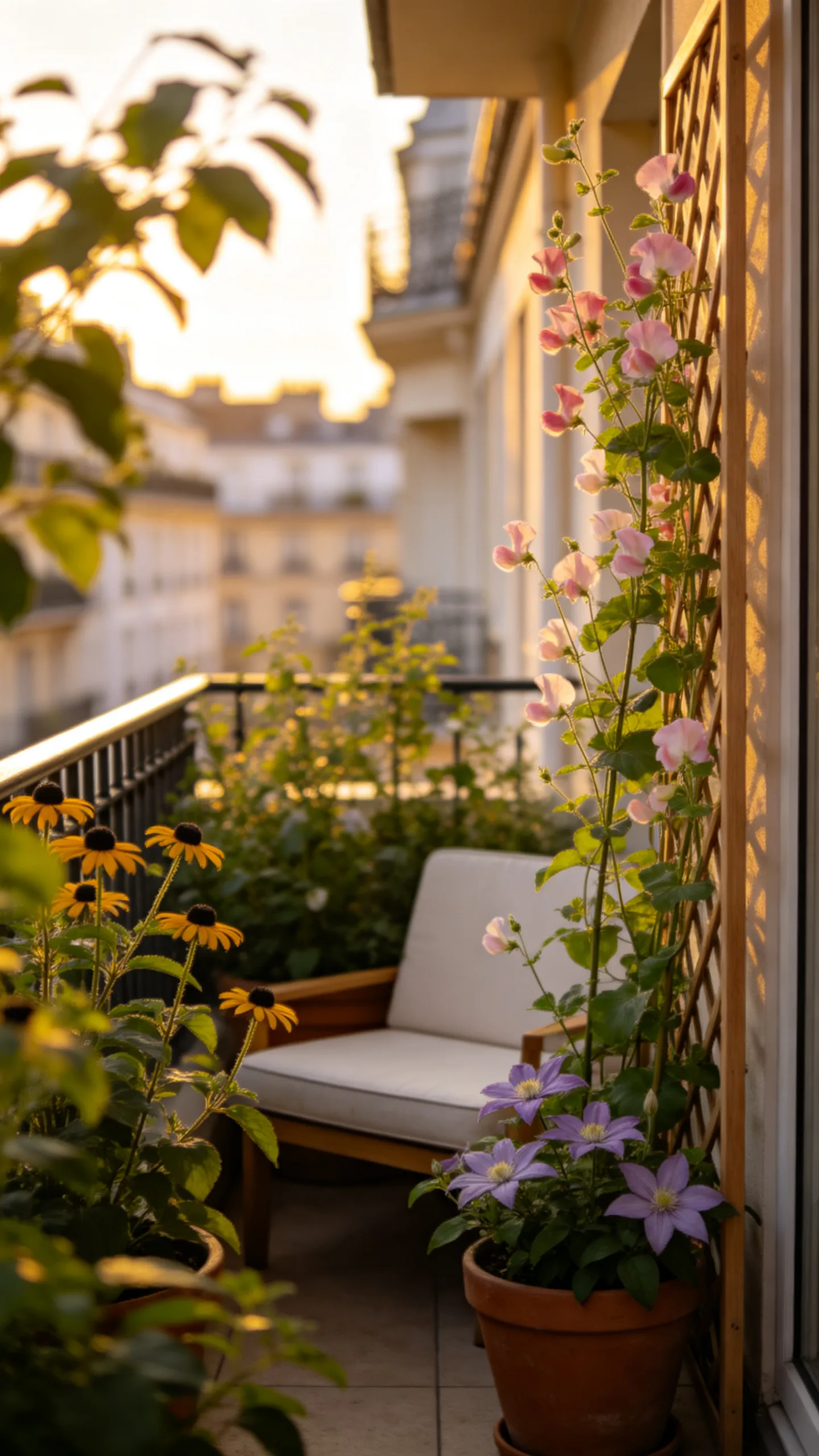
Create a living privacy screen by combining a narrow trellis with climbing sweet peas, black-eyed Susan vine, clematis, or a container-suitable jasmine. The screen softens railings and separates a seating area without taking up the width of a hedge.
Select a vine suited to the available light and winter conditions. Use removable containers if you rent, and provide ties or clips so stems climb the support rather than attaching to walls or neighboring structures.
13. Miniature Courtyard Garden with a Focal Pot
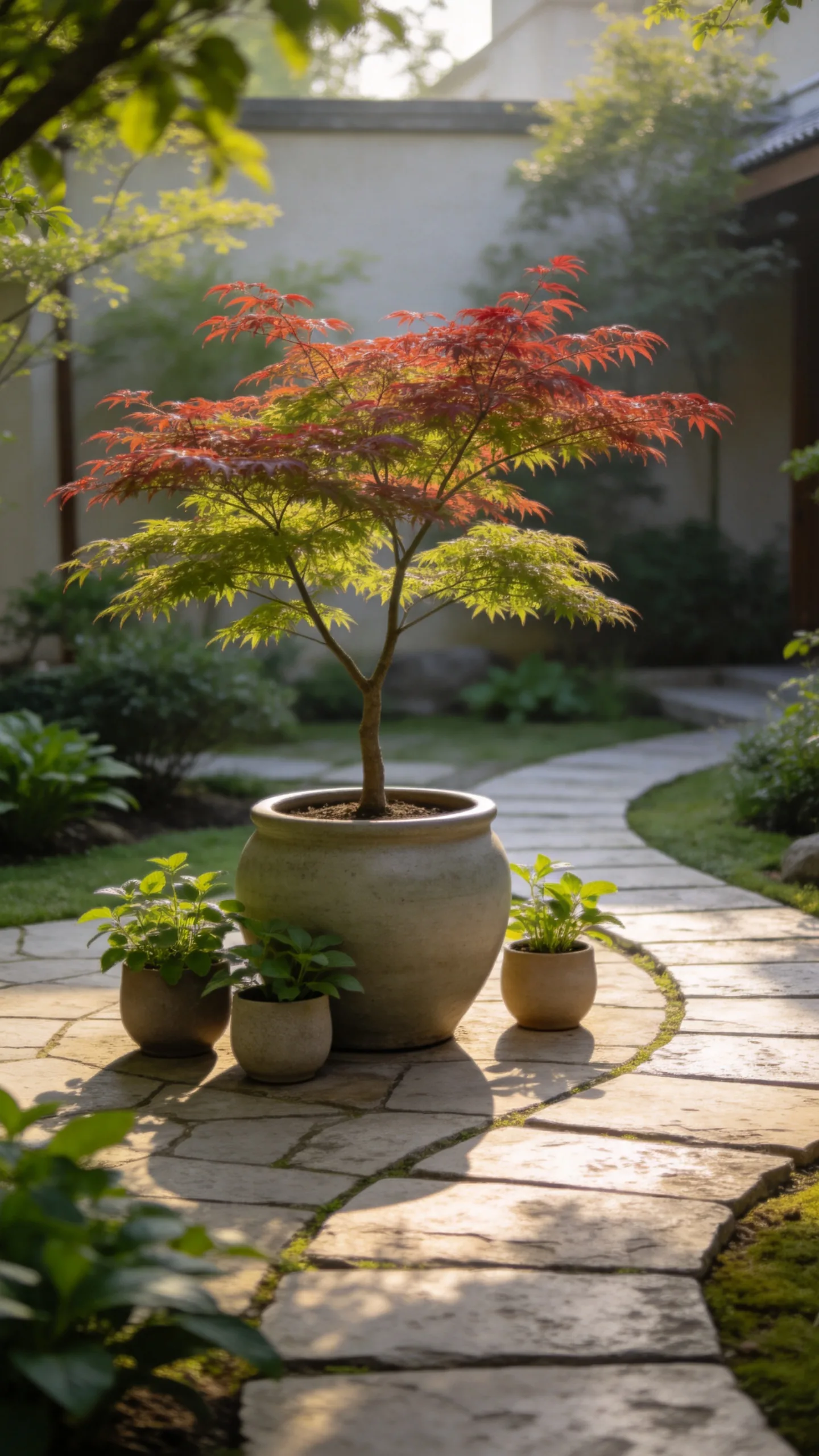
Place one large statement container in the center or far corner of a tiny courtyard, then surround it with two or three smaller pots. A dwarf Japanese maple, olive tree, bay tree, or architectural grass can provide height and a clear visual focal point.
Keep the central pot proportional to the space and leave a comfortable path around it. Choose a tree or shrub with a mature size suited to container culture, and refresh the top layer of soil each spring.
14. Gravel Garden for Low-Maintenance City Spaces
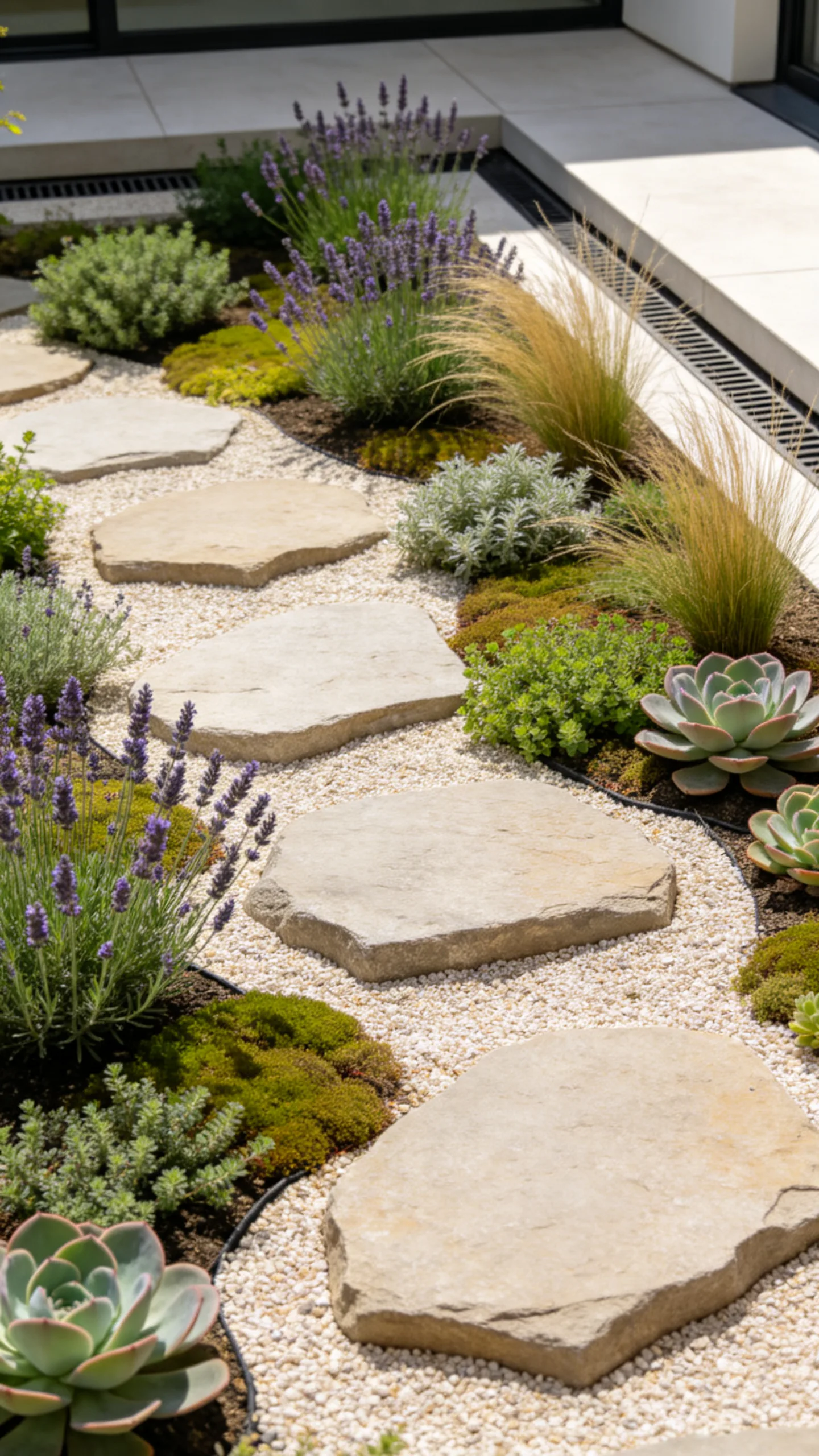
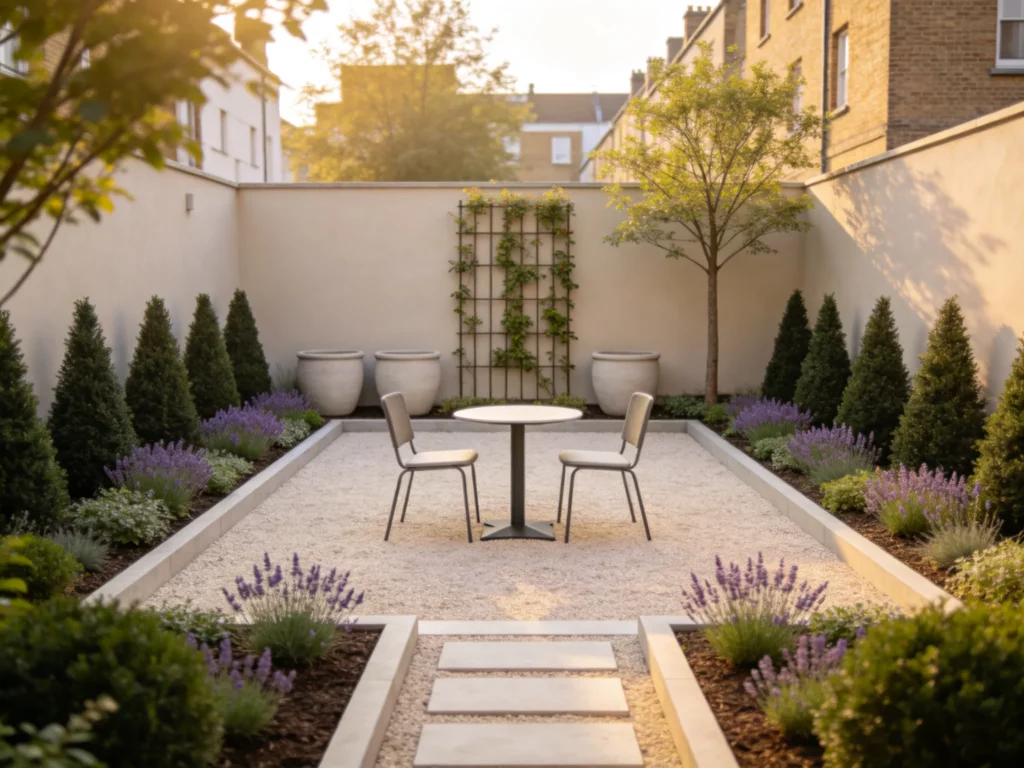
Cover a small ground-level area with landscape fabric and a shallow layer of gravel, then add drought-tolerant plants such as sedum, thyme, lavender, ornamental grasses, and hardy succulents where climate permits. Gravel improves drainage and reduces the need for frequent weeding.
Use larger stepping stones to create a stable route through the planting. Avoid placing gravel against building foundations unless drainage is already suitable, and choose plants according to local winter temperatures and rainfall.
15. Fold-Down Wall Planter for a Tiny Balcony
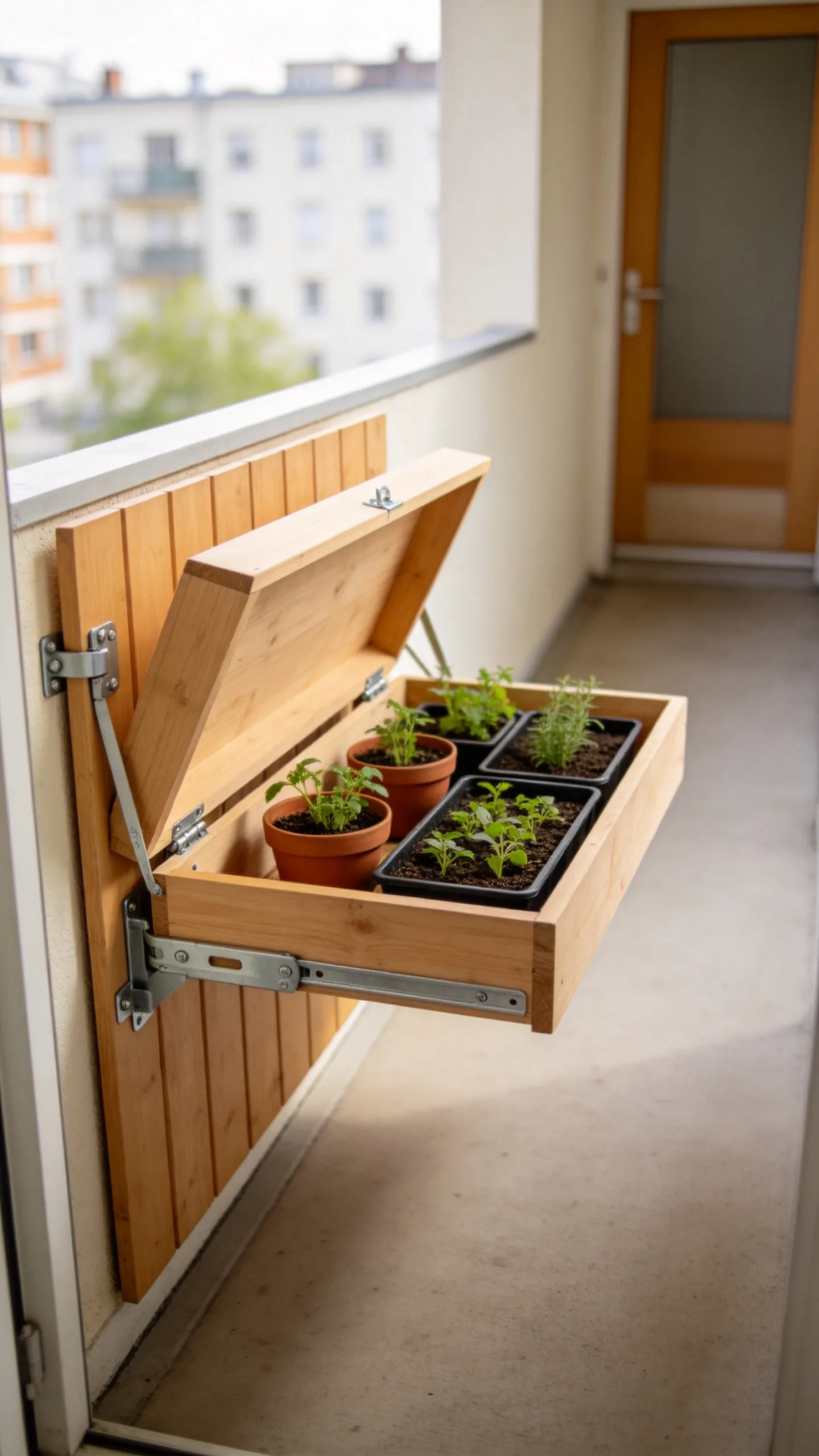
Build a hinged wooden planter or use a fold-down gardening shelf that can be closed when the balcony needs extra space. The open panel can hold small herbs, seed trays, or flowering pots while the closed unit keeps the floor clear.
Use exterior-rated hardware and a waterproof finish. Keep the planter light enough for the wall or railing, and position it where open doors, windows, and neighboring walkways will not be obstructed.
16. Hanging Basket Cluster for Airborne Color
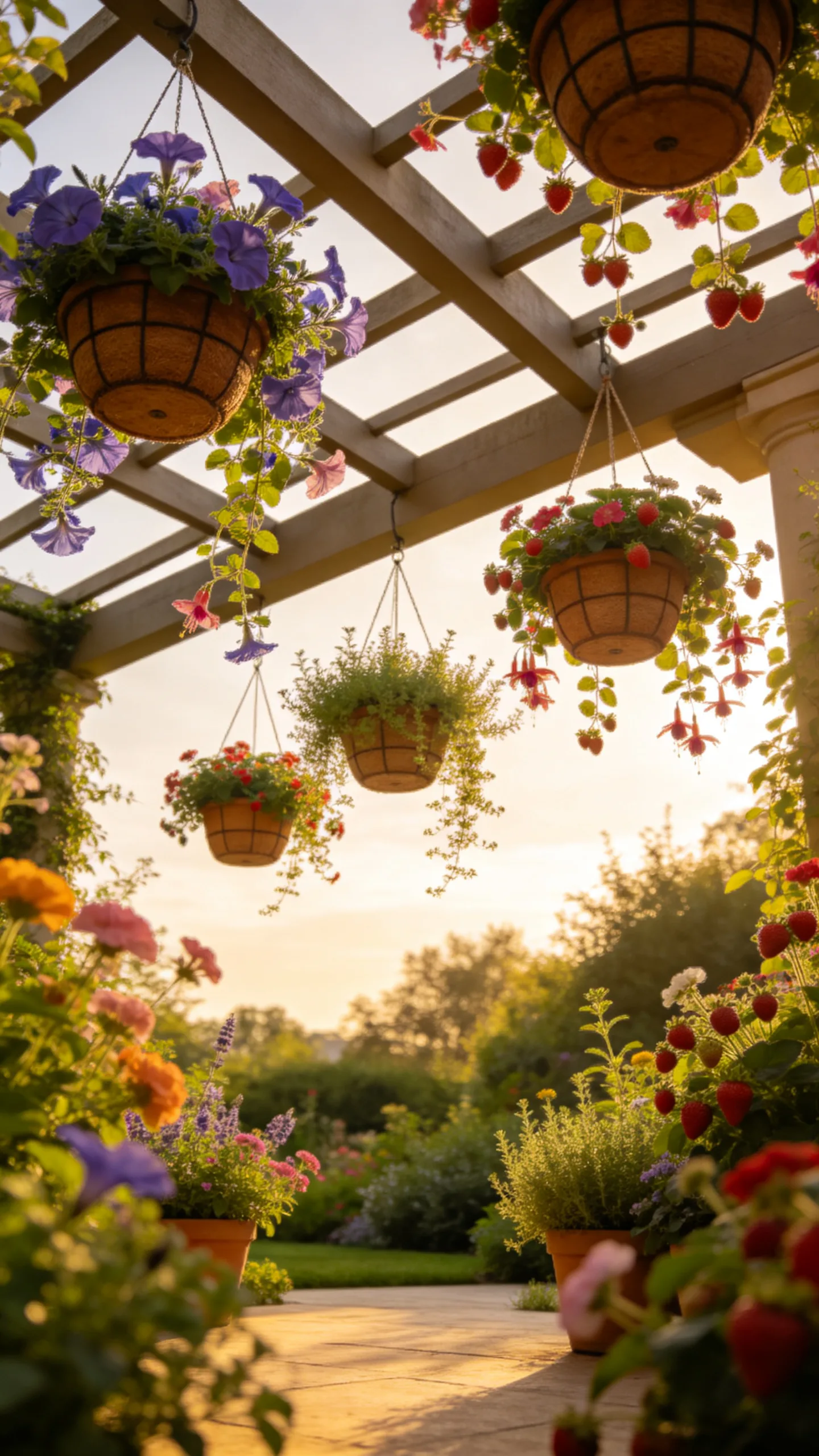
Hang several baskets at different heights from a strong overhead structure to create a layered display above a patio or balcony corner. Trailing petunias, lobelia, fuchsias, strawberries, and compact herbs can add color without consuming floor area.
Use lightweight containers with water-retaining potting mix, but do not rely on hanging hardware that has not been rated for the full wet weight. Group baskets with similar light and watering requirements so maintenance stays simple.
17. Narrow Side-Yard Path with Planting Pockets
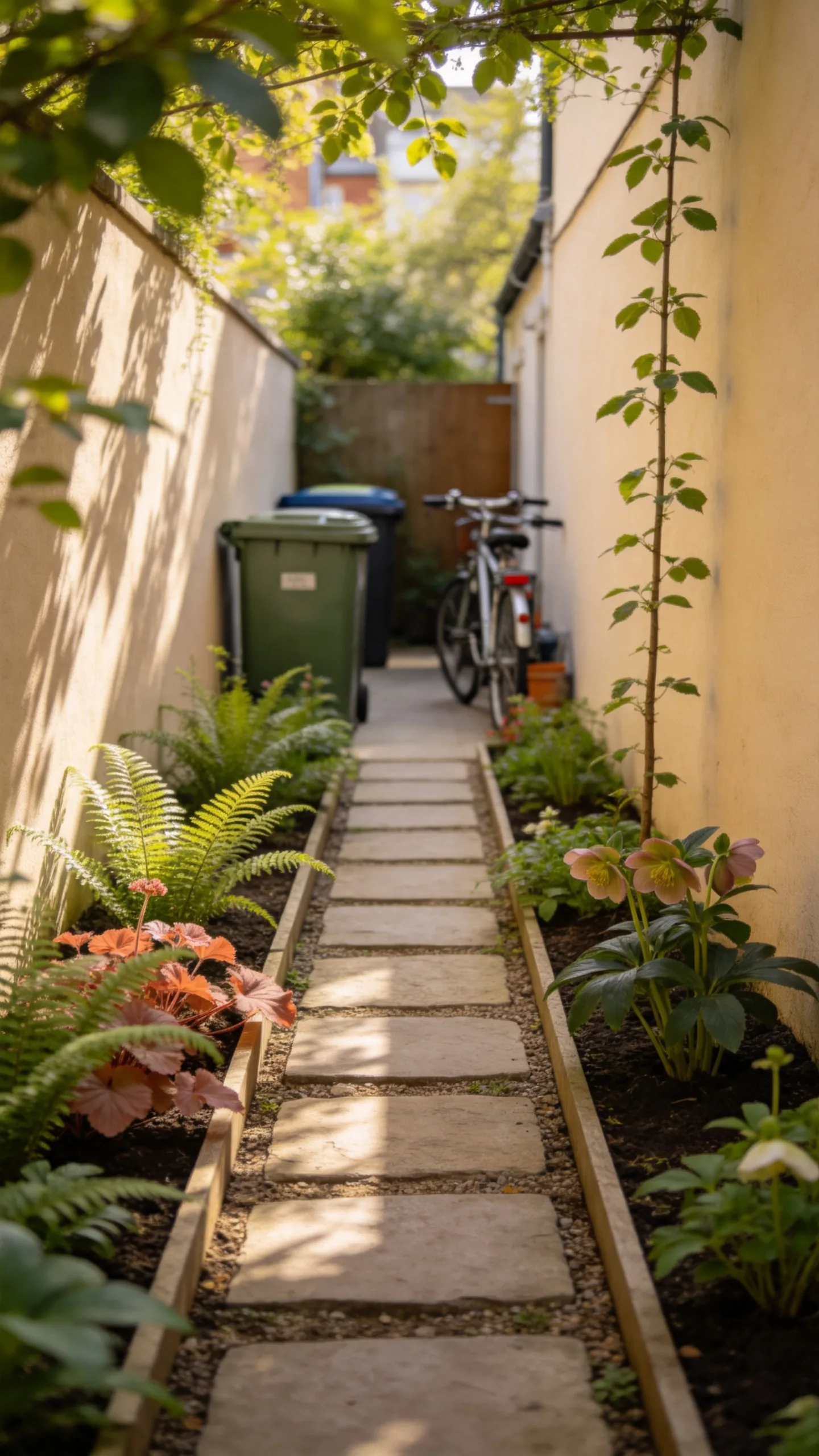
Transform a tight side yard by laying stepping stones or a slim paver path and leaving small planting pockets along the edges. Shade-tolerant ferns, coral bells, hellebores, or climbing plants can add greenery without narrowing the route.
Measure the path before planting and preserve enough width for bins, bicycles, and maintenance access. Improve compacted soil with compost where appropriate, but avoid digging near utility lines or building foundations without checking their locations.
18. Pallet-Style Vertical Garden with Removable Pots
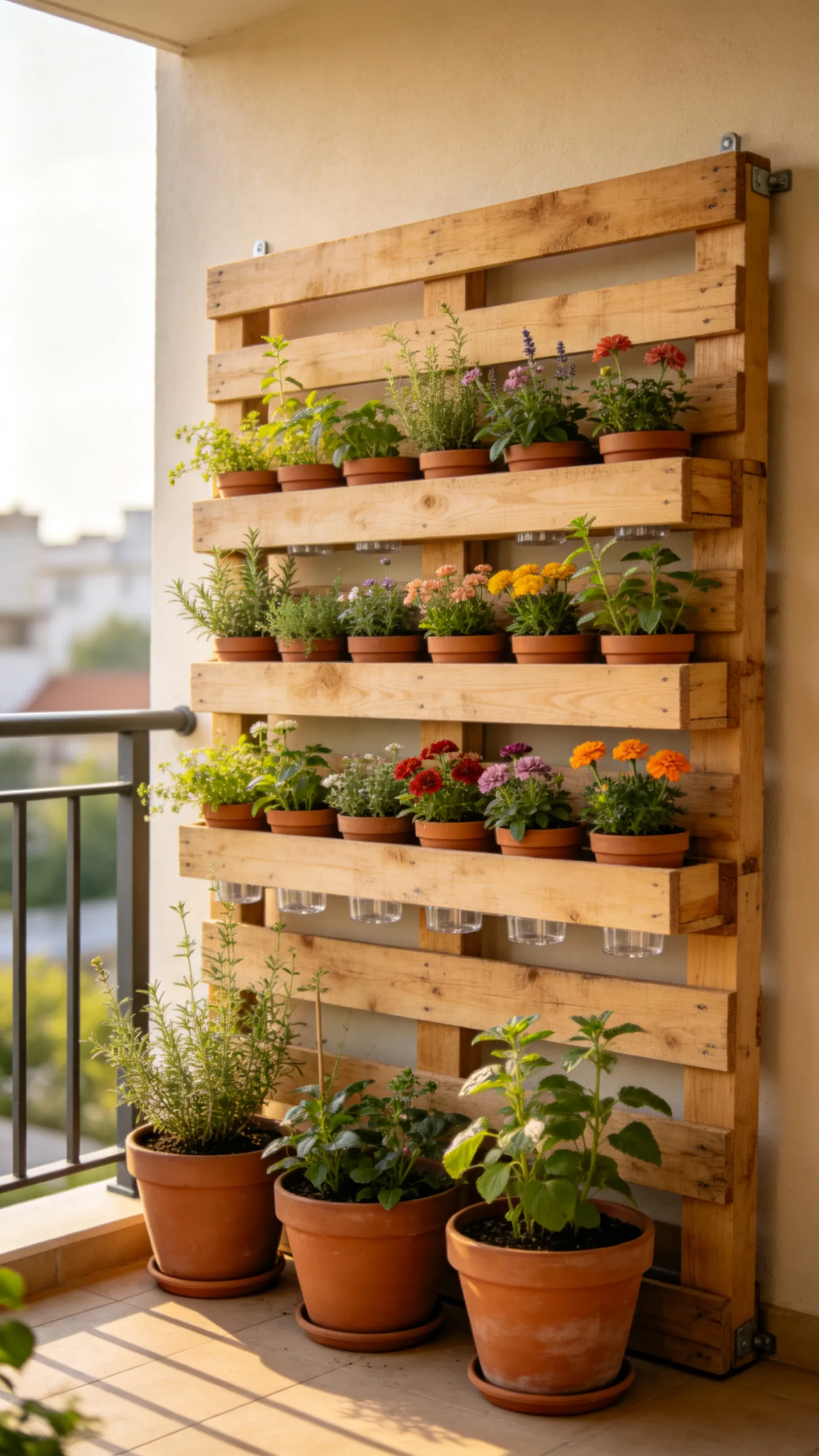
Instead of filling a pallet directly with soil, attach individual pots or nursery containers to a securely mounted frame. This makes it easier to replace seasonal plants, inspect roots, and move sensitive herbs indoors.
Use only heat-treated, chemical-free wood and mount the frame to a stable wall or structure. Keep the heaviest pots low, leave room for drainage, and select plants according to the amount of sunlight reaching each level.
19. Compact Salad Garden in a Trough
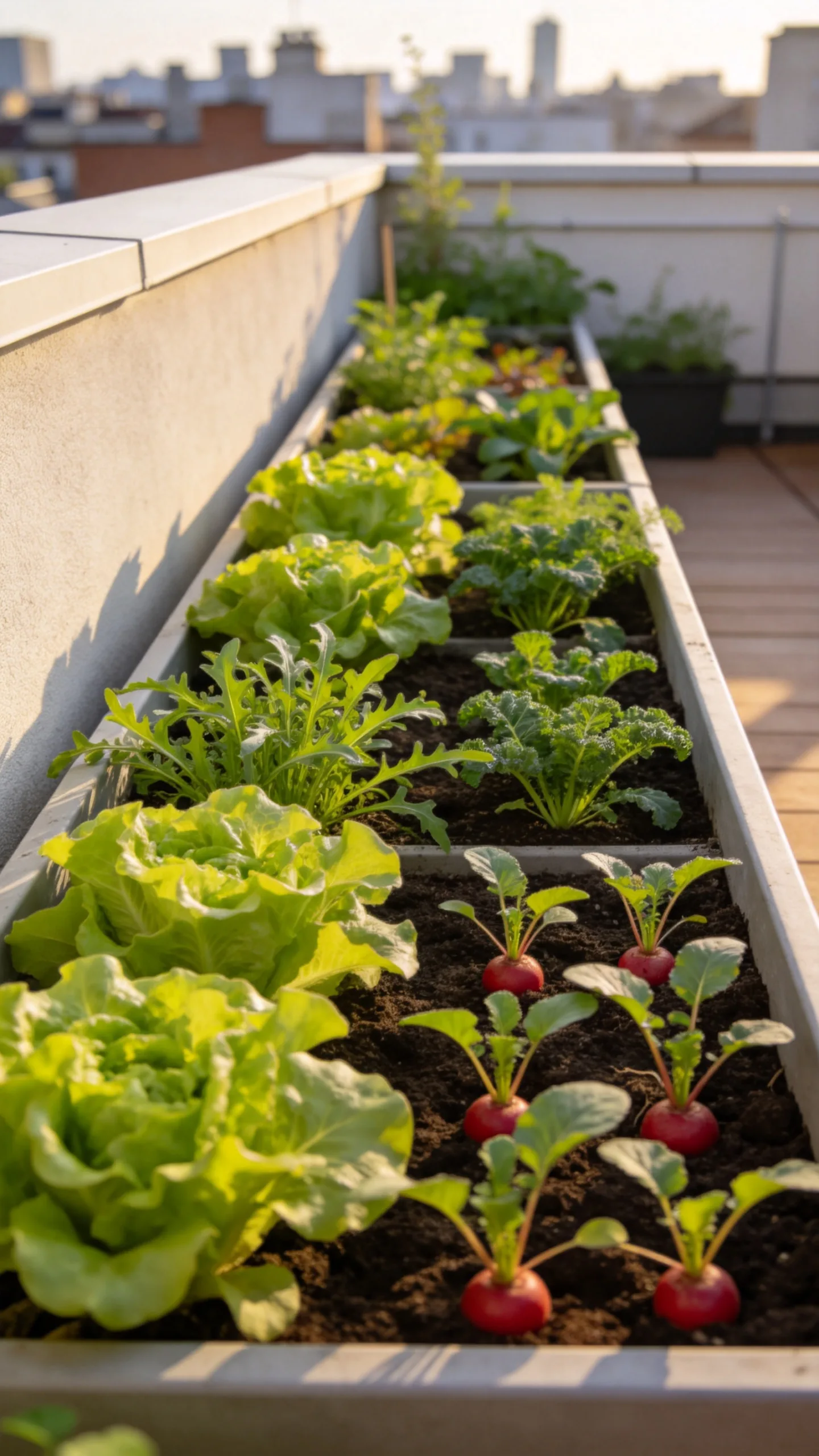
Use one long, shallow trough to grow a continuous supply of lettuce, arugula, baby kale, and radishes. The simple shape fits along a railing, bench, or patio wall and makes sowing, watering, and harvesting easier than managing many small pots.
Sow small sections every few weeks for a steady rotation. Position the trough where it receives morning sun or filtered afternoon light in hot climates, and provide shade during unusually warm weather to slow bolting.
20. Courtyard Water Feature with Moisture-Loving Plants
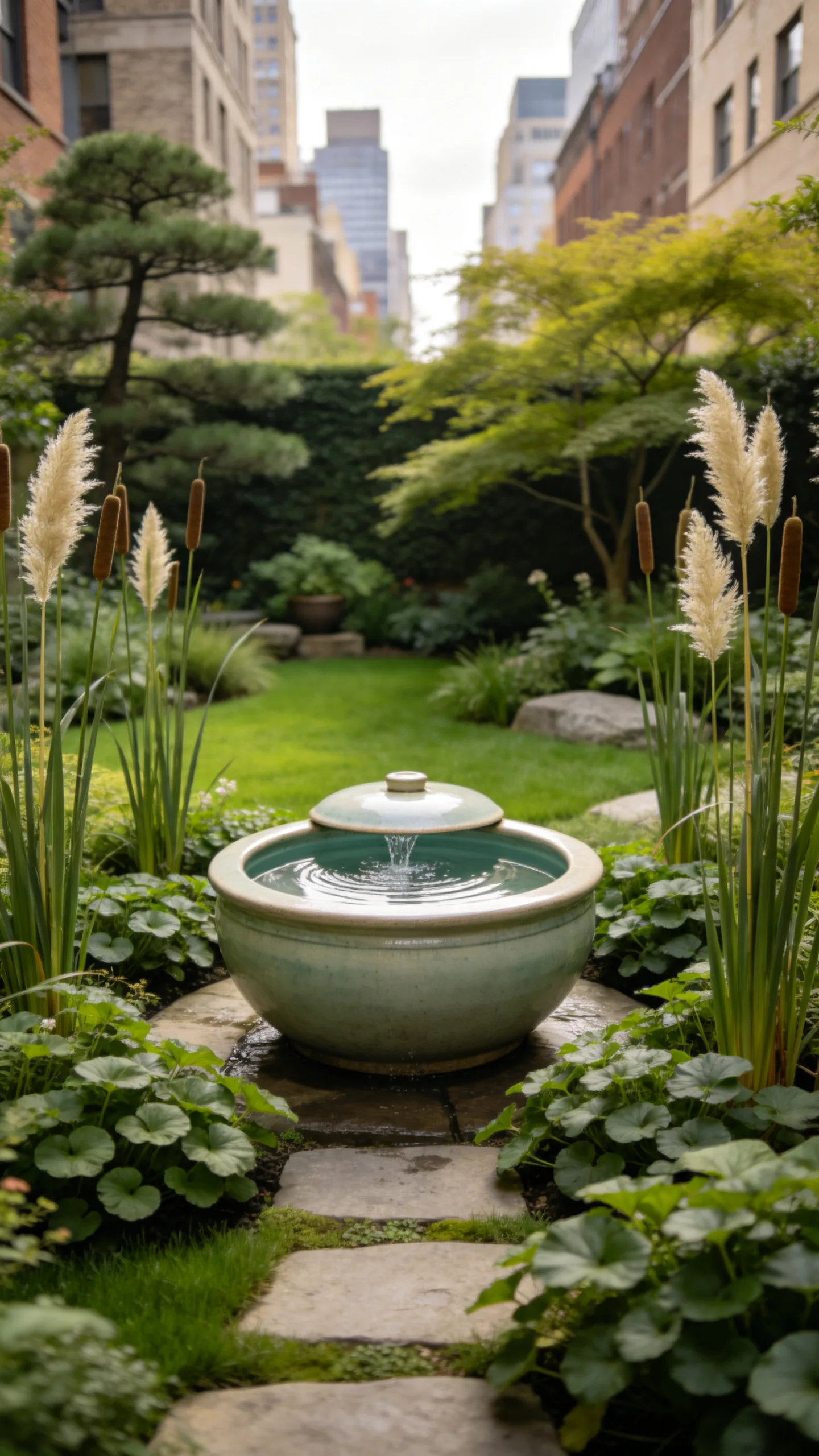
Add a small sealed container pond or recirculating bowl as a focal point in a sheltered courtyard. Surround it with moisture-tolerant plants such as papyrus, creeping jenny, Japanese forest grass, or suitable local marginal plants.
Place the feature on a level, sturdy surface and keep electrical components protected from rain. Refresh standing water regularly and avoid creating mosquito habitat by using circulation or an appropriate maintenance routine.
21. Espaliered Fruit Tree Against a Sunny Wall
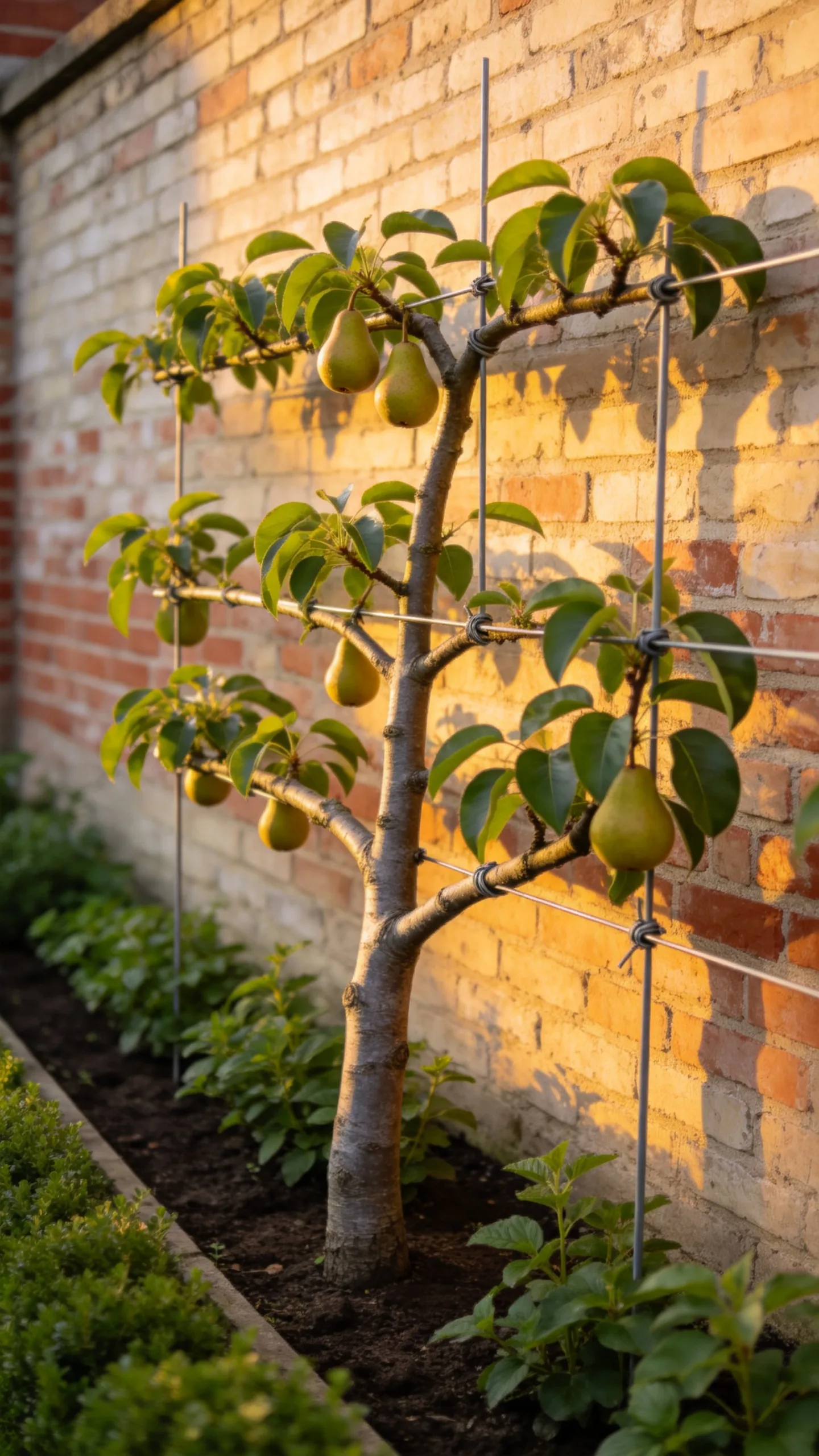
Train a dwarf apple, pear, or other suitable fruit tree along horizontal wires fixed to a sunny wall. Espalier training uses a narrow planting zone while turning a blank vertical surface into a productive garden feature.
Choose a variety that is compatible with your climate and container or soil conditions. Tie flexible branches gently, prune during the correct season for the tree, and leave clearance between the wall and foliage for airflow.
22. Color-Blocked Container Arrangement
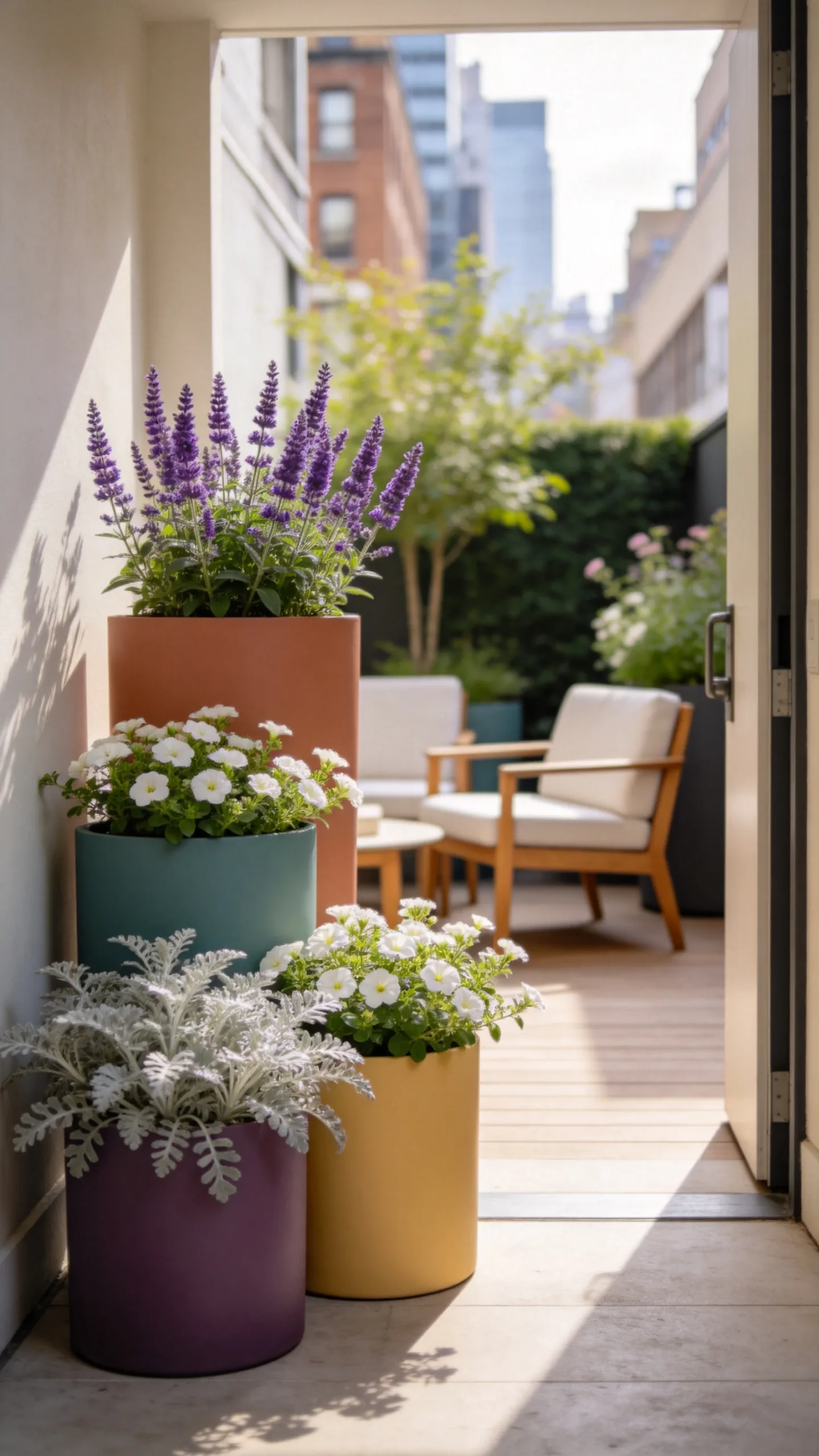
Choose two or three related flower colors and repeat them across containers of different heights. For example, combine purple salvia, white bacopa, and silver foliage, or use warm marigolds, red geraniums, and bronze grasses.
Place the tallest pots behind the lowest ones and repeat the color scheme near the entrance, seating area, or window. Check each plant’s light and watering requirements so the arrangement remains attractive without creating difficult care combinations.
23. Built-In Bench with Planter Ends
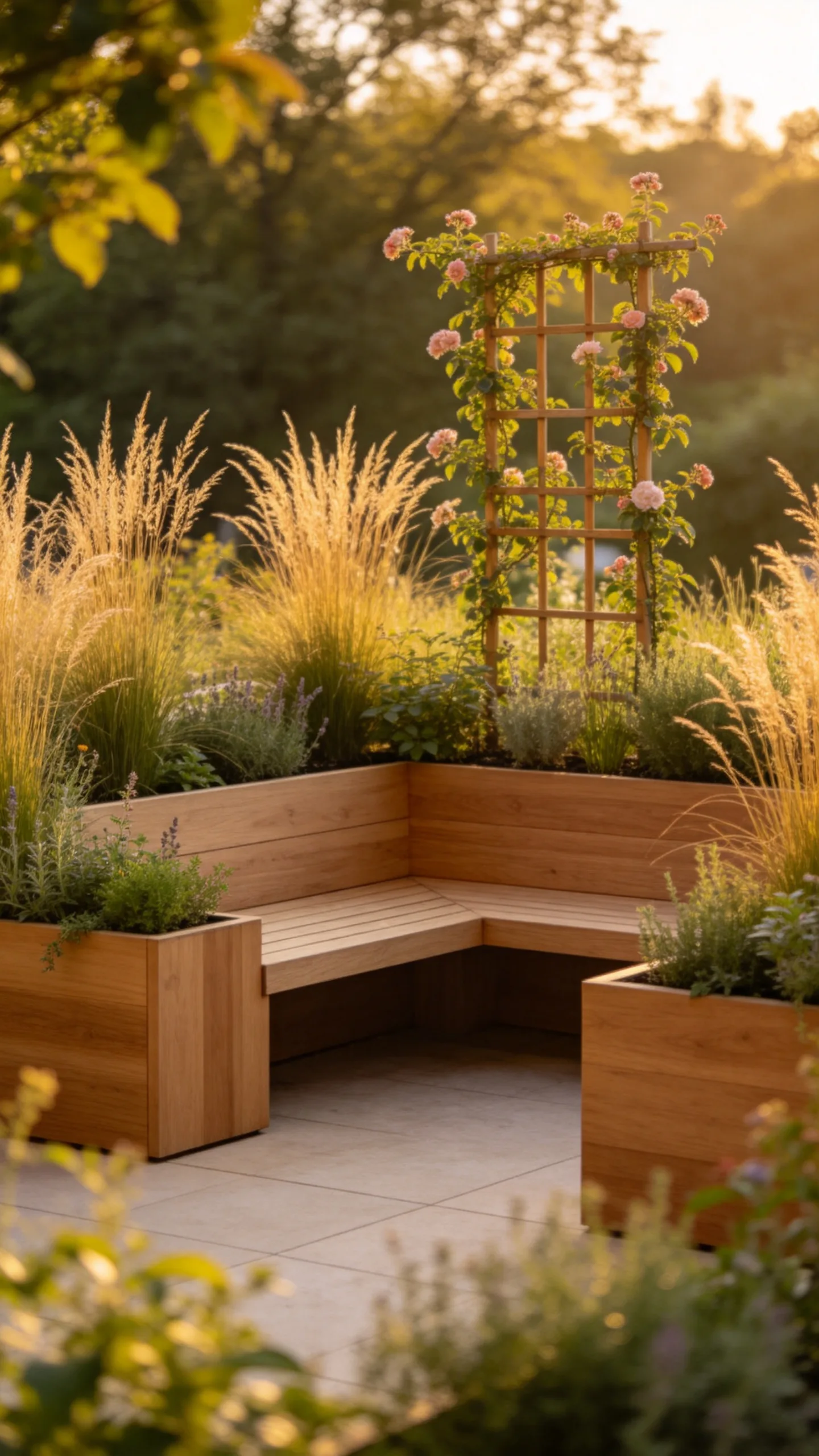
Combine seating and planting by adding deep planter boxes at one or both ends of a compact outdoor bench. The planters can hold ornamental grasses, herbs, flowers, or a small trellised vine while the bench provides a practical use for the same footprint.
Use a waterproof liner and protect the bench structure from constant soil moisture. Keep thorny or irritating plants away from seating, and choose root systems that will remain manageable in the available container depth.
24. Rooftop Garden with Wind-Resistant Containers
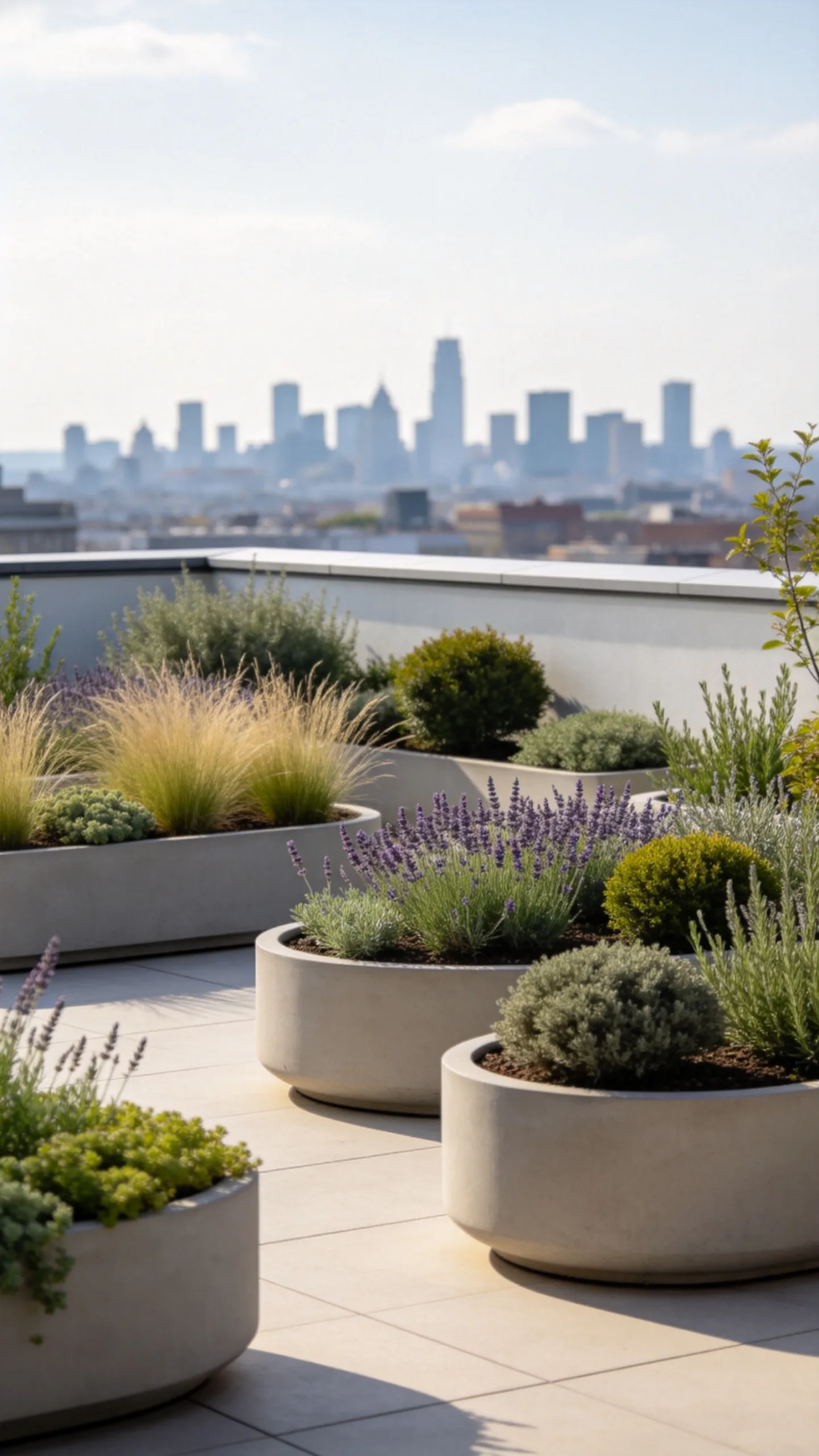
Arrange low, heavy containers on a rooftop with wind-tolerant plants such as sedum, dwarf grasses, lavender, rosemary, and compact shrubs suited to the local climate. Grouping pots in stable clusters reduces visual clutter and helps protect individual plants from strong gusts.
Check the building’s structural and waterproofing requirements before adding soil, water, or large planters. Use wind screens only where permitted, secure tall plants, and select containers with broad bases rather than narrow, top-heavy shapes.
25. Modular Garden Zones for Changing City Spaces
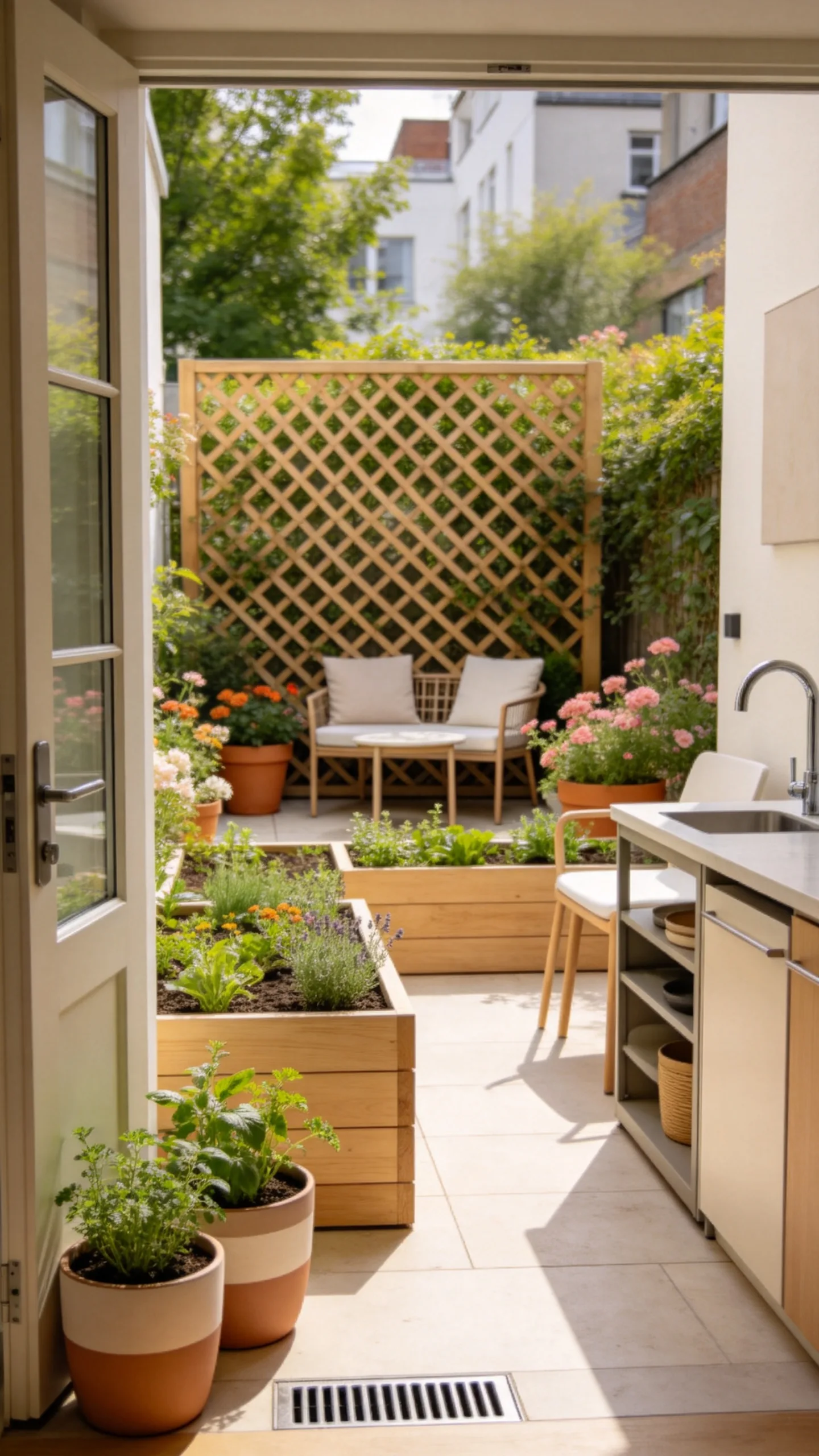
Divide a small urban garden into movable zones for cooking, relaxing, screening, and storage. A row of herb containers can sit near the door, a trellis can define the seating area, and compact flowering pots can soften the perimeter.
Use matching containers, rolling stands, and lightweight furniture so the layout can change with the seasons or a future move. Plan clear access to drains, faucets, doors, and storage before filling every available corner with plants.