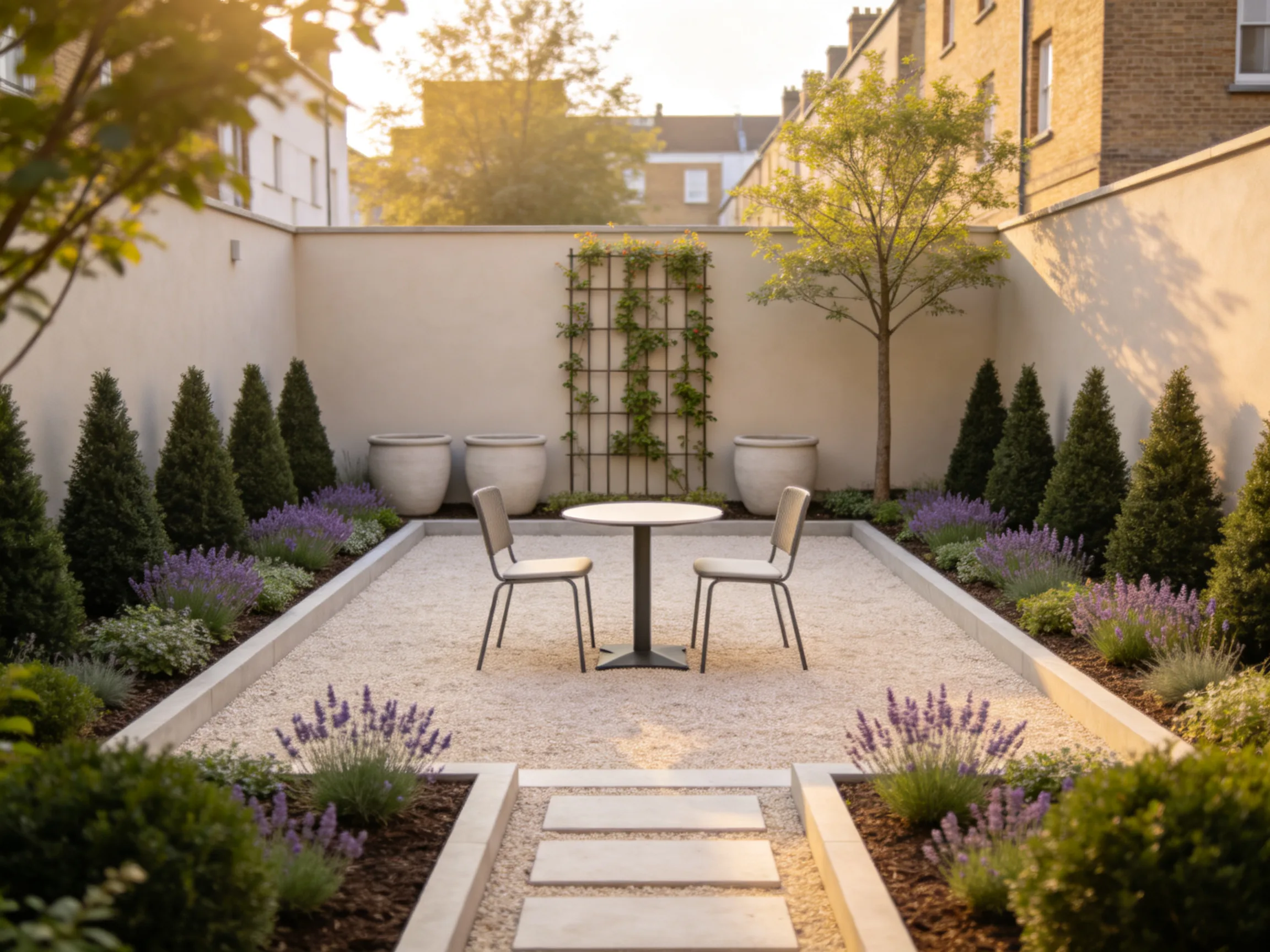
A compact yard can feel lush and inviting without requiring constant pruning, watering, and weeding. These small garden design ideas use simple layouts, durable materials, restrained plant palettes, and space-saving features to make everyday care easier. Choose plants suited to your local climate, soil, and light conditions for the most practical results.
1. Frame a Gravel Patio With Planted Borders
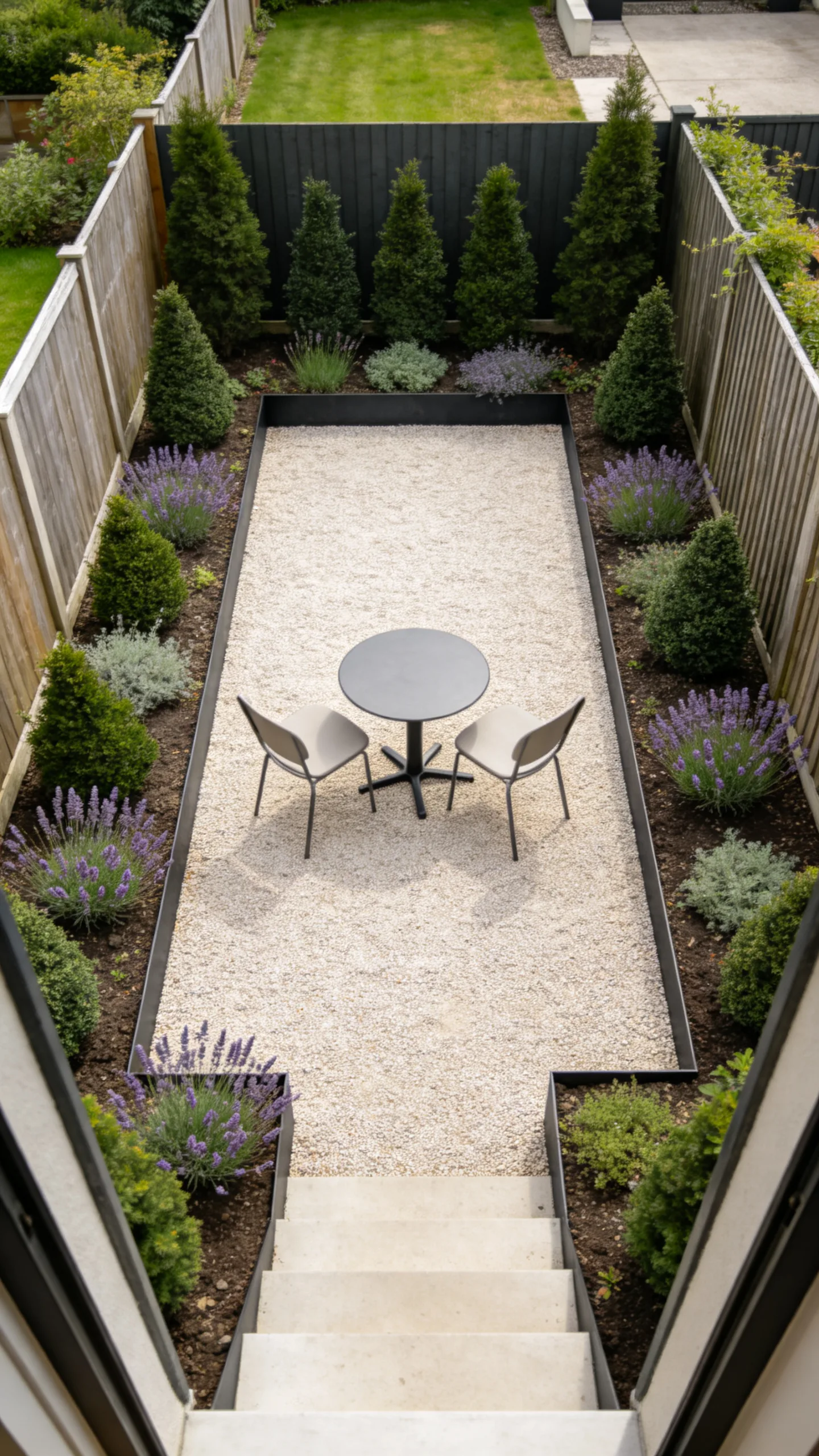
Turn the center of a small garden into a gravel patio, then reserve narrow beds around the perimeter for planting. Gravel is usually easier to install than paving, allows rainwater to drain, and creates a flexible surface for a café table, bench, or pair of lounge chairs.
Contain the gravel with steel, brick, stone, or recycled-plastic edging so it does not spread into the beds. Line the planting areas with a few compact shrubs and long-flowering perennials rather than many individual varieties. Installing landscape fabric beneath the seating area—not in the planting beds—can help keep the gravel from mixing with the soil.
2. Plant a Repeating Palette of Three Favorites
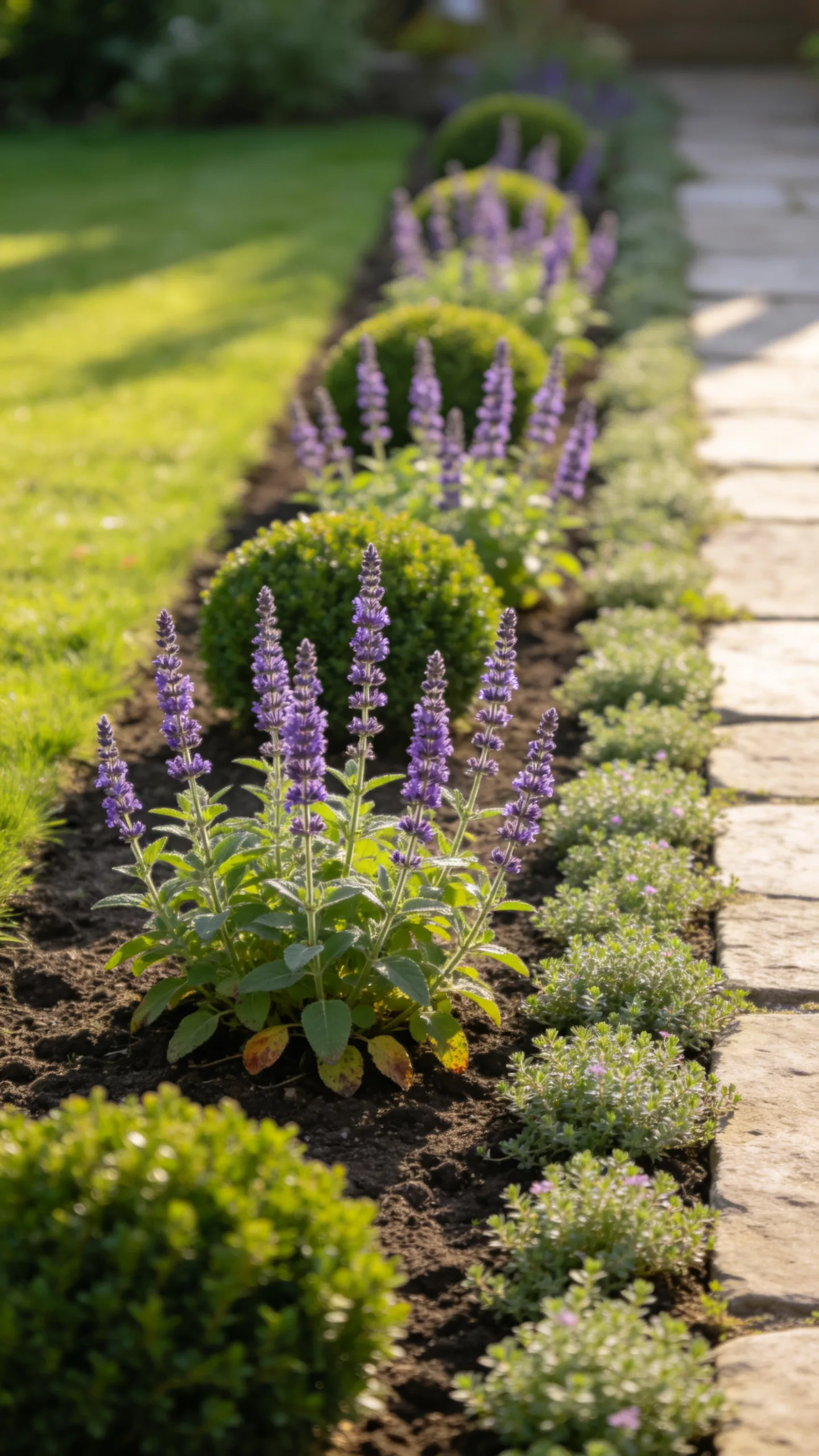
A limited plant palette makes a small garden look cohesive and reduces the number of different care routines you need to remember. Select one structural plant, one flowering perennial, and one ground cover that share similar light, soil, and watering requirements.
For a sunny bed, that combination might include a compact evergreen shrub, salvia, and creeping thyme where those plants are suitable. In shade, consider a small fern, heuchera, and a regionally appropriate shade-tolerant ground cover. Repeat the trio in groups instead of scattering one of everything around the garden.
3. Install a Narrow Raised Bed Along a Fence
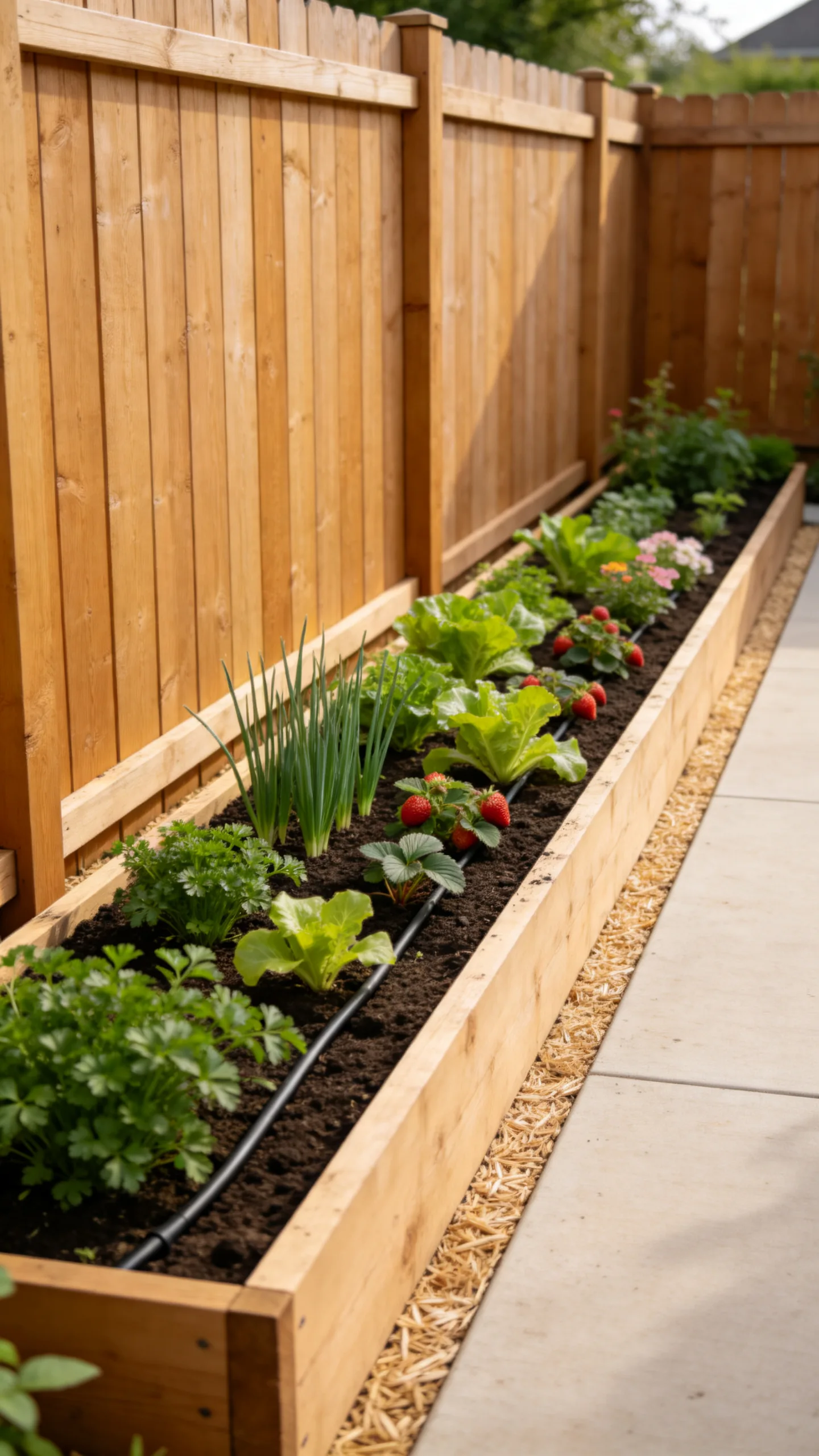
A raised bed measuring approximately 18 to 24 inches deep can fit along a fence without consuming the entire yard. Its defined shape keeps soil contained, reduces awkward corners, and brings plants slightly closer to a comfortable working height.
Fill the bed with a well-draining soil blend and grow compact herbs, salad greens, strawberries, or dwarf flowering plants. If the fence creates a rain shadow, add a drip line or soaker hose beneath the mulch. Use rot-resistant timber, masonry blocks, metal, or another material appropriate for your budget and climate.
4. Cover Bare Soil With Living Ground Covers
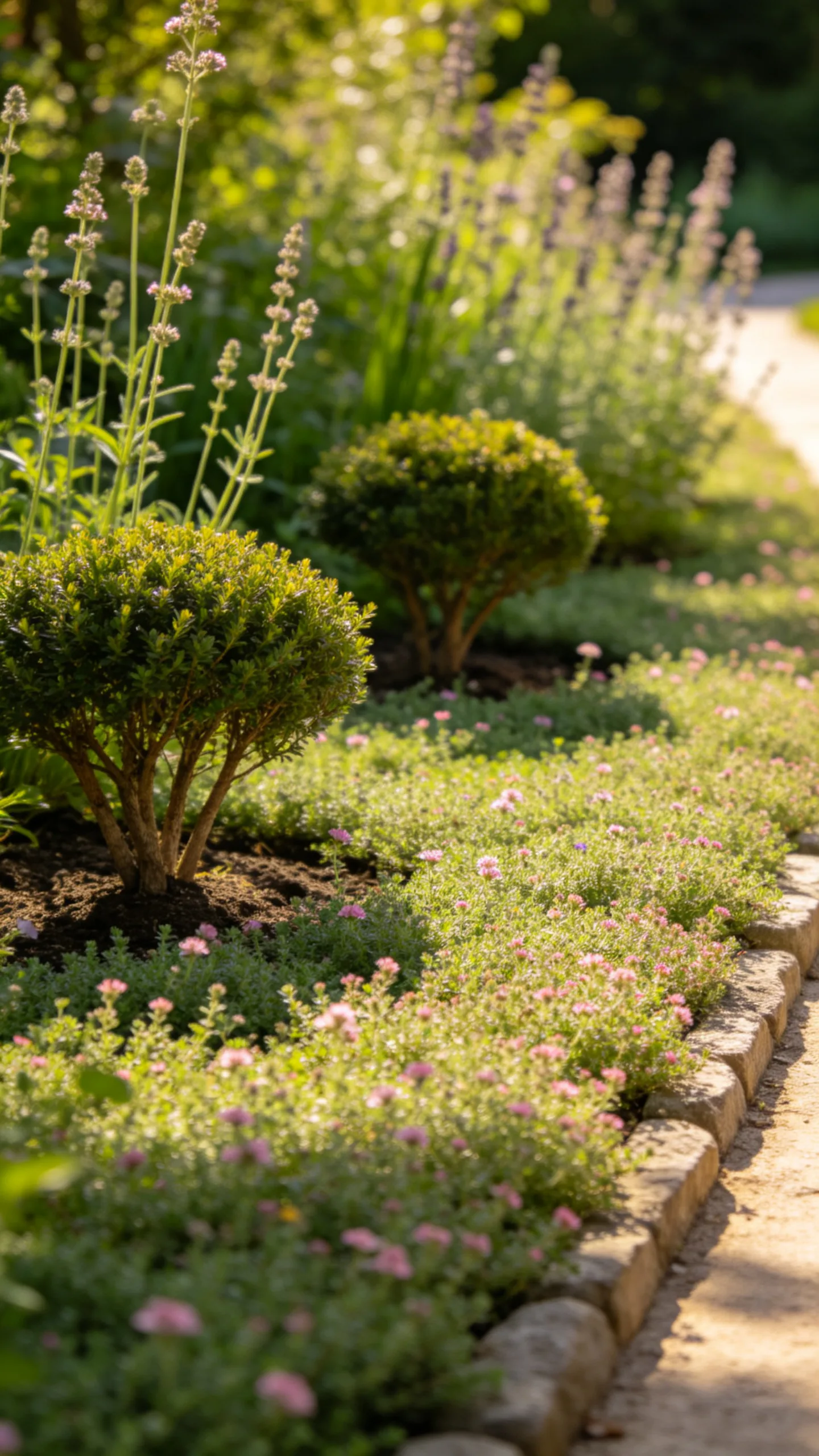
Low-growing plants can fill gaps between shrubs and perennials, reducing the amount of open soil where weeds can establish. They also soften hard edges and create a layered look without taking up much vertical space.
Match the ground cover to the site rather than choosing it for appearance alone. Creeping thyme works best in sunny, well-drained spots, while wild ginger or certain sedges may suit shaded areas, depending on your region. Avoid species considered invasive locally, and space plants according to their mature spread so they can eventually form a continuous carpet.
5. Build a Vertical Garden With Modular Planters
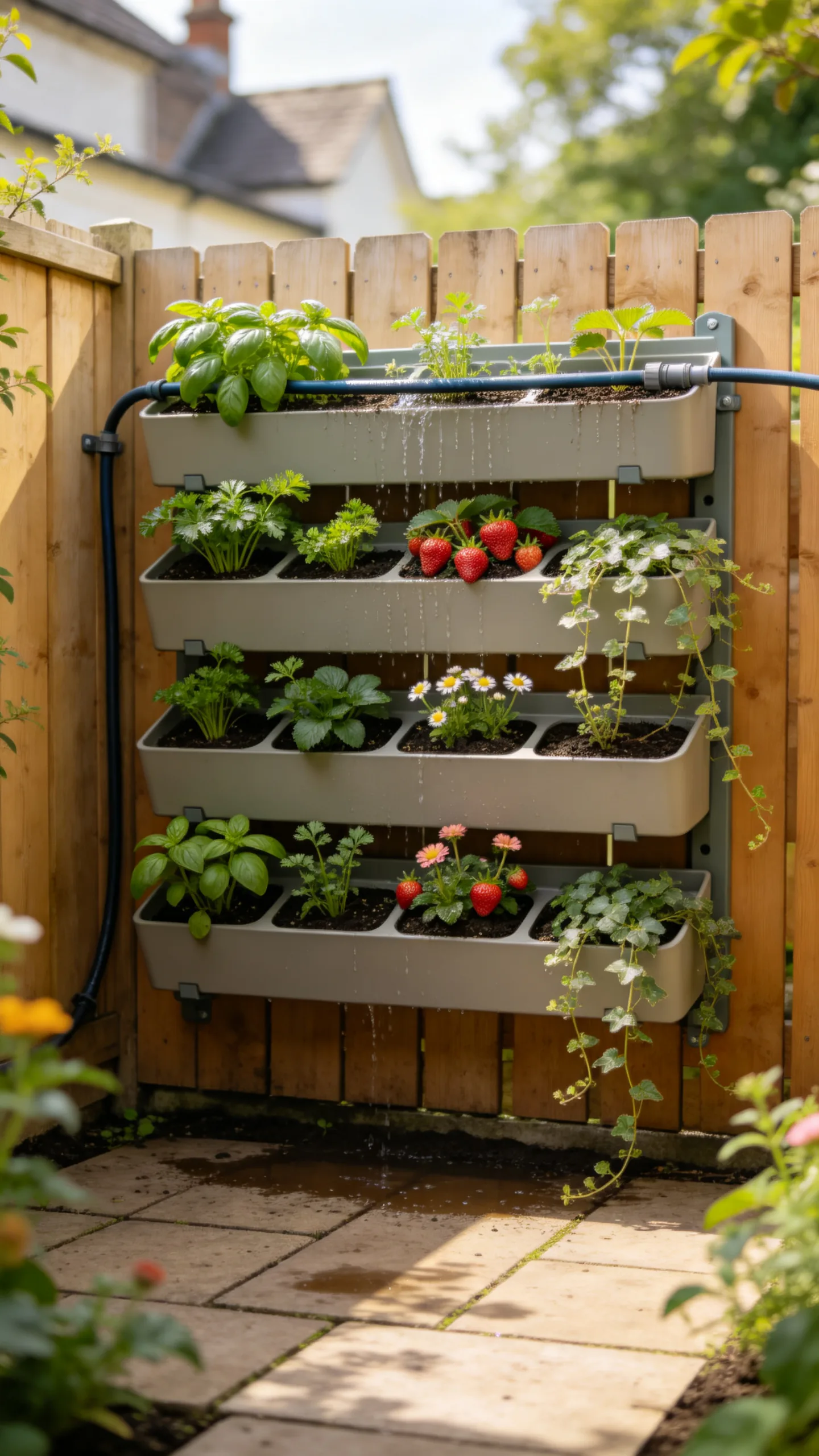
Use a sunny wall, sturdy fence, or freestanding frame to hold stackable pots, wall pockets, or modular planting boxes. Vertical planting keeps the ground open while providing room for herbs, compact flowers, strawberries, or trailing foliage.
Choose containers with drainage holes and position thirsty plants where runoff from upper pots can reach them. A simple drip-irrigation tube across the top row can make watering more consistent. Confirm that the support can safely carry the weight of wet compost and mature plants before filling the planters.
6. Create a Mulched Shrub Border
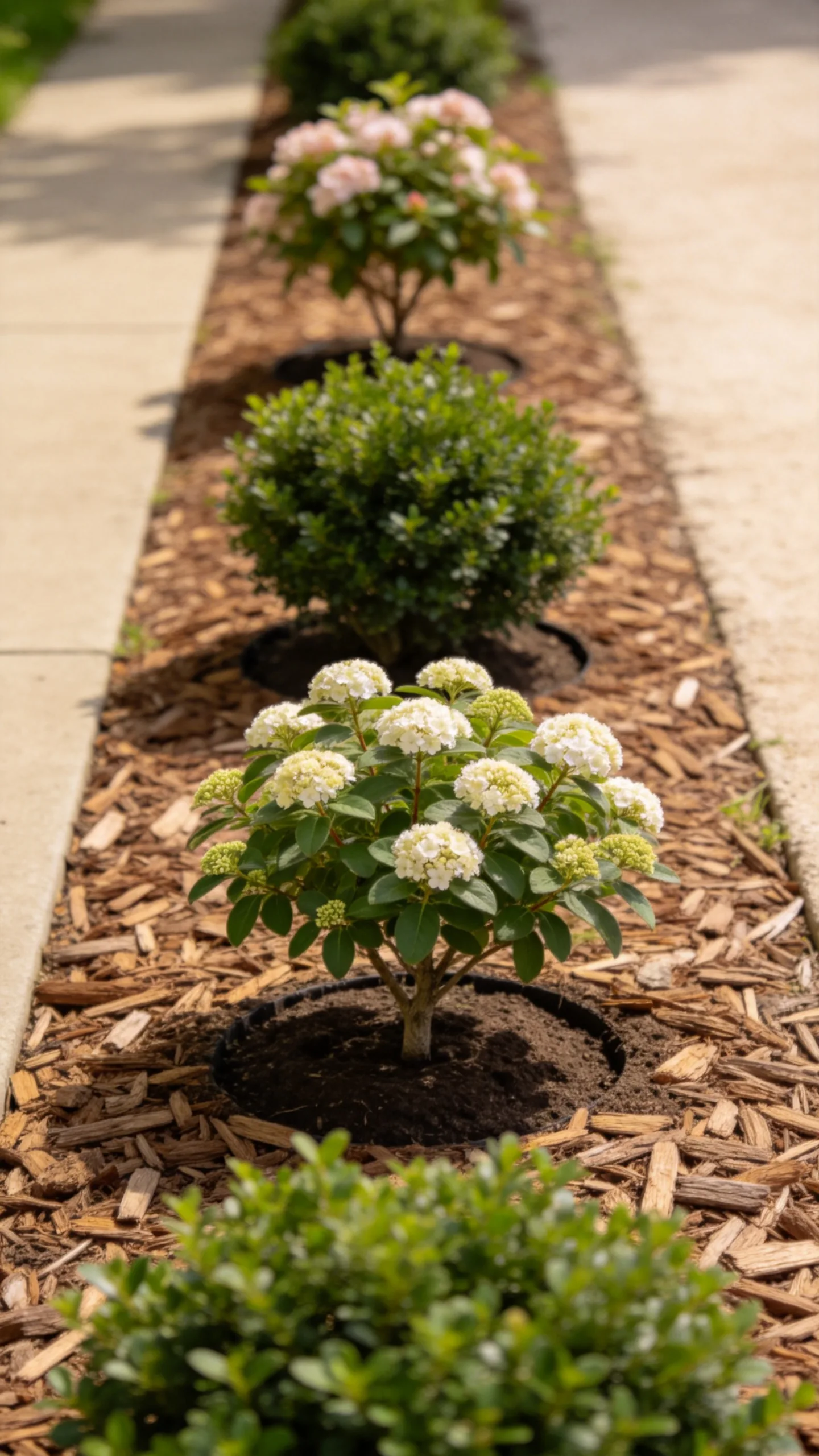
A border built primarily from compact shrubs can offer shape and seasonal interest with less frequent dividing and staking than many perennial-heavy beds. Combine a few evergreen forms with one or two flowering or foliage-focused shrubs that stay within the available width.
Leave enough room for each plant’s mature size, then cover exposed soil with two to three inches of bark, wood chips, or leaf mulch. Keep mulch away from stems and trunks to prevent moisture buildup against the bark. Once established, climate-appropriate shrubs may need less supplemental watering than plants poorly matched to the site.
7. Use Oversized Pots Instead of Many Small Containers
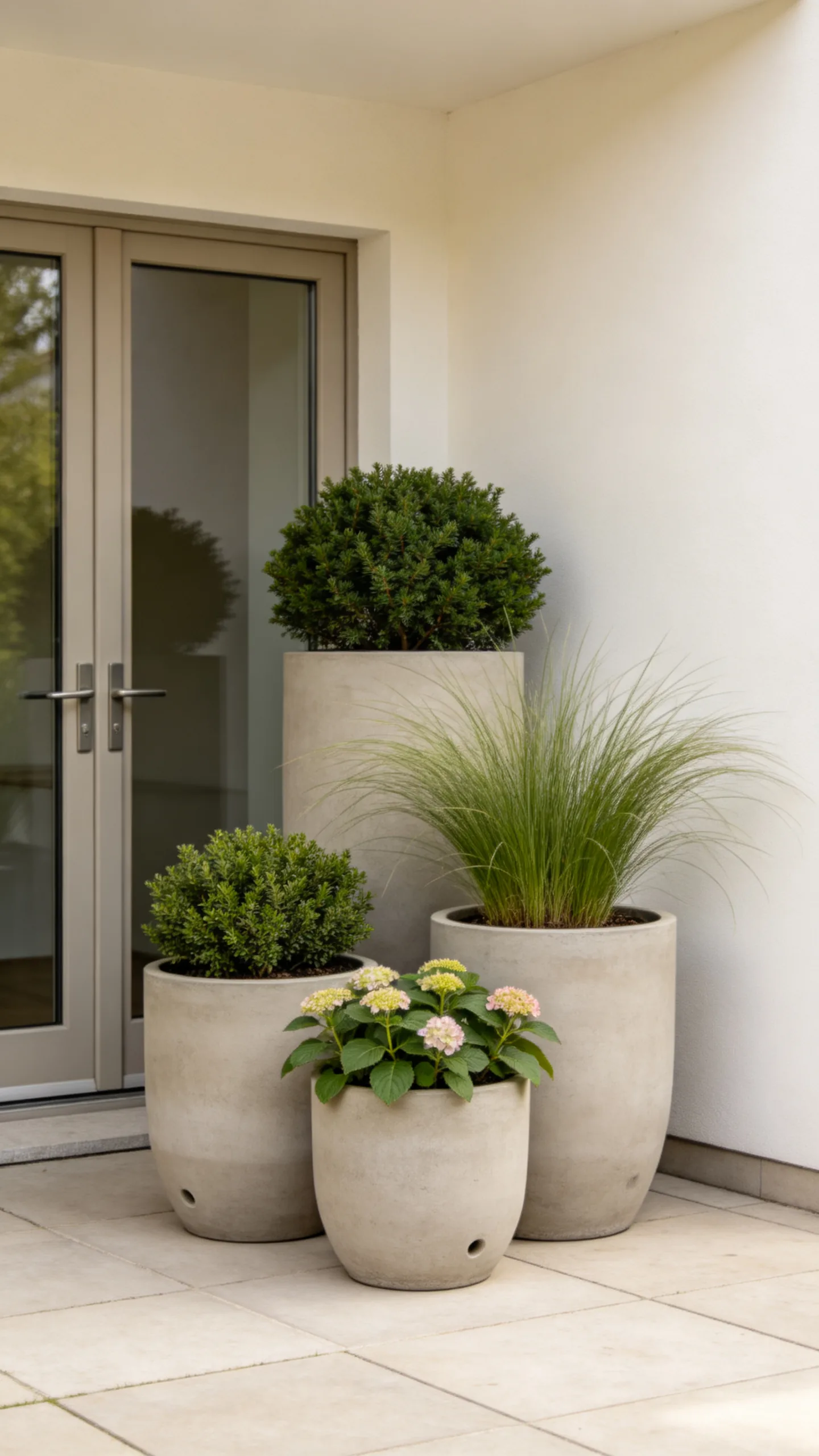
Three substantial containers generally create a calmer design and simpler watering routine than a collection of tiny pots. Place them near a doorway, along the edge of a patio, or at the end of a short path to create clear focal points.
Use frost-resistant containers if they will remain outside through cold winters. Fill each one with a compact shrub, ornamental grass, hardy perennial, or small evergreen suited to container culture. Larger volumes of potting mix dry out more slowly, but drainage holes are still essential.
8. Add a Slim Trellis for Climbing Plants
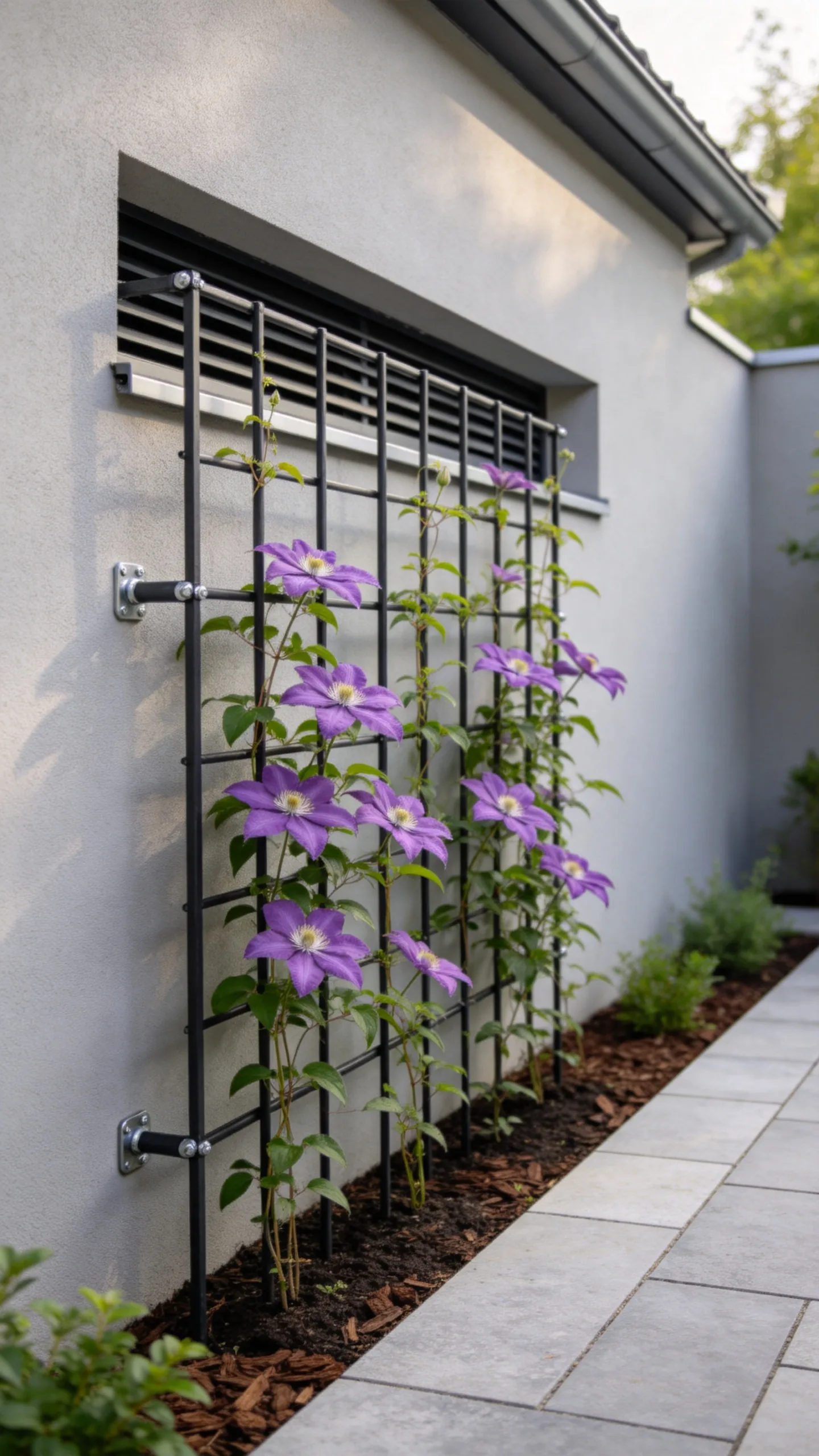
A narrow trellis brings flowers or foliage upward without using valuable bed space. Fix one to a wall with an air gap behind it, attach it securely to a fence, or install a freestanding panel as a garden divider.
Select a climber that fits the support and your maintenance preferences. Compact clematis, annual black-eyed Susan vine, climbing nasturtium, or a restrained climbing rose may work in suitable conditions. Avoid vigorous vines near gutters, siding, or small structures unless you are prepared for regular pruning.
9. Design a One-Tree Courtyard Garden
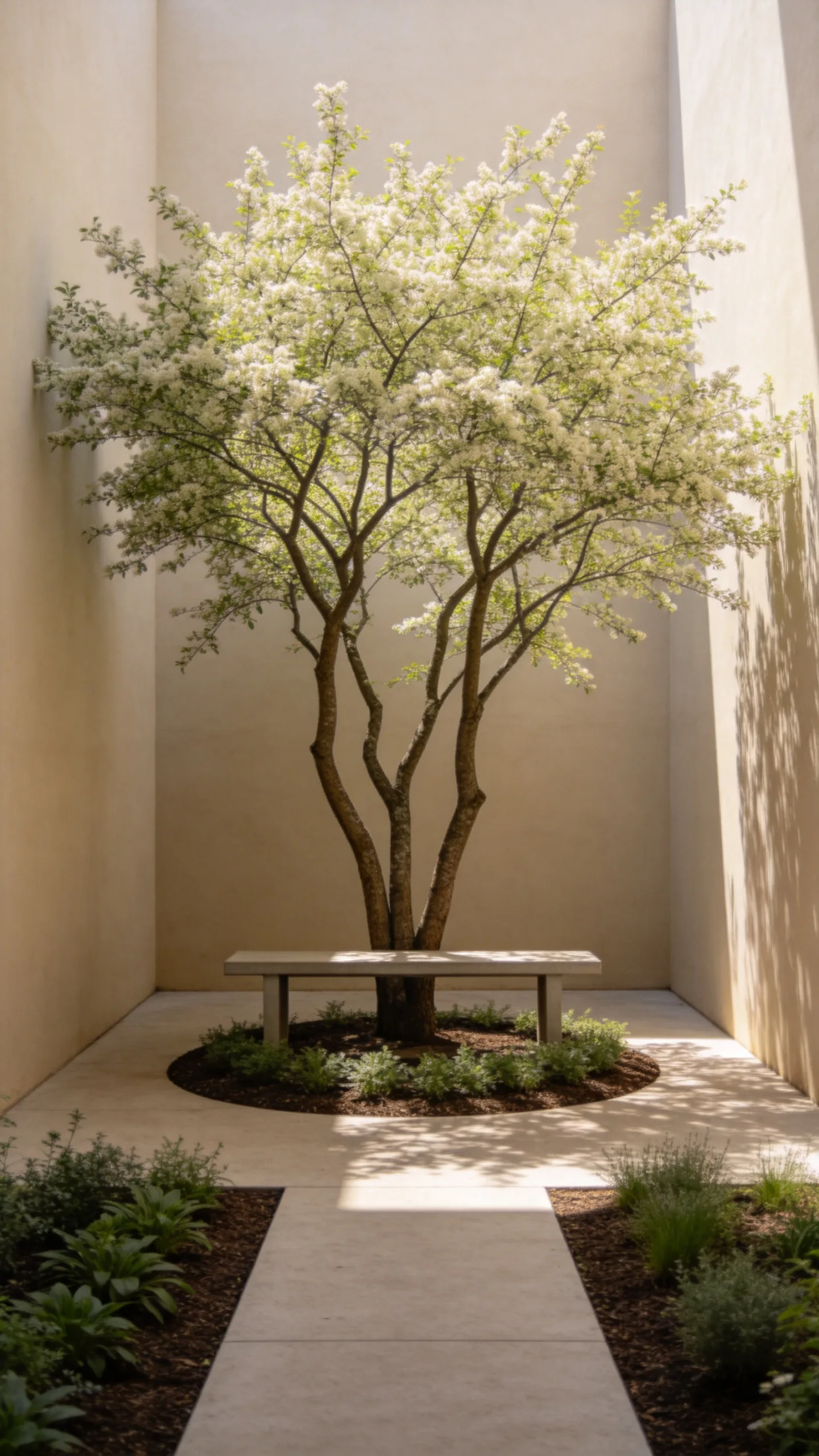
One carefully positioned small tree can provide more visual impact than several crowded shrubs. Place it where the canopy can frame a seating area, add light shade, or screen an overlooking window without blocking the main route through the garden.
Look for a tree with a mature height and width appropriate to the site, not merely a small specimen at the nursery. Multi-stem serviceberry, compact Japanese maple, dwarf crabapple, or another locally suitable tree can work, depending on climate and light. Underplant it with mulch or a simple ground cover rather than creating a complicated mixed border.
10. Replace a Tiny Lawn With Paving and Planting Pockets
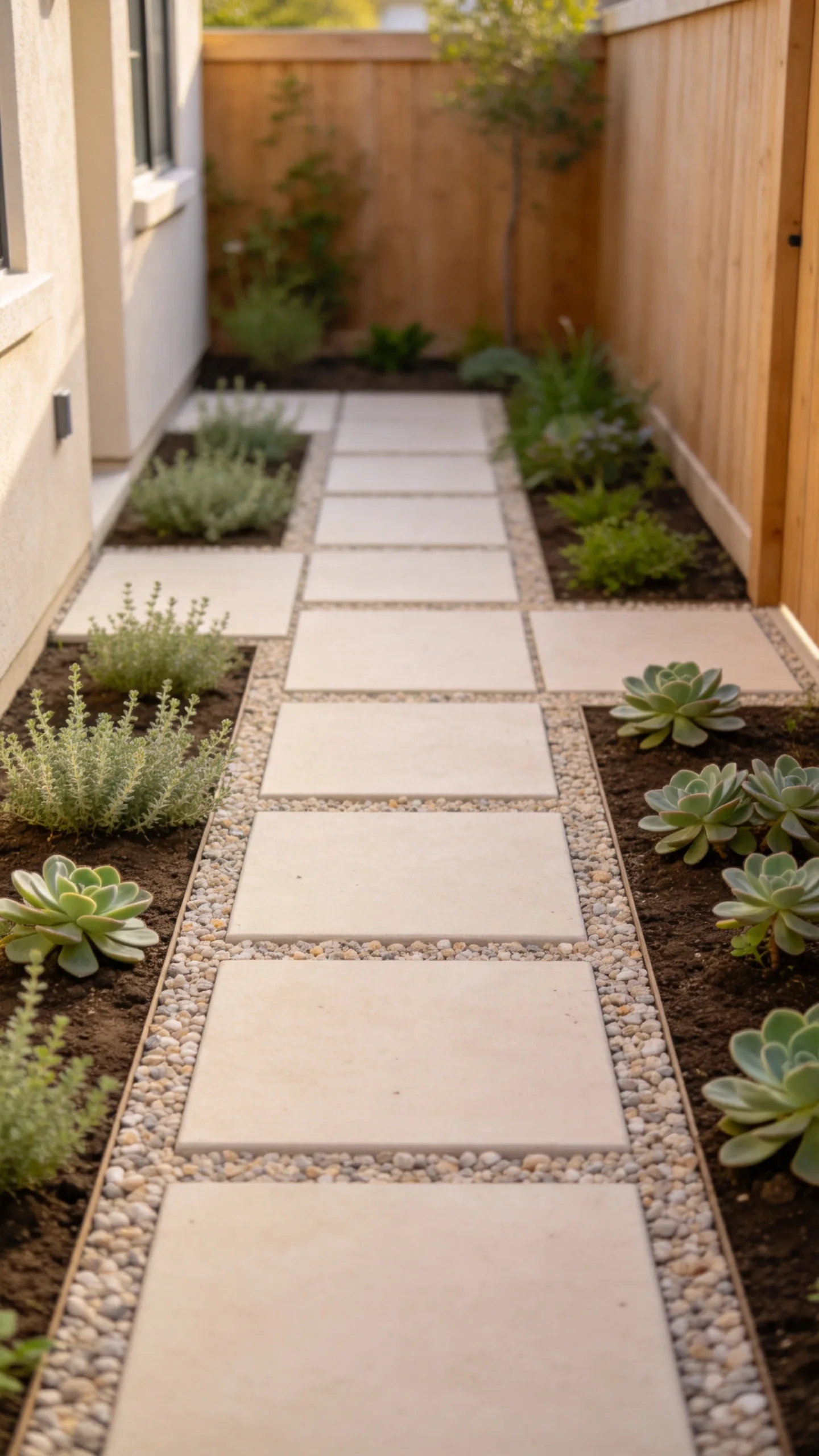
Very small lawns can be difficult to mow and may need frequent edging, feeding, or watering. Replace an impractical patch with permeable pavers, gravel, or stepping stones, leaving pockets for low-growing plants.
Set the hardscape on a properly prepared base to reduce shifting and weeds. Plant the gaps only where there is enough soil and moisture for roots; creeping thyme, low sedums, or other foot-traffic-tolerant plants may suit sunny areas. Keep the primary walking line clear so the space remains comfortable to use.
11. Edge Beds With Brick or Steel Strips
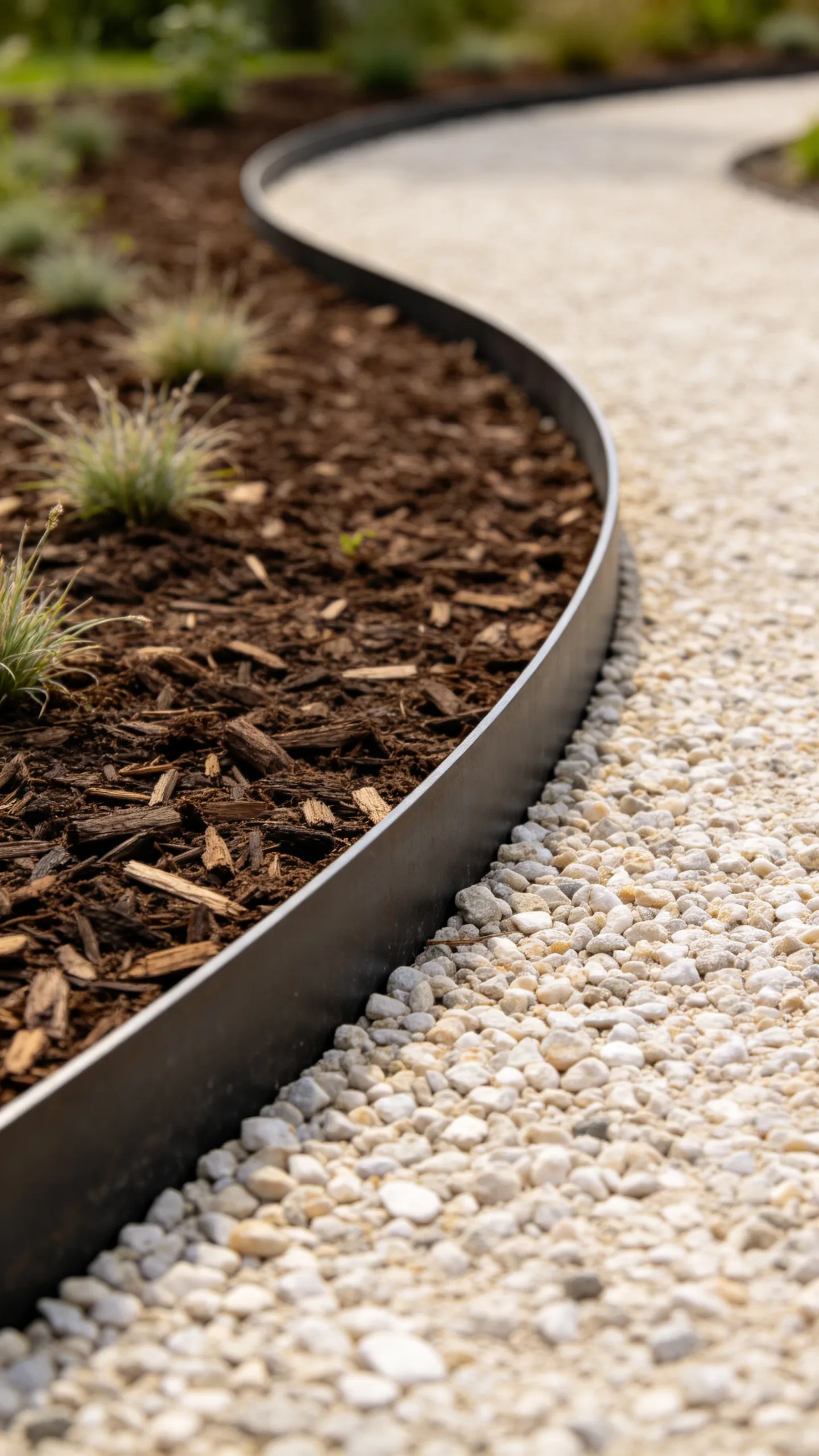
Crisp edging separates soil and mulch from paths, gravel, or lawn. This small structural detail makes a compact garden feel orderly and reduces the need to redefine bed lines throughout the growing season.
Lay bricks level with the surrounding surface for an easy mowing edge, or use slim steel edging where you want a nearly invisible boundary. Create broad, simple curves rather than intricate scallops, which take longer to trim and maintain. Check the edging once or twice a year for movement caused by roots or frost.
12. Fill a Sunny Corner With Drought-Tolerant Plants
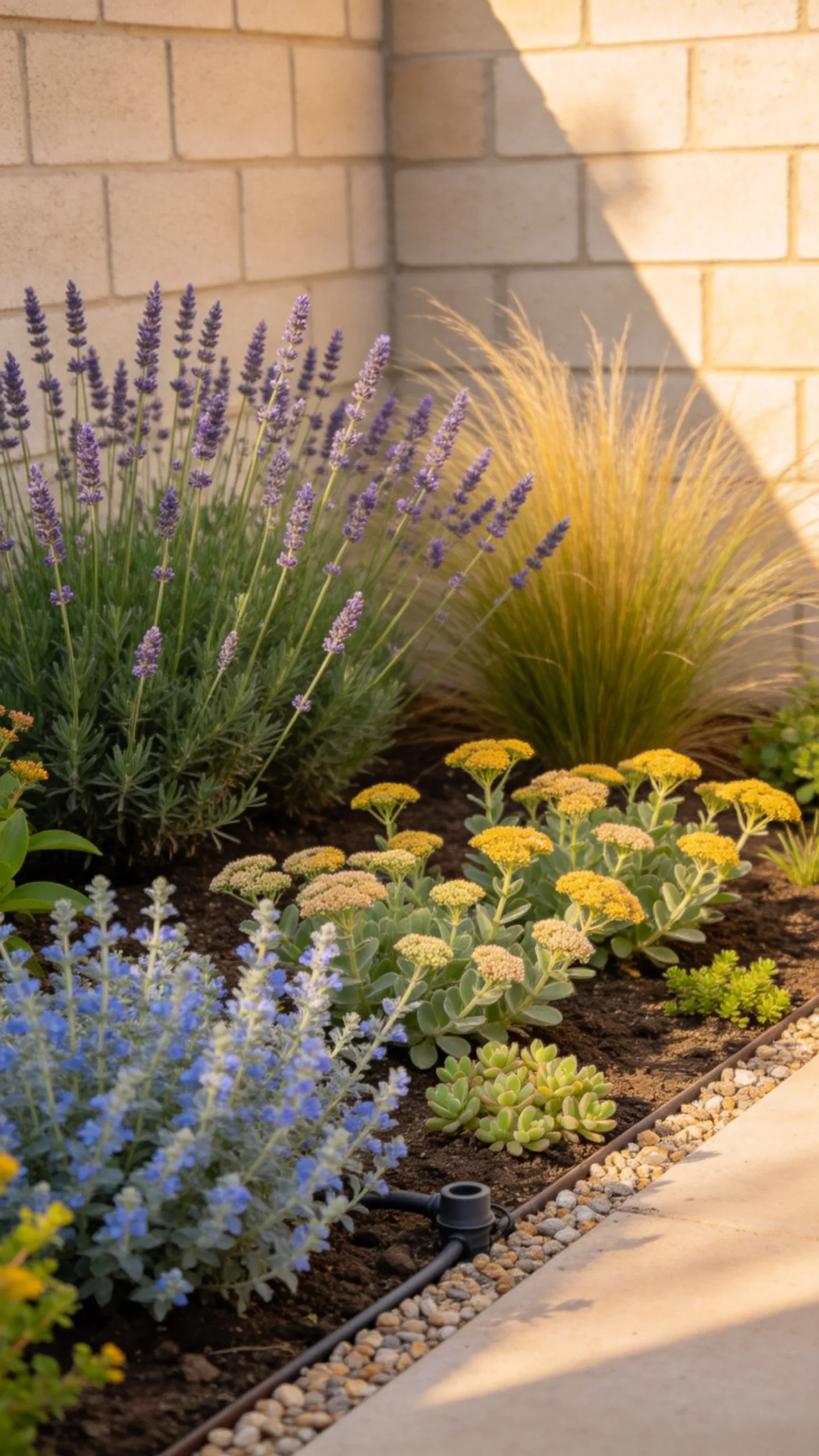
A hot corner beside a wall or paved area is often better suited to drought-tolerant planting than to moisture-loving flowers. Use plants such as lavender, catmint, yarrow, salvia, sedum, or compact ornamental grasses where they are hardy and noninvasive.
Improve drainage before planting if the soil remains wet, since many drought-tolerant plants dislike waterlogged roots. Group plants with similar watering needs and provide regular moisture during establishment. Drought tolerance usually develops after roots are established; it does not mean a new planting can be left unwatered.
13. Make a Shaded Fern and Foliage Bed
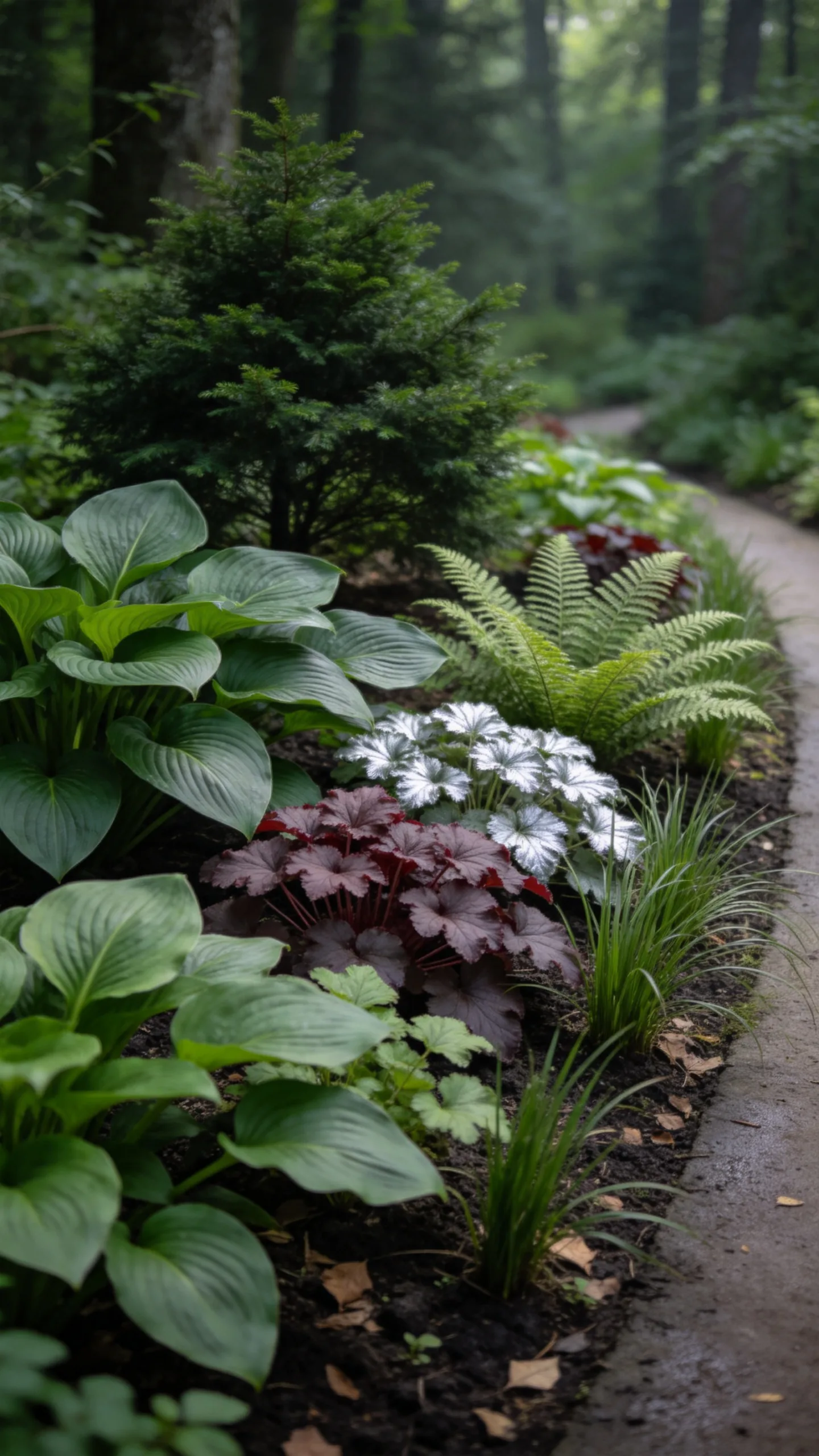
A shaded garden does not need constant seasonal color to look interesting. Combine contrasting leaf shapes using regionally suitable ferns, heucheras, hostas, sedges, or compact evergreen shrubs.
Arrange larger leaves toward the back and finer textures near the path to create depth. Apply leaf mold or compost to support moisture-retentive soil, then mulch between plants. In areas with slug or deer pressure, prioritize resistant varieties or use physical protection rather than planting a bed that will require frequent intervention.
14. Lay a Stepping-Stone Path Through Planting
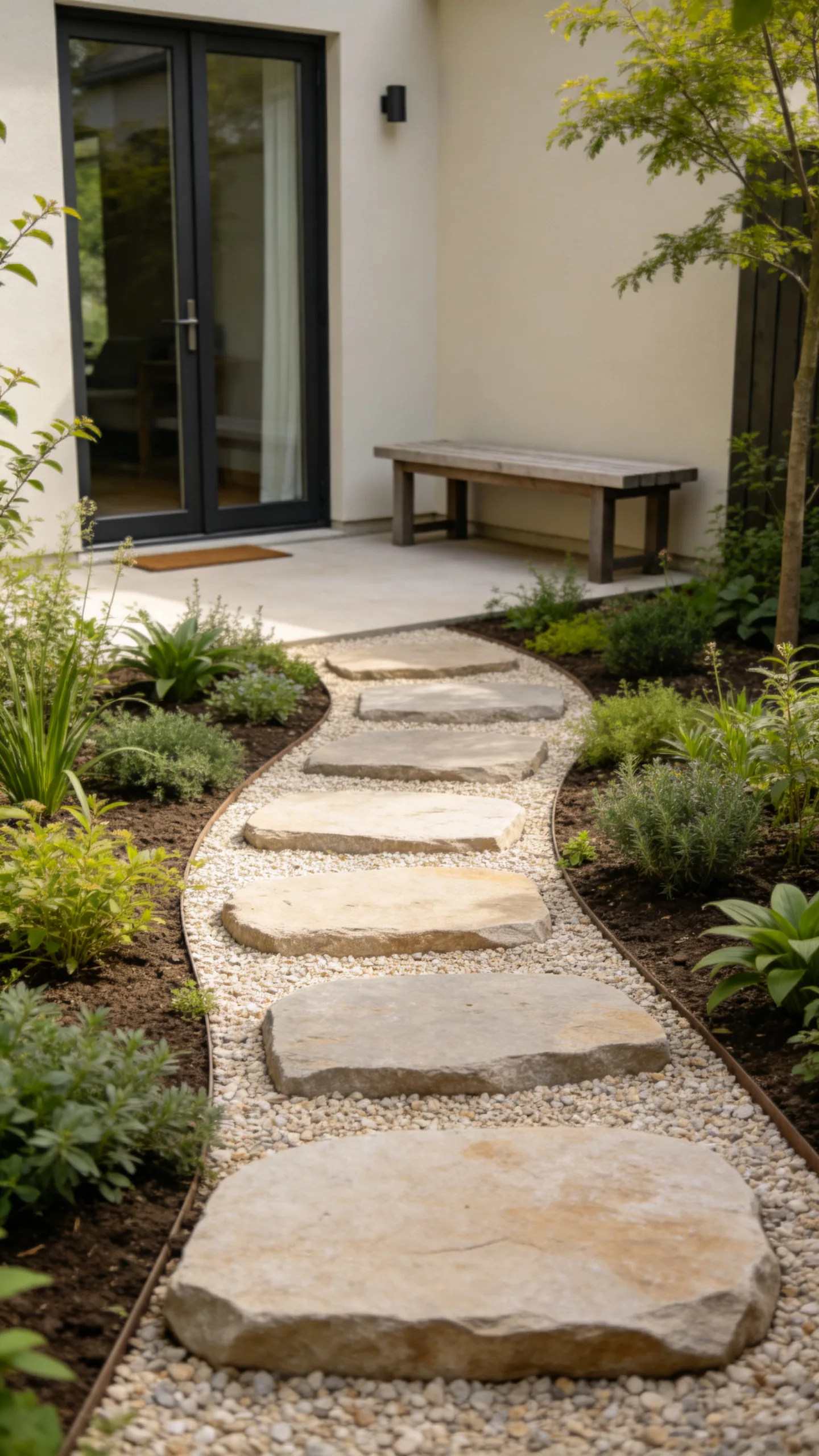
A short stepping-stone path provides access without dividing a small garden with a wide paved walkway. Set stones through ground cover, gravel, or mulch to connect a door, shed, bench, or raised bed.
Test the spacing by walking the route before permanently setting the stones. Each piece should sit firmly on a prepared base and remain level to reduce tripping hazards. Keep vigorous plants away from the center of the path so they do not need constant cutting back.
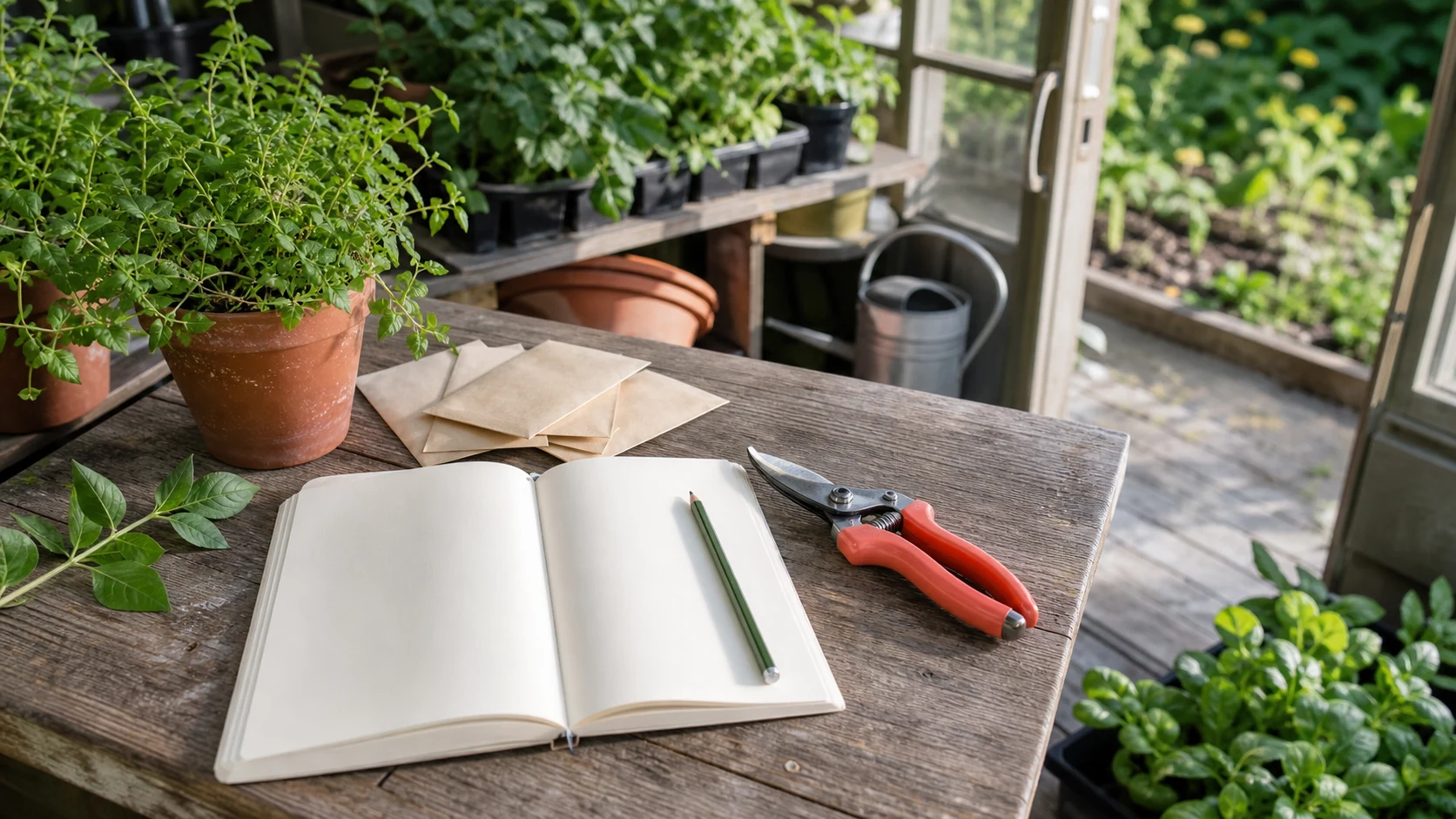
15. Grow Herbs in a Tiered Planter
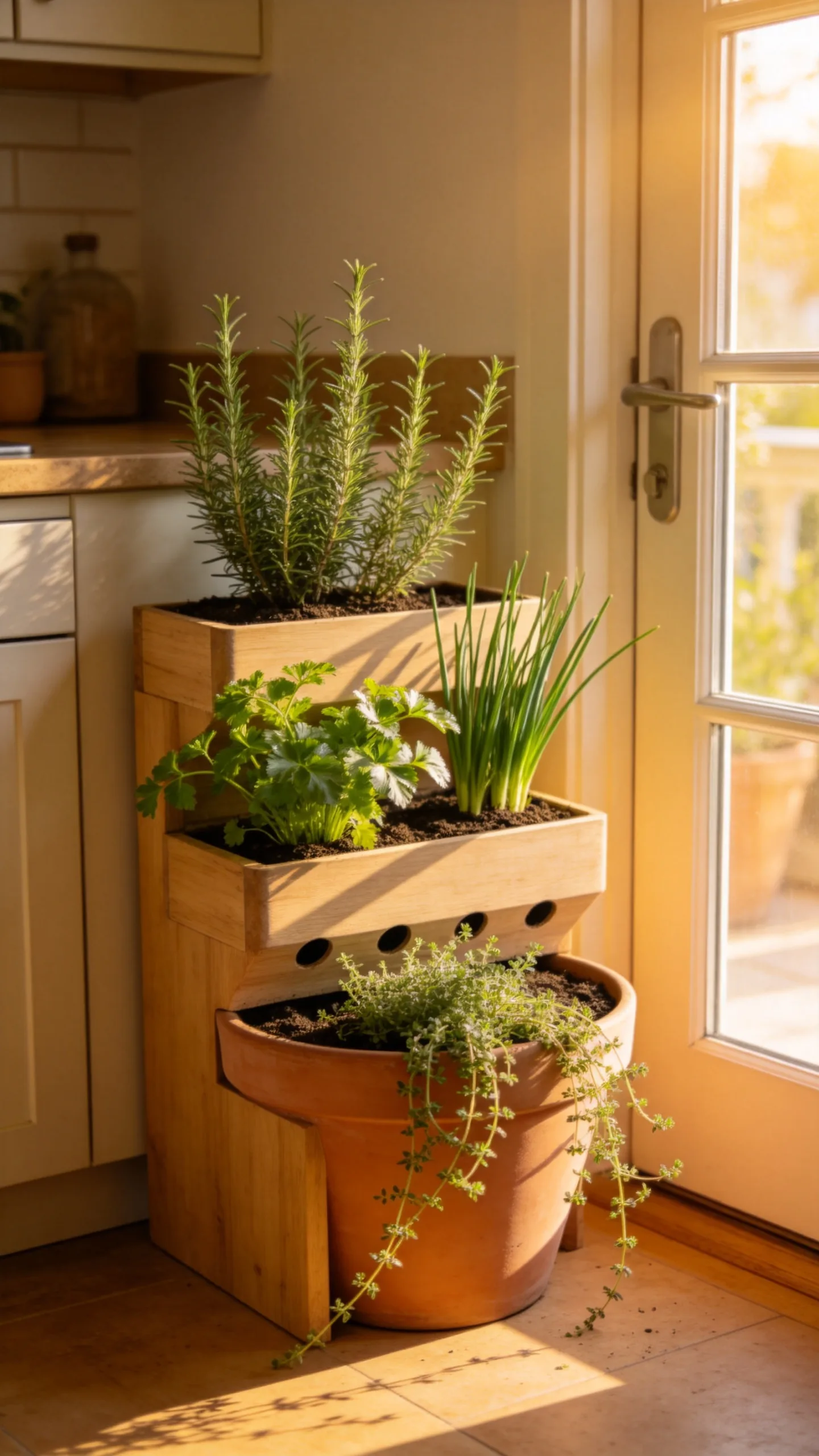
A tiered planter fits several useful crops into a footprint similar to one large pot. Place rosemary or another upright herb at the back, parsley and chives in the middle, and trailing thyme near the lower edge, adjusting the selection for your climate and available light.
Group herbs according to moisture needs. Mediterranean herbs generally prefer sharper drainage and less water than basil, parsley, or mint. Keep mint in its own container to prevent spreading, and position the planter near the kitchen so harvesting and watering are easy to remember.
16. Plant Ornamental Grasses in Simple Clumps
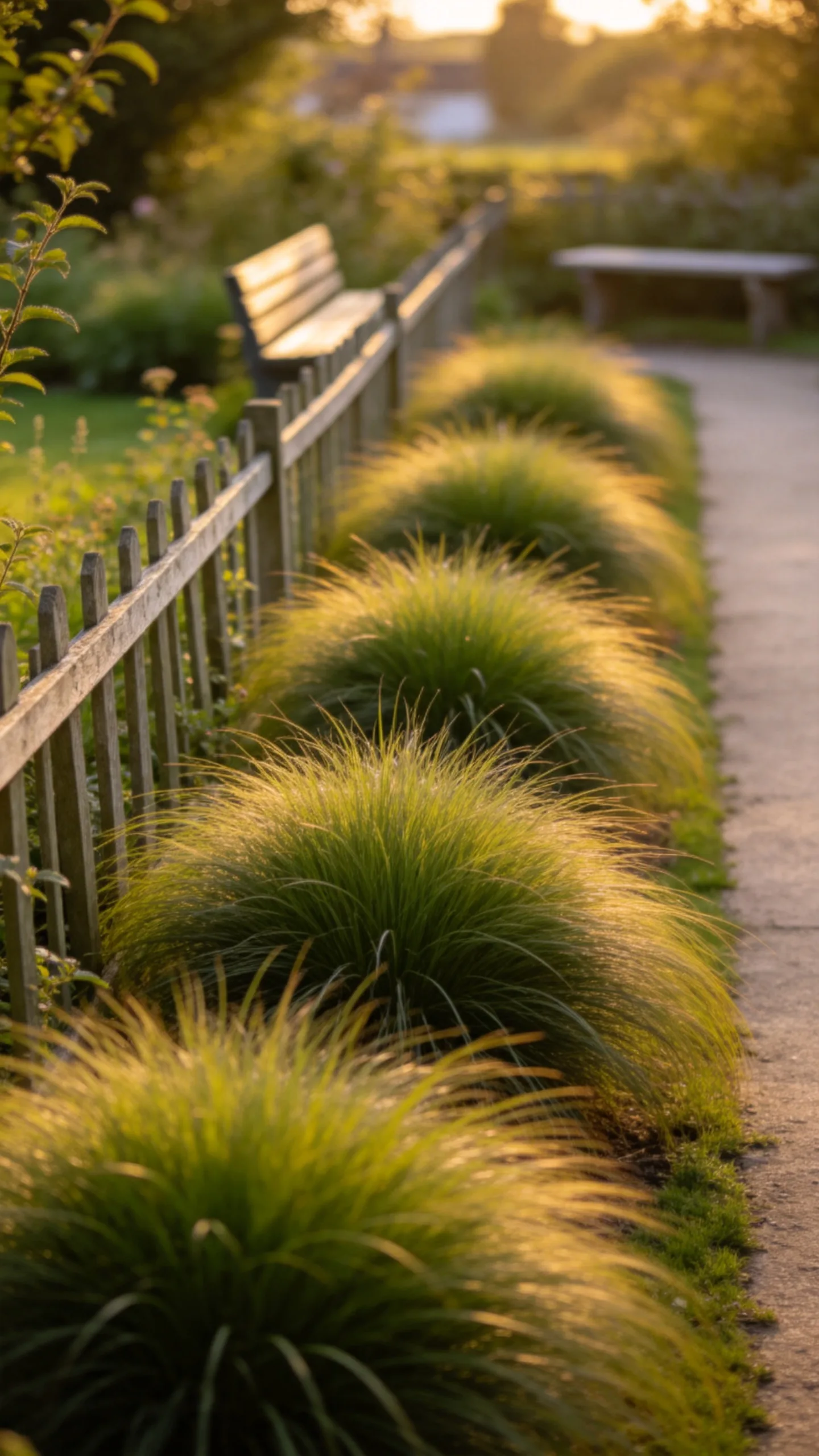
Compact ornamental grasses add movement, fine texture, and height without requiring an elaborate planting scheme. Use one variety in repeated clumps beside a path, along a fence, or around a simple bench.
Choose noninvasive, clump-forming grasses that fit the garden at maturity. Many need only one annual cutback, although timing depends on whether the variety is evergreen or deciduous. Avoid planting grasses where their arching leaves will spill across narrow walkways.
17. Screen a Boundary With a Pleached or Espaliered Plant
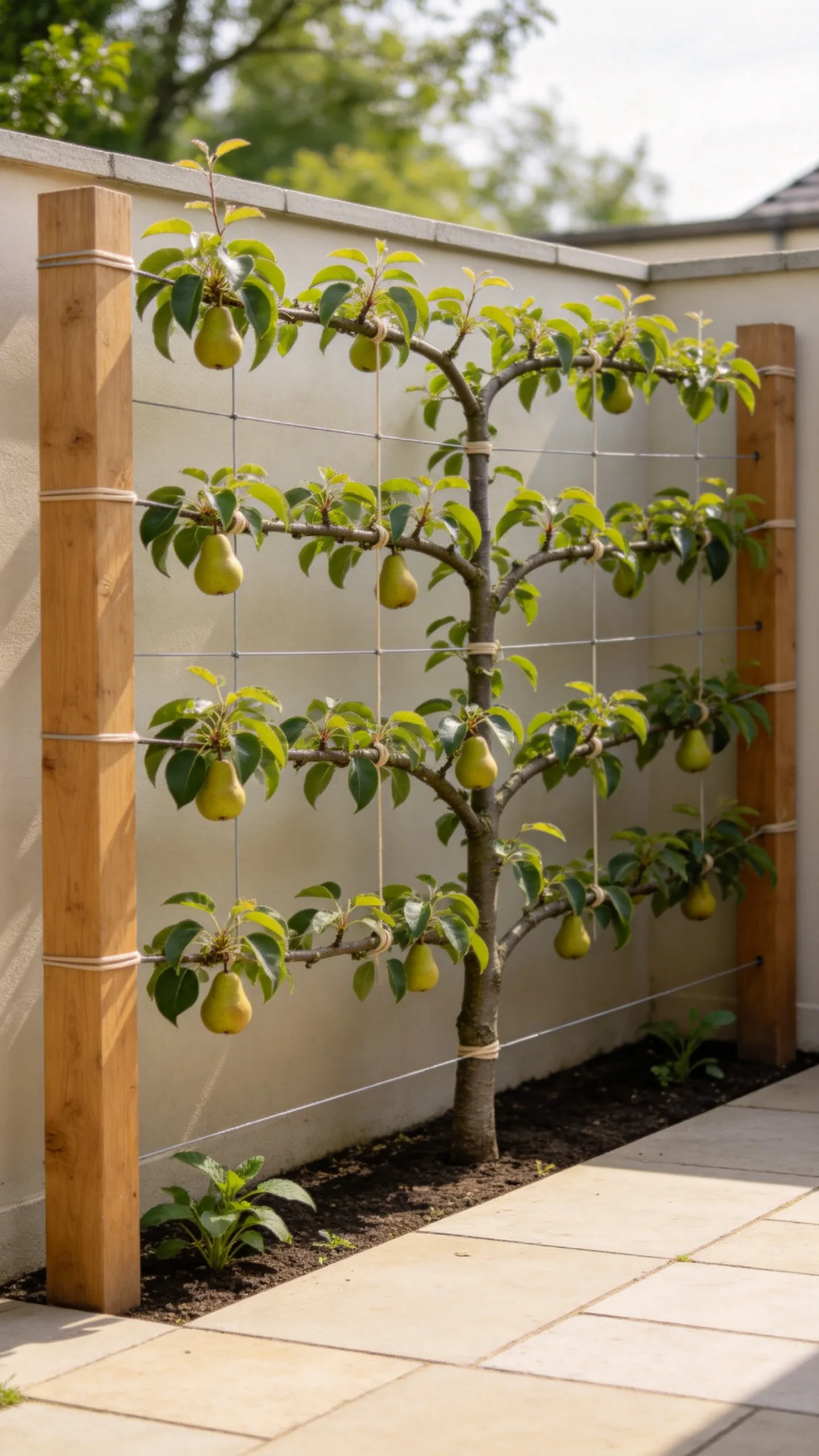
A pleached tree line or espaliered fruit tree creates privacy and greenery in a shallow strip. The branches are trained along a framework, making this approach useful where a conventional hedge would become too wide.
Install strong posts and horizontal wires before planting. Apples, pears, hornbeam, and certain other woody plants can be trained this way in appropriate climates. This design requires scheduled pruning and tying, but it keeps growth organized and may demand less space than repeatedly cutting back an oversized hedge.
18. Add Drip Irrigation Beneath the Mulch
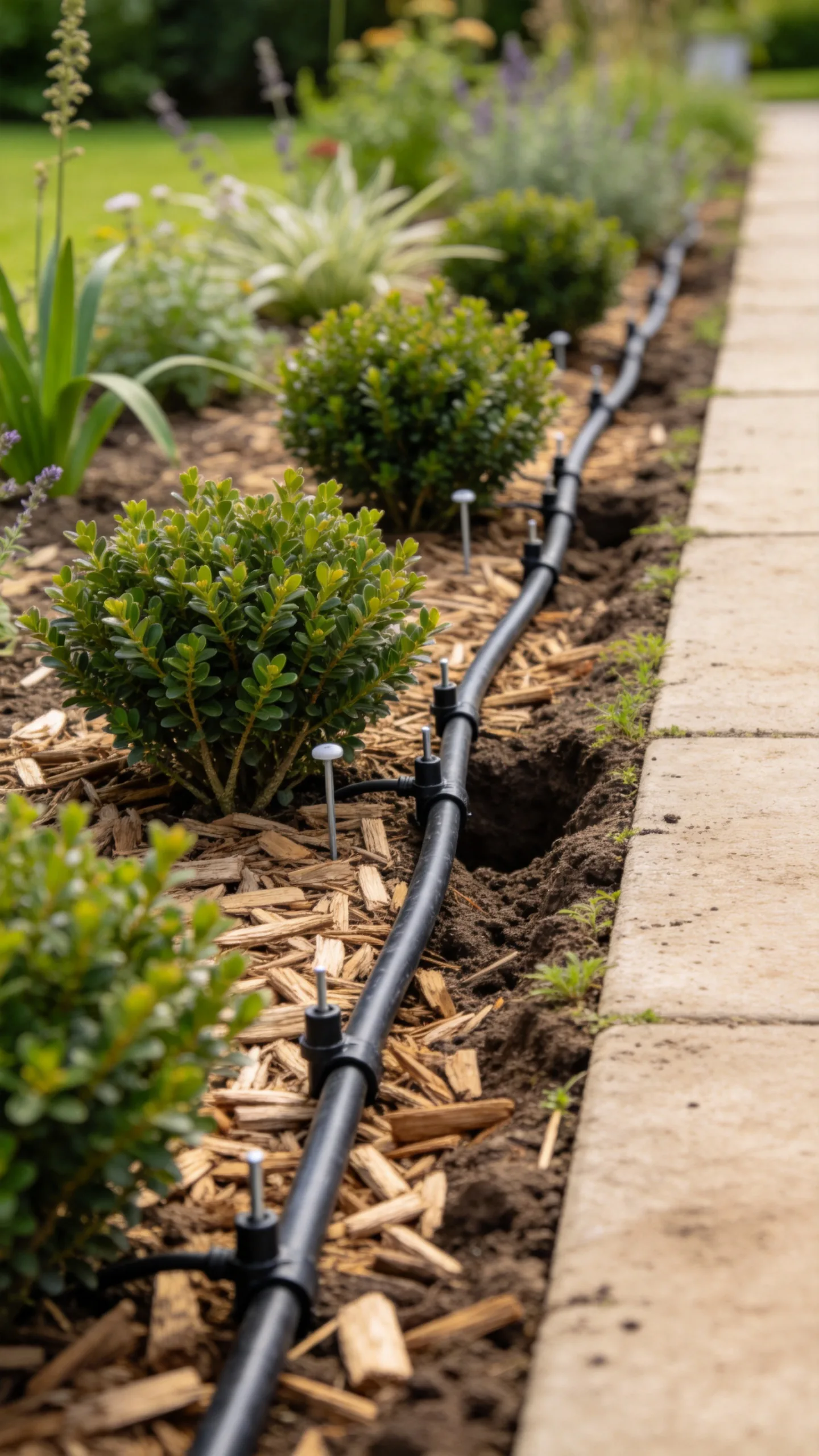
A drip line or soaker hose delivers water directly to the root zone instead of spraying paths, walls, and foliage. It is particularly useful in narrow beds, raised planters, and groups of large containers.
Lay the line before applying mulch, secure it with irrigation pins, and connect it to a timer if local water rules permit. Adjust the schedule for rainfall, season, soil type, and plant establishment rather than running it automatically all year. Inspect emitters periodically for blockages or leaks.
19. Turn an Awkward Corner Into a Bench Nook
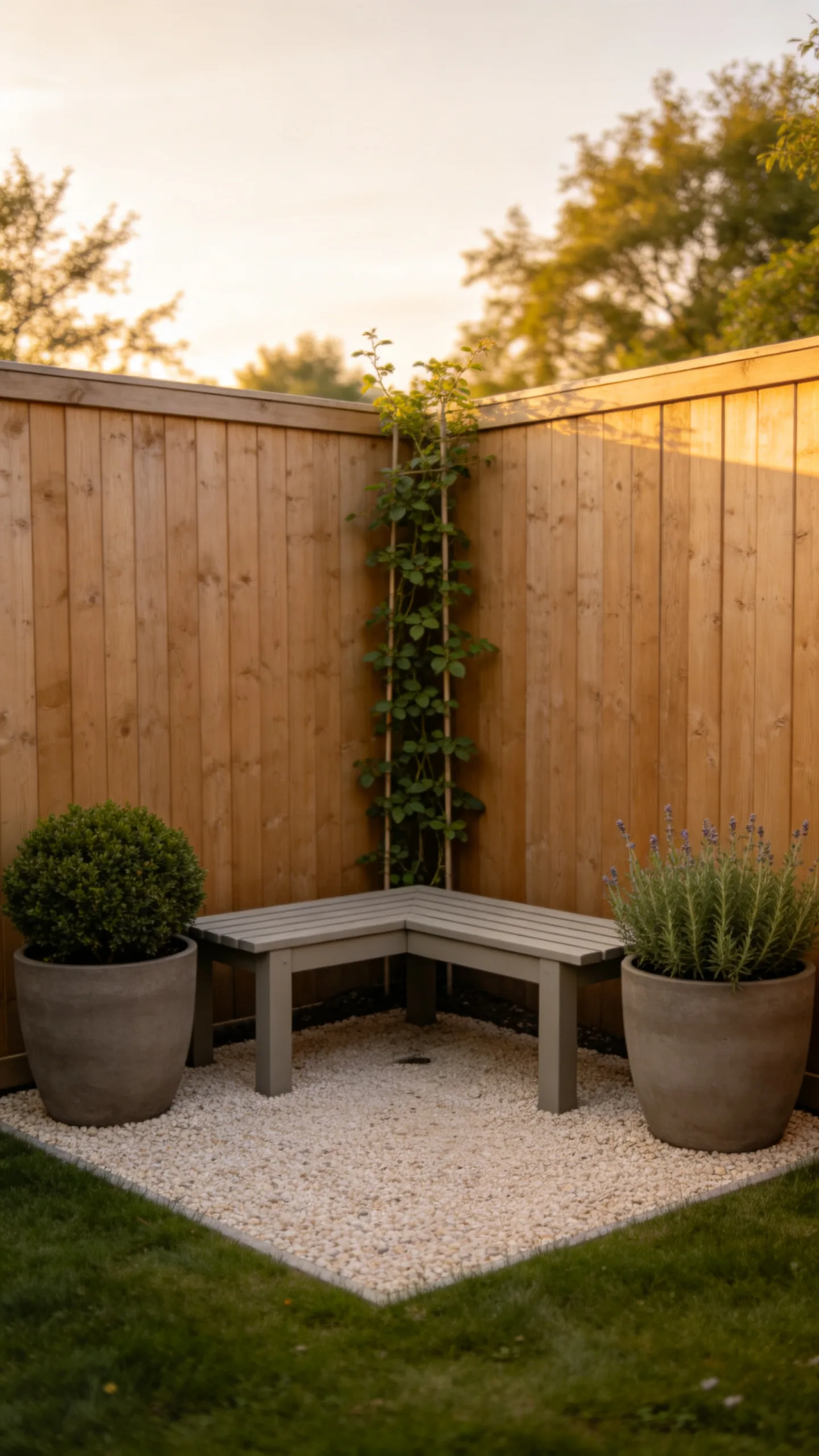
A compact bench can give an unused corner a clear purpose while limiting the amount of space that needs planting. Set it against a fence or wall, then frame it with two containers or a pair of narrow beds.
Choose a weather-resistant bench with enough clearance to sit comfortably. Gravel, paving, or a level deck tile base will keep the area cleaner than bare soil. Use scented herbs, a compact shrub, or one restrained climber nearby rather than surrounding the seat with plants that require frequent trimming.
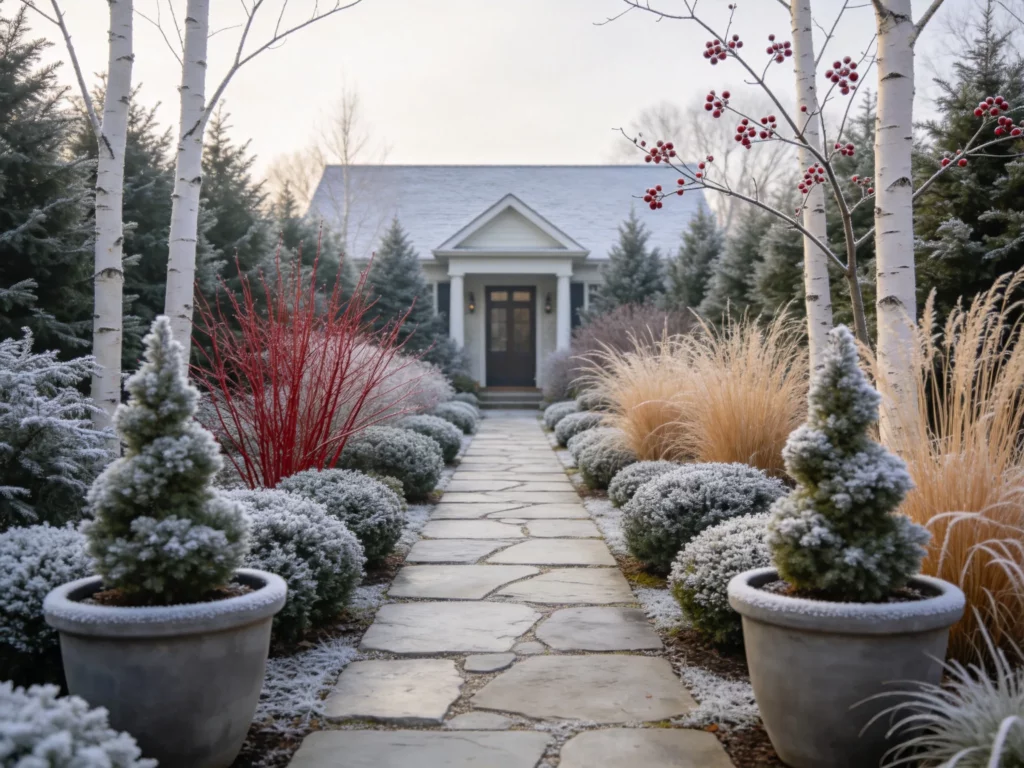
20. Use Evergreen Structure With Seasonal Pot Color
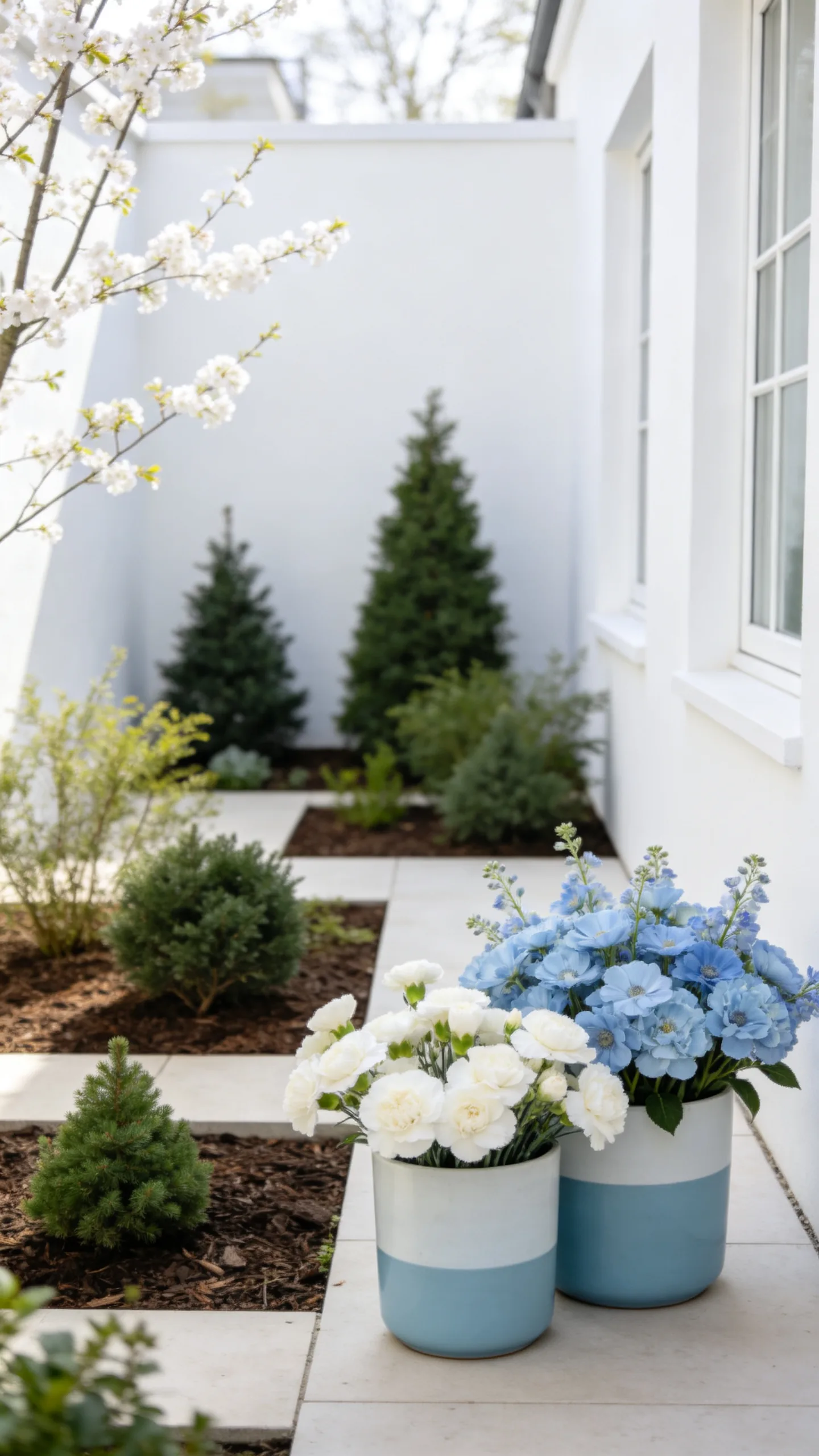
Build the permanent garden around a few compact evergreens, then add seasonal flowers in one or two containers. The shrubs maintain shape through the year, while the pots provide an easy way to change color without replanting entire beds.
Select evergreens that naturally remain small, such as certain dwarf conifers, compact hollies, or clipped forms suited to your region. Check mature dimensions carefully, because labels such as “dwarf” do not always mean tiny. Refill the accent pots with locally available annuals, bulbs, or hardy perennials as the seasons change.
21. Combine Hidden Storage With a Planter Top
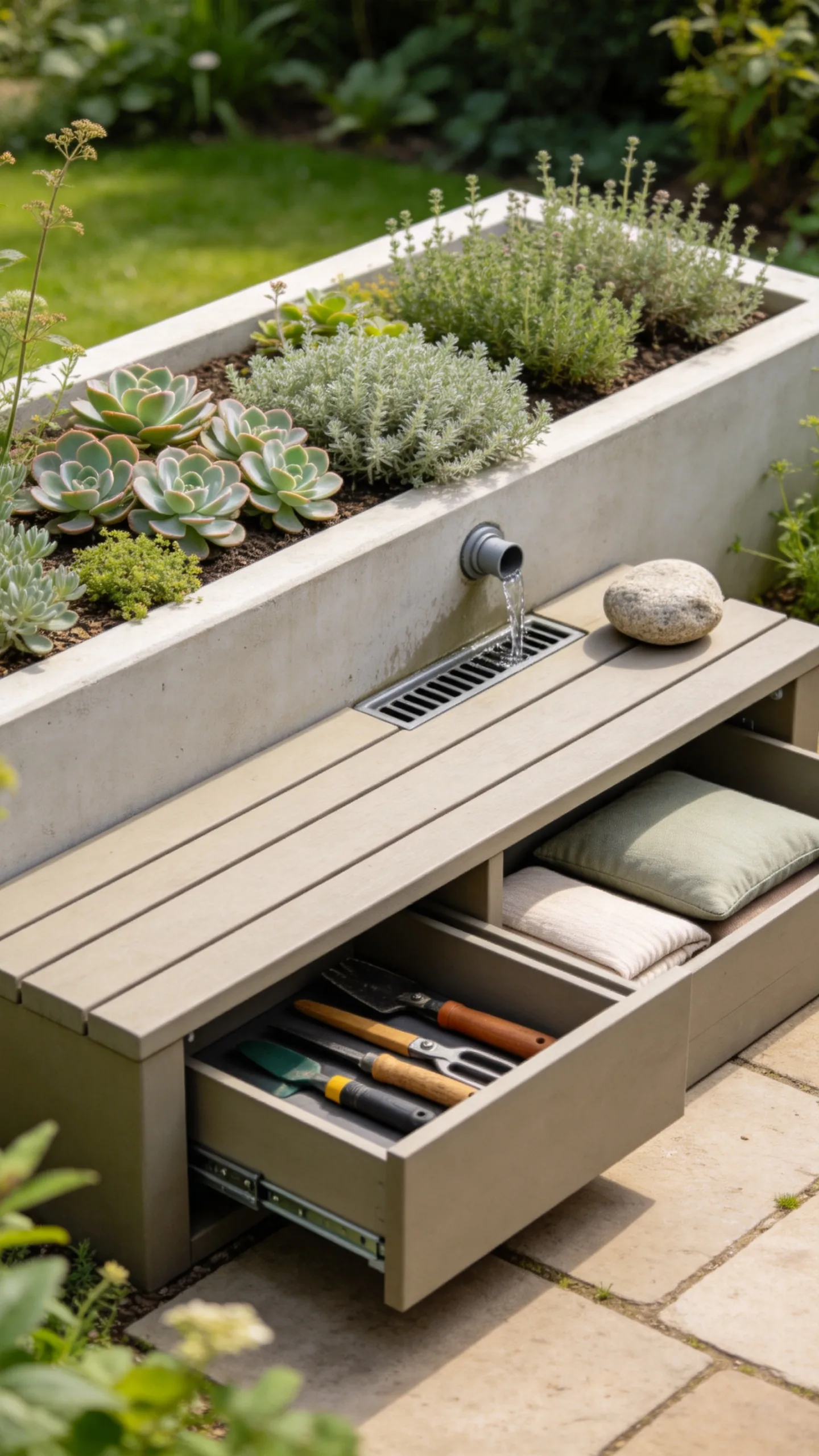
In a small garden, furniture and storage can serve more than one purpose. Use a weather-resistant storage bench for cushions and hand tools, or place a shallow planter on top of a sturdy outdoor cabinet designed to carry the extra weight.
Keep the planting simple with shallow-rooted sedums, compact herbs, or seasonal flowers, depending on sun exposure and container depth. Include drainage that directs water away from the storage compartment. Position the unit near the main working or seating area so tools stay accessible without creating visible clutter.