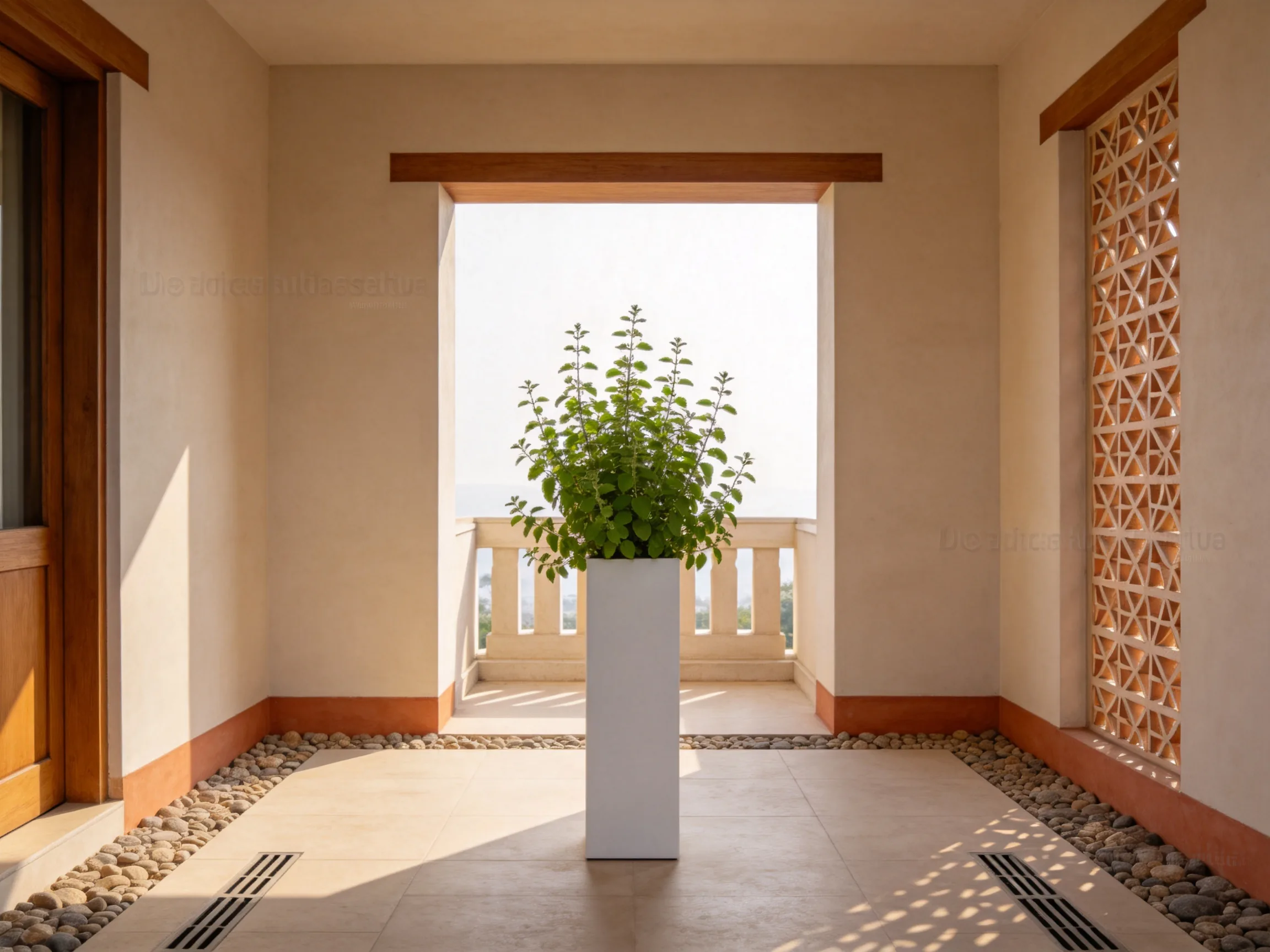
A thoughtfully planned Tulsi Vrindavan can create a peaceful focal point without overwhelming a compact balcony or courtyard. These modern ideas combine traditional purpose with practical features such as drainage, vertical storage, movable planters, and weather-resistant finishes. Position tulsi where it can receive several hours of direct light—ideally gentle morning sun—while adjusting exposure, watering, and seasonal protection to suit your local climate.
1. Slim White Pedestal Vrindavan
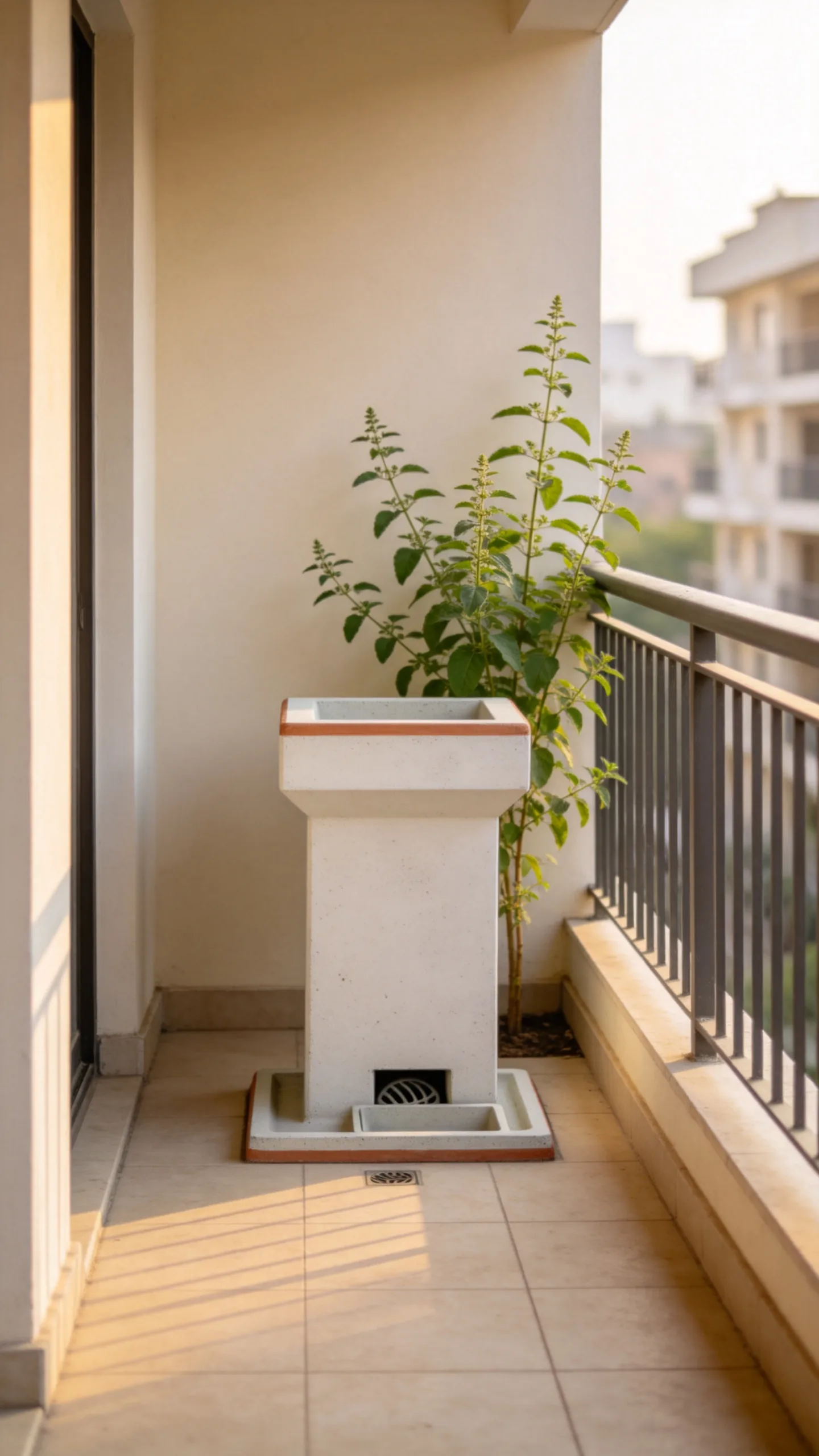
Choose a narrow pedestal-style Tulsi Vrindavan with a clean square base and a simple white finish. A footprint of approximately 12 to 16 inches works well beside a balcony wall, near a courtyard entrance, or at the end of a paved path. The raised planting chamber keeps the tulsi visually prominent while using less floor space than a broad masonry platform.
Select precast concrete, fiber-reinforced cement, or weather-resistant stone composite for outdoor durability. Make sure the planting chamber has an unobstructed drainage hole, and place a removable tray beneath it on tiled balconies. A subtle border in terracotta, beige, or muted gold can add definition without making the design feel overly ornate.
2. Terracotta Vrindavan With Geometric Cutouts
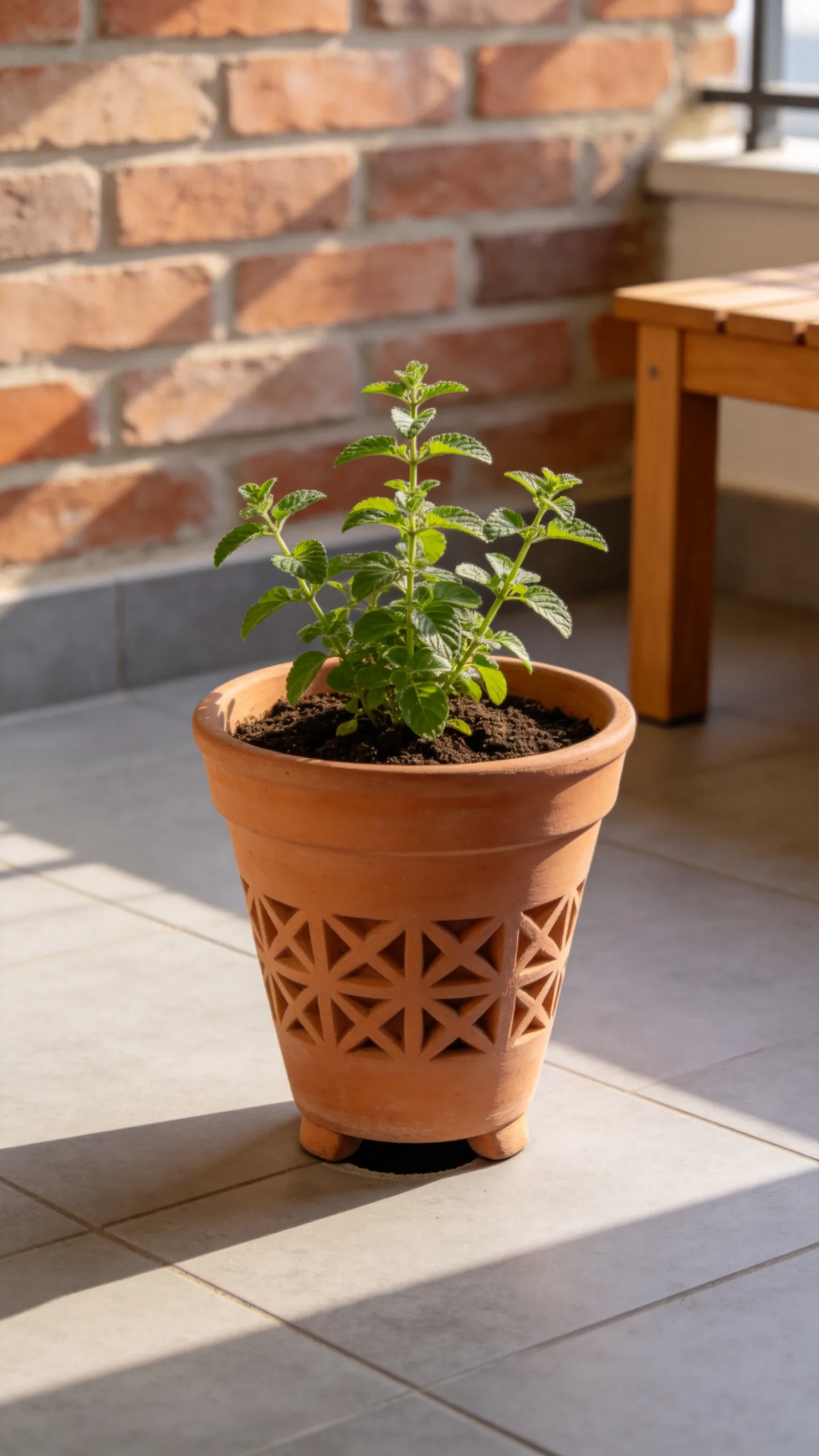
A terracotta Tulsi Vrindavan brings natural color and breathable planting conditions to a modern setting. Look for a square or tapered design with restrained geometric cutouts instead of heavily carved decoration. The warm clay surface pairs especially well with gray balcony tiles, exposed brick, sandstone paving, and wooden outdoor furniture.
Because unglazed terracotta dries faster than concrete or glazed ceramic, check the potting mix more frequently during warm, windy weather. Use a loose blend containing garden soil, mature compost, and a drainage material such as coarse sand or perlite. Raise the base slightly on pot feet so excess water can escape without staining the floor.
3. Wall-Mounted Tulsi Shelf
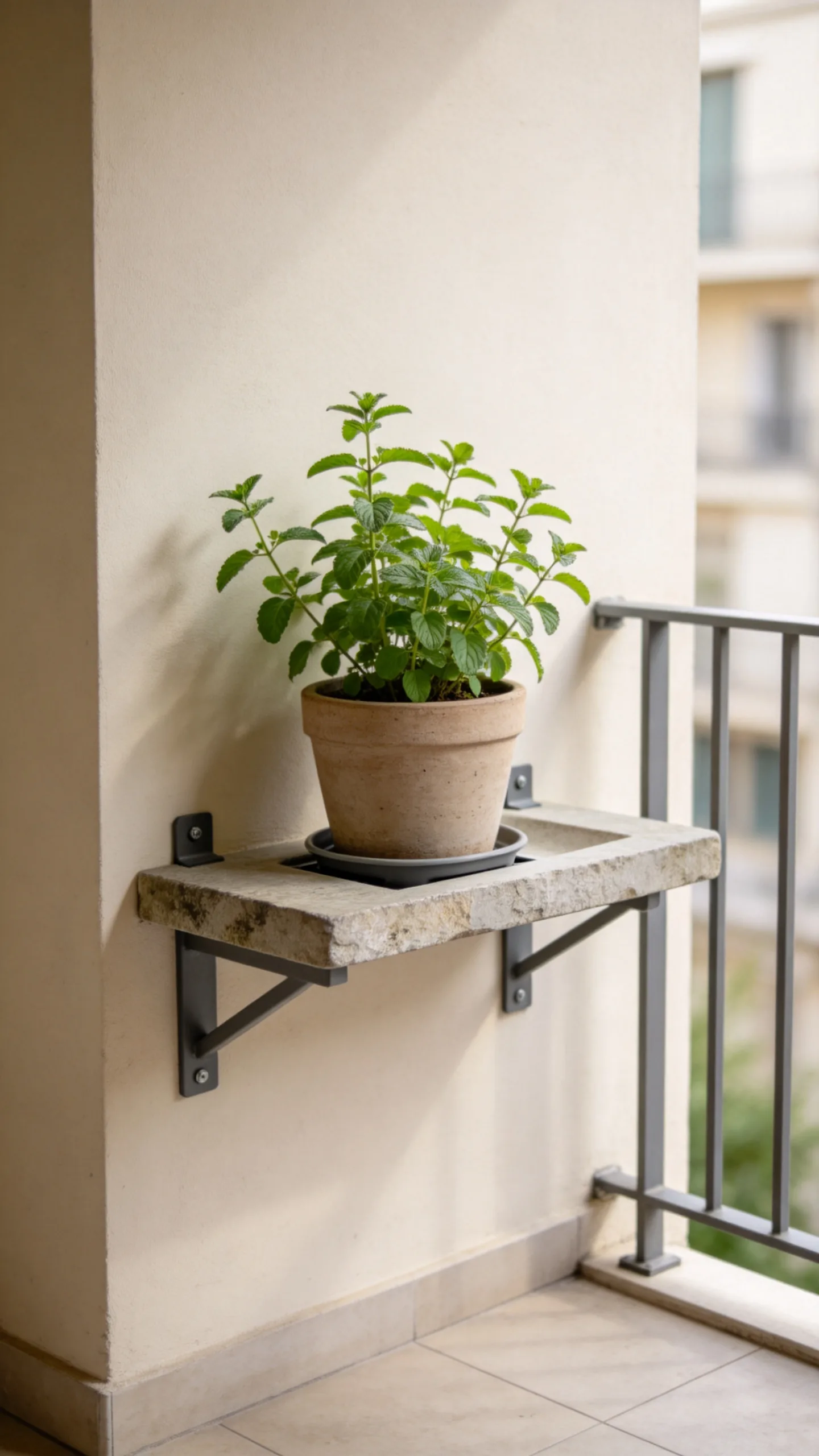
For a balcony with very limited walking space, install a strong wall-mounted shelf and place a compact Tulsi planter on top. A powder-coated metal bracket with a stone, concrete, or exterior-grade wooden shelf creates a simple floating effect. Keep the shelf deep enough to hold the entire planter securely and position it away from doors, railings, and areas where it may be bumped.
Confirm that the wall and fixings can support the planter when the soil is fully wet. Add a saucer or concealed drainage tray, but empty standing water promptly to protect the roots. This arrangement also brings the plant closer to eye level, making routine pruning, watering, and leaf inspection easier.
4. Tiered Corner Tulsi Station
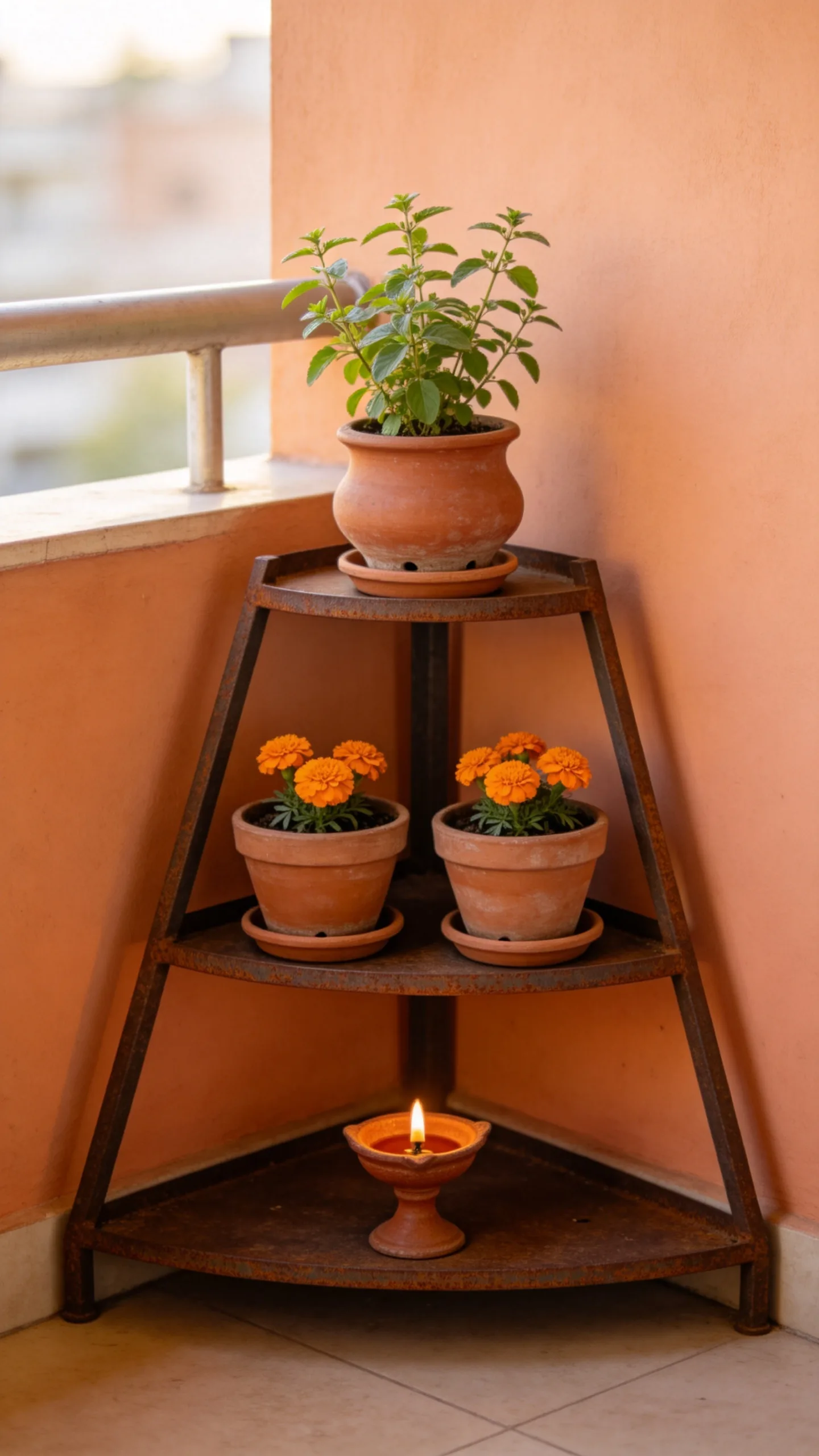
Turn an unused balcony or courtyard corner into a compact devotional garden with a two- or three-tier stand. Place the Tulsi Vrindavan on the upper level and use the lower shelves for small companion pots, an oil-lamp holder, or gardening supplies. A triangular corner unit saves floor area while creating vertical depth.
Choose rust-resistant metal, sealed hardwood, or masonry shelves suited to outdoor exposure. Avoid packing the lower tiers with tall plants that could reduce airflow around the tulsi. Low-growing marigolds or seasonal flowering pots can add color, provided every container has separate drainage and enough light.
5. Built-In Courtyard Platform
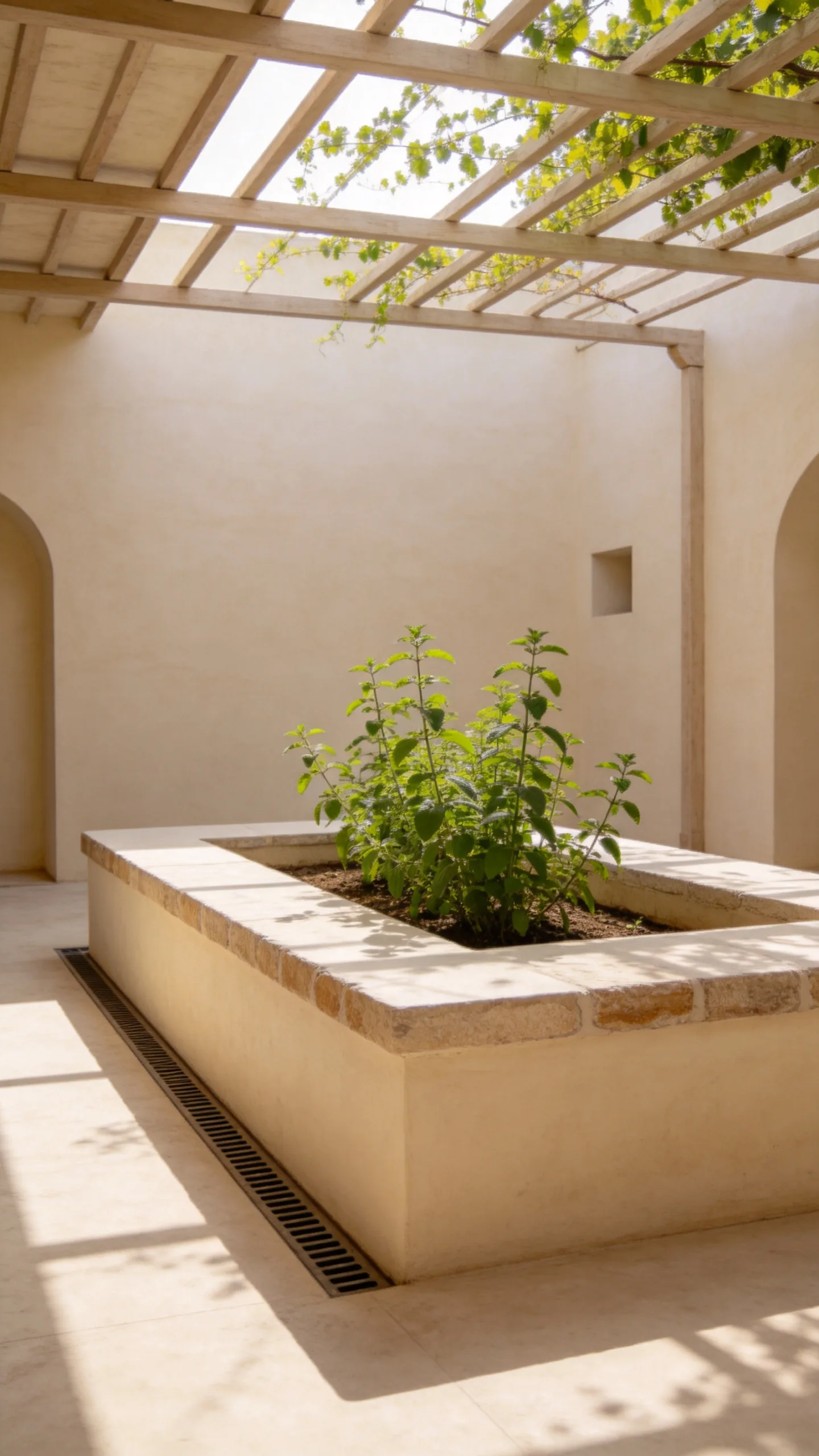
In an open courtyard, integrate the Tulsi Vrindavan into a low rectangular masonry platform. A platform approximately 12 to 18 inches high can define the planting area and provide a clean edge without dominating the space. Finish it with smooth lime plaster, exterior cement, local stone, or outdoor tiles that coordinate with the surrounding walls.
Include a dedicated planting chamber rather than filling the entire platform with soil. This reduces weight, improves drainage control, and makes future soil replacement easier. If the courtyard receives intense afternoon heat, position the platform where a wall or pergola provides partial protection while preserving several hours of useful sunlight.
6. Matte Gray Concrete Vrindavan
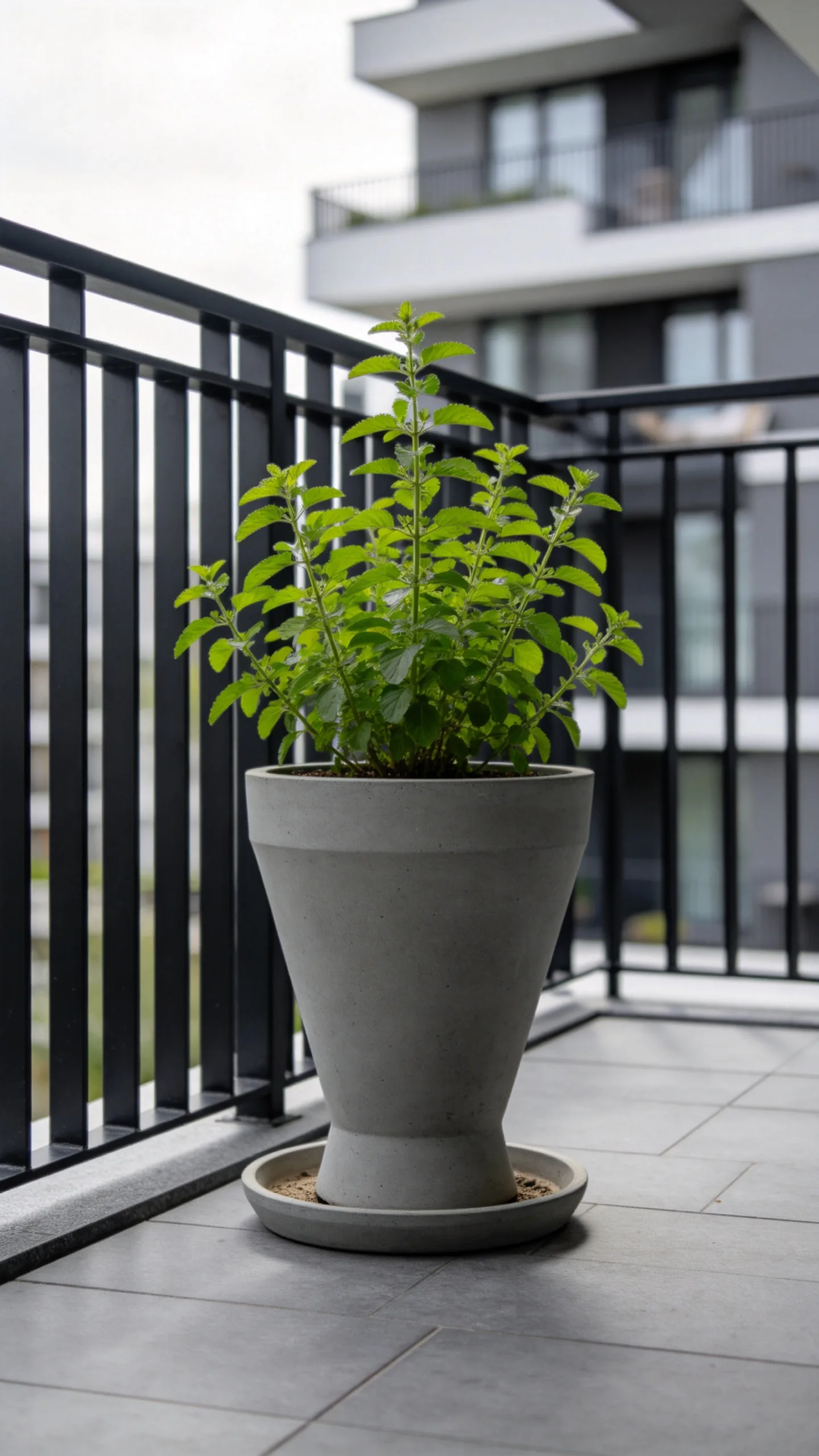
A matte gray concrete planter offers a contemporary alternative to traditional white or terracotta finishes. Its neutral color works with modern apartment balconies, black metal railings, and minimalist courtyard paving. Select a tapered or cylindrical form with a stable base, especially in spaces exposed to strong wind.
Concrete containers can be heavy, so verify the balcony’s load limitations before choosing an oversized model. A lightweight fiber-cement version can create a similar appearance with less weight. Line the planting chamber appropriately, keep the drainage outlet open, and avoid leaving the container in a tray filled with rainwater.
7. Wooden Slat Enclosure With an Inner Pot
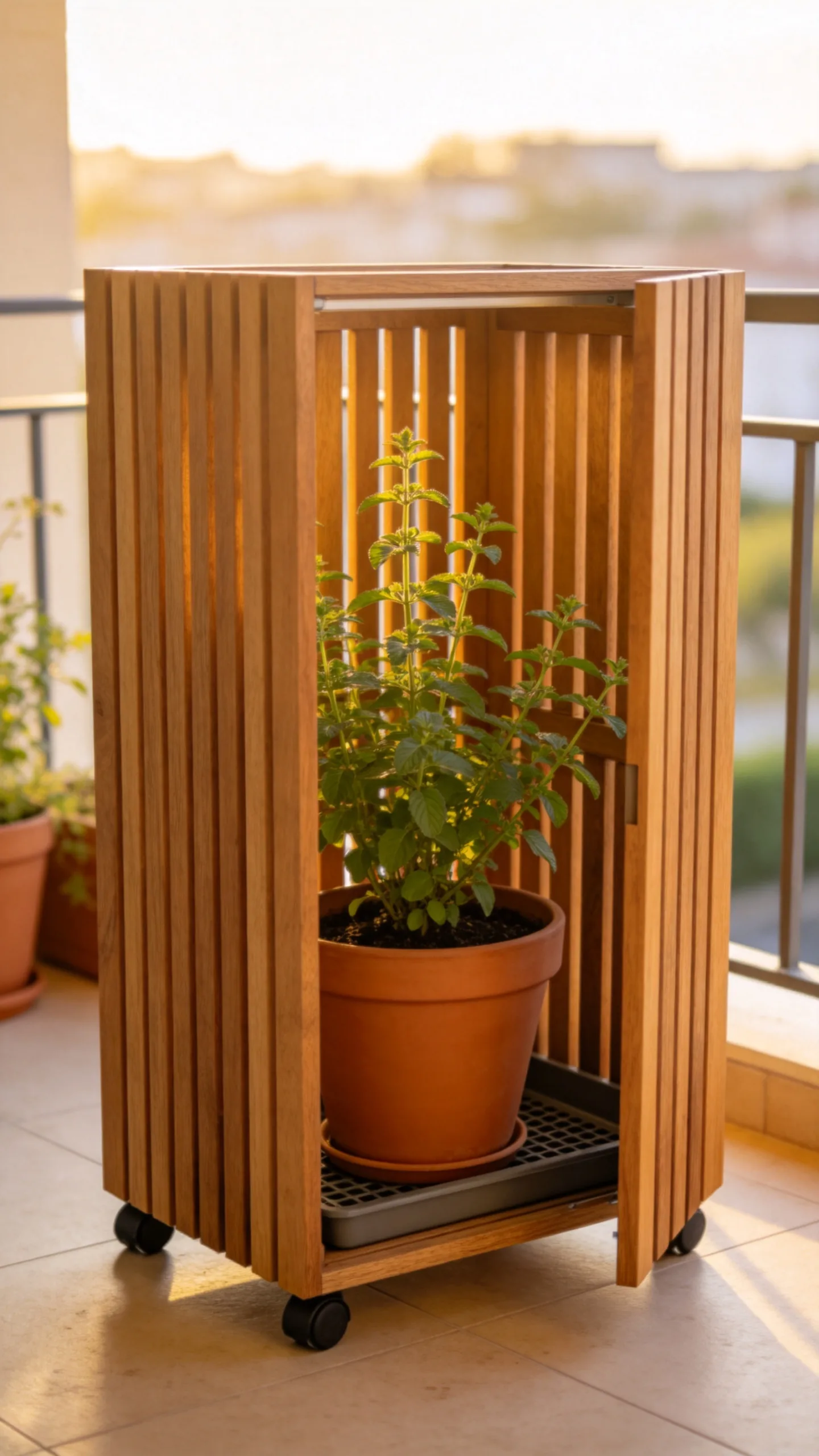
Create a warm, modern Tulsi Vrindavan by placing a practical nursery or terracotta pot inside a slatted wooden enclosure. Vertical slats conceal the basic container while maintaining airflow and producing a neat architectural outline. This is useful for renters because the enclosure can be moved without making permanent changes.
Use teak, cedar, treated acacia, or another exterior-suitable wood, and seal it with a plant-safe outdoor finish. Leave access at the back or base so the inner pot and drainage tray can be removed for cleaning. Keep the wood slightly above the floor on rubber feet to reduce moisture damage.
8. Railing-Side Tulsi Console
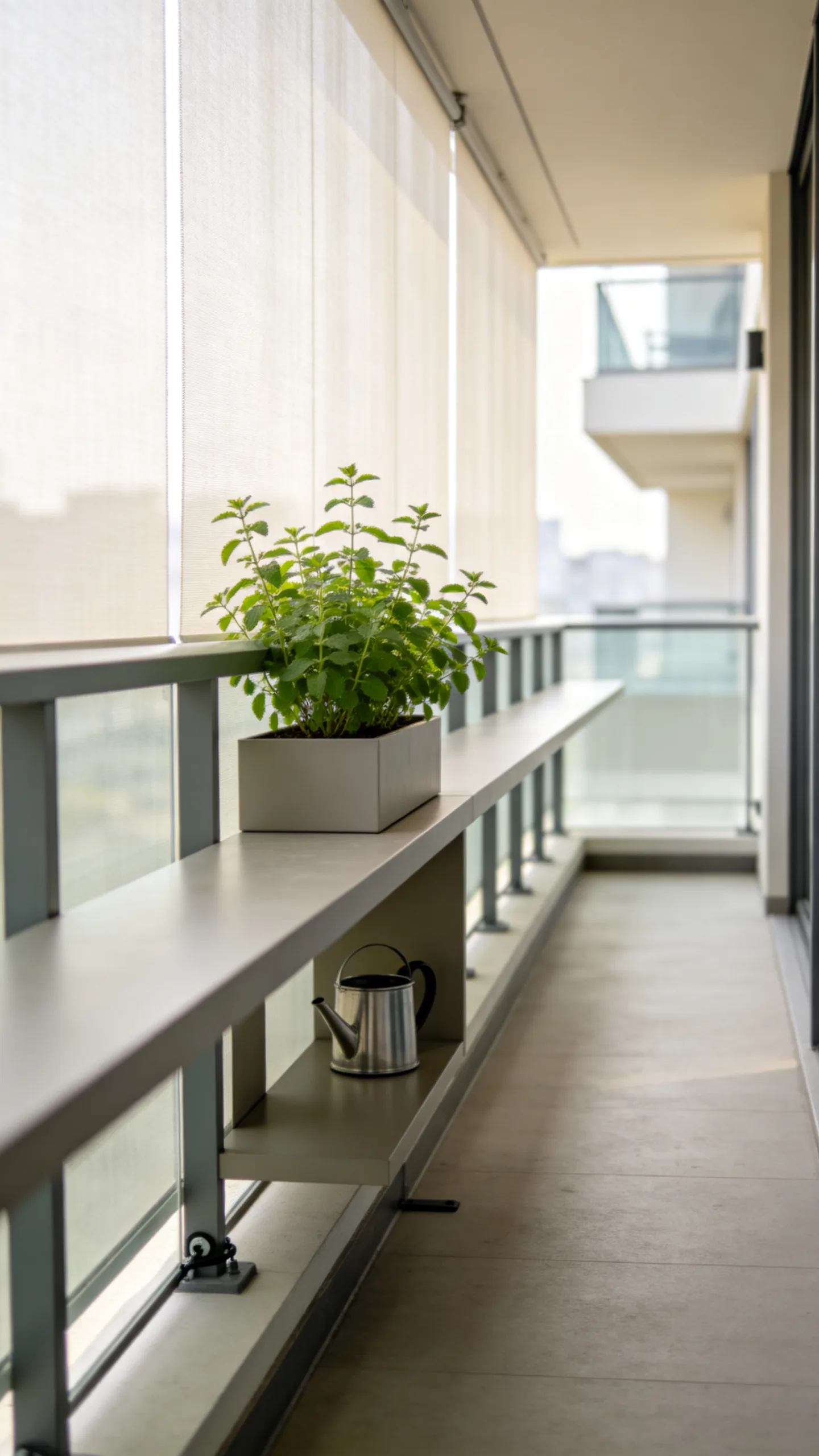
A slim console positioned parallel to the balcony railing can support a Tulsi planter without blocking the main walkway. Choose a unit only deep enough for the container, with a lower shelf for a watering can or soil supplies. This layout takes advantage of the brighter outer edge of the balcony while keeping the plant off the ground.
Secure the console to prevent tipping, particularly on upper floors or windy balconies. Do not allow the planter or leaves to project beyond the railing. If the site receives harsh afternoon sun, use a light-filtering balcony screen that reduces heat without placing the tulsi in dense shade.
9. Mosaic-Tile Courtyard Vrindavan
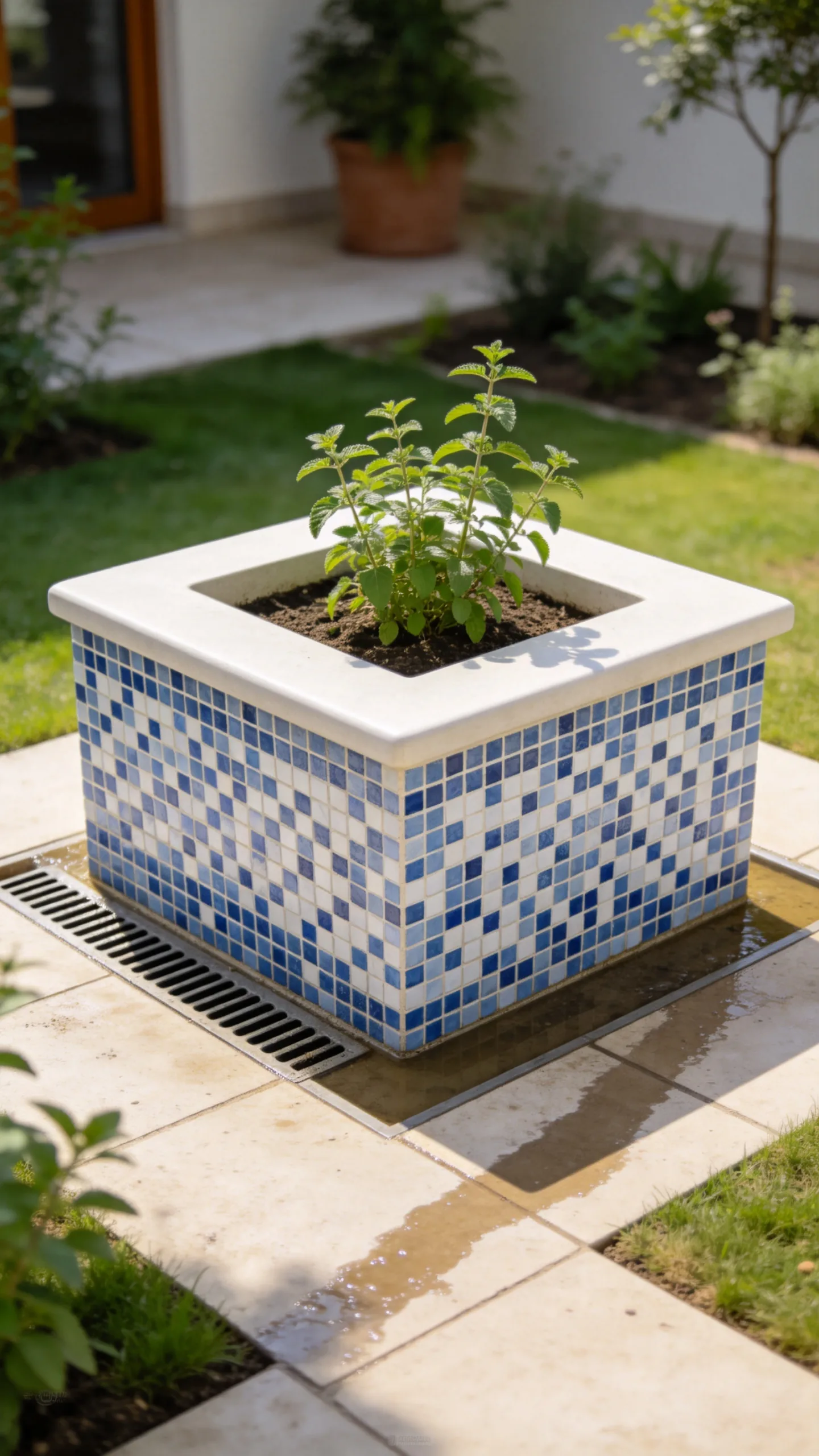
Use small mosaic tiles to turn a simple masonry Tulsi Vrindavan into a durable courtyard feature. A limited palette—such as white and blue, beige and green, or terracotta and cream—keeps the pattern modern. Apply the mosaic to the outer walls while leaving the top edge smooth and easy to clean.
Use exterior-grade tiles, waterproof adhesive, and grout intended for outdoor conditions. The planting chamber still needs a separate drainage outlet with a clear path for runoff. In wet climates, inspect grout lines periodically and repair cracks before water reaches the underlying structure.
10. Circular Vrindavan With a Pebble Ring
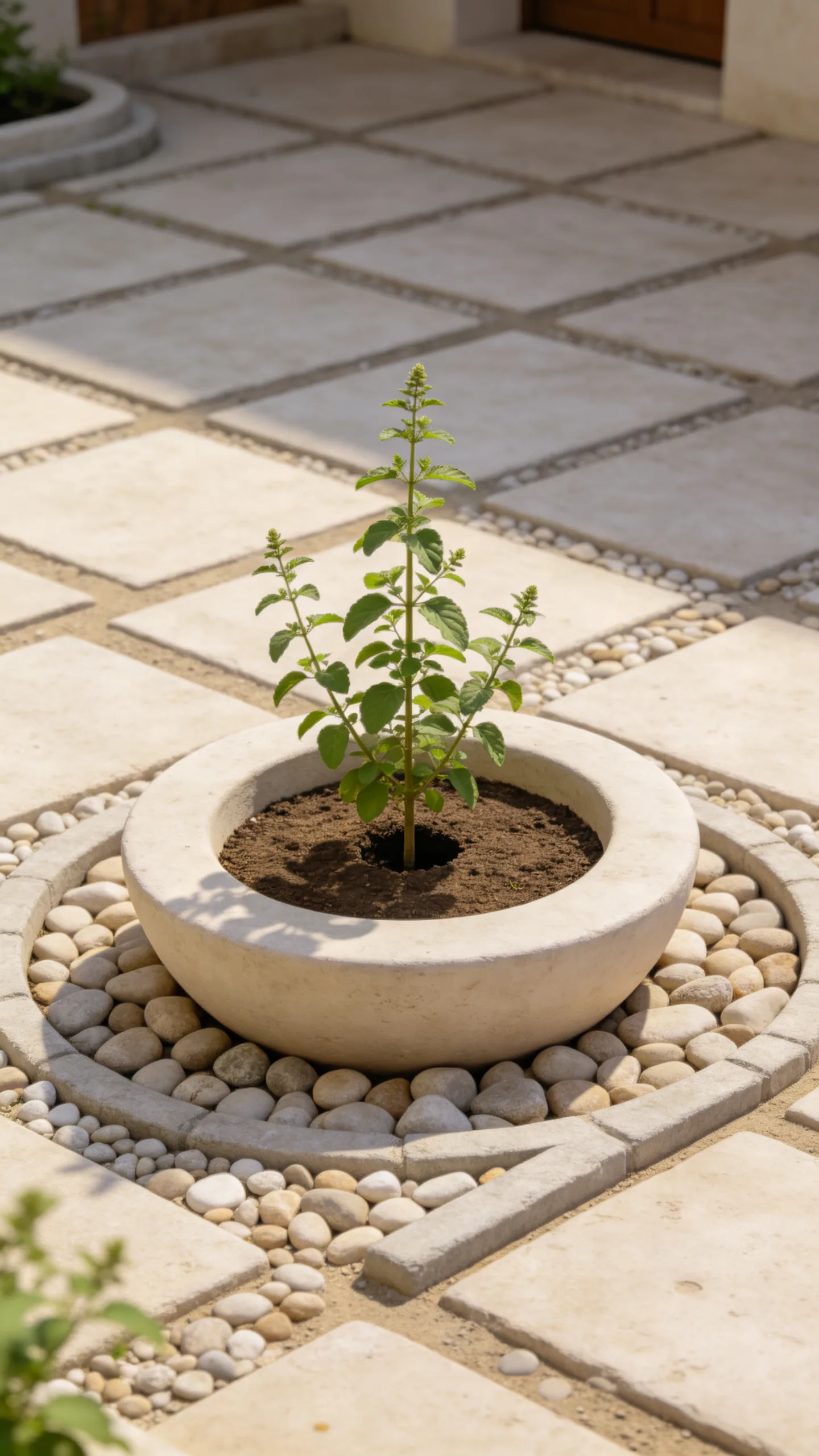
A circular Tulsi planter softens courtyards dominated by square paving and straight walls. Set the container within a shallow ring of smooth pebbles to create visual separation and catch minor splashes during watering. This treatment can also make a small central feature feel intentional without requiring a large raised bed.
Install edging beneath or around the pebble ring so stones do not spread into walking areas. The pebbles should not cover the soil surface too deeply, as a thick layer can make moisture difficult to monitor. Leave a visible gap around the tulsi stem and water only when the upper layer of potting mix begins to feel dry.
11. Vertical Jali Backdrop
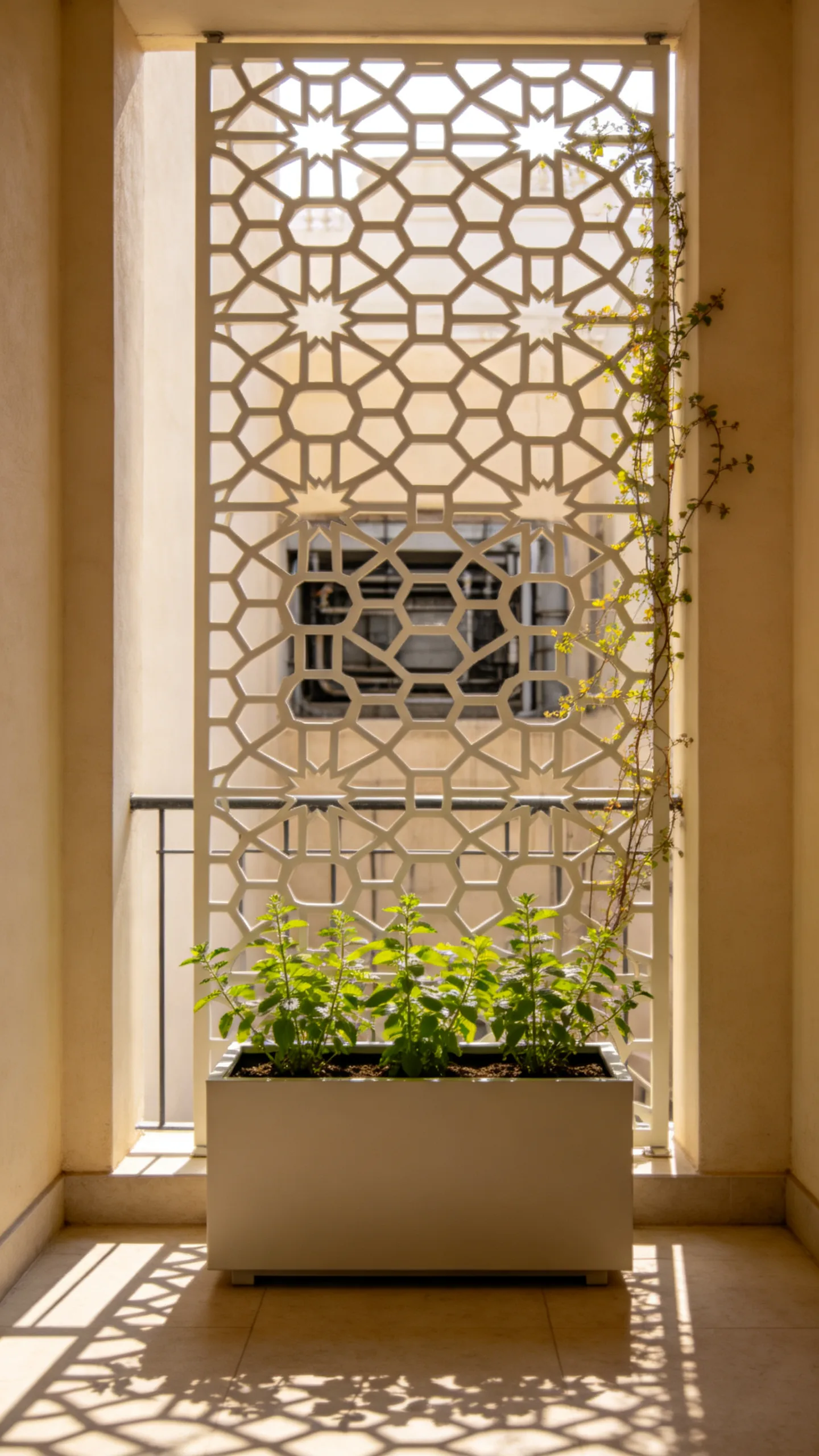
Place a compact Tulsi Vrindavan in front of a modern jali panel to add height, privacy, and patterned shadow. A powder-coated metal, exterior wood, terracotta, or weather-resistant composite screen can define the sacred planting area while hiding an unattractive wall or utility corner.
Keep enough space between the screen and the plant for airflow and maintenance. An open pattern is preferable to a solid panel because it allows light to reach the foliage. In a courtyard, the screen can also support lightweight seasonal vines, but prune them so they do not crowd or shade the tulsi.
12. Mobile Vrindavan on a Wheeled Base
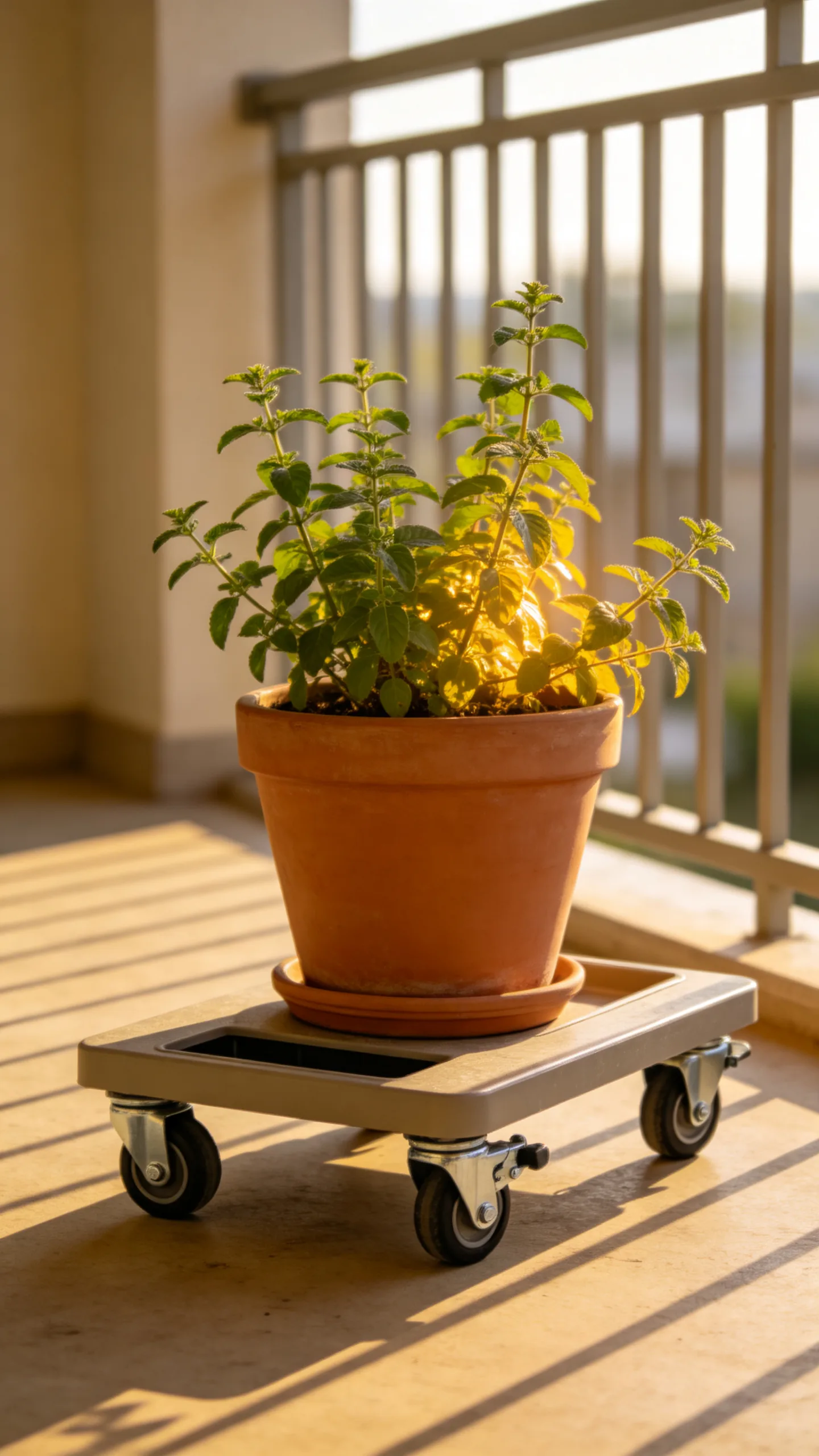
A wheeled platform makes it easier to reposition tulsi as seasonal light patterns change. Place a medium-size planter on a low trolley with locking, outdoor-grade casters. This is especially practical on covered balconies where direct sun reaches different areas in summer and winter.
Choose a base rated for more than the combined weight of the container, wet soil, and plant. Lock the wheels whenever the Vrindavan is in position, and avoid moving it during high winds. A recessed or removable drip tray will protect the flooring while allowing excess water to be discarded promptly.
13. Fluted Ceramic Tulsi Planter
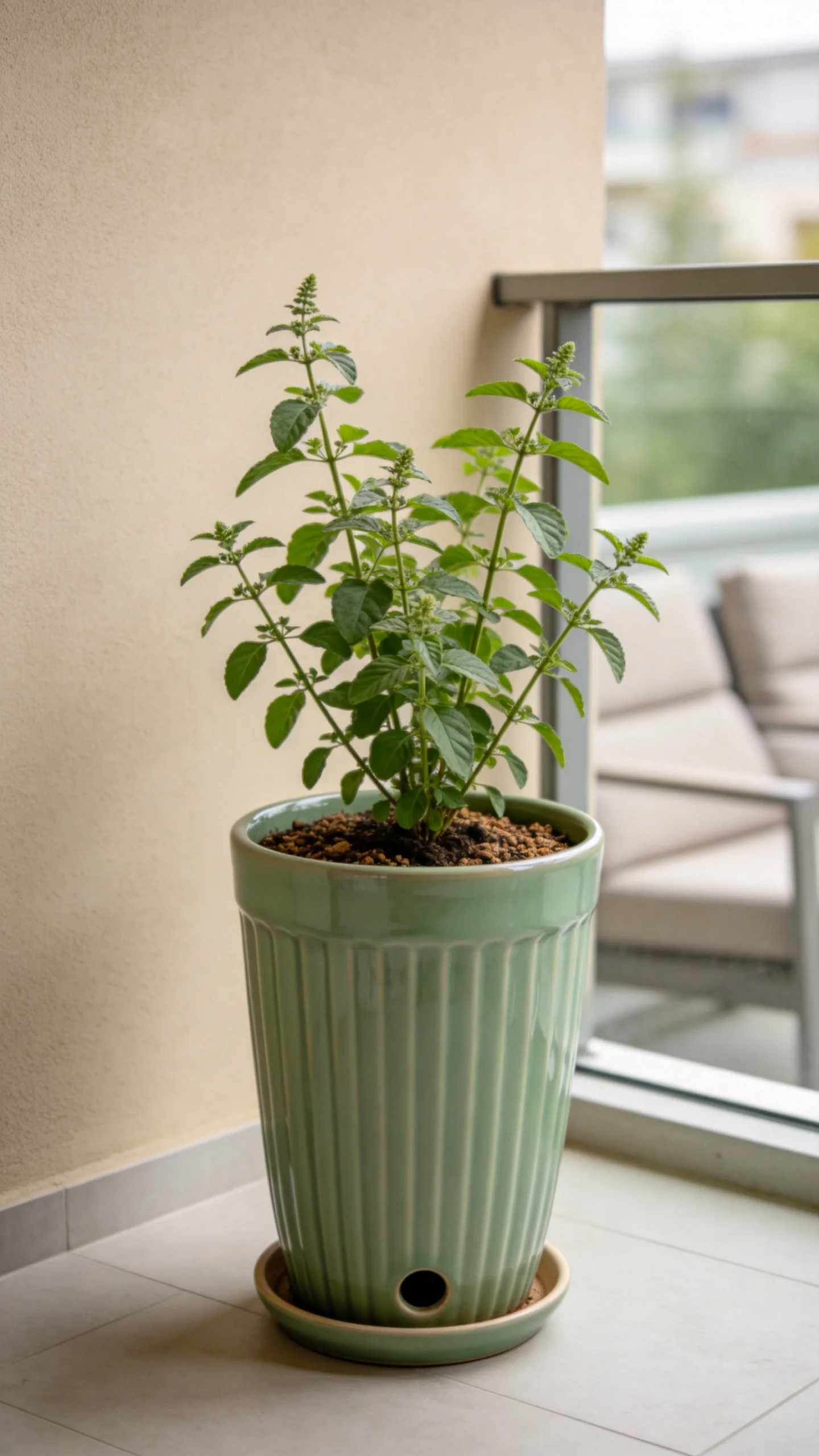
A tall ceramic planter with vertical fluting offers a refined, uncluttered look for a sheltered balcony. Soft white, sage green, sand, or charcoal finishes can coordinate with modern outdoor seating and neutral walls. The vertical grooves add texture without requiring painted motifs or elaborate carvings.
Use a frost-resistant outdoor ceramic container if winters are cold, or move the planter to a protected location when freezing conditions are expected. Confirm that the planter has a real drainage hole rather than relying on a decorative cachepot. If the container is deep, avoid filling it entirely with dense garden soil; use a well-draining mix suitable for container-grown tulsi.
14. Sunken Courtyard Planting Square
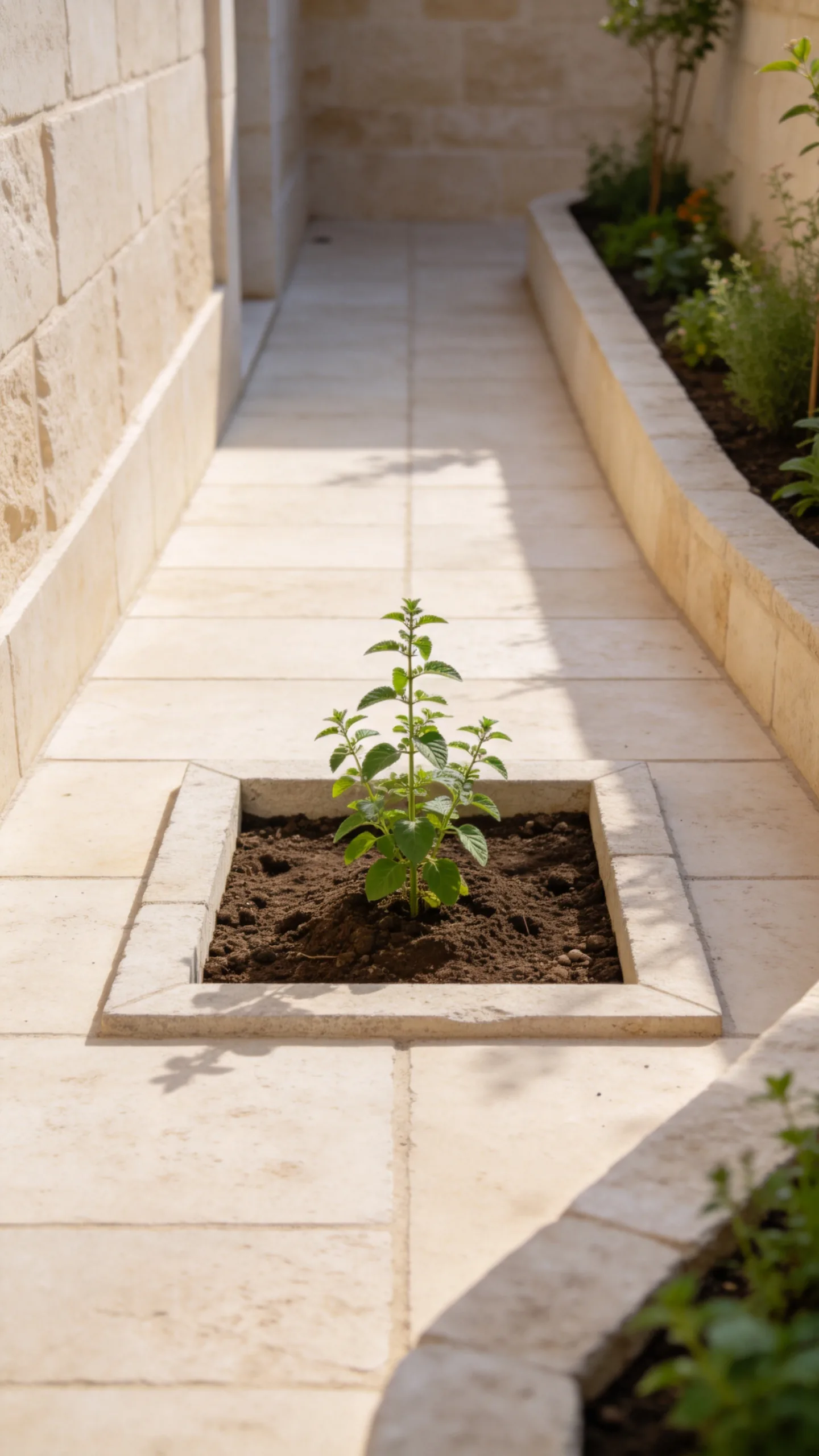
Create a clean, ground-level Tulsi feature by leaving a small planting square within a paved courtyard. Frame the opening with stone, brick, or concrete edging and plant tulsi in amended soil below. This design eliminates the visual bulk of a pedestal and works well in narrow internal courtyards.
Before planting, check how water moves through the site. Improve compacted soil with compost and drainage material where appropriate, but do not create a low pocket that collects runoff. If the native ground remains waterlogged after rain, use a slightly raised bed instead of a sunken planting area.
15. Minimal Black Metal Frame Vrindavan
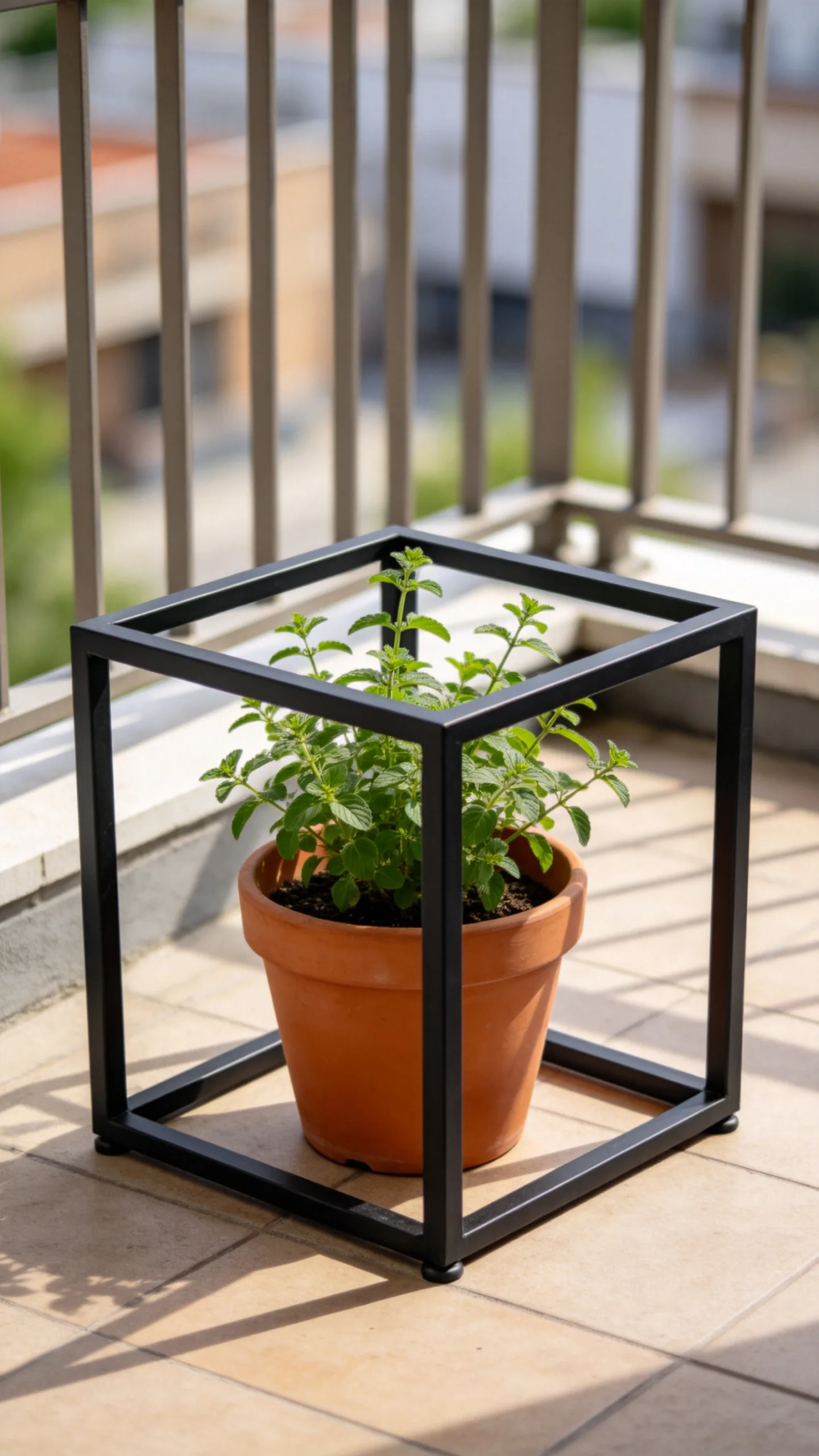
A black metal cube frame can give a conventional Tulsi pot a crisp architectural outline. Set a terracotta or light-colored planter inside the frame so the contrast highlights the plant. The open structure preserves airflow and takes up less visual space than a solid pedestal, making it suitable for compact urban balconies.
Specify powder-coated or galvanized metal to slow rust, and check welded joints before placing a heavy pot inside. Add leveling feet if the floor slopes toward a balcony drain. The inner container should be easy to lift out for soil renewal, root checks, and thorough cleaning.
16. Dual-Level Tulsi and Flower Bed
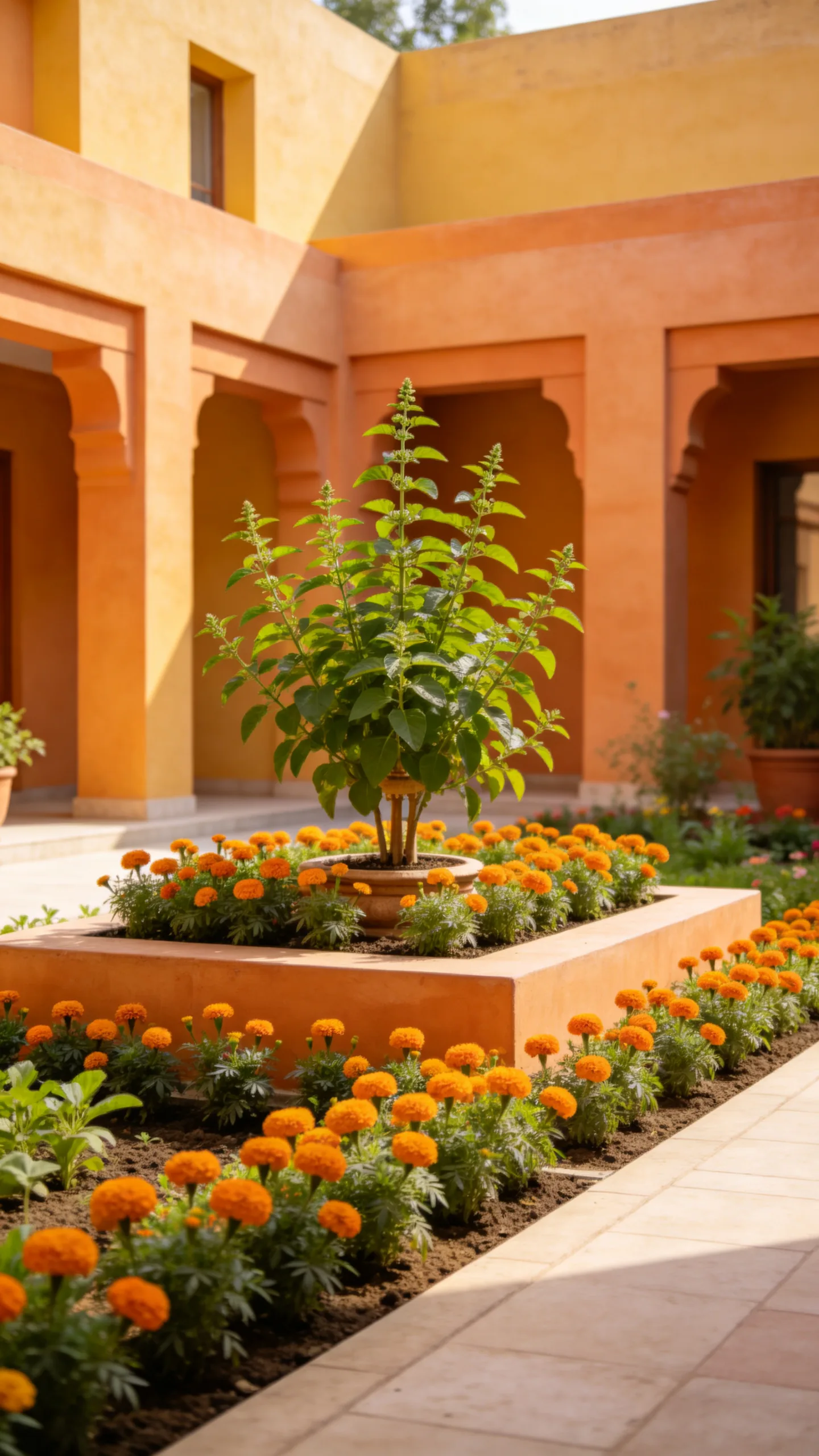
Design a two-level courtyard bed with tulsi in a raised central planter and seasonal flowers in a lower surrounding border. The height difference establishes the Tulsi Vrindavan as the focal point while bringing color into the overall composition. Keep the outer bed narrow so it does not consume too much walking space.
Choose compact flowering plants suited to the available light, such as marigolds in sunny conditions or other locally appropriate annuals. Avoid aggressive spreaders that compete for water or make access difficult. Separate planting pockets allow the tulsi and surrounding flowers to receive watering based on their individual needs.
17. Illuminated Niche Vrindavan
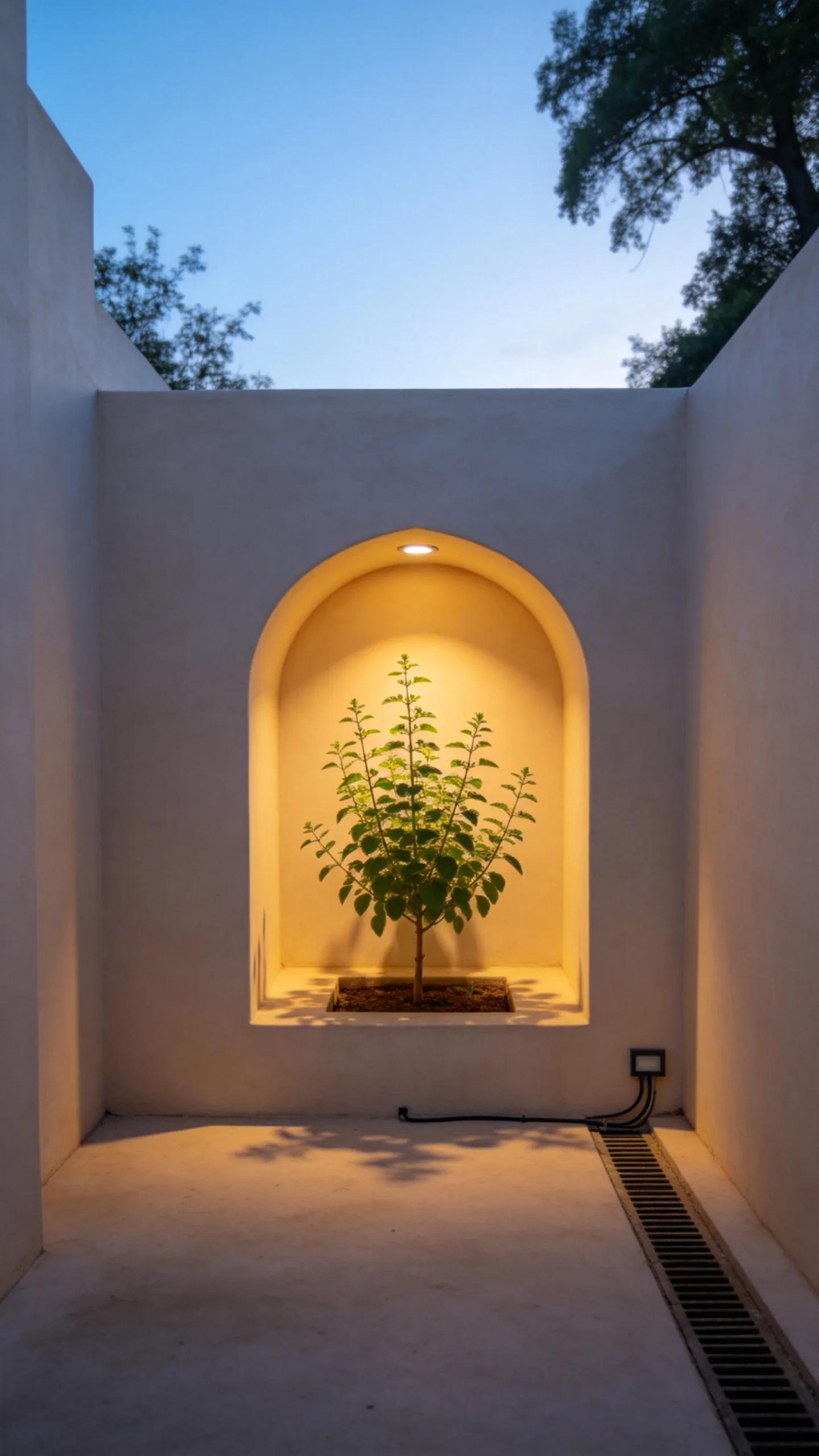
Frame a small Tulsi Vrindavan with a shallow courtyard or balcony-wall niche and soft, warm lighting. A simple arched or rectangular recess can hold the planter while protecting it from foot traffic. Use a downlight or concealed LED strip to outline the niche without directing strong heat onto the leaves.
Select outdoor-rated, low-voltage fixtures and keep all wiring, switches, and connections away from drainage water. Lighting should be decorative rather than a substitute for sunlight, so confirm that the niche remains bright enough during the day. Leave open space above and around the plant for healthy growth, pruning, and easy watering.