Farm fence ideas often start with three classic materials: post and rail, wire, and wood. Each one changes how a property looks, how animals or garden areas are contained, and how much maintenance the fence will need over time. The best choice depends on the setting—open pasture, driveway edge, vegetable garden, orchard, front field, or backyard boundary—and whether the fence needs to be decorative, practical, or both.
1. Split-Rail Fence Along an Open Pasture
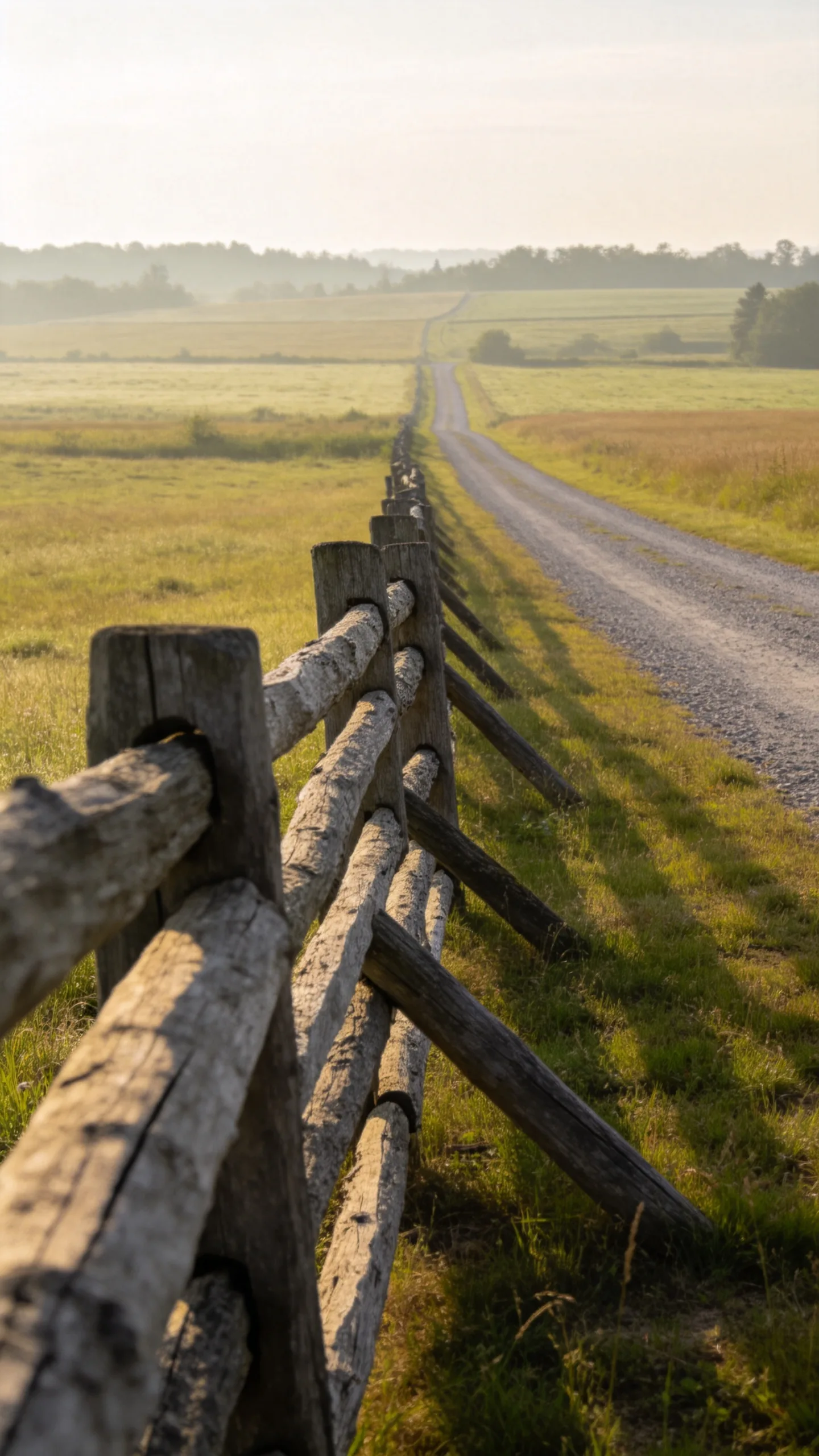
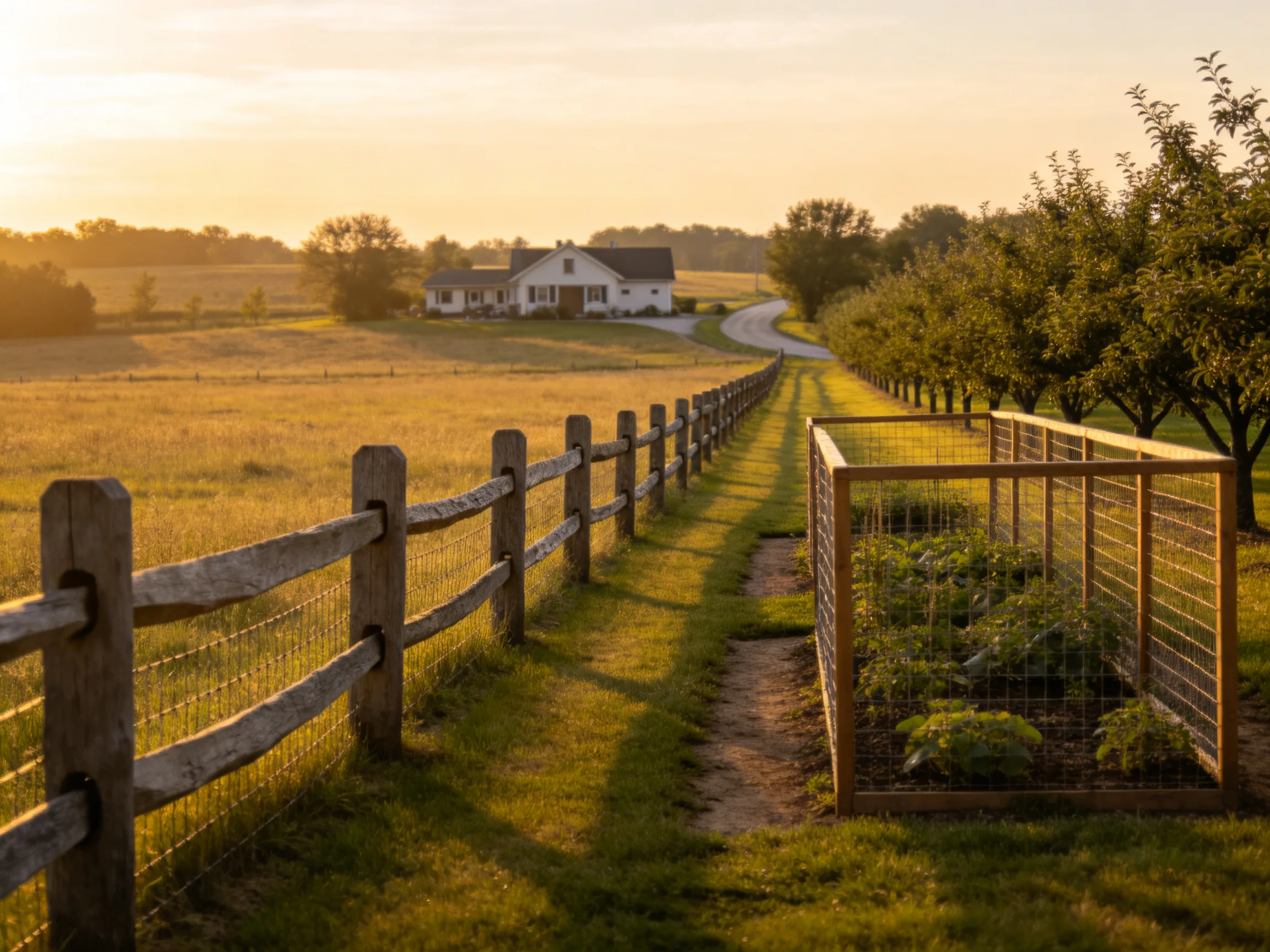
A split-rail fence is one of the most recognizable farm fence styles, especially along wide pasture edges and long rural driveways. The rough wood rails create a relaxed, traditional look without blocking views across fields, meadows, or garden areas.
This fence works best where the goal is visual boundary marking rather than tight containment. If livestock, dogs, or deer pressure is a concern, add a layer of welded wire or woven wire on the inside of the rails. The wire keeps the fence functional while the split rails preserve the classic farm appearance from the road or yard.
2. Post and Rail Fence With Black Wire Mesh
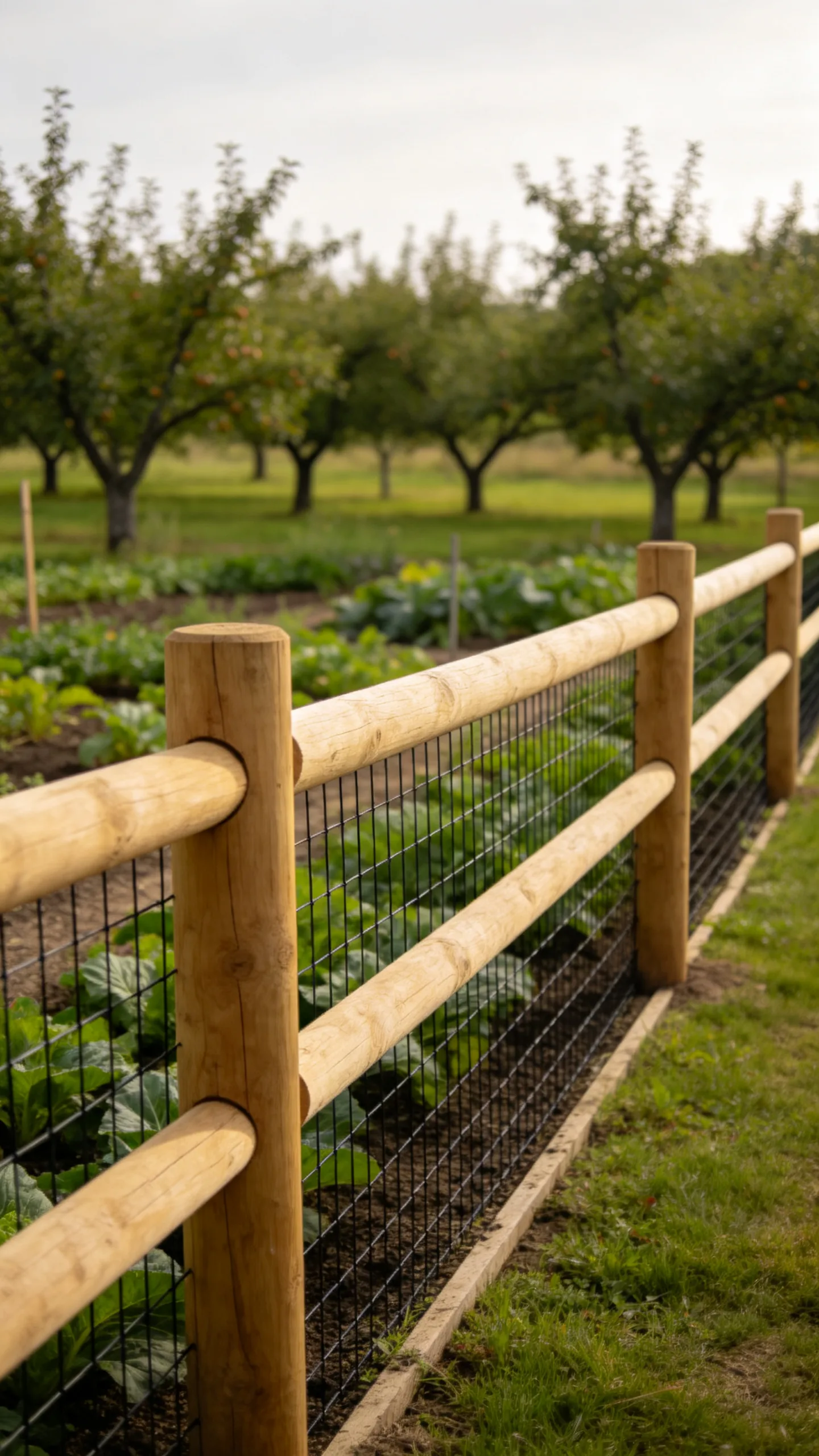
A post and rail fence with black wire mesh gives you the structure of a wooden farm fence with a cleaner, more contained finish. The black mesh tends to recede visually, so the wood posts and rails remain the main design feature.
Use this style around vegetable gardens, chicken yards, small paddocks, or orchard edges where you need a barrier that does not feel heavy. Choose welded wire for a tidy grid pattern or woven wire for a more traditional livestock look. Keeping the mesh on the inside of the fence helps the exterior look neat from paths, lawns, and driveways.
3. Three-Rail Wood Fence for a Driveway Entrance
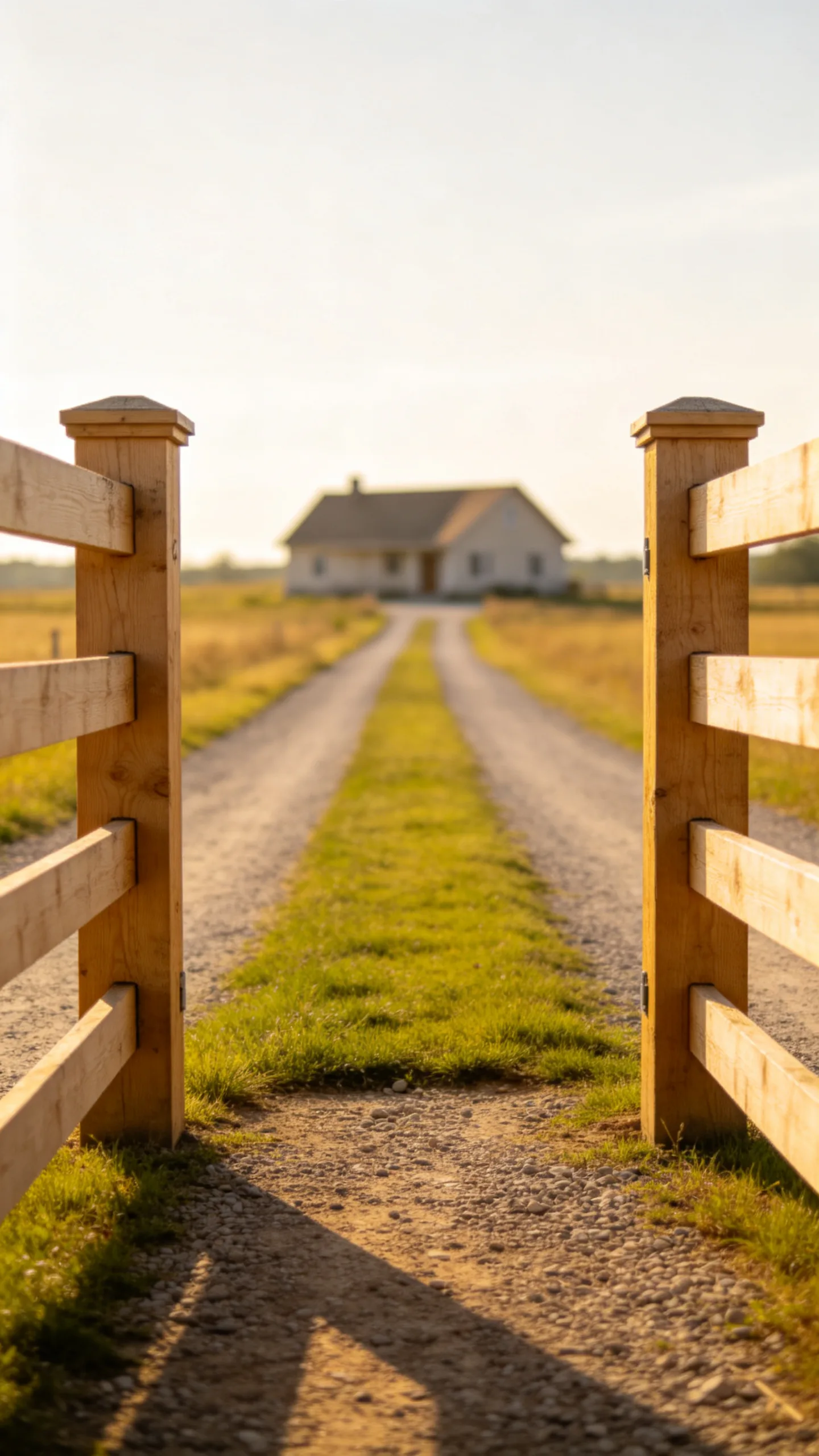
A three-rail wood fence creates a strong, balanced look at a farm driveway entrance. Compared with a two-rail fence, the extra rail adds visual weight and makes the entry feel more finished without becoming a solid privacy wall.
This style works well with square posts, simple caps, and a gravel or grass strip underneath for easy trimming. For a cohesive entrance, repeat the same rail spacing on both sides of the driveway and pair it with a simple farm gate. Pressure-treated pine, cedar, or painted wood can all work, depending on the desired maintenance level and local availability.
4. Woven Wire Fence for a Vegetable Garden
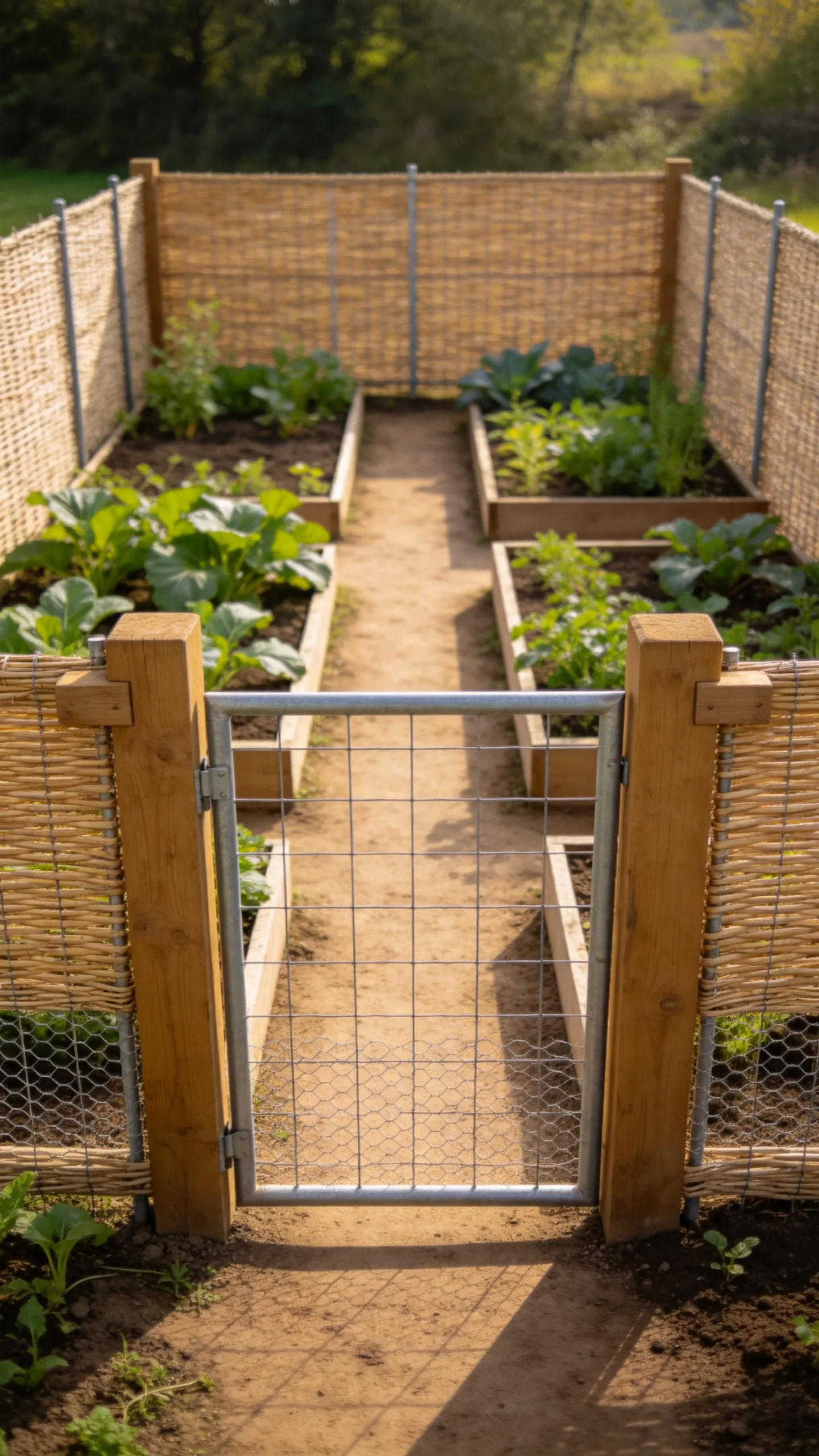
A woven wire fence is practical for enclosing a vegetable garden because it creates a flexible barrier around raised beds, in-ground rows, compost areas, and fruit bushes. The smaller openings near the bottom help discourage rabbits and other small animals better than wide rail fencing alone.
For a productive garden layout, set the fence just outside the walking paths so there is room to push a wheelbarrow, carry watering cans, or prune plants from the edge. Wood corner posts provide strength, while metal T-posts can be used between them to reduce material costs. Add a simple gate wide enough for garden carts and seasonal soil deliveries.
5. Board Fence Around a Horse Paddock
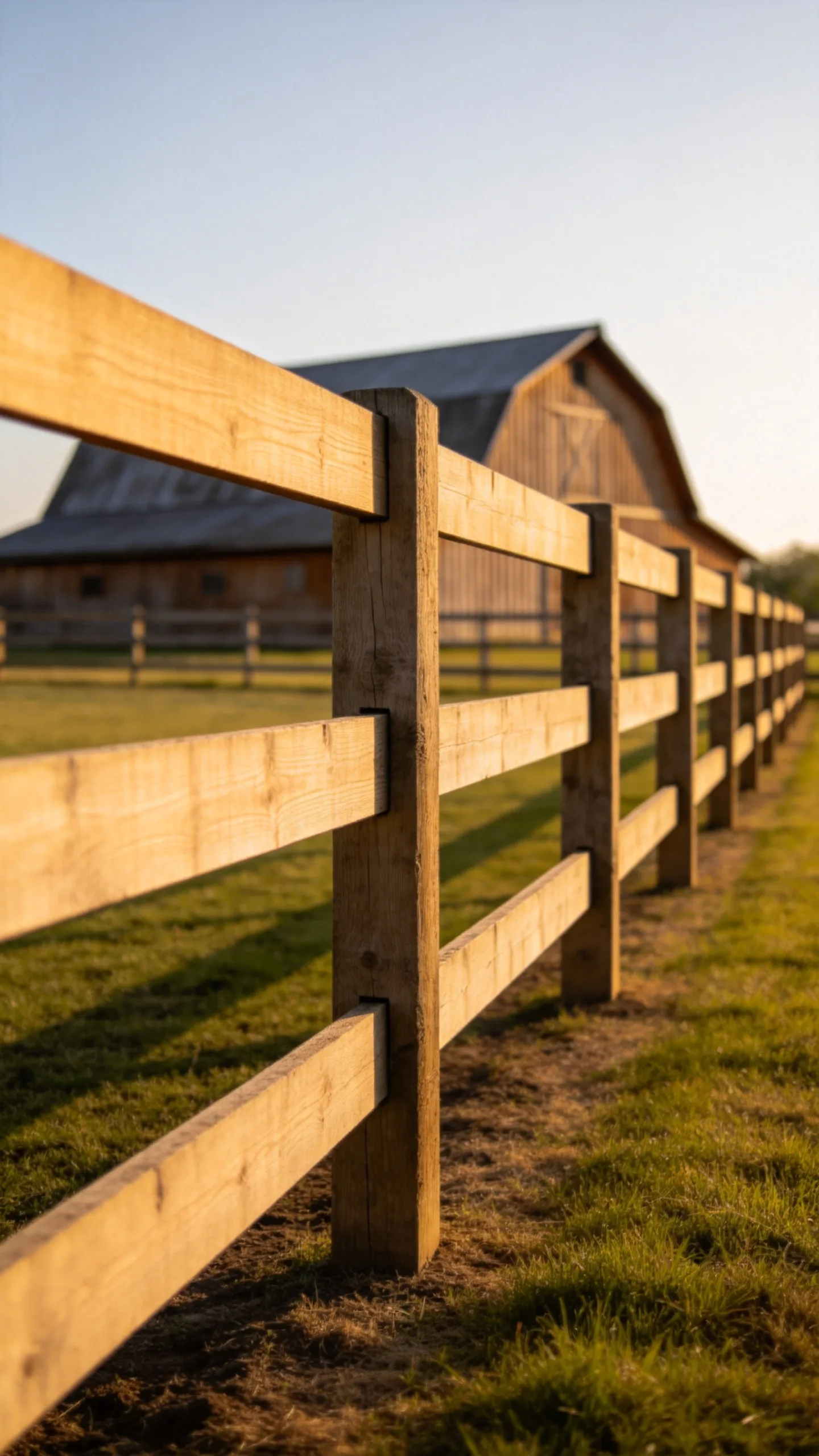
A board fence is a classic choice for horse paddocks because the horizontal boards are highly visible and create a sturdy enclosure. Three or four boards are common, with the top rail placed high enough to discourage leaning while still preserving the open farm look.
Use strong wood posts set at consistent spacing, and check rails regularly for loose fasteners, splintering, or broken boards. If the paddock borders a garden, lawn, or driveway, a board fence also gives the space a polished appearance. For added containment, some owners add smooth wire or mesh on the inside, depending on animal needs and local fencing standards.
6. Cedar Post Fence With Natural Wire Infill
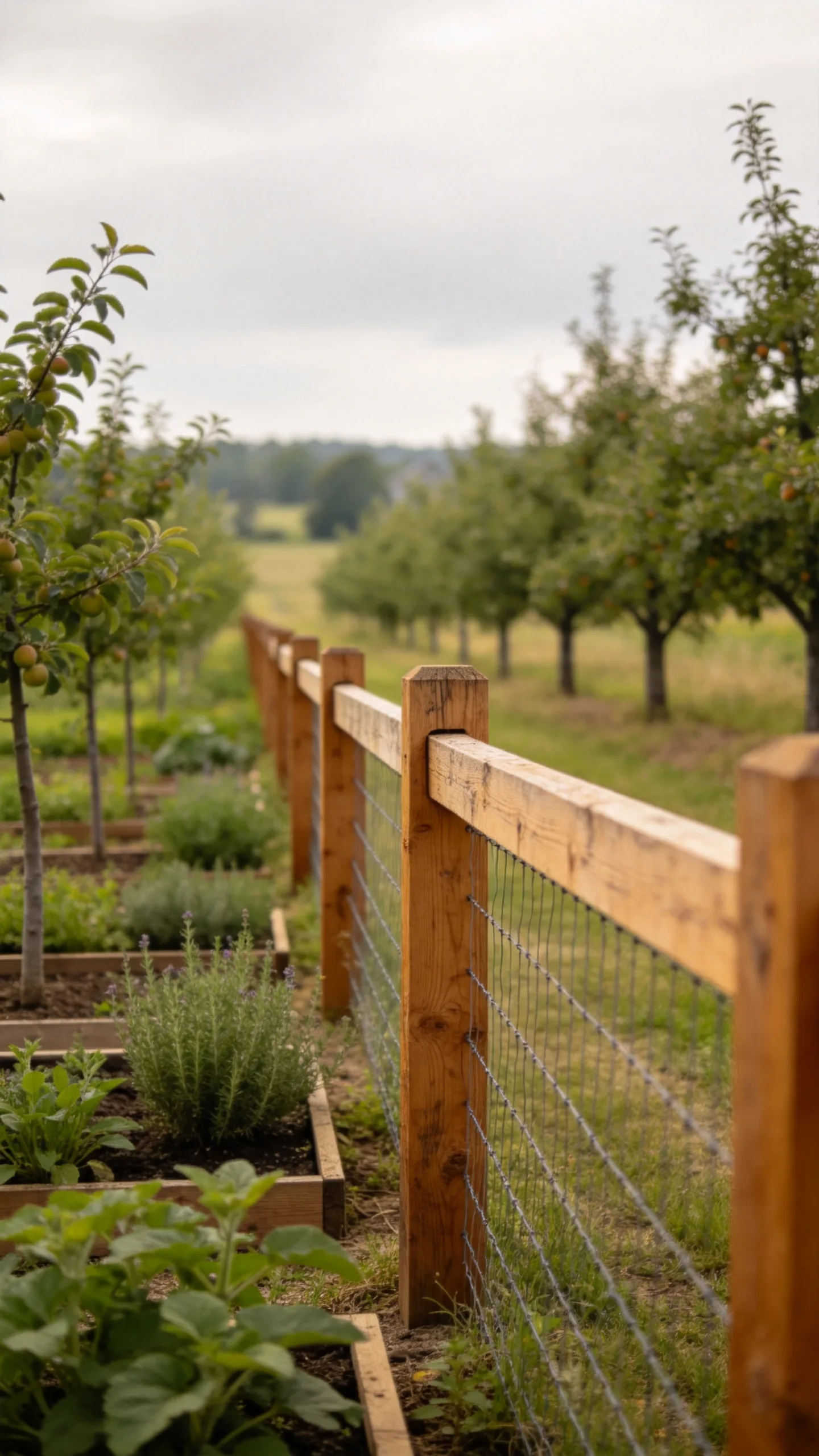
Cedar posts bring a rustic, weathered look to farm fencing and pair well with wire infill for practical use. The natural wood color suits cottage gardens, orchards, herb beds, and rural property lines without looking overly formal.
This fence can be built with cedar posts and a simple top rail, then filled with welded or woven wire. It is especially useful where you want to protect plantings without creating a heavy visual barrier. Cedar is often chosen for its outdoor durability, but local climate, soil moisture, and installation quality will still affect how long the fence lasts.
7. White Post and Rail Fence for a Front Field
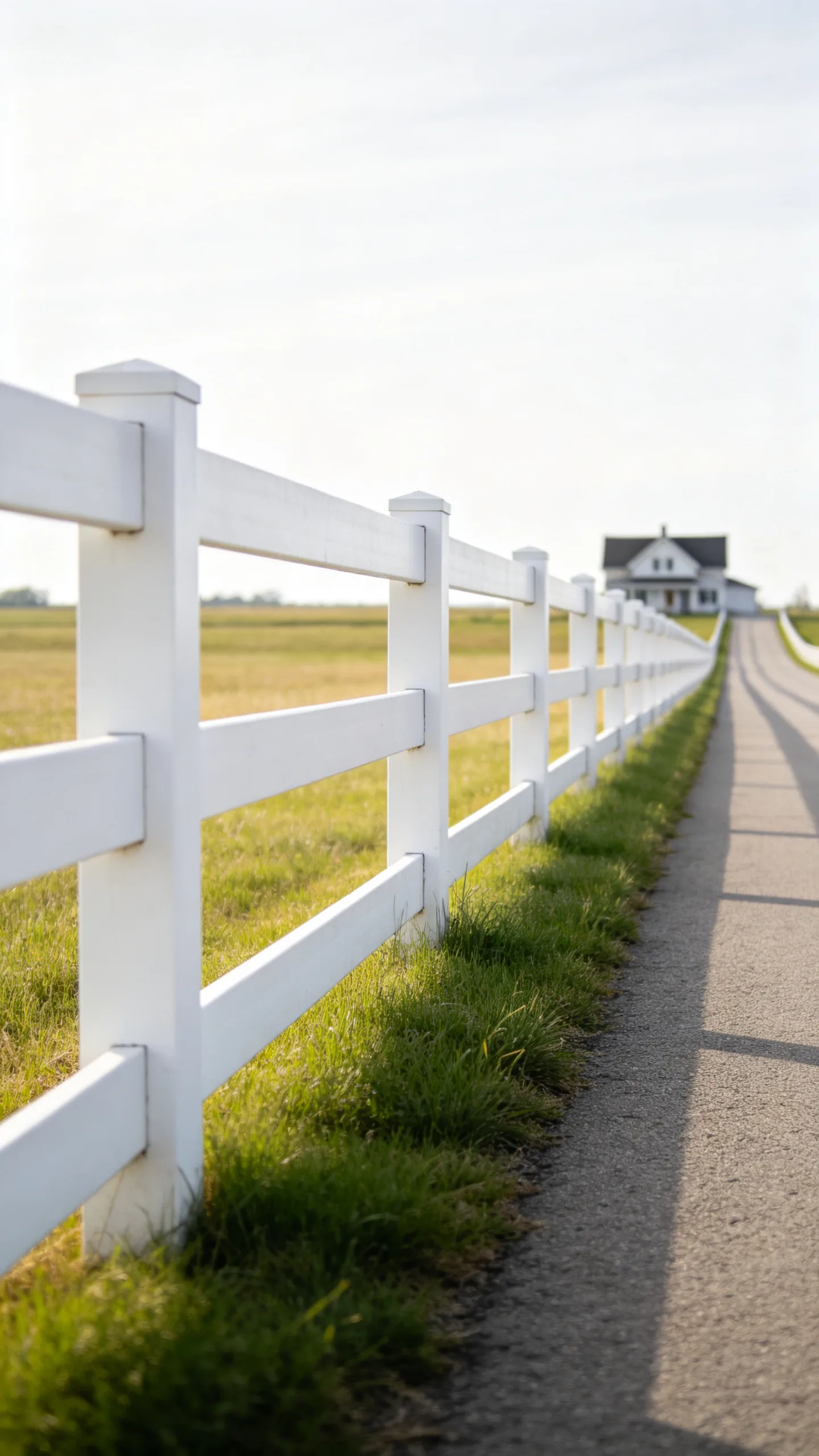
A white post and rail fence gives a front field or roadside boundary a bright, traditional farm look. It is especially effective where the fence frames a lawn, meadow, horse pasture, or long approach to a farmhouse.
Painted or vinyl-coated options create a crisp appearance, but they require different care routines. Painted wood may need scraping and repainting over time, while vinyl is usually easier to wash but can look less rustic. Keep grass trimmed along the base so the white rails remain visible and the fence line looks intentional rather than overgrown.
8. Rustic Log Rail Fence for a Woodland Edge
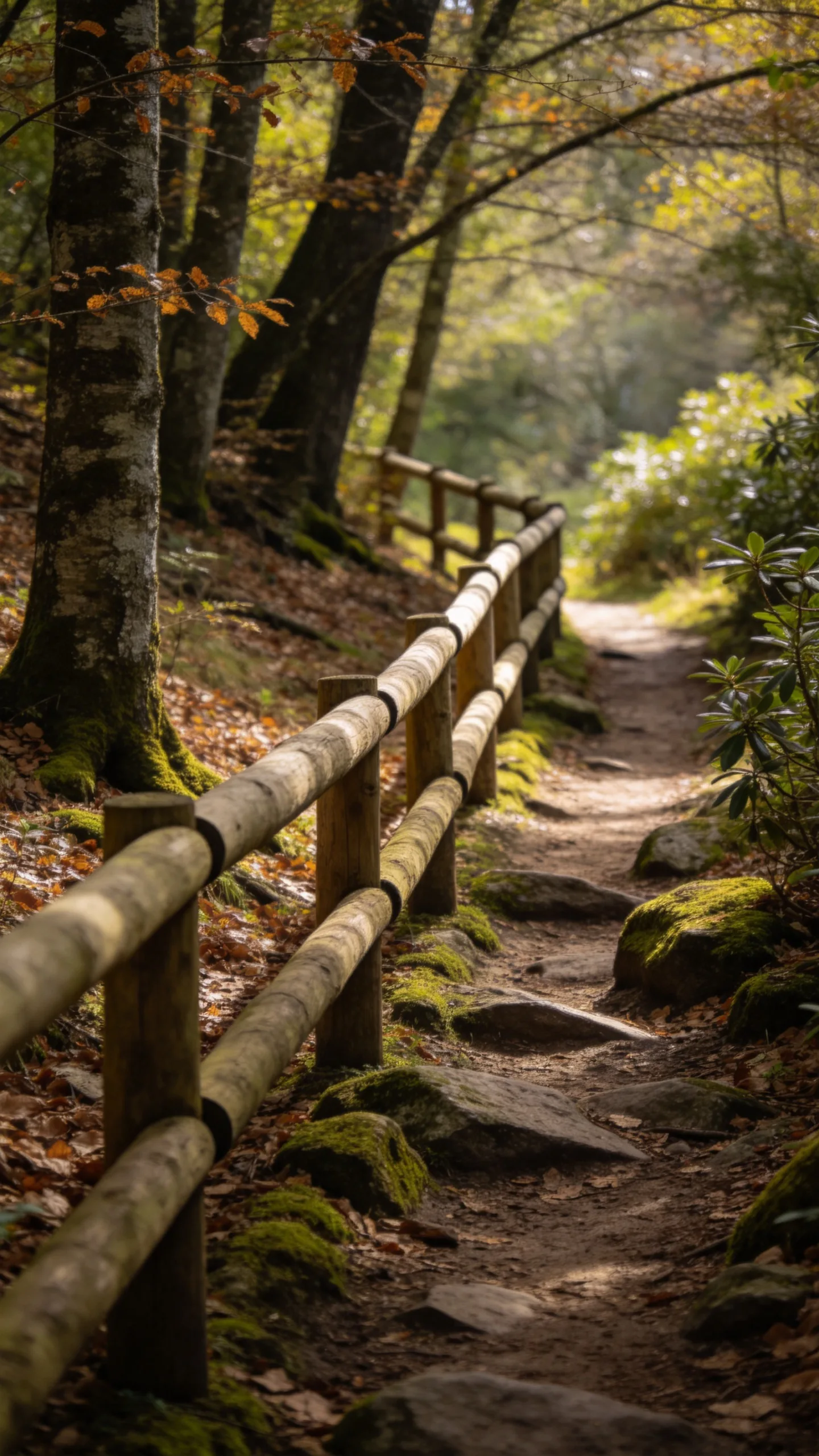
A rustic log rail fence fits naturally along woodland edges, shaded paths, and informal garden borders. Instead of smooth boards, it uses rounded or irregular rails that blend with trees, leaf litter, native shrubs, and natural stone.
This fence is best for defining areas rather than securing animals or keeping wildlife out. It can guide foot traffic, mark the edge of a wildflower area, or separate a mown lawn from a woodland garden. If the ground is uneven, the irregular rails can follow the slope more comfortably than a formal board fence.
9. Welded Wire Fence With Wood Frame Panels
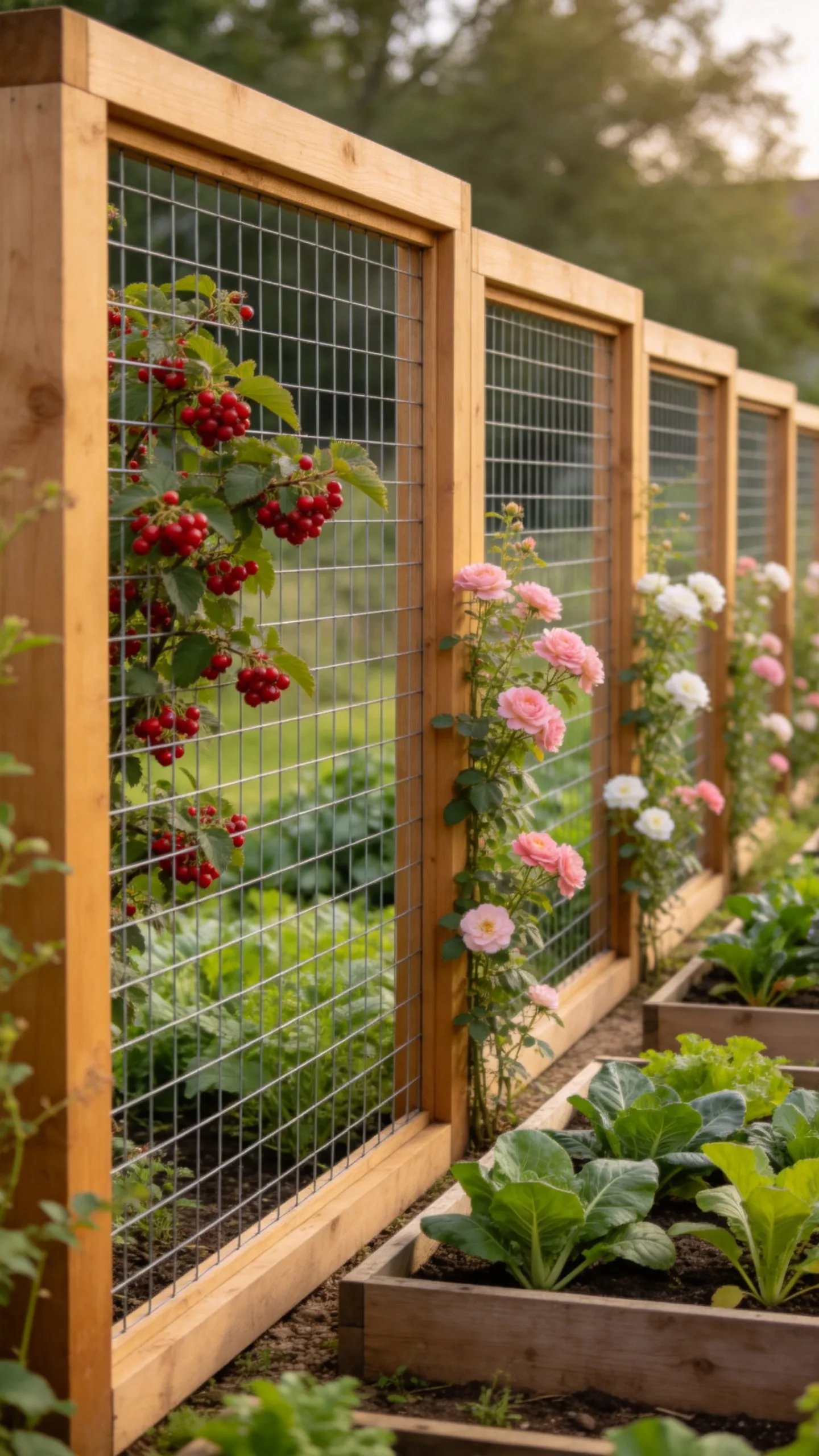
Welded wire panels framed in wood create a tidy, modern farm fence that still uses classic materials. Each panel acts like a picture frame, making the fence look more deliberate than plain wire stretched between posts.
This idea is useful for backyard gardens, small animal runs, side yards, and compact homestead spaces. The wood frame adds structure, while the wire keeps the view open and allows sunlight and air to reach plants. Use it near climbing flowers, berry bushes, or vegetable beds where a full privacy fence would create too much shade.
10. Post and Rail Fence With Climbing Vines
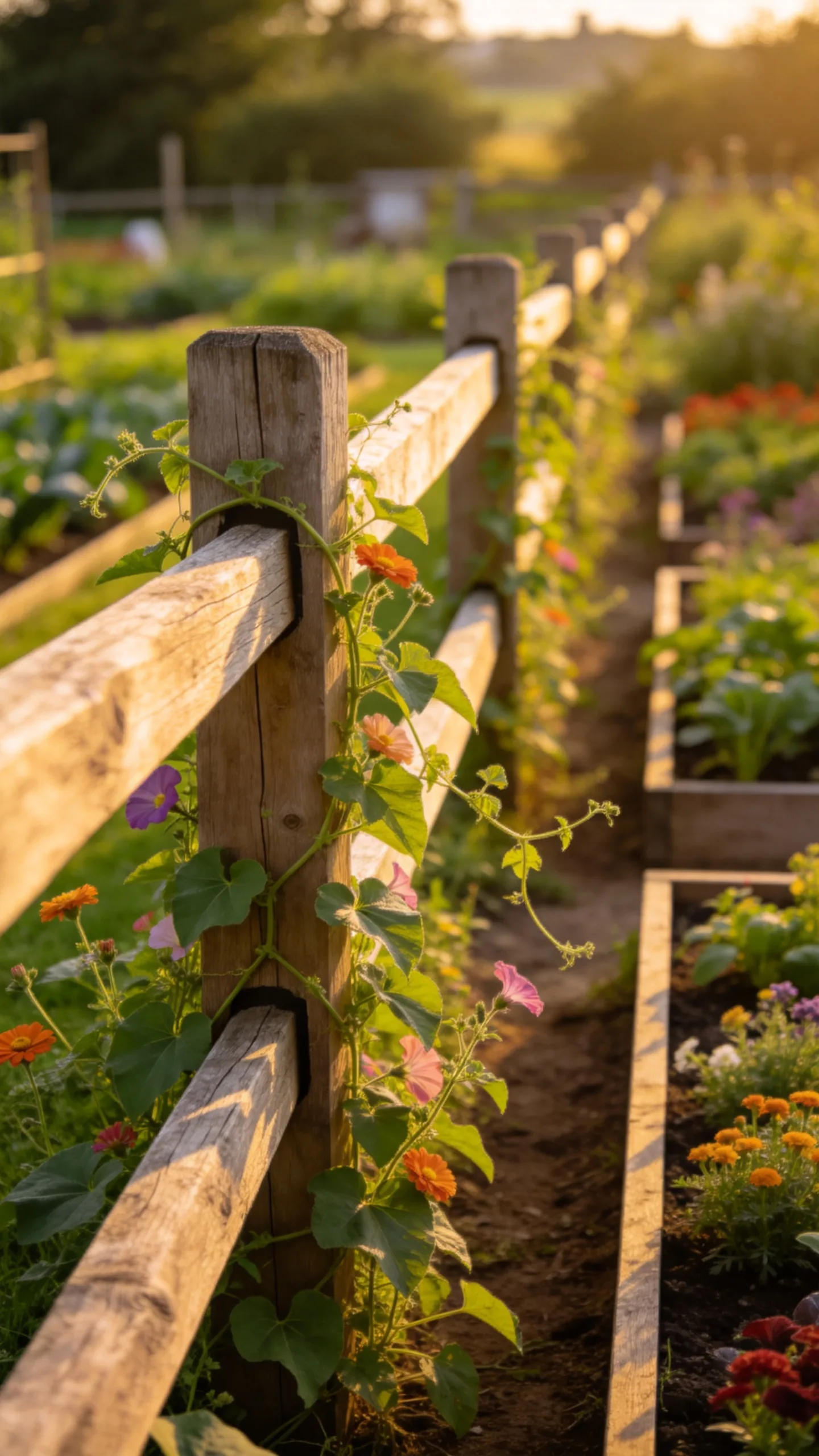
A post and rail fence can double as a simple garden support when paired with climbing vines. Flowering annuals, lightweight edible vines, or ornamental climbers can soften the rails and help the fence blend into the landscape.
Choose vines based on light and maintenance needs. Sweet peas, nasturtiums, and annual morning glories are seasonal options for sunny spots, while perennial vines need more planning because they can become heavy or aggressive. If the fence is meant to contain animals, keep plant toxicity and chewing habits in mind before planting along the rail line.
11. Wire Field Fence for a Large Boundary
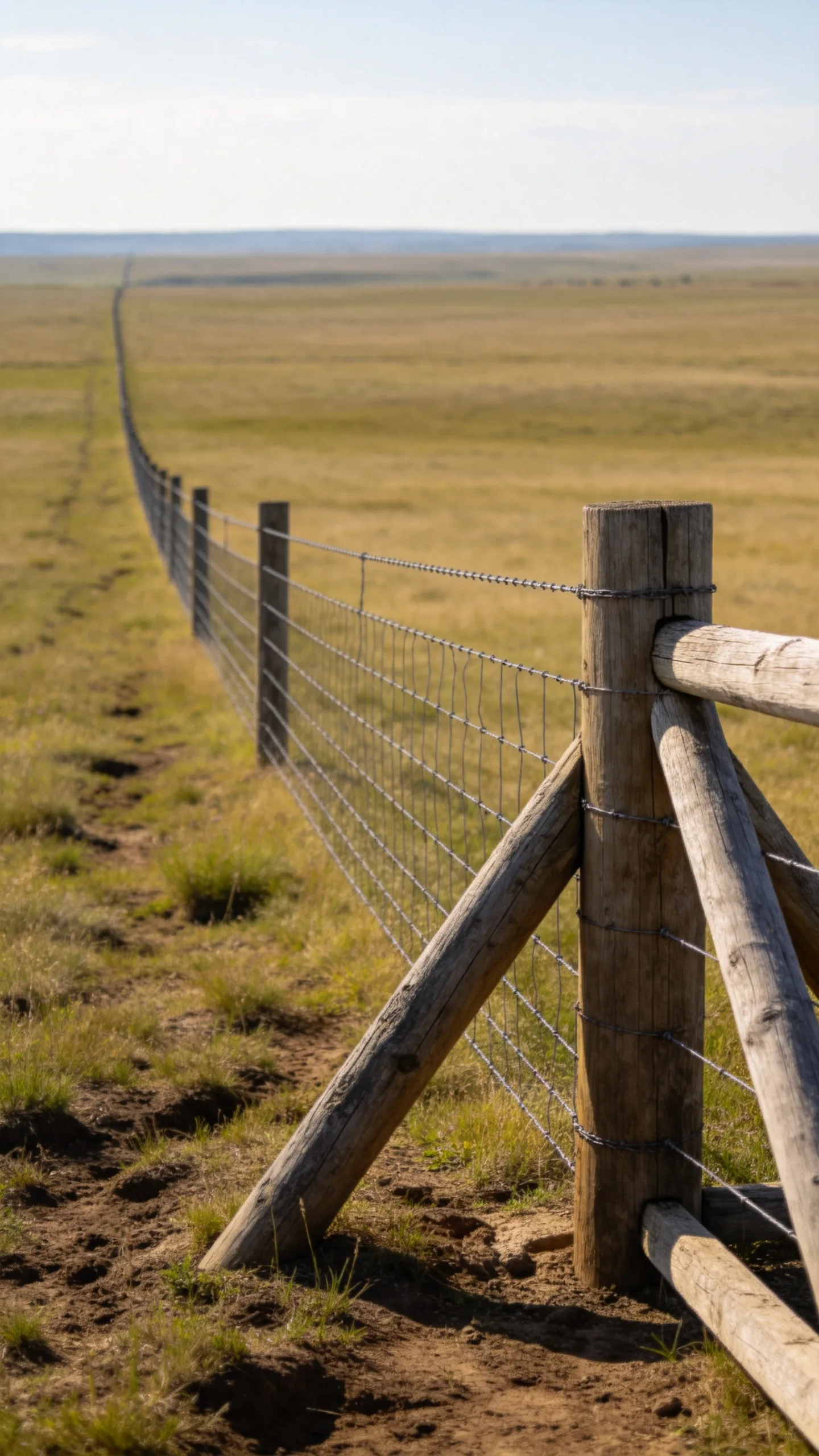
Wire field fencing is practical for long property lines because it covers distance efficiently and does not block views. It is commonly used around pastures, hay fields, orchards, and rural back boundaries where a solid wood fence would be expensive and visually heavy.
Strong corner posts are essential because the wire needs tension to stay upright. Wood brace posts at corners and gates help prevent sagging, while line posts keep the fence aligned across uneven ground. This type of fence is more functional than decorative, but adding wood gates or a short post and rail section near visible areas can make it feel more finished.
12. Crossbuck Farm Fence for a Decorative Front Border
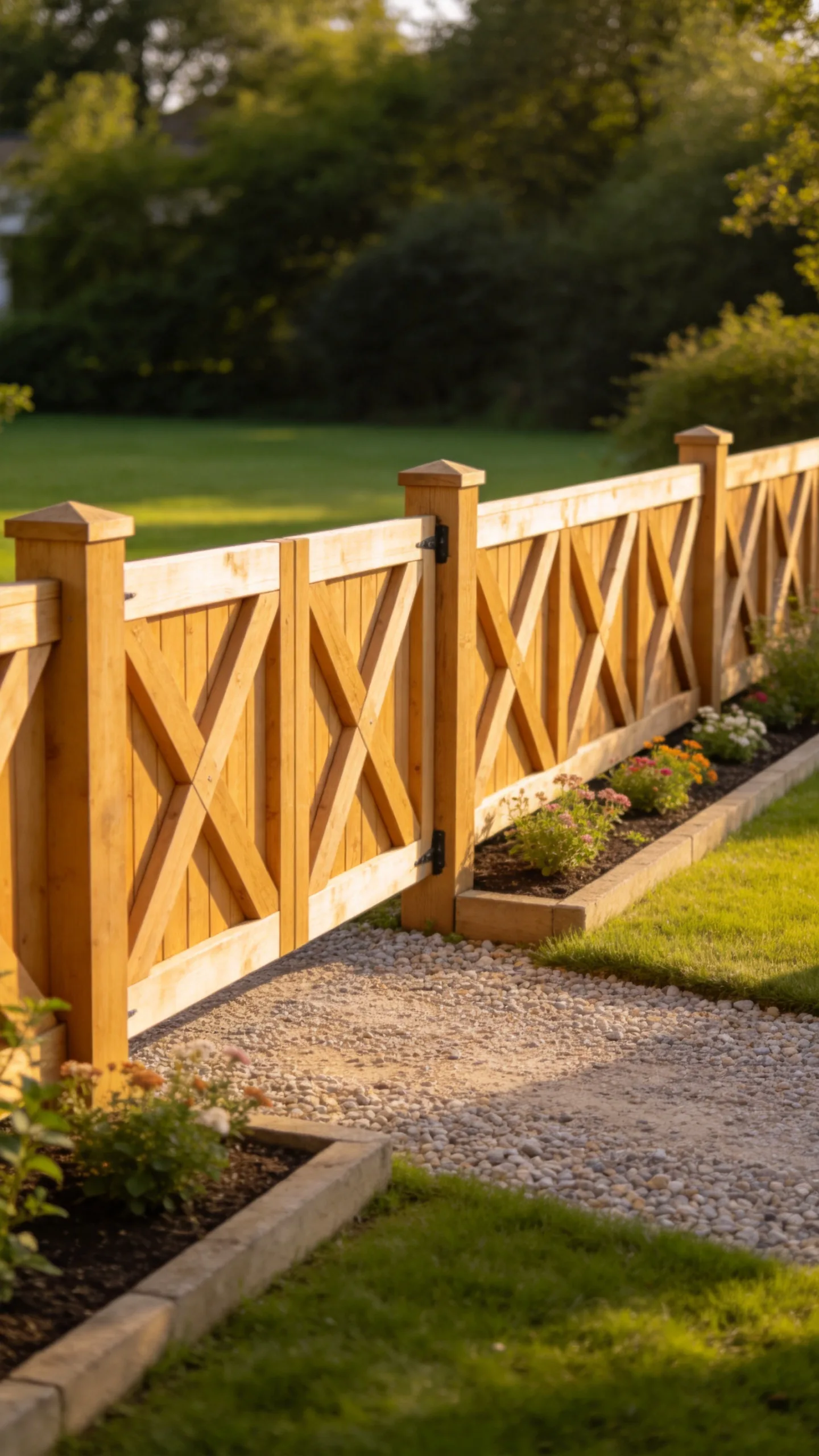
A crossbuck fence uses diagonal boards between posts, creating an “X” pattern that feels more decorative than a simple rail fence. It works well at front borders, driveway curves, garden entrances, and areas where the fence is meant to be seen up close.
Because the diagonals use extra lumber, this style is often best for shorter stretches rather than an entire large property. It pairs well with gravel paths, clipped grass, low flower beds, and farmhouse-style gates. If containment is needed, wire mesh can be installed behind the crossbuck pattern so the fence stays useful without losing its distinctive look.
13. Low Rail Fence Around an Orchard
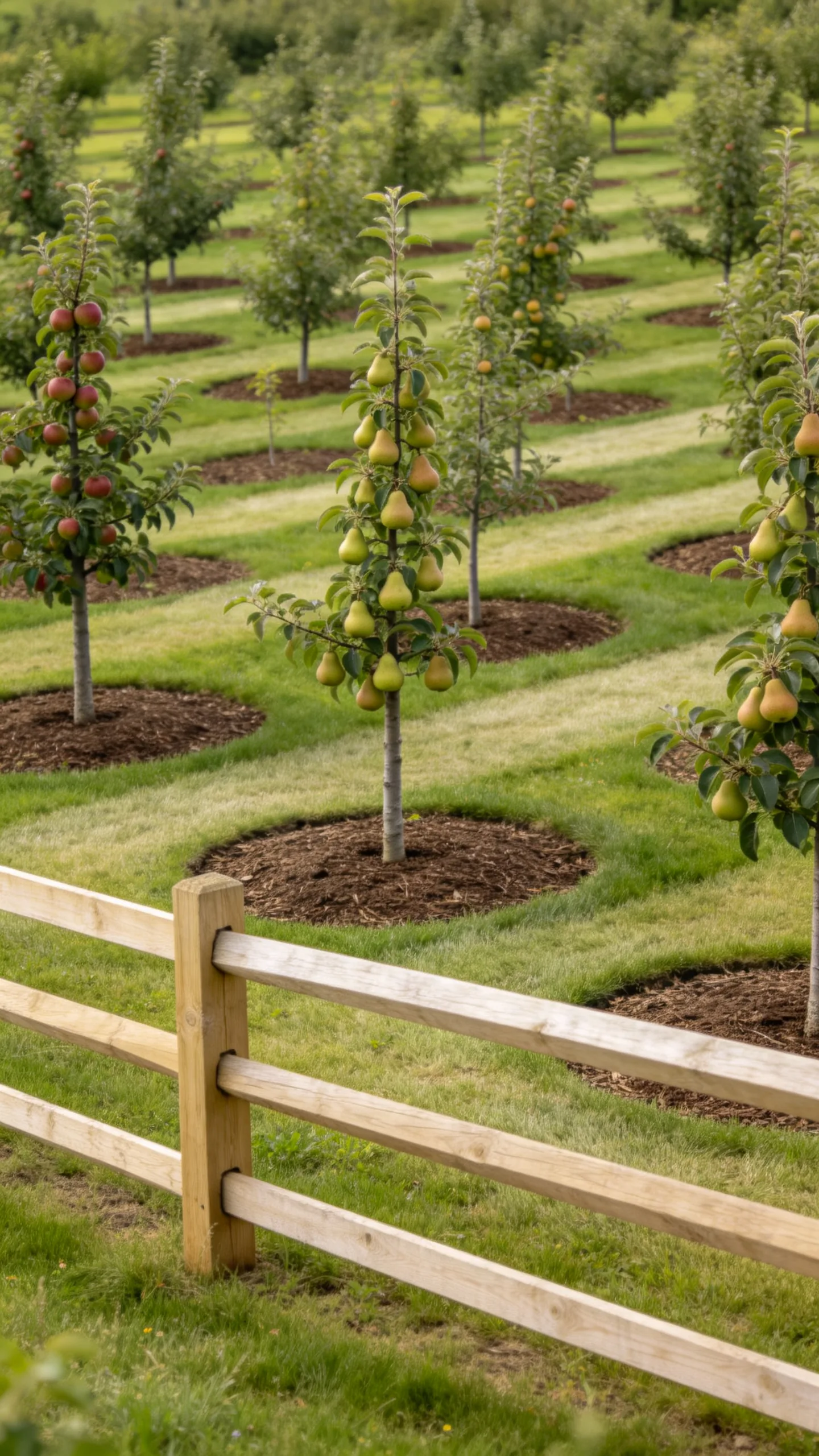
A low rail fence can define an orchard without overwhelming the trees. Two rails are often enough to mark the planting area, guide mowing patterns, and keep foot traffic away from young trunks or irrigation lines.
This fence is especially helpful in small orchards where apple, pear, peach, or plum trees are planted in rows. Leave enough clearance around the trunks for pruning, mulching, and harvesting. If deer or livestock are a concern, a low rail fence alone will not be enough, so it may need taller wire protection or individual tree guards.
14. Wood Privacy Fence Mixed With Farm Wire
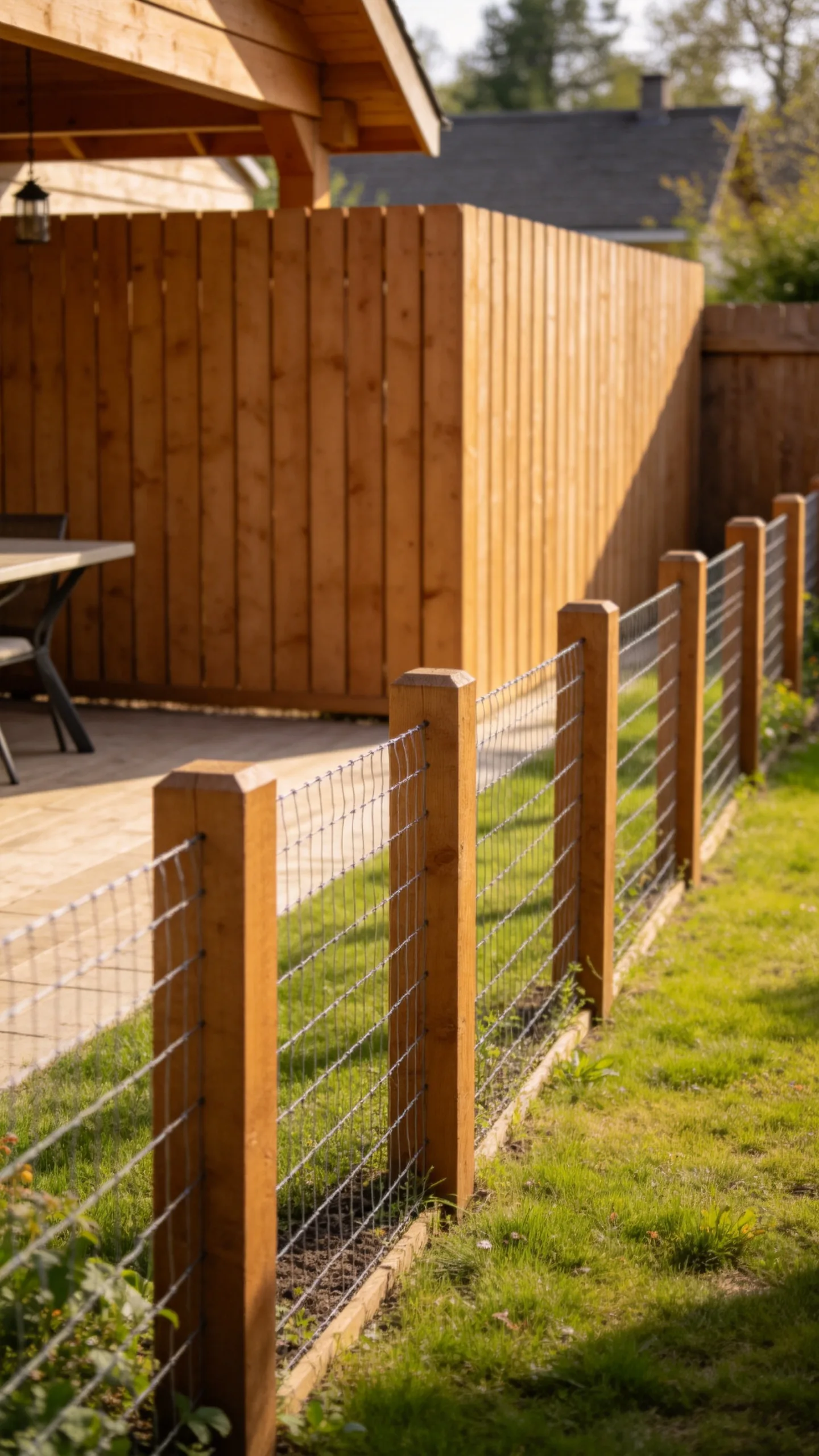
A mixed fence can combine solid wood privacy sections with open farm wire panels. This is useful where one part of the yard needs screening—such as a patio, tool storage area, compost station, or outdoor seating space—while the rest of the boundary can stay open and airy.
Use solid boards near spaces where privacy matters, then transition to post and wire fencing along gardens, lawns, or pasture edges. Repeating the same wood posts throughout helps the fence feel connected rather than patched together. This approach is practical for properties that need both rural character and backyard privacy.
15. Metal T-Post and Wire Fence for Seasonal Garden Protection
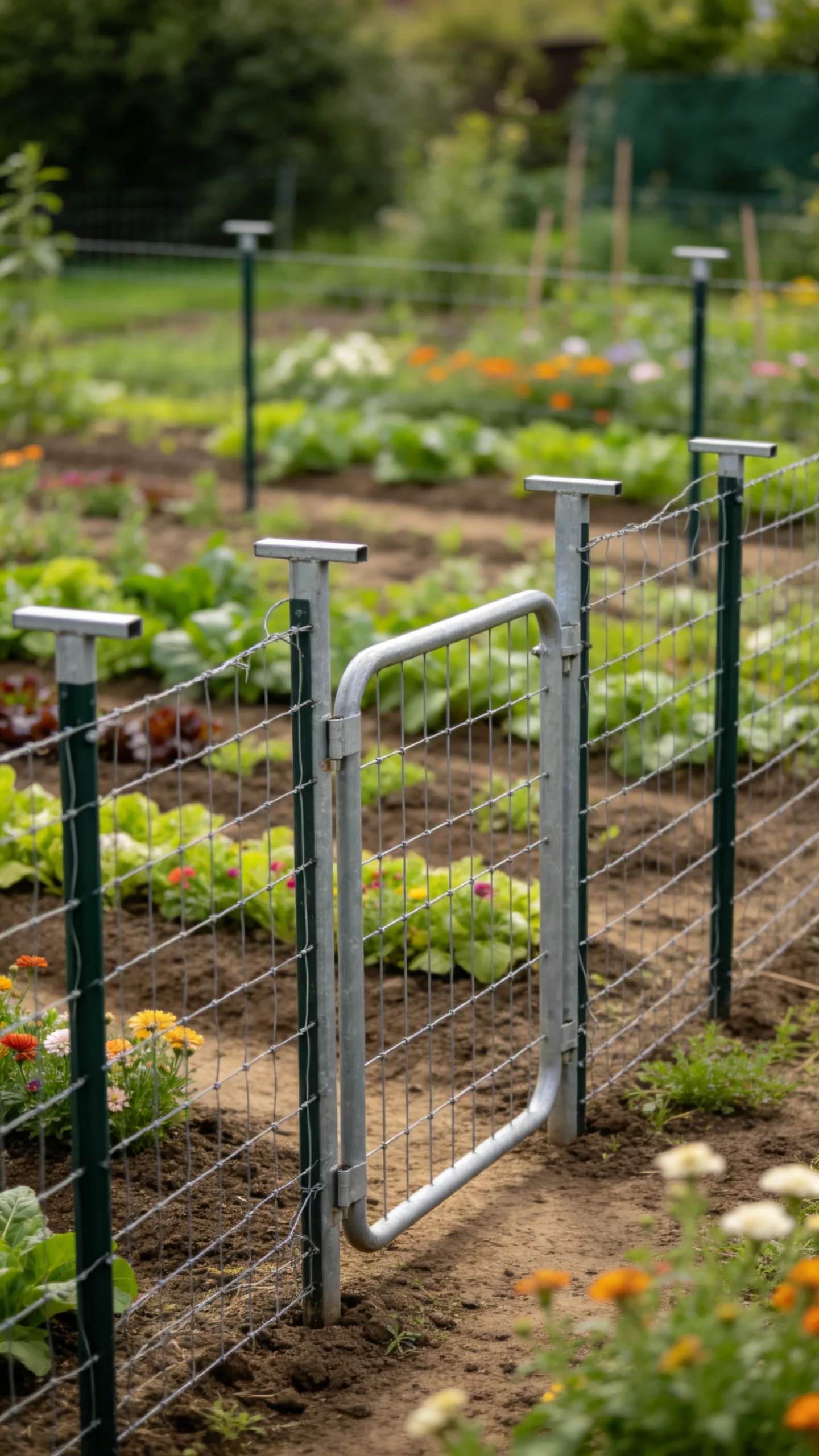
A metal T-post and wire fence is a practical option for seasonal garden protection. It can be installed around temporary vegetable plots, cut flower rows, berry beds, or newly planted areas without the cost and permanence of a full wood fence.
This type of fence is especially useful when you are testing a new garden layout. Use welded wire, garden fencing, or lightweight mesh depending on what you need to exclude. Add wood posts at gates or corners if the fence will stay up for several seasons, since those points handle the most movement and pressure.
16. Farm Gate With Matching Wood Rails
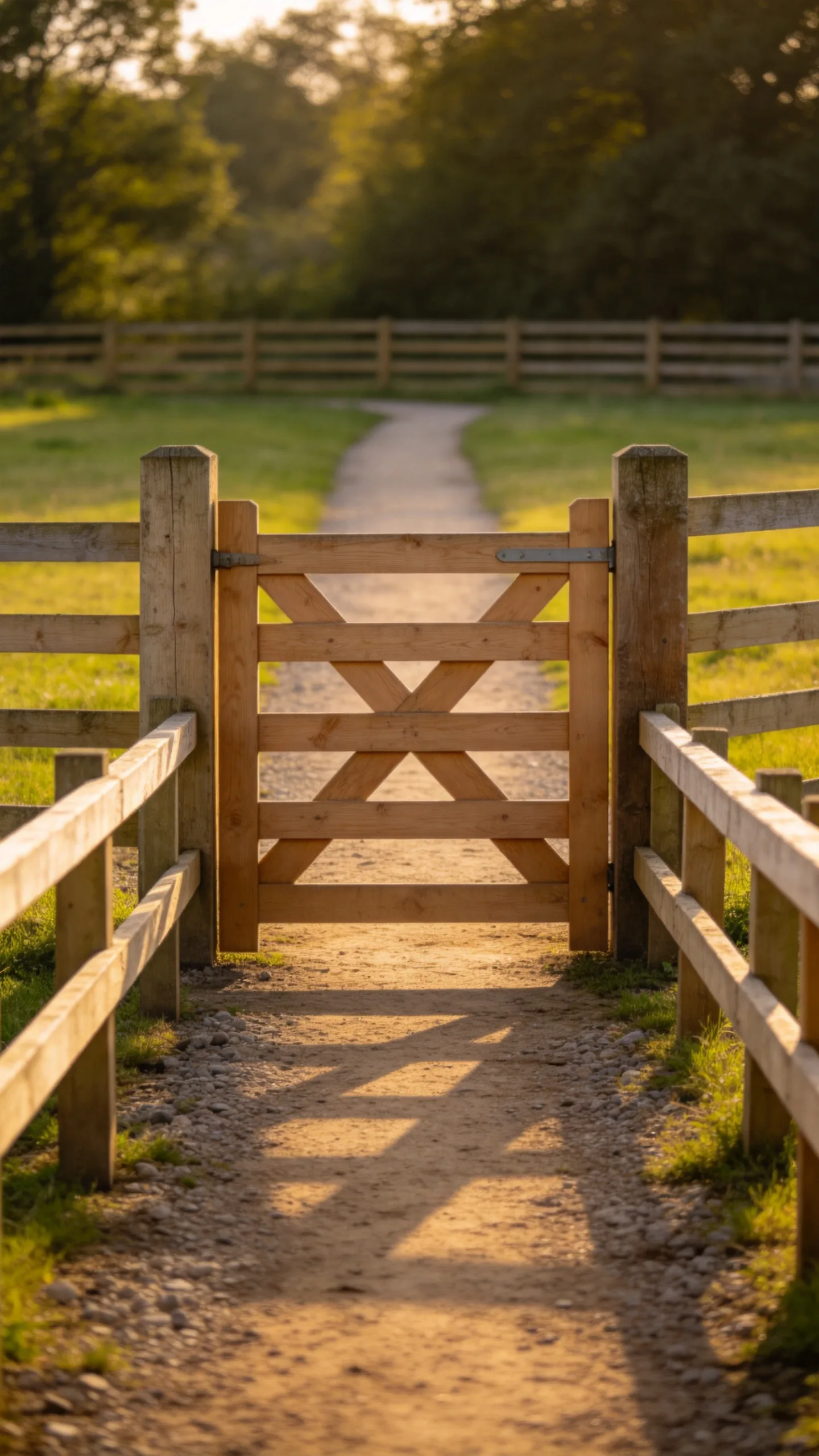
A farm gate becomes more attractive when it matches the surrounding fence rails. A simple wood gate with horizontal boards can connect two sections of post and rail fencing and create a clear entrance to a pasture, garden, orchard, or backyard work area.
Make the gate wide enough for the equipment you actually use, such as a mower, garden cart, wheelbarrow, or small tractor. Install sturdy gate posts deeper and stronger than regular line posts because they carry extra weight. A well-placed gate can also improve daily maintenance by reducing how far you need to walk with tools, feed, mulch, or harvested produce.
17. Dark Stained Wood Fence for a Modern Farm Look
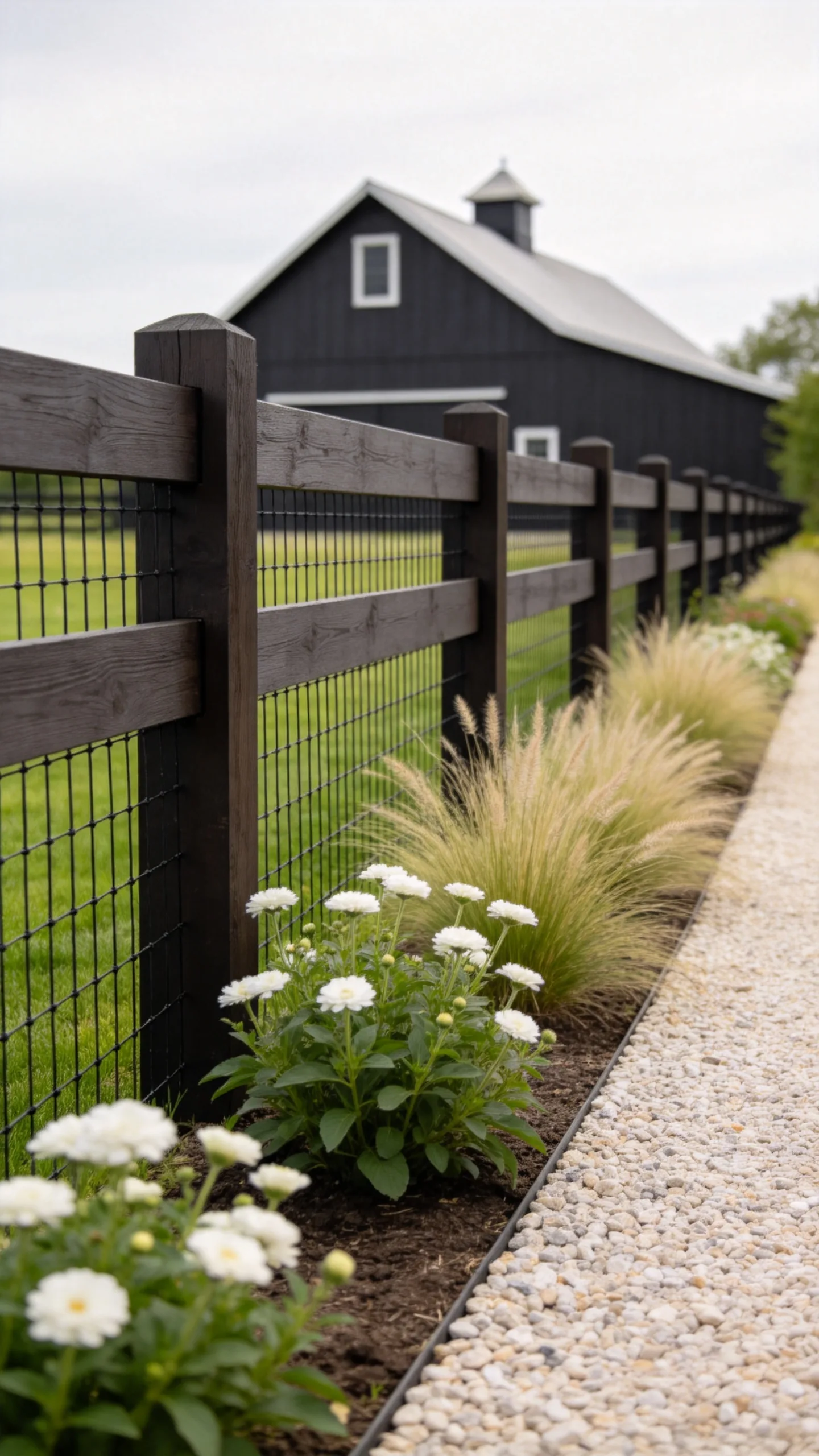
Dark stained wood gives a farm fence a more modern appearance while keeping the classic post and rail or board structure. Charcoal, dark brown, and black-brown stains can make green grass, ornamental grasses, white flowers, and light gravel paths stand out.
This style works well around contemporary farmhouses, backyard gardens, and small acreage properties where a raw wood fence might feel too rustic. Dark finishes can show dust, scratches, or sun fading depending on exposure, so choose an exterior stain suited to local weather. Pairing dark wood with black wire mesh creates a clean, low-contrast fence that still feels rural.
18. Stone Pillars With Wood Rail Sections
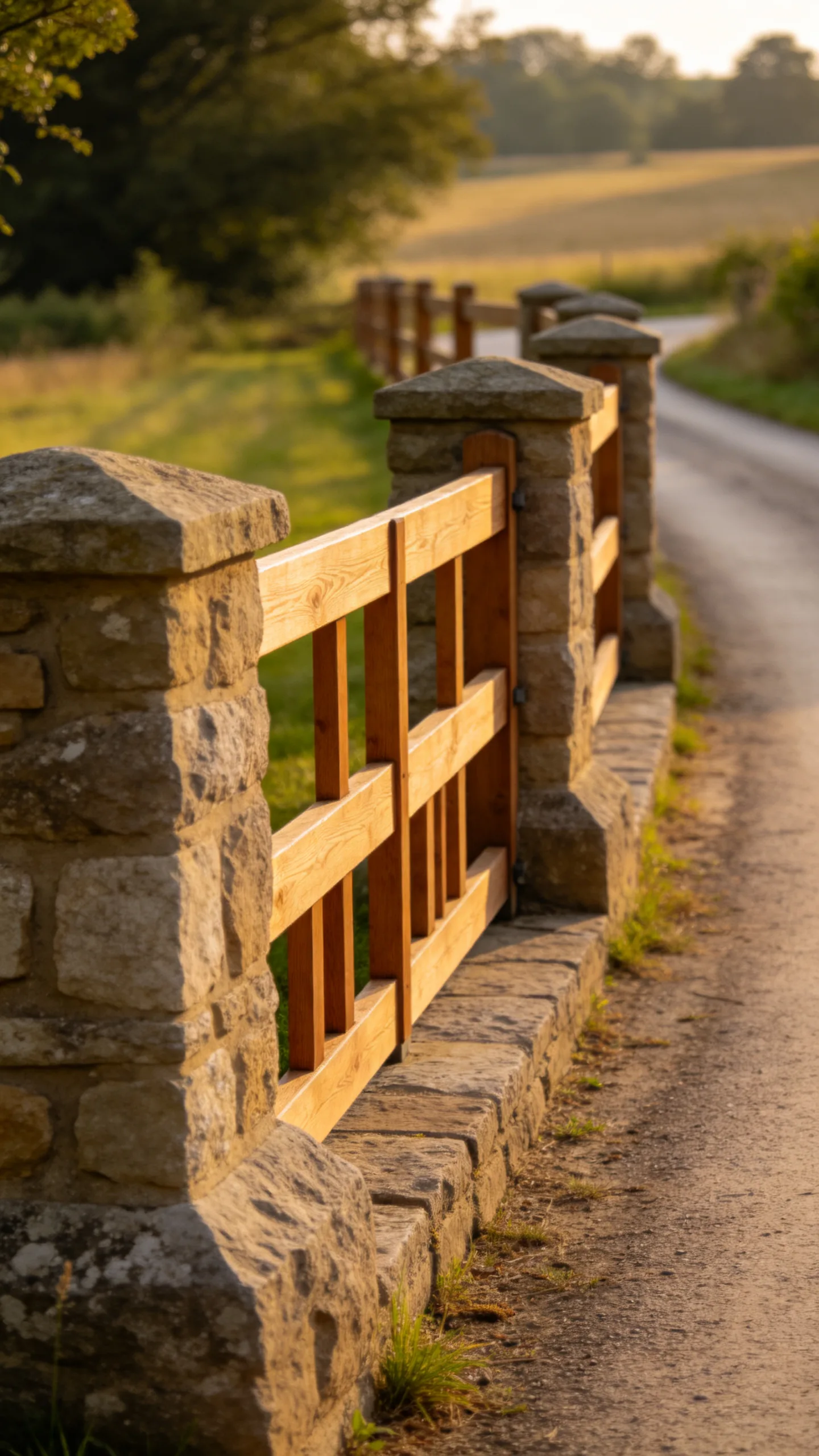
Stone pillars with wood rail sections create a substantial farm fence that feels permanent and traditional. The stone adds weight at entrances, corners, or short feature sections, while the wood rails keep the overall design open.
This idea works best where you want a strong visual anchor, such as the front of a property, a driveway approach, or the edge of a formal garden near a rural home. Full stone fencing can be costly and labor-intensive, so using stone only at key points makes the design more achievable. Choose rail spacing and wood finish to match the rest of the property so the stone and wood feel integrated rather than mismatched.