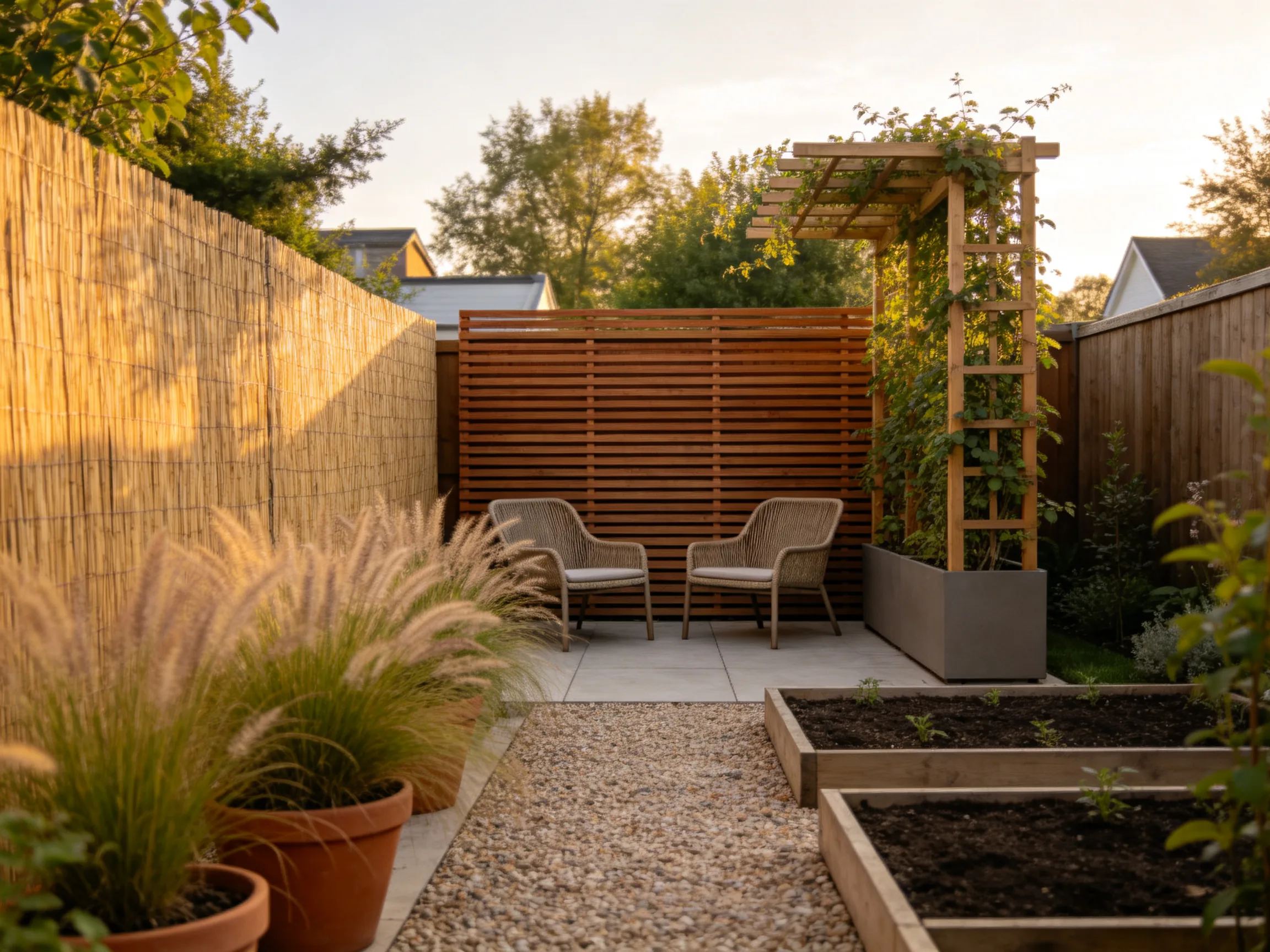
Creating backyard privacy does not always require a custom-built fence or expensive materials. With the right mix of simple panels, garden structures, fast-covering plants, and clever placement, you can block sightlines around patios, side yards, decks, balconies, and small garden corners while keeping costs manageable. These cheap fence ideas budget-conscious homeowners and renters can adapt are practical for small spaces, seasonal upgrades, and phased projects.
1. Reed Roll Fence Attached to an Existing Chain-Link Fence
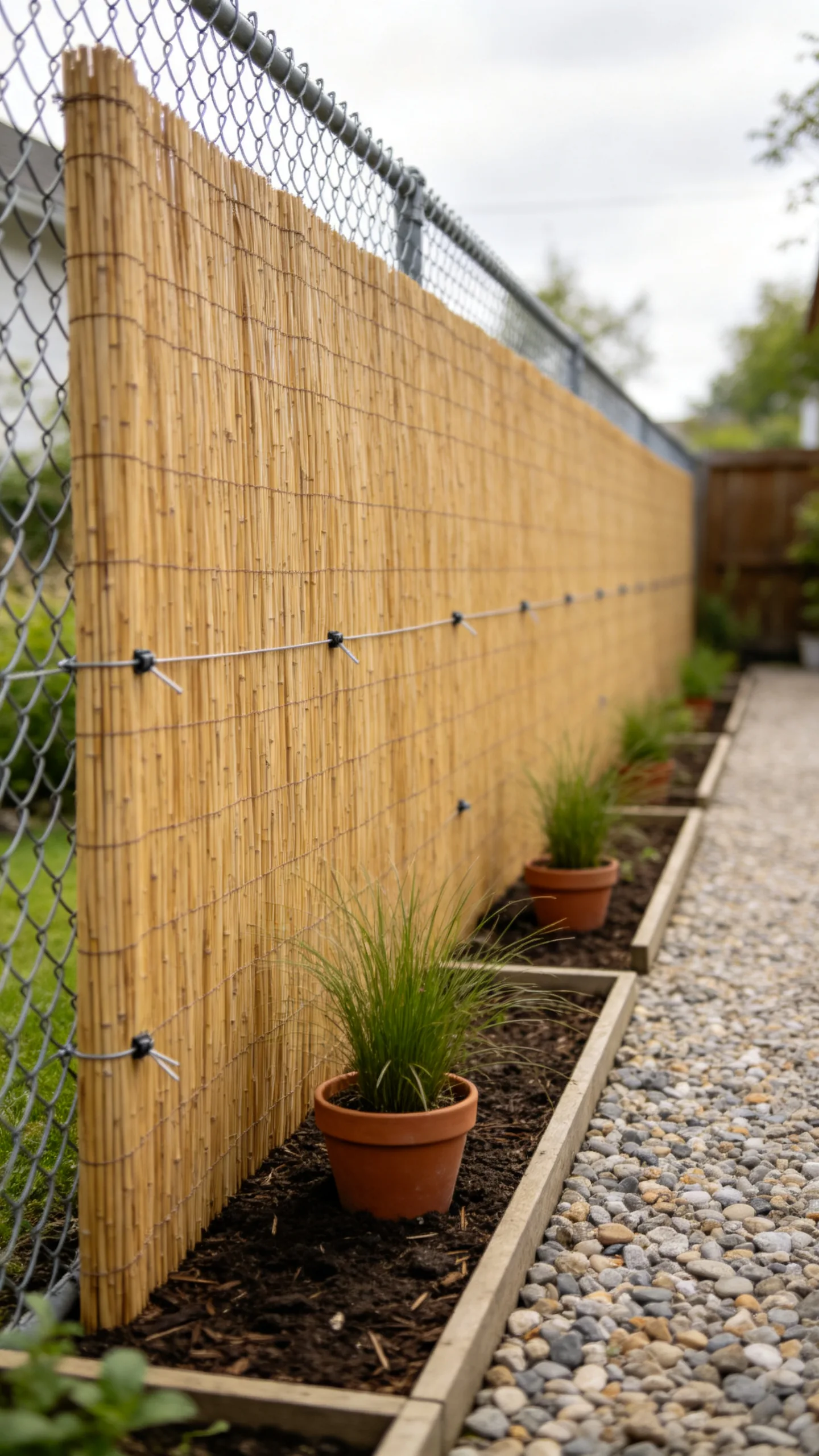
Reed fencing is one of the easiest ways to add privacy to a chain-link fence without rebuilding the entire boundary. It usually comes in lightweight rolls that can be tied to metal fencing with zip ties, garden wire, or UV-resistant cable ties. This works especially well along side yards, rental patios, dog runs, and narrow garden strips where you already have a sturdy fence but need visual screening.
For better durability, attach the reed roll tightly every 12 to 18 inches so wind cannot pull it loose. Keep the bottom slightly above damp soil or mulch to reduce moisture damage. Reed fencing gives a natural garden look and pairs nicely with gravel paths, potted grasses, and simple raised beds, but it may need replacing after a few seasons depending on weather exposure.
2. Bamboo Screening Panels for a Patio Edge
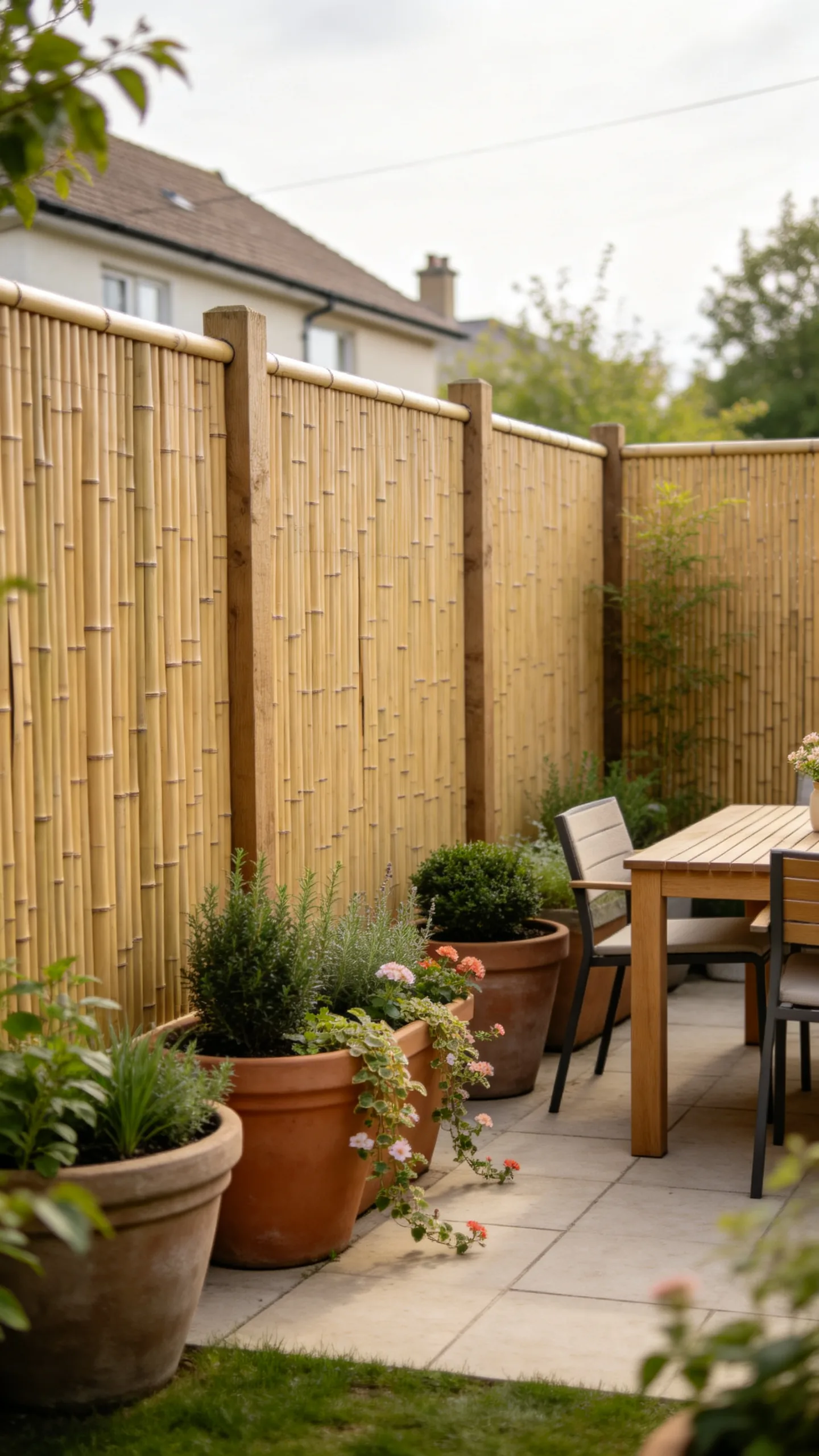
Bamboo panels or bamboo rolls can make a small patio feel more enclosed without using bulky construction materials. They are useful along a seating area, outdoor dining nook, or balcony railing where the goal is to block a neighbor’s direct view rather than fence an entire yard. Bamboo has a clean vertical texture that works with tropical, modern, cottage, or relaxed backyard styles.
Install bamboo against existing posts, deck rails, or a simple frame made from pressure-treated lumber. If the area gets heavy rain, lift the bamboo off the ground slightly and seal the cut ends when possible. Add large planters at the base with herbs, dwarf shrubs, or trailing flowers to soften the screen and make the setup feel intentional instead of temporary.
3. Pallet Privacy Fence with Staggered Boards
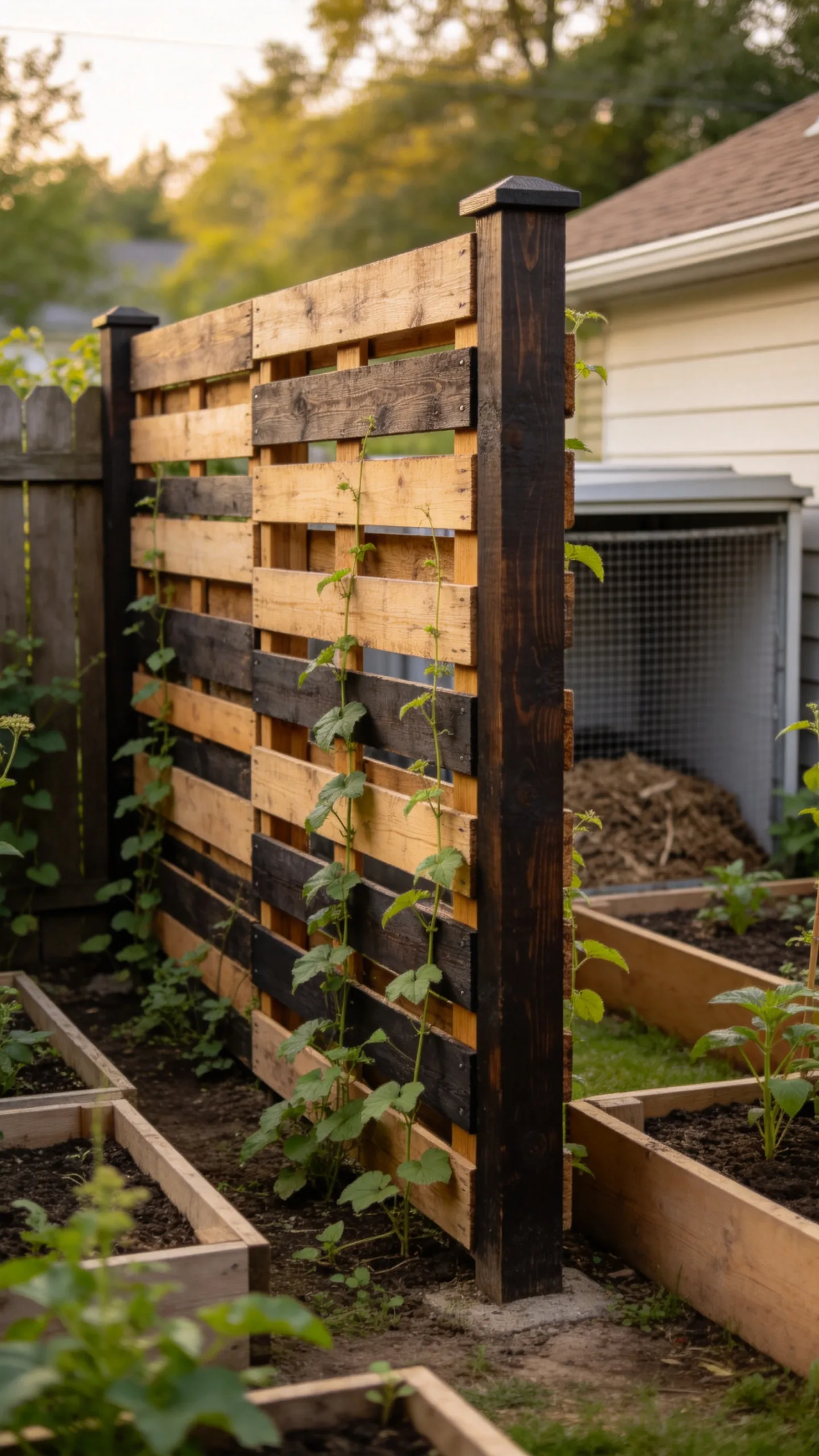
Wood pallets can be turned into a budget privacy fence when you use intact pallets or remove the boards and reattach them in a tighter pattern. This idea works best for small garden zones, compost areas, chicken run screens, or rustic backyard corners where a full privacy wall is not necessary. Always choose heat-treated pallets marked “HT” and avoid pallets with chemical stains, spills, or unknown residue.
For a cleaner look, sand rough edges, set sturdy posts, and attach pallet sections securely rather than leaning them loosely. Staggering the boards helps cover gaps while still allowing some airflow. A dark exterior stain can make mismatched pallet wood look more cohesive, while climbing nasturtiums, sweet peas, or annual vines can soften the structure through spring and summer.
4. Lattice Panels with Climbing Vines
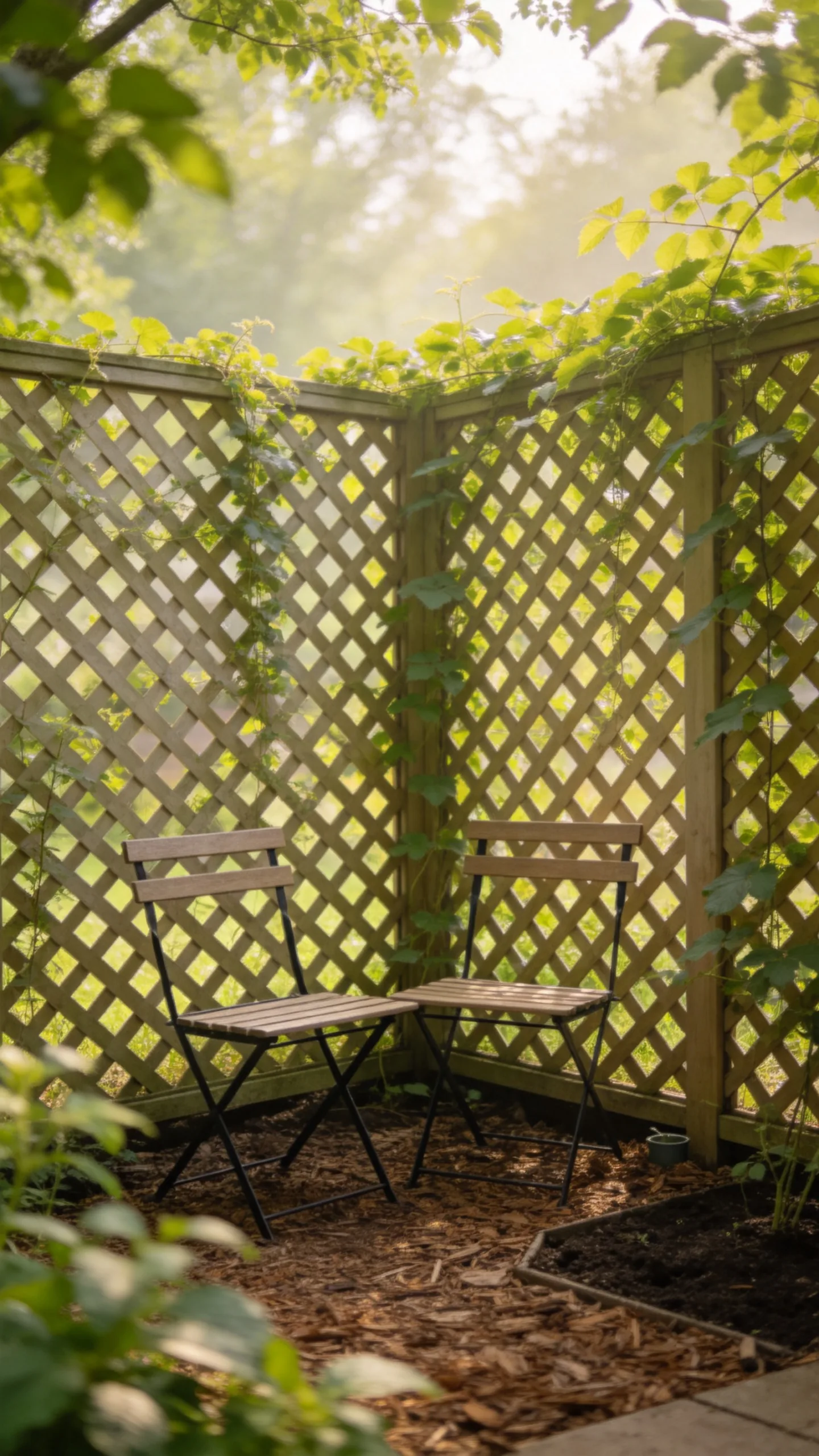
Lattice panels are often cheaper than solid fence panels and can create privacy once paired with climbing plants. Use them around patios, outdoor showers, utility areas, or garden seating spots where filtered privacy is enough. The open grid adds height and structure without making a small yard feel boxed in.
Choose vines based on your climate and maintenance level. Annual options like morning glory, black-eyed Susan vine, and hyacinth bean can cover a panel for one season, while perennial options such as clematis or climbing roses need stronger support and regular pruning. Place the lattice where plants can get the light they need, and leave enough space at the base for soil, mulch, and watering access.
5. Corrugated Metal Panels Between Simple Wood Posts
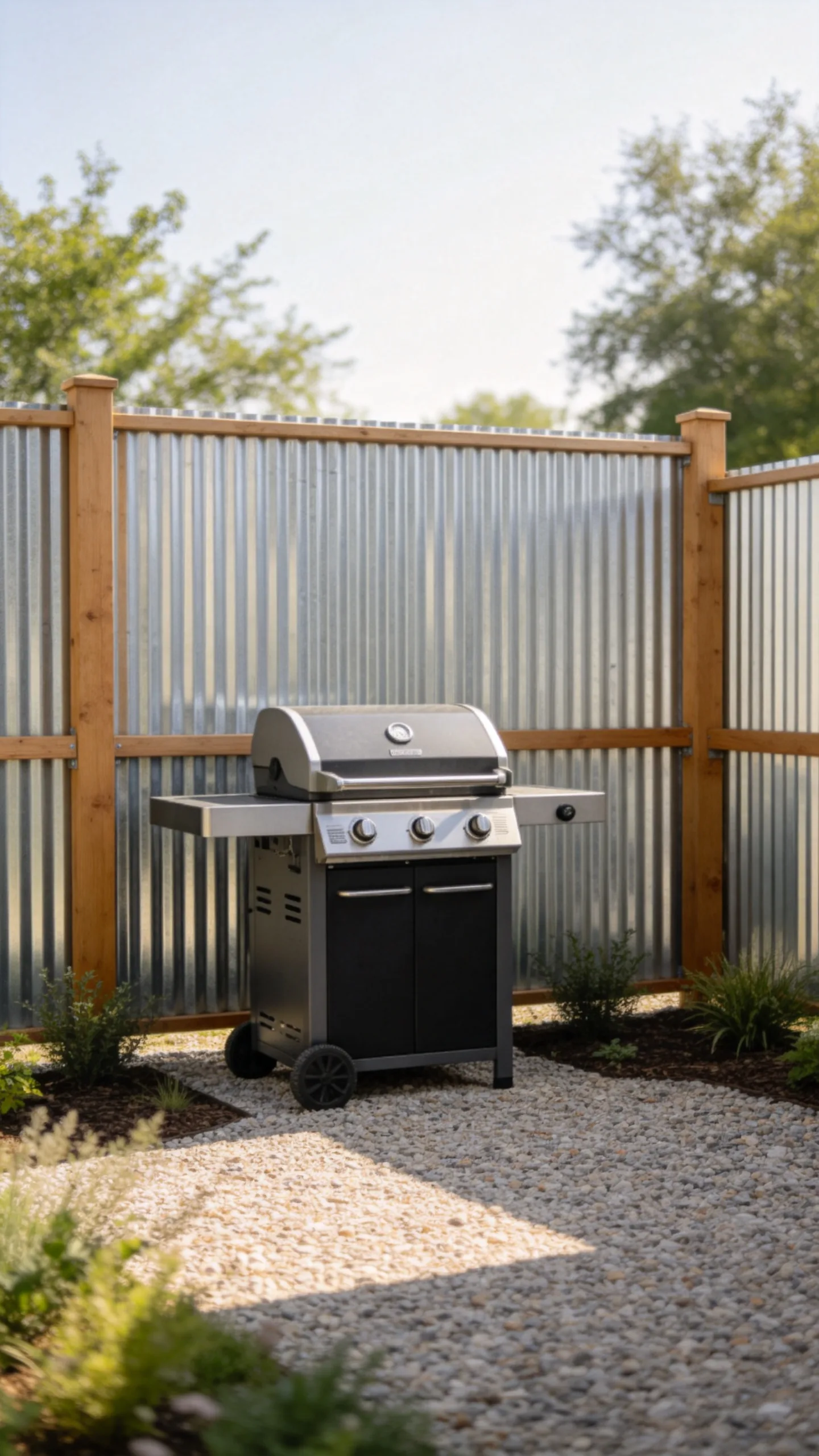
Corrugated metal can be an affordable privacy option when used in short sections rather than around an entire property. It works well behind a grill station, along a patio, or beside a hot tub area where you need a durable visual barrier. The metal panels are thin, strong, and create instant coverage without waiting for plants to grow.
To keep the look from feeling too industrial, frame the panels with basic wood posts and rails. Galvanized metal reflects light and can brighten a shady side yard, while darker painted panels feel more modern. In hot climates, avoid placing reflective metal where it will intensify heat around tender plants or seating areas.
6. Tall Planter Boxes with Privacy Trellises
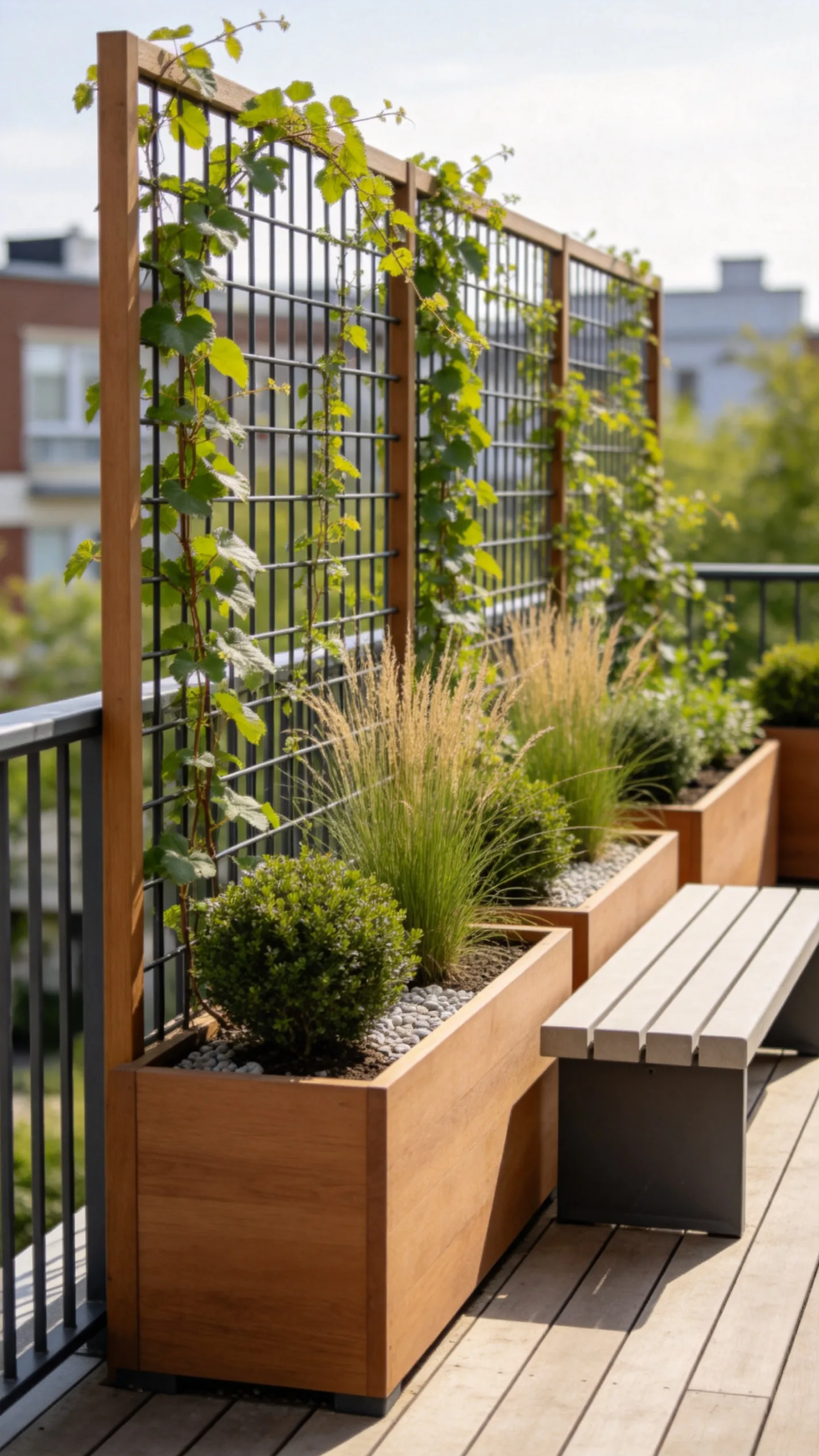
A planter box with an attached trellis is a smart choice for renters, patios, decks, and small backyards because it combines planting space with screening. You can place the planter exactly where privacy is needed, such as beside a seating bench or along an apartment patio edge. This saves space because the fence and garden bed share the same footprint.
Use a deep, stable planter for vines, tall grasses, compact shrubs, or espaliered plants. For seasonal privacy, plant climbing beans, sweet peas, or annual flowering vines. For a longer-lasting screen, use evergreen shrubs suited to containers in your area. Make sure the planter has drainage holes, and add casters only if the finished box will not become top-heavy in wind.
7. Fabric Privacy Screen on Fence Posts
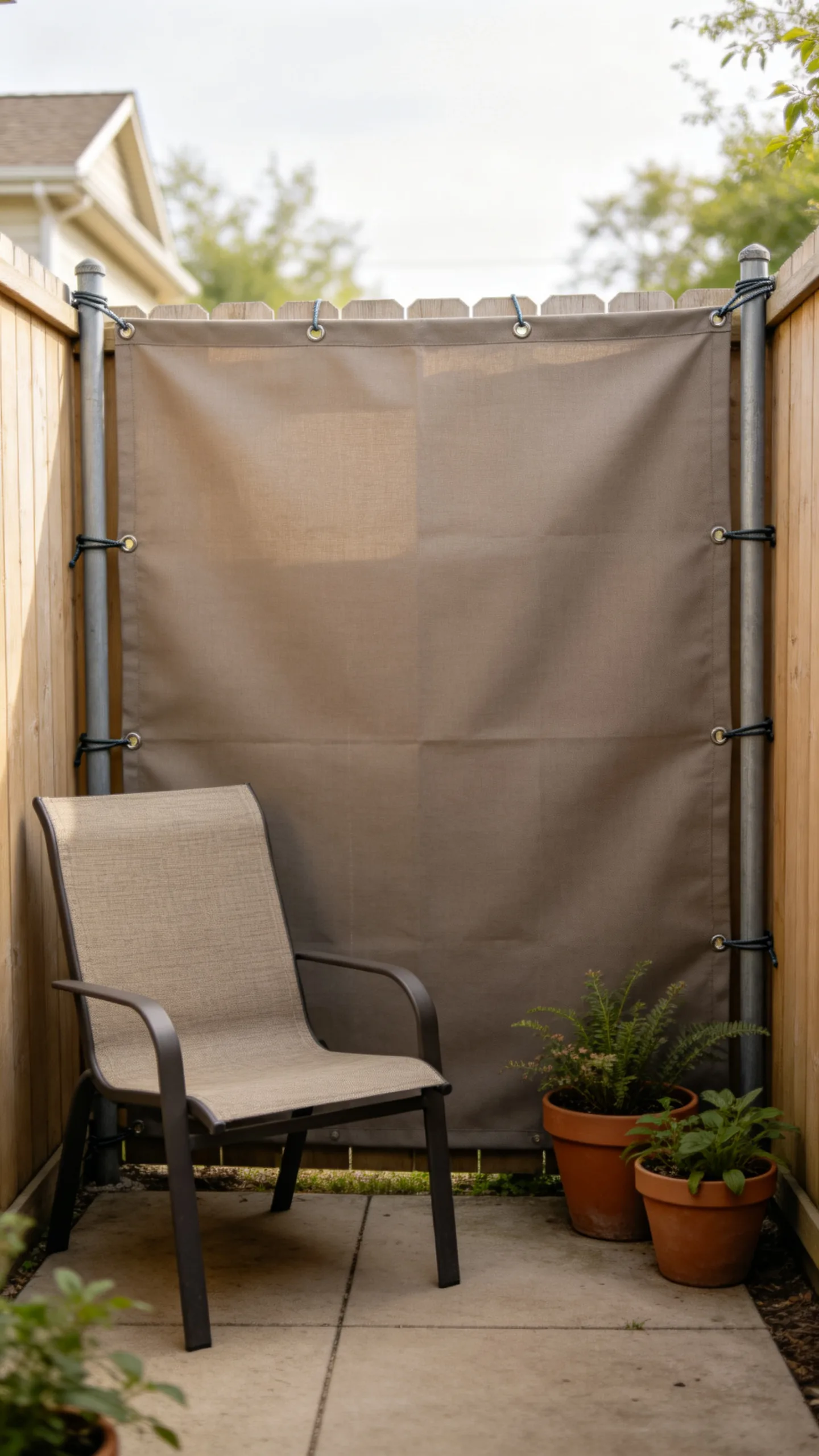
Outdoor fabric can create a quick privacy barrier for a patio, balcony, or garden corner when a permanent fence is not in the budget. Shade cloth, canvas drop cloth, or outdoor-rated privacy fabric can be stretched between posts, attached to a deck railing, or fastened to an existing fence. This is especially useful for blocking one problem view instead of enclosing the whole yard.
Choose breathable fabric if the area is windy, and use grommets, bungee cords, or tension wire so the screen has some flexibility. A neutral tan, charcoal, or olive fabric blends better with garden beds than bright plastic colors. Remove or roll up fabric during storms or winter weather to extend its life.
8. Split-Rail Fence Filled with Wire and Plants
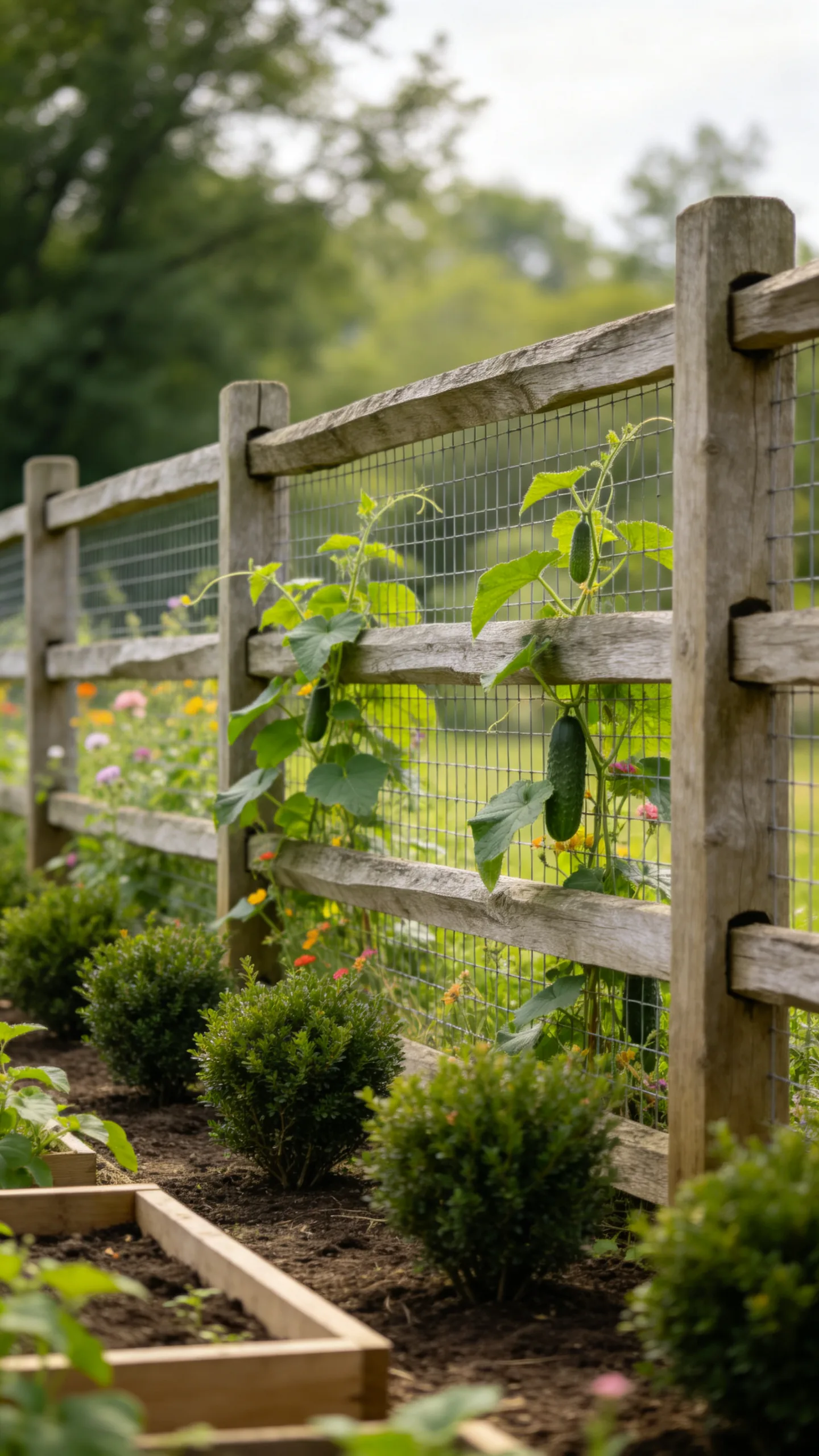
A split-rail fence is not private on its own, but it can become a budget-friendly garden screen when combined with wire mesh and planting. This approach works well for front gardens, cottage-style backyards, or vegetable areas where you want a softer boundary. The rails create structure while the plants fill in the visual gaps over time.
Attach welded wire or garden fencing to the inside of the rails, then grow climbing beans, cucumbers, flowering vines, or rambling annuals during the growing season. For year-round structure, plant shrubs in front of the fence, leaving enough space for mature width. This idea gives a more open look than a solid fence while still guiding views away from patios or windows.
9. Brushwood Fence Rolls for Natural Screening
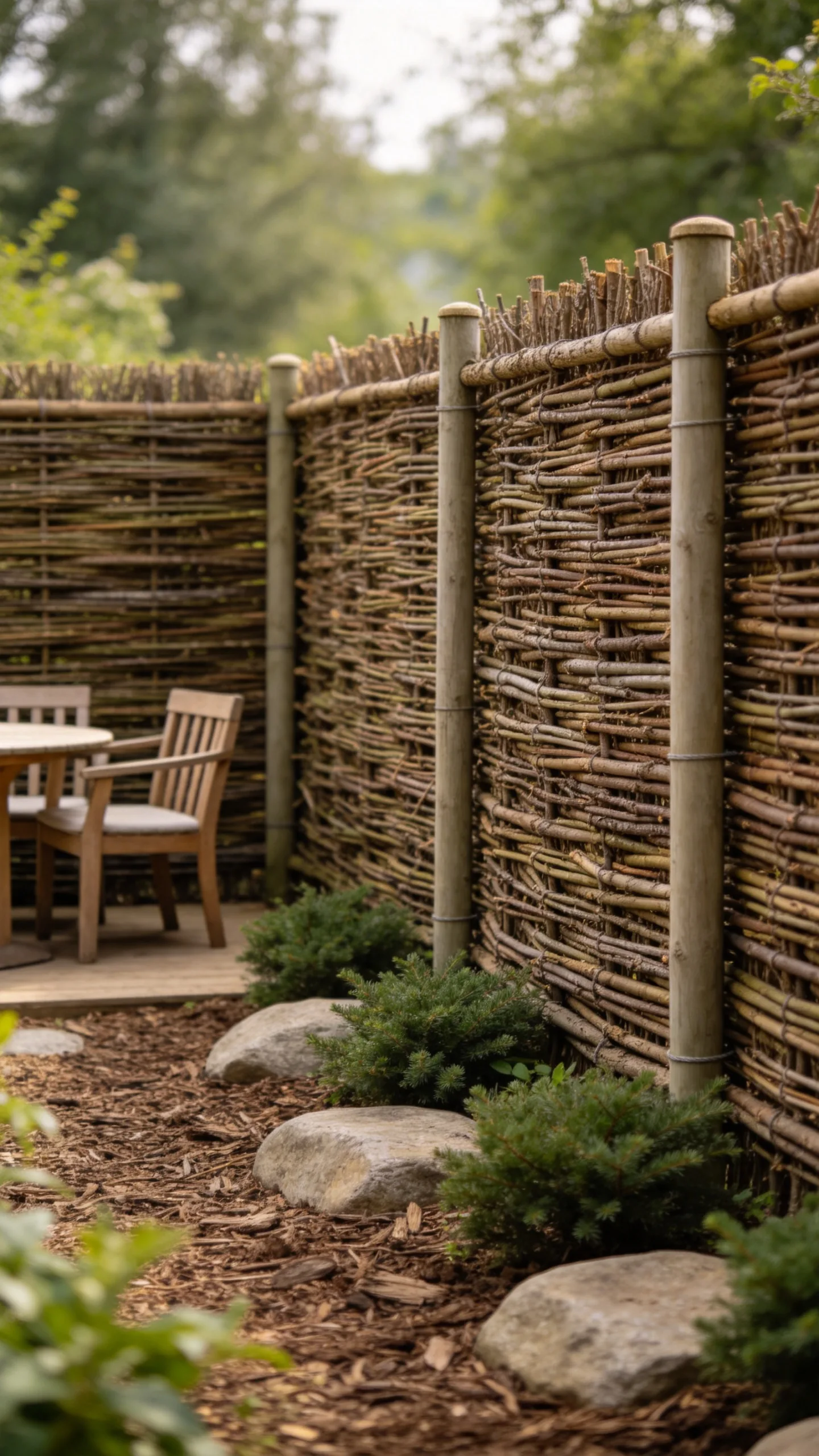
Brushwood rolls are made from bundled twigs or branches and can be attached to existing fencing or simple posts. They create a textured, natural-looking privacy screen that works well around garden seating areas, compost bins, or side-yard boundaries. The dense twig surface offers more coverage than some reed screens while still blending into planting beds.
Secure brushwood tightly to prevent sagging, especially at the top edge. Because natural materials weather over time, it is best used where a rustic look fits the yard. Add mulch, large stones, or low evergreen plants at the base to make the screen look connected to the landscape rather than simply tied onto a fence.
10. Simple Board-on-Board Fence for a Small Section
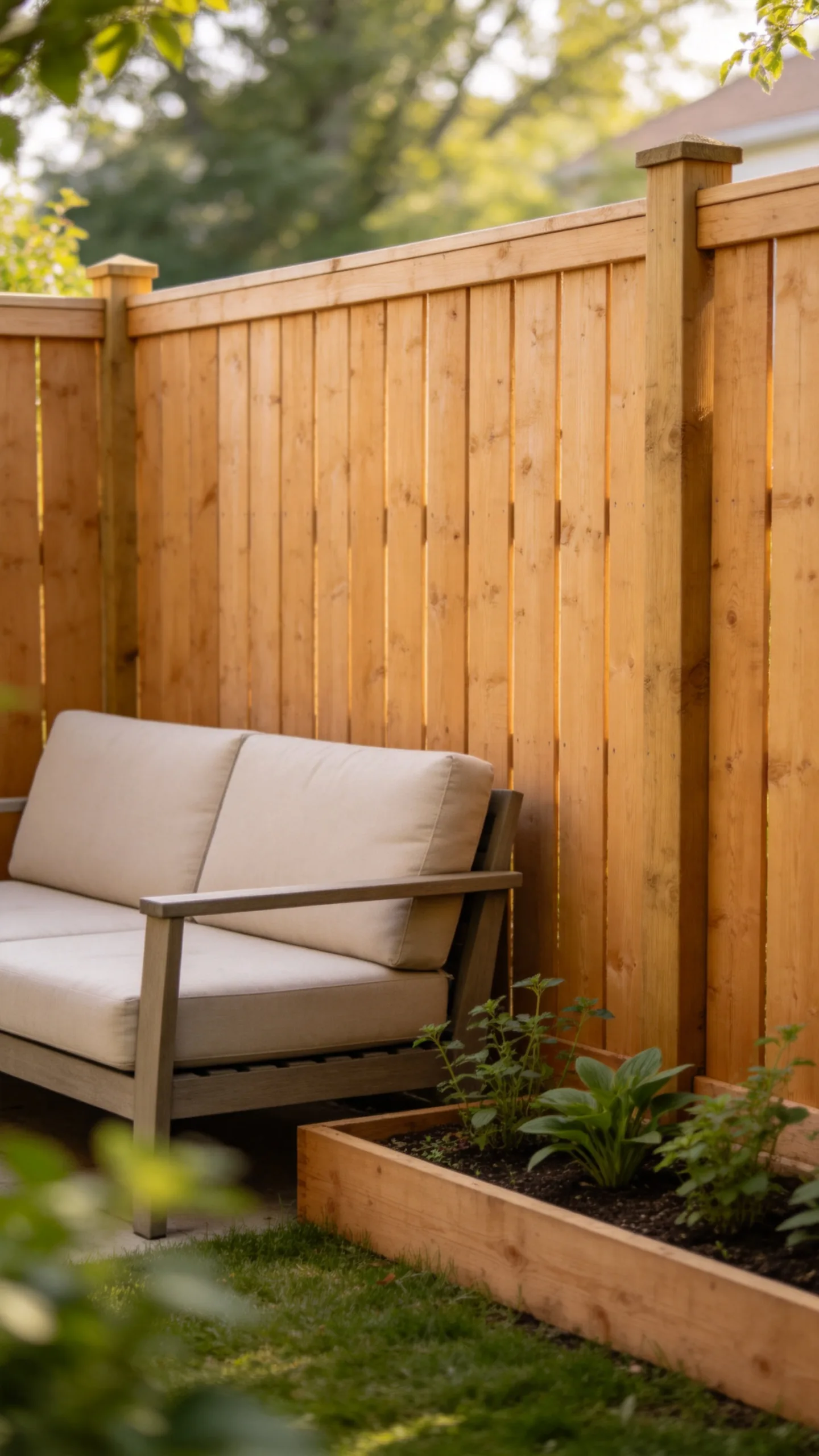
A board-on-board fence uses overlapping vertical boards to block gaps and improve privacy. While building this style around an entire yard can be expensive, using it only where privacy matters most can keep costs lower. For example, build one section behind a patio sofa, beside a bedroom window, or along a short stretch facing a neighbor’s deck.
Use pressure-treated wood or naturally rot-resistant lumber if it fits your budget. Setting posts correctly is important because overlapping boards add weight. A short, well-built privacy section can be more useful than a long, flimsy fence, especially in a small backyard where one blocked sightline changes the feel of the whole space.
11. Horizontal Slat Fence with Budget Lumber
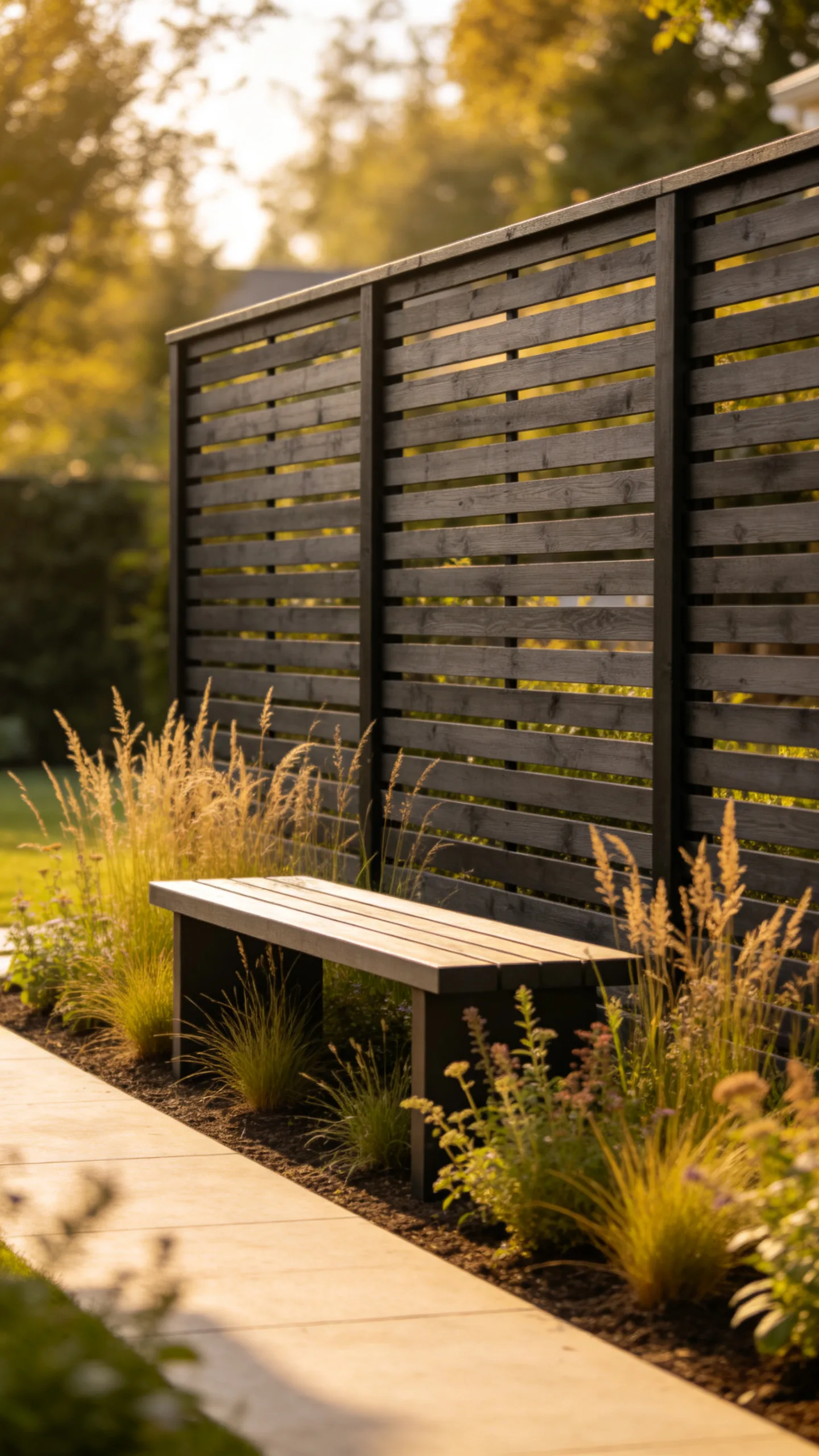
A horizontal slat fence can look modern without requiring premium materials. Basic boards installed with narrow spacing create partial privacy while making a small yard feel wider. This is a good option behind outdoor benches, along a deck edge, or near a fire pit area where you want a clean backdrop for plants and furniture.
To control costs, build short panels between sturdy posts rather than fencing every boundary. Leave small gaps for airflow if wind is an issue, or overlap the boards slightly where privacy is more important. Staining all boards the same color helps affordable lumber look more finished, and narrow planting beds in front can soften the straight lines.
12. Living Fence with Fast-Growing Shrubs
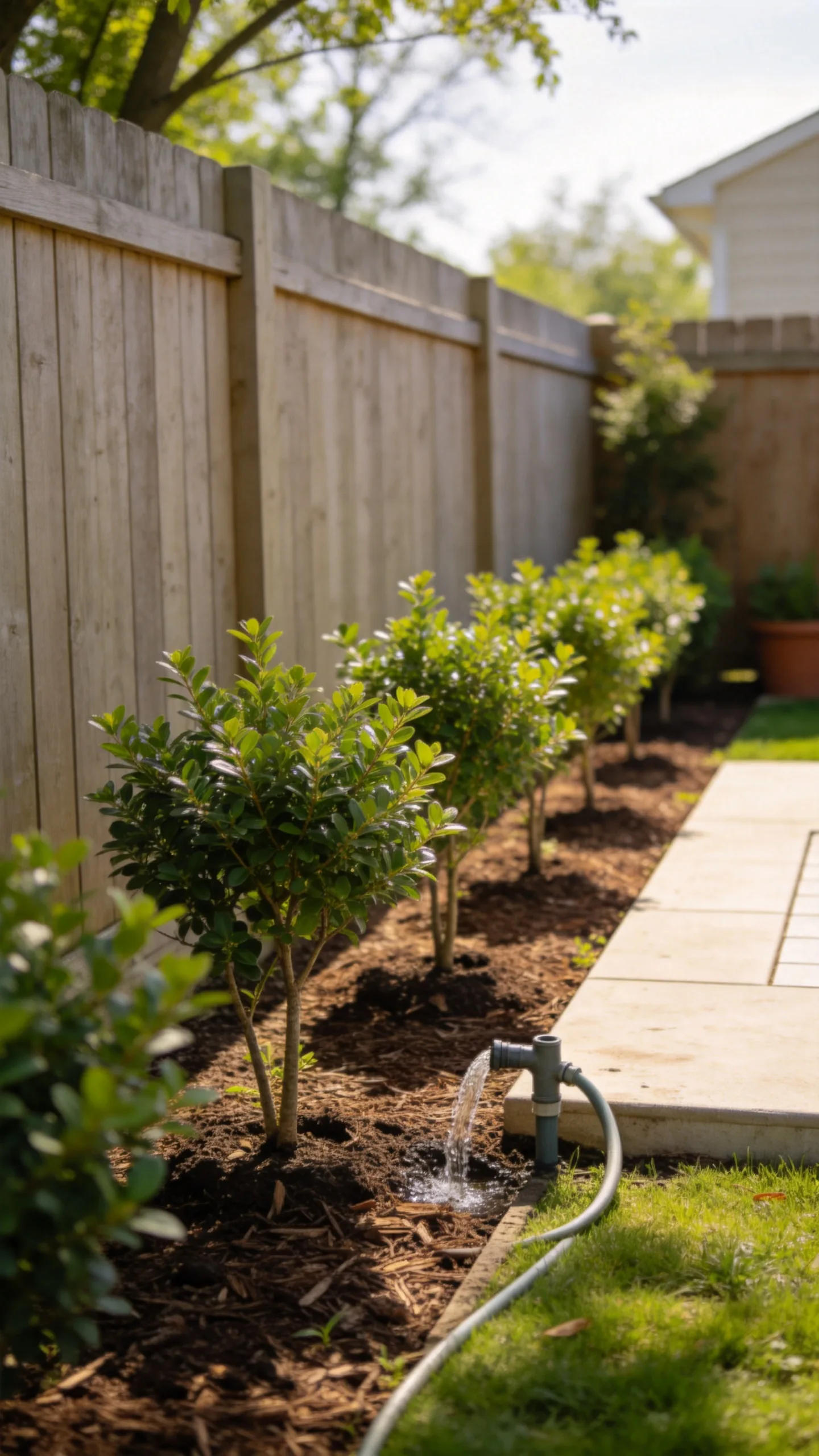
A living fence can be budget-friendly if you start with smaller shrubs and allow time for them to fill in. It is best for homeowners who can wait for coverage and want a greener alternative to solid fencing. Choose shrubs that suit your light, soil, and climate instead of buying only for fast growth.
For small spaces, look for compact or narrow varieties such as columnar arborvitae, dwarf privet where appropriate, compact viburnum, wax myrtle in suitable regions, or clumping bamboo only where it is noninvasive and contained. Plant according to mature width rather than crowding too tightly. Mulch well and water during establishment so the plants can develop a strong root system.
13. Tall Ornamental Grass Screen
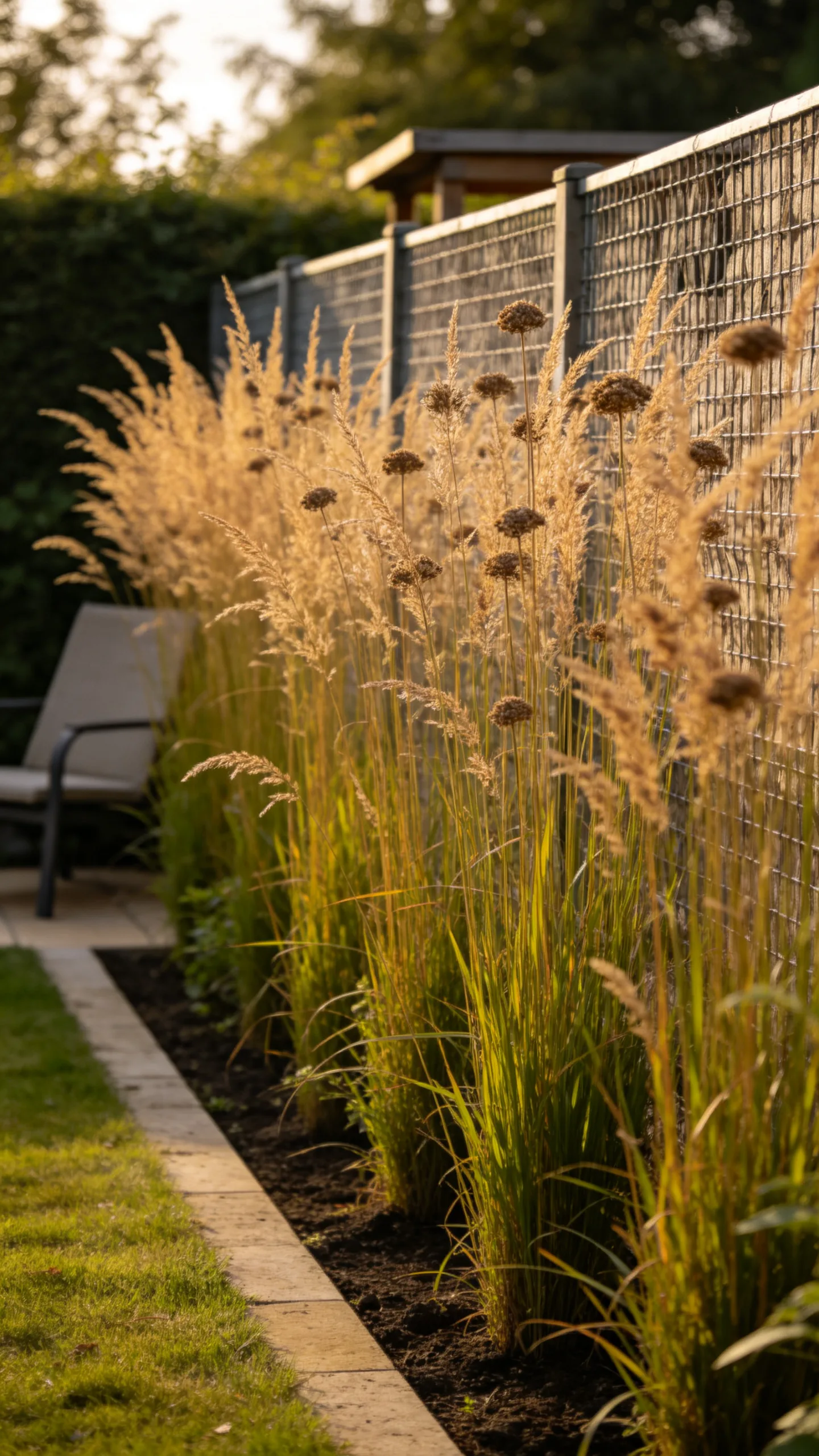
Tall ornamental grasses can create seasonal privacy around patios, pool edges, and garden seating areas. They are especially useful where you want movement, texture, and filtered screening instead of a solid wall. Grasses also fit narrow beds because many grow upright rather than spreading wide.
Choose clumping grasses rather than invasive spreading types. Options may include switchgrass, feather reed grass, little bluestem, or miscanthus varieties where appropriate for your region. Keep in mind that many grasses are cut back in late winter or early spring, so they may not provide full privacy year-round. Use them in front of a low fence, wire panel, or trellis if you need structure during the dormant season.
14. Repurposed Door or Shutter Screen
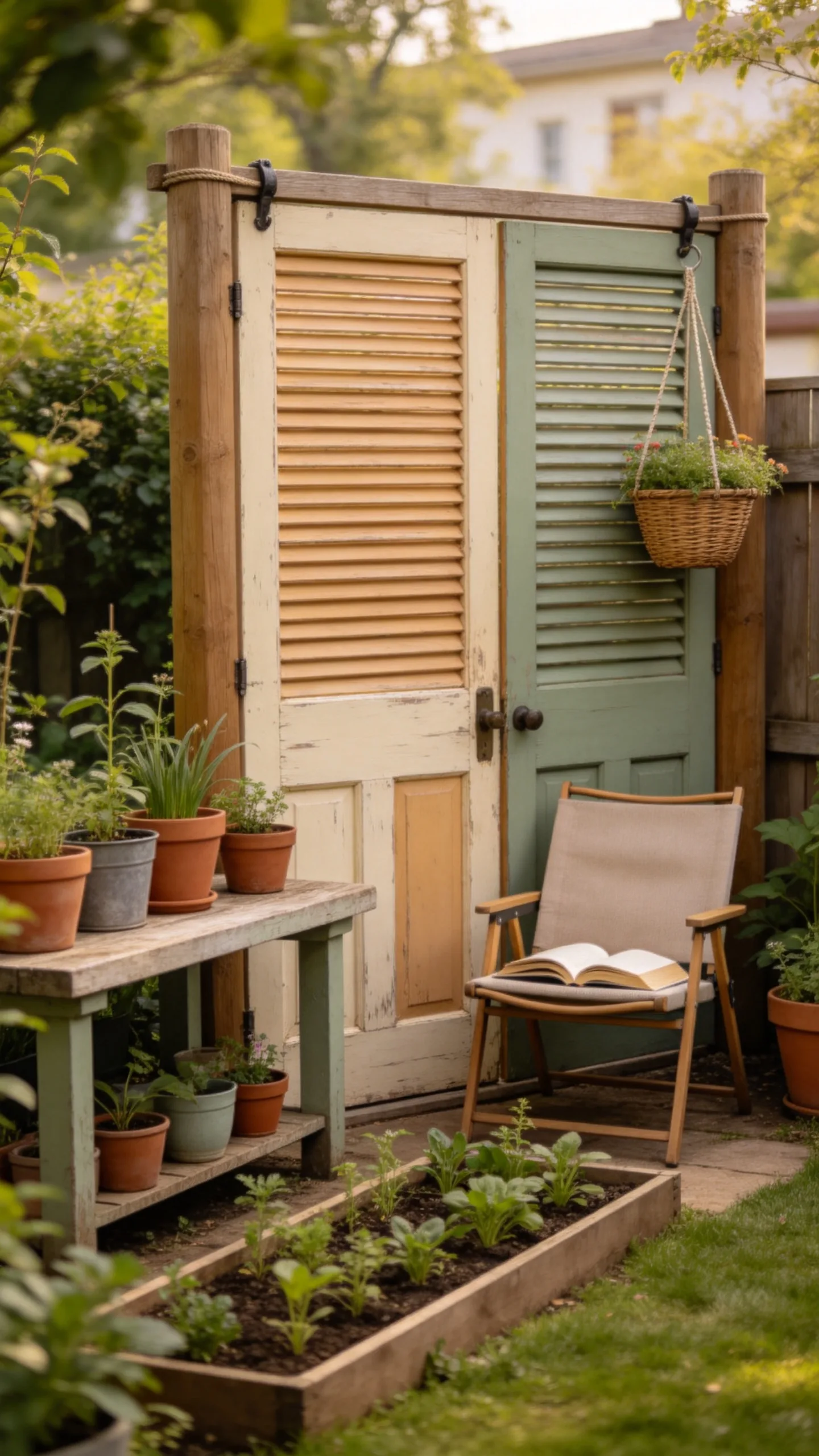
Old doors, shutters, or folding closet panels can become a creative privacy fence for a small garden corner. This works best as a decorative screen rather than a full property fence. Use it beside a potting bench, outdoor dining table, or reading chair where a short privacy wall is enough.
Choose solid pieces that can handle outdoor exposure, then paint or seal them with exterior-grade products. Anchor them to posts or a simple frame so they do not tip in wind. Louvered shutters allow airflow while blocking direct views, and painted doors can become a colorful backdrop for container plants, hanging baskets, or a narrow herb garden.
15. Wire Fence with Hanging Planters
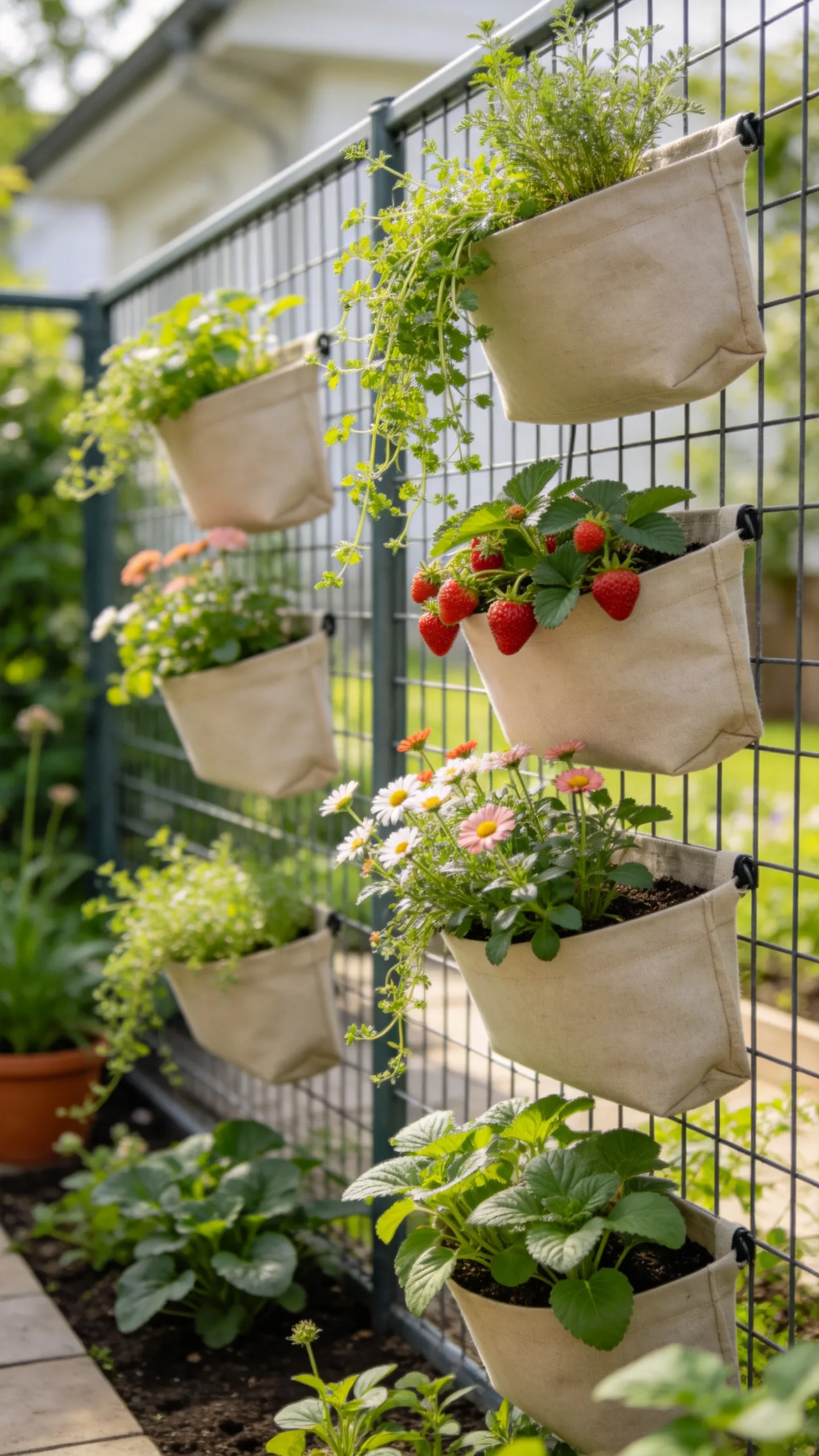
If you already have a wire fence, cattle panel, or metal grid, hanging planters can help create privacy without replacing the structure. This idea is useful for patios, balconies, and small backyards because it turns vertical space into a planted screen. The more staggered the planters, the better they interrupt sightlines.
Use lightweight pots, railing planters, or fabric grow pockets and attach them securely. Plant trailing herbs, strawberries, compact flowers, or leafy annuals depending on sun exposure. In hot spots, smaller hanging containers dry out quickly, so choose drought-tolerant plants or set up a simple drip line. This method adds privacy gradually while also making a plain fence more attractive.
16. Shade Sail and Fence Combo for Overhead Privacy
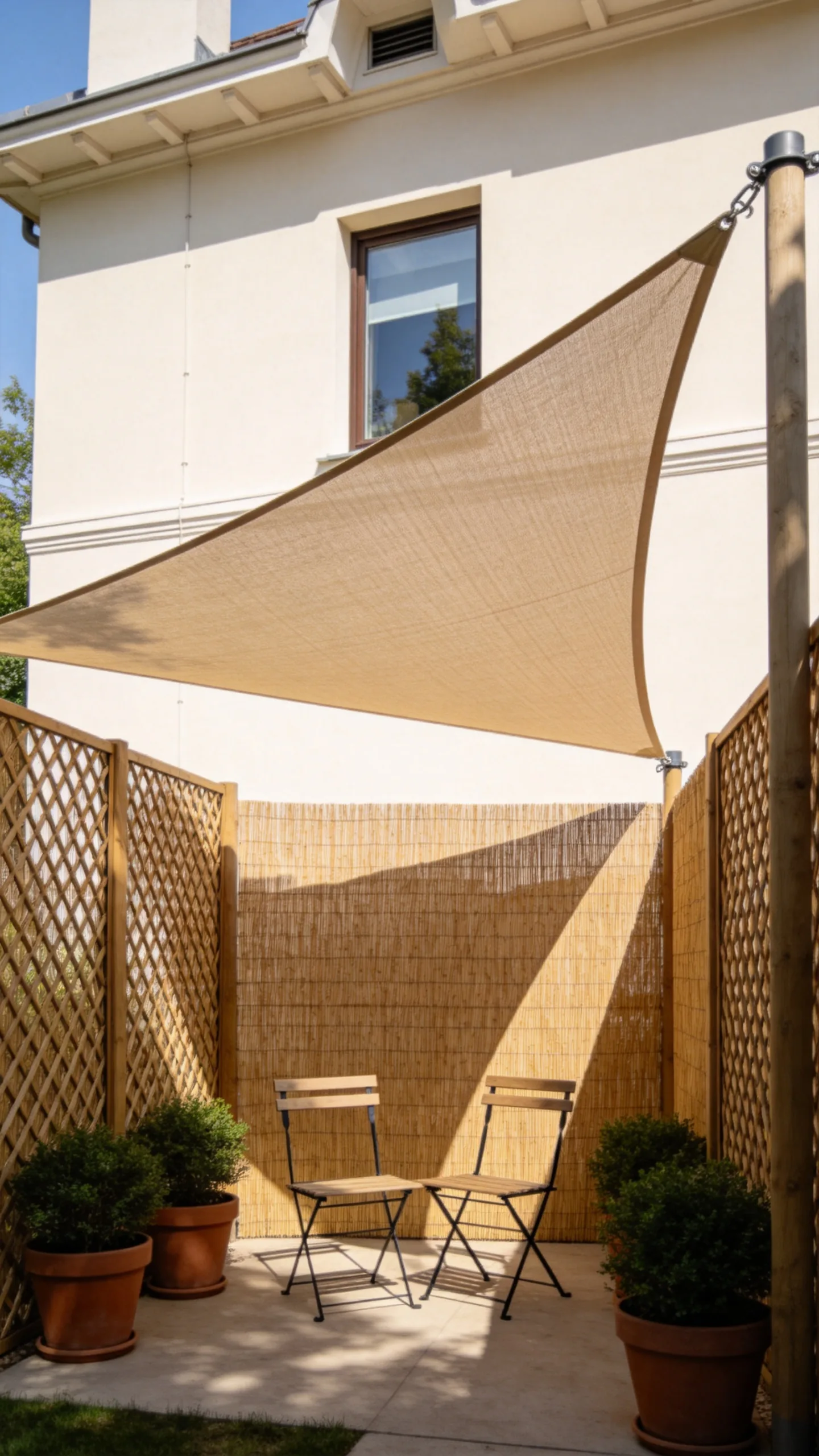
Sometimes privacy is not only about the side view; it is about neighbors looking down from upper windows or balconies. A shade sail paired with a low-cost fence or screen can make a patio feel more protected without building a tall structure. It also adds useful shade over seating, dining, or container gardens.
Install the sail with proper tension and strong anchor points such as posts, house-mounted hardware, or existing beams rated for the load. Choose a breathable shade fabric so air can move through the area. Under the sail, use potted shrubs, trellises, or reed fencing along the sides to create a more complete privacy zone.
17. Stacked Planters Along a Low Fence
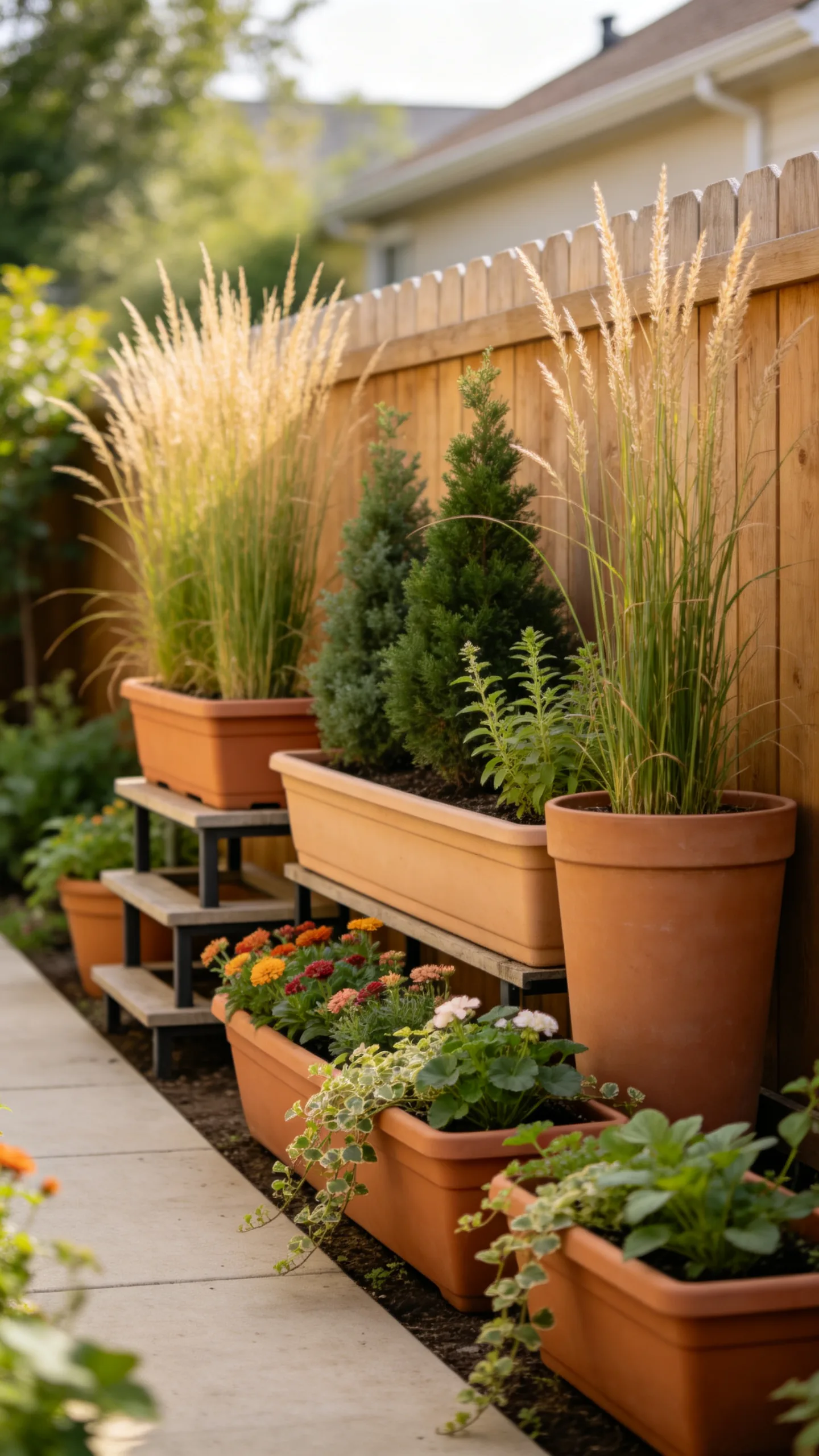
Stacked planters can raise the privacy level of a short fence without replacing it. Use tiered planter stands, long trough planters on blocks, or a row of tall containers placed in front of the fence. This is helpful for renters or homeowners with a low boundary fence that still allows direct views into the yard.
Plant the back row with upright plants such as compact evergreens, canna lilies in warm seasons, tall herbs, or ornamental grasses. Use the front row for trailing flowers, lettuce, thyme, or seasonal color. Keep the arrangement narrow so it does not take over a small patio or walkway, and make sure each planter drains away from wooden fence boards.
18. DIY Privacy Corner Instead of a Full Fence
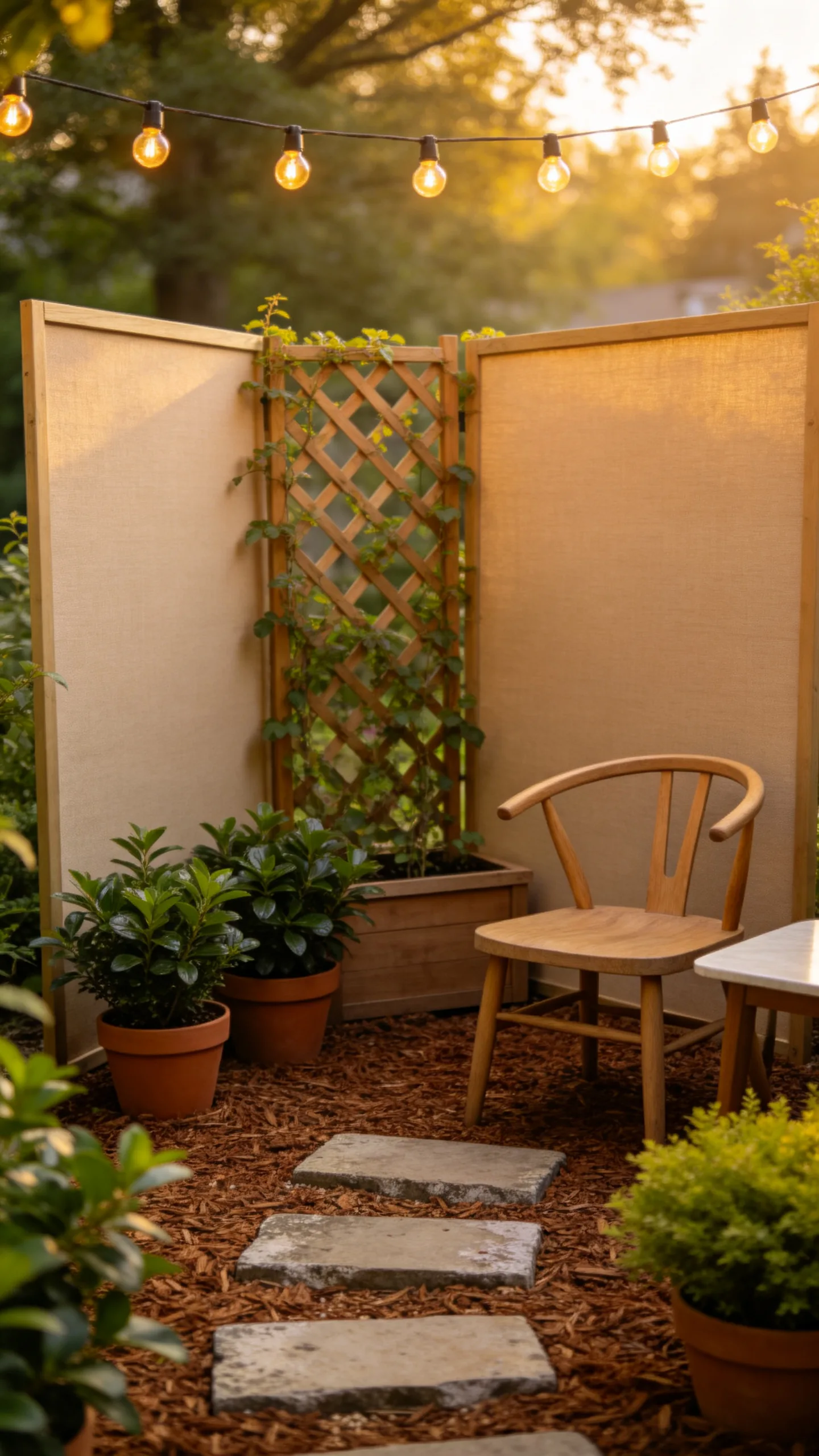
If the budget is tight, focus on building privacy where you actually sit rather than fencing the entire yard. A privacy corner can be made with two short fence panels, a trellis and planter combination, lattice screens, or a mix of fabric and potted plants. This approach works well for small backyards because it creates a cozy destination without using materials along every property line.
Start by identifying the main sightline from a neighbor’s window, sidewalk, driveway, or deck. Then place the screen at an angle to block that view while keeping airflow and garden access. Add a chair, small table, mulch base, stepping stones, or string lights so the area feels finished. A targeted privacy corner often gives the biggest improvement for the least money.