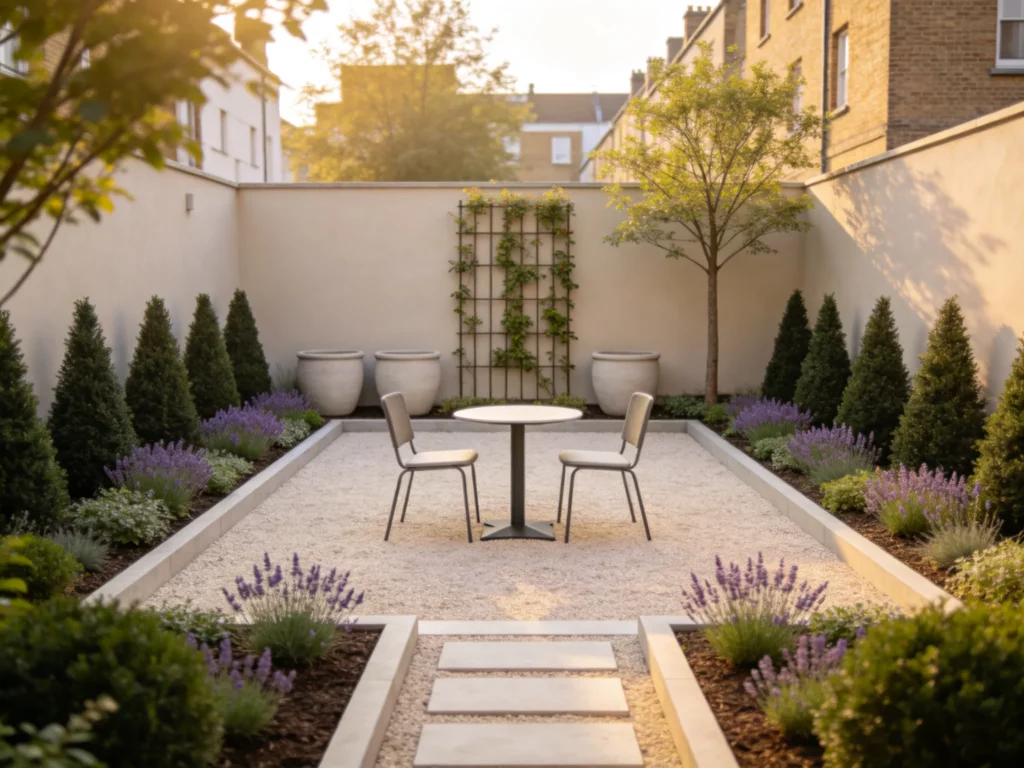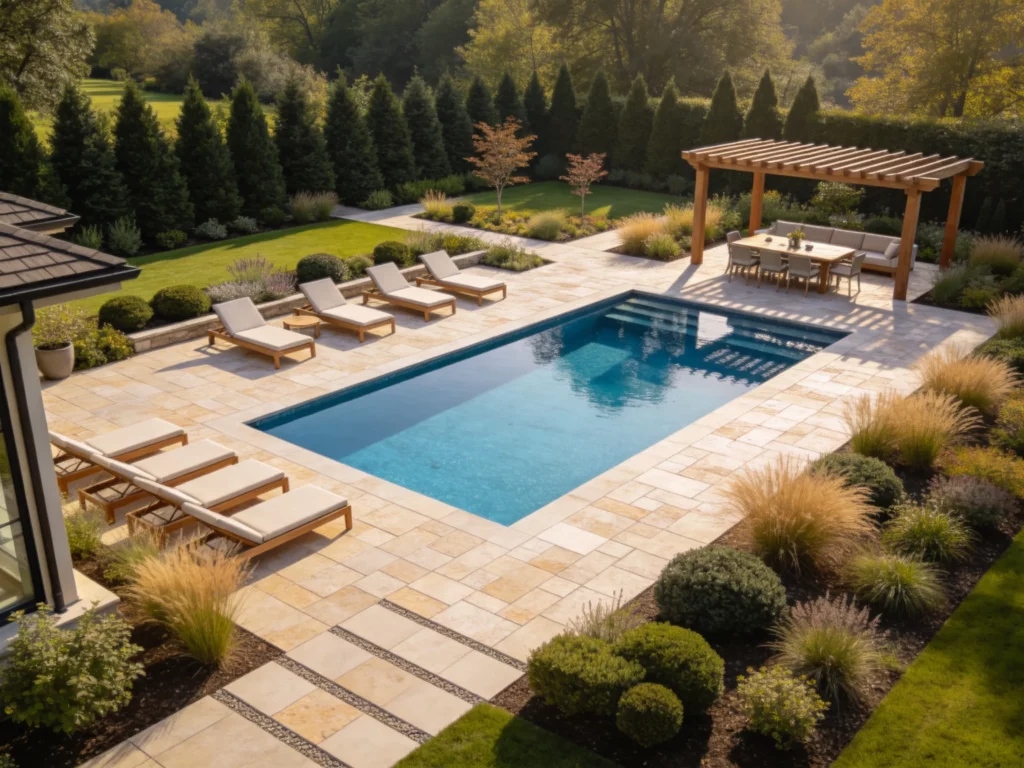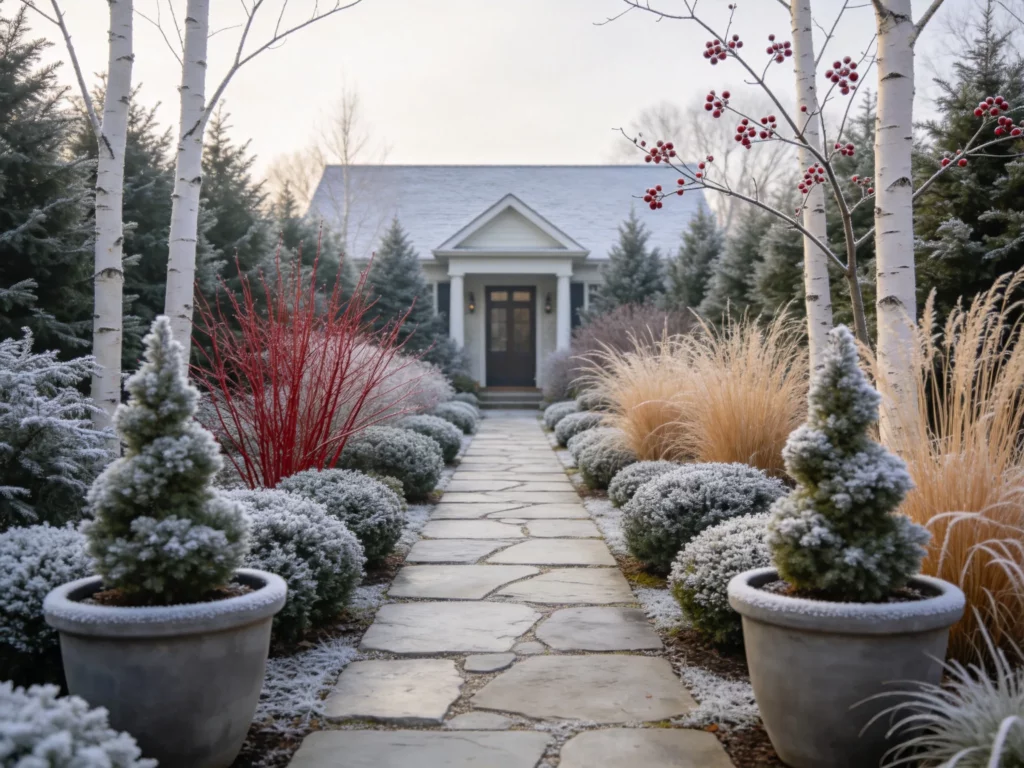
A fence gate can do more than open into a yard. With the right arbor, trellis, planting pocket, hardware, or path detail, it can become a garden entrance that feels intentional and beautiful from both sides. These fence gate ideas focus on practical decorative features you can adapt for cottage gardens, side yards, vegetable plots, privacy fences, and small backyard spaces.
1. Arched Arbor Gate With Climbing Roses
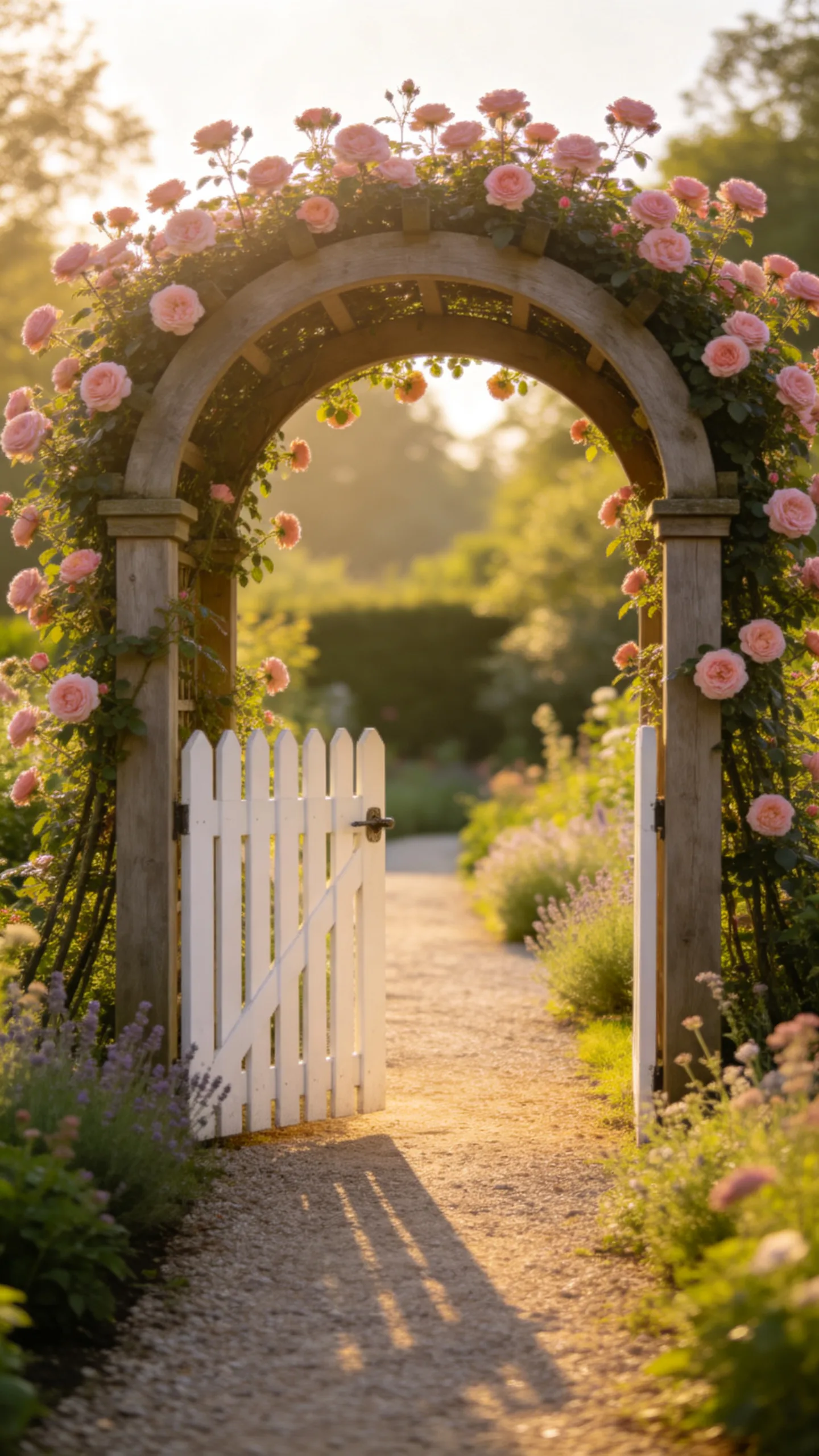
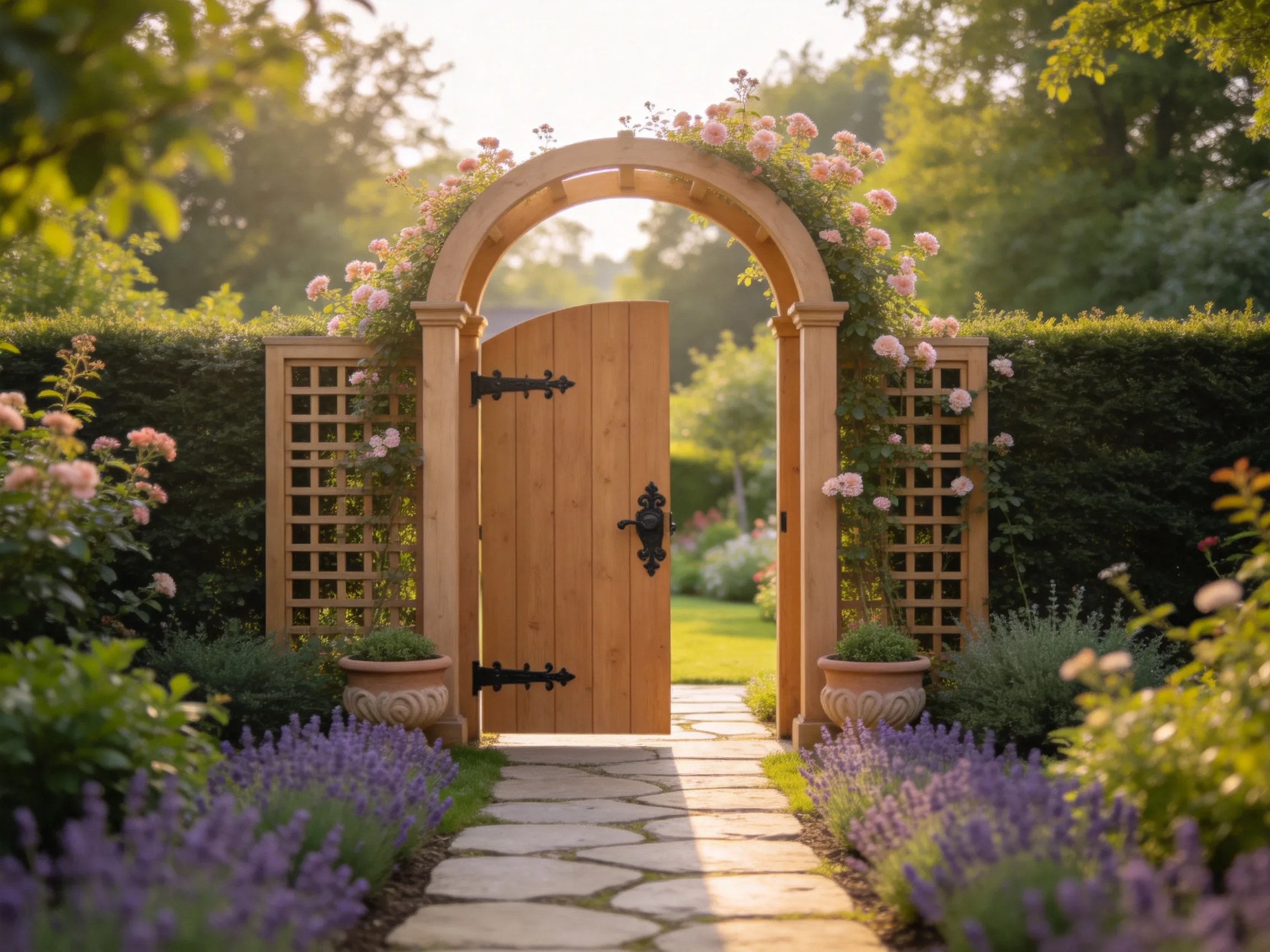
An arched arbor instantly turns a simple fence gate into a garden focal point. Choose a sturdy wood or metal arbor that is slightly wider than the gate so the entrance feels framed rather than squeezed. A rounded top works especially well with picket fences, cottage-style gardens, and pathways made from gravel, brick, or stepping stones.
Climbing roses can be trained over the arbor with soft garden ties, but they need full sun, good air circulation, and seasonal pruning. If your climate or light exposure is not ideal for roses, consider clematis, star jasmine, or honeysuckle instead. Keep the lowest stems trimmed away from the latch area so the gate stays easy to open.
2. Cedar Gate With a Flat-Top Trellis Panel
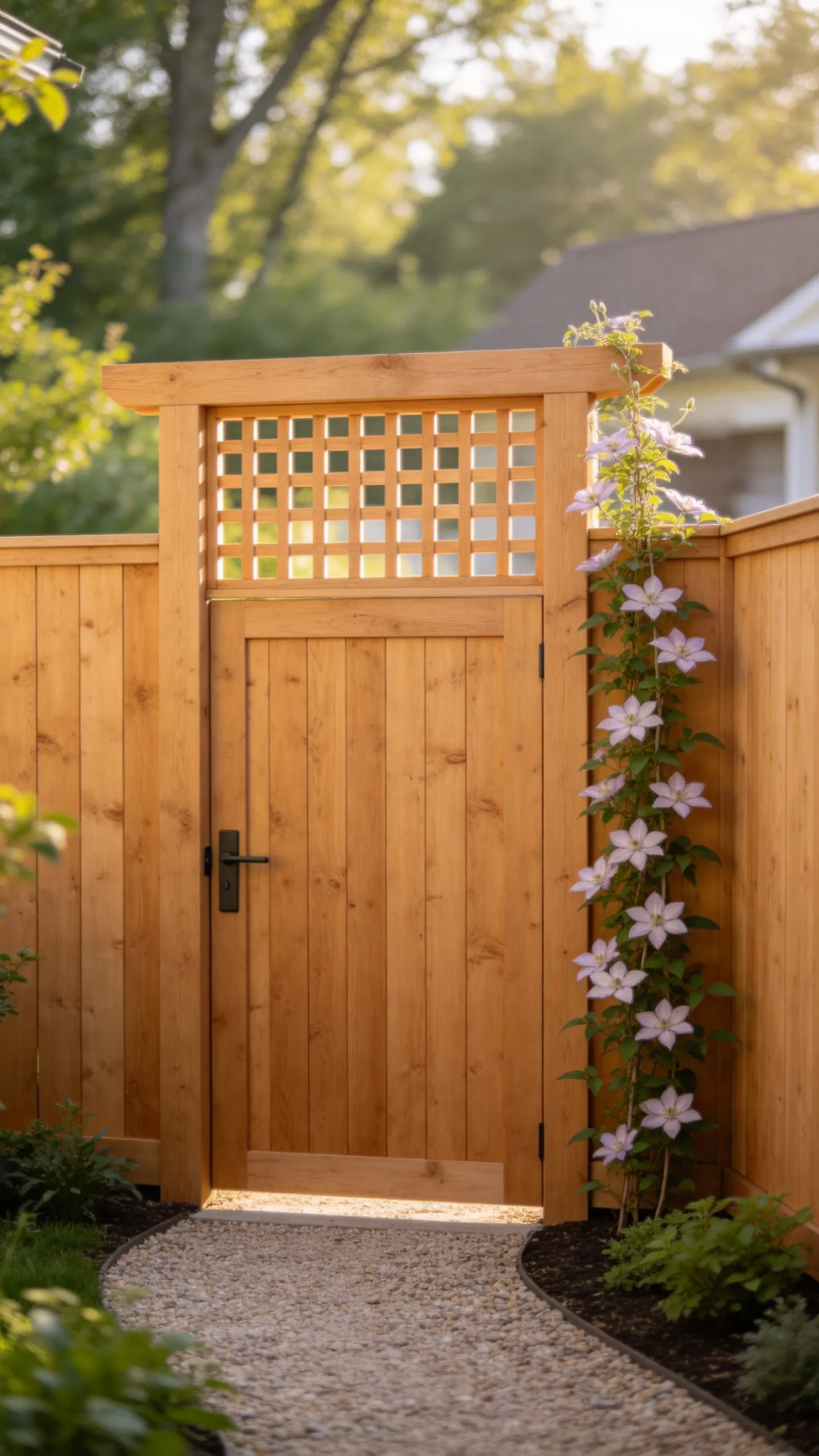
A cedar gate with a trellis panel above it is a clean option for modern, farmhouse, or transitional gardens. The trellis adds height without making the entrance feel heavy, which is useful along side yards or between outdoor rooms where you want a little privacy but still need light and airflow.
Use square lattice or horizontal slats to match the rest of the fence style. For planting, train a light climber such as clematis, annual sweet peas, or climbing nasturtiums up the trellis. Avoid very heavy vines on a lightweight panel unless the posts are reinforced, because mature growth can add surprising weight after rain.
3. Picket Fence Gate With Lavender Border
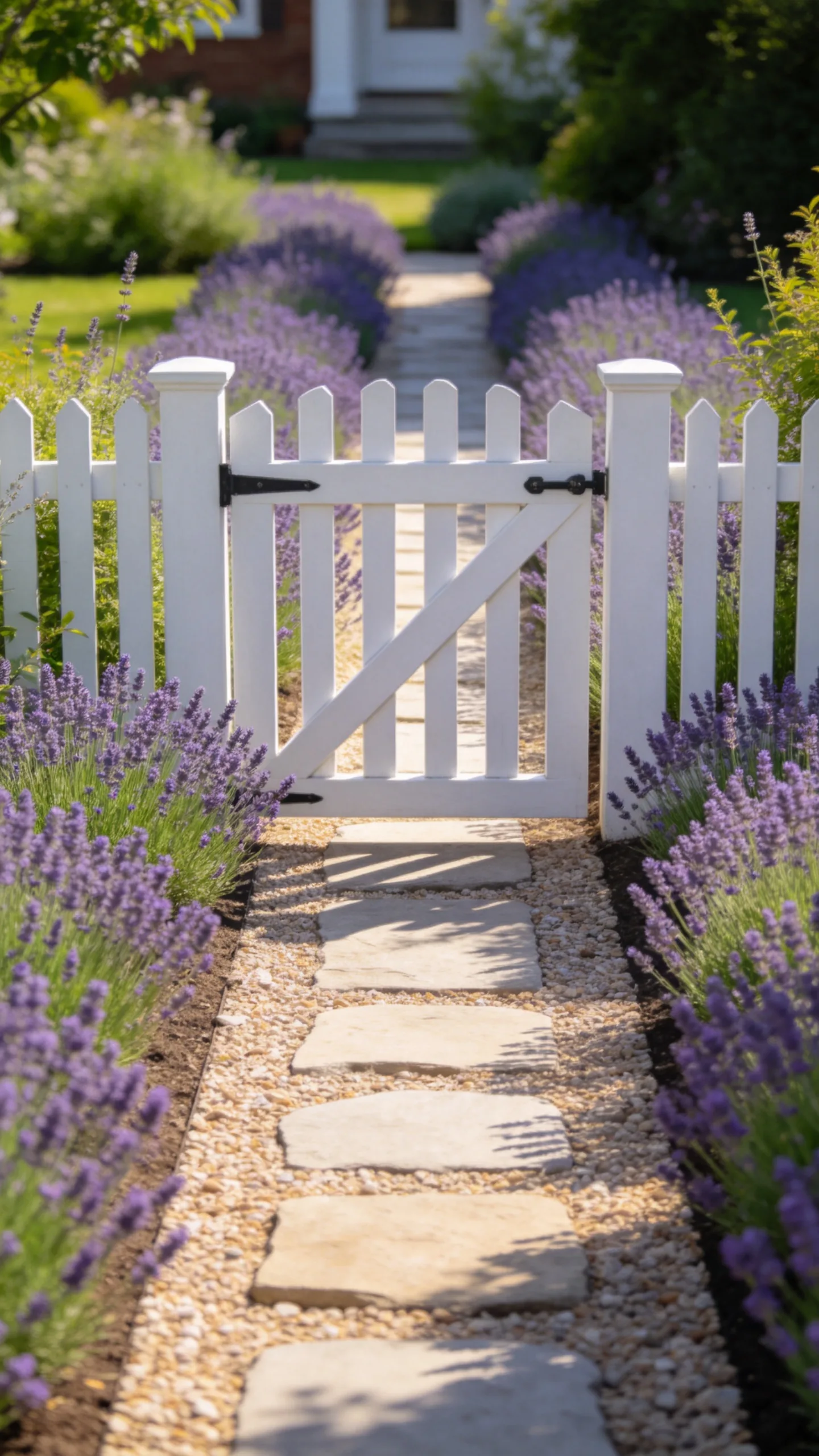
A white or natural wood picket gate looks more finished when paired with a low lavender border on both sides of the path. Lavender keeps the entrance open and visible while adding fragrance near the walkway. It also works well in sunny, well-drained spots where many softer perennials might struggle.
Plant lavender far enough from the gate swing so the branches do not get crushed. If your soil is heavy clay, use raised edging, gravel mulch, or a slightly mounded planting strip to improve drainage. This idea is especially useful for front garden gates because it creates a tidy, welcoming frame without blocking the view.
4. Rustic Wooden Gate With Wisteria Arbor
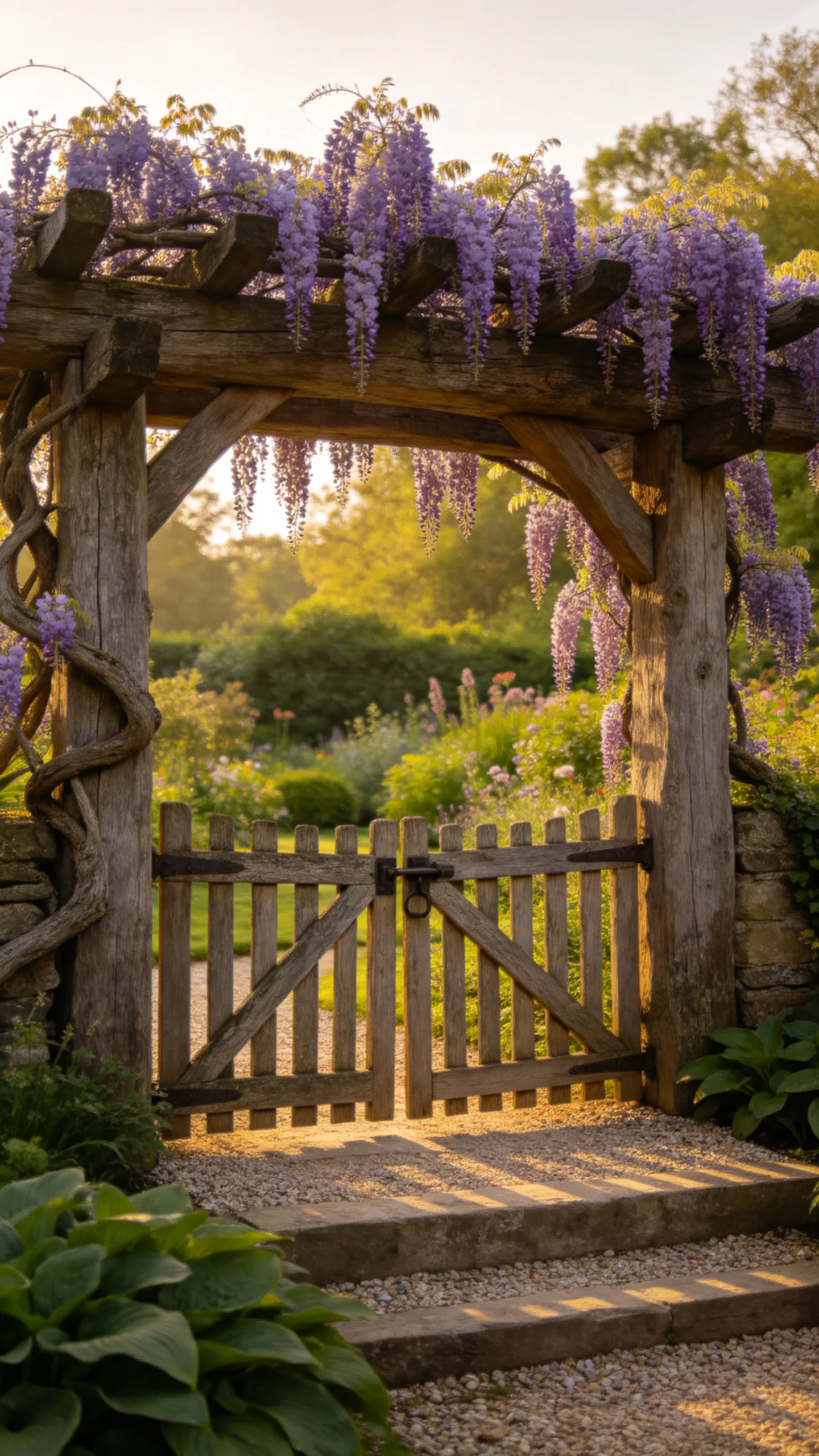
A rustic wooden gate beneath a strong arbor can create a dramatic garden entrance when paired with wisteria. This look suits larger yards, country gardens, and entrances where the structure has enough room and strength to support a vigorous vine.
Wisteria can become heavy and woody, so the arbor should be built from substantial posts rather than a thin decorative frame. Prune it regularly to keep the gate opening clear and to stop the vine from overtaking nearby gutters, fences, or trees. In smaller spaces, use a less vigorous climber to get a similar overhead effect with easier maintenance.
5. Black Metal Gate With Star Jasmine Trellis
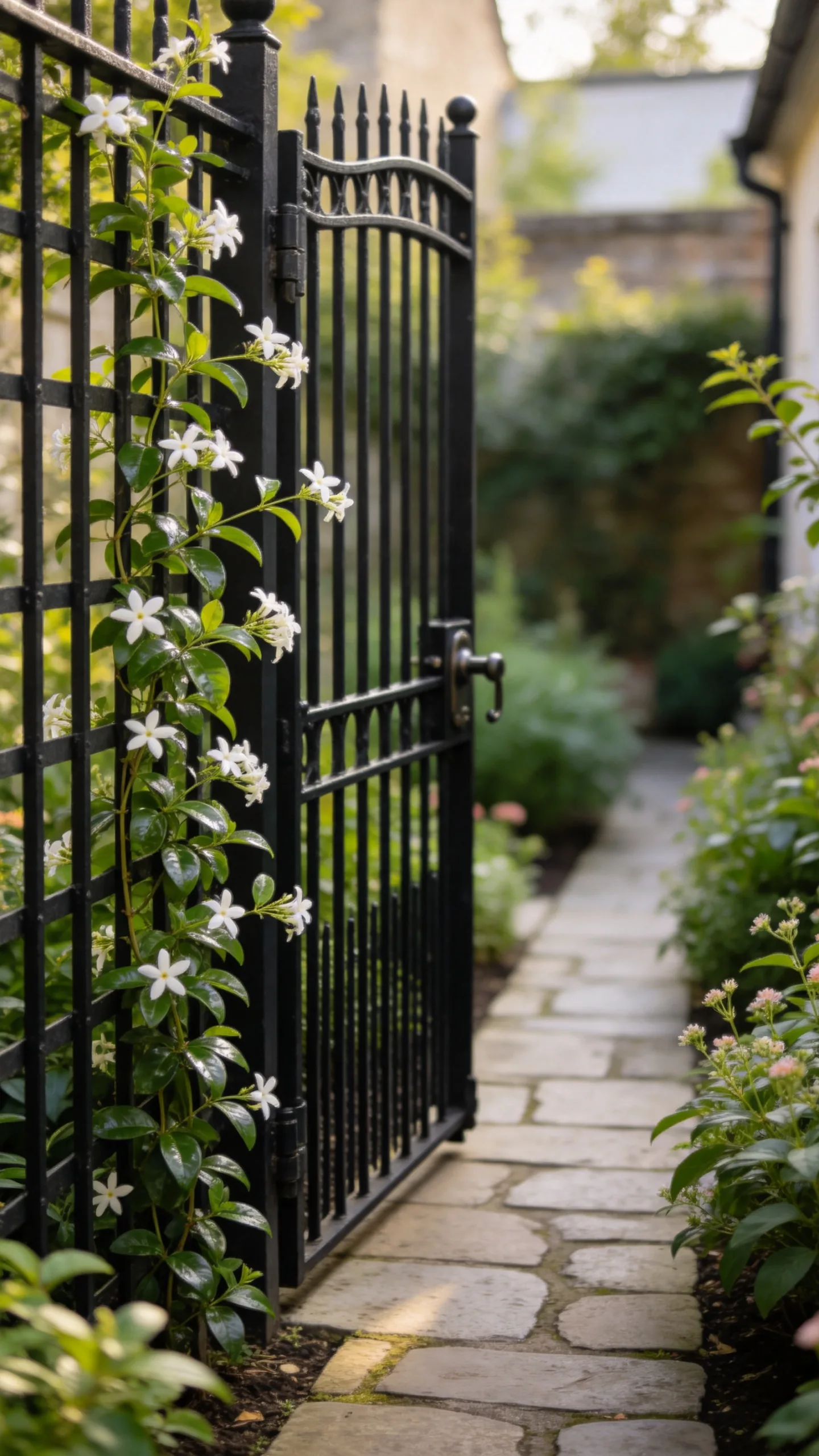
A black metal gate creates a crisp outline, and star jasmine softens it with glossy leaves and fragrant white flowers in suitable climates. Add a trellis panel or side supports next to the gate so the vine has somewhere to climb instead of tangling through the latch and hinges.
This design works well for courtyards, narrow side entrances, and patio gardens because the dark gate gives structure without needing a bulky fence. Star jasmine prefers sun to part shade and moderate watering once established. In colder regions, use a container-grown jasmine alternative or another hardy vine suited to your zone.
6. Garden Gate With Built-In Planter Boxes
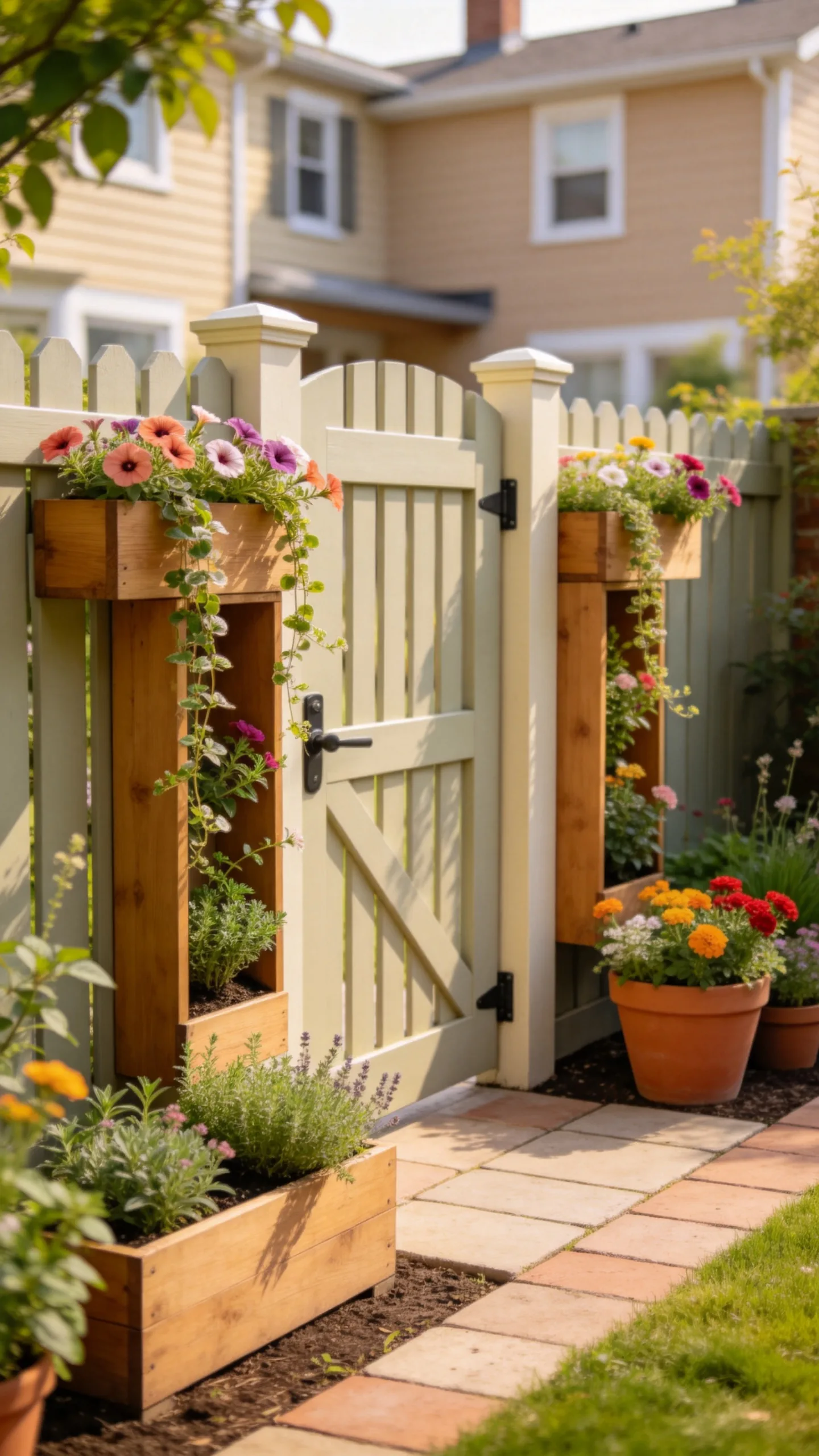
Planter boxes attached beside or below a gate add color where there is no room for a full flower bed. Use narrow wood or metal troughs along the fence posts, or place matching containers on both sides of the entrance. This is a smart choice for patios, townhouse yards, and rental gardens where digging may not be possible.
Choose plants based on the light at the gate. For sun, try trailing calibrachoa, thyme, dwarf salvia, or compact geraniums. For shade, use ferns, heuchera, impatiens, or trailing ivy. Make sure the containers have drainage holes and do not interfere with the gate swing.
7. Trellis-Topped Privacy Gate With Clematis
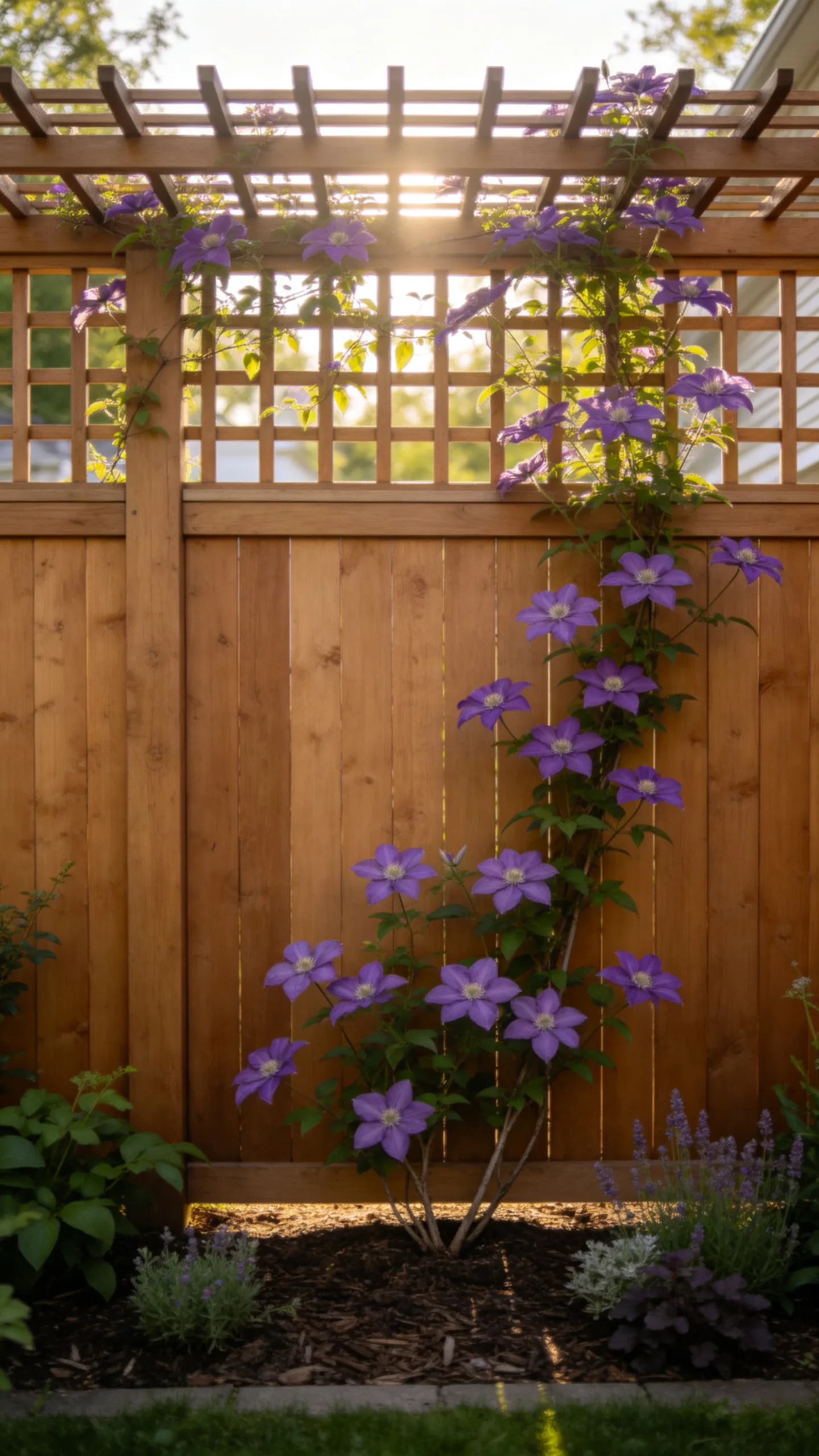
A solid privacy gate can feel plain, but a trellis top makes it look more garden-focused while keeping the lower section enclosed. This is useful for backyard entrances, pool areas, or side yards where you want privacy at eye level but do not want a completely blank wall.
Clematis is a good choice because it can climb a narrow trellis without taking over the whole fence. Plant it with the roots shaded by mulch or a low perennial and the vines reaching toward sun. Use fine mesh, wire, or slim lattice so the leaf stems can grip easily.
8. Cottage Gate With Mixed Perennial Borders
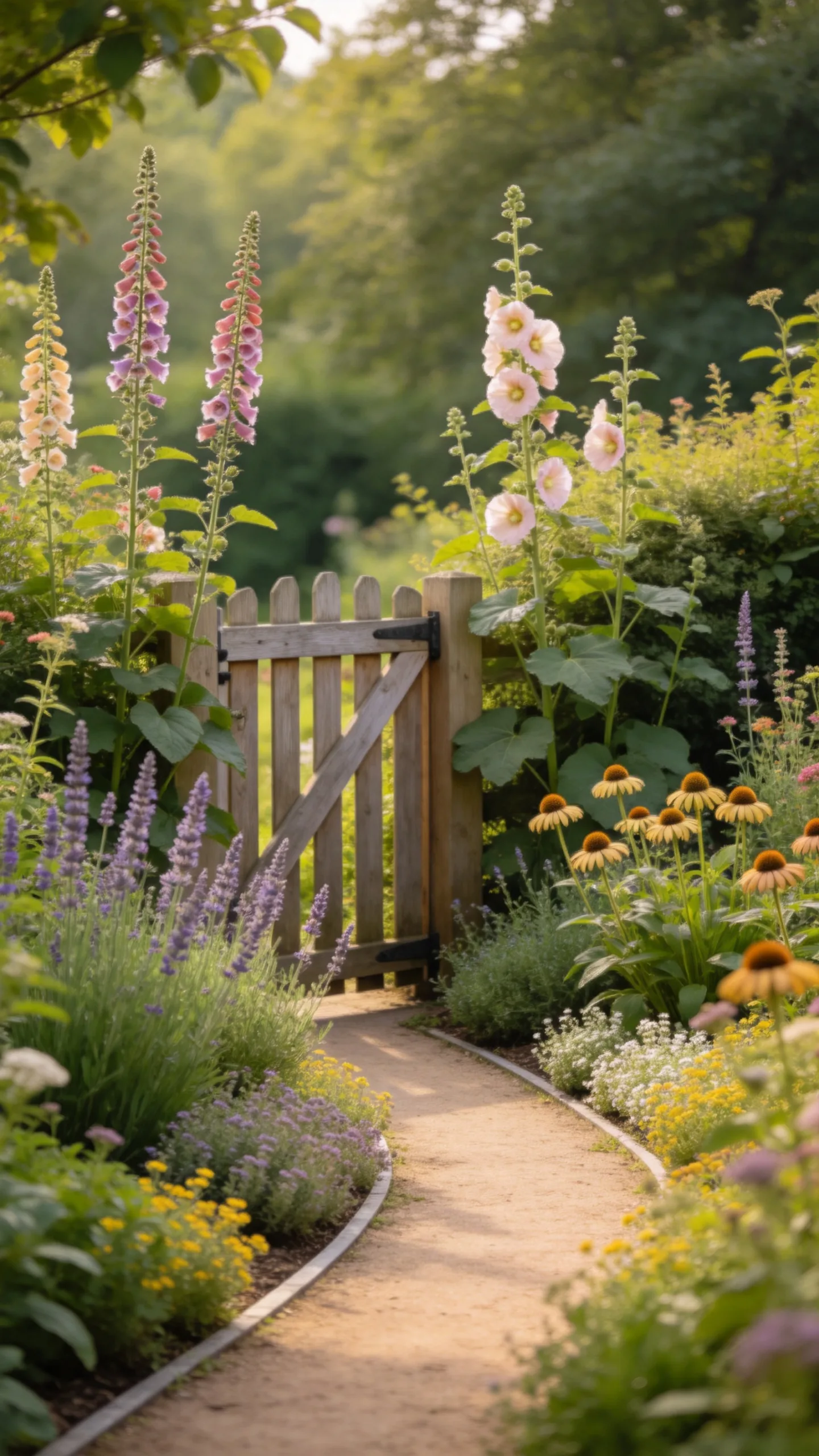
A cottage-style gate becomes more charming when the planting on each side feels layered. Place taller perennials such as foxgloves, hollyhocks, or delphiniums toward the fence, then use mid-height plants like catmint, salvia, or coneflowers near the path. Add low edging plants such as creeping thyme or alyssum at the front.
This layout makes the gate feel tucked into the garden rather than simply attached to a fence. Keep at least a small clear strip beside the path so wet foliage does not brush against clothing. For a lower-maintenance version, repeat three to five reliable plants instead of mixing too many varieties.
9. Side Yard Gate With Narrow Vertical Trellises
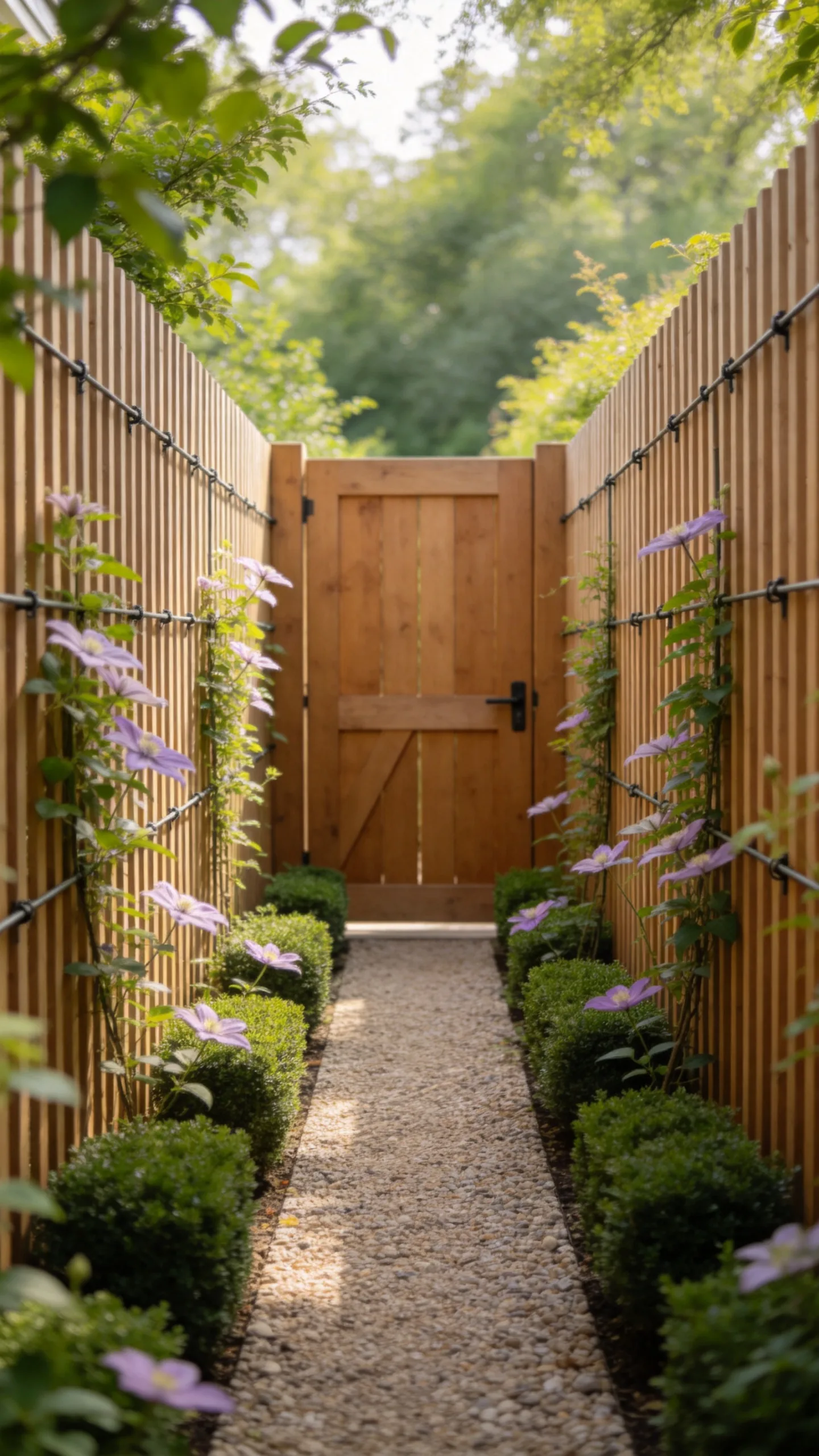
A narrow side yard gate often needs decoration that does not take up floor space. Vertical trellises mounted to the fence on one or both sides can add greenery while keeping the walkway clear. Use slim wood battens, metal grid panels, or cable trellis systems attached securely to the posts.
Choose compact climbers or espaliered plants that can be pruned flat against the fence. Climbing hydrangea, clematis, or trained pyracantha may work depending on your light and climate. This idea adds visual depth to a tight passage and makes a utility side yard feel more like a garden entrance.
10. Moon Gate-Inspired Fence Opening
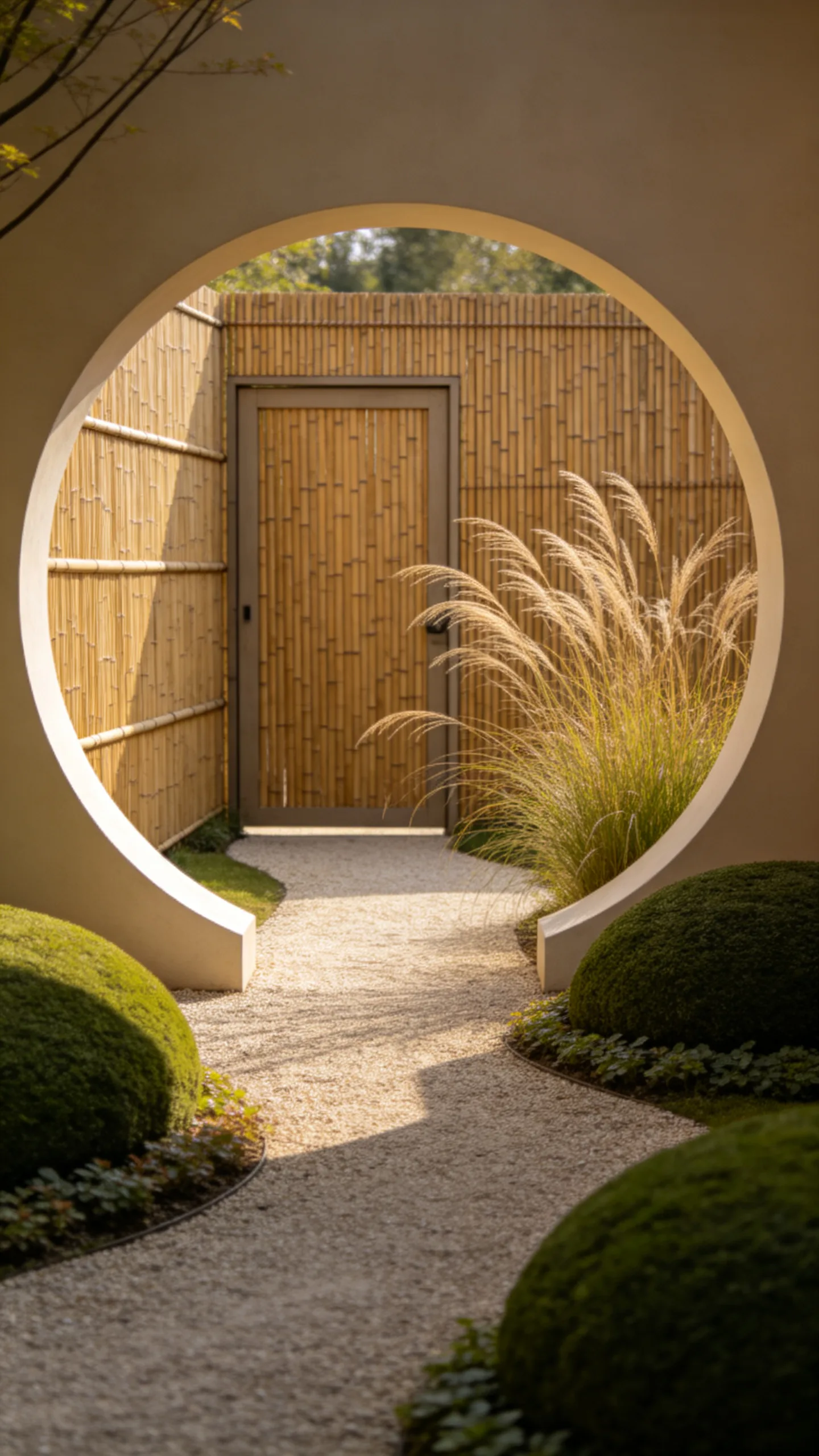
A moon gate-inspired design uses a circular or rounded opening to create a sculptural entrance. It can be built as a full circular frame around the gate or as a rounded arch detail above a standard gate. This style pairs beautifully with gravel paths, bamboo screens, ornamental grasses, and simple evergreen planting.
Because curved carpentry can be more involved, you can simplify the look with a round metal arbor or a circular trim detail attached to a rectangular gate. Keep nearby planting restrained so the shape remains visible. Use low groundcovers, clipped boxwood, or Japanese forest grass to frame the base without hiding the structure.
11. Farmhouse Gate With Crossbuck Detail
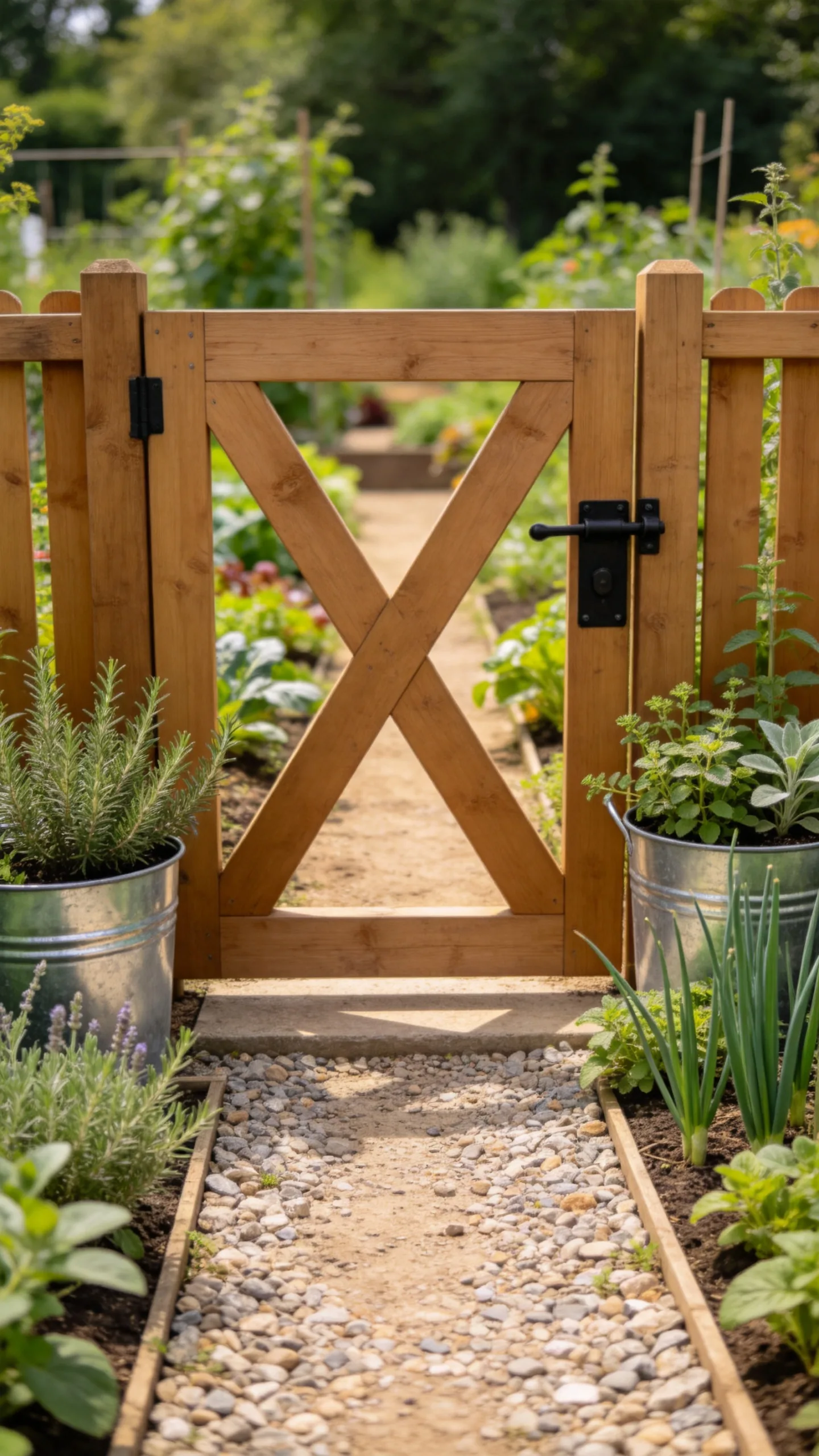
A crossbuck gate brings a barn-inspired look to a garden fence. The diagonal bracing is decorative, but it can also help the gate stay stable when properly built. This style works well with vegetable gardens, chicken runs, cutting gardens, and casual backyard entrances.
Pair the gate with practical details like a gravel landing, galvanized planters, or a simple latch in black or aged metal. For planting, use sun-loving herbs such as rosemary, sage, oregano, or chives along the approach. The herbs keep the entrance useful and seasonal without needing a wide flower border.
12. Gate Arbor With Hanging Baskets
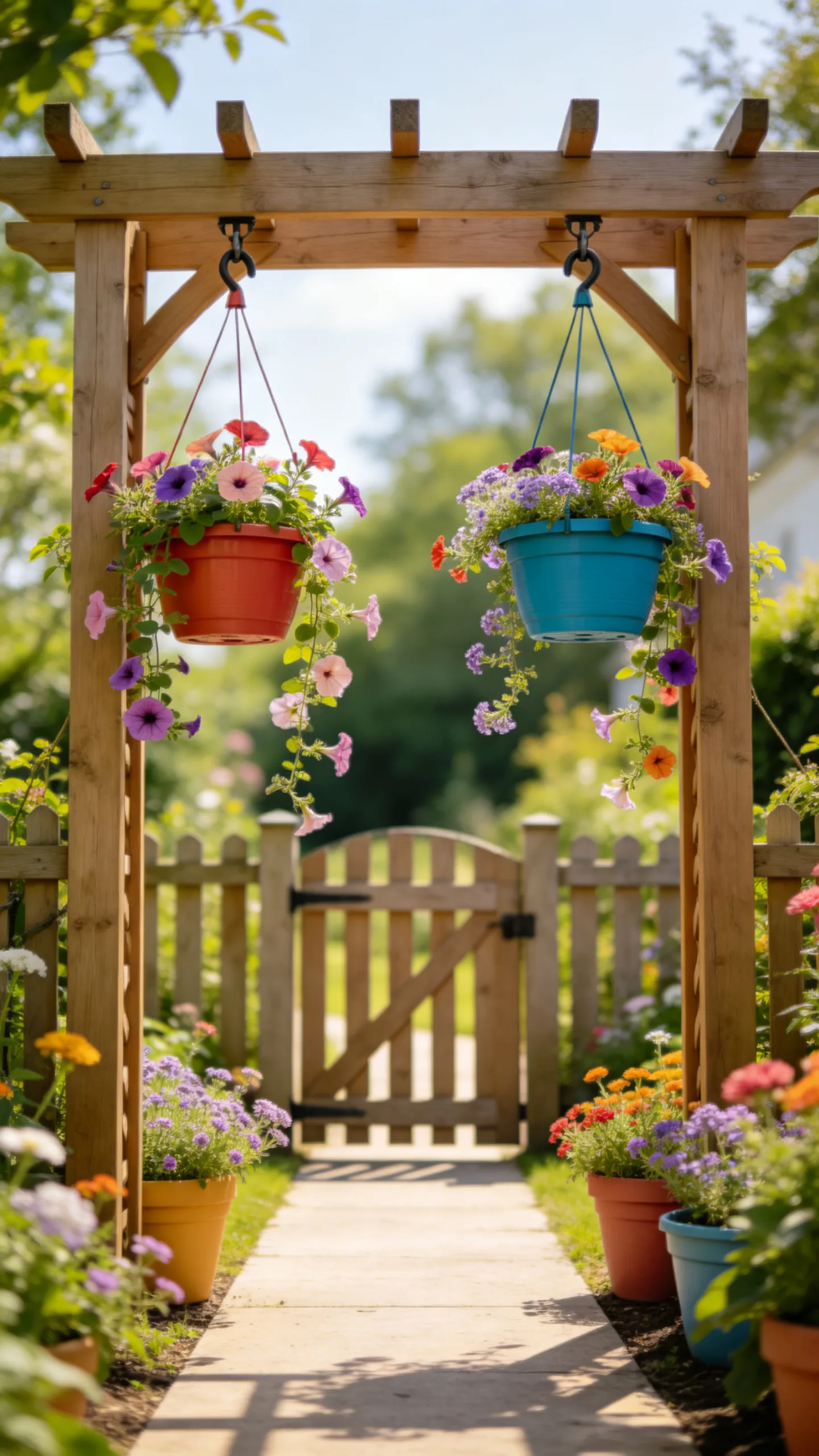
Hanging baskets from an arbor add instant color above a fence gate, especially where the ground planting space is limited. Use strong hooks and make sure the baskets hang high enough that people can walk through comfortably. This idea works nicely over patio gates, courtyard entries, and small backyard paths.
Pick plants that match your watering routine. Petunias, verbena, and trailing lobelia suit sunny locations, while fuchsias, begonias, and ferns are better for shade. Hanging baskets dry out faster than beds, so they need regular watering during warm weather.
13. Lattice Gate With Edible Climbing Plants
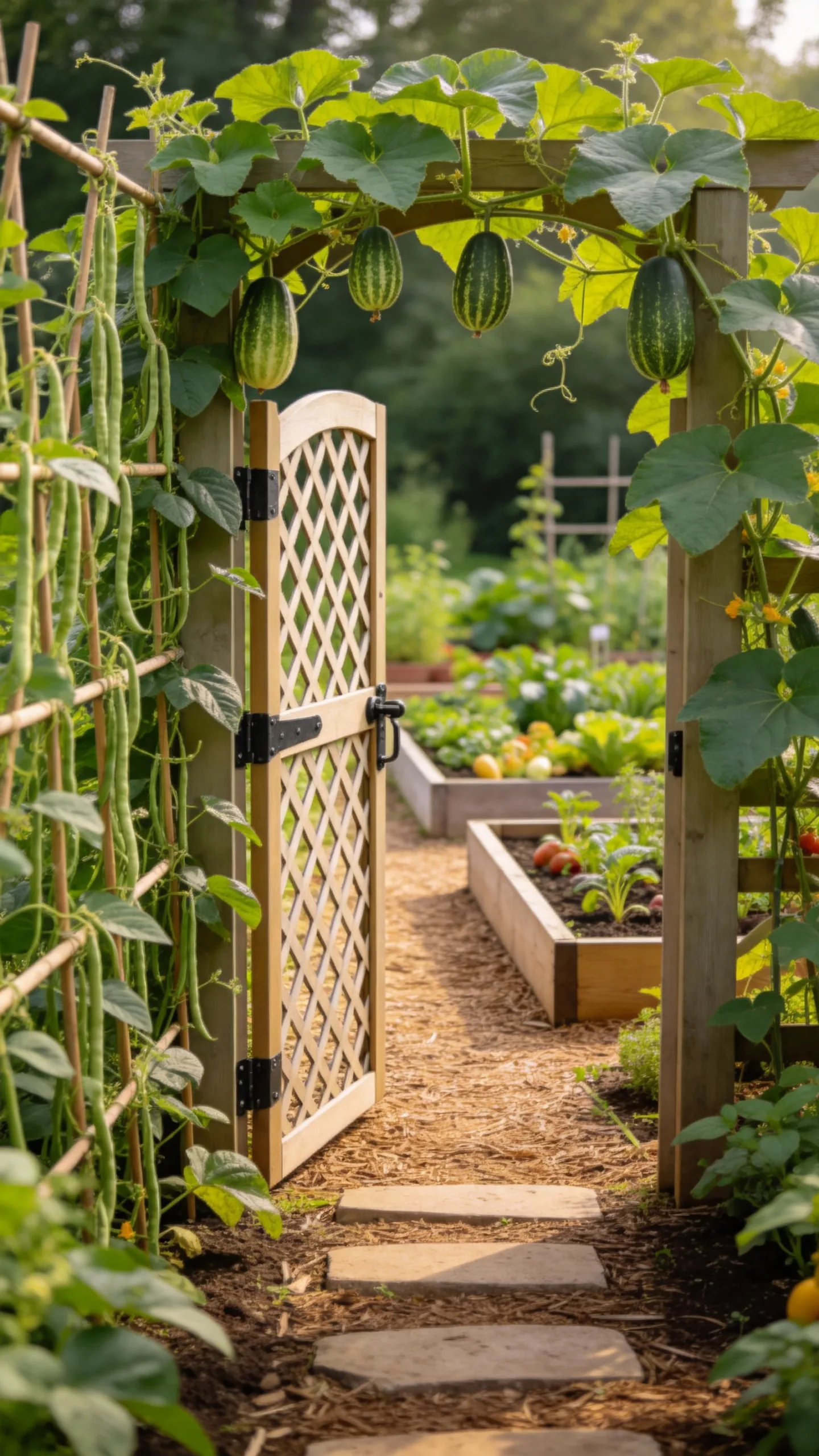
A lattice gate can be both decorative and productive when used near a kitchen garden. Grow edible climbers such as runner beans, climbing peas, Malabar spinach, or cucamelons on the gate-adjacent trellis rather than on the moving gate itself. This keeps the harvest accessible and prevents vines from catching in the hinges.
Use the entrance to mark the transition into a vegetable patch or herb garden. Add a mulch path or stepping stones so the area stays usable after watering or rain. In cooler seasons, swap summer climbers for peas or use the trellis as support for lightweight netting.
14. Modern Horizontal Slat Gate With Ornamental Grasses
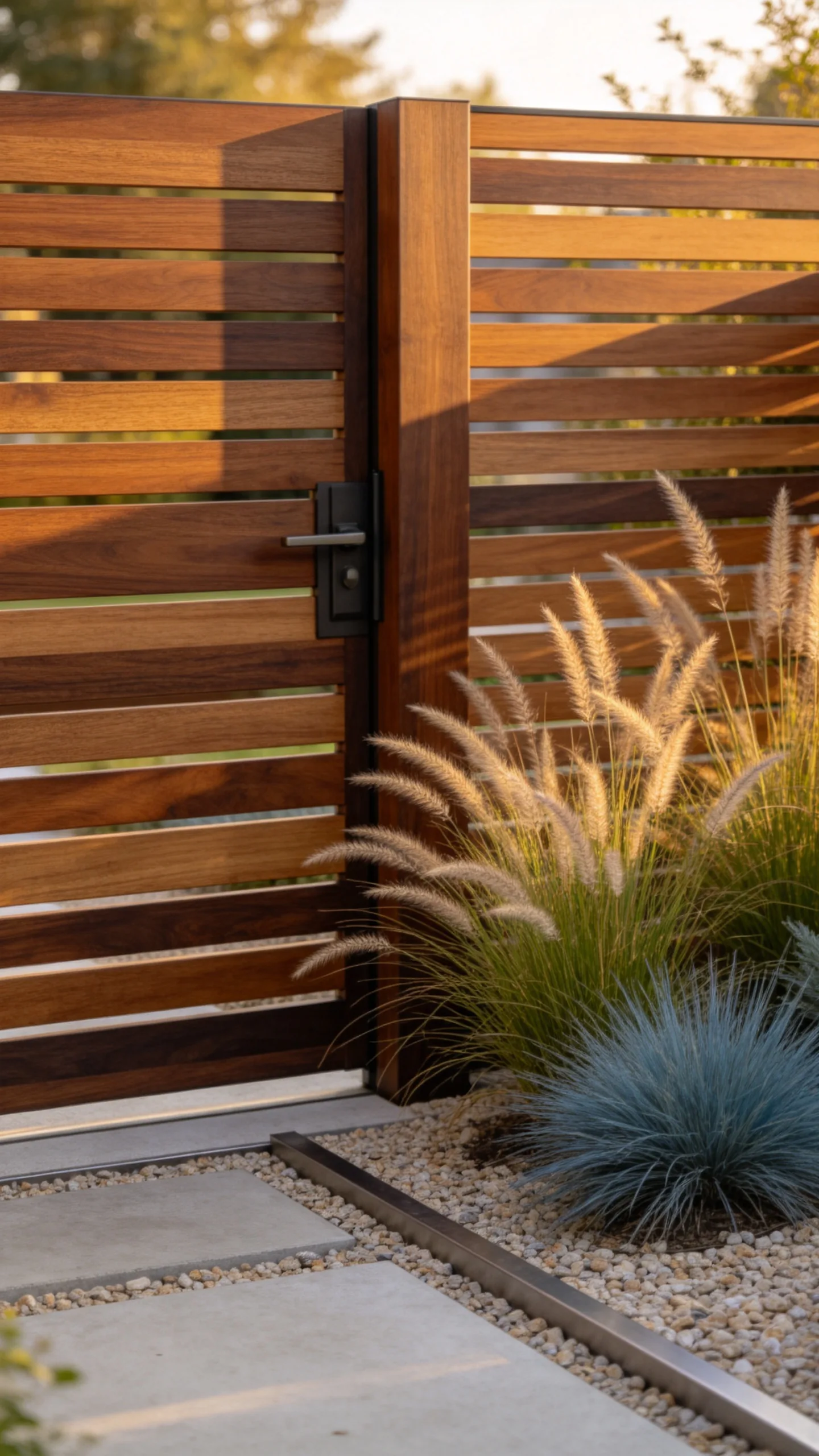
A horizontal slat gate looks polished and simple, especially with a dark stain or natural cedar finish. Plant ornamental grasses nearby to soften the straight lines without covering the design. Feather reed grass, blue fescue, fountain grass, or switchgrass can work depending on the space and climate.
Keep grasses set back from the latch side so seed heads do not block the hardware. This pairing is useful for modern yards because it adds movement and texture without relying on many different flowers. Gravel mulch, concrete pavers, or steel edging can complete the clean look.
15. Garden Gate With Decorative Iron Hardware
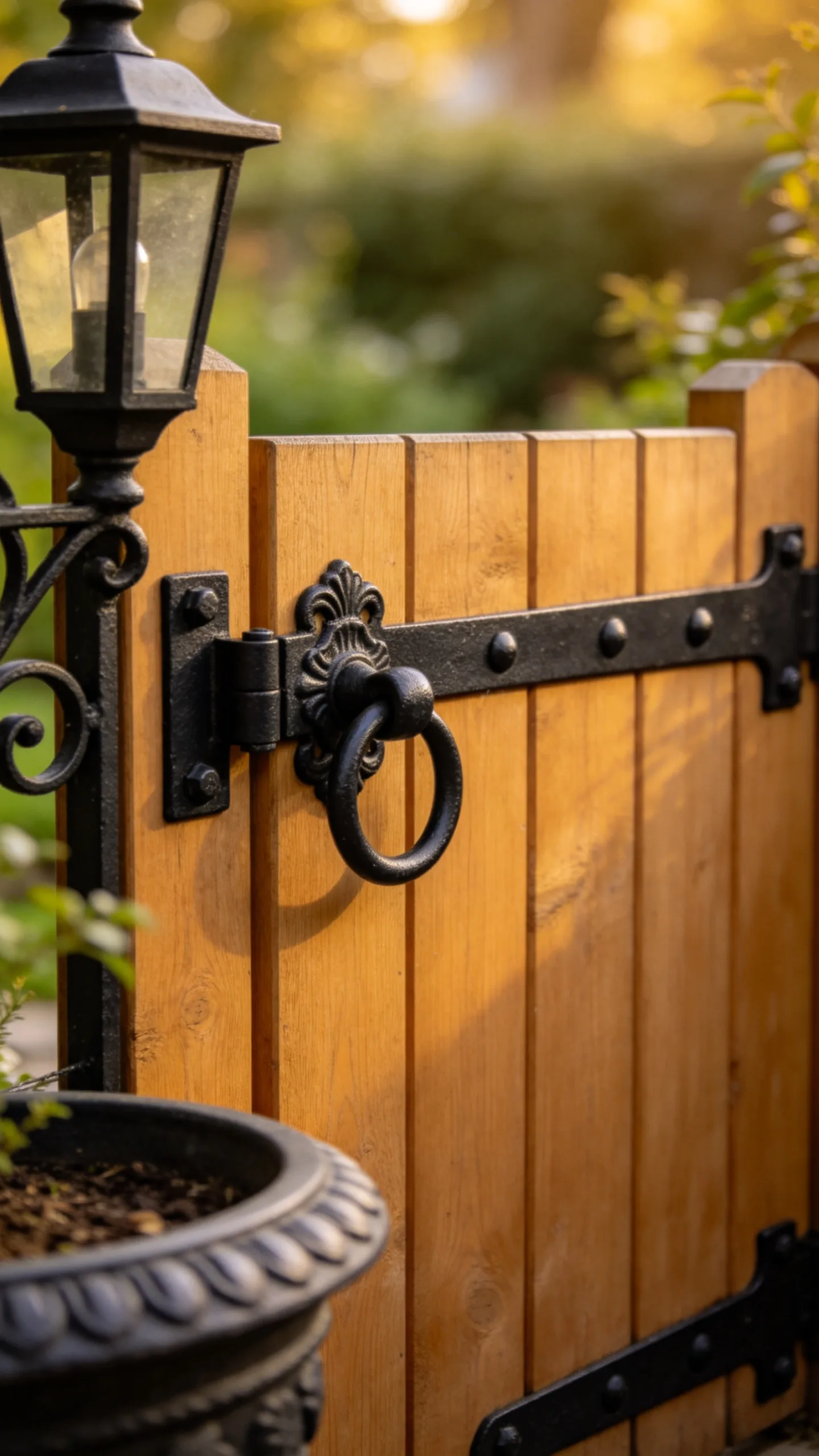
Sometimes the standout detail is not the gate shape but the hardware. A simple wood gate can look more custom with strap hinges, a thumb latch, a ring pull, or decorative bolts in black, brass, or aged bronze. Hardware is also a good upgrade when you want a visible change without rebuilding the fence.
Choose hardware that fits the gate weight and outdoor exposure. Decorative hinges should still be strong enough to prevent sagging. Pair the metal finish with nearby accents such as lanterns, house numbers, trellis brackets, or container rims for a more cohesive entrance.
16. Arched Picket Gate With Boxwood Edging
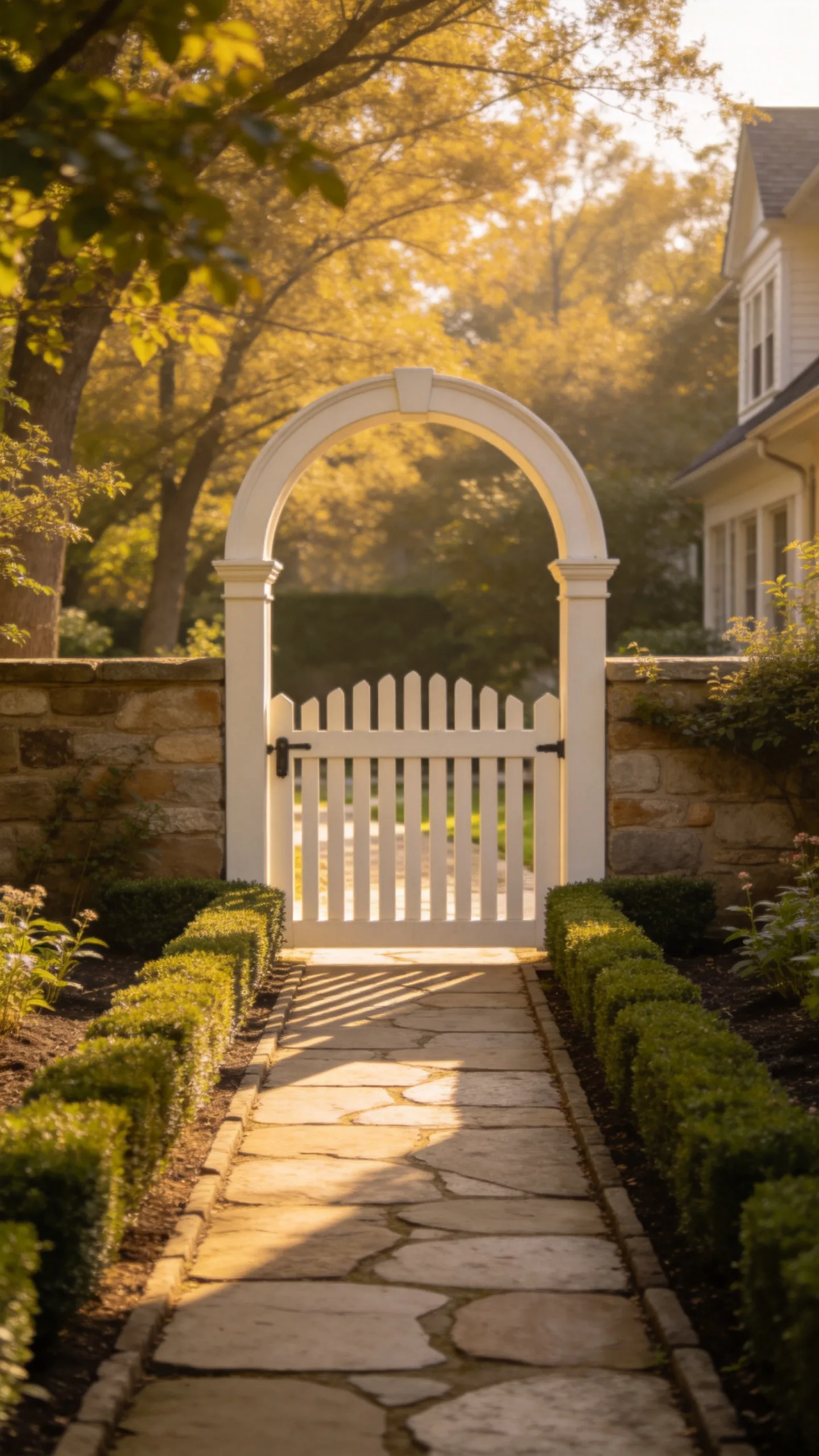
An arched picket gate framed by boxwood edging creates a tidy, classic garden entrance. The clipped greenery emphasizes the path and keeps the opening formal without needing tall plants. This is especially useful for front gardens, courtyard entries, and small spaces where a neat border matters.
Boxwood needs good drainage and occasional trimming to hold its shape. If boxwood is not suitable in your area, consider dwarf yaupon holly, germander, compact rosemary, or another small evergreen that tolerates pruning. Keep the edging low enough that it does not compete with the arch.
17. Gate With a Pergola-Style Overhead Frame
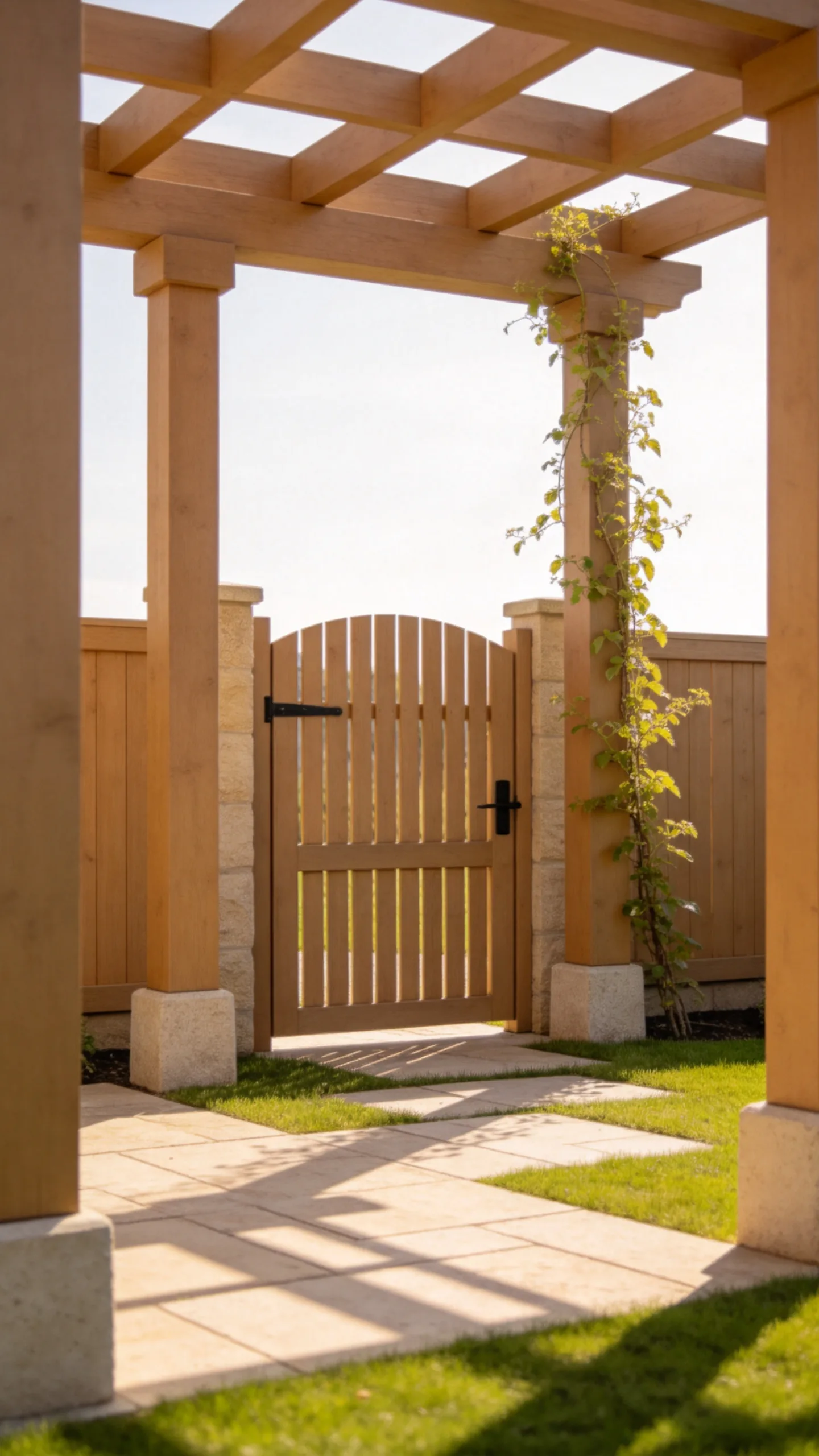
A pergola-style frame over a fence gate gives the entrance more presence than a flat arbor. Instead of one arch, use square posts with crossbeams overhead. This design works well for wider gates, backyard entrances, or transitions between a patio and a lawn.
Leave the pergola bare for a clean architectural look, or grow a light vine on one side for shade and softness. In hot, sunny gardens, the overhead beams can make the entrance feel cooler while still allowing air through. Make sure the posts are set securely, especially if the gate is heavy or exposed to wind.
18. Secret Garden Gate With Dense Evergreen Planting
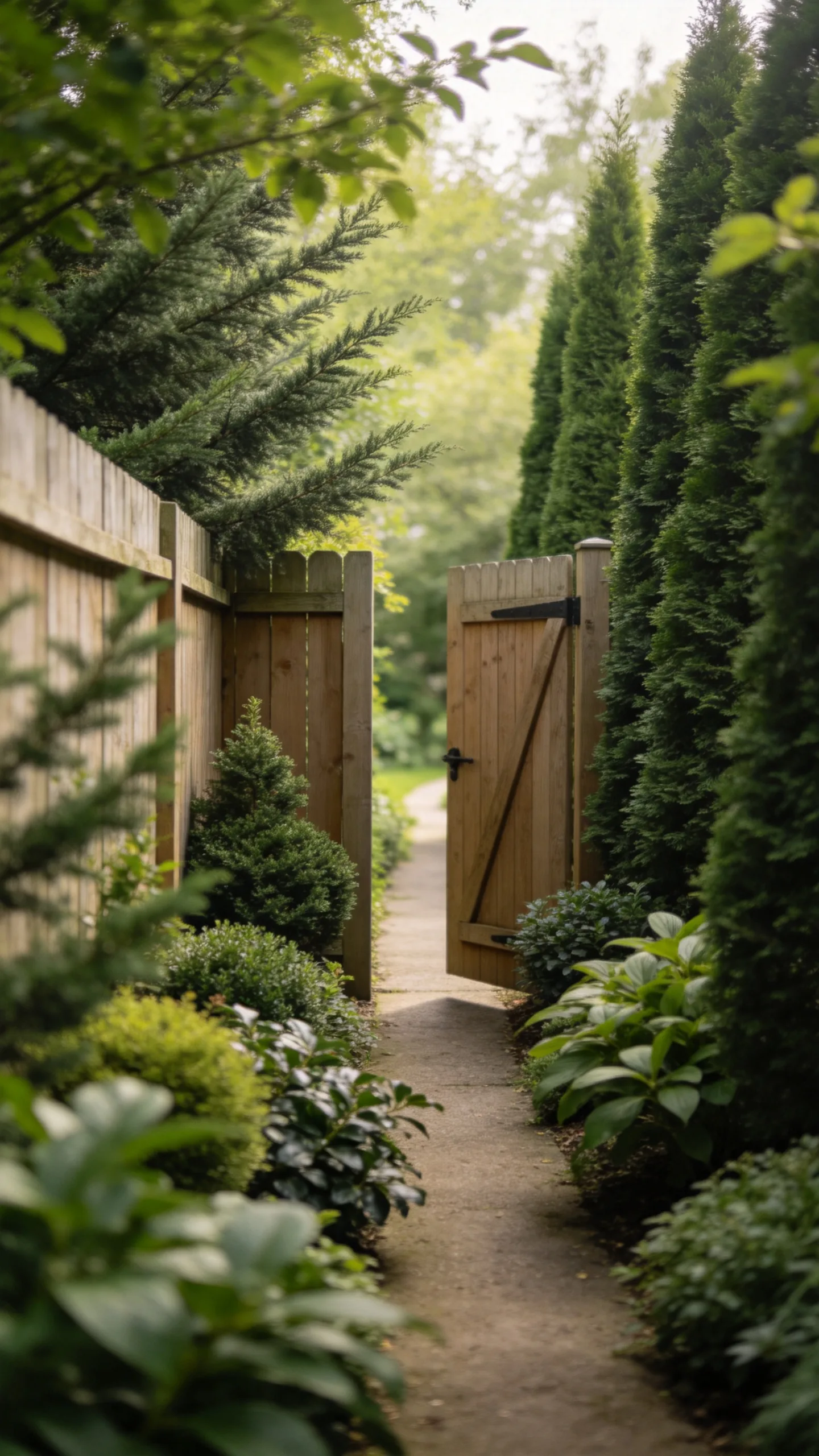
A secret garden-style gate uses greenery to partially hide the entrance while still keeping it usable. Plant evergreens like yew, podocarpus, arborvitae, or compact holly around the fence line, then leave the gate itself visible enough to find and open easily.
This idea works best where privacy is a priority, such as a backyard retreat, reading nook, or side garden. Avoid planting shrubs too close to the gate swing. Leave space for mature width, and prune the plants so they frame the entrance instead of closing it off completely.
19. Painted Garden Gate With Matching Flower Colors
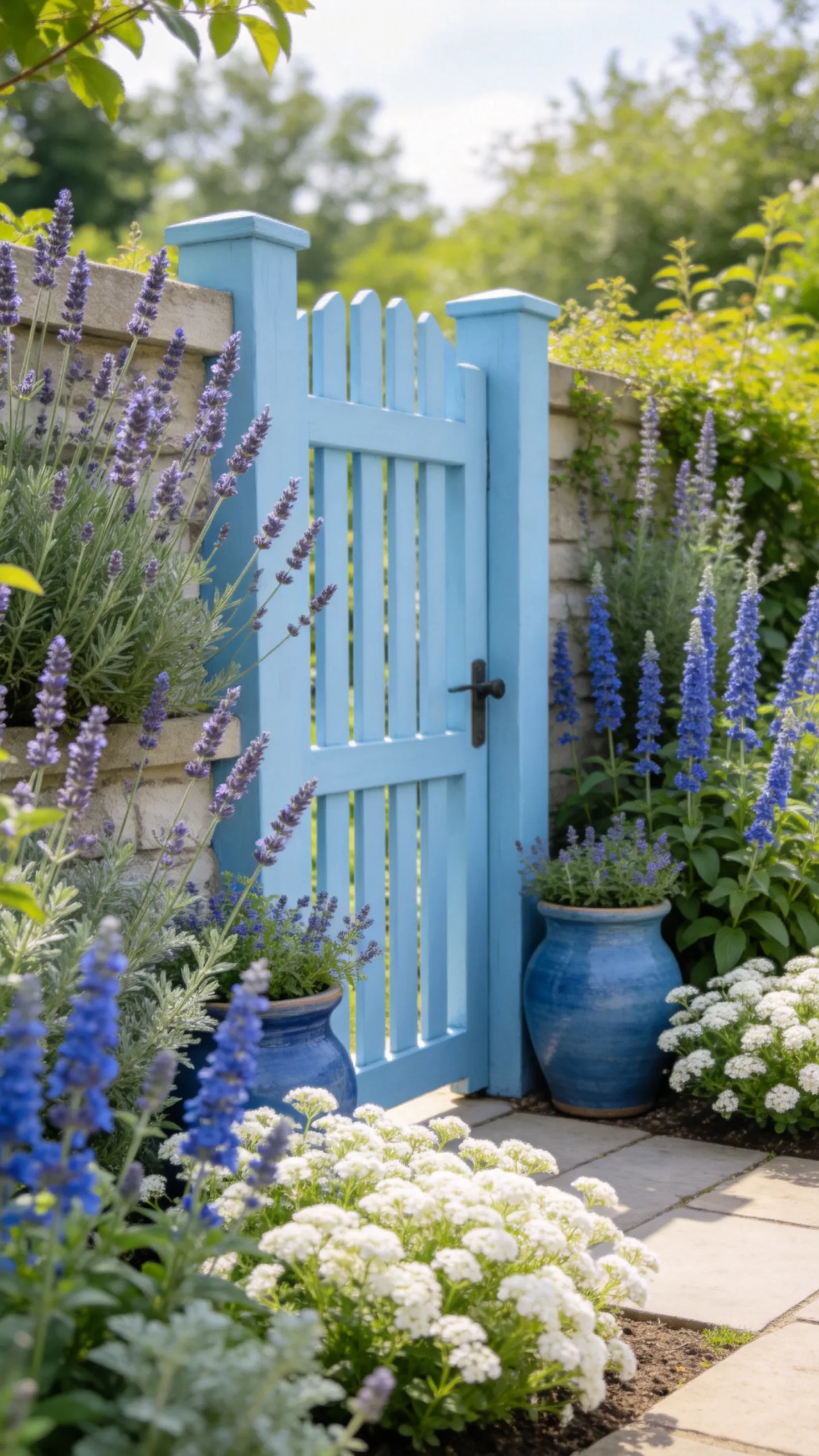
A painted gate can become the color anchor for the whole garden entrance. Soft blue, sage green, warm terracotta, charcoal, or deep red can all work depending on the fence and house exterior. Repeat the gate color in nearby flowers, pots, or outdoor decor so it looks intentional.
For example, a blue gate pairs well with lavender, catmint, blue salvia, and white alyssum. A terracotta gate can be echoed with orange calendula, copper planters, or clay pots. Use exterior-grade paint or stain, and refresh high-touch areas near the latch as needed.
20. Trellis Gate With Climbing Hydrangea
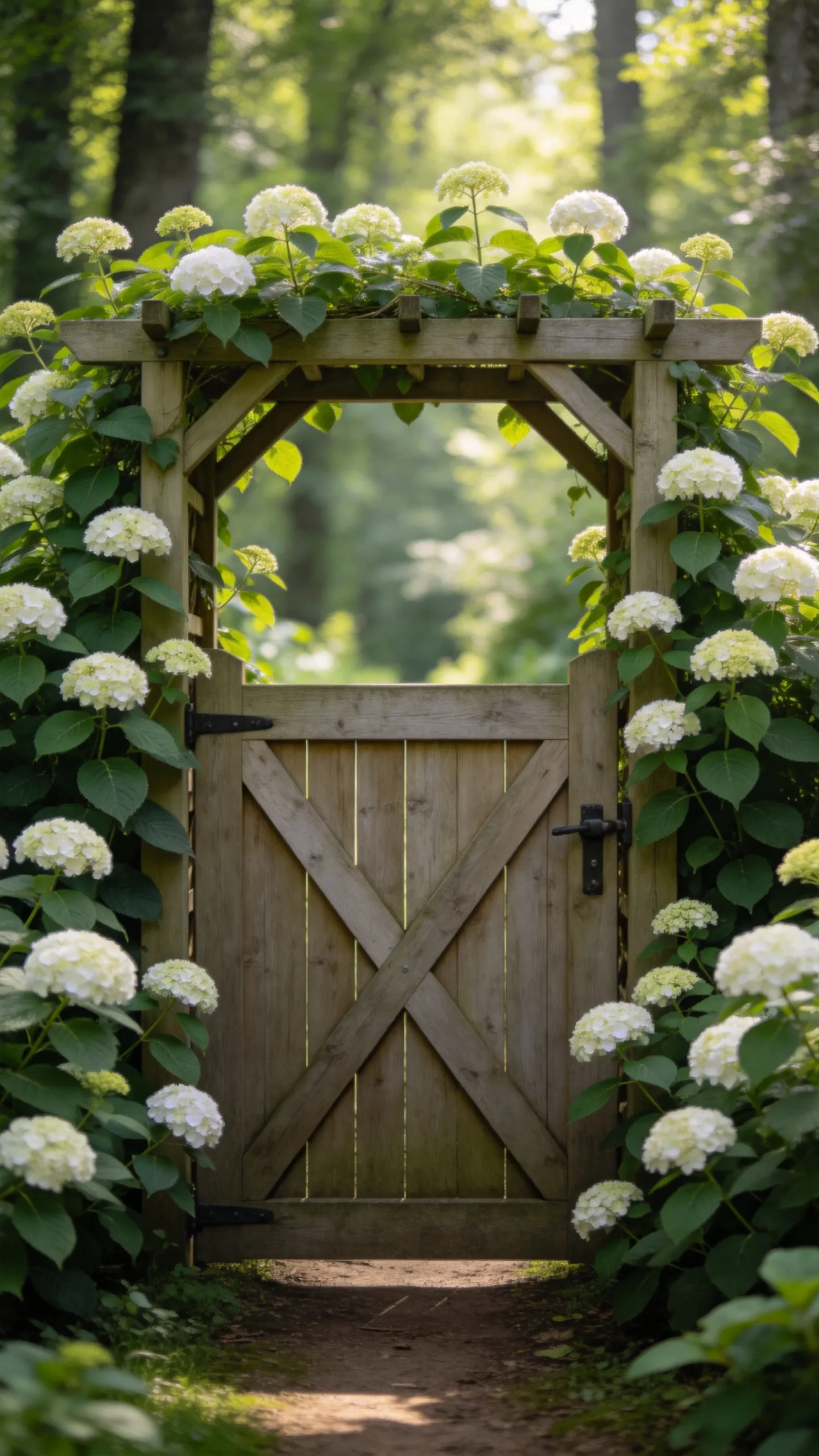
Climbing hydrangea can create a lush, romantic entrance on a sturdy trellis or fence structure. It is especially useful for part-shade locations where some flowering vines struggle. The leaves and lacecap-style blooms can soften a plain wooden gate beautifully once the plant is established.
Because climbing hydrangea can become large over time, give it a strong support and enough room to mature. It is better suited to a substantial fence line than a thin decorative panel. Keep growth pruned away from the gate opening and avoid letting stems wedge into hinges or latch hardware.
21. Stone Path Leading to a Framed Gate
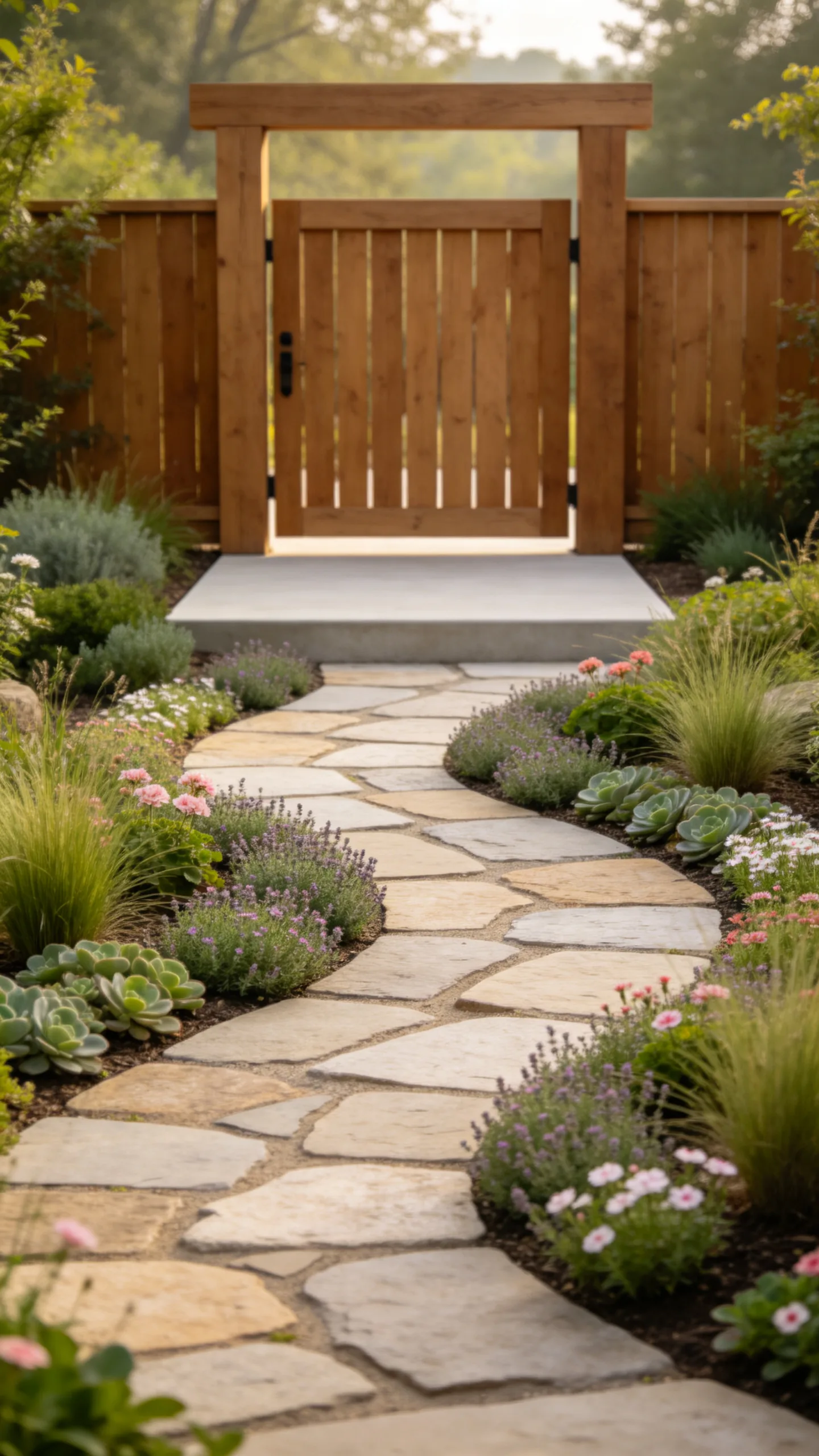
The path leading to a gate can make the entrance feel more finished before anyone reaches it. Use flagstone, brick, gravel, or stepping stones to guide the eye toward the opening. A slight curve in the path can make a small garden feel deeper, while a straight path creates a formal, direct approach.
Plant low, durable edges along the path so the gate remains the focal point. Creeping thyme, dwarf mondo grass, sedum, or low-growing dianthus can soften the hardscape without covering it. Make sure the landing directly in front of the gate is level and wide enough for comfortable opening.
22. Gate With Lanterns and Night-Friendly Planting
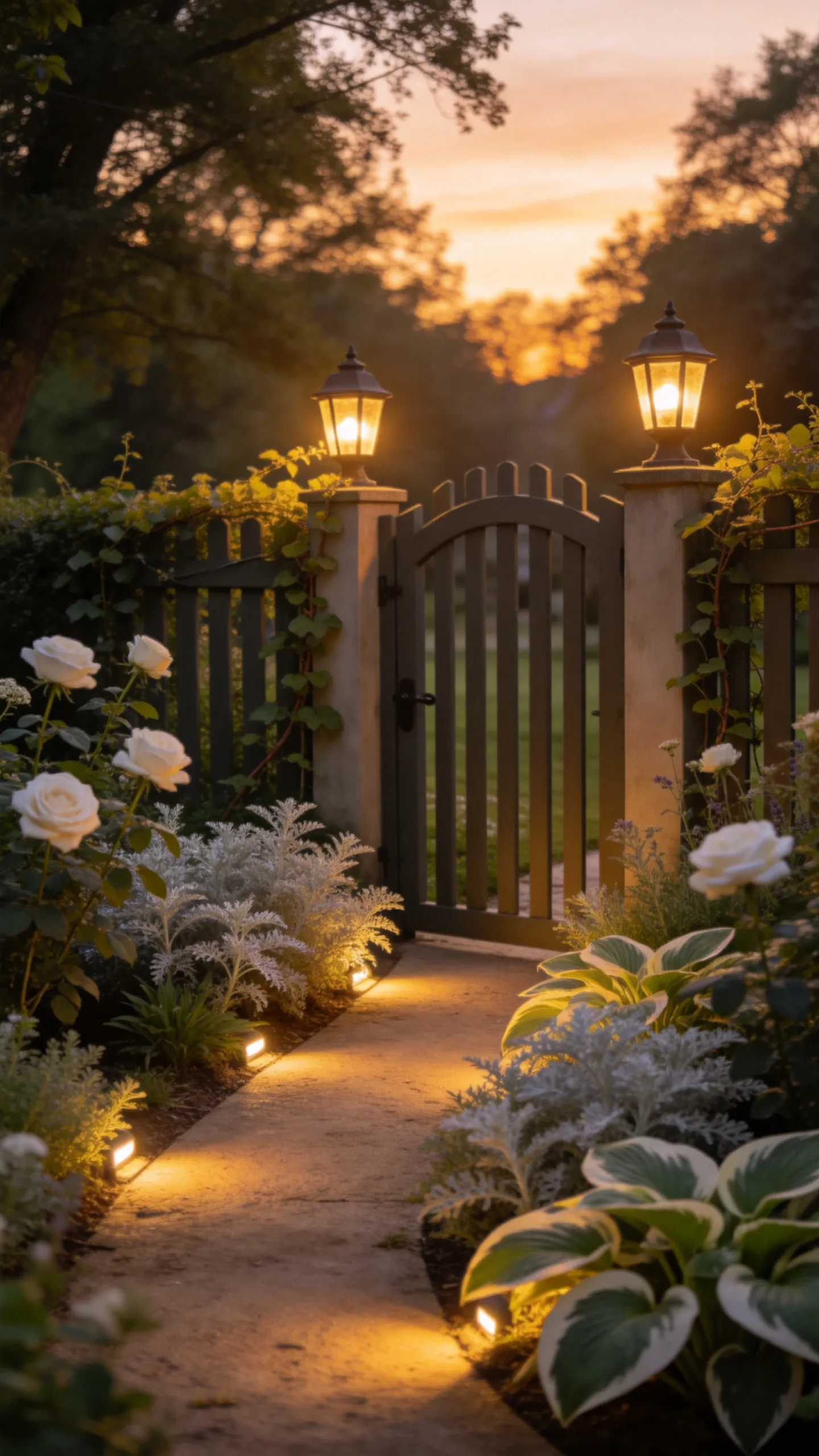
Lanterns or low-voltage lights beside a fence gate make the entrance safer and more attractive in the evening. Mount lanterns on the posts, add solar path lights along the approach, or use small uplights to highlight an arbor or trellis. Keep lighting warm and soft so the gate feels welcoming rather than harsh.
Pair the lighting with plants that show up well at dusk, such as white roses, silver artemisia, lamb’s ear, variegated hosta, or white-flowering annuals. This detail is especially helpful for front gates, side-yard entries, and garden paths used after sunset. Choose fixtures rated for outdoor use and keep vines trimmed away from bulbs and wiring.