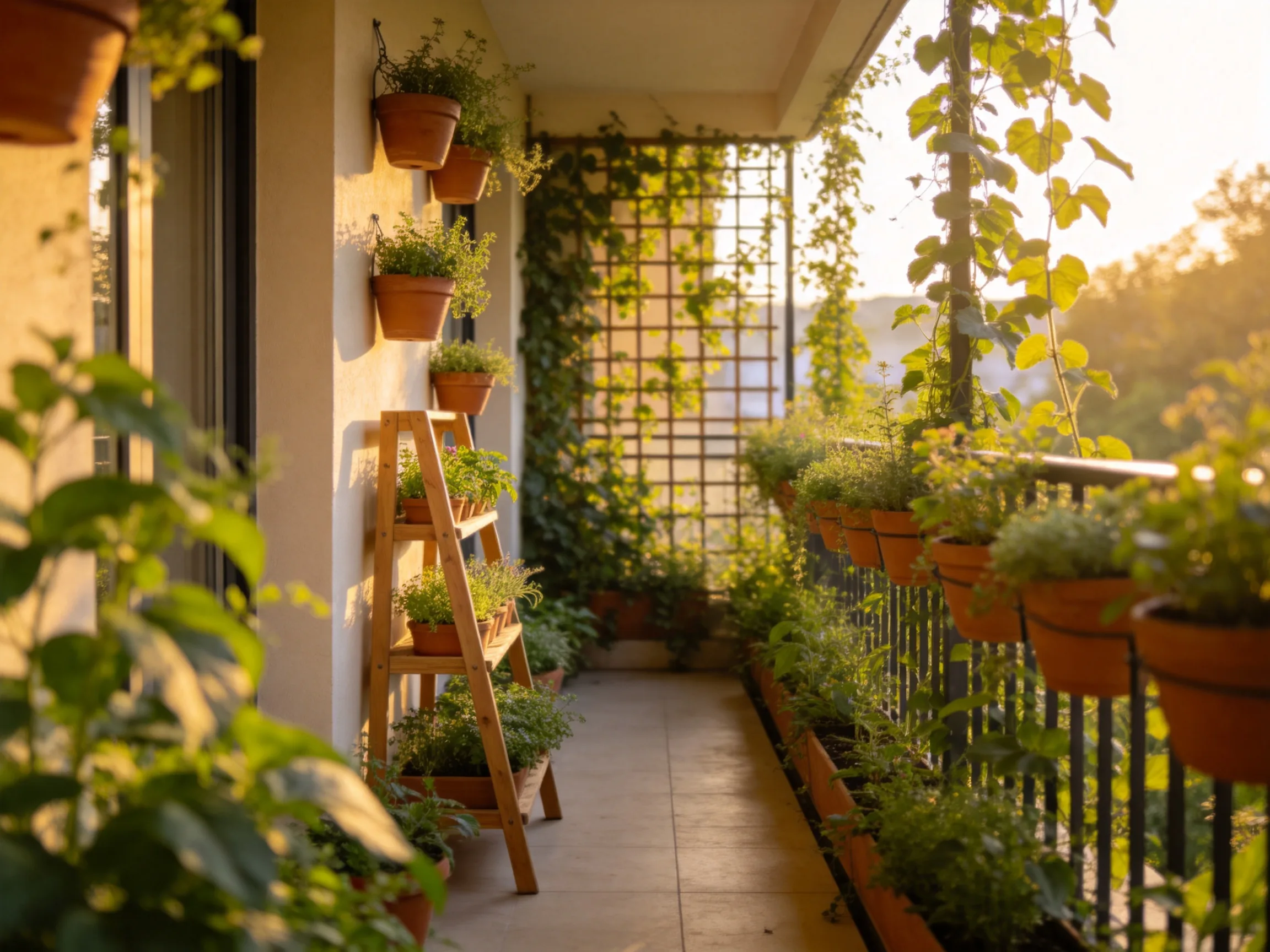
When space is at a premium, looking upward is the best way to expand your outdoor oasis. Vertical balcony garden ideas allow you to maximize every square inch, turning bare walls and unused corners into lush, living focal points without sacrificing your seating area. By moving plants off the floor, you can enjoy a vibrant green space even on the narrowest apartment balconies.
Whether you want to cultivate fresh herbs, create a natural privacy screen, or simply surround yourself with cascading foliage, the right vertical setup makes it possible. From simple ladder shelves to DIY wall grids, here are 15 practical and beautiful ways to implement a vertical balcony garden while saving valuable floor space.
1. Mount a Freestanding Ladder Plant Shelf
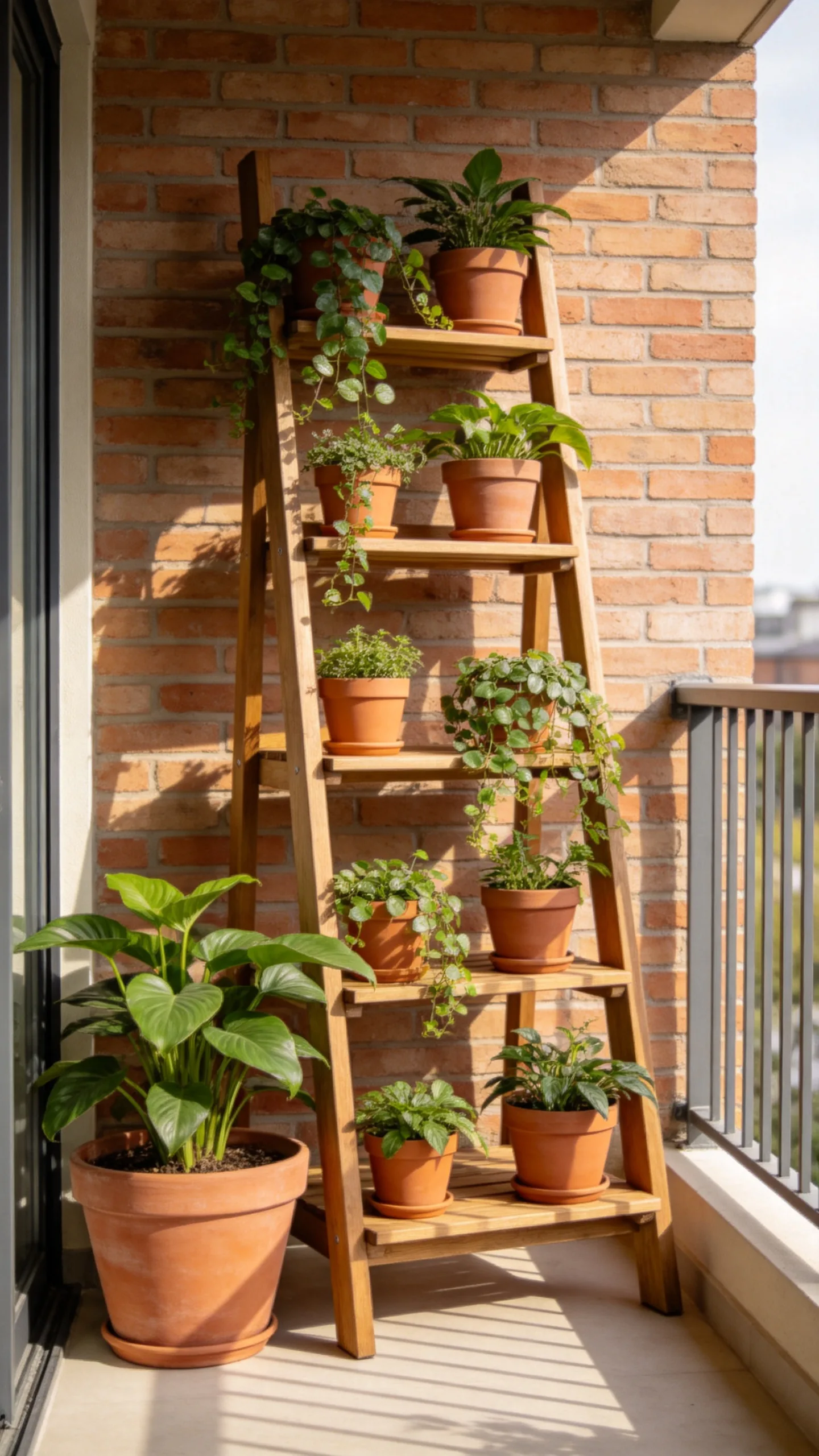
A ladder shelf is one of the easiest ways to introduce vertical gardening to a small balcony. These freestanding structures require no drilling or permanent installation, making them perfect for renters. Position a wooden or metal ladder shelf against a wall or in a corner, and use the graduating steps to display plants of varying sizes. Place larger, heavier pots on the wider bottom shelves for stability, and arrange smaller trailing plants like pothos or string of pearls on the top tiers so they can cascade down beautifully.
2. Use Pocket Planters on a Balcony Wall
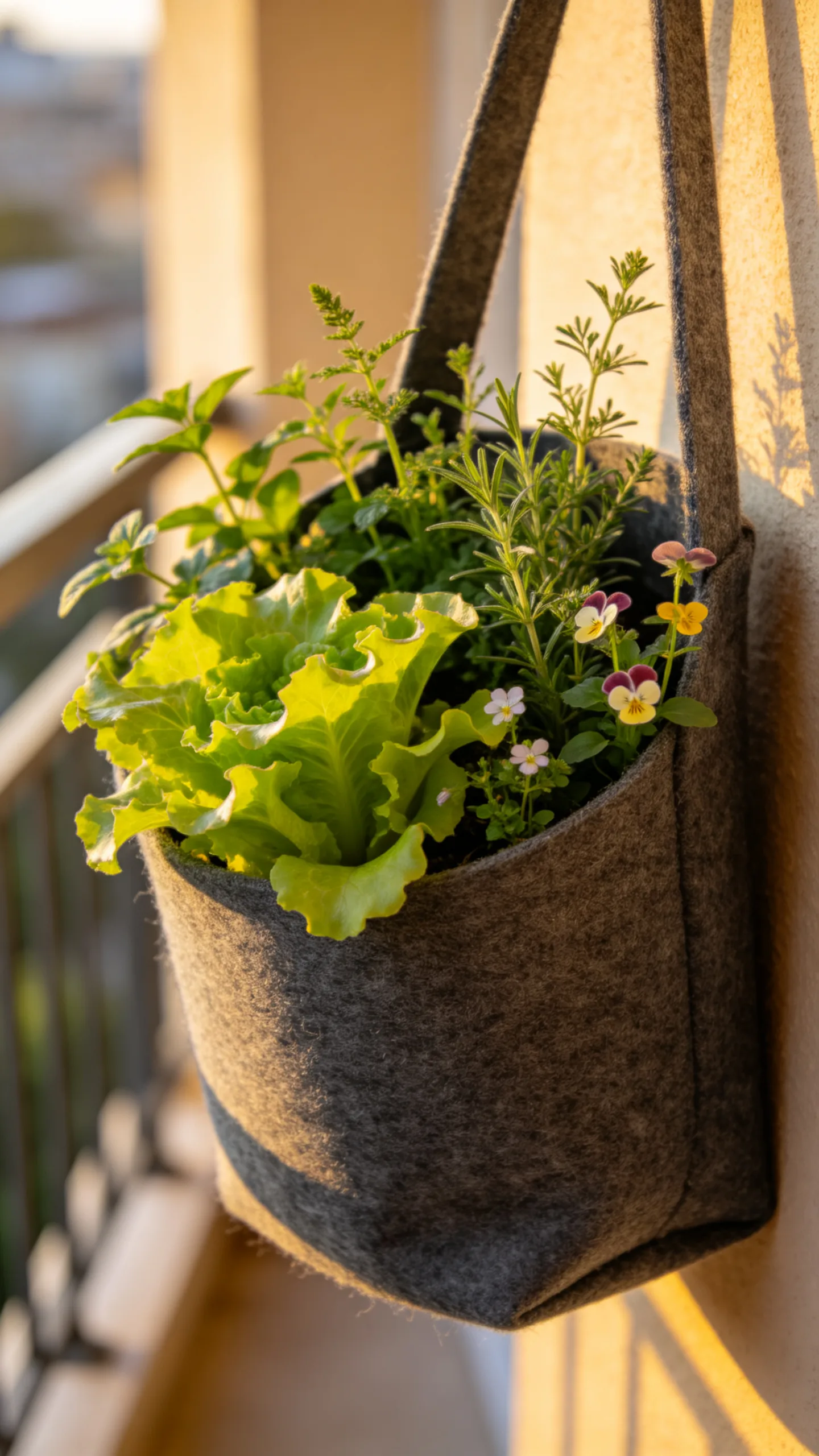
Felt or canvas pocket planters are fantastic for turning a blank balcony wall into a living tapestry. These lightweight, breathable pouches can be hung on hooks or suspended from a sturdy rail. Because the pockets are relatively shallow, they are ideal for growing shallow-rooted plants such as lettuce, herbs, and small flowering annuals. Grouping multiple pocket panels together creates a striking green wall effect that instantly transforms the atmosphere of your balcony while keeping the floor completely clear.
3. Train Climbing Plants on a Slim Trellis
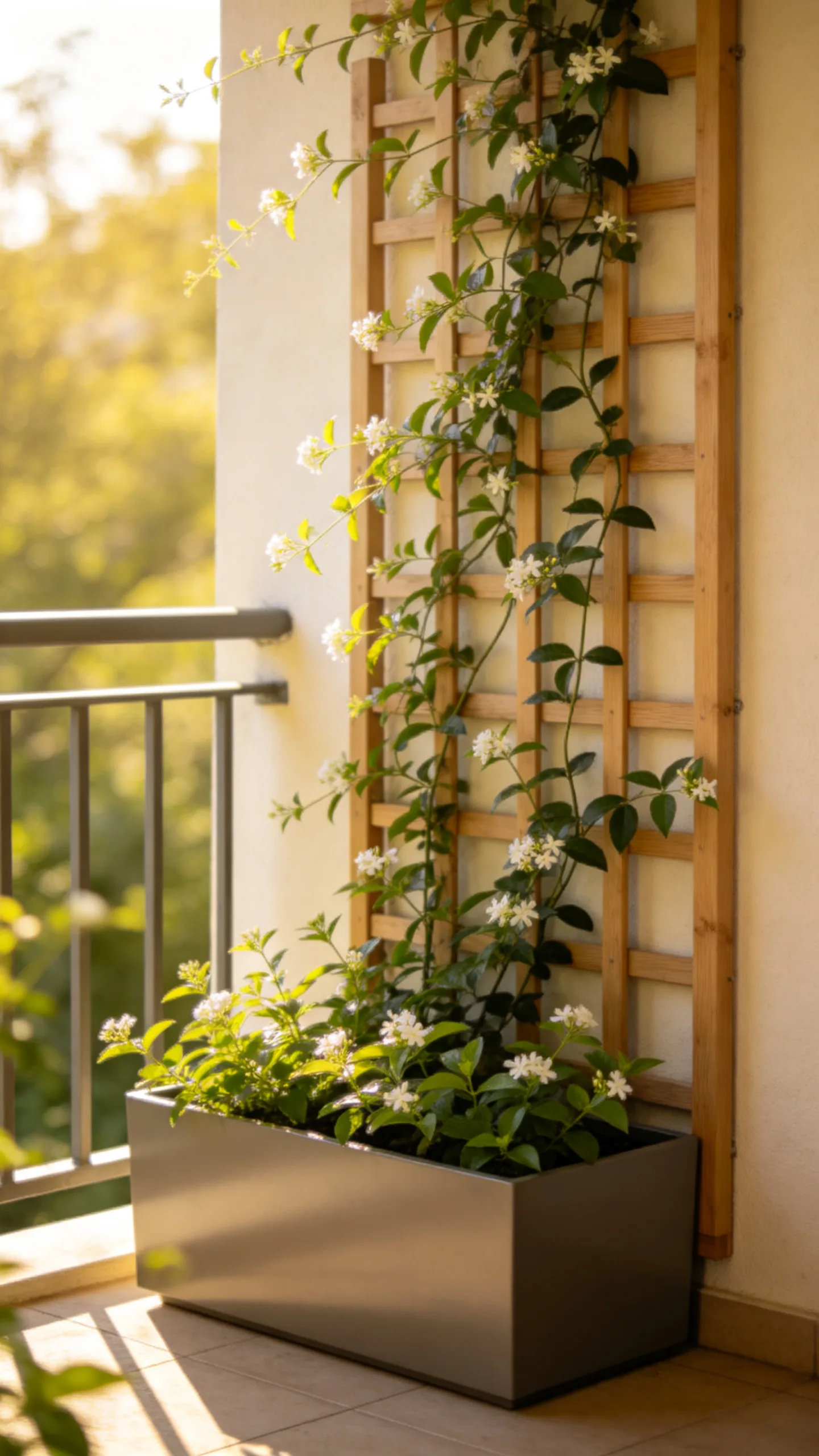
Adding a slim trellis is a classic approach to vertical gardening that works exceptionally well on small balconies. Choose a narrow wood or metal trellis and secure it against a wall or to your railing. Plant fast-growing climbers like star jasmine, clematis, or morning glories in a deep rectangular planter at the base. As the vines grow, gently weave them through the trellis grid. This not only draws the eye upward but also creates a beautiful floral display that takes up barely any footprint.
4. Stack Herbs in a Tiered Vertical Stand
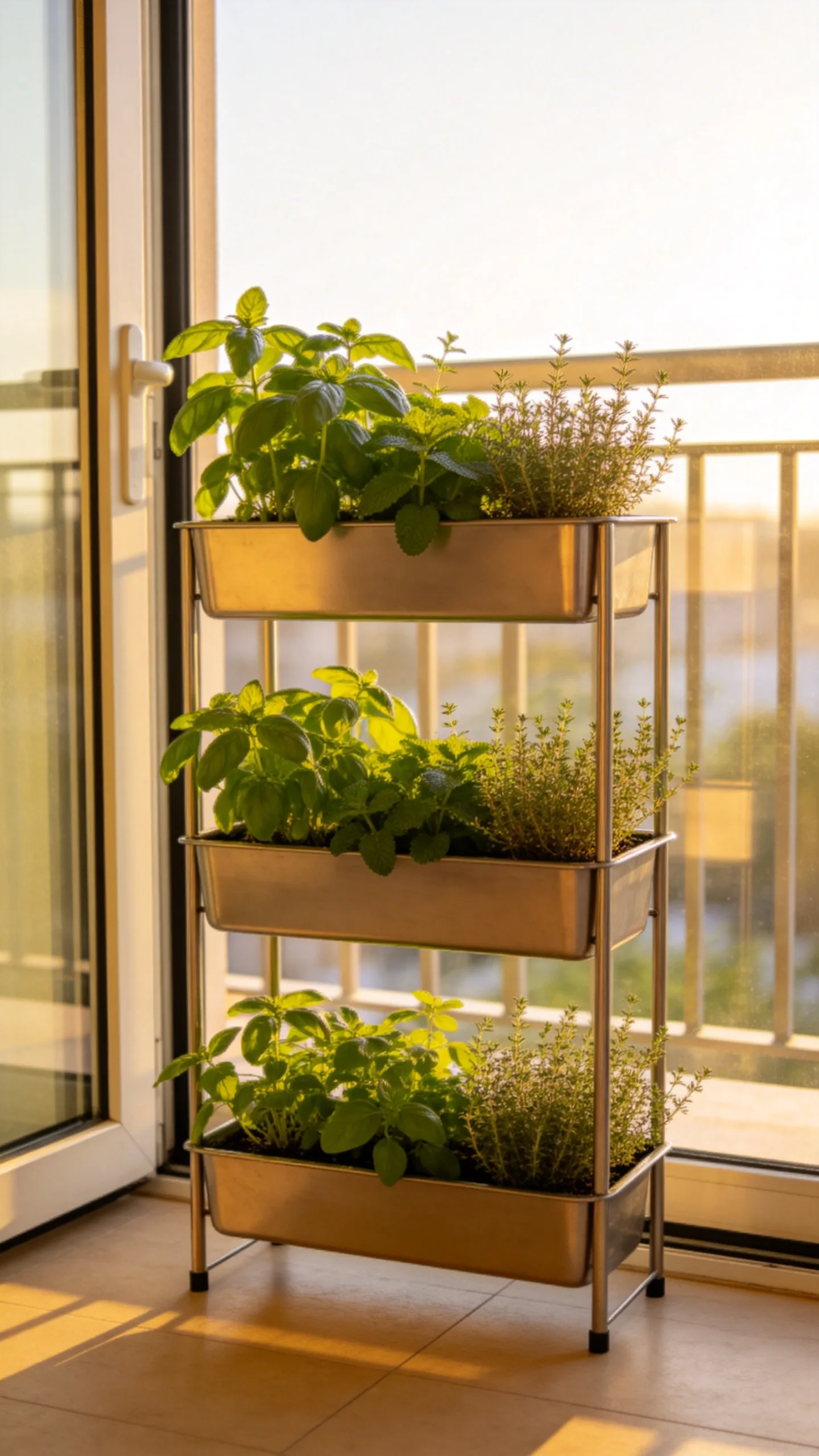
For those who want to grow their own culinary ingredients but lack horizontal space, a tiered vertical stand is the perfect solution. These specialized planters stack multiple levels of growing space in a single compact footprint. They are ideal for grouping moisture-loving herbs at the bottom and sun-worshipping varieties near the top. Place the tiered stand near your kitchen door for easy access, ensuring you always have fresh basil, thyme, and mint ready for cooking without cluttering the balcony floor.
5. Hang Planters From the Ceiling Edge
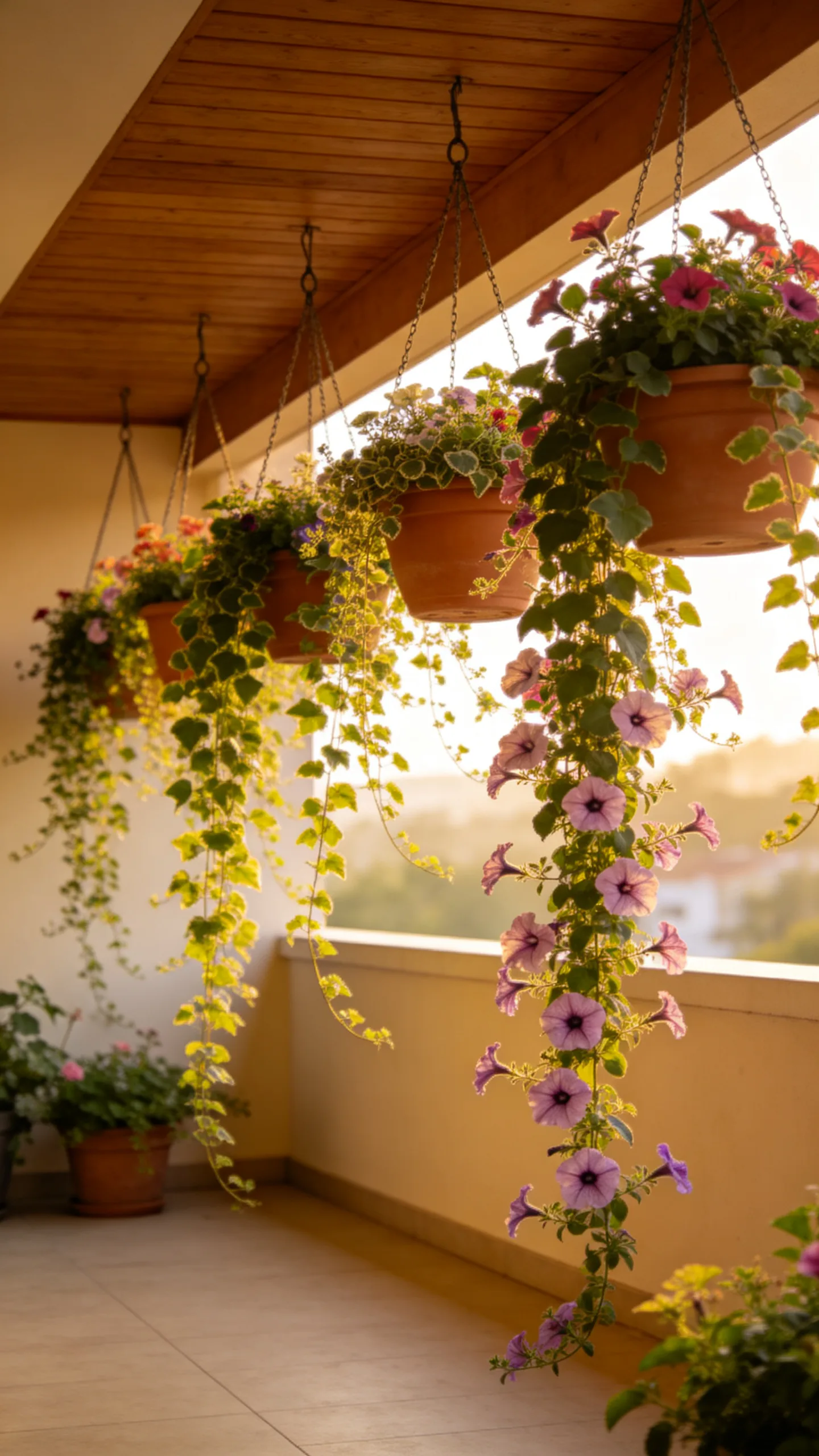
If your balcony has an overhang or a sturdy ceiling, hanging planters offer a fantastic way to add greenery without using any floor or wall space. Install heavy-duty ceiling hooks to securely suspend your pots. Hanging baskets are perfect for dramatic, trailing plants like English ivy, spider plants, or cascading petunias. By varying the lengths of your hanging ropes or chains, you can create a dynamic, multi-level display that draws the eye upward and adds a lush canopy to your outdoor space.
6. Create a Living Privacy Screen With Tall Planters
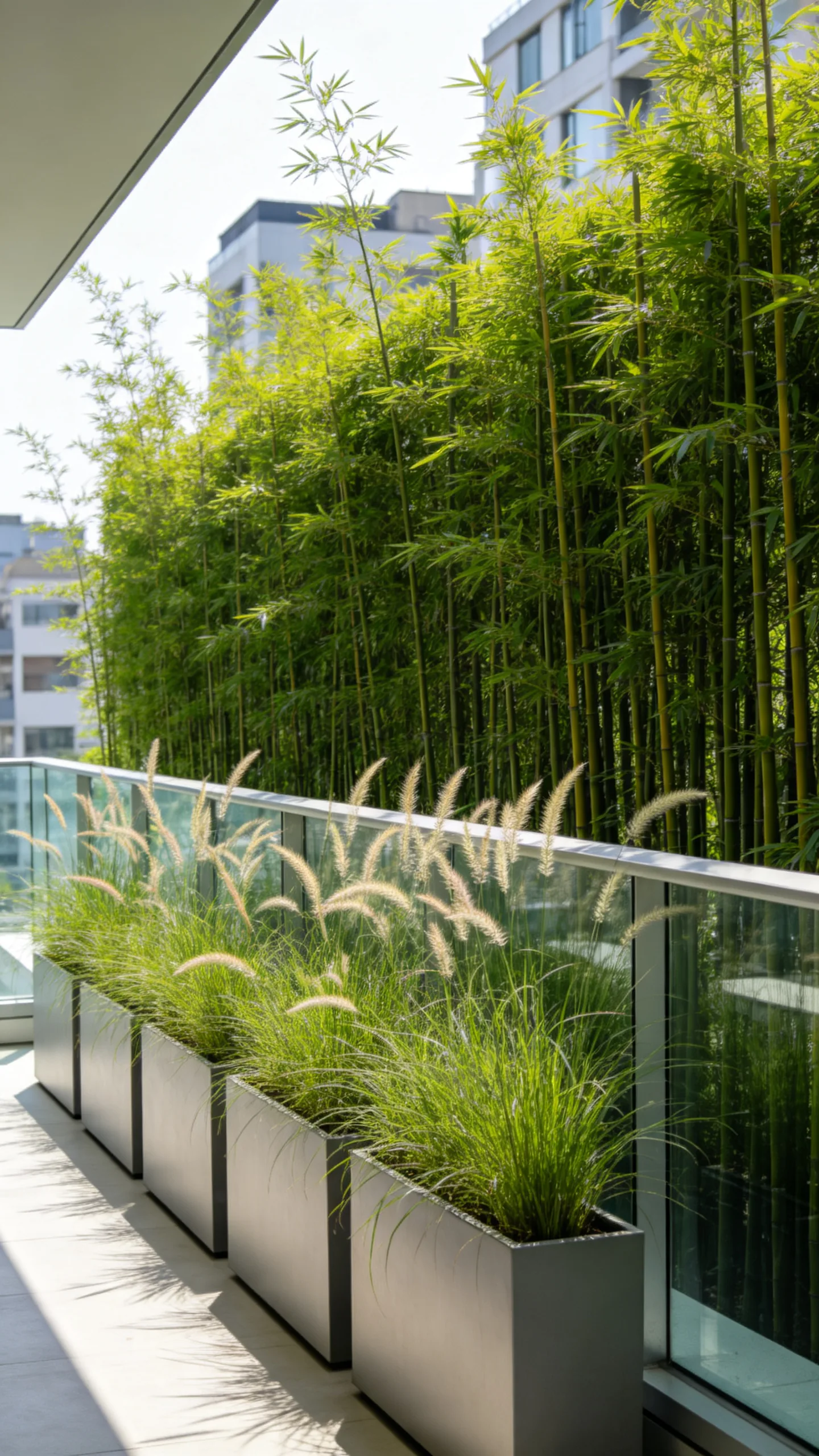
Vertical gardening isn't just about saving space; it can also provide much-needed privacy from neighbors. Use tall, narrow planter boxes planted with dense, upright varieties like bamboo, tall ornamental grasses, or snake plants. Position these planters along the edge of your balcony railing to create a natural, living barrier. This approach blocks unwanted views and reduces wind and noise, all while adding a modern, structured element to your balcony decor.
7. Use Rail Hooks for Cascading Greenery
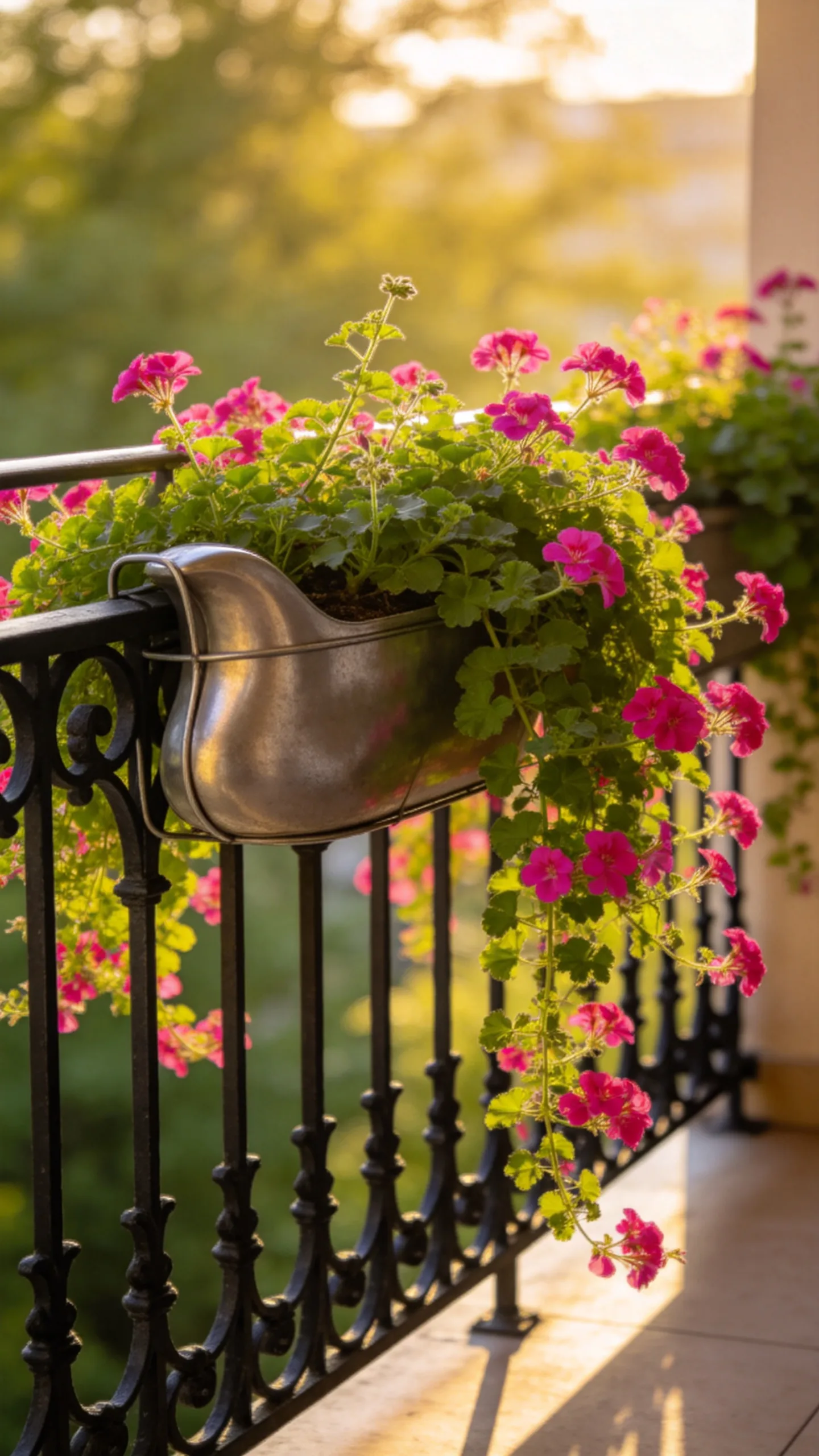
Your balcony railing is prime real estate for vertical gardening. Utilize rail hooks and saddle planters that straddle the railing securely. Fill them with a mix of mounding flowers and cascading vines, such as trailing verbena, sweet potato vine, or creeping Jenny. This creates a lush border of greenery that spills over the edge, softening the hard lines of the metal or concrete railing and wrapping your balcony in vibrant color without occupying any walking space.
8. Build a Narrow Wall Grid for Small Pots
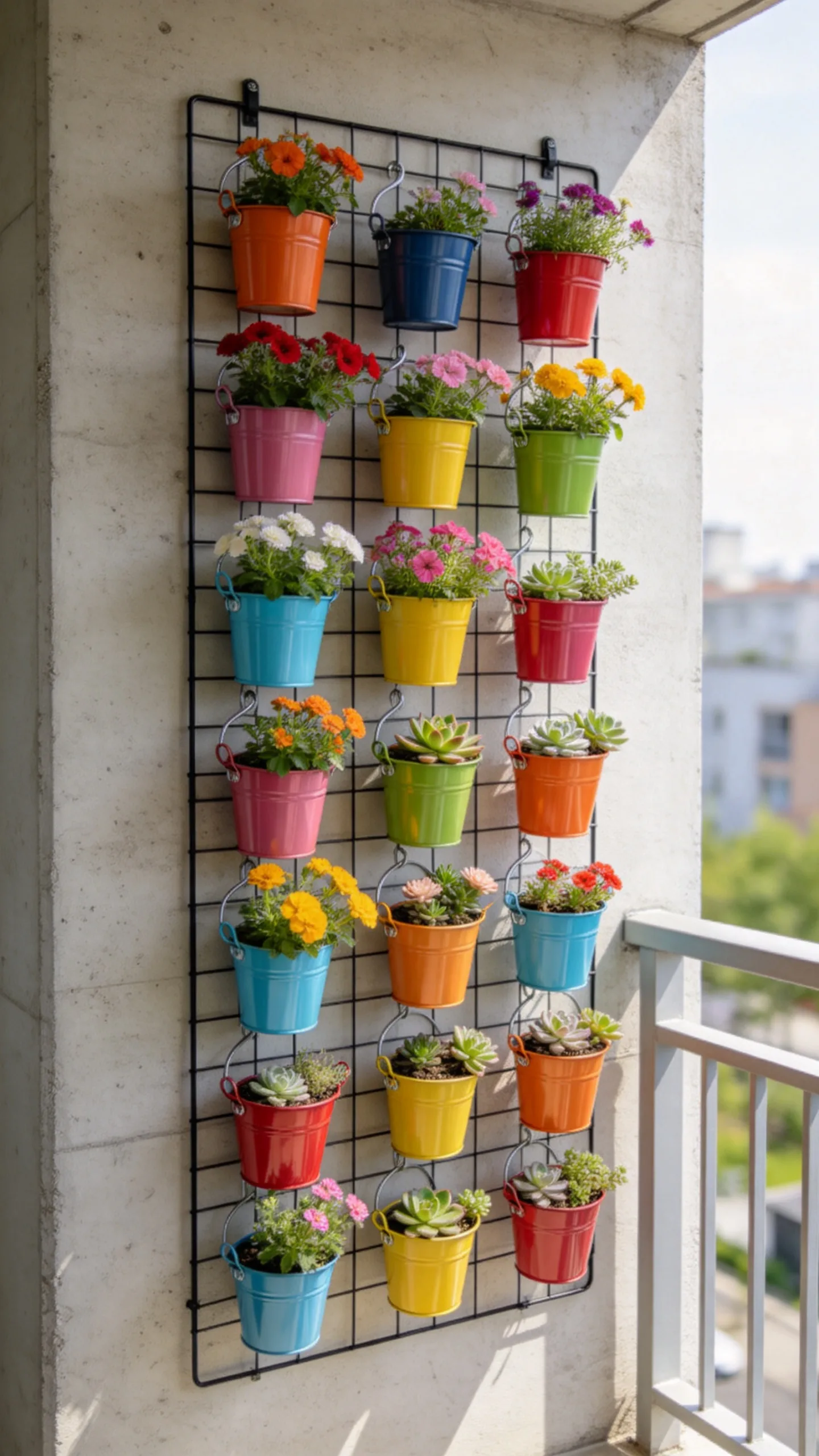
A wire mesh grid or a wooden lattice mounted directly to the wall offers incredible flexibility for a customized vertical garden. You can use S-hooks to hang an array of small, lightweight pots directly onto the grid. This modular approach lets you easily move plants around to chase the sun or refresh the display as seasons change. It’s a great way to display a collection of small succulents, air plants, or colorful blooming annuals in an organized, visually striking arrangement.
9. Grow Strawberries in a Vertical Tower
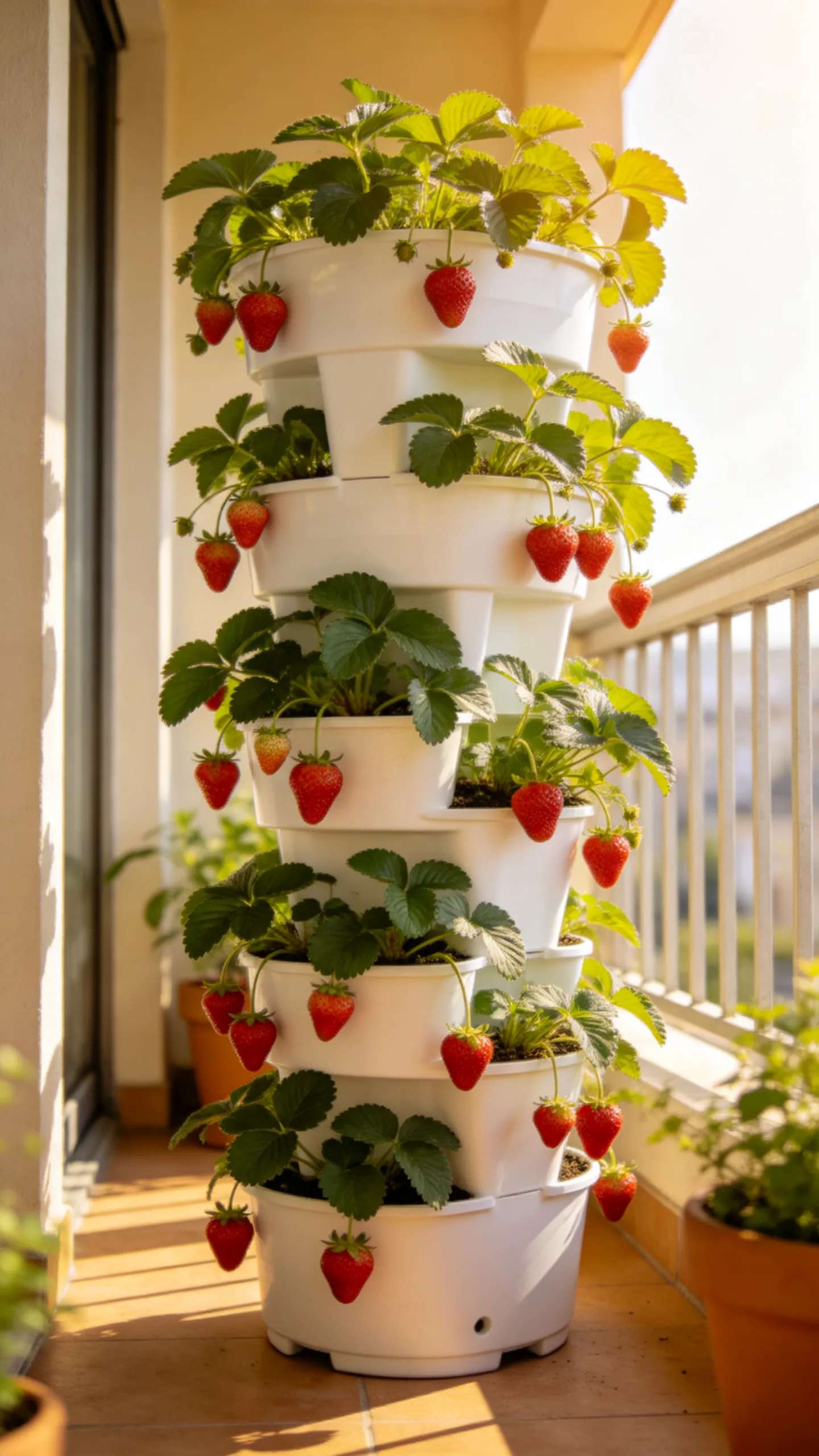
Vertical towers, especially hydroponic or soil-based stackable planters, are surprisingly productive for growing fruits like strawberries in confined spaces. The stacked design provides individual pockets for each plant, ensuring they get adequate light and air circulation. Strawberries grown vertically are also less prone to soil-borne pests and diseases, and their cascading runners look incredibly charming. A single vertical tower can yield a substantial harvest while taking up less than two square feet of floor space.
10. Add Ferns to a Shaded Balcony Wall
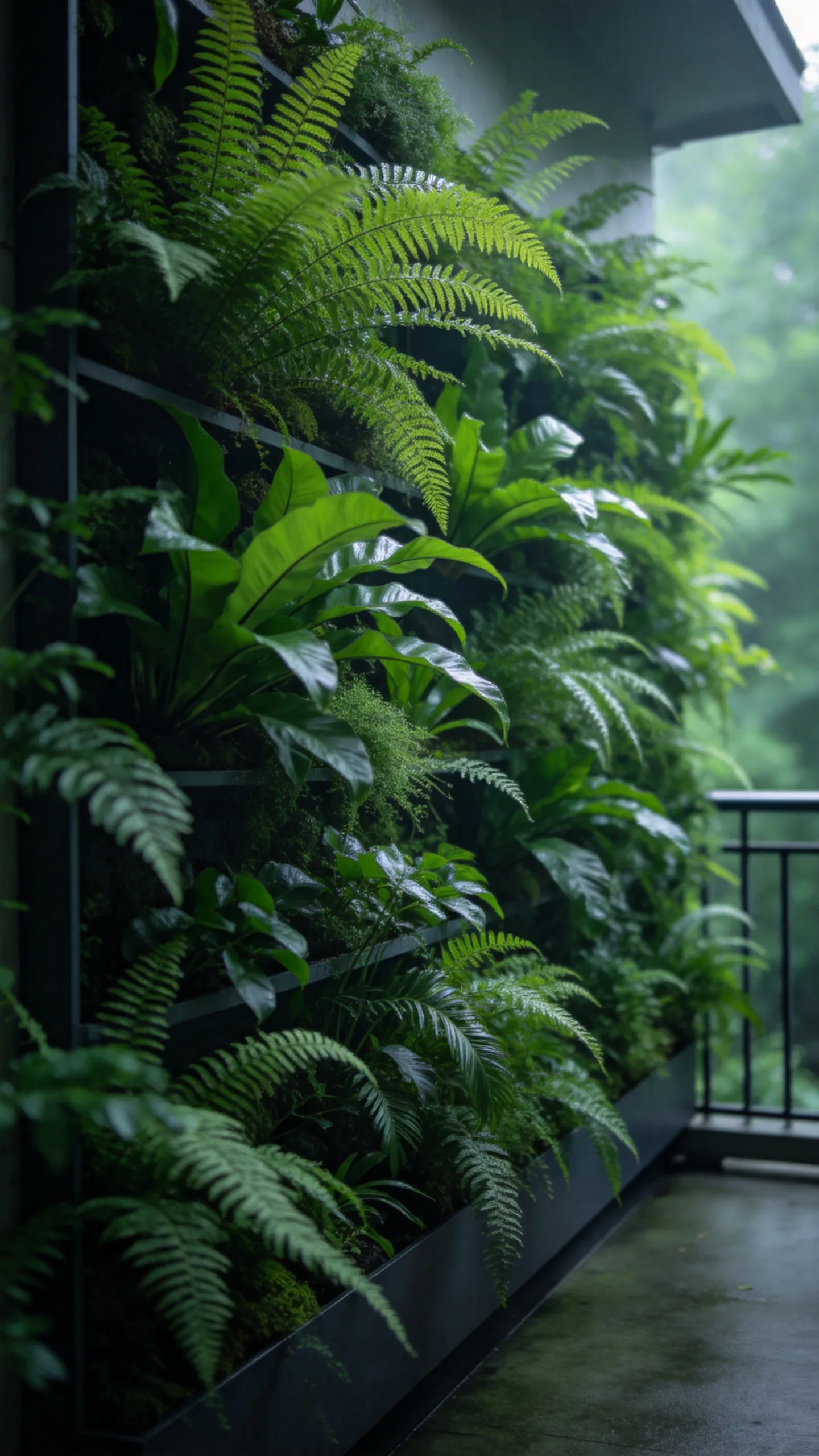
If your balcony receives limited direct sunlight, you can still create a lush vertical garden by choosing the right shade-tolerant plants. Ferns, such as the Boston fern or bird's nest fern, thrive in lower light conditions and love humidity. Mount a vertical planter system on the shadiest wall and fill it with a variety of ferns and hostas. The rich textures and varied shades of green will create a cool, woodland feel, transforming a dark balcony corner into a tranquil retreat.
11. Mix Trailing Vines With Upright Plants
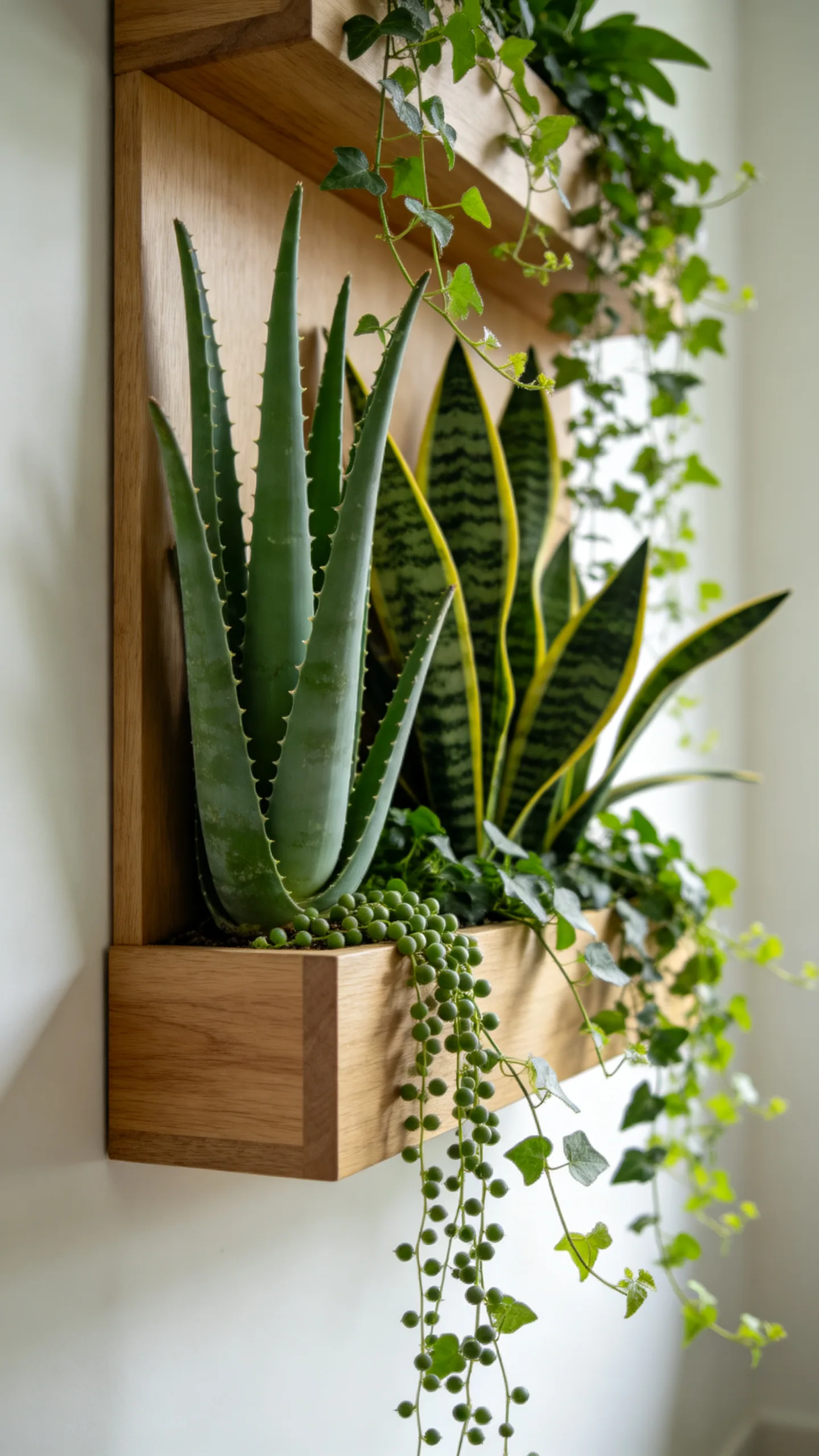
The secret to a visually engaging vertical garden is contrast. When arranging your vertical displays—whether on a shelf, a wall grid, or in stacked planters—mix upright, structural plants with soft, trailing vines. Pair the spiky leaves of a dracaena or aloe vera with the delicate, cascading tendrils of a string of hearts or creeping fig. This combination of shapes and growth habits adds depth and dimension to your vertical space, making the arrangement look fuller and more professionally designed.
12. Use a Corner Shelf to Build Height
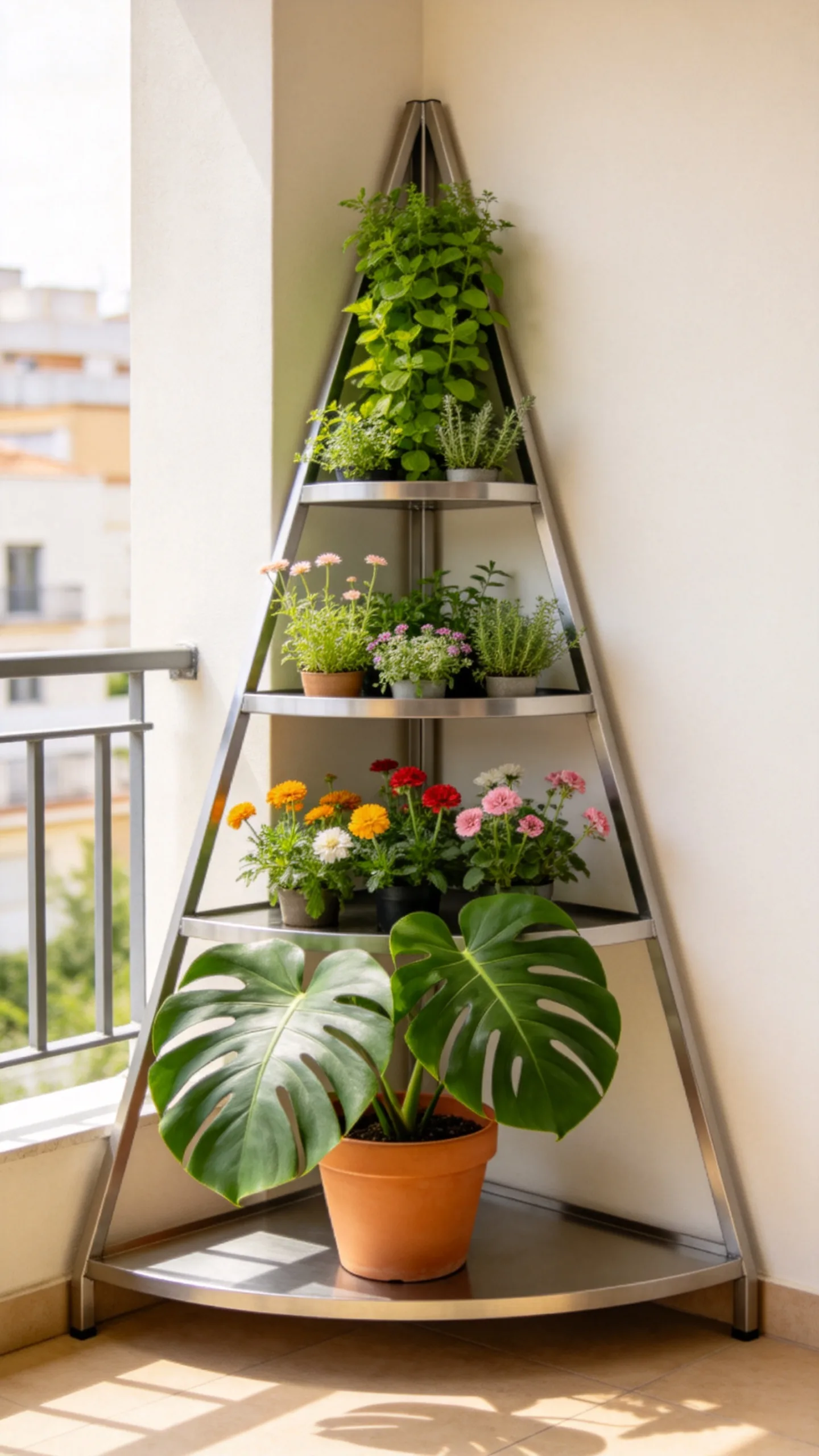
Balcony corners are often wasted space that is perfect for vertical gardening. A specialized corner shelf unit, typically designed in a triangular shape, fits snugly into these awkward spots. You can stack three or four tiers of plants, starting with larger pots on the bottom for stability. Corner shelves are excellent for displaying a curated collection of small-to-medium indoor/outdoor plants, turning an unused nook into a vibrant green column that maximizes vertical height.
13. Add a Vertical Succulent Display
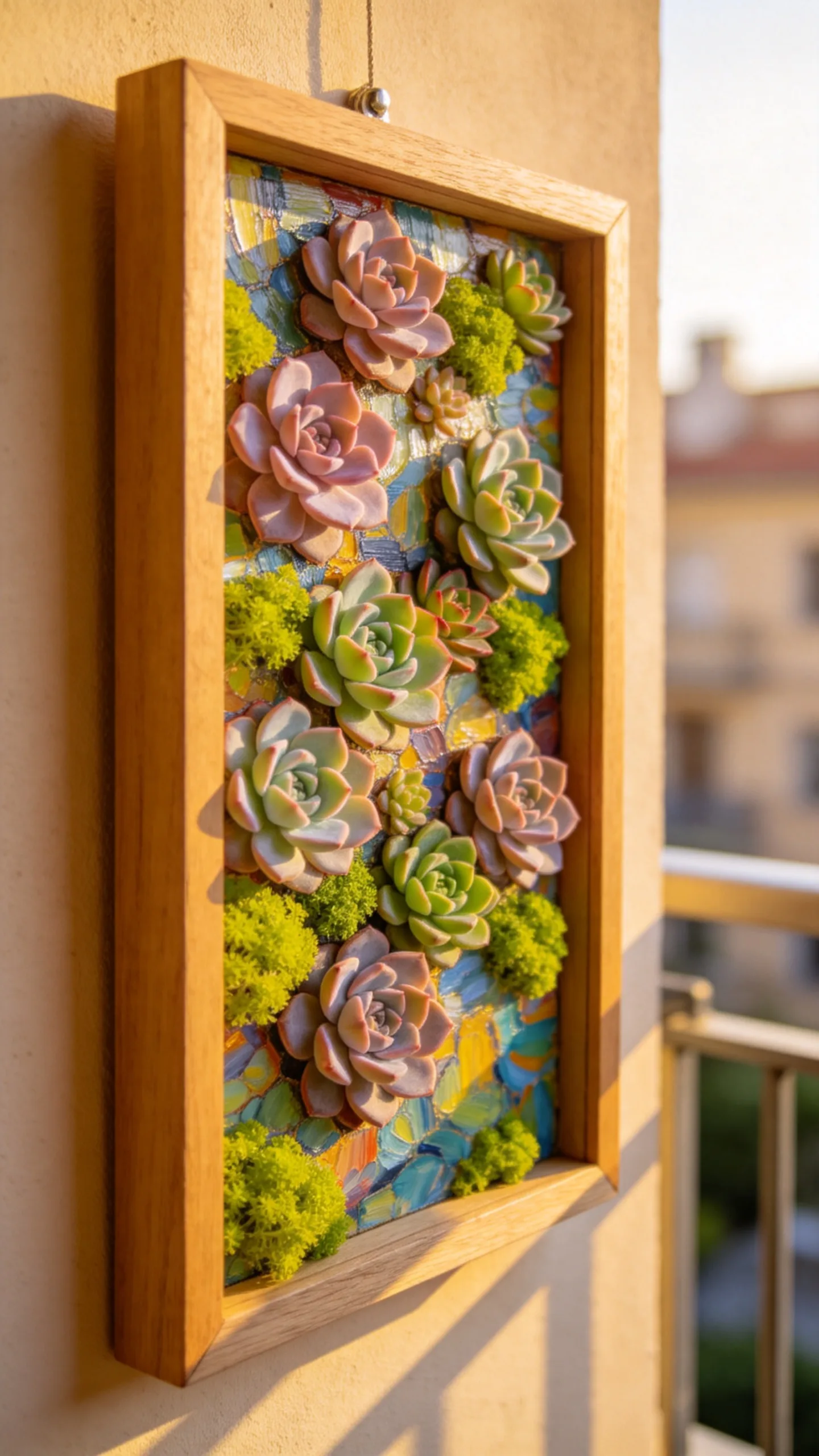
Succulents are incredibly low-maintenance and perfectly suited for vertical arrangements because they require very little soil and infrequent watering. Create or purchase a shallow wooden frame backed with wire mesh, fill it with a well-draining cactus mix, and plant a tight mosaic of echeverias, sedums, and crassulas. Once the roots are established, the frame can be hung securely on the wall like a piece of living art, adding texture and color to your balcony without taking up any floor area.
14. Frame the Seating Area With Plant Columns
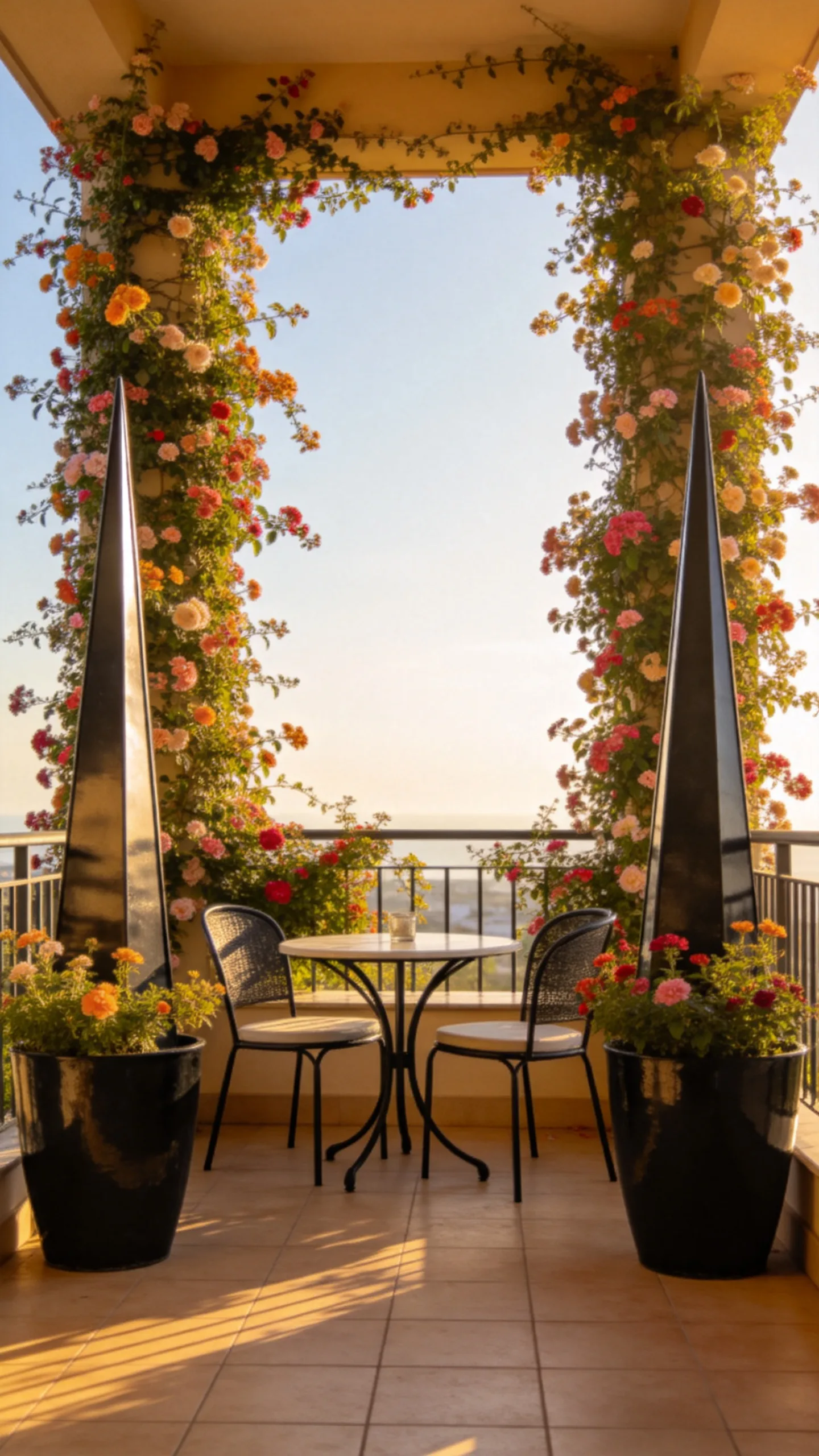
Define your balcony's relaxation zone by framing it with vertical plant columns. You can achieve this by placing two tall, slender obelisks in matching pots on either side of a small bistro table or bench. Train flowering vines like black-eyed Susan vine or bougainvillea up the obelisks. This architectural approach creates a cozy, enclosed feeling, making the seating area feel like a separate outdoor room surrounded by beautiful, climbing foliage.
15. Keep the Vertical Garden Balanced and Easy to Reach
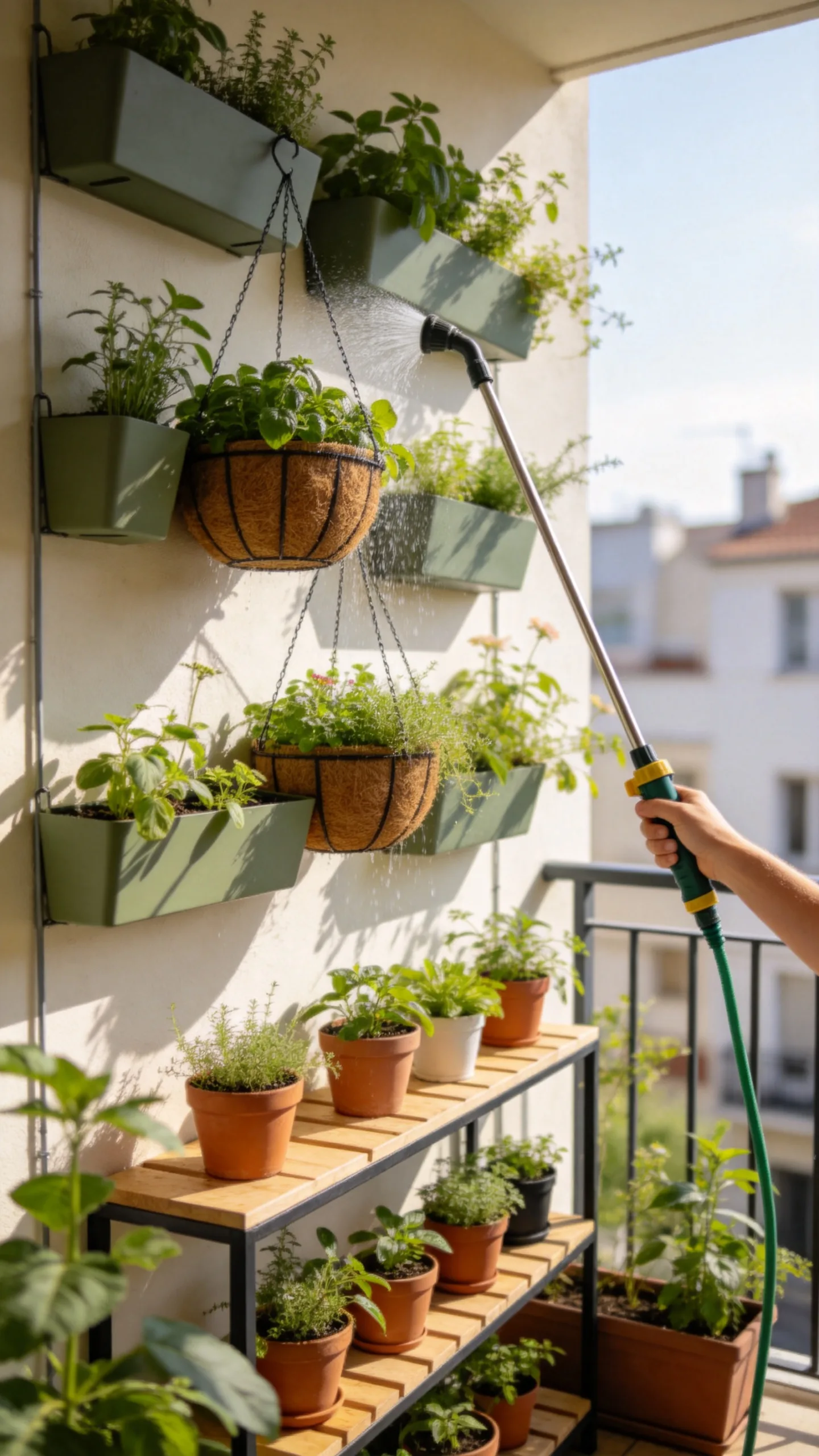
While the goal is to build upward, practicality is key. Ensure your vertical garden remains easy to water, prune, and maintain. Avoid placing high-maintenance plants on the very top shelves where they are difficult to reach without a step stool. Use a watering wand to comfortably water hanging baskets or top-tier plants. Keeping the overall layout balanced—mixing different plant sizes and spacing them evenly—ensures your vertical garden looks intentional and remains healthy throughout the growing season.