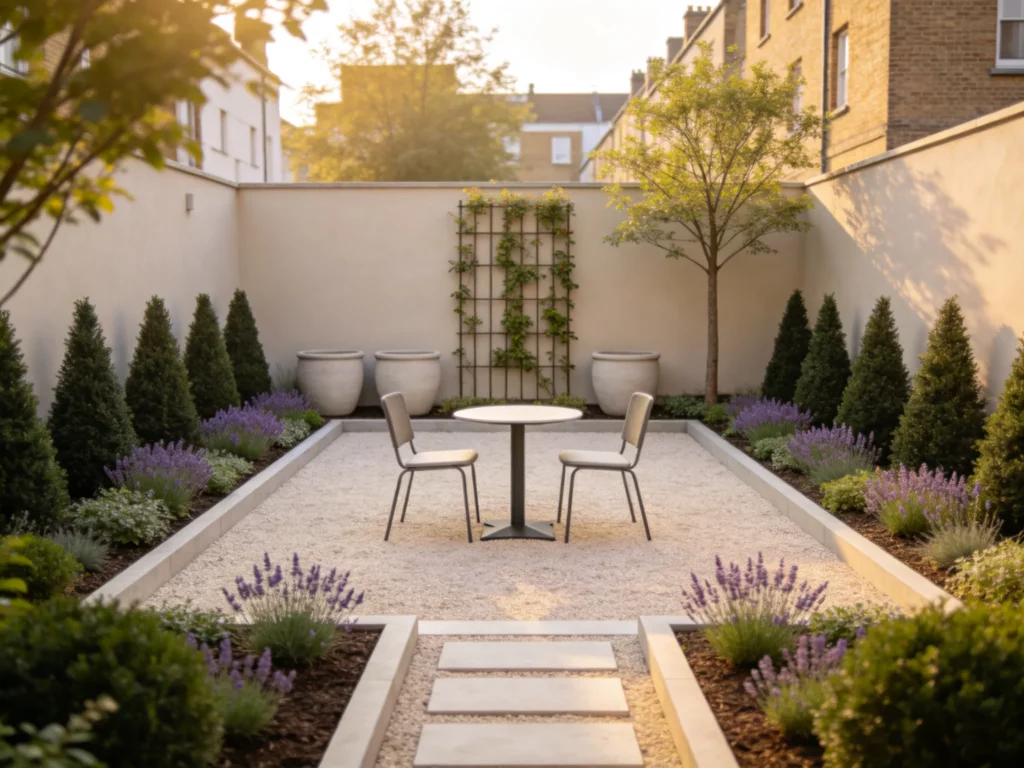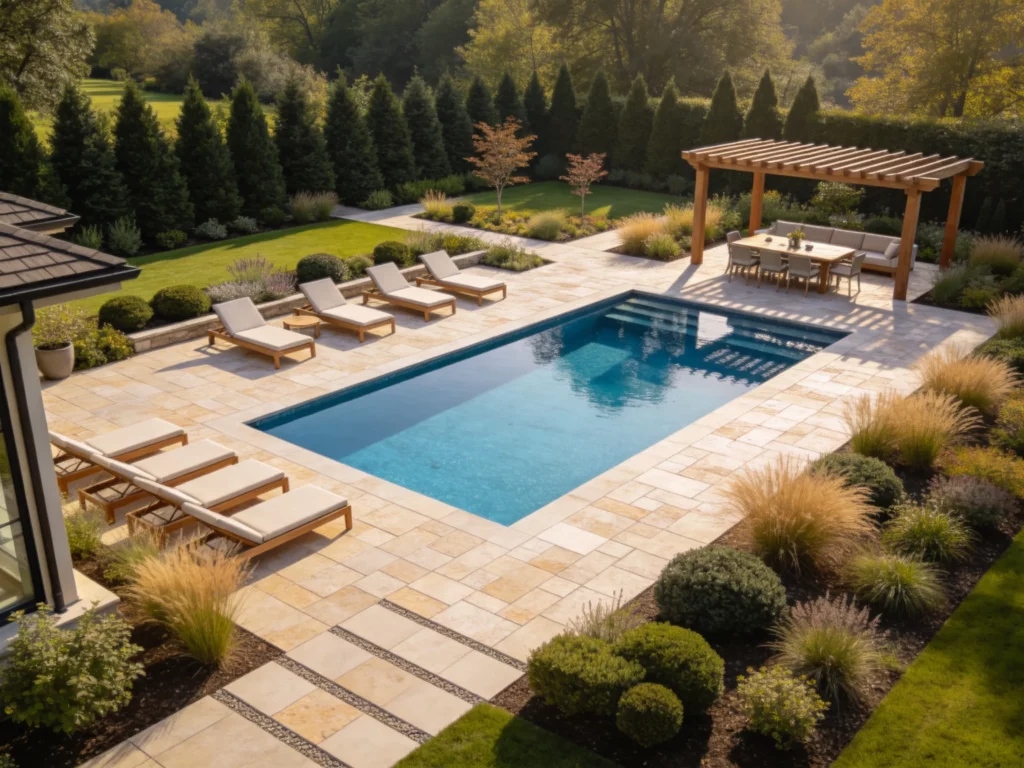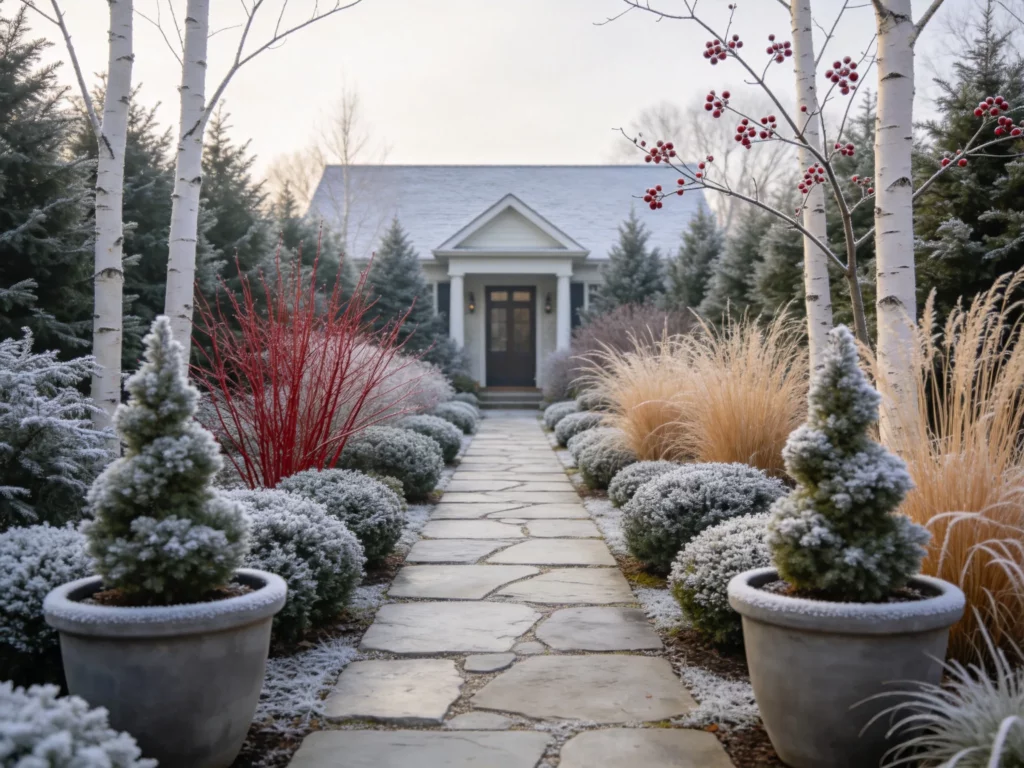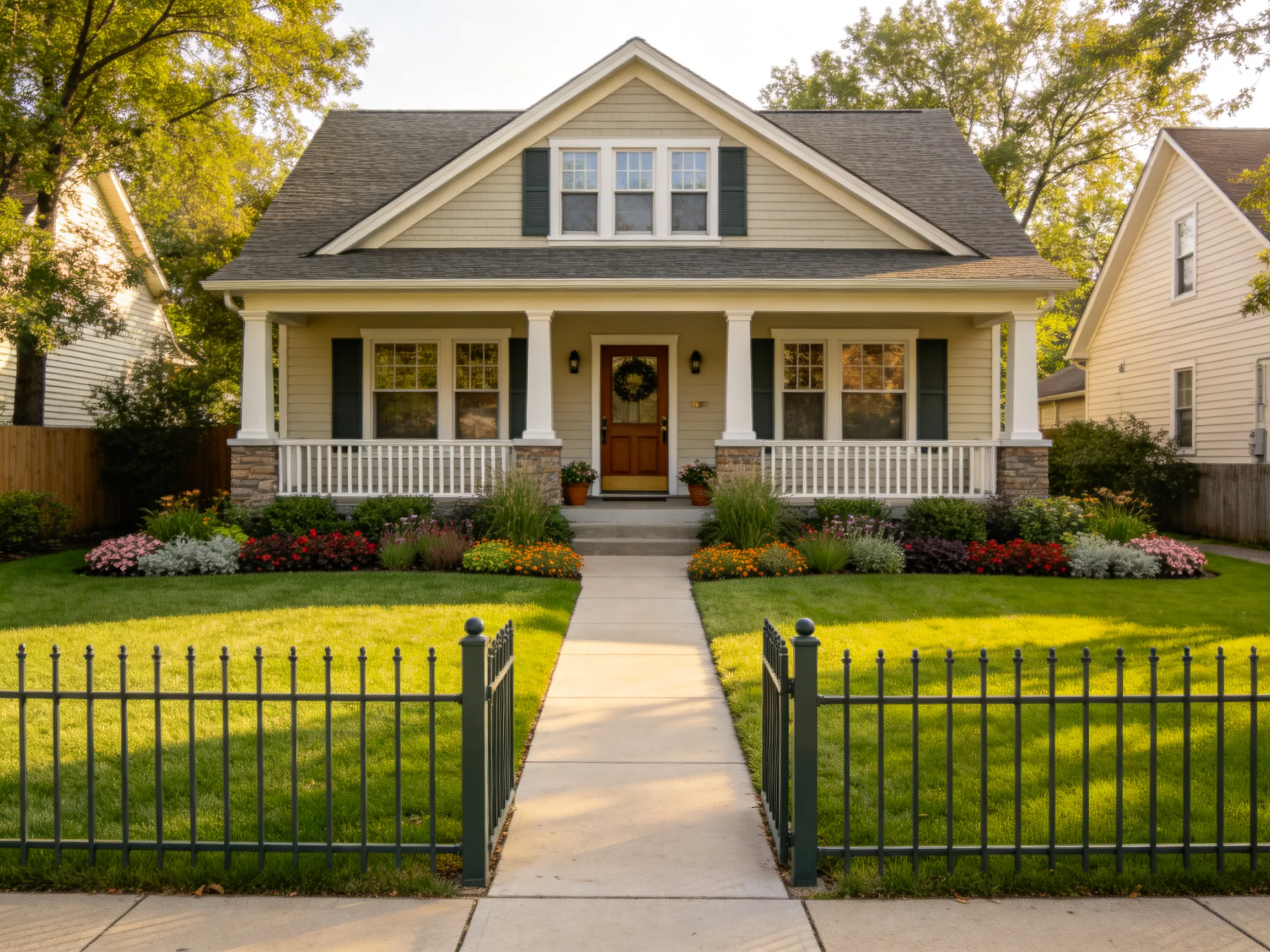
A low front fence can make a yard feel finished without hiding the house, porch, windows, or garden beds. The best front fence ideas for curb appeal usually stay around knee to waist height, use open spacing, and work with plantings instead of competing with them. These styles define the property edge, guide visitors toward the entry, and add charm while keeping the front yard bright, visible, and welcoming.
1. Classic White Picket Fence With Wide Spacing
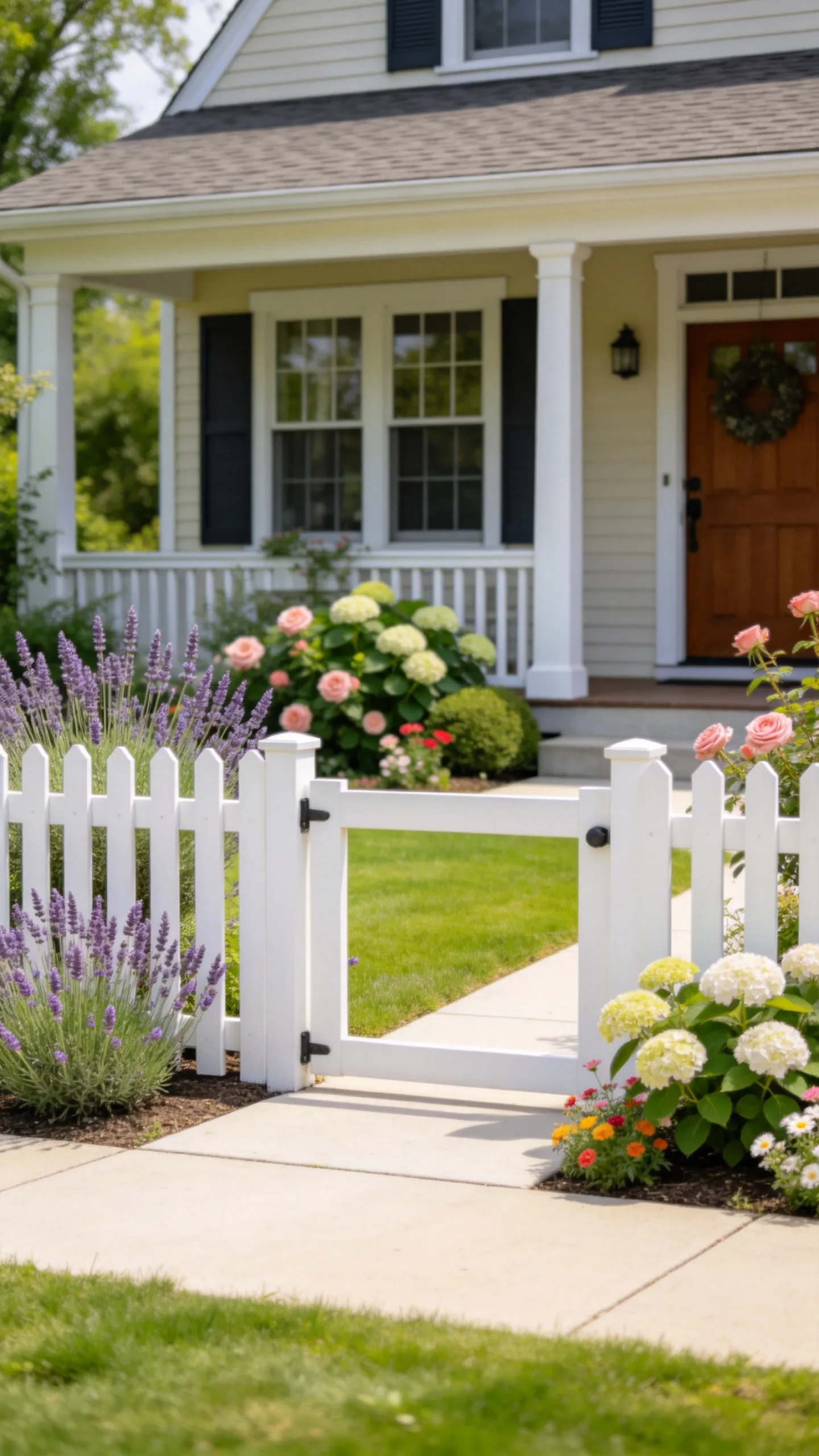
A low white picket fence is one of the easiest ways to add structure to a front yard without making it feel closed in. Choose a height around 30 to 36 inches so the fence frames the lawn and flower beds while leaving the porch, windows, and front door visible from the street. Wider spacing between pickets keeps the design airy and lets plants show through.
This style works especially well with cottage-style planting along the inside edge. Try lavender, catmint, salvia, dwarf roses, or compact hydrangeas, depending on your light and climate. Keep taller plants set back from the fence so the pickets remain visible and the front yard does not look crowded.
For a clean entry, pair the fence with a matching low gate and a straight or gently curved path. A white picket fence looks crisp against green lawn, brick walkways, gravel paths, and colorful seasonal flowers, making it a practical choice for curb appeal that still feels open.
2. Natural Wood Rail Fence for a Relaxed Front Yard
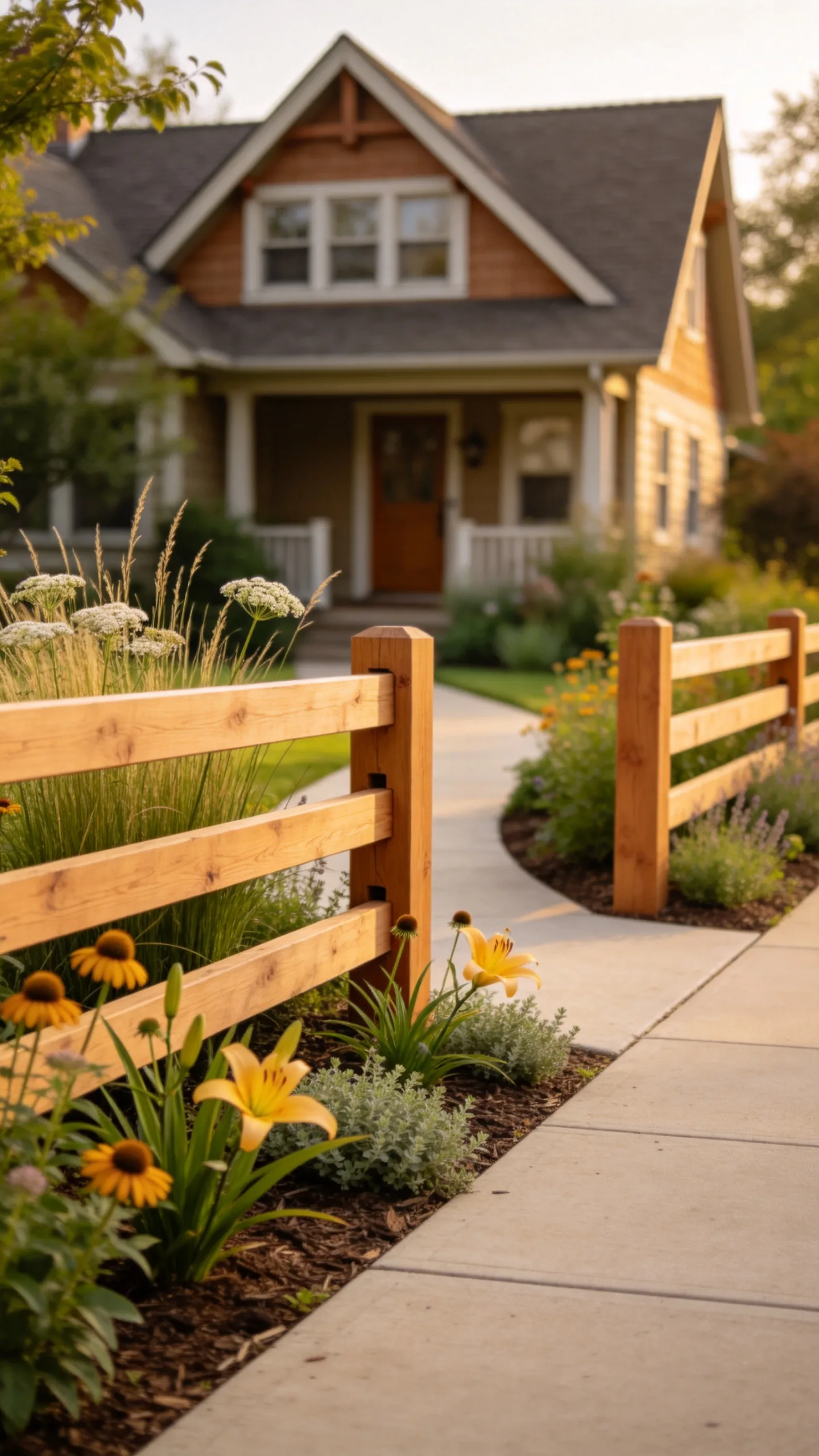
A low wood rail fence gives the front yard a defined edge without creating a solid barrier. Horizontal rails, simple posts, and natural wood tones work well with farmhouse, cottage, craftsman, and rustic homes. Because the rails are open, the fence marks the boundary while still allowing a clear view of the garden and house.
Use two or three rails rather than a tall stacked design. A fence height of about 30 to 42 inches is enough to outline the yard, especially along a sidewalk or driveway. Cedar, redwood, or pressure-treated wood can be stained to match porch posts, shutters, or garden edging for a pulled-together look.
Plant low-maintenance perennials in front of or behind the rails to soften the structure. Ornamental grasses, yarrow, coneflowers, daylilies, and creeping thyme can add texture without overwhelming the fence. Leave a narrow mulch strip at the base to make mowing easier and protect the wood from constant damp grass.
3. Black Metal Fence With Slim Vertical Pickets
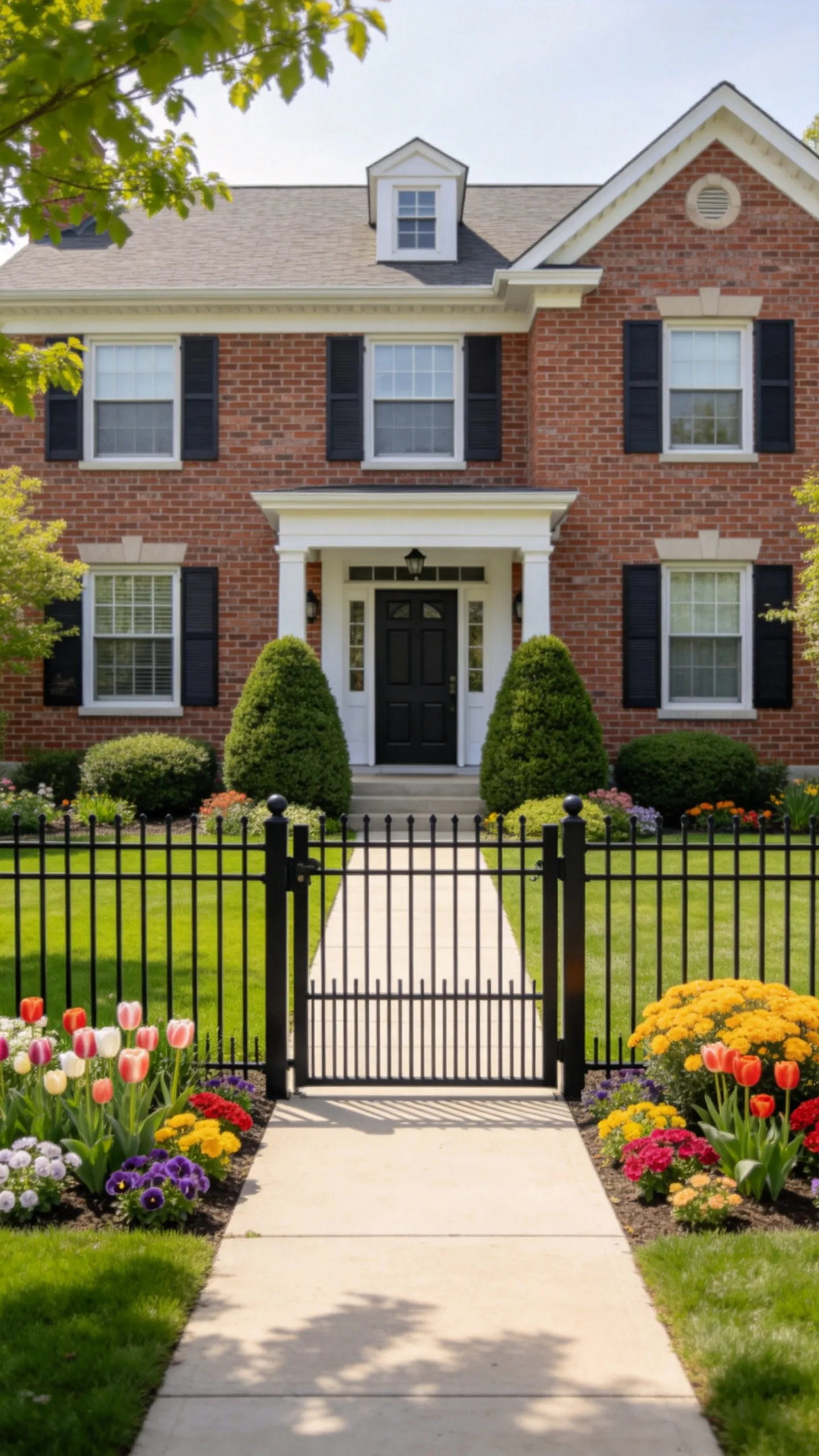
A low black metal fence offers a more polished look while keeping the view open. Thin vertical pickets create a neat outline around the front yard, but the narrow profile does not visually block the home. This is a strong option for traditional, modern, colonial, and brick houses where a simple, tailored border feels appropriate.
Look for a low aluminum or wrought-iron-style fence around 36 to 42 inches tall. Aluminum is often easier to maintain because it resists rust better than traditional iron, especially in wet climates. The dark color also recedes visually, making the garden and architecture stand out more than the fence itself.
This fence style pairs beautifully with symmetrical planting. Place boxwood, dwarf hollies, or compact evergreens near the gate, then fill the beds with seasonal color such as pansies, tulips, geraniums, or mums. Keep shrubs trimmed below or just behind the fence line so the front yard remains visible and tidy.
4. Low Stone Wall With a Simple Cap
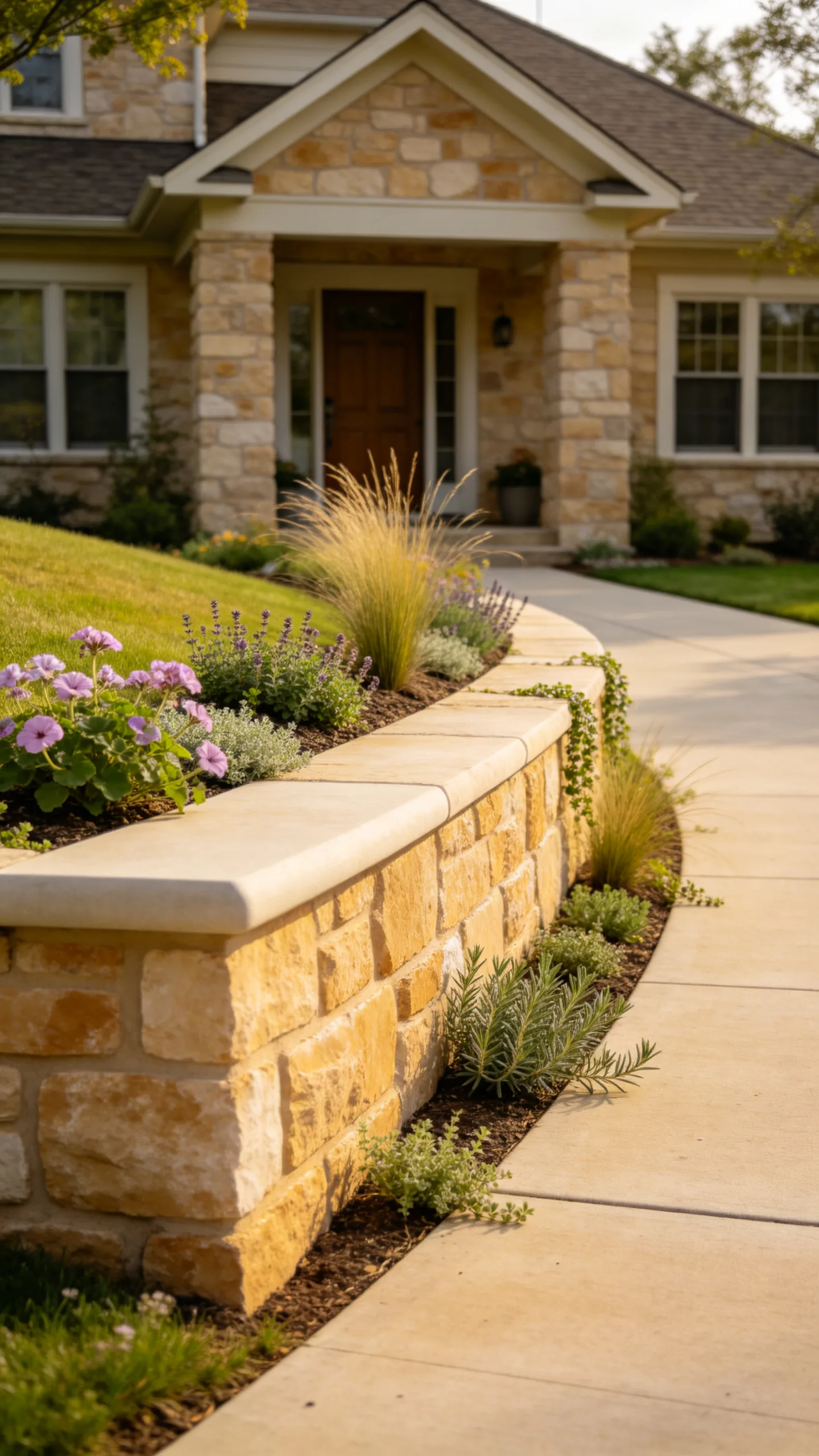
A low stone wall can define the front of a property while adding texture and permanence. Unlike a tall masonry wall, a short wall around 18 to 30 inches high keeps sightlines open and can double as a raised edge for planting beds. It is especially useful on sloped front yards where a small retaining edge helps hold soil in place.
Choose stone that complements the house exterior. Fieldstone suits cottage and rustic homes, limestone works well with light brick or stucco, and flat-cut stone can feel more modern. A smooth capstone gives the wall a finished look and can create an informal place to rest a planter near the entry.
Planting around a low stone wall should be scaled carefully. Use creeping phlox, sedum, thyme, dwarf ornamental grasses, or trailing rosemary in mild climates to soften the edges. If the wall borders a sidewalk, keep plants from spilling too far over the path so the front remains easy to walk and maintain.
5. Split Rail Fence With Flowering Border Beds
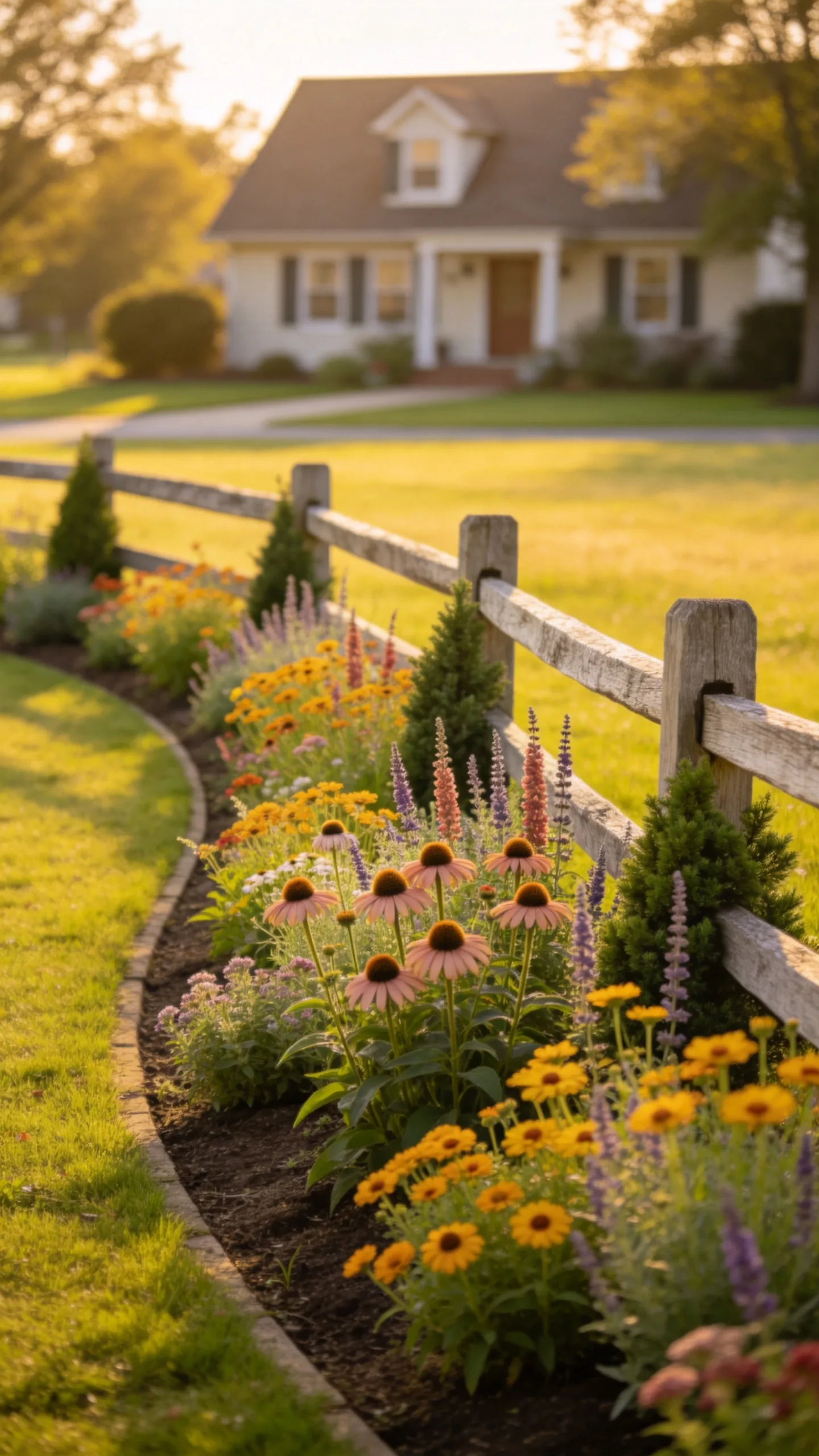
A low split rail fence is a charming choice for a casual front yard, especially if you want a boundary that feels more garden-like than formal. Its open rails preserve the view while still giving the landscape a clear edge. This style works best when paired with planting beds, because the rails alone can look sparse along a small front yard.
Use a two-rail design for a lighter appearance. Set the fence a short distance inside the property line if local rules require it, then create a planting strip along the street-facing side or just inside the fence. A curved bed can soften the straight line and make the yard feel deeper.
For seasonal curb appeal, combine long-blooming perennials with a few evergreen anchors. Coneflowers, black-eyed Susans, bee balm, salvia, and coreopsis can bring summer color, while small boxwoods, dwarf junipers, or compact yaupon holly add structure in winter. Keep the tallest plants near posts or corners so the open rails remain visible.
6. Low Lattice Fence for Light Privacy
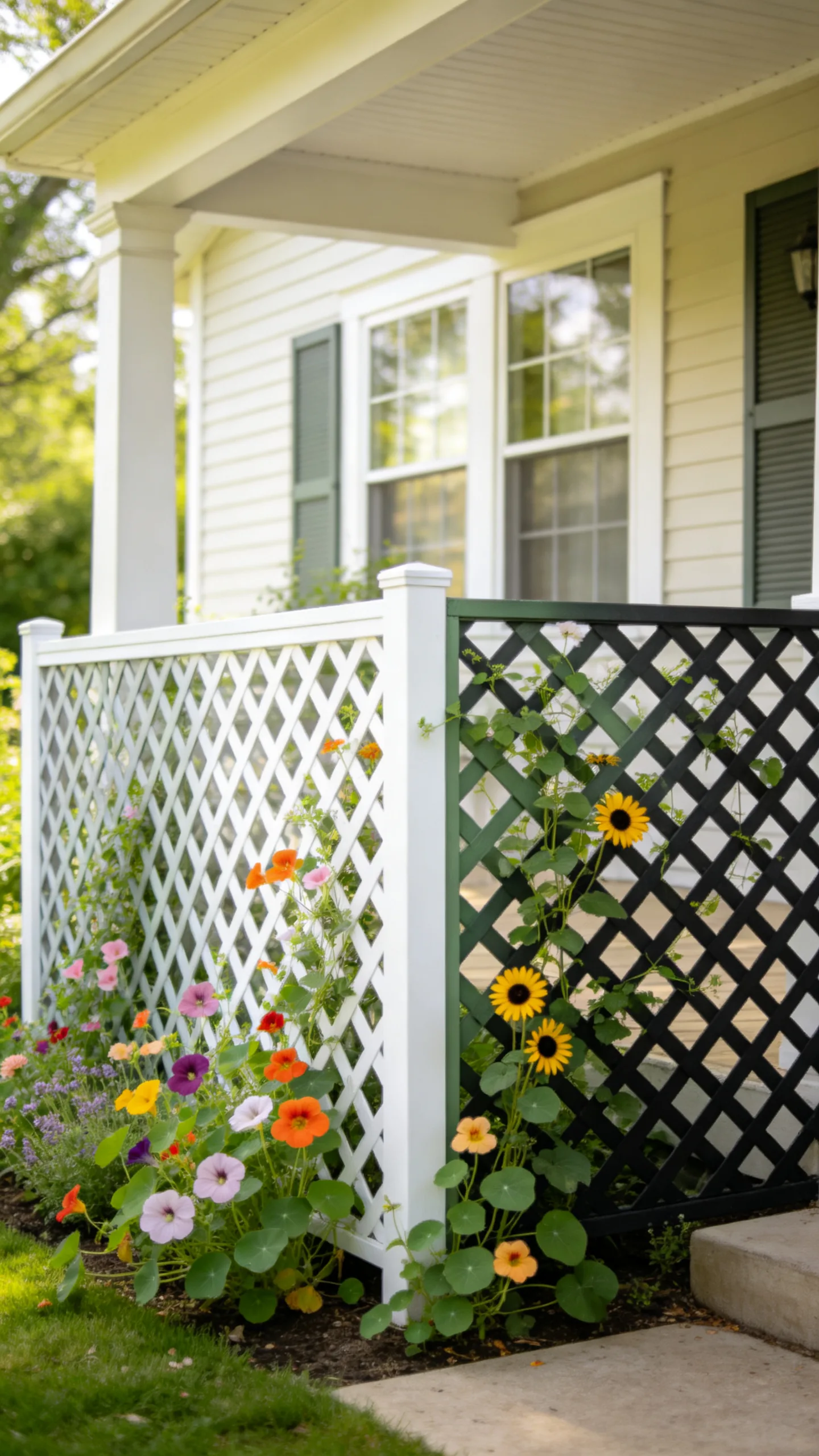
A short lattice fence is useful when you want a little screening without fully blocking the house. The crisscross pattern adds detail and creates partial privacy for a porch, small seating area, or front garden bed. Because the openings let light and air through, the fence feels softer than a solid panel.
Keep the lattice low, around 30 to 36 inches, if the main goal is curb appeal. For a slightly more private corner, use lattice only near the porch or side of the front yard rather than across the entire frontage. Painting it white, soft gray, sage green, or black can help it match the house style.
Lattice also works well with climbing plants, but choose carefully so the fence does not disappear under heavy growth. Annual vines like sweet pea, nasturtium, or black-eyed Susan vine can give seasonal color without becoming too woody. In warmer areas, check whether perennial vines are manageable in your region before planting them on a small front fence.
7. Low Brick Fence With Open Pillars
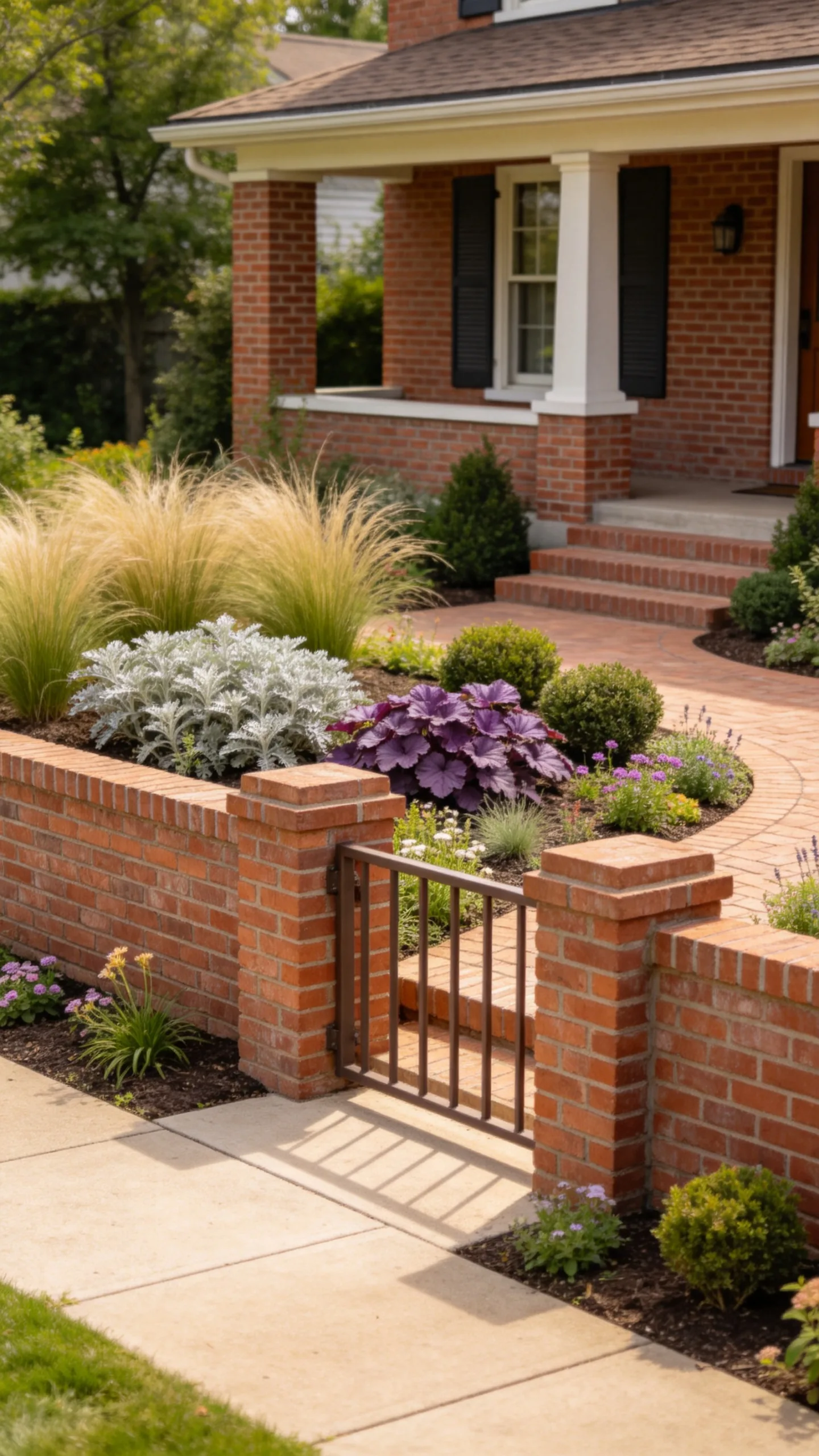
A low brick fence or border wall can make the front yard look established while keeping the home visible. Instead of building a solid tall wall, use a short brick base with spaced pillars or open sections. This gives the yard structure and rhythm without creating a closed-off look.
Brick is especially effective when it matches or complements the house, walkway, or porch steps. A low brick wall around 18 to 24 inches can edge a garden bed, while slightly taller pillars can mark the driveway or gate area. If a full brick fence feels too heavy, use brick posts with black metal or wood rails between them.
Plant beds along a brick fence should include foliage that contrasts with the masonry. Soft grasses, silver lamb’s ear, purple heuchera, dwarf nandina where noninvasive and appropriate, or low flowering perennials can break up the hard edge. Leave enough soil depth behind the wall for roots, and make sure drainage is considered so water does not collect against the brick.
8. Short Horizontal Slat Fence for a Modern Front Yard
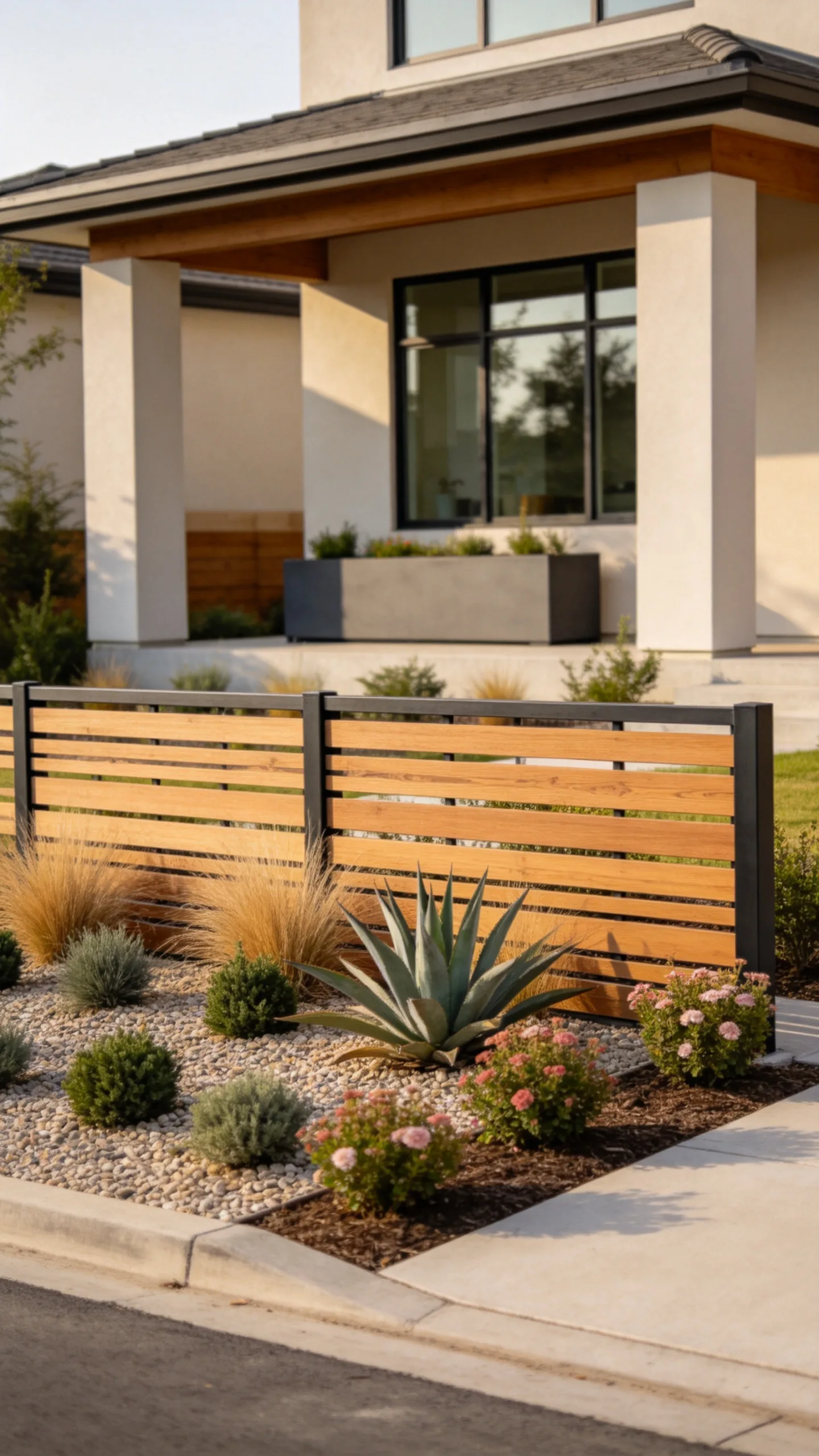
A low horizontal slat fence gives the front yard a clean, modern outline while preserving visibility. The key is to keep the slats spaced apart and the fence height modest. This creates a defined boundary without turning the front yard into a privacy screen.
Use cedar, stained pine, composite, or metal slats depending on the style of the home and the maintenance level you prefer. Warm wood looks inviting with white, charcoal, or stucco exteriors, while black or dark gray slats can suit contemporary homes. Align the slats with porch railings, window trim, or planter boxes for a coordinated look.
This fence style pairs well with simple planting. Use structured beds with gravel mulch, low ornamental grasses, dwarf evergreens, agave in warm dry climates, or compact flowering shrubs. Keep the plant palette limited so the horizontal lines stay crisp and the front yard feels intentional rather than busy.
9. Low Garden Fence With Arched Gate Entry
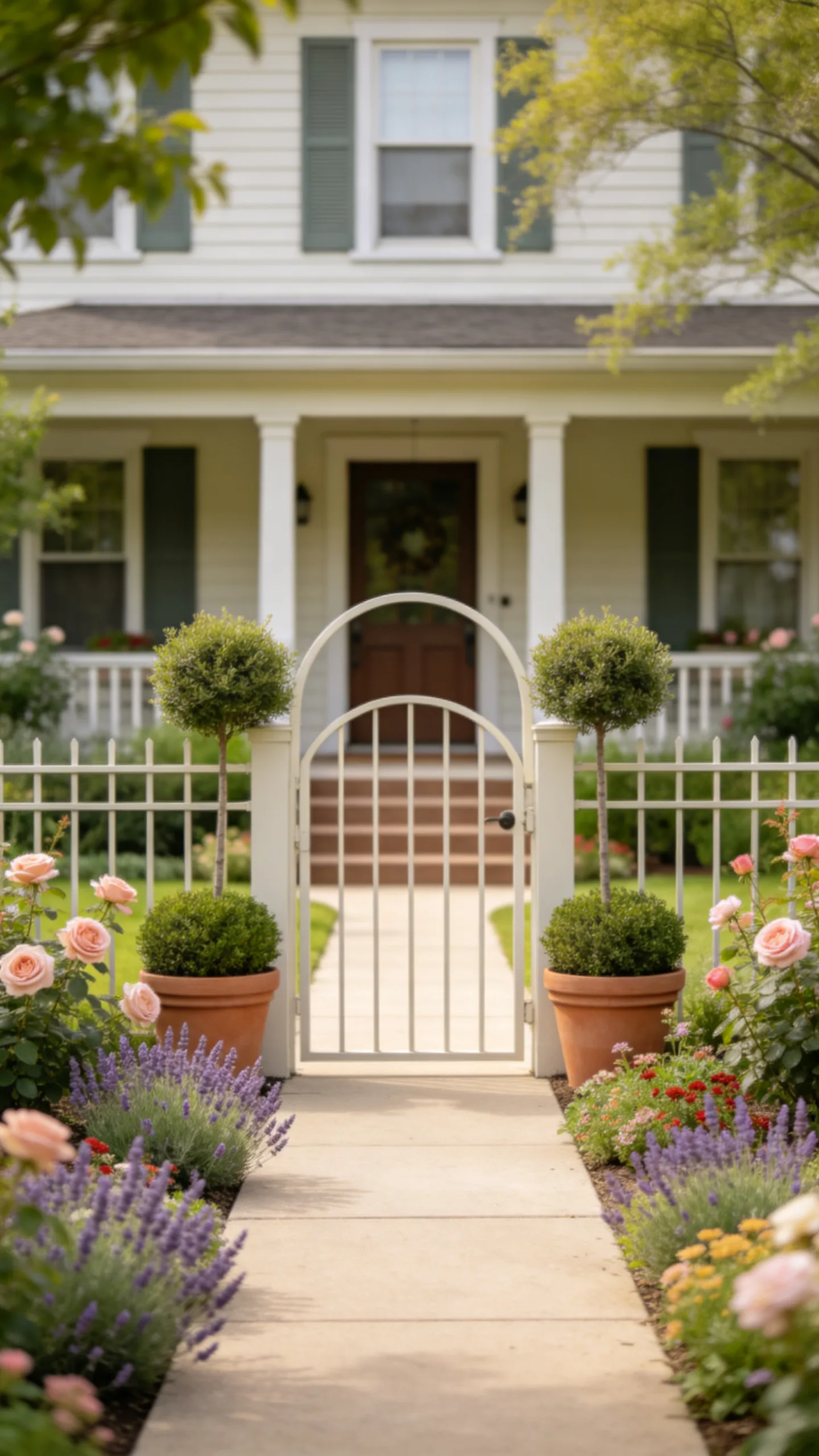
A low front fence becomes more inviting when it includes a clear, charming gate. An arched gate can draw the eye toward the front walk while the rest of the fence stays low and open. This idea is especially useful if your yard lacks a strong entry point or if the front path needs more definition.
The gate can be wood, metal, picket, or lattice, as long as it matches the fence height and style. A slight arch adds shape without requiring a tall structure. Place the gate in line with the front door, porch steps, or main walkway so visitors immediately understand where to enter.
Planting around the gate should frame the opening without hiding it. Use a pair of compact shrubs, matching planters, low roses, lavender, or seasonal annuals on either side. If you want a more romantic look, add a small arbor behind the gate rather than making the entire fence taller. This keeps the front yard open while giving the entrance a pretty focal point.