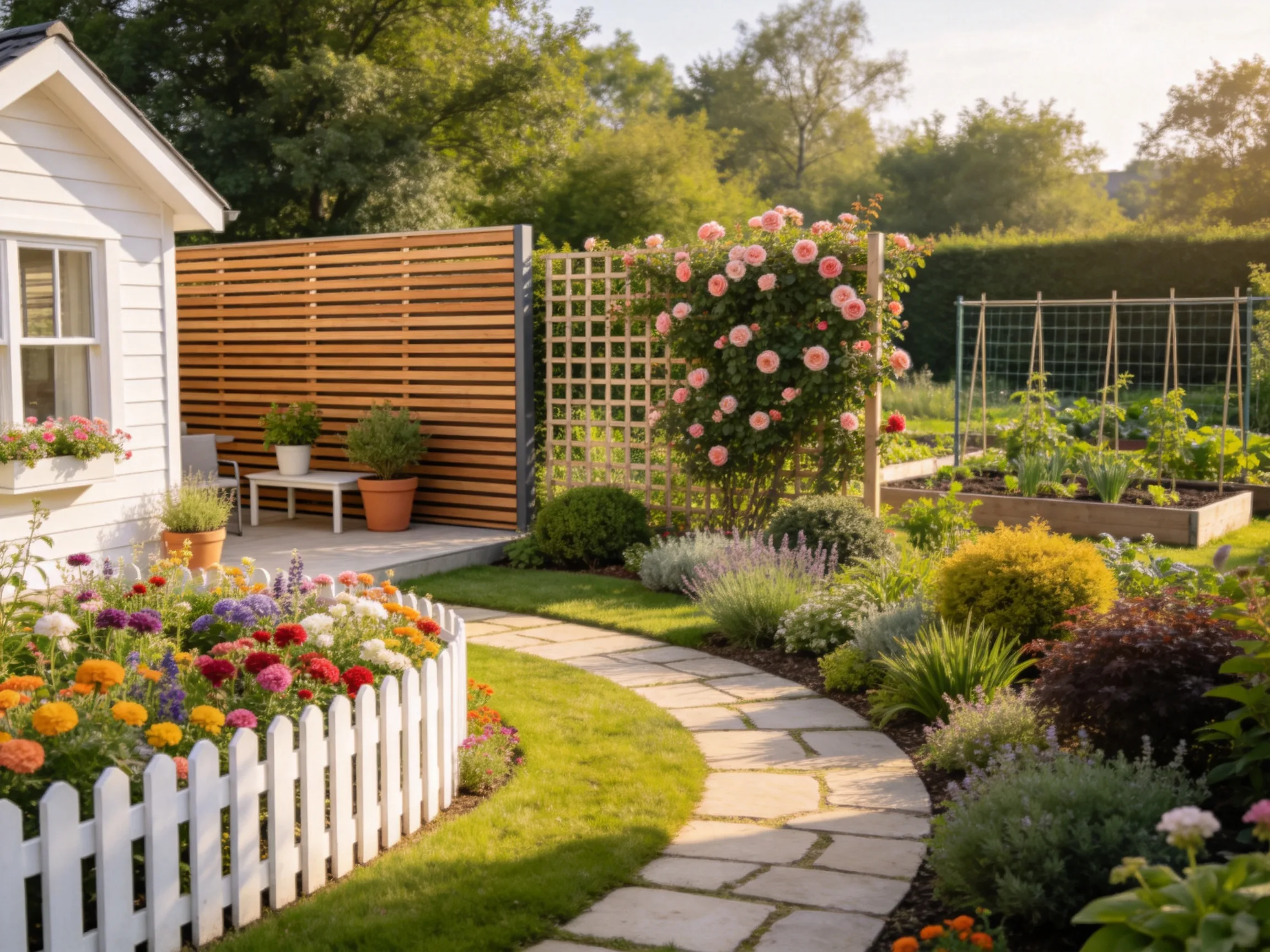
A garden fence can do much more than mark a boundary. The right style can frame flower beds, protect vegetables, add privacy, support climbing plants, or make a small yard feel more designed. These garden fence ideas include practical options for cottage gardens, modern patios, narrow side yards, raised beds, and backyard borders so you can choose a look that fits your space and maintenance level.
1. White Picket Fence for a Cottage Garden Border
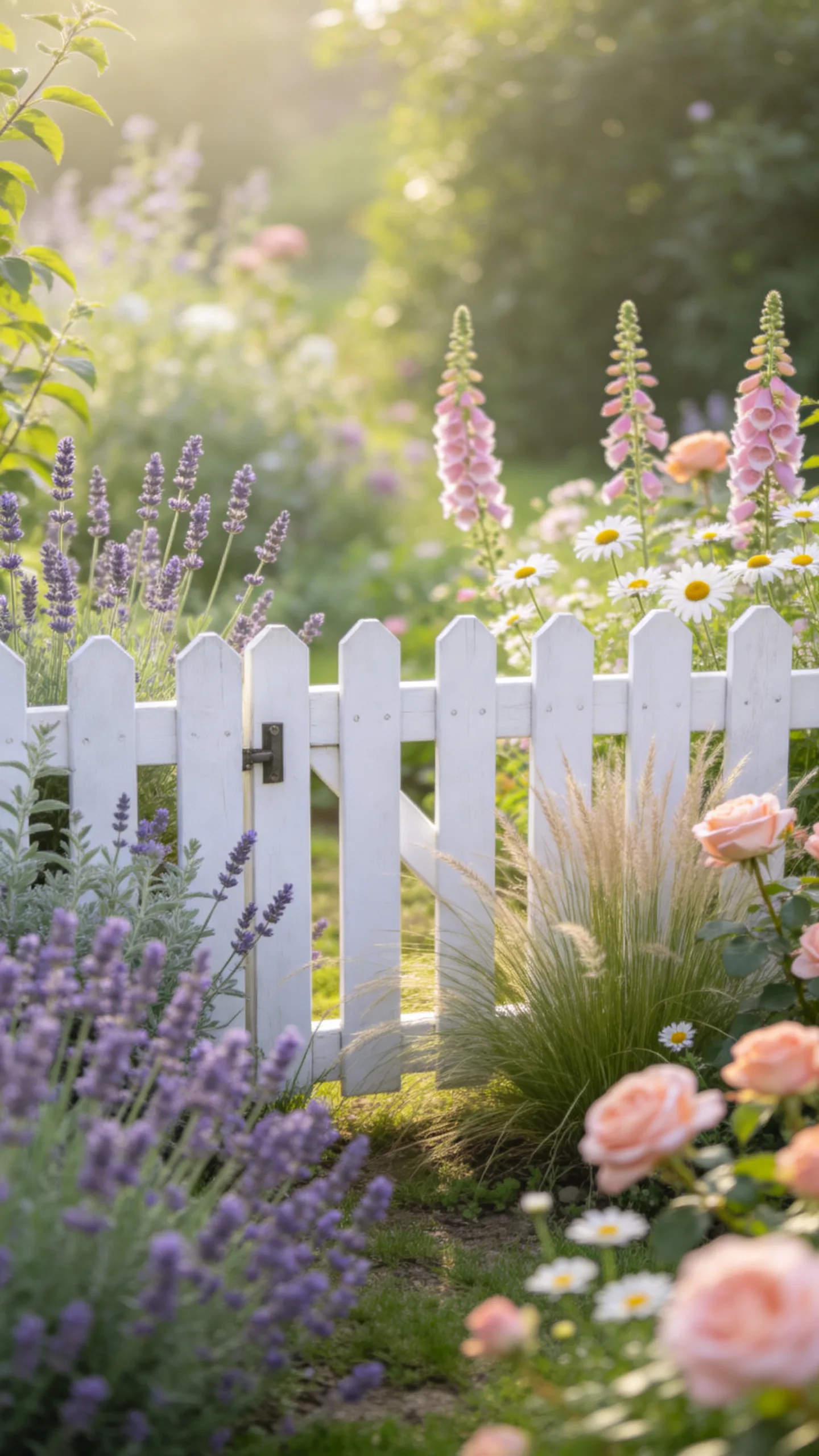
A white picket fence is a classic choice for front gardens, flower borders, and cottage-style yards. The open spacing keeps the garden visible from the path or street while still giving beds a neat edge. It works especially well with soft planting such as lavender, catmint, foxgloves, daisies, roses, and ornamental grasses spilling slightly over the base.
For easier care, choose vinyl or painted wood with a smooth finish that can be wiped or washed seasonally. Keep the fence low, around 3 to 4 feet, if your goal is charm rather than privacy. Add a matching gate and curved flower beds inside the fence to make the entrance feel intentional instead of purely functional.
2. Horizontal Slat Fence for a Modern Backyard
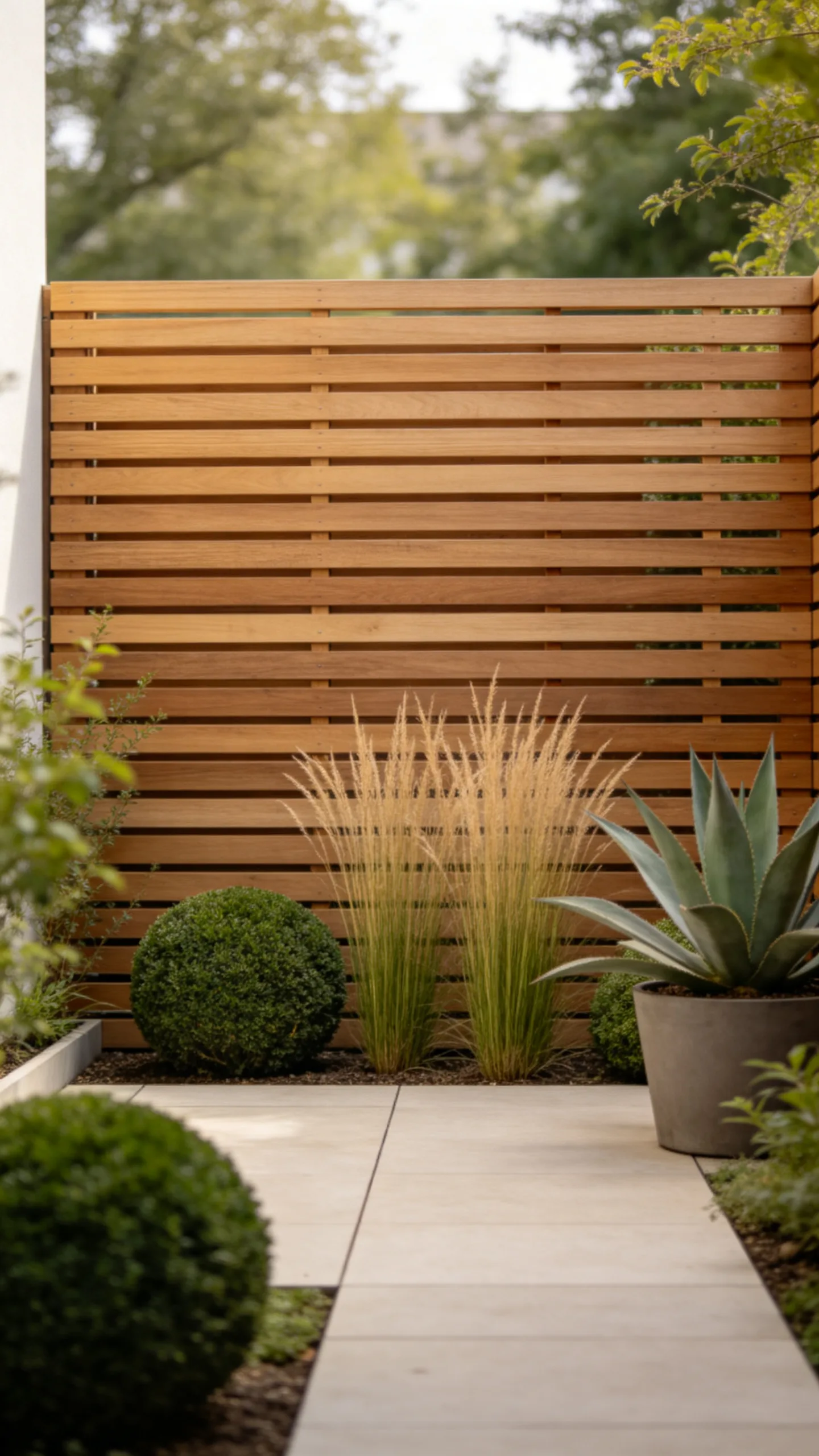
A horizontal slat fence gives a backyard a clean, modern look and can make a narrow garden feel wider. The long lines draw the eye across the space, which is useful along patios, small lawns, and side-yard seating areas. Cedar, redwood, pressure-treated pine, or composite boards can all create this style, depending on your budget and climate.
Spacing matters with this design. Tight slats create more privacy, while small gaps allow airflow and light for nearby plants. Use it behind sculptural planting such as boxwood balls, upright grasses, agave in containers, or clipped evergreens for a simple, structured garden backdrop.
3. Black Metal Fence with Flowering Perennials
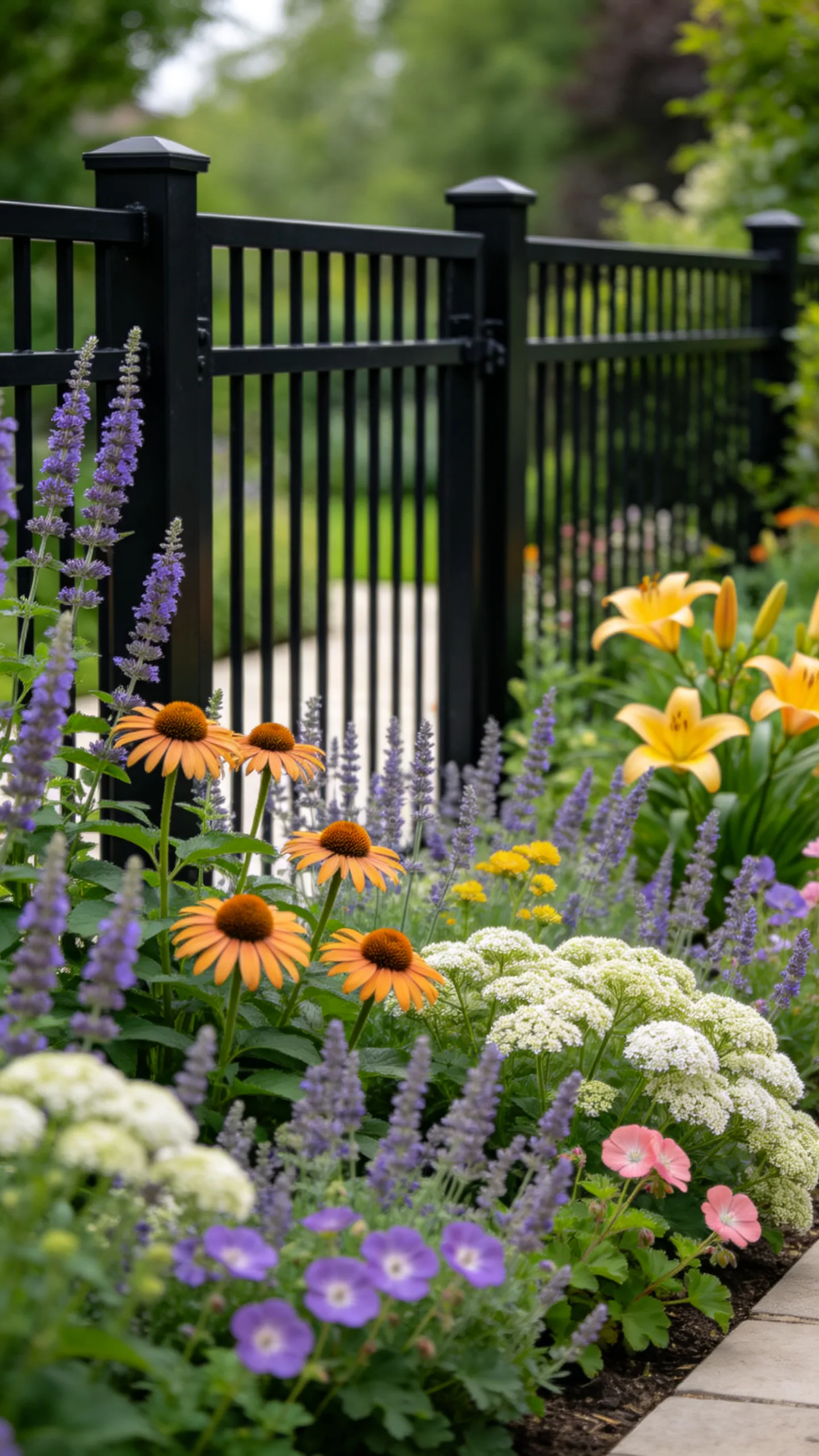
A black metal fence is elegant, durable, and visually light, making it a strong option when you want enclosure without blocking the garden view. It suits front yards, formal beds, pool gardens, and spaces where you want to show off planting instead of hiding it.
Soften the metal with layered perennials along the base. Try salvia, coneflowers, nepeta, yarrow, daylilies, or hardy geraniums, choosing plants that match your sun exposure. The dark fence color makes green foliage and bright blooms stand out, especially in Pinterest-friendly garden photos with a deep border of flowers in front.
4. Willow Wattle Fence for a Rustic Kitchen Garden
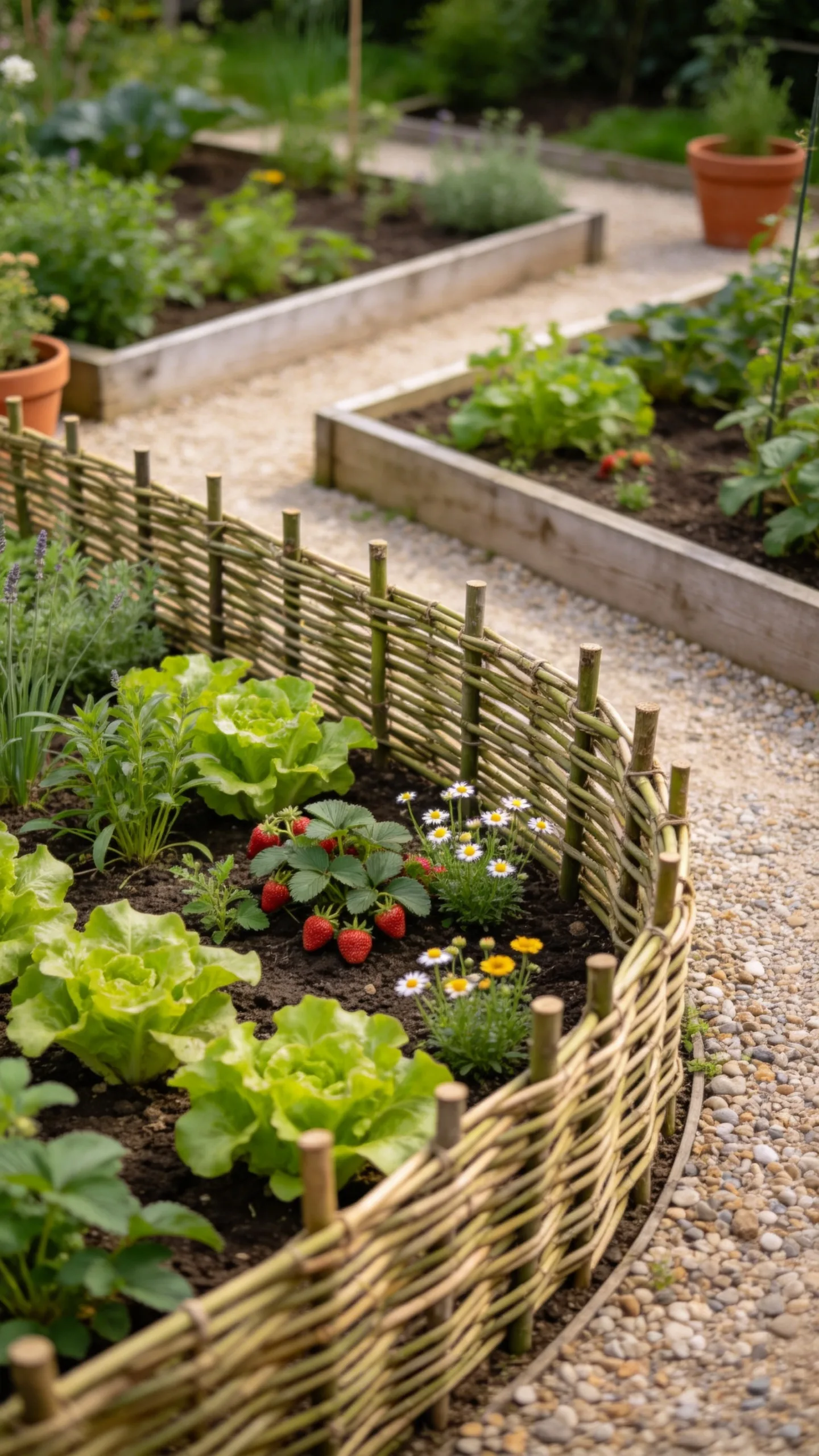
A willow wattle fence is made by weaving flexible branches between upright stakes. It has a natural, handmade look that works beautifully around vegetable beds, herb gardens, and informal cottage plots. Because it is usually low, it defines the space without shading vegetables that need full sun.
Use wattle fencing to edge raised beds, separate a path from a planting area, or create a small enclosure around lettuce, herbs, strawberries, and flowers for pollinators. It may not last as long as metal or composite fencing, but it can be repaired in sections and blends well with gravel paths, timber beds, and terracotta pots.
5. Trellis Fence Covered in Climbing Roses
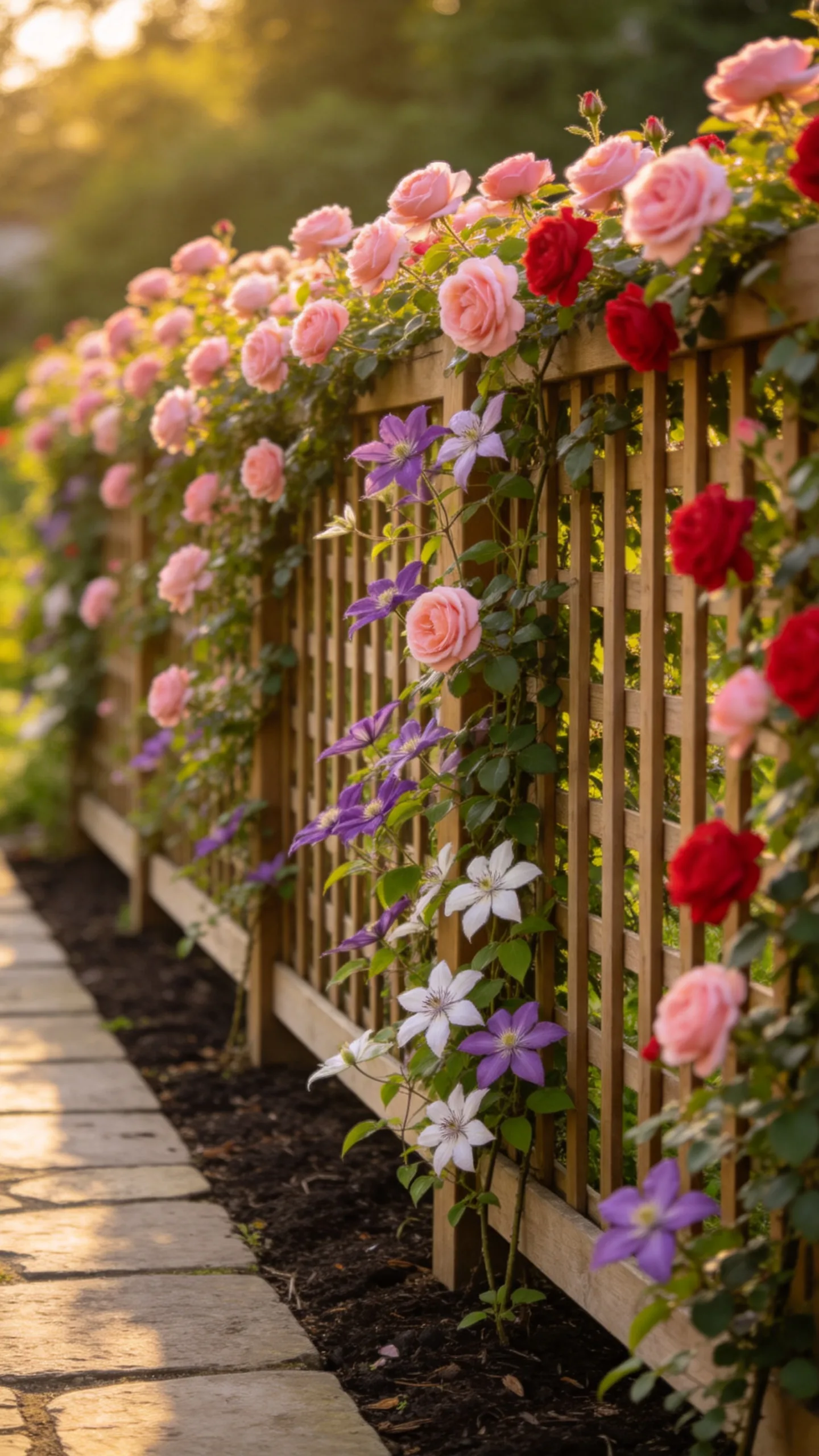
A trellis fence brings height, flowers, and structure to a garden without feeling heavy. It is ideal for boundaries near patios, seating corners, or walkways where you want seasonal color at eye level. Climbing roses can be tied to the trellis horizontally to encourage more flowering stems.
Choose a sturdy trellis panel and leave space behind it for airflow, which helps reduce disease problems on roses. Plant in a sunny position with enriched soil and mulch around the roots. For a fuller look, pair climbing roses with clematis, making sure both plants have enough room to grow without becoming tangled beyond maintenance.
6. Bamboo Screen Fence for a Tropical Patio
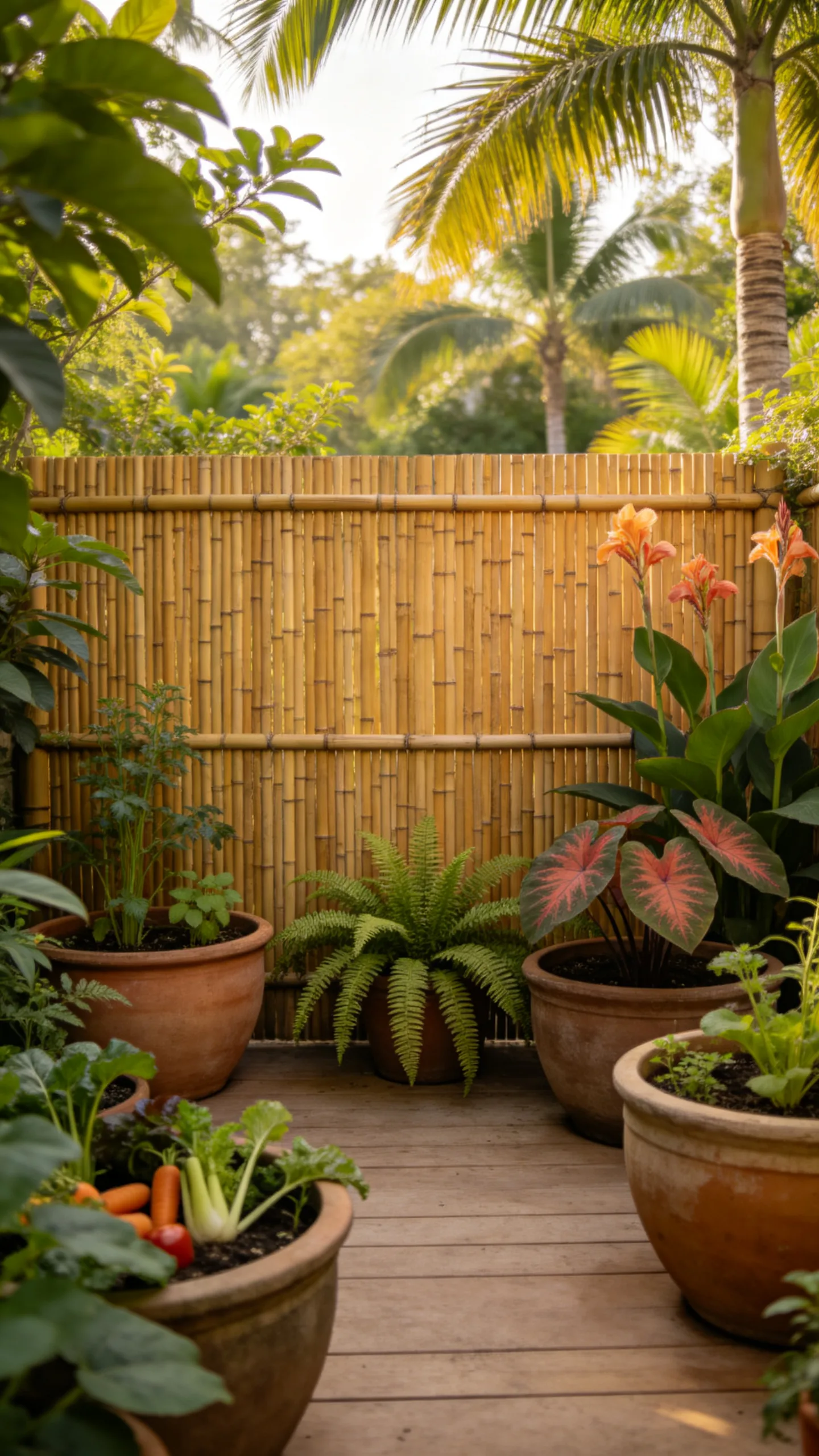
A bamboo screen fence can quickly warm up a patio, balcony garden, or small backyard with a relaxed tropical look. Rolled bamboo panels can be attached to an existing chain-link or wire fence, making this a useful cover-up option when the structure is sound but unattractive.
Because bamboo varies in durability, choose treated or sealed panels for outdoor use and secure them firmly against wind. Pair the screen with large containers of canna lilies, elephant ears, ferns, caladiums, or palms suited to your climate. In colder areas, use tropical plants in pots so they can be moved or replaced seasonally.
7. Living Hedge Fence for Soft Privacy
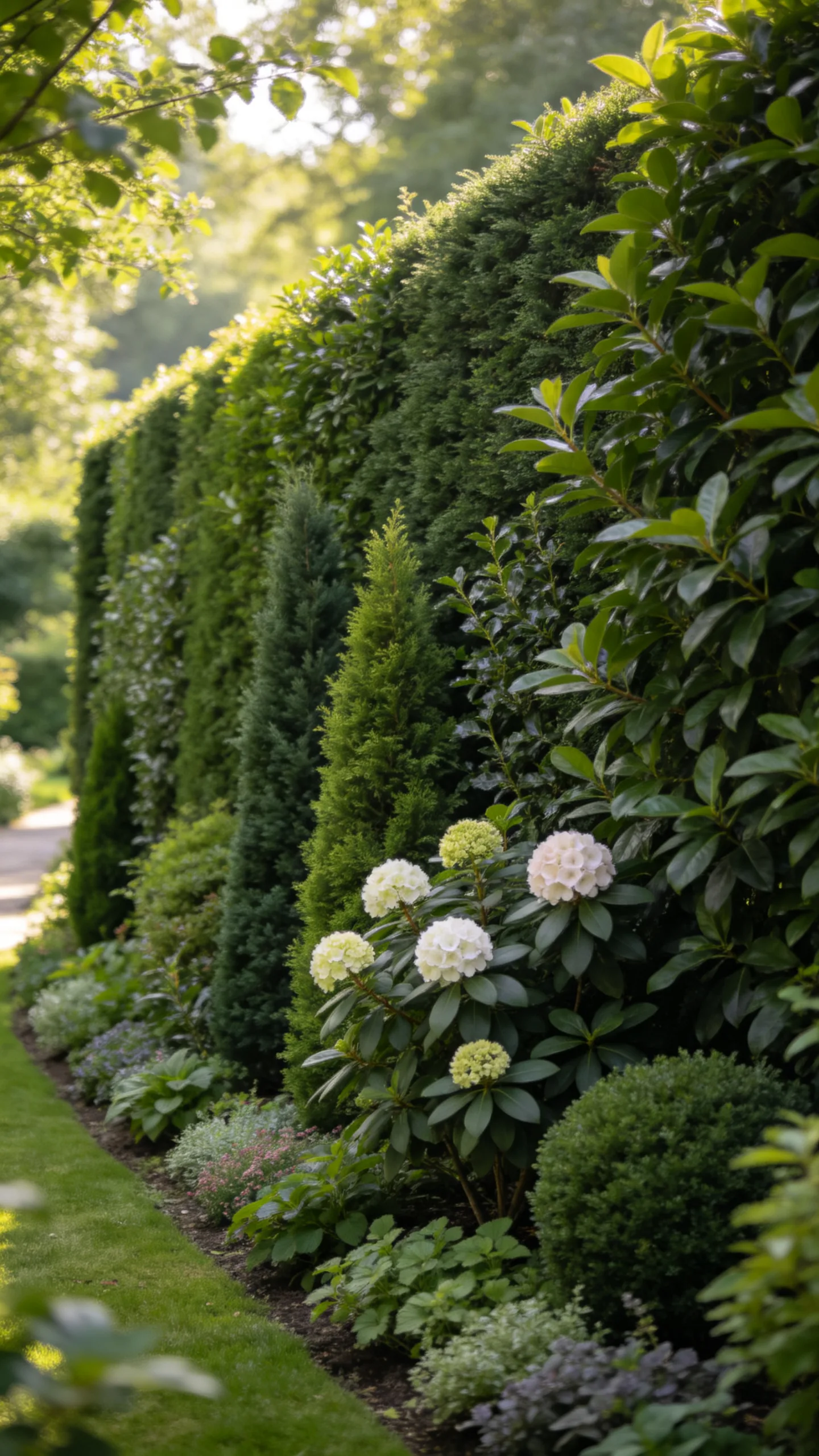
A living hedge fence creates a green boundary that changes with the seasons. It is a good choice when you want privacy, wildlife value, and a softer look than solid panels. Depending on your climate, options may include boxwood, yew, privet, holly, arborvitae, laurel, escallonia, or native shrubs.
Plan for mature width before planting so the hedge does not crowd paths or beds. A single-species hedge looks formal, while a mixed hedge with flowering and evergreen shrubs feels more natural. Regular trimming keeps the shape tidy, but leave enough depth for birds and beneficial insects if your goal is a more wildlife-friendly garden.
8. Lattice-Top Fence for Airy Privacy
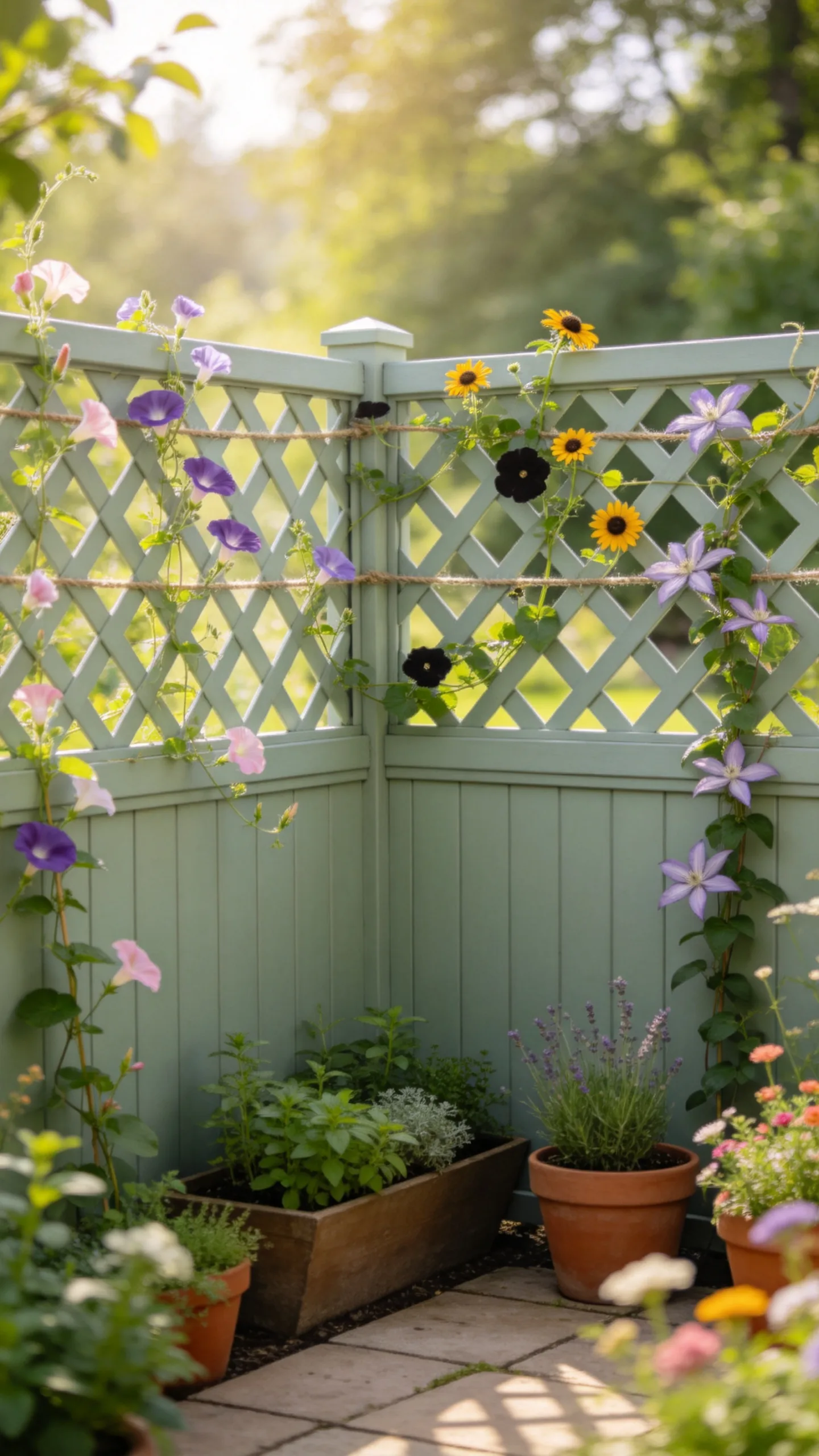
A lattice-top fence gives you privacy at eye level while keeping the upper section light and decorative. The solid lower panel screens patios, dining areas, or neighboring views, while the lattice lets sun and air pass through. This is helpful in small gardens where a fully solid fence might feel too enclosed.
Use the lattice section for lightweight climbers such as annual sweet peas, morning glories, black-eyed Susan vine, or clematis, depending on your region. Paint the fence white for a cottage look, soft sage for a garden-blended style, or charcoal for a more contemporary backdrop.
9. Split-Rail Fence for a Country Garden Edge
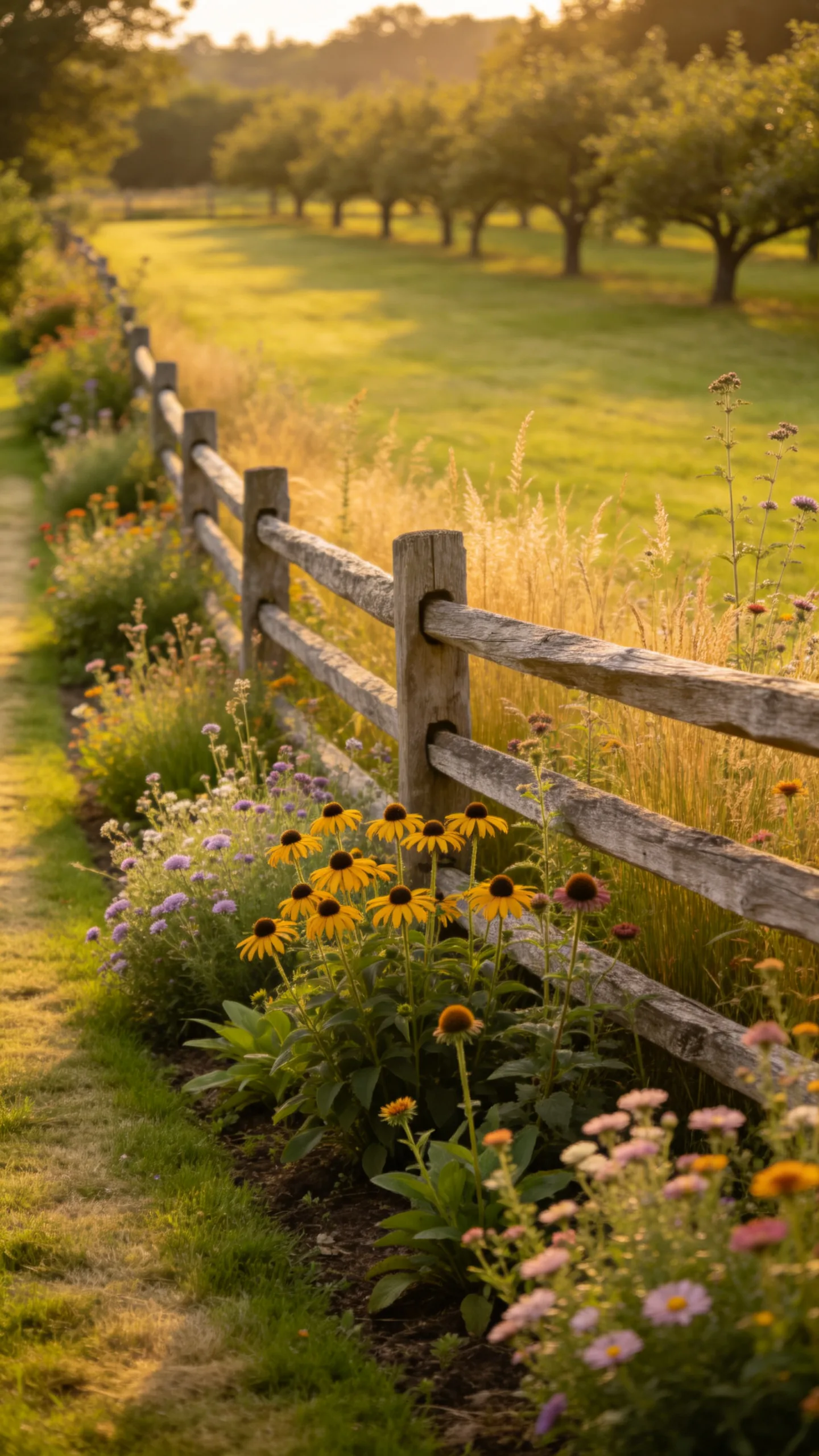
A split-rail fence has an open, rural feel that suits larger yards, meadow gardens, orchard edges, and informal front gardens. It marks boundaries clearly without blocking views, which makes it useful for properties with wide lawns or scenic backgrounds.
This style pairs well with native grasses, wildflowers, shrubs, and gravel or mown grass paths. If you need to keep pets in or deer out, add discreet wire mesh to the inside of the rails. For planting, let black-eyed Susans, asters, echinacea, and ornamental grasses soften the fence line through summer and fall.
10. Gabion Fence with Stone-Filled Panels
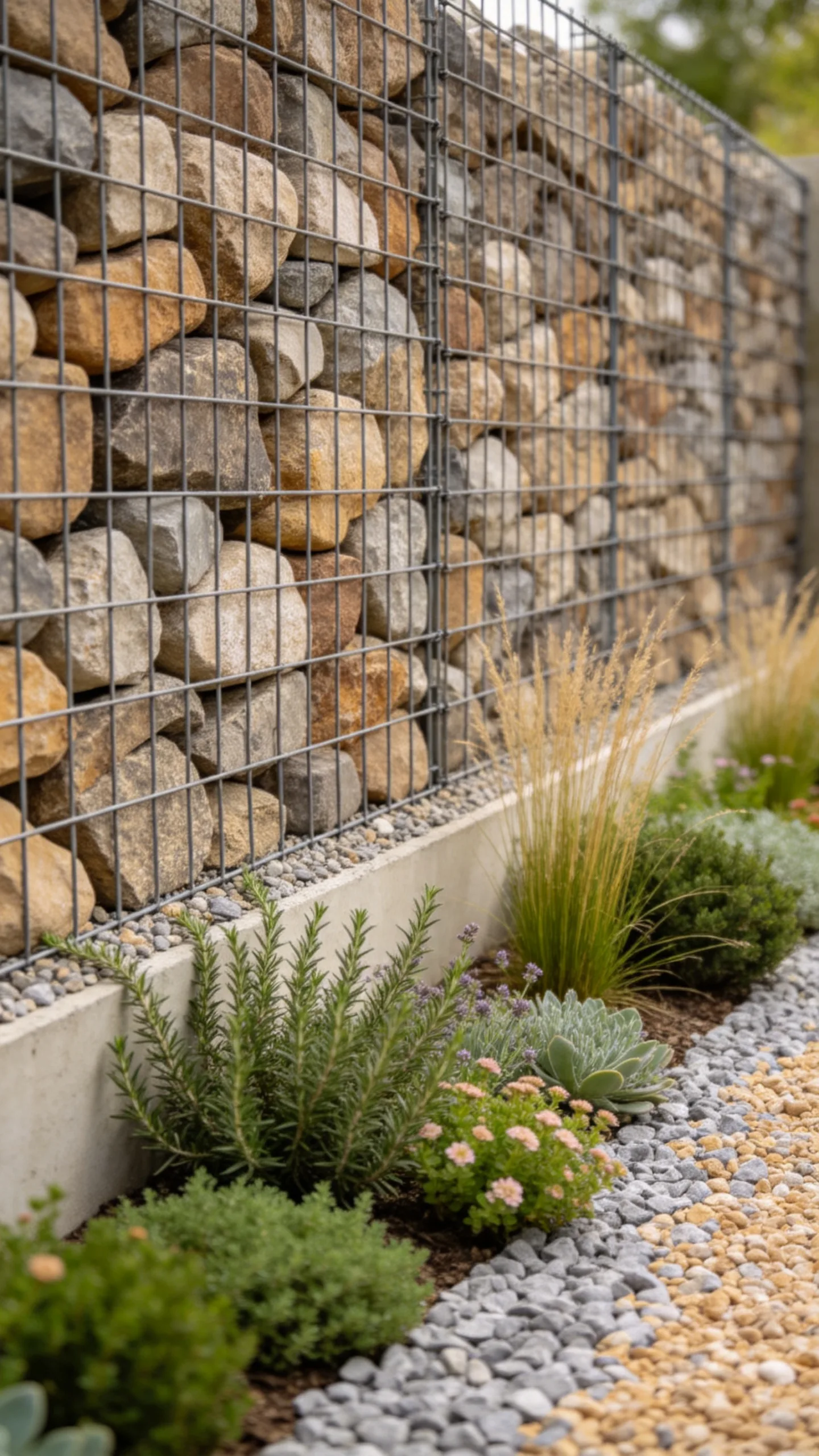
A gabion fence uses wire cages filled with stone, creating a strong architectural feature for modern and rustic gardens alike. It can work as a privacy wall, retaining edge, or windbreak, especially in areas where stone already appears in paths, patios, or house materials.
Gabion fences are heavy, so they need proper support and a stable base. Use local stone when possible for a natural fit with the landscape. To soften the hard texture, plant trailing rosemary, creeping thyme, ornamental grasses, sedum, or low shrubs along the base where drainage and sunlight are suitable.
11. Low Brick Garden Wall with Iron Railings
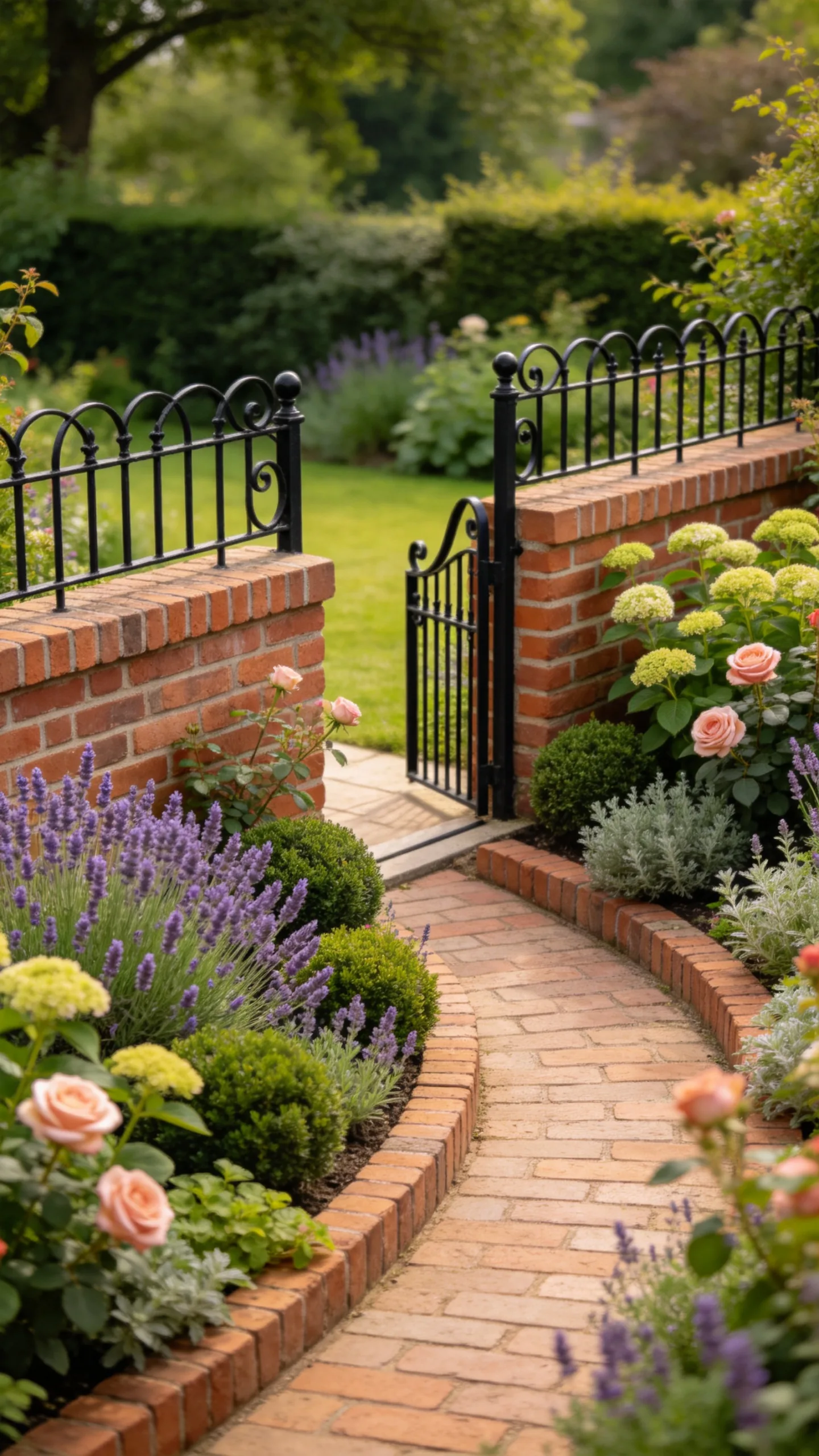
A low brick wall topped with iron railings creates a traditional garden boundary with strong curb appeal. The brick gives weight and permanence, while the railings keep the view open. This combination suits front gardens, formal flower beds, and entrances with a gate.
Choose brick that complements your house or garden paths for a cohesive look. Plant compact shrubs or perennials along the inside edge, such as lavender, boxwood, roses, alchemilla, or catmint. The raised brick base also helps define beds and can protect planting from foot traffic near sidewalks.
12. Painted Wood Fence in Sage Green
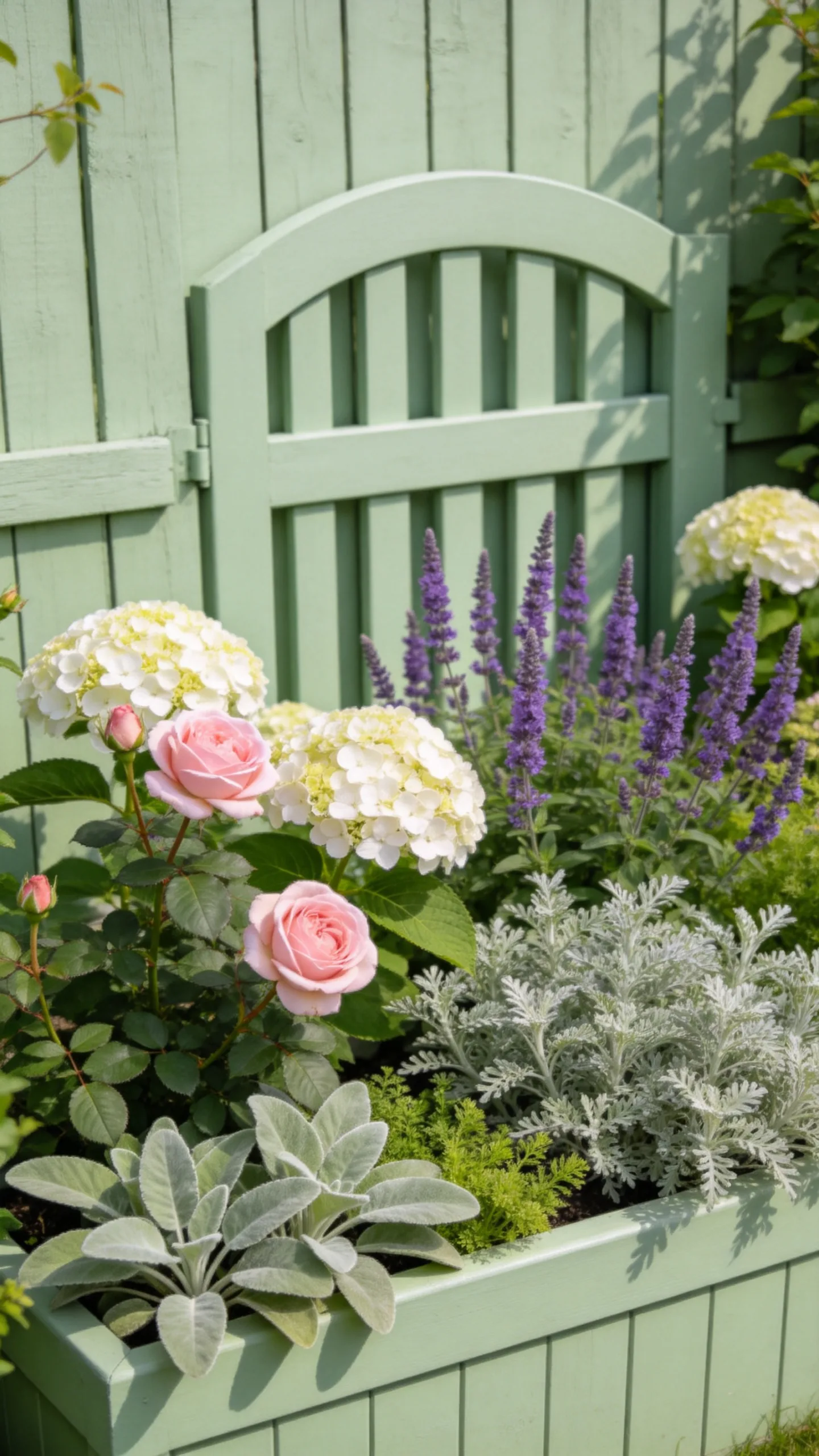
A sage green fence blends beautifully with foliage and gives the garden a calm, finished background. It is less stark than white and softer than black, making it a good choice for cottage gardens, herb beds, and patios with lots of leafy planting.
This color works especially well behind pink roses, white hydrangeas, purple salvia, and silver-leaved plants like lamb’s ear or artemisia. Use exterior paint or stain made for outdoor wood, and test a sample first because greens can look different in sun and shade. Repeating the color on planters, a gate, or a shed door helps the whole garden feel connected.
13. Tall Privacy Fence with Built-In Planter Boxes
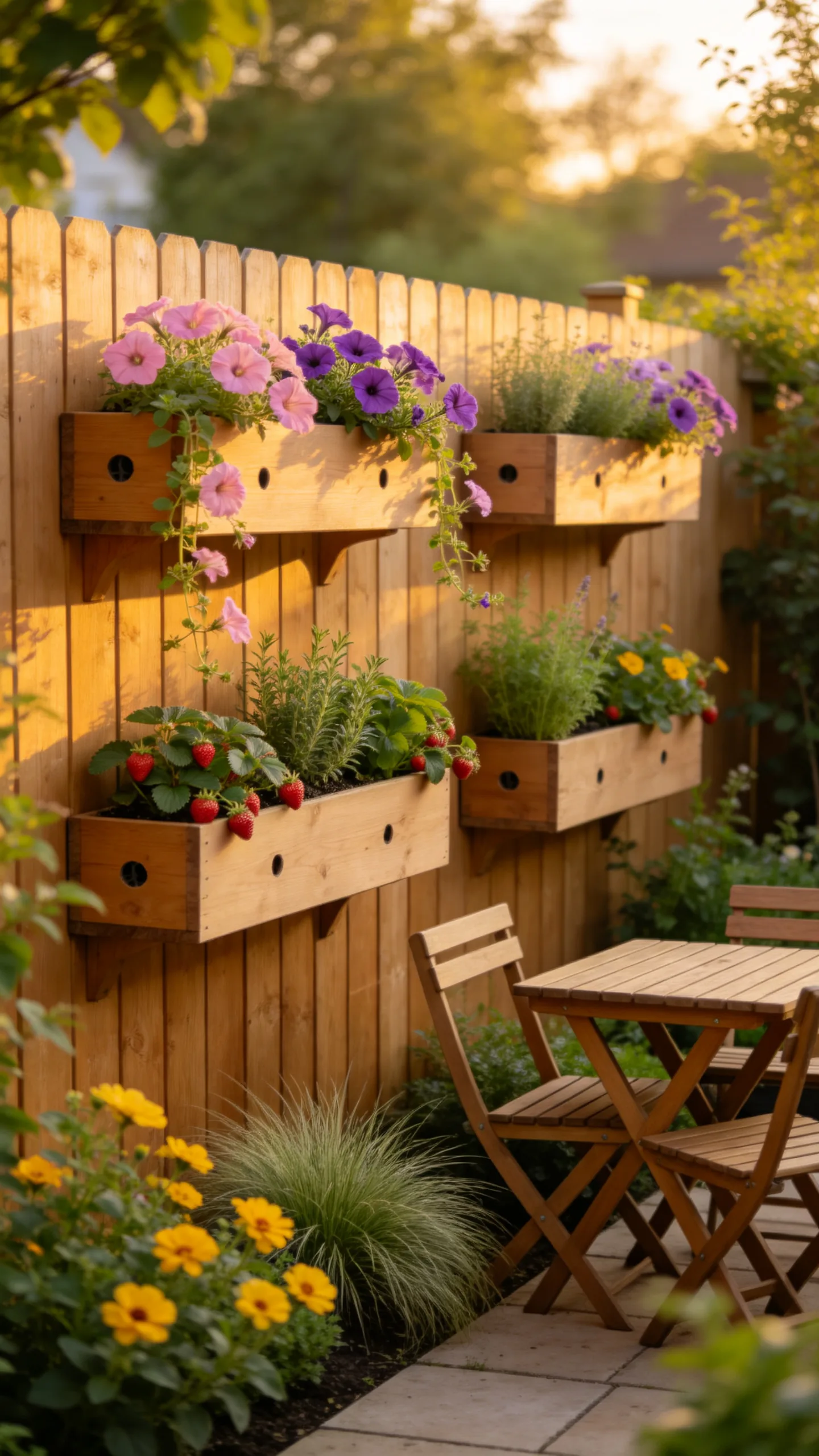
A tall privacy fence can feel plain unless it includes planting. Built-in planter boxes add greenery directly to the fence line and are especially useful in small backyards, townhome gardens, or patios where ground space is limited.
Attach sturdy planter boxes at a comfortable height and choose plants based on light exposure. In sun, use trailing petunias, herbs, strawberries, calibrachoa, or compact ornamental grasses. In shade, try ferns, begonias, heuchera, or ivy where appropriate. Make sure each box has drainage and can be watered without splashing constantly onto the fence.
14. Arched Gate Fence for a Romantic Entrance
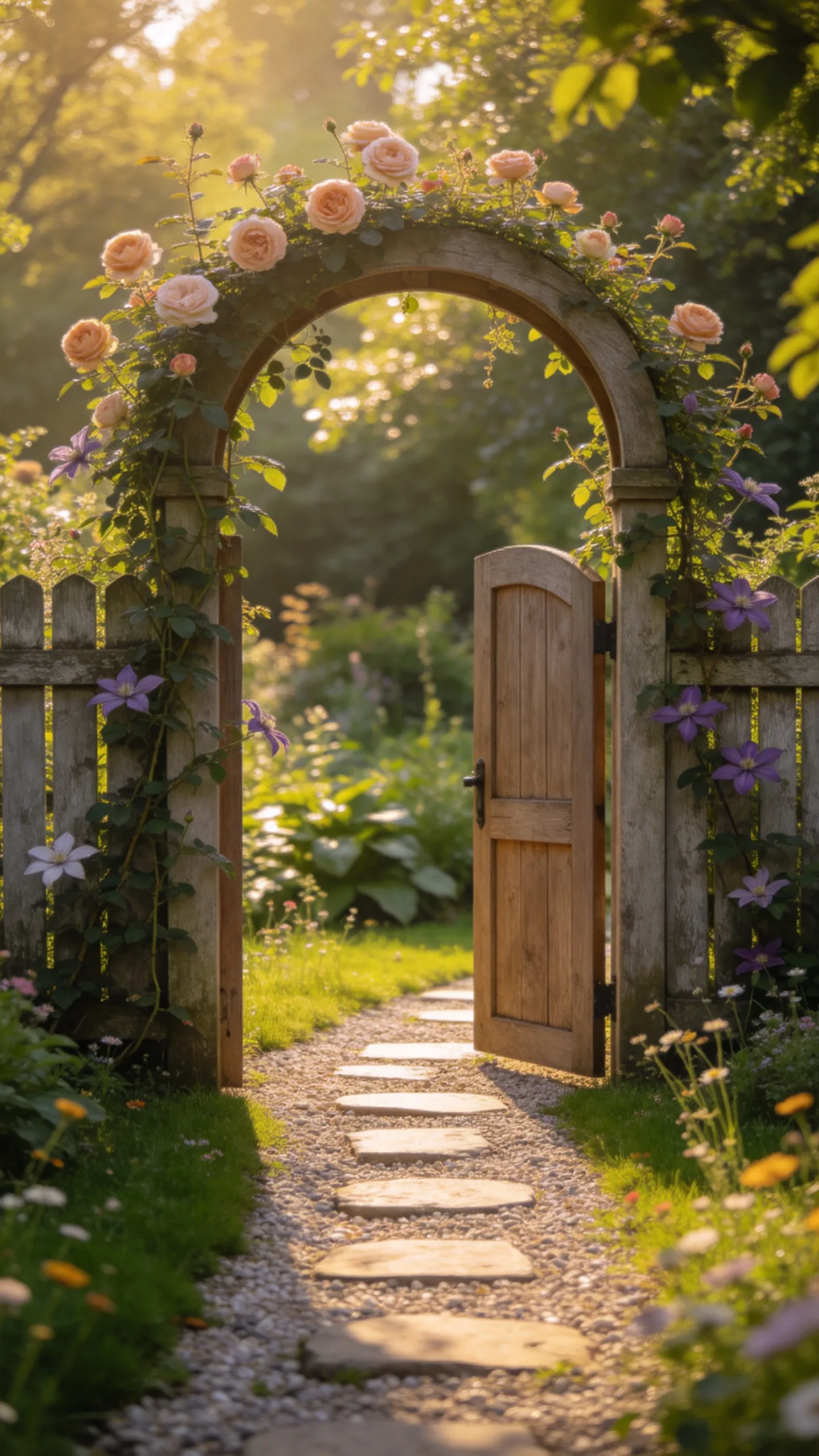
An arched gate turns a simple garden fence into a focal point. It works well at the entrance to a vegetable garden, rose garden, side yard, or backyard path. The curve softens straight fence lines and naturally draws the eye toward what is beyond.
Frame the gate with climbing plants such as roses, clematis, jasmine, honeysuckle, or annual vines suited to your climate. Keep the planting trimmed so the gate can open easily and the arch stays visible. Add gravel, stepping stones, or brick pavers leading through the gate to make the transition feel inviting.
15. Wire Mesh Fence for a Productive Vegetable Garden
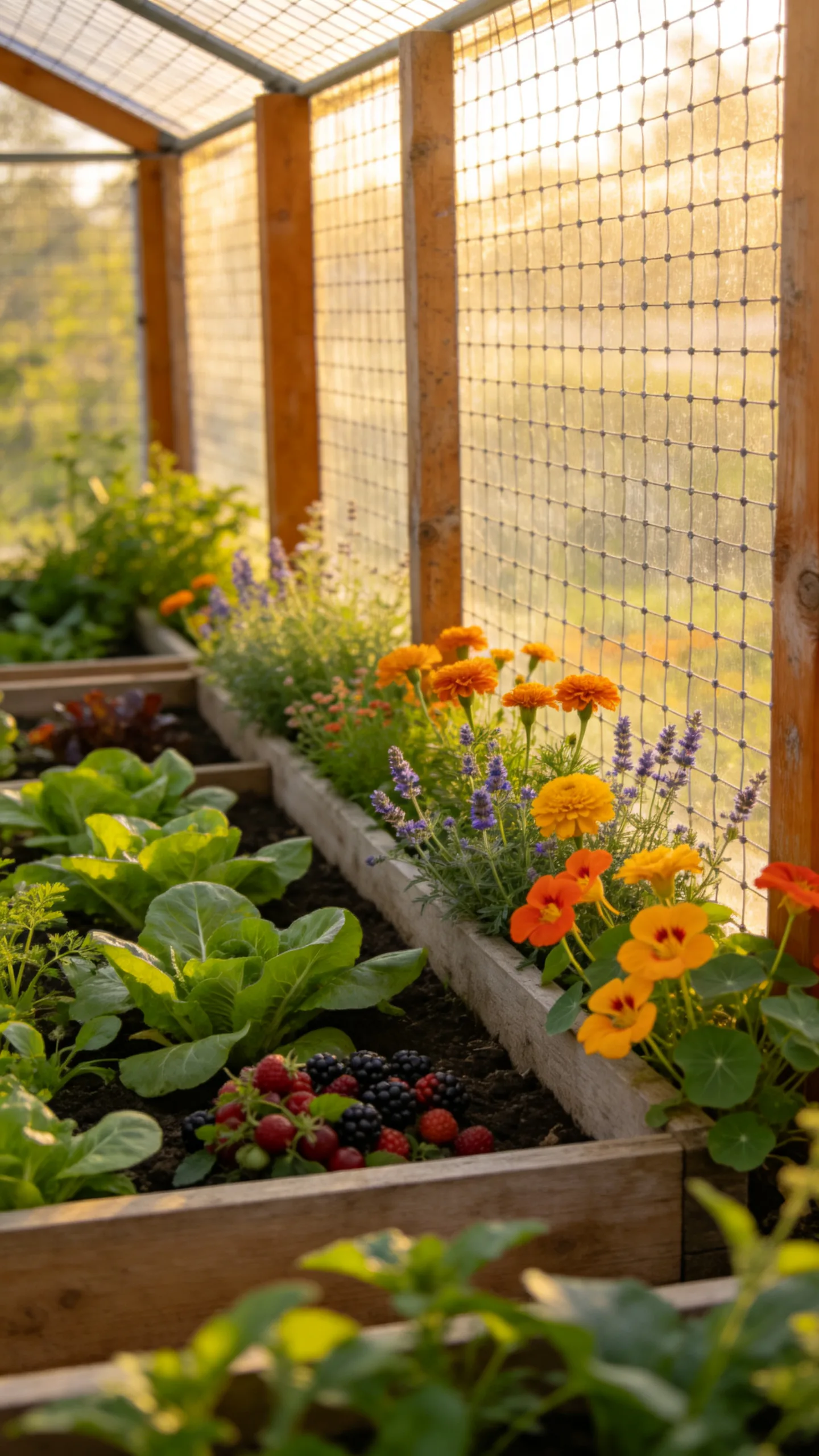
A wire mesh fence is practical for vegetable gardens because it protects crops while still allowing sun and air to reach the beds. It is especially useful around raised beds, berry patches, and kitchen gardens where rabbits or pets may be an issue.
Use wooden posts for a warmer look, and choose mesh size based on what you need to exclude. Smaller openings help deter rabbits, while taller fencing may be needed for larger animals depending on your area. Plant marigolds, calendula, nasturtiums, borage, or herbs along the inside edge to make the enclosure feel decorative as well as useful.
16. Weathered Wood Fence for a Natural Garden Look
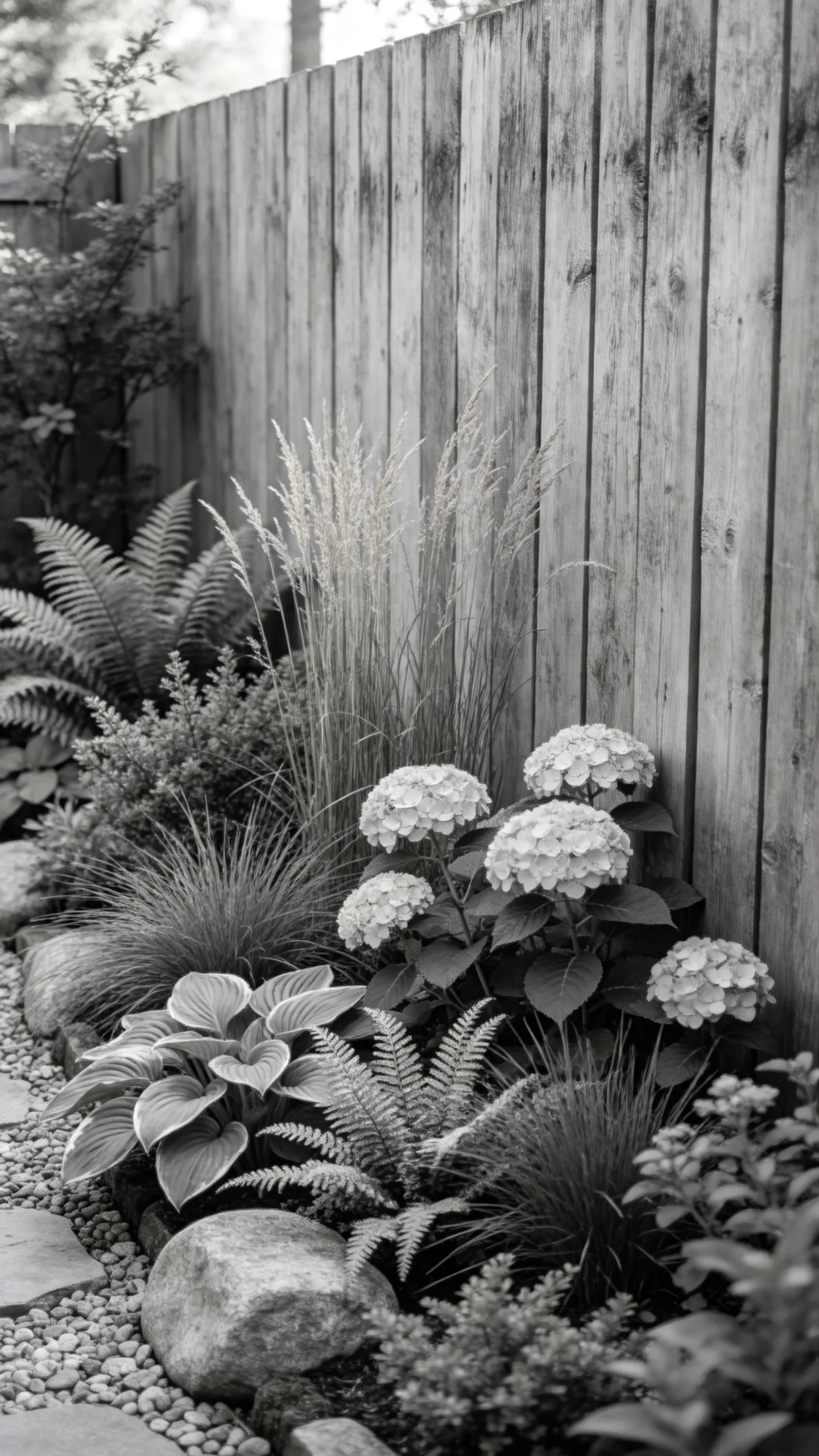
A weathered wood fence suits relaxed gardens with native plants, meadow-style borders, and woodland edges. The gray or silver tones blend into the landscape instead of looking newly installed, which can be appealing in gardens with stone, gravel, and informal planting.
Let the fence act as a quiet backdrop for textured plants such as ferns, hostas, ornamental grasses, sedges, hydrangeas, or native shrubs. If you want the weathered look without rapid decay, use durable timber and allow it to age naturally, or choose a stain that mimics aged wood while still protecting the surface.
17. Pallet Fence for a Budget-Friendly Garden Project
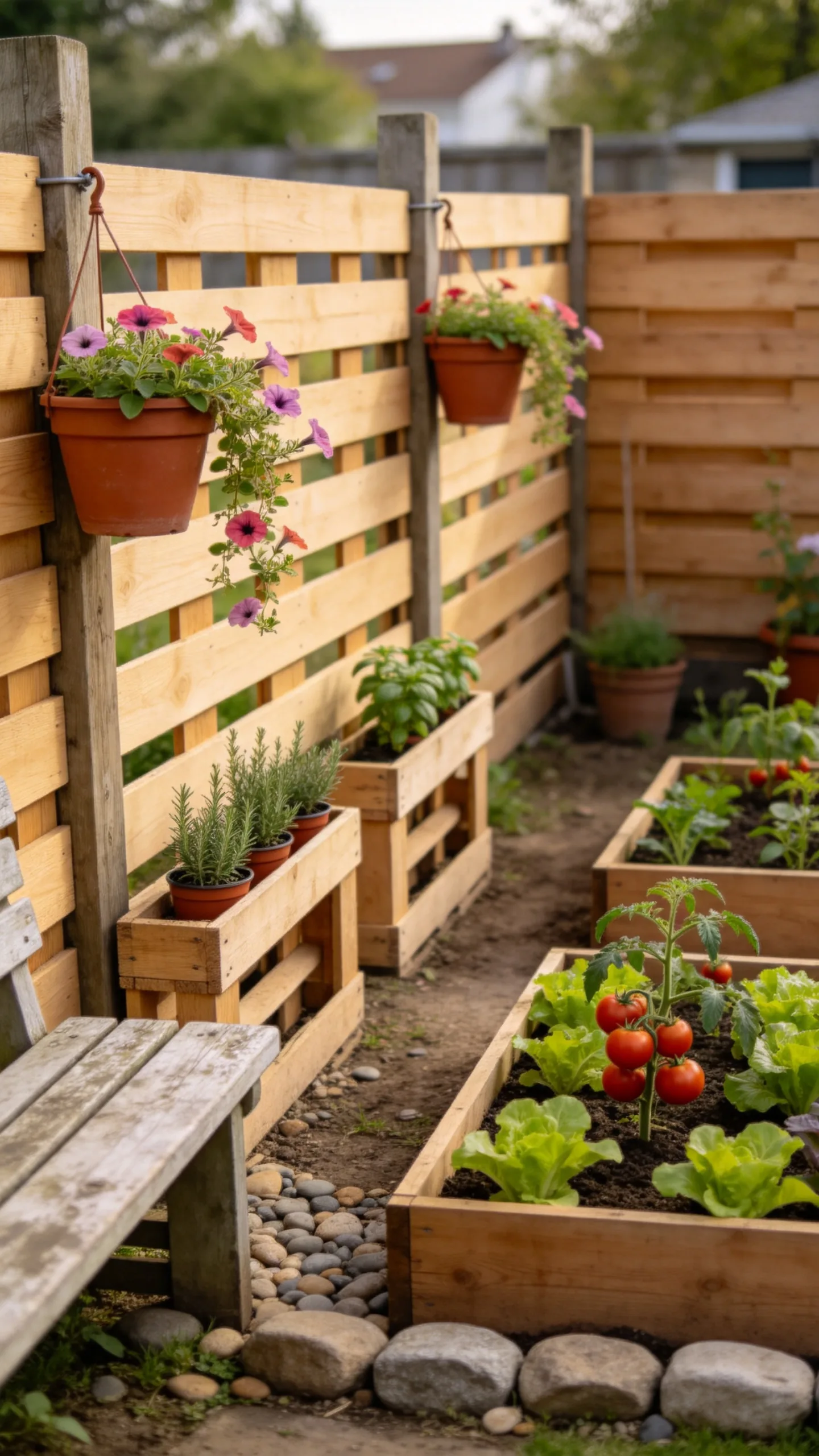
A pallet fence can be a low-cost way to define a compost area, vegetable plot, or casual backyard border. It works best in informal gardens where a rustic look fits the setting. Sand rough edges, check that the pallets are safe for garden use, and secure them firmly to posts rather than simply leaning them in place.
You can leave pallets natural, stain them, or paint them to match raised beds and sheds. Add hanging pots, small herb planters, or trailing flowers to make the structure more attractive. Because pallet wood can vary in quality, use it for light-duty fencing rather than major privacy or security needs.
18. Decorative Metal Panel Fence for a Statement Border
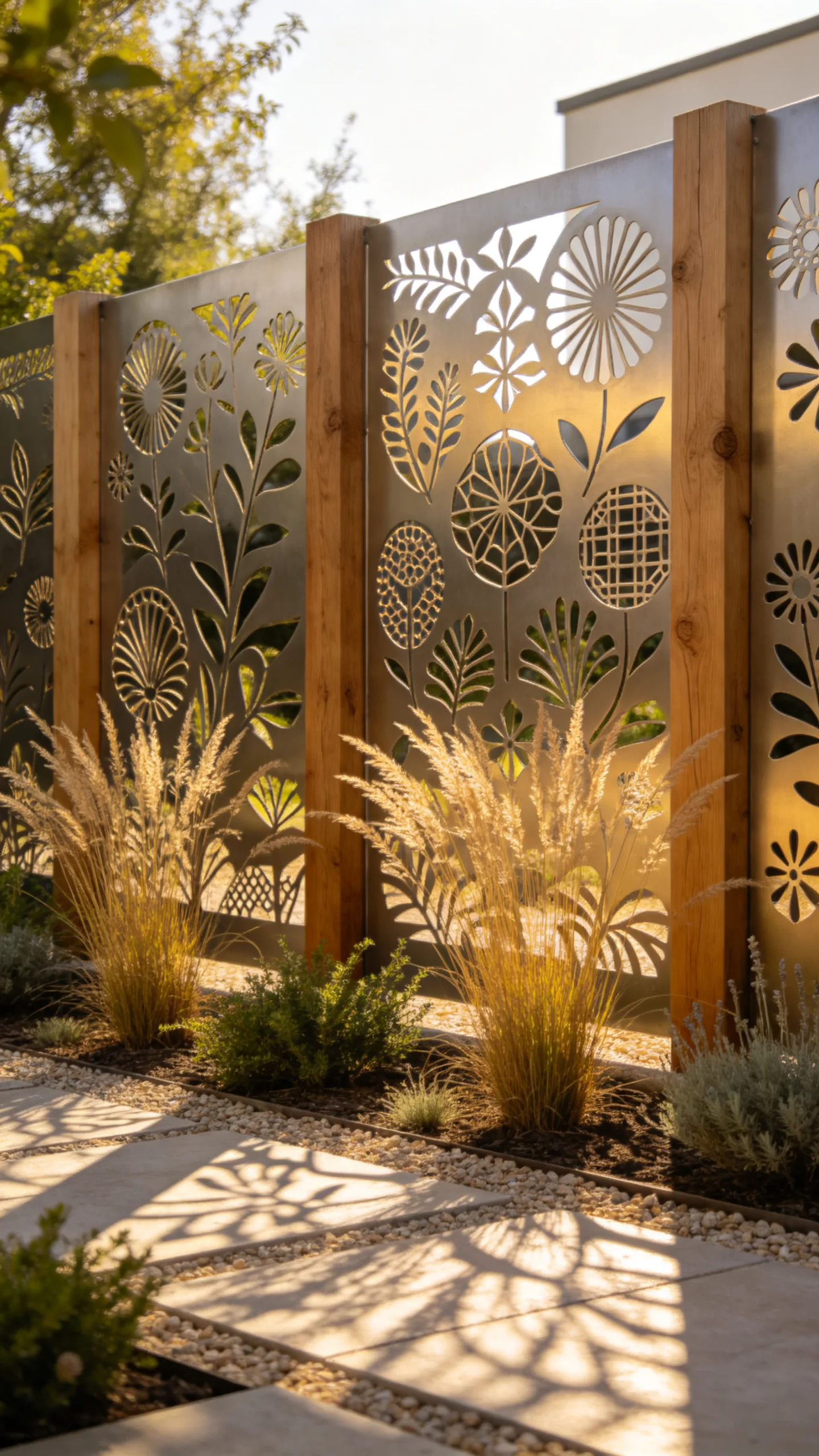
Decorative metal panels add pattern and structure to a garden fence. Laser-cut screens, geometric panels, or botanical motifs can create privacy while casting interesting shadows on patios and paths. This idea works well in modern courtyards, small urban gardens, and seating areas that need a strong visual feature.
Use panels as a full fence or insert them between wood posts for a mixed-material look. Dark metal feels dramatic behind green foliage, while rusted steel has a warm, earthy tone that pairs well with grasses, gravel, and drought-tolerant planting. Leave enough planting space in front so vines and shrubs do not hide the pattern completely.
19. Picket Fence with Mixed Flower Border
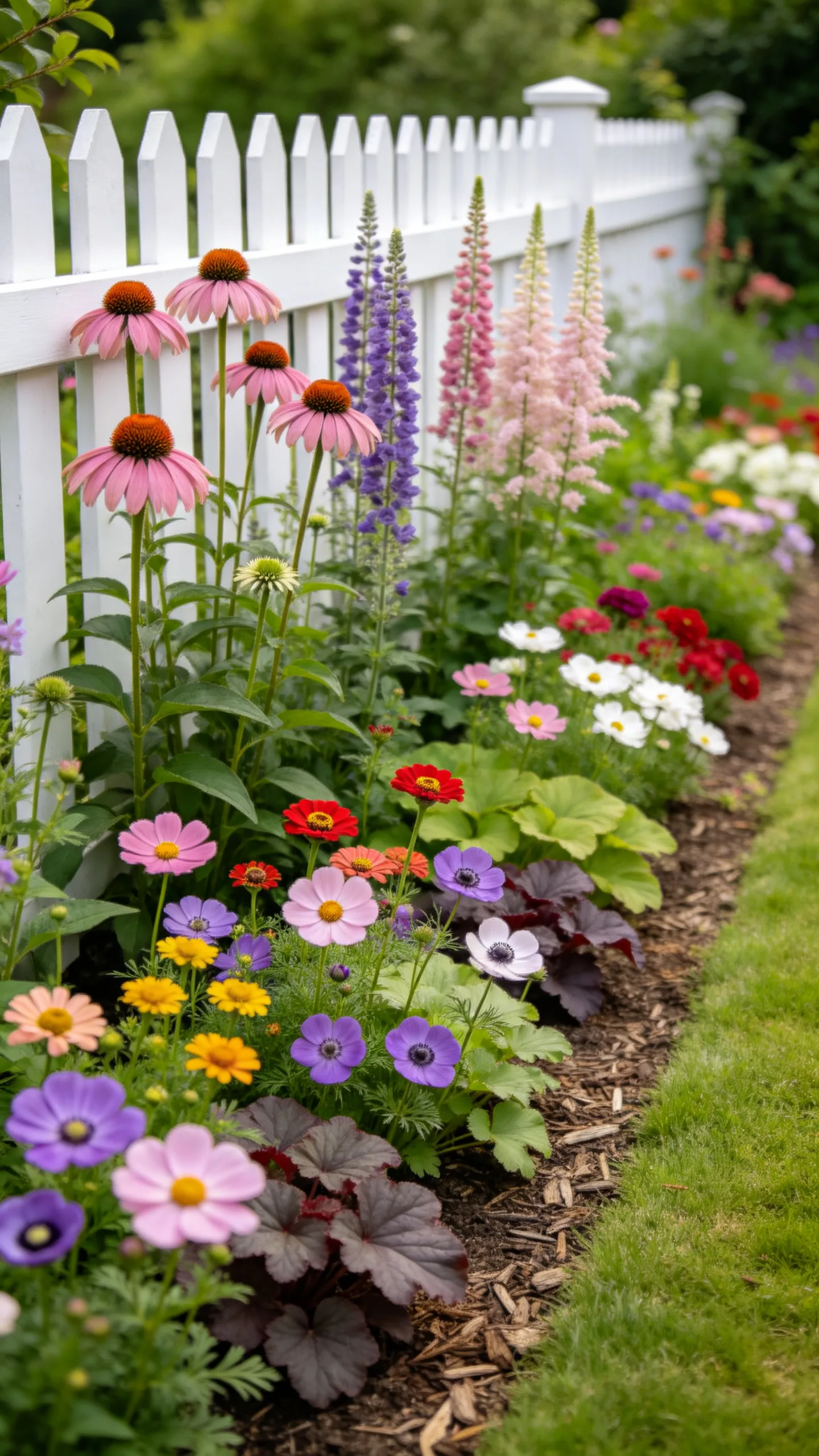
A picket fence becomes more colorful when paired with a layered mixed flower border. This is a good option for front yards or cottage gardens where the fence provides structure and the plants add movement. Keep taller plants near the fence and shorter plants along the path or lawn edge.
Combine long-blooming perennials and seasonal annuals for extended interest. For sunny spots, consider coneflowers, salvia, cosmos, zinnias, lavender, and coreopsis. For partial shade, use foxgloves, astilbe, hardy geraniums, heuchera, and Japanese anemones. Mulch the border to reduce weeds and keep the fence base easier to maintain.
20. Privacy Fence with Vertical Garden Pockets
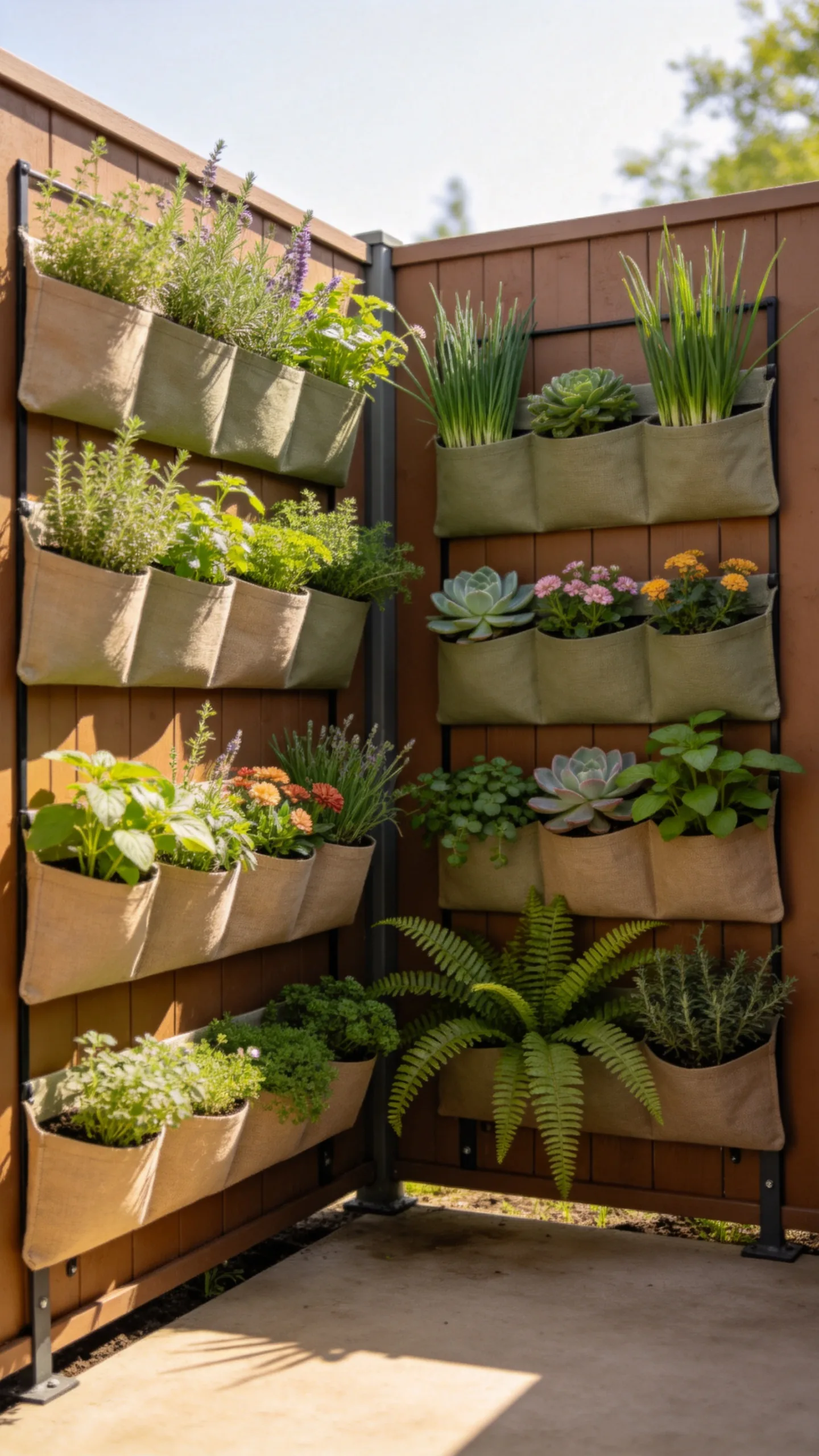
A privacy fence with vertical garden pockets is ideal for small outdoor spaces where every square foot matters. Fabric pockets, wall planters, or modular vertical systems can hold herbs, succulents, annual flowers, or compact foliage plants while leaving the patio floor clear.
Choose plants with similar watering needs for each section. Herbs like thyme, oregano, parsley, and chives work well in sunny fence pockets, while ferns and shade-tolerant annuals suit cooler, protected spots. Check that the fence can handle the added weight of wet soil, and use drip irrigation or a careful watering routine to prevent dry pockets.
21. Curved Fence Line Around a Garden Bed
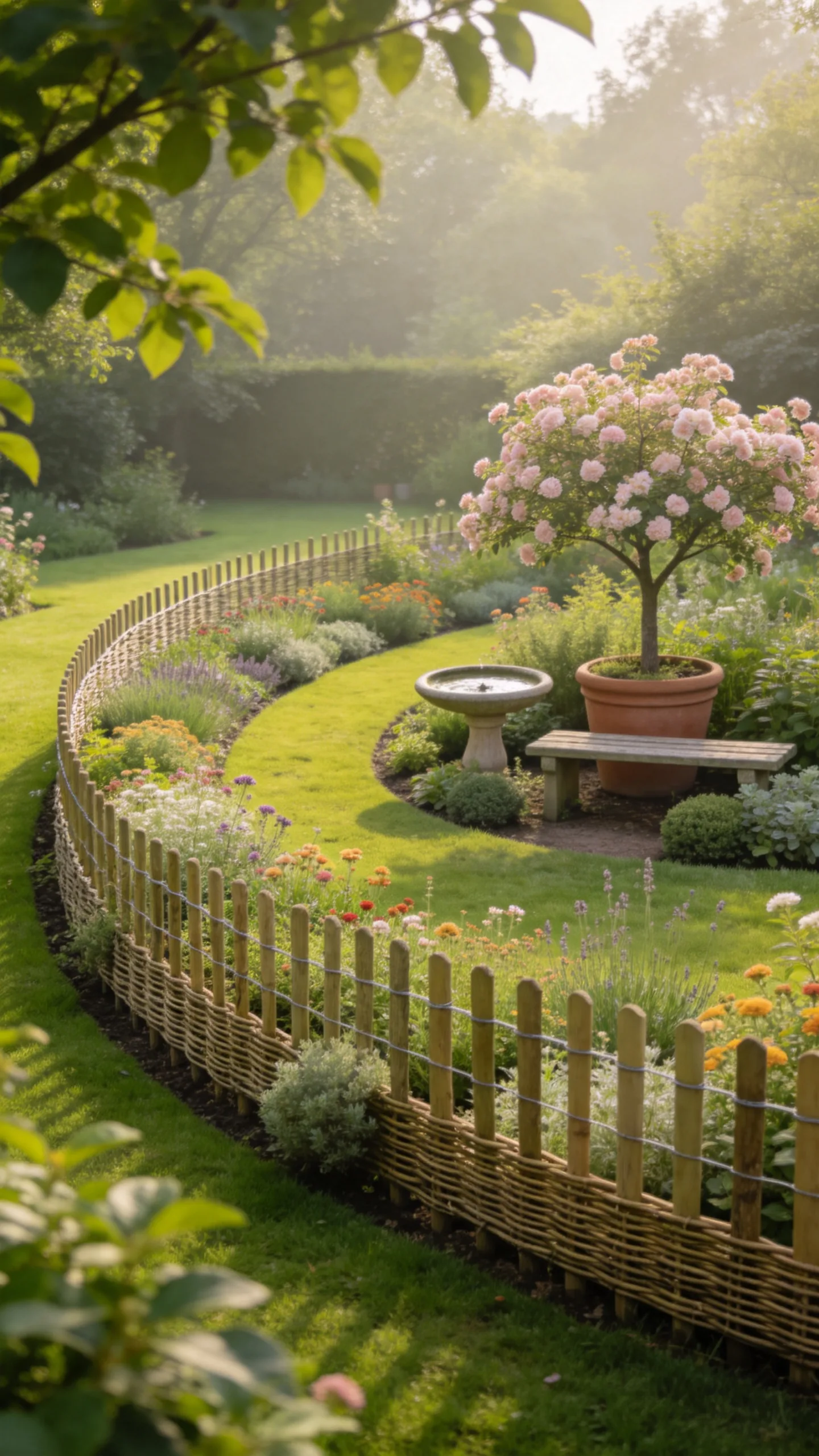
A curved fence line can make a garden feel softer and more spacious than a straight boundary. It works especially well around front-yard beds, cottage gardens, and decorative vegetable plots where you want the fence to follow the shape of planting rather than the edge of the property.
Use flexible materials such as short pickets, woven willow, metal edging panels, or spaced posts with wire to follow the curve. Plant the inside with layered flowers, herbs, or low shrubs so the fence feels integrated into the bed. A curve also creates natural pockets for a bench, birdbath, large pot, or small flowering tree.
22. Fence with Climbing Vegetables for an Edible Garden
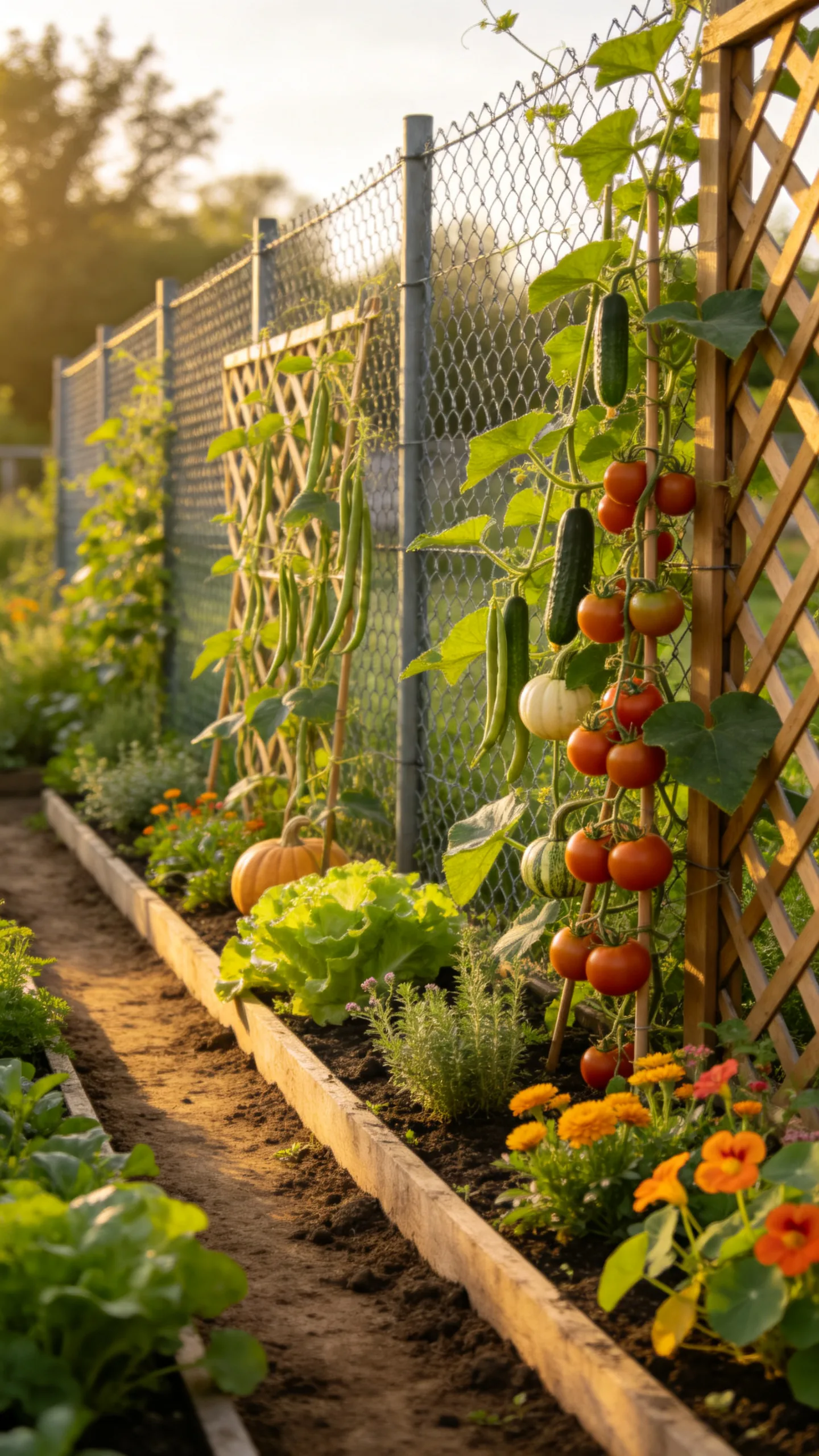
A fence can double as growing support in an edible garden. Use sturdy wire, cattle panels, trellis mesh, or wooden lattice to train climbing vegetables upward, saving ground space in raised beds or narrow side yards. This is especially helpful for peas, pole beans, cucumbers, small squash varieties, and indeterminate tomatoes with additional support.
Place the fence where crops receive the sun they need, usually full sun for most fruiting vegetables. Keep access on at least one side for harvesting, tying stems, and checking for pests. Underplant with compact herbs, lettuce, or flowers like calendula and nasturtiums to make the productive fence line look lush and intentional.