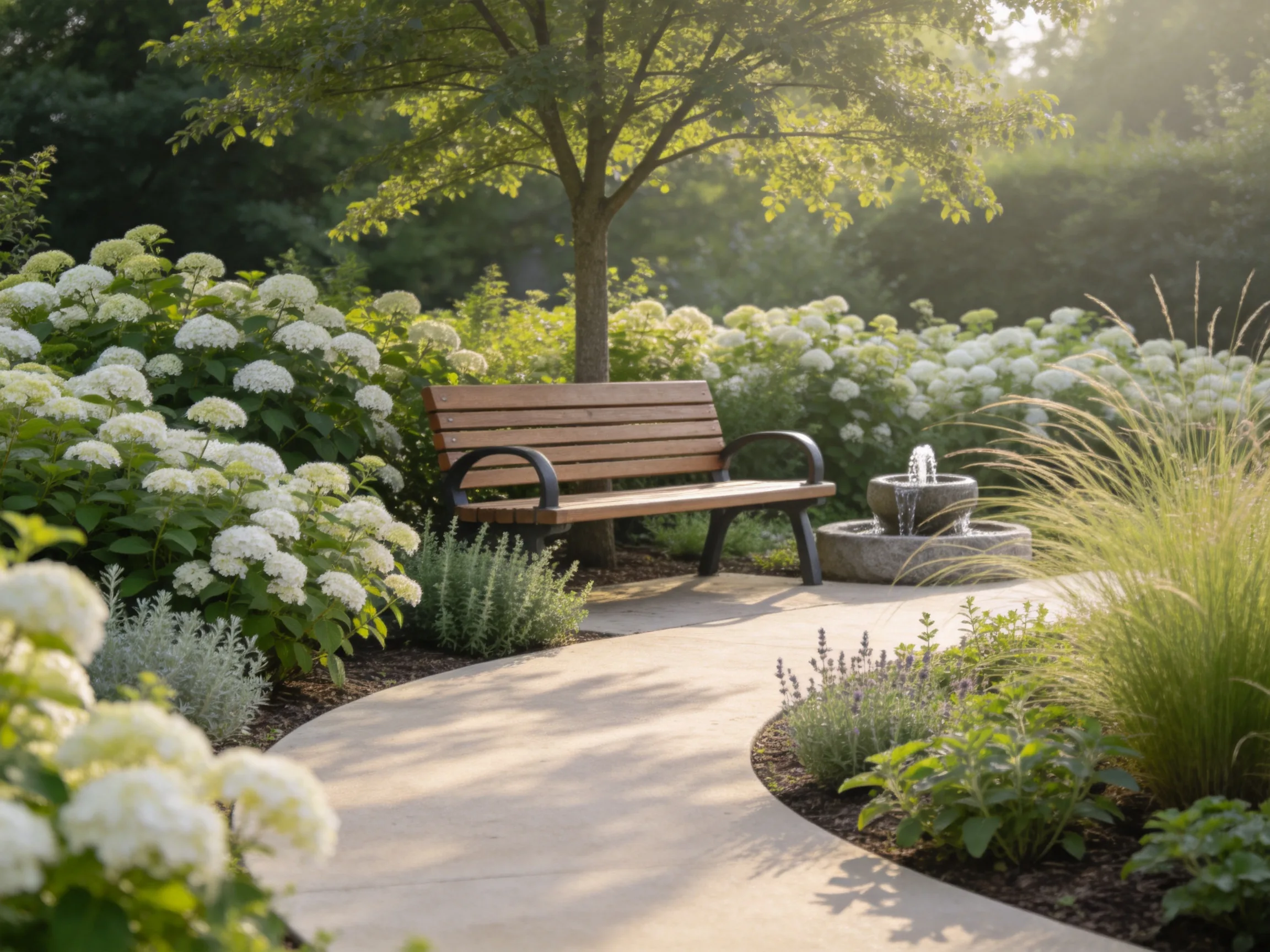
Thoughtful therapeutic garden design can turn a backyard, patio, or balcony into a comfortable place for quiet breaks, gentle movement, and sensory engagement. The most effective spaces combine practical features—such as accessible paths, supportive seating, shade, and manageable planting—with colors, textures, scents, and sounds that suit the people using the garden. Choose plants according to local climate, available sunlight, soil conditions, and maintenance needs so the finished space remains restorative rather than demanding.
1. Create a Gently Curving Garden Path
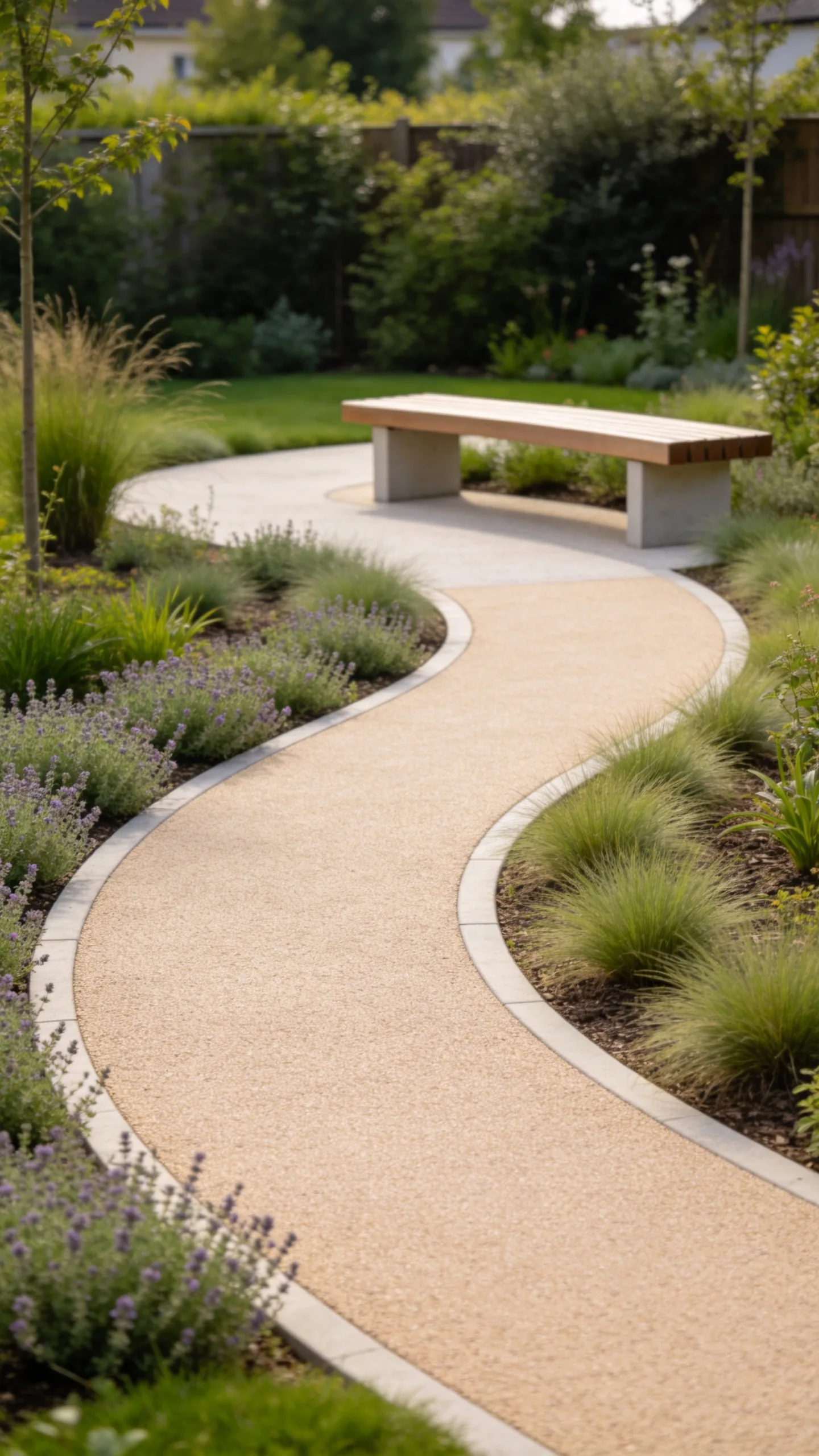
A curving path encourages slower movement and makes even a compact garden feel deeper. Use smooth, stable materials such as resin-bound gravel, closely fitted pavers, or textured concrete. Avoid loose stones, abrupt level changes, and narrow gaps that could catch walking aids or become difficult to navigate.
For comfortable access, aim for a path at least 36 inches wide, or closer to 48 inches where two people may walk together. Add a wider turning area near seating and raised beds. Low-growing thyme, sedge, or dwarf mondo grass can soften the path edges, provided the chosen plant is suitable for local conditions and will not spread across the walking surface.
2. Build a Secluded Seating Nook
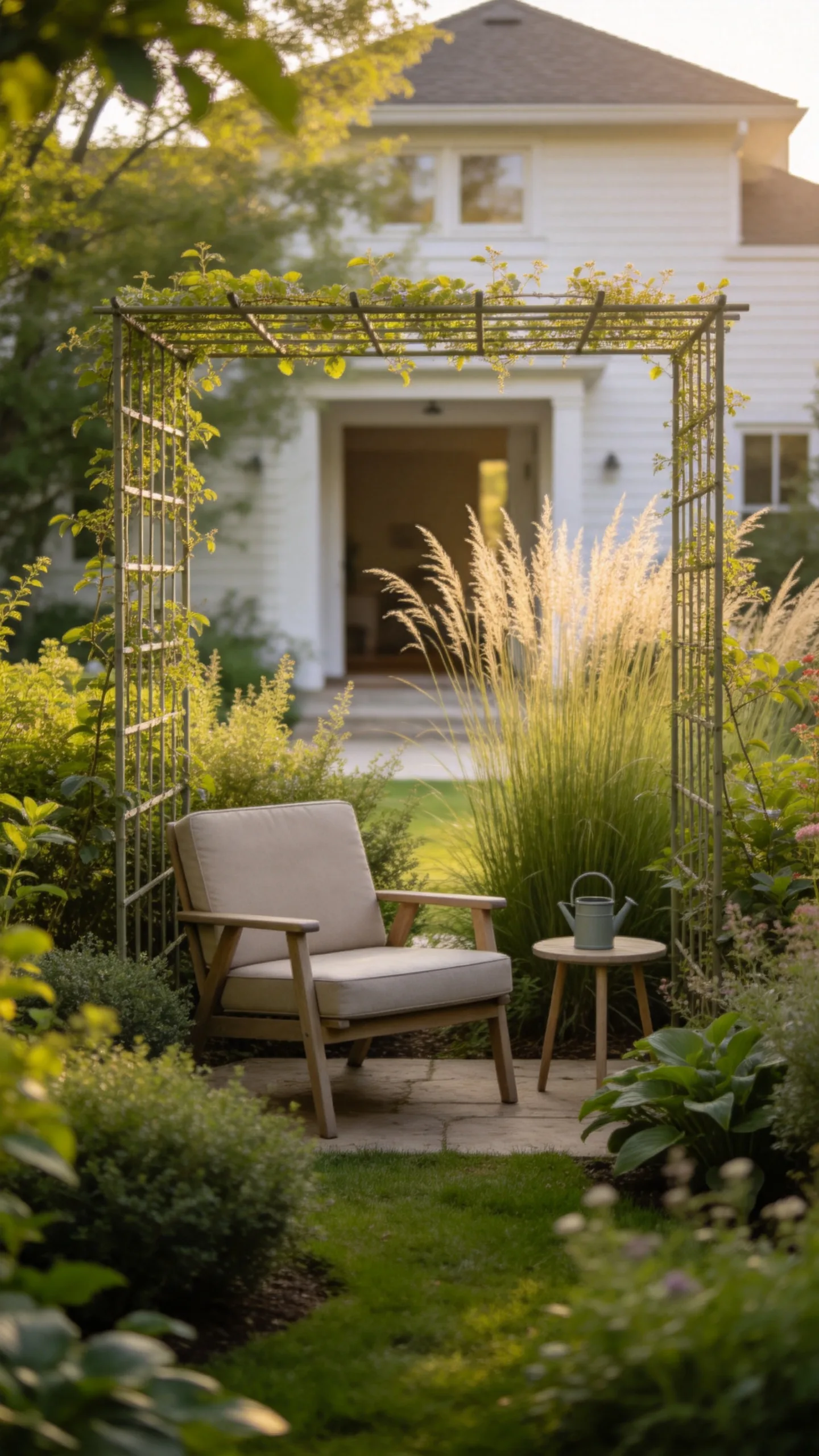
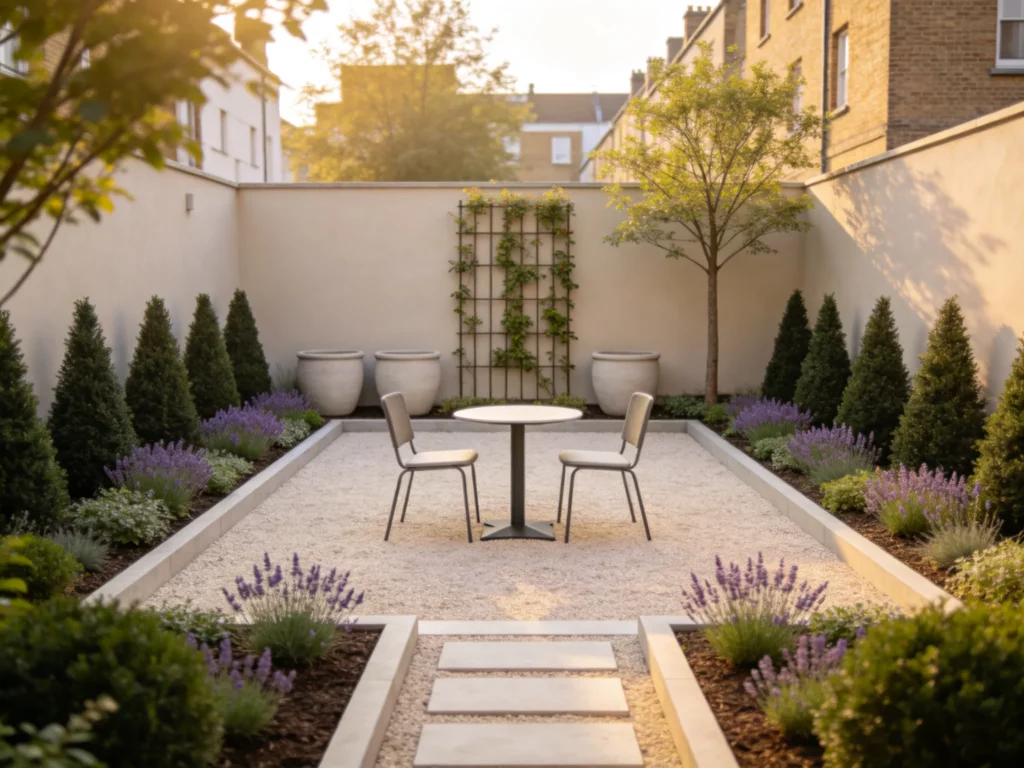
Place a bench or weather-resistant chair where it feels protected without being completely hidden. A corner framed by a trellis, mixed shrubs, or tall ornamental grasses can provide privacy from neighboring windows and reduce visual distractions. Keep the entrance open enough for easy access and a clear view back toward the house.
Choose seating with a backrest, arm supports, and a firm cushion that can be stored during wet weather. A small side table creates a convenient place for a drink, book, or gardening tools. Position the nook in morning sun or afternoon shade according to when the garden is most likely to be used.
3. Plant a Fragrant Herb Border
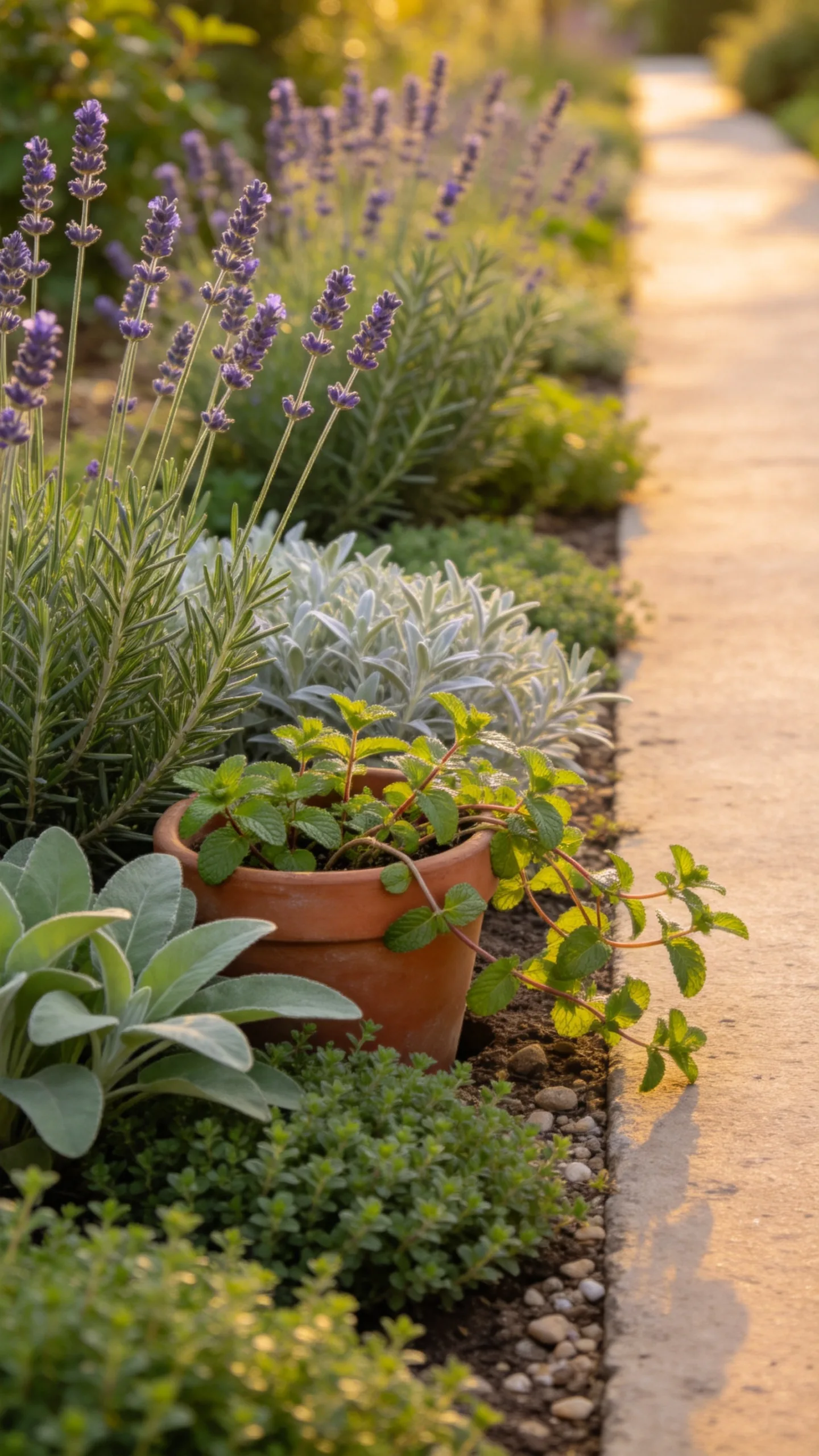
A narrow herb border introduces scent while providing ingredients for cooking or tea. Lavender, rosemary, thyme, sage, lemon balm, and mint release fragrance when brushed or handled. Check winter hardiness and sun requirements before planting, as Mediterranean herbs generally need excellent drainage and several hours of direct light.
Place spreading plants such as mint and lemon balm in buried pots or separate containers to keep them manageable. Locate the border beside a path, seat, or raised bed where leaves can be reached without stepping into the planting area. Regular light harvesting helps many herbs stay compact.
4. Add a Small Recirculating Water Feature
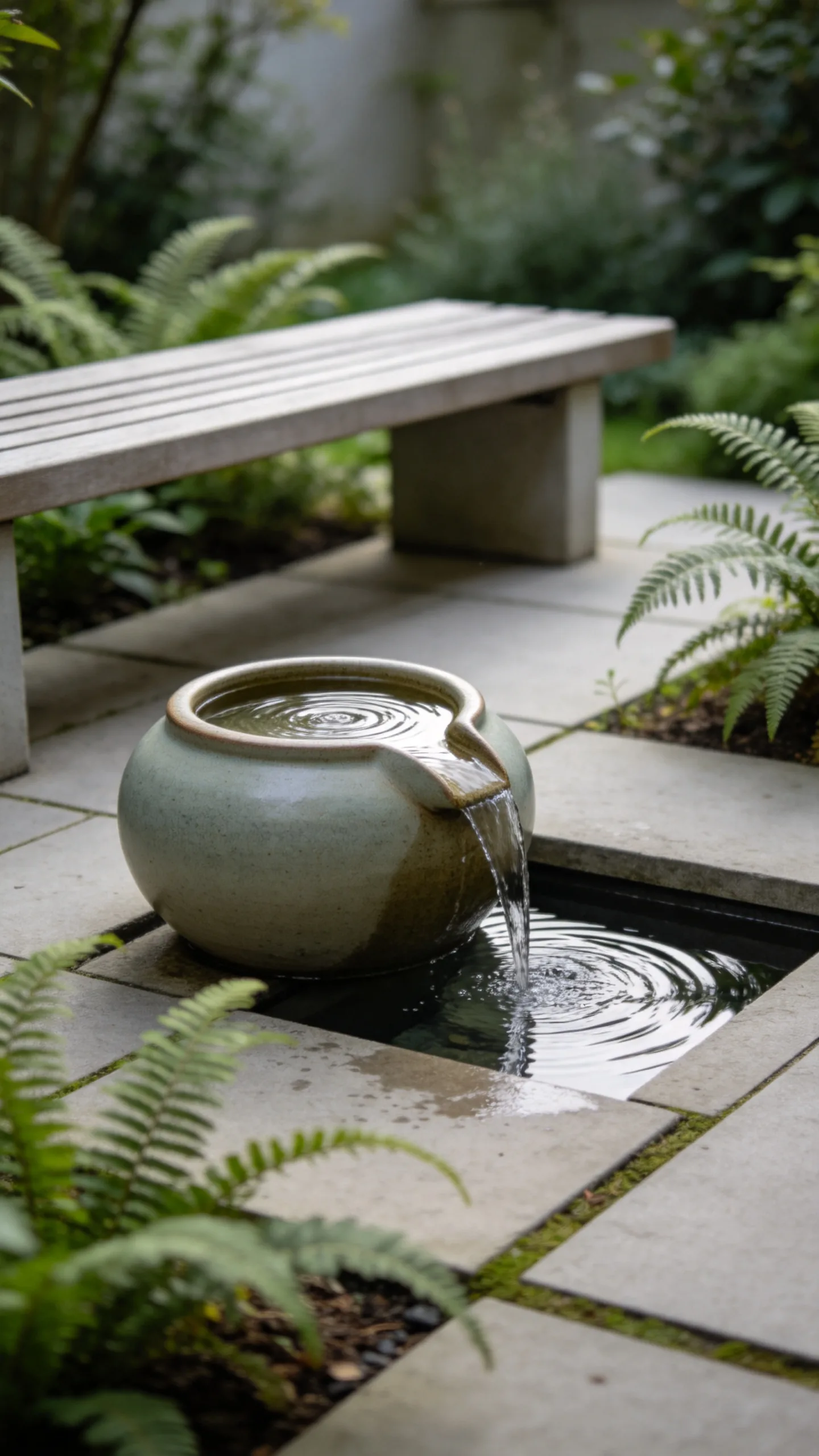
The gentle sound of moving water can soften nearby traffic or neighborhood noise. A self-contained fountain, ceramic bubbler, or shallow basin with an internal pump works well when there is not enough room for a pond. Set it on a stable surface near a seating area so the sound can be enjoyed without dominating the whole garden.
Choose a design that is easy to empty and scrub, and top it up during hot weather. Covered reservoirs and shallow moving water are generally easier to manage than deep, still pools. If children or pets use the space, select a feature without an exposed deep basin and follow local safety requirements.
5. Use a Calming Green-and-White Plant Palette
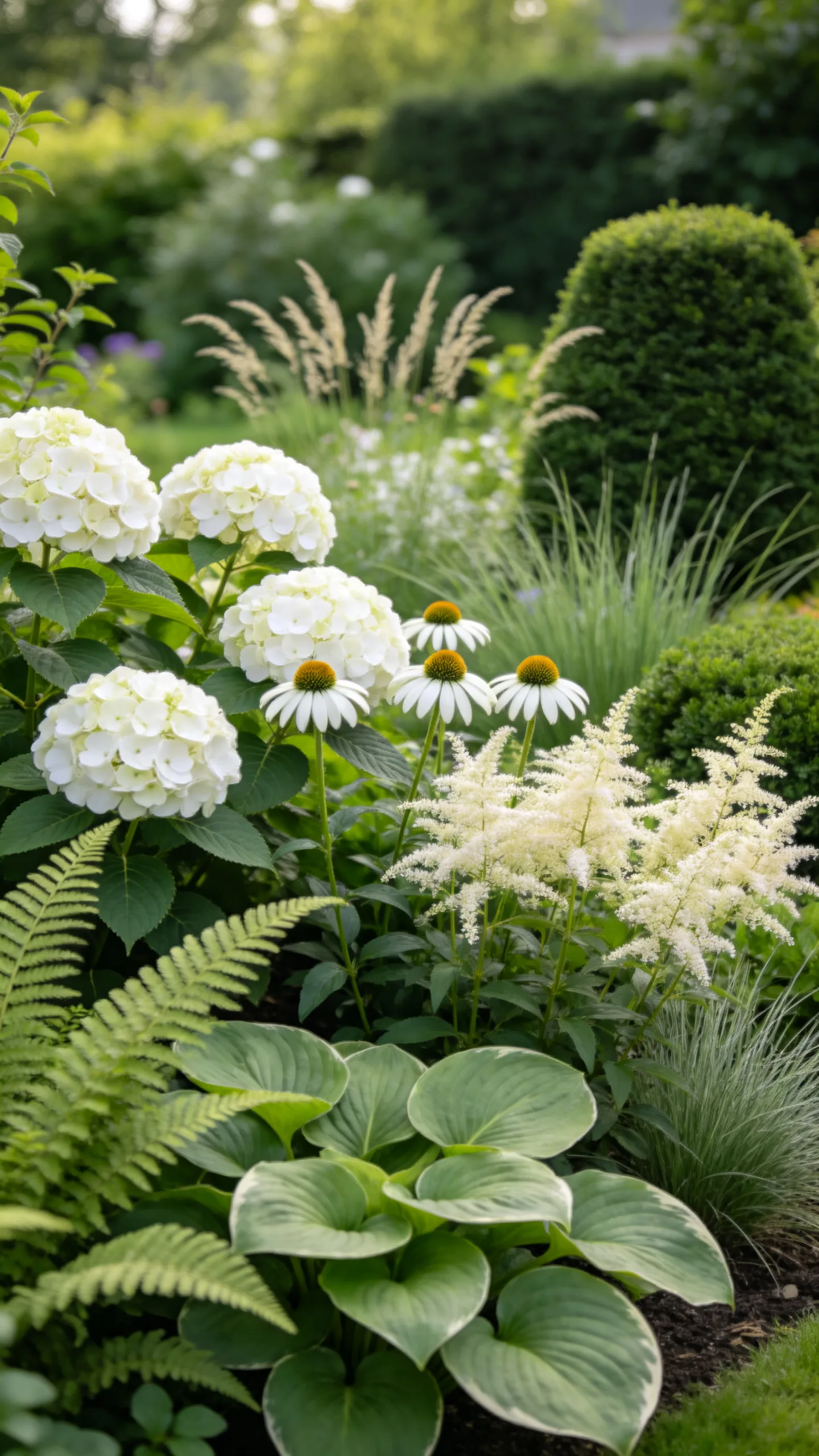
Limiting the main color palette can make a small or visually busy garden feel more settled. Combine green foliage with white-flowering plants such as sweet alyssum, white cosmos, hydrangea, astilbe, or white coneflower. Select varieties based on light, moisture, mature size, and local hardiness rather than flower color alone.
Vary leaf shape to keep the planting interesting. Fern fronds, rounded hosta leaves, fine ornamental grasses, and clipped evergreen forms create contrast without relying on many bright colors. In warmer climates, substitute locally adapted foliage plants that provide the same layered effect.
6. Install Waist-High Raised Planting Beds
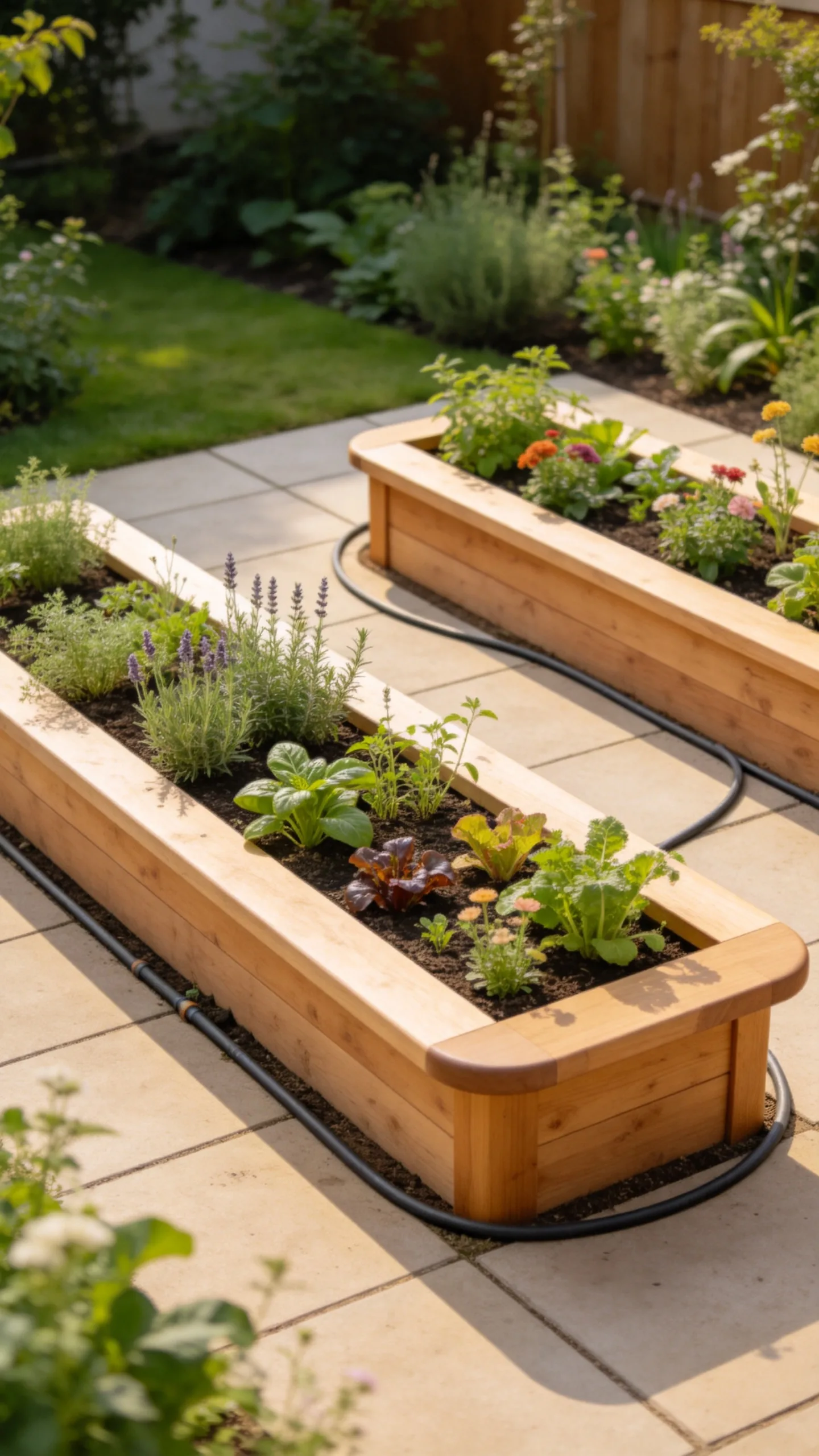
Raised beds bring flowers, herbs, and vegetables closer to the gardener, reducing bending and kneeling. A height of roughly 24 to 36 inches can make planting and harvesting more comfortable, though the ideal measurement depends on whether the user stands or sits. Keep beds narrow enough to reach the center without leaning heavily over the edge.
Add a broad, smooth cap to the bed wall so it can serve as a temporary perch or a place to rest tools. Fill the bed with a soil blend suited to the intended plants, and install drip irrigation or a nearby hose connection to simplify watering. Leave sufficient path width around every accessible side.
7. Design a Sensory Planting Bed
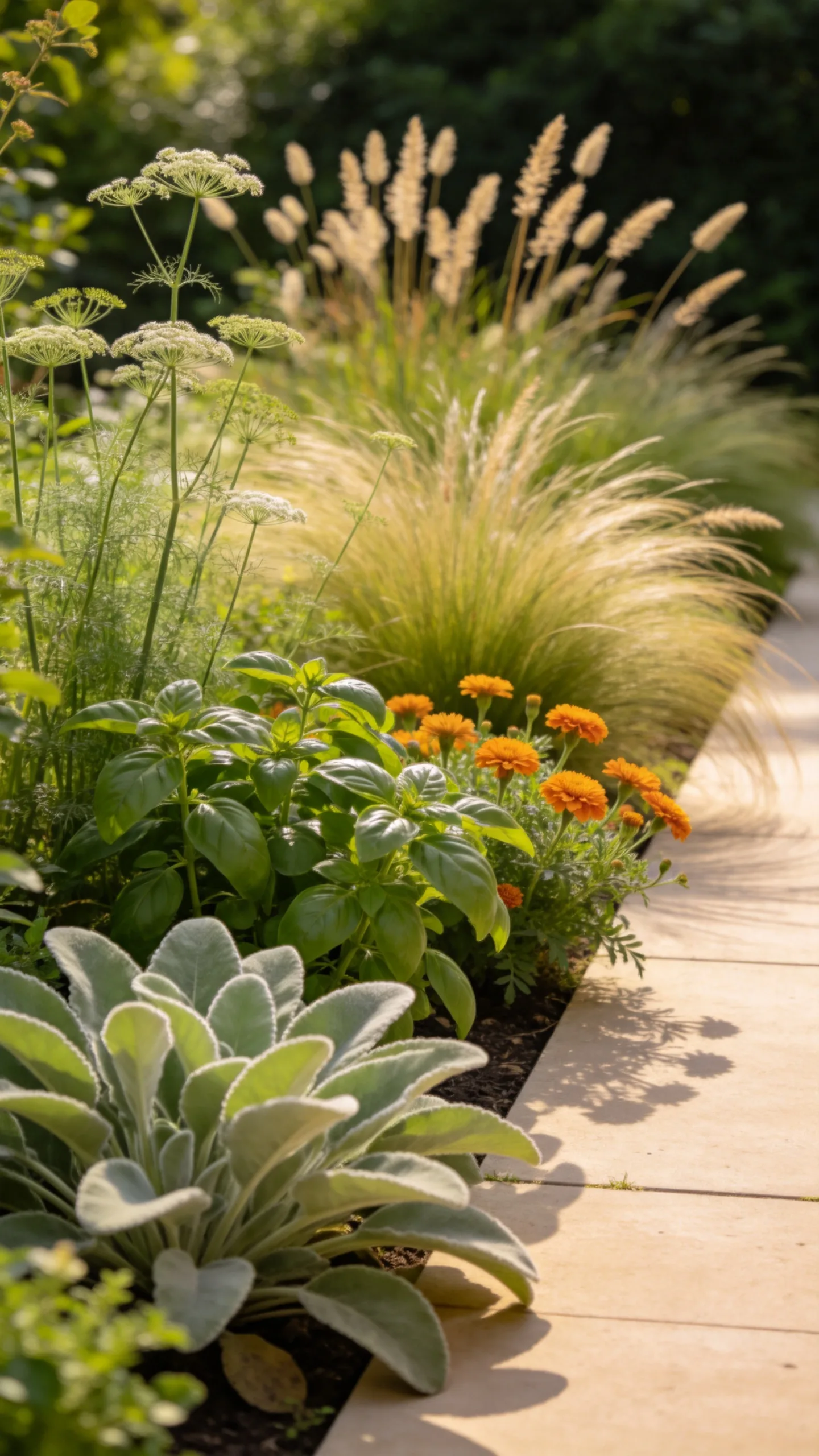
A sensory bed invites interaction through fragrance, texture, color, movement, and sound. Combine soft lamb’s ear, feathery fennel, rustling grasses, scented basil, bright calendula, and seed heads that attract birds. Place touch-friendly plants at the front and taller plants toward the back so each layer is easy to explore.
Avoid thorny stems, irritating sap, toxic berries, and strongly allergenic plants where visitors may handle foliage. Label herbs and flowers clearly, especially in shared or family gardens. A compact sensory bed can fit beside a patio or within a large container grouping.
8. Grow a Living Privacy Screen
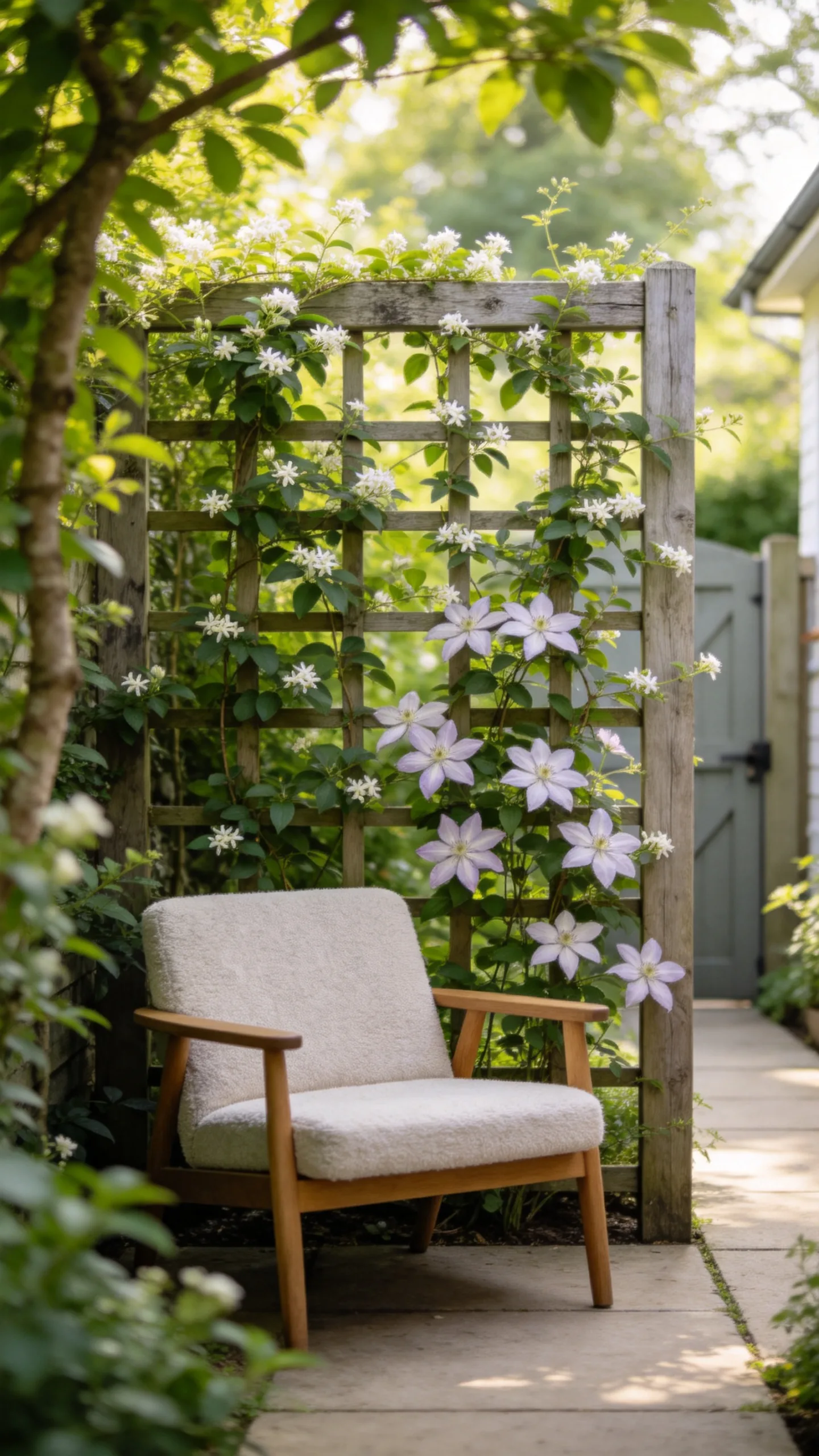
A plant screen can reduce overlooking while creating a softer boundary than a solid fence. Use a narrow trellis planted with star jasmine, clematis, climbing roses, or annual vines, choosing species appropriate for the site’s sun exposure and winter temperatures. Trellises save ground space because most of the growth is directed upward.
For year-round screening, consider upright evergreen shrubs or clumping bamboo in regions where it is suitable and noninvasive. Confirm mature width before planting so the screen does not overwhelm a narrow walkway. Regular pruning keeps windows, gates, and neighboring spaces clear.
9. Add a Shaded Resting Pergola
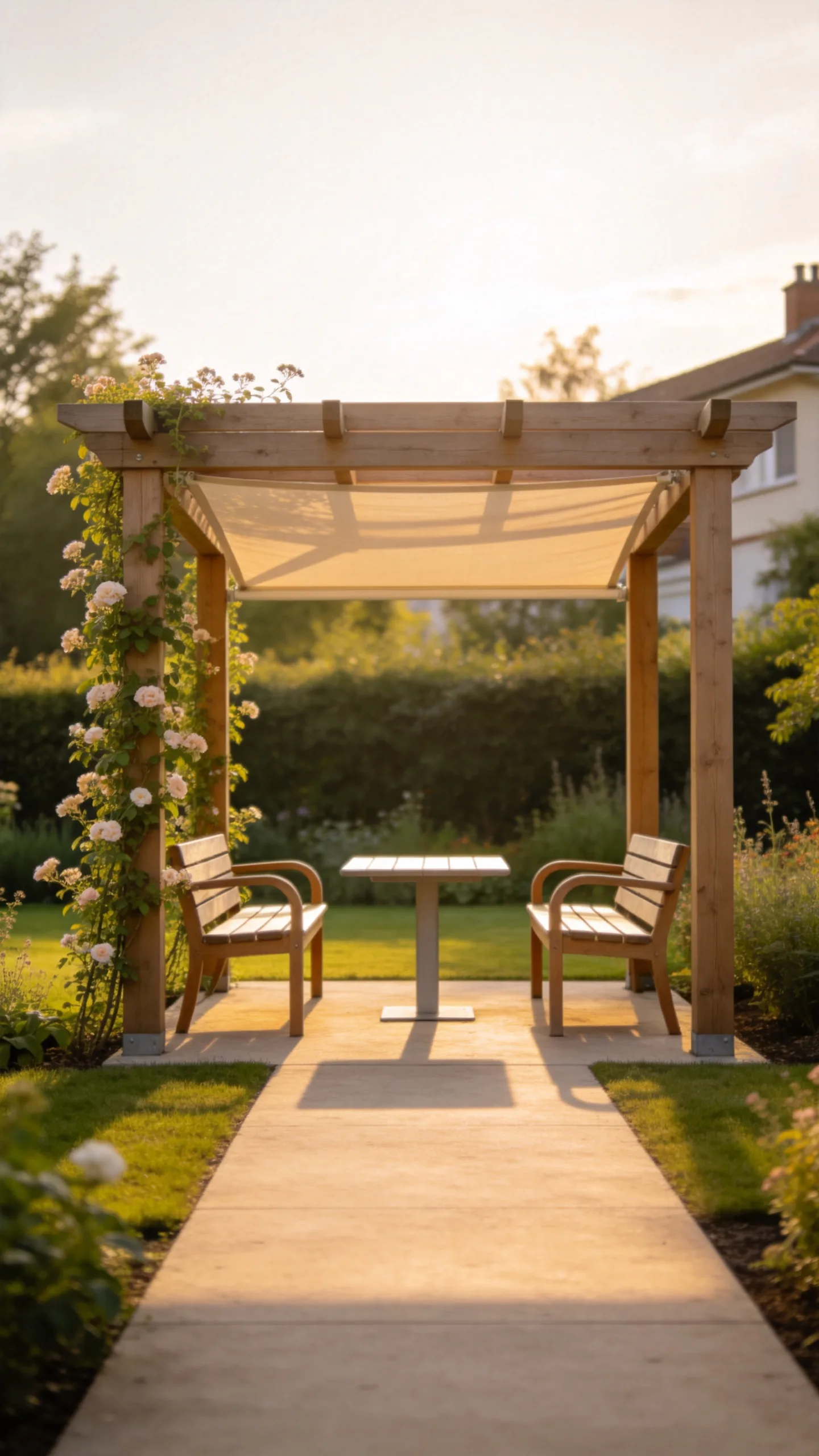
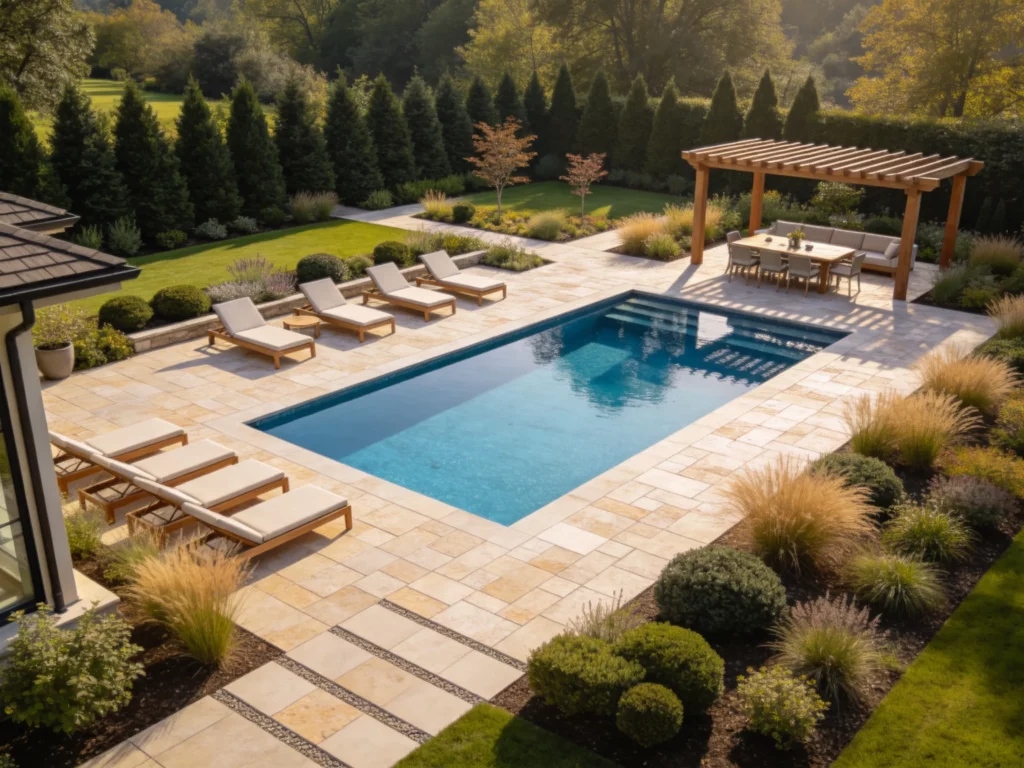
A pergola defines a destination and provides partial relief from strong sun. Position it over a bench, outdoor chair, or small table, then add a retractable canopy or shade cloth if the open roof does not provide enough coverage. Secure the structure properly and use materials rated for outdoor conditions.
Climbing plants can add seasonal shade, but their weight and maintenance requirements should match the structure. Grapevines, wisteria, and mature climbing roses can become heavy, while annual runner beans or black-eyed Susan vine offer lighter coverage. Keep vigorous growth trimmed away from gutters and electrical fixtures.
10. Plant Ornamental Grasses for Gentle Movement
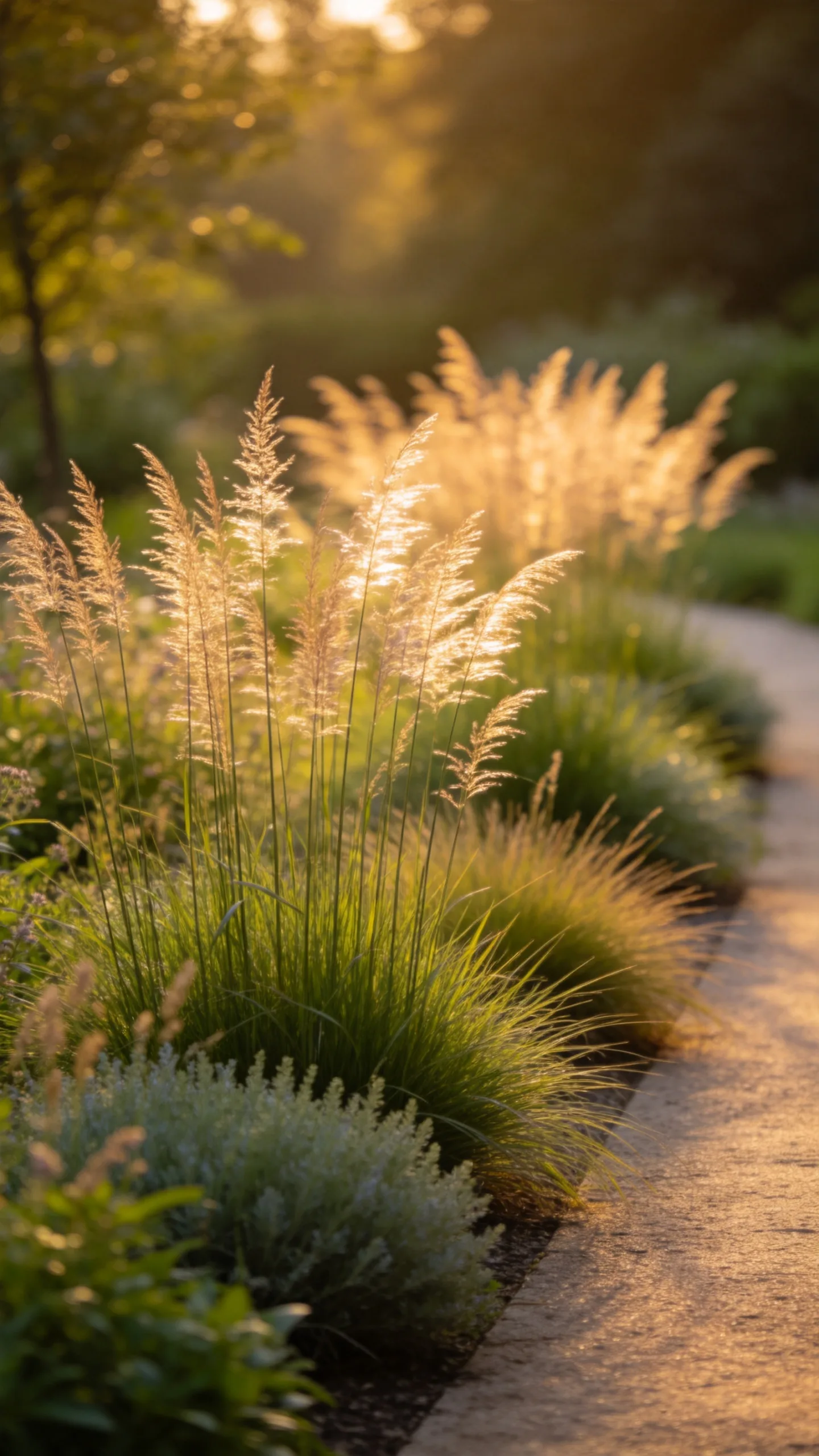
Fine grasses move in light breezes and can introduce a soft rustling sound. Little bluestem, prairie dropseed, fountain grass, feather reed grass, and compact sedges provide different heights and textures. Check local invasive-plant guidance before selecting a species, as some ornamental grasses spread aggressively in certain regions.
Plant grasses where sunlight can pass through their leaves or illuminate seed heads. A group of three or five often has more visual impact than isolated plants. Cut back deciduous varieties at the recommended local time, and use evergreen sedges where lower-maintenance foliage is preferred.
11. Create a Quiet Garden Entrance
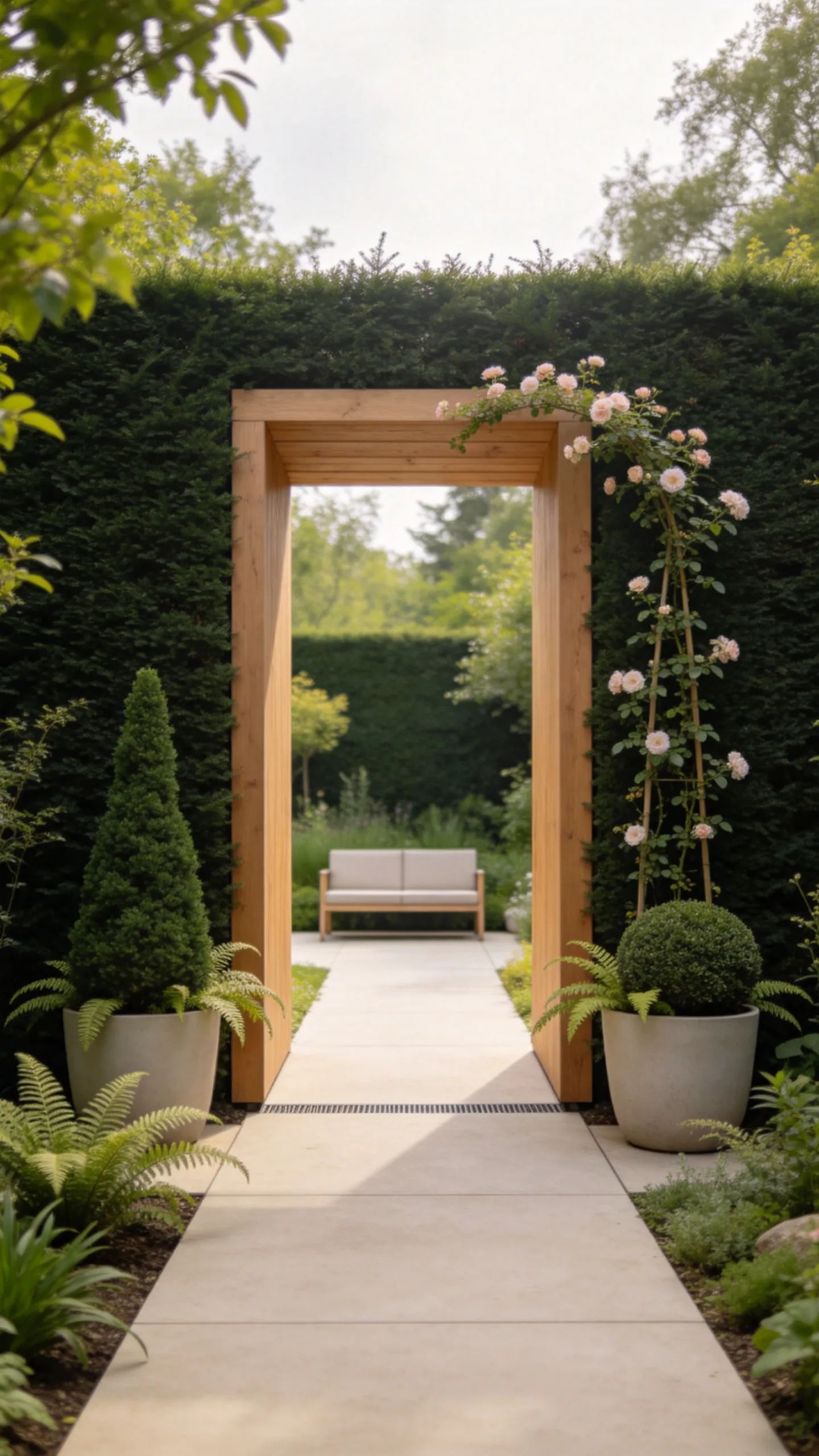
A defined entrance marks the transition from a busy area into a calmer outdoor room. Use a simple arbor, gate, pair of containers, or change in paving material to signal the threshold. Keep the opening uncluttered and wide enough for comfortable passage.
Choose restrained planting around the entrance, such as clipped evergreen shrubs, lavender, ferns, or a single flowering climber. A small wind chime may suit a sheltered site, but place it away from bedroom windows and neighbors. The goal is to create a gentle cue rather than an elaborate barrier.
12. Arrange Containers Around a Patio Chair
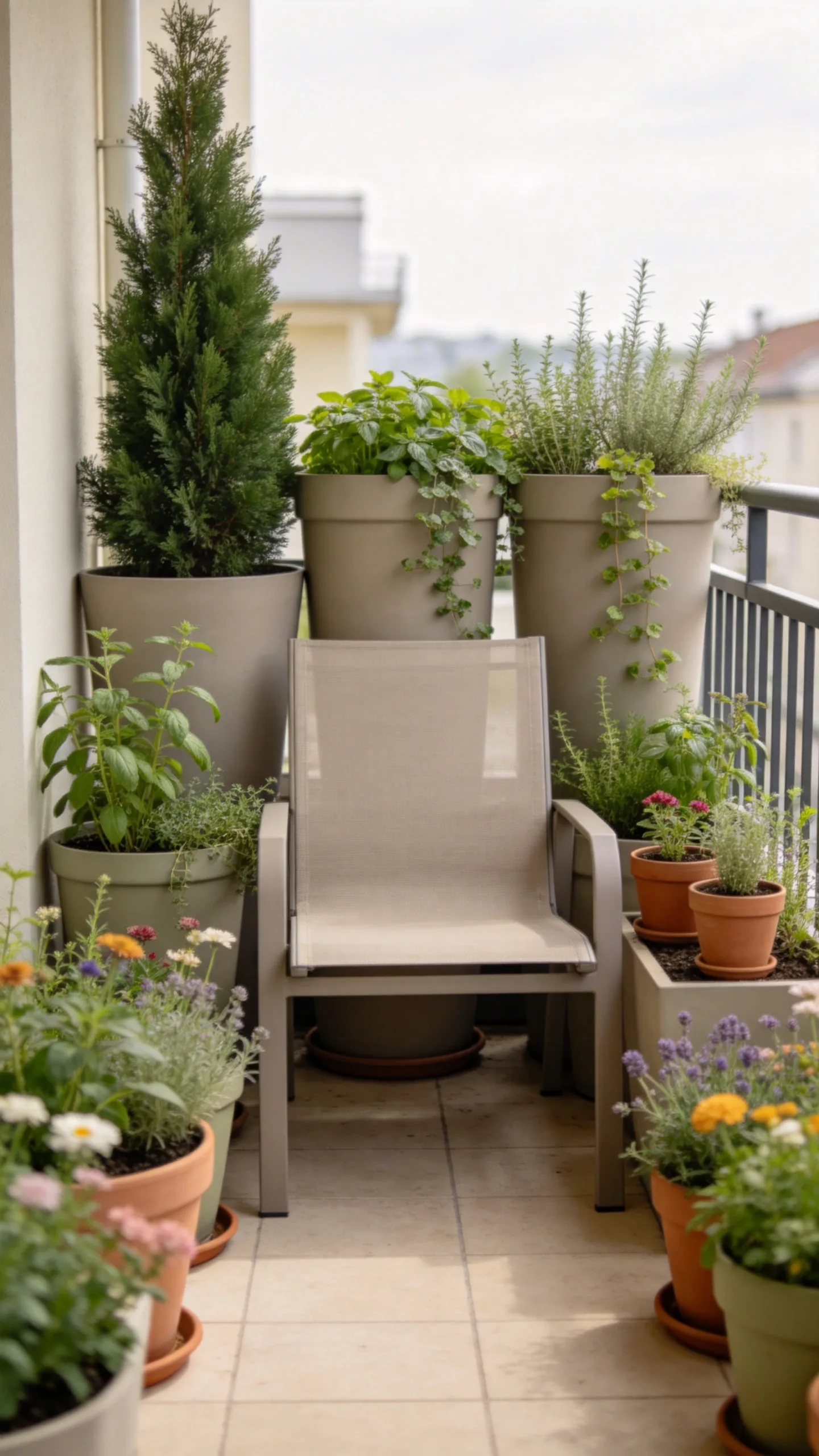
Container gardening can create a therapeutic planting area on a balcony, deck, or paved courtyard. Place large pots behind or beside a chair and smaller containers within easy reach. Grouping pots reduces visual clutter and makes watering more efficient.
Use containers with drainage holes and choose lightweight pots if they will need to be moved. Combine a structural plant, a trailing plant, and seasonal flowers, but avoid overcrowding species with conflicting water needs. Self-watering planters can help maintain consistent moisture during warm weather.
13. Include Plants That Support Birds and Pollinators
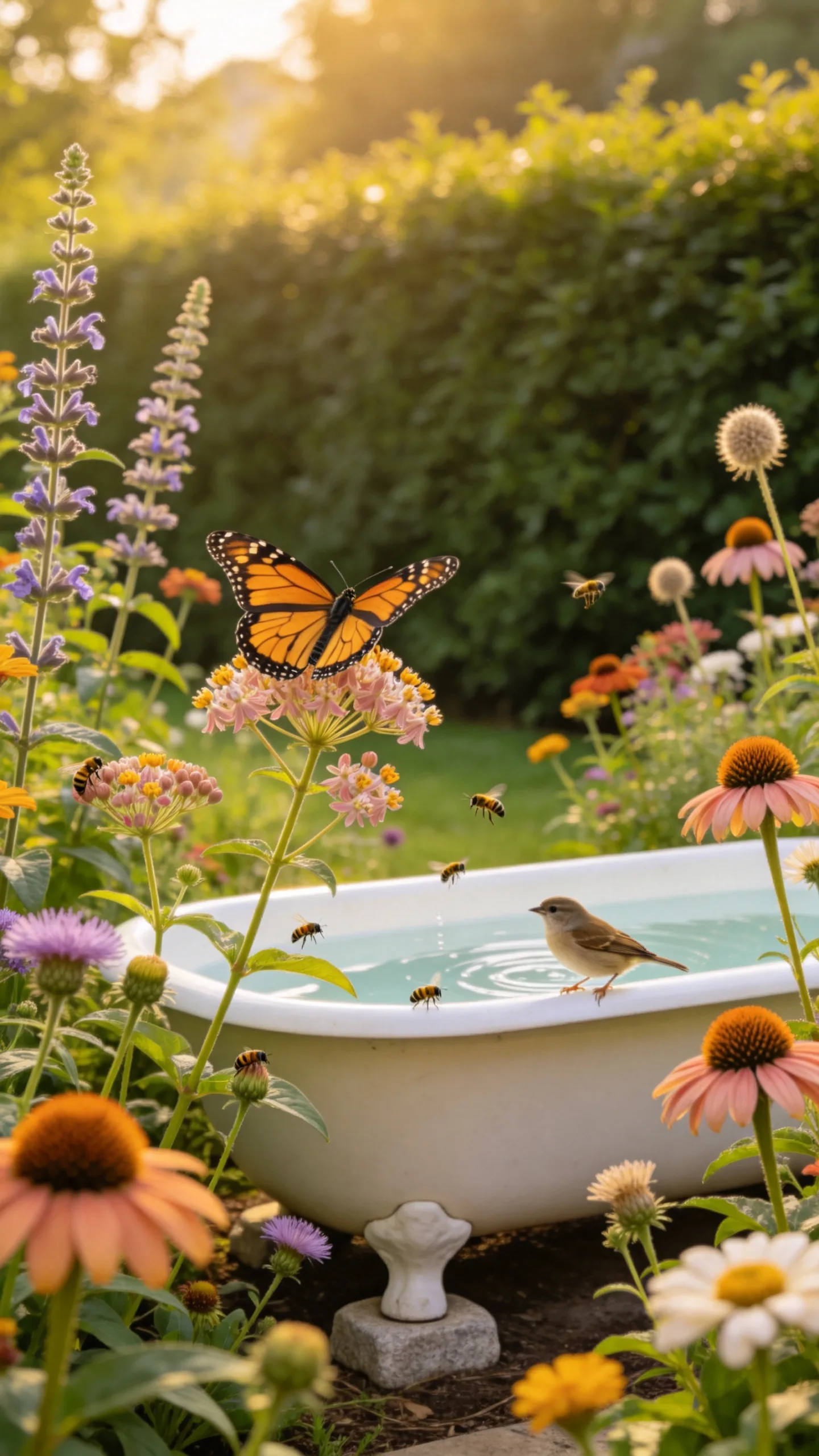
Watching birds, bees, and butterflies adds gentle activity to a garden. Plant nectar-rich flowers such as salvia, bee balm, coneflower, aster, and native milkweed, selecting noninvasive species suited to the region. Include flowers that bloom at different times so food is available across more of the growing season.
Add a shallow birdbath with secure footing and clean it regularly. Dense shrubs can provide shelter, while seed-bearing perennials offer food later in the year. Leave some dry stems through winter where appropriate, then cut them back when local spring conditions support emerging insects.
14. Build a Circular Reflection Area
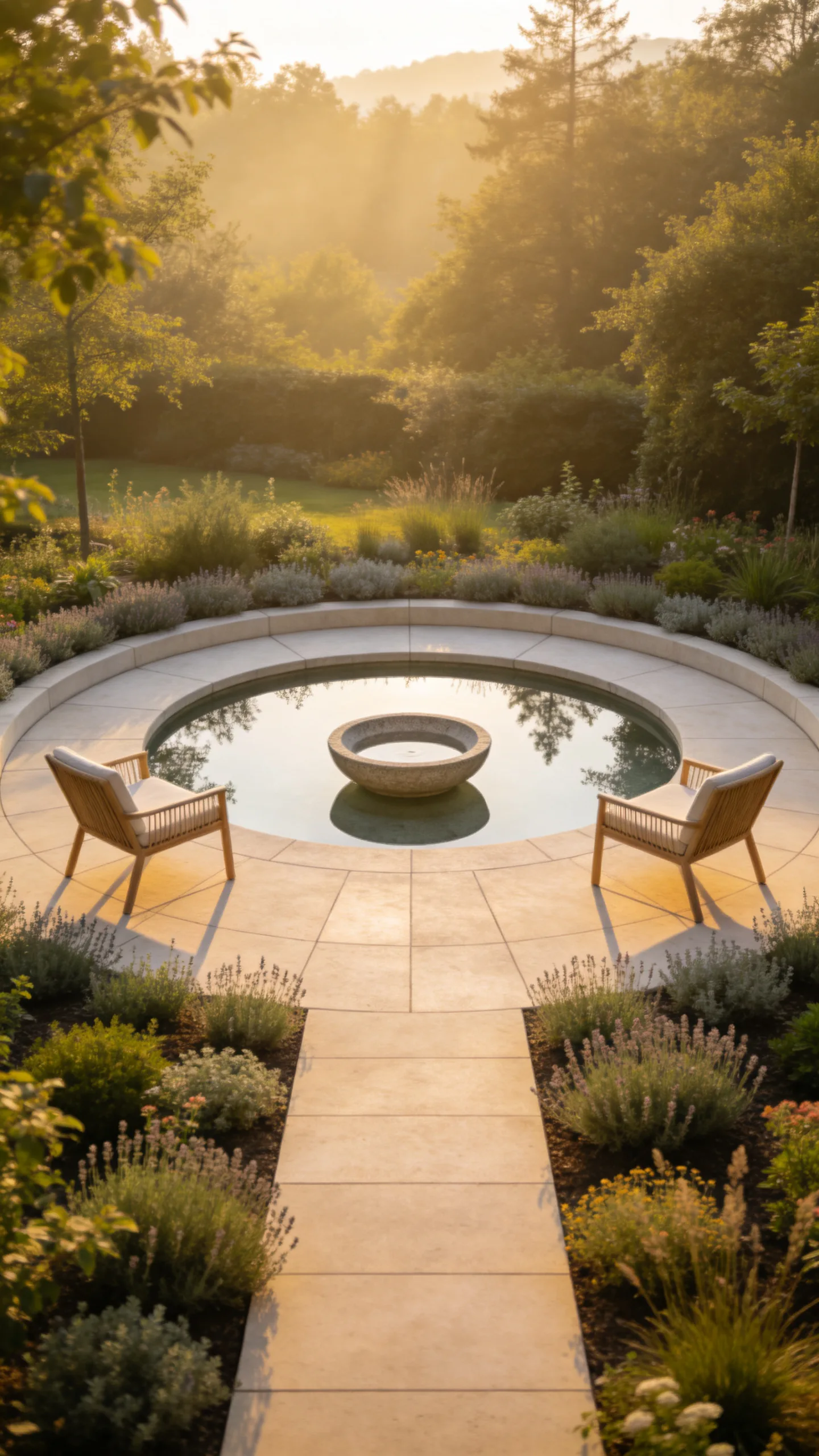
A circle creates an enclosed, balanced layout that works well for meditation, conversation, or quiet observation. Define the area with round paving, a gravel ring, or a low border of herbs and compact perennials. Place one bench on the perimeter or arrange two chairs facing inward.
Keep the center simple with a specimen tree, large container, shallow water bowl, or open space. In a small yard, a circle can interrupt rigid property lines and make boundaries less obvious. Ensure that edging sits flush with the surrounding surface to prevent tripping.
15. Grow a Compact Tea Garden
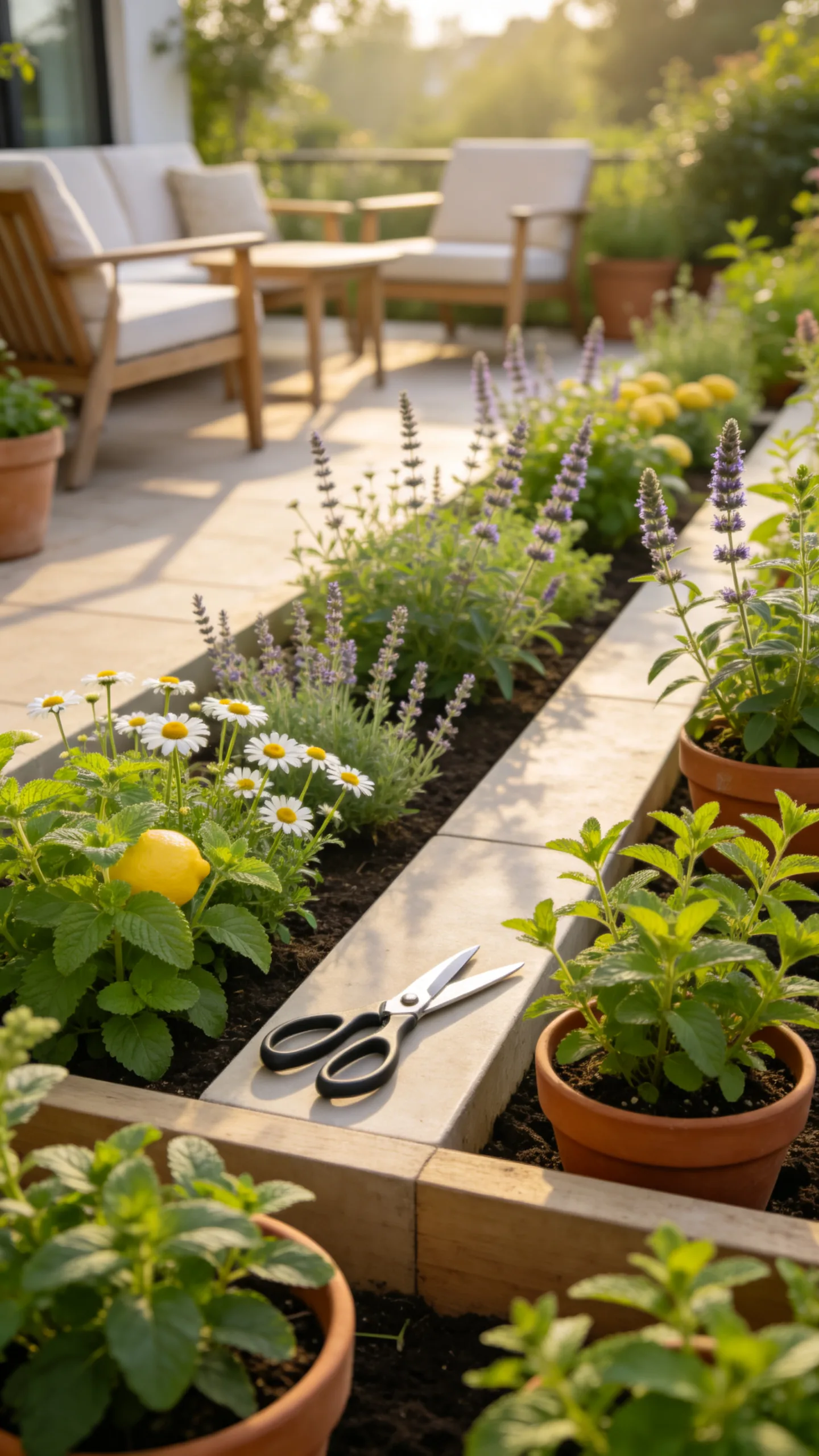
A tea garden gives the space a practical, seasonal purpose. Grow herbs such as peppermint, spearmint, lemon balm, chamomile, anise hyssop, or lemon verbena, depending on local growing conditions and personal suitability. Confirm that every plant is correctly identified and safe before using it in food or drinks.
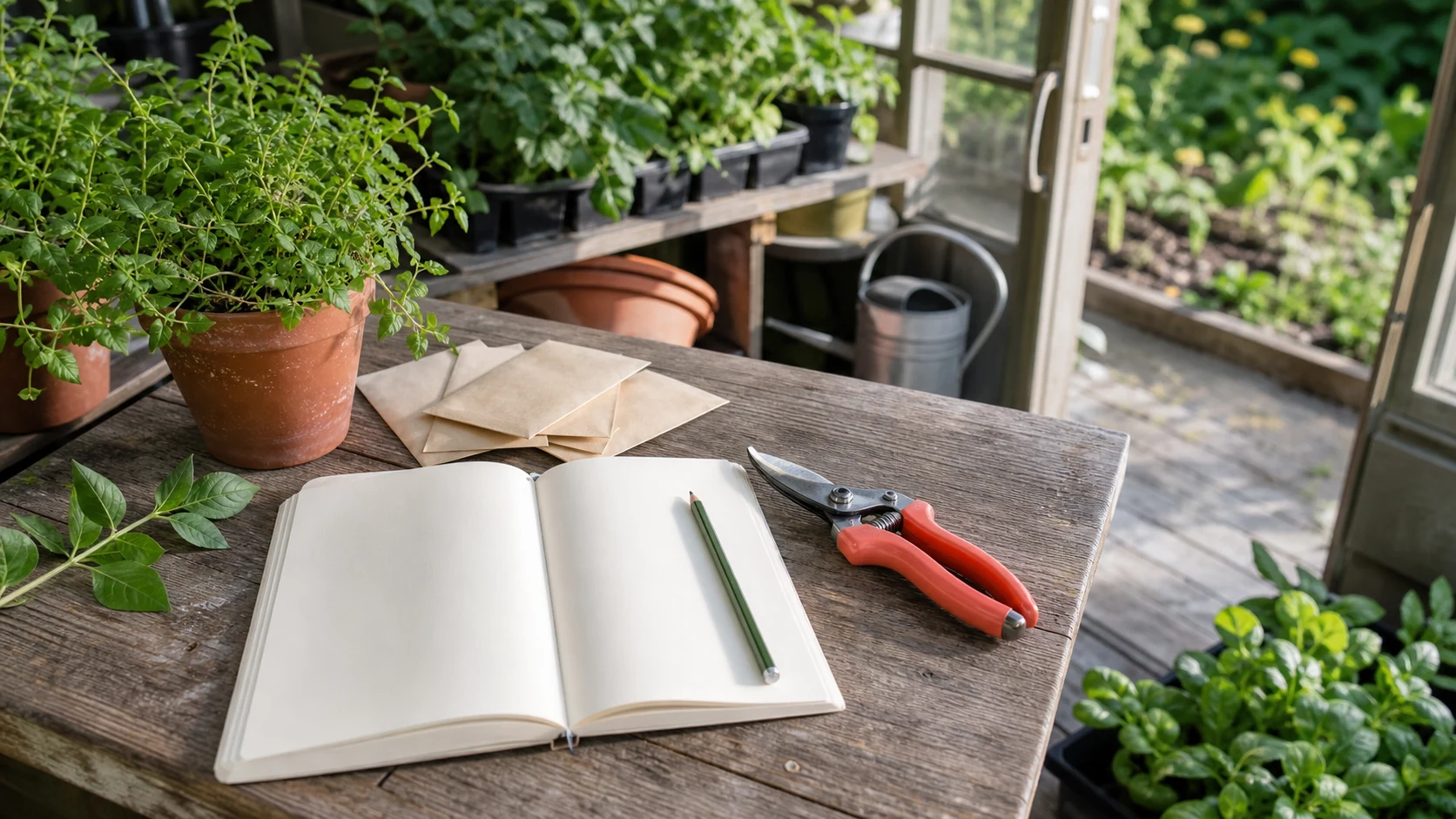
Containers or divided raised beds help control vigorous roots and keep harvesting convenient. Place the garden near the kitchen or outdoor seating area, and use plant labels to distinguish similar foliage. Harvest with clean scissors and follow plant-specific guidance for preparation.
16. Add Warm, Low-Level Garden Lighting
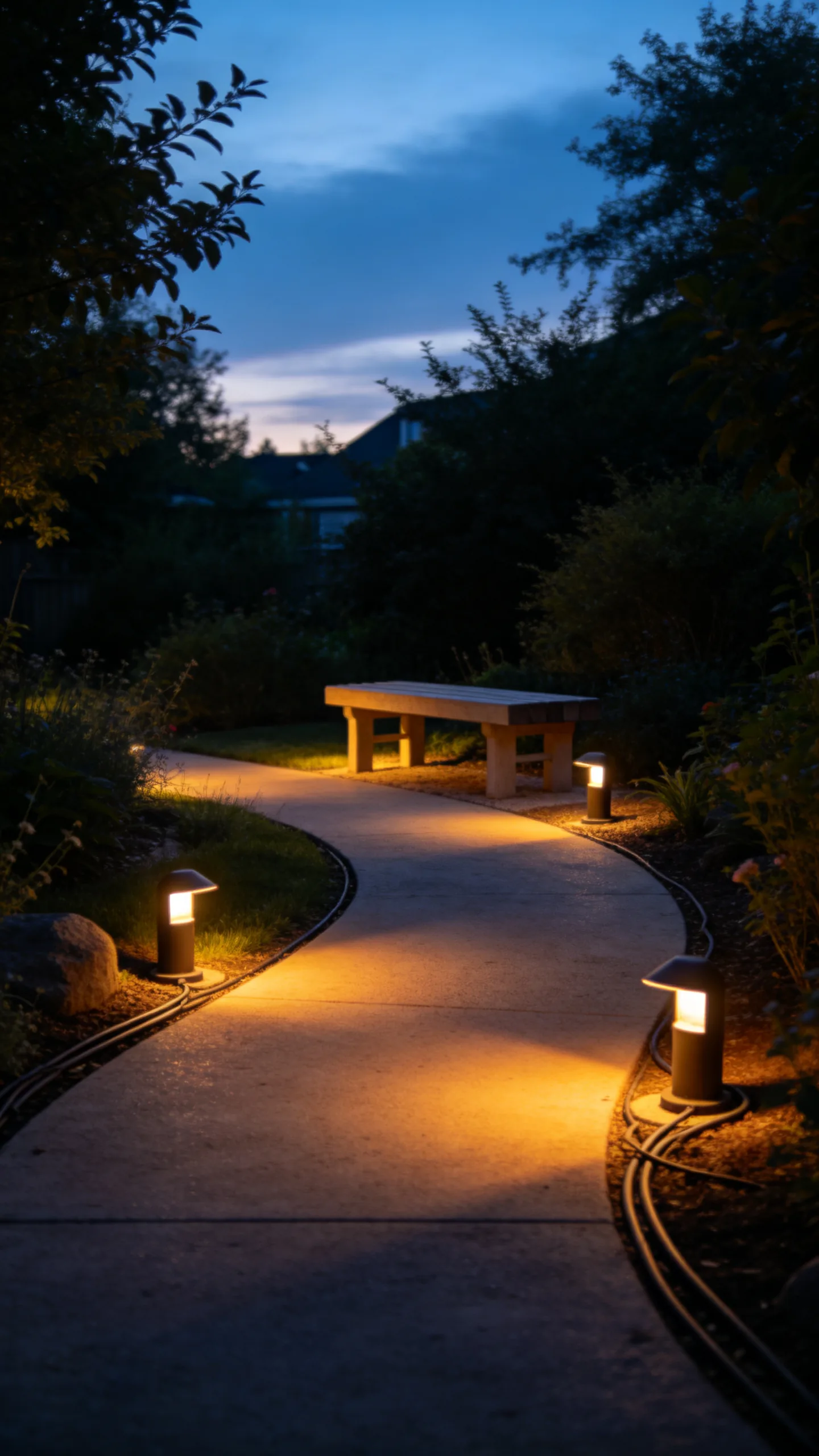
Soft lighting can make paths and seating areas usable during early evenings. Install shielded, warm-toned fixtures along steps, corners, and changes in level rather than flooding the entire garden with bright light. Direct beams downward to reduce glare and limit disturbance to neighbors and wildlife.
Solar stake lights are simple to install but need adequate sunlight to charge. Low-voltage wired lighting may provide more reliable illumination in shaded gardens. Keep cables secured, fixtures clear of spreading plants, and controls easy to reach from the house or seating area.
17. Plant a Small Tree for Filtered Shade
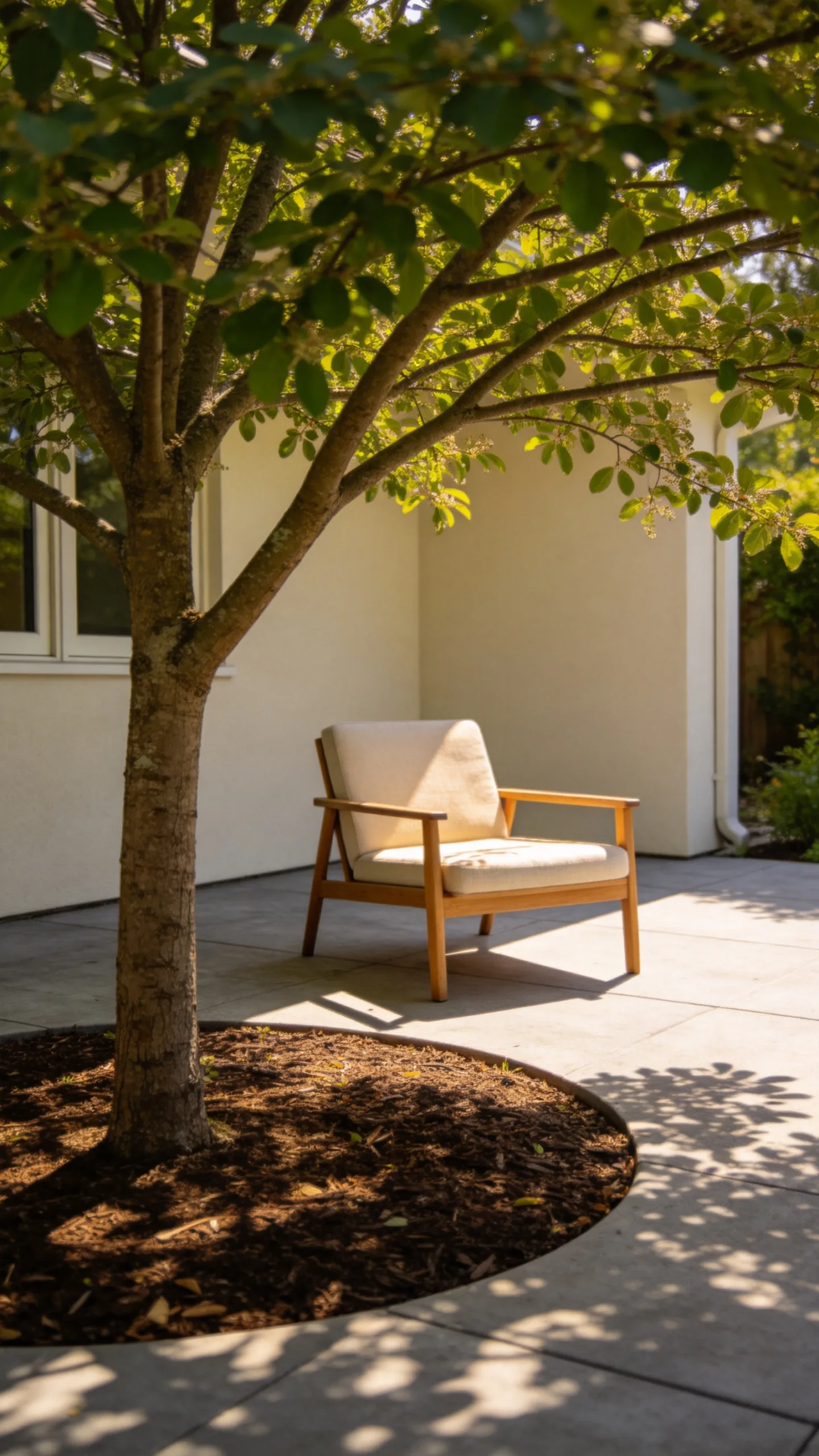
A small tree can create a sheltered canopy without taking over a compact garden. Serviceberry, Japanese maple, redbud, crape myrtle, or a dwarf fruit tree may be appropriate, depending on climate, soil, and available sunlight. Check mature height, canopy width, root behavior, and local disease concerns before buying.
Position the tree far enough from foundations, drains, and paving to allow healthy growth. A chair placed near the outer edge of the canopy can receive shifting, filtered shade while maintaining a view of the garden. Add a mulch ring around the trunk, keeping mulch away from the bark.
18. Incorporate Smooth Natural Materials
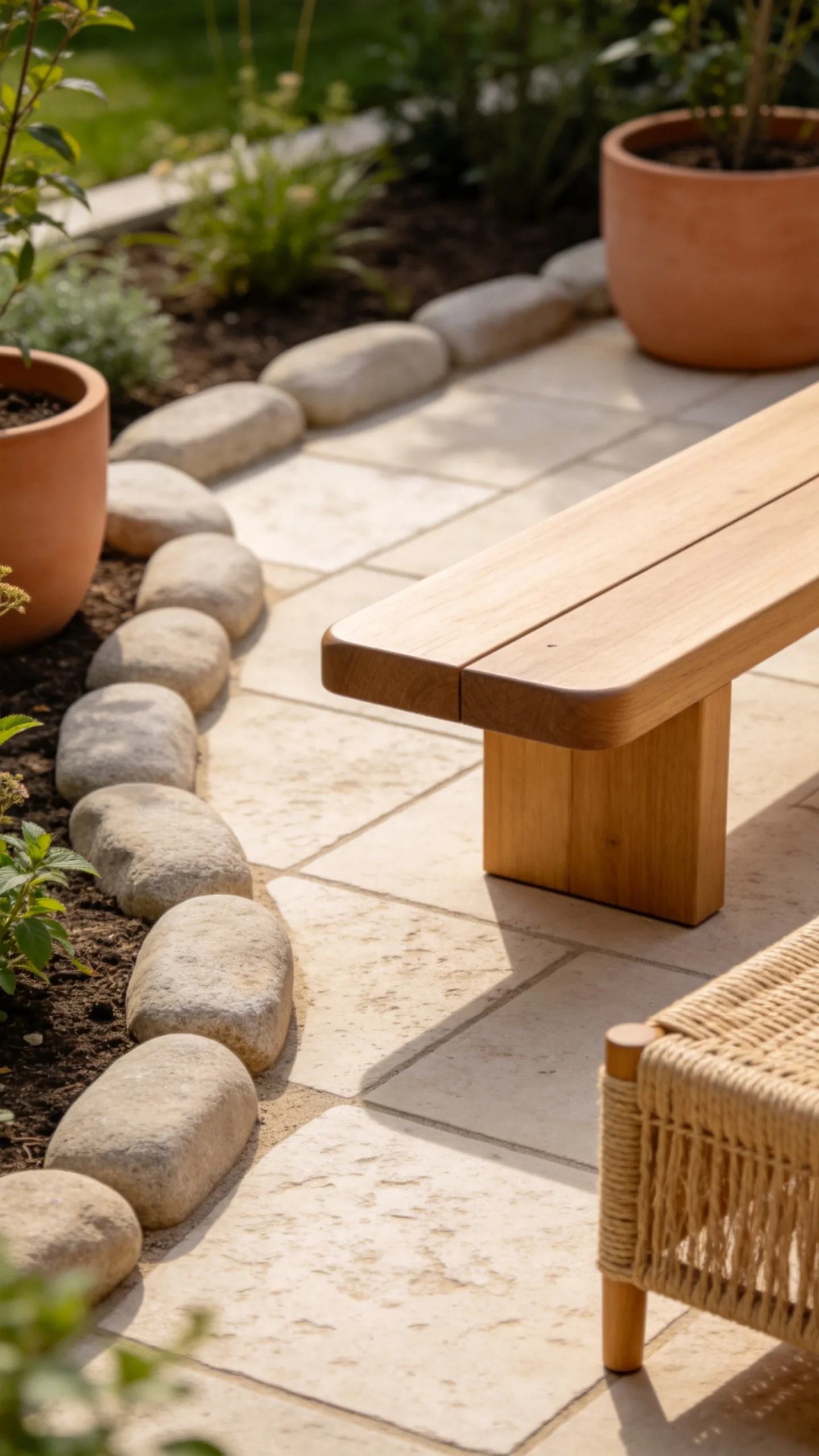
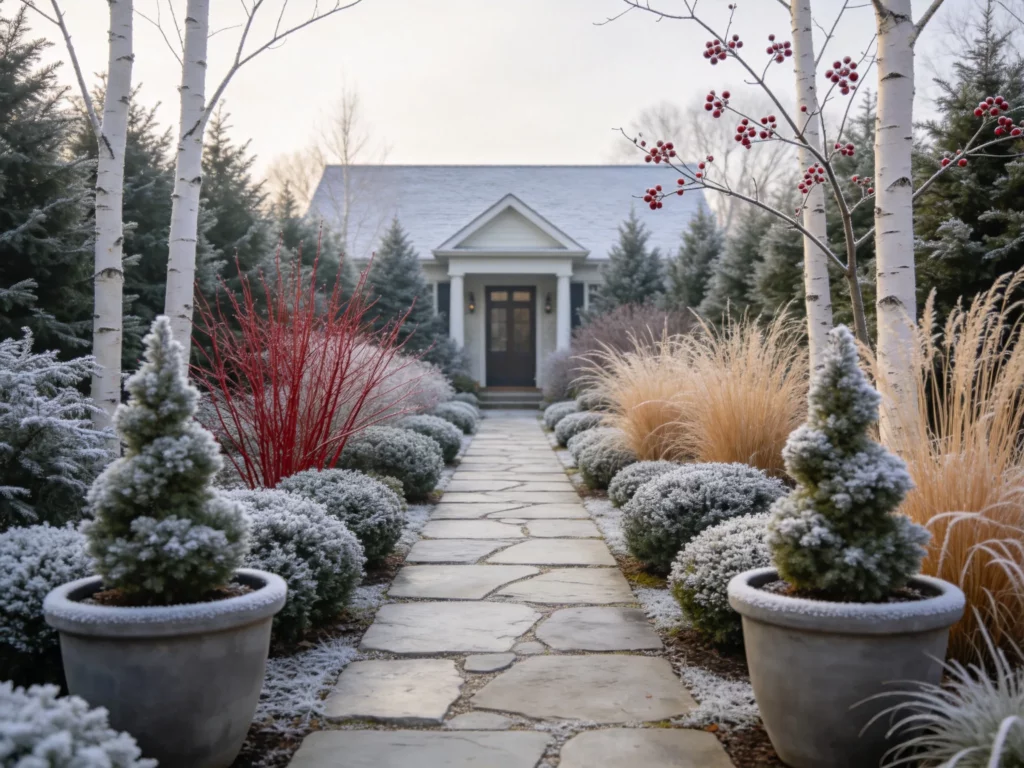
Natural-looking materials can connect planted areas with patios and paths. Use timber, rounded stone, terracotta, woven outdoor furniture, or matte-finished pavers in a limited range of colors. Smooth, stable surfaces are especially important where users may have limited mobility or balance concerns.
Avoid polished paving that becomes slippery when wet and rough aggregate that is uncomfortable underfoot. Seal or maintain wood according to the local climate, and replace splintered boards promptly. Repeating one material in edging, seating, and containers helps the garden feel cohesive.
19. Make a Low-Maintenance Ground-Cover Zone
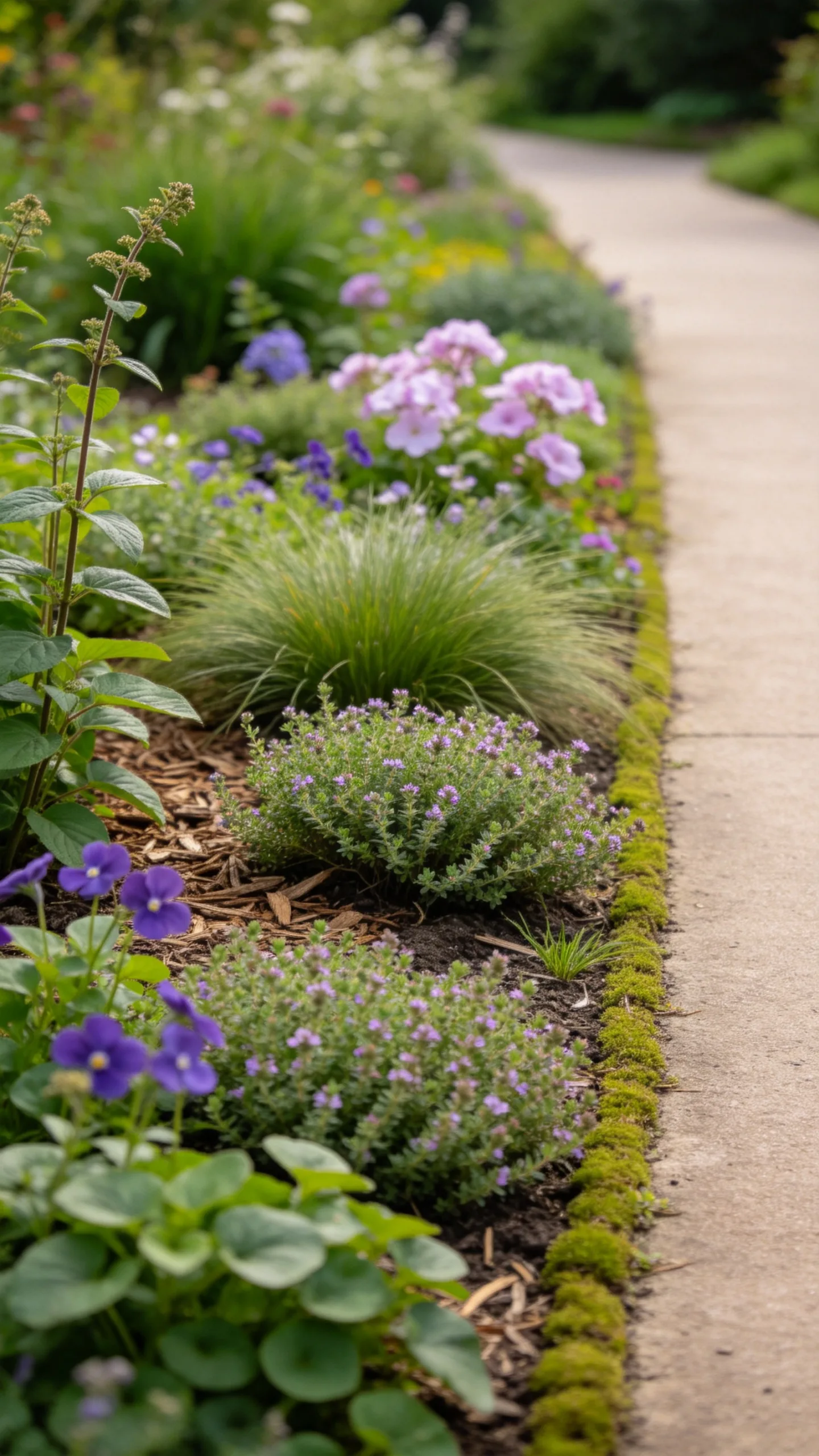
Ground-cover plants can reduce exposed soil and limit the need for frequent mowing. Creeping thyme, ajuga, native violets, woodland phlox, sweet woodruff, or low sedges may work, depending on light, moisture, and regional growing conditions. Choose a species that is well behaved locally and suited to the amount of foot traffic.
Prepare the soil and remove perennial weeds before planting, since dense growth will make later weeding more difficult. Space plants according to mature spread and apply mulch between them while they establish. Keep ground covers away from path surfaces by trimming edges periodically.
20. Create a Space for Gentle Outdoor Stretching
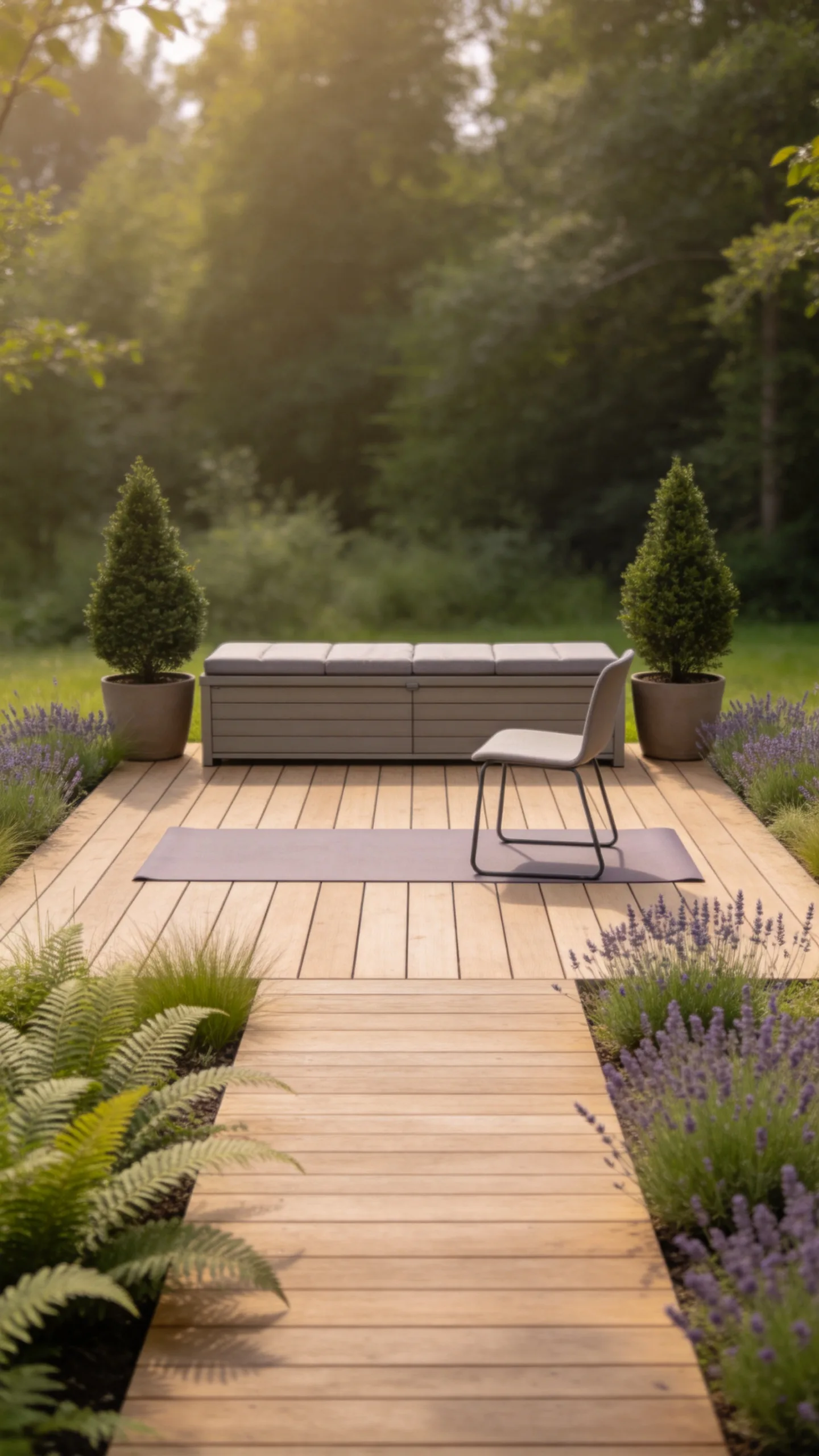
Reserve a flat area for breathing exercises, stretching, or quiet sitting. A small timber deck, smooth paved pad, or firm lawn section can provide enough room for a chair or exercise mat. Locate it where there is privacy, shade, and a stable route from the house.
Frame the area with low planting rather than tall, enclosing walls of foliage. Ferns, compact grasses, lavender, and potted evergreens can define the edge while preserving airflow. Store cushions or mats in a weatherproof bench so the space remains uncluttered and ready to use.
21. Organize the Garden Into Manageable Care Zones
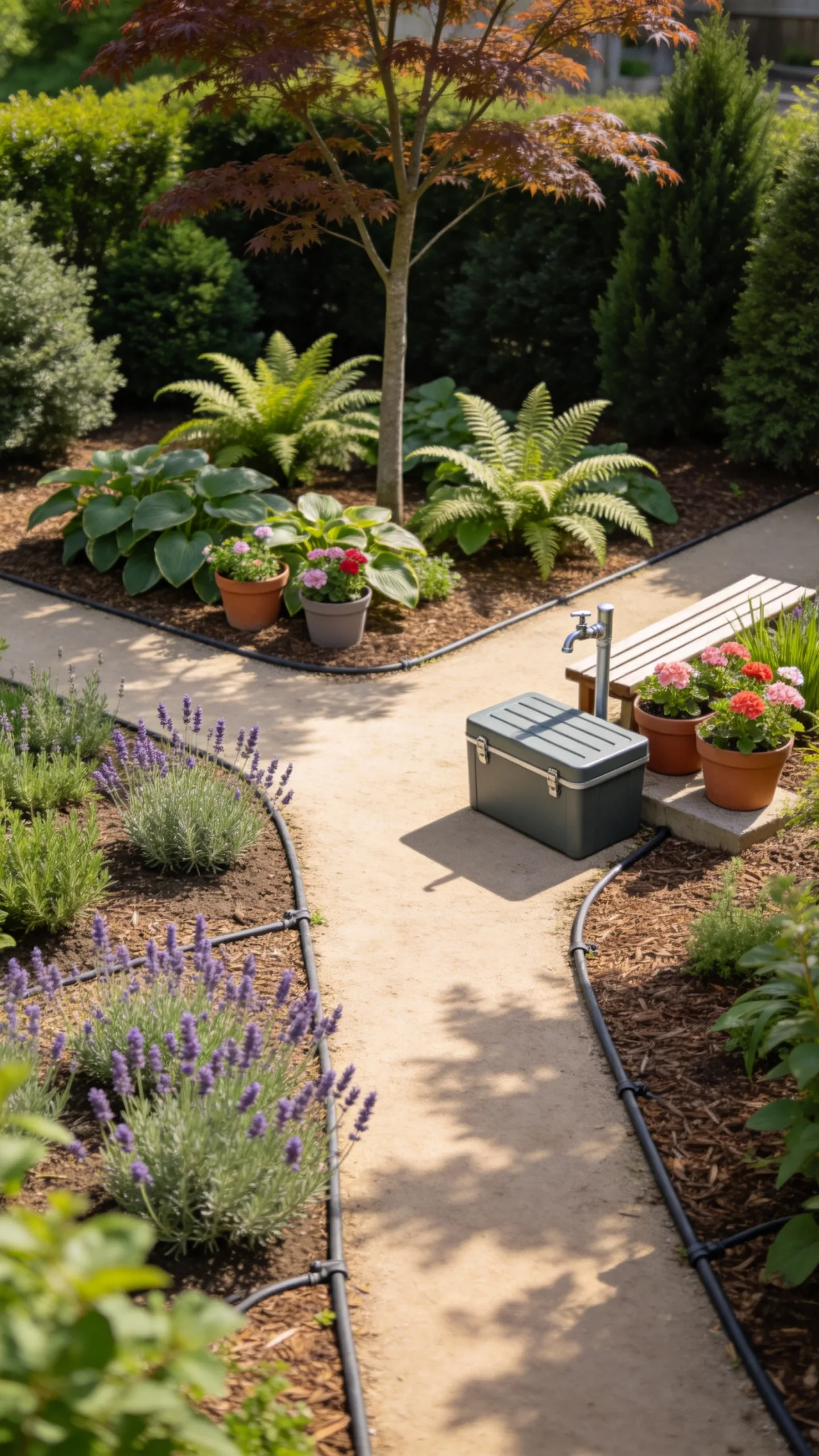
Divide the garden according to watering and maintenance needs. Group thirsty container plants near a tap, place drought-tolerant herbs in a sunny free-draining bed, and reserve shady corners for plants that prefer cooler soil. This arrangement reduces unnecessary watering and makes routine care more predictable.
Keep frequently harvested or deadheaded plants close to paths and seating. Place slower-growing shrubs and resilient ground covers in less accessible areas. A simple care plan—supported by mulch, drip irrigation, labeled plants, and conveniently stored tools—helps the garden remain comfortable without creating an overwhelming workload.