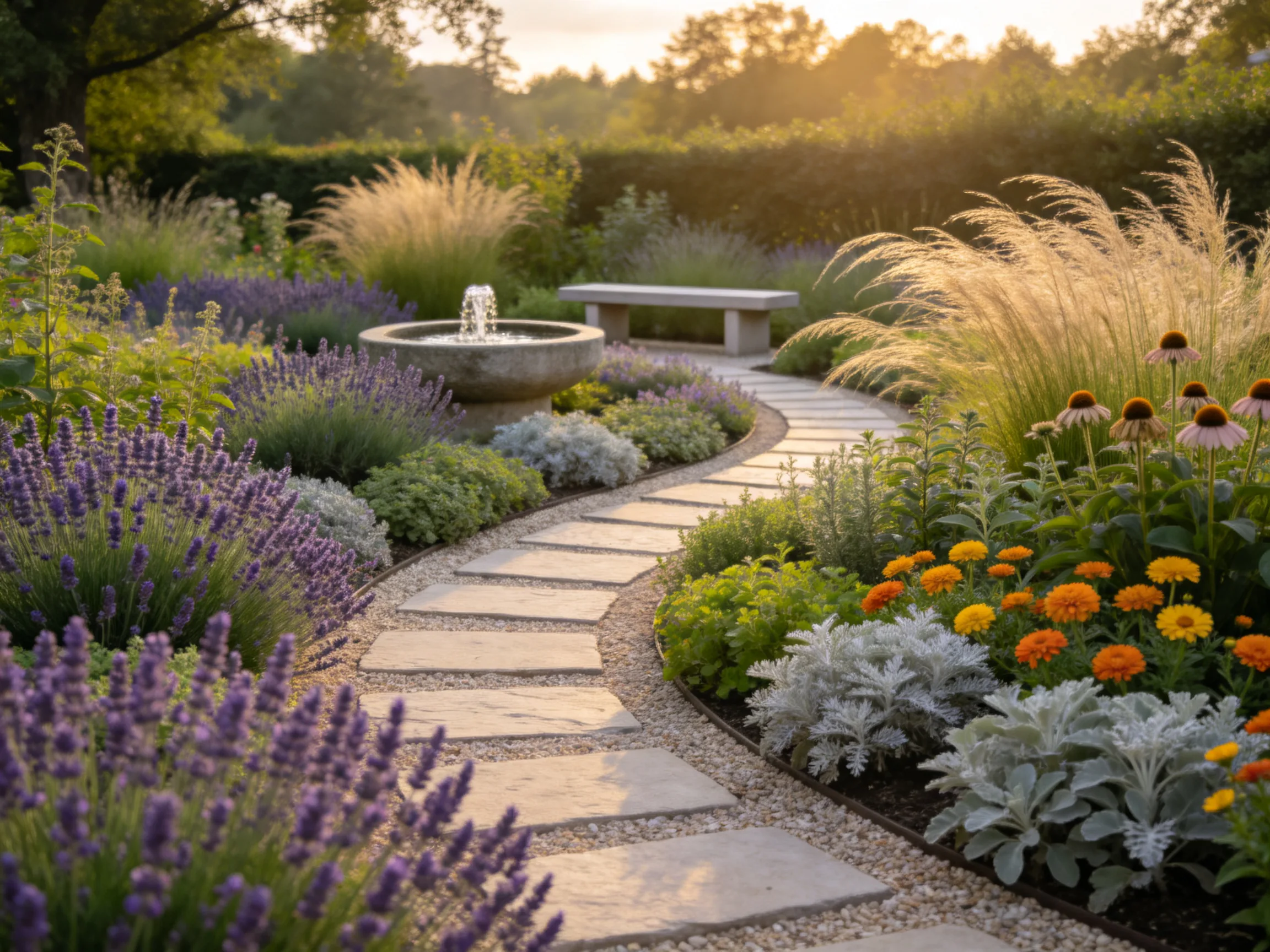
A sensory garden design can turn a small border, patio, balcony, or backyard path into an experience that changes with every season. Combine fragrant plants, contrasting foliage, colorful flowers, edible herbs, textured surfaces, and gentle movement so the garden invites visitors to look, touch, smell, and listen. Choose plants suited to your climate, available sunlight, soil, and watering routine.
1. Fragrant Pathway with Thyme and Lavender
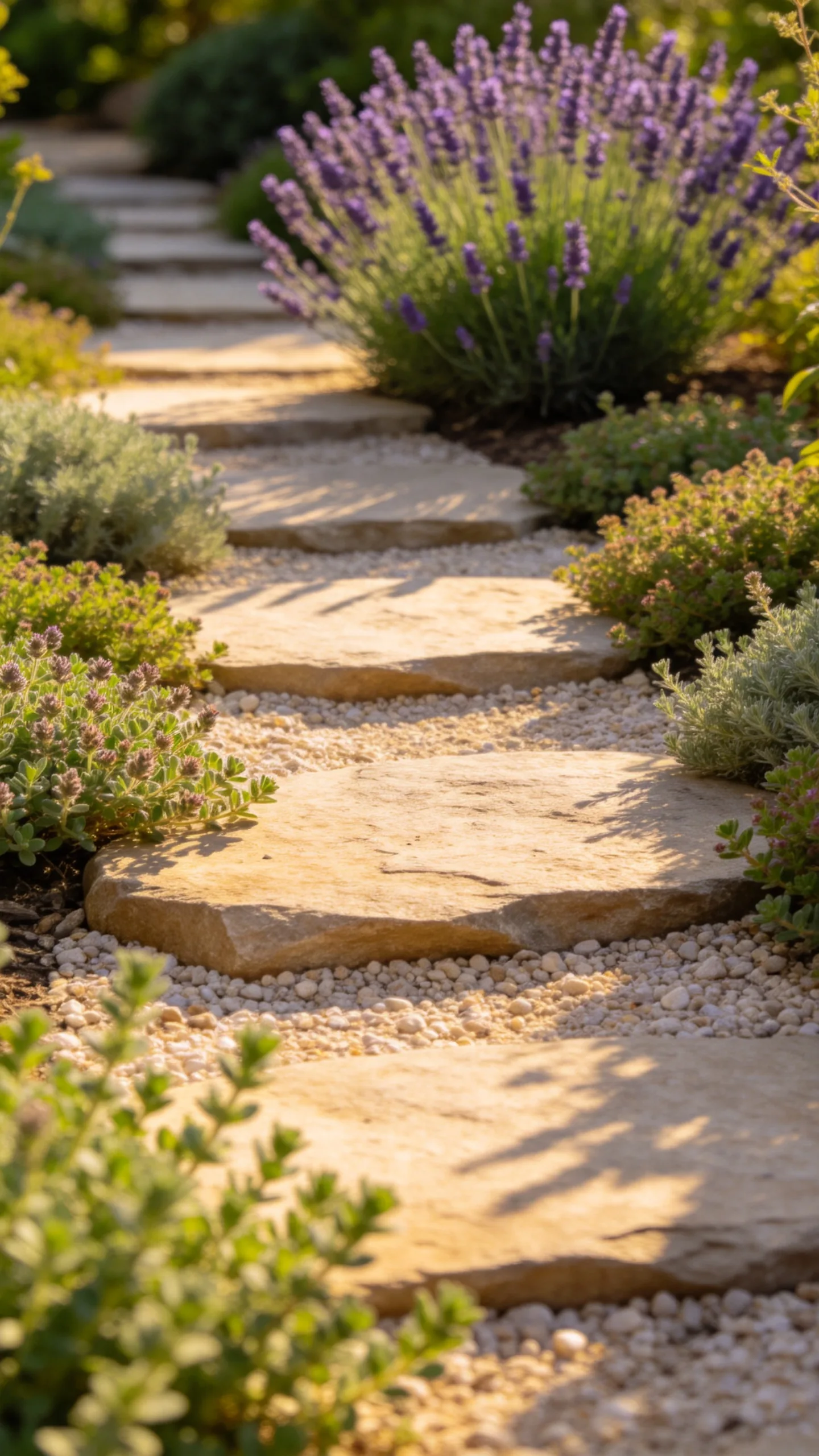
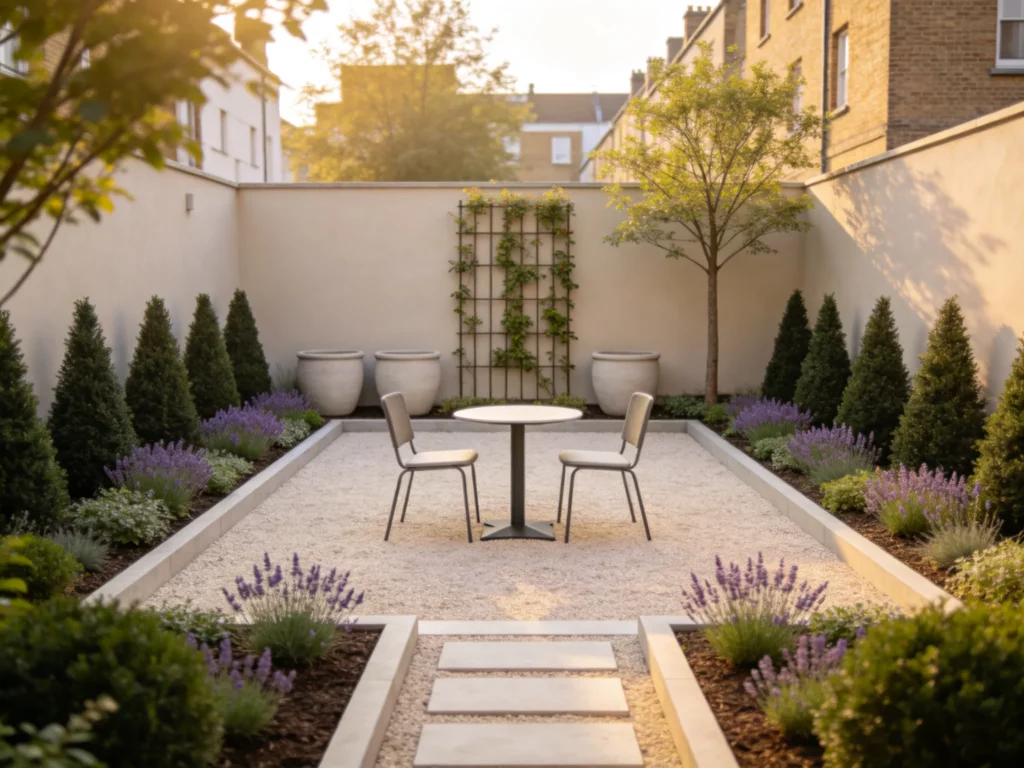
Line a garden path with low-growing woolly thyme, creeping thyme, or chamomile, then place lavender slightly farther back where its stems will not be crushed by foot traffic. Brushing past the plants releases scent while the path itself creates a clear route through the garden.
Use gravel, brick, or flat stepping stones for a contrasting underfoot texture. Lavender prefers full sun and well-drained soil, while thyme handles dry conditions once established, making this combination useful for a sunny, lower-maintenance walkway.
2. Soft Foliage Border with Lamb’s Ear
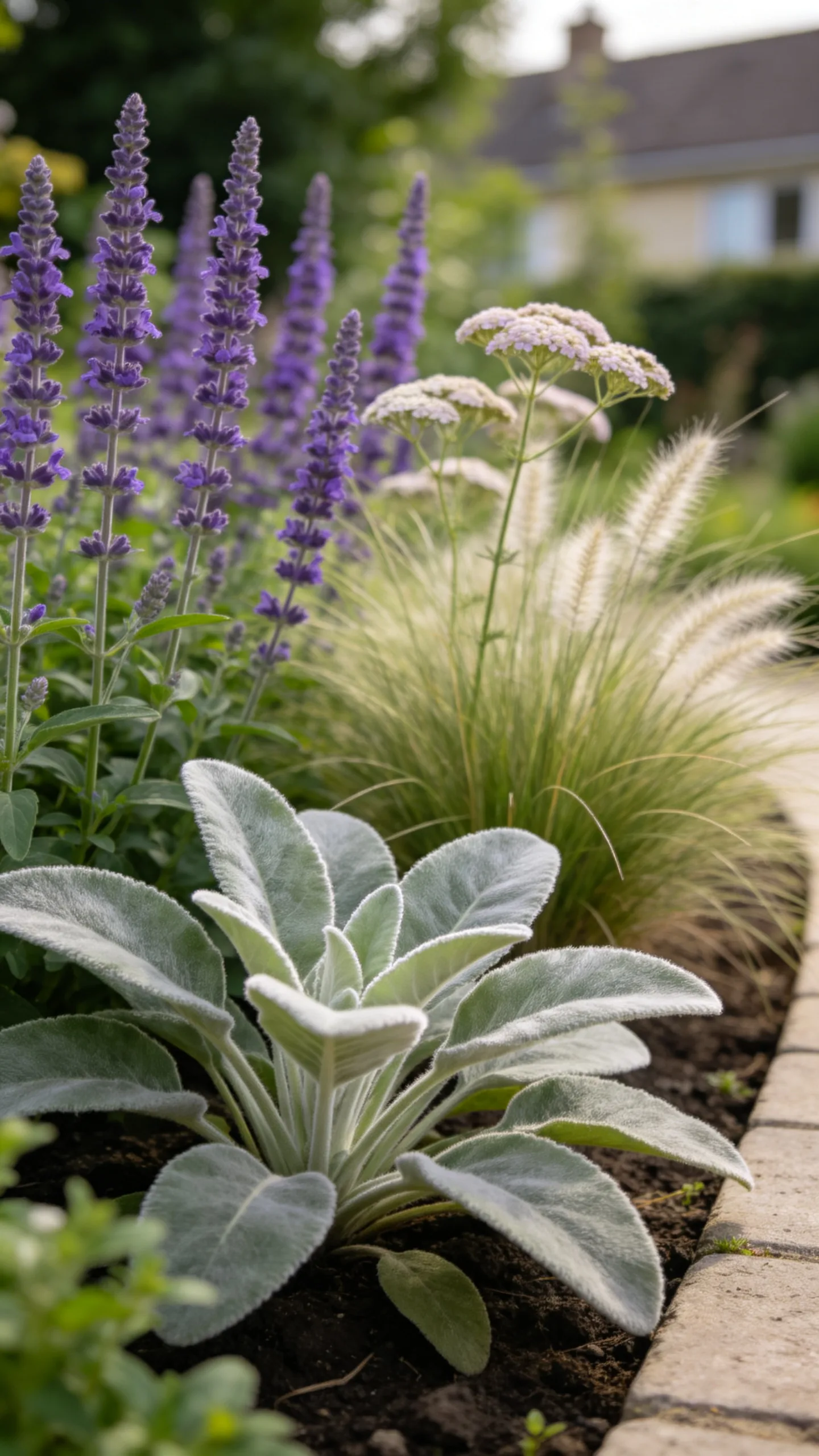
Plant lamb’s ear along the front edge of a flower bed for an immediately recognizable velvety texture. Its silver leaves also reflect light and create a calm transition between darker green plants and brighter flowers.
Keep the foliage away from consistently wet soil because lamb’s ear can become crowded and rot in poorly drained conditions. Combine it with upright salvia, yarrow, or ornamental grasses for contrasting shapes and textures.
3. Color-Wheel Flower Bed
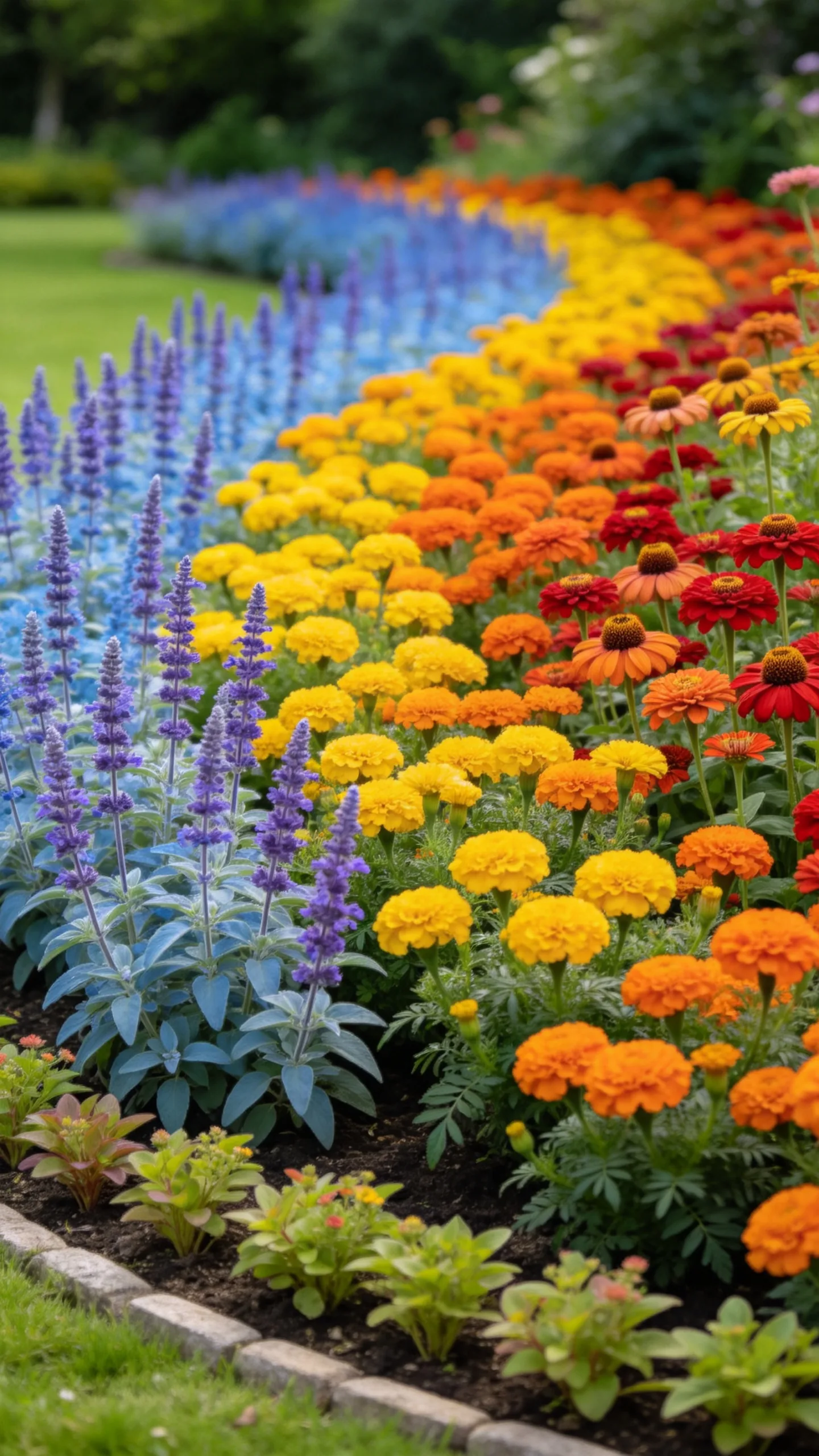
Arrange flowers by color so the bed creates a visual sequence from cool blues and purples to warm yellows, oranges, and reds. Catmint, salvia, marigolds, calendula, zinnias, and coneflowers can provide different bloom shapes while extending color through the growing season.
Place taller plants at the back and low edging plants at the front so each color remains visible. In a small garden, repeat two or three colors rather than collecting too many varieties, which keeps the design easier to maintain and visually coherent.
4. Scented Evening Garden with Moonlit Flowers
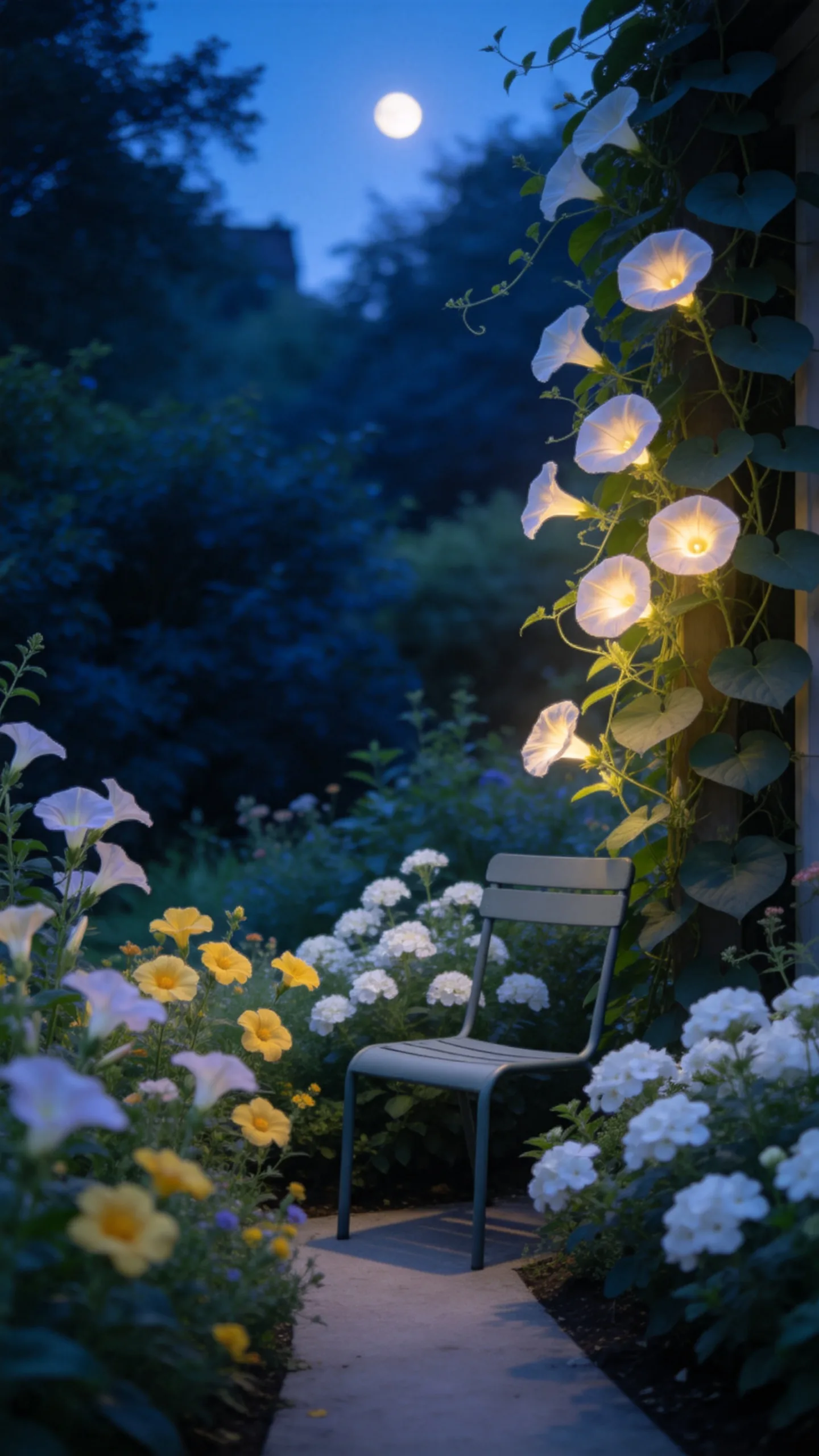
Build an evening-focused planting area with white or pale flowers that stand out at dusk. Options may include nicotiana, evening primrose, moonflower, white phlox, and night-blooming jasmine where it is hardy.
Add a bench or small chair nearby so the fragrance can be enjoyed without walking through the bed. Check local hardiness and toxicity information before planting, especially if pets or young children use the garden, since some night-blooming plants require careful placement.
5. Herb Spiral for Smell, Taste, and Height
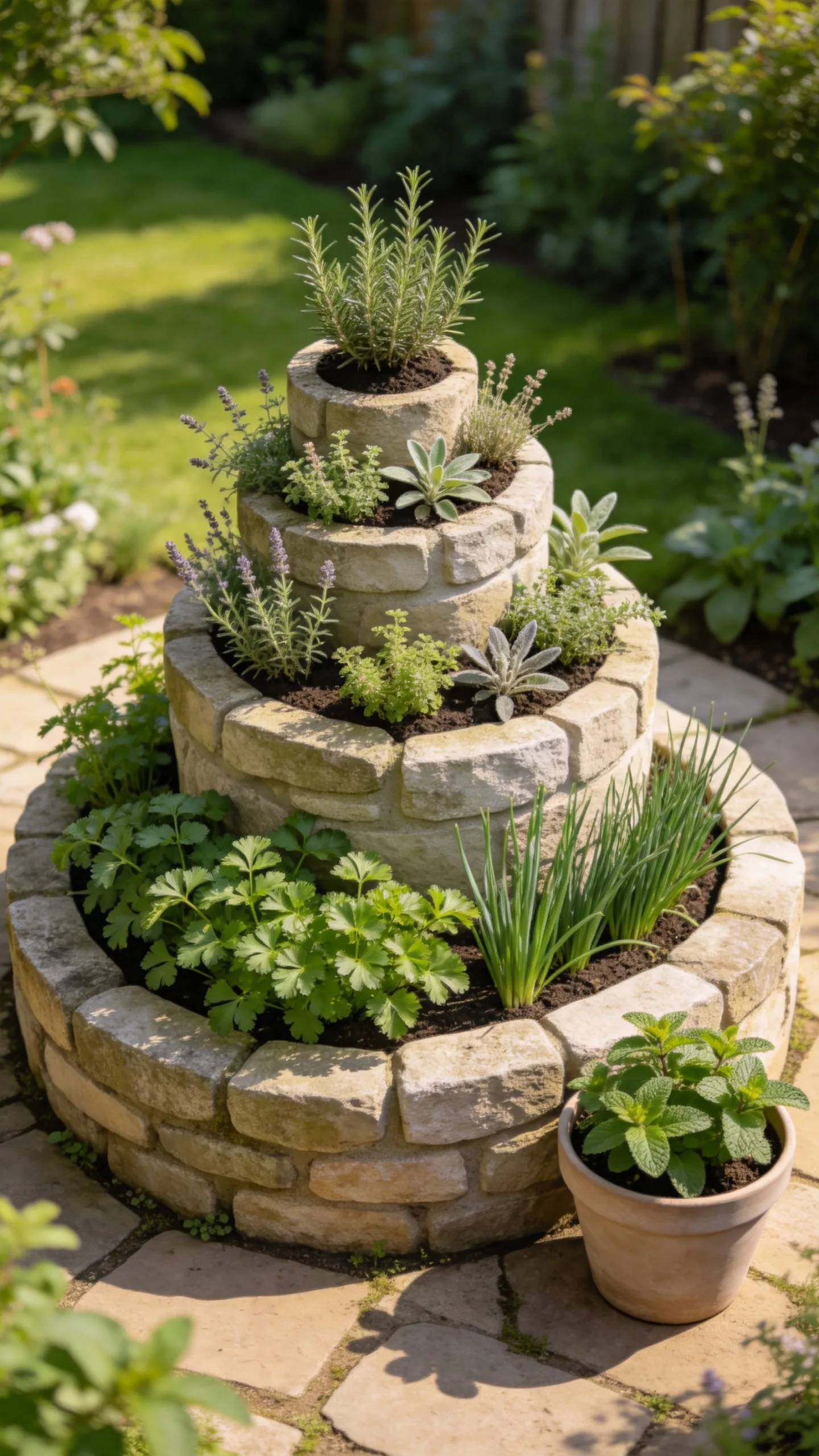
Create a compact spiral bed from stone, brick, or reclaimed pavers, using the raised center for herbs that prefer sharper drainage. Plant rosemary, thyme, oregano, and sage toward the drier upper section, with parsley, chives, or mint in moister lower areas.
The spiral shape gives a small garden several planting zones in one footprint. Harvesting also becomes part of the sensory experience, but keep spreading herbs such as mint in containers or a separate pot so they do not overtake the bed.
6. Textured Grass Garden with Movement
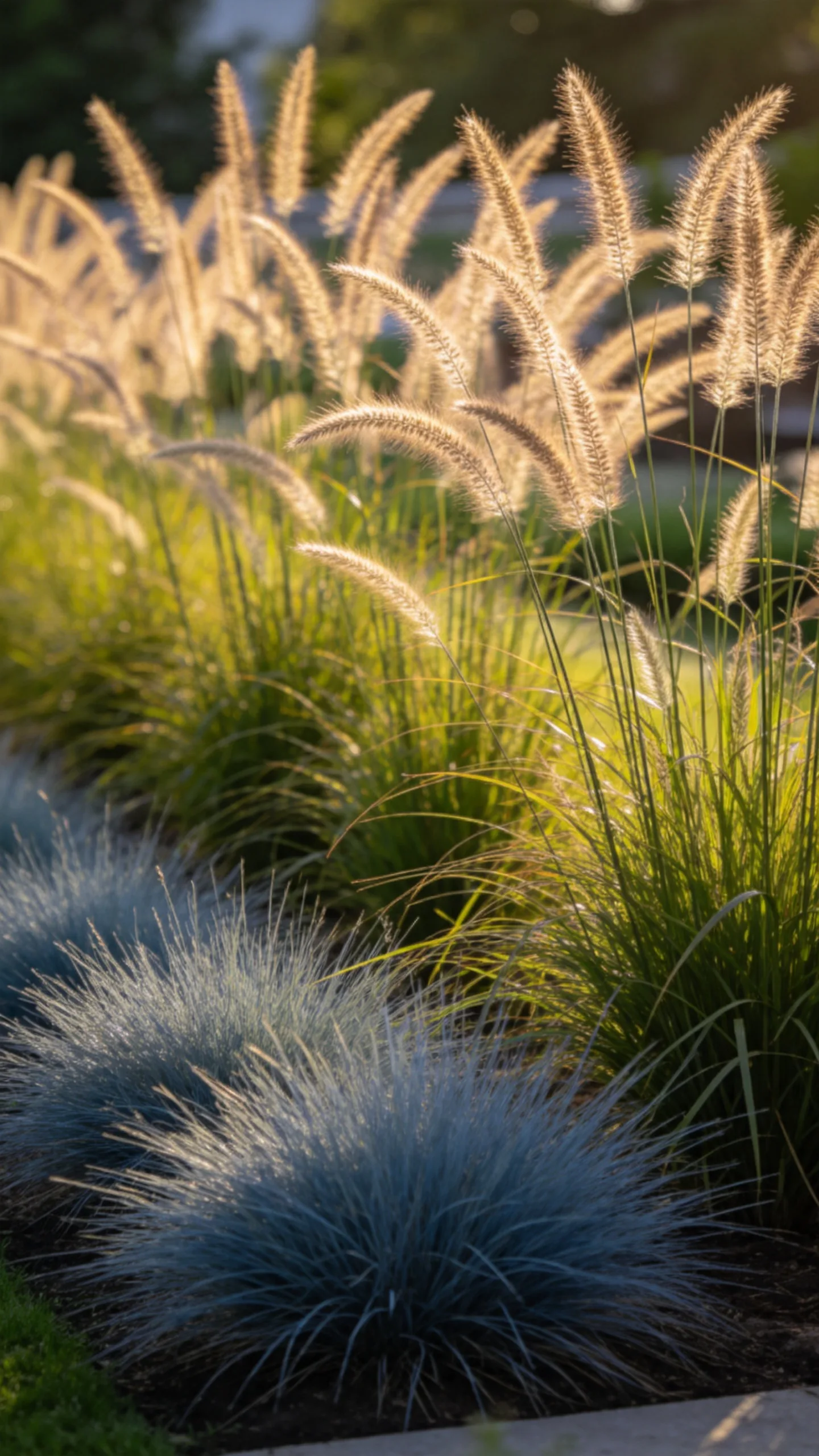
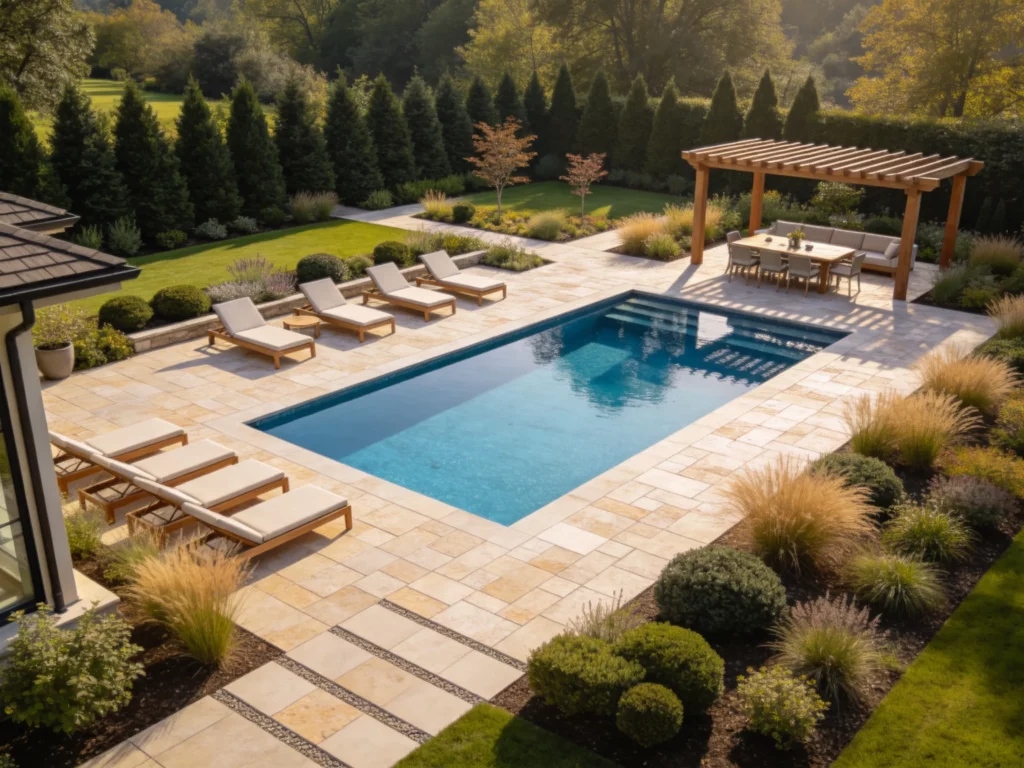
Combine ornamental grasses with different blade widths, heights, and colors to create a planting that moves in the wind. Blue fescue offers fine blue foliage, while switchgrass, Mexican feather grass, or fountain grass can add airy seed heads where locally suitable.
Plant grasses in groups rather than as isolated specimens for stronger visual rhythm. Leave enough space for mature clumps, and cut back deciduous grasses in late winter or early spring according to the needs of the selected varieties.
7. Raised Touch-and-Sniff Bed for Children
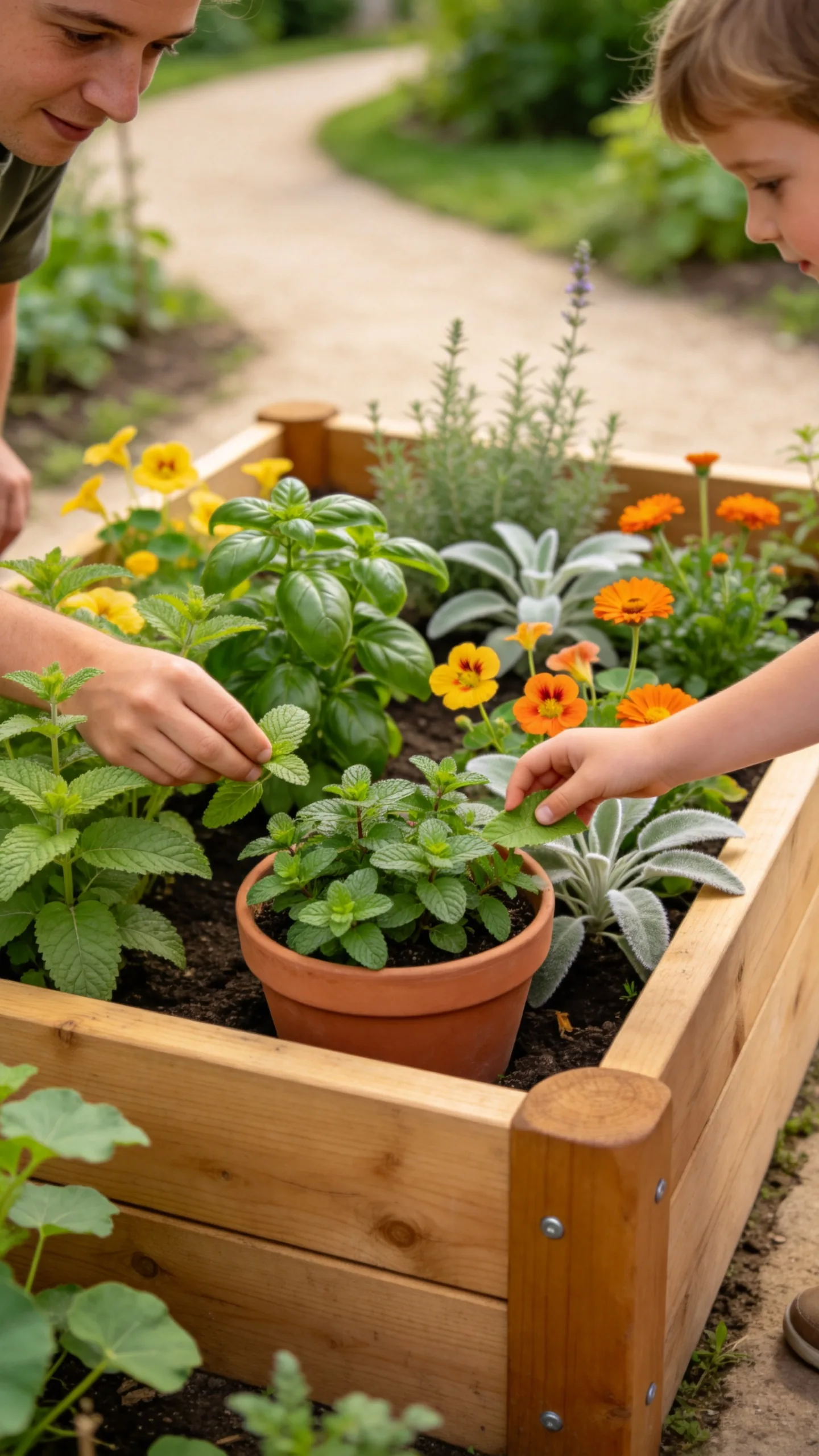
Install a waist-high or child-height raised bed filled with sturdy, non-spiny plants that invite gentle exploration. Lemon balm, basil, mint in a pot, nasturtiums, calendula, and lamb’s ear provide distinct scents, leaf shapes, and textures.
Use untreated, garden-safe materials and make the bed wide enough to reach without stepping into it. Add simple labels with words such as “soft,” “lemony,” or “fuzzy,” and verify plant safety before encouraging children or pets to handle anything.
8. Pollinator Border with Flower Shapes
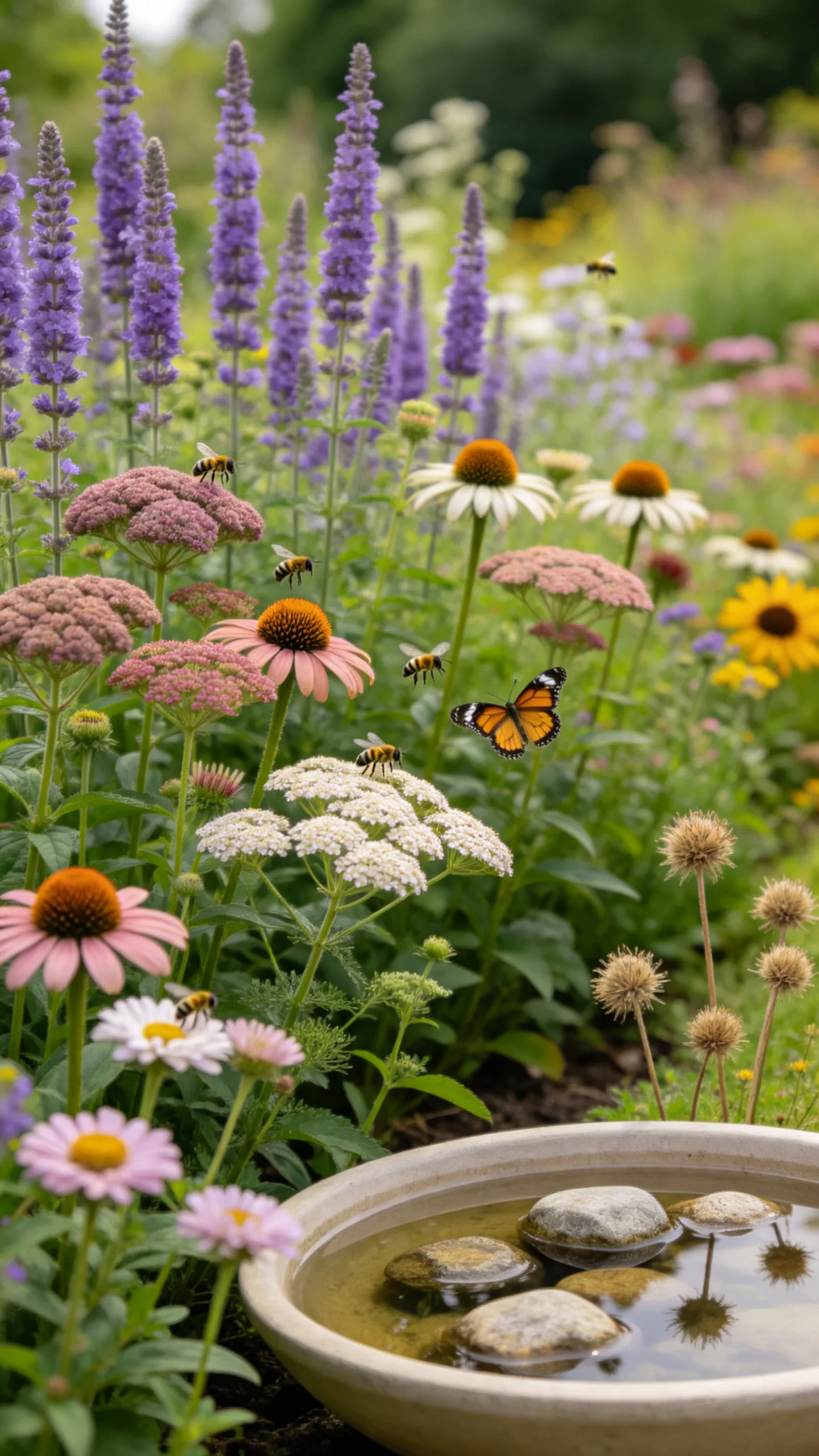
Design a pollinator border with flowers that offer different colors, heights, and forms throughout the season. Lavender, bee balm, coneflower, yarrow, asters, and native perennial species can provide nectar and pollen, depending on regional conditions.
Leave some seed heads standing after flowering to add winter texture and food for birds. Avoid routine pesticide use around blooming plants, and include shallow water with stones above the surface if you want to offer a safe drinking area for insects.
9. Edible Rainbow Garden
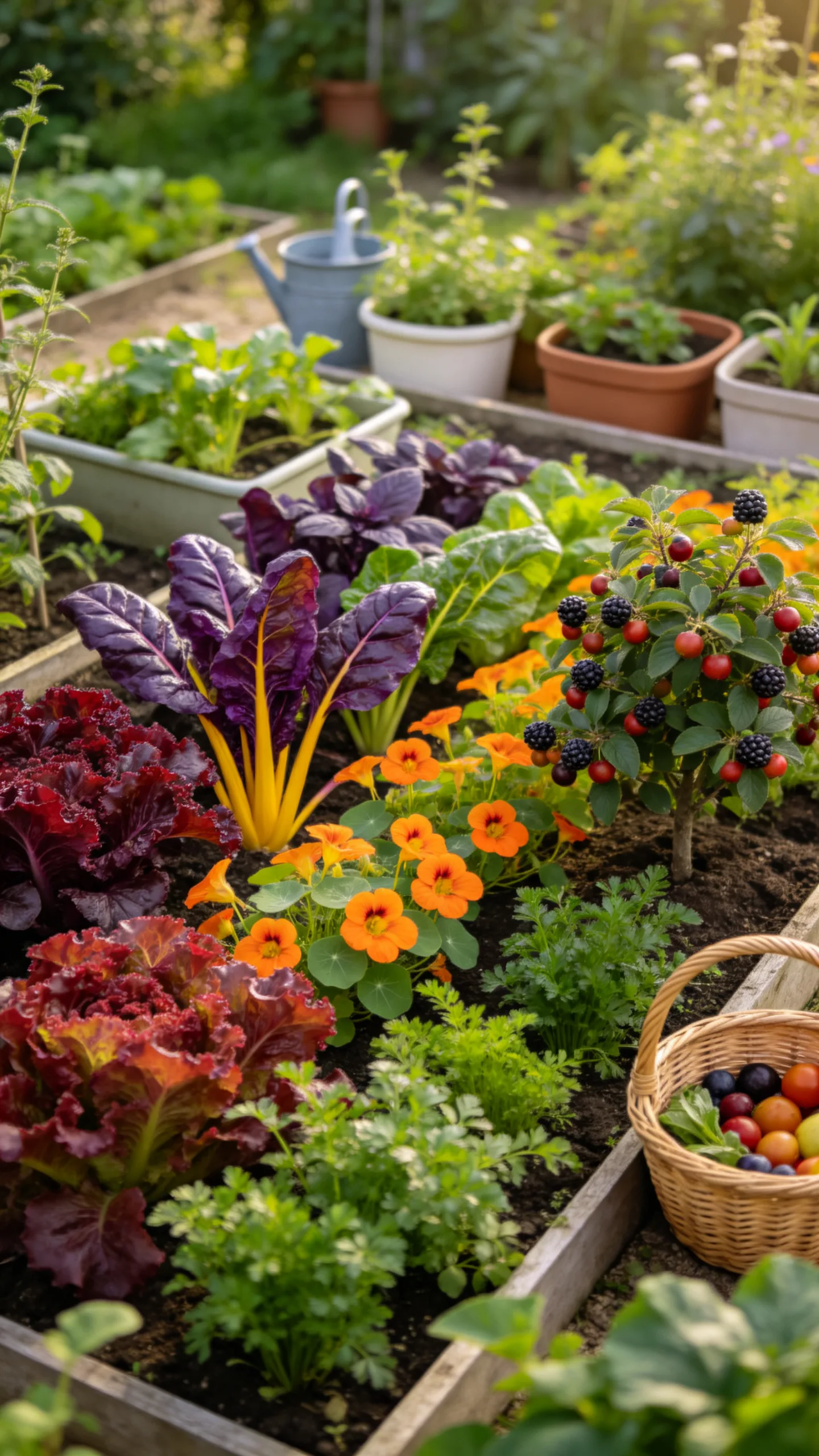
Create a colorful edible planting using red lettuce, purple basil, yellow chard stems, orange nasturtiums, green herbs, and berry-producing plants suited to the site. This design engages sight and taste while making harvesting part of the daily garden routine.
Use containers for crops with different watering needs, and place salad greens where they receive morning sun or partial shade in hot climates. Only eat flowers and leaves that are positively identified as edible and grown without unsuitable chemicals.
10. Fragrant Climbing Trellis
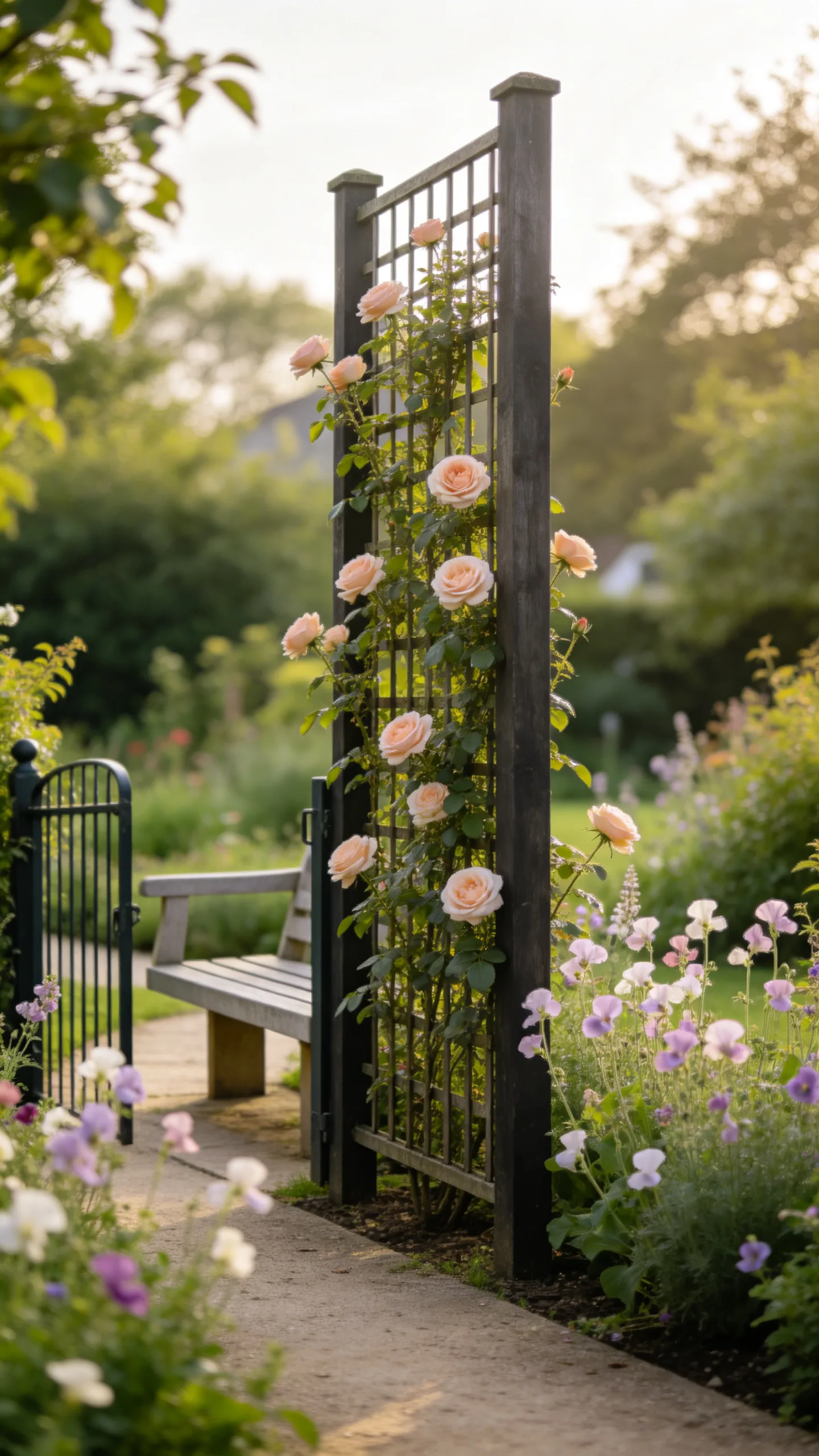
Add height and scent with a trellis planted with sweet peas, honeysuckle, jasmine, climbing roses, or another climber suited to the local climate. Position it beside a gate, seating area, or pathway so fragrance is noticeable at close range rather than lost at the back of the yard.
Anchor the trellis securely and match it to the mature weight of the vine. Some climbers spread aggressively or become invasive in certain regions, so select a non-invasive variety and provide regular pruning to keep paths and windows clear.
11. Sensory Container Collection for a Patio
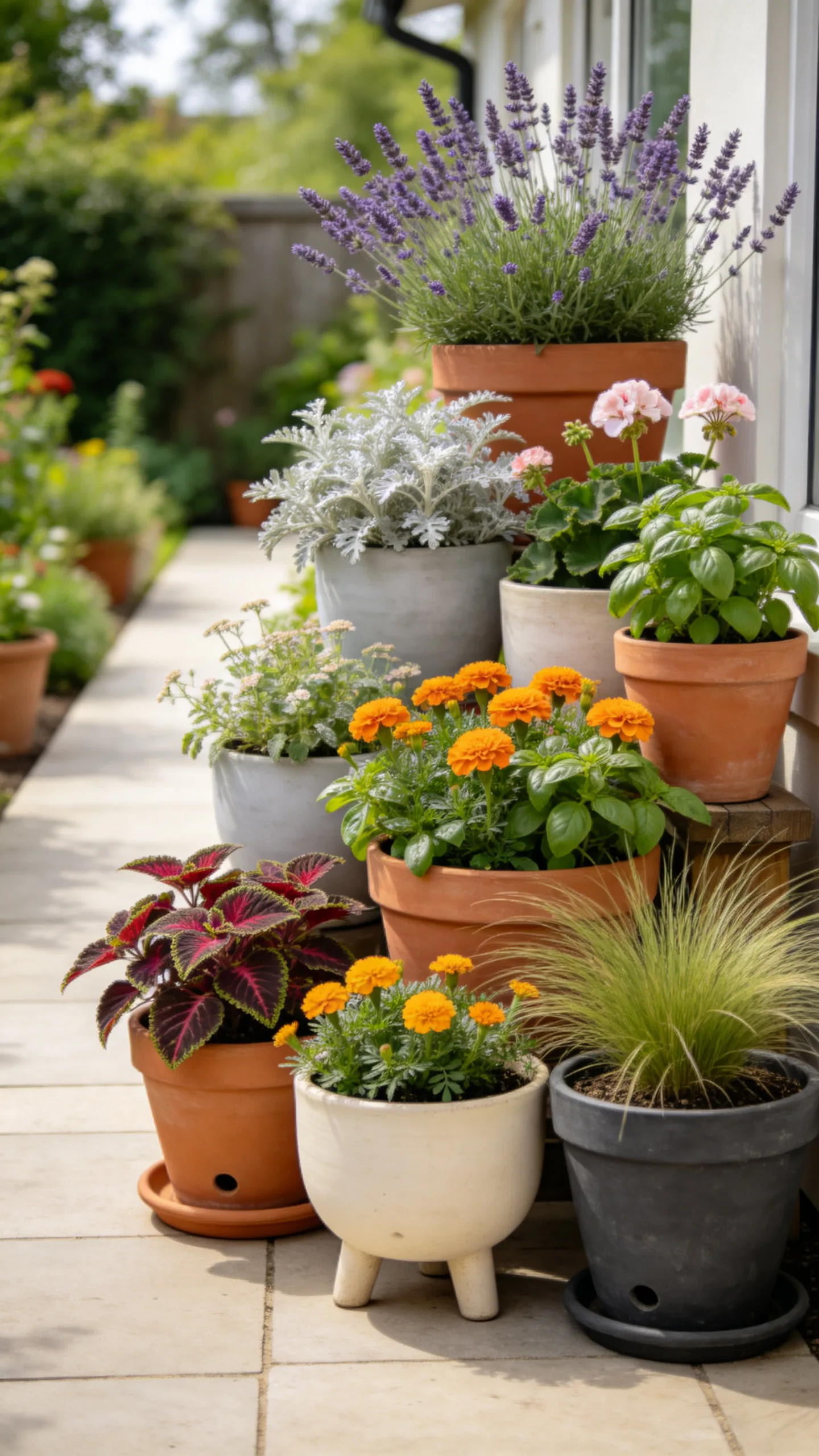
Group containers by sensory role: one pot for fragrance, one for soft foliage, one for bright color, and another for edible leaves. Lavender, scented geranium, coleus, basil, marigolds, and ornamental grasses can create variety without requiring a traditional garden bed.
Use pots with drainage holes and place water-demanding plants together so maintenance is simpler. Raise or vary container heights with sturdy stands, but keep the arrangement stable in wind and leave clear space for walking.
12. Bark and Stone Texture Walk

Create a short path that alternates smooth stepping stones, rounded gravel, bark mulch, and finely textured ground covers. The changing surfaces provide visual contrast and can make the garden feel more immersive without requiring many plants.
Keep all walking areas level, stable, and free of sharp edges. For accessibility, use firm, well-packed surfaces and avoid loose materials where a wheelchair, walker, or stroller needs to travel.
13. Water Feature with Reed and Fern Planting
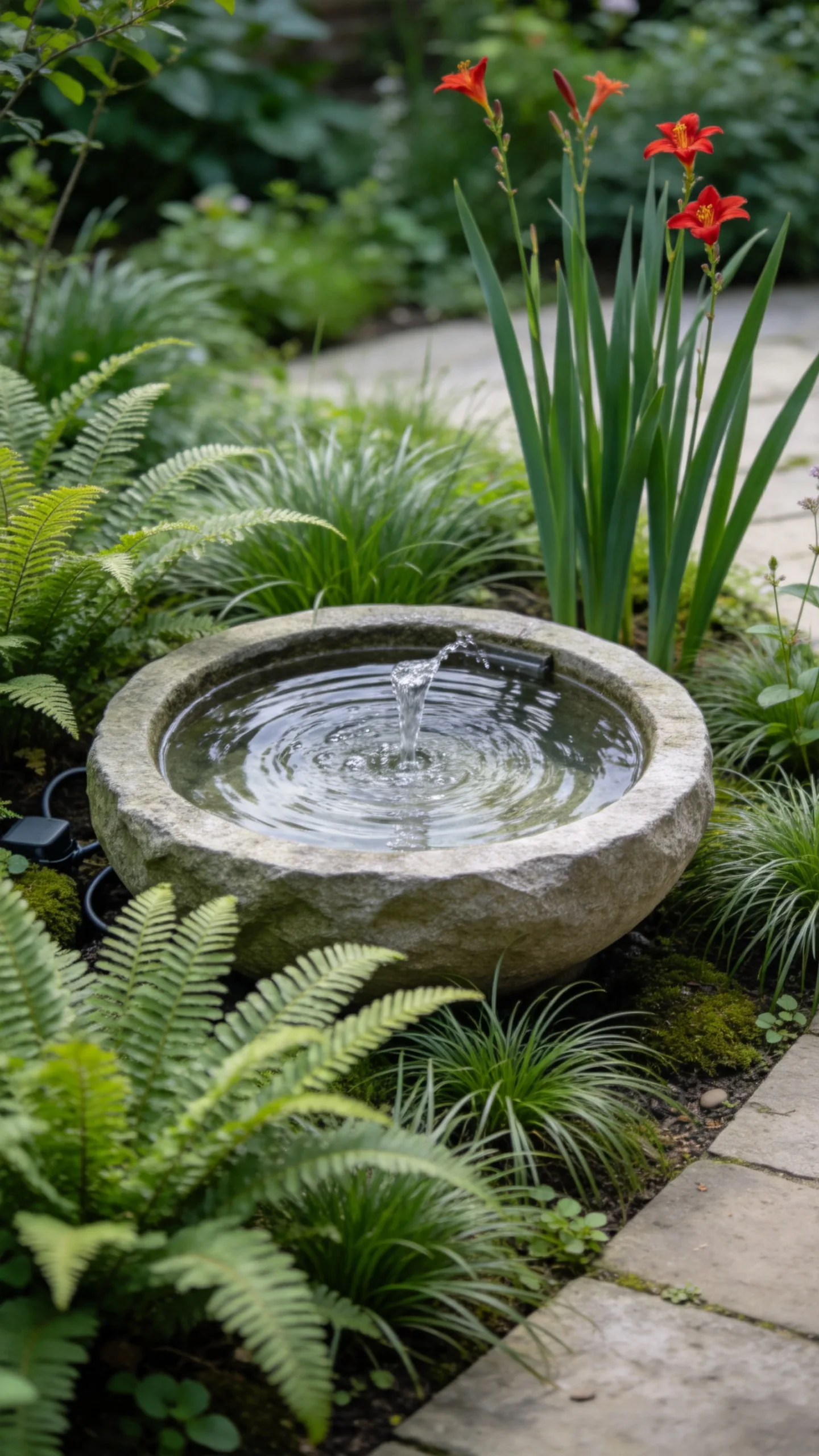
Install a small pond, basin, or recirculating fountain to introduce the sound of moving water. Surround it with moisture-tolerant plants such as ferns, sedges, iris varieties, or cardinal flower where appropriate, while keeping thirsty plants separate from dry beds.
Choose a pump with adjustable flow so the sound remains gentle rather than overpowering. Prevent standing water where mosquitoes are a concern, and use a screened or safely designed feature if children or pets have access to the garden.
14. Butterfly Landing Border
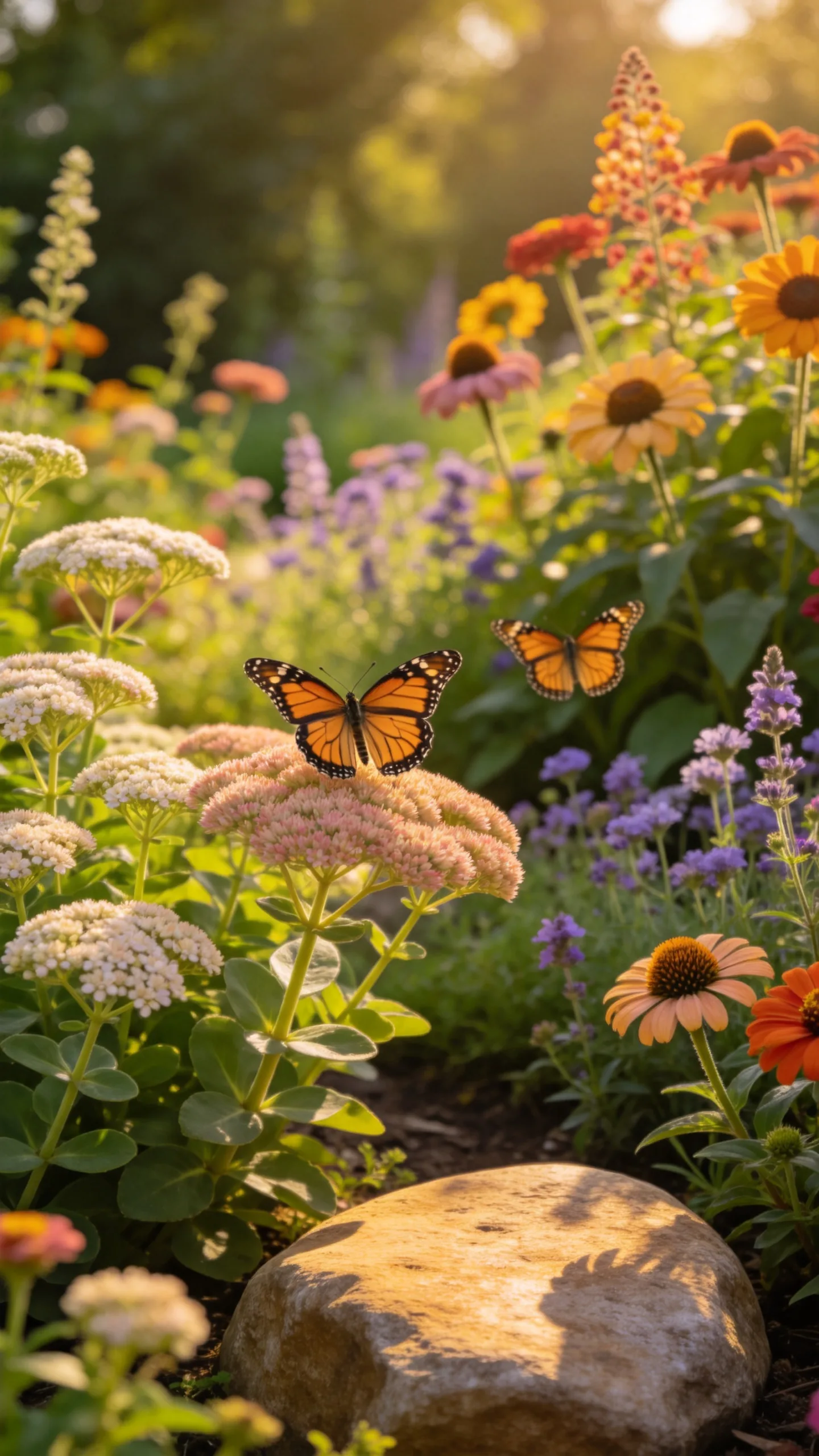
Plant broad, flat flower clusters that give butterflies easy landing platforms. Zinnia, verbena, yarrow, sedum, coneflower, and native milkweed species can provide color and support, provided each selection suits the local climate and soil.
Include a sunny stone or bare patch where butterflies can warm themselves. Group flowers in visible drifts, avoid frequent disturbance, and add host plants for caterpillars rather than focusing only on nectar flowers.
15. Evergreen Texture Garden for Winter
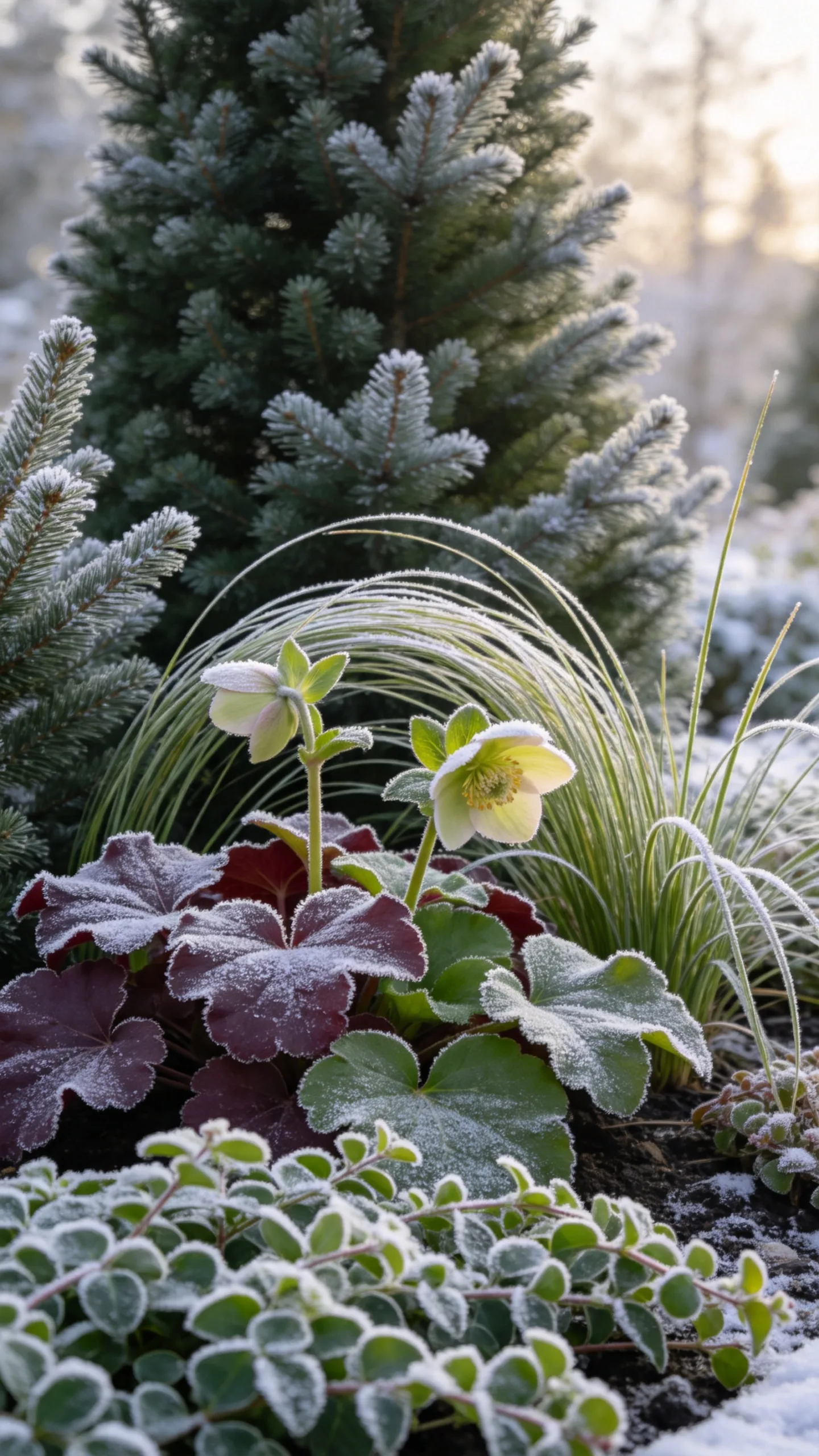
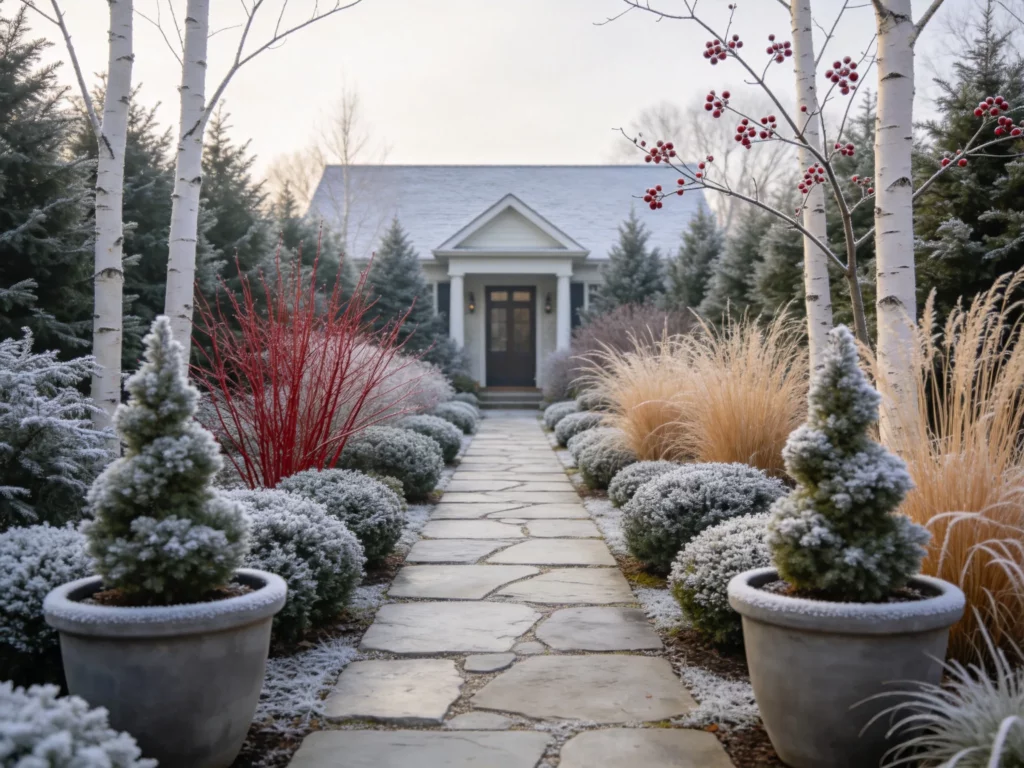
Use evergreen or semi-evergreen plants to keep the sensory garden active outside the main flowering season. Heuchera, hellebores, rosemary in suitable climates, dwarf conifers, sedges, and evergreen herbs can contribute color and texture during colder months.
Mix broad leaves, needles, fine blades, and trailing forms instead of relying on one foliage type. Protect containers from hard freezes when necessary, and choose plants based on local winter temperatures and exposure to wind.
16. Sensory Shade Garden Under Trees
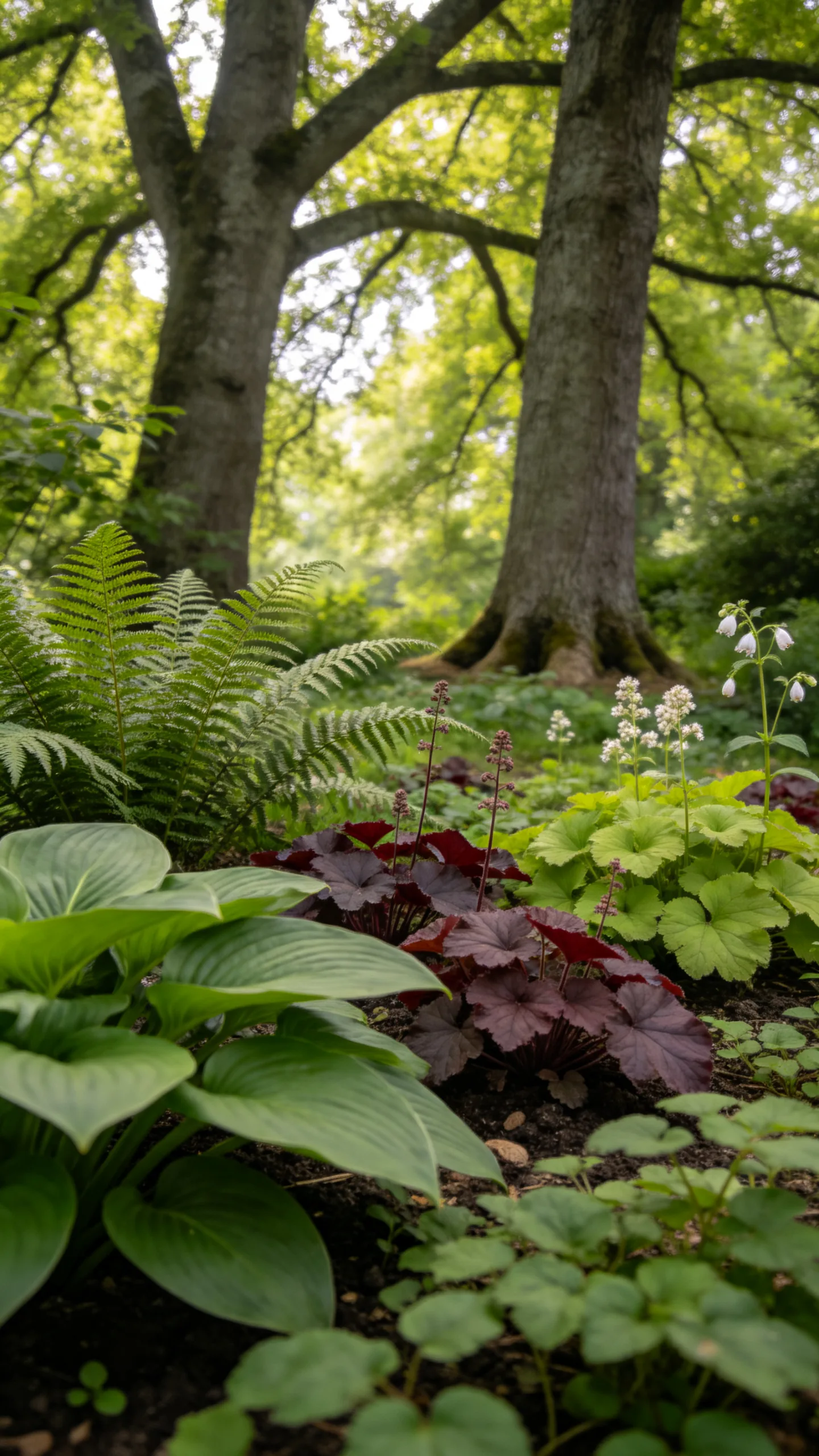
Turn a shaded area into a layered garden with ferns, hostas, heucheras, foamflower, coral bells, and woodland ground covers suited to the region. Vary leaf size and color to create interest where sun-loving flowers would struggle.
Test the soil and observe how much direct light reaches the area before planting. Mature tree roots can compete for water, so use shallow planting, add compost carefully, and water new plants consistently while they establish.
17. Touch-Friendly Edging with Ornamental Leaves
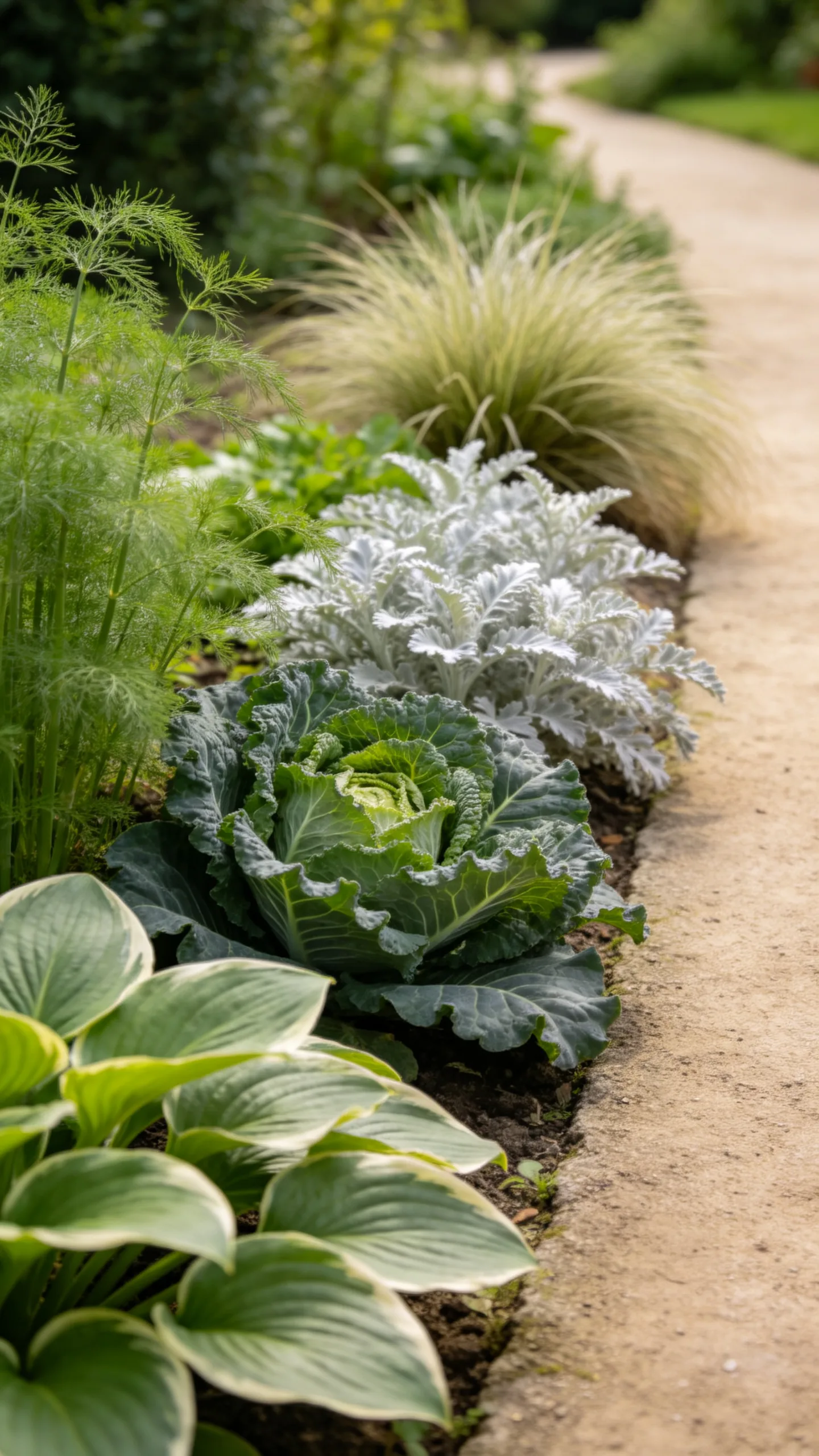
Create a defined border using plants with different tactile qualities, such as feathery dill, smooth hosta leaves, crinkled kale, fuzzy lamb’s ear, and fine ornamental grass. The edging can guide visitors along a path while making the bed more engaging up close.
Place thorny, irritating, or brittle plants farther from seating and narrow walkways. Refresh the border seasonally with annuals or edible greens so the texture changes as older plants fade.
18. Seasonal Sensory Garden Calendar
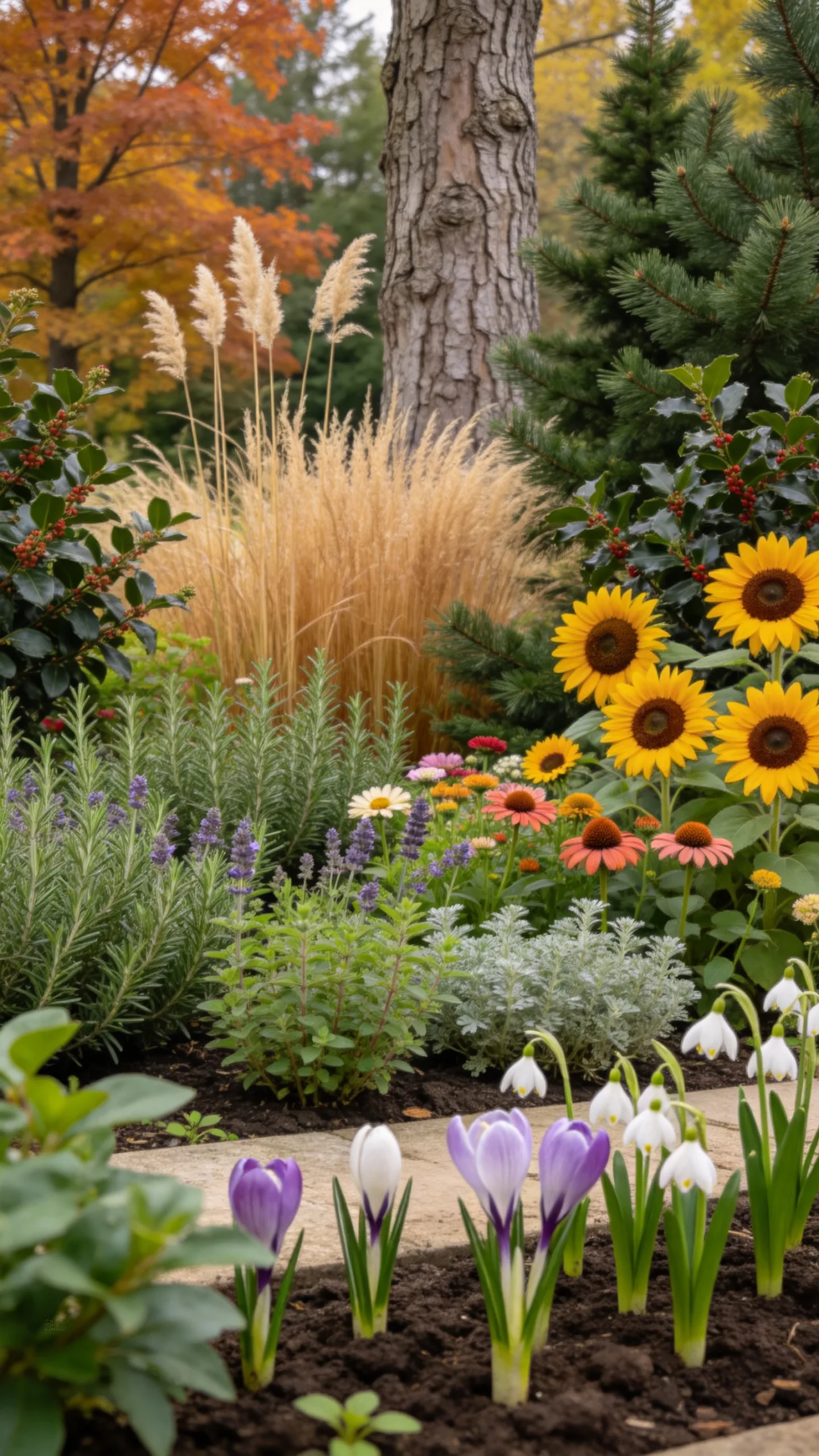
Plan the garden so a different sense or planting layer becomes prominent each season. Spring bulbs can provide color and fragrance, summer herbs and flowers can offer scent and pollinator activity, autumn grasses and seed heads can add movement, and winter bark and evergreen foliage can maintain structure.
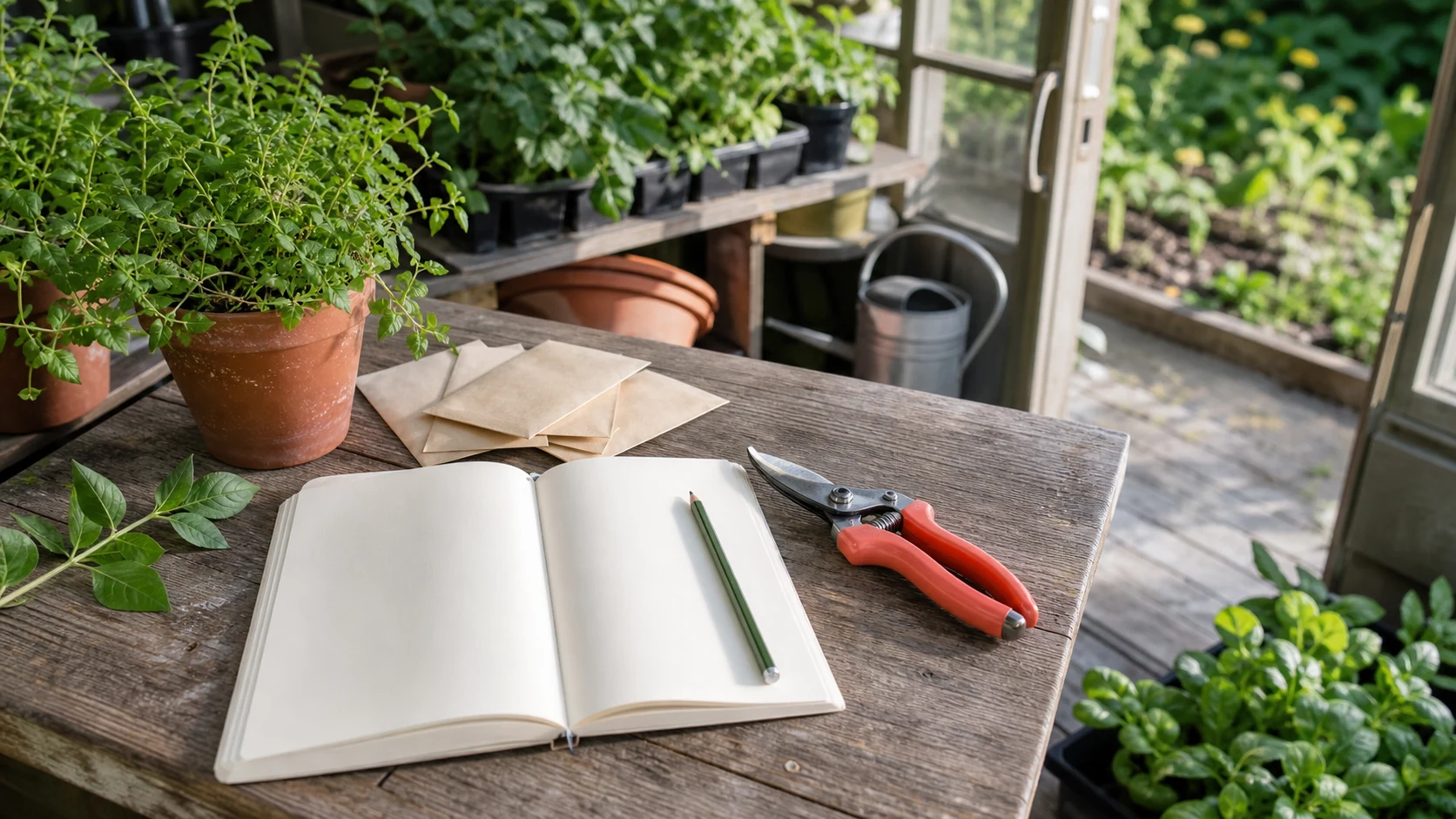
Draw a simple month-by-month map before buying plants, noting bloom time, mature height, sunlight, and watering needs. Staggered planting reduces empty periods and helps distribute pruning, harvesting, dividing, and watering tasks across the year.