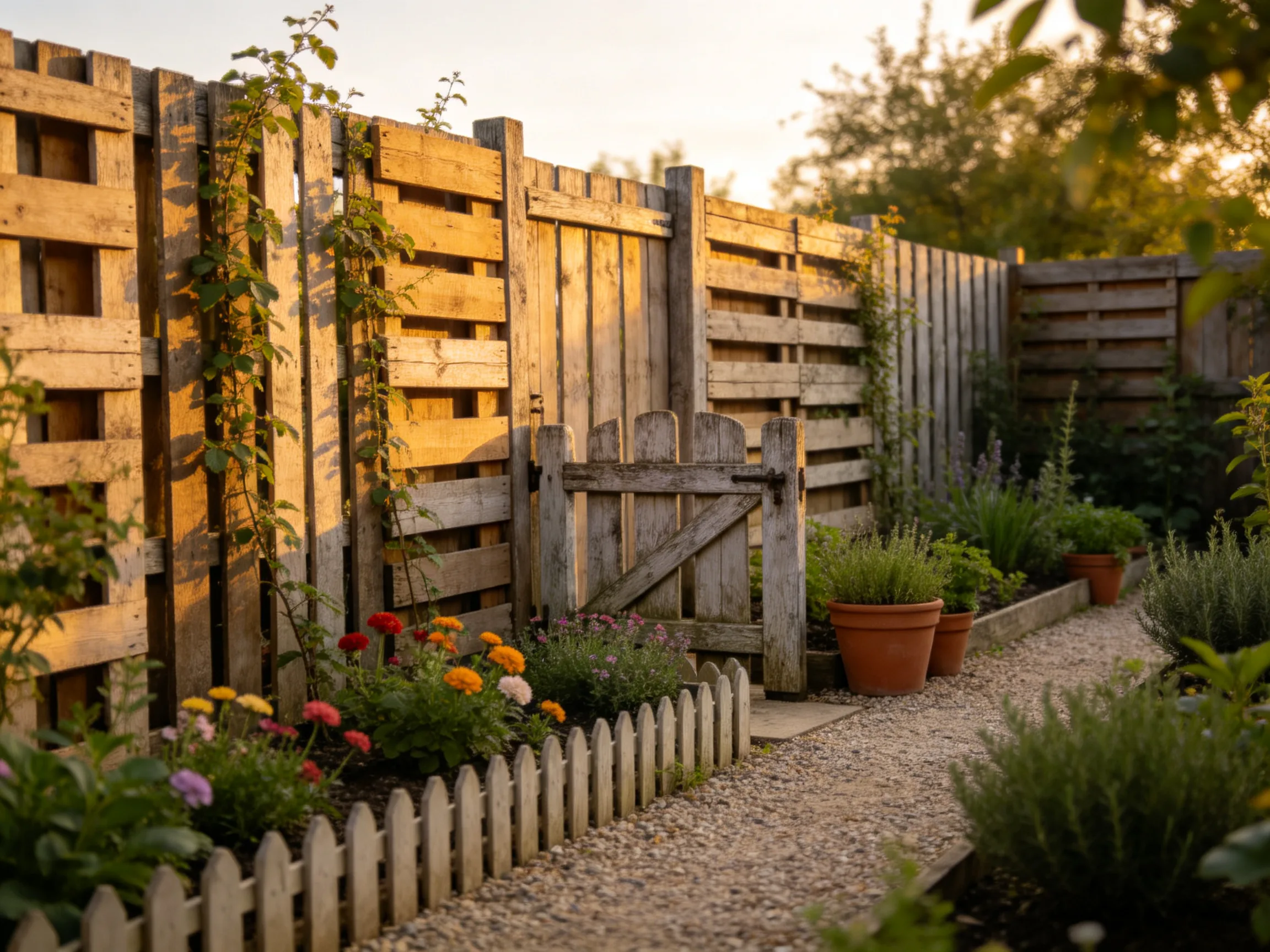
Pallet fence ideas are popular for a reason: they can bring texture, privacy, and structure to a garden without the cost of a custom-built fence. With the right layout, finish, and planting choices, reclaimed pallets can look intentionally rustic rather than temporary. These ideas work especially well for backyard borders, vegetable gardens, cottage-style flower beds, side yards, and small outdoor spaces that need a practical but charming edge.
1. Vertical Pallet Privacy Fence With Climbing Vines
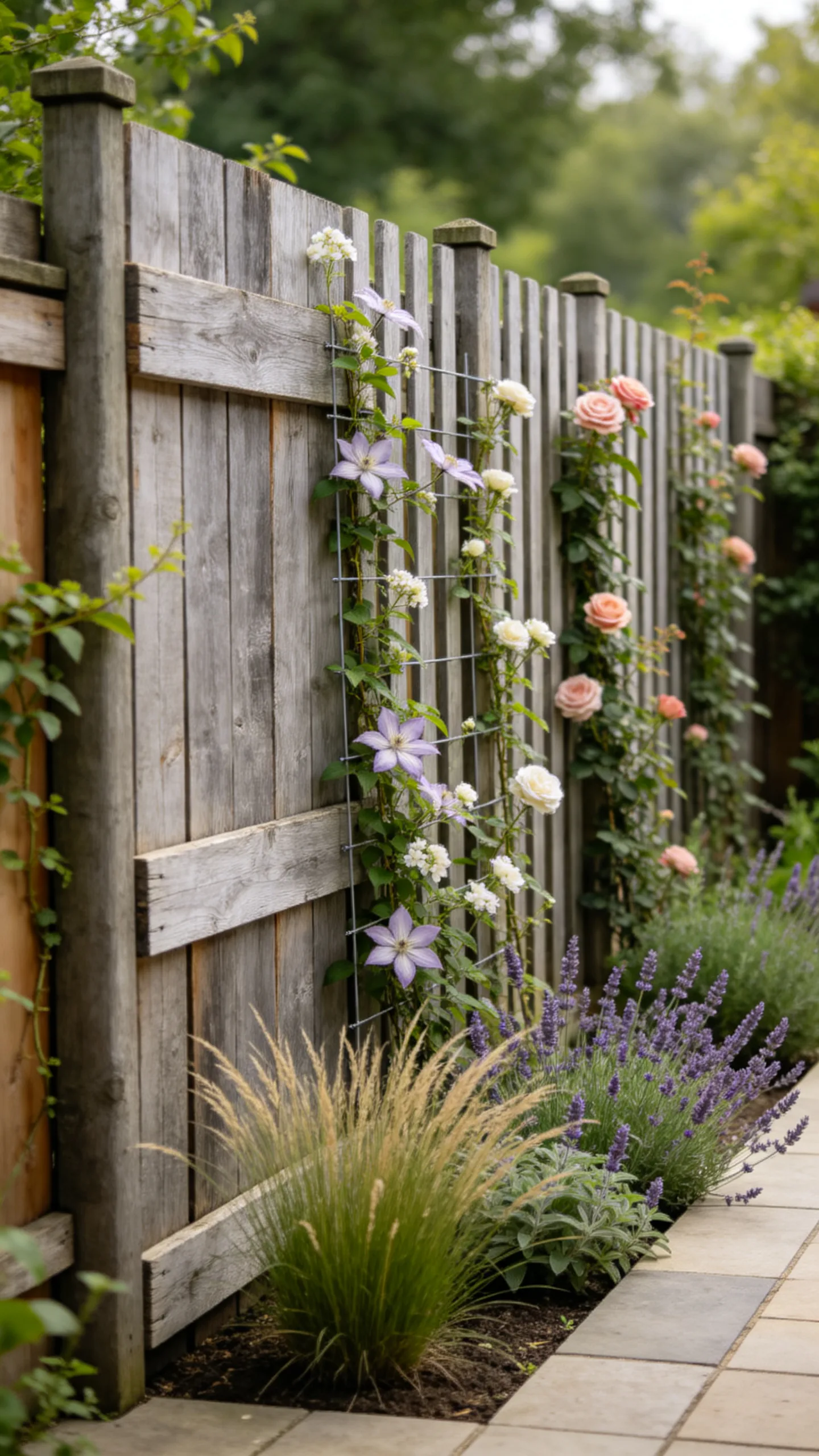
A vertical pallet privacy fence is one of the simplest ways to turn reclaimed wood into a useful garden boundary. Stand the pallets upright, secure them to sturdy posts, and keep the slats running vertically for a taller, more enclosed look. This style works well along a patio, seating nook, or side yard where you want a little screening without building a fully solid fence.
To soften the rustic wood, plant climbing vines at the base. Sweet peas, clematis, jasmine, climbing roses, or annual morning glories can be trained up the slats or onto a wire grid attached to the pallets. Choose plants based on your climate and sun exposure, and leave enough airflow between the fence and foliage to reduce mildew.
For a more finished look, stain the pallets in a warm cedar, walnut, or weathered gray tone. If the fence faces a small garden, place narrow beds in front with lavender, salvia, catmint, or ornamental grasses to add movement and color.
2. Horizontal Slat Pallet Fence for a Modern Rustic Border
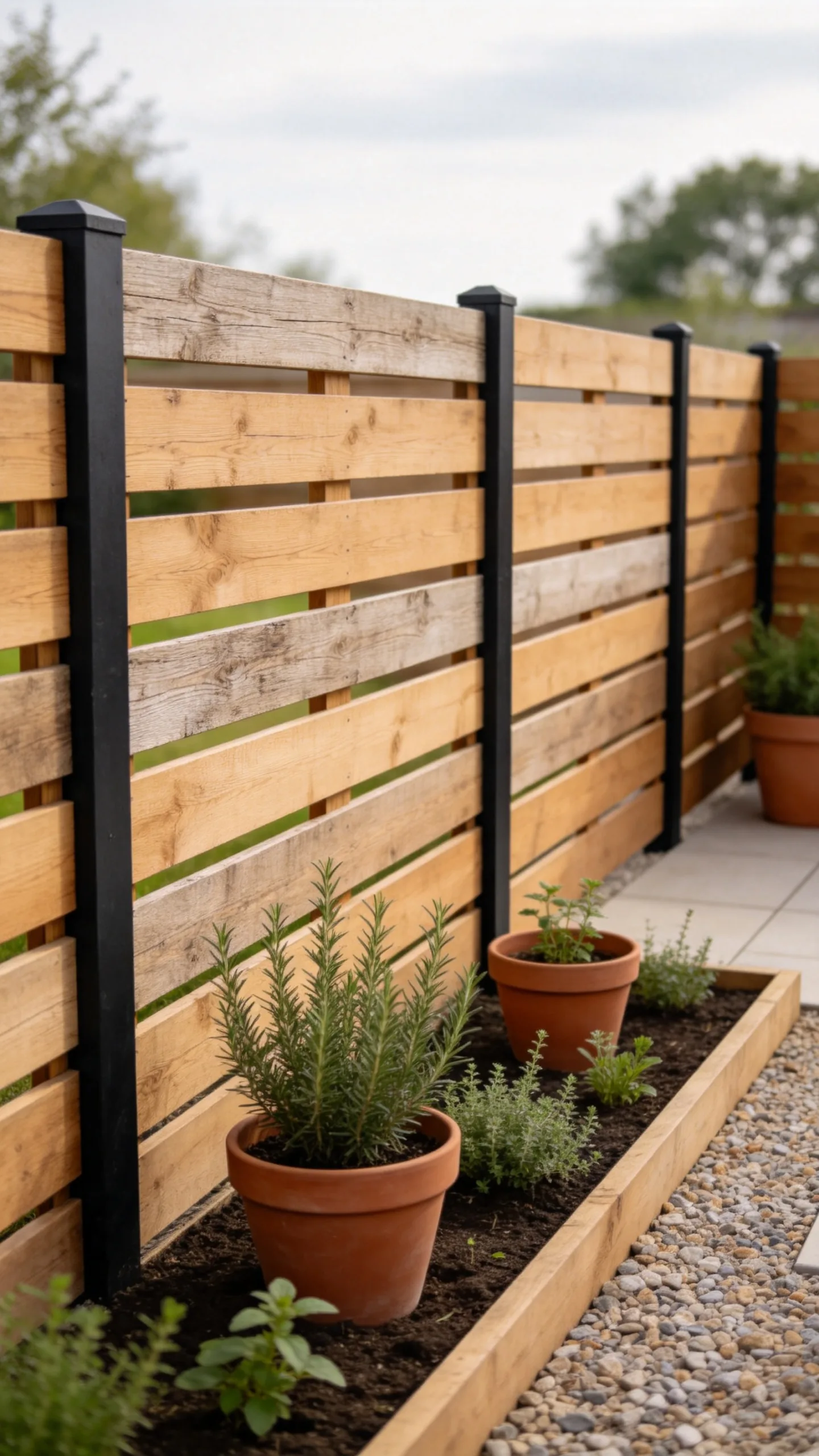
A horizontal pallet fence gives reclaimed wood a cleaner, more designed appearance. Instead of using pallets as full panels, take them apart and attach the boards horizontally to fence posts. This creates long lines that can make a small backyard feel wider and more intentional.
Keep narrow gaps between the boards if you want airflow and partial visibility. For more privacy, overlap the boards slightly or mount them close together. This approach is especially useful around patios, raised beds, or outdoor dining areas where you want a casual rustic feel without a heavy barrier.
The finish makes a big difference. A matte black post frame paired with natural pallet boards feels modern farmhouse, while whitewashed boards lean cottage garden. Add a gravel path, terracotta pots, and simple herbs like rosemary or thyme nearby for a practical, low-maintenance border.
3. Pallet Picket Fence Around a Vegetable Garden
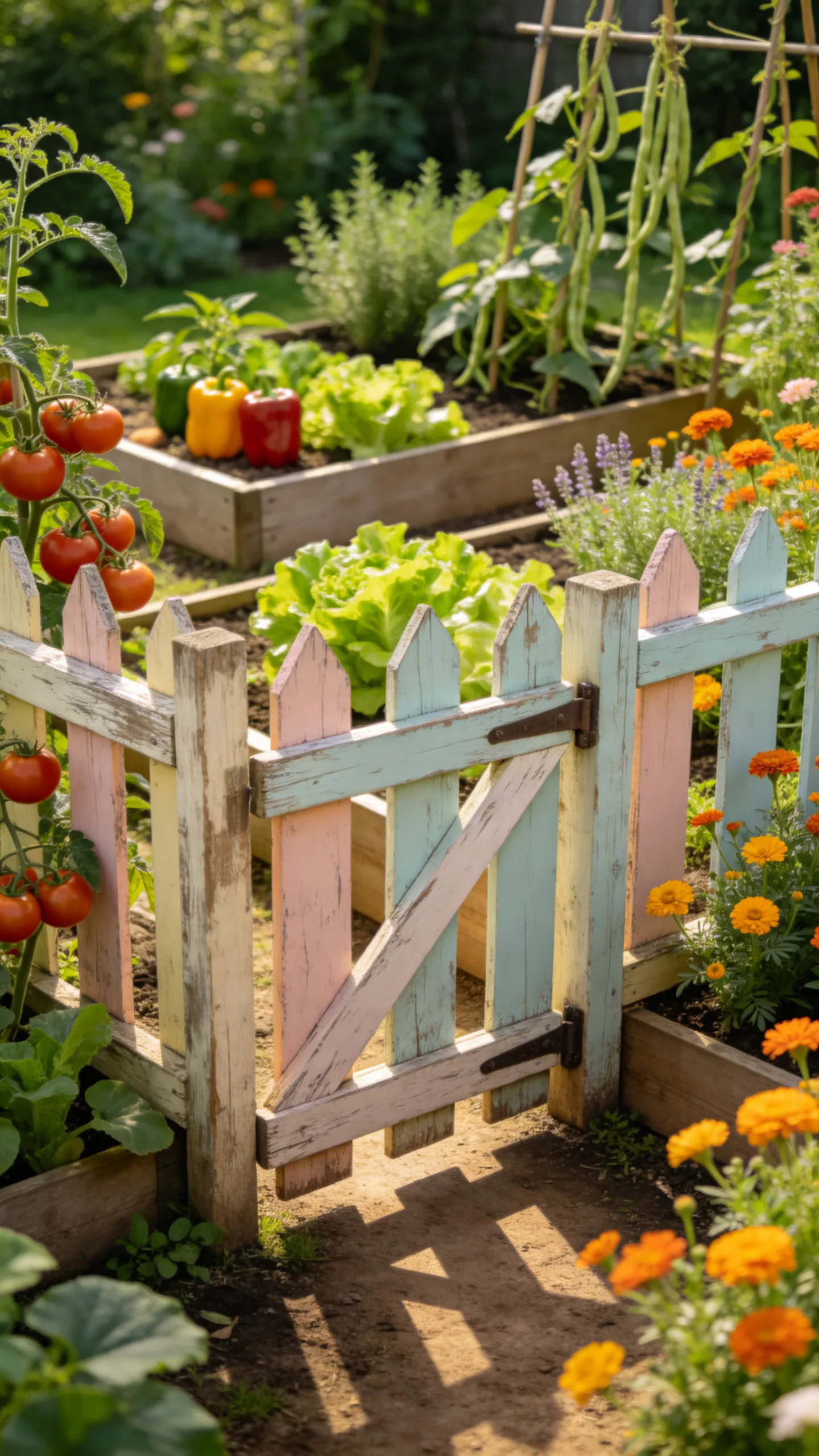
A pallet picket fence is a charming choice for enclosing a vegetable patch or kitchen garden. Cut pallet boards into pointed pickets, attach them to horizontal rails, and keep the height low enough to reach over for harvesting. This style helps define the growing area while still letting sunlight reach tomatoes, peppers, beans, lettuce, and herbs.
For a budget-friendly build, use pallet wood for the pickets and basic timber stakes or metal T-posts for support. Leave a simple hinged gate wide enough for a wheelbarrow or garden trug. A low picket fence can also help discourage pets from walking through seedlings, though it may not stop determined wildlife.
Paint the pickets soft white, sage green, or muted blue for a cottage look, or leave them natural for a rougher rustic finish. Line the inside edge with marigolds, calendula, chives, or nasturtiums to add color and attract pollinators.
4. Staggered Pallet Fence With Mixed Board Heights
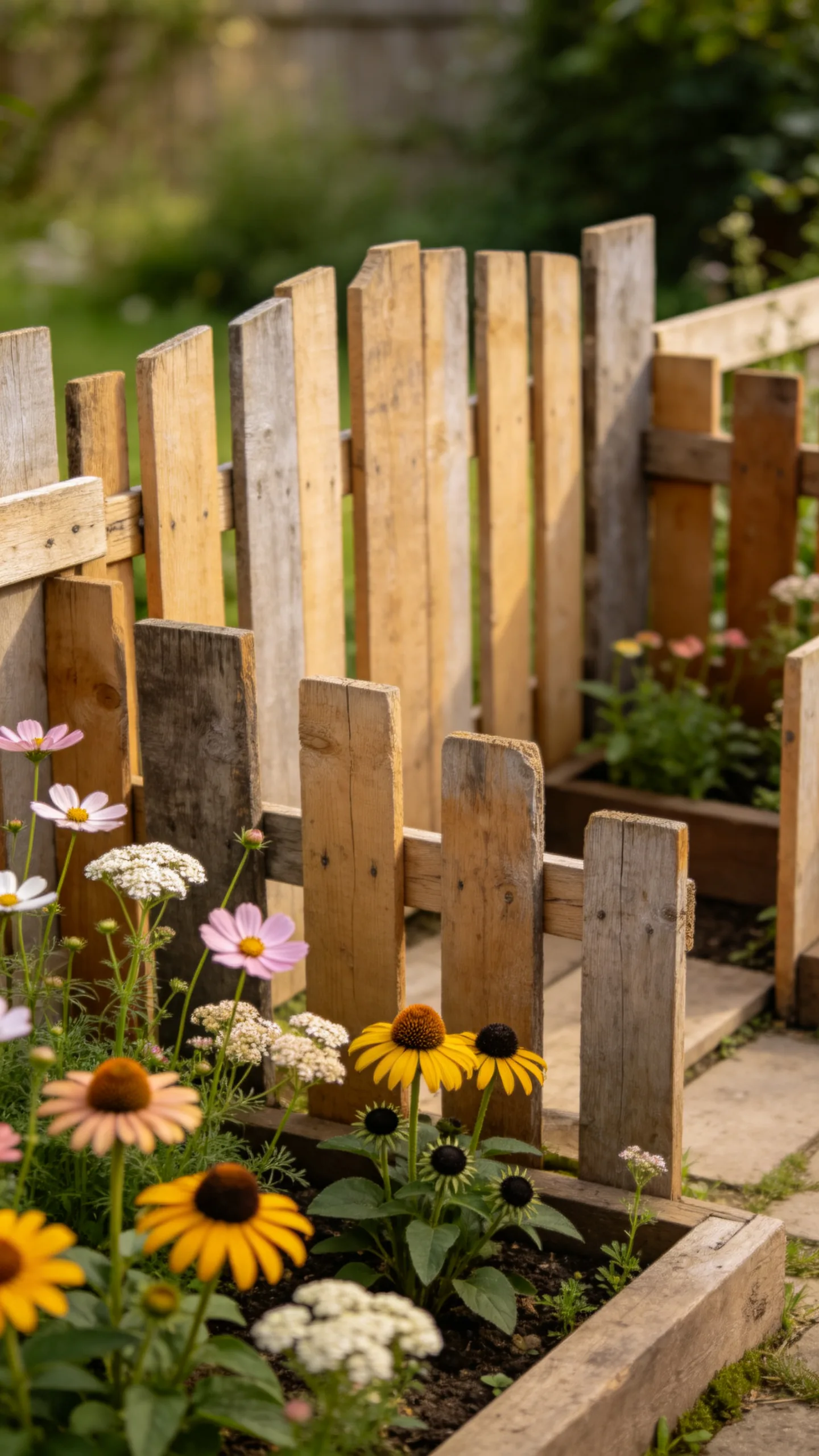
A staggered pallet fence uses boards of different heights to create a relaxed, handmade silhouette. This idea is perfect if your pallets are not all identical or if some boards are shorter after being removed. Instead of forcing everything to line up, make the variation part of the design.
Use taller boards where you need more screening, such as behind a bench or compost area, and shorter boards where you want an open garden view. This saves usable wood and gives the fence a rustic, collected-over-time style. It is also a forgiving option for uneven ground because the top edge does not need to be perfectly straight.
To make the fence look intentional, repeat a pattern every few feet or keep the color consistent with one stain. Plant loose, informal flowers in front, such as cosmos, coneflowers, yarrow, or black-eyed Susans, to match the casual shape.
5. Pallet Fence With Built-In Planter Boxes
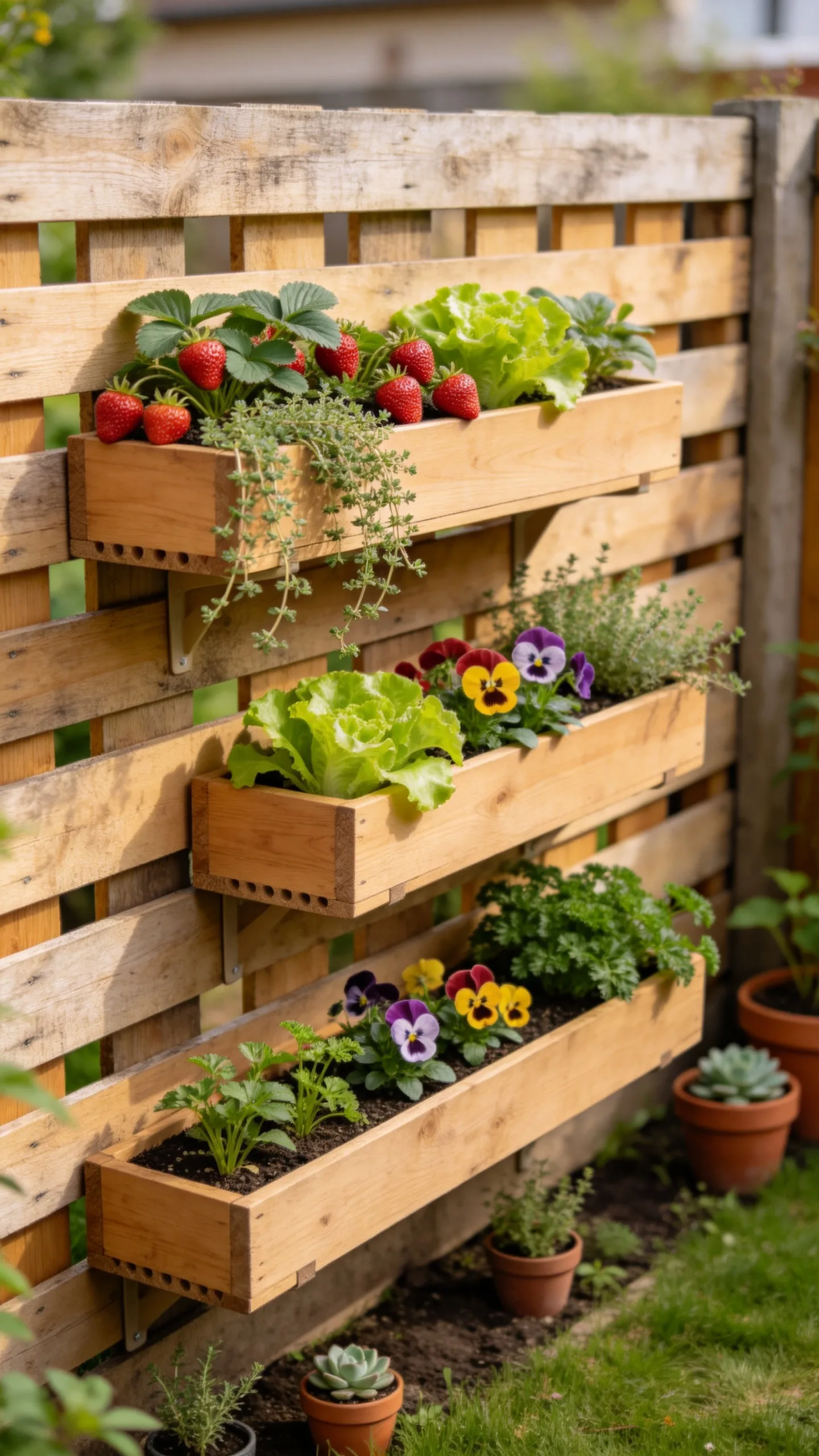
A pallet fence with planter boxes adds growing space to a boundary, which is especially useful in small yards, patios, or narrow side gardens. Attach shallow wooden boxes to the fence rails or use the pallet cavities as planting pockets after lining them with landscape fabric.
This idea works best for shallow-rooted plants. Try strawberries, trailing thyme, lettuce, pansies, violas, parsley, or small succulents depending on light and watering needs. Avoid heavy, water-hungry plants unless the structure is reinforced well, because wet soil adds significant weight.
Place planter boxes at different heights for a layered look. Herbs near waist height are easy to harvest, while flowers higher up can bring color to a plain fence line. Make sure each planter has drainage holes so water does not collect and rot the wood.
6. Whitewashed Pallet Fence for a Cottage Garden Look
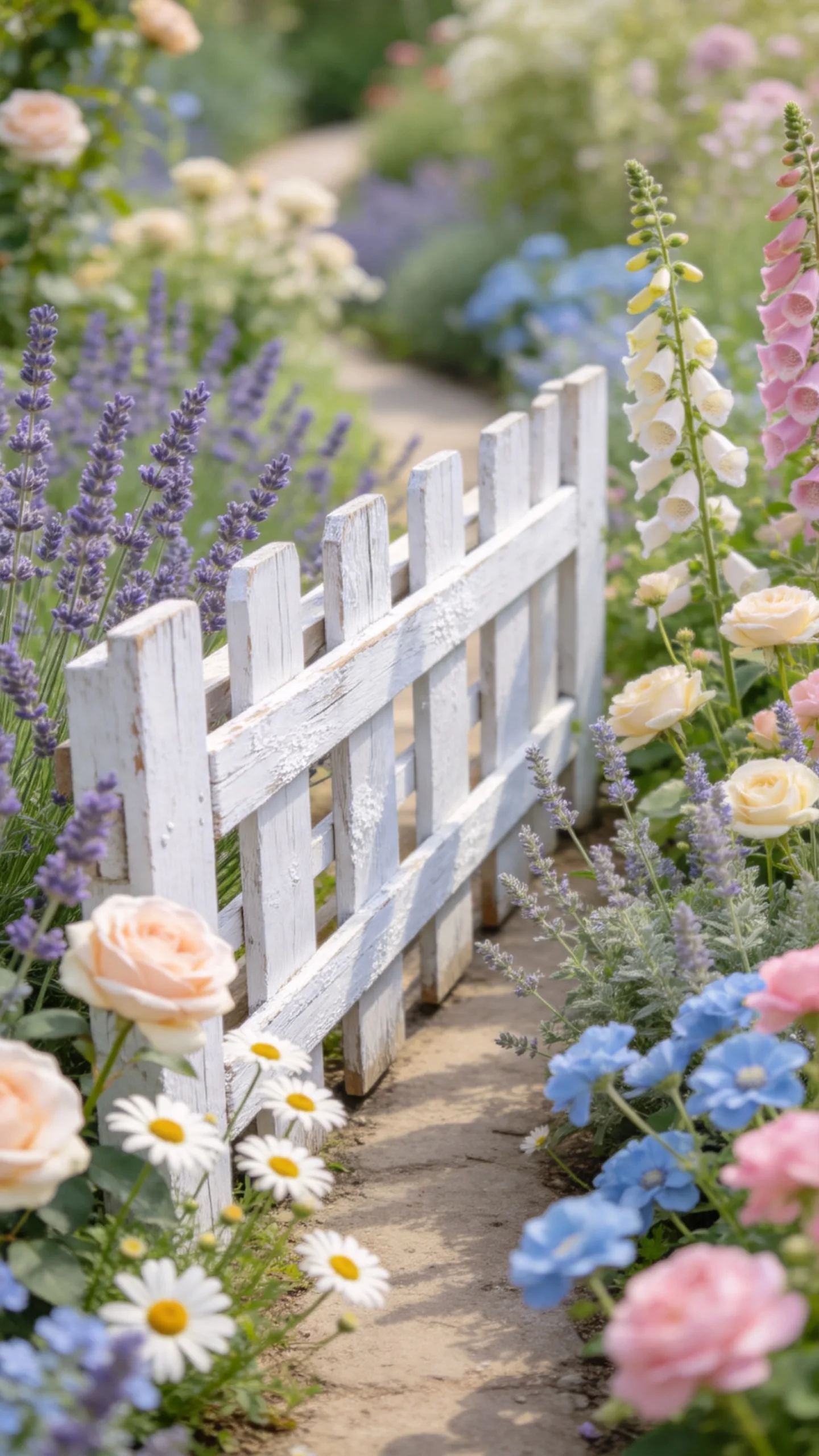
Whitewashing is a simple way to brighten pallet wood while keeping the grain visible. Instead of covering the boards with thick paint, use diluted exterior paint or a pale stain so the fence keeps its rustic character. This works beautifully around cottage gardens, flower beds, and small backyard paths.
A whitewashed pallet fence reflects light, which can help a compact garden feel more open. It pairs well with soft planting colors such as lavender, pale pink, cream, and blue. Foxgloves, daisies, delphiniums, lavender, nepeta, and roses all suit this look if they are appropriate for your growing zone.
Because white finishes show dirt and weathering, choose exterior-grade products and expect some maintenance over time. The aged look can be part of the charm, but sealing the wood helps it last longer outdoors.
7. Pallet Fence Screen for Hiding Bins or Compost
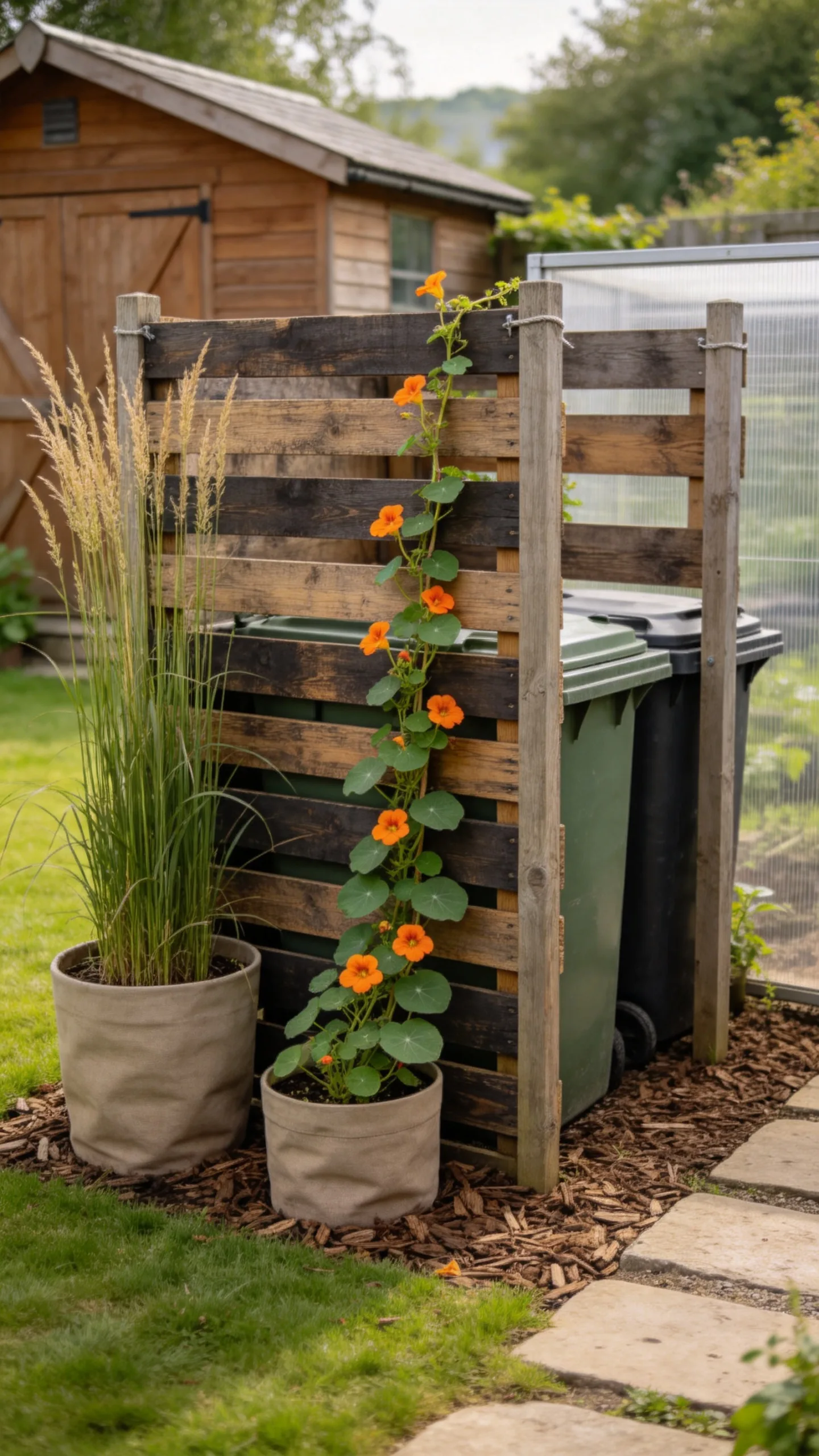
Pallets are ideal for building a rustic screen around bins, compost bays, or garden storage areas. Instead of fencing the entire yard, use two or three pallet panels to block the view from the patio, kitchen window, or main garden path. This creates a cleaner-looking backyard without a large project.
Set the pallets in an L-shape or U-shape depending on the area you need to hide. Secure them to posts so they do not tip in wind, and leave enough space to roll bins in and out or turn compost with a fork. If the screen is near compost, avoid planting delicate flowers too close; choose tough plants that can handle occasional disturbance.
Climbing nasturtiums, evergreen ivy in suitable regions, or tall container grasses can soften the screen. A dark stain can also help the structure visually recede, making the garden feel tidier.
8. Pallet Fence With a Rustic Garden Gate
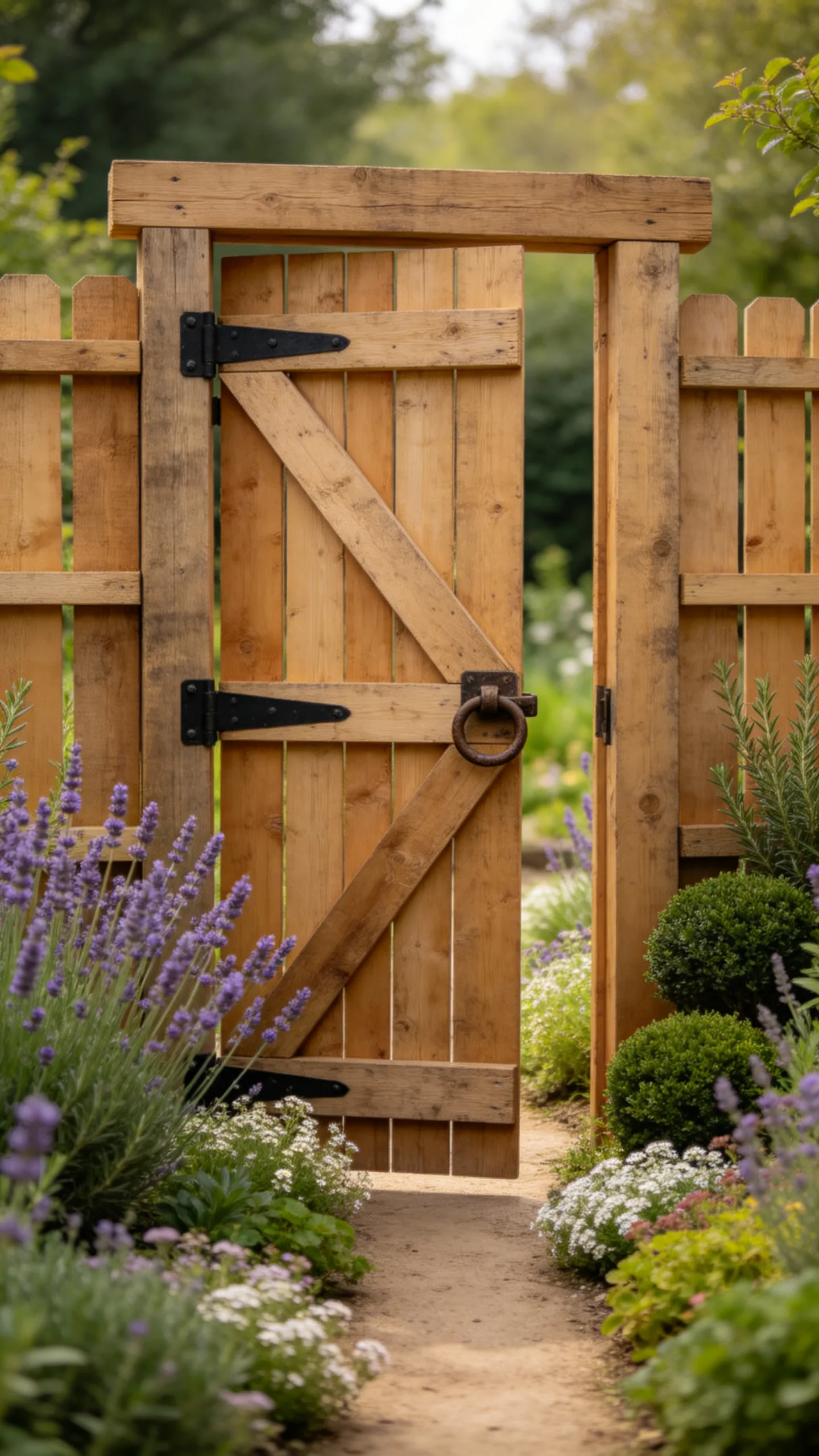
A pallet garden gate can turn a basic fence into a focal point. Use sturdy pallet boards to create a simple framed gate with diagonal bracing, then hang it on heavy-duty outdoor hinges. A rustic latch, ring pull, or black metal handle adds farmhouse character without much extra cost.
This style works well at the entrance to a vegetable garden, herb area, chicken run, or cottage flower border. Keep the gate wide enough for your normal garden tasks, especially if you use a wheelbarrow, mower, or large watering can.
To make the entrance more inviting, plant low herbs or flowers on both sides. Lavender, rosemary, dwarf boxwood, alyssum, or creeping thyme can frame the gate without blocking the swing. If the area is shaded, use shade-tolerant plants such as hostas, ferns, or heuchera instead.
9. Pallet Fence Backdrop for a Seating Area
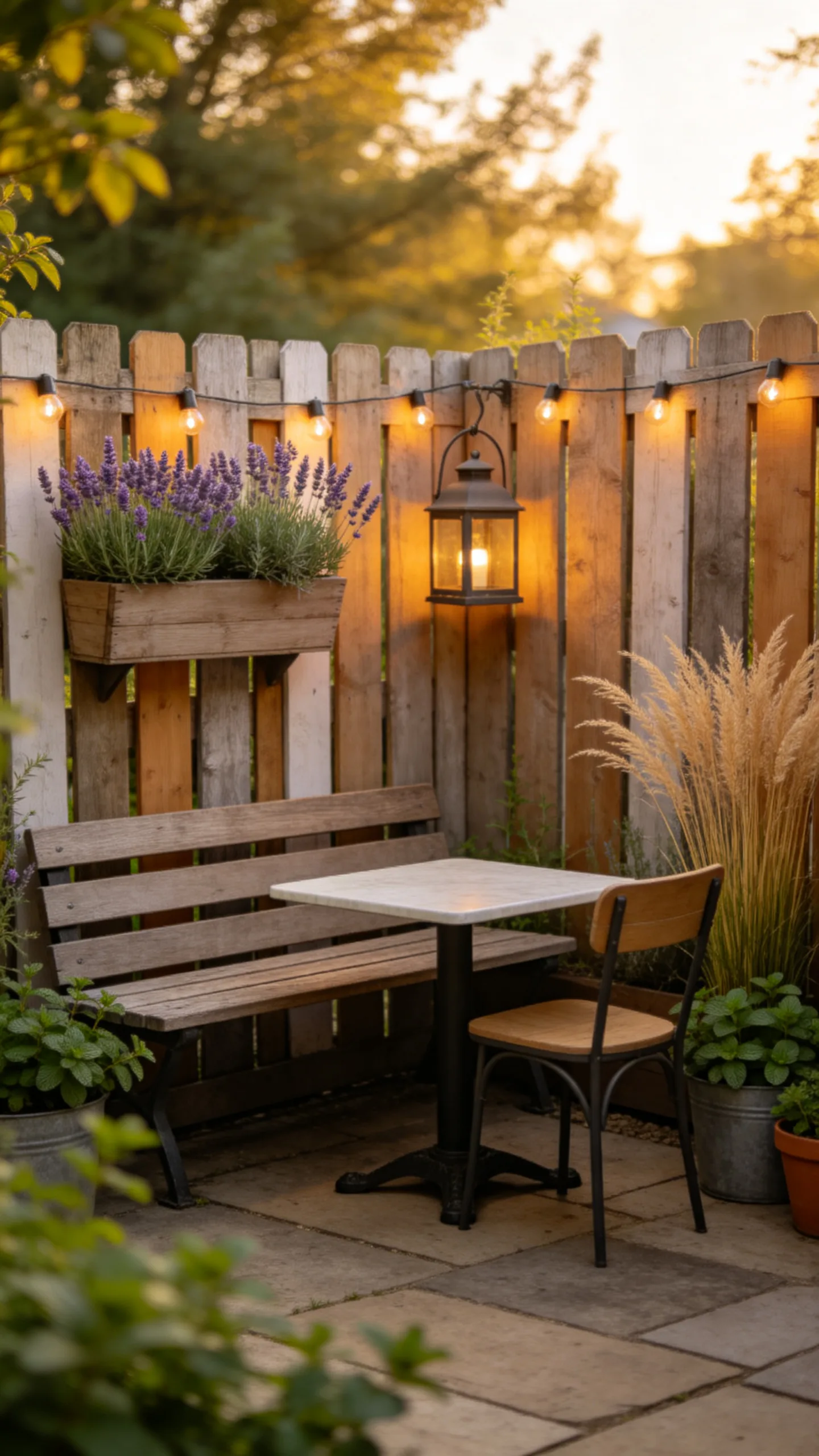
A pallet fence can create a cozy backdrop behind a garden bench, bistro table, or outdoor sofa. Even a short run of fencing can make a seating area feel more defined, especially in an open backyard. Place the fence behind the seating rather than around the whole area to save materials and keep the layout airy.
Use vertical pallets for more privacy or horizontal boards for a cleaner, lounge-style look. Add outdoor string lights, a hanging lantern, or wall-mounted planters to make the space feel finished. If you are placing the fence near a fire pit or grill, keep proper clearance from heat sources and follow local safety guidance.
Plant fragrant or textural plants nearby to make the seating area more pleasant. Lavender, rosemary, ornamental grasses, mint in containers, and scented geraniums can work well depending on light and climate.
10. Low Pallet Fence Edging for Flower Beds
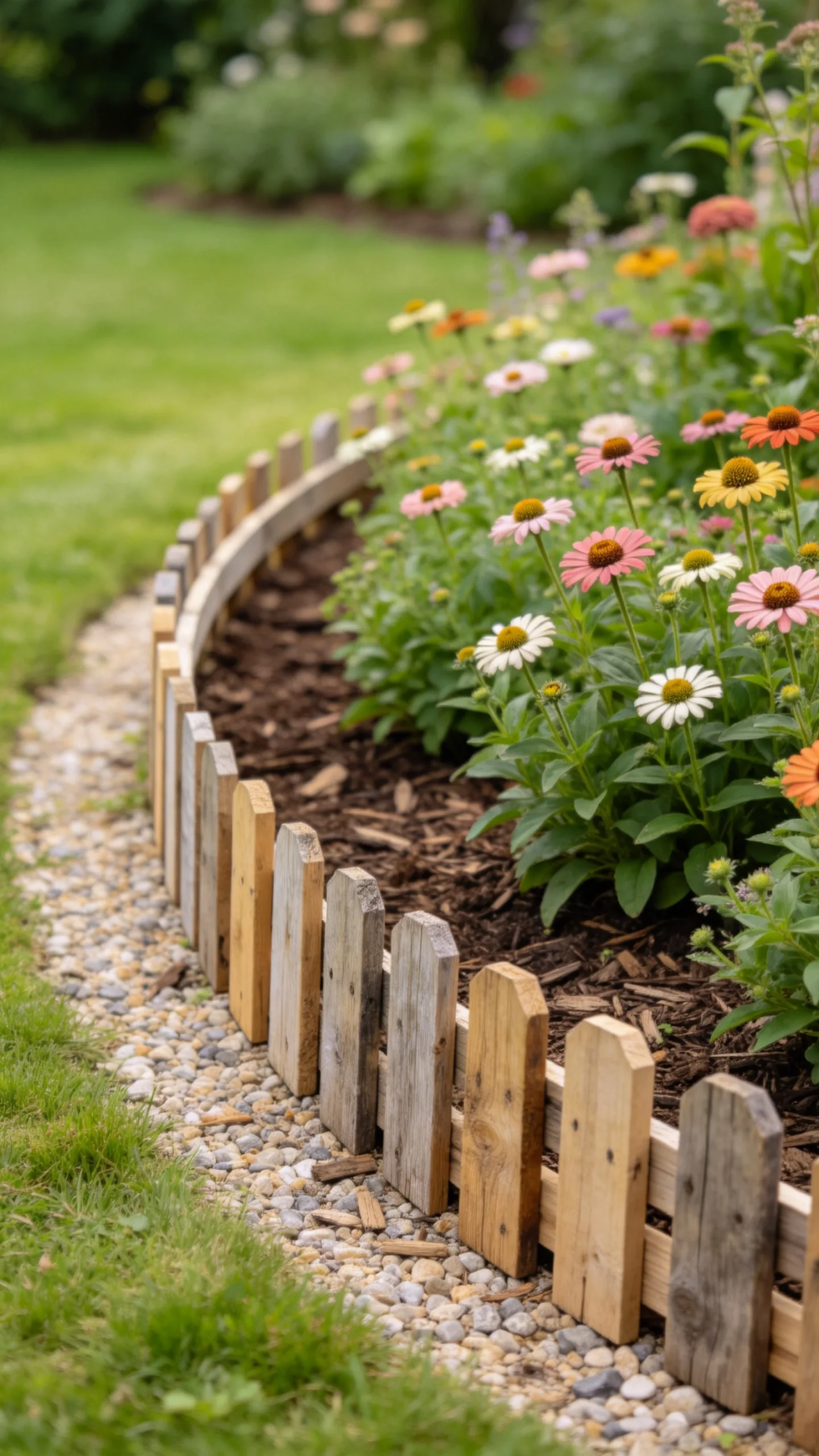
A low pallet fence can act as decorative edging around flower beds without blocking the view of the plants. Cut pallet boards into short sections and install them as mini pickets or rustic stakes along the bed line. This is a useful way to use broken or partial pallets that are not tall enough for full fencing.
Low edging helps keep mulch contained, marks the boundary between lawn and planting beds, and gives a garden a more organized shape. It is especially effective around curved cottage beds, front yard borders, or small pollinator gardens.
For a natural look, leave the boards unfinished and allow them to weather. For a more colorful garden, paint the edging in a muted tone that complements the flowers. Soft green, cream, charcoal, or terracotta can blend better than bright colors in a rustic landscape.
11. Pallet Fence With Trellis Panels for Climbing Vegetables
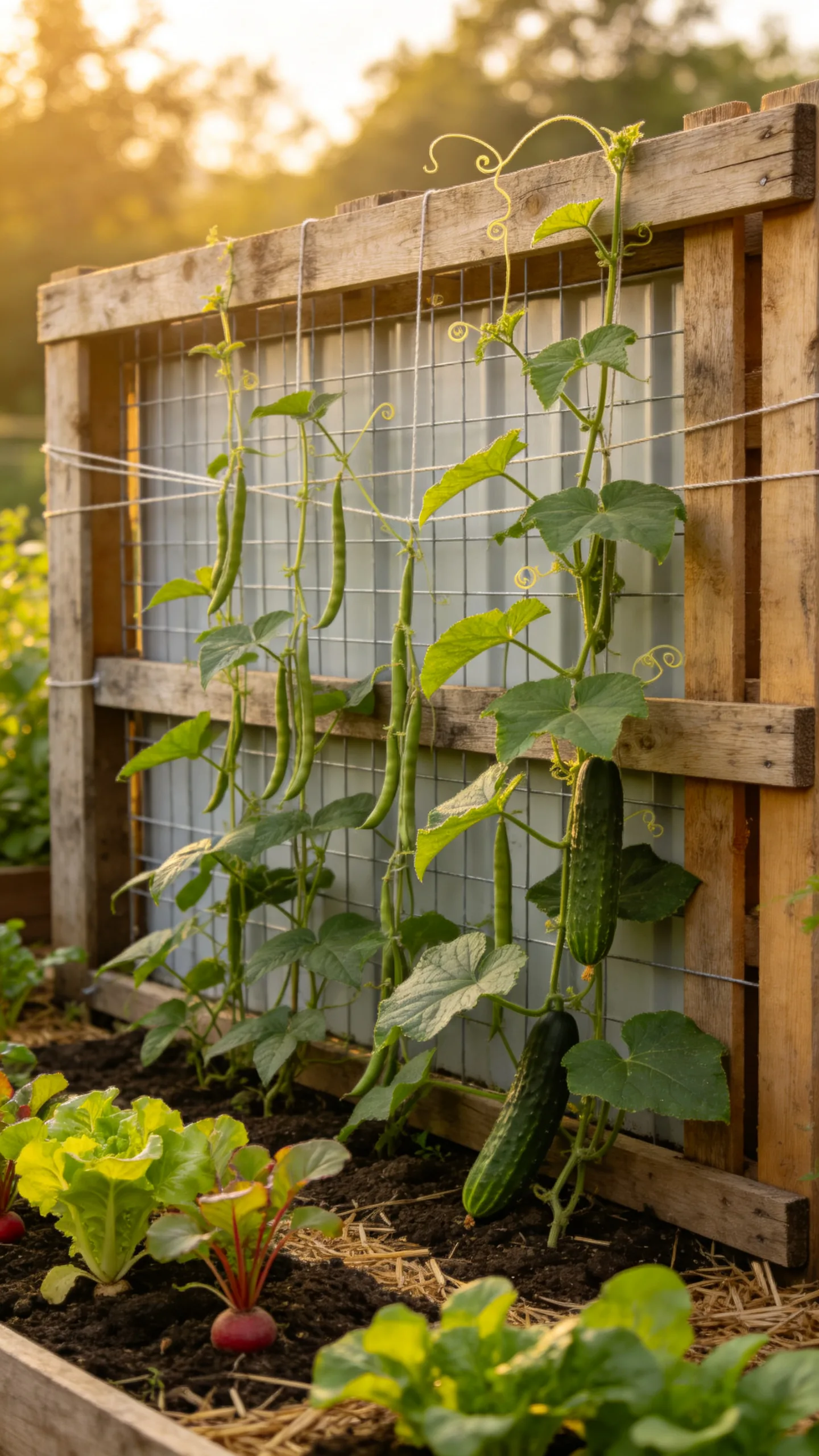
A pallet fence can double as support for climbing vegetables when you add trellis panels, wire mesh, or strings. This is a practical idea for small vegetable gardens because it uses vertical space instead of spreading plants across the ground.
Beans, peas, cucumbers, and small squash varieties can be trained upward if the structure is strong enough. Attach galvanized mesh or cattle panel sections to the pallet frame, leaving enough room for harvesting. Make sure the fence receives the right amount of sun for edible crops, since many climbing vegetables need full sun to produce well.
Place the trellis fence along the north side of a bed in the Northern Hemisphere when possible, so taller plants do not shade shorter crops. Add compost-rich soil at the base and mulch around the roots to conserve moisture during warm weather.
12. Dark-Stained Pallet Fence for a Dramatic Garden Contrast
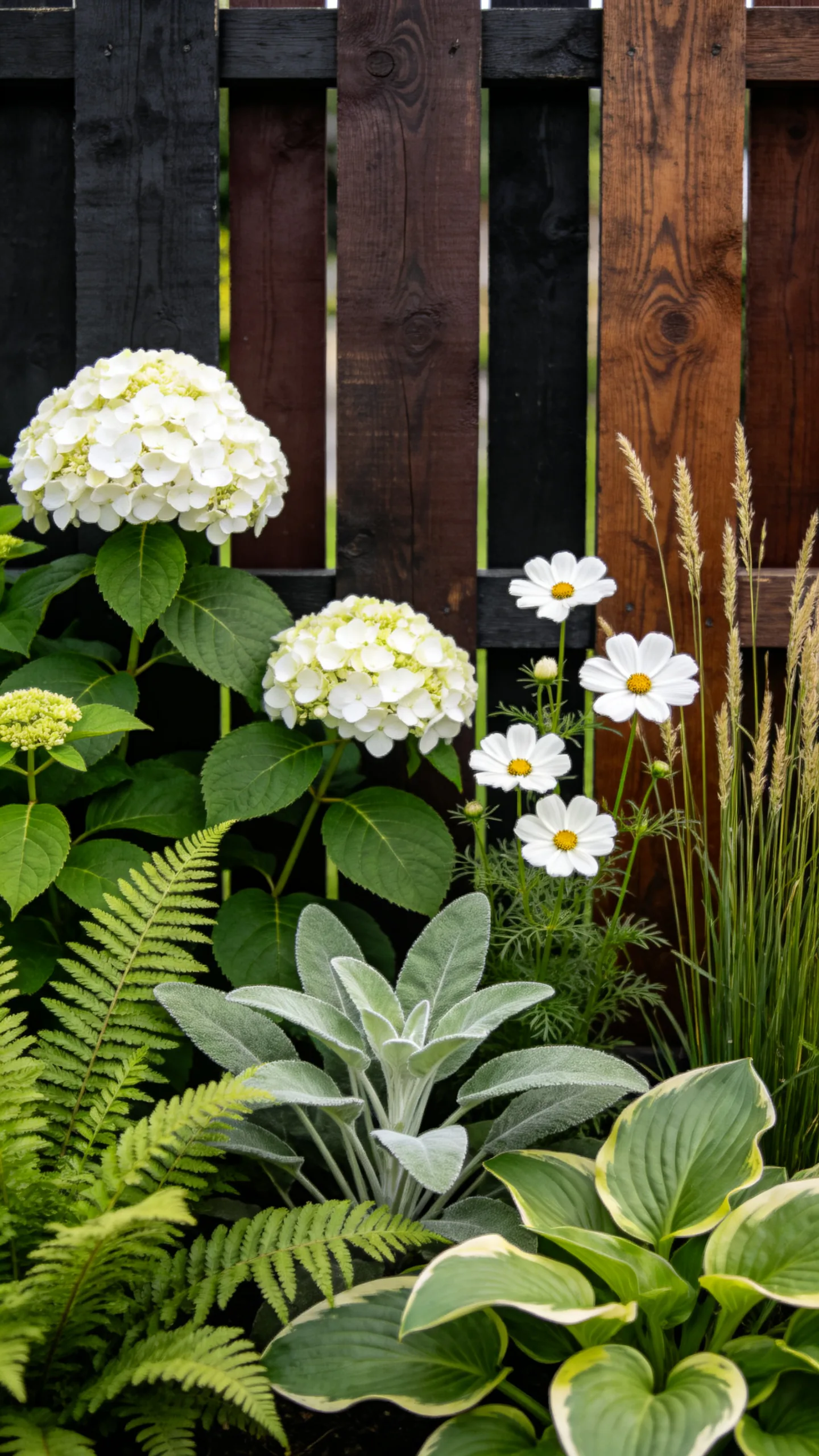
A dark-stained pallet fence can make greenery and flowers stand out beautifully. Charcoal, espresso, black-brown, or deep walnut finishes give reclaimed pallet wood a more polished appearance while keeping the rustic texture visible. This is a strong choice for modern rustic patios, narrow urban gardens, or spaces with lots of foliage.
Dark fencing works especially well behind bright green leaves, white flowers, ornamental grasses, or silver-leaved plants. Try pairing it with hydrangeas, white cosmos, lamb’s ear, ferns, hostas, or boxwood depending on sun and climate. The contrast creates depth, which can make a small garden feel more layered.
Use an exterior wood stain or sealant suitable for outdoor conditions. Pallet wood varies in quality, so sand rough edges first and replace cracked boards before staining.
13. Pallet Fence With Hanging Herb Pots
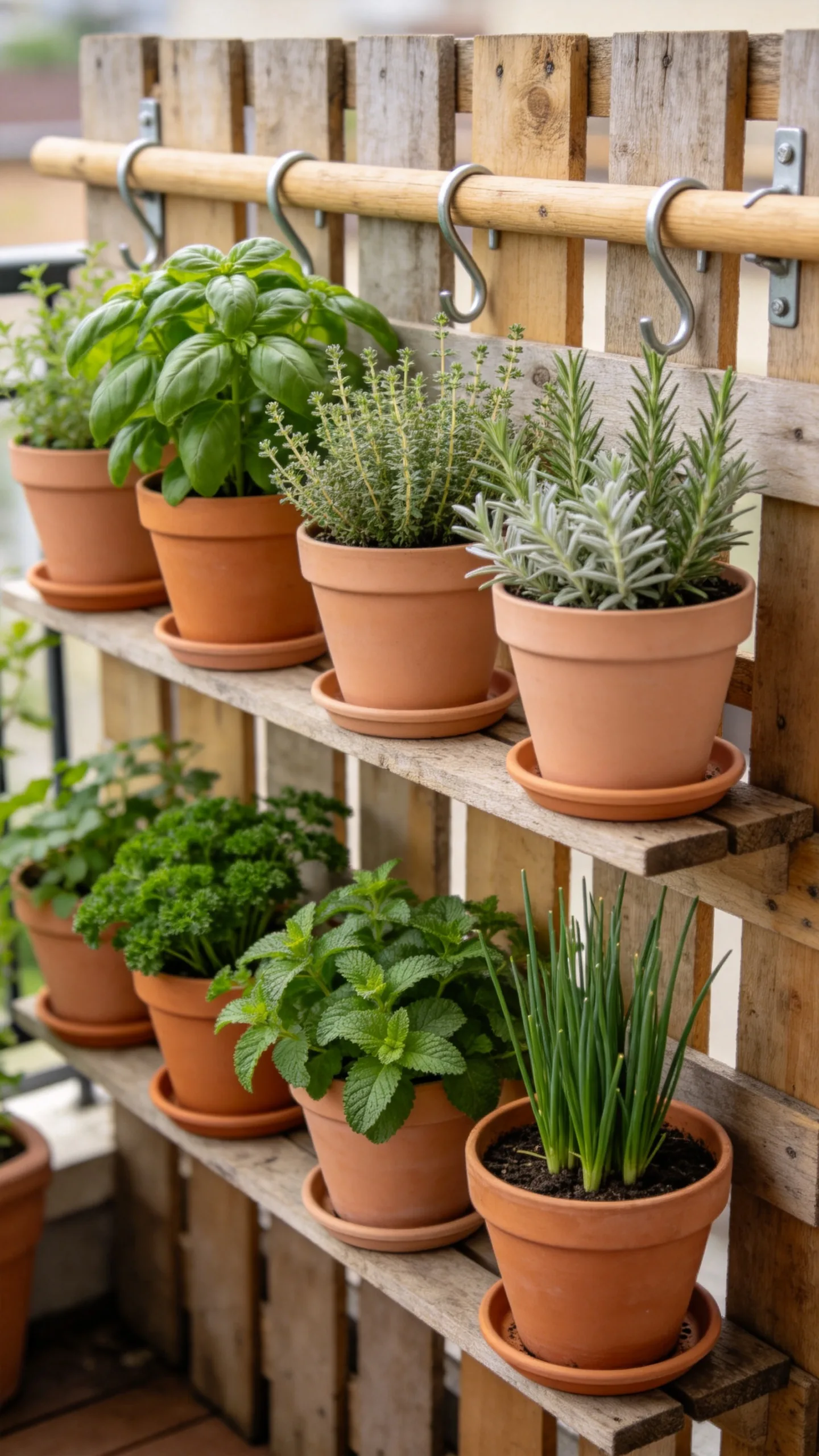
A pallet fence becomes more useful when it supports hanging herb pots. Attach hooks, rails, or small shelves to the boards and hang lightweight containers filled with kitchen herbs. This is ideal for patios, balconies, compact yards, or any garden where ground space is limited.
Choose herbs based on the amount of sunlight the fence receives. Basil, thyme, oregano, rosemary, and sage prefer sunny conditions, while parsley, mint, and chives can tolerate a bit more shade. Keep mint in its own pot because it spreads aggressively in garden beds.
Use containers with drainage holes and avoid overloading a single pallet board. Hanging herbs at eye level makes watering and harvesting easier, and the plants help soften the hard lines of the fence.
14. Rustic Pallet Fence With Gravel Path Border
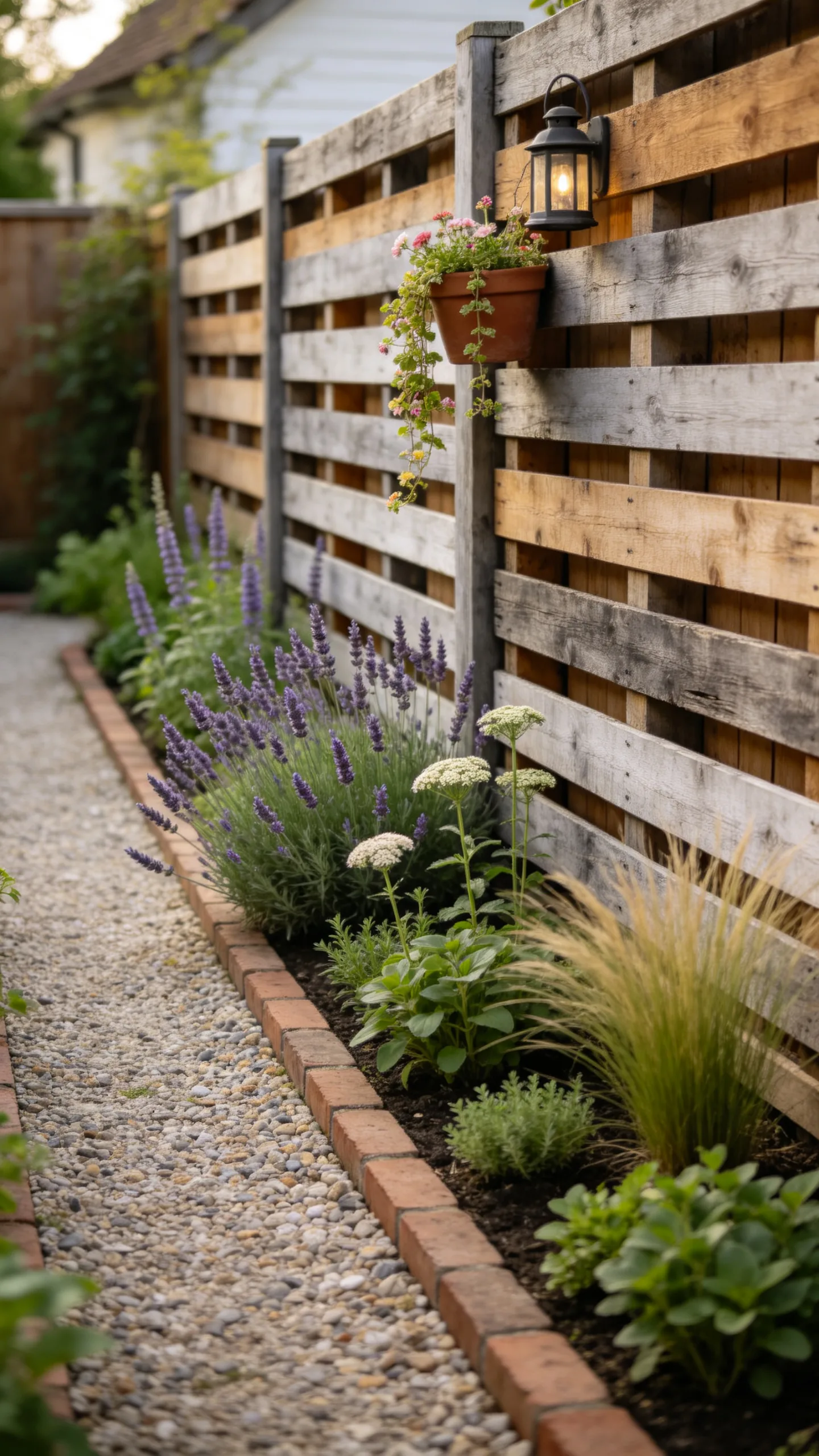
Pairing a pallet fence with a gravel path creates a practical garden walkway with rustic charm. The fence defines one side of the path, while gravel keeps the walking surface tidy and reduces muddy patches after rain. This combination works well in side yards, vegetable gardens, and cottage-style backyards.
Install landscape fabric under the gravel if weeds are a problem, and use metal, brick, or timber edging to keep the path contained. A pallet fence along the path can also support lanterns, small planters, or climbing flowers.
For planting, choose sturdy border plants that will not flop too far into the walkway. Lavender, dwarf ornamental grasses, salvia, yarrow, and compact herbs are good options for sunny spots. In shade, consider ferns, heuchera, ajuga, or low hostas.
15. Pallet Fence Painted in Soft Earthy Colors
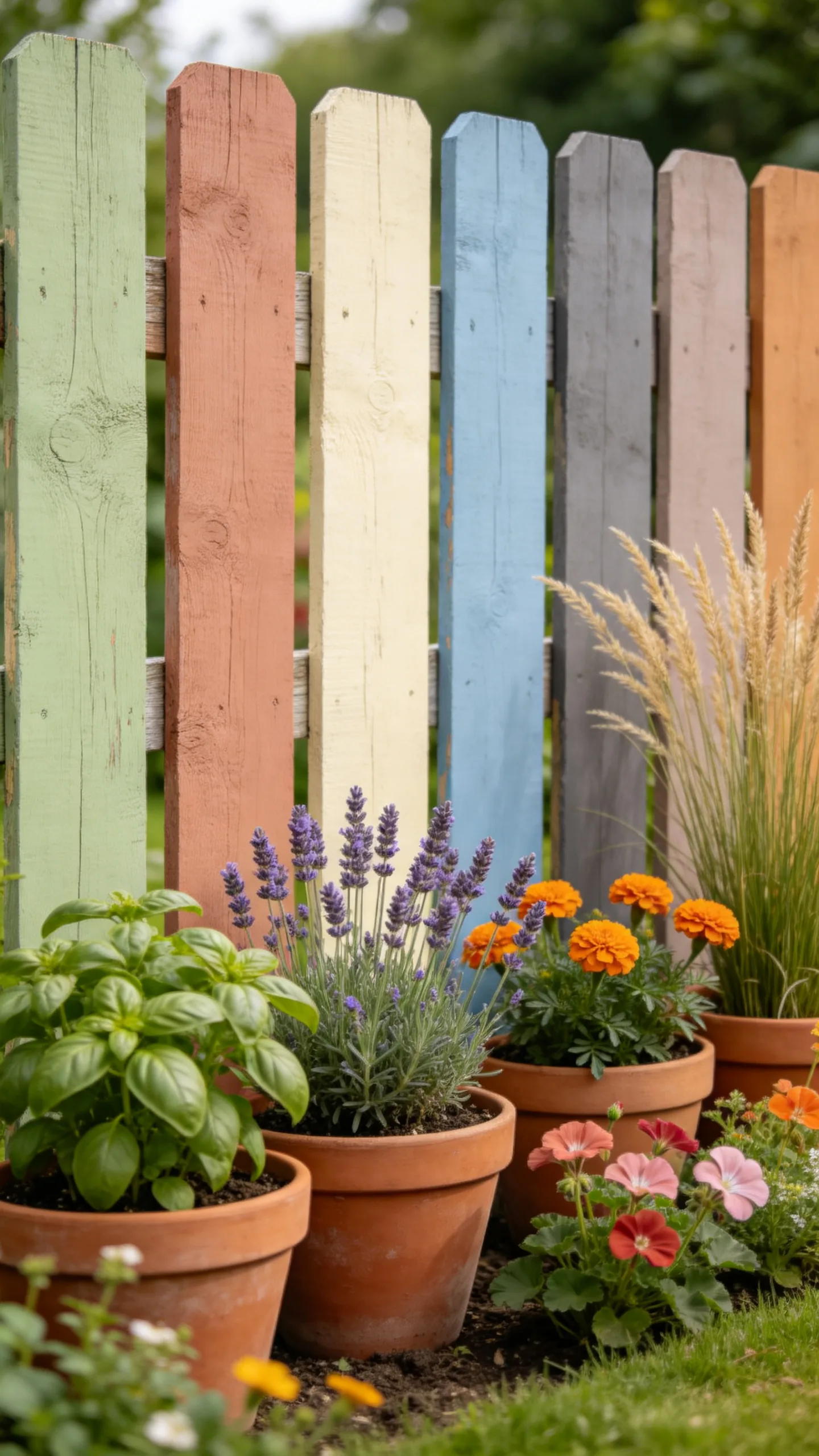
Painting a pallet fence in earthy colors can make it feel playful without losing its rustic appeal. Instead of bright primary shades, use muted tones such as sage green, clay, cream, dusty blue, mushroom gray, or warm taupe. These colors blend well with plants, terracotta pots, stone paths, and timber garden furniture.
This idea is useful if your pallets are mismatched or heavily weathered, because paint can unify the boards. You can paint every panel the same shade or alternate two similar tones for subtle variation. Sand rough surfaces first, then use exterior paint or stain designed for outdoor wood.
Earthy painted fencing works especially well around family gardens, herb beds, or patio corners that need a cheerful but natural-looking boundary. Add simple plantings in front, such as marigolds, lavender, basil, geraniums, or ornamental grasses, to connect the fence color with the rest of the garden.