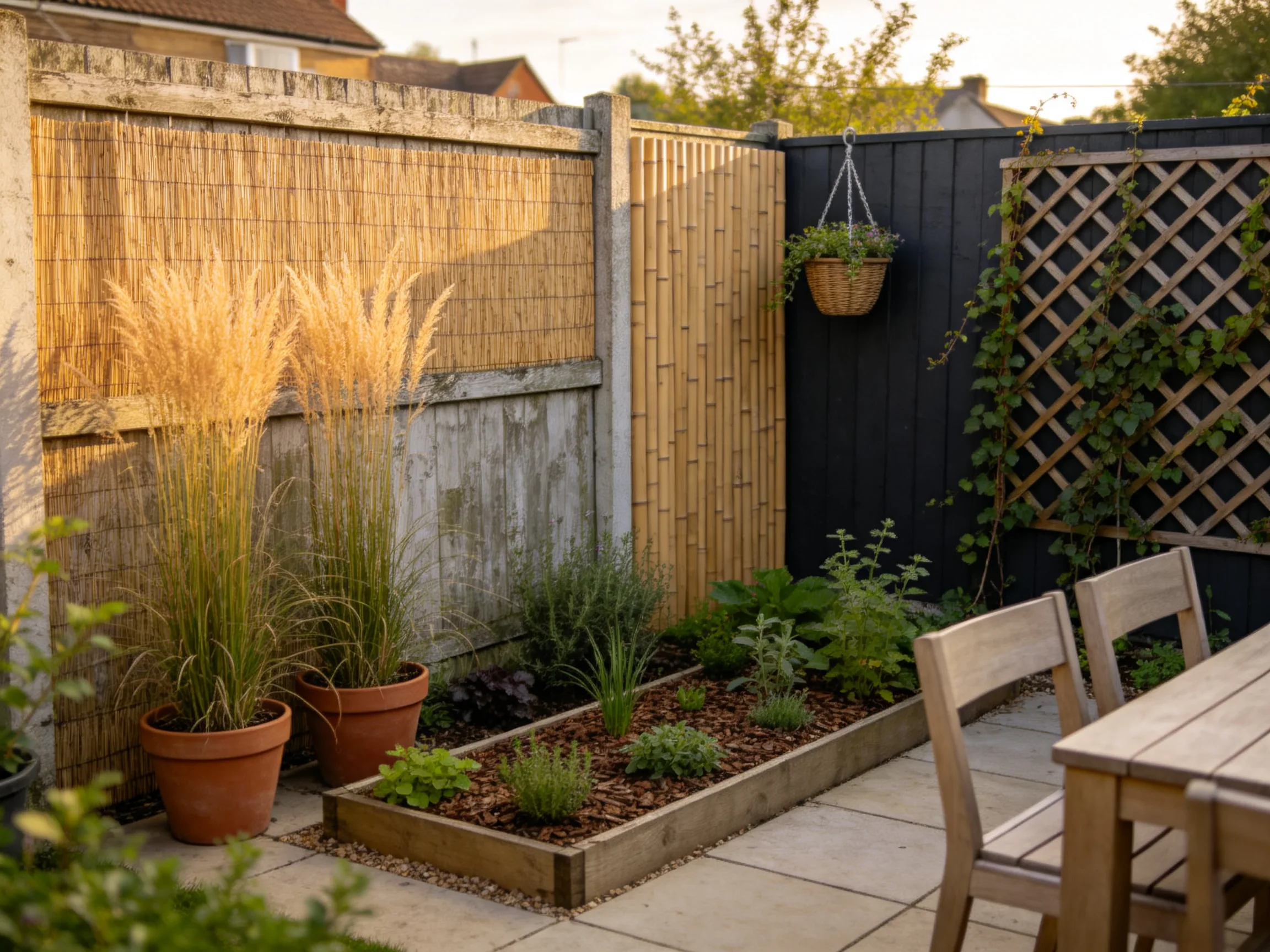
An ugly fence can make the whole yard feel unfinished, even if the patio, lawn, and flower beds look good. The easiest fix is not always replacing it. These cheap fence covering ideas use plants, panels, fabric, paint, containers, and simple outdoor materials to disguise worn boards, chain link, patchy stains, or mismatched sections without a major renovation.
1. Reed Screening Roll
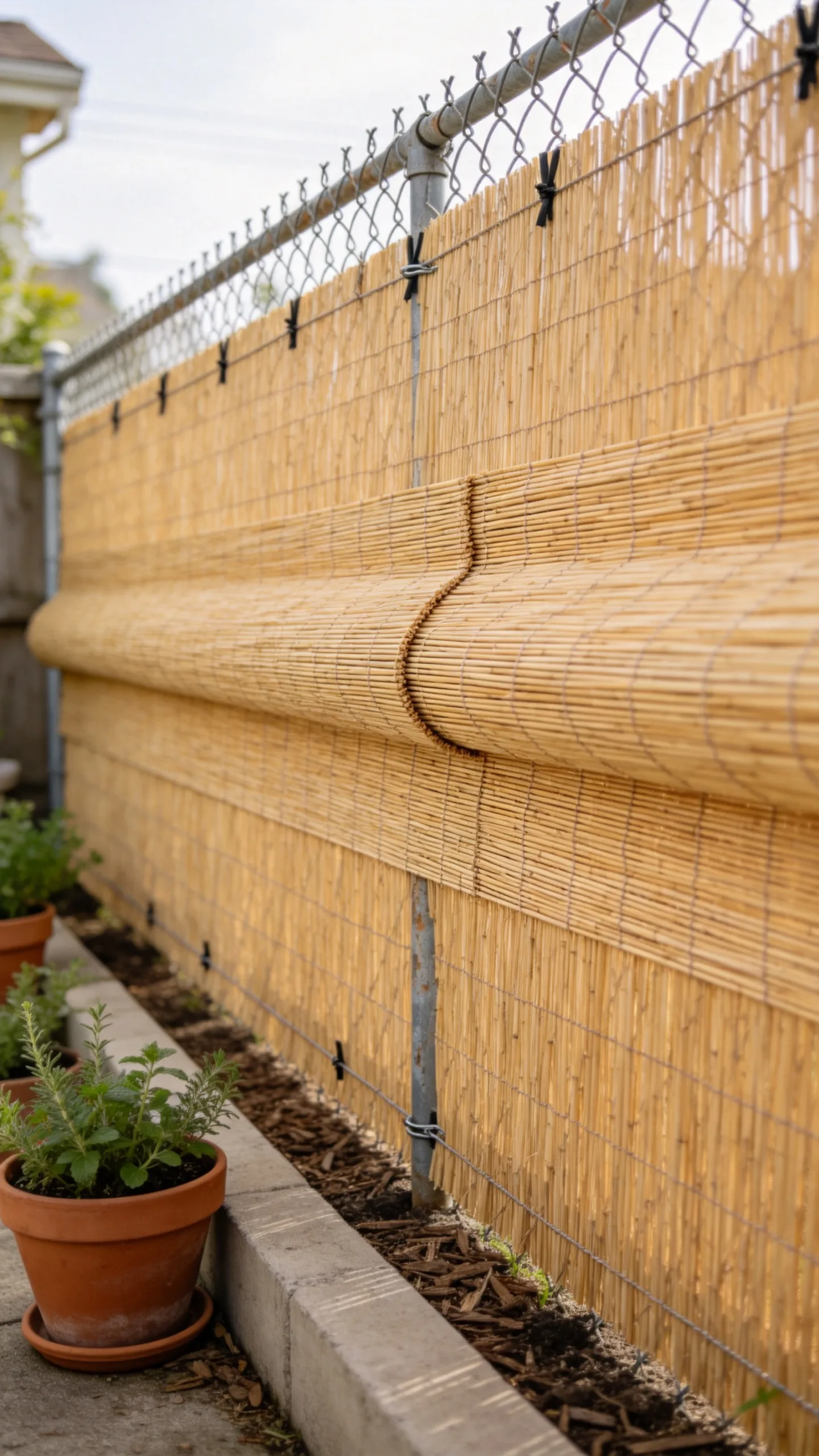
Reed screening is one of the quickest ways to cover a tired fence because it comes in long rolls and can be attached directly to wood, wire, or chain link. Use zip ties for chain link, outdoor staples for wood, or galvanized wire for a more secure hold.
This works especially well for renters or budget makeovers because it gives instant texture without permanent construction. Choose a height that matches the existing fence, and overlap seams slightly so the old fence does not show through. Reed will weather over time, so it is best for areas where you want a fast, natural-looking cover rather than a long-term structural upgrade.
2. Bamboo Fence Panels
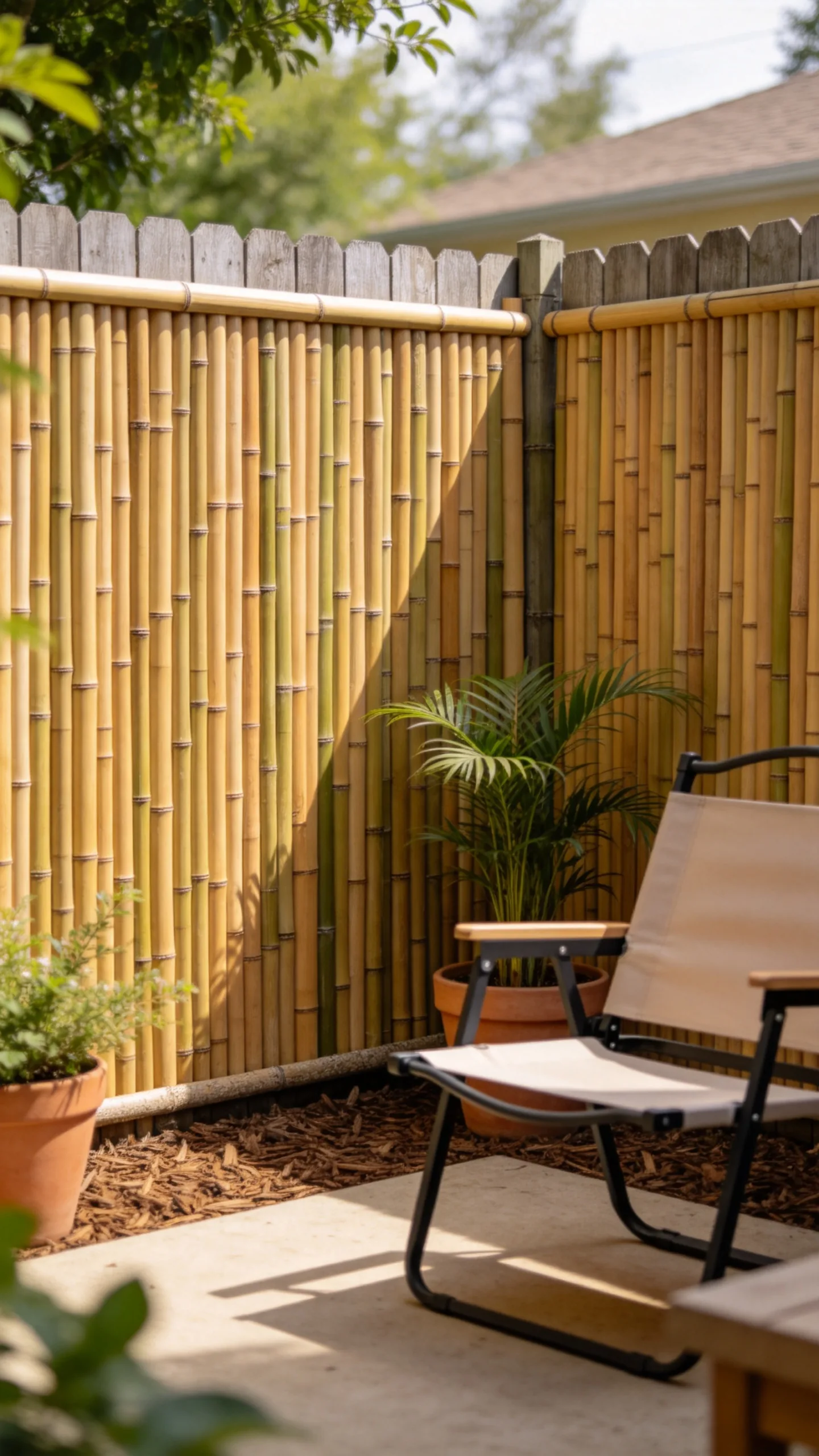
Bamboo panels create a clean, tropical-style fence cover and are often more polished than loose reed rolls. They can hide peeling paint, rusty chain link, or uneven fence boards while adding vertical lines that make a small yard feel taller.
Attach bamboo to the existing fence with heavy-duty zip ties, screws with washers, or garden wire. For better durability, keep the bottom edge slightly above wet soil or mulch so it does not sit in constant moisture. Bamboo is a smart choice behind a patio seating area, outdoor dining table, or narrow side yard where you want an instant privacy screen.
3. Outdoor Fabric Privacy Screen
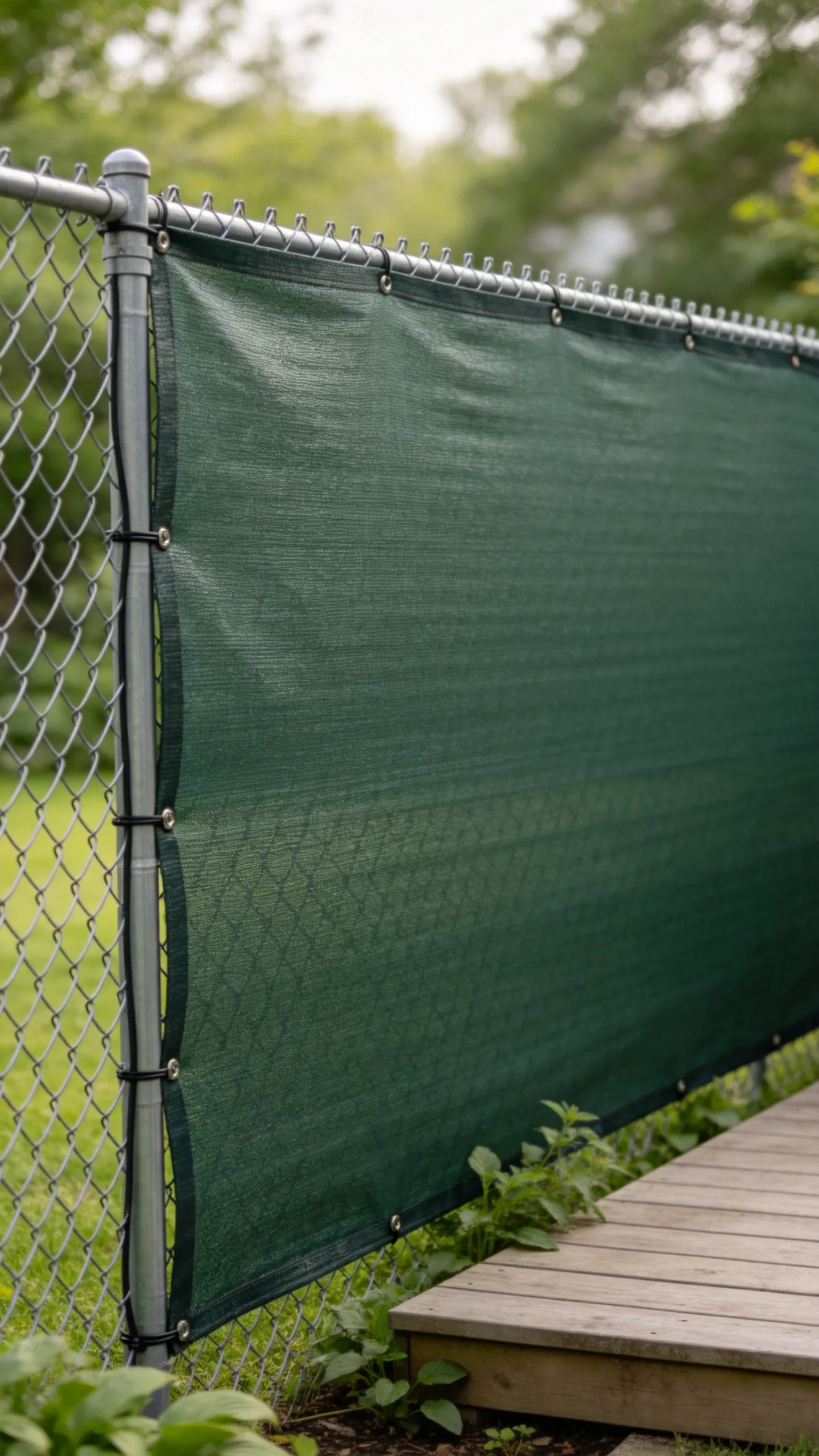
Outdoor fabric is a cheap and fast way to disguise a fence section that looks bad from a patio or deck. Look for UV-resistant shade cloth, balcony screen fabric, or outdoor canvas rather than indoor fabric, which can fade and mildew quickly.
Install it with grommets, cable ties, or screw-in hooks so the fabric stays taut. Dark green, charcoal, tan, or black usually blends better into a garden than bright colors. This idea is useful for chain link fences because the fabric can cover the open mesh while still allowing some airflow.
4. Climbing Vines on a Trellis Net
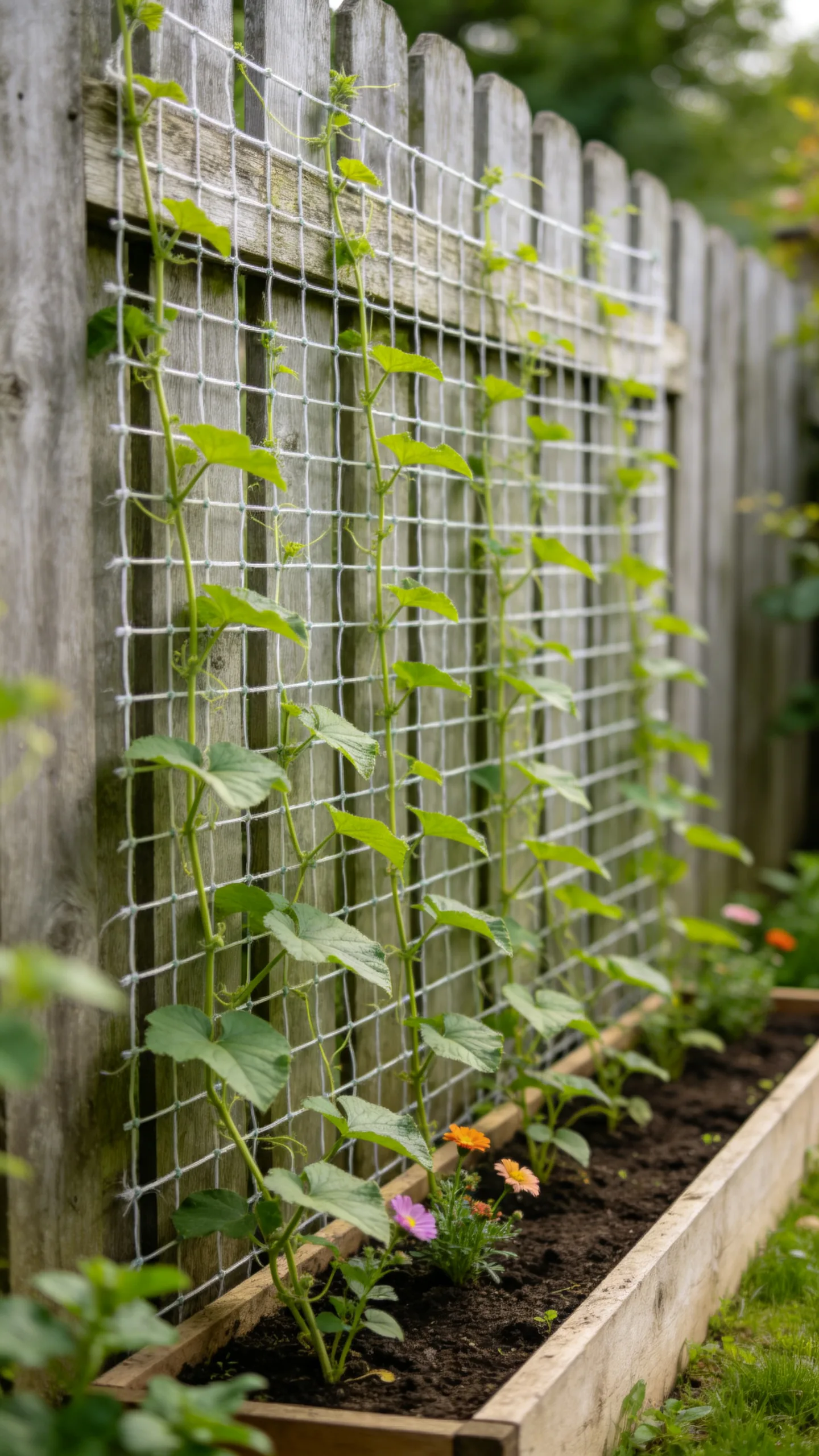
A trellis net gives climbing plants a place to grow without needing a full fence replacement. Attach plastic or jute garden netting to the fence, then plant fast-growing climbers at the base in the right season for your area.
Annual vines such as morning glory, black-eyed Susan vine, scarlet runner bean, or nasturtium can provide seasonal coverage in warm months. For a longer-term option, consider clematis, climbing hydrangea, jasmine, or honeysuckle if they suit your climate and light conditions. This approach saves ground space because the plants grow upward instead of spreading across the garden bed.
5. Potted Tall Grasses Along the Fence
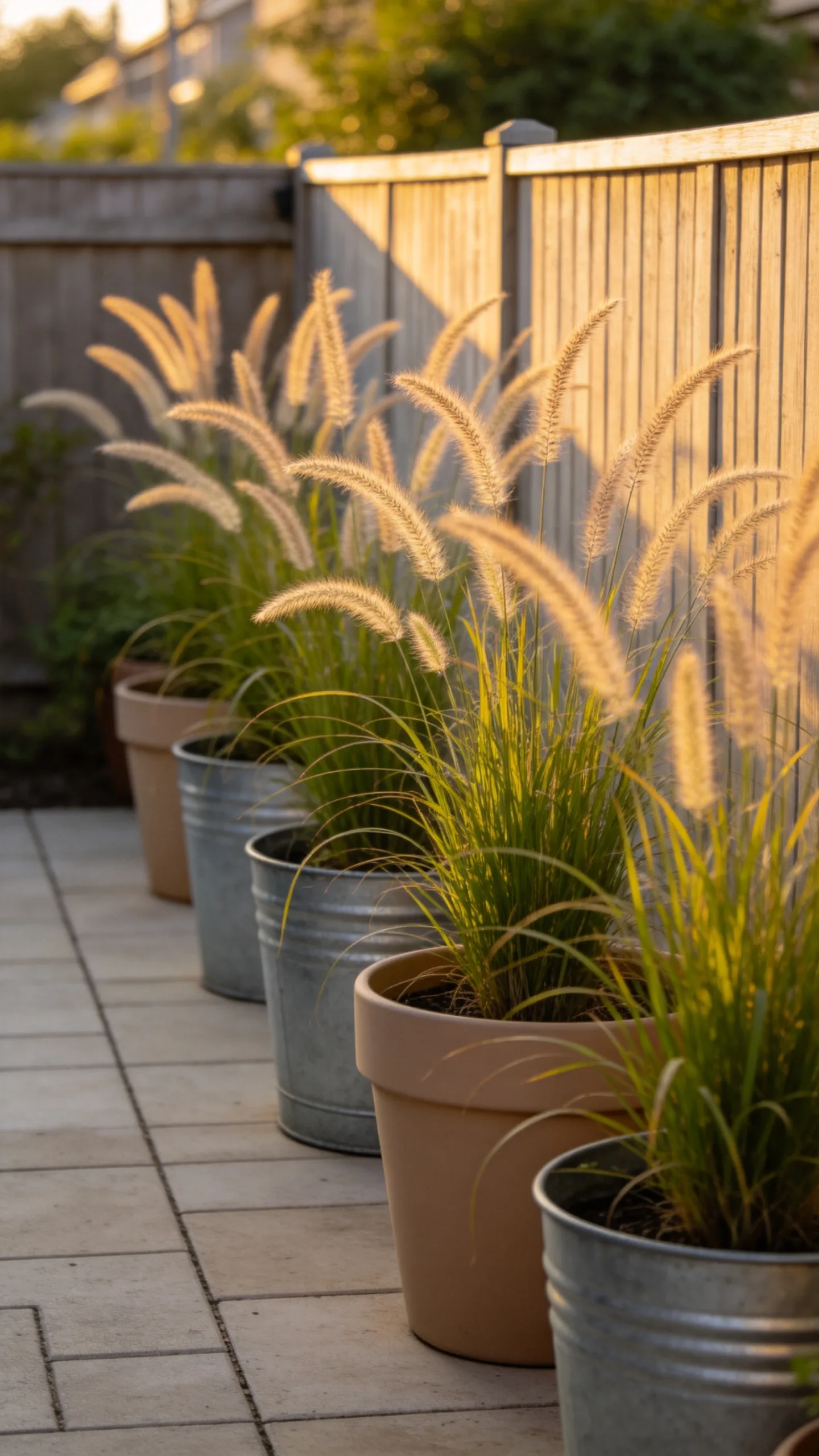
Tall ornamental grasses in containers can soften an unattractive fence without attaching anything to it. Use large plastic, resin, or galvanized tubs to keep costs lower than heavy ceramic planters.
Good options may include feather reed grass, switchgrass, fountain grass, or dwarf pampas varieties, depending on your climate and whether the plant is invasive in your region. Place the pots in a row with slight spacing so the grasses can arch naturally. This is especially useful for patios, rental yards, or paved spaces where you cannot dig a planting bed.
6. Painted Fence Color Block
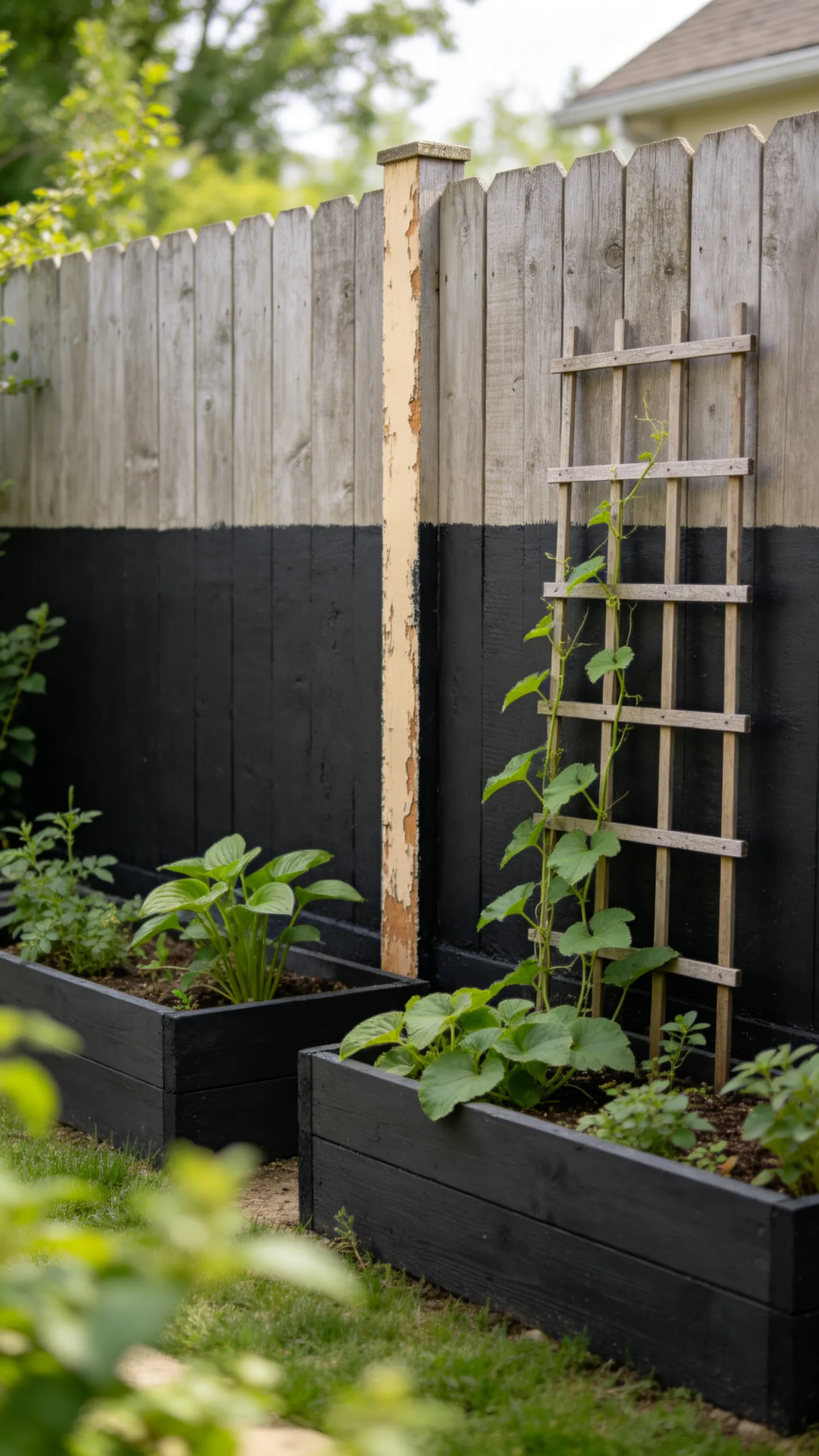
If the fence is structurally sound but visually ugly, paint can be one of the cheapest coverings. A dark color such as charcoal, deep brown, forest green, or black can make old boards recede visually and help plants stand out.
Before painting, scrape loose flakes, clean mildew, and let the fence dry. Use exterior paint or stain made for wood, metal, or masonry, depending on the fence material. For a budget-friendly design trick, paint only the most visible section behind the patio or garden bed first, then add planters or trellises in front to finish the disguise.
7. Hanging Planter Wall
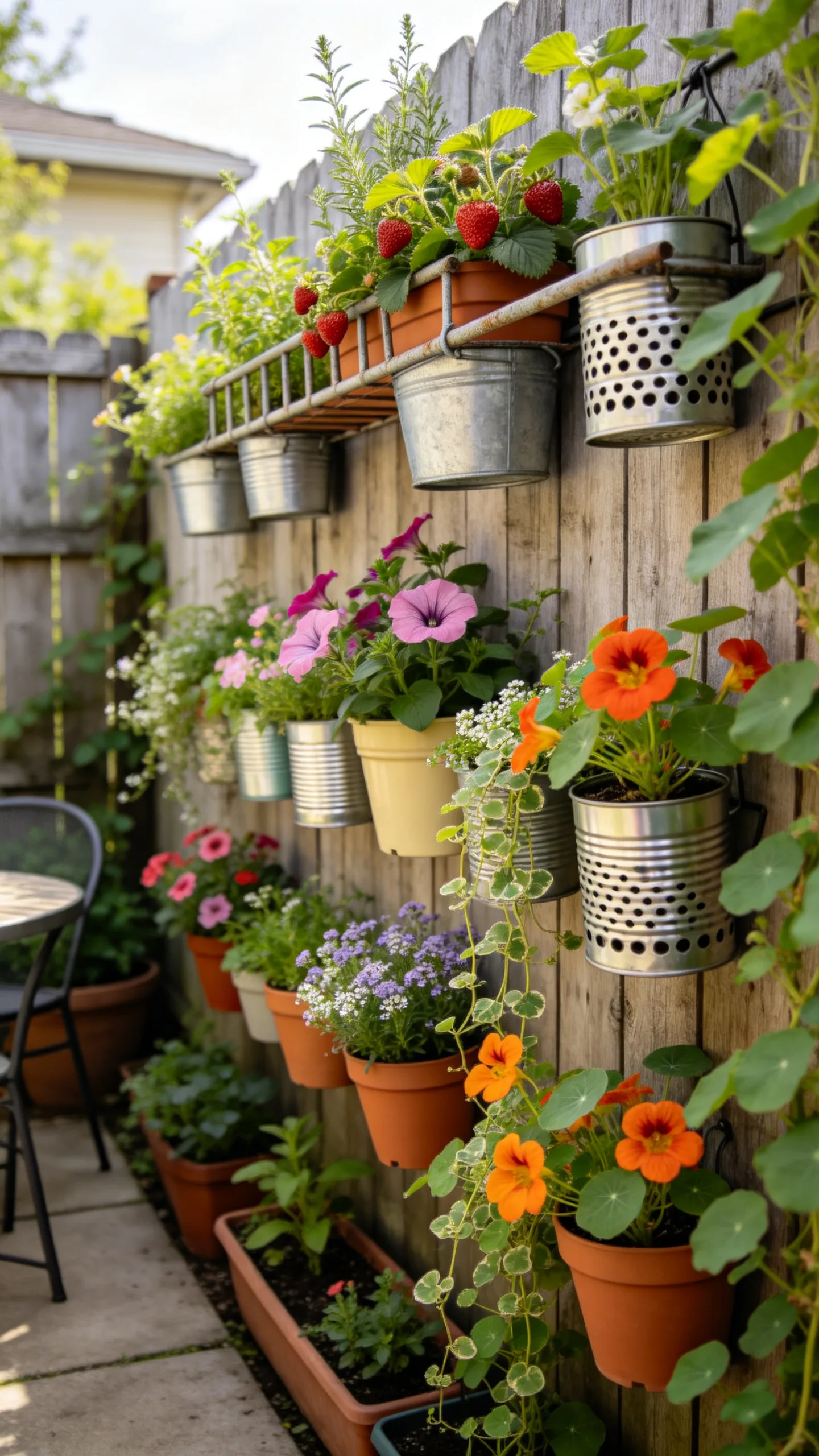
A hanging planter wall turns an ugly fence into a vertical garden. Use inexpensive railing planters, metal buckets, recycled cans with drainage holes, or plastic wall pots mounted to the fence.
Fill them with herbs, trailing annuals, strawberries, succulents, or shade-tolerant plants depending on the light. Petunias, sweet potato vine, creeping Jenny, alyssum, and trailing nasturtiums can spill over the containers and hide more of the fence surface. This idea is best for sunny fence sections near a kitchen door, patio, or small backyard seating area where you can water regularly.
8. Wood Pallet Fence Cover
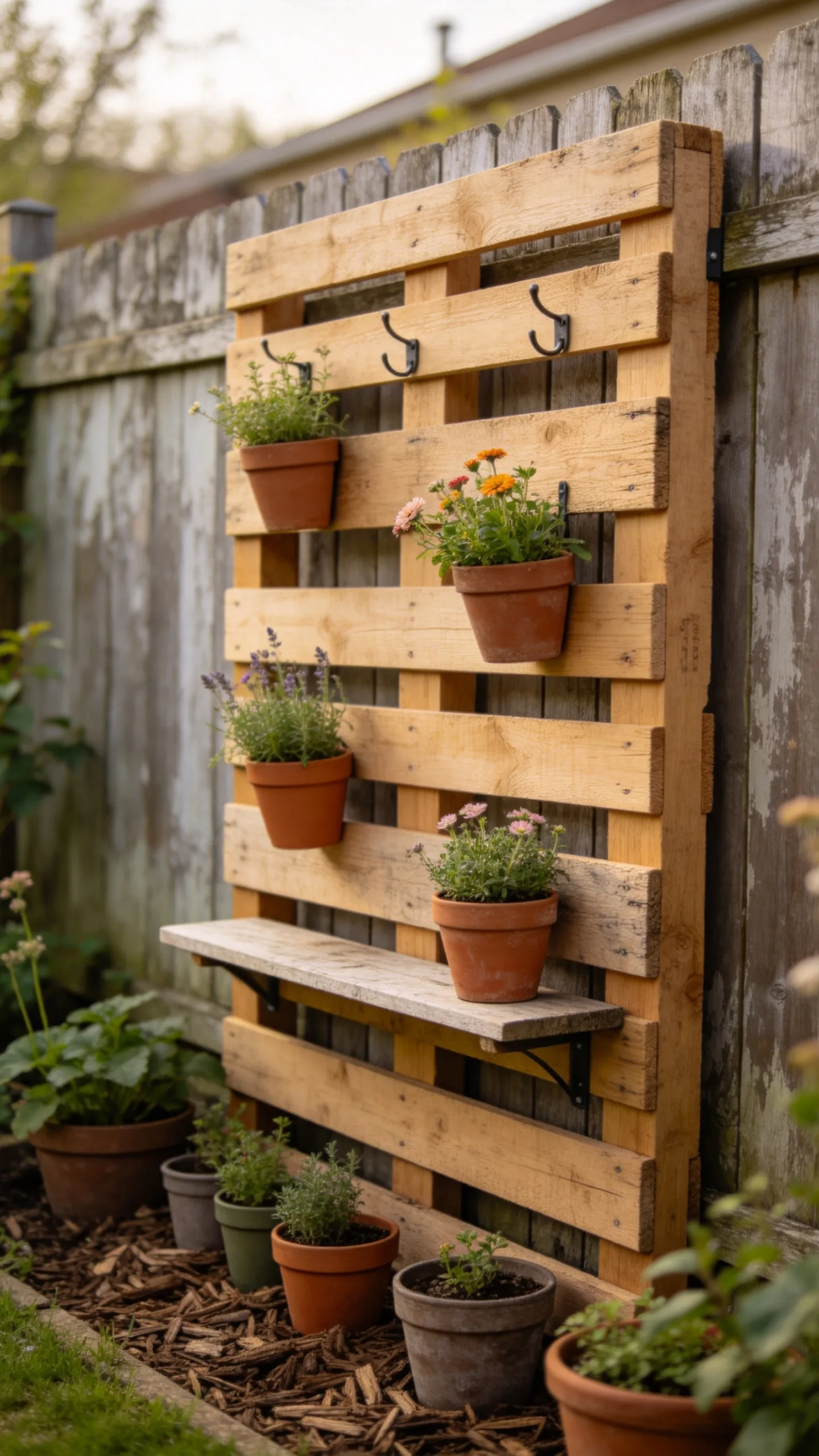
Wood pallets can cover patchy fencing and create a rustic backdrop for plants. Stand pallets upright against the fence or secure them with screws, brackets, or heavy wire so they do not tip in wind.
Sand rough edges and check that the pallets are safe for garden use, especially if they will be near edible plants. You can leave them natural, stain them, or paint them to match outdoor furniture. Add small pots, lantern hooks, or a narrow shelf to turn the pallet into a practical garden feature instead of just a cover-up.
9. Lattice Panels with Climbing Plants
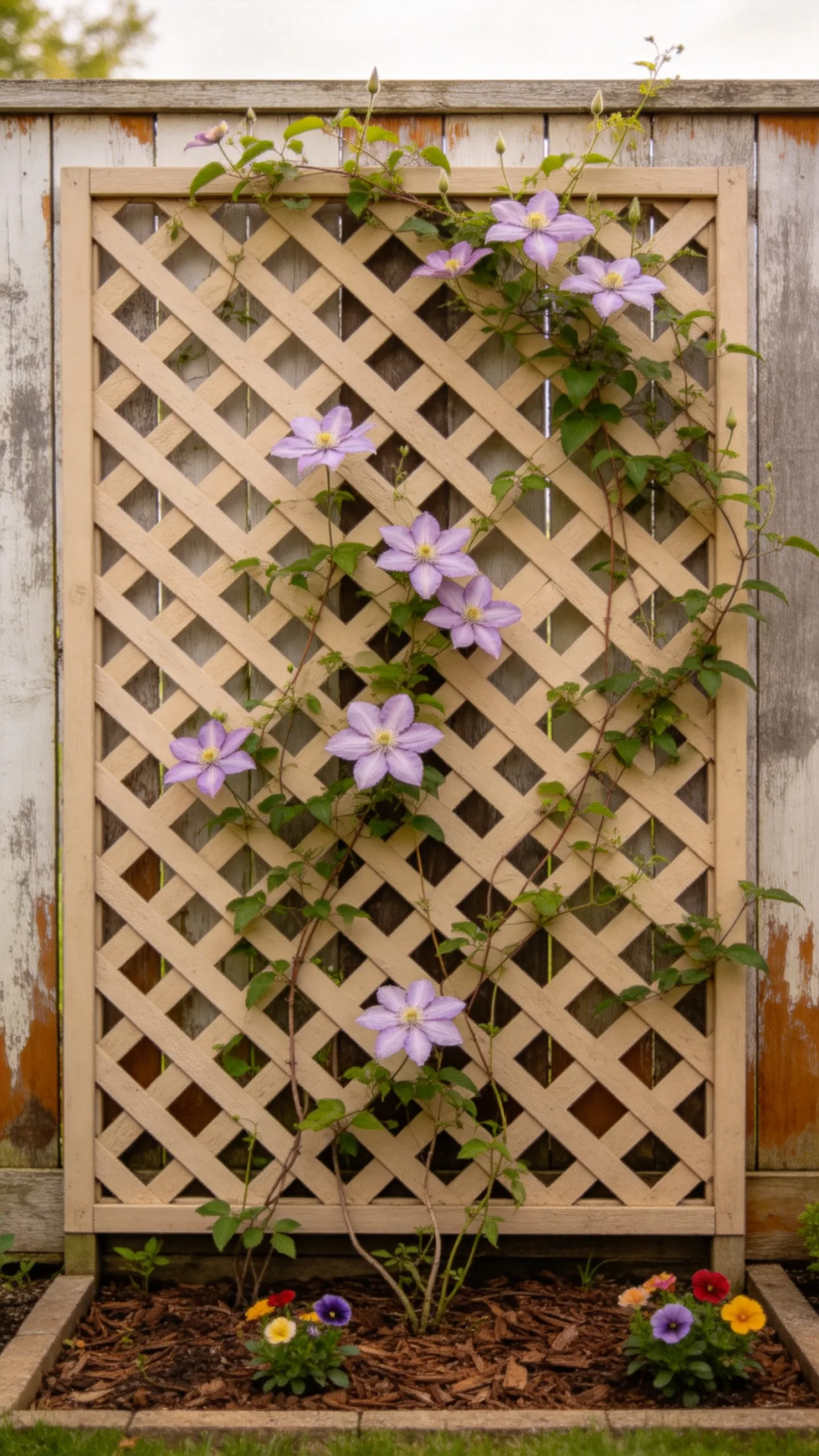
Lattice panels are affordable, easy to find, and useful for hiding a fence while still letting air and light move through. They work well on top of a plain wood fence, in front of chain link, or as a decorative layer over stained boards.
Choose wood lattice for a classic cottage look or plastic lattice for lower maintenance. Plant climbing roses, clematis, star jasmine, or annual vines at the base if the spot receives enough sun. In a small yard, lattice adds depth because it creates a patterned layer between the garden bed and the fence.
10. Faux Ivy Privacy Panels
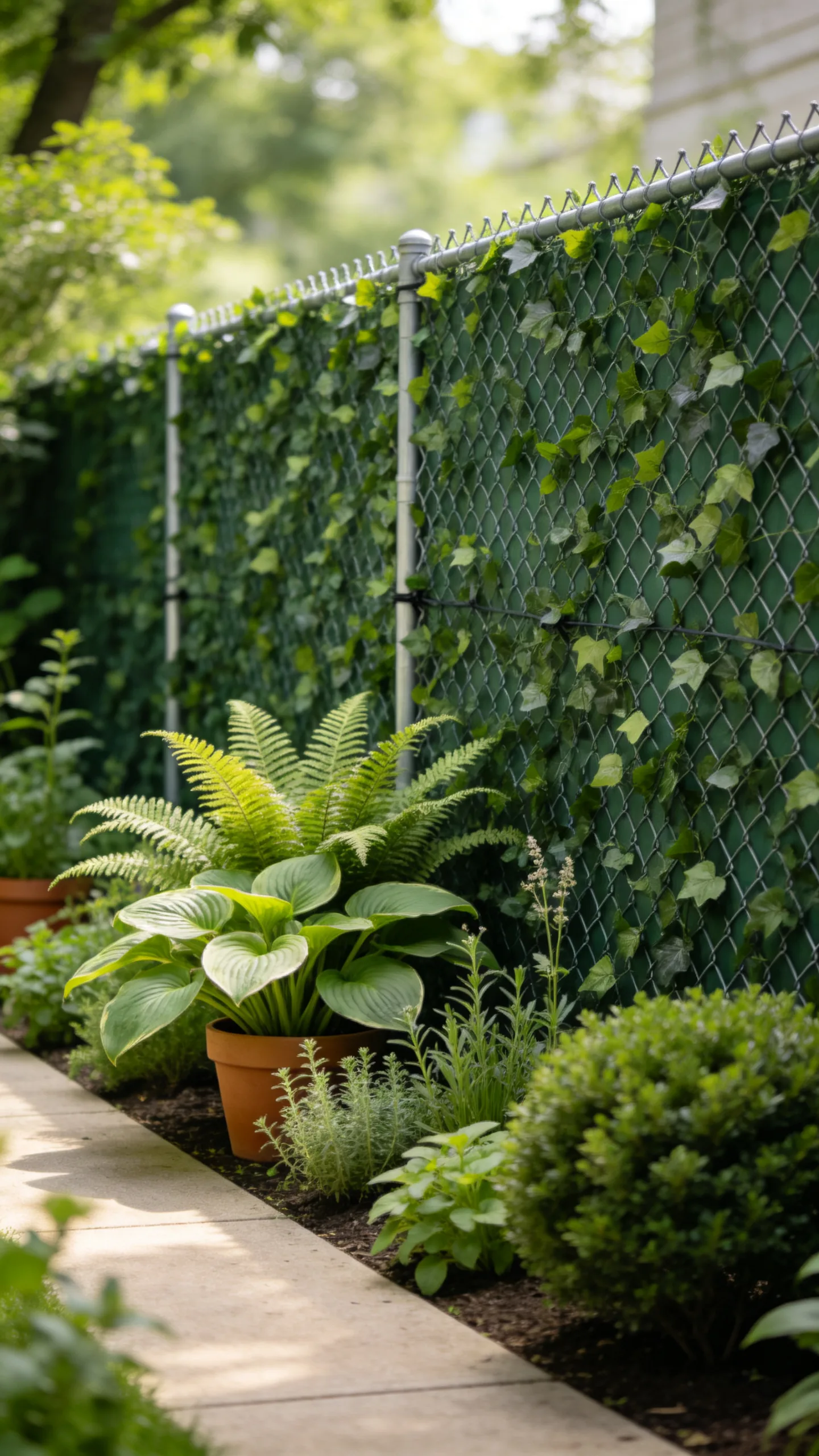
Faux ivy panels are a fast fix when you need instant greenery without waiting for plants to grow. They are usually sold as expandable screens or square panels that can be tied to chain link, balcony railings, or old fence boards.
This is useful for shaded spots where real vines struggle or for renters who need a removable solution. To make faux greenery look less flat, place real potted plants in front of it, such as ferns, hostas, herbs, or compact shrubs. The mix of real and artificial foliage helps the fence covering blend into the rest of the garden.
11. Corrugated Metal Accent Panels
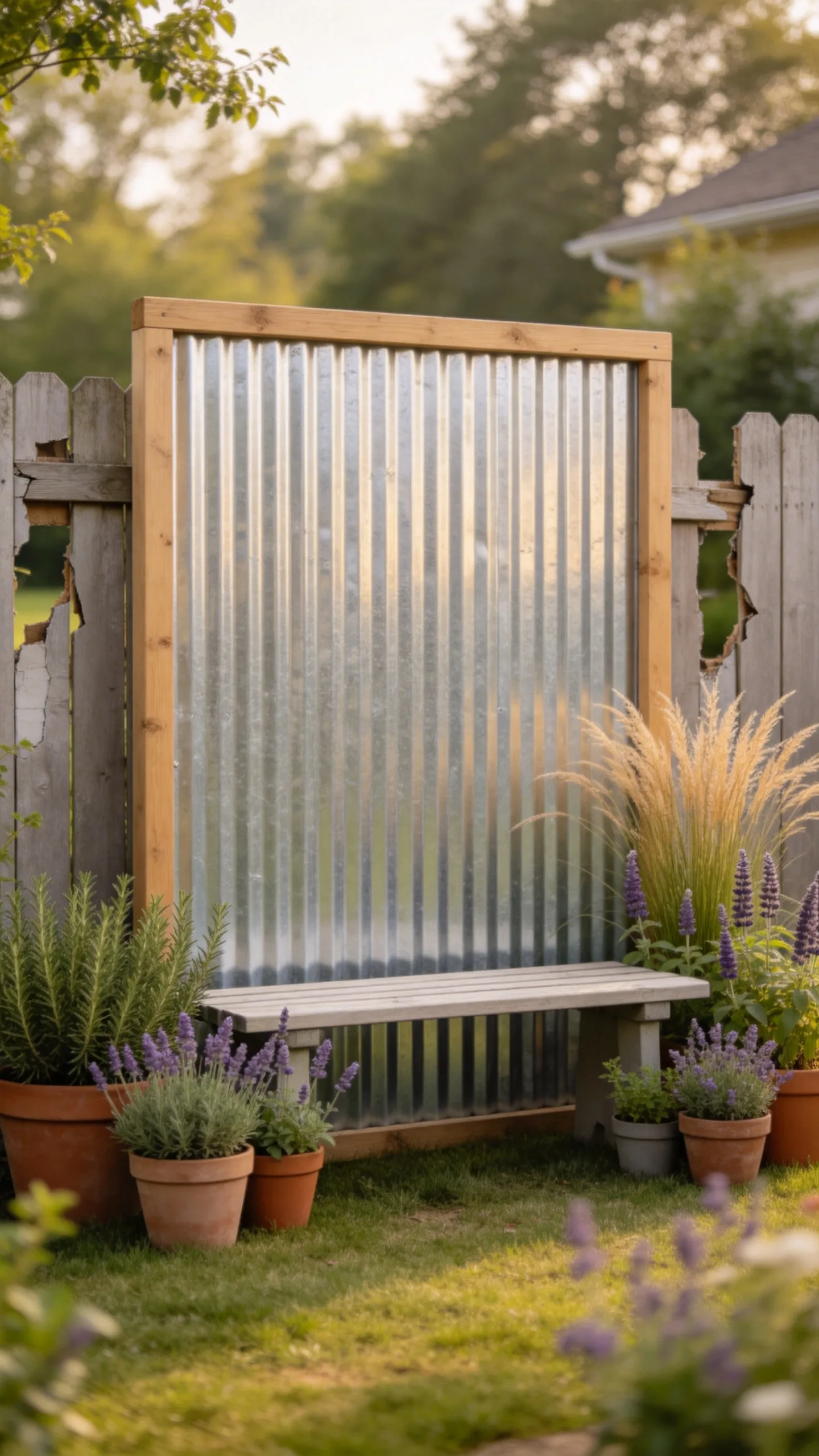
Corrugated metal can hide damaged fence sections and add a modern farmhouse or industrial garden look. Instead of covering the entire fence, use it as an accent behind a bench, fire pit area, raised bed, or outdoor bar.
Attach panels to a simple wood frame or screw them into sturdy fence posts if the existing structure can support the weight. Galvanized metal reflects light, while dark painted metal creates a more dramatic backdrop for green plants. Add containers with rosemary, lavender, salvia, or ornamental grasses in front to soften the edges.
12. Tall Raised Bed Border
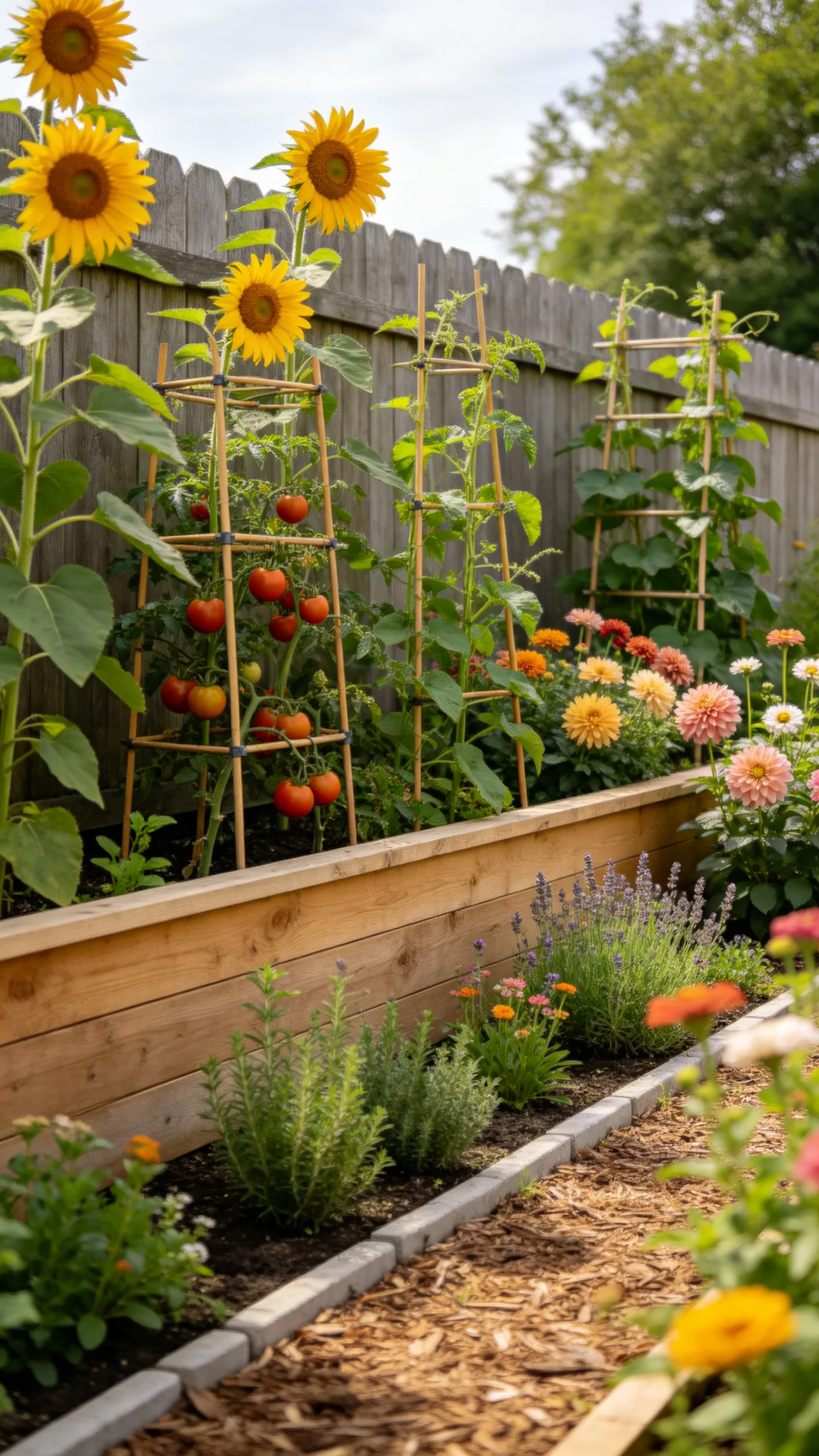
A raised bed along the fence can hide the lower half of an ugly fence while creating space for flowers, herbs, or vegetables. Use budget materials such as untreated cedar boards, concrete blocks, corrugated edging, or simple timber frames.
Plant taller crops or flowers at the back of the bed, such as sunflowers, hollyhocks, cosmos, dahlias, tomatoes on cages, or trellised beans. Place shorter herbs or annuals at the front so the bed looks layered. This idea works well in small yards because it combines fence coverage with productive planting space.
13. Outdoor Curtain Panels
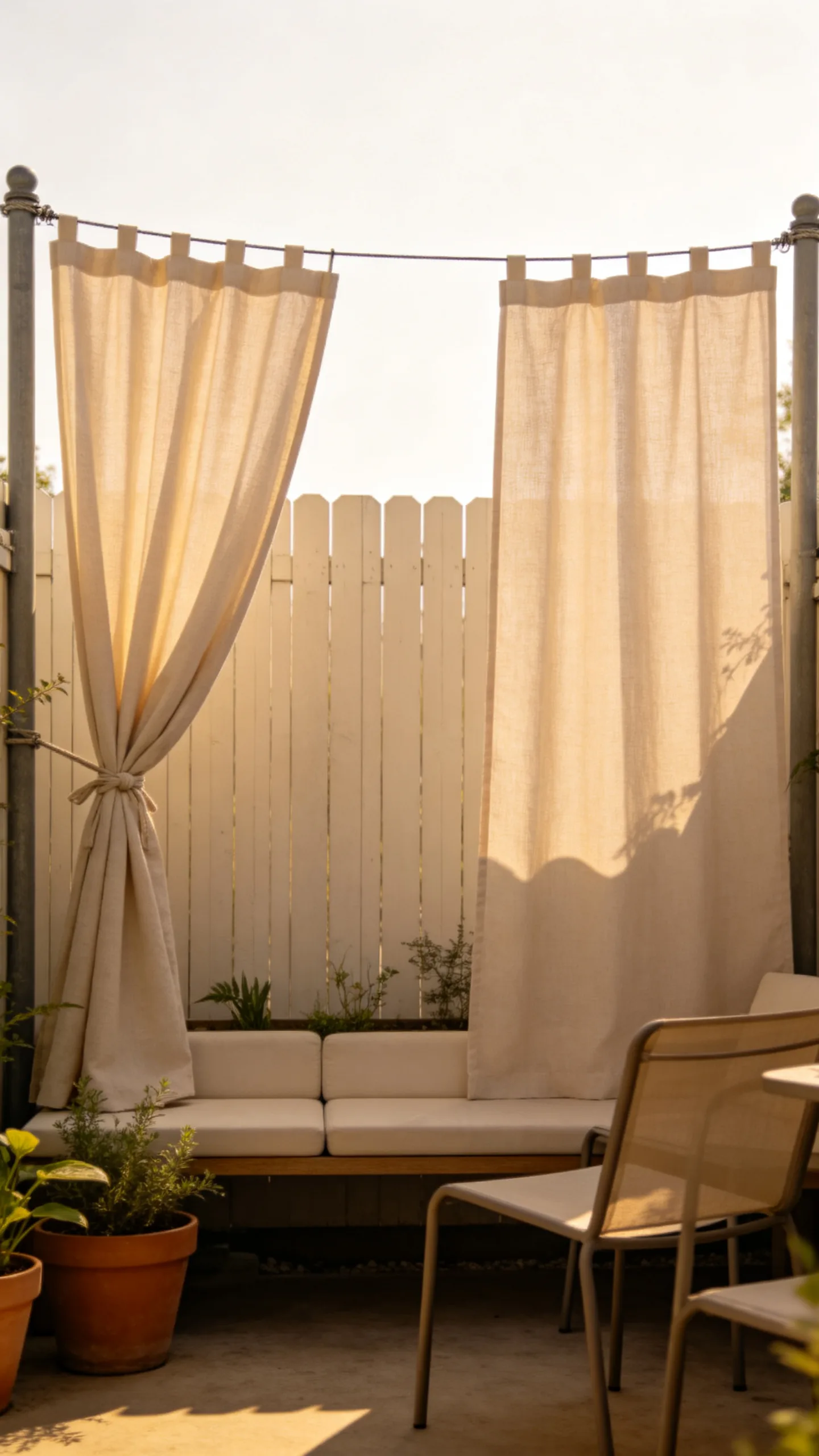
Outdoor curtains can cover a bad fence section behind a seating area and make the space feel like an outdoor room. Hang them from a simple wire cable, conduit pipe, or curtain rod mounted between posts.
Use weather-resistant curtain panels or drop cloths treated for outdoor use. Light fabric brightens a shady corner, while darker fabric hides stains and creates more privacy. Tie the curtains back when it is windy, and choose a setup that can be removed or washed when needed.
14. Trellis Screens in Front of the Fence
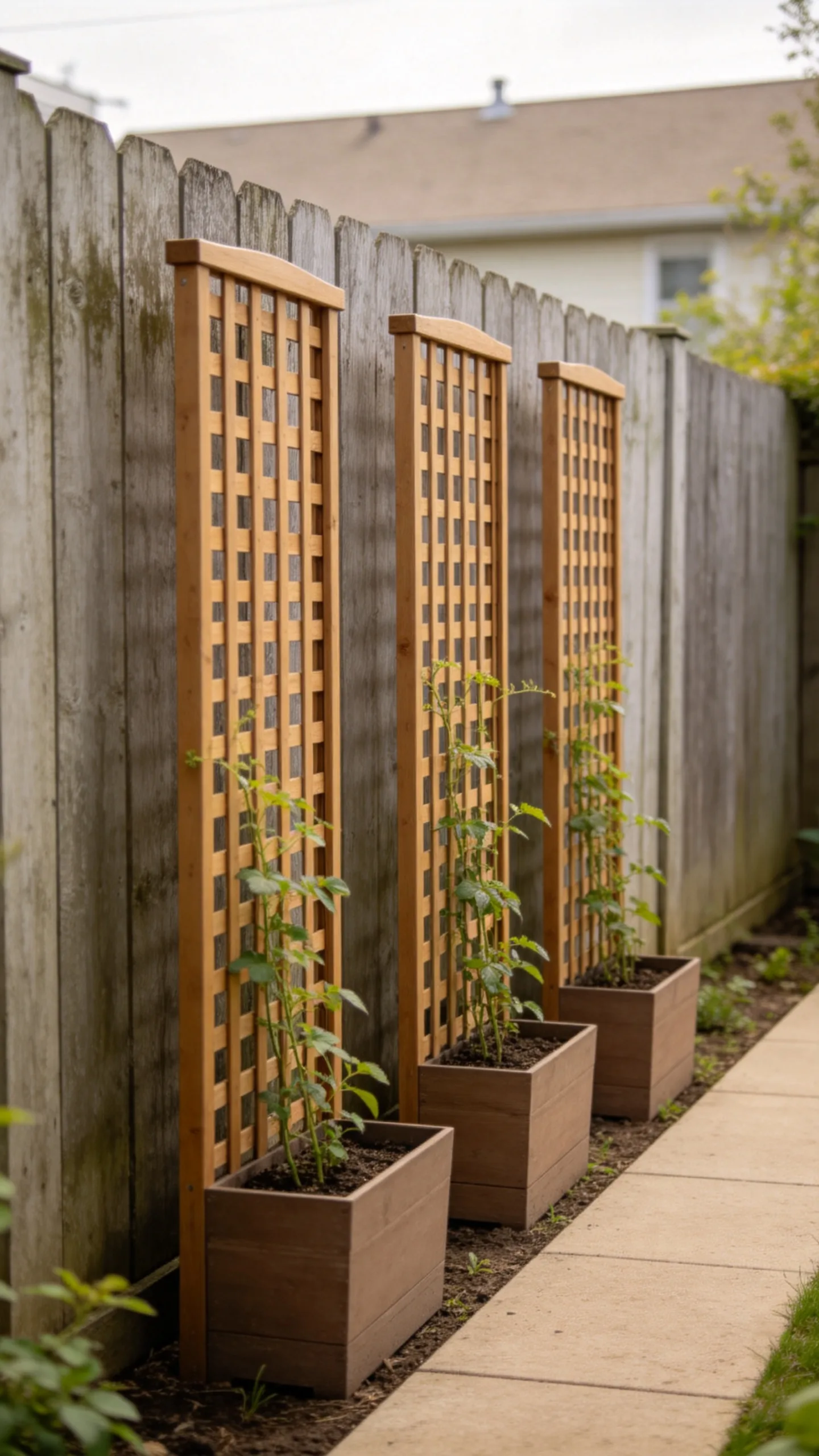
Freestanding trellis screens can disguise a fence without attaching anything directly to it. This is helpful if the fence is shared with a neighbor, unstable, or not yours to modify.
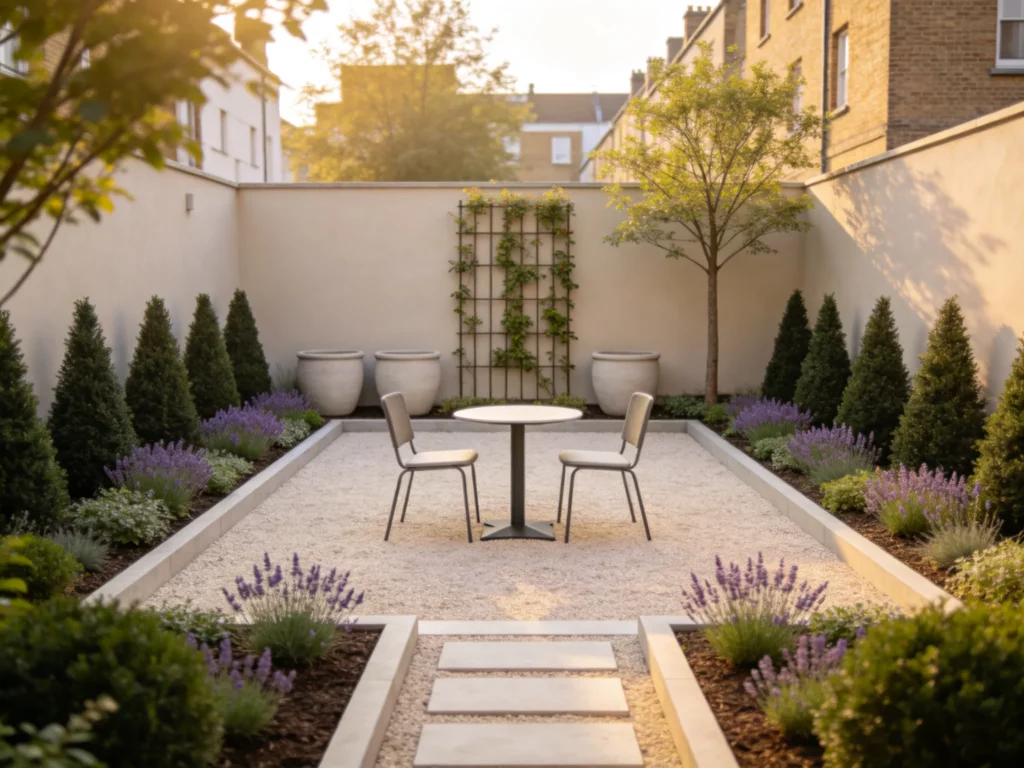
Place two or three narrow trellis panels a few inches in front of the fence, then add climbing plants or tall containers at the base. Even before plants fill in, the repeated panels distract from the fence behind them. Use this approach along a narrow walkway, side yard, or patio edge where a full planting bed would take up too much room.
15. Layered Shrubs and Mulch Border
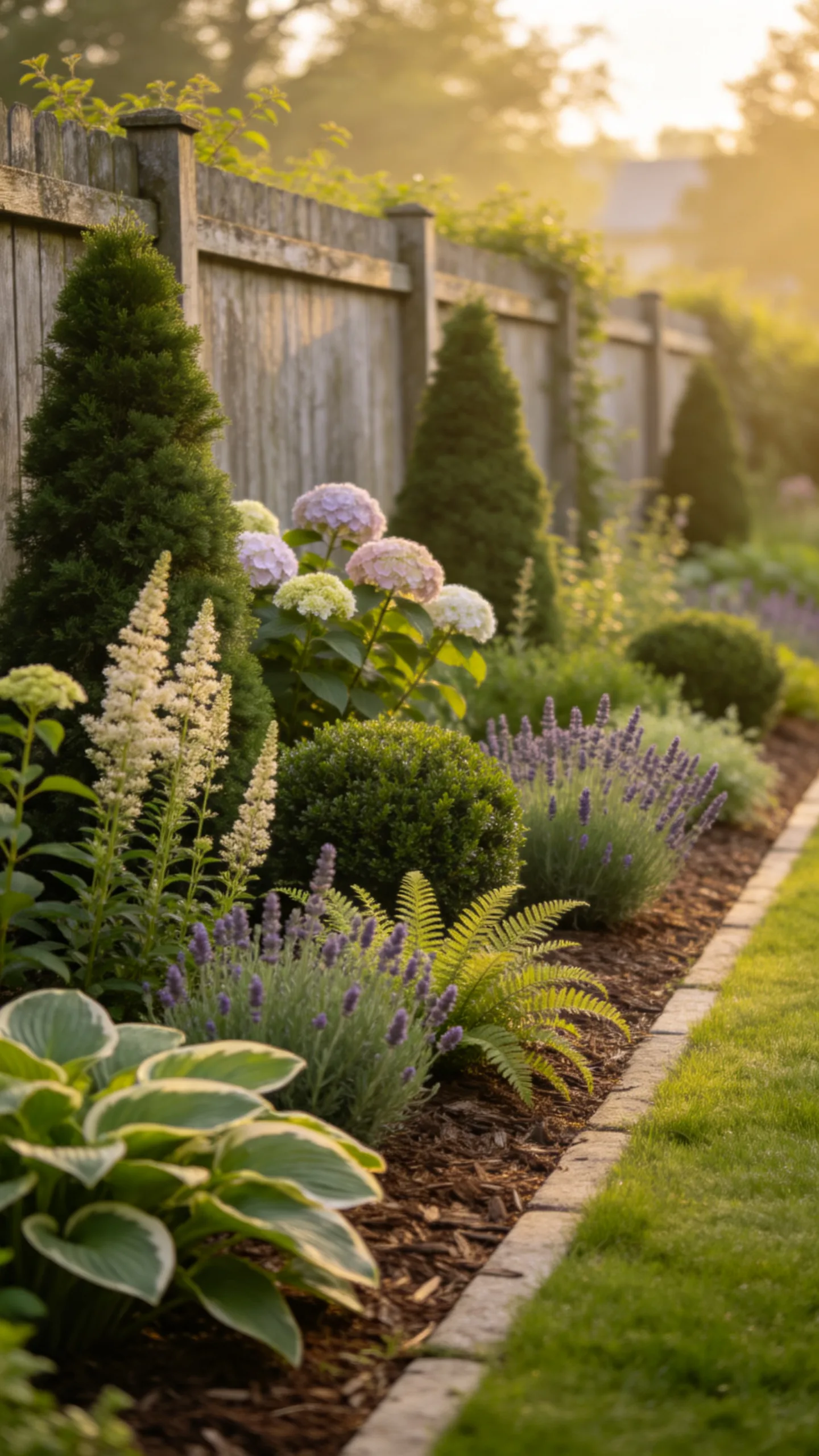
A simple shrub border can cover an ugly fence in a more permanent way. Start with a narrow mulched bed along the fence, then plant compact shrubs suited to your light and climate.
For sunny areas, consider dwarf butterfly bush, spirea, boxwood, lavender, rosemary, or compact hydrangea varieties where they grow well. For shade, look at holly, aucuba, skimmia, ferns, hostas, or shade-tolerant hydrangeas. Keep the tallest plants toward the fence and lower plants near the front edge. This layered planting hides the fence gradually while making the yard look more intentional and easier to maintain.