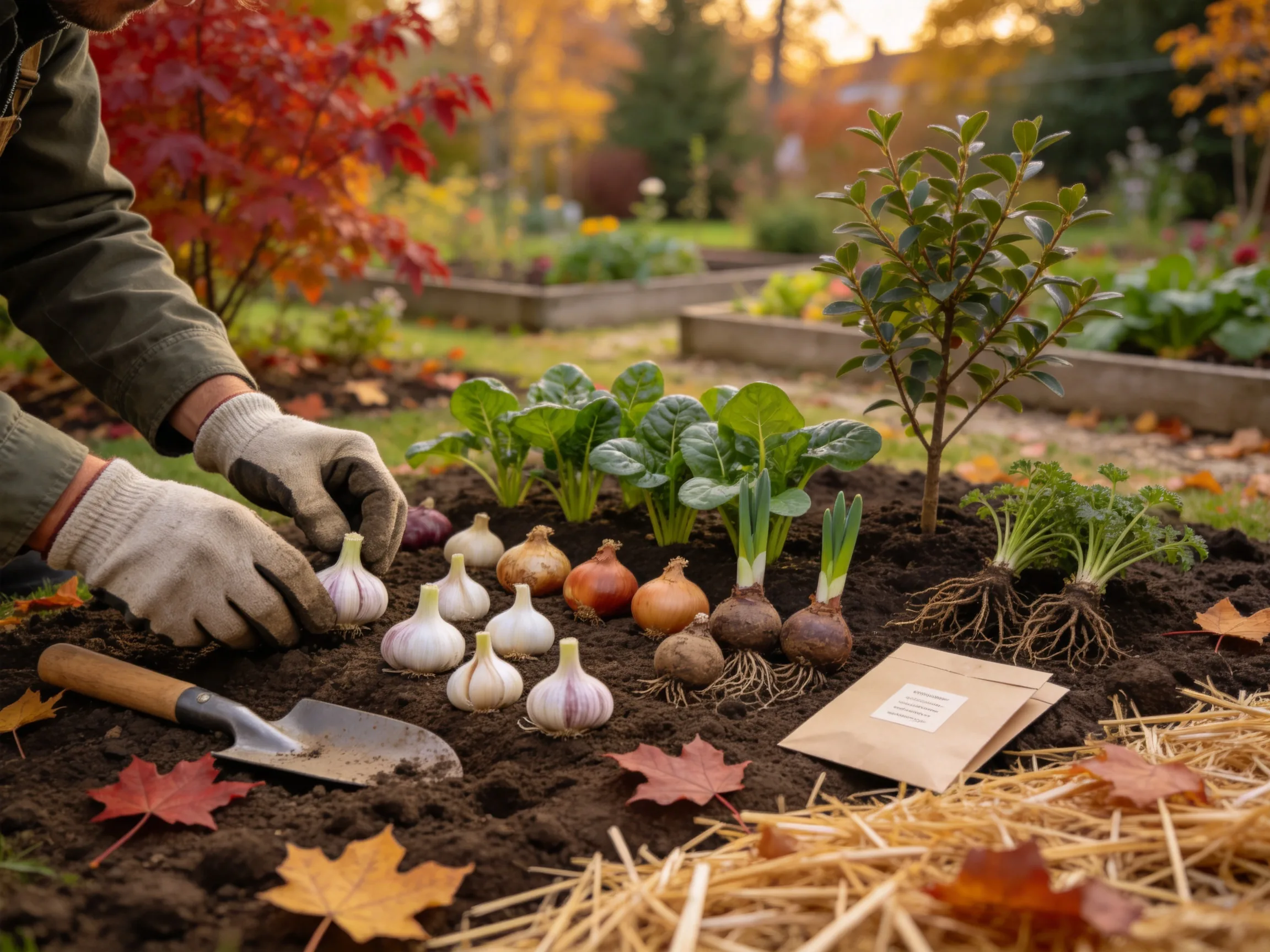
Fall is an excellent planting season in USDA Zone 5 because cooler air reduces heat stress while the soil often remains warm enough for root growth. Exact timing varies by location, so use your average first frost and expected ground-freeze dates as guides. Plant perennials, trees, and shrubs about four to six weeks before the ground freezes, while spring-flowering bulbs and dormant seeds can usually go in later.
1. Hardneck Garlic
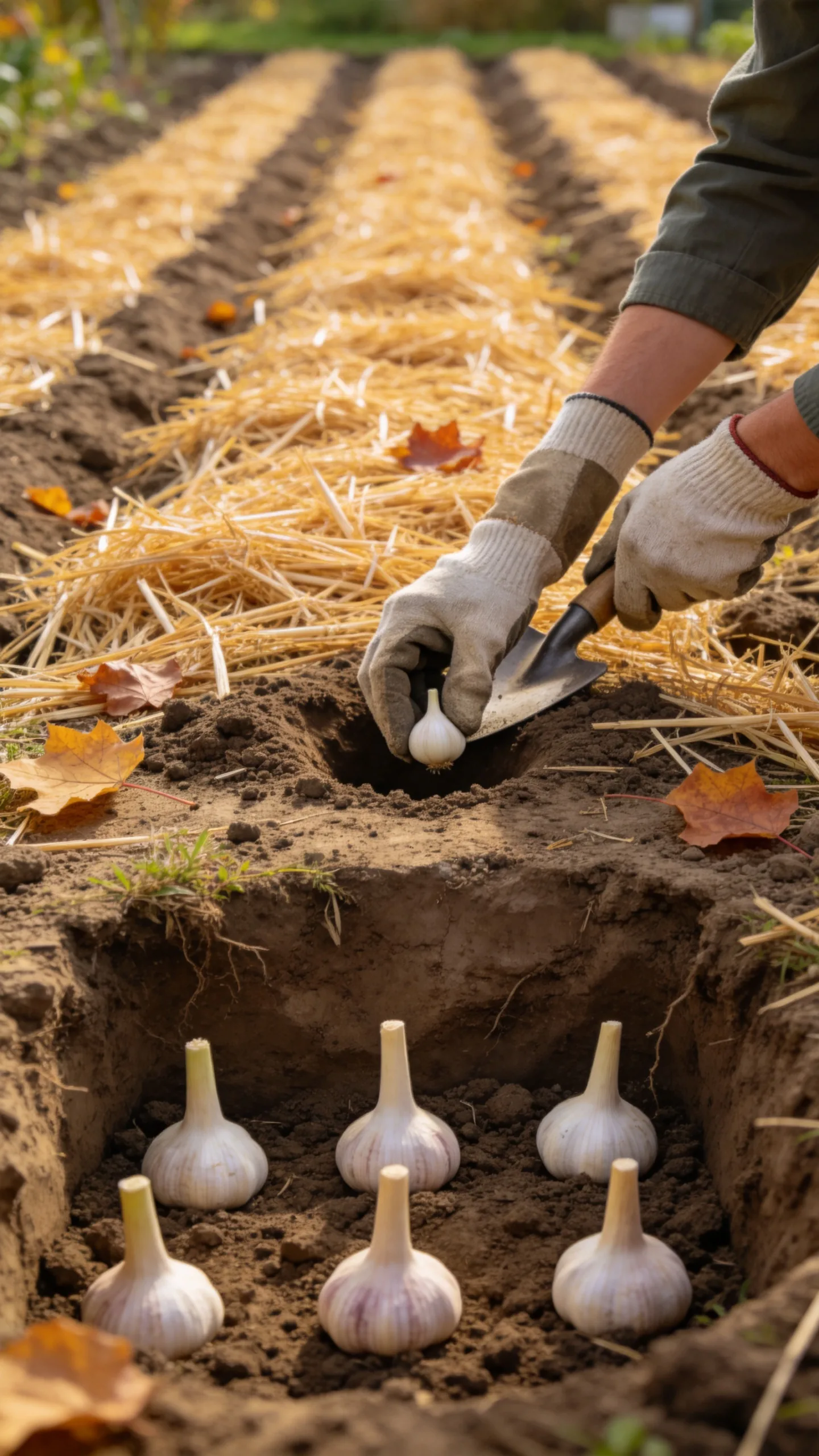
Plant hardneck garlic about two to four weeks before the ground typically freezes. Separate a locally adapted bulb into cloves, then plant each clove pointed end up, 2 to 3 inches deep and roughly 6 inches apart in loose, well-drained soil.
Choose a bed that receives at least six hours of sun and has not recently held onions, leeks, or garlic. After the soil cools, cover it with 3 to 4 inches of clean straw or shredded leaves to limit freeze-thaw movement and suppress spring weeds.
2. Overwintering Spinach
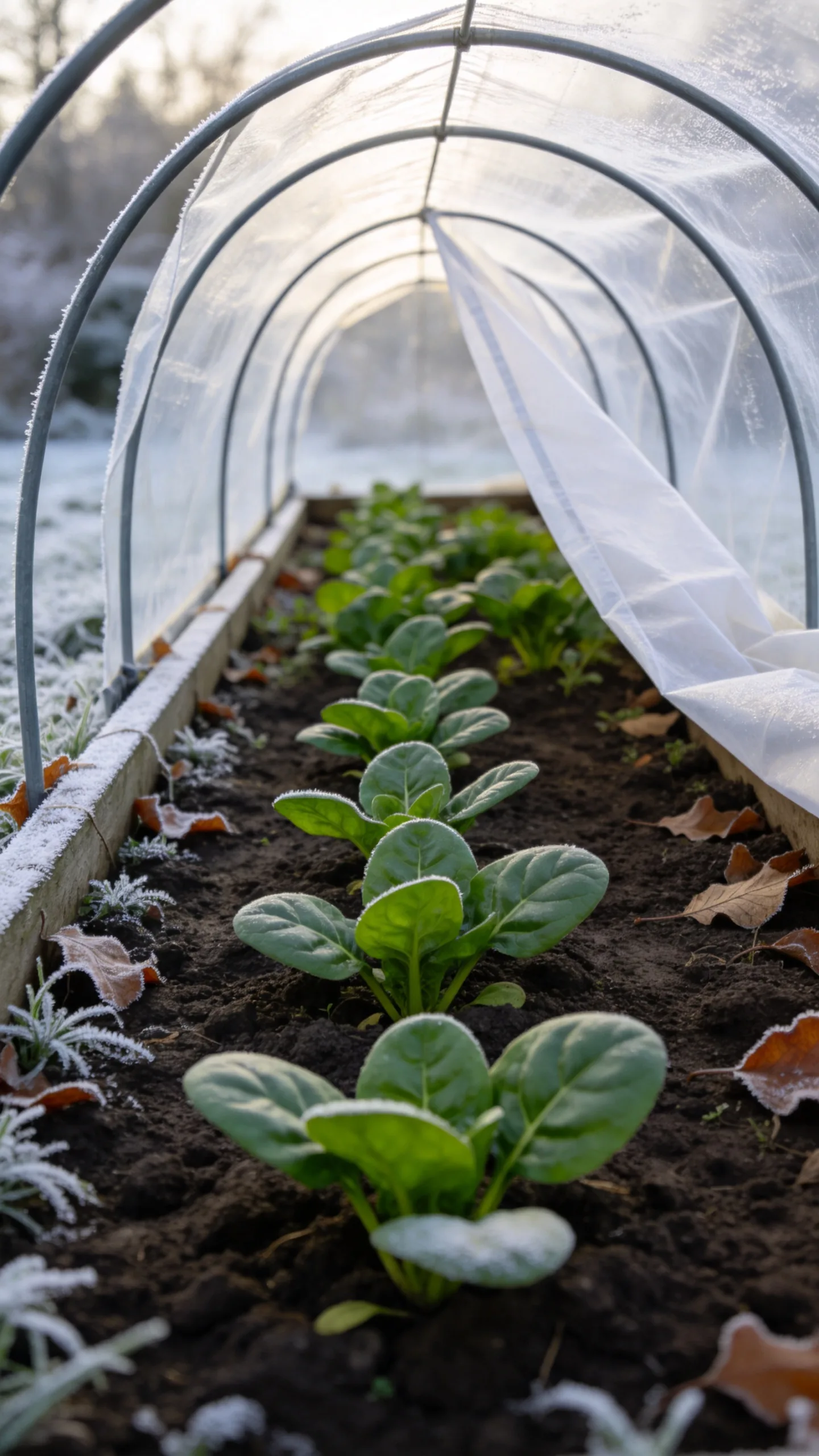
Sow cold-hardy spinach four to six weeks before the average first frost for a small autumn harvest or an early spring crop. Plant seeds about 1/2 inch deep in rows or blocks, using a raised bed or container where drainage is reliable.
A low tunnel or cold frame protects the foliage from wind and temperature swings. Growth slows sharply during the shortest days, but established plants can remain dormant beneath protection and resume producing leaves when light and temperatures increase.
3. Mâche
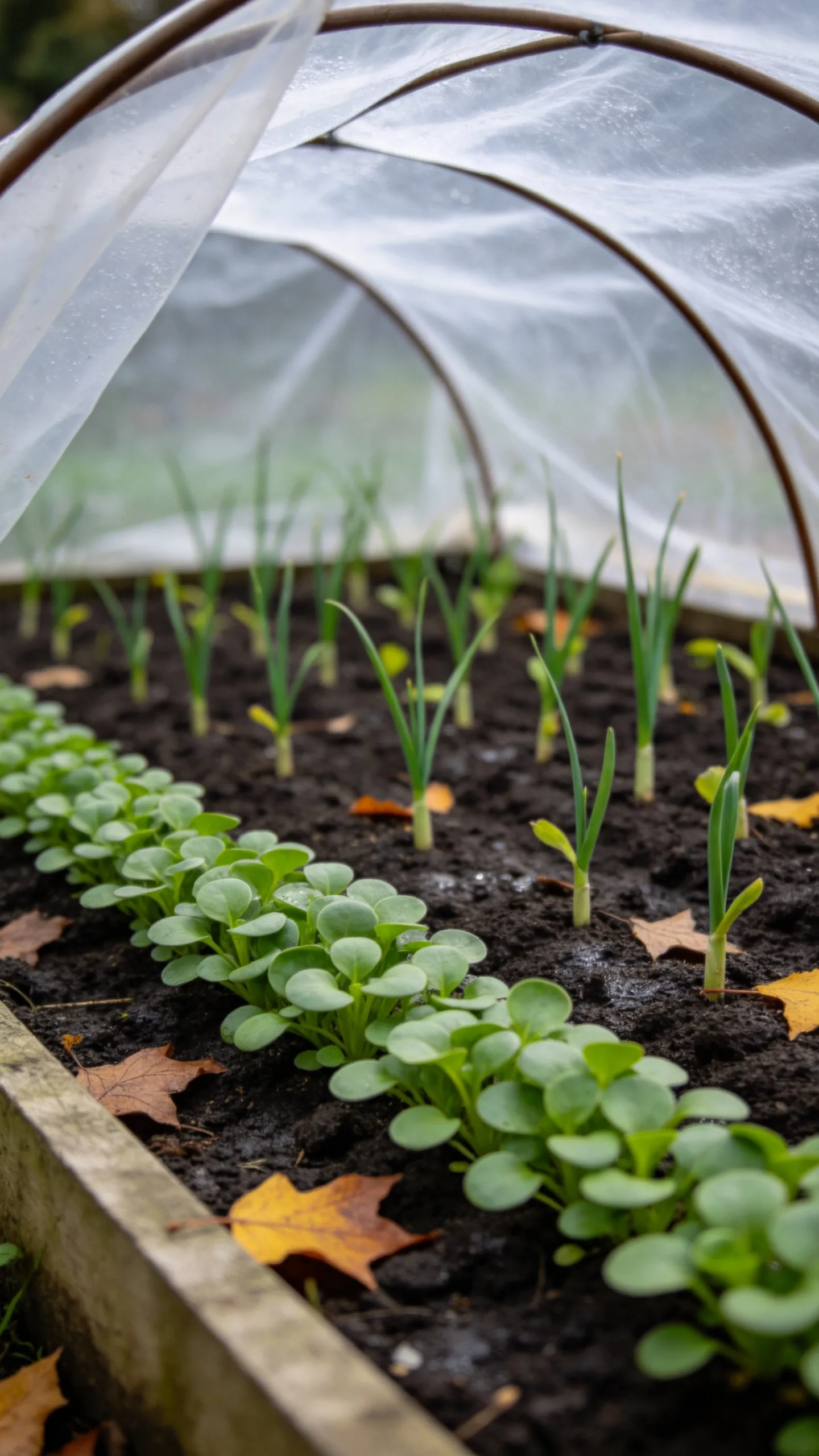
Mâche, also called corn salad, is a compact leafy green that tolerates colder conditions than many common salad crops. Sow it 1/4 inch deep when soil temperatures have cooled, spacing plants 3 to 4 inches apart after germination.
Use mâche along the edge of a raised bed, between widely spaced garlic rows, or in a shallow cold-frame bed. Keep the seedbed consistently moist until seedlings emerge, then protect the plants with row cover as winter approaches.
4. Daffodil Bulbs
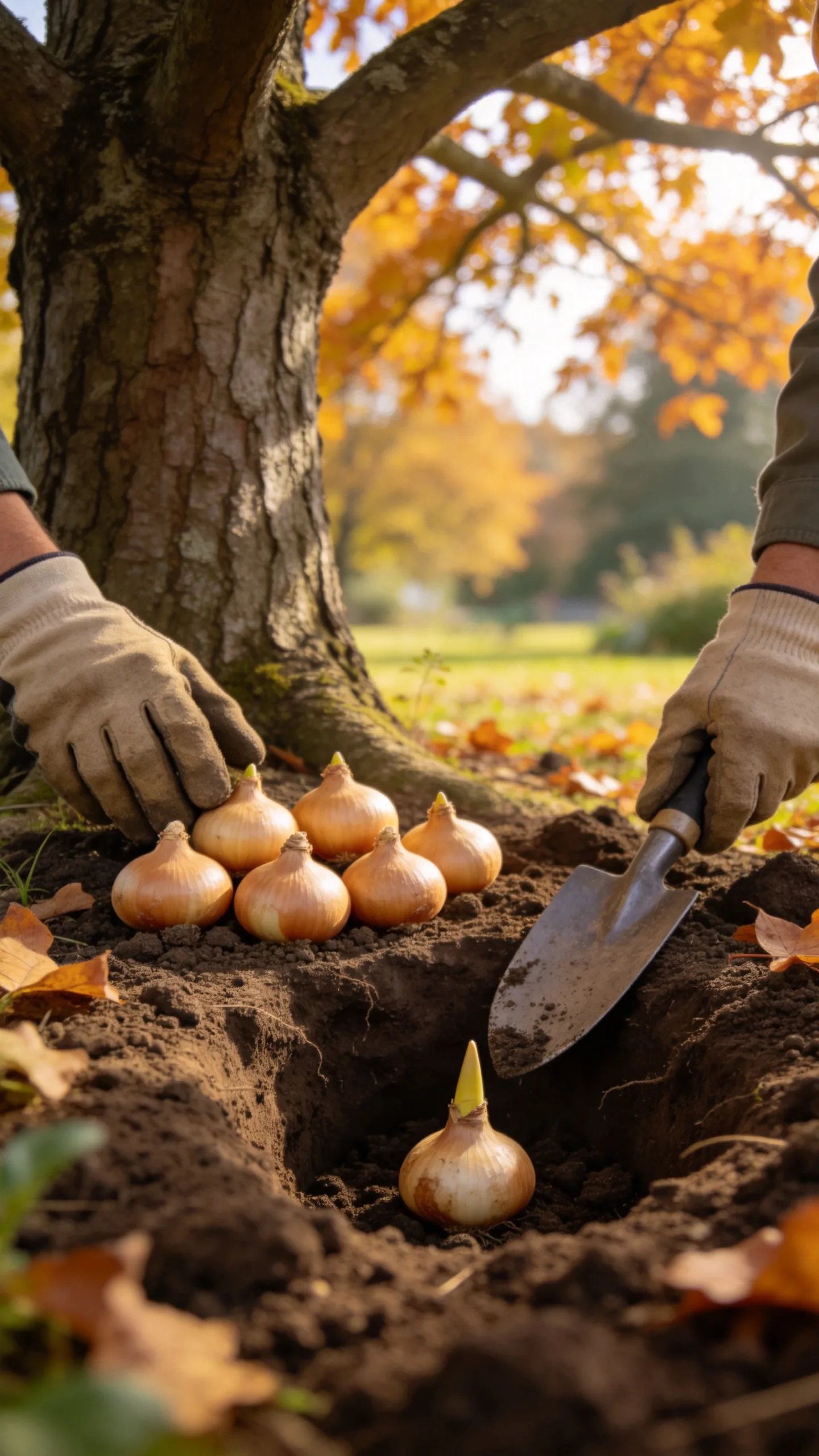
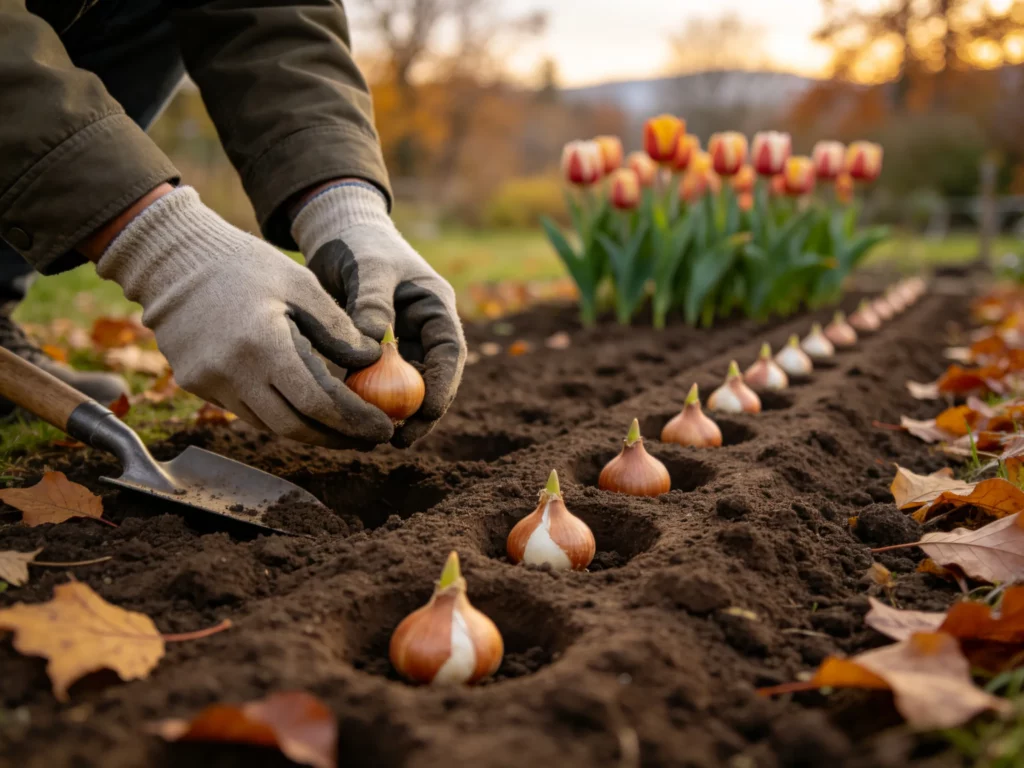
Plant daffodil bulbs after the soil has cooled but before it freezes solid, often from mid-fall into early November in Zone 5. Set bulbs pointed end up at a depth equal to about three times their height, generally 6 inches deep, with 4 to 6 inches between bulbs.
Daffodils perform best in full sun or beneath deciduous trees that leaf out after the flowers bloom. Place them in groups of at least seven bulbs rather than isolated rows for a fuller display, and avoid low spots where water collects in winter.
5. Tulip Bulbs
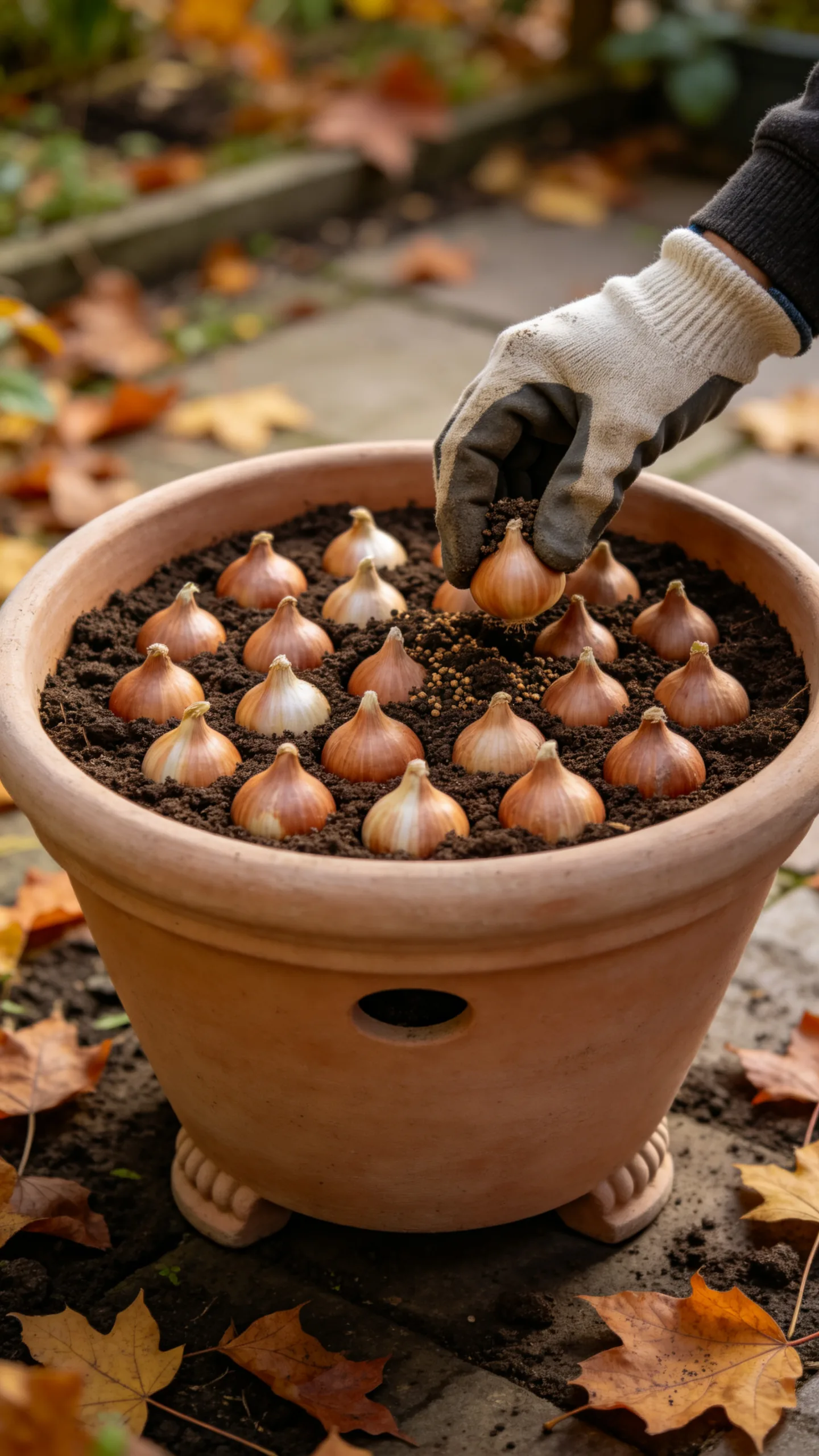
Tulips benefit from a prolonged winter chill, making fall the correct planting season in Zone 5. Wait until the soil is consistently cool, then plant firm bulbs 6 to 8 inches deep in a sunny, well-drained bed.
For a dense container display, plant bulbs closer together without allowing them to touch, using a frost-resistant pot with drainage holes. Treat many hybrid tulips as short-lived performers, or select species tulips and perennializing varieties if you want a better chance of repeat bloom.
6. Crocus Corms
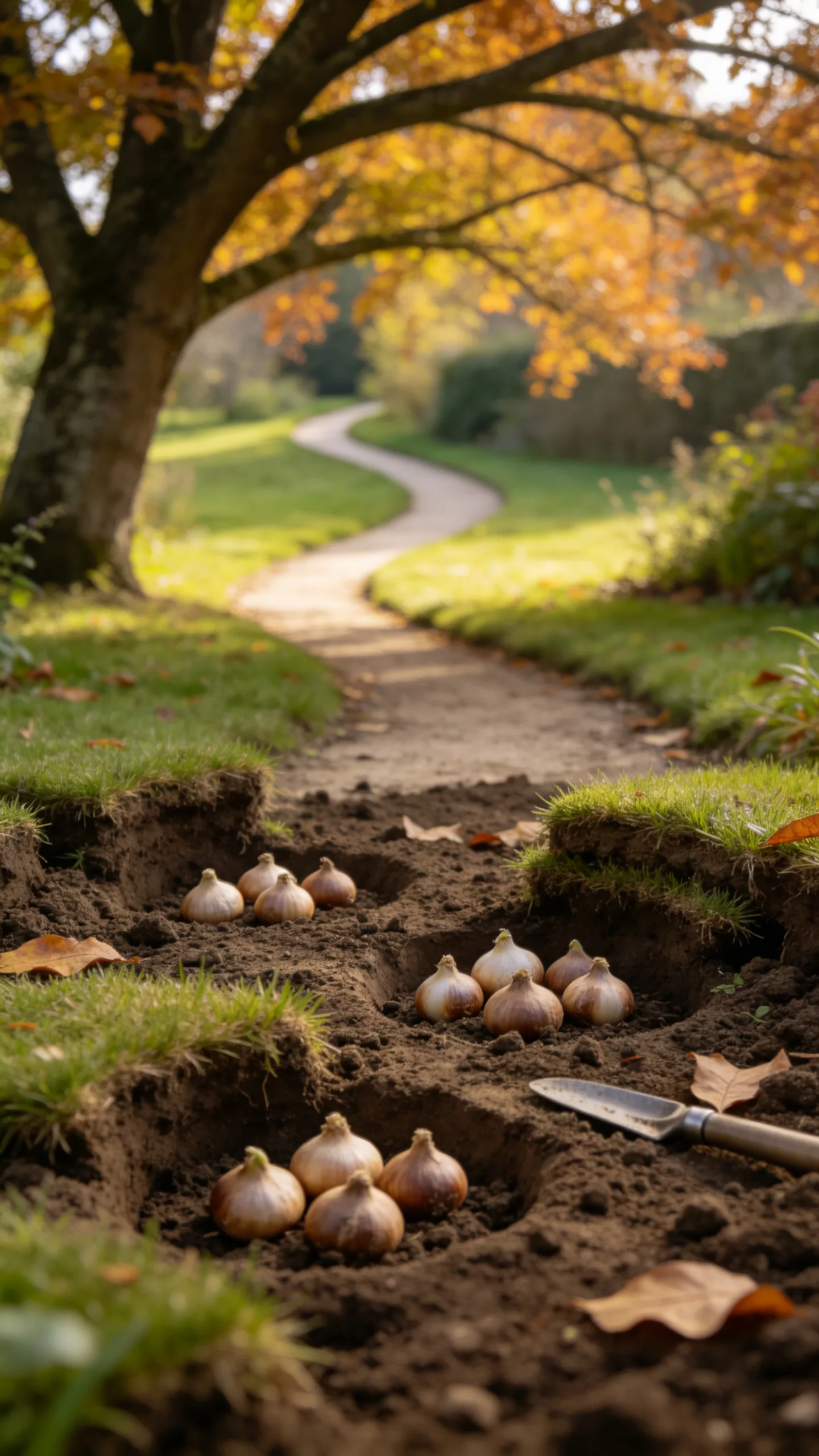
Crocuses provide early color while taking up very little ground space. Plant the corms 3 to 4 inches deep in clusters along paths, beneath open-canopy trees, or at the front of a perennial border.
Choose a site that receives winter and early-spring sunlight and does not remain soggy after snowmelt. Crocus can also be naturalized in a lawn, but mowing should be delayed until the foliage turns yellow and finishes feeding the corms.
7. Ornamental Allium Bulbs
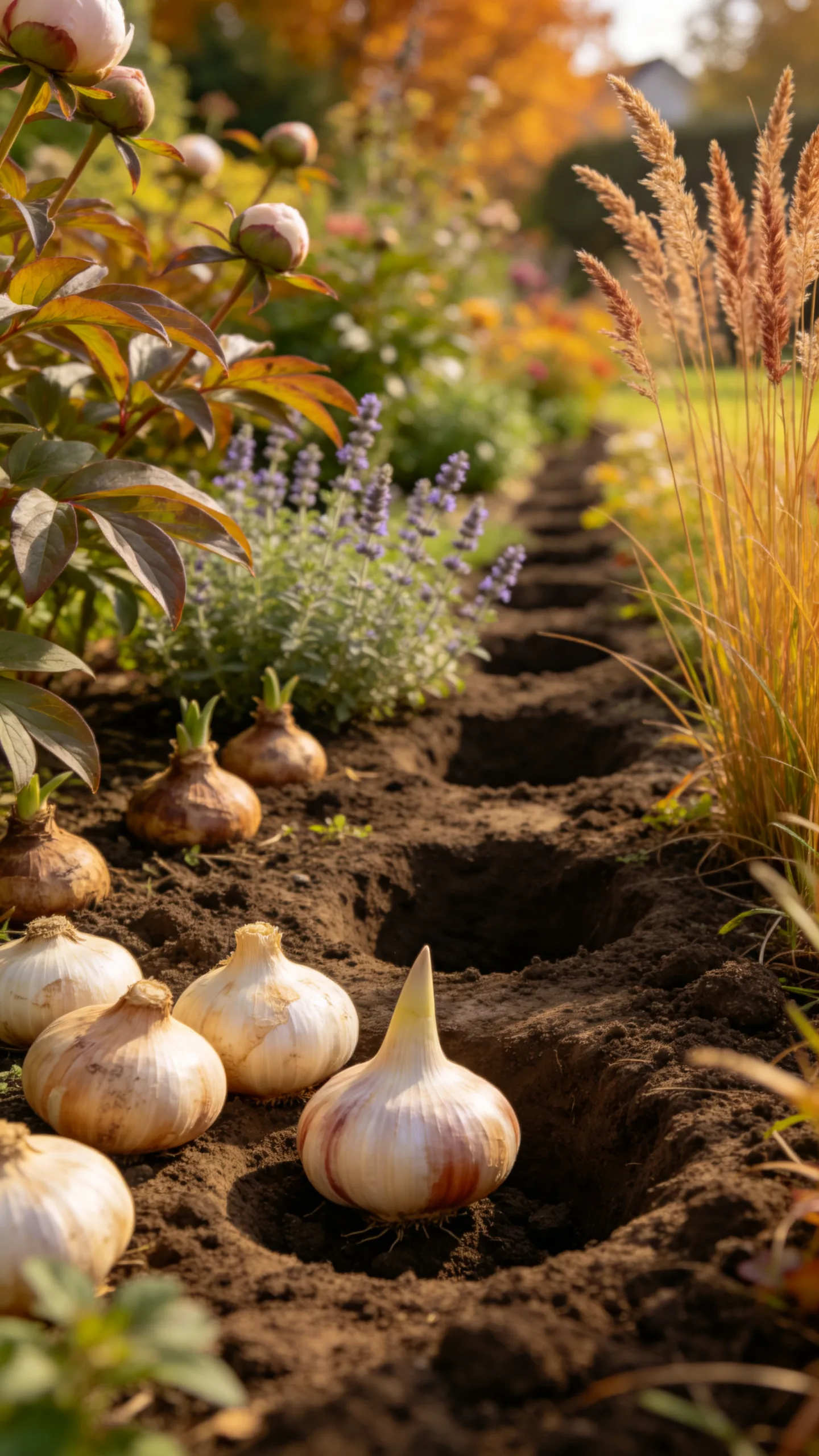
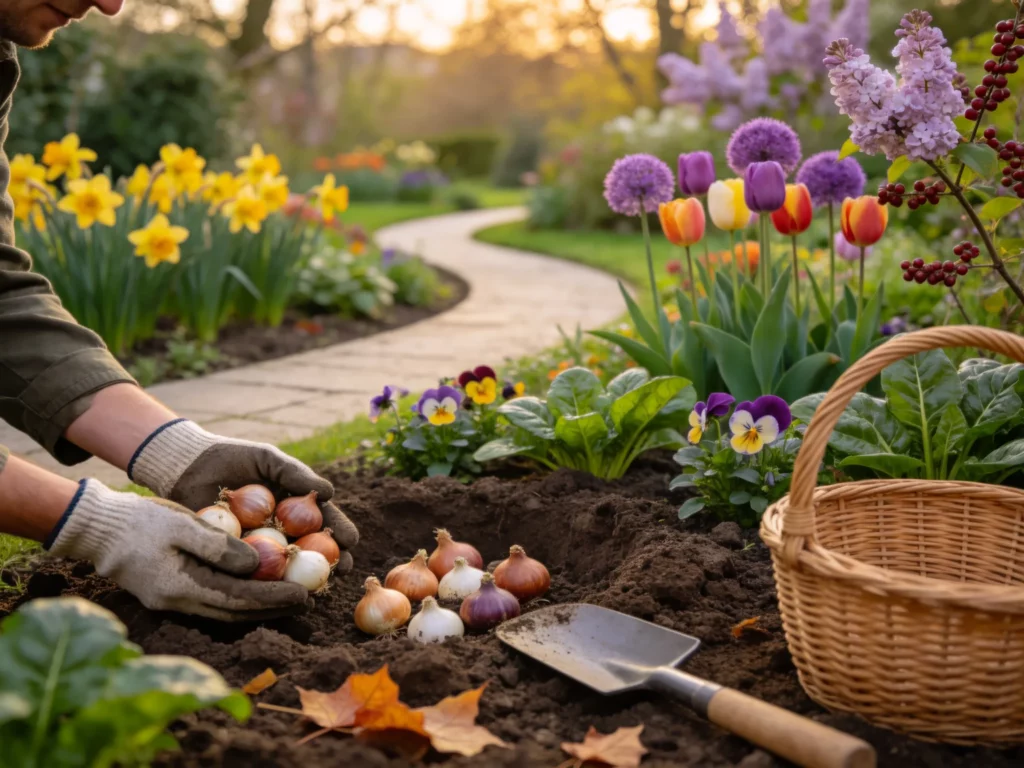
Ornamental alliums add tall flower globes without creating a wide footprint in the garden. Plant the bulbs in full sun at a depth about three times the bulb’s height, checking the package because mature size varies significantly by species and cultivar.
Position tall alliums among peonies, catmint, or ornamental grasses so neighboring foliage conceals their fading leaves. Smaller varieties fit well along path edges, in rock gardens, and in large containers that can remain outdoors through winter.
8. Hyacinth Bulbs
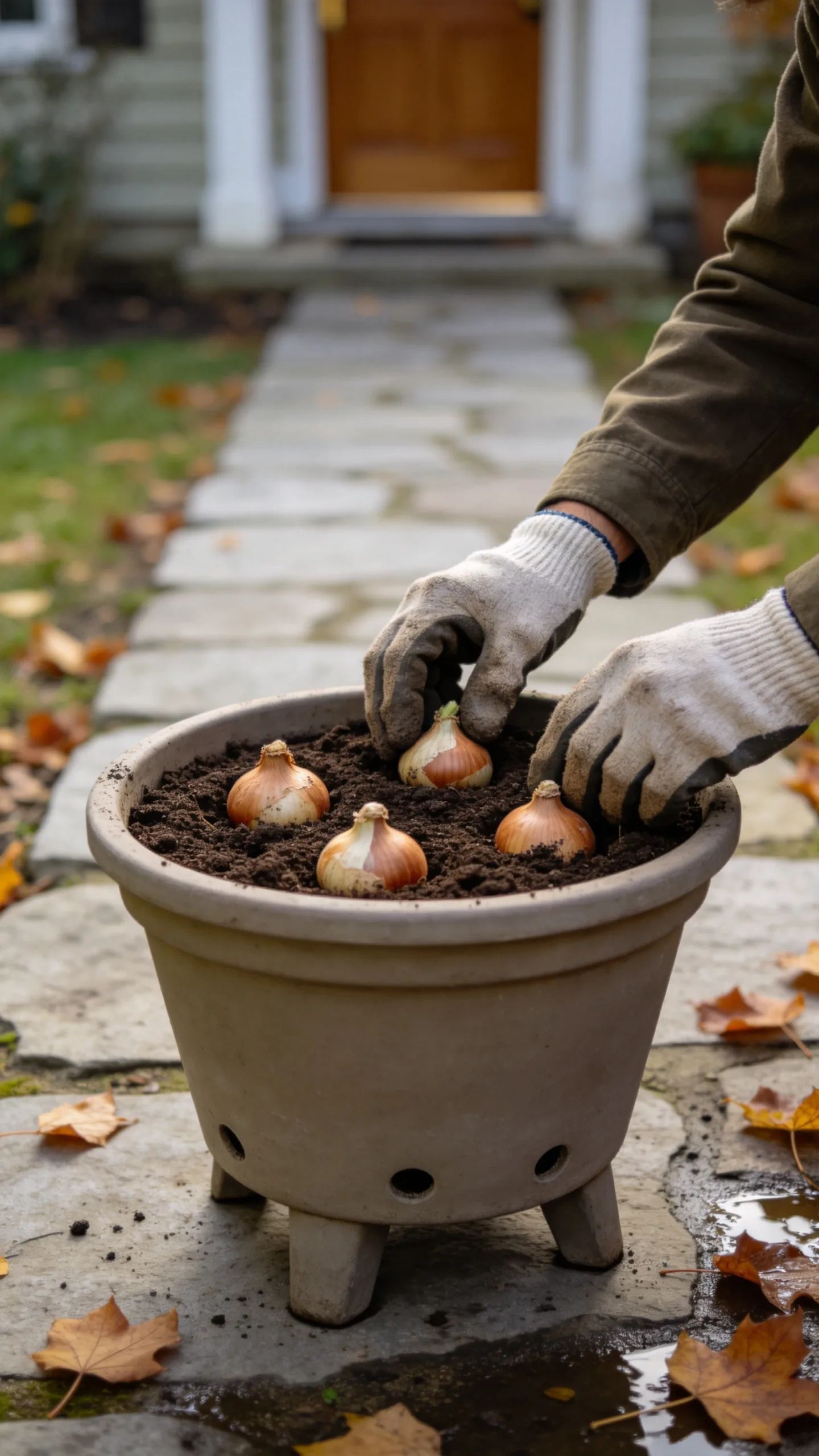
Plant hyacinths 4 to 6 inches deep in a sunny border or a container filled with well-drained potting mix. Their strong fragrance makes them especially useful near an entry, patio edge, or frequently used garden path.
Wear gloves when handling the bulbs because they can irritate sensitive skin. If planting in containers, select a weather-resistant pot and leave it outdoors where the bulbs receive winter cold without sitting in pooled water.
9. Snowdrop Bulbs
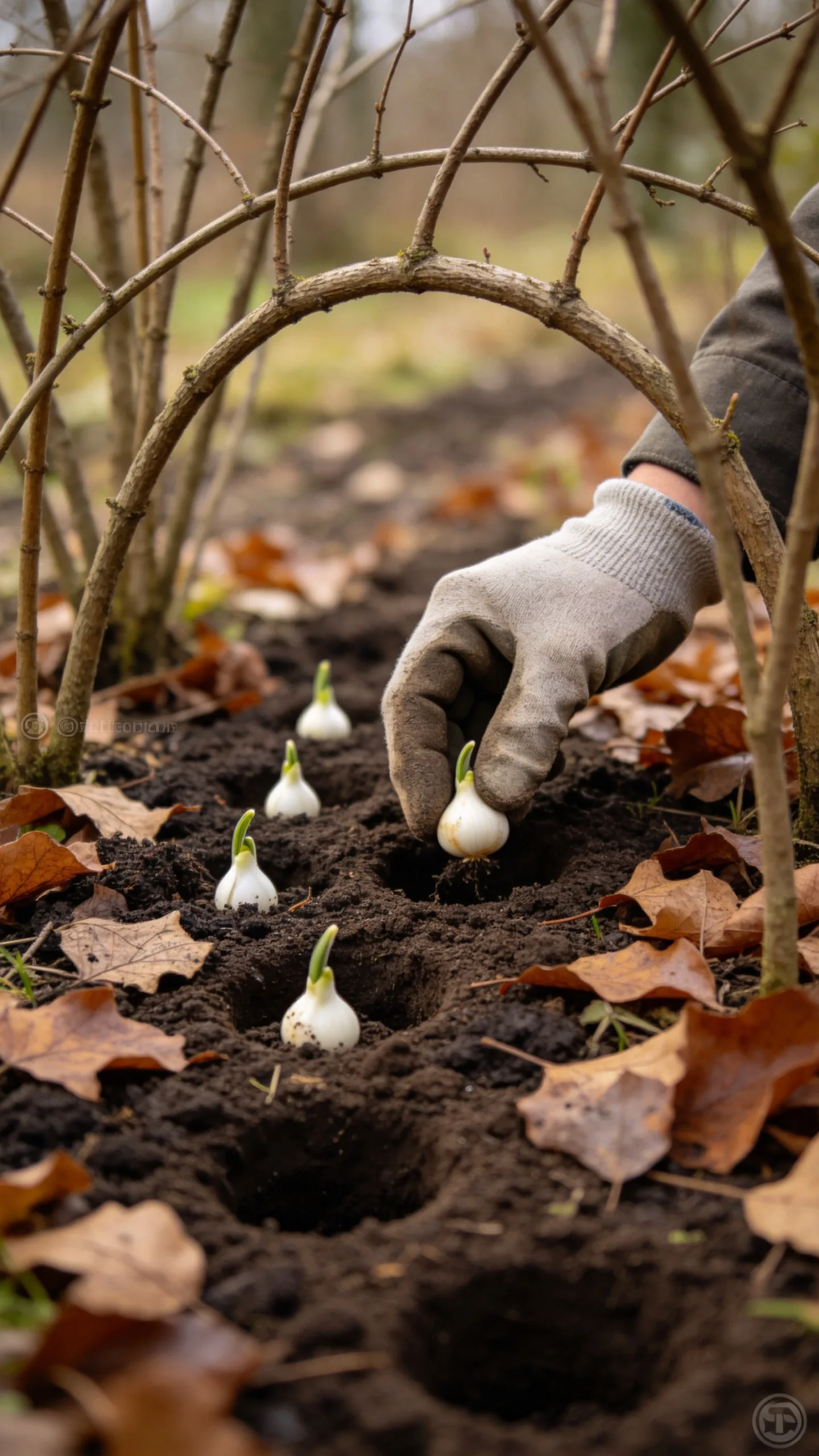
Snowdrops are among the earliest spring-flowering bulbs and work well beneath deciduous shrubs or along the edge of a woodland bed. Plant dry bulbs promptly in fall, about 3 inches deep and 3 inches apart, because they can lose moisture during storage.
Give snowdrops humus-rich soil that is moist in spring but not waterlogged in winter. Once established, clumps can be divided after flowering while the foliage is still green, gradually spreading the display through shaded areas.
10. Peony Roots
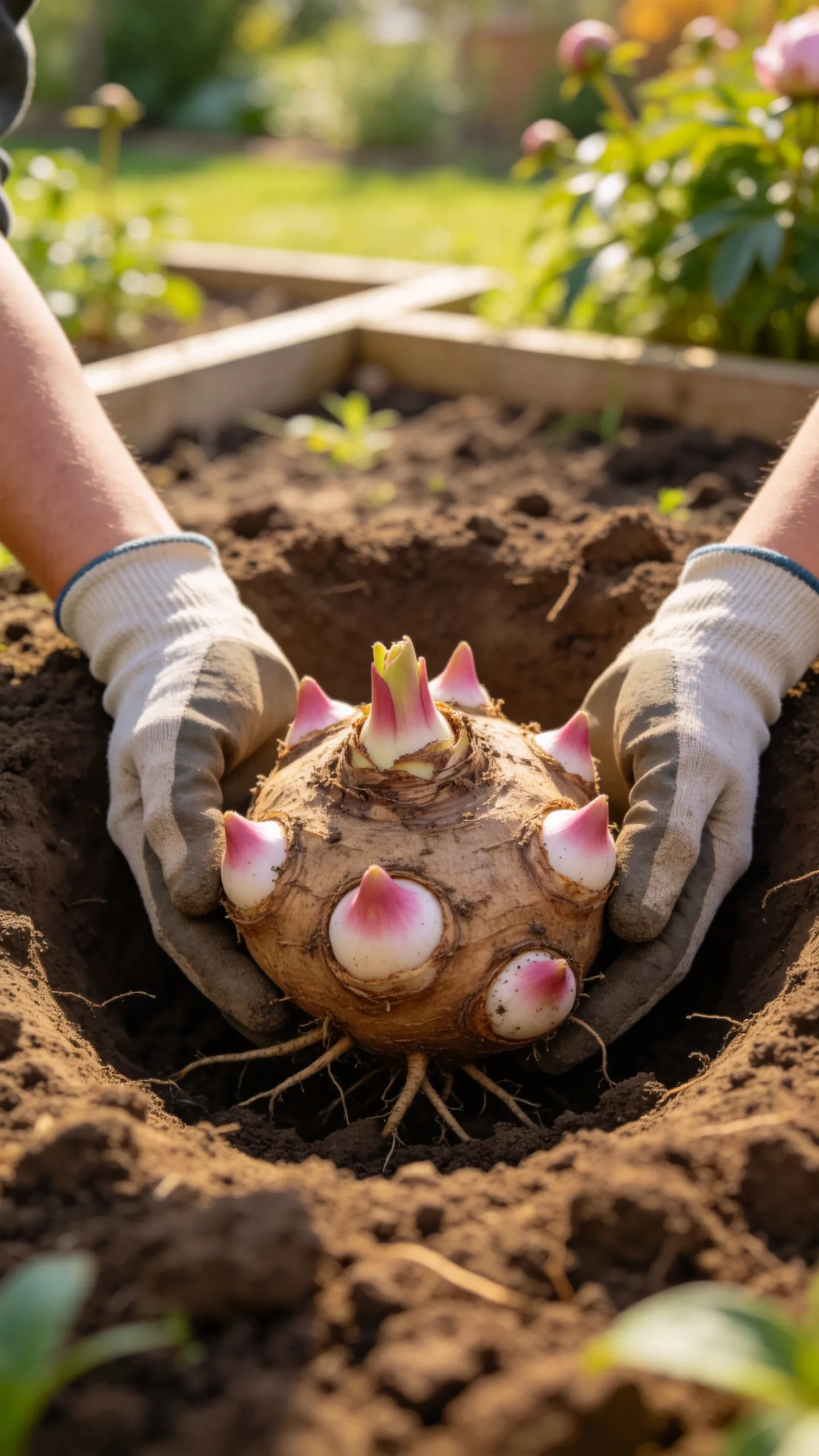
Fall is the preferred time to plant bare-root peonies because the roots can settle before spring growth begins. Place the root in a wide hole with the pink or white eyes facing upward and no more than 1 to 2 inches below the finished soil surface.
Choose a permanent location with full sun, good air circulation, and enough room for the mature plant. Peonies often flower poorly when planted too deeply, so avoid adding thick mulch directly over the crown.
11. Hostas
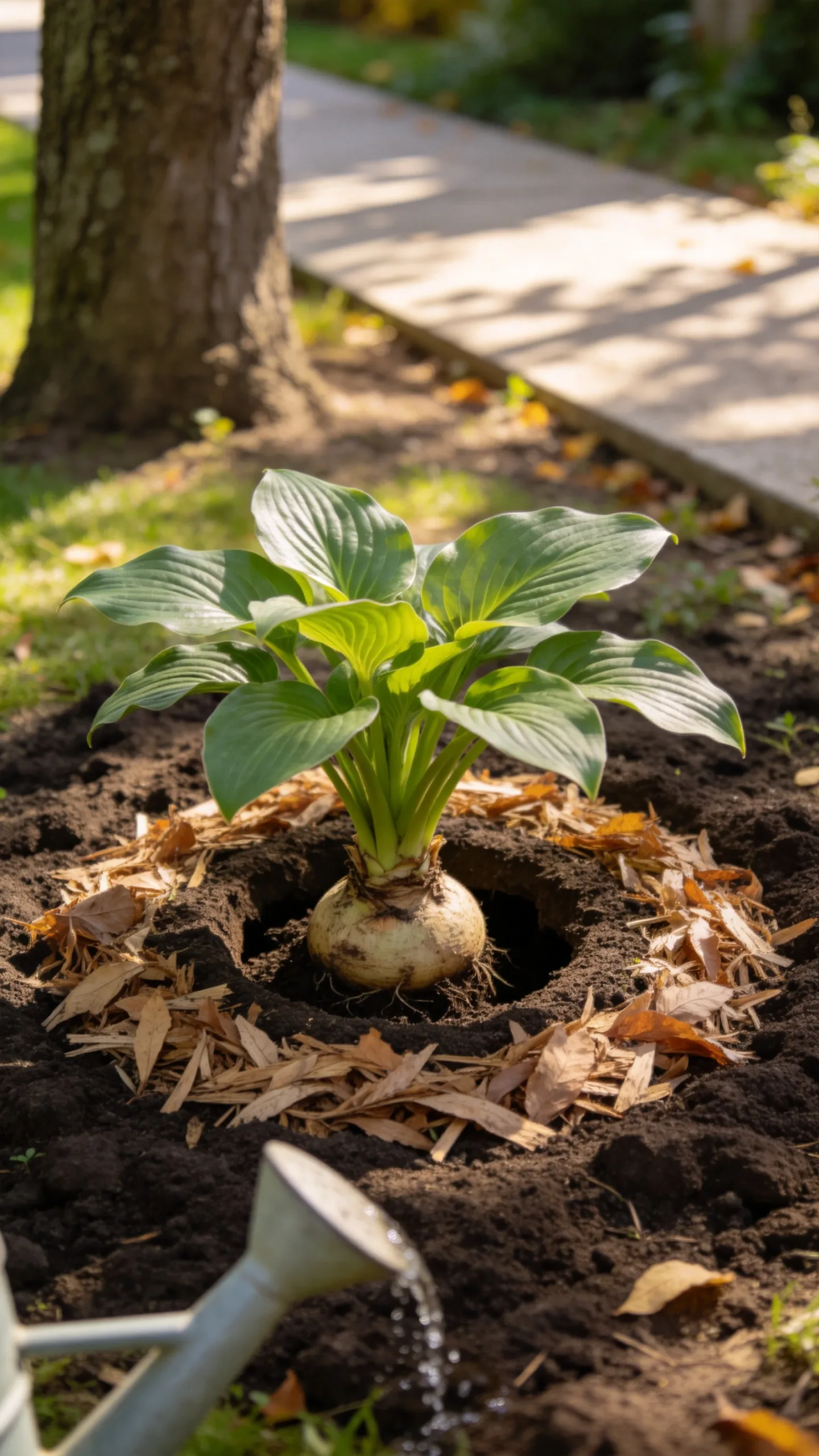
Plant hostas in early fall, ideally at least six weeks before the ground freezes. They are useful for filling shaded beds beneath trees, lining the north side of a house, or adding broad foliage beside a narrow walkway.
Set the crown level with the surrounding soil and water deeply after planting. A 2-inch layer of shredded leaves helps conserve moisture, but keep mulch away from the crown to reduce hiding places for slugs and discourage rot.
12. Daylilies
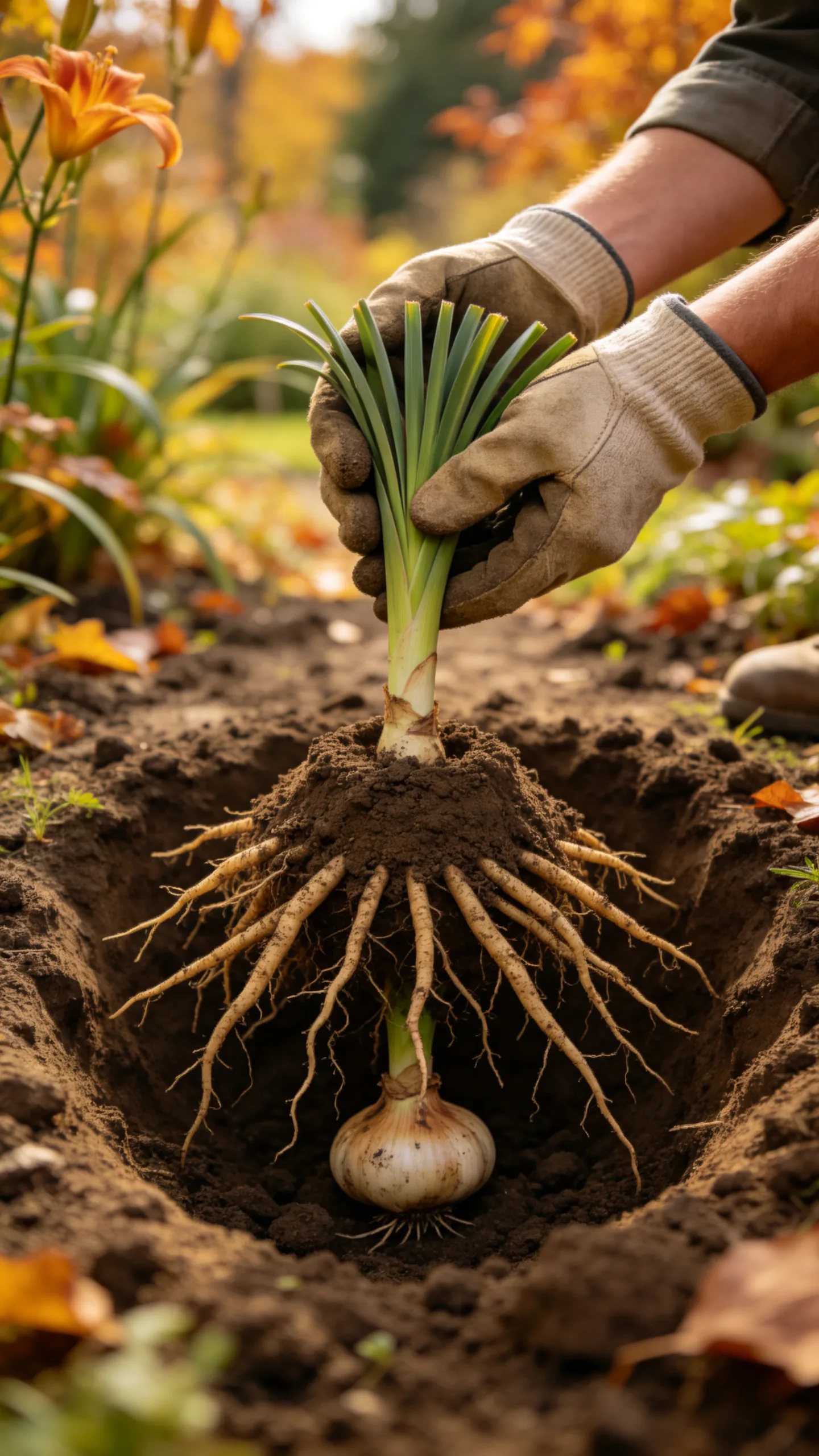
Daylilies are adaptable perennials that can be planted or divided in early fall. Space compact cultivars along paths and reserve taller selections for the middle or back of a sunny border.
Spread the fleshy roots over a small mound of soil, positioning the crown about 1 inch below ground level. Water regularly until the soil becomes cold, and apply a light mulch after the first hard frost if the plants were installed late in the season.
13. Purple Coneflowers
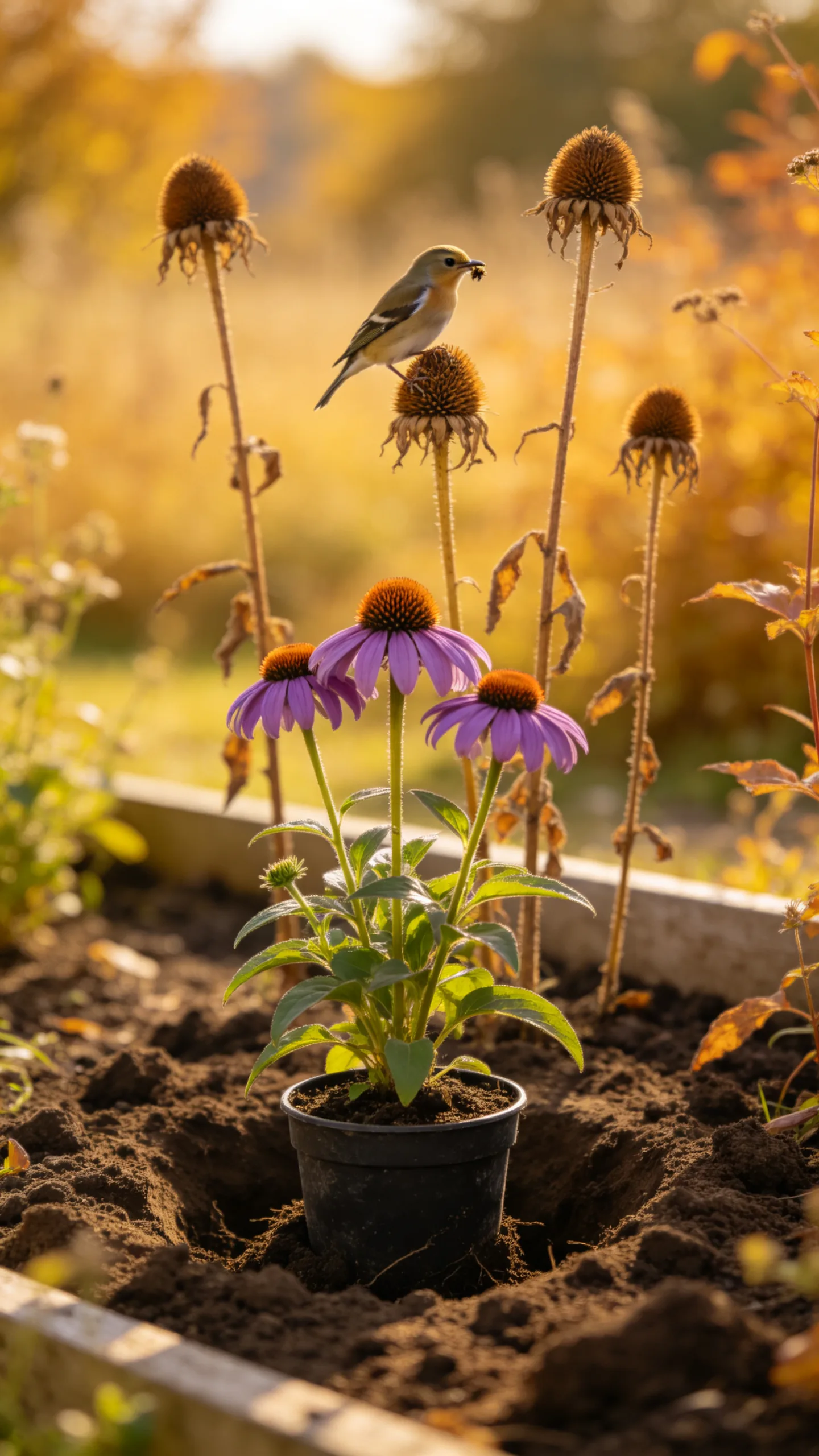
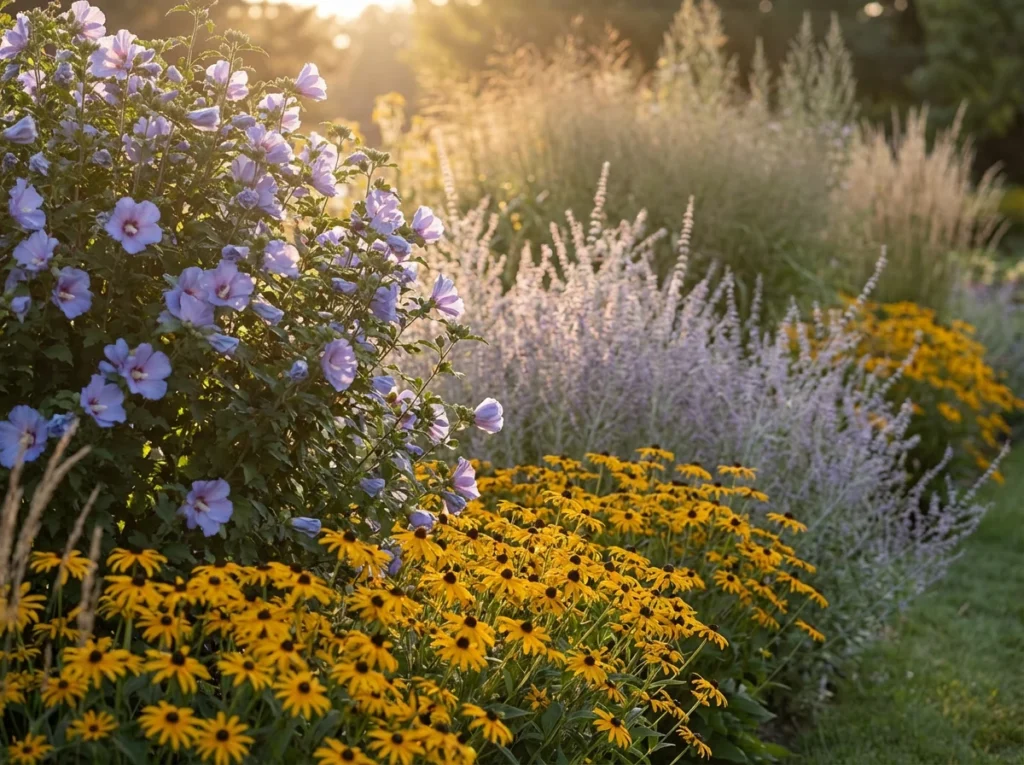
Purple coneflowers provide summer flowers followed by seed heads that can feed birds in fall and winter. Install nursery-grown plants four to six weeks before the ground freezes in a site with full sun and well-drained soil.
Allow enough space for air movement—often 18 to 24 inches, depending on the cultivar. Leave healthy seed heads standing through winter, then cut the old stems down before new spring growth begins.
14. Autumn Joy Sedum
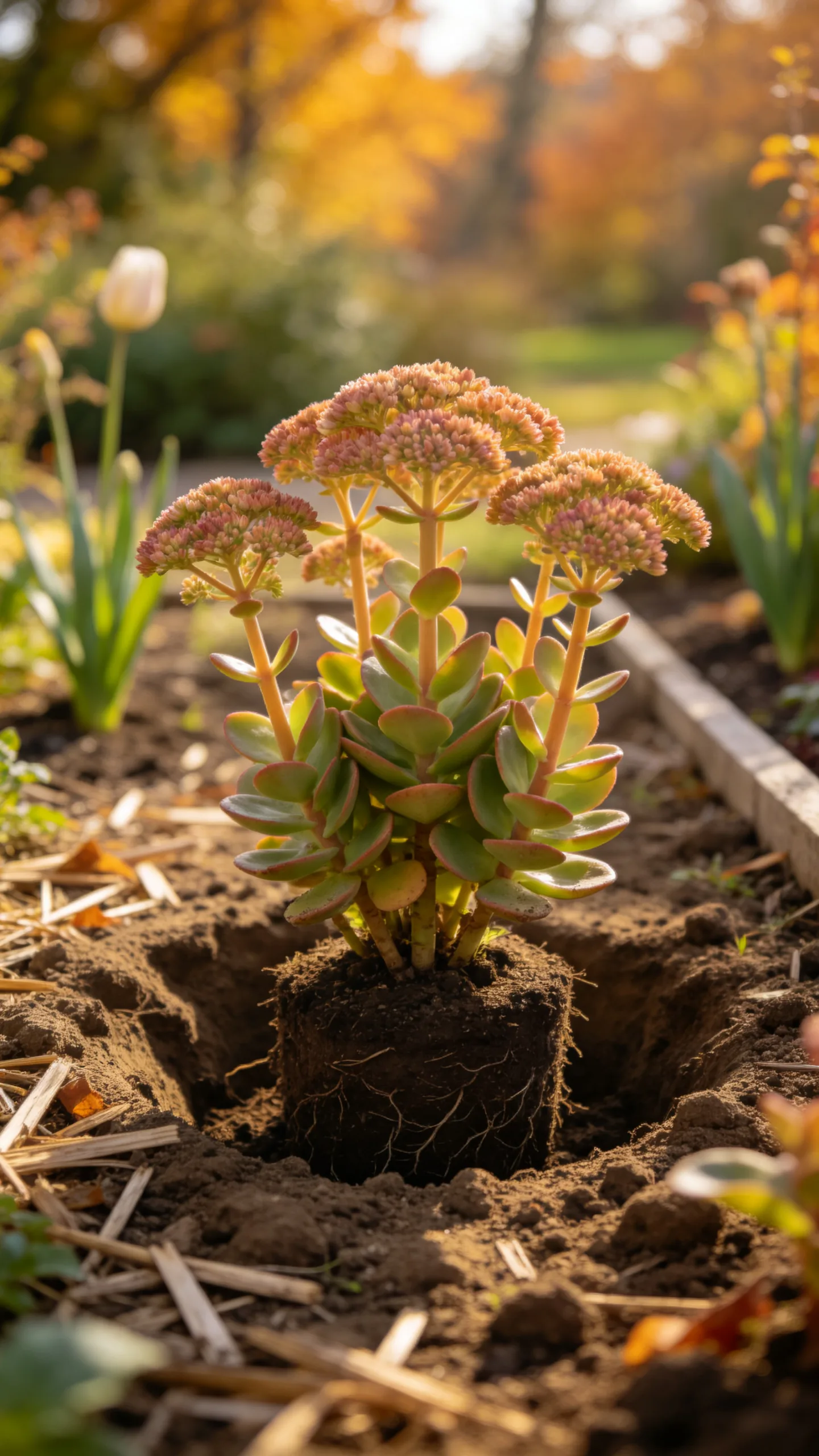
Upright sedum, including cultivars commonly sold as Autumn Joy, handles sunny beds and relatively dry soil once established. Its sturdy stems and late-season flower clusters make it useful in borders where spring bulbs leave gaps after their foliage disappears.
Plant sedum at the same depth it grew in its nursery pot, avoiding heavily amended soil that can encourage floppy stems. For a small garden, one compact clump can provide structure without requiring frequent watering or division.
15. Hardy Garden Asters
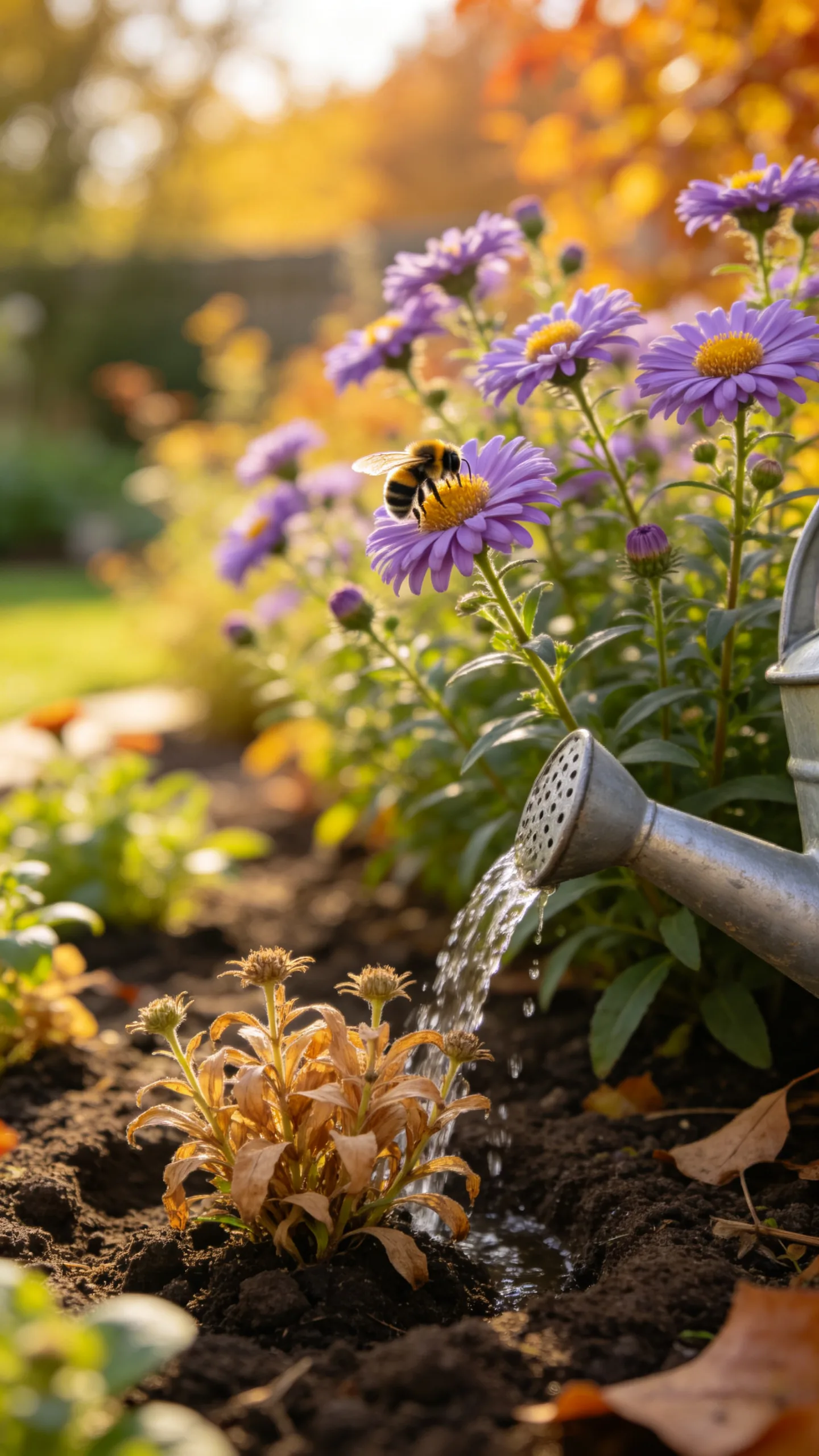
Plant hardy asters in early fall to add late color and provide nectar for remaining pollinators. Select a cultivar labeled hardy to Zone 5 or colder, since not every plant sold under the general aster name has the same winter tolerance.
Place asters in full sun with good airflow and space them according to their mature width. Water at soil level to keep the foliage dry, and plan to pinch tall varieties back in late spring or early summer for bushier growth the following season.
16. Coral Bells
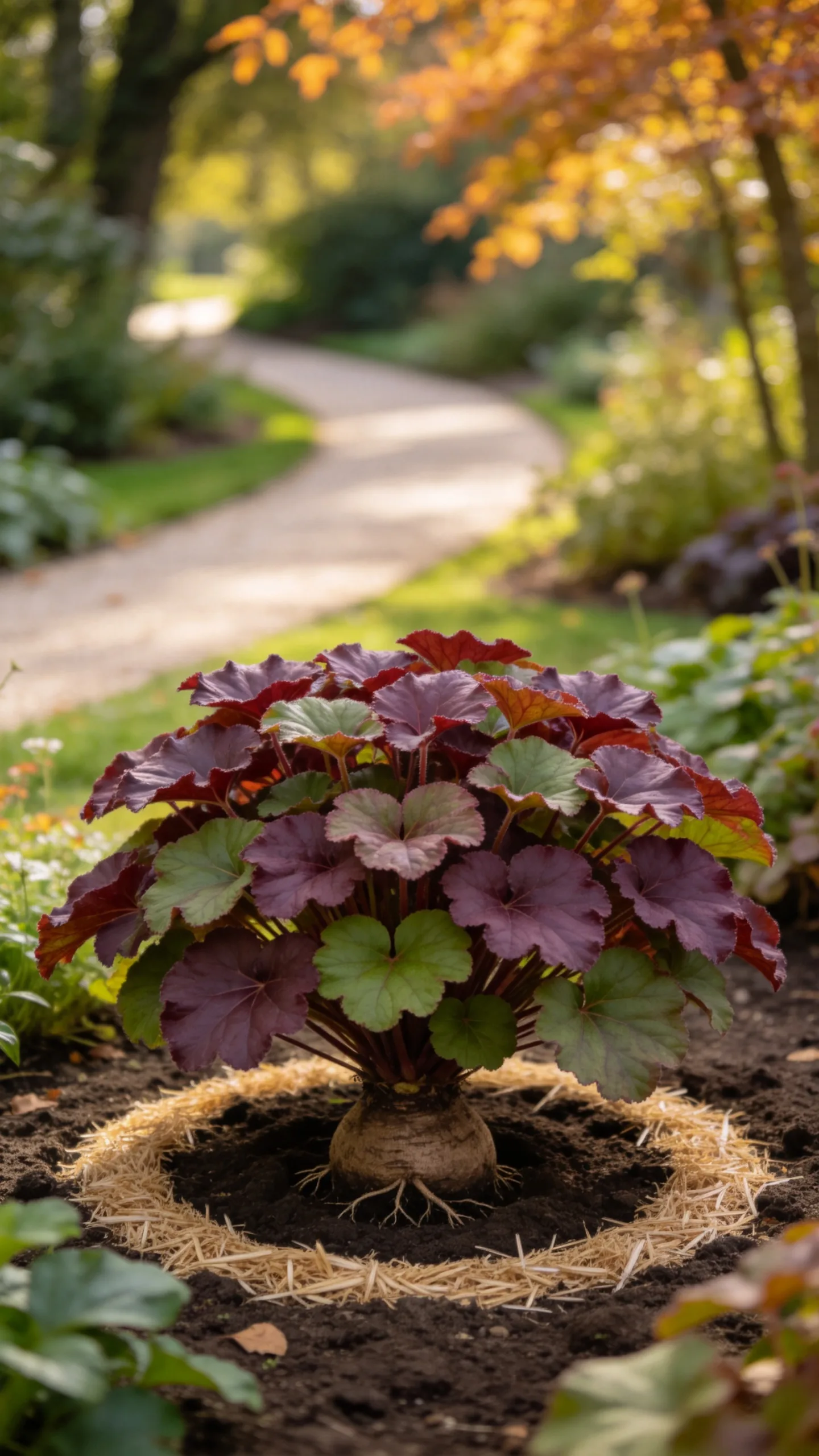
Coral bells bring evergreen or semi-evergreen foliage to partially shaded beds, depending on winter exposure and cultivar. Their compact shape works well at the front of a border, beside a shaded path, or in a mixed container that has dependable drainage.
Plant the crown at soil level rather than burying it. Freeze-thaw cycles can push shallow roots upward, so check plants in early spring and gently reset any crowns that have heaved out of the soil.
17. Red Maple Trees
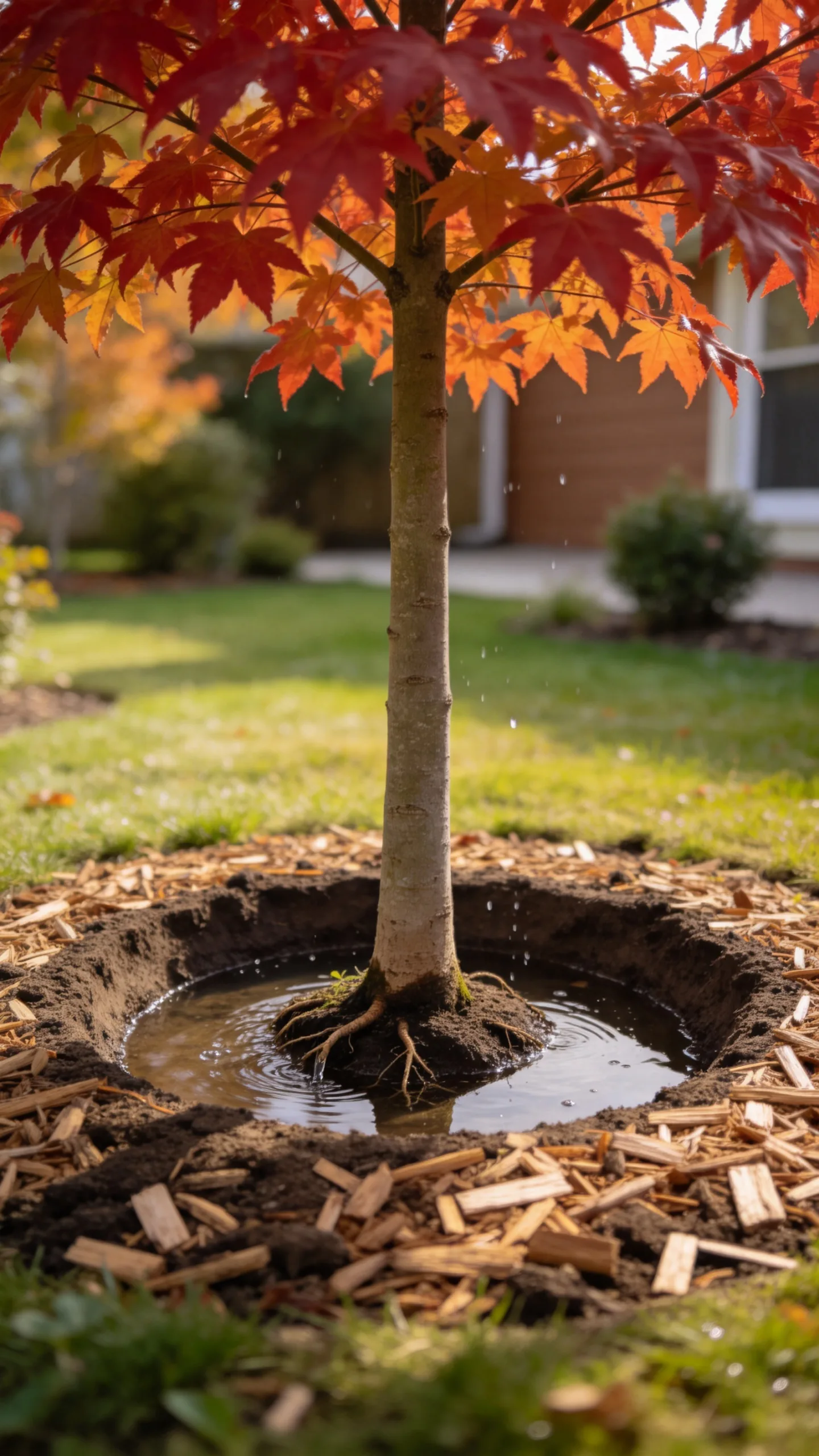
A red maple can be planted in early fall when there is enough time for root establishment before the ground freezes. Choose a cultivar suitable for the available space, since mature height, canopy width, and fall color vary.
Dig a hole two to three times wider than the root ball but no deeper, keeping the root flare visible at ground level. Backfill with the existing soil, water slowly and thoroughly, and spread 2 to 3 inches of mulch over the root zone without piling it against the trunk.
18. Arborvitae
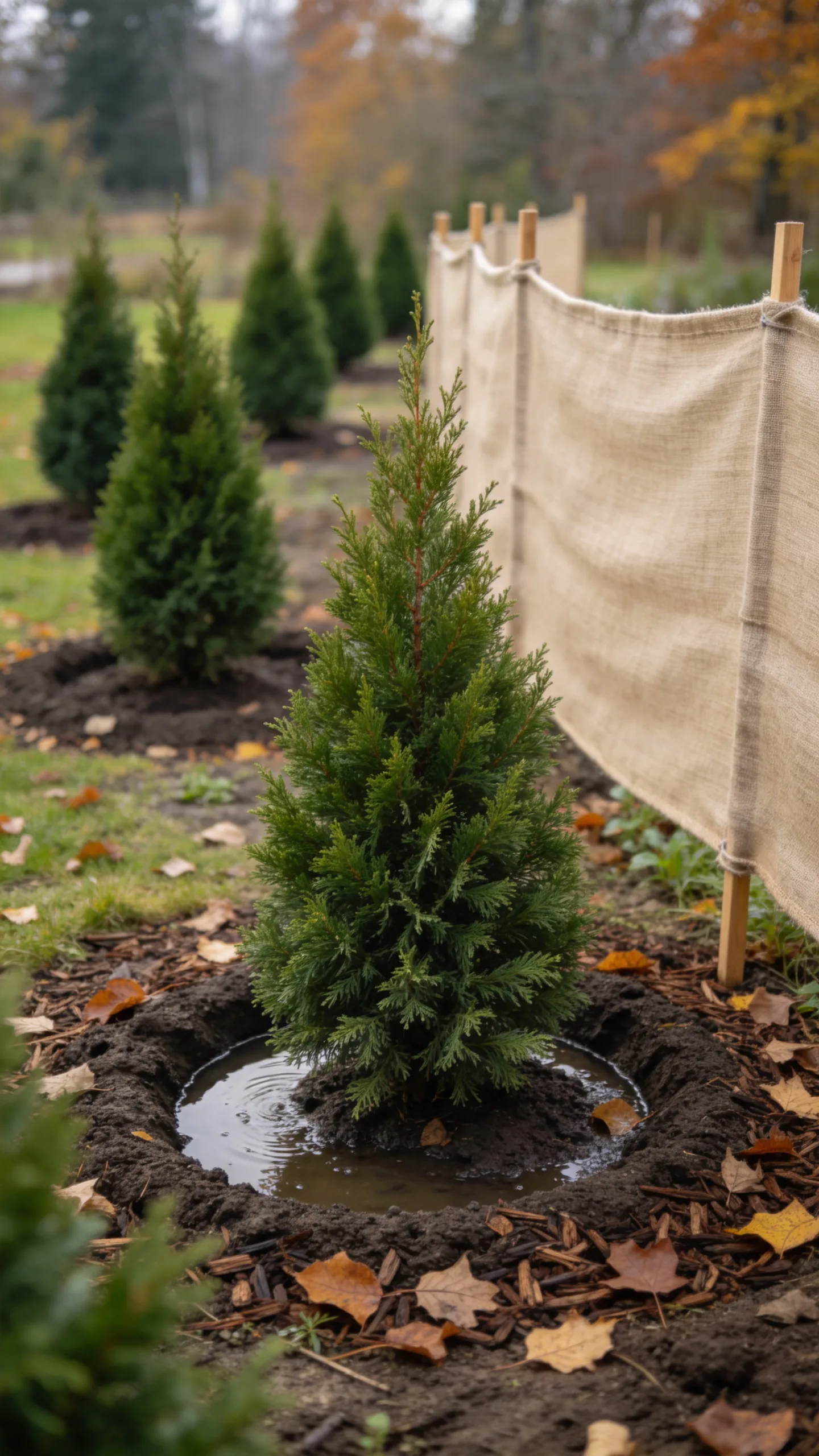
Cold-hardy arborvitae can create a year-round privacy screen along a property line or patio. Plant them in early fall rather than waiting until late autumn, as evergreen foliage continues losing moisture even after top growth slows.
Space plants according to their mature width instead of crowding them for instant coverage. Water deeply until the ground freezes, mulch the root area, and consider a burlap windbreak during the first winter if the site is exposed to drying winds or road salt.
19. Highbush Blueberries
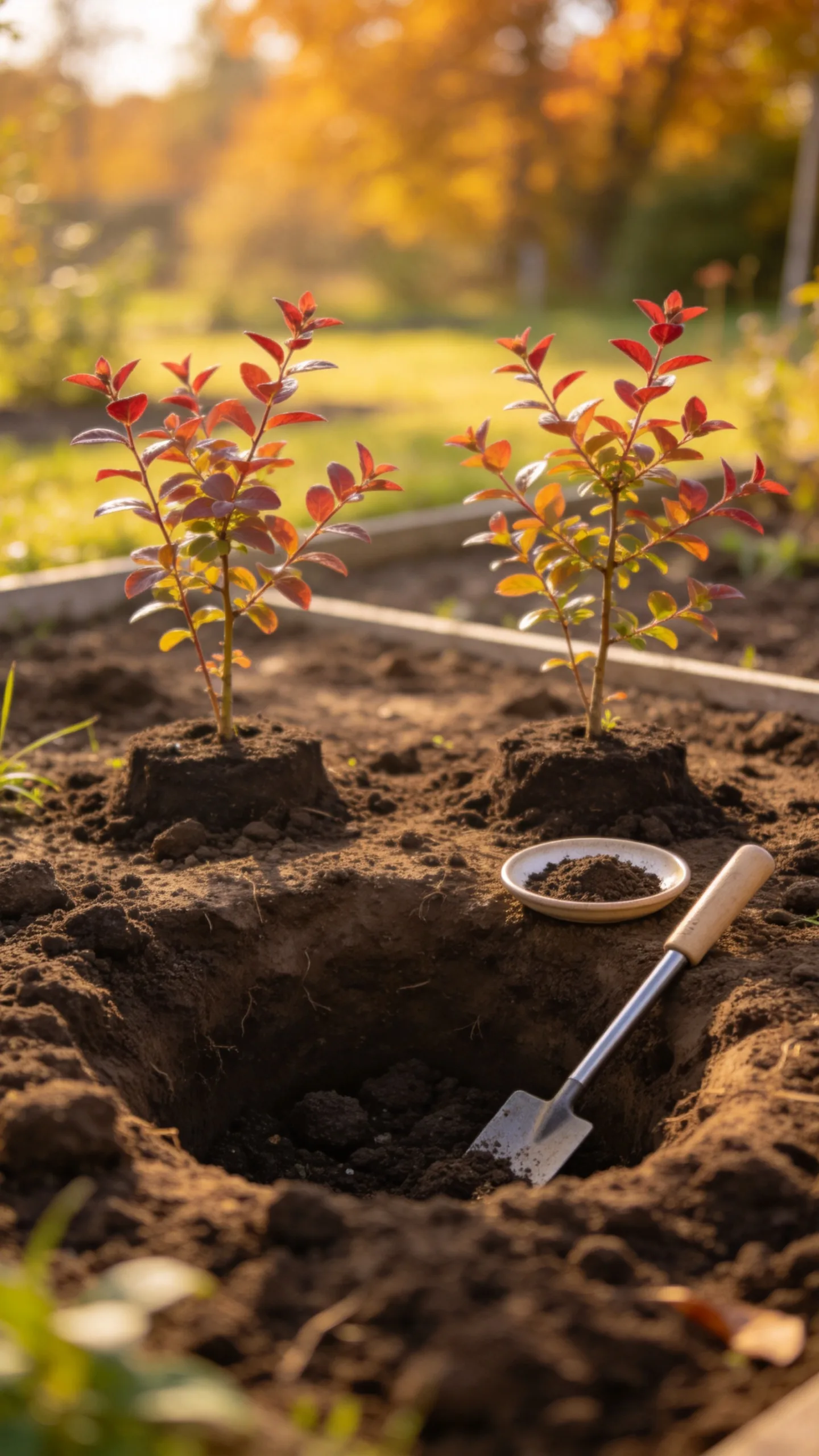
Northern highbush blueberries can be planted in early fall when a cultivar is rated for Zone 5 or colder. They need full sun, good drainage, and acidic soil with a pH generally around 4.5 to 5.5, so test the planting area before buying shrubs.
Plant at least two compatible cultivars if space allows, which can improve pollination and extend the harvest period. In a small yard, use compact varieties in a dedicated acidic bed rather than trying to lower the pH of an entire mixed border.
20. Native Wildflower Seeds
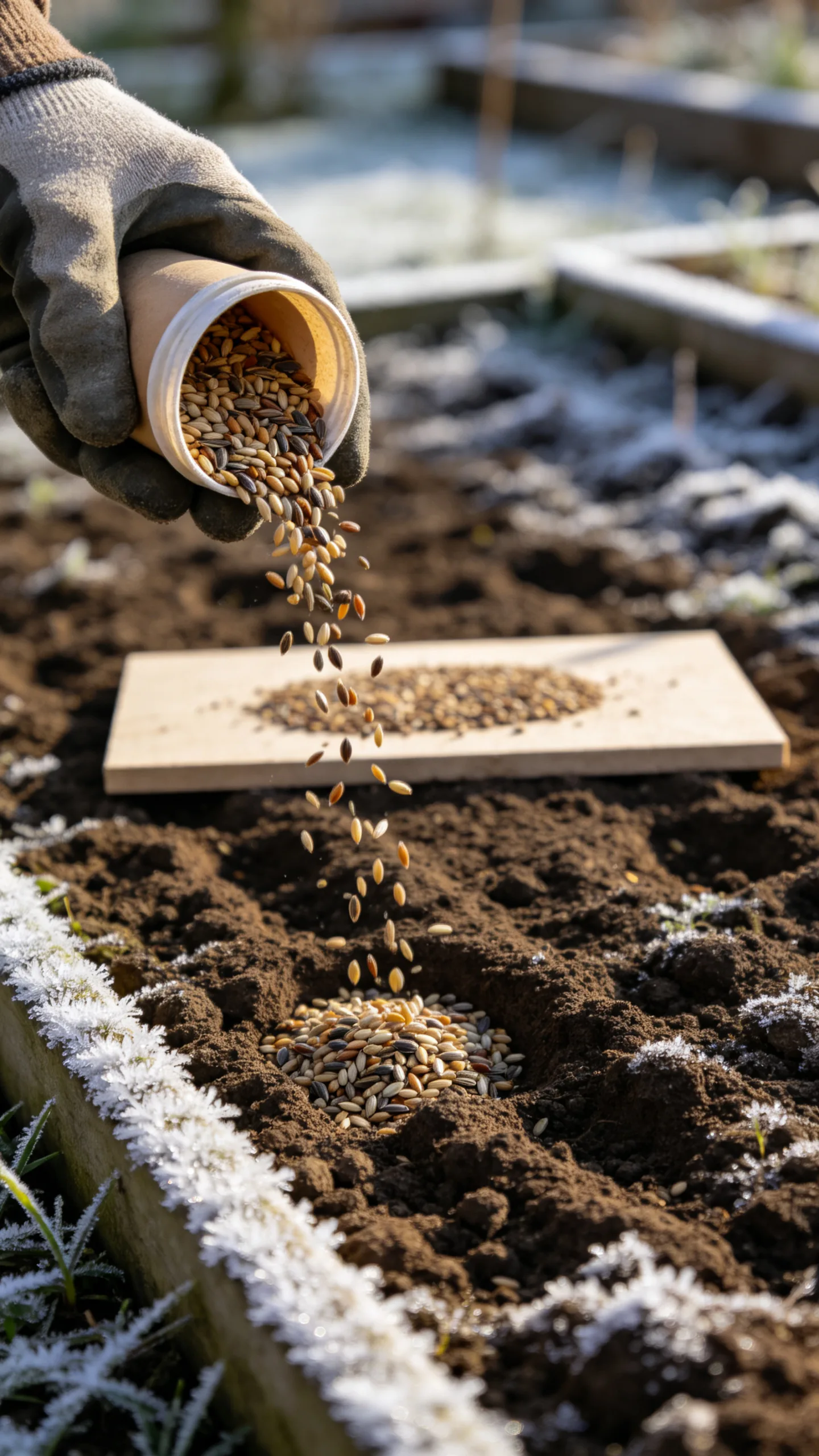
Late fall is a practical time to sow native wildflower seeds that require a period of cold, moist conditions before germination. Wait until the soil is cold enough that seeds are unlikely to sprout before winter, usually after several hard frosts.
Remove existing weeds and expose the soil surface before scattering a mix suited to the site’s sunlight and moisture. Press the seeds into the ground without burying them deeply, label the area, and avoid using generic mixes that contain species not native or hardy in your region.