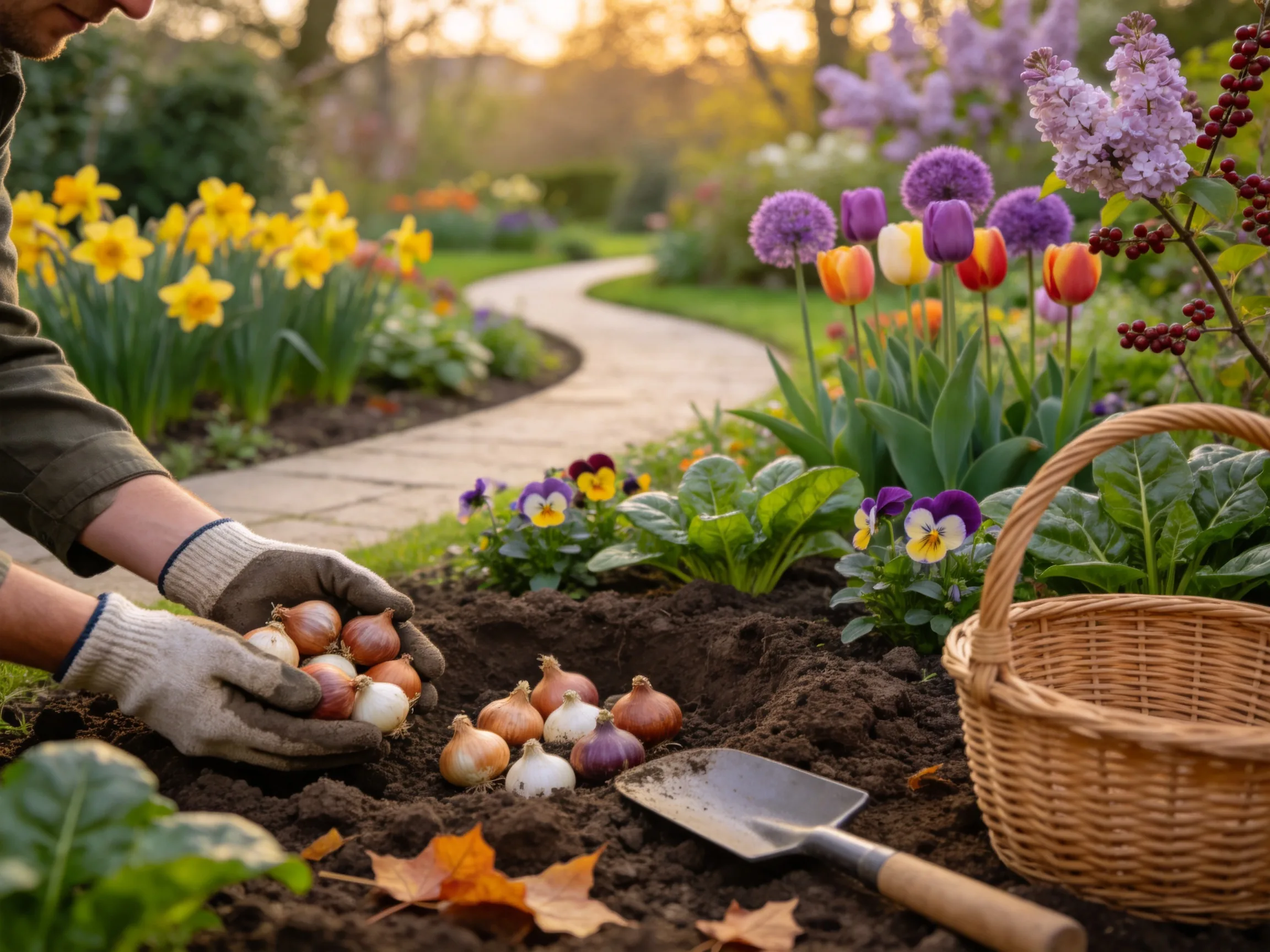
Fall’s cooler temperatures and more reliable moisture make it an excellent planting season for many bulbs, perennials, shrubs, and cool-season crops. Roots can begin establishing before winter, while spring-flowering bulbs receive the cold period they need to bloom. Choose plants suited to your USDA hardiness zone, plant before the ground freezes, and use well-draining soil to set the stage for spring flowers, fresh harvests, and vibrant garden color.
1. Daffodil Bulbs for Dependable Spring Color
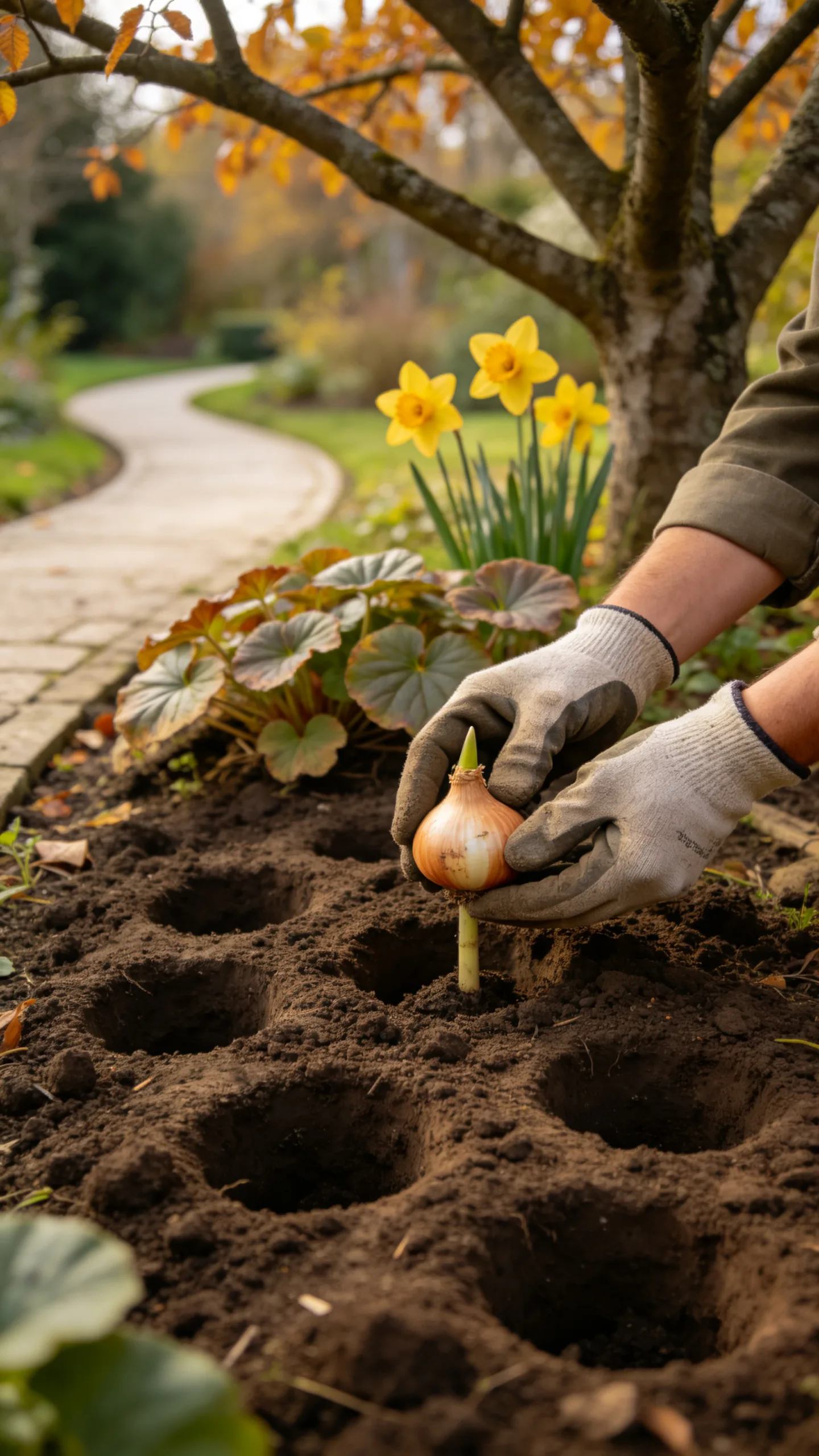
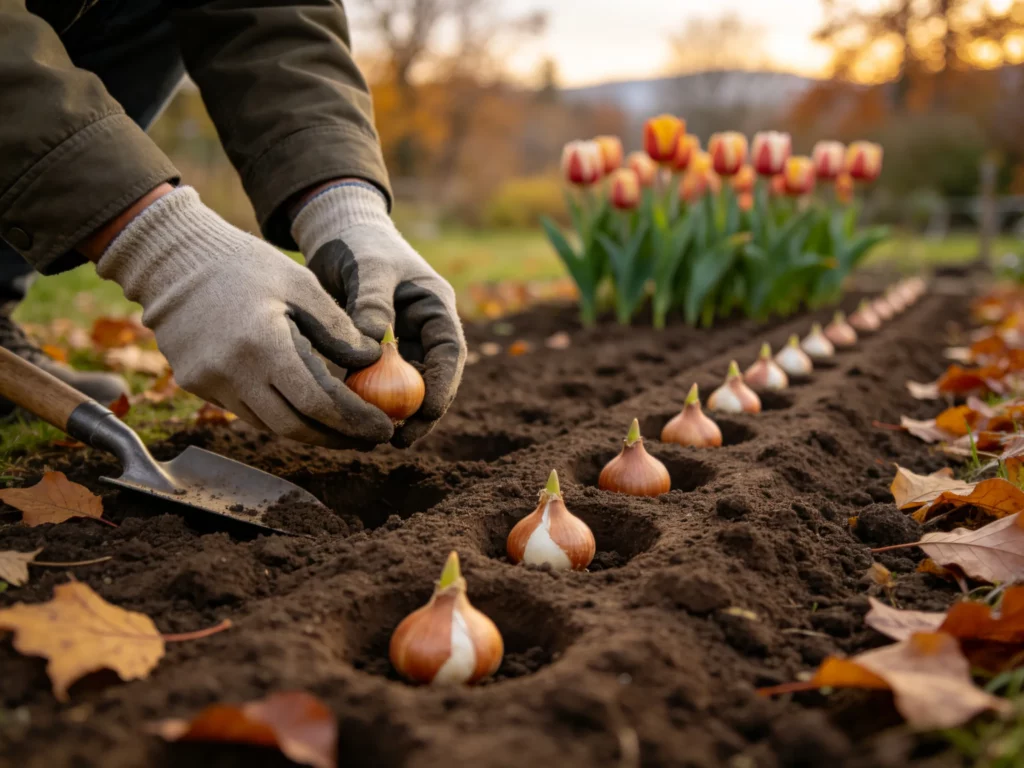
Plant daffodil bulbs in mid to late fall, once the soil has cooled but before it freezes. Select a sunny or partly shaded bed with good drainage, then place each bulb with the pointed end facing up at a depth about three times the bulb’s height. Space bulbs 4 to 6 inches apart or arrange them in irregular clusters for a natural look.
Daffodils work well under deciduous trees, along paths, and between later-emerging perennials. Their foliage must remain in place until it yellows naturally, so pair them with hostas, daylilies, or hardy geraniums that can help disguise fading leaves.
2. Tulip Bulbs for Bold Flower-Bed Displays
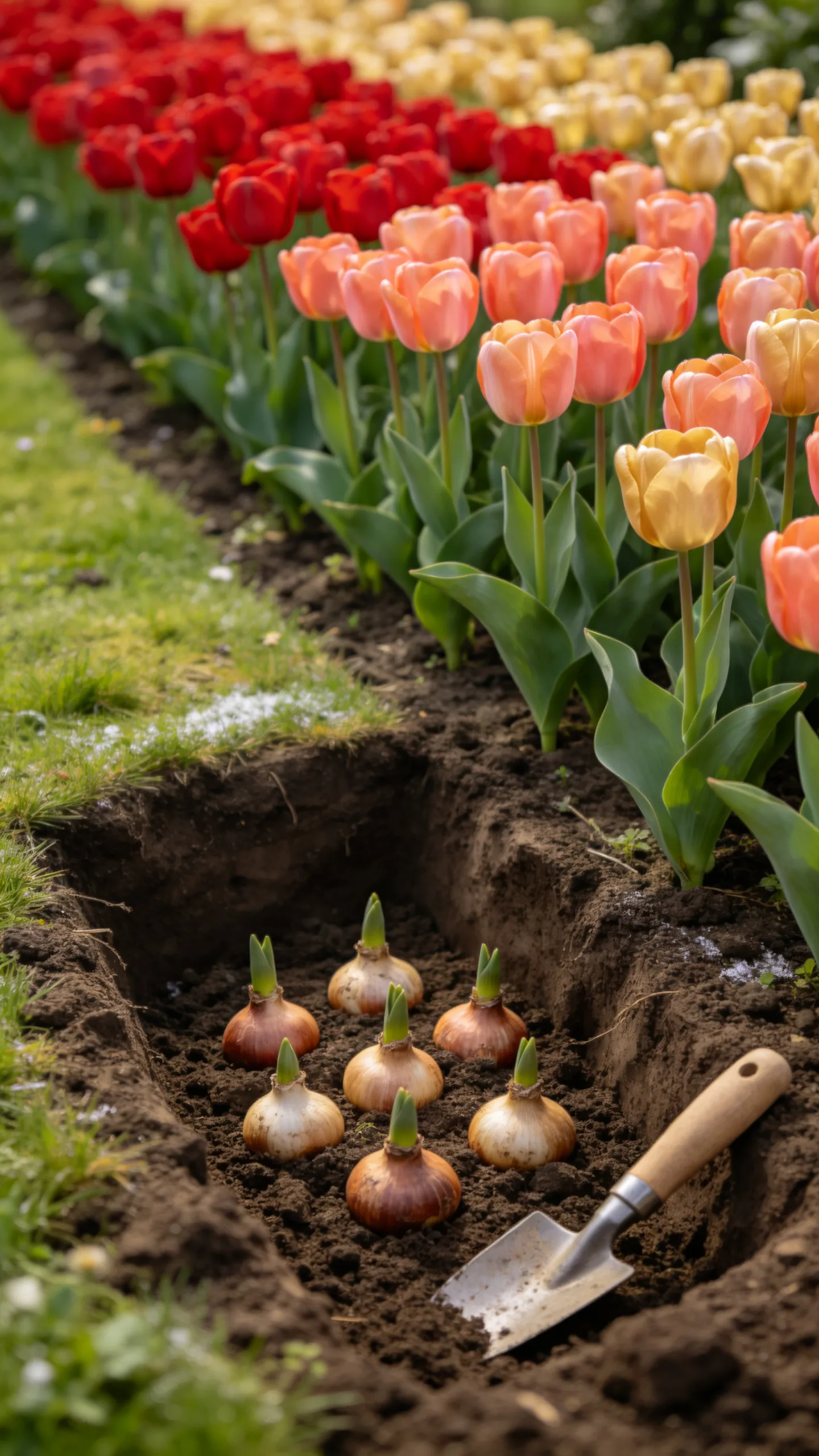
Tulips bring strong blocks of color to borders, containers, and formal planting beds. Plant the bulbs after the soil temperature has dropped, usually following the first light frosts. Set them 6 to 8 inches deep in loose, well-draining soil and group at least seven to ten bulbs together for a more noticeable spring display.
Many modern tulips perform best as annuals, especially in warm or wet climates. For a better chance of repeat blooms, look for species tulips, Darwin hybrids, or varieties labeled for naturalizing. In areas with mild winters, purchase prechilled bulbs or chill them according to the supplier’s directions before planting.
3. Crocus Bulbs for the First Pops of Color
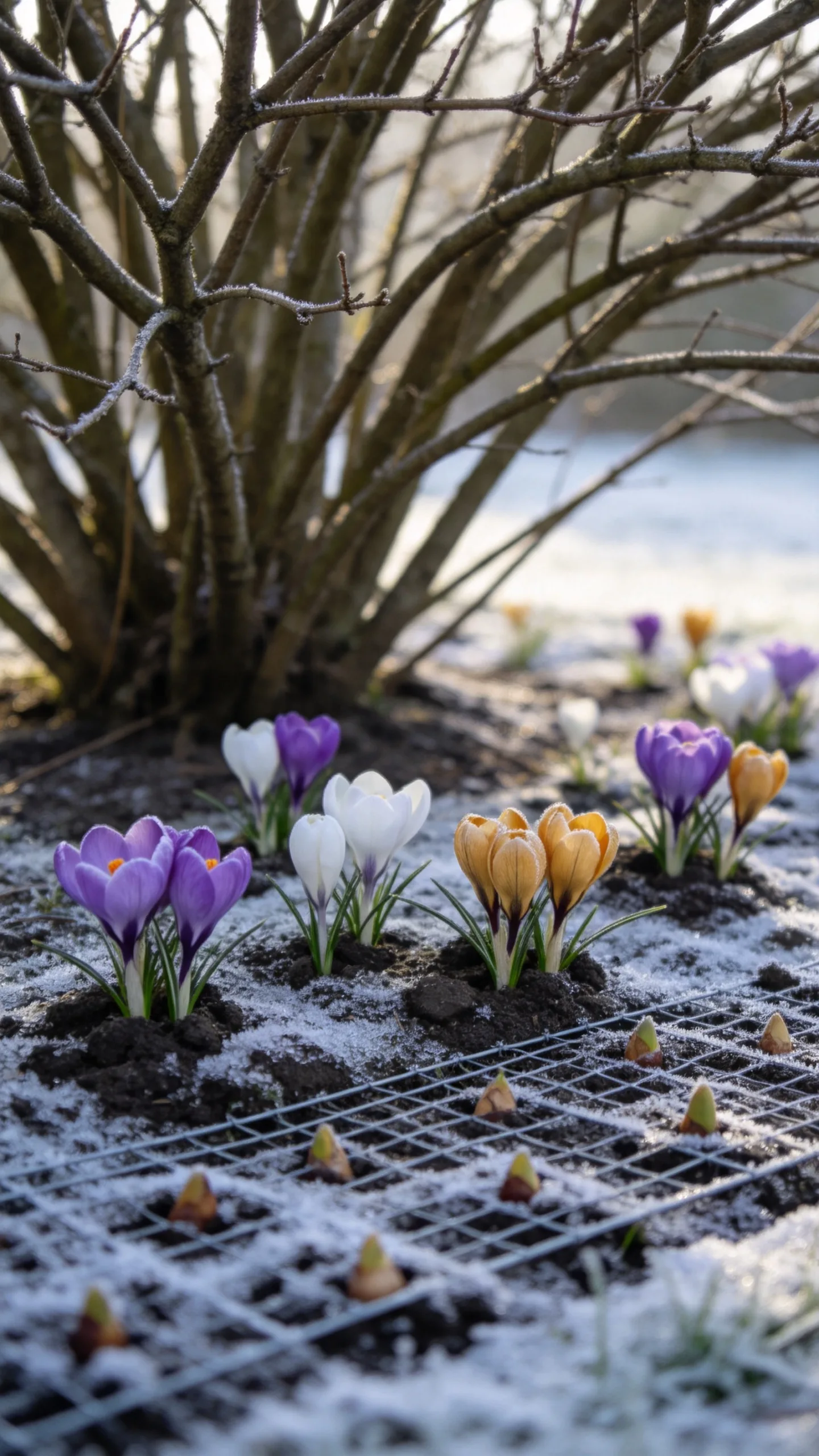
Crocuses are compact bulbs that can flower while the rest of the garden is still dormant. Plant them 3 to 4 inches deep in sunny lawns, rock gardens, border edges, or beneath deciduous shrubs. Small clusters scattered through a bed create a more natural effect than single bulbs planted in straight rows.
Because crocuses finish blooming early, they fit easily into crowded gardens without competing for much summer space. If planting them in a lawn, wait until the foliage has yellowed before mowing that area. Gardeners dealing with squirrels can cover newly planted groups with a flat piece of wire mesh secured beneath the soil surface.
4. Allium Bulbs for Height and Structure
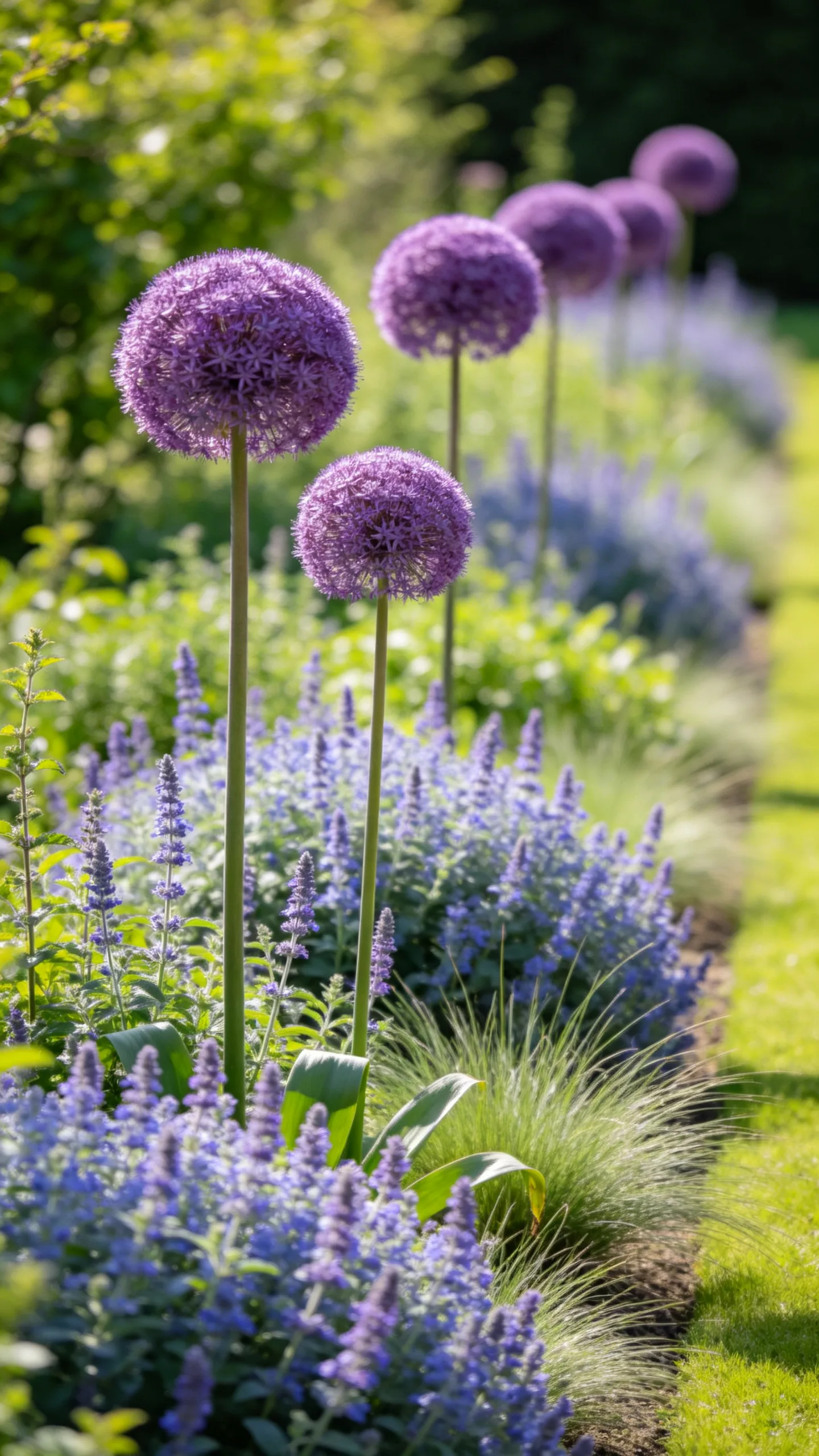
Ornamental alliums produce globe-shaped flower heads that rise above lower spring plants. Depending on the variety, their blooms may range from small, airy clusters to large purple spheres. Plant bulbs in full sun at the depth recommended on the package, typically two to three times the bulb’s height.
Use tall alliums behind catmint, salvia, or low ornamental grasses so surrounding foliage hides the alliums’ leaves as they decline. Their upright stems add vertical interest without occupying much ground space, making them particularly useful in narrow borders and small gardens.
5. Grape Hyacinths for Low-Growing Borders
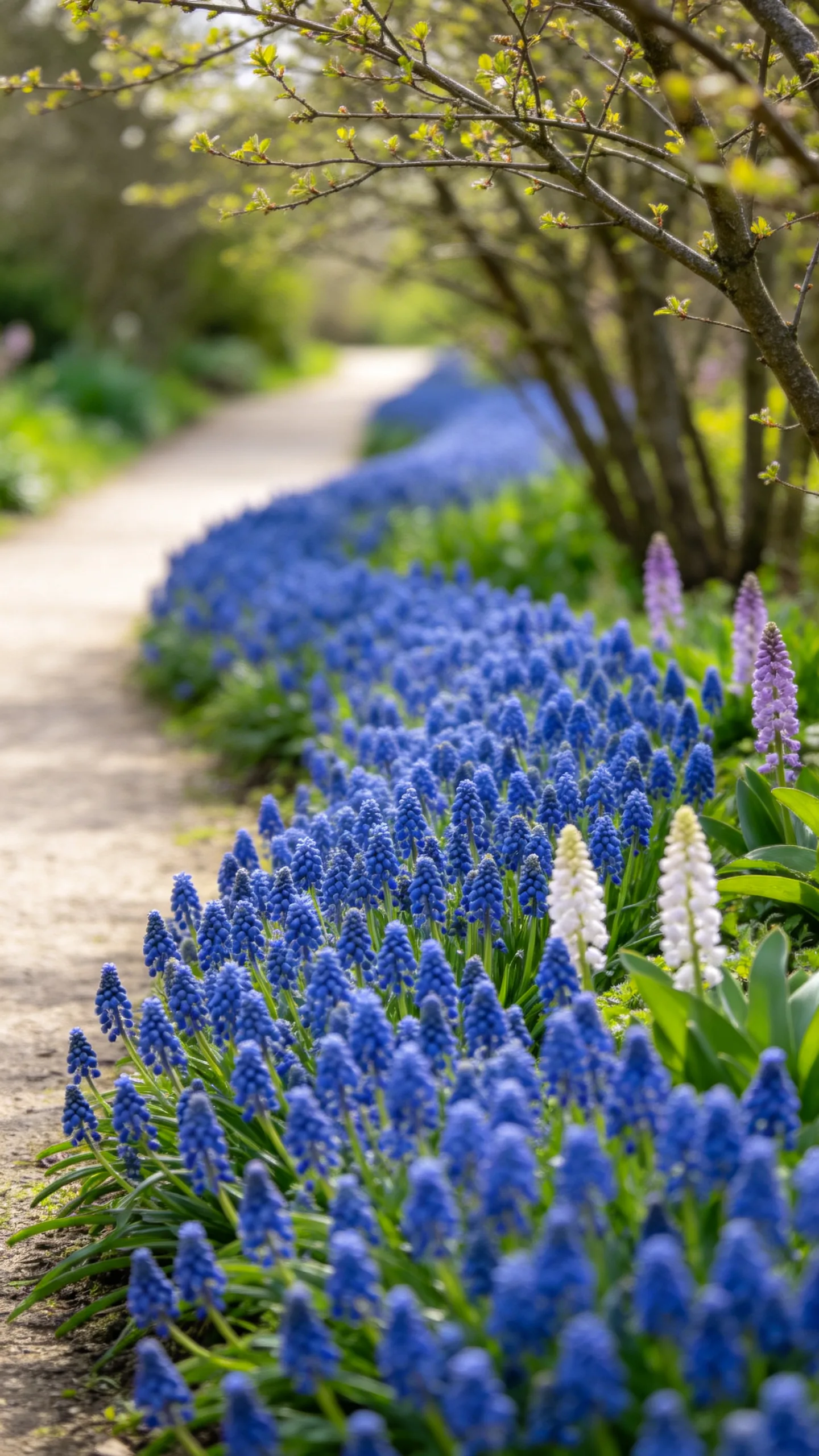
Grape hyacinths, also known as muscari, form short spikes of blue, white, or pale purple flowers. Plant the small bulbs 3 to 4 inches deep along path edges, beneath shrubs, or at the front of a flower bed. They look best in generous drifts rather than isolated rows.
These bulbs can multiply where growing conditions suit them, so place them where gradual spreading is welcome. They tolerate partial shade under deciduous trees because they receive sunlight before the tree canopy fills in. Their compact growth also makes them a practical choice for layered bulb containers.
6. Hyacinth Bulbs for Fragrant Spring Containers
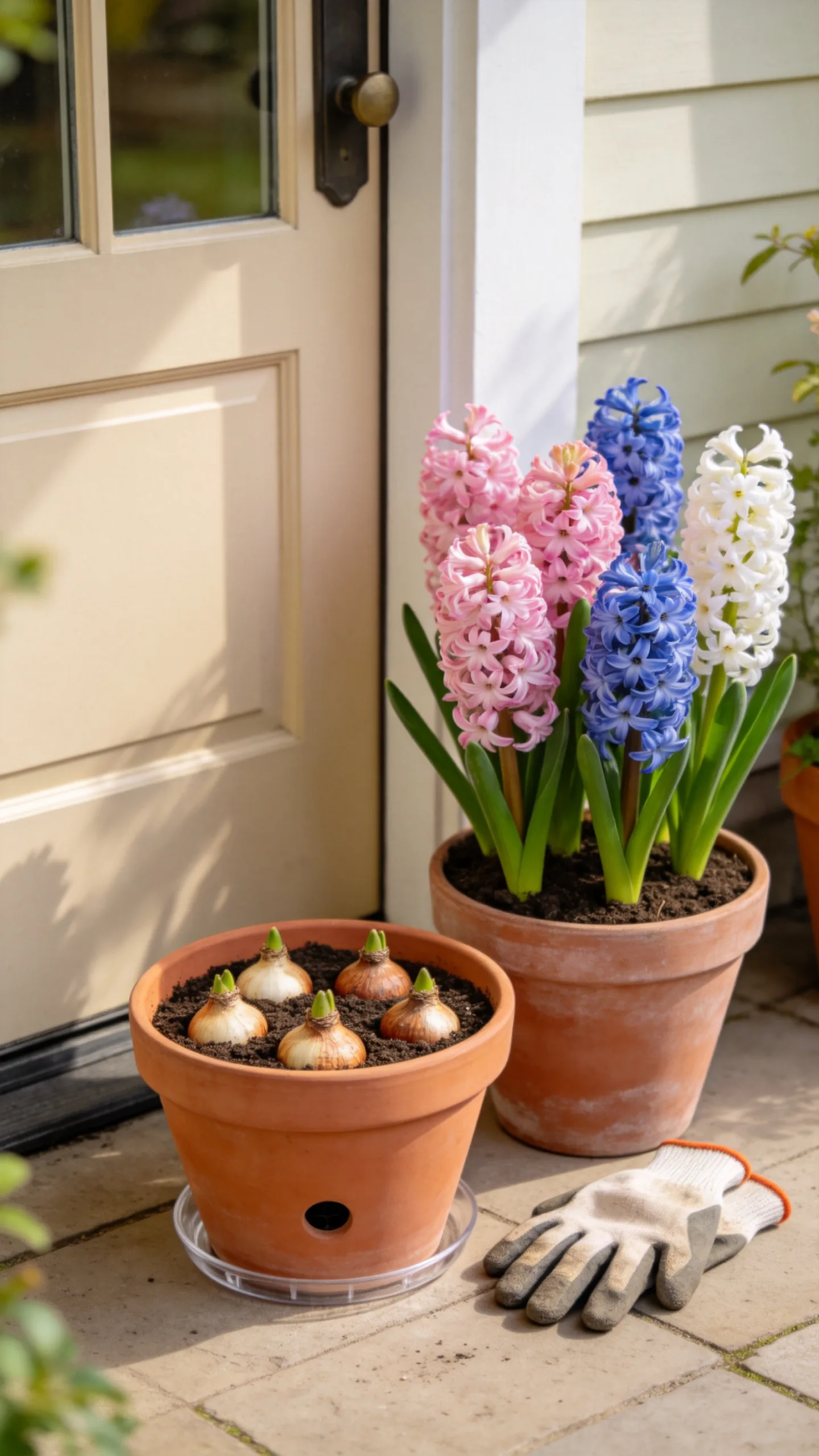
Hyacinths produce dense, fragrant flower spikes in pink, purple, blue, white, and yellow. Plant bulbs about 6 inches deep in well-draining garden soil, or place them closely together in a frost-resistant container with drainage holes. Keep the bulbs from touching each other or the sides of the pot.
Set containers outdoors where they will experience winter cold, but protect them from standing water and repeated freeze-thaw damage. Hyacinths generally bloom best in their first spring; later flowers may be smaller and looser. Place pots near a door, walkway, or seating area where their fragrance can be appreciated.
7. Snowdrops for Shady Woodland Edges
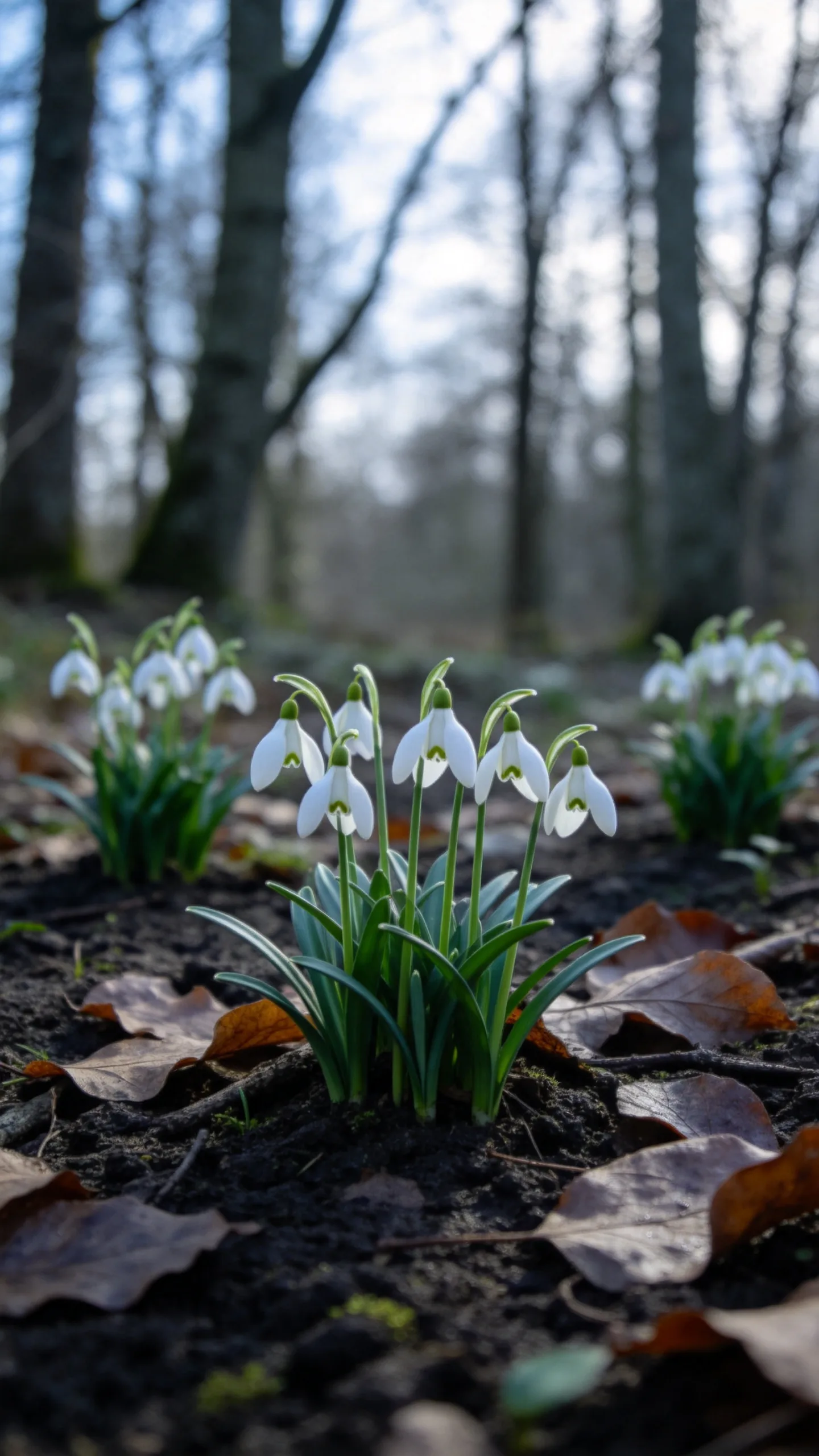
Snowdrops are among the earliest spring-flowering bulbs and grow well beneath deciduous trees or at the front of a lightly shaded border. Plant dormant bulbs as soon as possible after purchase because they can dry out in storage. Set them about 3 inches deep in moisture-retentive soil that does not remain waterlogged.
These petite flowers are most effective when planted in groups. Over time, established clumps can be divided just after flowering while the foliage is still green. Snowdrops prefer cool conditions and may not thrive in regions without sufficient winter chill, so check local suitability before planting.
8. Hellebores for Long-Lasting Early Blooms
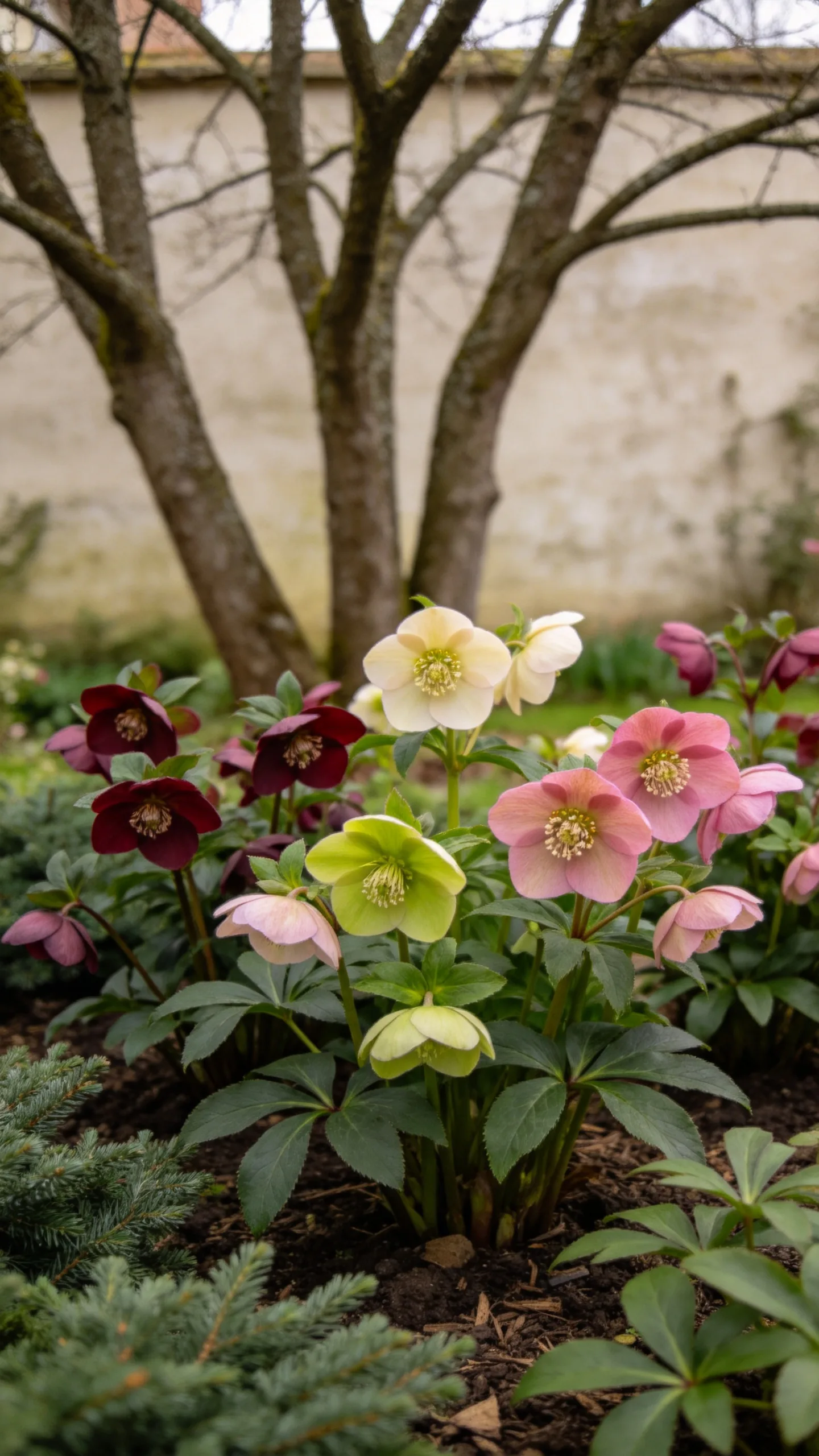
Hellebores are evergreen or semi-evergreen perennials that flower from late winter into spring, depending on the variety and climate. Plant them in partial shade under open-canopied trees, beside a north- or east-facing wall, or in a protected woodland border. Rich soil with good drainage helps prevent root problems.
Allow roughly 18 to 24 inches between plants so mature clumps have room to spread. Water regularly during their first fall if rainfall is limited, then add a light layer of compost around the root zone. Remove old, damaged foliage in late winter to make the emerging flowers easier to see.
9. Peonies for Generations of Spring Flowers
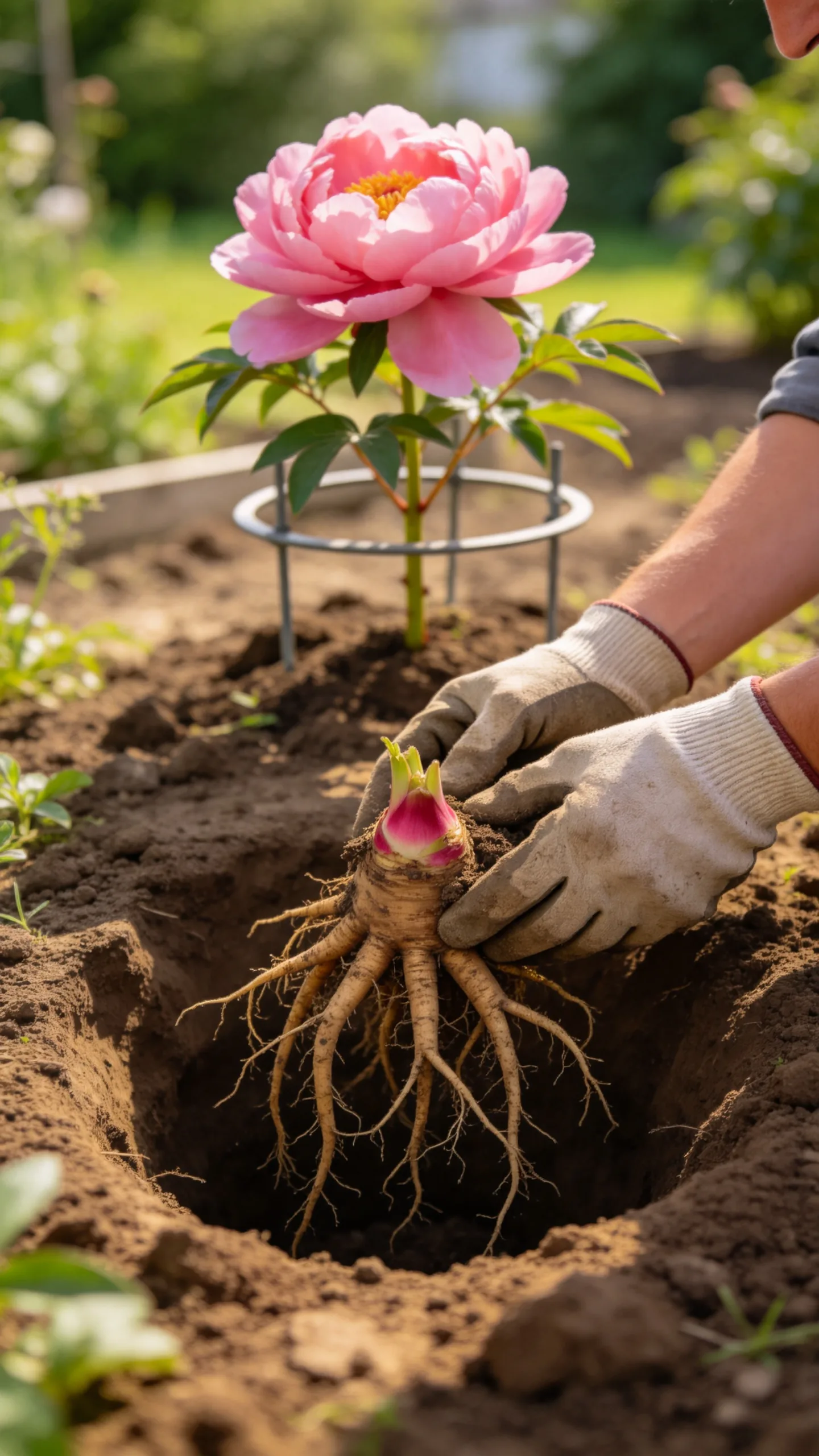
Fall is an ideal time to plant bare-root peonies because it allows their roots to settle before spring growth begins. Choose a site receiving at least six hours of sun and avoid areas that stay soggy. Position the root so its pink or reddish eyes sit only 1 to 2 inches below the soil surface; planting too deeply can reduce flowering.
Give each peony about 3 feet of space and keep it away from aggressive tree roots. Install a support ring in early spring before stems become tall and top-heavy. Peonies may take time to establish, but careful placement reduces the need to move them later.
10. Irises for Color in Sunny, Well-Drained Beds
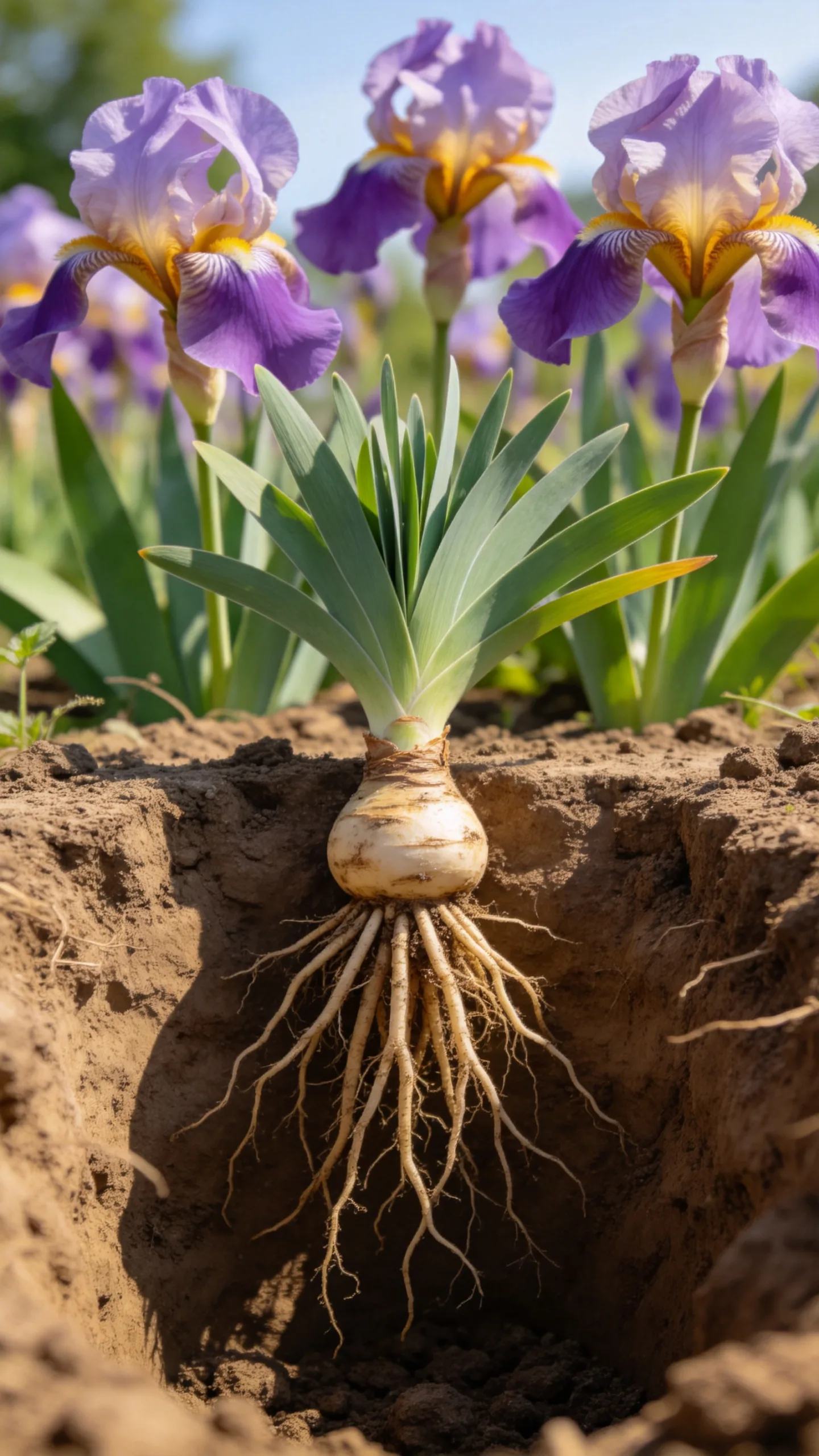
Bearded iris rhizomes can be planted in early fall, ideally several weeks before the ground freezes. Select a sunny site and place each rhizome horizontally with its top at or slightly above the soil surface. Fan out the roots below it, then water thoroughly after planting.
Space rhizomes 12 to 18 inches apart with the leaf fans facing outward from the group. Avoid thick mulch over the crowns because trapped moisture can encourage rot. For damp locations, choose moisture-tolerant iris species rather than bearded irises, which perform best in sharply drained soil.
11. Pansies for Immediate Color and Spring Reblooming
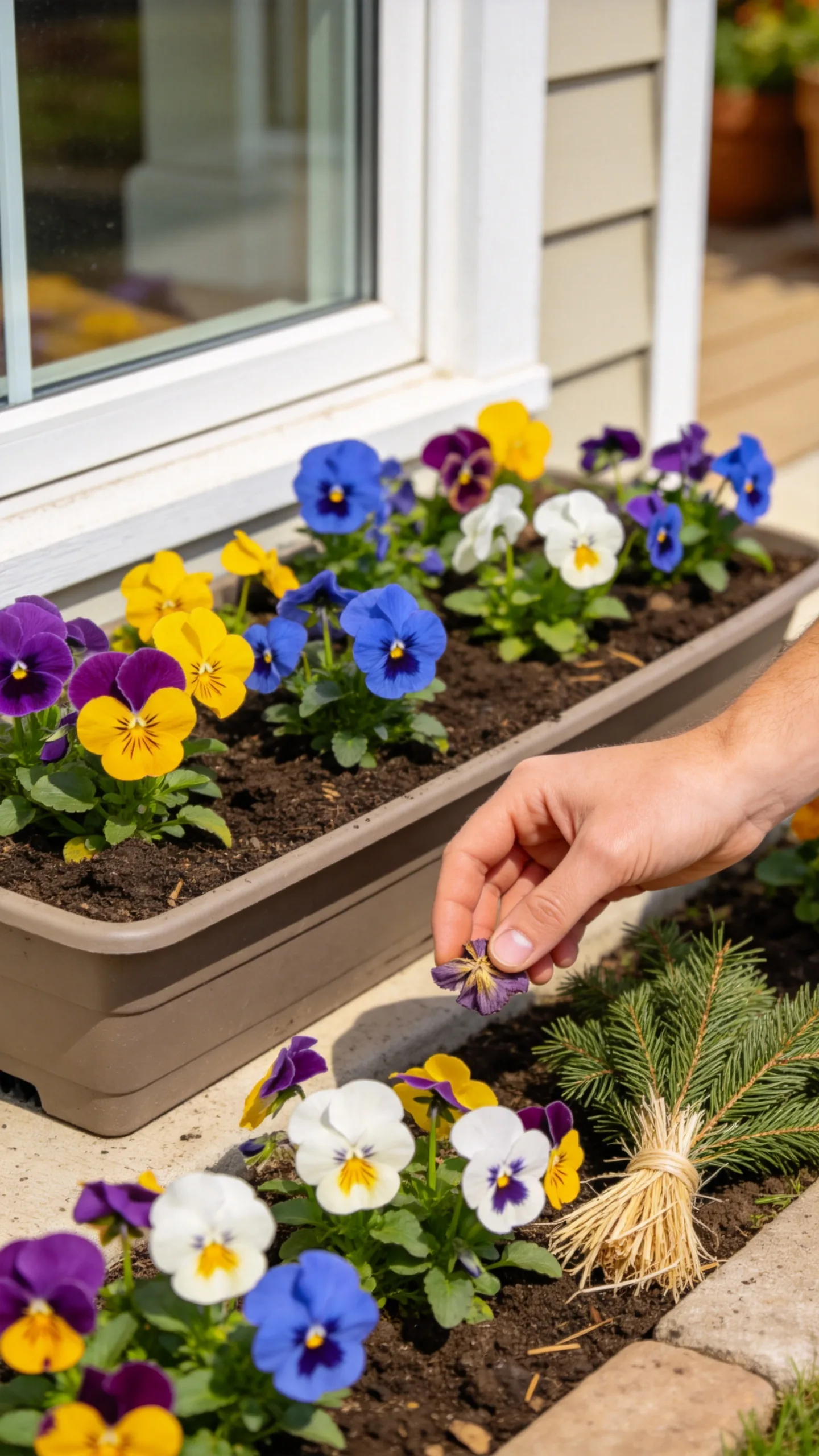
In areas with mild winters, fall-planted pansies provide color during cool weather and often produce another flush of flowers in early spring. Plant them in window boxes, porch containers, or the front of a sunny border. Use fertile, well-draining soil and space plants about 6 to 8 inches apart.
Remove spent flowers to encourage continued blooming, and water when the top inch of soil feels dry. In colder regions, pansies may need protection from harsh wind and repeated freezing. A layer of straw or evergreen boughs can help insulate plants, although survival varies by winter conditions and cultivar.
12. Garlic for an Early-Summer Harvest
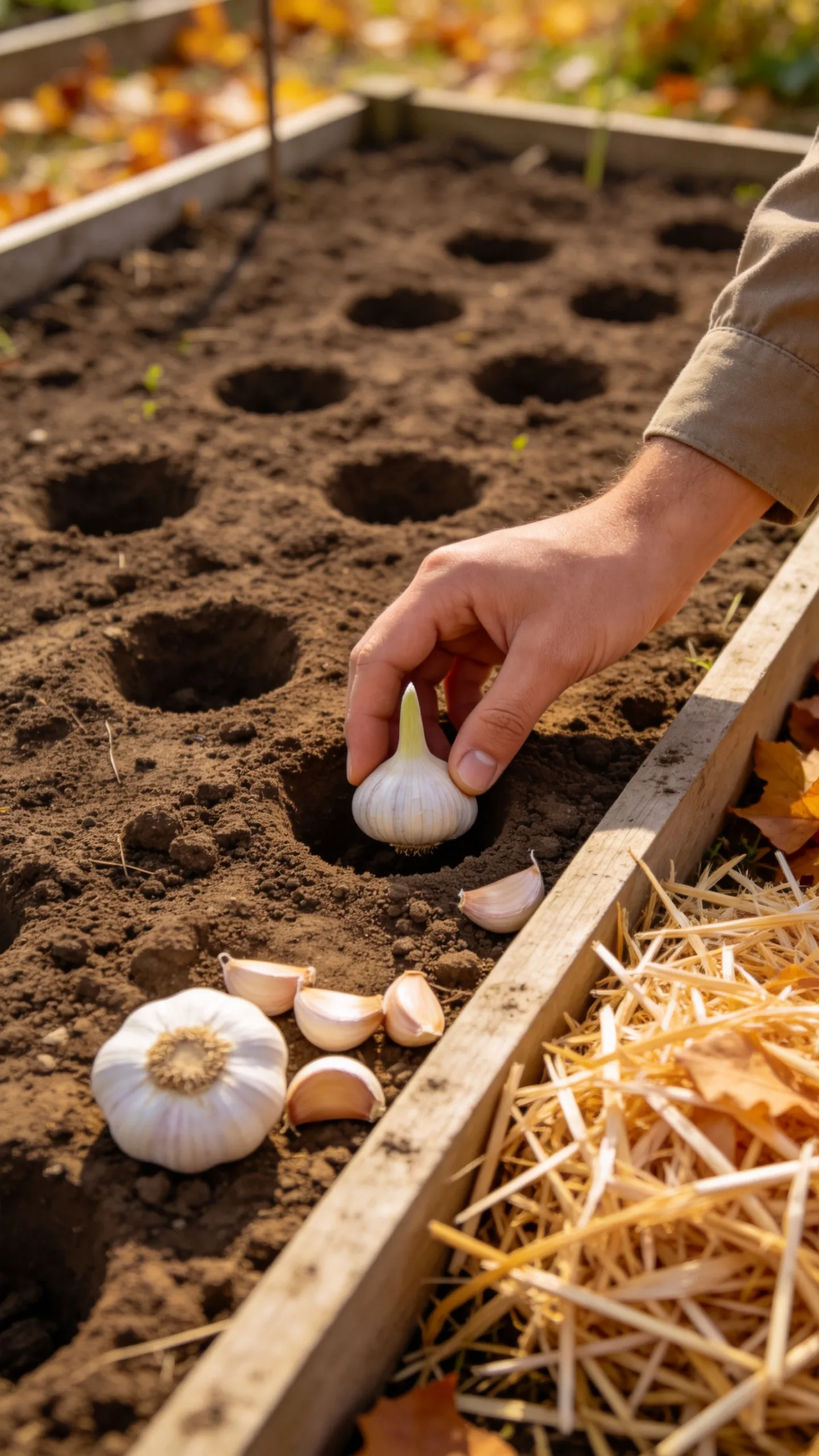
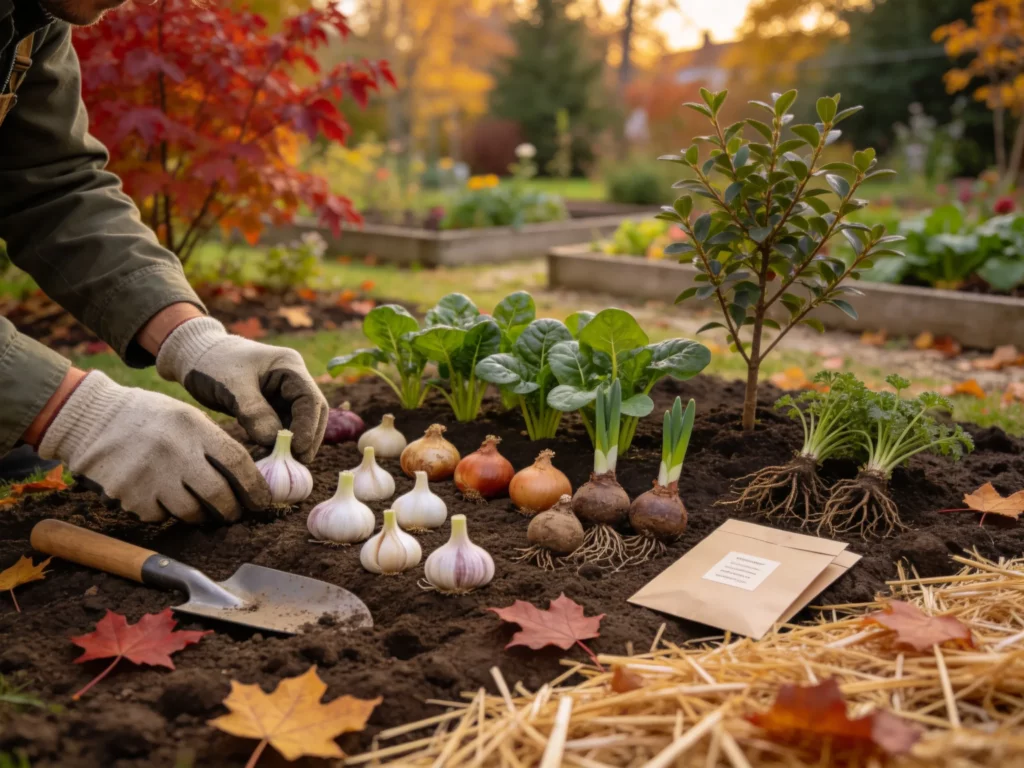
Plant garlic cloves in fall several weeks before the soil freezes. Separate a healthy bulb into individual cloves just before planting, leaving the papery skins intact. Place each clove with the pointed end up, 2 to 3 inches deep and about 6 inches apart in a sunny bed.
Cover the bed with 3 to 4 inches of clean straw, shredded leaves, or another loose mulch to limit weeds and moderate temperature changes. Hardneck garlic is often favored in cold climates, while softneck types generally suit milder areas. Harvest timing varies, but the bulbs are usually ready when several lower leaves turn brown in early summer.
13. Shallots for a Compact Kitchen-Garden Crop
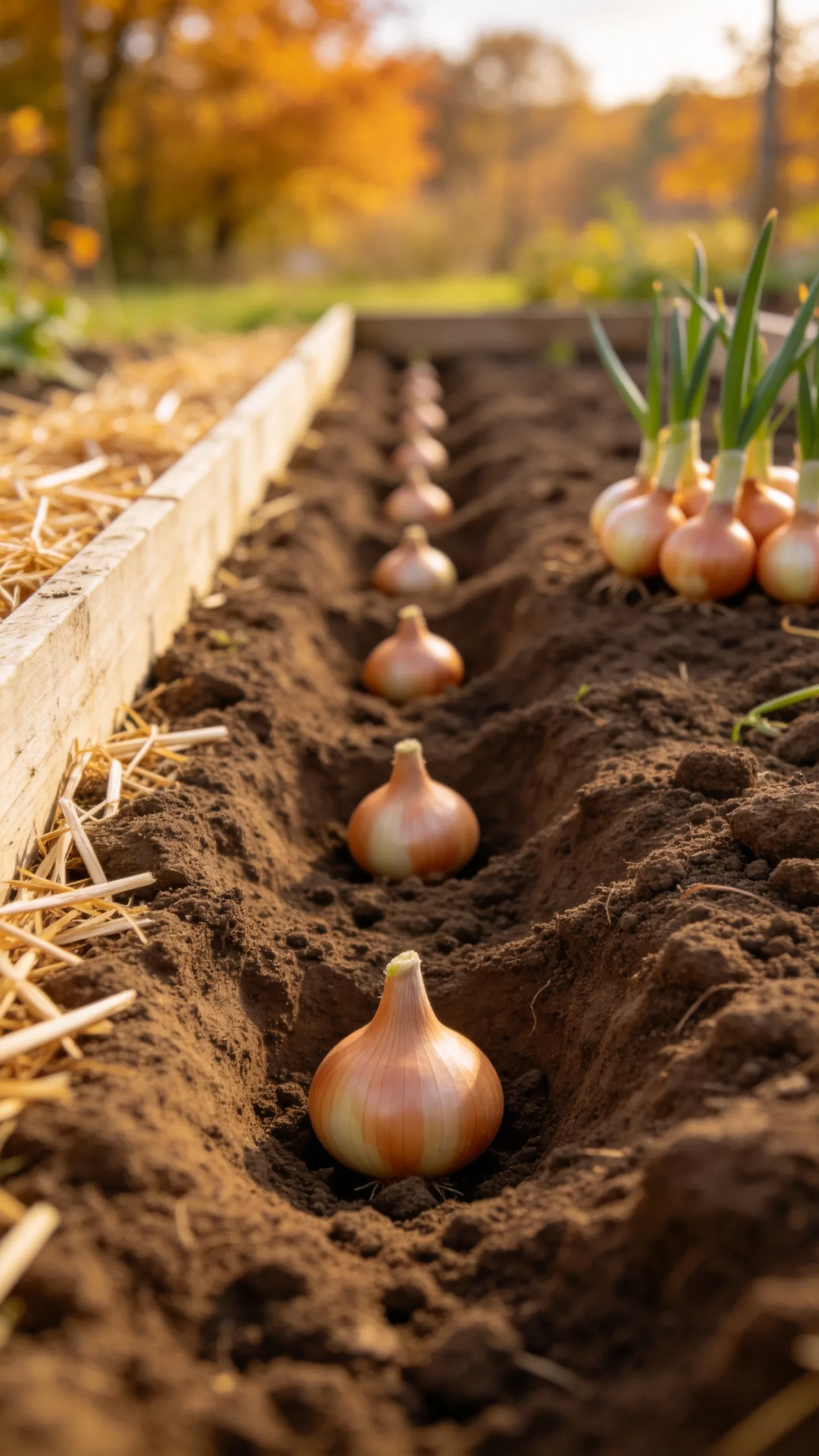
Shallots are a practical choice for raised beds and small vegetable plots because each planted bulb develops into a cluster. In regions with cold but manageable winters, plant sets 1 to 2 inches deep with their tips near the soil surface. Space them about 6 inches apart in rows at least 12 inches apart.
Choose a sunny location with loose soil that drains well. Apply a light mulch after the ground cools, especially where frost heaving is common. In climates with severe winters, spring planting may be safer, so follow regional recommendations before setting out fall shallots.
14. Spinach for an Extra-Early Leafy Harvest
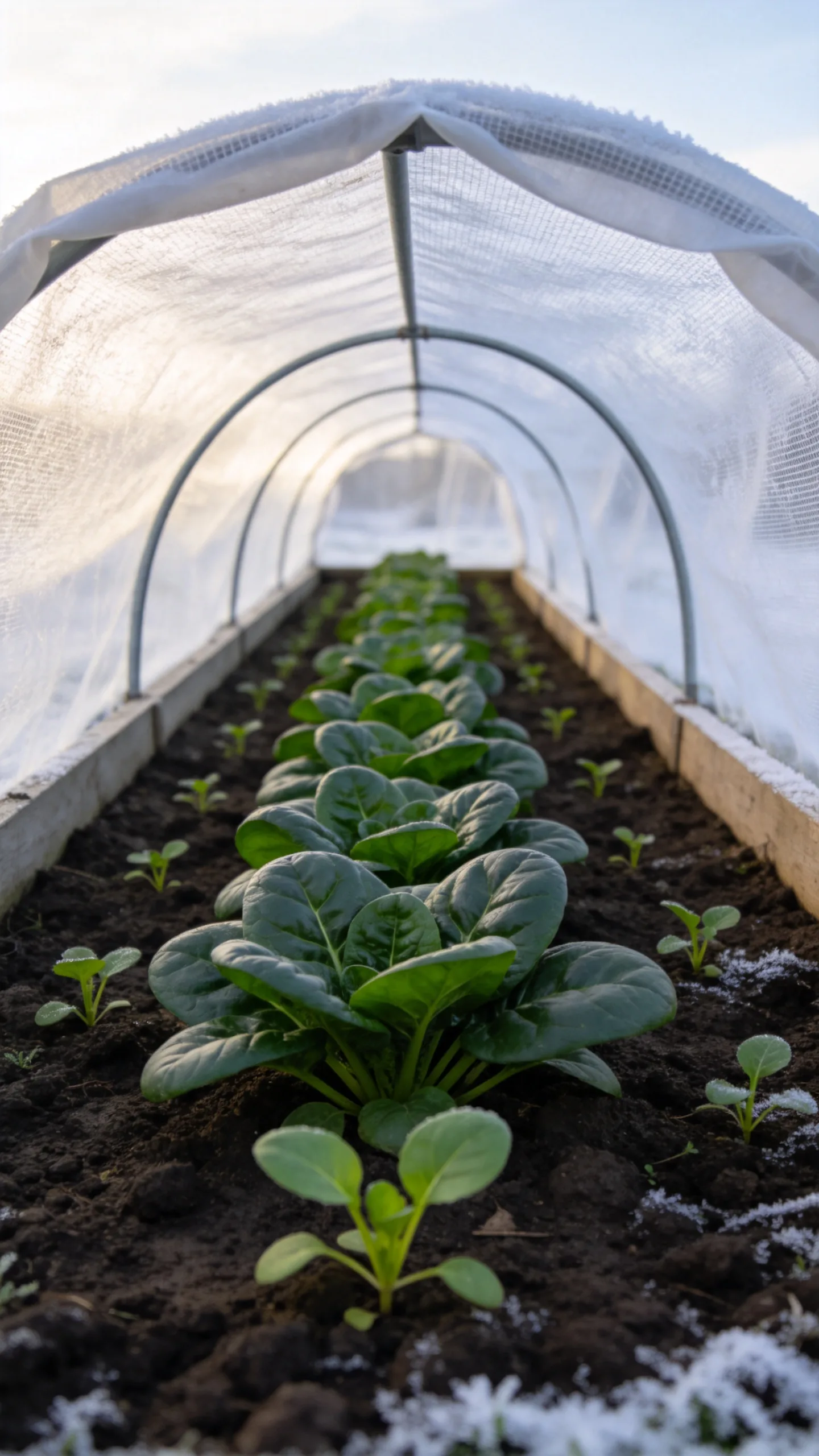
Cold-hardy spinach can be sown in fall for late-season picking or overwintered for rapid spring growth. Sow seeds about half an inch deep in a sunny raised bed, cold frame, or low-tunnel garden. Keep rows close together if harvesting baby leaves, or allow 4 to 6 inches between mature plants.
Timing depends on the goal: sow early enough for a fall crop or later so seedlings remain small through winter. Protect plants with row cover in cold regions and remove it on warm spring days to improve airflow. Well-draining soil is essential because waterlogged roots are more vulnerable during freezing weather.
15. Spring-Blooming Clematis for a Vertical Accent
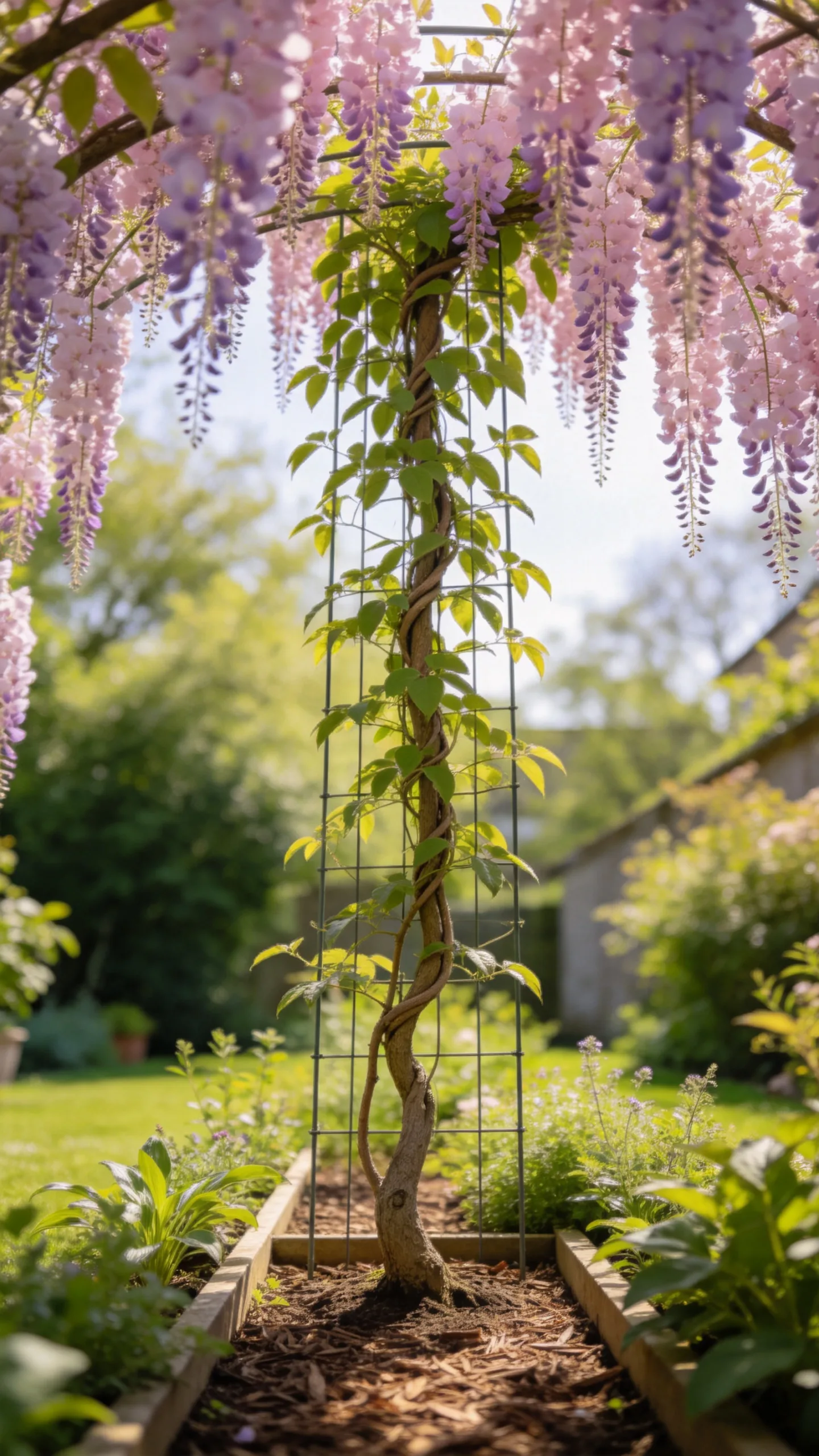
A spring-flowering clematis can bring color to a trellis, fence, arbor, or narrow side yard without taking up much bed space. Plant it in early fall while the soil is still workable, positioning the crown slightly deeper than it sat in its nursery container. Provide a sturdy support with thin bars or mesh that the leaf stems can wrap around.
Keep the root zone cool with a shallow layer of mulch or a low-growing companion plant, but leave space around the main stem for airflow. Choose a variety suited to local winter temperatures and note its pruning group. Early-blooming clematis generally requires only light pruning after flowering rather than a hard spring cutback.
16. Lilacs for Fragrant Spring Privacy
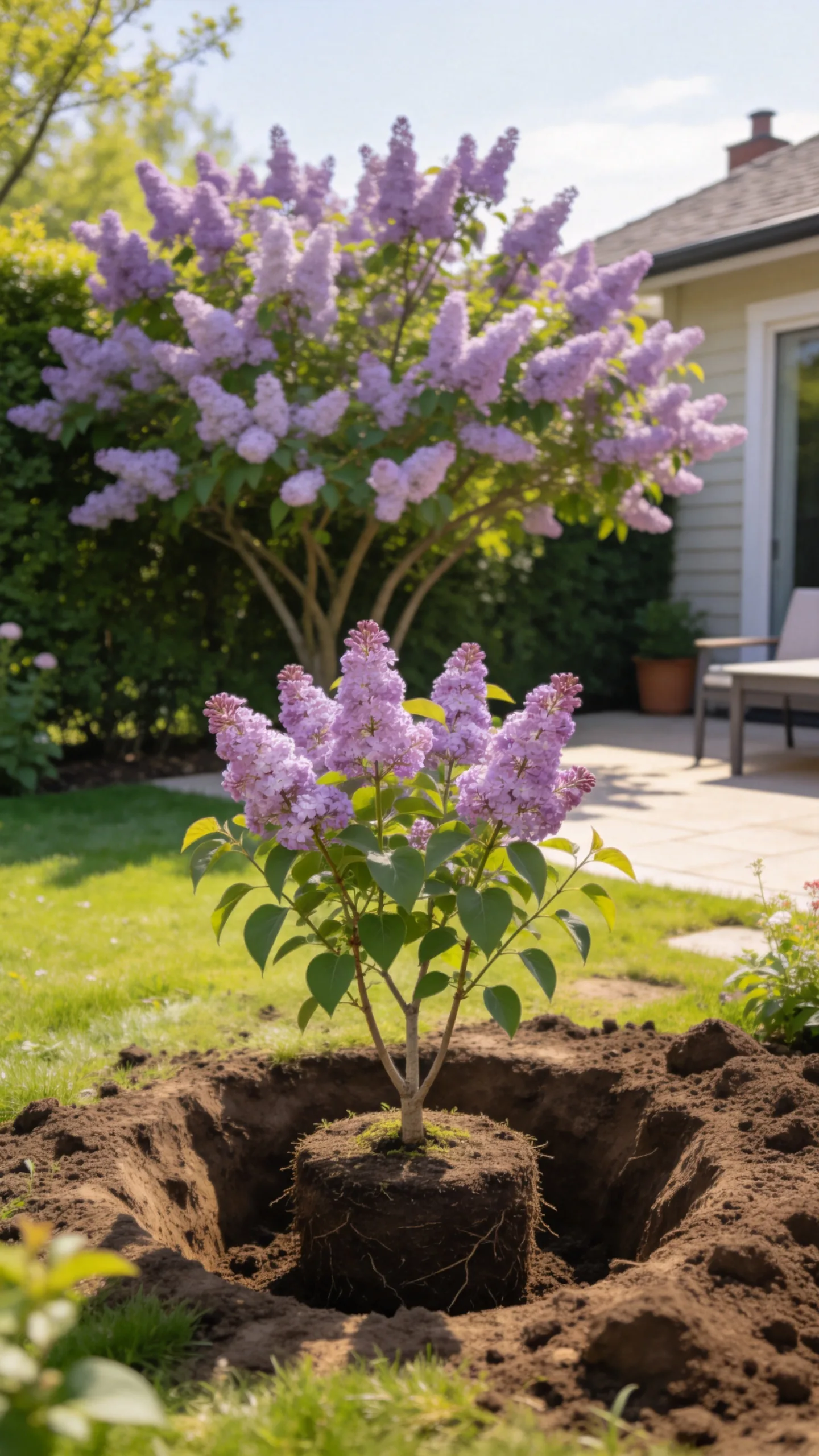
Fall-planted lilacs have time to begin establishing roots before summer heat arrives. Place them in full sun with good air circulation and soil that does not stay wet. Check the mature size before planting, since common lilacs can become large shrubs, while compact cultivars fit more comfortably beside patios or in smaller yards.
Dig a hole no deeper than the root ball and two to three times as wide, then backfill with the existing soil. Water deeply until the ground freezes if rainfall is scarce. Avoid heavy fertilization, which can encourage leafy growth at the expense of flowers, and prune only after spring blooming so next year’s buds are not removed.
17. Serviceberry for Flowers, Fruit, and Fall Color
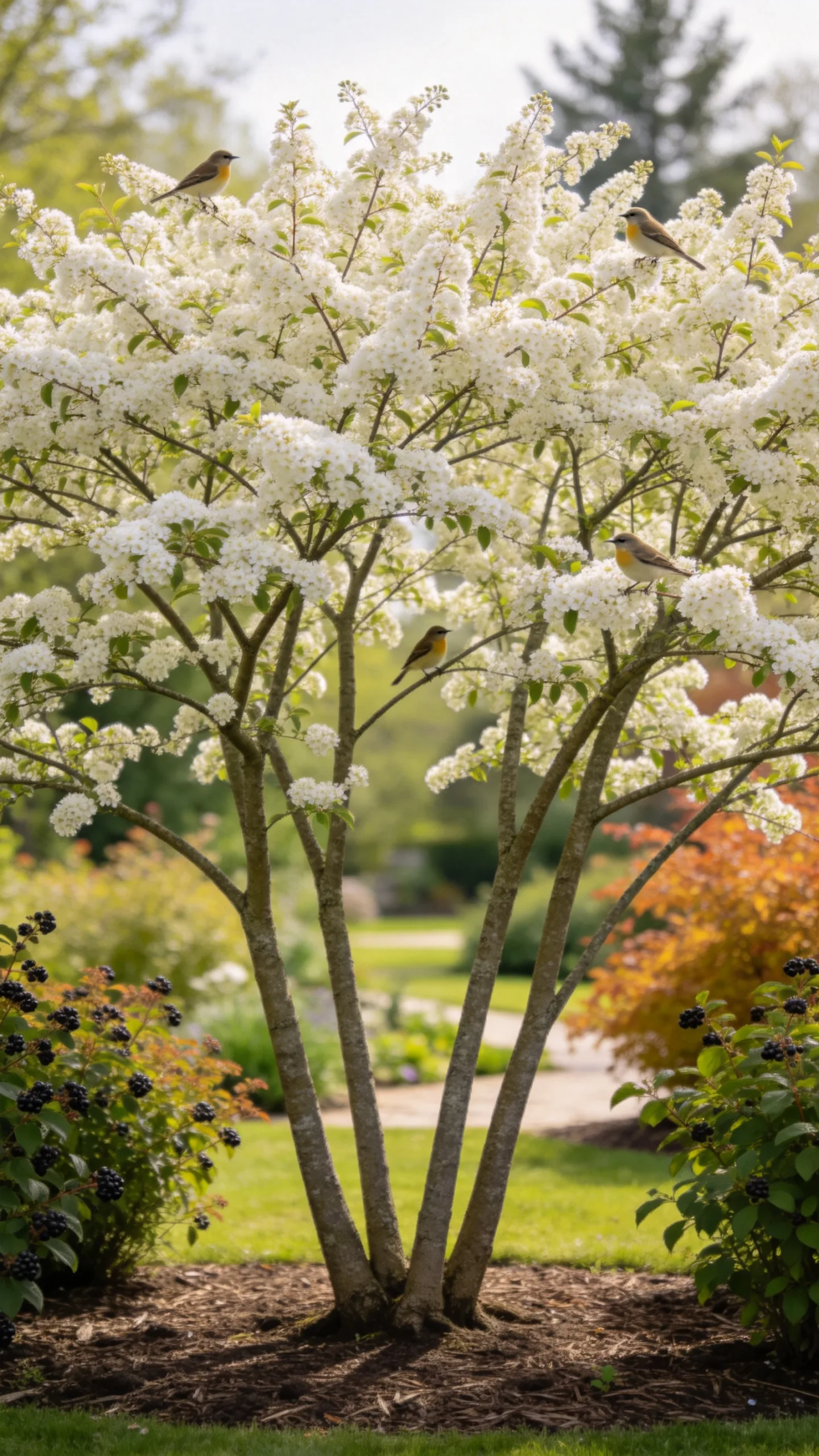
Serviceberry is a multi-season shrub or small tree with white spring flowers, edible summer berries, and colorful autumn foliage. Plant it in fall in full sun or partial shade, allowing enough room for its mature width. Multi-stem forms can create a light privacy screen without the dense visual weight of an evergreen hedge.
Water the root zone deeply during dry fall weather and spread 2 to 3 inches of mulch over the soil, keeping it away from the trunk. Choose a species or cultivar adapted to local conditions, as mature size and disease resistance vary. The berries may also attract birds, adding activity to a spring and summer garden.
18. Native Wildflower Seeds for a Natural Spring Start
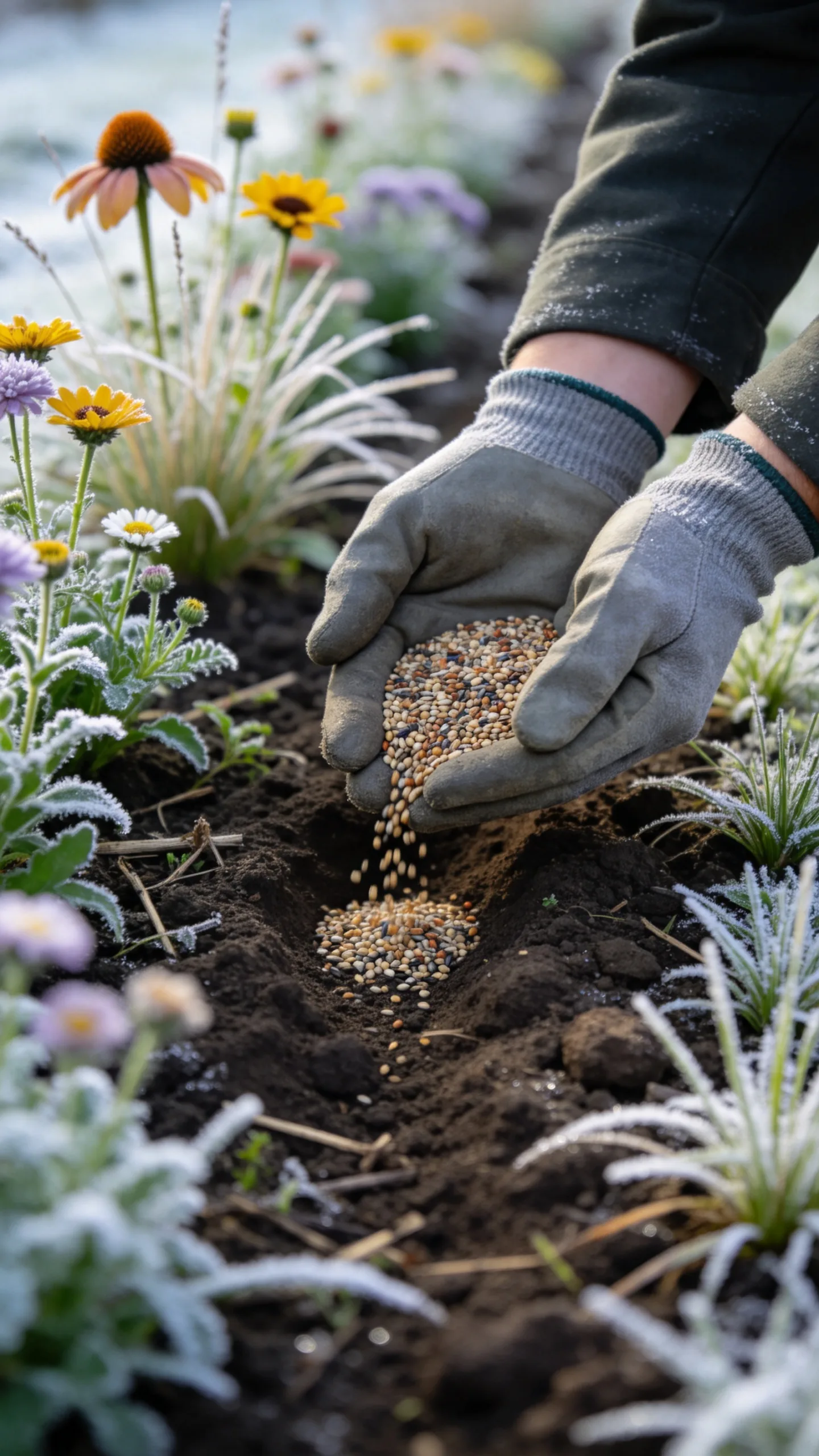
Many native wildflower seeds benefit from a period of cold, moist weather before they germinate. Sow them in late fall after several hard frosts so they remain dormant until conditions are suitable. Clear weeds and loose debris from the planting area, press the seeds firmly against bare soil, and avoid burying tiny seeds too deeply.
Choose a seed mix matched to the site’s light, moisture, and region rather than a generic mix containing plants unsuitable for local conditions. A small prepared patch, narrow pollinator strip, or sunny bed is easier to manage than scattering seeds across an existing lawn. Mark the area so emerging seedlings are not mistaken for weeds in spring.