A cottage cut flower garden combines abundant blooms, informal planting, and practical access for regular harvesting. Whether you have a wide backyard border, a few raised beds, or a sunny patio, the right mix of annuals, perennials, bulbs, foliage plants, and flowering climbers can provide bouquet ingredients across several seasons. Use these ideas to create a garden that feels romantic while remaining easy to plant, water, cut, and maintain.
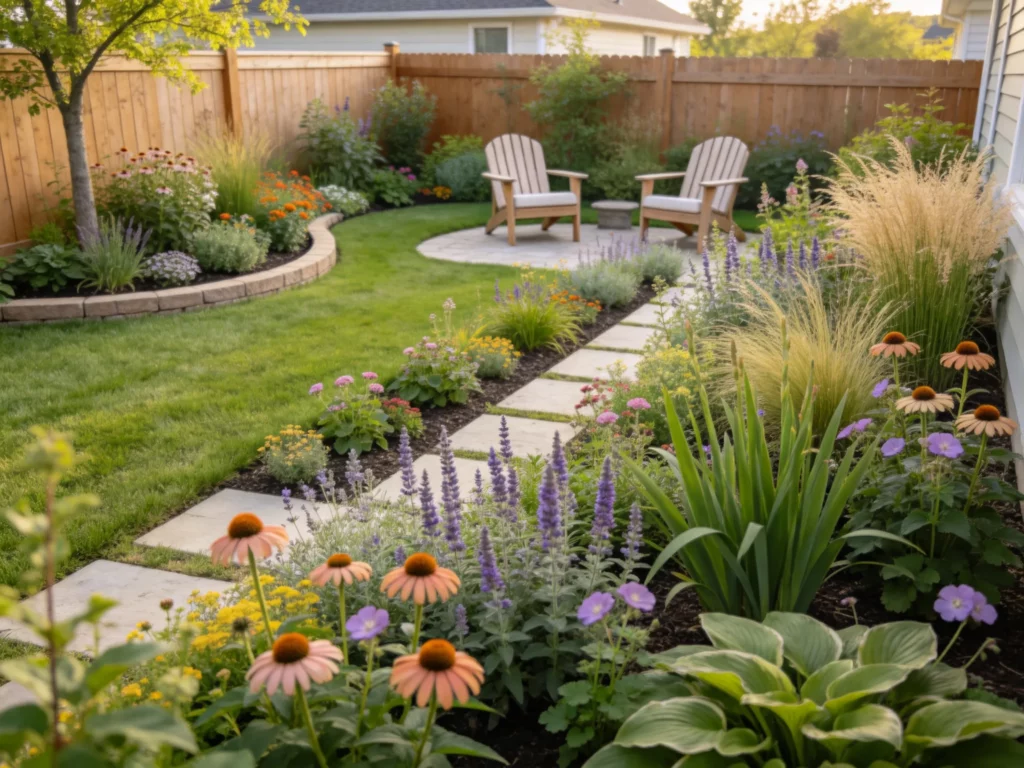
1. Layer a Sunny Border With Tall, Medium, and Low Flowers
Turn a sunny boundary into a productive cutting border by arranging plants according to mature height. Place tall delphiniums, hollyhocks, sunflowers, or branching dahlias at the back, followed by medium-height cosmos, snapdragons, and zinnias. Edge the bed with compact dianthus, sweet alyssum, or dwarf calendula.
Most cut flowers perform best with at least six hours of direct sunlight, though this varies by plant and climate. Keep the border narrow enough to reach from a path—about 3 to 4 feet is practical when accessible from one side. Repeating small groups of the same flower creates cottage-style abundance while producing enough matching stems for cohesive bouquets.
2. Divide a Raised Bed Into Bouquet-Making Blocks
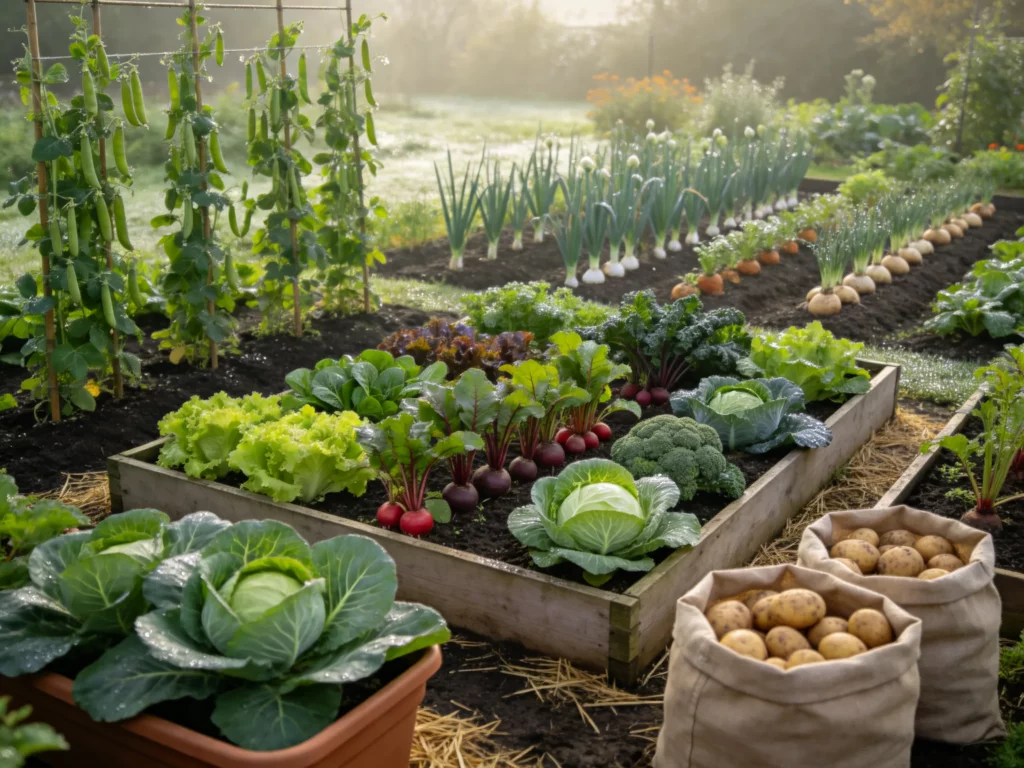
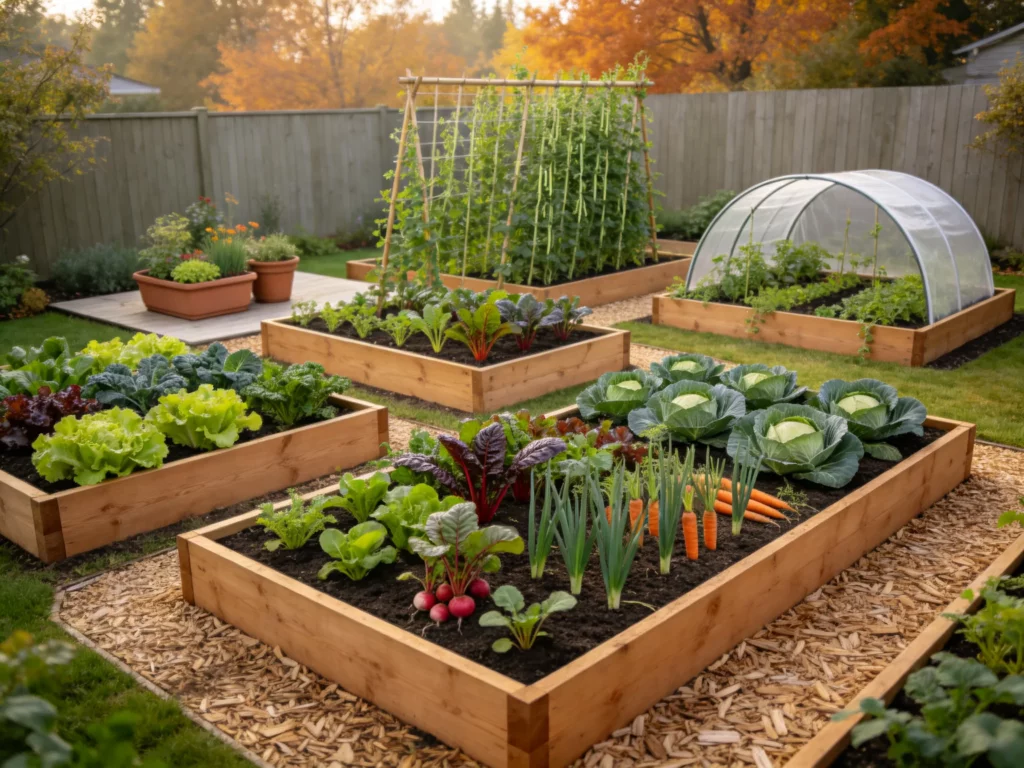
A raised bed makes it easier to improve drainage, control soil quality, and harvest flowers without stepping around dense plantings. Divide a rectangular bed into blocks for focal flowers, supporting blooms, airy fillers, and foliage. For example, grow dahlias in one section, snapdragons in another, ammi or dill in a third, and basil or dusty miller in the last.
Choose a bed no wider than 4 feet if you can reach it from both sides. Fill it with well-draining soil enriched with finished compost, then add drip tubing or a soaker hose before planting. Block planting simplifies sowing, staking, and replacing finished annuals later in the season.
3. Train Sweet Peas Along a Cottage Picket Fence
A picket fence becomes part of the garden when it supports fragrant sweet peas. Attach jute netting or discreet wire mesh to the inside of the fence so tendrils have something slender to grip. Sow sweet peas during the appropriate cool season for your region, because they generally flower best before intense summer heat arrives.
Harvest stems frequently once flowers begin opening, and remove seedpods if you want to extend bloom production. Sweet peas work especially well near a gate or seating area where their fragrance can be enjoyed. In warmer climates, they may be a winter or early-spring crop; gardeners with cold winters often sow them in late winter or early spring.
4. Frame an Entrance With a Flowering Cutting Arch
Place a metal or wooden arch over the entrance to the cutting garden and train flowering climbers up both sides. Climbing roses provide romantic focal stems, while clematis, honeysuckle, or annual vines can add another layer of color. Select varieties suited to your local winter temperatures and available sunlight.
Leave enough clearance beneath the arch for carrying a harvest bucket without brushing against thorny growth. Tie young shoots loosely with soft garden ties and guide them sideways as well as upward to encourage broader coverage. If using roses, position a small perennial such as catmint or hardy geranium around the base to shade bare stems without blocking access.
5. Succession-Sow Hardy Annuals for Early Bouquets
Hardy annuals such as larkspur, calendula, cornflowers, nigella, and annual poppies can fill the gap between spring bulbs and summer flowers. Sow small batches rather than using all the seed at once. Where winters are mild, some varieties can be planted in fall; in colder regions, sow as soon as soil conditions allow or start plants under cover.
A second sowing two to three weeks after the first can extend the harvest if local temperatures remain suitable. Mark each row clearly, because young flower seedlings can be difficult to distinguish from weeds. These delicate blooms bring fine stems, papery petals, and blue, white, blush, or apricot tones to informal cottage bouquets.
6. Build a Blush, Cream, and Lavender Color Palette
Limit the main cutting area to a soft palette for bouquets that naturally coordinate. Combine blush cosmos, cream snapdragons, lavender scabiosa, pale pink zinnias, and white ammi. Add deeper plum or burgundy flowers sparingly to give arrangements contrast without overwhelming the pastel scheme.
Check the variety description rather than relying only on a seed packet photo, since mixed seed blends may include brighter colors. Plant at least several specimens of each selected variety so you can cut matching stems at the same time. Repeating the same colors in multiple beds also helps separate areas of the garden feel visually connected.
7. Create a Back Row of Dinner-Plate and Ball Dahlias
Dahlias make dramatic focal flowers from midsummer until frost in many climates. Plant taller varieties along the back of a south- or west-facing border where they will not shade shorter annuals. Mix a few large dinner-plate types with smaller ball or pompon dahlias, which are often easier to arrange in everyday bouquets.
Dahlias need fertile, well-draining soil and consistent moisture during active growth. Install sturdy stakes at planting time so the tubers are not damaged later, then tie stems as they lengthen. In regions where the ground freezes deeply, tubers may need to be lifted and stored after frost; in milder areas, local drainage and winter conditions determine whether they can remain in place.
8. Pair Zinnias and Cosmos for a Long Summer Display
Zinnias provide saturated focal flowers, while cosmos add movement and feathery foliage. Grow them together in a sunny bed, placing taller cosmos behind or between sturdy zinnia rows. Pinch young plants when recommended for the variety to encourage branching and produce more usable stems.
Both are warm-season annuals, so plant after frost danger has passed and the soil has warmed. Give plants enough spacing for air circulation, especially in humid areas where foliage diseases may be a concern. Cut regularly and remove faded flowers to keep the bed tidy. For a romantic look, choose salmon, rose, blush, white, and wine-colored varieties rather than a fully mixed rainbow blend.
9. Add Fragrant Perennials Near the Cutting Path
Plant fragrant perennials where you can brush past or harvest them easily. Peonies, garden phlox, lavender, dianthus, and selected roses can return each year when they are matched to the site and climate. Their recurring structure reduces the amount of the garden that must be replanted every season.
Group perennials according to water and light needs rather than mixing incompatible plants for appearance alone. Lavender prefers sharp drainage and relatively lean conditions, while phlox usually appreciates more moisture and richer soil. Allow room for mature growth and use annuals to fill temporary gaps during the first few seasons.
10. Reserve a Bed for Bouquet Foliage
Flowers last only part of the season, but a dedicated foliage bed can provide bouquet material for months. Grow scented-leaf pelargoniums in containers, ornamental basil in sunny beds, and mint in pots so its roots do not spread through the garden. Depending on local conditions, eucalyptus can be grown as an annual, while ninebark, viburnum, and pittosporum may serve as woody foliage plants where hardy.
Harvest foliage from several plants instead of stripping one specimen. Choose stems with clean leaves and remove any foliage that would sit below the waterline in a vase. A foliage bed also gives you useful greenery on days when only a few focal flowers are ready.
11. Plant Spring Bulbs in Layered Drifts
Tulips, daffodils, and alliums provide some of the earliest stems in a cottage cutting garden. Plant bulbs in fall at the depth recommended for each type, arranging them in loose drifts rather than isolated single rows. Place later-emerging perennials nearby so their foliage can disguise bulb leaves as they naturally yellow.
For reliable repeat flowering, daffodils and some alliums are often more dependable than highly bred tulips, though performance varies by climate and variety. Treat specialty tulips as annuals if they do not perennialize well in your conditions. Plant extra bulbs so cutting a few stems still leaves enough flowers to decorate the garden.
12. Use Astilbe and Hydrangea in a Part-Shade Corner
A site with morning sun or dappled shade can still contribute flowers to arrangements. Astilbe produces feathery plumes in moist, organic soil, while hydrangeas offer large flower heads later in the season. Add heuchera for colorful leaves and Japanese anemones where they are locally suitable and can be given room to spread.
Shade conditions differ, so observe the area before planting. Deep, dry shade beneath mature trees is much more difficult than bright shade beside a fence. Hydrangea type also matters: some tolerate more sun than others, and pruning time depends on whether the variety blooms on old or new wood. Match the cultivar to your climate and available space.
13. Edge Beds With Cuttable Herbs
Use herbs as a fragrant, harvestable border around flower beds. Lavender, thyme, chives, oregano, sage, and compact rosemary can soften path edges while supplying foliage or flowers for small arrangements. Flowering dill, fennel, and cilantro produce airy umbels, although they are better placed where self-seeding will not become a problem.
Keep spreading herbs under control by using pots or buried containers. Mint and lemon balm are especially vigorous in many gardens. Position drought-tolerant Mediterranean herbs along a sunny, well-drained edge rather than beside plants that need frequent watering. This keeps the edging healthy and reduces unnecessary irrigation.
14. Add a Narrow Gravel Path for Easy Harvesting
A cottage garden can look abundant without becoming difficult to enter. Install a 2- to 3-foot-wide gravel, brick, or wood-chip path through the main cutting area so every bed can be reached with a bucket and pruners. Gentle curves create a romantic appearance, while straight paths make compact rectangular gardens easier to organize.
Lay cardboard or a suitable landscape barrier under wood chips for a low-cost path, or prepare a compacted base for gravel to reduce sinking and weeds. Keep thorny plants and sprawling vines away from the walking line. Good access prevents soil compaction because flowers can be harvested without stepping into their root zones.
15. Grow Climbing Flowers on Decorative Obelisks
An obelisk adds vertical interest without taking up much ground space. Place one in the center of a round bed or at the end of a narrow border, then train sweet peas, cup-and-saucer vine, black-eyed Susan vine, or another locally suitable climber around it. Use more than one plant for even coverage, but avoid crowding the base.
Annual climbers are useful in small gardens because they provide height for one season without permanently occupying the structure. Check whether a vine is invasive in your area before planting it. Guide stems while they are young, and use soft ties if the plant does not cling or twine on its own.
16. Fill Large Containers With Cut Flowers
A patio, balcony, or paved courtyard can support a small cutting garden in containers. Choose pots at least 12 to 18 inches wide for compact zinnias, cosmos, snapdragons, dwarf dahlias, or branching sunflowers. Larger containers dry out more slowly and provide enough root space for multiple stems.
Use potting mix rather than garden soil, and make sure every container has drainage holes. Group pots near a water source because container-grown flowers may need frequent irrigation during hot or windy weather. Combine plants with similar needs, or dedicate one pot to each variety so feeding, staking, and replacing plants remain simple.
17. Weave Pollinator Flowers Between Cutting Rows
Include nectar-rich flowers so the garden supports visiting bees and butterflies while producing bouquet ingredients. Yarrow, scabiosa, verbena, calendula, salvia, and single-flowered cosmos can be woven between cutting rows or planted in a strip along the outer edge.
Avoid harvesting every open bloom at once. Leave clusters in the garden, especially during periods when fewer plants are flowering. If pesticide treatment becomes necessary, identify the problem first and choose the least disruptive method available, applying it according to the label. A diverse planting also makes the cottage garden feel layered rather than arranged in rigid crop rows.
18. Install Drip Irrigation Beneath Organic Mulch
Consistent watering supports strong stems, but overhead sprinklers can leave dense foliage wet and splash soil onto flowers. Run drip lines or a soaker hose through the beds before plants fill out. Cover the soil with a modest layer of leaf mold, fine bark, or weed-free straw while keeping mulch away from plant crowns.
Adjust watering to rainfall, soil type, plant maturity, and temperature instead of following a fixed schedule. Sandy soil usually drains faster than clay, while raised beds and containers may dry quickly during summer. Watering near the roots also makes maintenance easier because paths and flowers remain drier during harvest.
19. Support Tall Stems With Horizontal Netting
Snapdragons, larkspur, cosmos, and other tall cut flowers can bend after wind or heavy rain. Stretch horizontal flower-support netting between sturdy stakes while plants are still short. As stems grow through the openings, the grid helps hold them upright without requiring an individual stake for every plant.
Install the netting high enough to support mature stems but low enough that foliage eventually disguises it. A second layer may be useful for especially tall varieties in exposed locations. If plastic netting is unsuitable for your garden, create a reusable grid from twine or thin bamboo canes and remove it carefully at the end of the season.
20. Set Up a Simple Outdoor Harvest Station
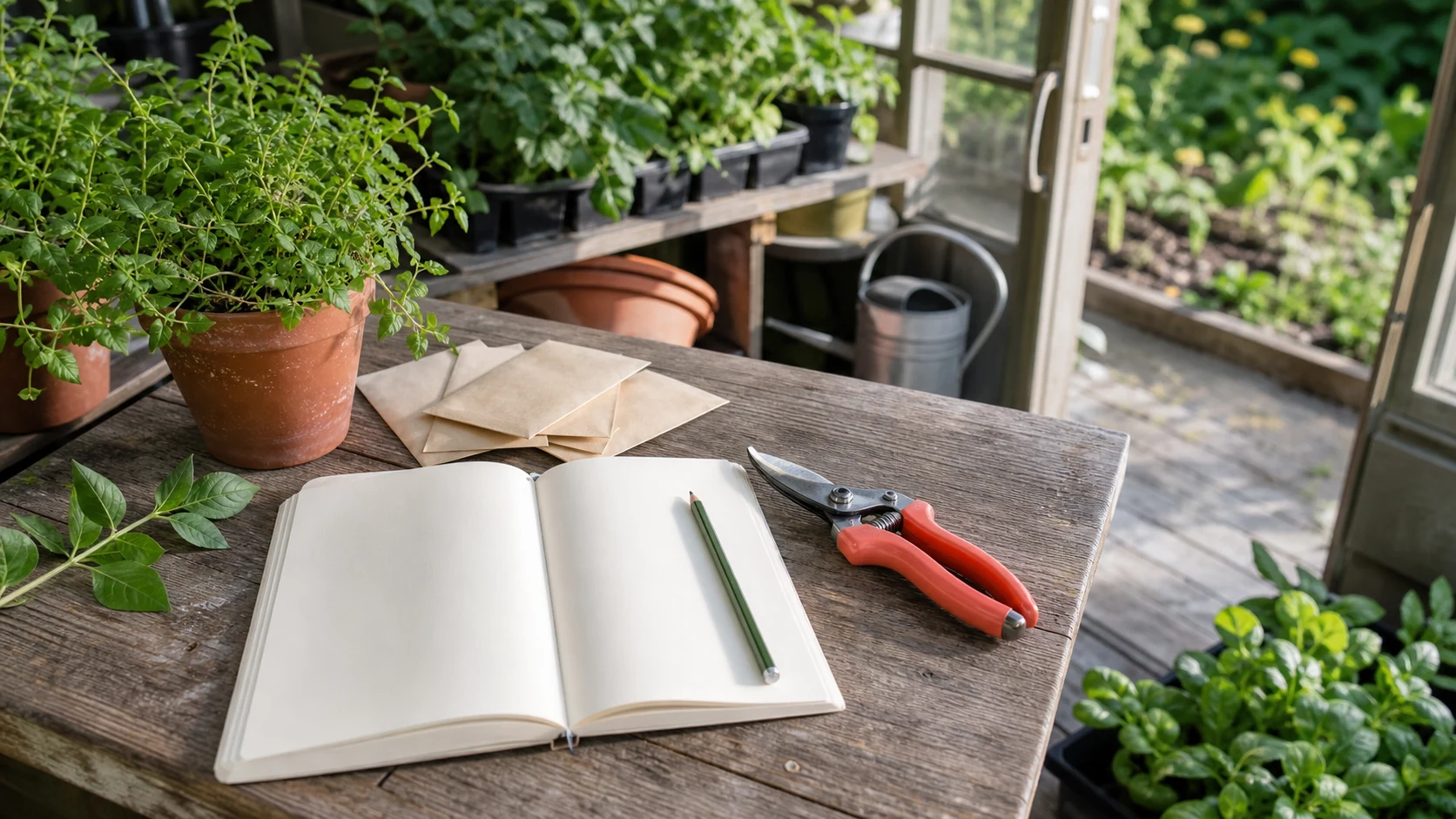
Create a small working area beside the garden with a table, clean buckets, sharp snips, and access to water. A shaded position is ideal because cut stems can be placed into water immediately instead of lying in the sun. Add hooks for gloves and a shelf for labels, rubber bands, and flower food.
Harvest during the cool part of the day when possible, and learn the best cutting stage for each flower. Zinnias should have firm stems, while some spike flowers are cut when only the lower florets are open. Strip leaves that would fall below the waterline, then condition stems in a cool place before arranging them.
21. Plan a Three-Season Bouquet Calendar
Organize the garden around overlapping harvest periods rather than relying on one peak summer display. Spring might include daffodils, tulips, ranunculus where conditions allow, and hardy annuals. Early summer can feature peonies, sweet peas, foxgloves, and snapdragons, followed by zinnias, cosmos, dahlias, asters, and ornamental grasses later in the year.
Write expected sowing and flowering windows on a simple calendar, adjusting them for local frost dates and climate. Reserve open spaces for succession sowing so finished crops can be removed and replaced. This seasonal plan keeps the cottage garden visually full while providing a changing selection of focal flowers, fillers, foliage, and textural stems for romantic backyard bouquets.