Cool season vegetables make productive use of garden space in early spring, autumn, and—where winters are mild—through the coldest months. Many grow best when days are cool, soil stays evenly moist, and heat-sensitive crops are protected from intense afternoon sun. Choose varieties suited to your growing season, check local frost dates, and use containers, raised beds, trellises, or backyard rows to give each crop the depth and spacing it needs.
1. Cut-and-Come-Again Lettuce in Wide Containers
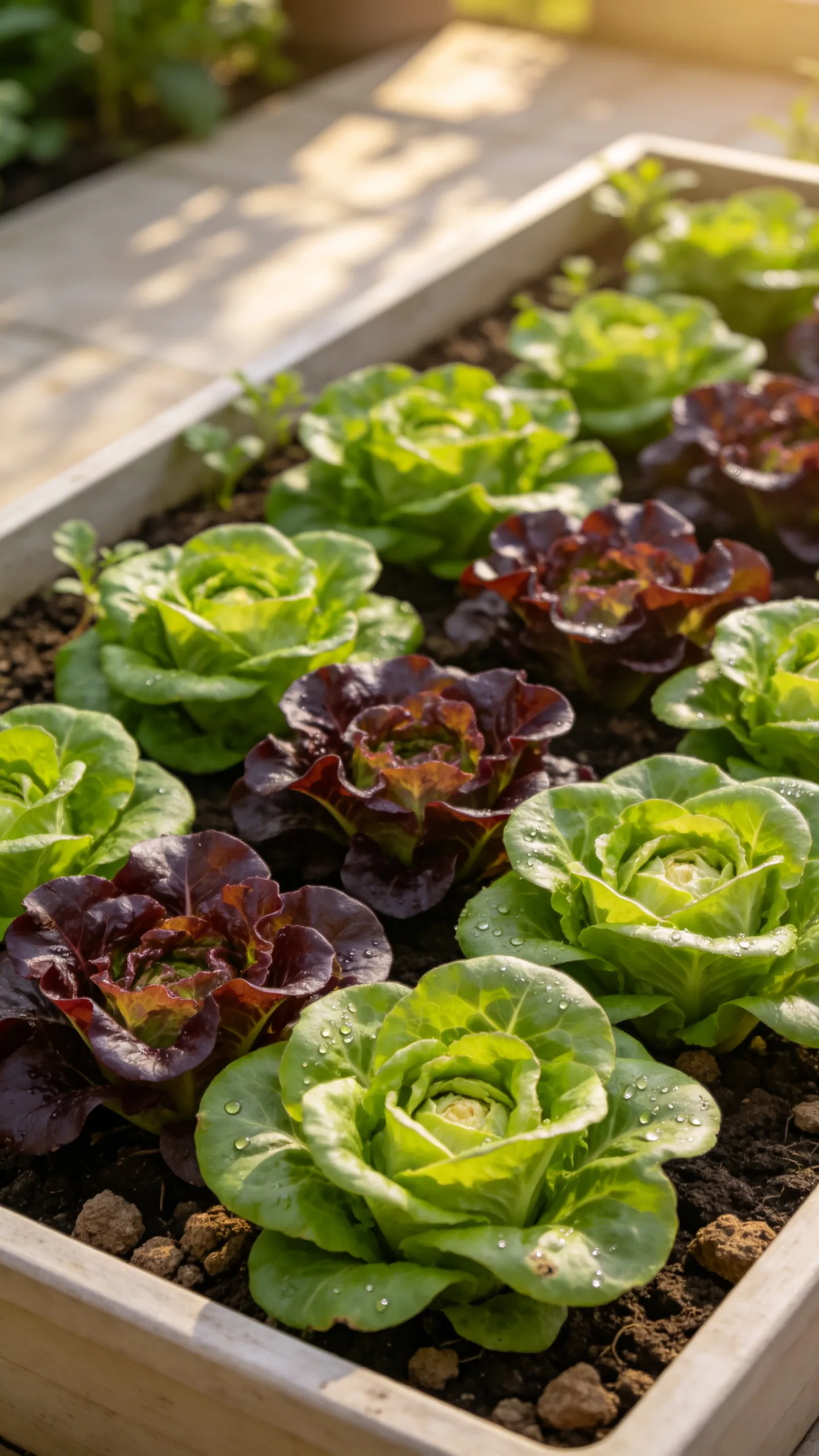
Leaf lettuce is one of the easiest cool season vegetables to grow in containers because it has shallow roots and does not require much room between plants. Fill a window box, railing planter, or wide bowl with moisture-retentive potting mix, then sow loose-leaf varieties in short rows or scatter seeds for a mixed salad patch. A container at least 6 to 8 inches deep is usually sufficient.
Place lettuce where it receives morning sun and some afternoon shade as temperatures rise. Harvest the outer leaves while leaving the center intact, or cut plants about an inch above the soil for possible regrowth. Sow a small batch every two to three weeks during suitable weather to avoid having the entire crop mature at once.
2. Baby Spinach in Window Boxes
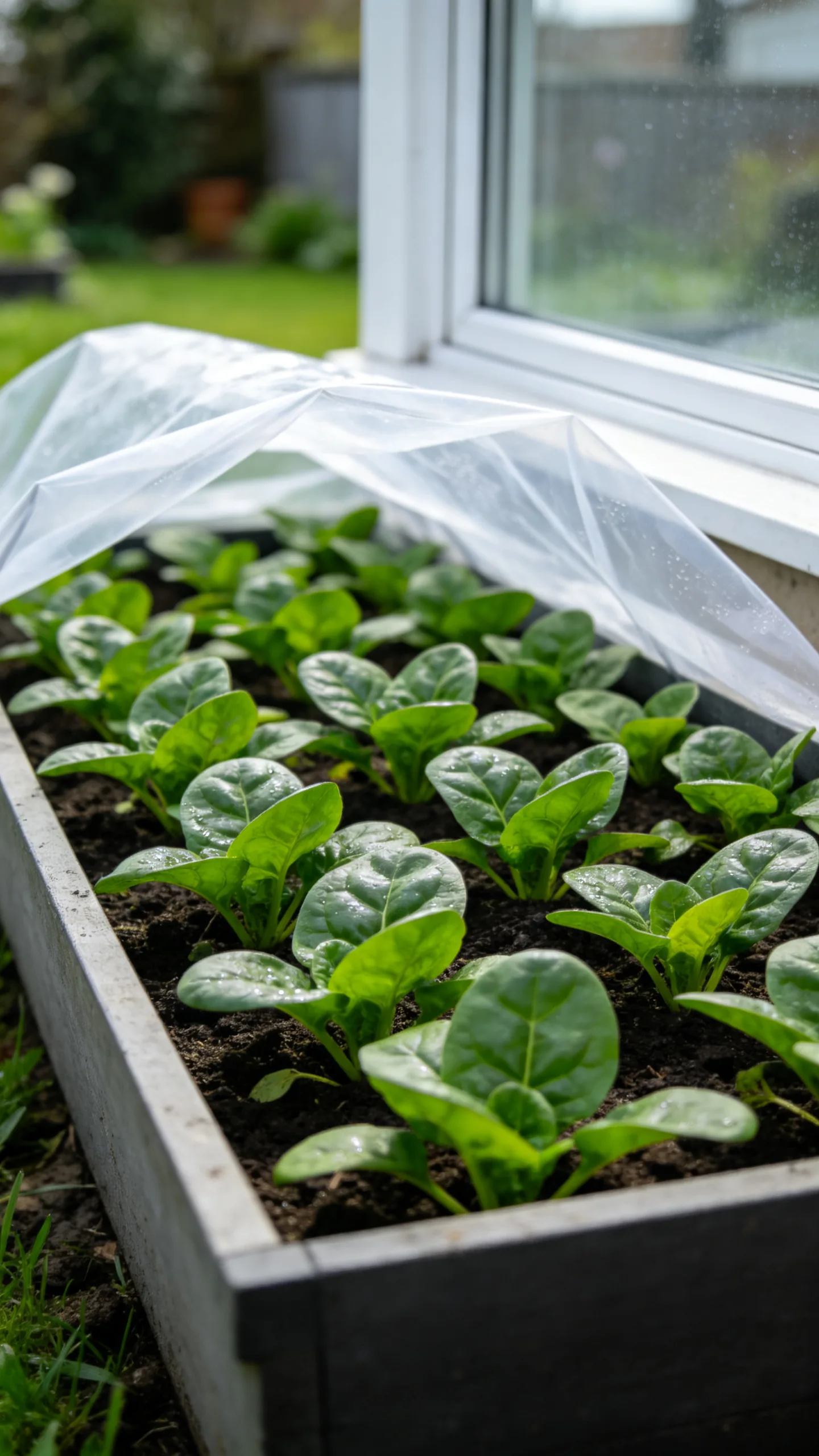
Spinach grows well in window boxes and rectangular planters that can be moved into better light as the season changes. Use a container with drainage holes and at least 6 to 8 inches of soil depth. Space plants closely for baby leaves or thin them more generously if you want mature bunches.
Sow spinach as soon as the soil can be worked in spring, or plant it in late summer for an autumn harvest. Keep the soil consistently moist because dry conditions and increasing day length can encourage bolting. In mild climates, a cold frame or lightweight row cover may keep an autumn planting productive into winter.
3. Fast-Growing Arugula Between Slower Crops
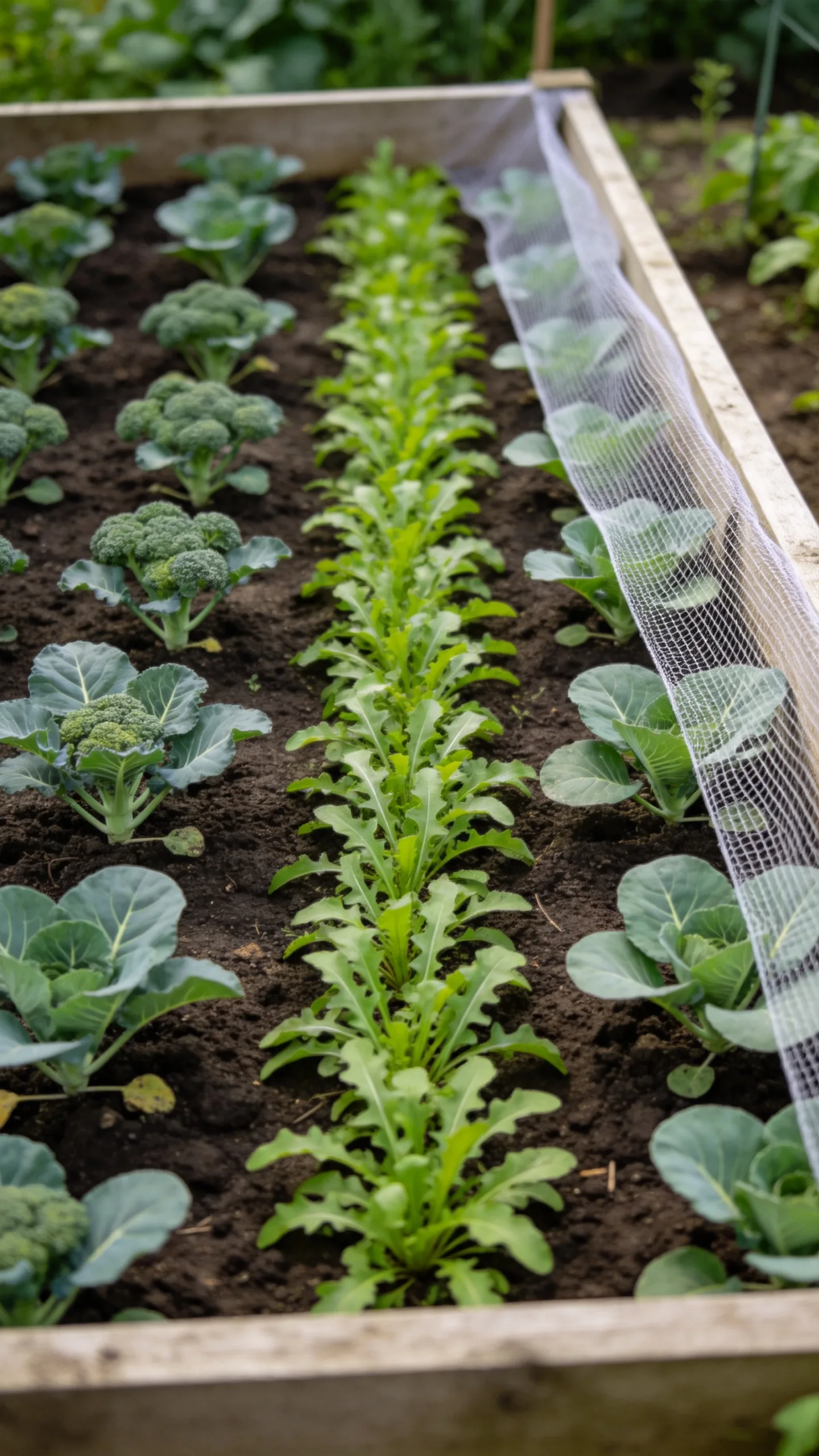
Arugula matures quickly, making it useful as a temporary crop between young broccoli, cabbage, or kale plants. Sow a narrow band of seed in the open soil before the larger vegetables fill their allotted space. Harvest the leaves while small for a milder flavor and remove the plants once neighboring crops need more room.
Arugula grows in raised beds, in-ground rows, and containers at least 6 inches deep. Succession sowing every few weeks can provide repeated harvests during cool weather. Flea beetles may pepper leaves with small holes, so cover newly seeded rows with insect netting if these pests are common in your area.
4. Compact Kale Along Raised-Bed Edges
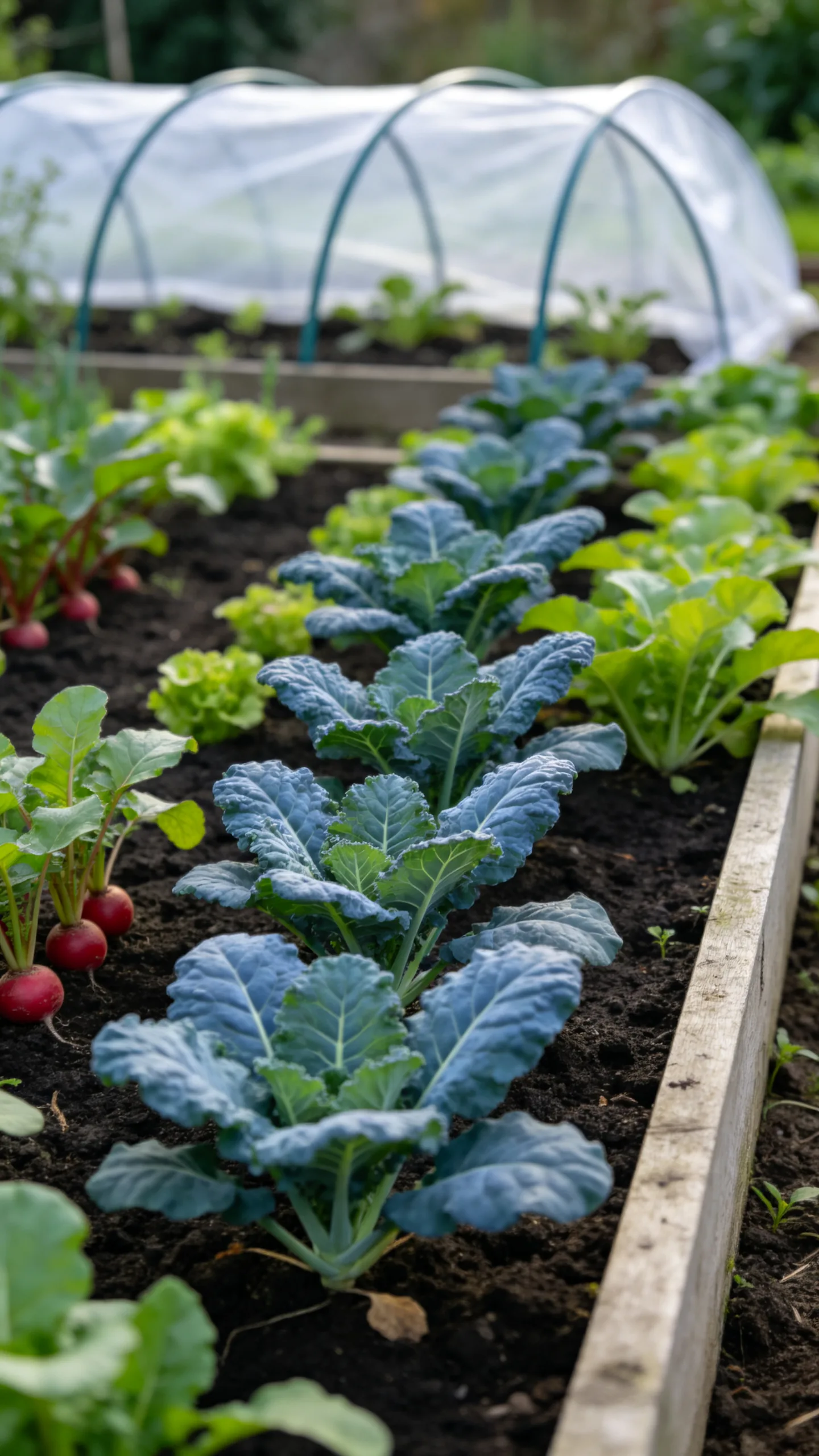
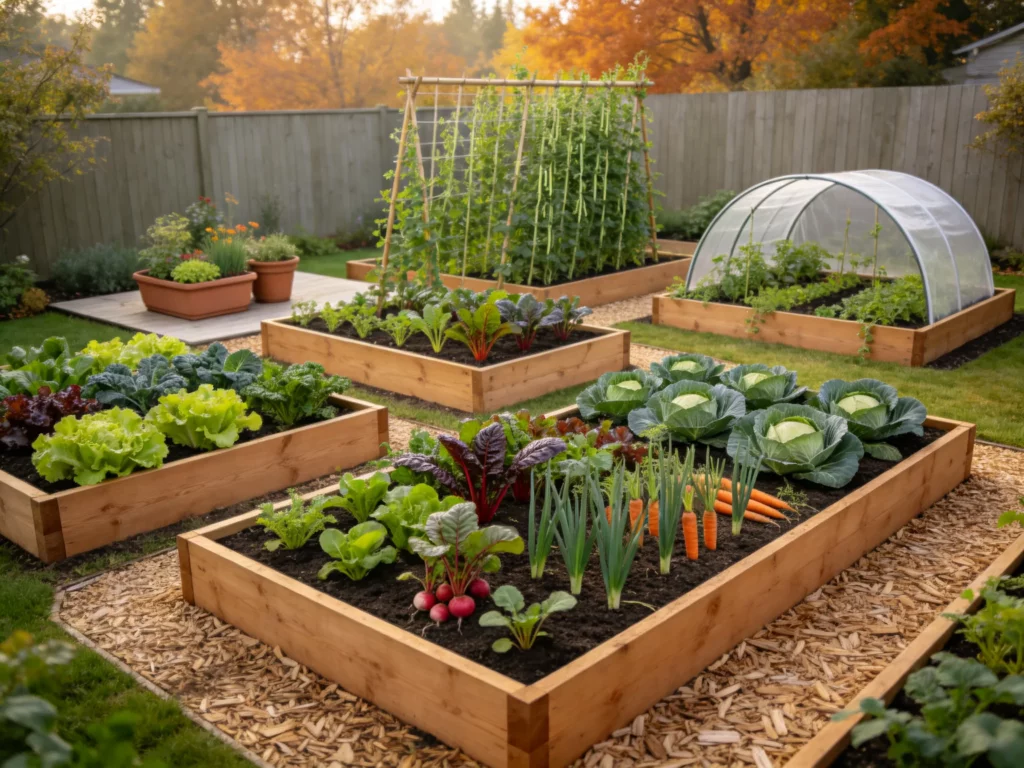
Kale can anchor a cool season raised bed while shorter greens and radishes grow around it. Choose compact or dwarf varieties when space is limited, and place plants along the back or center of the bed so their mature leaves do not shade smaller crops. Give each plant enough airflow according to the spacing listed for the variety.
Start with transplants for an earlier harvest, or direct-sow seed when conditions are cool. Pick lower leaves individually and leave the growing point untouched. Kale tolerates light frost, but local hard freezes may require row cover or other protection.
5. Swiss Chard in Colorful Patio Pots
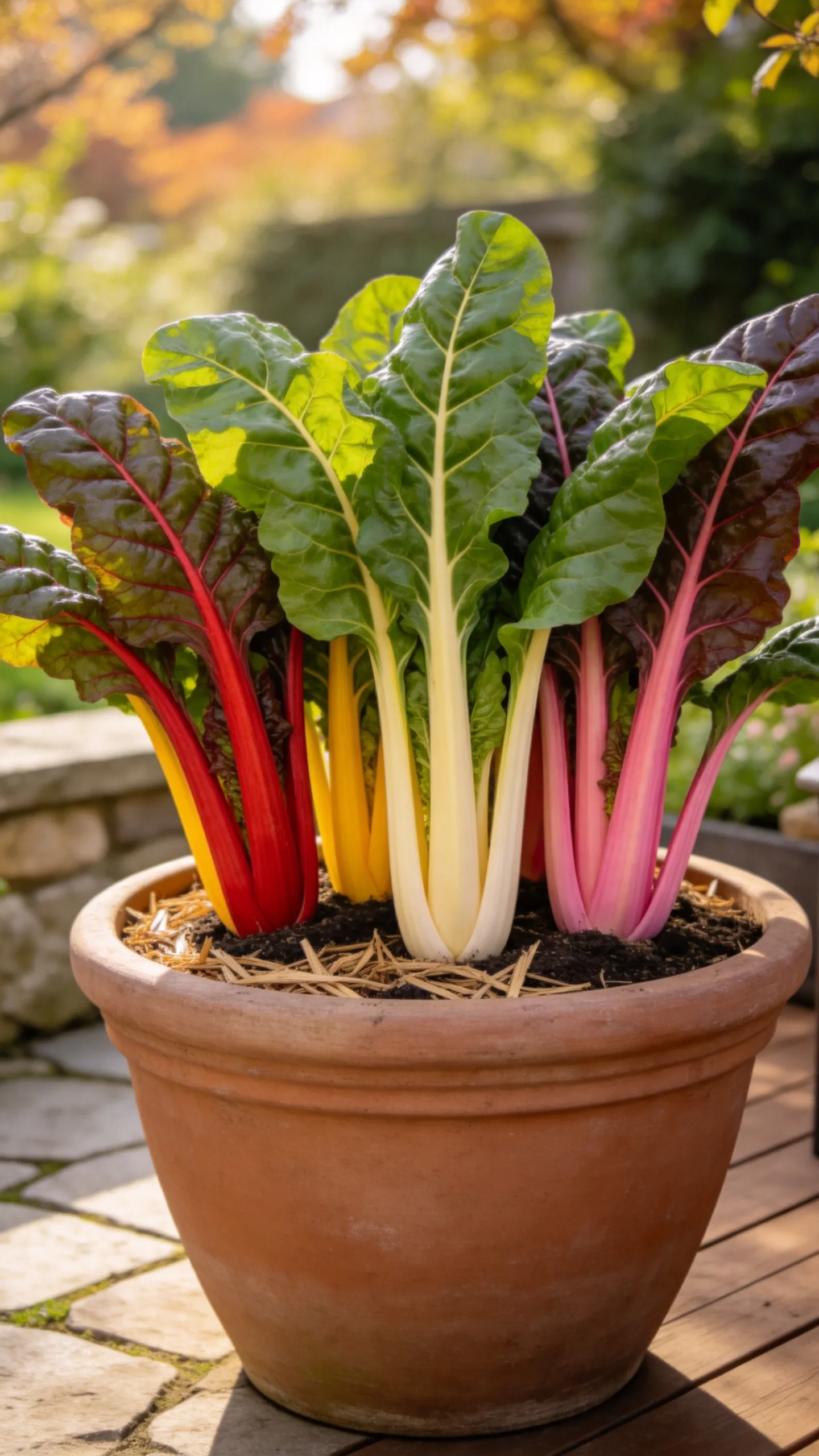
Swiss chard handles cool weather while also providing long-lasting color from red, yellow, pink, or white stems. One mature plant can fill a medium patio pot, while several baby-leaf plants can share a wider container. Use a pot at least 10 to 12 inches deep with a rich, well-draining mix.
Although chard often continues growing into warmer weather, it is especially useful in spring and autumn container displays. Harvest outer stalks at the base rather than cutting across the whole plant. Regular watering keeps leaves tender, while a thin layer of mulch reduces moisture loss in sunny locations.
6. Radishes in Shallow Planters
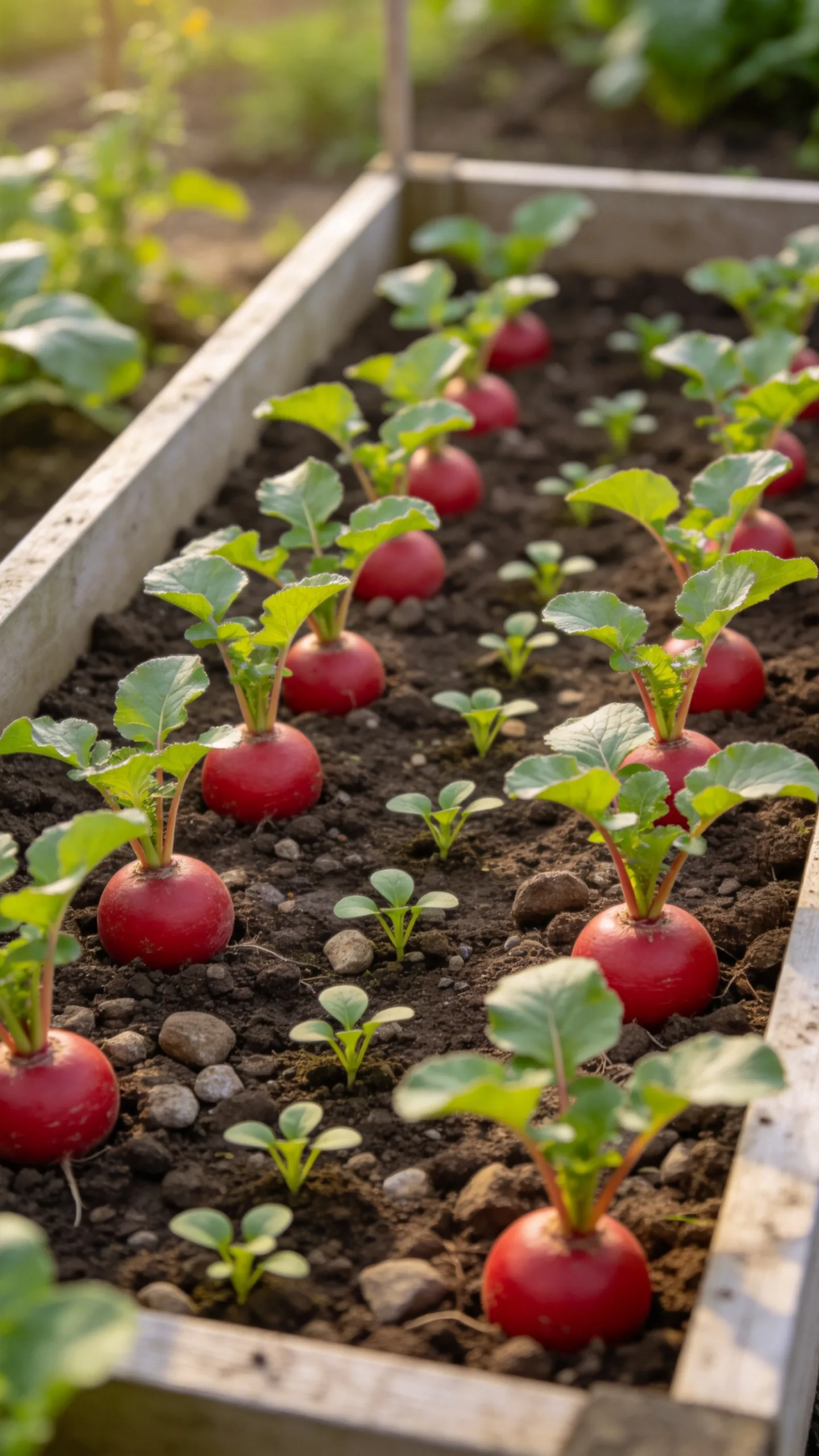
Round radishes are ideal for shallow containers because many varieties form usable roots within a few weeks. A planter 6 to 8 inches deep can support small globe types, provided the soil is loose and free of stones. Sow seeds at the packet’s recommended spacing and thin promptly so the roots have room to swell.
Plant a short row every one to two weeks rather than sowing the entire packet at once. Radishes become woody or overly spicy when left in hot, dry soil, so check the roots frequently as they approach maturity. They also work as space-saving markers in slow-germinating carrot rows because radishes emerge and finish first.
7. Short Carrots in Deep Containers
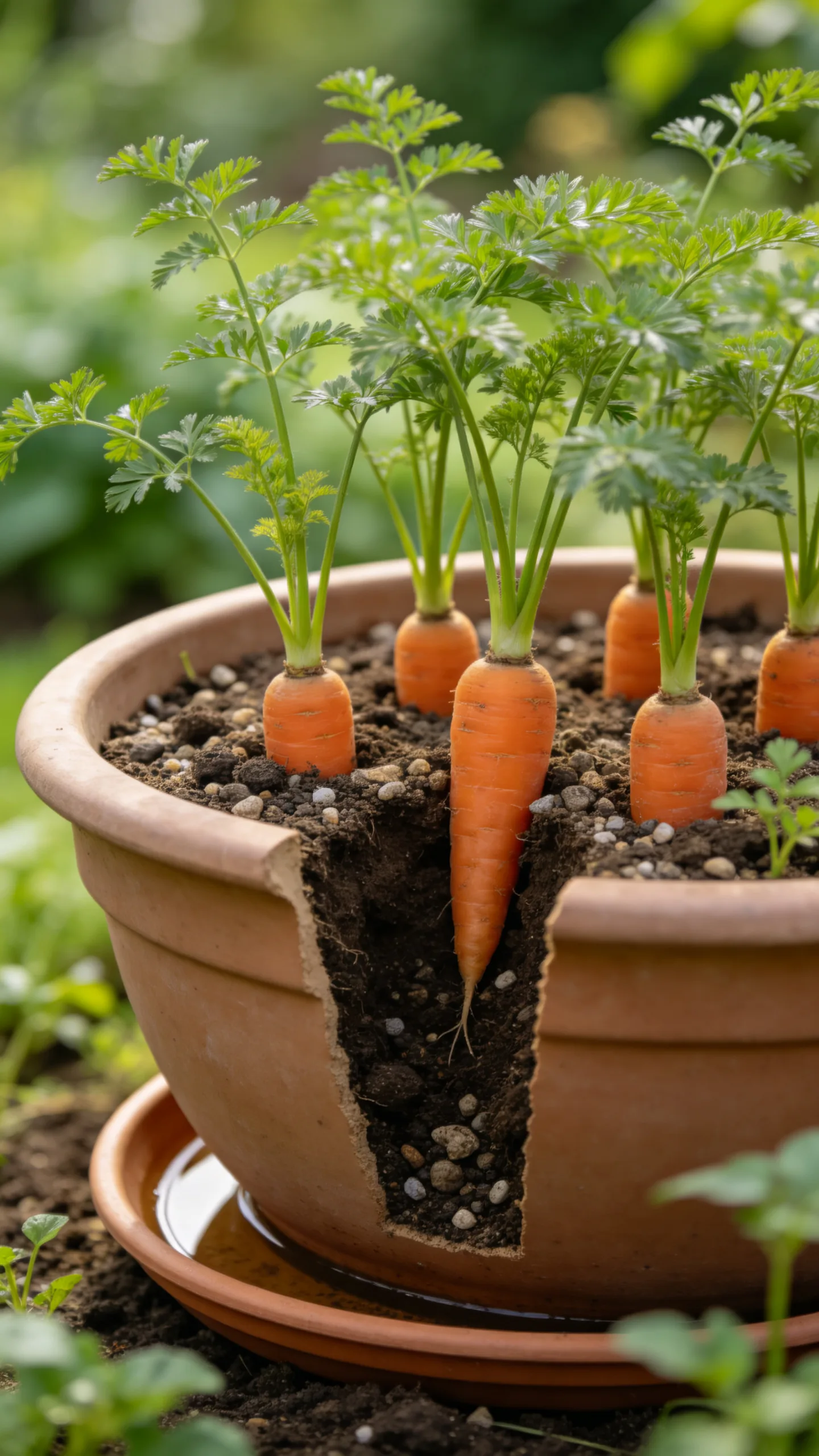
Carrots need loose soil but do not necessarily need a large backyard plot. Choose short, round, or tapered varieties for containers, and use a pot deep enough for the expected root length. A 12-inch-deep container suits many compact carrots, while longer varieties need additional depth.
Fill the pot with a fine-textured mix without stones or large wood pieces. Sow thinly, keep the surface damp during germination, and thin seedlings by snipping extras at soil level to avoid disturbing nearby roots. Consistent moisture helps reduce splitting, but the container must drain freely so roots do not sit in saturated soil.
8. Beets in Square-Foot Raised Beds
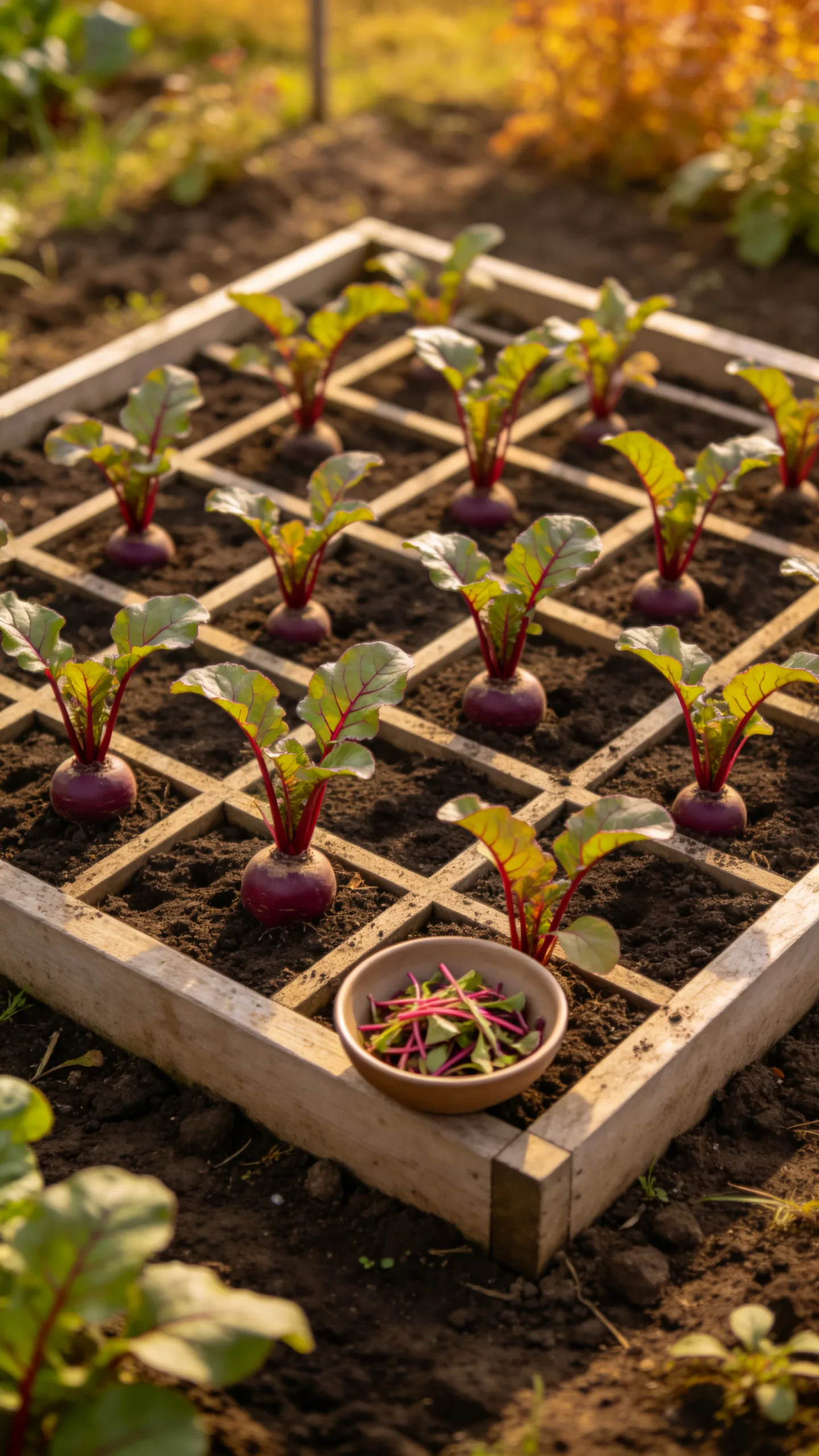
Beets provide two harvests from one compact planting: tender greens and swollen roots. They fit neatly into square-foot-style raised beds, where loose soil allows roots to develop without the obstacles often found in compacted backyard ground. Each beet “seed” can produce multiple seedlings, so thinning is particularly important.
Use the thinnings as baby greens, leaving the strongest plants at the final spacing recommended for the variety. Beets prefer steady moisture and can become tough when growth stalls. For a continuous supply, sow small blocks several weeks apart during the cool part of the growing season.
9. Salad Turnips in Short Backyard Rows
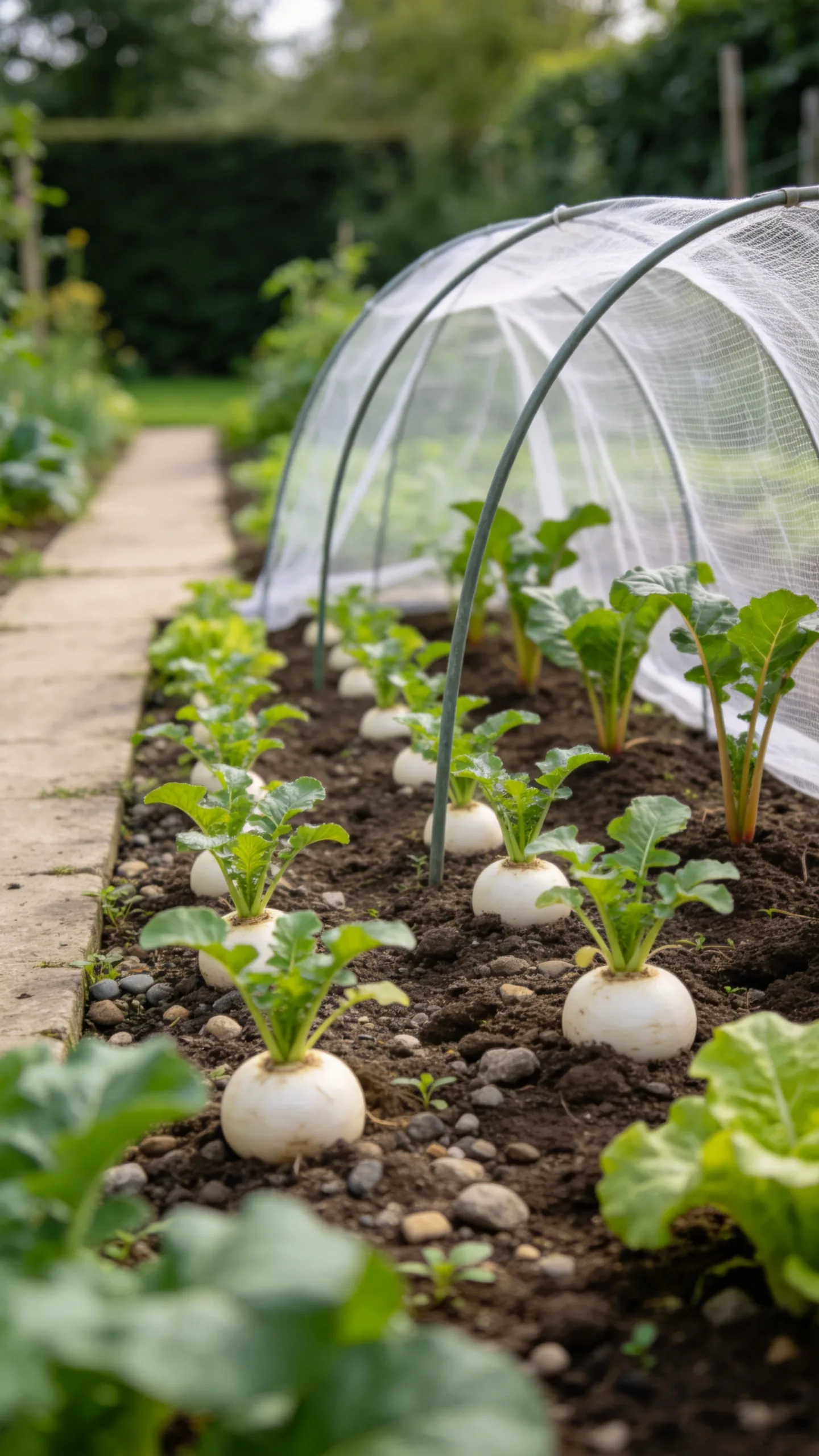
Salad turnips are smaller and quicker to mature than traditional storage turnips. Plant them in short rows near a kitchen path so roots can be checked and harvested while young. Loose garden soil or a raised bed works best, and removing rocks helps produce smoother roots.
Thin seedlings early and keep weeds from competing with the developing crop. Both roots and greens are edible, though removing too many leaves can slow root growth. Use insect netting over the row if cabbage-family pests are active, since turnips are vulnerable to many of the same insects as kale and broccoli.
10. Sugar Snap Peas on a Vertical Trellis
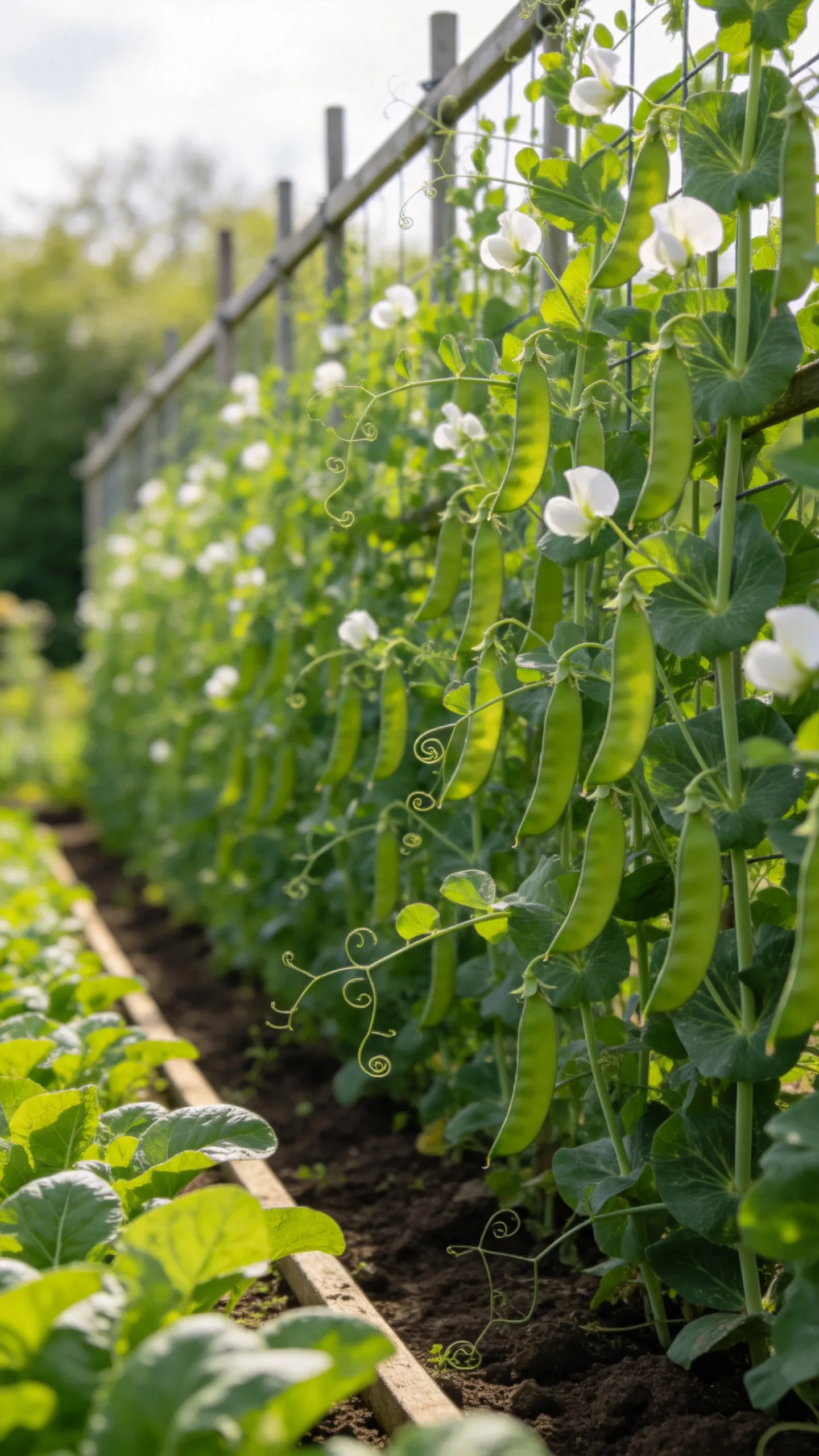
Sugar snap peas save ground space when trained up a trellis, net panel, or wire fence. Install the support before sowing so young roots are not disturbed later. Position the trellis on the north side of a bed when possible to reduce shading on shorter vegetables.
Direct-sow peas during cool weather in workable, well-drained soil. Guide young tendrils onto the support until they begin climbing independently, and water most carefully during flowering and pod formation. Pick pods frequently to encourage continued production before summer heat slows the vines.
11. Broccoli in a Dedicated Raised-Bed Block
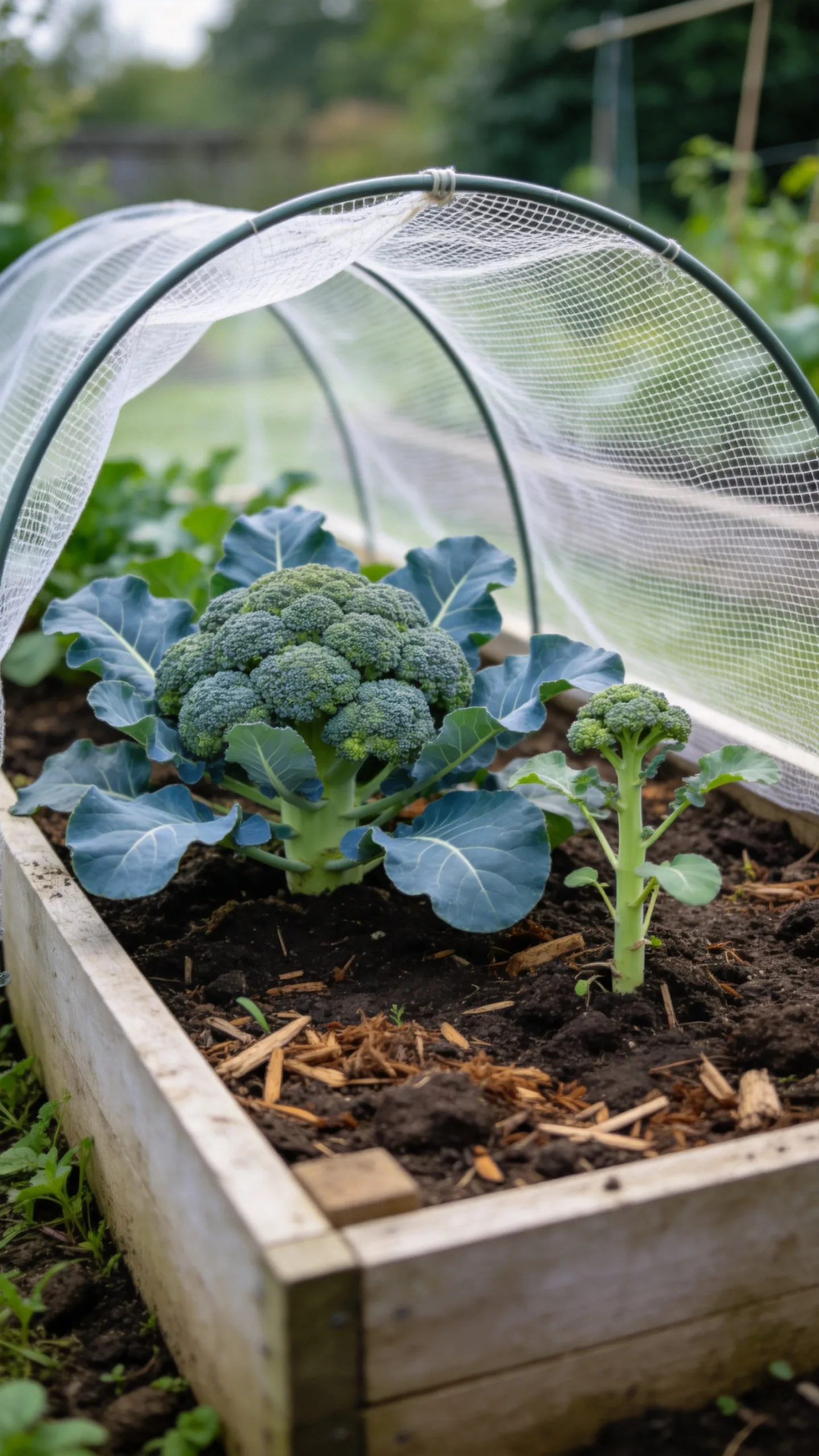
Broccoli needs more room and feeding than quick salad greens, so give it a dedicated block in a raised bed rather than crowding it into a mixed container. Space transplants according to the variety and enrich the bed with finished compost before planting. Consistent moisture supports steady head development.
Use row cover or insect netting immediately after planting if cabbage moths are common, securing the edges so pests cannot crawl underneath. Remove the cover when necessary for plant size or pollination requirements. After harvesting the central head, leave the plant in place because many varieties produce smaller side shoots.
12. Mini Cabbages for Compact Gardens
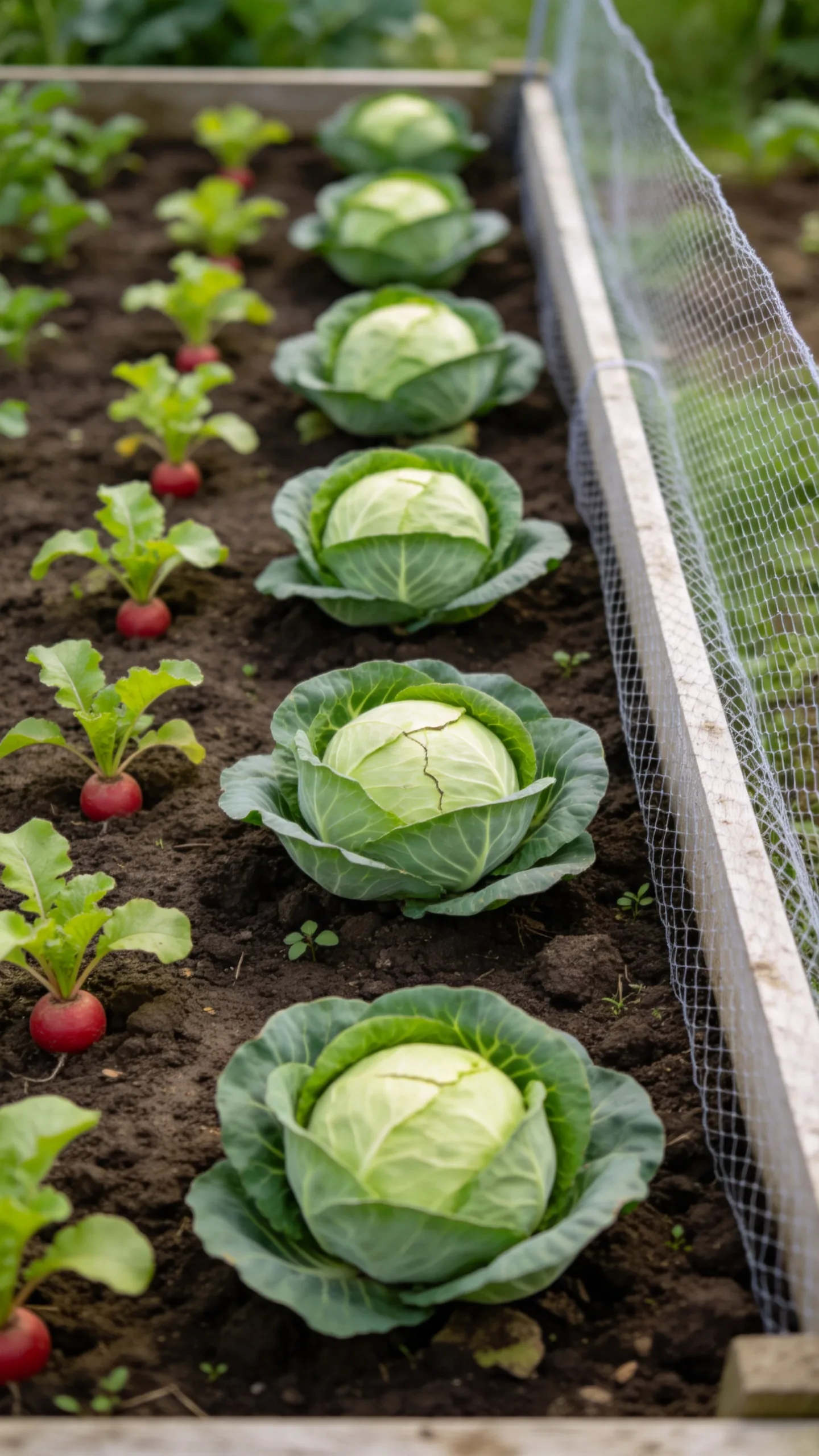
Small-headed or early-maturing cabbages fit more easily into raised beds and compact backyard plots than large storage varieties. Arrange them in a staggered pattern to use bed space efficiently while maintaining airflow. Shallow-rooted lettuce or radishes can occupy gaps while the cabbages are still young.
Cabbage grows best with even watering and fertile soil. Splitting may occur when mature heads receive a sudden surge of water after dry conditions, so avoid large swings in soil moisture. Check leaf undersides for caterpillars and cover young plants with fine insect netting where pest pressure is high.
13. Cauliflower in a Sheltered Garden Corner
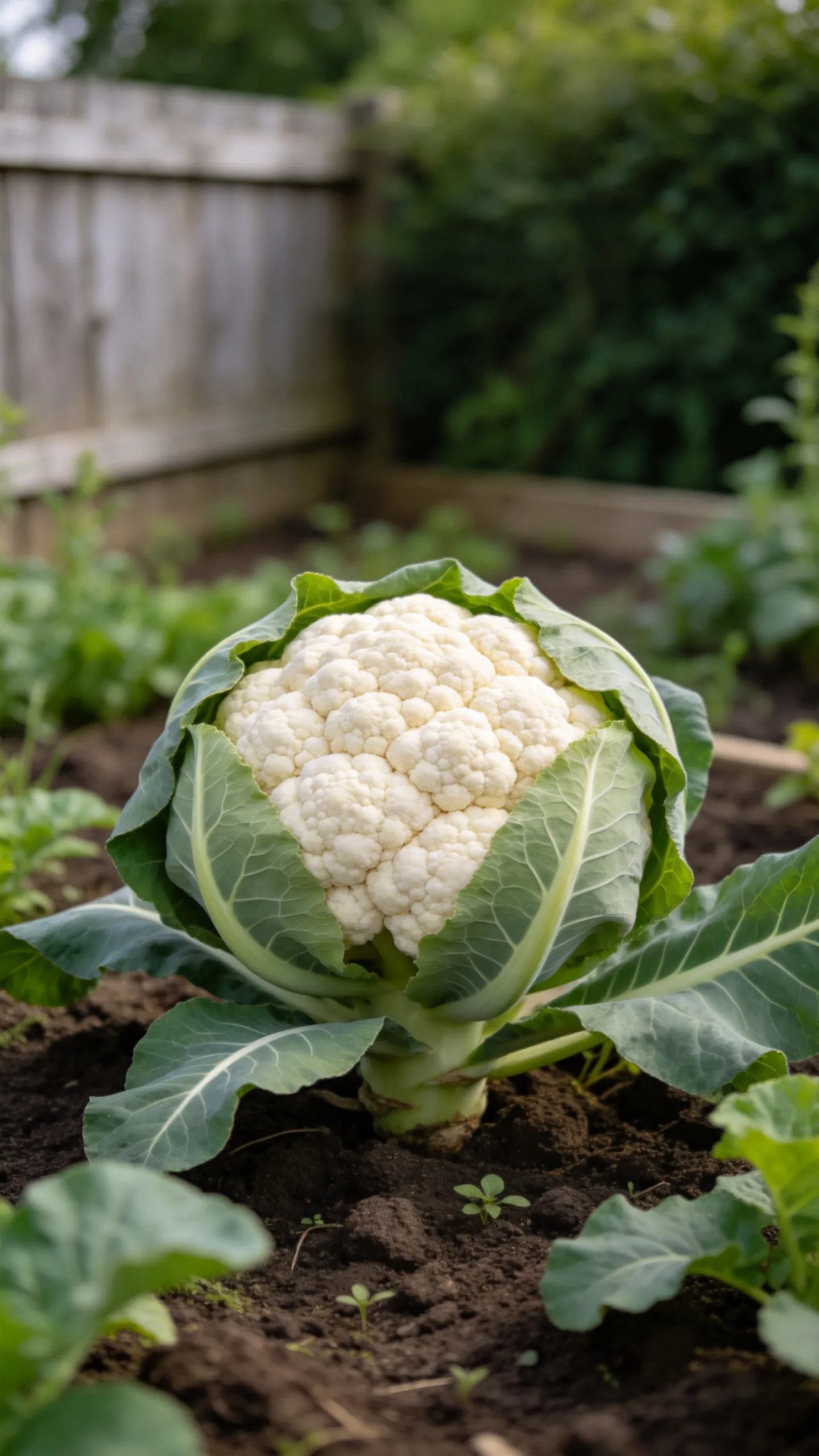
Cauliflower is sensitive to interrupted growth, so place it in a sheltered bed with fertile soil, reliable water, and protection from strong wind. Start with healthy transplants and avoid letting them become root-bound before planting. Follow variety-specific spacing because crowded leaves can reduce airflow.
White-headed types may need their outer leaves loosely folded over the developing curd to protect it from sun, although self-blanching varieties require less handling. Monitor plants closely as heads form, since mature curds can loosen or discolor if left too long. Timing is easiest where cool weather remains relatively steady.
14. Brussels Sprouts at the Back of a Border
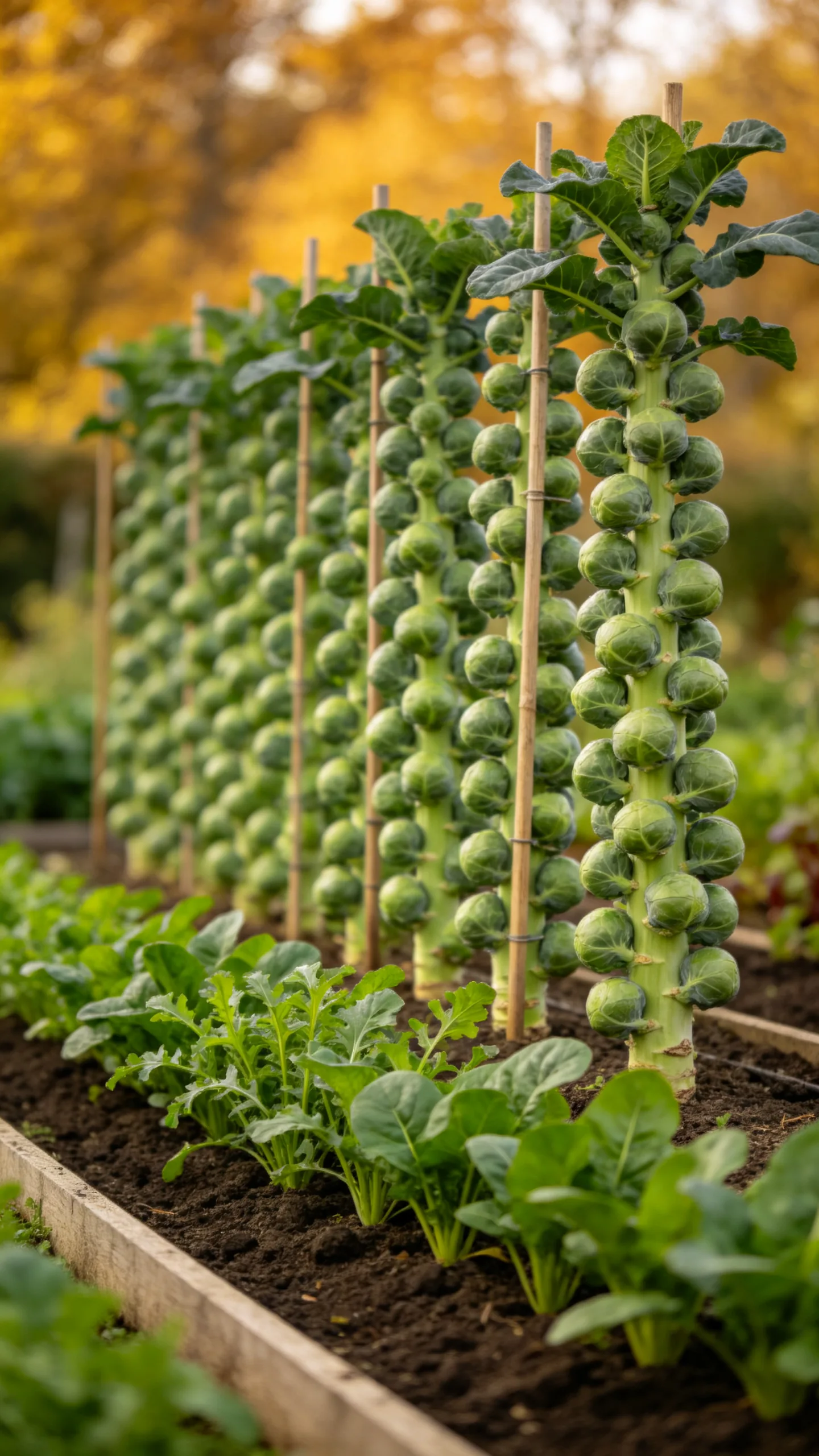
Brussels sprouts are tall, long-season plants, making them suitable for the back of a vegetable border or the north side of a raised bed. Their upright growth leaves space near the base for a temporary crop of radishes, spinach, or arugula early in the season. Stake plants in windy locations to prevent them from leaning.
Transplant early enough for sprouts to mature during cool autumn weather, using local planting guidance because timing varies widely by climate. Keep the soil mulched and evenly moist throughout the long growing period. Harvest firm sprouts from the bottom of the stalk upward as they reach usable size.
15. Baby Bok Choy in Succession Rows
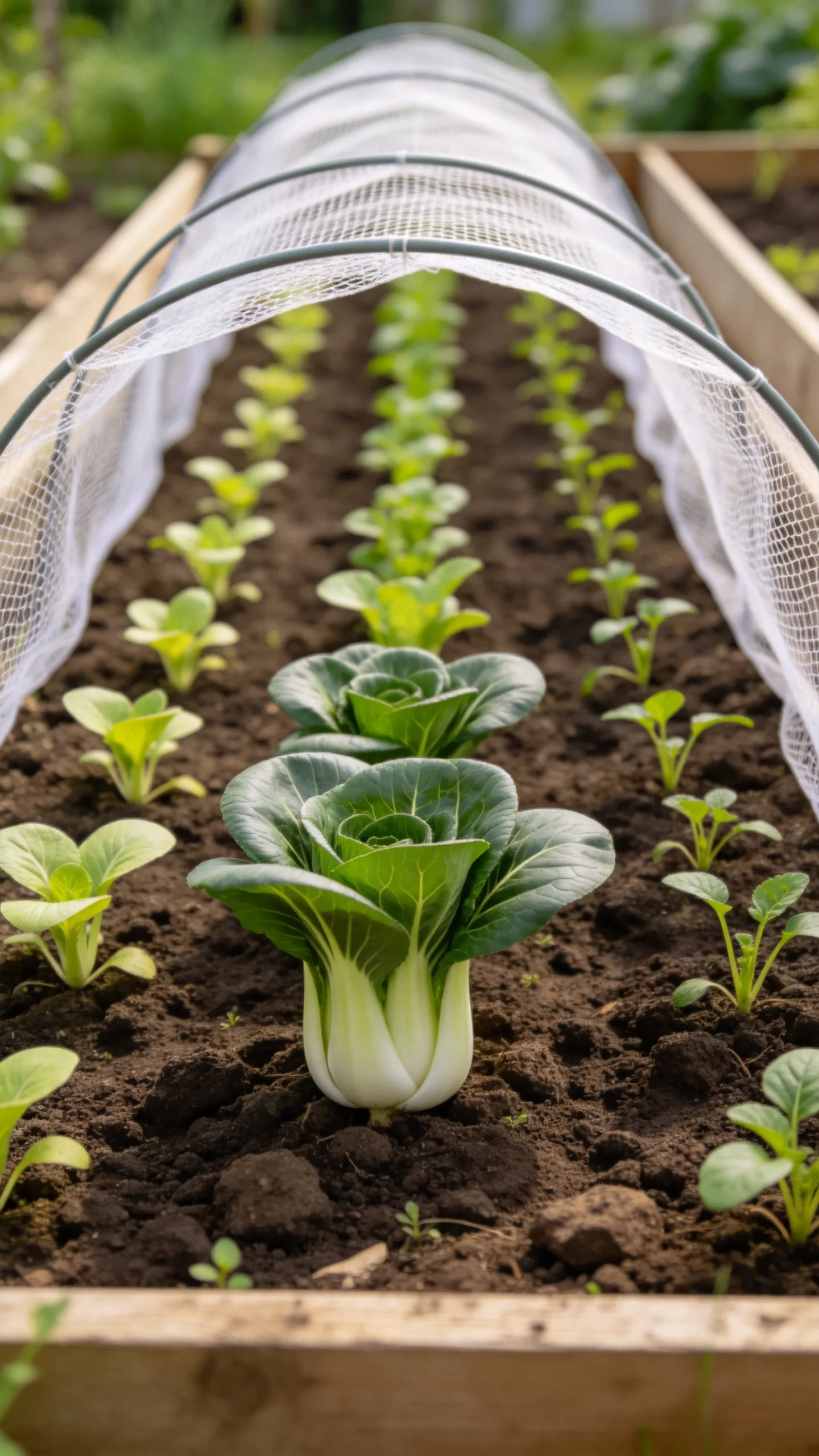
Baby bok choy is well suited to narrow rows, raised-bed edges, and medium containers. Its compact rosettes mature quickly, allowing several small sowings instead of one large planting. Space plants closely for baby heads or farther apart for full-size varieties.
Plant during cool, stable weather because sudden temperature changes and lengthening days can trigger bolting. Keep the soil moist and use insect netting to exclude flea beetles and caterpillars. Harvest the entire head at soil level, then replant the cleared space with another quick crop if conditions remain suitable.
16. Kohlrabi in Raised-Bed Gaps
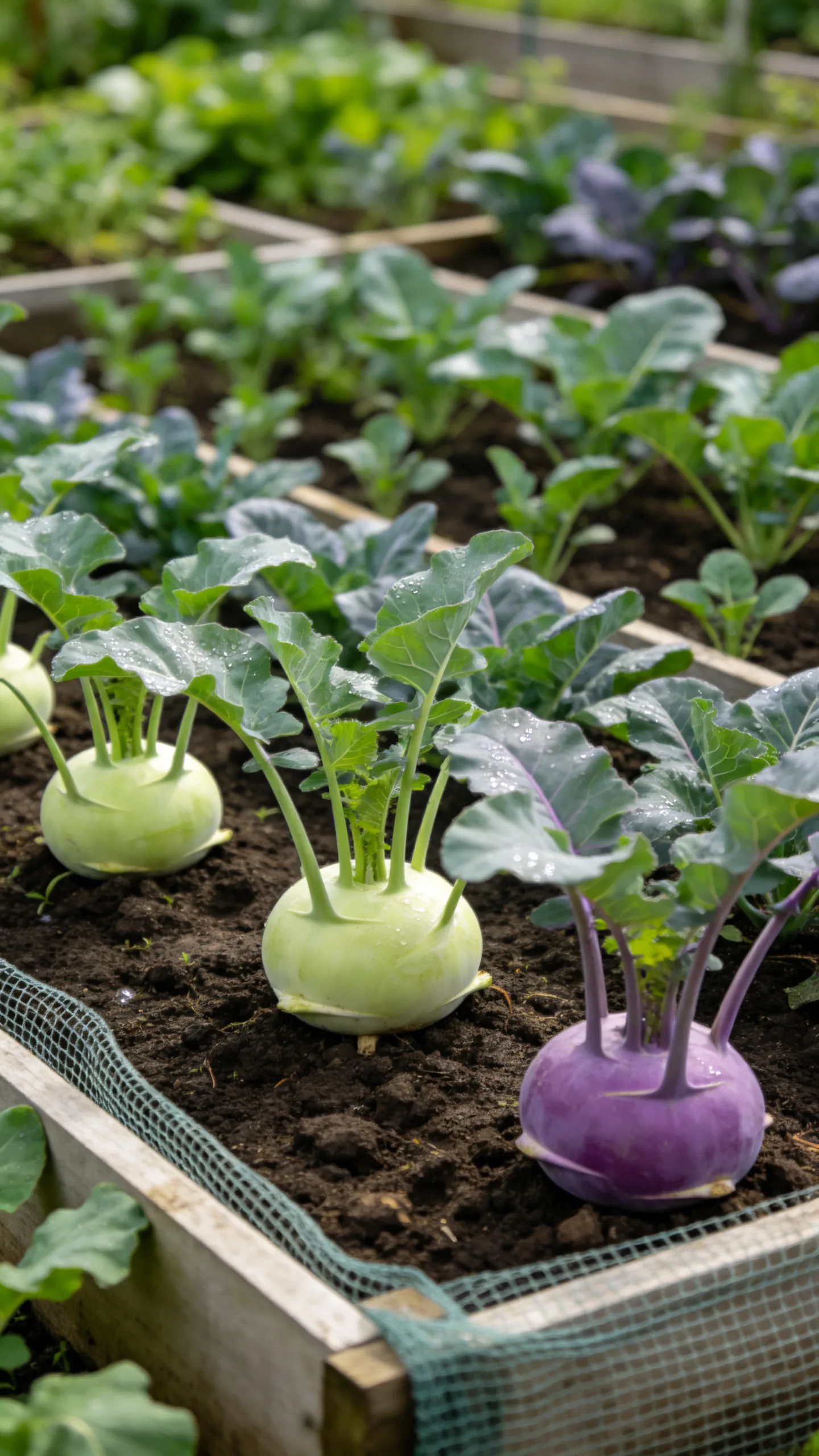
Kohlrabi produces a rounded, edible stem above the soil, so it does not require deep ground for root formation. It fits well into gaps between slower-growing brassicas or in a dedicated grid within a raised bed. Compact varieties can also grow in pots with at least 8 to 10 inches of soil depth.
Thin seedlings to prevent crowding and harvest the swollen stems while they are still tender. Oversized kohlrabi can become fibrous, particularly during dry or warm conditions. Since it belongs to the cabbage family, protect it from caterpillars and flea beetles with fine mesh when needed.
17. Mustard Greens in a Quick-Harvest Patch
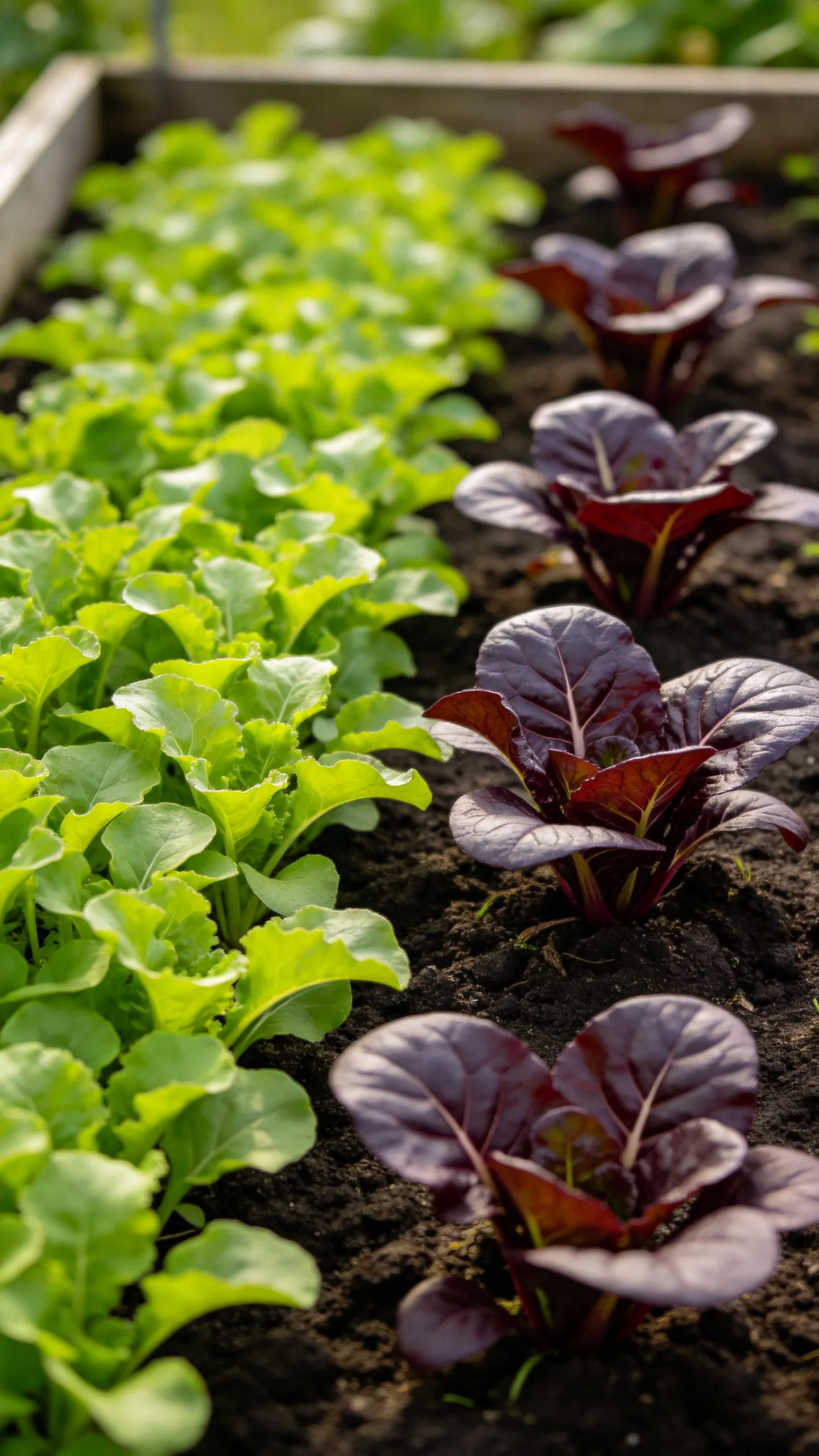
Mustard greens grow rapidly in cool soil and can fill an empty bed between major seasonal plantings. Sow a dense patch for baby leaves or create spaced rows for larger plants. Their ruffled or burgundy foliage also adds visual contrast to edible borders.
Flavor often becomes stronger as leaves mature or weather warms, so harvest young if you prefer a milder crop. Water regularly to maintain tender growth, and sow smaller batches at intervals for a steadier supply. Mustard greens may self-seed if allowed to flower, so remove plants before seed formation unless volunteers are welcome.
18. Collard Greens for Repeated Leaf Harvests
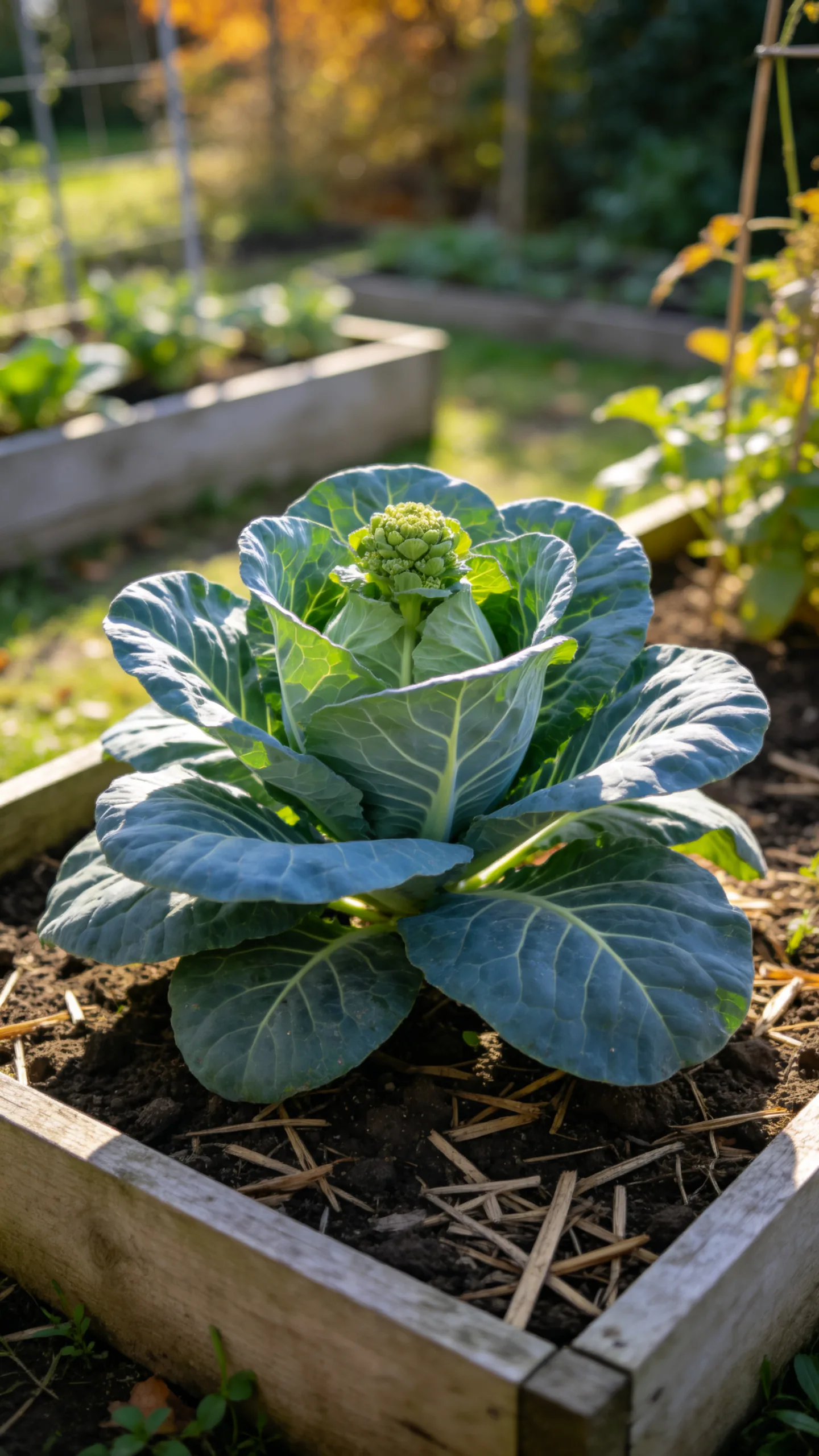
Collards are useful where gardeners want a substantial leafy crop that can be harvested over a long period. Give plants more room than baby greens, placing them in a raised bed or sunny backyard row with fertile, well-drained soil. Compact varieties are a better choice for small plots.
Pick the lowest full-size leaves first and leave the top center intact so the plant continues growing. Mulch around the base to hold moisture and reduce weeds. In regions with moderate winters, protection from wind and occasional hard freezes may extend the harvest, while colder climates may require earlier picking.
19. Bunching Onions Along Bed Borders
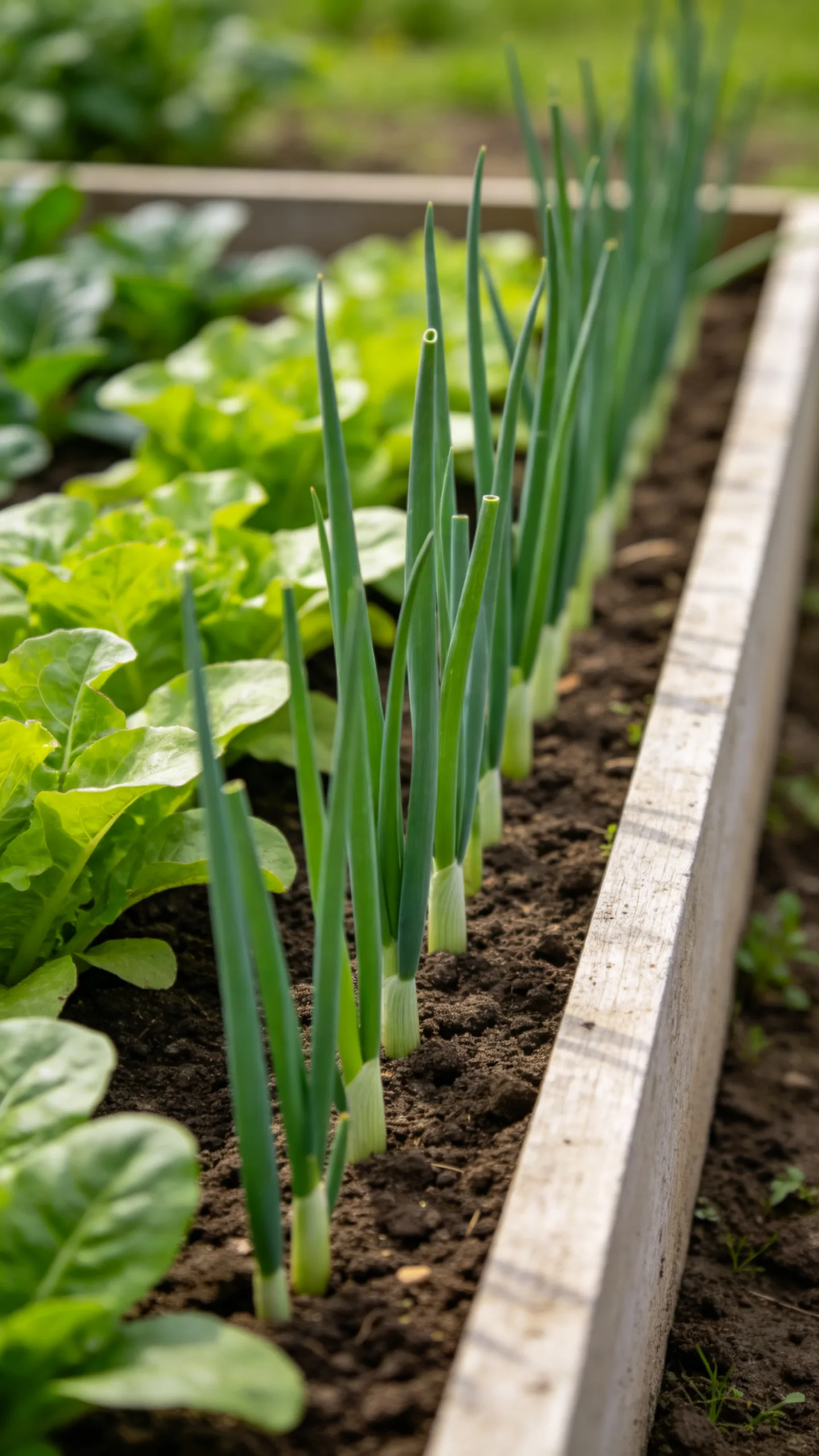
Bunching onions take up little horizontal space and make practical border plants for raised beds. Sow them in a narrow line along the edge, where their upright leaves will not shade nearby crops. They also grow well in window boxes and containers at least 6 inches deep.
Keep the seedbed moist until germination and thin plants depending on whether you want slender scallions or thicker stems. Harvest individual onions as needed, leaving the remainder to continue growing. Repeated small sowings provide a more manageable kitchen supply than one large planting.
20. Leeks in Deep, Loose Soil
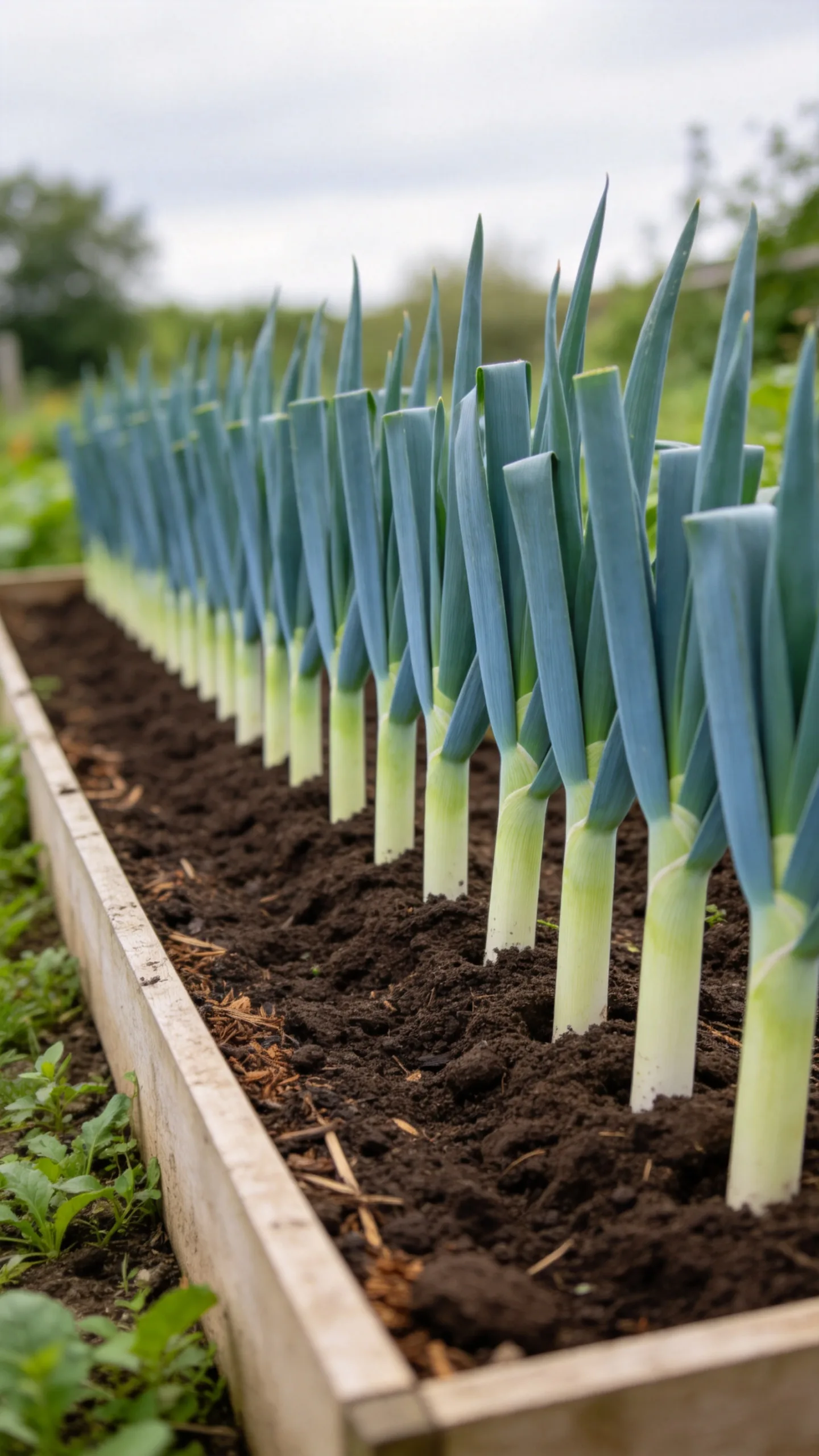
Leeks need a longer growing period than bunching onions, but their vertical form uses bed space efficiently. Plant seedlings into deep holes or shallow trenches in loose, compost-amended soil. As they grow, gently draw soil around the stems to produce a longer pale section, taking care not to bury the leaf centers.
A raised bed is especially helpful where native ground is heavy or poorly drained. Keep leeks weeded because their narrow leaves do not shade out competitors. Harvest as soon as stems reach a useful size, or leave cold-tolerant varieties in the ground into cool weather where local winter conditions allow.
21. Garlic in an Autumn-Planted Bed
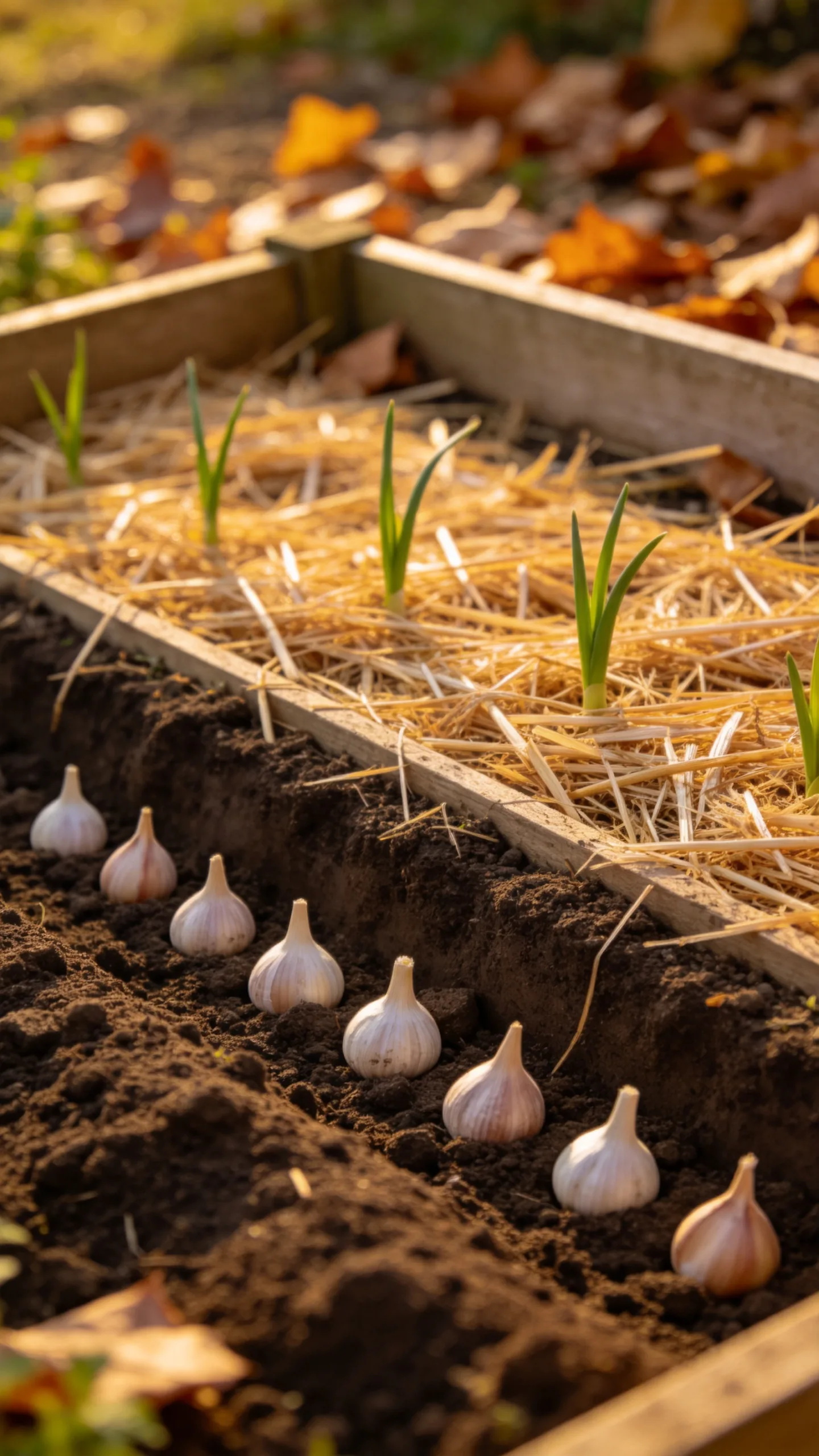
Garlic is typically planted in autumn so cloves can establish roots before winter and resume growth in spring. Choose seed garlic suited to the region, separate the bulbs shortly before planting, and set each clove with the pointed end facing upward. Use a sunny raised bed or backyard row with well-drained soil.
Cover the planting with a layer of clean straw or shredded leaves where winter protection is helpful. Remove competing weeds in spring and provide moisture during active growth, then reduce watering as lower leaves begin to brown near harvest. Because garlic occupies the bed for many months, place it where it will not interfere with spring layout changes.
22. Potatoes in Fabric Grow Bags
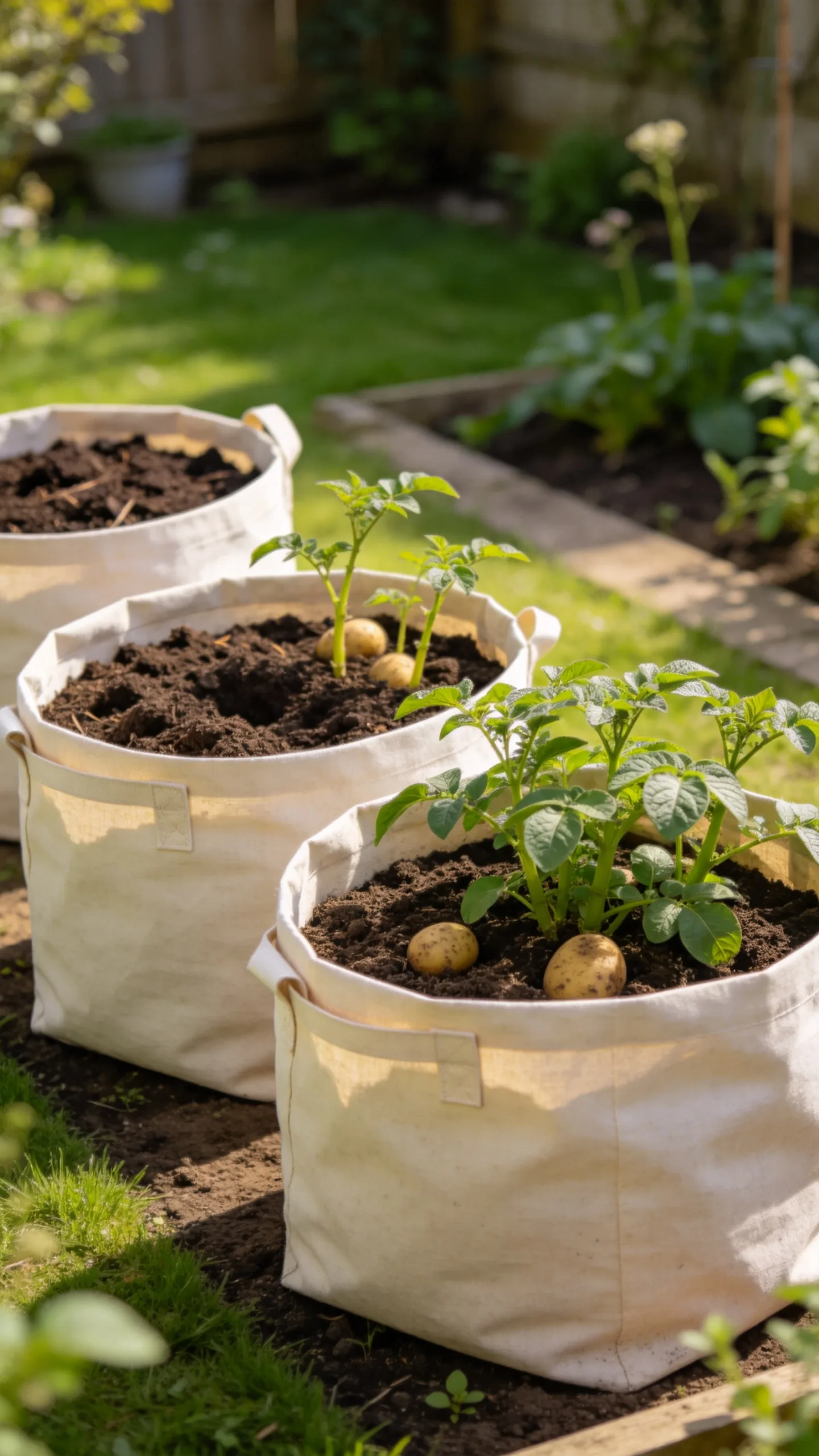
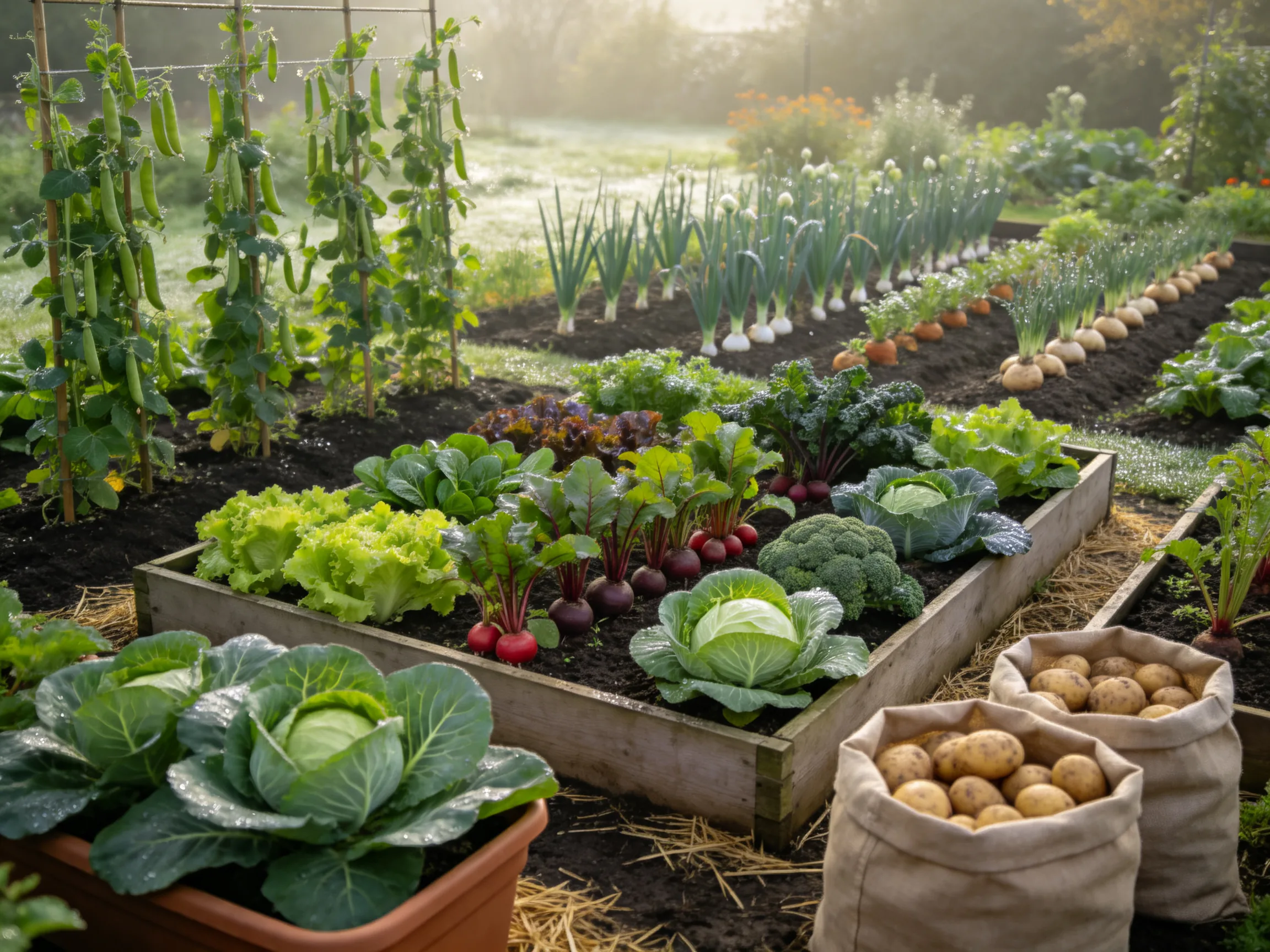
Potatoes are cool-weather crops that work well in fabric grow bags, especially where backyard soil is compacted or garden beds are limited. Choose certified seed potatoes and plant them in several inches of potting mix blended with compost. As shoots grow, add more mix around the stems while leaving the upper leaves exposed.
Grow bags improve drainage, but they can dry faster than in-ground beds, so check moisture regularly. Place the bags in full sun and avoid letting the soil become waterlogged. Harvest small new potatoes after flowering, or wait until the foliage dies back for a more mature crop.
23. Parsnips in a Deep, Stone-Free Bed
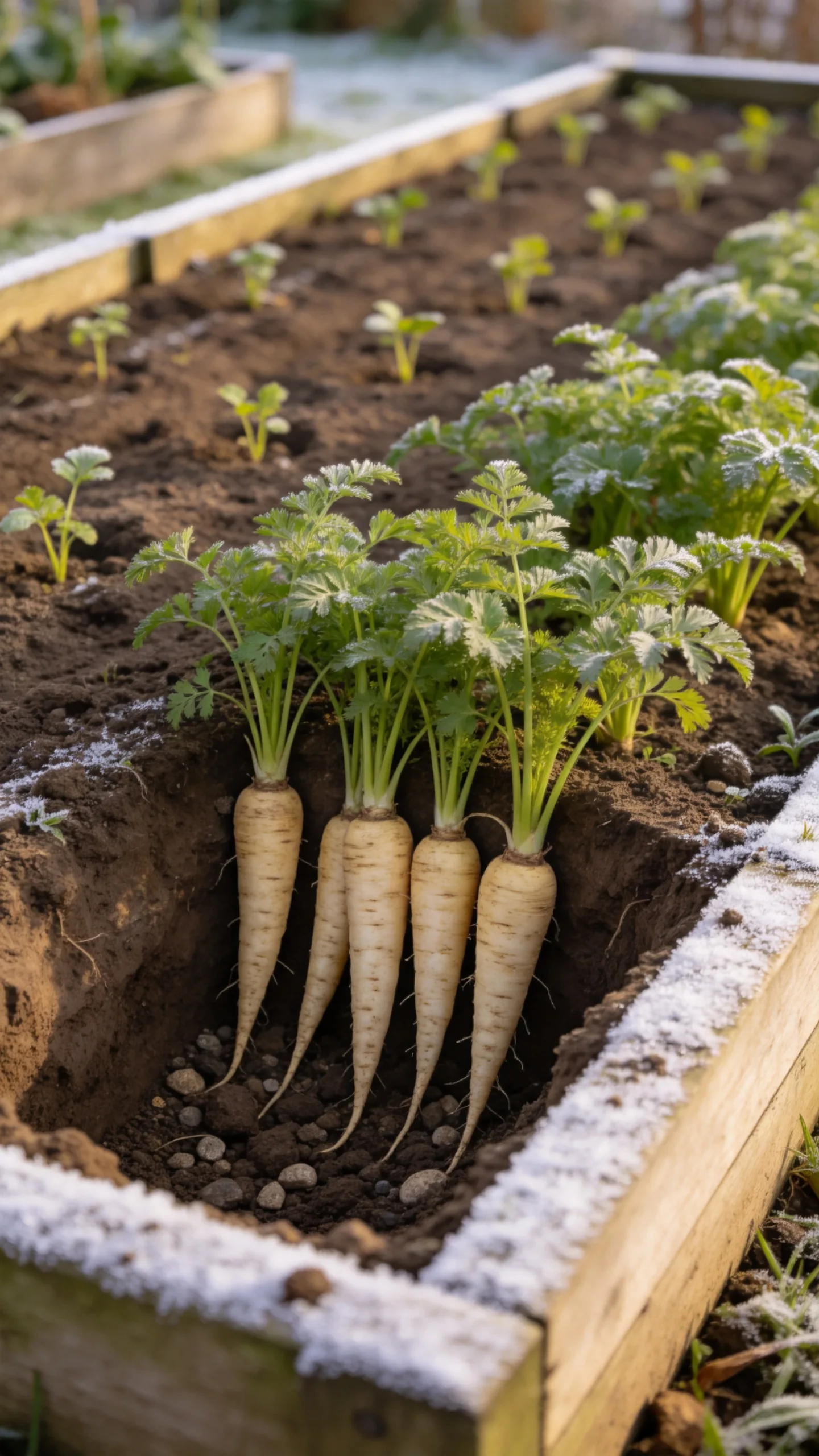
Parsnips are a long-season root crop that benefit from cool weather and deep, unobstructed soil. Plant them in a raised bed or carefully prepared backyard row where the roots can grow straight. Fresh seed is preferable because parsnip germination can decline during storage.
Sow directly, keep the surface consistently moist, and mark the row because seedlings may take several weeks to appear. Thin plants once they are established and avoid transplanting, which can distort the roots. Flavor often becomes sweeter after exposure to cold, but harvest timing should account for frozen ground and local winter conditions.