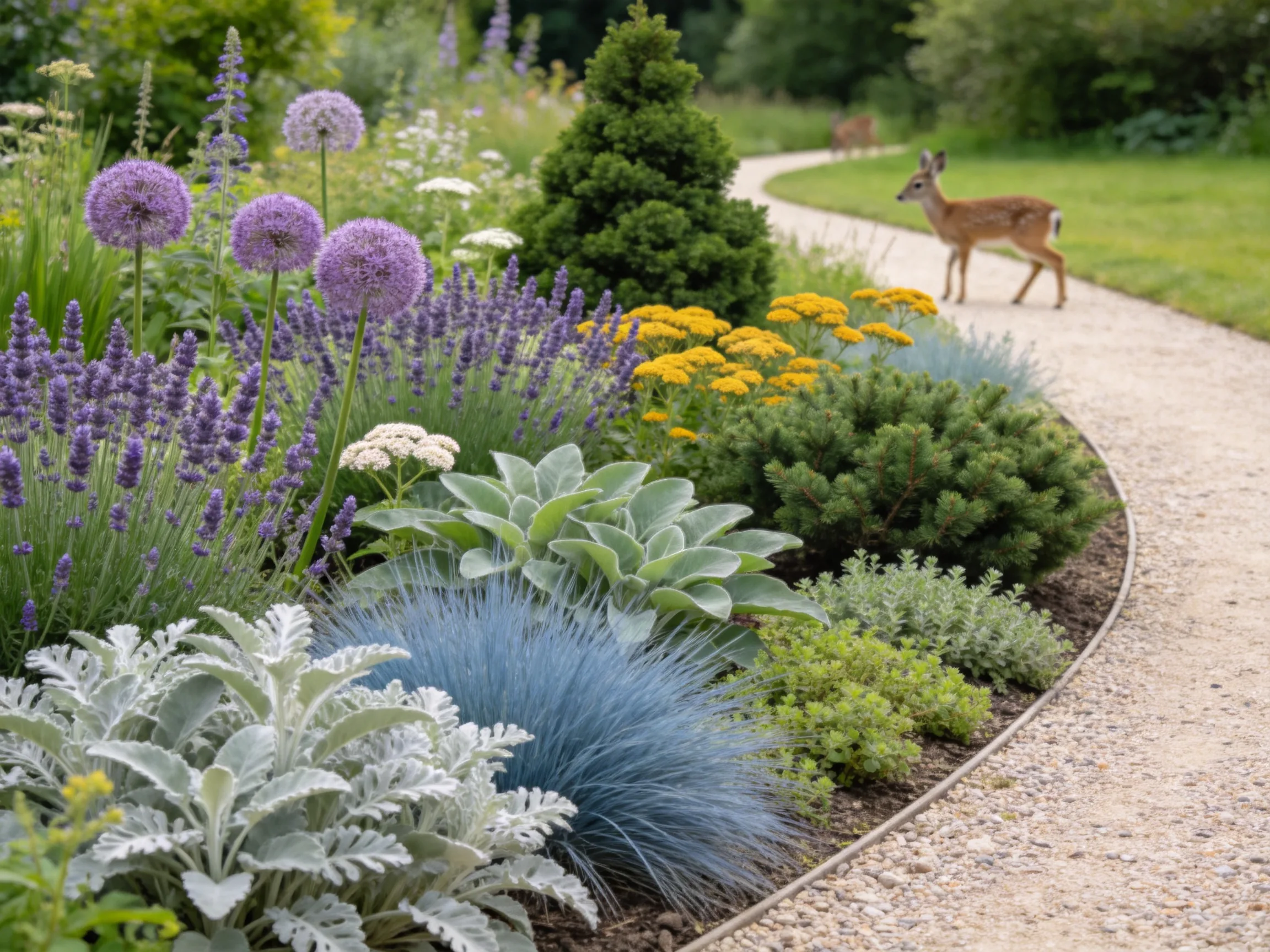
No plant is completely immune to hungry wildlife, but strong fragrance, fuzzy foliage, tough texture, and irritating or toxic sap can make certain plants less appealing. These deer and rabbit resistant plants offer practical options for borders, foundation beds, containers, and sunny or shaded problem areas. Match each plant to your local hardiness zone, soil, and light conditions, and protect new growth until it is established—especially where animal pressure is high.
1. English Lavender
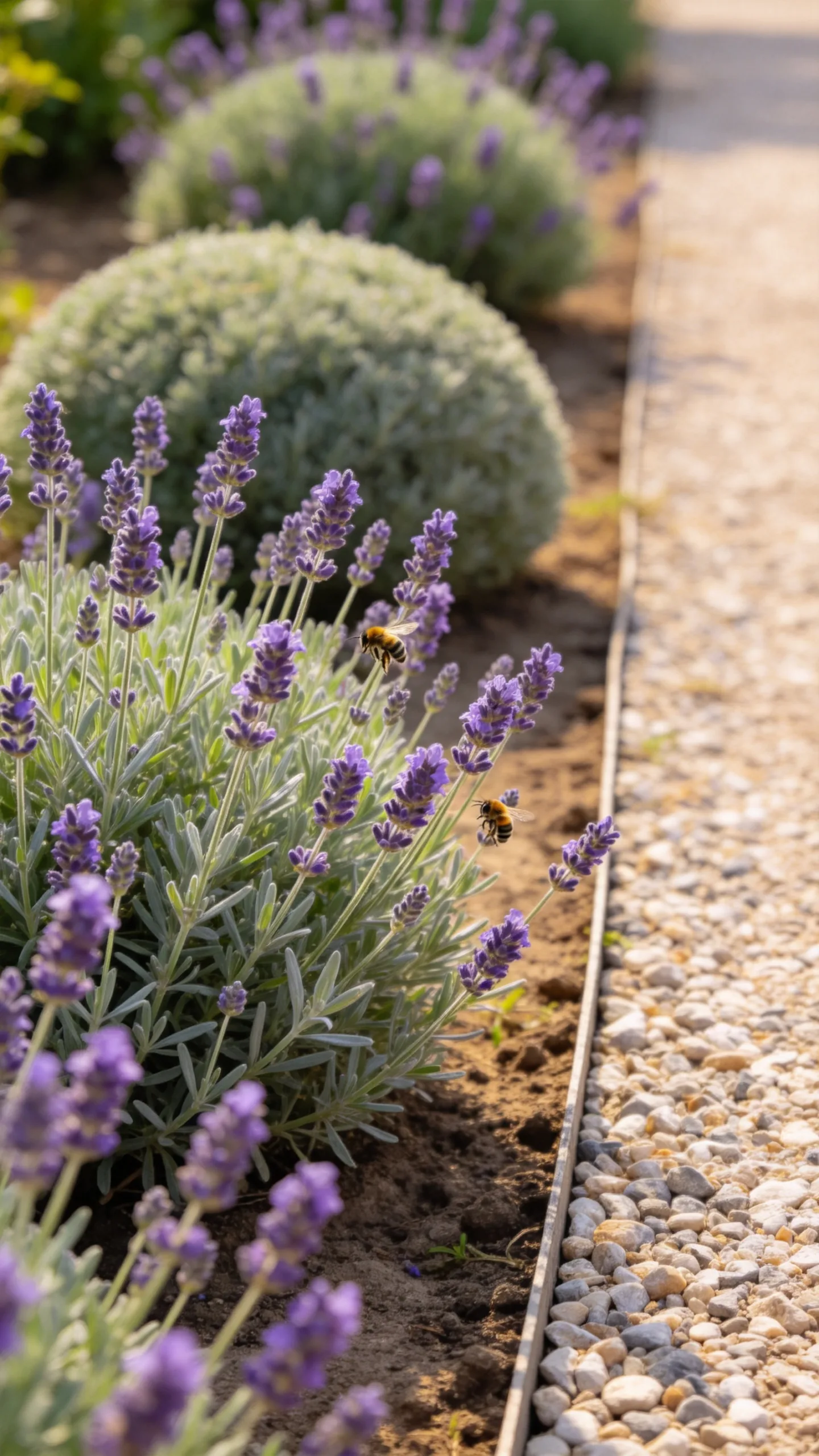
English lavender brings silvery foliage, fragrant summer flowers, and a compact structure to sunny borders. Its strongly scented leaves are generally unappealing to deer and rabbits, while the flowers attract bees and other pollinators.
Plant lavender in full sun and sharply drained soil; raised beds, gravel gardens, and containers are useful where the ground stays wet. Avoid rich fertilizer and frequent watering, which can encourage floppy growth and root problems. Trim lightly after flowering, but do not cut deeply into old woody stems.
2. Catmint
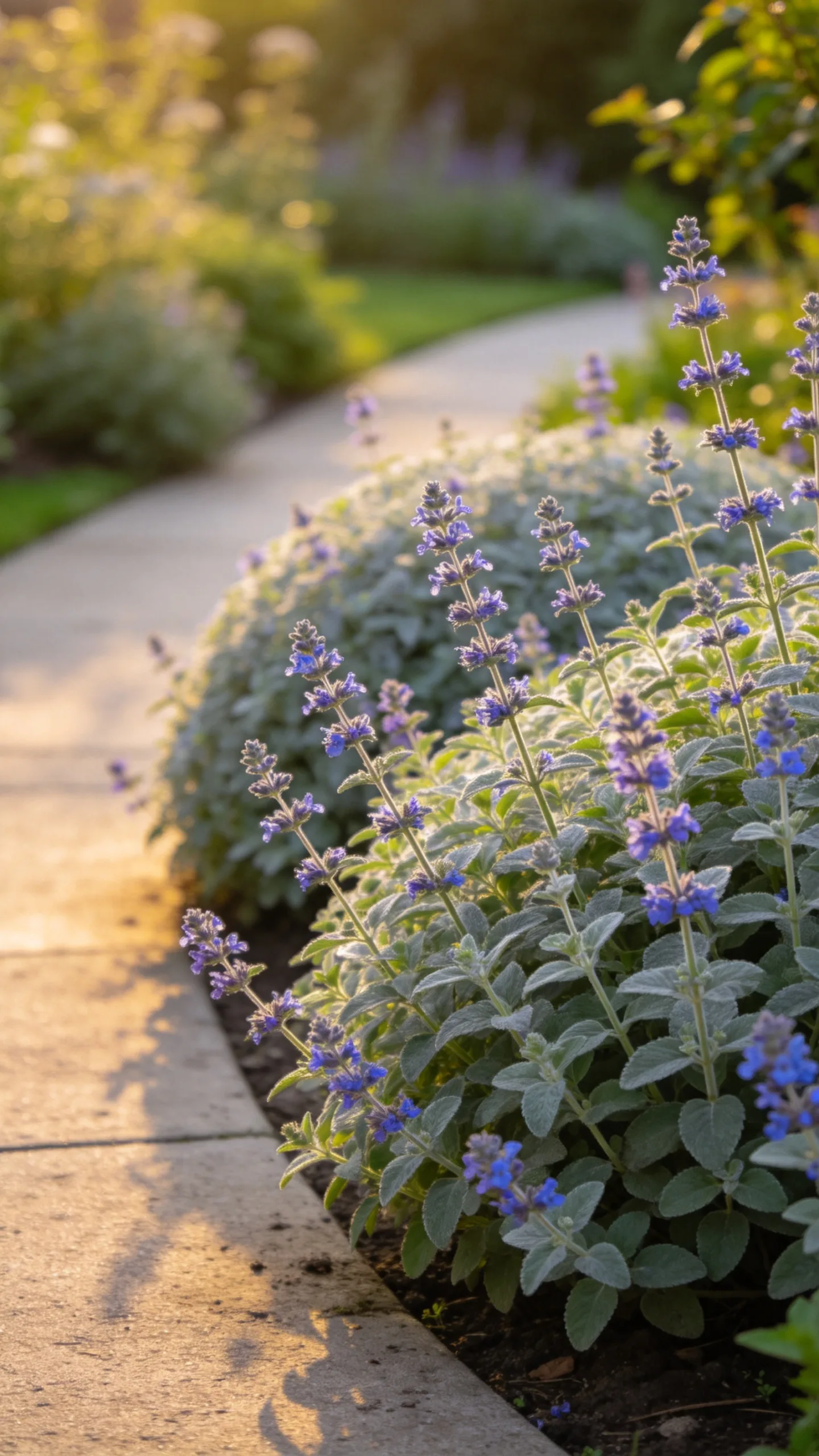
Catmint forms a soft mound of aromatic gray-green leaves covered with blue-purple flowers from late spring into summer. It works well along paths, at the front of perennial beds, or around roses because its scented foliage tends to discourage browsing.
Choose a sunny location with average, well-drained soil. Once established, catmint tolerates short dry periods and generally needs little attention. Shear the plant back by about one-third after its first heavy bloom to encourage tidier foliage and another flush of flowers.
3. Russian Sage
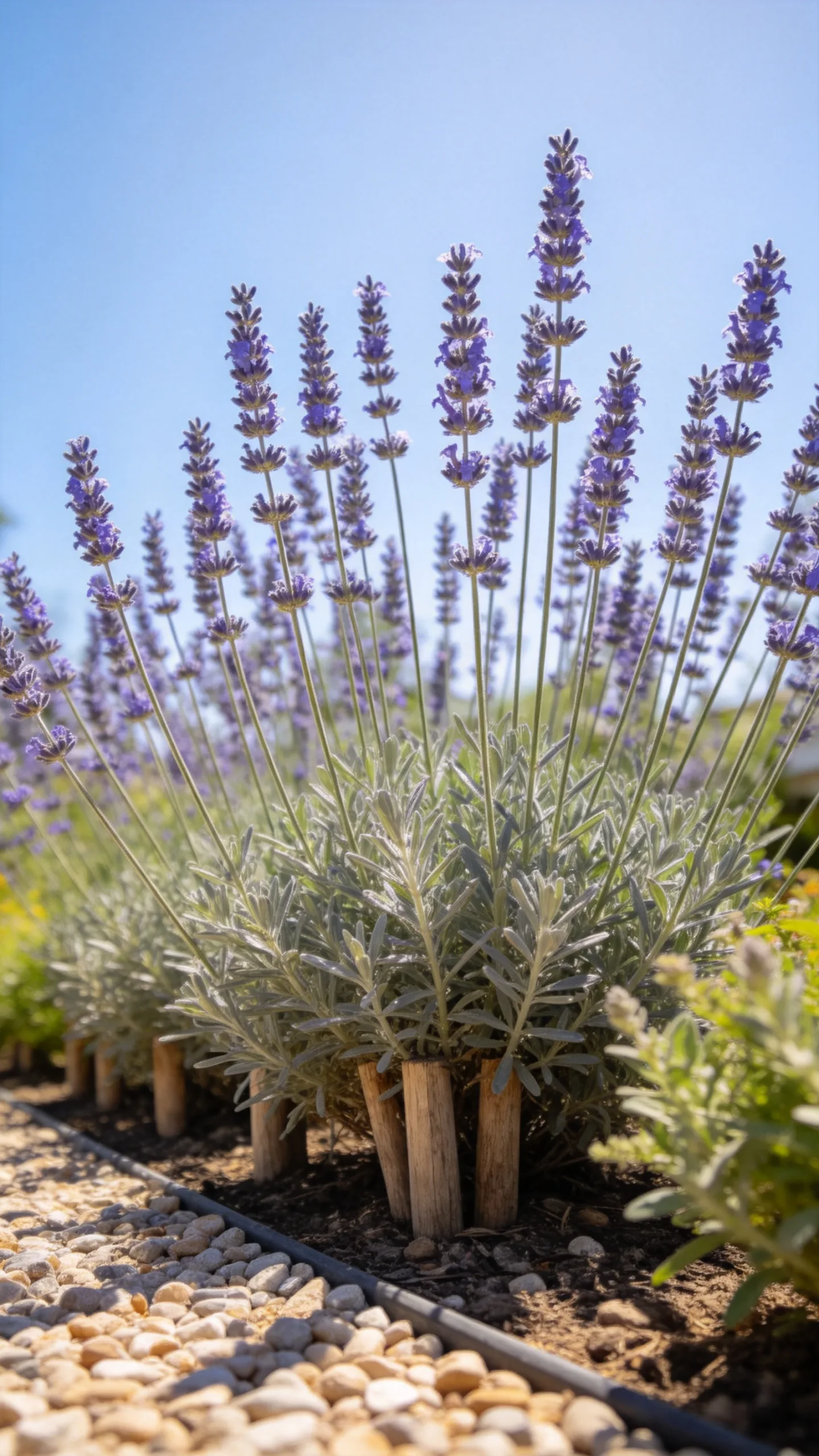
Russian sage provides tall, airy stems of lavender-blue flowers without taking up much space at ground level. Its aromatic foliage and slightly coarse texture make it a useful choice for landscapes visited by both deer and rabbits.
Give it full sun, excellent drainage, and room for air circulation. It performs especially well in hot, dry beds where frequent irrigation would be inconvenient. Cut old stems back in early spring when new growth begins, rather than pruning heavily in autumn.
4. Garden Sage
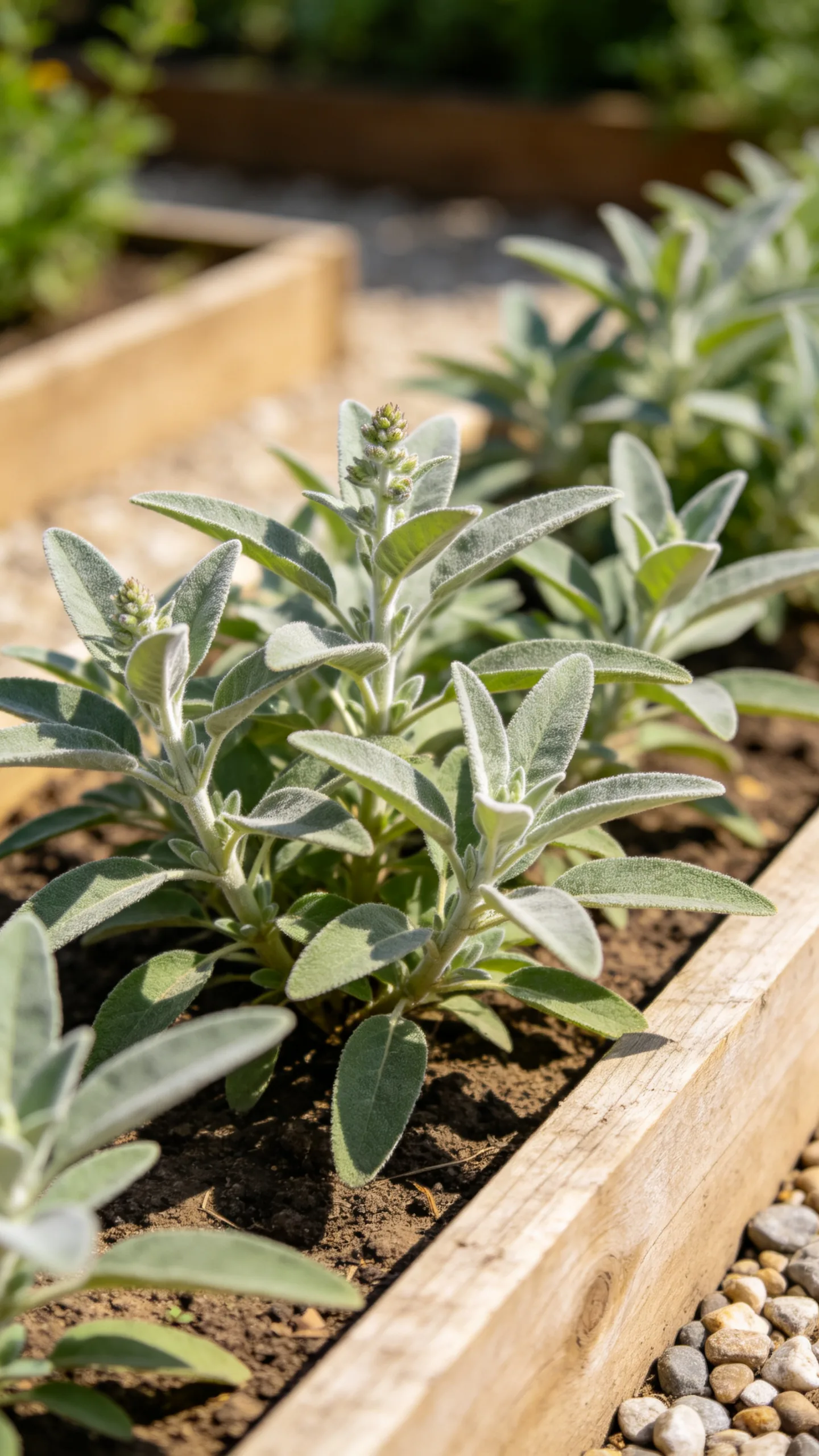
Culinary garden sage doubles as a pest-resistant edging plant with textured, strongly scented leaves. Its evergreen or semi-evergreen foliage—depending on winter conditions—adds structure to herb gardens, raised beds, and sunny containers.
Plant sage in full sun and soil that drains quickly after rain. Allow the surface to dry between waterings, and replace older plants if they become excessively woody. Harvesting stem tips regularly keeps the plant compact while supplying leaves for cooking.
5. Yarrow
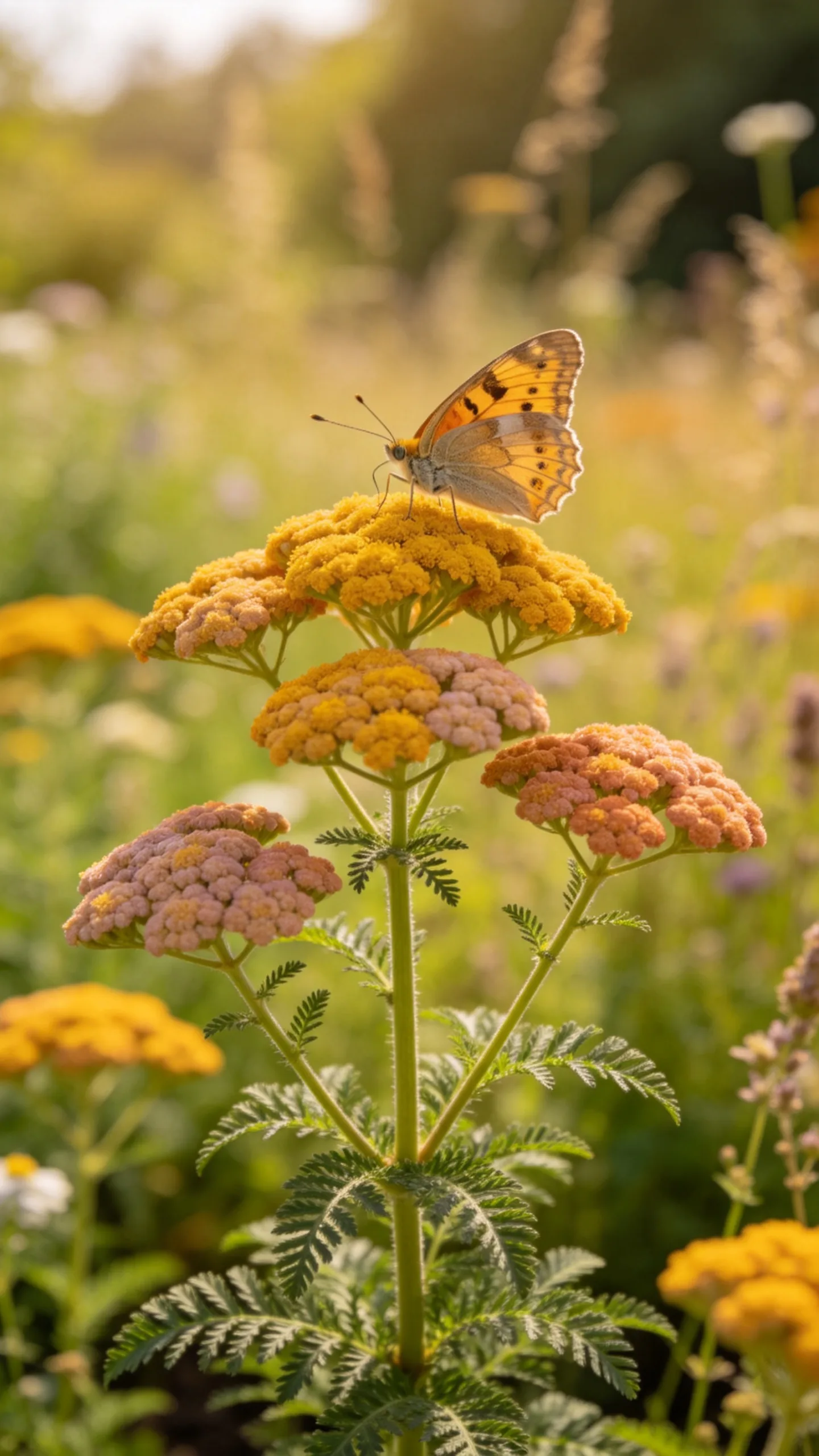
Yarrow produces flat flower clusters in white, yellow, pink, or warm sunset tones above fernlike foliage. The leaves have a distinctive scent and texture that deer and rabbits commonly avoid, making yarrow suitable for open borders and pollinator gardens.
Grow it in full sun with lean to moderately fertile, well-drained soil. Established plants tolerate drought better than constantly wet conditions. Deadhead faded blooms to limit unwanted seedlings, and divide crowded clumps in spring or autumn if flowering declines.
6. Bee Balm
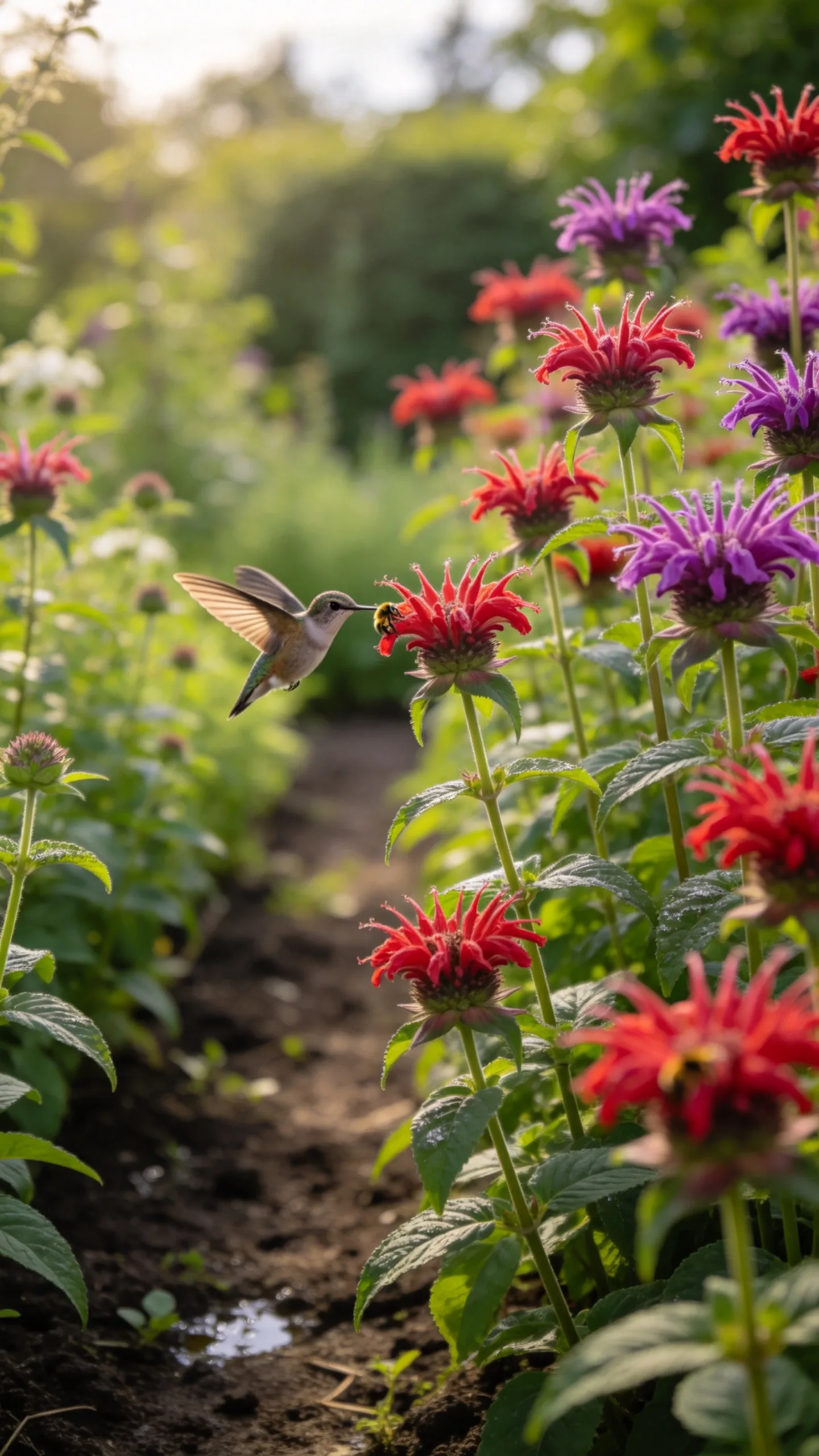
Bee balm adds bright red, pink, purple, or white flowers to summer beds while supporting bees, butterflies, and hummingbirds. Its mint-scented leaves help make it less attractive to browsing animals.
Place bee balm in full sun or light afternoon shade, with soil that holds some moisture without becoming waterlogged. Select mildew-resistant cultivars and leave space between plants for airflow. Spreading varieties are easiest to manage in a contained bed or large bottomless planter.
7. Anise Hyssop
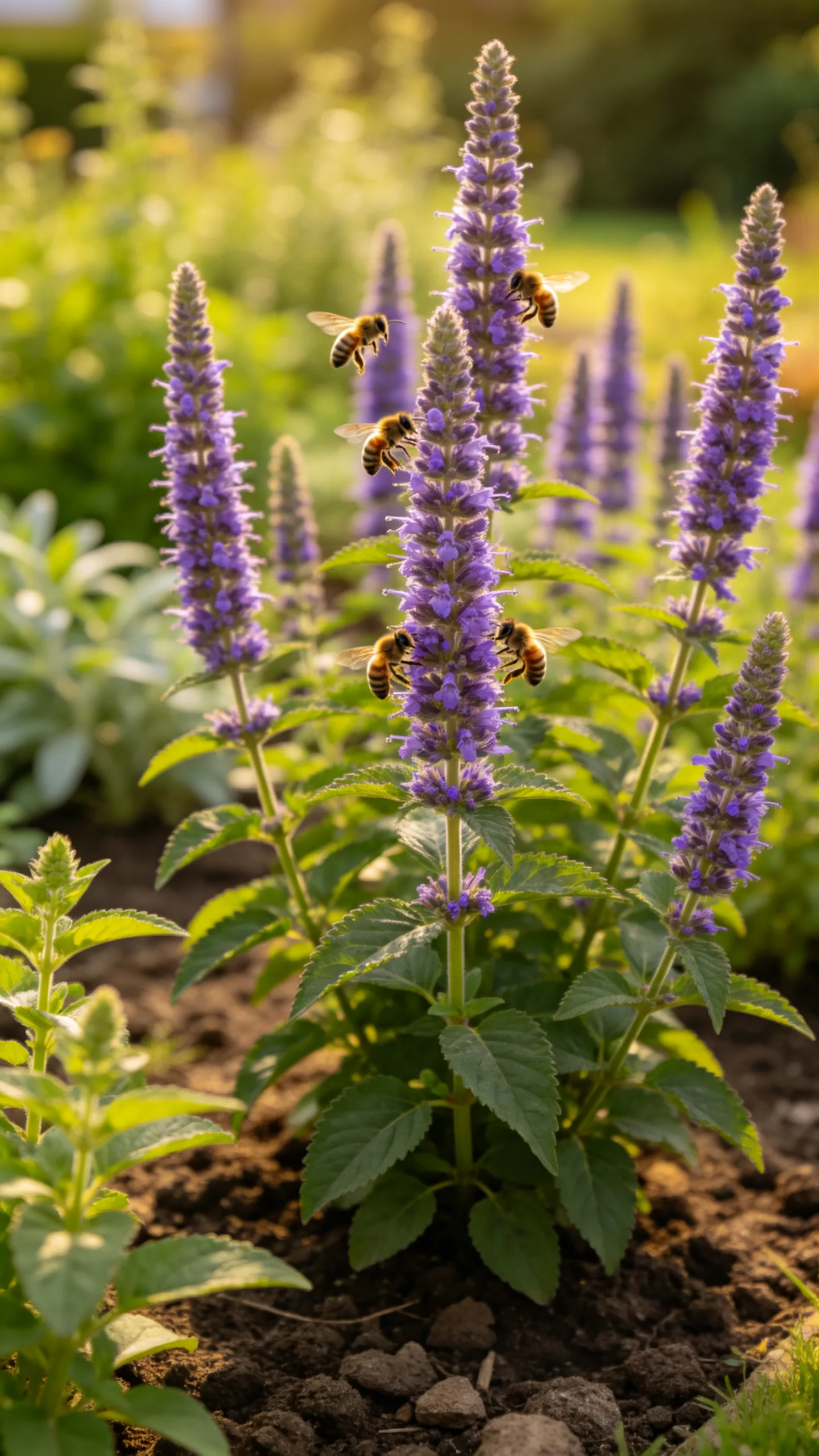
Anise hyssop combines upright flower spikes with leaves that smell like licorice or mint when crushed. This fragrance can deter deer and rabbits, while the narrow growth habit fits small pollinator beds and the middle of mixed borders.
Plant it in full sun and well-drained soil after the risk of severe frost has passed. Established plants handle occasional dry spells, but young plants need consistent moisture during their first season. Leave some seed heads standing for winter interest, or remove them if self-seeding is not wanted.
8. Ornamental Allium
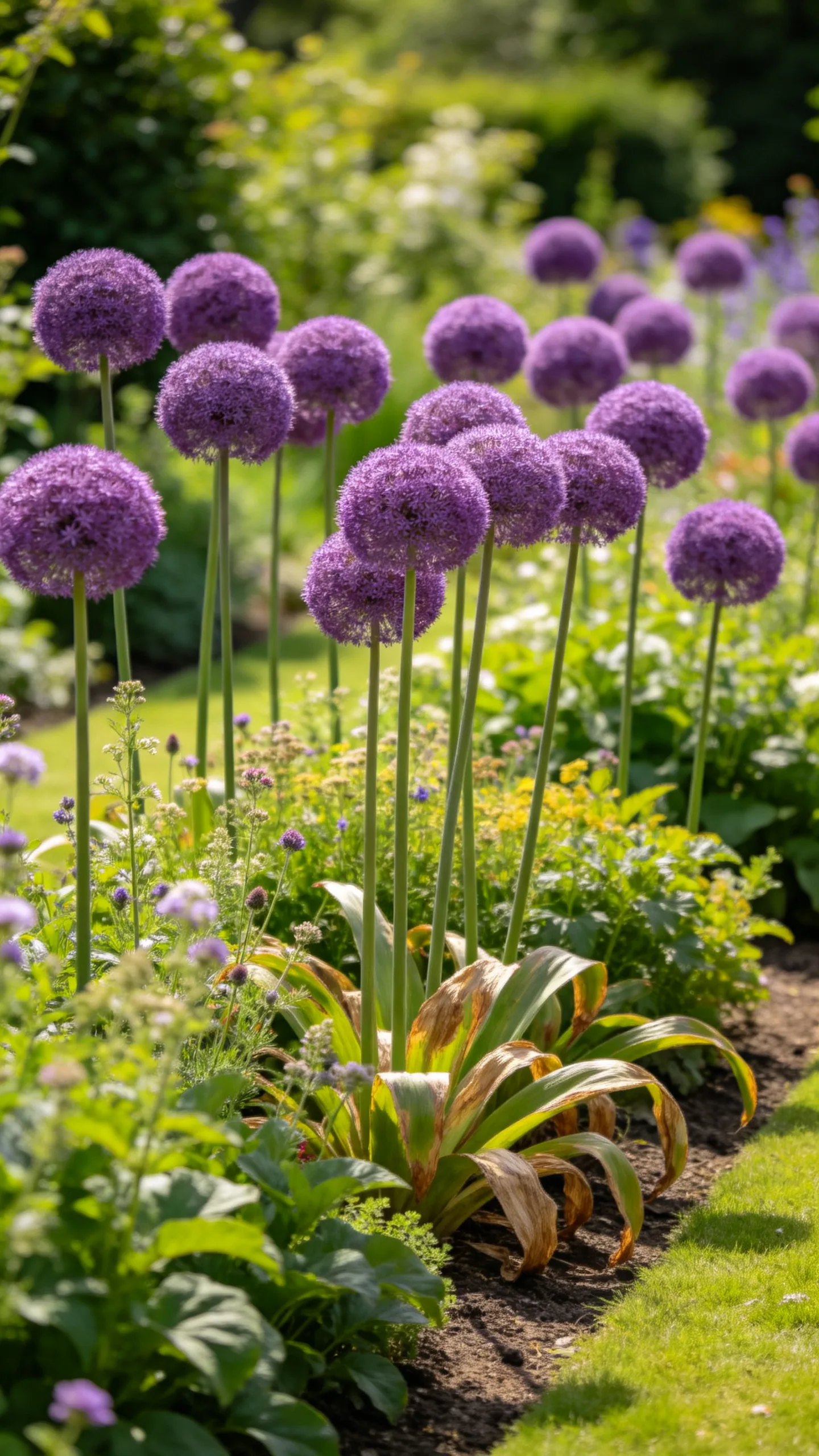
Ornamental alliums rise above surrounding plants on slender stems, creating dramatic purple, pink, or white flower globes without occupying much bed space. Their onion-scented bulbs and foliage are generally avoided by deer and rabbits.
Plant the bulbs in autumn in full sun and well-drained soil, positioning them among perennials that will conceal the yellowing leaves after bloom. Avoid cutting the foliage until it has withered naturally. Use smaller alliums along border edges and taller types as vertical accents.
9. Daffodil
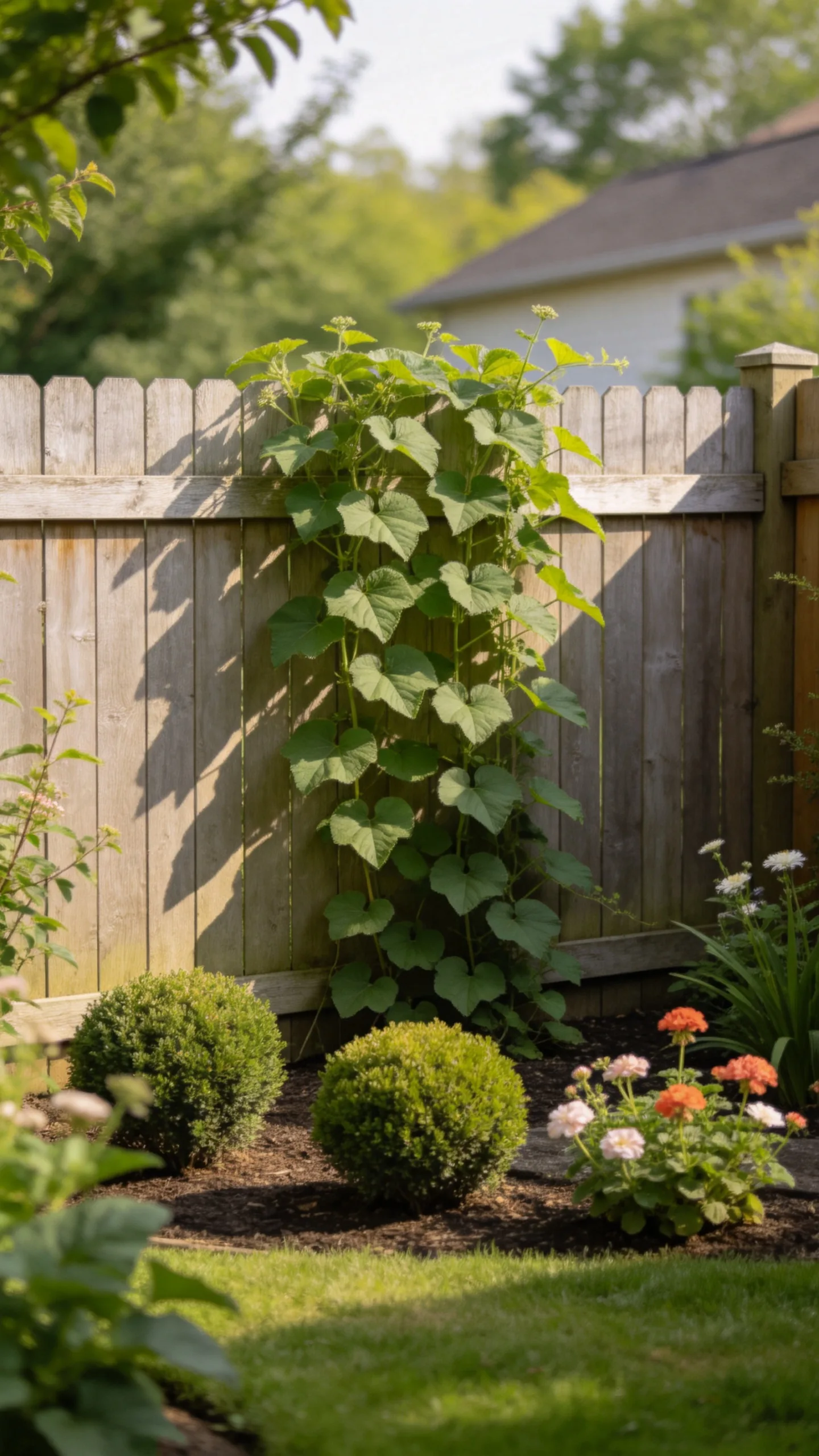
Daffodils are reliable spring bulbs containing compounds that make the entire plant unappealing and potentially harmful to browsing animals. They are a practical alternative to tulips in unfenced front yards and woodland-edge gardens.
Plant bulbs in autumn in sun or beneath deciduous trees, where they receive light before the canopy fills in. Choose soil that does not remain soggy during winter. After flowering, remove spent blooms but leave the foliage in place until it turns yellow so the bulbs can store energy.
10. Hellebore
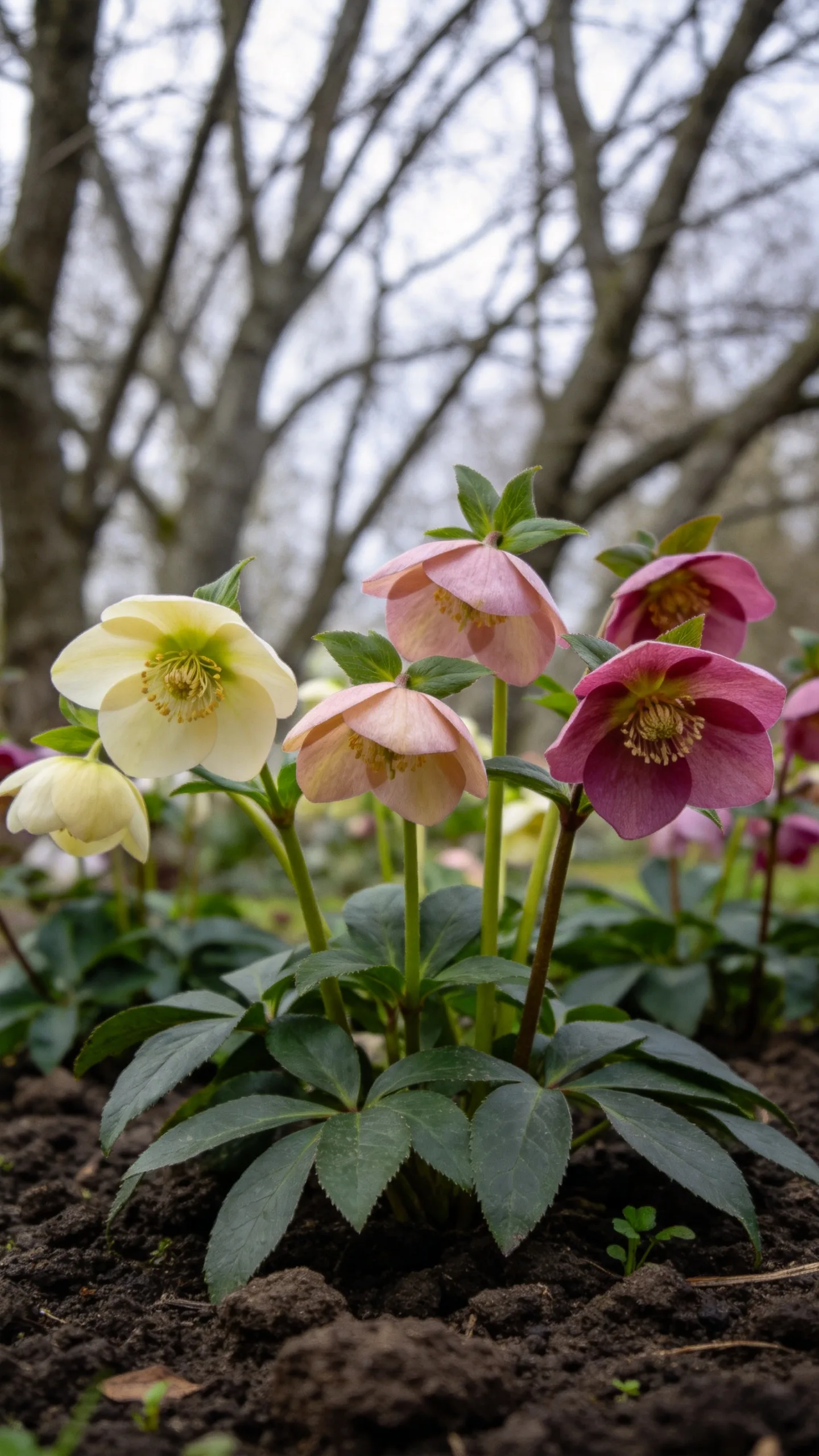
Hellebores provide late-winter or early-spring flowers in partly shaded beds. Their leathery leaves and toxic compounds make them a poor food choice for deer and rabbits, although gloves are sensible when handling the plant.
Grow hellebores in rich, well-drained soil under deciduous trees, beside a north- or east-facing wall, or in a shaded foundation bed. They need regular moisture while establishing but become relatively undemanding afterward. Remove damaged old foliage before flowering to display the blooms and reduce disease problems.
11. Foxglove
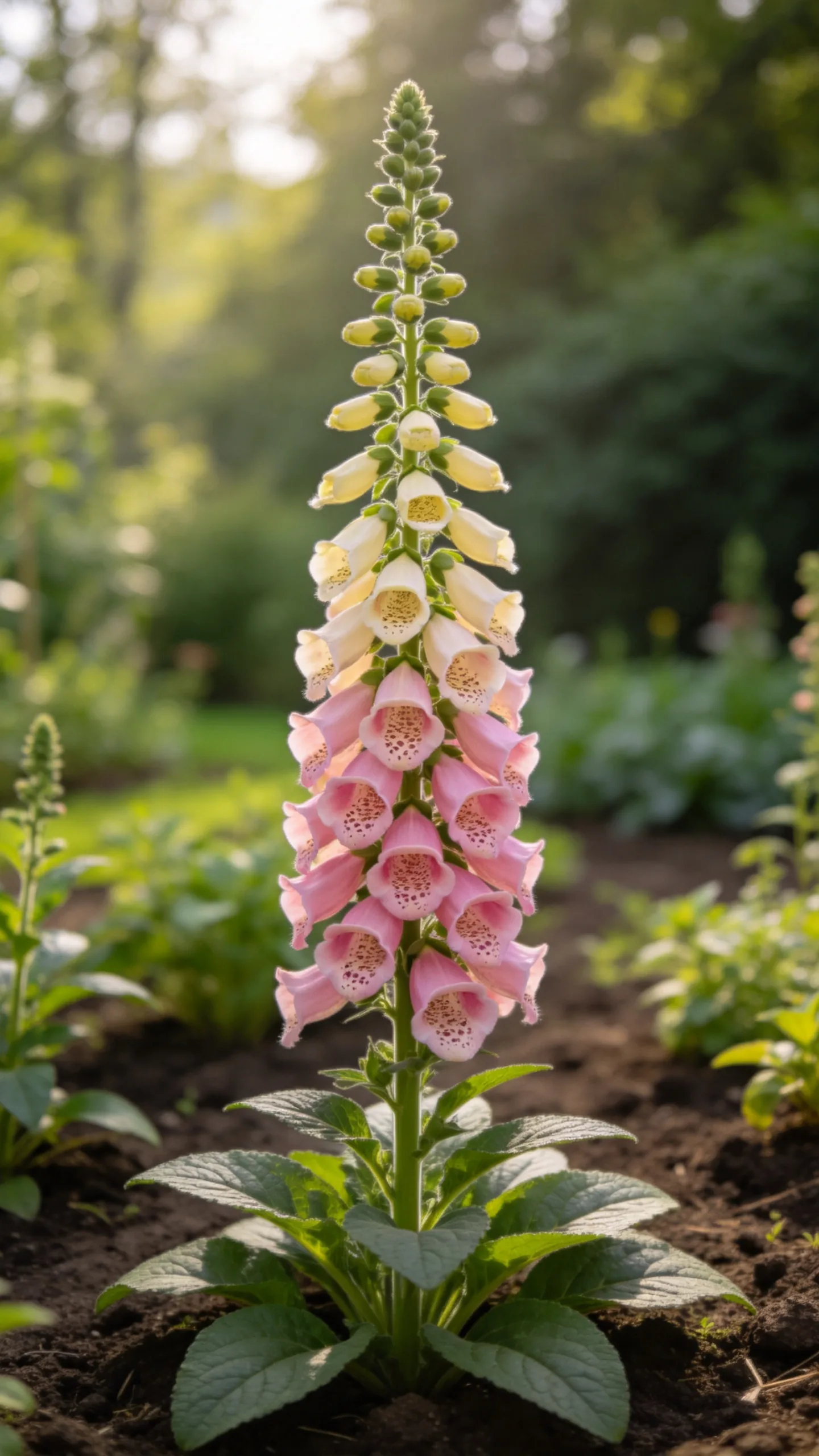
Foxglove creates vertical flower spikes that add height without requiring a wide planting footprint. Because every part of the plant is highly toxic if eaten, deer and rabbits usually leave it alone; it should also be kept away from children, pets, and edible garden beds.
Depending on the variety, foxglove may be biennial or perennial. Plant it in partial shade or gentle sun with moist, well-drained soil. Allow a few flower stalks to set seed if you want biennial forms to return, but remove the rest to control spreading.
12. Lamb’s Ear
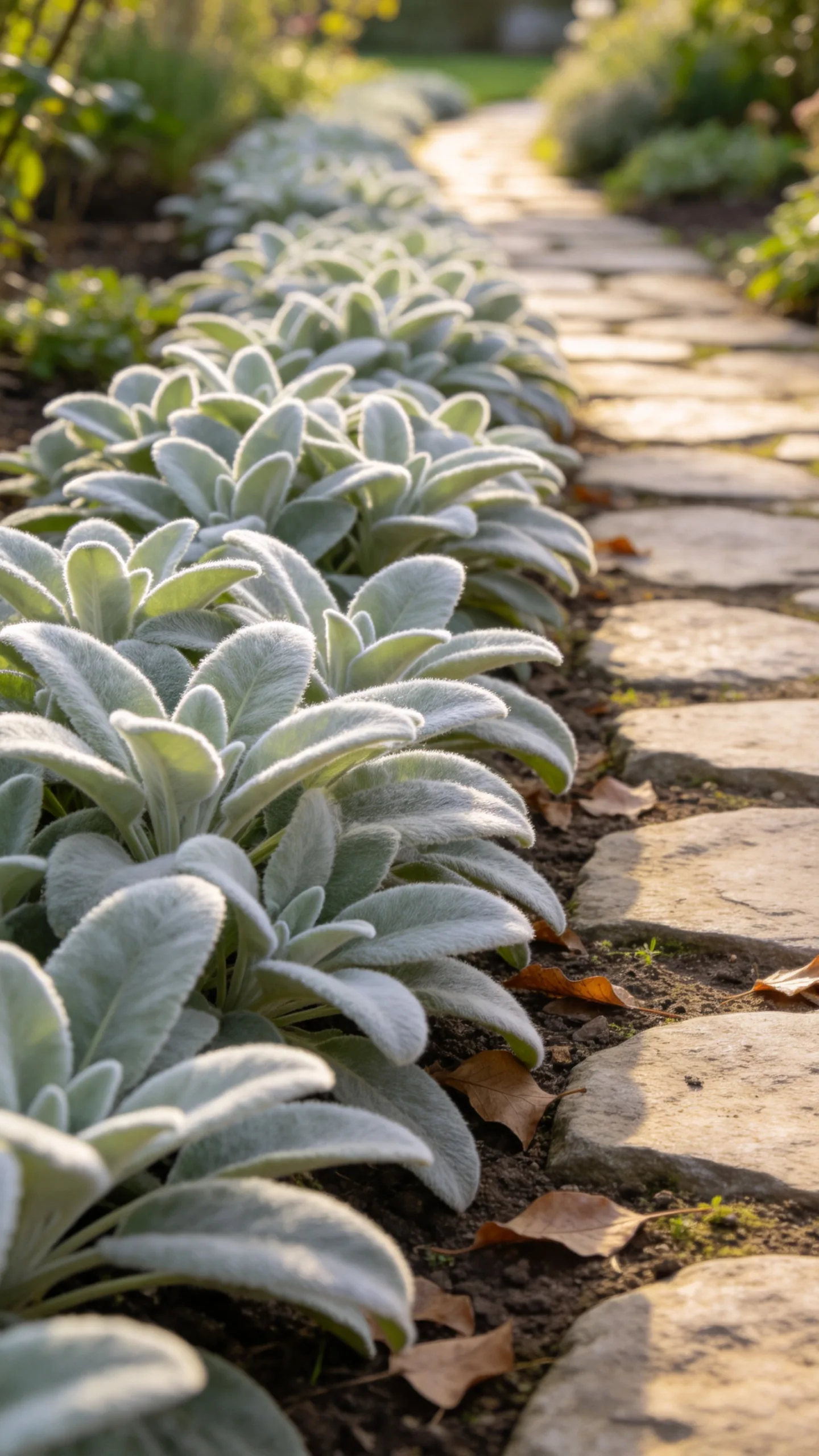
Lamb’s ear forms a low carpet of thick, silver-gray leaves with a dense, fuzzy surface. That woolly texture is generally unattractive to rabbits and deer, and the pale foliage brightens border edges and dry garden paths.
Choose full sun and fast-draining soil, especially in humid or rainy regions. Water at the base rather than over the leaves, and avoid crowded planting. Remove damaged foliage in spring and trim flower stalks after bloom if a neat ground-cover appearance is preferred.
13. Peony
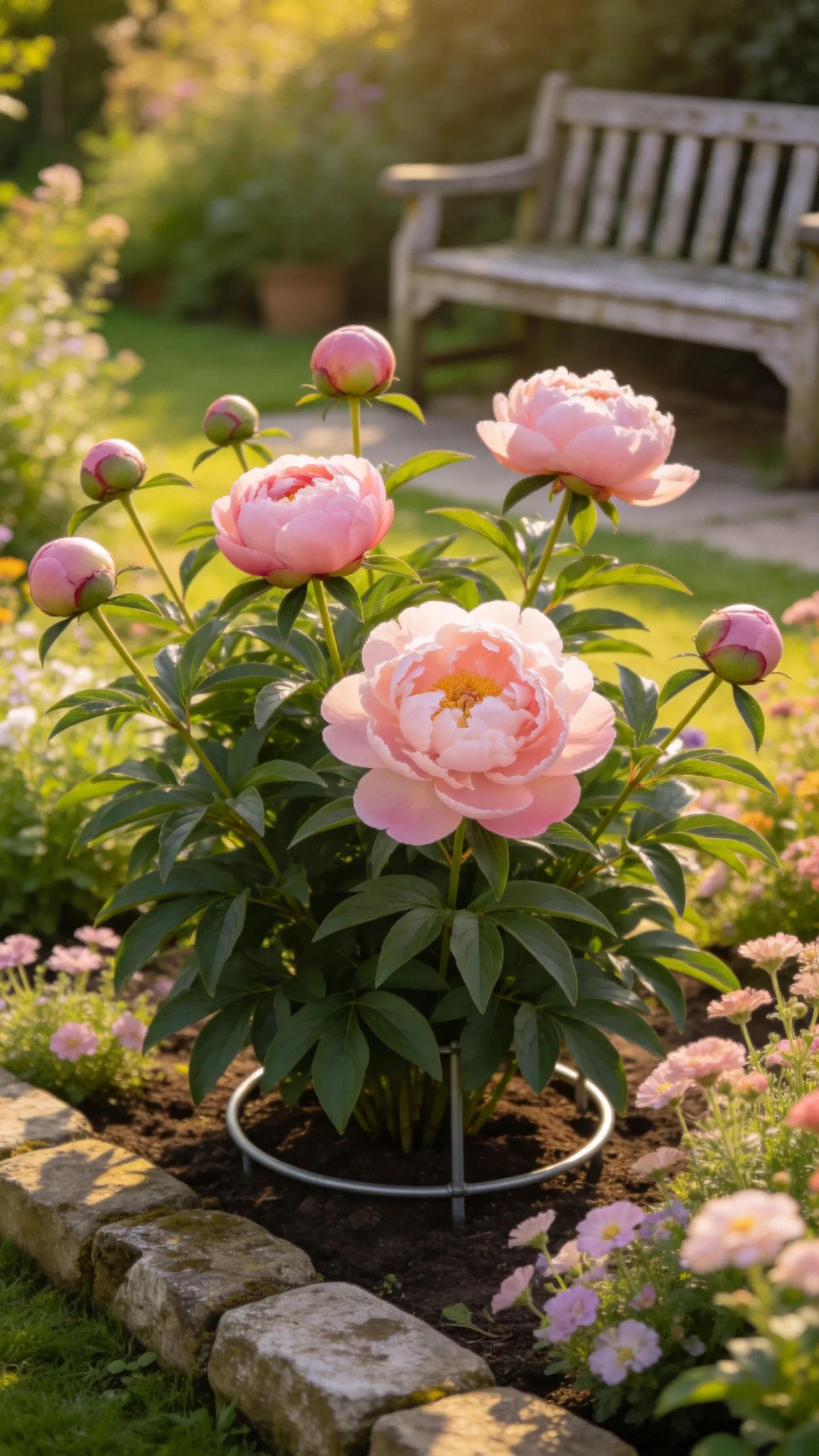
Peonies produce large late-spring flowers and sturdy foliage that deer and rabbits tend to pass over. A well-sited clump can remain in place for many years, making it a strong choice for low-maintenance mixed borders.
Plant bare roots in autumn, or container-grown plants in spring or fall, with the crown positioned at the correct shallow depth for the type. Most garden peonies need full sun, well-drained soil, and good airflow. Use a support ring for heavy double flowers, and cut herbaceous stems to the ground after frost.
14. Siberian Iris
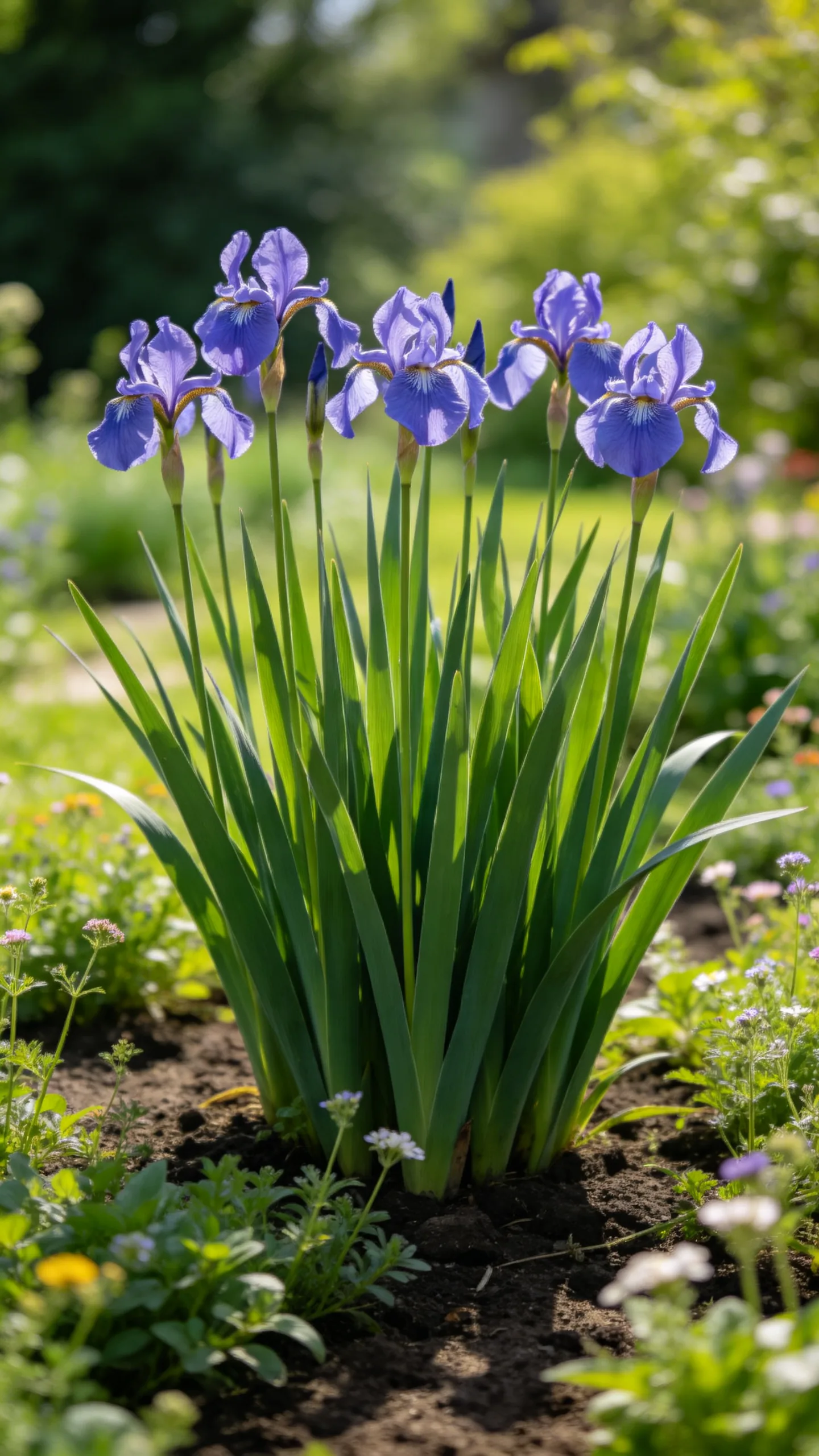
Siberian iris has narrow, grasslike foliage and refined flowers in blue, purple, white, or yellow shades. Its tough leaves and unpalatable rhizomes make it less vulnerable to browsing than many soft-leaved perennials.
Grow it in full sun to light shade in soil that stays moderately moist, particularly during spring growth and flowering. It can handle heavier soil better than bearded iris but should not sit in stagnant water. Divide crowded clumps after flowering or in early autumn.
15. Baptisia
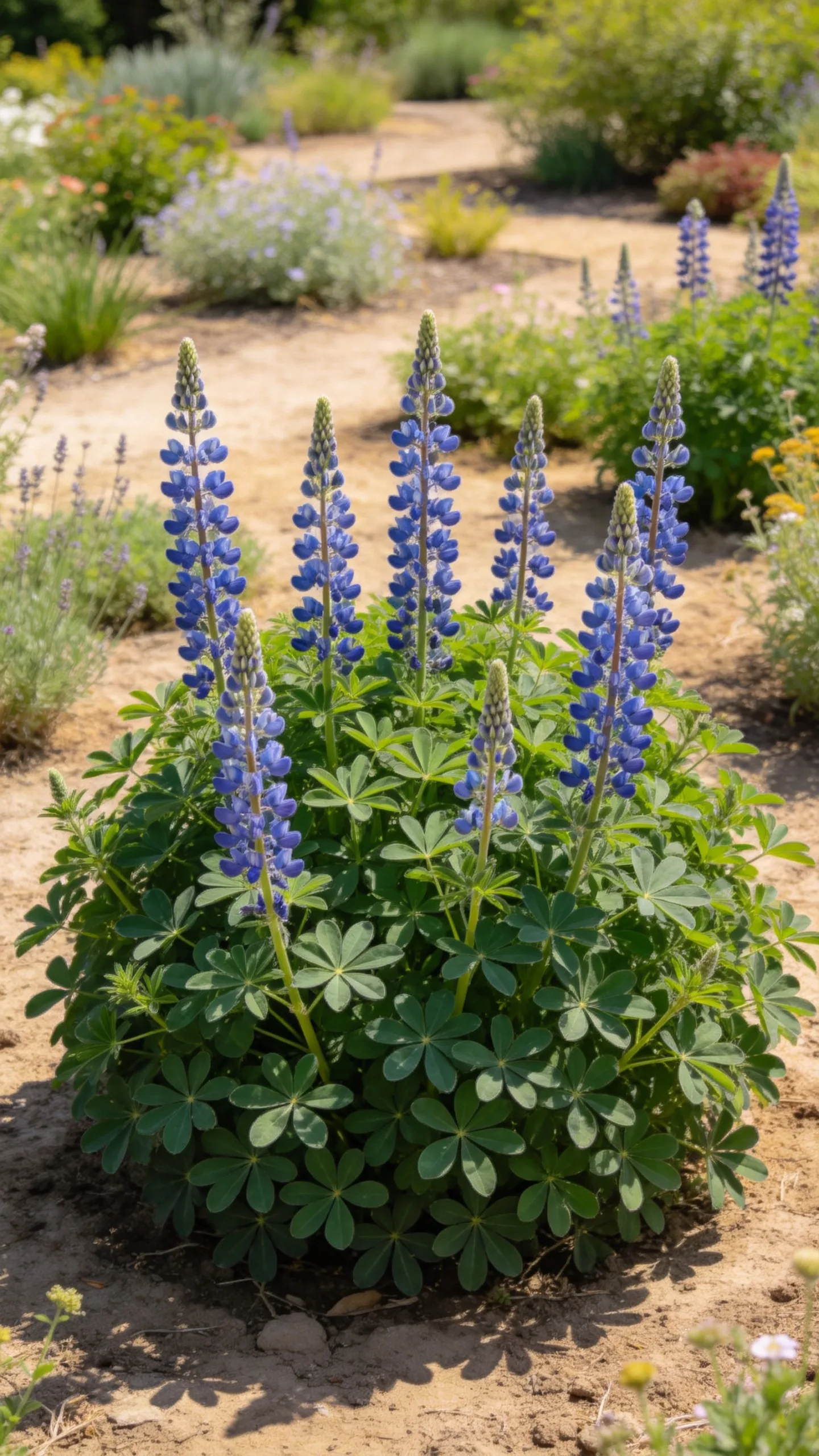
Baptisia, also called false indigo, develops lupine-like flower spikes followed by decorative seedpods. Its foliage contains compounds that discourage deer and rabbits, and its deep root system provides good drought tolerance once established.
Plant baptisia in full sun and give it enough room to mature, since established plants dislike being moved. Water regularly during the first growing season, then reduce supplemental irrigation except during extended drought. Cut back the dry stems in late winter or leave them temporarily for seasonal structure.
16. Euphorbia
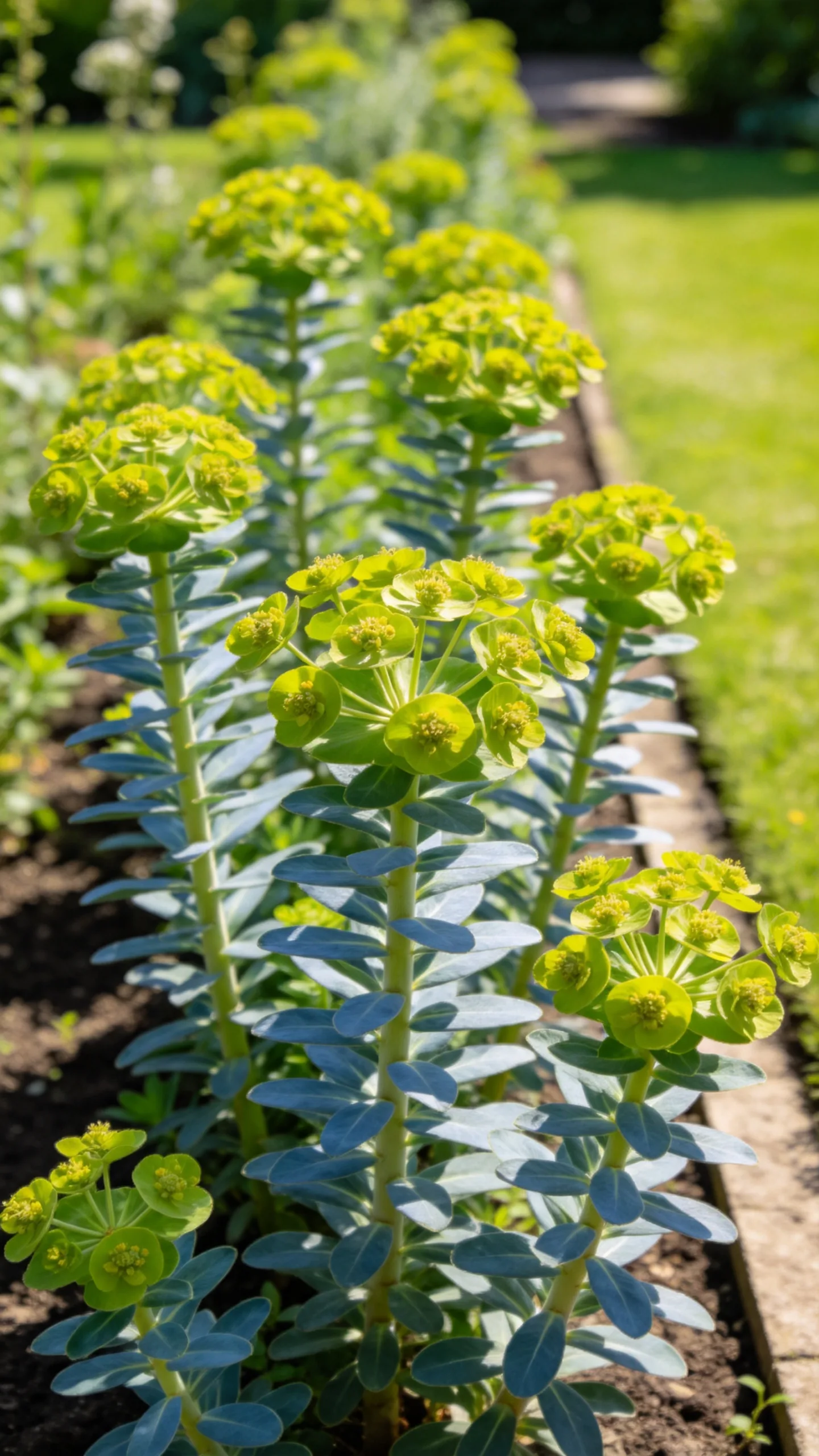
Many perennial euphorbias feature blue-green foliage and vivid chartreuse flower bracts. Their milky sap is irritating and toxic, which helps deter browsing, but gloves and eye protection are important when pruning because the sap can affect skin and eyes.
Select a variety suited to your climate and light conditions, as some prefer full sun while others tolerate partial shade. Most low-maintenance garden types need well-drained soil and limited fertilizer. Remove unwanted seedlings and wash tools after cutting the stems.
17. Hardy Geranium
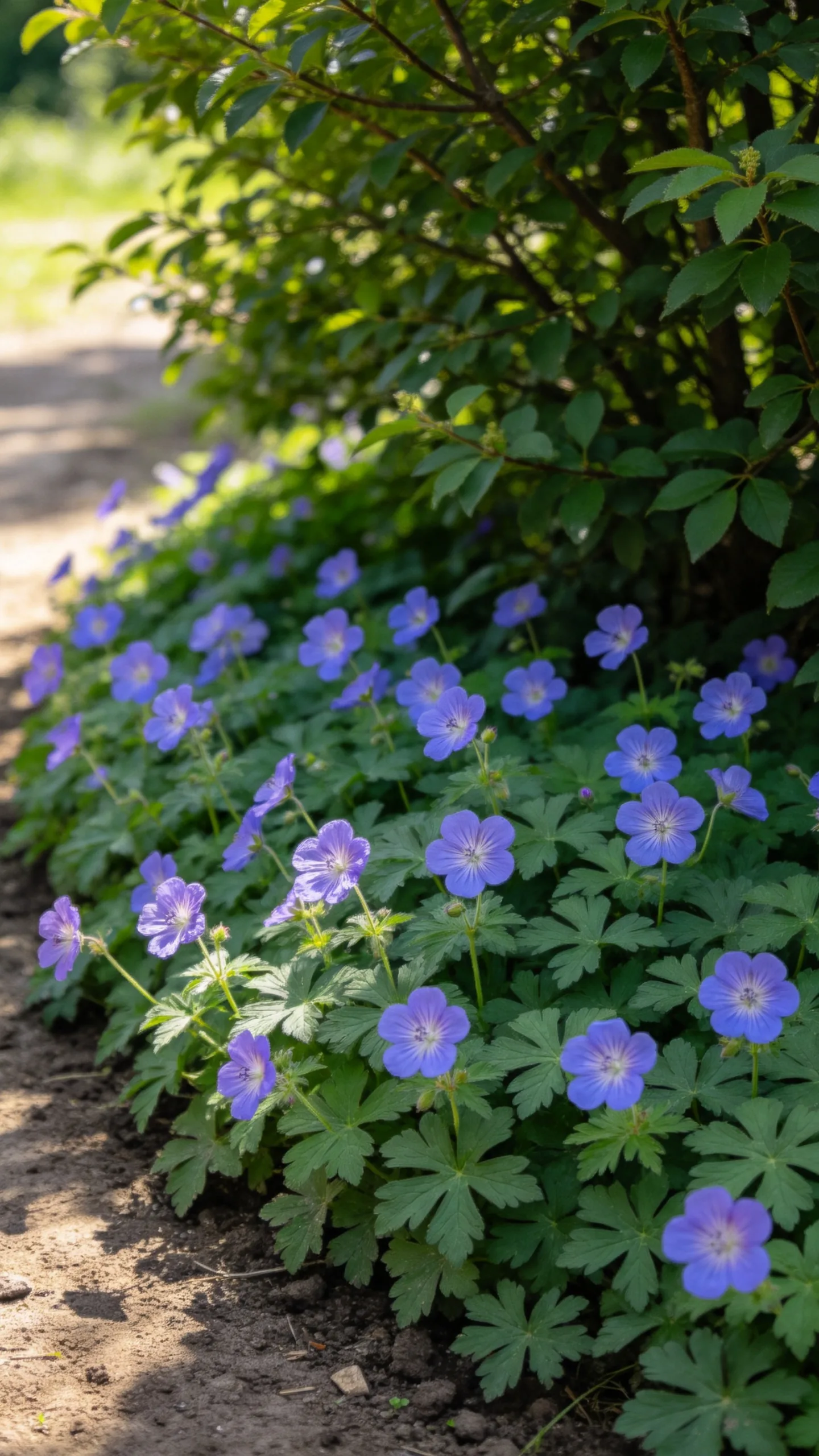
Hardy geranium, or cranesbill, spreads into a manageable mound that can cover bare soil beneath shrubs or along a border. Its aromatic foliage is usually less tempting to deer and rabbits than tender bedding geraniums and many other ground covers.
Plant it in sun or partial shade, matching the variety to the site’s moisture level. Shear tired foliage after the first major bloom to encourage fresh leaves and occasional repeat flowers. Divide oversized clumps in spring or autumn and use the sections to fill other gaps.
18. Thyme
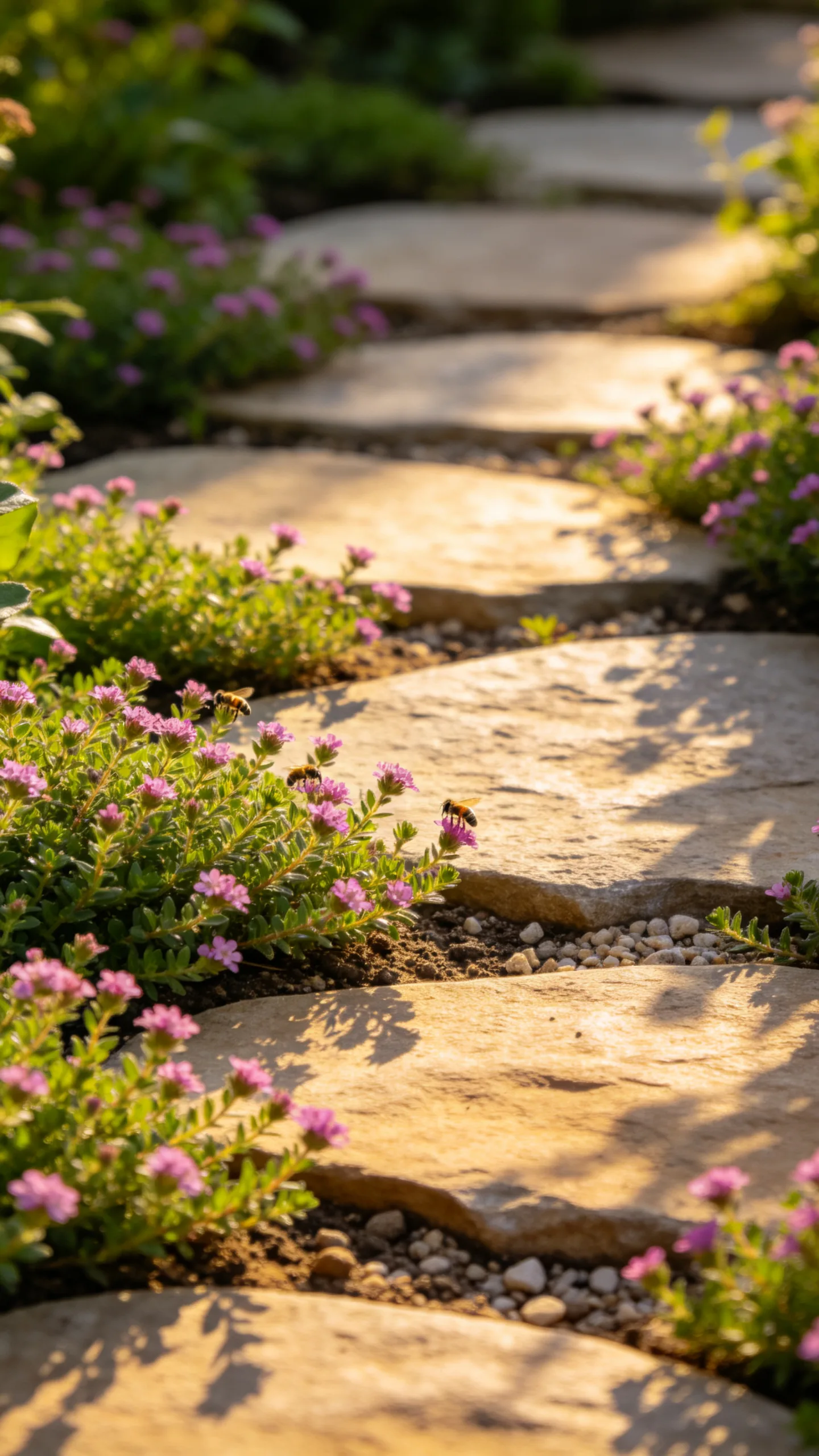
Thyme forms a fragrant, low-growing mat suited to sunny border edges, rock gardens, containers, and spaces between stepping stones. Its tiny aromatic leaves discourage many browsing animals, while the flowers provide nectar for pollinators.
Use gritty, well-drained soil and avoid locations that stay wet in winter. Creeping thyme saves space by covering narrow gaps, while upright culinary thyme fits herb beds and pots. Trim lightly after flowering to prevent woody, open growth.
19. Oregano
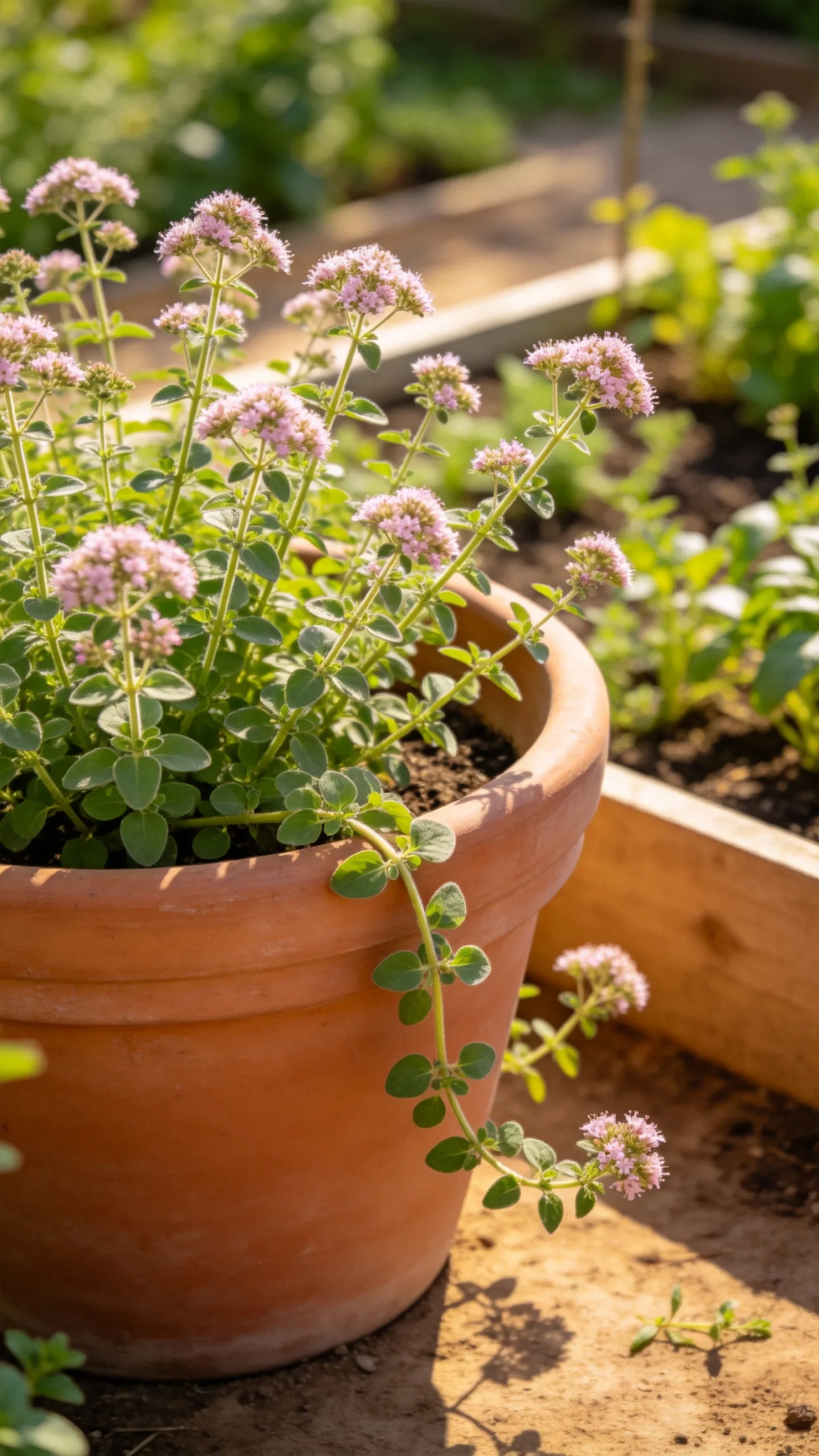
Oregano offers strongly scented foliage, summer flower clusters, and a spreading habit that can cover dry ground. Deer and rabbits generally find its pungent oils less appealing than mild, tender garden plants.
Grow oregano in full sun with well-drained soil, either in a raised bed or a container if you want to restrict its spread. Harvest stems before or during early flowering for kitchen use. Cut the plant back after bloom to maintain a compact shape and reduce self-seeding.
20. Blue Fescue
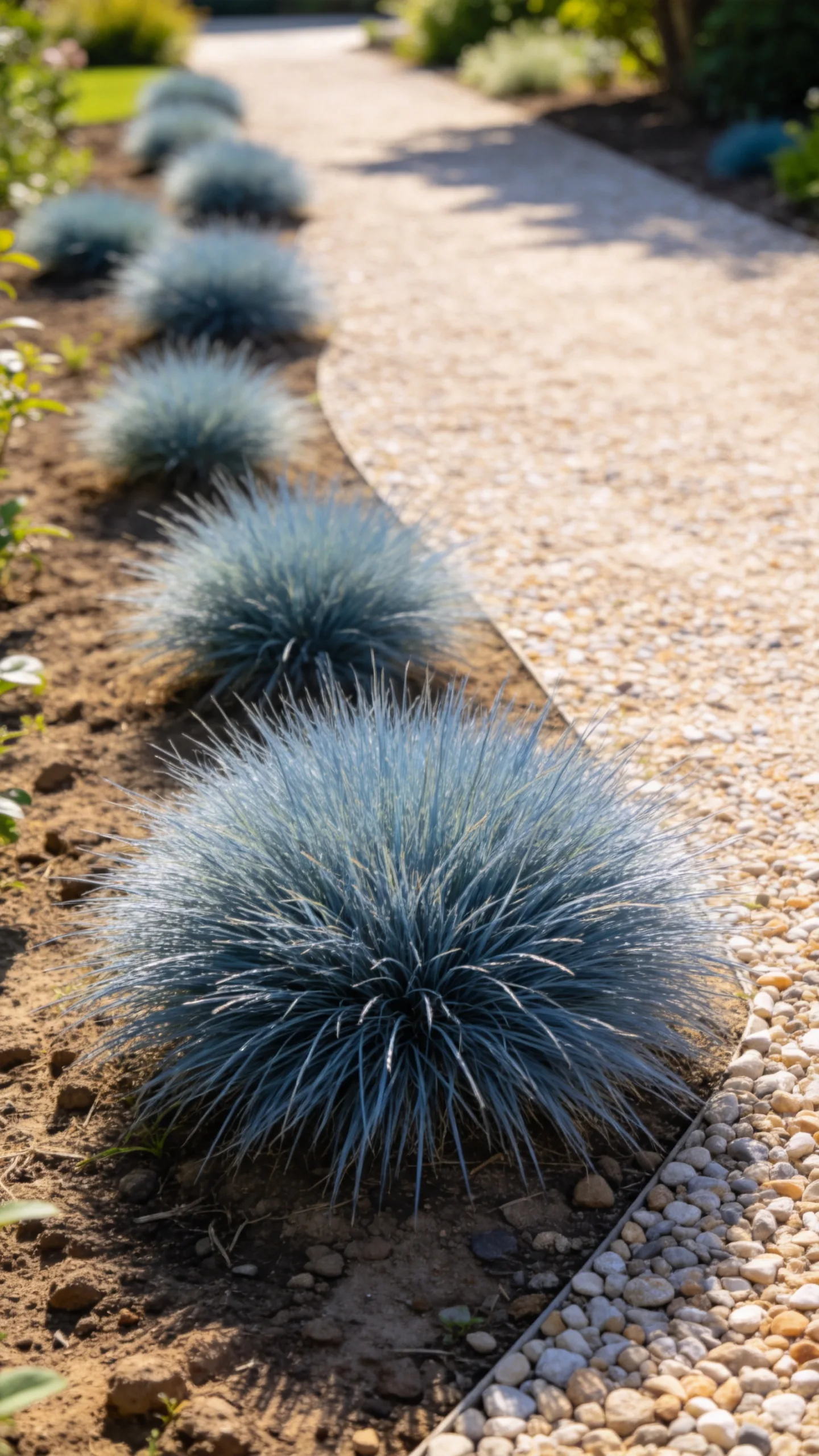
Blue fescue is a compact ornamental grass that forms rounded tufts of narrow, steel-blue leaves. Its fine but tough texture tends to discourage browsing, and the small footprint makes it useful beside paths, in gravel gardens, or at the front of a dry border.
Plant blue fescue in full sun and lean, well-drained soil. Too much shade, moisture, or fertilizer can cause the clump to lose its dense shape. Comb out dead blades in early spring and divide older clumps when the centers become thin.
21. Common Juniper
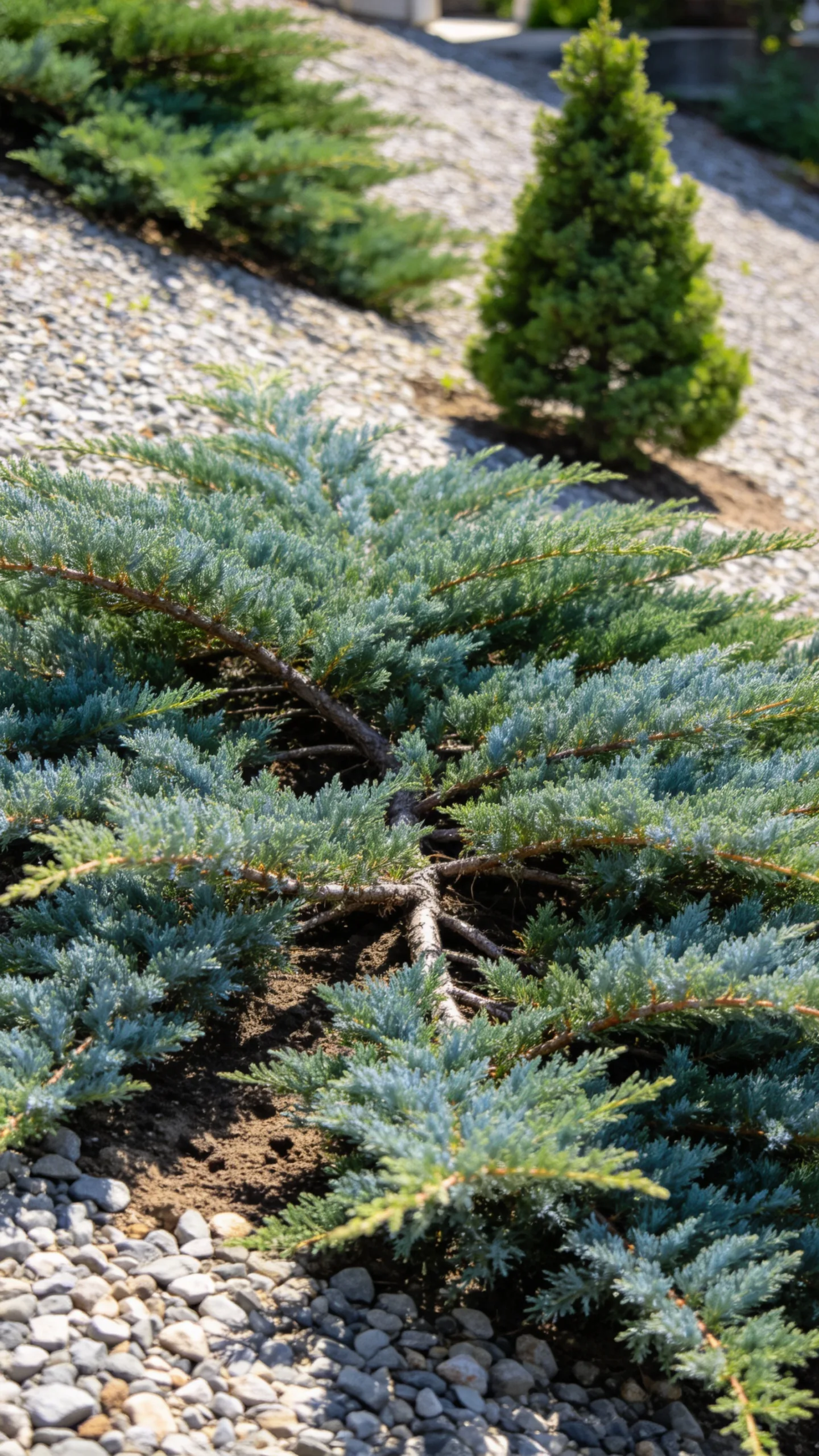
Common juniper and its compact cultivars provide year-round structure with prickly, aromatic foliage that deer and rabbits commonly avoid. Low-growing forms can cover slopes and suppress weeds, while upright selections provide screening without the maintenance of a formal hedge.
Choose a cultivar whose mature size suits the space, and plant it in full sun with excellent drainage. Water deeply during the establishment period, then irrigate mainly during prolonged dry weather. Avoid repeated shearing; selective pruning preserves the plant’s natural shape and reduces ongoing work.