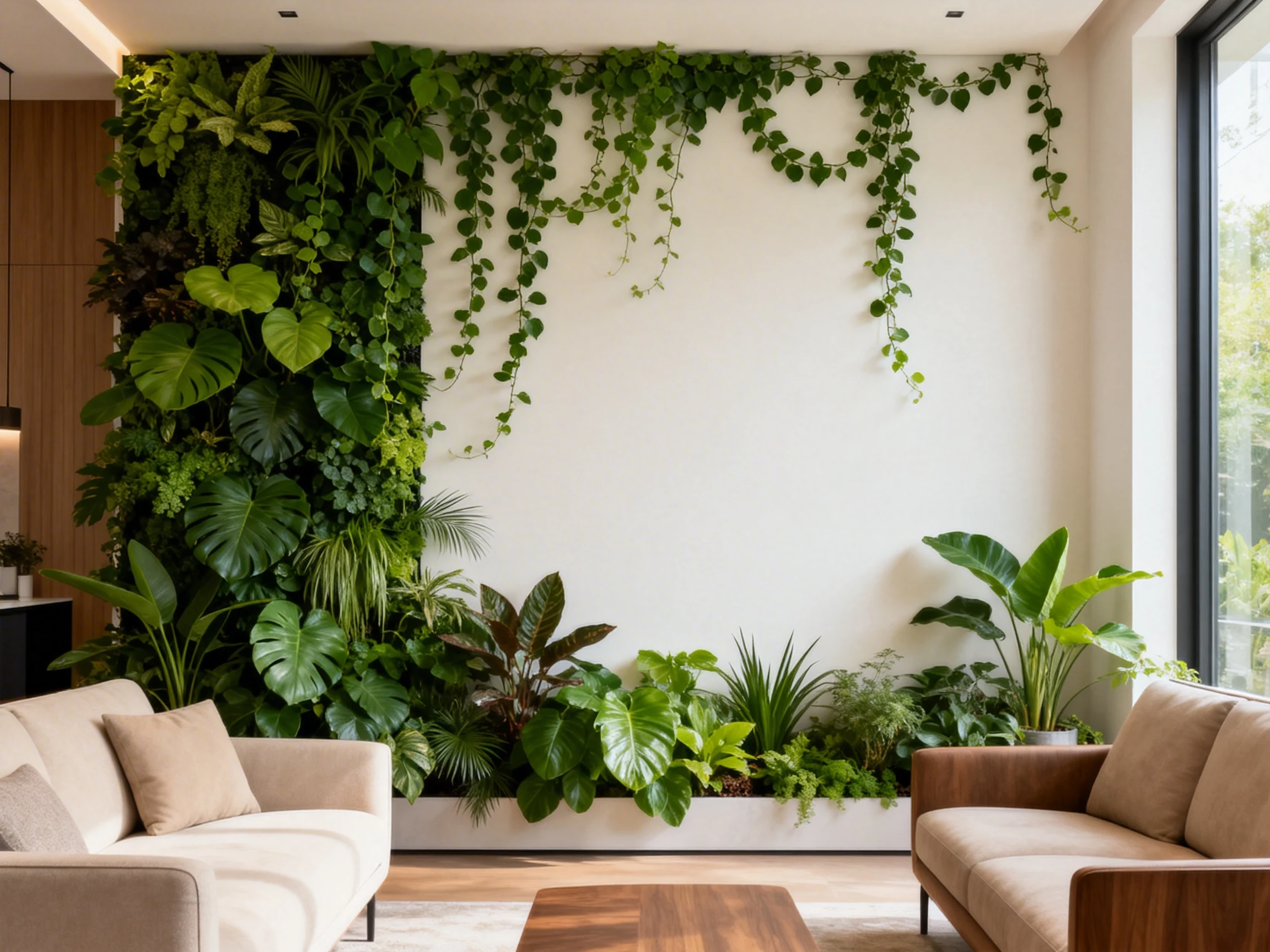
Blank walls feel a little rude, don’t they? A good vertical garden fixes that fast. It turns a flat, forgettable surface into something alive, textured, and honestly way more interesting than another framed print pretending to have personality.
Vertical garden design interiors sit at that sweet spot between decor and obsession. You get color, movement, and a bit of nature without giving up half your floor space. If you want your home to feel fresher, calmer, and just a touch smug in the best way, this is a very solid place to start.
Why vertical gardens work so well indoors
Indoor vertical gardens do more than look pretty. They pull your eye upward, which makes a room feel taller and more layered. That matters a lot in apartments, small homes, and any space where every square foot already has a job.
They also add softness where interiors often feel too hard. Think about it: walls, glass, metal, tile, screens, shelves. A living wall cuts through all that with texture, color, and natural movement, and that shift changes the vibe of a room almost instantly.
There’s also the mood factor. Plants make spaces feel calmer and more grounded, even if you still have twelve tabs open and coffee going cold on the desk. IMO, a vertical garden in a living room or home office does more for atmosphere than most trendy decor buys ever manage.
They save space without looking like a compromise
That’s the beauty of going vertical. You keep your floor clear while still bringing in plenty of greenery. No awkward cluster of pots in the corner, no side table lost to a giant fern with boundary issues.
They create a built-in focal point
A vertical garden gives the room something to say. Instead of asking art, lighting, and furniture to do all the heavy lifting, the wall itself becomes the star. One well-designed plant wall can anchor an entire interior scheme.
Choosing the right wall and the right system

Not every wall wants to become a jungle, and that’s okay. The best spot usually gets decent light, stays easy to access, and doesn’t sit directly next to something you really, really don’t want to splash with water. Start with a wall that feels visible but practical.
Living rooms, dining areas, kitchens, entryways, and home offices all work well. Bathrooms can look amazing too, especially if they get some natural light and hold a bit of humidity. A dark hallway with no airflow and zero sunlight? That wall may need a different dream.
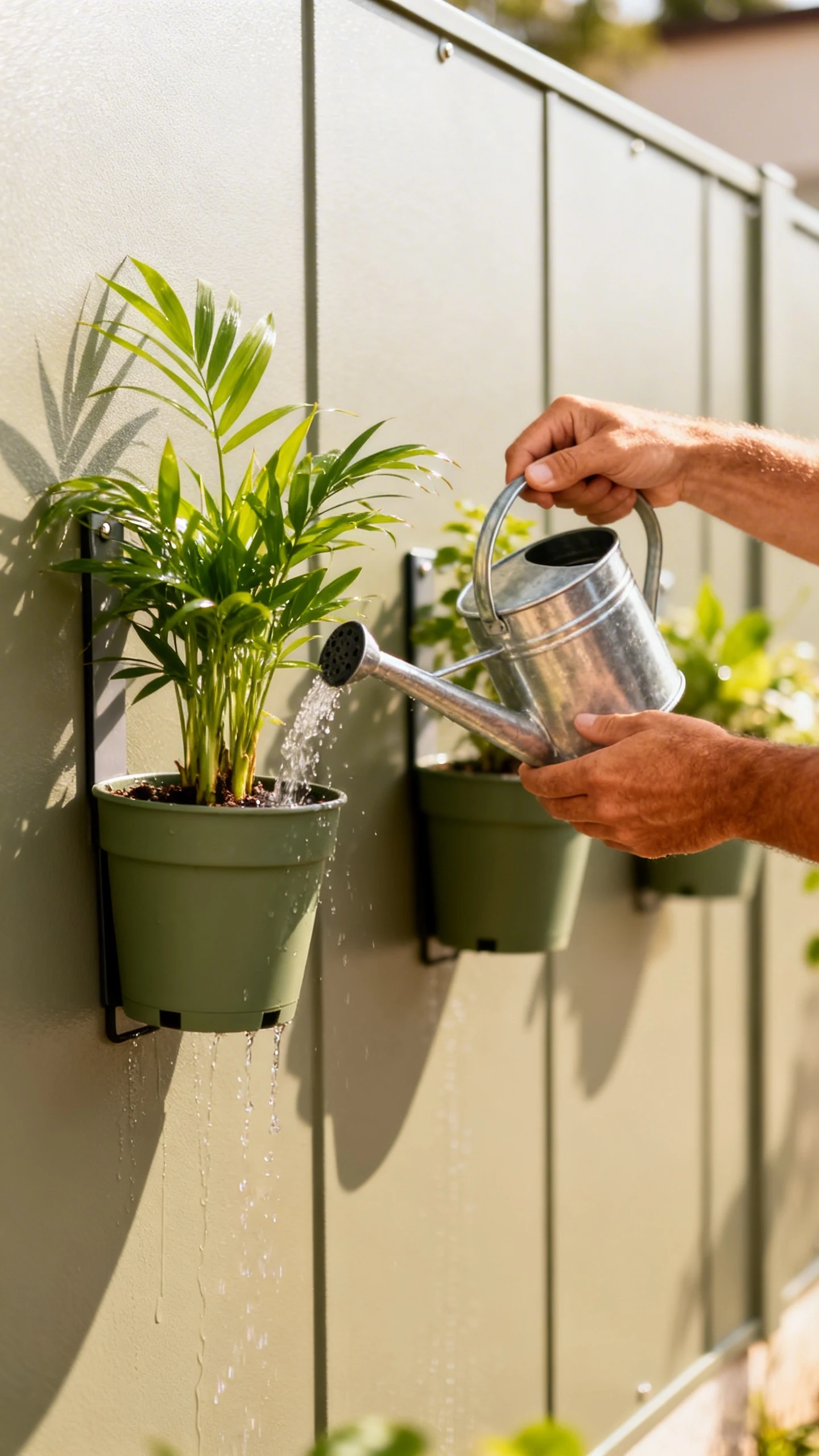
Then comes the system. You can go simple with mounted planters, hanging pocket panels, or stacked shelves. Or you can go full design-nerd with modular frames, hydroponic systems, and built-in irrigation if you want something more architectural.
Low-commitment options
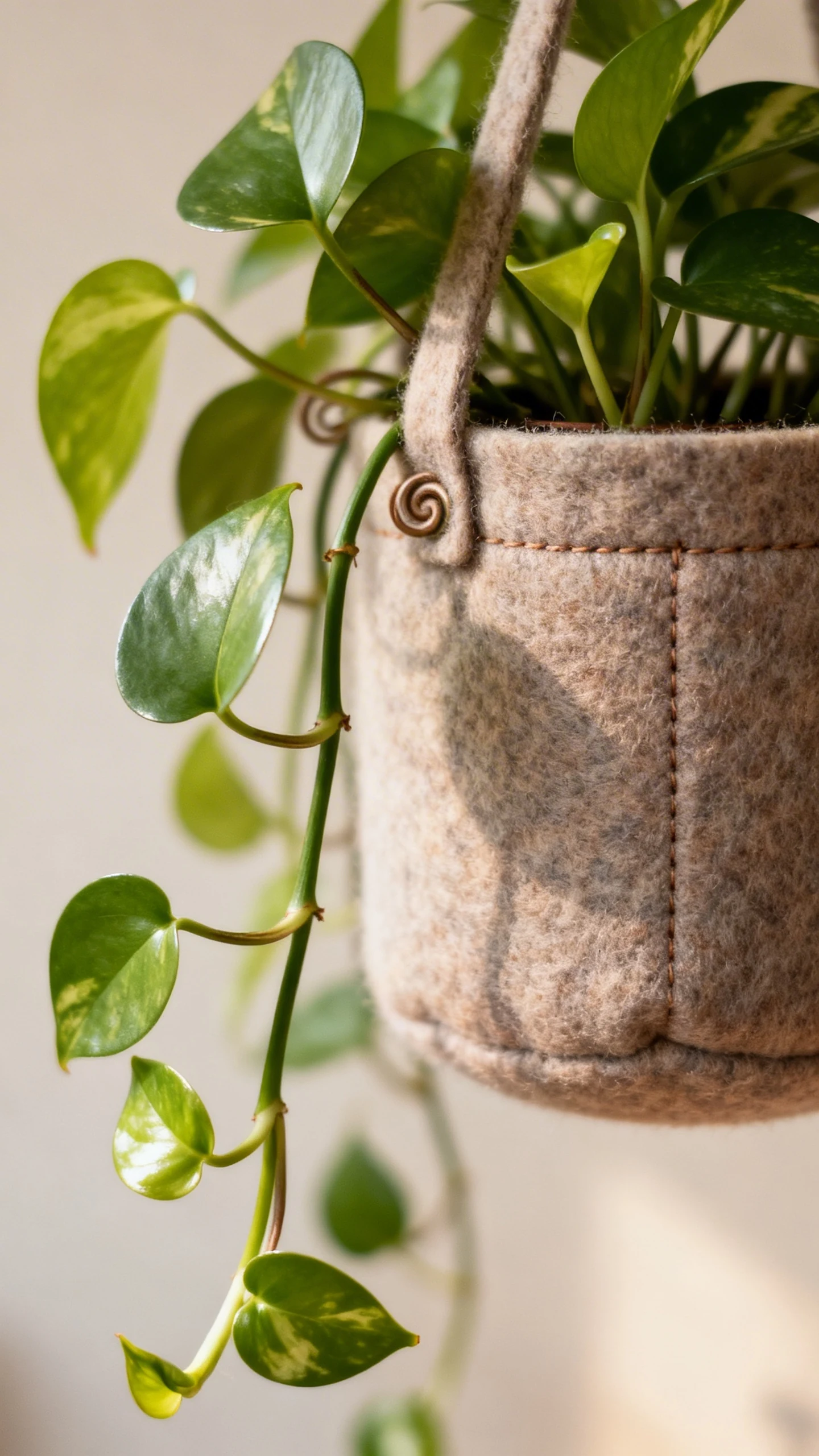
If you’re new to this, start with wall-mounted pots, rail systems, or felt pocket planters. They cost less, they install faster, and they let you figure out what actually grows well in your space. FYI, this approach also gives you room to mess up without turning your home into an expensive science project.
High-impact custom installations
Custom vertical gardens look polished and dramatic. Designers often build them into wood slats, recessed panels, or slim metal frameworks so they feel intentional rather than improvised. If you want a luxury look, this route delivers hard.
Just remember that custom systems need more planning. Water, drainage, wall protection, maintenance access, and lighting all matter. Pretty is great, but pretty plus mold? Absolutely not.
Best plants for vertical garden design interiors
The smartest indoor vertical gardens use plants that actually want the conditions you have. That sounds obvious, but people still buy dramatic, high-maintenance beauties and act shocked when they start looking offended. Choose plants for your light level first, then for style.
For lower light interiors, go for reliable heroes like pothos, philodendron, heartleaf philodendron, ZZ plant, snake plant, peperomia, and some ferns if humidity cooperates. These plants handle indoor life without throwing daily tantrums. Pothos and trailing philodendron work especially well because they soften the structure and fill in gaps quickly.
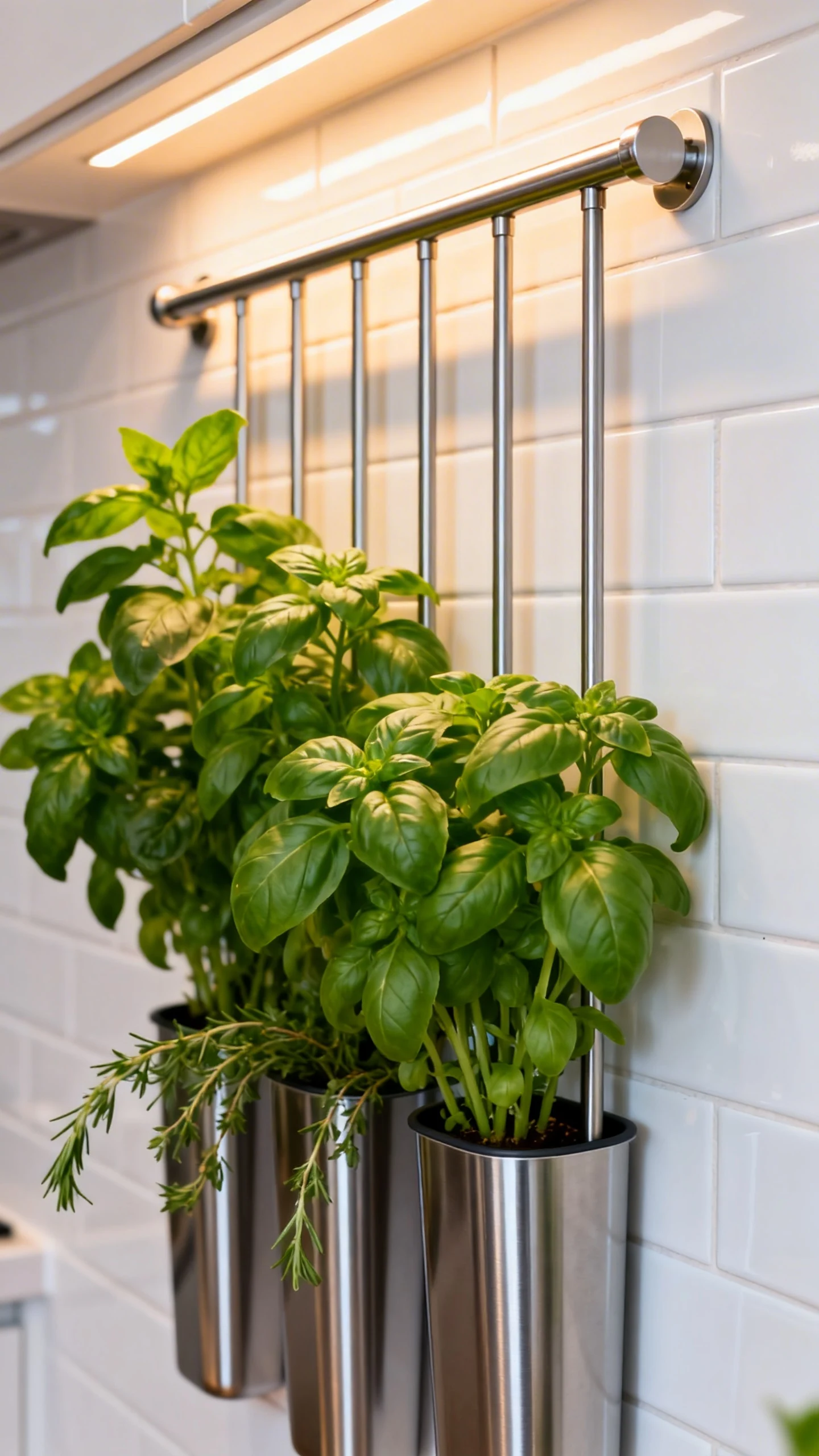
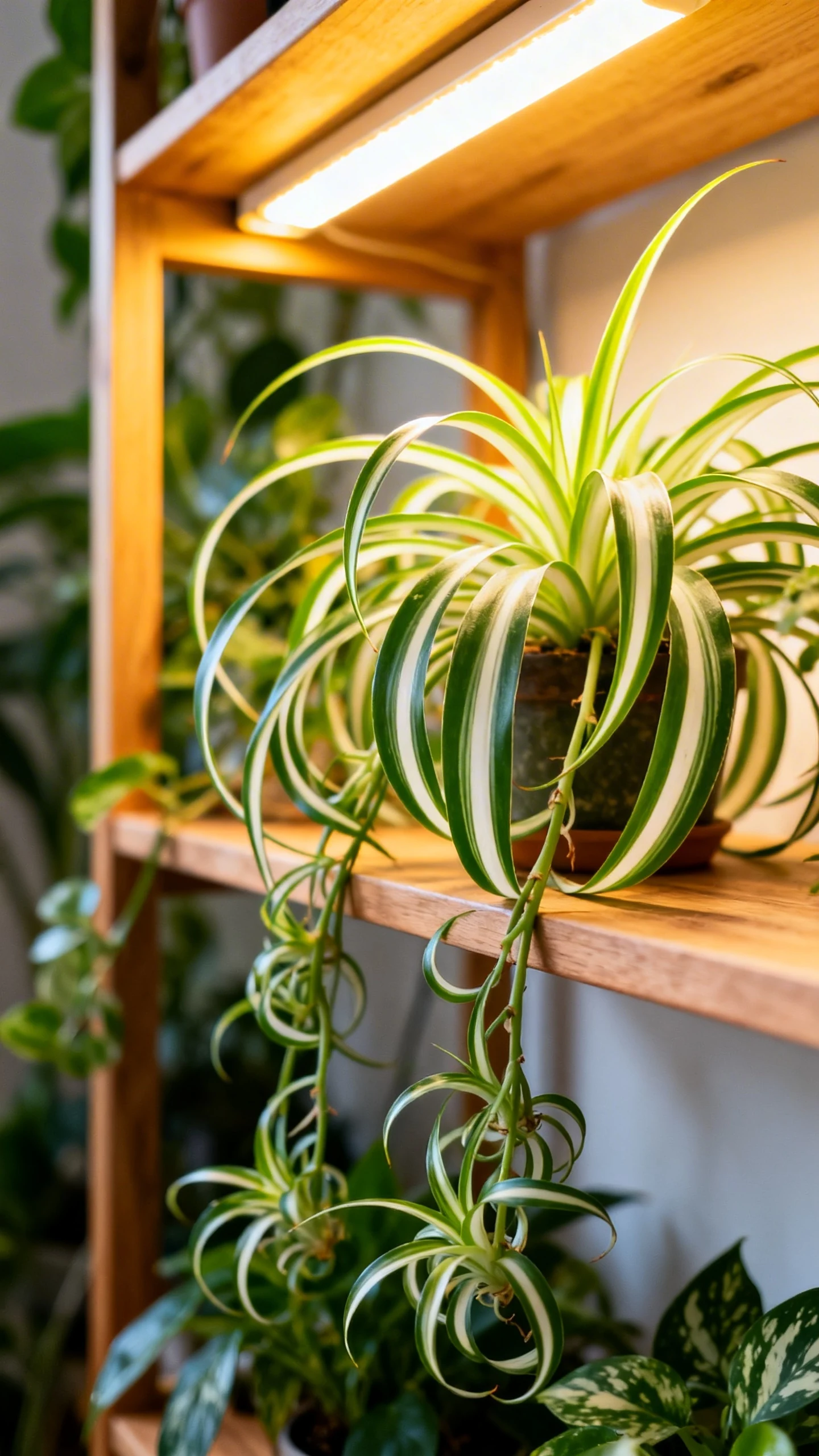
For brighter spaces, try hoya, spider plant, herbs, monstera adansonii, lipstick plant, and certain succulents if the wall gets enough sun. Kitchens love edible vertical gardens, but only if the light supports them. Basil doesn’t survive on vibes alone.
Mix shapes, not just colors
A strong plant wall needs contrast. Pair trailing plants with upright forms, small leaves with broad ones, and matte greens with glossy textures. That mix keeps the display from looking flat or accidental.
Keep the plant palette tight
You do not need every plant in the garden center. In fact, fewer species usually look better indoors because the arrangement feels cleaner and more intentional. Three to five plant types often create a stronger result than fifteen random ones fighting for attention.
Designing a vertical garden so it actually suits your interior
A vertical garden should feel like part of the room, not like a separate hobby bolted to the wall. Match the system and plant style to the rest of your interior. Sleek apartment? Use clean lines, simple planters, and a restrained palette. Cozy, earthy home? Bring in wood, asymmetry, and richer plant variety.
Scale matters too. A tiny plant panel on a huge wall can look timid. A giant green installation in a cramped room can feel like the plants have opinions about your choices. Proportion changes everything, so step back and think about the whole room before you start drilling holes.
Color also plays a bigger role than people expect. Deep green leaves look stunning against white, charcoal, beige, terracotta, and muted olive walls. If you want drama, darker backgrounds make foliage pop in a very satisfying, slightly moody way.
Use lighting like a designer, not an interrogator
Plants need light, but the room still needs to look good. Add grow lights in a way that feels integrated, such as under shelves, in ceiling tracks, or behind trim. You want a soft glow, not the visual energy of a dental exam.
Frame the garden with surrounding decor
Nearby furniture, rugs, and accessories should support the garden, not compete with it. Natural materials like wood, stone, linen, and woven textures play especially well here. A vertical garden already brings enough personality, so the rest of the room can relax a little.
Maintenance: the part nobody should pretend away
Yes, vertical gardens look effortless. No, they are not effortless. They need watering, trimming, feeding, pest checks, and the occasional reshuffle when one plant decides it hates your entire household.
The trick is designing for maintenance from the start. Put thirstier plants where you can reach them easily. Leave enough space to remove pots without needing circus-level flexibility. Easy access keeps a plant wall alive far longer than good intentions do.
Watering deserves special attention because gravity exists and loves chaos. Use trays, liners, built-in reservoirs, or drip systems that won’t soak your wall. If you skip this part, future-you gets to deal with stains, leaks, and a very annoying repair bill.
- Check light before you choose plants.
- Protect the wall with a backing panel or waterproof barrier.
- Group plants by similar needs so care stays simple.
- Prune often to keep the display balanced.
- Inspect for pests before a small issue becomes a full insect convention.
Where vertical gardens shine most inside the home
Some rooms benefit more than others. Living rooms love a statement wall behind a sofa or beside a media unit. Entryways benefit from that first-hit freshness that says, “Yes, someone interesting lives here.”
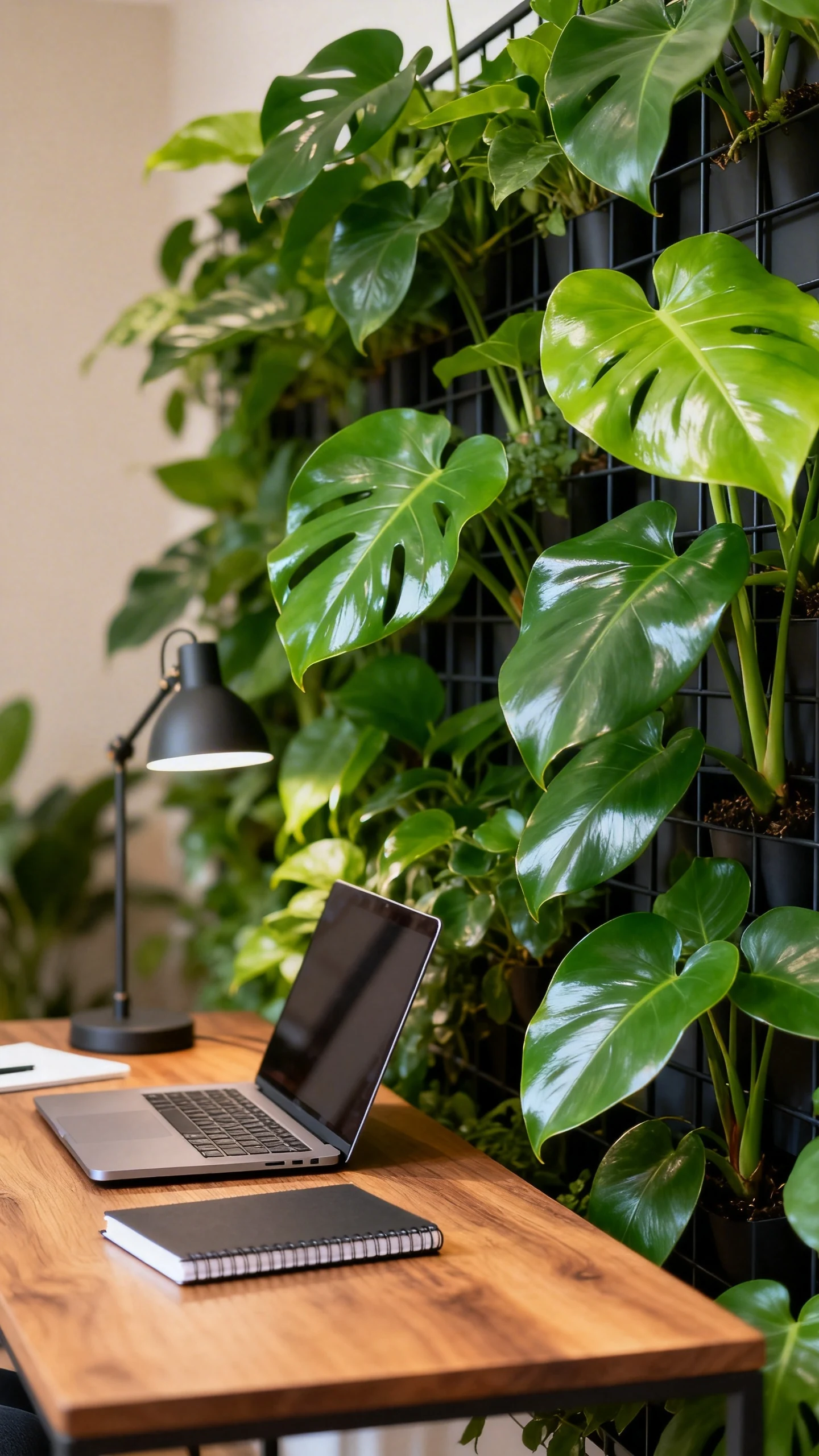
Home offices might be the most underrated spot of all. A vertical garden behind a desk or on a side wall softens the work zone and makes video calls look suspiciously well-styled. Little bonus there.
Kitchens work beautifully for smaller herb walls or compact foliage displays. You get function and style in one move, which feels very efficient and mildly superior. Bathrooms also make sense if they have enough light because many humidity-loving plants settle in nicely there.
Good spots for different moods
- Living room: bold focal point, lush and decorative.
- Kitchen: practical, fresh, and compact.
- Bathroom: spa-like and calming.
- Bedroom: soft, quiet greenery with a restrained look.
- Office: energizing, polished, and screen-fatigue friendly.
FAQ
Do indoor vertical gardens need natural light?
Usually, yes, at least a little. Most plants need some natural light unless you add proper grow lighting. If your space stays dim all day, plan for supplemental lighting from the beginning instead of hoping your plants will develop superpowers.
Are vertical gardens hard to maintain?
They can be easy or annoying depending on the setup. A simple wall planter with a few reliable plants stays manageable. A giant custom living wall with complicated irrigation asks for more time, more money, and more patience than most people admit on social media.
What are the best low-maintenance plants for an interior vertical garden?
Pothos, philodendron, snake plant, ZZ plant, peperomia, and spider plant all rank high. They adapt well, they look good, and they don’t punish every minor mistake. IMO, pothos deserves an award for carrying half the indoor plant world on its leafy little back.
Can I build a vertical garden in a small apartment?
Absolutely. Small homes benefit the most because vertical gardens use wall space instead of floor space. Start with a narrow panel, a rail system, or a few mounted planters and keep the design clean.
How do I stop water from damaging the wall?
Use a waterproof backing, choose containers with controlled drainage, and avoid overwatering. Built-in liners, trays, and drip systems help a lot. Wall protection matters just as much as plant choice, so don’t treat it like an optional extra.
Do vertical gardens improve indoor air quality?
Plants can help a bit, and they definitely make a room feel fresher. But don’t expect a plant wall to replace ventilation or an air purifier. Think of it as a lovely bonus, not a magical green filter that solves every indoor air issue.
Conclusion
Vertical garden design interiors bring life, shape, and a little drama to spaces that need more than another lamp. They save room, elevate the whole look, and make your home feel more intentional without requiring a full renovation. Start small, choose plants that match your conditions, and build something you’ll actually enjoy caring for.
Because honestly, a wall full of living greenery beats a blank wall every single time. Even the most boring corner stands a chance with enough leaves.