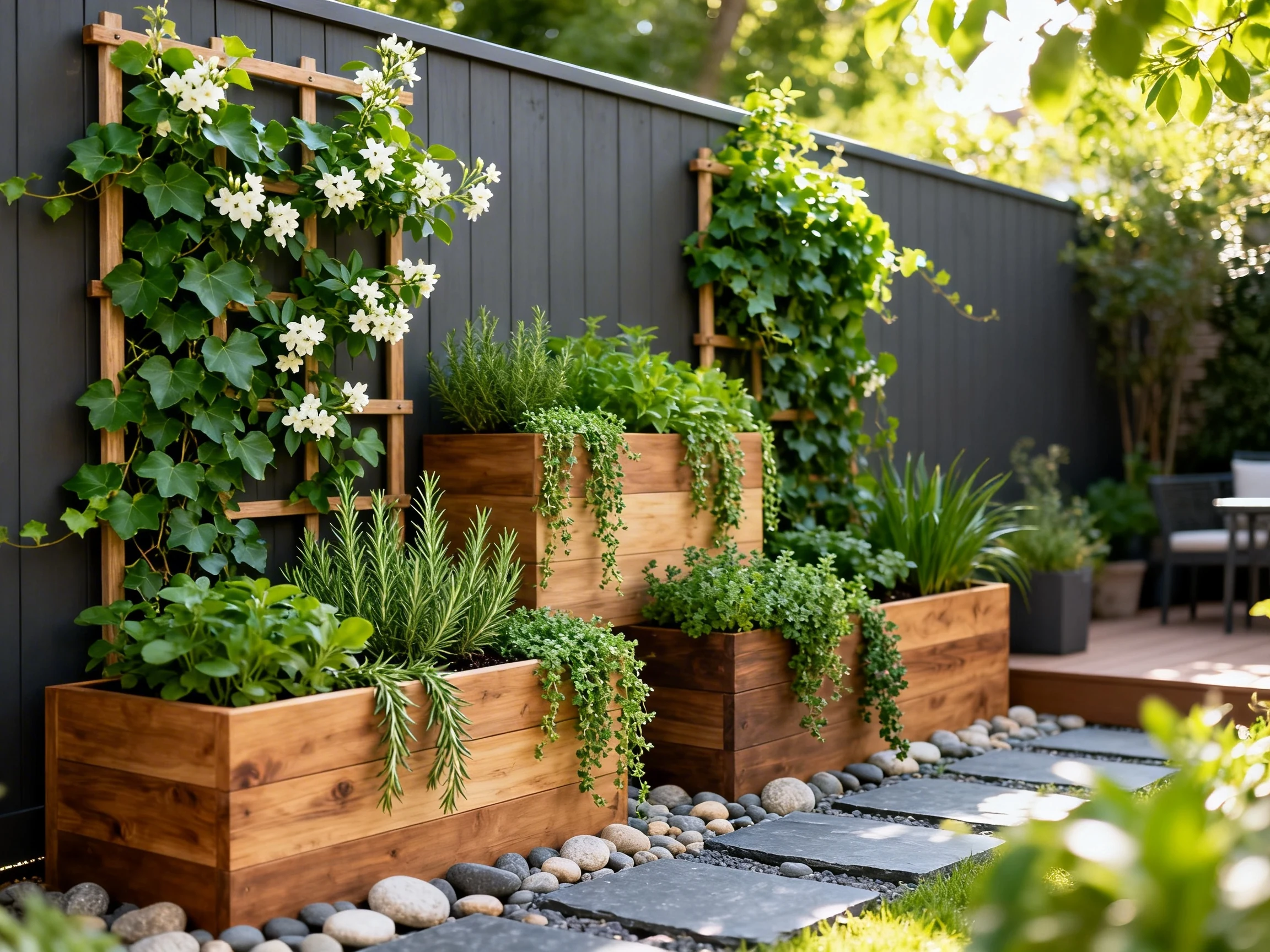
Got a blank fence, a boring wall, or a tiny yard that feels like a missed opportunity? That’s exactly where vertical garden design outdoors starts to shine. You stop thinking outward, start thinking upward, and suddenly even a compact patio can feel lush, layered, and way more interesting. Honestly, sometimes the best garden upgrade isn’t more space. It’s smarter use of the space you already have.
Why vertical gardens work so well outside
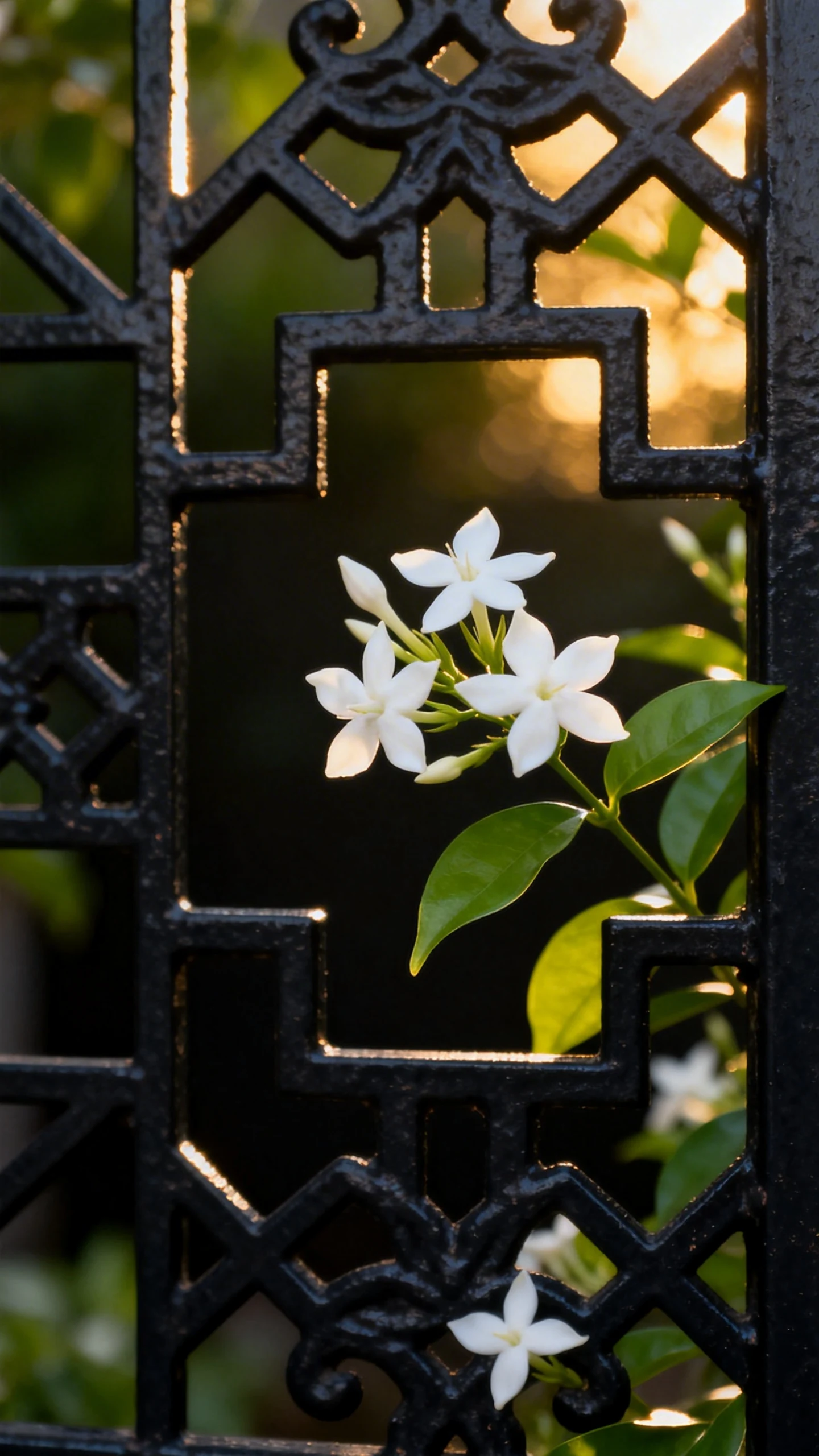
Outdoor vertical gardens do more than look pretty. They turn walls, fences, railings, and awkward corners into living design features. You save ground space, add privacy, soften hard surfaces, and create serious visual impact without needing a huge backyard.
They also help you break up flat outdoor areas. A patio with chairs and pots looks nice, sure, but add climbing plants or mounted planters to one wall and the whole setup feels intentional. That’s the difference between “I put some plants out here” and “I designed this space.” Big difference.
And let’s be real, vertical elements make a garden feel more expensive. Even a simple trellis with fast growing vines can give that lush, styled look people chase online. No magic required, just decent planning and a bit of patience.
Small spaces benefit the most
If you have a balcony, courtyard, side yard, or narrow patio, vertical design matters even more. You can grow herbs, flowers, ferns, or even vegetables without sacrificing every square inch of floor space. That means room for plants and a chair, which feels like a basic human right.
Vertical gardens also make tiny spaces feel bigger. Your eye travels upward, so the whole area gains depth and structure. It’s a sneaky designer trick, and IMO, it works almost every time.
Start with the right wall, fence, or structure
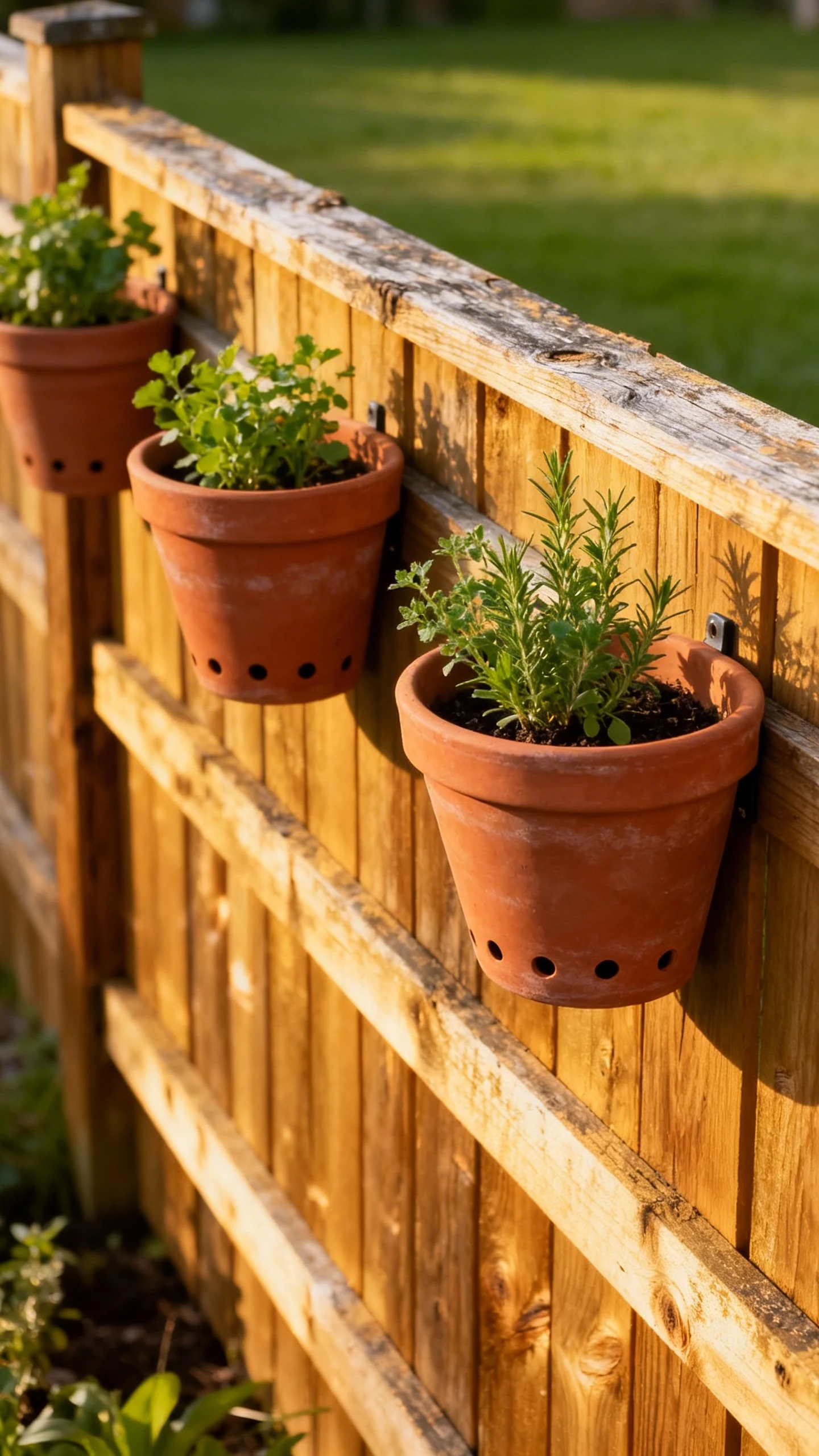
Before you buy a single planter, look at your outdoor space like a detective. Where does the sun hit? Which walls stay shady? Where does water drip, splash, or collect? The best vertical garden design outdoors starts with site conditions, not shopping.
A south or west facing wall usually gets stronger sun, so sun loving plants will do better there. North facing walls often stay cooler and shadier, which suits ferns, ivies, and shade tolerant foliage. If you ignore light levels, your plants will absolutely let you know. Usually by looking dramatic and dying slowly.
You also need to think about structure. A sturdy fence can support mounted containers or a trellis, but a flimsy panel might buckle under wet soil and plant weight. Brick walls, pergolas, railings, freestanding frames, and wire grids all work, as long as you match the support to the load.
Good outdoor vertical garden surfaces
- Fences for easy planter mounting and privacy planting
- Exterior walls for dramatic living wall systems or wire supports
- Pergolas and arbors for climbing vines and hanging elements
- Balcony railings for herbs, trailing flowers, and compact edibles
- Freestanding trellises for renters or flexible layouts
- Garden sheds for turning utility space into something actually nice to look at
If you rent, don’t panic. You can still build a vertical setup with freestanding shelves, ladder planters, stacked crates, or portable trellis panels. No need to wage war against your landlord.
Pick a vertical garden style that matches your space
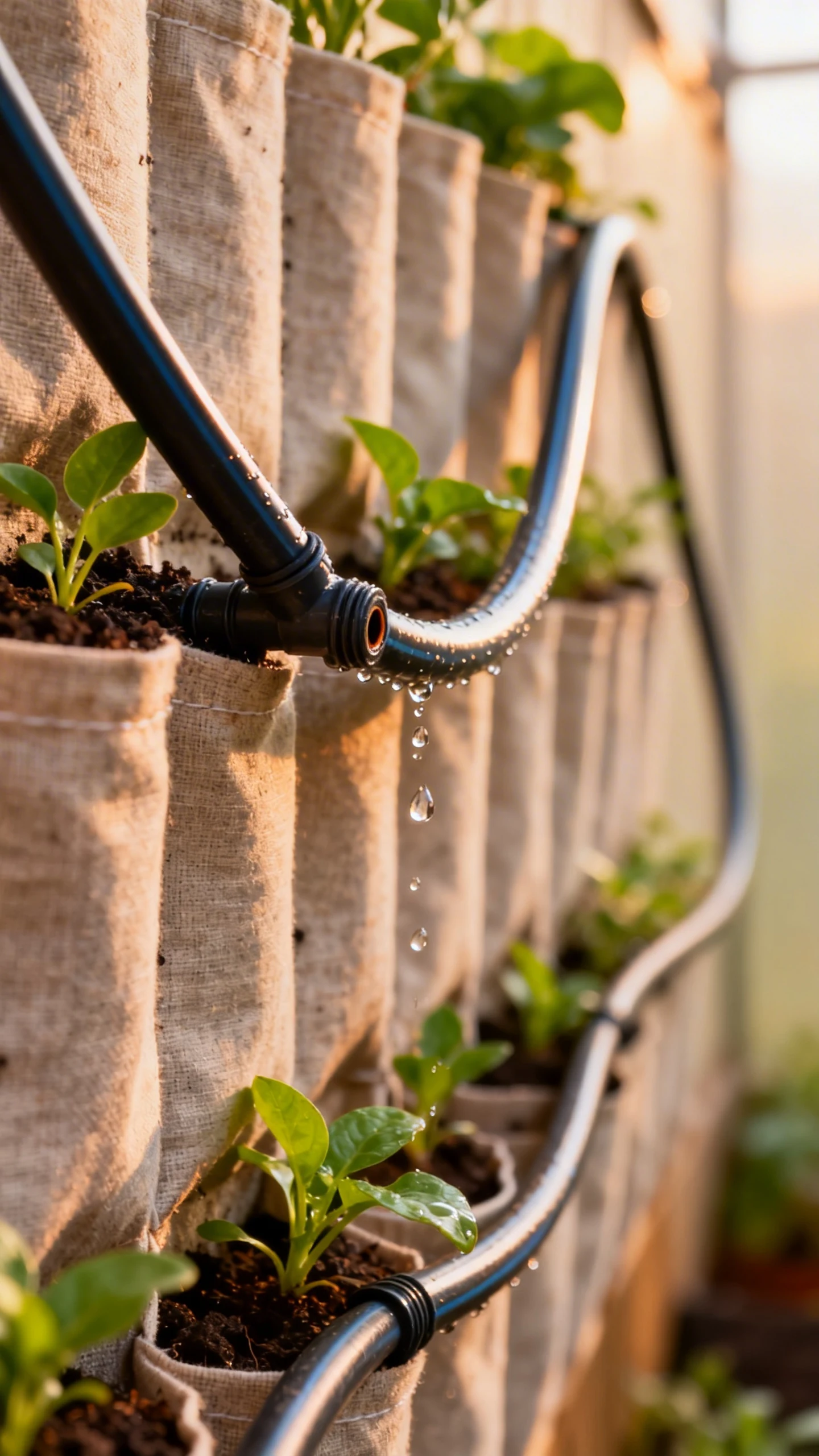
Not every outdoor vertical garden needs a fancy modular wall system. In fact, some of the best designs look relaxed and practical. The trick lies in choosing a format that fits your climate, maintenance level, and design style.
Trellises and climbing plants
This option gives you the most natural look. Install a trellis, wires, or lattice, then let climbers do their thing. Jasmine, clematis, climbing roses, star jasmine, passionflower, and even beans can create height without making the setup feel heavy.
This style works especially well if you want soft coverage rather than a rigid grid of pots. It feels romantic, easygoing, and a little less “I built a plant machine.” Just make sure the plant suits the support and doesn’t plan a hostile takeover.
Mounted planters and pocket systems
These systems create that lush wall-of-green effect people love. You mount containers, fabric pockets, or modular panels directly onto a structure and plant each section individually. They work great for herbs, succulents, annual flowers, strawberries, and compact foliage plants.
They look fantastic, but they dry out faster than traditional garden beds. FYI, that means you need to stay on top of watering. If you travel a lot or forget your plants exist for a week, maybe skip the thirstiest setup.
Shelves, ladders, and tiered frames
If you want flexibility, go with tiers. Shelving units, ladder stands, and stepped plant racks let you stack containers vertically without mounting anything permanently. You can rearrange plants by season, swap in new colors, and move things around when your layout changes.
This option also makes maintenance easier. You can access pots more comfortably, monitor soil moisture, and avoid the headache of pulling dead leaves out of some impossible wall pocket at shoulder height. Ask me how I know.
Choose plants that actually enjoy vertical life
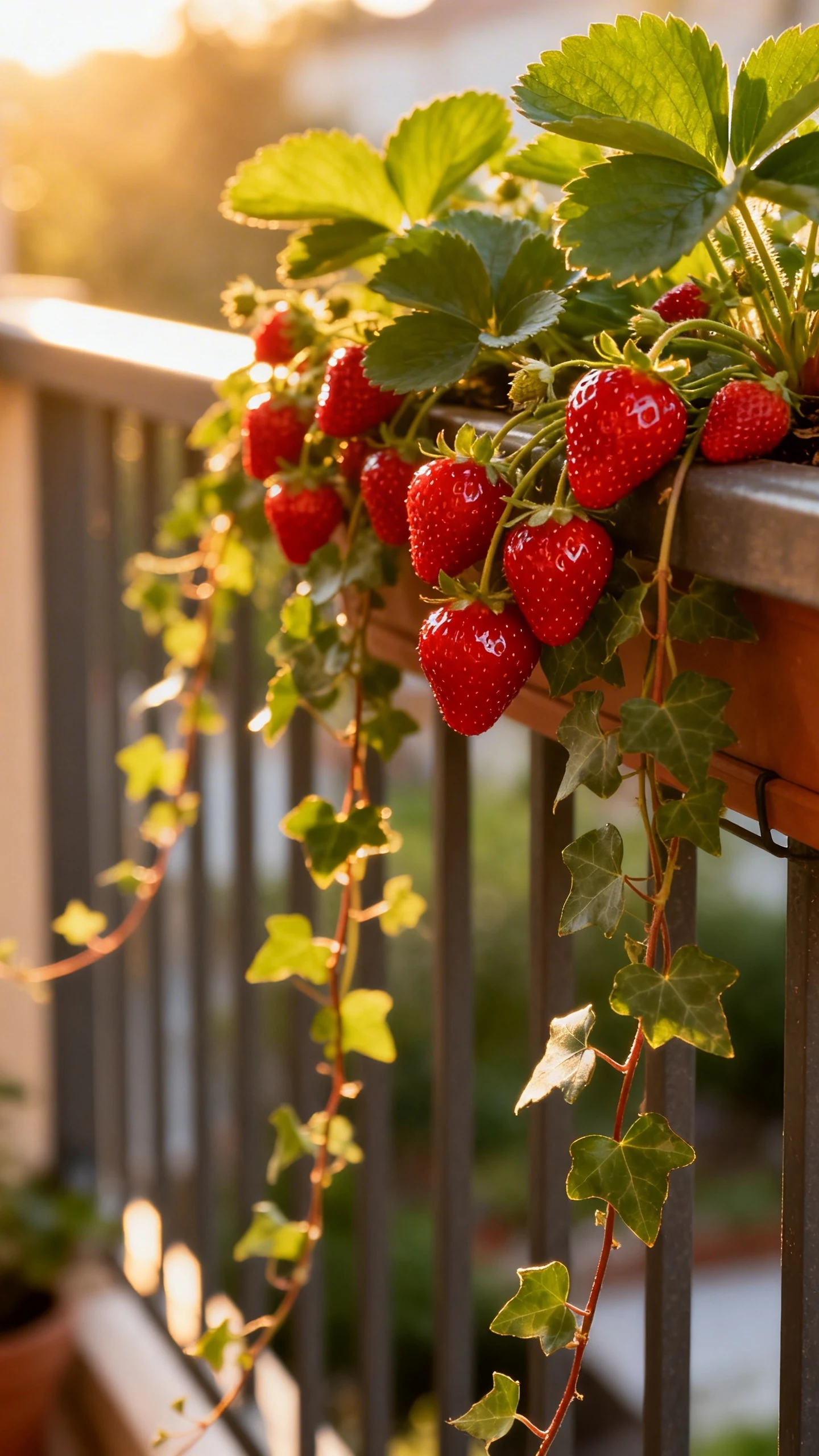
Here’s where a lot of people get overly ambitious. They choose plants based on looks alone, then wonder why half the wall sulks by midsummer. The best plants for outdoor vertical gardens handle restricted root space, changing moisture, and the exact light your setup gets.
For sunny spots, try petunias, calibrachoa, nasturtiums, thyme, rosemary, oregano, sedum, strawberries, and compact peppers. For shade, consider ferns, heuchera, ivy, creeping Jenny, coleus, and certain begonias. If you want coverage, climbers like jasmine, honeysuckle, and clematis usually bring the drama in a good way.
Great plant categories for vertical gardens
- Trailing plants like ivy, pothos in mild climates, bacopa, or creeping Jenny
- Climbers like clematis, jasmine, climbing roses, and sweet peas
- Herbs like basil, thyme, parsley, mint, and oregano
- Compact edibles like lettuce, strawberries, and small chili varieties
- Foliage plants like ferns, coleus, heuchera, and hostas for shadier areas
- Succulents for sunny, low water displays in mild conditions
Mix plant shapes for a better look. Pair upright plants with trailers, use a few bold leaves among finer textures, and repeat colors across the structure so it feels cohesive. Random can work, but intentional random works better.
Also, think seasonally. Annuals give instant color, while evergreen climbers and hardy perennials hold the structure together long term. I like using a backbone of reliable greenery, then swapping in seasonal stars when I want extra flair without redesigning everything.
Design tips that make the whole thing look polished
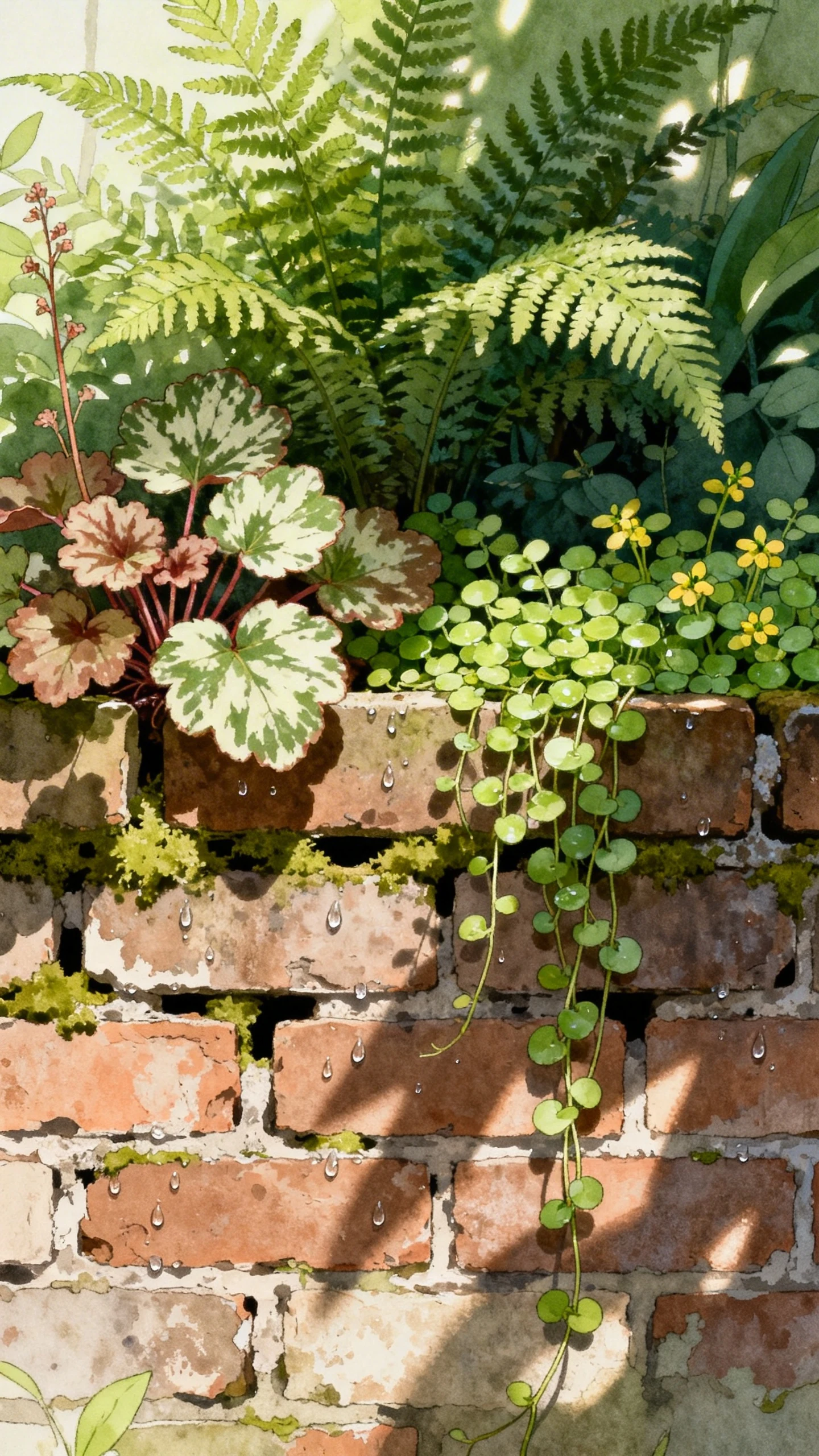
A vertical garden can look stunning or chaotic fast. The difference usually comes down to repetition, spacing, and scale. Good design outdoors means your vertical garden should relate to the rest of the yard, not fight with it.
Start with a simple color plan. You might go all green for a clean, modern look, or mix purple, lime, and silver foliage for contrast. If flowers lead the design, repeat the same two or three tones throughout the display instead of tossing in every shade like a clearance rack exploded.
Use layers, not clutter
Give each plant enough room to show off. Pack everything too tightly and you lose definition, airflow, and easy maintenance. A little breathing room helps the design look confident instead of frantic.
Vary depth too. Let some plants trail, train some upward, and keep a few mounding forms in the middle. That layered effect makes the garden feel fuller and more natural, even when the footprint stays tiny.
Match the style to your house
A sleek metal frame with monochrome planters suits a modern home. Rustic wooden trellises, terracotta pots, and flowering climbers fit cottage or farmhouse styles better. You don’t need perfect design theory here, just avoid making your garden look like it belongs to an entirely different building.
Materials matter more than people think. Wood feels warm, metal looks crisp, and black frames make foliage pop. Choose one or two main materials and repeat them so the setup feels pulled together.
Watering, drainage, and maintenance without the drama
This part decides whether your vertical garden thrives or turns into a crunchy science experiment. Outdoor vertical systems dry faster because air moves around them and containers hold less soil. Consistent watering and excellent drainage matter more here than in regular beds.
Always use containers or systems with drainage holes. Add quality potting mix, not heavy garden soil, because you want airflow and moisture balance around the roots. If water can’t escape, roots rot. If water escapes too fast and you forget to replace it, plants crisp up. Gardening really keeps you humble.
Easy ways to simplify care
- Install drip irrigation for larger living walls or dense planter systems
- Group plants with similar water needs so you don’t overwater half of them
- Mulch the top of larger containers to slow moisture loss
- Feed regularly because frequent watering washes nutrients out faster
- Prune often to keep growth balanced and prevent one plant from bullying the others
Check your setup often during hot weather. A vertical herb garden in July can go from thriving to tragic in one sunny afternoon. That sounds dramatic, but it’s also true.
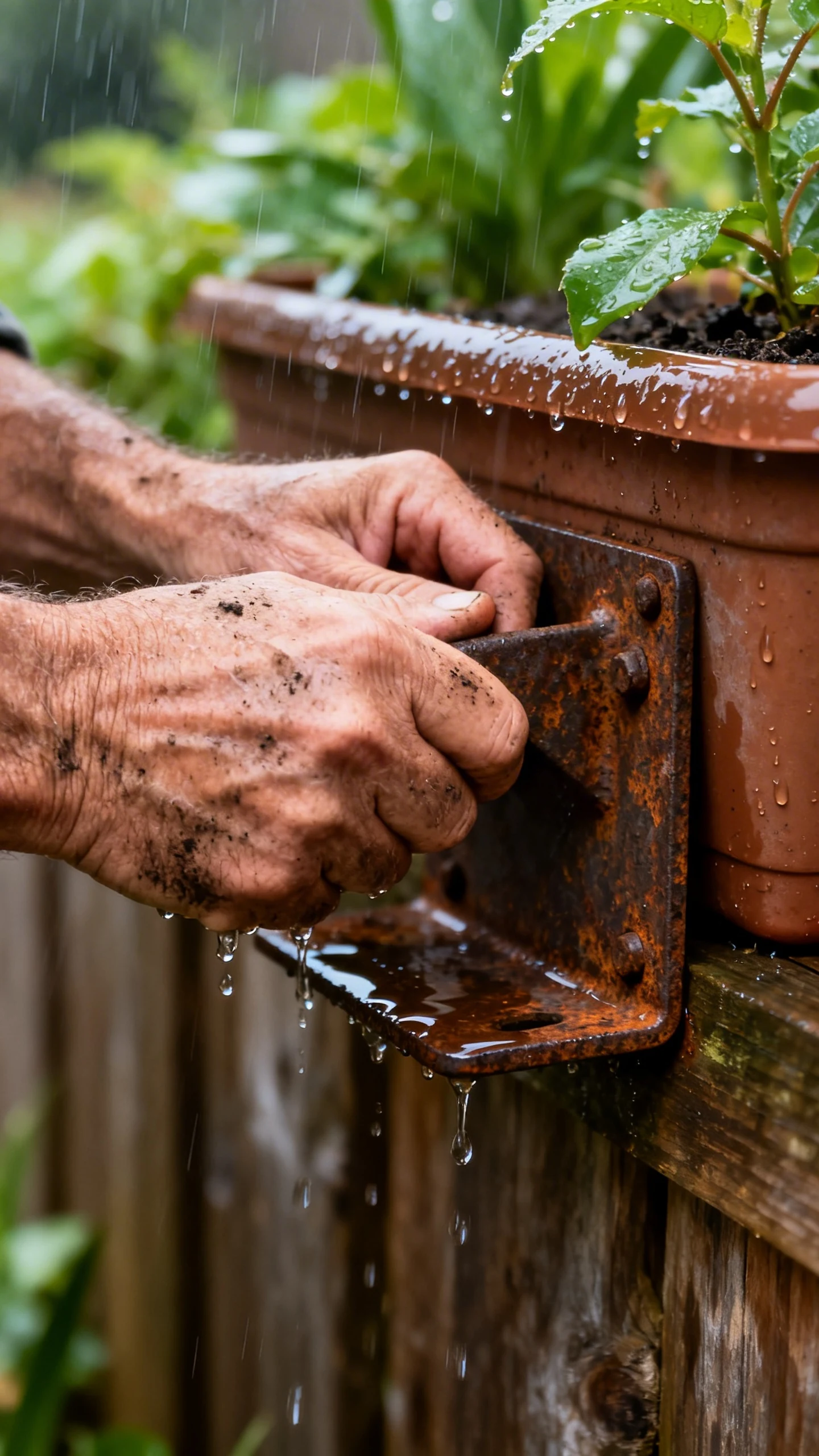
Maintenance also includes structure checks. Tighten screws, inspect brackets, and make sure heavy pots still sit safely in place. Plants gain weight as they grow and after rain, so your support system needs to stay one step ahead.
FAQ
What is the easiest vertical garden design for outdoors?
A freestanding trellis or tiered plant stand usually wins for ease. You avoid complicated installation, you can move it around, and maintenance feels much simpler. If you’re just starting out, begin there before you commit to a full mounted living wall.
Which plants grow best in an outdoor vertical garden?
That depends on sun, shade, and how often you want to water. Herbs, strawberries, petunias, ferns, ivy, sedum, and climbing vines all do well in the right conditions. The real key lies in matching the plant to the spot instead of forcing a sun lover into shade and hoping for character development.
How do I water a vertical garden outside?
You can water by hand, use a watering can with a narrow spout, or install a drip irrigation system. For larger systems, drip irrigation saves time and keeps moisture more even from top to bottom. Always check the lower pockets and pots too, because water distribution can get weird fast.
Do vertical gardens damage outdoor walls or fences?
They can if you install them badly or let moisture sit against the surface. Use proper spacing, secure supports correctly, and avoid trapping water between the garden system and the wall. A little planning prevents a lot of regret.
Can I grow vegetables in a vertical garden outdoors?
Yes, absolutely. Lettuce, spinach, strawberries, herbs, compact tomatoes, small peppers, and beans all work well depending on the support system. Just make sure edible plants get enough sun, root space, and regular feeding.
How much sun does an outdoor vertical garden need?
Most flowering and edible plants want at least six hours of sun. Shade loving foliage plants need much less and often prefer protection from harsh afternoon light. Watch your space for a few days before planting, because guessing light levels rarely ends well.
Conclusion
Vertical garden design outdoors gives you a smart way to add beauty, privacy, and personality without needing a huge yard. Start with the right structure, choose plants that fit your light and maintenance habits, and keep the design simple enough to manage. Once you get it right, that plain wall or fence stops looking like background and starts becoming the best part of your outdoor space. Not bad for a patch of air, right?