vertical garden wall design
Blank walls feel like wasted opportunities. A good vertical garden wall design turns that boring surface into something lush, useful, and honestly a lot more interesting to look at than another framed print. If you want more greenery without sacrificing floor space, this is where things get fun. And yes, you can absolutely make it look amazing without building a jungle that tries to ruin your weekend.
Why vertical garden walls work so well
Vertical garden walls solve a very real problem: not everyone has a backyard the size of a small park. When you grow upward, you squeeze more plants into less space and make a wall do something besides just stand there. That alone feels like a win.
They also change the mood of a space fast. A plain fence, balcony wall, or patio corner can go from dull to “wait, this looks expensive” in one afternoon. Green walls add texture, color, and movement, which makes a room or outdoor area feel alive.
And let’s be honest, they look cool. People love a feature wall inside the house, so why not build one with trailing pothos, herbs, or ferns instead of another beige paint sample? IMO, plants do a better job than most decor trends.
Start with the right wall and the right goal
Before you buy a single planter, stop and ask one basic question: what do you want this wall to do? Do you want a dramatic focal point, a privacy screen, a kitchen herb setup, or a living backdrop for your patio chair that you swear you use every evening? Your goal shapes everything after that.
Light matters more than enthusiasm. A sunny wall can handle herbs, succulents, and many flowering plants. A shaded wall works better for ferns, ivy, philodendrons, and other plants that won’t throw a tantrum over less sunlight.
Also check the wall itself. Brick, concrete, wood, and drywall all handle moisture and mounting differently. If you ignore that part, your vertical garden might become a very expensive science experiment involving mold. Nobody wants that plot twist.
Indoor vs. outdoor design choices
Indoor vertical garden walls usually need cleaner lines, tighter watering control, and a little more discipline. Water dripping onto your hardwood floor does not count as “natural ambiance.” Go for systems with trays, liners, or built in reservoirs.
Outdoor walls give you more freedom. You can go bigger, wilder, and a bit more relaxed with materials. Weather resistant frames, strong anchors, and plants that match your climate will save you from constant maintenance drama.
Size it like a designer, not a chaos goblin
A giant wall packed with random pots sounds exciting until it looks cluttered. Pick a clear shape or layout first. A neat grid feels modern, staggered rows feel casual, and one central panel with trailing plants feels soft and lush.
Leave some breathing room. Negative space makes the greenery stand out, and it keeps the design from looking like you panic bought every planter at the garden center. Restraint helps. Annoying advice, I know, but true.
Popular vertical garden wall systems that actually make sense
You do not need a fancy commercial setup to build a great vertical garden wall. Plenty of systems work well, and each one creates a different look. The best option depends on your budget, style, and patience level.
Pocket planters and fabric panels
These work especially well for herbs, annuals, and lightweight plants. You hang a panel with planting pockets, fill it with soil, and tuck plants in. It creates that lush wall effect quickly, which feels very satisfying.
The catch? Fabric pockets dry out fast. If your wall gets lots of sun, you’ll need to water often or choose drought tolerant plants. FYI, “I’ll remember to water every day” sounds noble and rarely survives contact with real life.
Modular panels and frames
Modular systems use trays, slots, or interlocking units that attach to a frame. They look clean and polished, so they fit modern spaces really well. These systems make maintenance easier because you can replace one section instead of tearing apart the whole wall.
They usually cost more upfront, but they save time later. If you want a structured, professional look, this route makes a lot of sense. It also helps if you enjoy the phrase “low hassle” more than the phrase “DIY challenge.”
Shelves, rails, and mounted pots
This approach feels flexible and beginner friendly. Install shelves or rails, then add containers in a pattern that suits your space. You can swap plants, adjust heights, and play with color without committing to one permanent layout.
Mounted pots also make your wall feel more decorative than technical. That matters if you want the garden to blend into your decor instead of looking like a science fair project with leaves.
Trellises and climbing plants
If you want a softer, more natural wall, try a trellis with climbing plants. Jasmine, clematis, climbing roses, ivy, and some vegetables will do the heavy lifting over time. You get more of a living curtain than a planter wall, and that looks gorgeous.
This option requires patience. The payoff comes later, not instantly. Still, if you like gardens that evolve and get better with age, climbing plants bring serious charm.
How to choose plants that make the design look intentional
The best vertical garden walls do not just collect random plants. They mix shapes, leaf sizes, and growth habits in a way that feels balanced. Think of it like styling an outfit, except your accessories photosynthesize.
Use a simple plant formula: fillers, trailers, and statement plants. Fillers create body, trailers spill downward for movement, and statement plants add drama. That combo makes the wall look layered instead of flat.
Great plant choices for beginners
If you want easy wins, start with pothos, heartleaf philodendron, spider plant, peperomia, and ferns for lower light. For bright spots, try herbs, sedums, string of pearls, calibrachoa, and petunias. These plants usually cooperate, which feels refreshing.
Outdoors, look at strawberries, lettuce, thyme, oregano, creeping Jenny, and compact grasses. They grow well in smaller spaces and create nice texture. Plus, a wall that gives you fresh herbs earns bragging rights.
Use color and texture on purpose
Do you want a calm, modern look? Stick with greens and play with leaf texture instead. Mix glossy leaves, feathery foliage, and trailing vines so the wall feels rich without turning into a color explosion.
If you want something playful, add foliage with burgundy, lime, silver, or variegated tones. A few flowers can brighten the whole setup, but do not overdo it. Too many colors can make the wall look like it lost an argument with a craft store.
Design tips that make the whole wall look polished
A strong vertical garden wall design needs more than healthy plants. It needs structure. The frame, container style, spacing, and surrounding decor all affect the final look.
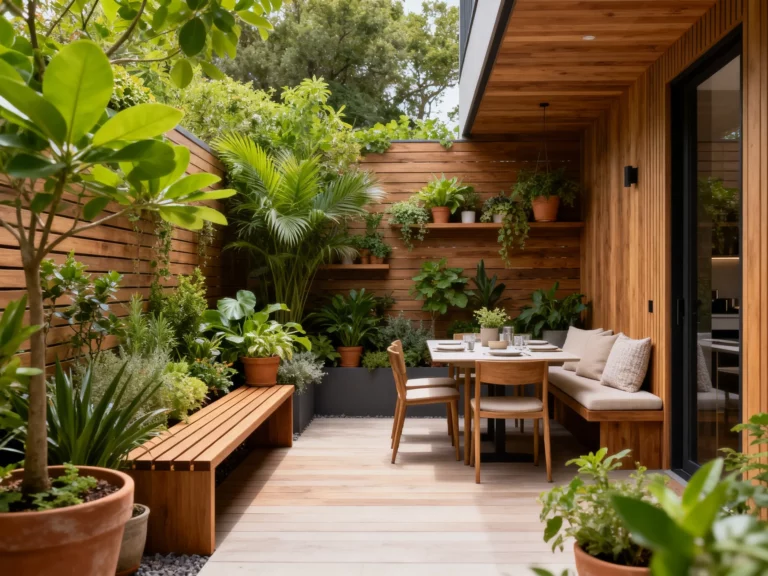
Match the garden to the style of the space. Black metal frames and matte pots suit modern homes. Warm wood, terracotta, and softer plant shapes work beautifully in rustic or boho spaces. The wall should feel connected to the room or patio, not like it landed there by accident.
Think about repetition too. Repeating the same pot style or plant type creates rhythm and makes the wall feel intentional. Repetition sounds boring on paper, but in design, it looks smart.
Don’t ignore the edges
The edges of the wall matter a lot. A garden that just stops awkwardly can look unfinished, even when the plants look great. Frame the area with trim, a border, matching side planters, or a nearby bench to anchor the design.
Lighting helps too. Outdoor string lights or subtle spotlights can make a vertical garden glow at night. Indoors, a nearby lamp or grow light turns the wall into an actual feature instead of a dark leafy mystery.
Mix practical details into the beauty
Hide the ugly stuff when you can. Tuck irrigation lines behind panels, use matching saucers, and keep extra tools nearby but out of sight. Nothing kills the mood faster than a gorgeous green wall with a neon plastic watering can sitting in the middle like a jump scare.
And please make sure you can reach everything. If you need a ladder, a chair, and a pep talk just to trim one plant, the design needs work. Pretty and practical should hang out together.
Watering, drainage, and maintenance without the headache
This is the part people like to skip, right before they wonder why half the wall looks offended. Vertical gardens dry out differently than regular pots, and water moves downward fast. That means the top may dry first while the bottom stays wetter.
Good drainage is non negotiable. Use containers with drainage holes, protect the wall behind the system, and include trays or catchment where needed. Indoors, a waterproof backing panel helps a lot.
If you want lower maintenance, consider drip irrigation or self watering planters. They cost more at first, but they make life easier and keep conditions more consistent. Consistency matters because plants love routine almost as much as cats love knocking things off shelves.
A simple maintenance rhythm
- Check moisture levels every few days, especially in hot weather.
- Trim dead leaves and overgrown vines before the wall looks messy.
- Rotate or replace struggling plants instead of pretending they will bounce back out of spite.
- Feed regularly during the growing season with a balanced fertilizer.
- Watch for pests early, because tiny bugs love a crowded plant wall.
Maintenance gets easier once the wall settles in. You learn which plants act dramatic, which ones thrive with zero fuss, and where the dry spots always show up. After that, it becomes less chore and more routine.
FAQ
What is the best wall for a vertical garden?
A wall with the right light and enough structural support works best. Outdoors, fences, brick walls, and balcony walls often work well. Indoors, choose a spot where you can manage moisture safely and install proper backing if needed.
Do vertical garden walls require a lot of maintenance?
They need regular attention, but they do not have to take over your life. Smart plant choices, a simple watering setup, and an easy to reach design cut maintenance down a lot. Start smaller than you think you need if you want to keep things manageable.
Which plants grow best on a vertical garden wall?
That depends on light, temperature, and whether the wall sits indoors or outdoors. Pothos, philodendron, ferns, herbs, succulents, strawberries, and trailing annuals all work well in the right conditions. Choose compact plants and avoid anything that grows into a giant monster unless you truly enjoy constant pruning.
Can I build a vertical garden wall on a small balcony?
Absolutely. In fact, balconies make great vertical garden spots because they usually lack floor space. Use rail planters, wall mounted pots, or a slim modular panel so you keep the area open and still get plenty of greenery.
How do I stop water from damaging the wall?
Use a waterproof backing layer, containers with controlled drainage, and catch trays where needed. Keep a small gap between the garden system and the wall so air can circulate. Indoors, test your setup carefully before you commit to the full design.
Are vertical garden walls expensive?
They can be, but they do not have to be. A DIY system with shelves or mounted pots can stay fairly affordable, while modular living wall systems cost more. IMO, the sweet spot sits somewhere in the middle: sturdy materials, simple irrigation, and a plant palette you can maintain without regret.
Conclusion
Vertical garden wall design works best when you balance looks with real life. Pick the right wall, choose a system you will actually maintain, and build a plant mix that suits your light and style. Do that, and you get more than a pretty wall. You get a space that feels fresher, smarter, and a little smug in the best possible way.