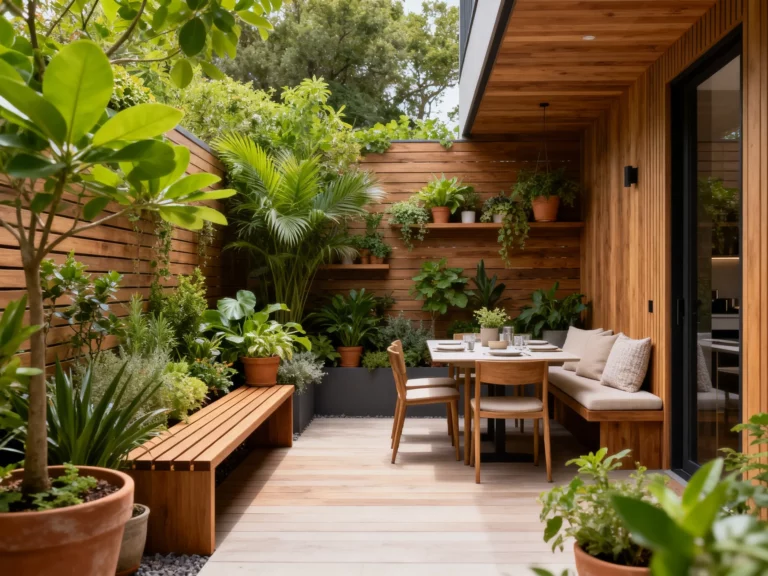
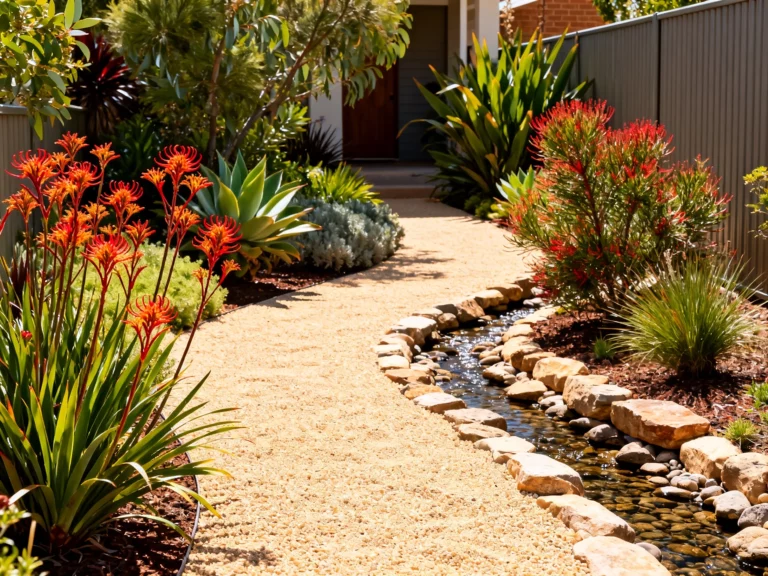
vertical garden design
Running out of floor space but still craving more plants? That’s exactly where vertical garden design swoops in like a leafy superhero. Instead of spreading out, you build up, and suddenly that boring wall, fence, or tiny balcony starts pulling its weight.
Why vertical gardens work so well
Vertical gardens solve a very real problem: most people don’t have endless room for raised beds, giant pots, and sprawling vines that act like they pay rent. When you grow upward, you use space smarter and make a bigger visual impact with less square footage. It’s practical and dramatic, which honestly feels like a rare combo.
A good vertical garden can also change the whole mood of a space. A blank wall feels cold, but a wall covered in herbs, ferns, or trailing flowers feels alive. Height adds interest fast, and even a small setup can look surprisingly lush when you layer textures and colors.
There’s also the convenience factor. If you place your plants at eye level or waist level, you spend less time crouching around like a garden goblin. Watering, pruning, and harvesting all get easier, which means you’re more likely to keep the whole thing looking good.
Start with the right space
Before you buy a single planter, stop and look at the spot you want to use. Really look at it. How much sun does it get, how much wind hits it, and does it sit near a water source, or will you drag a hose across your entire life every two days?
Light matters more than style. You can create the prettiest plant wall in the neighborhood, but if you put sun-loving herbs in deep shade, they’ll sulk immediately. Shade-tolerant plants, on the other hand, can thrive in spots that would roast less adaptable varieties.
Sun, shade, and microclimates
Walls create microclimates, which sounds fancy but just means one side of your space may behave differently from another. A south-facing wall can get hot and dry fast, while a shaded courtyard may stay cool and damp. That difference changes which plants will actually enjoy living there.
Watch the area for a day or two before you commit. Morning sun feels gentle, afternoon sun can get brutal, and reflected heat from brick or concrete can turn a cozy corner into a tiny plant sauna. FYI, plants usually hate surprise saunas.
Weight and support
Vertical gardens need structure, and structure needs strength. A lightweight trellis for peas differs a lot from a mounted pocket system full of wet soil. Water adds serious weight, so make sure your wall, railing, or frame can handle the load.
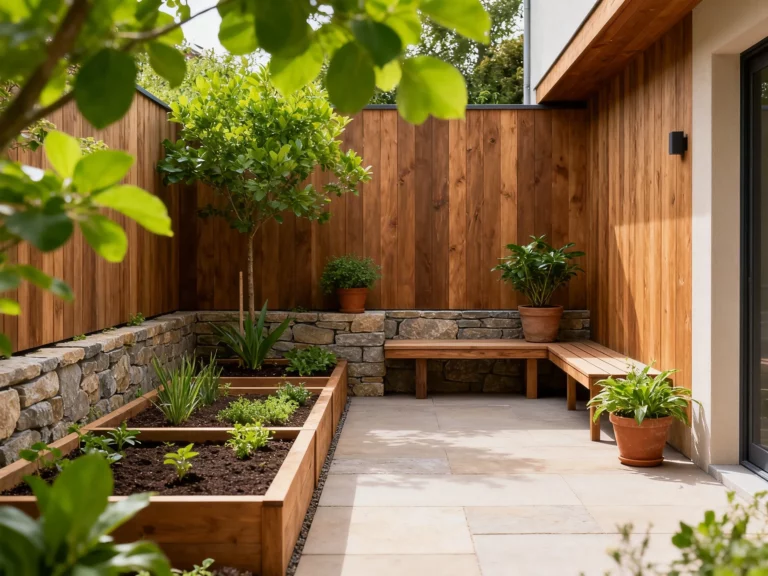
If you rent, this matters even more. Freestanding shelves, ladder planters, and tiered stands often work better than drilling into walls you don’t own. Your landlord probably won’t appreciate your “living art installation” if it also rips out the siding.
Choose a vertical garden style that fits your life
Not every vertical garden needs to look like a fancy hotel lobby. Some designs feel sleek and modern, while others lean rustic, scrappy, and charming in a “yes, I absolutely reused that pallet” kind of way. The best style matches your space, your budget, and your tolerance for maintenance.
Pocket planters work well for herbs, lettuce, and small flowers. Trellises suit climbers like jasmine, beans, peas, and clematis. Stacked shelves let you group pots without mounting anything permanently, and modular wall systems give a polished look if you want something more structured.
Best options for small balconies
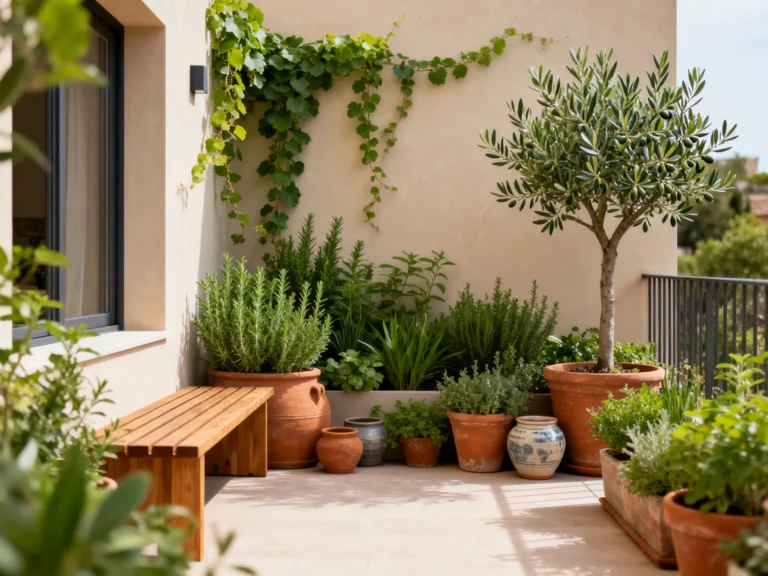
If you garden on a balcony, go for designs that stay compact and easy to reach. Railing planters, narrow shelf units, and wall-mounted grids can create a lot of greenery without swallowing your entire sitting area. Because yes, you still deserve a chair.
Use the tallest plants at the back or top, and let trailing plants spill downward. That layout keeps the setup from looking cluttered and helps every plant get some light. IMO, the easiest balcony gardens always look more intentional than the overstuffed ones.
Ideas for backyard walls and fences
Backyard spaces give you more freedom to go bigger. You can combine trellises, mounted pots, hanging baskets, and climbing plants to create a layered effect that feels full without turning chaotic. The trick involves repeating materials and colors so the design looks cohesive.
A fence covered with flowering vines can soften the whole yard. A wall of edible plants near the kitchen can make harvesting ridiculously convenient. Snipping basil from a vertical planter while dinner cooks feels a little smug, and honestly, you’ve earned that.
Pick plants that actually want to live vertically
Some plants love vertical systems. Others act offended by the whole concept. The smartest move involves choosing plants based on root depth, growth habit, water needs, and the amount of light your setup gets.
Shallow-rooted plants usually perform best in pocket systems and wall planters. Think lettuce, spinach, strawberries, herbs, pothos, succulents, and small ferns. These plants don’t demand massive containers, and many of them look great when grouped together.
Climbers and trailers also shine in vertical gardens. Ivy, philodendron, nasturtiums, sweet potato vine, peas, pole beans, cucumbers, and some tomatoes can all take advantage of height. Just make sure the support suits the plant’s weight once it gets going, because baby cucumber vines and full-grown cucumber chaos are very different situations.
Mixing edible and ornamental plants
You don’t have to choose between pretty and useful. A vertical garden can combine herbs, greens, flowers, and foliage in one setup. Purple basil, bright nasturtiums, trailing thyme, and compact lettuce can look amazing together while still feeding you.
Color and texture matter here. Pair spiky leaves with round ones, dark foliage with chartreuse accents, and upright growers with trailing plants. A little contrast makes the whole wall pop, and it keeps your design from turning into one big green blur.
Make watering and maintenance ridiculously easy
This part decides whether your vertical garden becomes a joy or a chore. Plants in vertical systems dry out faster than plants in the ground, especially in summer. If your setup needs heroic effort every day, you’ll get tired of it fast.
Plan water access from the start. Drip irrigation works beautifully for larger walls, while self-watering planters can help in smaller spaces. Even a simple watering can routine works if the setup stays manageable and easy to reach.
Drainage matters. A lot.
Water needs somewhere to go. If it pools in pockets or trays, roots rot, algae shows up, and everything starts looking sad. Nobody dreams of building a chic vertical swamp.
Use containers with drainage holes, choose lightweight potting mix, and protect the surface behind the garden if necessary. If you mount a system against a wall, leave a little air gap when possible. That small detail can save you from stains, mildew, and regret.
Keep maintenance realistic
Prune often, feed regularly, and replace tired plants before they drag down the whole design. Vertical gardens look best when they stay intentional rather than overgrown in a “nature will handle it” way. Nature will handle it, sure, but she may choose chaos.
Group plants with similar needs together. Thirsty herbs should not share a tiny planter with drought-loving succulents unless you enjoy making impossible decisions. Matching needs keeps maintenance simple and helps plants perform better.
Design tricks that make a vertical garden look polished
Good vertical garden design involves more than attaching pots to a wall and hoping for the best. Layout, repetition, scale, and plant placement all affect the final look. You want the design to feel lush, not random.
Start with a clear visual rhythm. Repeat planter shapes, stick to a limited color palette, or echo the same plant in different parts of the arrangement. Repetition gives the eye something to follow, which makes the whole setup feel calmer and more intentional.
Think in layers. Use upright plants for structure, mounding plants for fullness, and trailing plants for movement. That mix creates depth, which matters even in a flat wall display.
Color choices that work
You can go bold or subtle, but pick a direction. Bright flowers against dark containers create drama, while green-on-green foliage walls feel calm and lush. Both work, but mixing every color under the sun can start to feel a little chaotic unless you handle it carefully.
If you want an easy formula, choose one dominant color, one accent color, and one neutral. Green counts as a neutral here because plants love making the rules weird. Add foliage with different shades and textures, and the design instantly feels richer.
Use the frame as part of the design
The containers and supports matter just as much as the plants. Wood feels warm and natural, black metal looks clean and modern, and terracotta adds a classic touch. The structure should support the style, not fight with it.
A sleek house usually looks better with simple lines and restrained colors. A cottage-style garden can handle a looser, more eclectic setup. Match the vibe of the space, and your vertical garden will feel like it belongs there instead of crashing the party.
Common mistakes worth avoiding
People usually mess up vertical gardens in very predictable ways. They choose the wrong plants, cram too many into one space, ignore watering needs, or hang a heavy system on a weak support. Then they act shocked when everything struggles. Wild, right?
Another common mistake involves designing only for the first week. Tiny plants look adorable at the garden center, but they grow. Always plan for mature size, especially with vines and vigorous trailers that can turn a tidy display into a leafy wrestling match.
Don’t forget access, either. If you can’t comfortably reach the top row to water, prune, or harvest, that section will suffer. A beautiful vertical garden should still work in real life, not just in photos.
FAQ
What is the easiest type of vertical garden for beginners?
A simple trellis or tiered shelf usually works best for beginners. Both options stay easy to install, easy to water, and easy to adjust if something doesn’t work. Start small, learn what your space does, and build from there.
Which plants grow best in a vertical garden?
Herbs, lettuce, strawberries, pothos, ferns, succulents, peas, beans, and flowering vines all do well, depending on light and container size. The key involves matching the plant to the system. Small-rooted plants suit shallow pockets, while bigger crops need deeper containers and stronger support.
Do vertical gardens need a lot of maintenance?
They need regular attention, but they don’t have to become high drama. Watering, feeding, pruning, and replacing occasional plants will keep the display healthy. If you design with maintenance in mind, the whole setup stays pretty manageable.
Can I build a vertical garden indoors?
Yes, absolutely. Indoor vertical gardens work especially well with houseplants, herbs, and small foliage plants. Just make sure you have enough light from bright windows or grow lights, and protect your walls and floors from water.
How do I keep a vertical garden from drying out too quickly?
Use quality potting mix, mulch where possible, group plants with similar water needs, and consider self-watering containers or drip irrigation. Shade cloth can also help in very hot spots. Smaller containers dry out faster, so size matters more than many people expect.
Are vertical gardens expensive to create?
They can be, but they don’t need to be. A DIY setup with trellises, recycled containers, or simple shelves can cost very little. Modular living wall systems look gorgeous, but they can get pricey fast, so choose based on your goals rather than pure garden envy.
Conclusion
Vertical garden design gives you a smart way to grow more plants, add style, and squeeze real beauty out of small or awkward spaces. The best setups don’t chase perfection. They match the light, use the right structure, and keep maintenance realistic.
So if that blank wall keeps staring at you, maybe stare back and add plants to it. A little height, a little planning, and a little trial and error can turn it into the best part of your space. And honestly, that sounds a lot better than another empty fence panel.