Low-Maintenance Vegetable Garden Design Ideas for Busy Gardeners
Got the gardening itch but zero time to tend to needy plants? You can still have fresh veggies without turning into a full-time farmer. A smart, low-maintenance garden lets you enjoy the rewards—minus the endless weeding, watering, and bug battles. Let’s chat about how to design a veggie patch that works for YOU, even if your schedule is already jam-packed.
Choose Your MVP Vegetables
Not all veggies require equal attention. Some are total divas (looking at you, tomatoes), while others practically grow themselves. Your garden’s “Most Valuable Plants” should be both tasty and forgiving.
Easy-Going Veggies to Try
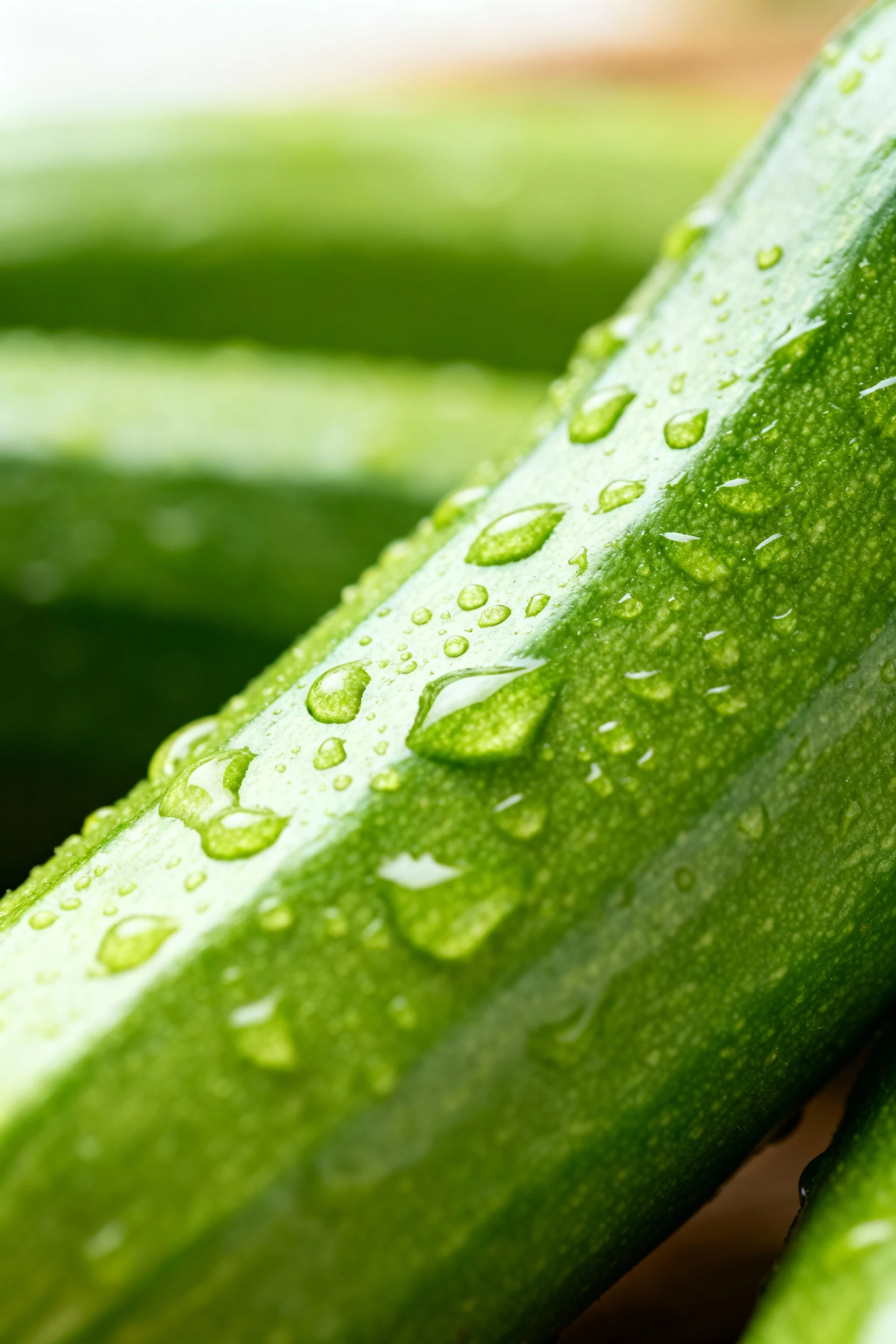
- Zucchini: Almost impossible to mess up. You might end up with more than you can eat.
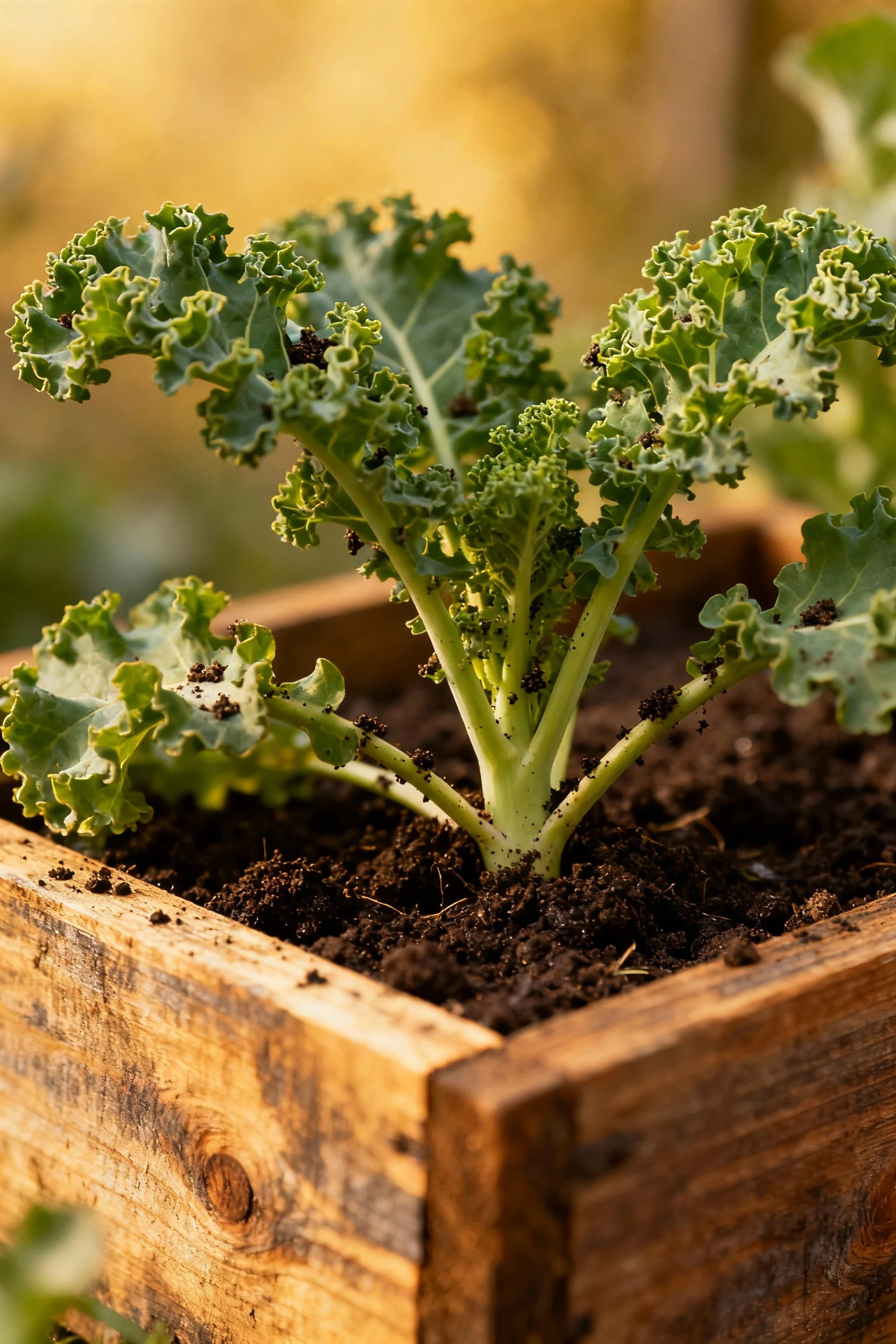
- Kale: Hardy, keeps on producing, and yeah—it’s trendy.
- Green beans: Happy in a variety of soils and don’t need constant babying.
- Radishes: Super fast growers so you get quick wins.
IMO, pick veggies that match your taste buds, not just the gardening books. What’s the point of growing eggplant if you secretly hate eating it?
Go Small but Smart
Bigger isn’t always better in gardening. A small, well-planned plot can feed you plenty without eating up your weekends. Overambitious garden size is the fastest route to gardener burnout.
Container Gardening Magic
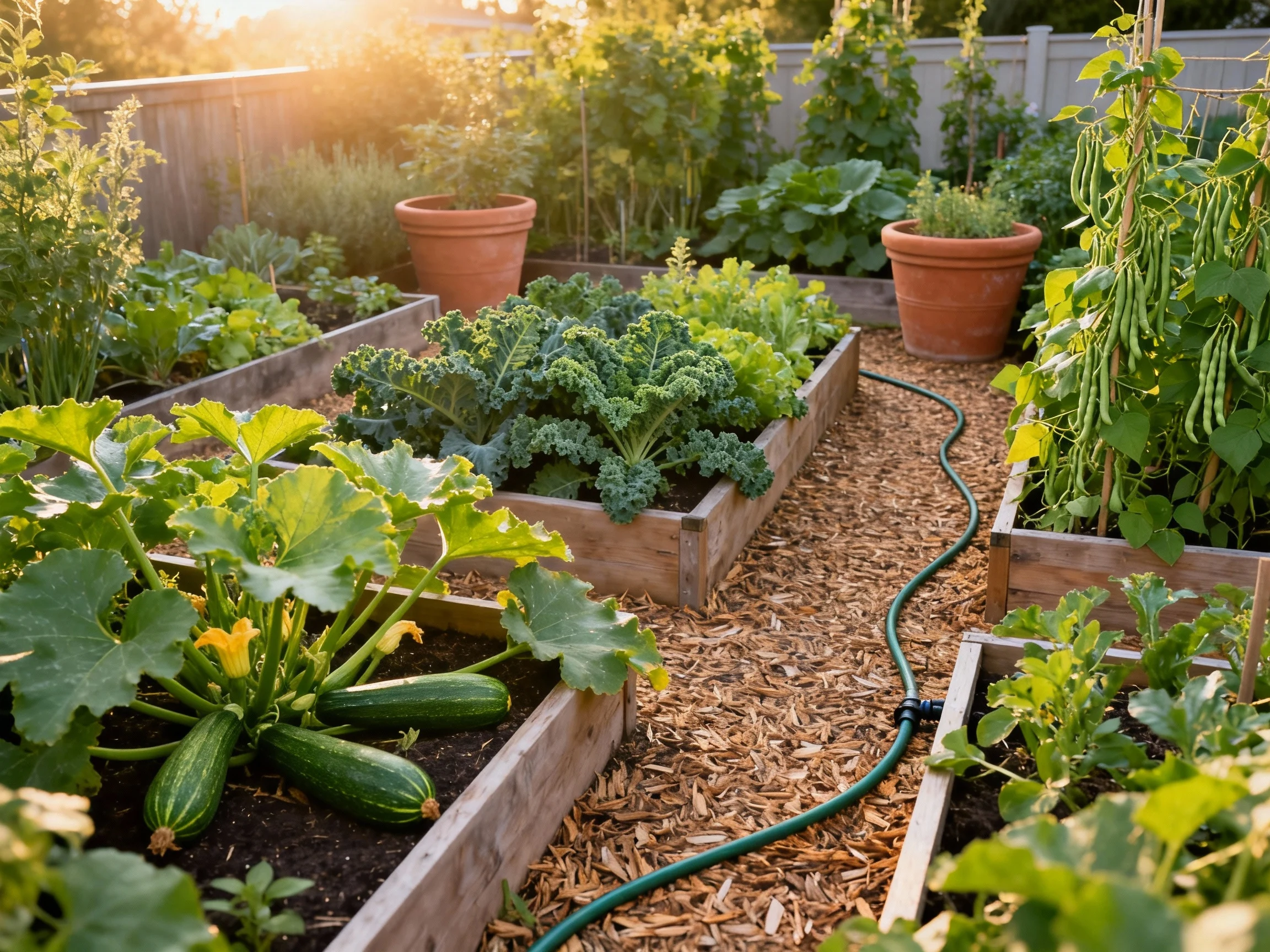
Containers can turn a balcony or tiny yard into a fresh-produce factory. Plus, they make controlling weeds and pests way easier. Just remember: large pots retain moisture longer, which means less daily watering from you (win!).
Raised Beds for the Win
Raised beds mean no bending over like a contortionist, which your back will thank you for. They also allow for better soil control and quicker spring warm-up—plant sooner, harvest sooner.
The Art of Low-Effort Watering
If you spend more time holding a garden hose than enjoying life, it’s time to rethink. A stress-free watering system should be top priority.
Drip Irrigation
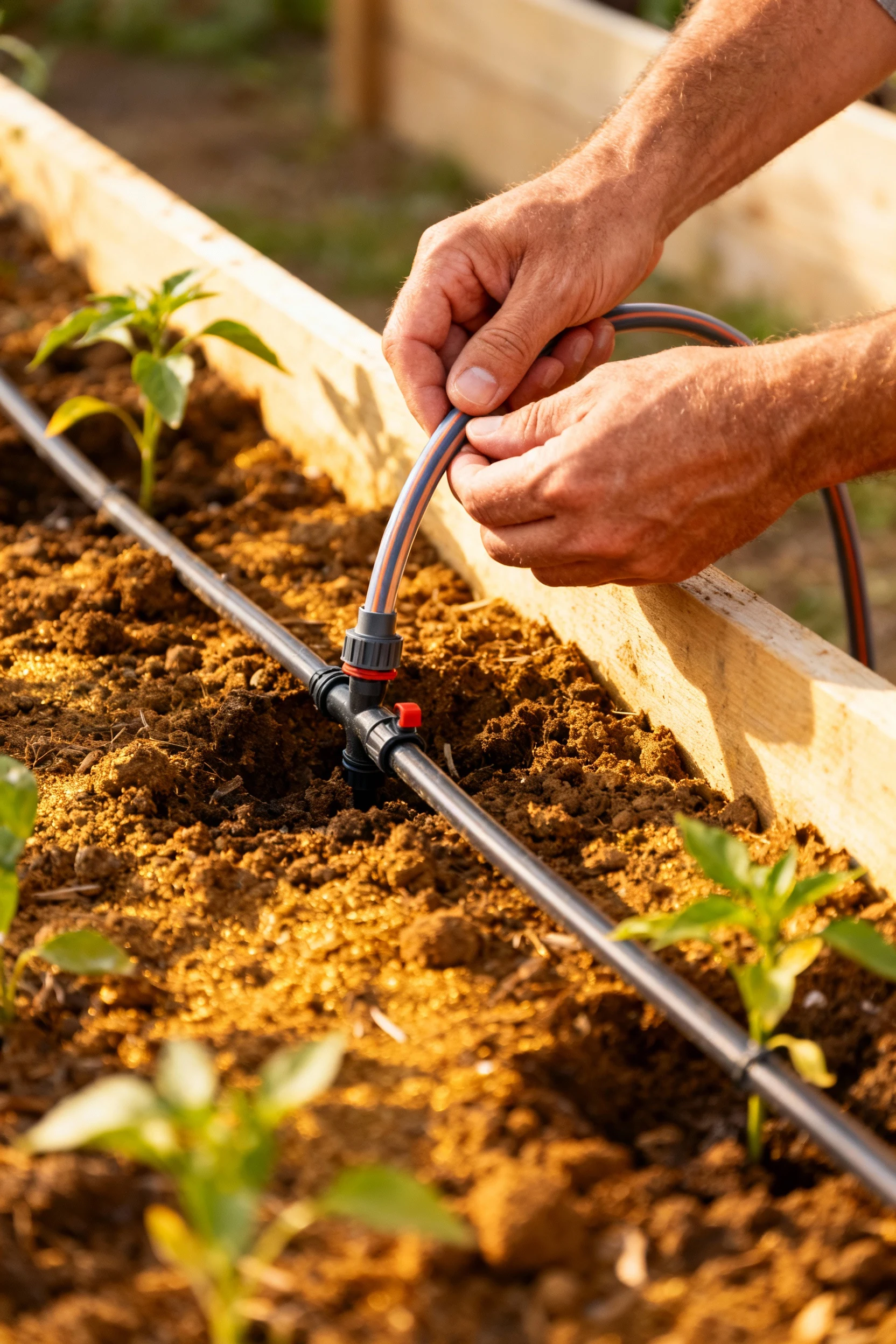
Install it once, and your plants get water straight to the roots with minimal waste. Bonus—it’s like auto-pilot for your veggies.
Mulching: Your Secret Weapon
Mulch locks moisture in, keeps weeds out, and generally makes you look like you know what you’re doing. Straw, wood chips, or composted leaves all work great.
Less Weeding, More Eating
Weeds are persistent little party crashers, but you can outsmart them. The trick is to stop them before they start.
- Dense planting: Close spacing means weeds have nowhere to grow.
- Mulch again: Yes, it’s worth mentioning twice.
- Plan paths: Avoid random walking through soil—it just spreads weed seeds.
Companion Planting for the Lazy Gardener
Think of this as setting friends up on plant “blind dates” so they help each other out. Certain plants deter pests or help their neighbors grow better.
Dream Teams
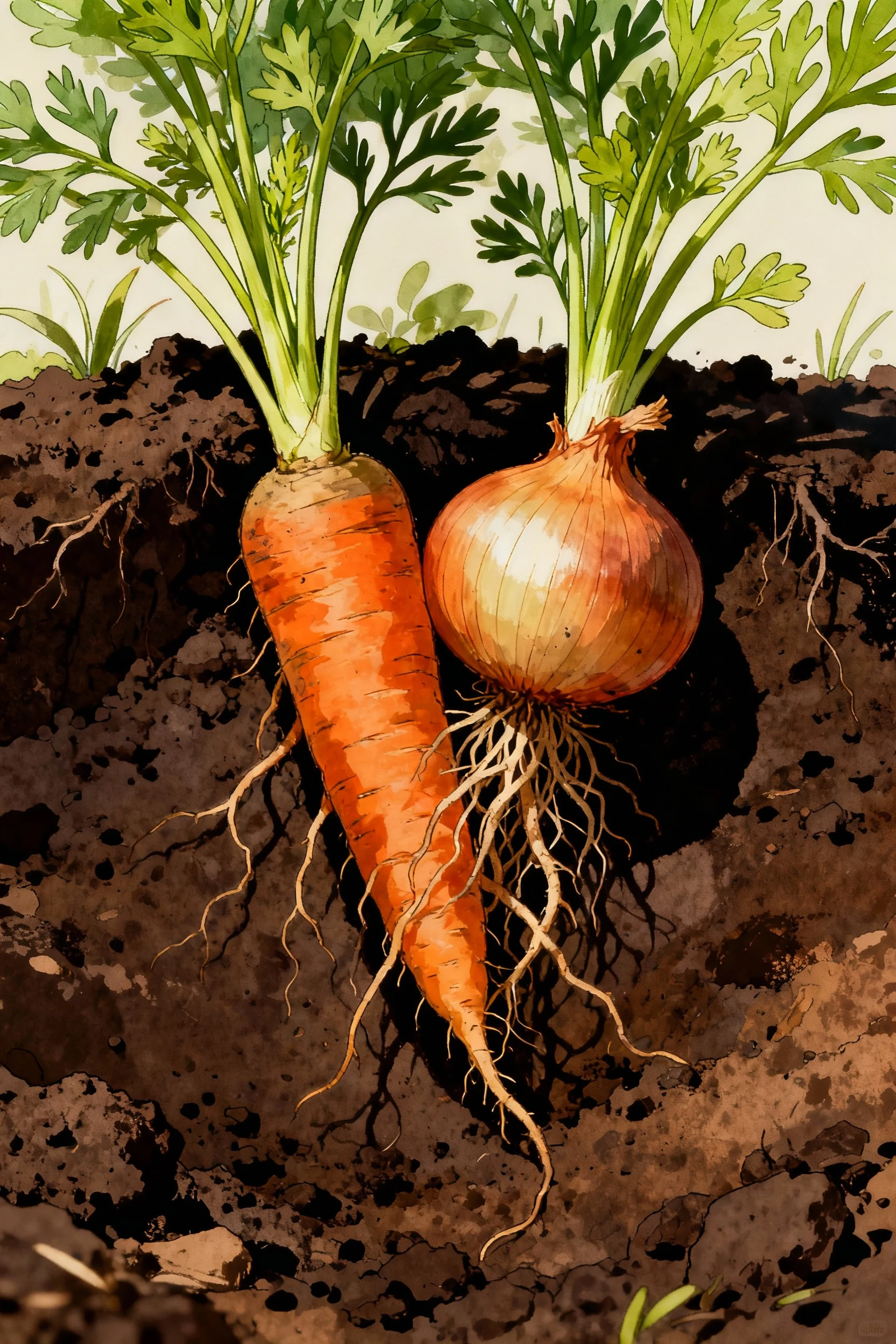
- Carrots + Onions: The smell of onions confuses carrot pests.
- Cucumbers + Dill: Dill attracts beneficial insects to protect cucumbers.
- Beans + Corn: Beans fix nitrogen, corn loves nitrogen. Win-win.
FYI, don’t get too matchmaker-happy—random pairings can backfire if one plant hogs resources.
Embrace Perennials
Why replant every year if some veggies will happily return on their own? Perennials are the closest thing to a “set it and forget it” garden.
- Asparagus: A little patience required (takes a couple years to mature), but produces for decades.
- Jerusalem artichokes: Weird name, delicious flavor, spreads like crazy.
- Walking onions: Multiply on their own—sometimes too enthusiastically.
FAQs
Do I really need to water every day?
Nope. Deep watering a couple times a week is better than splashing the surface daily. Your plants want roots that reach down, not ones that linger near the surface in constant search of a sip.
What’s the easiest vegetable for beginners?
Zucchini. Seriously, plant it and get ready for a flood of squash. Even if you forget to water for a day or two, it’ll forgive you.
Can I grow veggies indoors?
Yep! With enough light (grow lights or sunny windows), small plants like lettuce, herbs, and chili peppers do great indoors. It’s also nice for avoiding pests—unless you count your cat.
Will raised beds last forever?
Not forever, but a good build with treated lumber or composite material lasts many years. Keep an eye out for rot and replace boards when needed.
Is mulch really worth the effort?
Yes, yes, and yes. It’s like giving your garden a comfy blanket—protection from weeds, better moisture retention, and improved soil life.
How do I avoid pests without harsh chemicals?
Plant diversity, attract beneficial insects, and use physical barriers like row covers. Also, inspect plants regularly—catching problems early beats dealing with a full-on infestation.
Conclusion
Gardening doesn’t have to hijack your free time. With the right design—friendly plants, smart watering, weed-prevention tricks—you can have a thriving vegetable garden that basically runs itself. So go ahead, plant that low-maintenance mini-farm and spend the saved hours enjoying your harvest (or binging your favorite show, no judgment).