vegetable garden design
Vegetable garden design sounds fancy, but it really comes down to one thing: making your garden easier to grow, use, and enjoy. A good layout saves time, cuts down on problems, and keeps you from doing that classic gardener move of cramming eight tomato plants into a space meant for three. If you want a garden that looks good and actually produces food, design matters more than most people think.
You do not need a landscape architecture degree or a dramatic estate with stone pathways and a bronze fountain shaped like a carrot. You just need a plan that fits your space, your climate, and your energy level. Let’s make that happen.
Start with how you actually want to garden
Before you draw beds or buy seeds, ask yourself a simple question: How do I want this garden to feel? Productive? Pretty? Low-maintenance? A little chaotic but charming? Your answer shapes everything.
Some people want neat rows and maximum harvest. Others want a kitchen garden that looks cute enough to show off when friends come over and pretend they also know how to grow fennel. Neither approach wins. The best design matches your real habits, not your fantasy life.
If you know you only have twenty minutes a few evenings a week, do not design a sprawling mini-farm. Keep it compact. If you love being outside and fussing over plants, you can go bigger and add more variety.
Ask yourself these planning questions
- How much sun does the space get each day?
- How much time do you honestly want to spend there?
- Do you want mostly easy crops, or do you enjoy a challenge?
- Will kids, pets, or wildlife visit the garden like they pay rent?
- Do you want fresh salads, storage crops, herbs, or a bit of everything?
Those answers give you a design brief, even if you never call it that. A useful garden always starts with real life, not a dreamy photo from the internet taken at golden hour.
Read the space before you design it
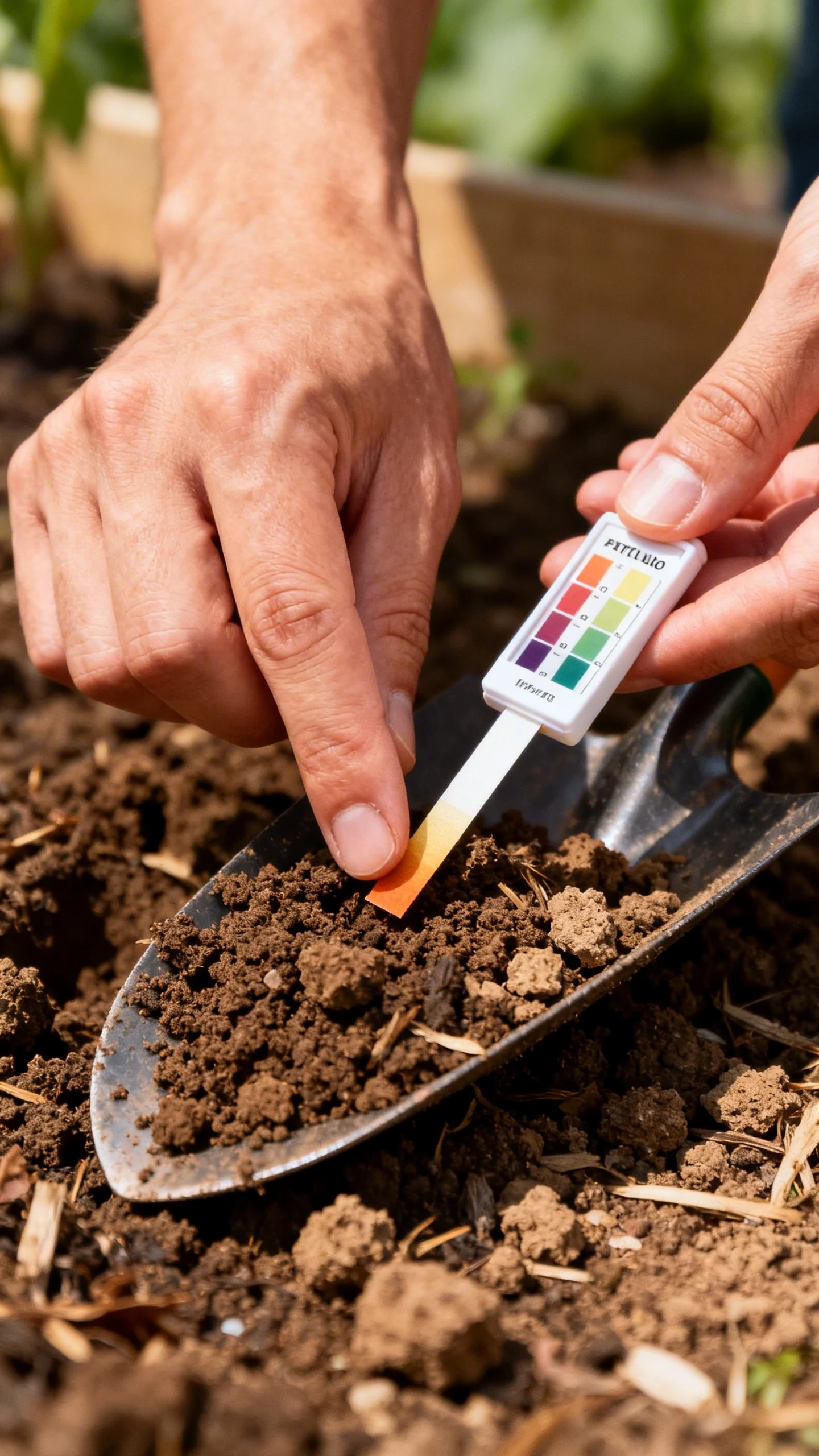
A lot of people skip this part and then wonder why their peppers sulk all summer. Your yard already has rules. You do not get to ignore them just because you bought cute seed packets.
Watch the sun for a few days. Notice where water collects after rain. Check how close the garden sits to a hose, compost bin, and your kitchen door. If harvesting one bunch of parsley requires a long trek across the yard, you will somehow stop needing parsley. Funny how that works.
Sunlight drives the whole design. Most vegetables want six to eight hours of direct sun, especially tomatoes, peppers, squash, and beans. Leafy greens tolerate less, so place them in spots with partial shade if your sunny space runs short.
Know your soil and drainage
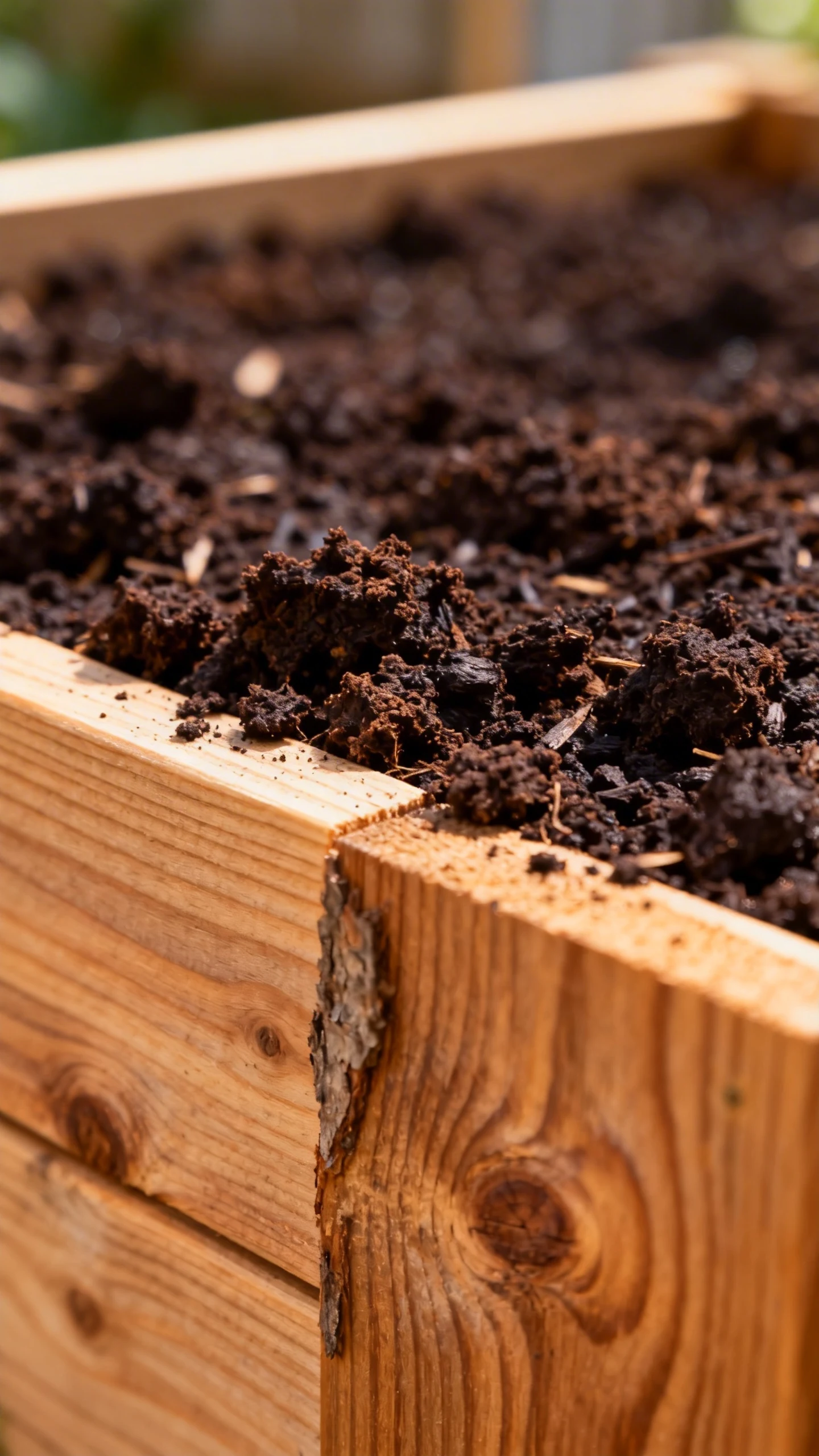
Great design cannot rescue terrible soil forever. Test your soil if you can, even with a basic home kit. You want to know the pH, texture, and whether the area drains well.
If your soil stays soggy, raised beds make life much easier. If it dries out fast, in-ground beds with compost help hold moisture better. FYI, fighting your site usually costs more time than adjusting your design to match it.
Work with access, not against it
You need room to walk, weed, water, and harvest without stepping on the soil. Compacted soil makes roots miserable, and miserable roots produce miserable vegetables. It becomes a whole drama.
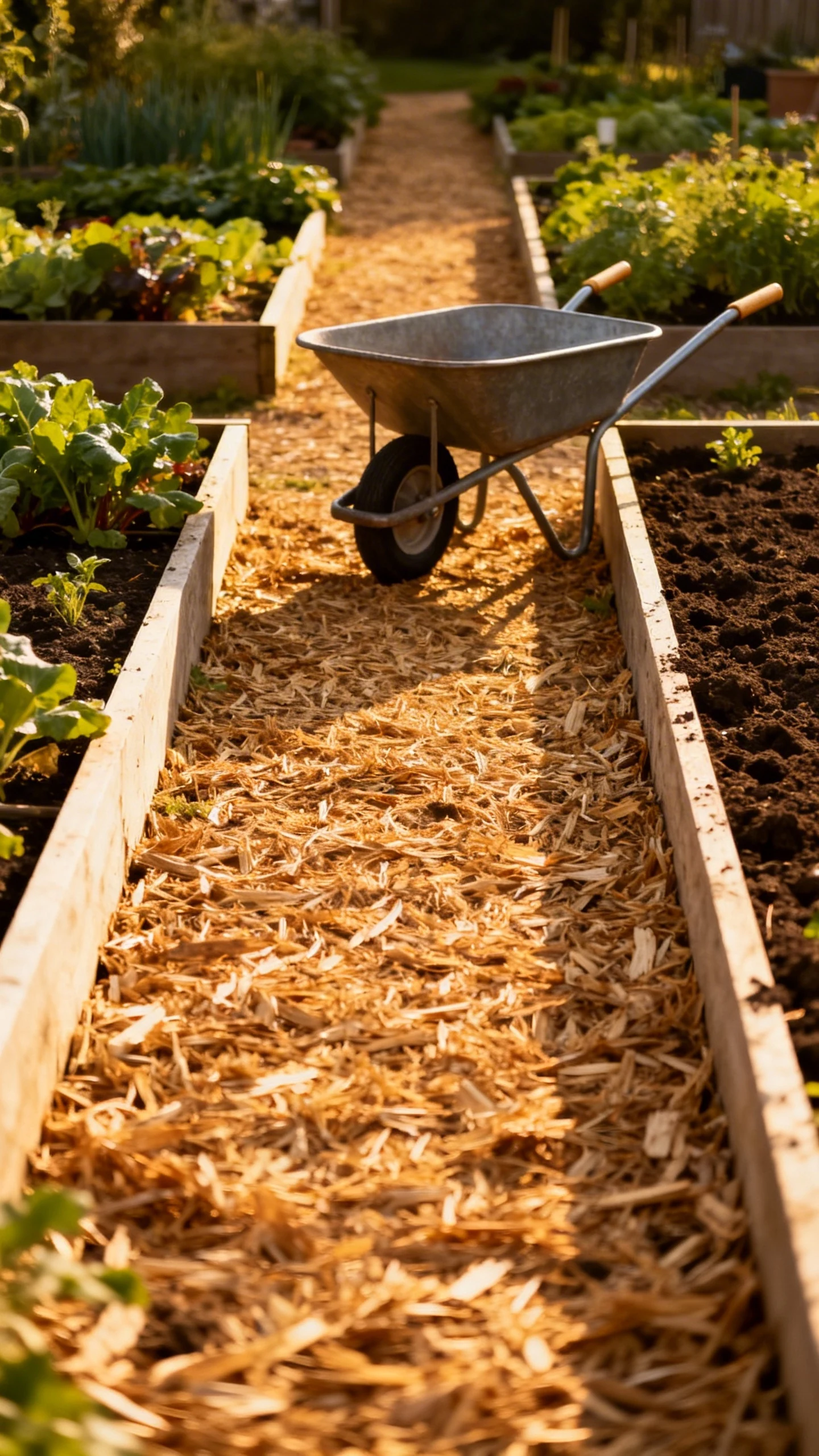
Plan paths wide enough for your body, tools, and maybe a wheelbarrow. Comfort matters. If the garden feels awkward to move through, you will avoid it, and neglected gardens get wild fast.
Choose a layout that fits your space
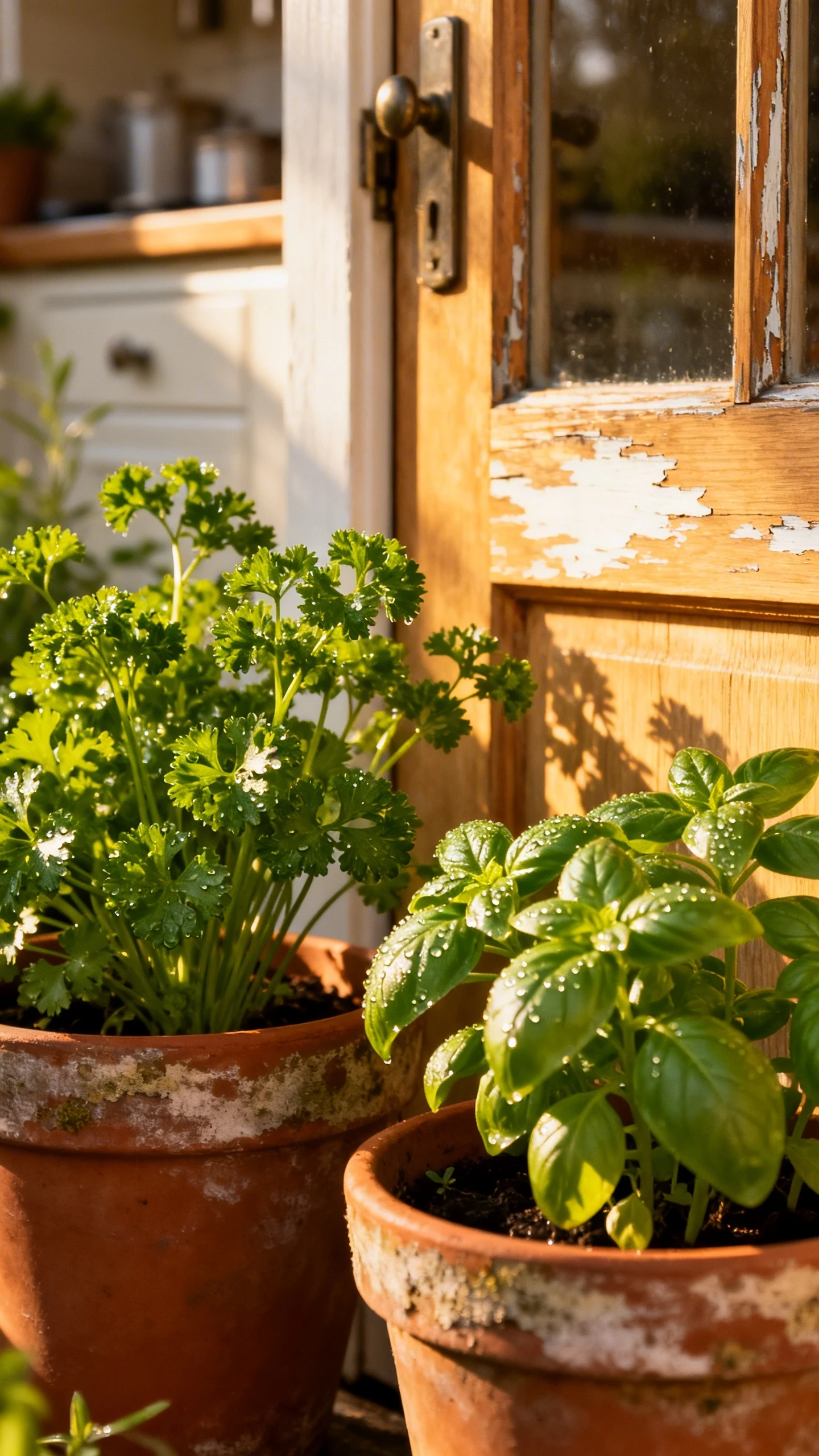
Now for the fun part. Layout gives your vegetable garden its bones. You can keep it simple or make it more decorative, but the best plan usually mixes beauty with pure practicality.
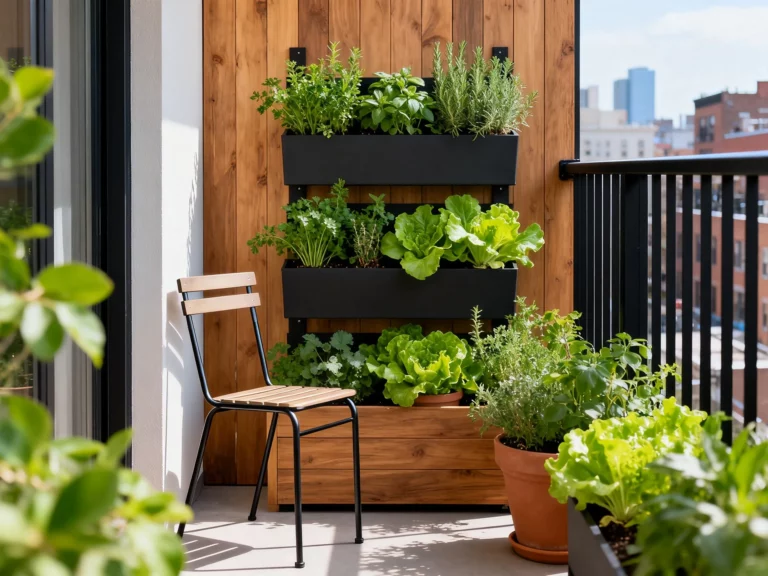
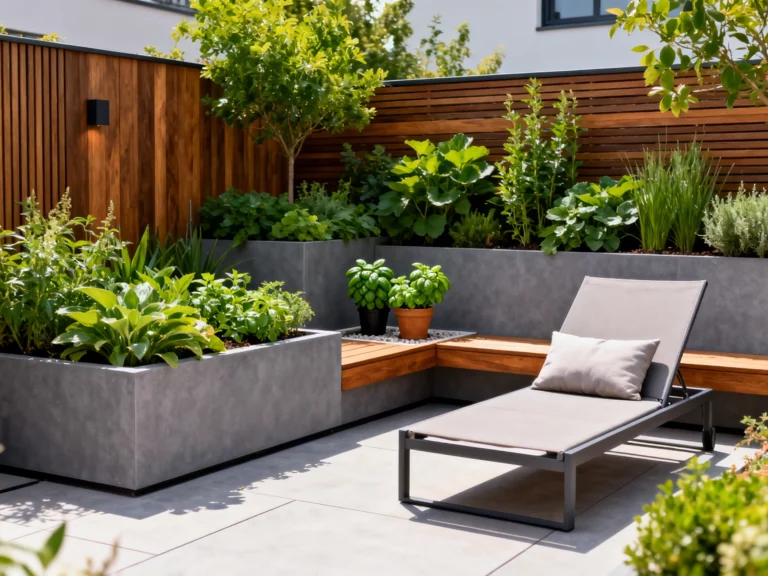
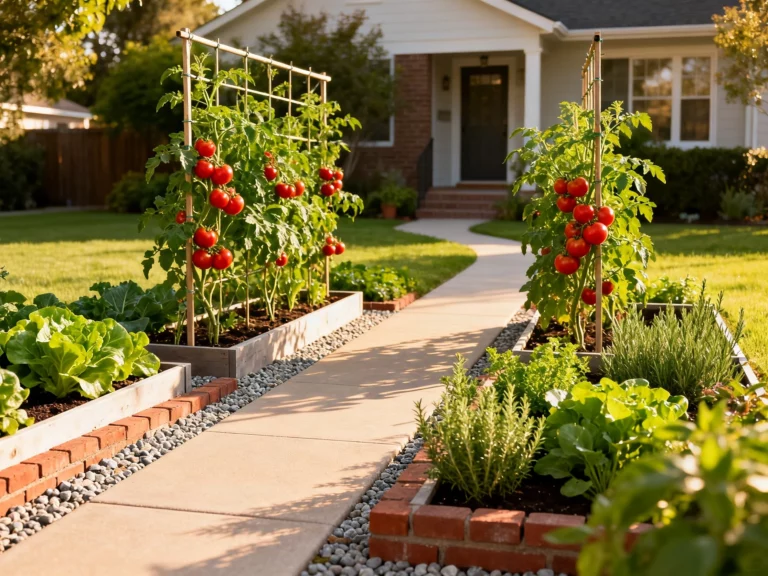
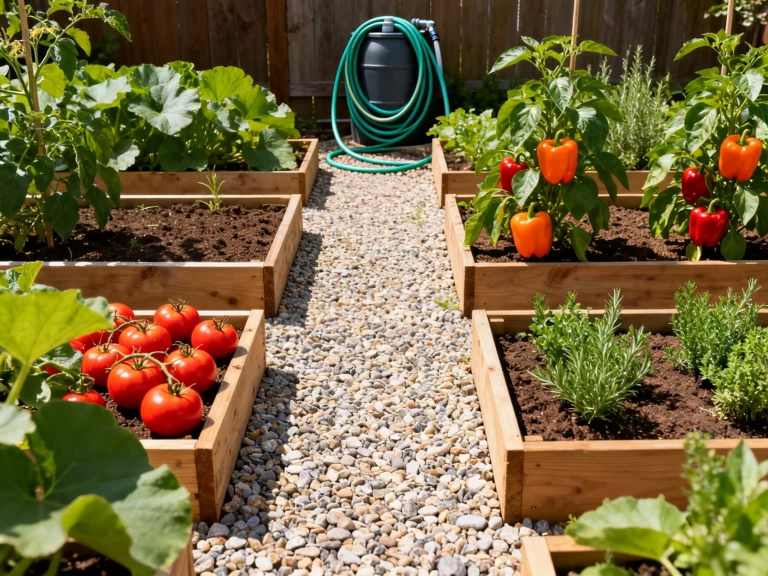
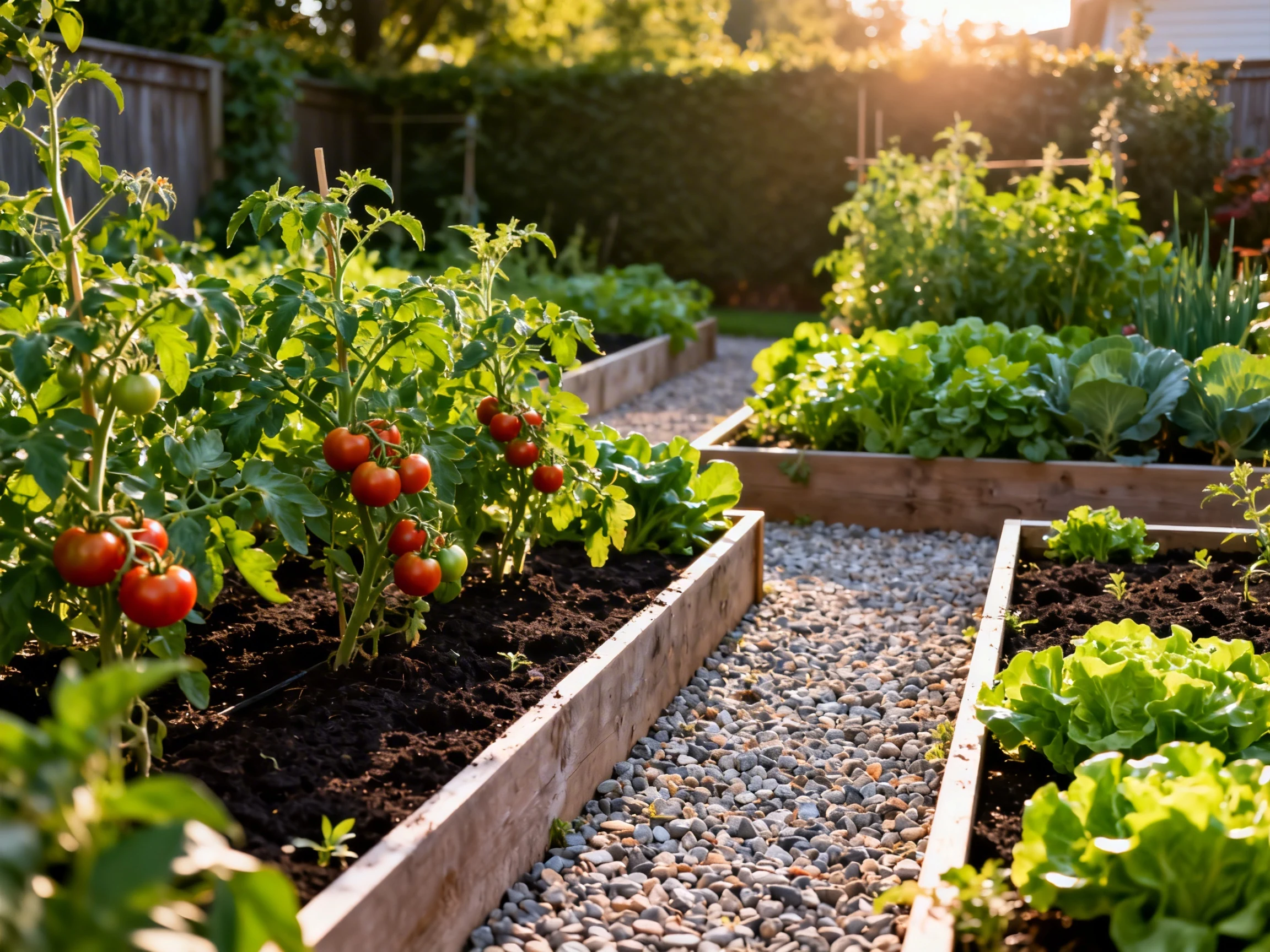
Raised beds work well for many home gardeners because they stay tidy, drain better, and make crop rotation easier. In-ground rows suit larger spaces and budget-friendly setups. Containers help if you have a patio, balcony, or a backyard that resembles compacted brick.
Popular vegetable garden design options
- Raised beds: Great for small to medium gardens, easy to manage, and visually clean.
- Traditional rows: Best for larger spaces and big harvests, though they need more room.
- Square-foot gardening: Ideal for compact spaces and organized planting.
- Potager style: A decorative kitchen garden that mixes vegetables, herbs, and flowers.
- Container garden: Perfect for renters, patios, and people with limited ground space.
IMO, raised beds hit the sweet spot for most beginners. They give structure without feeling rigid, and they make the whole garden look intentional even when one corner contains a confused zucchini taking over the neighborhood.
Keep bed size realistic
Make beds narrow enough to reach across from either side. Around three to four feet wide works for most people. Longer beds look nice, but they should still feel manageable.
Do not create giant beds just because you have room. Bigger is not always better. Smaller, well-planned beds often outproduce oversized ones because you can actually keep up with them.
Design for easy maintenance and bigger harvests
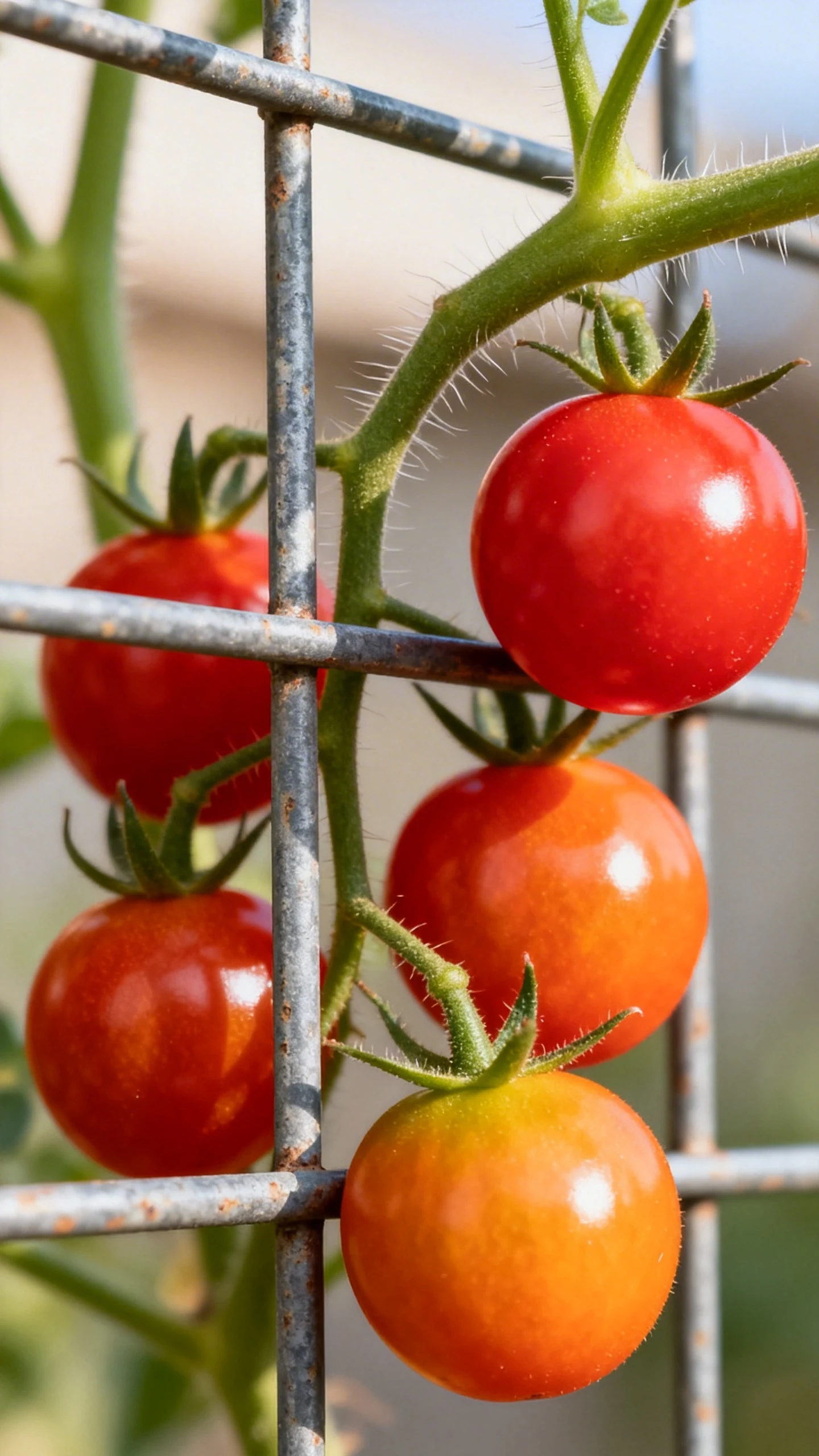
A beautiful vegetable garden means nothing if it turns into a weedy obstacle course by midsummer. Smart design cuts your workload. That matters a lot once the novelty fades and the mosquitoes show up.
Keep frequently harvested crops near the house. Place herbs, lettuce, cherry tomatoes, and greens where you can grab them fast. Put sprawling crops like pumpkins and winter squash farther out where they can roam without starting fights.
Water access should shape the layout. If you drag a hose across three paths and around six pots every time you water, you will hate your own design by July. Drip irrigation or soaker hoses make things easier, especially in larger gardens.
Use vertical space like a genius
Trellises, arches, cages, and stakes add serious function without taking much ground space. Grow cucumbers, peas, pole beans, and some squash upward. You save room and improve air flow at the same time.
Vertical elements also make the garden look more layered and interesting. That matters if you want the space to feel inviting instead of like a vegetable parking lot.
Group plants by needs
Plants with similar watering, feeding, and sunlight needs should live near each other. That simple move makes care way easier. It also reduces the chances that one thirsty crop gets ignored because it sits between two drought-tolerant herbs.
Put cool-season crops together. Group heavy feeders like tomatoes, peppers, and cabbage in richer soil. Organized planting saves effort, and effort is a resource too.
Think beyond vegetables
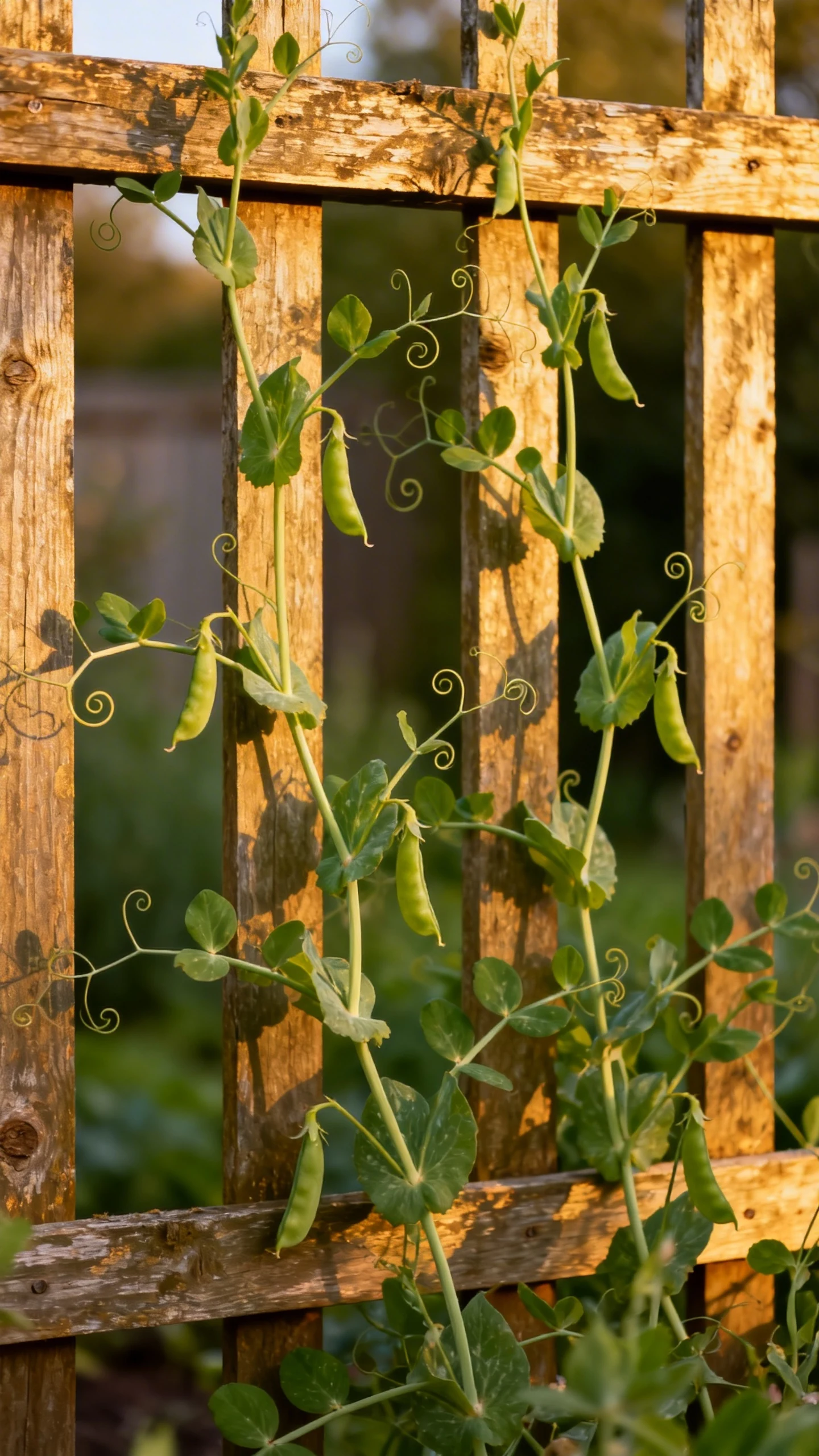
Here’s where garden design gets a lot more fun. A vegetable garden does not need to look strictly functional. You can absolutely mix in flowers, herbs, and even a few ornamental touches without losing productivity.
Flowers attract pollinators and beneficial insects. Herbs fill gaps, smell great, and earn their keep in the kitchen. Marigolds, nasturtiums, calendula, dill, and basil all pull extra weight in a food garden.
Companion planting works best as a design tool, not a magic spell. Yes, some plant pairings help. No, one marigold will not form a tiny security team around your tomatoes and solve every pest problem.
Add structure and visual rhythm
Repeat shapes and plant types across the garden to make it feel cohesive. Maybe you use the same bed width throughout, repeat trellises at intervals, or edge several beds with herbs. Small patterns make a garden look polished.
Color helps too. Mix leafy textures and shades of green with pops of red lettuce, purple basil, rainbow chard, or bright flowers. Vegetable gardens can look genuinely gorgeous when you stop treating them like hidden utility zones.
Plan for the season, not just spring
A lot of garden plans look amazing in May and exhausted by August. Good design considers timing. Different crops mature at different rates, and your layout should leave room for succession planting, seasonal swaps, and a little chaos control.
Start with cool-season crops like spinach, peas, radishes, and lettuce. As they finish, replace them with warm-season plants such as beans, peppers, or basil. Later, tuck in fall crops like kale and carrots.
A flexible layout gives you more harvests. Empty space does not need to stay empty. Once you see the garden as an evolving system instead of a one-and-done spring project, everything gets more productive.
Remember crop rotation
Try not to plant the same crop family in the same spot year after year. Tomatoes, peppers, eggplants, and potatoes all belong to the same family, and they share pests and diseases. Rotate them around the garden when possible.
This matters even in small gardens. A simple sketch or note on your phone helps you remember what grew where. Trust me, your memory will suddenly become very creative by next season.
FAQ
What is the best layout for a beginner vegetable garden?
For most beginners, a few small raised beds or a compact square-foot garden works best. That setup stays manageable, looks tidy, and makes watering and weeding easier. Start small, learn fast, and expand later if you still love it when summer gets real.
How much space do I need for a vegetable garden?
You do not need much. Even a space as small as 4 by 8 feet can grow herbs, salad greens, bush beans, tomatoes, and peppers. If you only have a patio or balcony, containers can still produce a surprisingly solid harvest.
Should I use raised beds or plant directly in the ground?
Raised beds work well if your soil drains poorly, stays compacted, or needs major improvement. In-ground gardening costs less and suits larger spaces. Choose the option that fits your site and budget, not whatever looks trendiest online.
How do I make my vegetable garden look nice?
Use clean bed shapes, clear paths, vertical supports, and repeated planting patterns. Mix in flowers and herbs for color and texture. A productive garden can also look beautiful, and honestly, it should if you spend months staring at it.
What vegetables should I grow first?
Start with easy, rewarding crops like lettuce, radishes, bush beans, zucchini, cherry tomatoes, and herbs such as basil and parsley. Those plants grow fast or produce heavily, which helps you build confidence. Nobody needs their first gardening experience to involve a moody cauliflower.
How do I keep the garden low-maintenance?
Keep the design simple, mulch the soil, group plants by water needs, and install easy irrigation if possible. Grow fewer varieties, but grow them well. IMO, a smaller garden you enjoy always beats a giant one that turns into a guilt patch.
Conclusion
Vegetable garden design does not need to feel intimidating. Start with your space, your habits, and the crops you actually want to eat, then build a layout that makes gardening easier instead of harder. The best design supports real life, looks good enough to make you smile, and leaves room for both success and the occasional ridiculous zucchini situation.
Plan it well, keep it practical, and let it evolve. Your garden does not need perfection. It just needs a smart start and a gardener willing to learn as they go.