tropical garden design small spaces
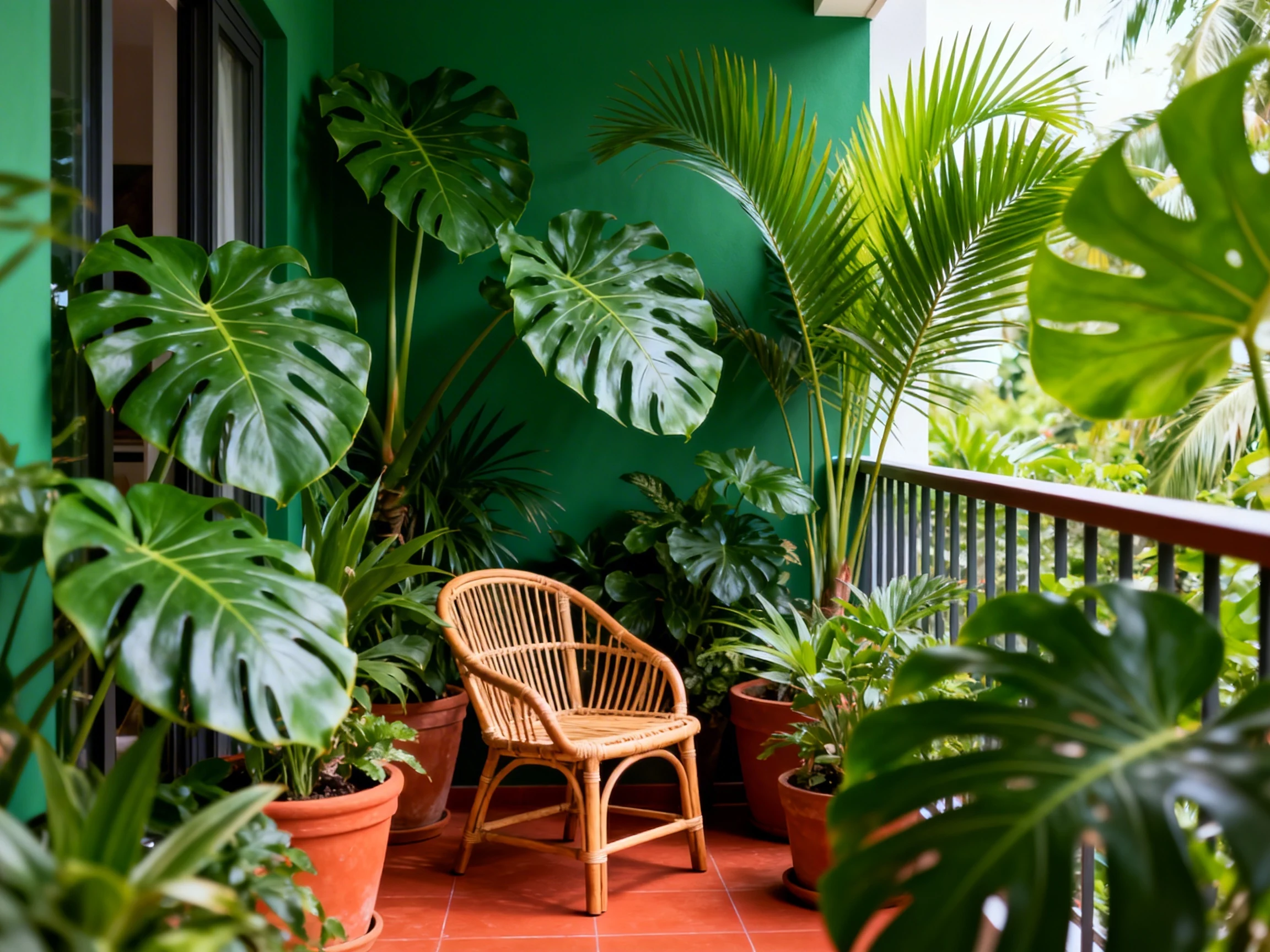
Small spaces can absolutely pull off a lush, tropical look. You do not need a giant backyard, a resort budget, or a full-time gardener named Marco. You just need smart plant choices, layered styling, and a little nerve. If you want your patio, balcony, or tiny yard to feel like a mini vacation, you can make it happen.
Why tropical style works so well in small spaces
Tropical garden design loves drama, and small spaces actually help with that. Big leaves, bold shapes, and dense planting create instant impact without needing a ton of square footage. A tiny courtyard packed with foliage often feels more immersive than a wide-open yard with a few sad shrubs.
The trick? You lean into the abundance. Tropical gardens look best when they feel layered, leafy, and a little wild. Not messy in a neglected way, obviously. More like “I meant to create this jungle vibe” instead of “I forgot to weed for three months.”
Small spaces also make it easier to control the mood. You can shape the view from every angle, hide the boring bits, and build a cozy green cocoon. IMO, that sense of escape matters more than size anyway.
Start with the bones of the space
Before you buy every glossy-leafed plant in sight, look at the structure. Check how much sun the space gets, where the wind hits, and how much room you actually have to move around. Tropical style feels relaxed, but the layout still needs a plan.
Think about sightlines first. What do you see when you step outside or look through the window? Your focal point should grab attention fast, whether that means a large potted palm, a painted wall, or a cluster of oversized foliage.
Use vertical space like a genius
When floor space runs out, go up. Train climbers on trellises, mount planters on walls, and use tall pots to create levels. Vertical layering gives you that dense tropical feel without turning the ground into an obstacle course.
Wall-mounted shelves can hold trailing plants like pothos or philodendron. Bamboo screens and slim garden ladders also add height and texture. Plus, they help hide ugly fences, which feels like a public service.
Keep pathways clear
This part matters more than people think. If you cram the whole space with pots, the garden stops feeling lush and starts feeling annoying. Leave enough room to walk, sit, and water things without performing yoga against your will.
A small tropical garden should feel full, not cluttered. Keep the center open if possible, and push your layers toward the edges. That simple move makes the space feel bigger right away.
Choose plants that bring the tropical vibe
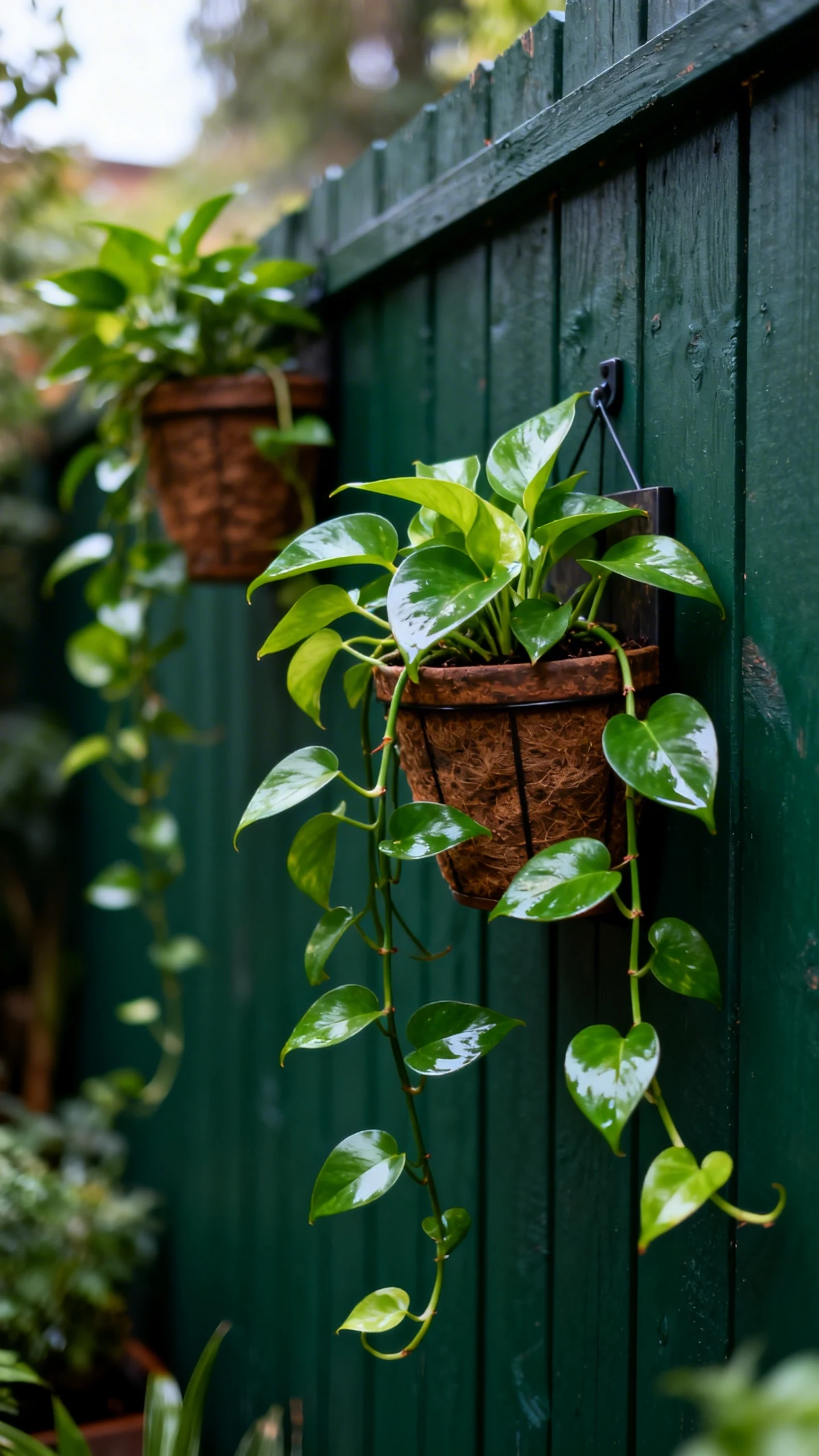
You do not need a botanical collection with 70 species. You need a few reliable stars that bring bold texture and shape. Focus on foliage first, then add flowers as accents.
Look for plants with large leaves, glossy surfaces, dramatic forms, and rich green color. That gives you the classic tropical look even if you live somewhere that does not exactly scream rainforest. FYI, plenty of “tropical-looking” plants handle temperate gardens just fine in summer containers.
Best plant types for a small tropical garden
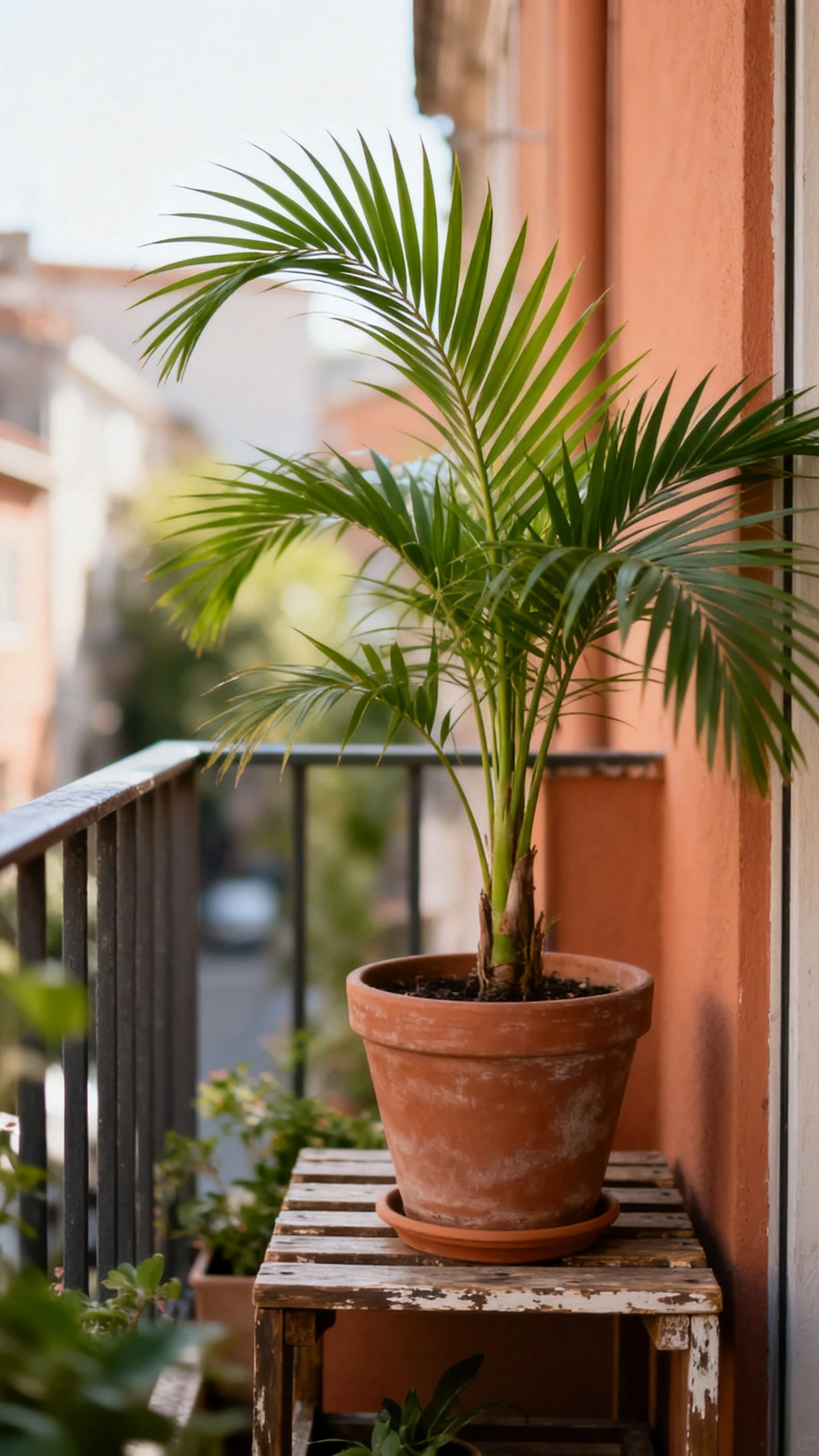
- Palms for height and instant vacation energy
- Bananas for oversized leaves and fast drama
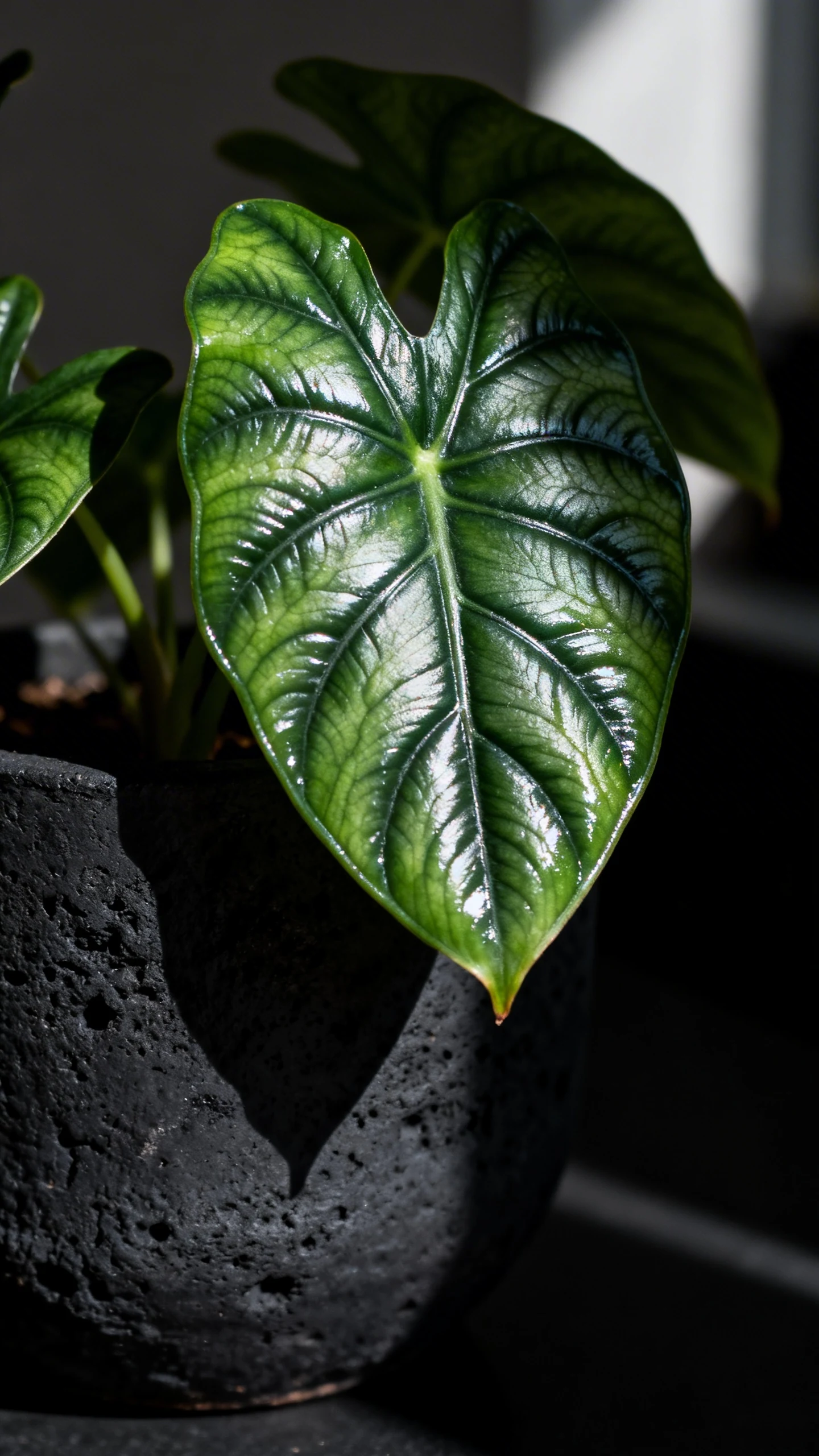
- Alocasias and colocasias for bold, sculptural foliage
- Ferns for softness and that damp-jungle texture
- Cordylines for color and upright shape
- Cannas for lush leaves and bright flowers
- Philodendrons for climbing or spreading greenery
- Bromeliads for pops of tropical color in containers
If your climate runs cool, treat tender plants like seasonal stars in pots. Move them indoors, protect them in winter, or simply replace them next year. Gardening does not need to become a hostage situation.
Mix leaf shapes, not just plant names
This is where the magic happens. Pair huge paddle-shaped leaves with fine ferns, upright spikes, and trailing vines. Contrast creates the tropical look far better than using ten plants that all look vaguely similar.
Try one tall anchor plant, two medium mounding plants, and a few spillers around the base. That formula works in containers, raised beds, and tight corners. It looks intentional, full, and way more expensive than it really is.
Containers can make or break the whole look
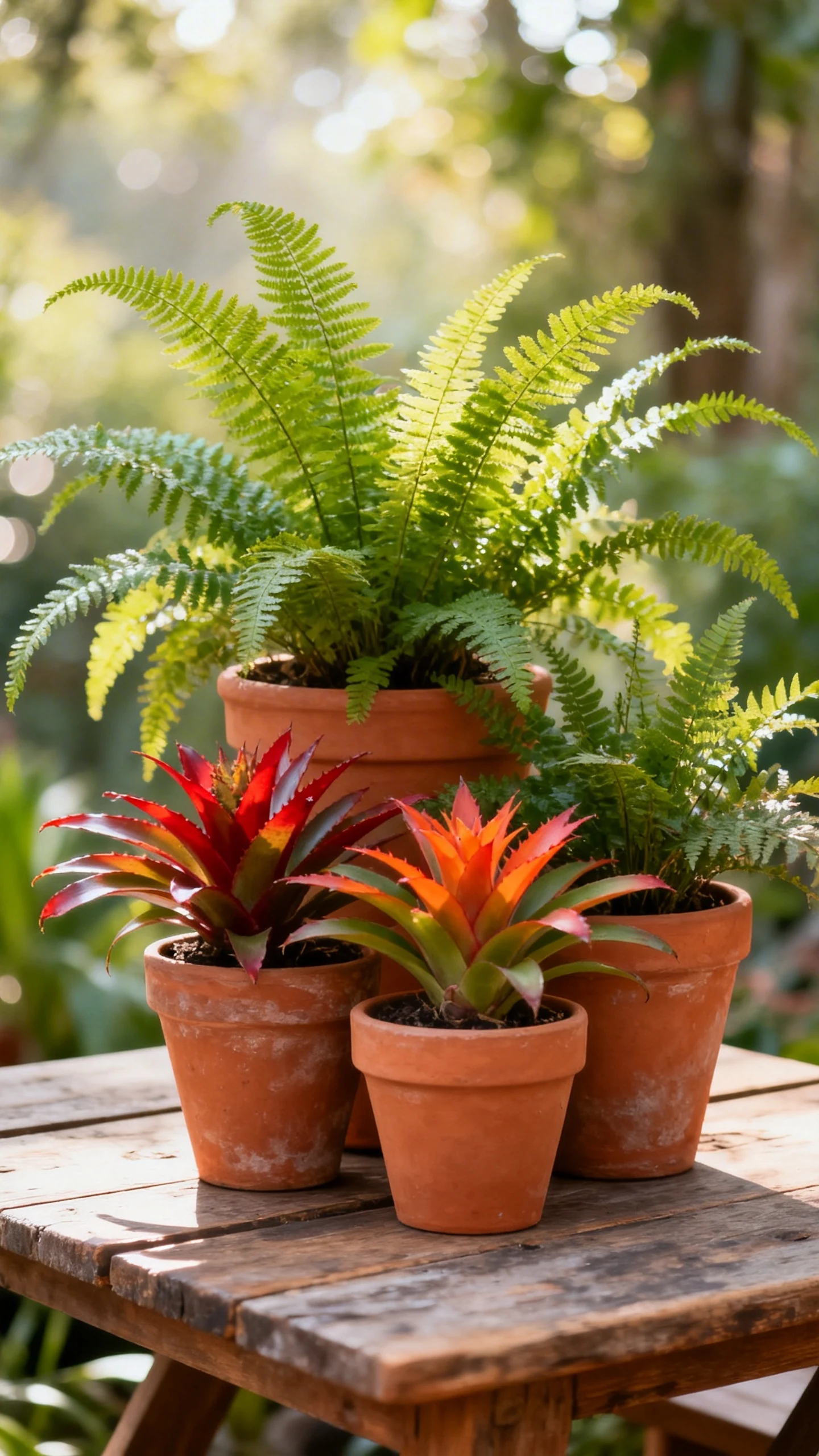
In a small space, containers do a lot of heavy lifting. They let you control soil, move plants around, and create layers without digging up the whole area. They also set the tone visually, so choose them carefully.
Go bigger than you think you need. Small pots dry out fast, tip over easily, and make lush plants look awkward. Large containers give roots room, hold moisture better, and create that generous tropical style you want.
Stick with a limited palette for pots. Black, charcoal, terracotta, deep green, or natural stone tones usually work beautifully. If every pot shouts for attention, the garden starts to feel like a clearance aisle.
Cluster pots for a layered jungle effect
One lonely pot in a corner rarely says “tropical paradise.” A grouped arrangement does. Combine different heights and leaf shapes, then tuck smaller plants around the base so the display looks full and connected.
Use pot stands, overturned containers, or built-in benches to vary the levels. Place the tallest plant at the back or center, then build outward. Suddenly that tiny patio corner looks lush enough for a fruity drink with a tiny umbrella.
Create atmosphere with color, materials, and texture
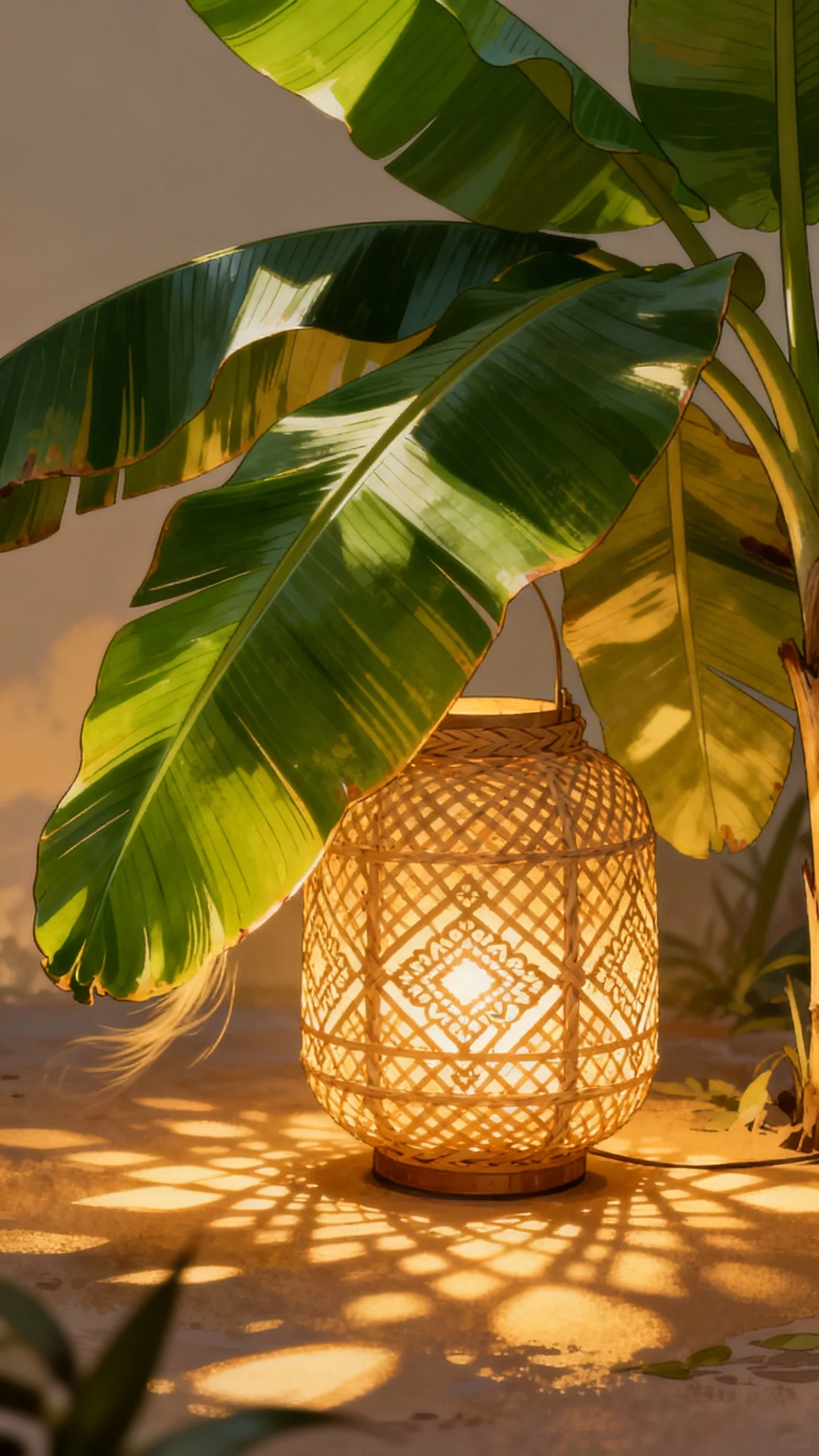
Plants lead the show, but hardscaping sets the mood. Tropical style loves natural materials, warm colors, and surfaces that feel relaxed instead of fussy. Think wood, bamboo, rattan, stone, and textured ceramics.
If you have a fence or wall, paint it a deep green, charcoal, or warm earthy tone. Darker backgrounds make foliage pop like crazy. They also help the space feel deeper, which small gardens always appreciate.
Add texture through screens, woven lanterns, slatted wood panels, or pebbled groundcover. Keep it cohesive, though. You want “boutique garden retreat,” not “I decorated with whatever lived in the garage.”
Do not ignore seating and lighting
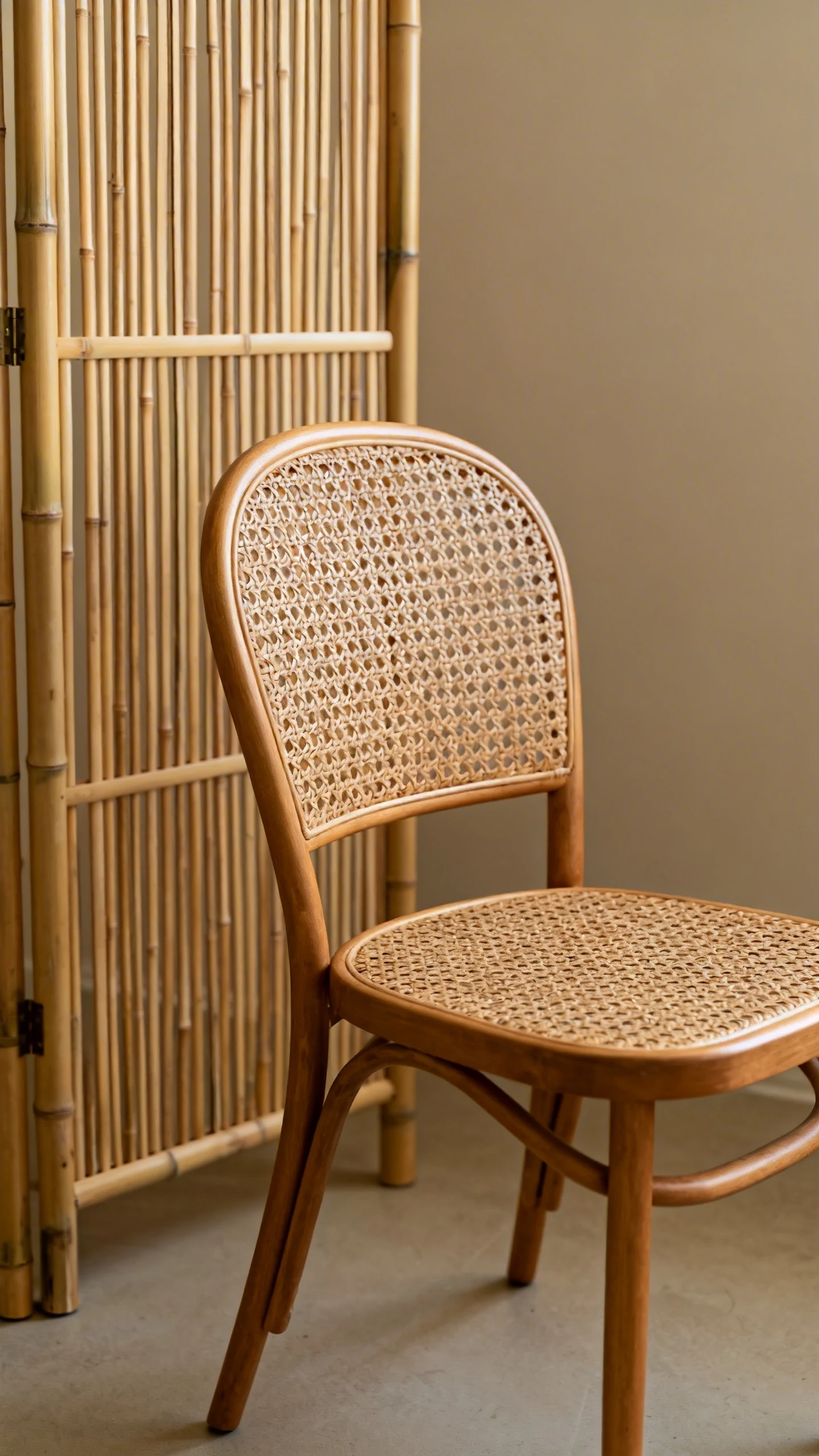
A tropical garden should invite you to stay awhile. Even a tiny bistro chair or compact bench changes the whole vibe. It tells the space to function like a room, not just a plant storage zone.
Lighting matters too. String lights, solar lanterns, and uplighting under large leaves create instant evening drama. Soft lighting bouncing off foliage looks ridiculously good, and yes, your phone camera will notice.
Water, maintenance, and keeping the jungle look alive
Let’s be real. Tropical-looking gardens can get thirsty, especially in containers. If you ignore watering during a heatwave, your lush paradise can turn into a crisp little tragedy by Friday.
Set yourself up for easy care. Use moisture-retentive potting mix, mulch the soil surface, and group plants with similar watering needs together. Self-watering pots or drip irrigation can save your sanity if you travel or forget things. No judgment.
Feed the look
Big leafy plants need energy to keep producing all that dramatic growth. Feed them regularly during the active season with a balanced fertilizer or one designed for foliage plants. Healthy growth gives you richer color and larger leaves, which means more tropical impact.
Trim tatty leaves as soon as they decline. A few damaged leaves can make the whole space look tired. Tropical design works best when it feels abundant and fresh, not like the plants fought a battle and lost.
Know your climate and fake it where needed
If you live in a cooler area, use tropical style as a seasonal look. Fill containers in late spring, enjoy the lushness all summer, and overwinter your favorites indoors if possible. Plenty of gardeners do this, and honestly, it works great.
You can also use hardy plants that mimic tropical forms. Fatsia, hardy palms, bamboos, hostas, and certain grasses can help build the look with less drama. Sometimes the best tropical garden design comes from a little strategic cheating.
Smart design moves for very tiny balconies and courtyards
When space feels seriously tight, every choice needs to earn its keep. That sounds intense, but it actually makes designing easier. You stop buying random stuff and start building a clear look.
Choose one main vibe and commit. A tiny tropical space looks stronger with fewer, bolder elements than with lots of tiny details. One statement palm beats six forgettable little plants every time.
- Use a corner for your tallest plant to draw the eye upward
- Mount planters on railings or walls to free up floor space
- Pick foldable or slimline furniture
- Use mirrors carefully to reflect greenery and increase depth
- Repeat one or two plant varieties for a cleaner, fuller look
If your balcony gets blazing sun, choose heat-loving stars and water consistently. If it stays shady, lean into ferns, philodendrons, and lush foliage plants that enjoy lower light. Work with the conditions instead of trying to bully the space into something it hates.
FAQ
Can I create a tropical garden in a cold climate?
Yes, absolutely. Use containers for tender plants, bring key plants indoors for winter, and mix in hardy plants with tropical-looking foliage. You can enjoy the look seasonally or build a year-round version with smart substitutes.
What is the best low-maintenance plant for a tropical small space?
That depends on your light, but ferns, cordylines, fatsia, and some palms offer solid tropical style without constant fuss. If you want the easiest route, start with a few tough foliage plants in large pots. Bigger pots make life easier, full stop.
How many plants do I need for a small tropical garden?
Usually fewer than you think. A handful of well-chosen plants with contrasting shapes creates more impact than a crowded mix of random picks. Aim for layers and repetition instead of sheer quantity.
Do tropical gardens always need bright colors?
Nope. You can build a gorgeous tropical space almost entirely with green foliage. Add color through one or two accent plants, cushions, or pots if you want, but the leaf texture does most of the work.
What furniture suits a tropical garden design?
Compact wood, rattan, bamboo-style, or black metal furniture usually fits beautifully. Keep the lines simple and avoid bulky pieces that eat the space. Comfort matters, but scale matters more in small gardens.
How do I stop a small tropical garden from looking messy?
Stick to a tight palette of containers and materials, repeat a few plant varieties, and prune regularly. Give every plant enough room to show off its shape. Lush looks great, but chaos rarely does.
Conclusion
Tropical garden design in small spaces works because it focuses on feeling, not square footage. Layer bold foliage, use vertical space, choose bigger containers, and keep the layout simple. With the right mix of plants and a little restraint, even the tiniest patio can feel like a lush escape. And honestly, that sounds a lot better than staring at a blank fence.