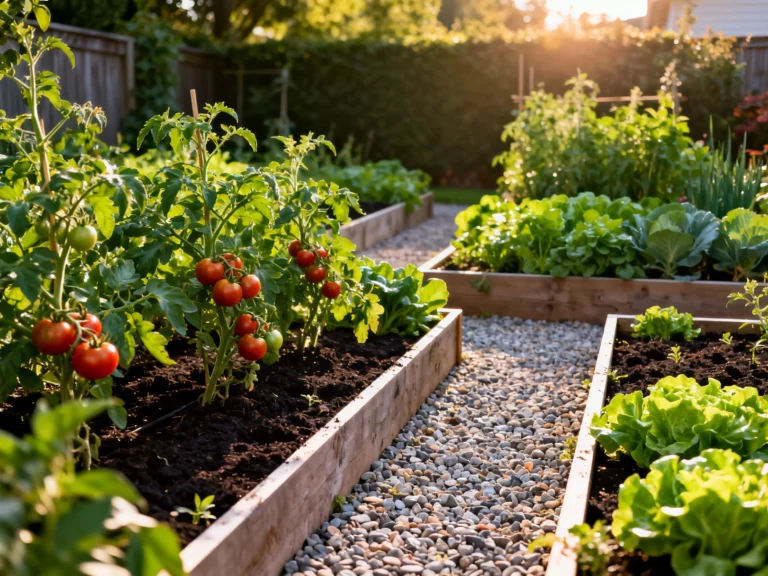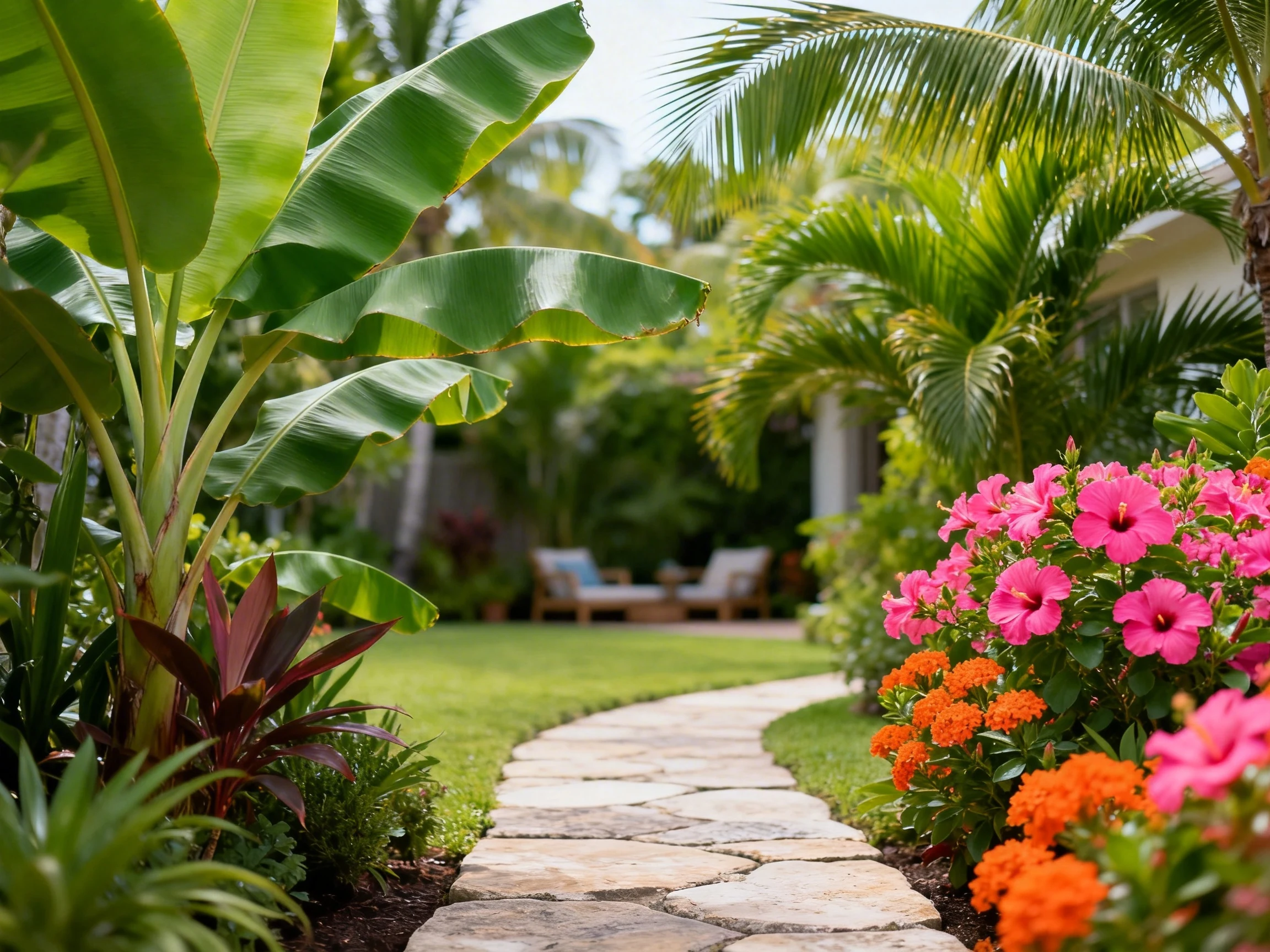
tropical garden design landscaping
Tropical garden design landscaping turns an ordinary yard into a place that feels like a mini vacation. You step outside, see huge leaves, bold colors, layered greenery, and suddenly your coffee tastes a little more expensive. The best part? You do not need a beachfront villa or a full-time gardener to pull it off. You just need the right mix of plants, structure, and a little design confidence.
What makes a garden feel tropical?
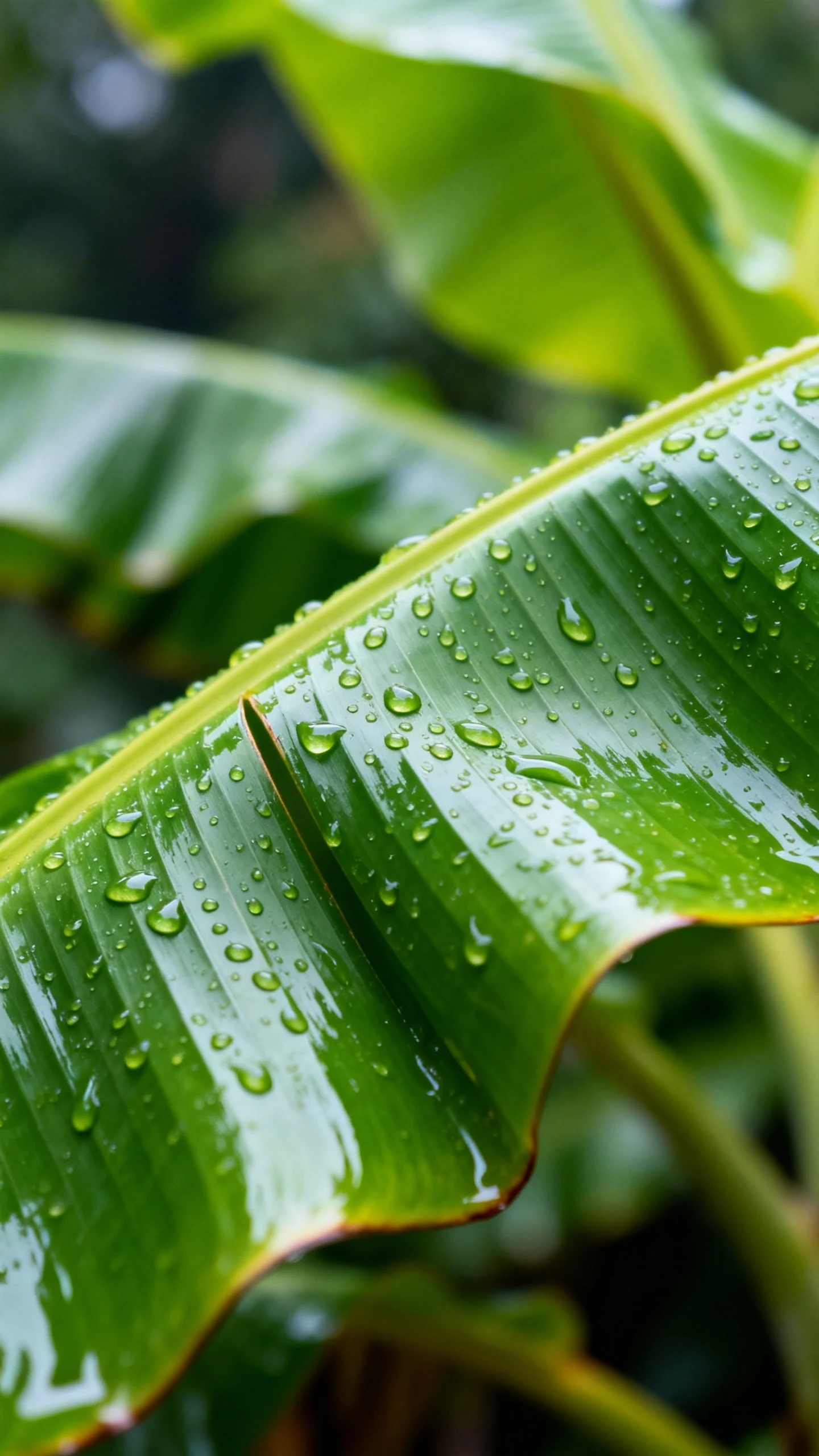
A tropical garden does not rely on one specific plant. It leans on a look. Think oversized foliage, rich greens, glossy leaves, dramatic shapes, and a layout that feels lush instead of tidy in a stiff, formal way.
The goal involves creating abundance. You want the space to look full, layered, and slightly wild, like nature got dressed up for dinner but still kept things interesting. If everything looks too neat and spaced out, the tropical vibe disappears fast.
Texture matters just as much as color. Big paddle-shaped leaves next to feathery fronds and spiky accents create that juicy, jungle-like contrast. Honestly, half the magic comes from making plants play off each other like a really good group chat.
Signature tropical design elements
If you want the vibe to read tropical right away, focus on a few visual cues. You do not need all of them, but combining several makes the theme feel intentional instead of random.
- Large-leaf plants such as banana, elephant ear, canna, and philodendron
- Layered planting with tall background plants, mid-height fillers, and low groundcover
- Bold foliage colors in deep green, chartreuse, burgundy, and variegated patterns
- Natural materials like bamboo, stone, rattan, timber, and gravel
- Water features for movement, sound, and instant resort energy
Start with the bones of the space
Before you buy every dramatic plant at the nursery, pause for a second. A great tropical garden starts with layout, not impulse shopping. Yes, I know impulse shopping feels more fun, but your future self will thank you.
Look at how you move through the yard. Where do you sit, where do you want privacy, and what do you want to see first? Tropical landscaping works best when it feels immersive, so think about views and pathways instead of treating the garden like a flat picture.
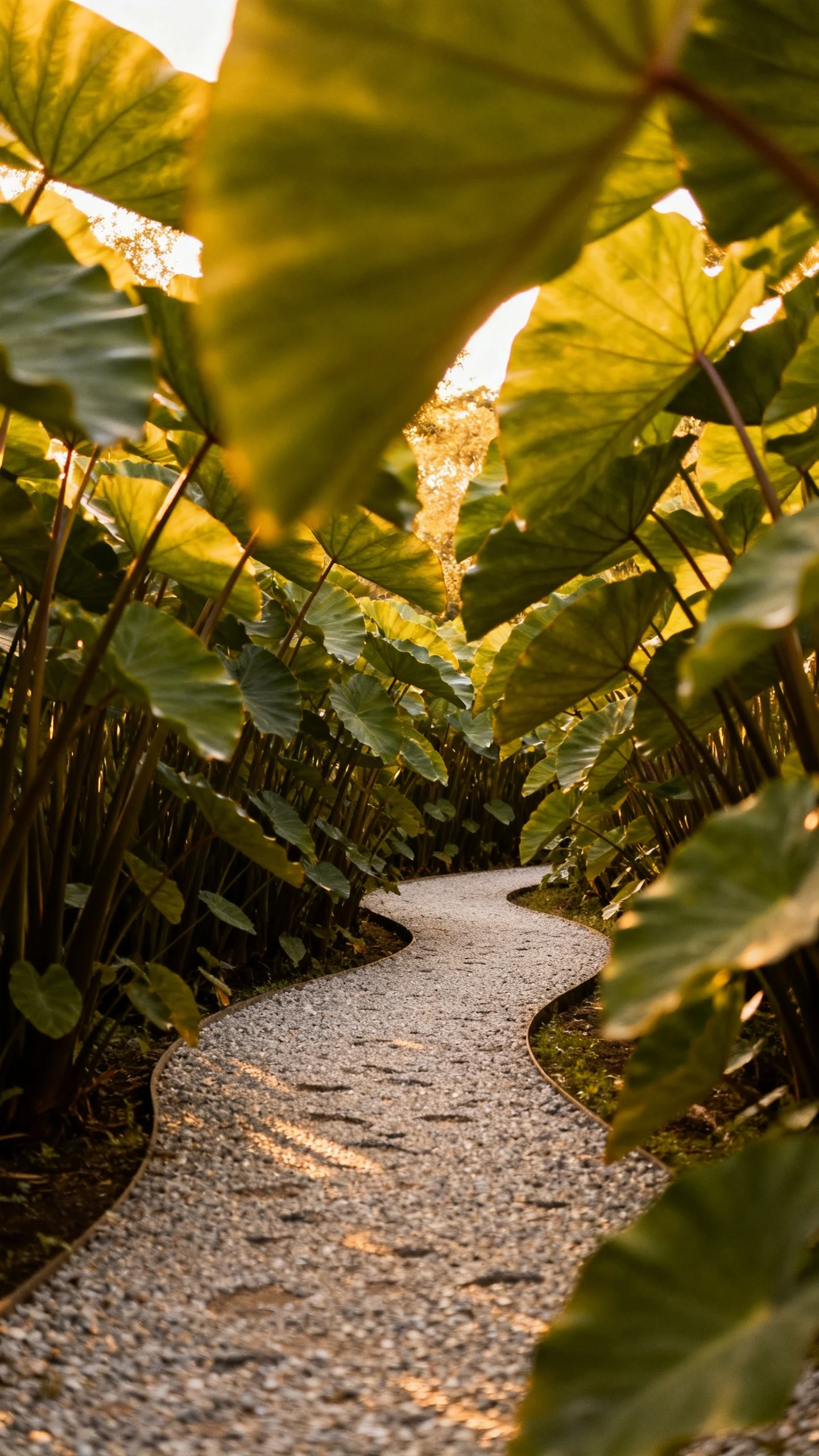
Create zones that invite people in. Maybe you build a small lounge corner under shade, frame a path with dense foliage, or hide a bench behind tall plants for a little secret escape. Tropical gardens shine when they feel layered and discoverable, not when everything reveals itself in one glance.
Use curves, not hard lines
IMO, curves do a lot of heavy lifting in tropical landscaping. Curved beds, winding paths, and softened edges feel more natural and relaxed. Sharp geometry can work, but it usually pushes the garden toward modern resort style rather than lush jungle style.
That said, you can still keep things organized. Use curved planting beds with clear borders so the space feels intentional. You want a garden that looks lush, not like you gave up halfway through.
Think about privacy early
Tropical gardens feel better when they wrap around you a little. Screening matters, especially if your neighbor’s recycling bins ruin the whole “private oasis” fantasy. Tall grasses, clumping bamboo, palms, or trellises with climbers can block views without making the yard feel boxed in.
Privacy planting also helps create a humid, enclosed atmosphere. Even in a regular suburban yard, that sense of enclosure makes the space feel more tropical. A little illusion goes a long way, FYI.
Choose plants for drama, not just survival
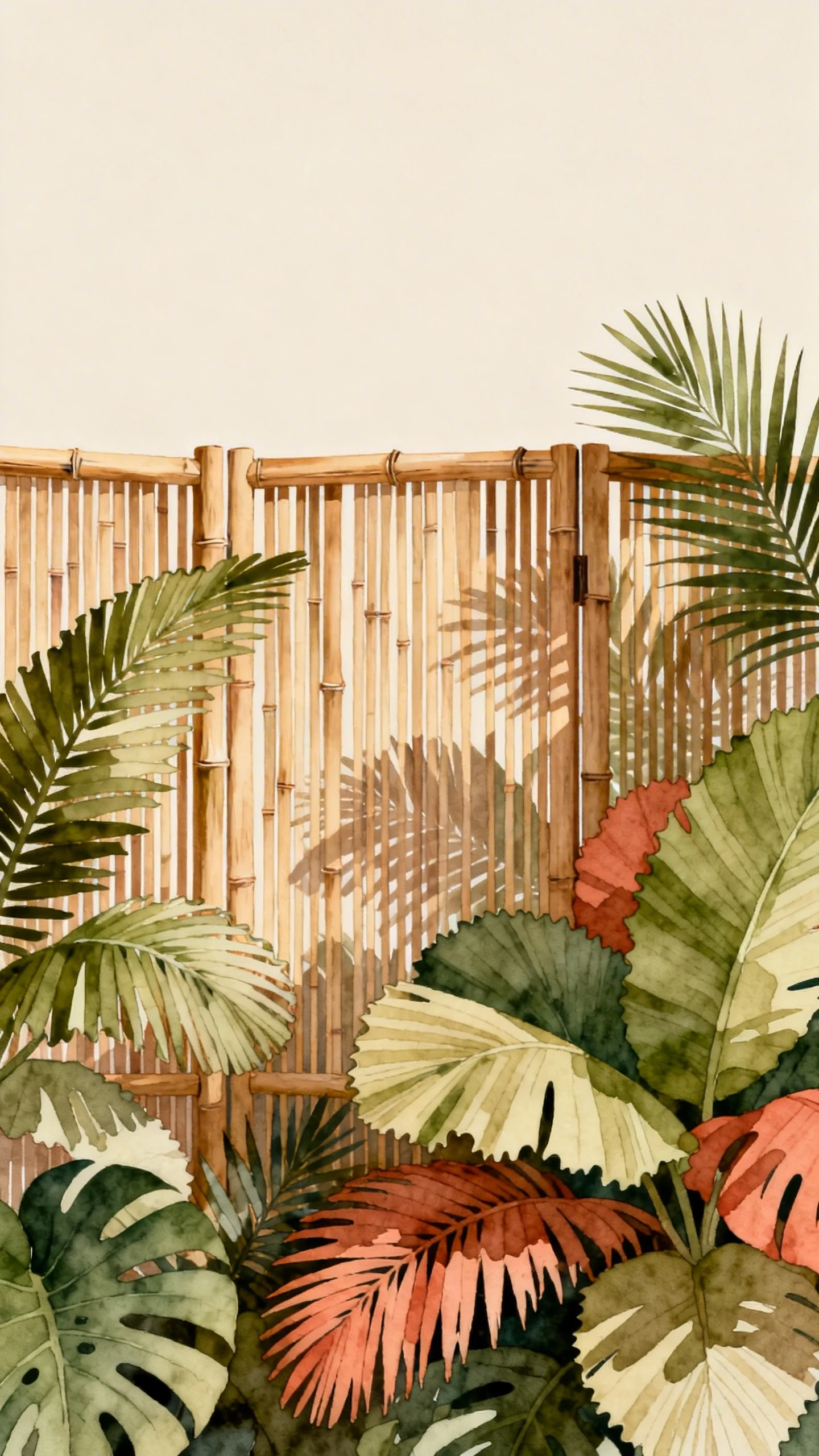
Plant selection makes or breaks tropical garden design landscaping. You need plants that bring size, shape, and attitude. If a plant looks timid, it probably does not belong front and center in a tropical scheme.
Start with structural plants. Bananas, palms, tree ferns, giant bird of paradise, cordylines, and elephant ears create height and drama fast. These give the garden a backbone and make everything around them feel more extravagant.
Then add fillers and contrast plants. Cannas, caladiums, coleus, gingers, bromeliads, ferns, and crotons step in with color and texture. The best tropical plantings mix bold focal plants with dense supporting layers so the whole bed looks lush instead of sparse.
Work with your climate, not against it
Here comes the less glamorous truth: your climate still matters. If you live in a truly tropical or subtropical region, lucky you. If not, you can still create a tropical look by using hardy plants that mimic the style.
In cooler areas, gardeners often use hardy bananas, cannas, fatsia, bamboo, ornamental grasses, and lush annuals to fake the look beautifully. You can also overwinter tender plants indoors or treat them as seasonal stars. Slightly dramatic? Yes. Worth it? Also yes.
Easy plant categories to mix
- Canopy plants for height: palms, bananas, bamboo, tree ferns
- Mid-layer plants for mass: gingers, cannas, cordylines, philodendrons
- Ground-layer plants for fullness: ferns, caladiums, hostas in cool climates, bromeliads
- Accent plants for punch: bird of paradise, agave, crotons, ti plants
Layering creates that lush, jungle effect
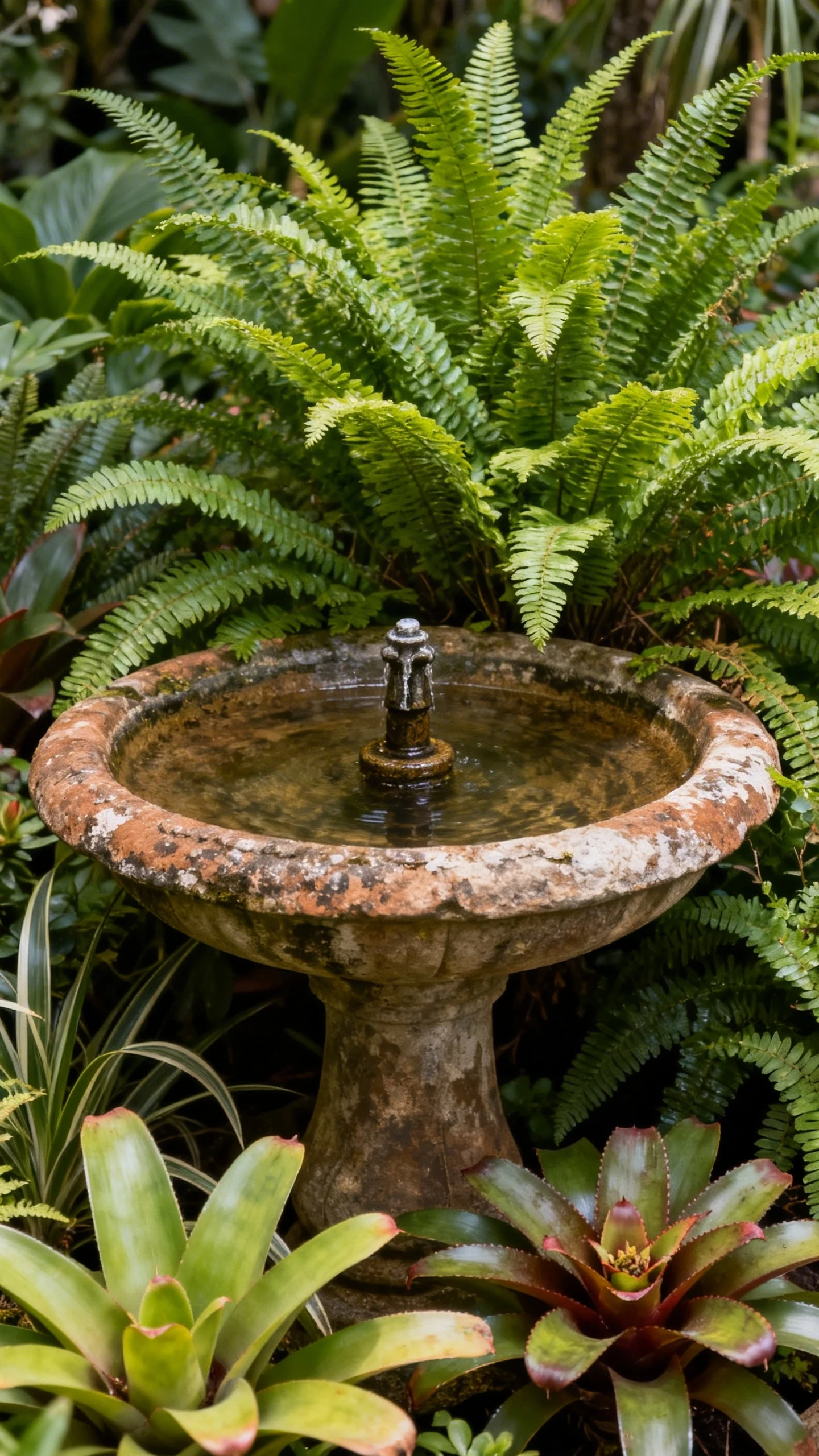
If tropical gardens had one secret weapon, it would be layering. A single palm in a lawn does not feel tropical. It feels like a lonely plant with a lot of pressure on it.
Layering means placing plants in vertical and horizontal groups so the eye moves through the space naturally. Tall plants anchor the back or center, medium plants fill the middle, and low growers spill around the front. Every layer adds depth, softness, and fullness.
Pack plants a little closer than you would in a minimalist design. You want leaves to overlap and mingle. Tropical landscaping looks better when it feels generous, not stingy.
Repeat shapes and colors
Too much variety can turn the garden into visual chaos. Yes, tropical spaces look abundant, but they still need rhythm. Repeat a few leaf shapes, a few foliage colors, and a few key plants across the yard to tie everything together.
For example, you might repeat broad leaves in multiple beds, then echo burgundy foliage in containers and border plants. That kind of repetition keeps the design lush but controlled. Nobody wants the yard version of 47 browser tabs open at once.
Hardscaping matters more than people think
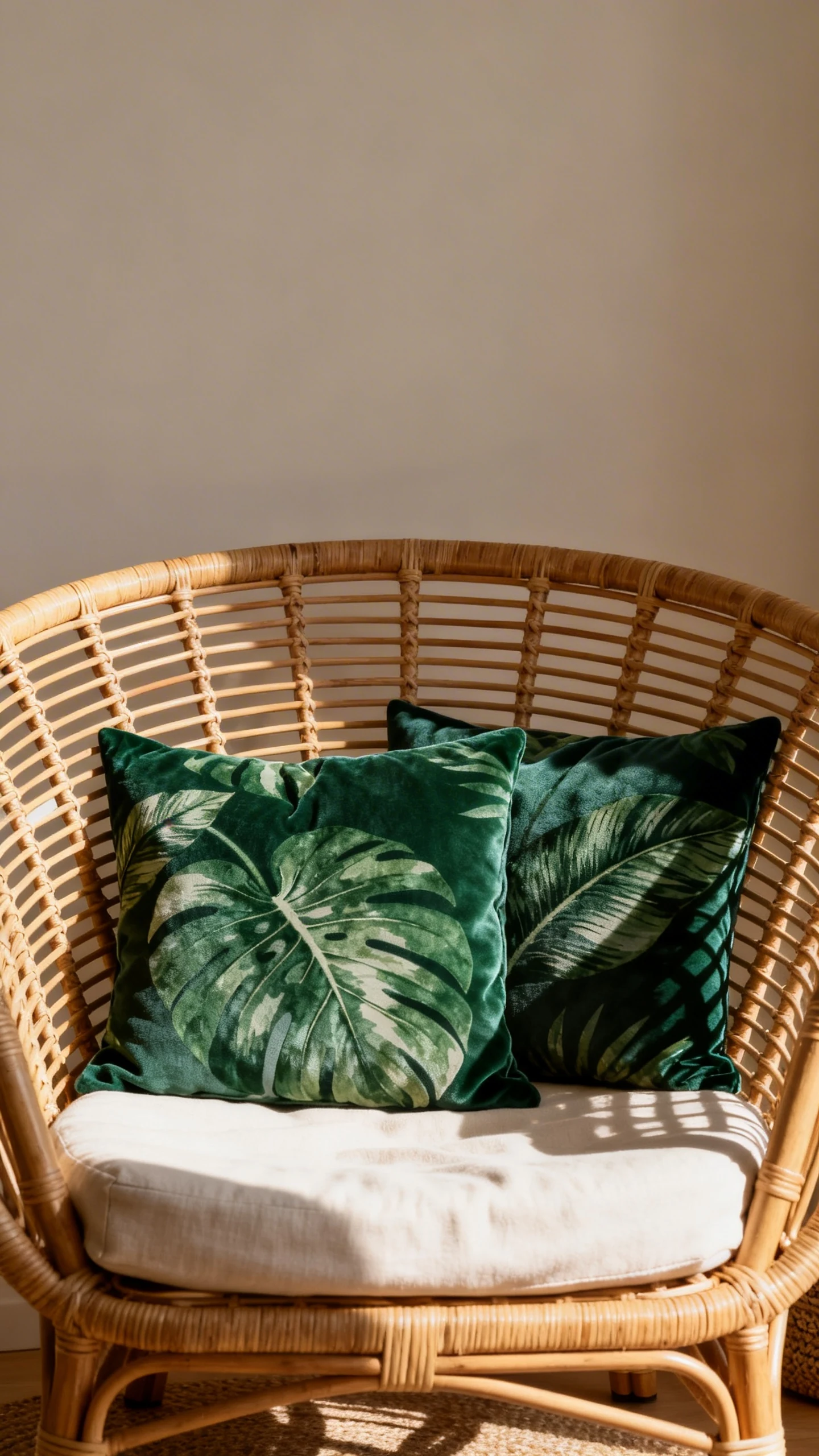
Plants grab all the attention, but hardscaping sets the mood. Paths, patios, edging, screens, and furniture shape how the garden feels when you actually use it. And unless you plan to admire the yard from one window forever, this part matters.
Natural-looking materials usually work best. Stone, timber, gravel, and bamboo blend beautifully with dense planting. They soften the space and support that relaxed, resort-like atmosphere without trying too hard.
Water features also deserve serious consideration. A simple fountain, small pond, or wall spout adds sound and movement, which instantly makes the garden feel cooler and calmer. Running water can make even a compact yard feel more immersive.
Best features for a tropical vibe
- Curved gravel or stone paths that invite exploration
- Wood decking for a warm, resort-style seating area
- Bamboo or slatted screens for privacy and texture
- Large containers to showcase bold foliage near entrances or patios
- Low, warm lighting to highlight leaves and create evening drama
Color, furniture, and finishing touches
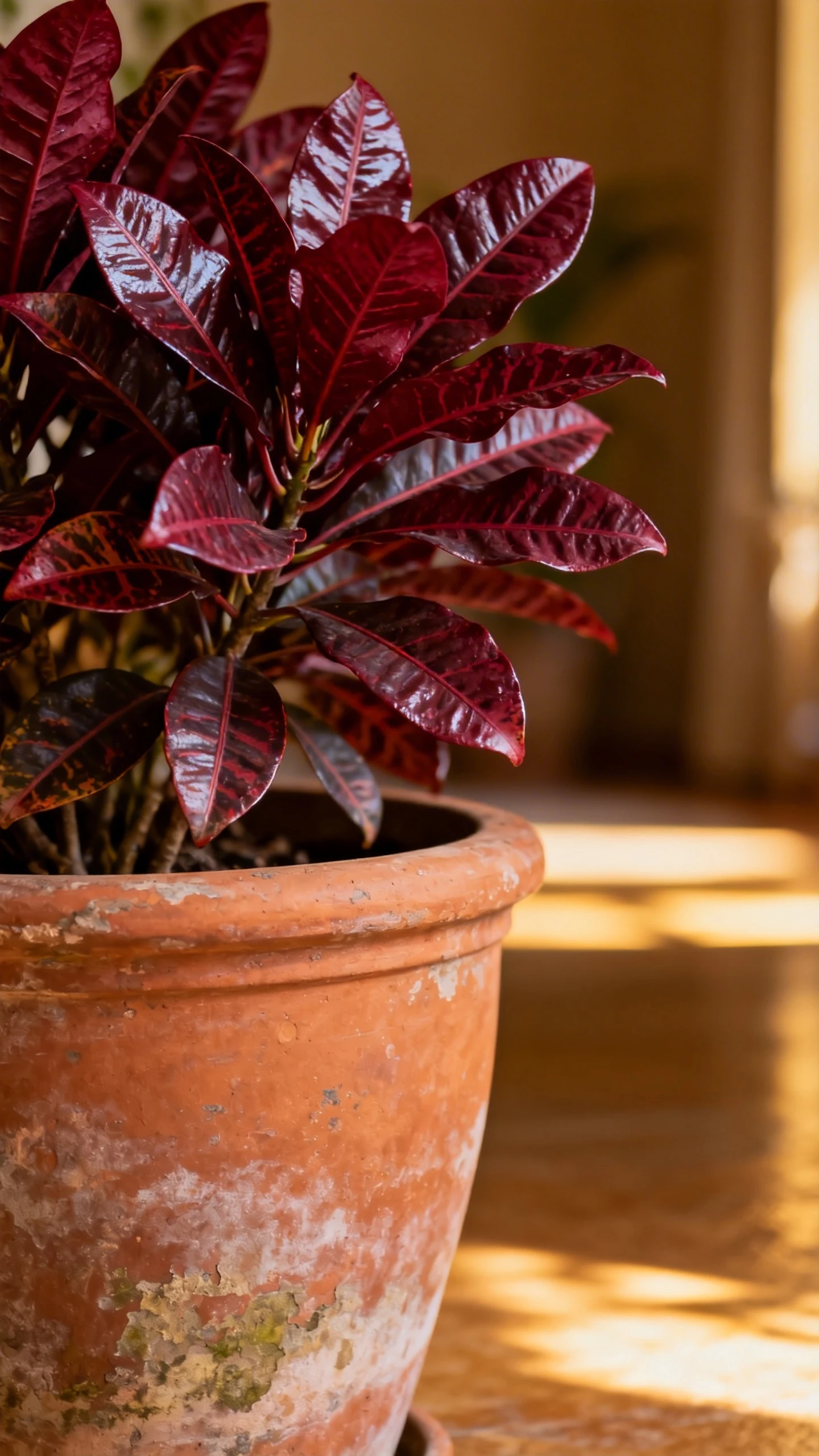
Tropical landscaping does not stop at the planting bed. Accessories, furniture, and color choices finish the story. Skip this step, and the garden can feel half-done, like a room without curtains.
Go for furniture that feels easy and relaxed. Teak, rattan, woven chairs, and simple loungers fit right in. Add outdoor cushions in leafy prints, deep greens, coral, or sunny yellow if you want extra personality without turning the place into a theme park.
Containers help too, especially in small spaces. Big pots with dramatic foliage can frame doors, line patios, or create little focal points where garden beds do not fit. IMO, one huge pot with a spectacular plant beats six tiny pots struggling for relevance.
Do not forget the senses
The best tropical gardens do more than look good. They sound good, smell good, and feel inviting. Fragrant flowers, rustling leaves, trickling water, and soft lighting all add up to a stronger experience.
Try using jasmine, plumeria in warm climates, or scented gingers if they suit your region. Add lighting that highlights leaf shapes at night. Tropical gardens should feel moody in the best possible way, not like a parking lot with plants.
How to keep it lush without losing your mind
Let’s be honest. Tropical gardens can get unruly fast if you ignore them. Fast-growing plants love to test your boundaries, both emotional and physical.
Regular watering matters because big leaves lose moisture quickly. Mulch helps the soil stay cool and moist, and it also makes beds look polished. Consistent maintenance keeps tropical landscaping lush instead of chaotic.
Prune damaged leaves, divide aggressive growers, and feed hungry plants during the growing season. Watch spacing as plants mature, because that cute little banana pup will not stay little for long. A little weekly attention beats one giant meltdown session later.
Simple maintenance checklist
- Water deeply and consistently, especially during heat
- Mulch beds to hold moisture and suppress weeds
- Remove torn or yellowing leaves to keep plants fresh
- Fertilize regularly during active growth
- Check tender plants before cold weather arrives
FAQ
Can I create a tropical garden in a cold climate?
Absolutely. You just need plants that look tropical, even if they handle cooler weather better. Mix hardy bananas, cannas, bamboo, fatsia, grasses, and lush annuals, then use containers for tender statement plants you can move or protect.
What are the easiest plants for a tropical look?
Bananas, cannas, elephant ears, palms suited to your region, ferns, and cordylines rank high on the easy list. They offer strong shape, fast impact, and that bold foliage tropical gardens need. Start there, then add more exotic picks once you know your space.
Does a tropical garden need a lot of water?
Many tropical-style plants like consistent moisture, but smart planning helps a lot. Group thirsty plants together, add mulch, improve soil, and use irrigation if possible. You can also choose drought-tolerant plants with tropical-looking foliage if water use concerns you.
How do I make a small yard feel tropical?
Focus on layering, screening, and large-leaf plants in containers or tight planting beds. Use vertical elements like bamboo screens or climbers, and keep the palette bold but limited. A small space can feel incredibly lush when you fill it thoughtfully instead of cramming in random stuff.
Should I use flowers or mostly foliage?
Foliage should do most of the heavy lifting. Tropical gardens rely more on leaf shape, size, and texture than nonstop flowers. Use blooms as accents, not the whole strategy, unless you enjoy the visual equivalent of everyone shouting at once.
What is the biggest mistake people make with tropical landscaping?
They underplant. People buy a few bold plants, spread them too far apart, and expect instant jungle magic. Tropical design needs layers, repetition, and fullness to work, so do not leave big empty gaps unless you want the space to look unfinished.
Conclusion
Tropical garden design landscaping works because it feels generous, immersive, and just a little bit indulgent. With bold plants, layered beds, natural materials, and a few smart finishing touches, you can build a yard that feels like an escape instead of an obligation. Start with structure, plant for drama, and let the space grow into itself. Your backyard might not come with ocean views, but it can absolutely fake the mood.