tropical garden design australian
Want your backyard to feel like a holiday without booking a flight to Bali? That’s the magic of tropical garden design in Australia. Done well, it looks lush, relaxed, and slightly smug in the best possible way. Done badly, it turns into a sad collection of crispy leaves and expensive regrets.
The good news? You can absolutely create a tropical-style garden in many parts of Australia. You just need the right mix of plants, shade, texture, water, and common sense. Let’s get into what actually works.
Why tropical gardens work so well in Australia
Australia and tropical garden design make a pretty natural pair. Large parts of the country already deliver the warmth, humidity, and sunshine these gardens love. Even in cooler areas, you can still fake the vibe with smart plant choices and a little microclimate trickery.
What makes this style so appealing? It feels abundant. Tropical gardens don’t whisper. They spill over paths, layer giant leaves over fine textures, and make every corner feel alive. That sense of lushness gives even a small suburban yard real personality.
And honestly, who doesn’t want a garden that looks like it belongs next to a pool and a cold drink? IMO, tropical design also feels less uptight than formal landscaping. It invites you to relax instead of worrying about whether your hedges line up like tiny soldiers.
The core look: lush, layered, and a little wild
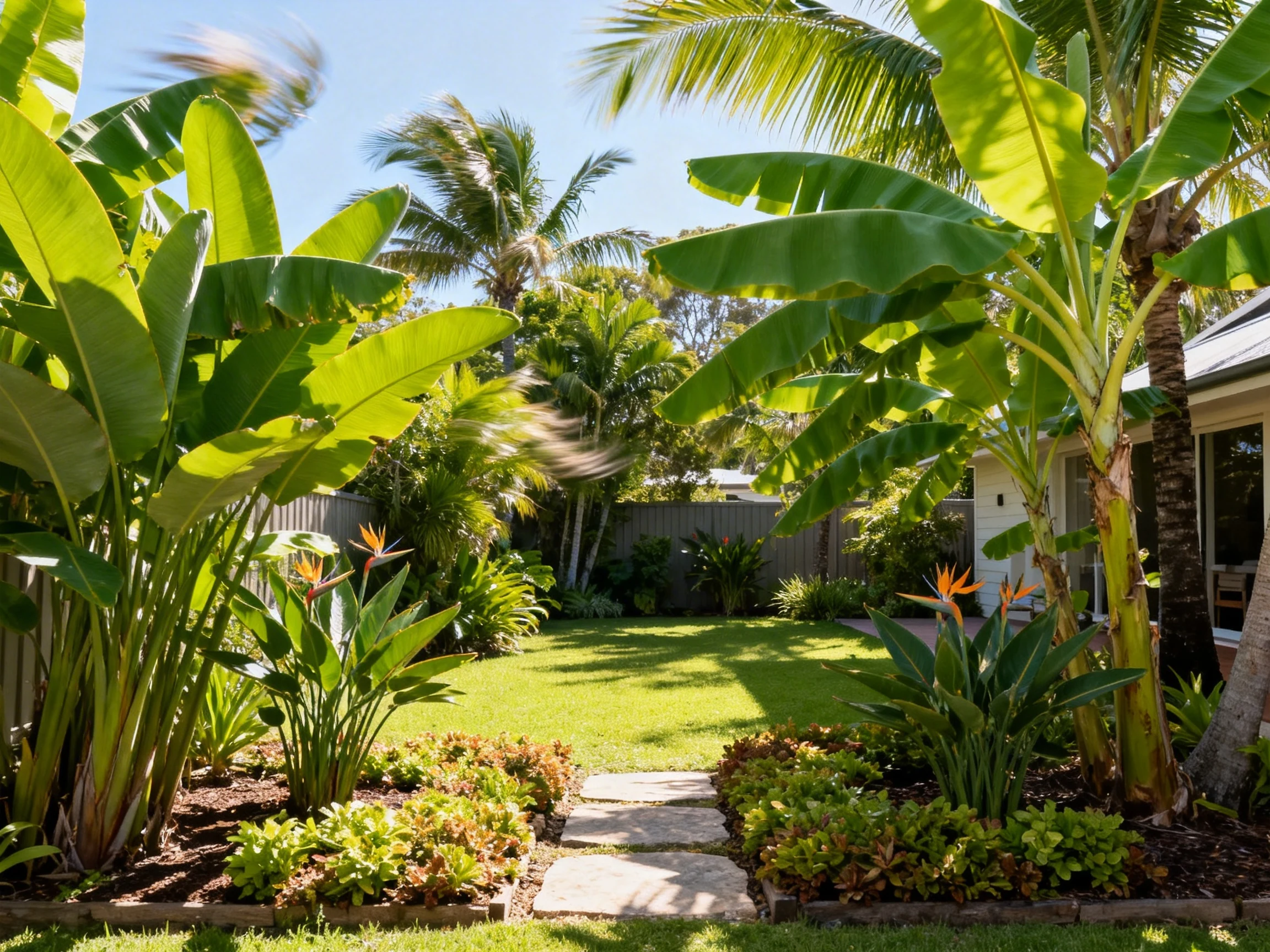
If you want the tropical look, start with the big idea: layers. Tropical gardens look full because they stack plants at different heights. You need tall canopy plants, mid-level shrubs, bold leafy fillers, and groundcovers that soften the edges.
Texture matters just as much as height. Mix broad leaves with strappy foliage, feathery forms, and glossy surfaces. That contrast creates depth fast, even if your garden sits on a standard suburban block with a fence you’d rather forget.
Colour plays a role too, but foliage does most of the heavy lifting. Deep greens set the scene, while burgundy, lime, and variegated leaves add drama. Flowers help, sure, but strong foliage shape makes the whole thing feel tropical even when nothing blooms.
Think jungle, not chaos
Here’s where people get carried away. Tropical style should feel lush, not like your garden lost a fight with a compost heap. Give plants enough room, repeat key varieties, and use curved paths or defined garden beds to hold everything together.
A little structure saves the whole design. Screens, stepping stones, edging, or a feature pot can stop the space from looking messy. You want “effortless resort,” not “abandoned rental property.”
Best plants for tropical garden design in Australian conditions
This part matters most. Not every gorgeous tropical-looking plant will handle every Australian climate, and some will sulk the second winter arrives. Choose plants for your area first, then build the style around them.
In warm and humid regions like coastal Queensland or northern New South Wales, your options open right up. You can grow genuinely tropical species with fewer dramas. In cooler or drier parts of Australia, focus on plants that look tropical but handle tougher conditions.
Great tropical-style plant options
- Heliconias for bold foliage and bright flowers in frost-free zones
- Gingers for lush leaves and seasonal colour
- Cordylines for upright shape and rich leaf tones
- Philodendrons for huge leaves and classic jungle energy
- Bird of paradise for structure and architectural form
- Alocasias and colocasias for dramatic elephant-ear leaves
- Palms such as kentia, bangalow, golden cane, or lady palm
- Crotons for intense foliage colour in warmer climates
- Frangipanis for tropical character with less fuss
- Bromeliads for easy colour and low-maintenance impact
If you live somewhere cooler, don’t panic-buy a truckload of delicate tropicals. Use hardy performers like fatsia, clivia, lomandra, philodendron xanadu, tree ferns, and hardy palms. They still sell the tropical story without collapsing at the first cold snap.
Also, respect your local conditions. Frost, wind, dry heat, and salty coastal air can wreck the wrong plant quickly. FYI, the label at the nursery often sounds wildly optimistic, so double-check with local growers or gardening groups before you commit.
Creating the right climate in your own backyard
Tropical gardens thrive in sheltered, humid spaces. If your yard feels hot, exposed, and windy, you need to fix that first. Plants can’t give you lush jungle magic if they spend every afternoon getting blasted like they’re in a leaf tornado.
Start with wind protection. Fences, screens, dense hedging, and layered planting all help calm the space. Once you cut the wind, moisture stays around longer and plants stop looking permanently offended.
Shade also plays a huge role. Many tropical plants love bright filtered light rather than brutal full sun. Use palms, small trees, pergolas, or shade cloth in key spots so delicate foliage doesn’t fry by lunchtime.
Water without turning the yard into a swamp
Tropical gardens need regular moisture, but they don’t want boggy roots. Improve your soil with compost and organic matter so it holds water while still draining well. That balance gives you healthy growth instead of root rot, which is about as fun as it sounds.
Mulch heavily. Seriously, mulch is your friend here. A thick mulch layer keeps roots cool, reduces evaporation, and makes the garden look finished instead of patchy and confused.
If you can, install drip irrigation or soaker hoses. Hand watering works, but it gets old fast in summer. And no, standing outside with a hose at dusk doesn’t count as a personality.
Hardscaping that sells the tropical vibe
Plants lead the show, but hardscaping sets the mood. The right materials make a tropical garden feel warm and relaxed before the greenery even fills out. Think natural, textured, and slightly resort-like without trying too hard.
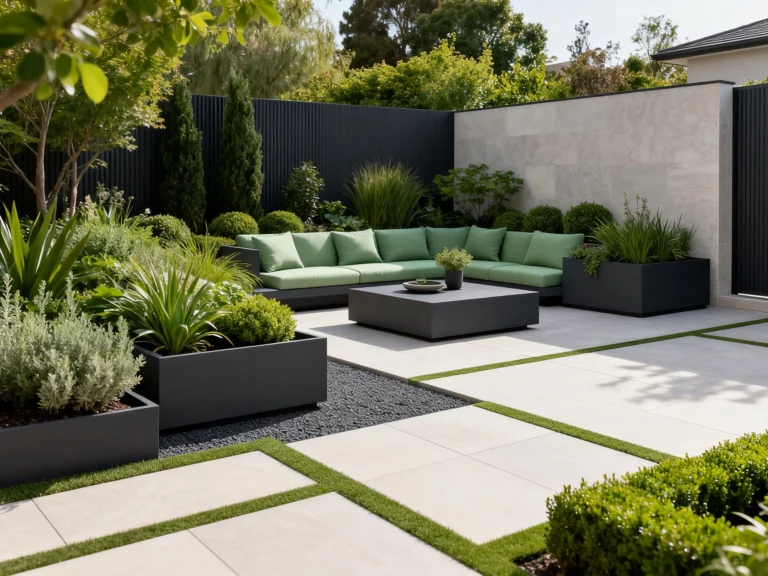
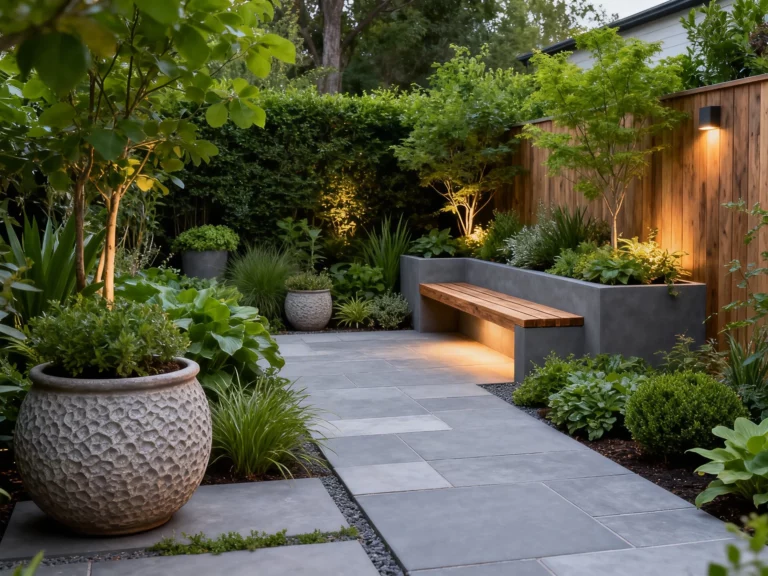
Timber decking works beautifully. So do stone pavers, gravel paths, and dark garden edging that disappears into the planting. Add a bench, an outdoor shower, or a chunky pot, and suddenly the whole space feels intentional.
Water features can help too, especially in smaller courtyards. A simple bowl, wall fountain, or pond adds movement and that soothing background sound everyone pretends not to love but absolutely does. Moving water also boosts the tropical mood fast.
Don’t forget lighting
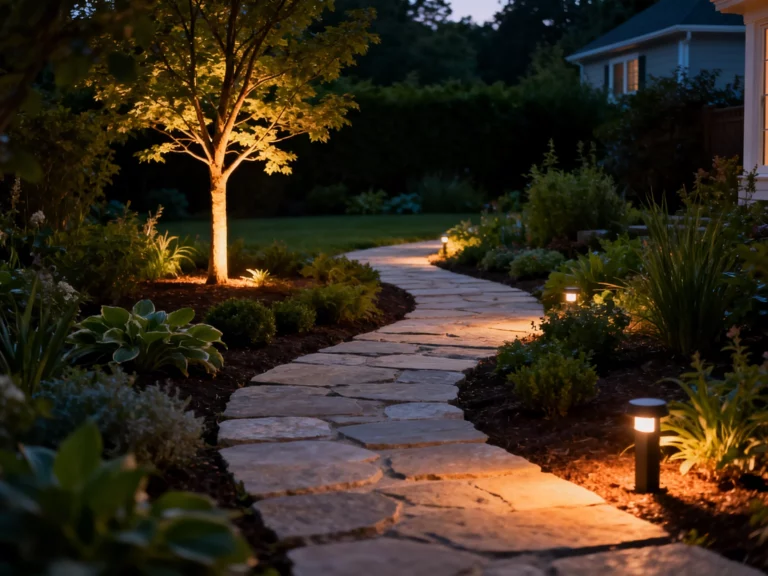
Lighting changes everything after sunset. Warm uplights on palms, soft path lights, and subtle feature lighting on large leaves can make the garden feel dramatic and inviting. You don’t need a theme park setup. You just need enough light to show off the shapes.
Keep it soft and strategic. Tropical style leans moody, not stadium-bright. If your backyard glows like a car dealership, you’ve gone too far.
How to keep it looking good without losing your weekend
Let’s be honest. Tropical gardens can get high-maintenance if you stuff them with needy plants and then ignore them. But a well-planned tropical garden in Australia can stay manageable if you choose the right plant mix from the start.
Prune damaged leaves, remove spent flowers, and thin overcrowded growth before everything turns into a leafy wrestling match. Regular small jobs beat one giant panic session every three months. Your back will thank you.
Feed plants during the growing season with a quality fertiliser suited to foliage plants or flowering tropicals. Water deeply when needed, top up mulch, and watch for pests like scale, mealybugs, and snails. They love a damp, leafy party almost as much as your plants do.
Common mistakes people make
- Planting too sparsely and expecting instant jungle
- Ignoring mature plant size until paths disappear
- Using too many different species with no visual rhythm
- Forgetting shade and wind protection
- Choosing plants that hate the local climate
- Underwatering in summer and then acting surprised
If you avoid those mistakes, you’re already ahead of plenty of gardens that looked amazing on install day and tragic six months later. Tropical design rewards consistency more than perfection. Keep showing up, and it usually pays you back.
Design ideas for different Australian homes
Not every tropical garden needs a giant yard and a pool. You can adapt the style to courtyards, narrow side gardens, front entries, and even balconies. It’s more about the planting style and atmosphere than raw square metres.
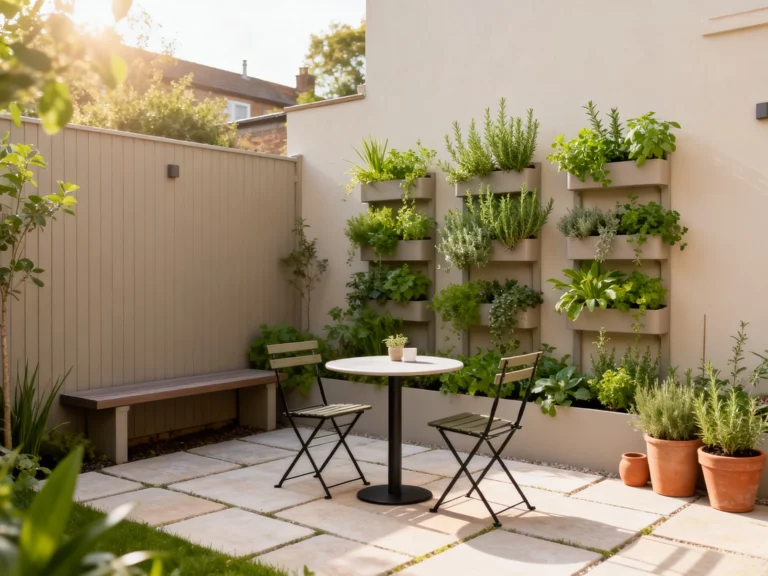
In small spaces, go vertical. Use screening plants, layered pots, wall planters, and one or two statement foliage plants with real presence. A large-leafed philodendron in a good pot can do more work than ten random little plants scattered around like an apology.
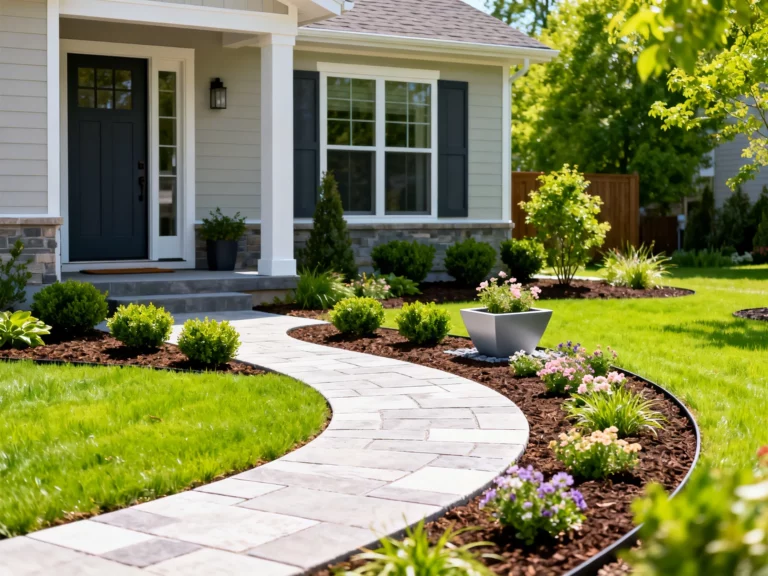
For front yards, keep sightlines clear but lean into bold planting around the edges. Palms, gingers, bromeliads, and clumping foliage plants can soften the house beautifully. Add lighting and dark mulch, and the whole frontage steps up immediately.
If you have a pool area, tropical design feels almost unfairly effective. Use non-messy palms, bird of paradise, cycads, and clean-lined paving to create that resort look. Just watch root systems and falling debris, unless skimming leaves ranks high on your list of hobbies.
FAQ
Can I create a tropical garden in southern Australia?
Yes, absolutely. You just need to choose hardy tropical-look plants and create shelter from cold winds and frost. Focus on foliage, layering, mulch, and moisture, and you can get the feel even if your climate isn’t truly tropical.
What are the easiest plants for a low-maintenance tropical garden?
Bromeliads, clivia, hardy philodendrons, cordylines, bird of paradise, and some palms usually behave well. These plants offer strong form and colour without demanding constant drama. Local conditions still matter, so ask a nearby nursery what performs best in your area.
Do tropical gardens use a lot of water?
They can, but smart design helps a lot. Improve the soil, mulch heavily, group plants by water needs, and use efficient irrigation. Once established, many tropical-style gardens need less fuss than people expect.
How do I make my garden look tropical on a budget?
Start with a few bold structural plants, then fill in with fast-growing foliage plants and divisions from friends or local plant groups. Use mulch, simple edging, and repeat the same plants for a fuller look. You don’t need a designer budget to get the vibe right.
Are palms essential in tropical garden design?
No, but they help a lot. Palms bring height, movement, and that unmistakable holiday feel. If palms don’t suit your space, use tree ferns, cordylines, bananas, or other bold upright plants to create a similar effect.
What style of house suits a tropical garden?
Almost any style can work with it, honestly. Coastal homes, Queenslanders, contemporary builds, and mid-century houses all pair beautifully with tropical planting. Even a basic brick house can look far more interesting once the garden softens the edges and adds some life.
Conclusion
Tropical garden design in Australia works best when you blend bold planting with practical decisions. Choose plants for your climate, build shelter and shade, and aim for layers instead of random plant shopping. The result feels lush, relaxed, and just a little bit indulgent.
And really, that’s the whole point. A tropical garden should make you want to stay outside longer, breathe deeper, and admire your own backyard like you’re on holiday. If your garden can do that, you’ve nailed it.