Terrace Garden Waterproofing and Drainage in India: A Simple Checklist
Ever thought your terrace garden was the ultimate chill zone, only to discover water leaking into your bedroom during monsoon? Yeah, not fun. A terrace garden is awesome, but without decent waterproofing and drainage, it turns into a soggy nightmare faster than you can say “potted basil.” Let’s break down how to make your green patch thrive without wrecking your house. And no, you don’t need to be an engineer or millionaire to sort this out.
Why Waterproofing Your Terrace Garden Is Basically Non-Negotiable
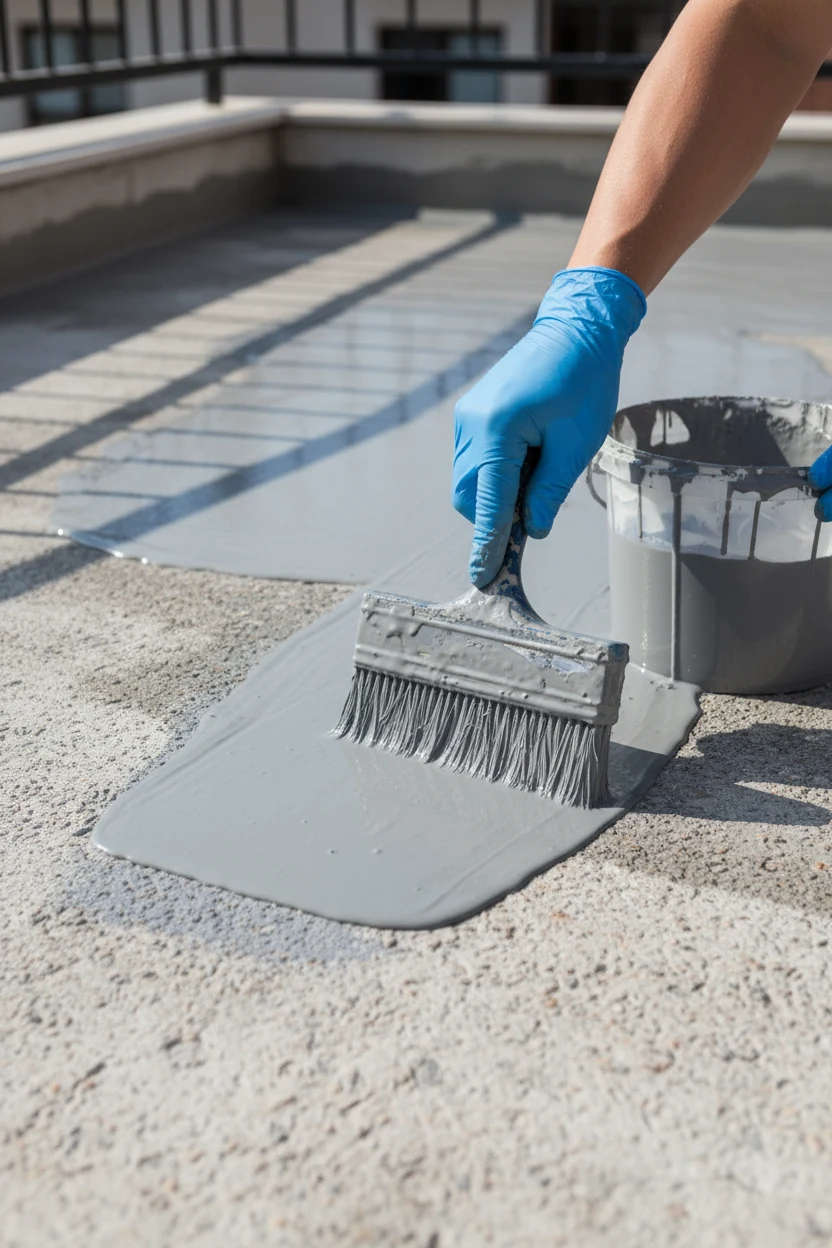
Your terrace is literally the roof over your head. If water starts seeping through cracks, you’ll be facing ugly stains, mold, and even structural damage. Waterproofing is your invisible superhero cape – it works behind the scenes to keep the bad stuff out. In India, with our unpredictable weather, skipping this step is like leaving your lunch out for street dogs – sooner or later, you’ll regret it.
The Indian Rain Factor
Let’s be real – monsoon doesn’t mess around. Downpours can last hours, and your terrace garden becomes a mini swimming pool. Waterproofing ensures rainwater doesn’t sneak in where it’s not welcome. And trust me, constant patch repairs get old (and expensive) very fast.
Choosing the Right Waterproofing Materials
If you think “any waterproof paint will do,” spoiler alert: it won’t. The right materials depend on the garden design, the load, and how much rain your city sees. Always go for durable stuff that can handle both water and plant roots.
Common Waterproofing Options
- Liquid waterproofing membranes – Easy to apply, great for complex shapes.
- Sheet membranes – Heavy-duty and excellent for large flat areas.
- Polyurethane coatings – Flexible and resistant to chemicals (and stray fertilizer spills).
Root Barriers
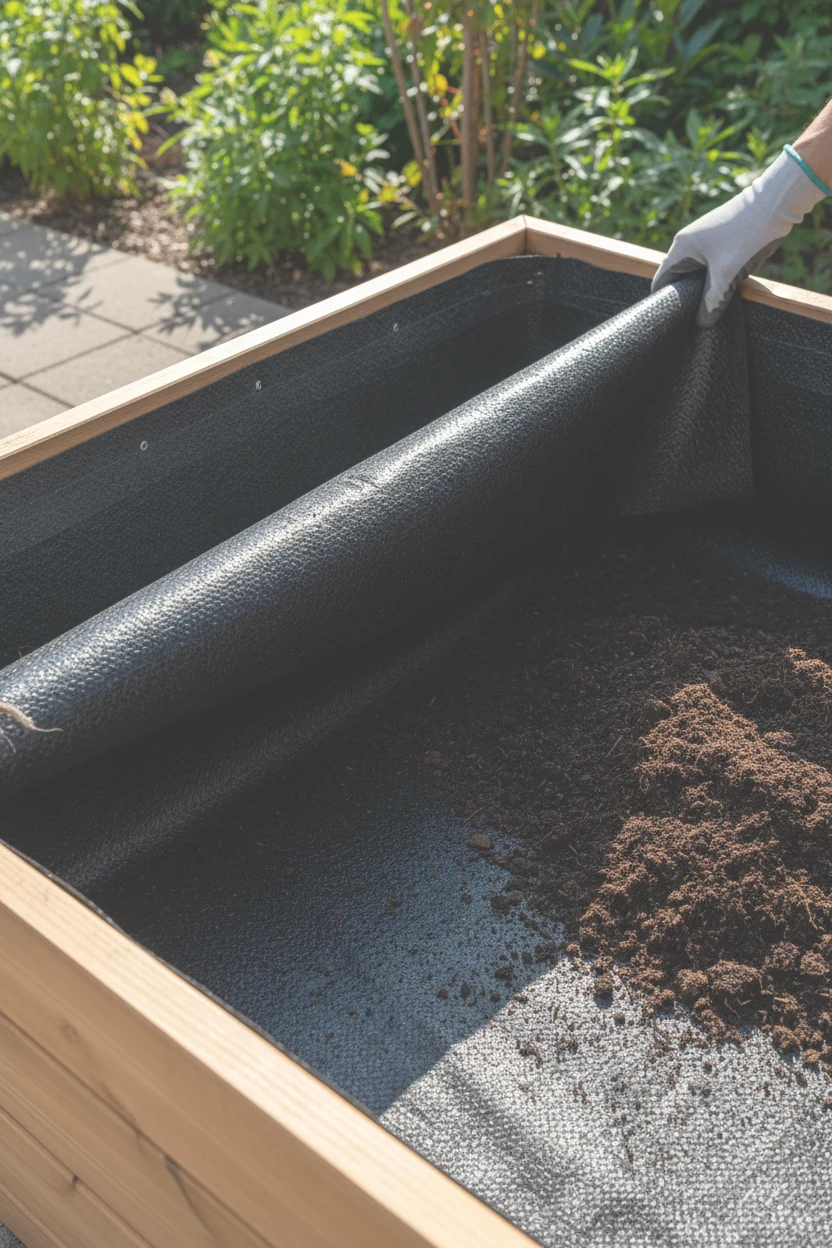
Roots are sneaky escape artists. They will push through cracks looking for water, damaging your waterproof layer. Root barrier sheets stop this jailbreak attempt before it begins. Install them between soil and waterproofing to protect the integrity of your terrace.

Drainage: The Unsung Hero of Healthy Terrace Gardens
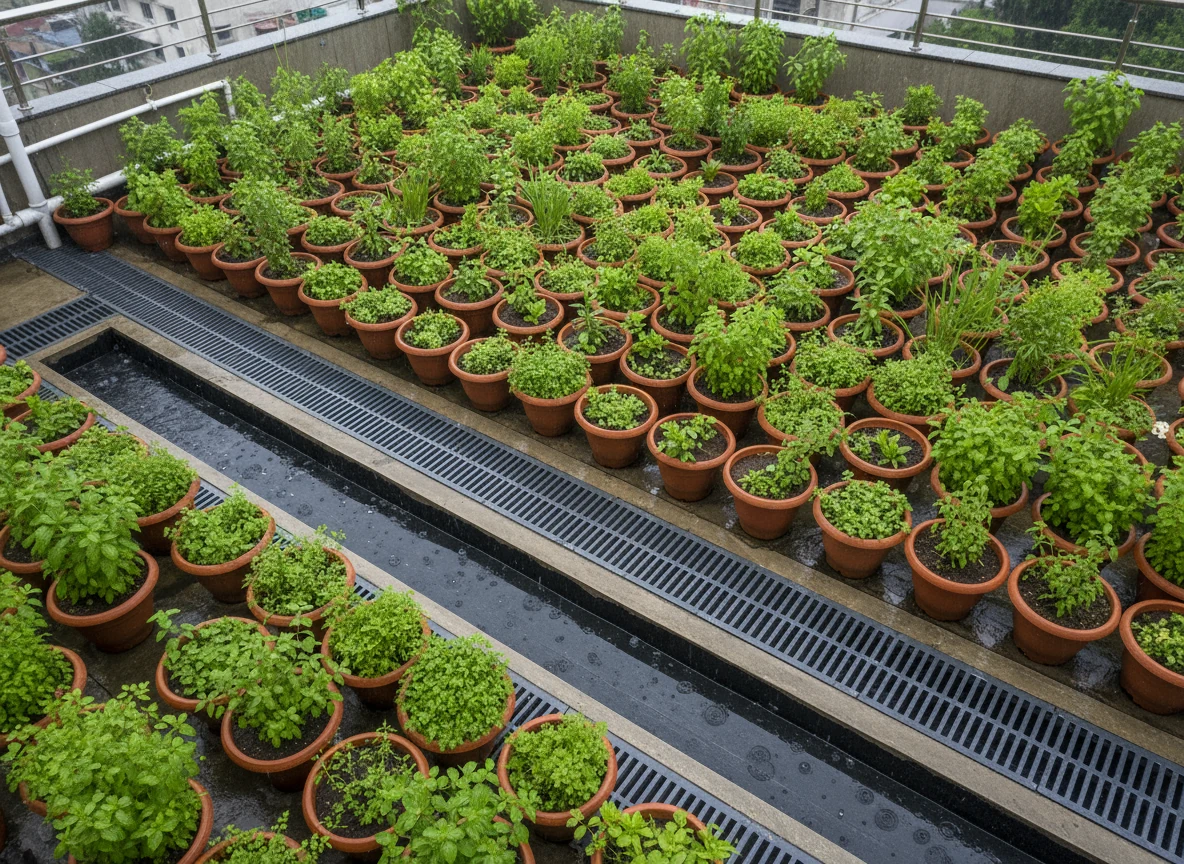
Waterproofing stops leaks, drainage stops puddles. Without proper drainage, plants drown, algae forms, and mosquitoes throw pool parties. Drainage is basically your garden’s plumbing – it gives excess water a quick exit.
Simple Drainage Rules
- Always slope the terrace surface slightly towards drains.
- Don’t block drainage outlets with soil or pots.
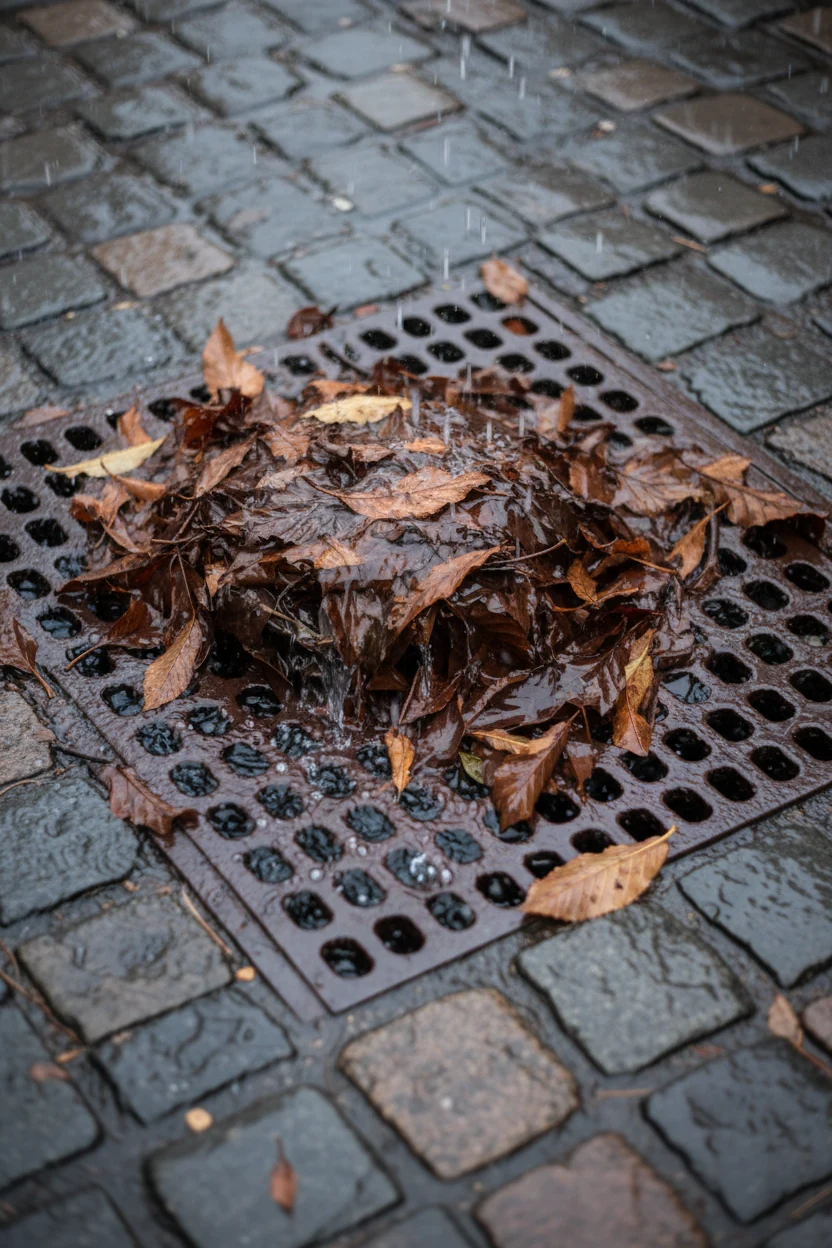
- Install drain covers to keep leaves from clogging the system.
Types of Drainage Systems
- Surface drains – For quick removal, especially during heavy rains.
- Internal drains – Installed underneath, suitable for bigger gardens.
- Perforated drain pipes – Hidden under soil, ensuring consistent water flow.
Maintenance: The Step Everyone Forgets
Waterproofing and drainage aren’t one-and-done jobs. Even the best systems fail if you ignore maintenance. Check drains for blockages, inspect the waterproof layer for cracks, and be proactive with repairs.
Quick Monthly Checklist
- Inspect all visible waterproofed surfaces.
- Clean drain inlets thoroughly.
- Check plant roots near edges for signs of breaching.
- Look for any algae or moss growth – they can indicate trapped moisture.
Budget-Friendly Hacks
Not everyone can splurge on high-end systems. Luckily, India’s jugaad spirit shines here. Sometimes, it’s about smart choices and creative solutions. FYI, skimping on waterproofing entirely isn’t one of them – that’s a false economy.
Simple Ways to Save
- Use locally available materials – reduces cost and is easier to replace.
- DIY minor repairs instead of calling a contractor for every crack.
- Install basic root barriers using durable plastic sheets if specialized ones are costly.
Extra Tips for Indian Conditions
From blazing heat to torrential rains, Indian terraces see it all. Choose lighter-colored waterproof coatings to reflect heat and reduce stress on the material. Design your garden with movable pots so you can quickly clear drains before the monsoon hits.
Plants That Play Nice With Waterproofing
- Succulents – Low water demand, less risk of leaks.
- Grasses – Roots aren’t aggressive like certain shrubs.
- Herbs – Basil, mint, coriander – gentle on the infrastructure.
FAQ
Can I build a terrace garden without waterproofing?
Technically, yes. But unless you enjoy repainting ceilings or fighting mold every few months, it’s a bad idea. Waterproofing protects both your house and your plants in the long run.
How often should I renew waterproofing layers?
On average, every 5-7 years. But if you notice cracks, discoloration, or leaks earlier, don’t wait – fix it ASAP.
Do all plants cause waterproofing damage?
Not all – but aggressive root systems can ruin everything. Avoid deep-rooted trees on terraces unless you’ve factored in strong root barriers.
What’s the cheapest drainage fix for small terraces?
Install simple grated surface drains and keep the slope correct. Throw in monthly cleaning, and you’re golden.
Will drainage reduce mosquito problems?
Absolutely. Standing water is mosquito heaven. Good drainage kicks them out before they even get the RSVP.
Conclusion
A terrace garden can be your happy place – if it’s built on solid waterproofing and drainage. Think of them as the unseen foundations for all your gardening joy. Skip them, and you’ll be spending more time fixing leaks than smelling the roses. So plan smart, invest wisely, and let your terrace bloom without turning into an accidental swimming pool.