Healing Garden Plants for Backyards: Lavender, Sage, Jasmine, + More
You want a backyard that smells amazing, looks gorgeous, and actually helps you chill out? Plant a healing garden. Lavender, sage, jasmine, and a few trusty sidekicks turn a regular yard into a mini wellness station. You step outside, breathe deeper, and suddenly your shoulders drop three inches. That’s not magic—it’s plants doing their thing.
Why a healing garden makes sense
You curate plants with scent, beauty, and gentle wellness vibes, and you build a space you actually use. You create a morning ritual with tea and a lavender walk, or you wrap up your day with jasmine by moonlight. You don’t need acres—you just need the right plants in the right spots.
You also create habitat for bees, butterflies, and the birds that keep pests in check. You bring biodiversity home and watch your backyard turn lively and balanced. You set it up once and enjoy it for years.
Sun, soil, and setup: your backyard game plan
Strong plants start with smart planning. You check sun, test drainage, and group plants by vibe (and water needs). Easy.
- Map your sun: Watch your yard for a day. Mark full sun (6–8 hours), part sun (3–5 hours), and shade. Lavender and rosemary love full sun. Jasmine and chamomile handle part sun.
- Fix drainage: Healing herbs hate soggy roots. Raise beds, build mounds, or mix in gravel for lavender and rosemary. Keep soil loose and airy.
- Feed the soil: Blend compost into planting areas. You build structure, feed microbes, and lock in moderate moisture. You skip heavy fertilizers for herbs—flavor stays better with leaner soil.
- Plan by zones: Cluster thirsty plants (mint, lemon balm) together. Keep drought lovers (lavender, sage, rosemary) in a separate zone. You simplify watering and stop drama.
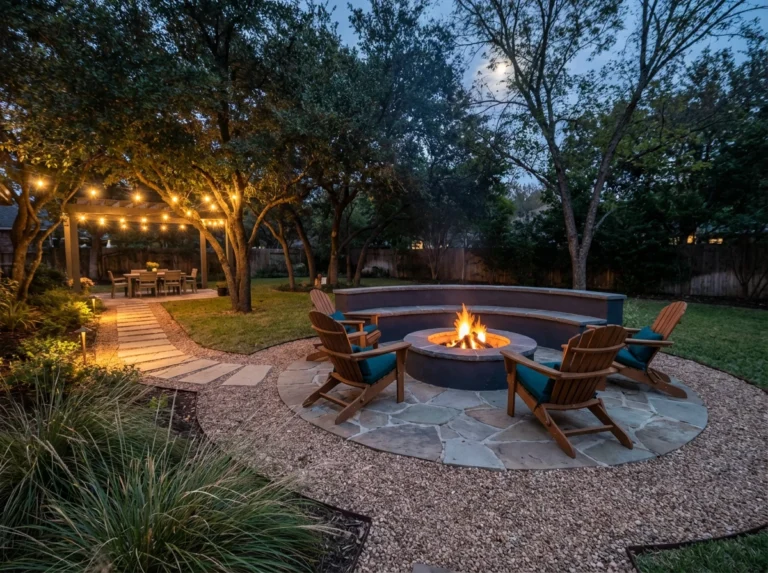
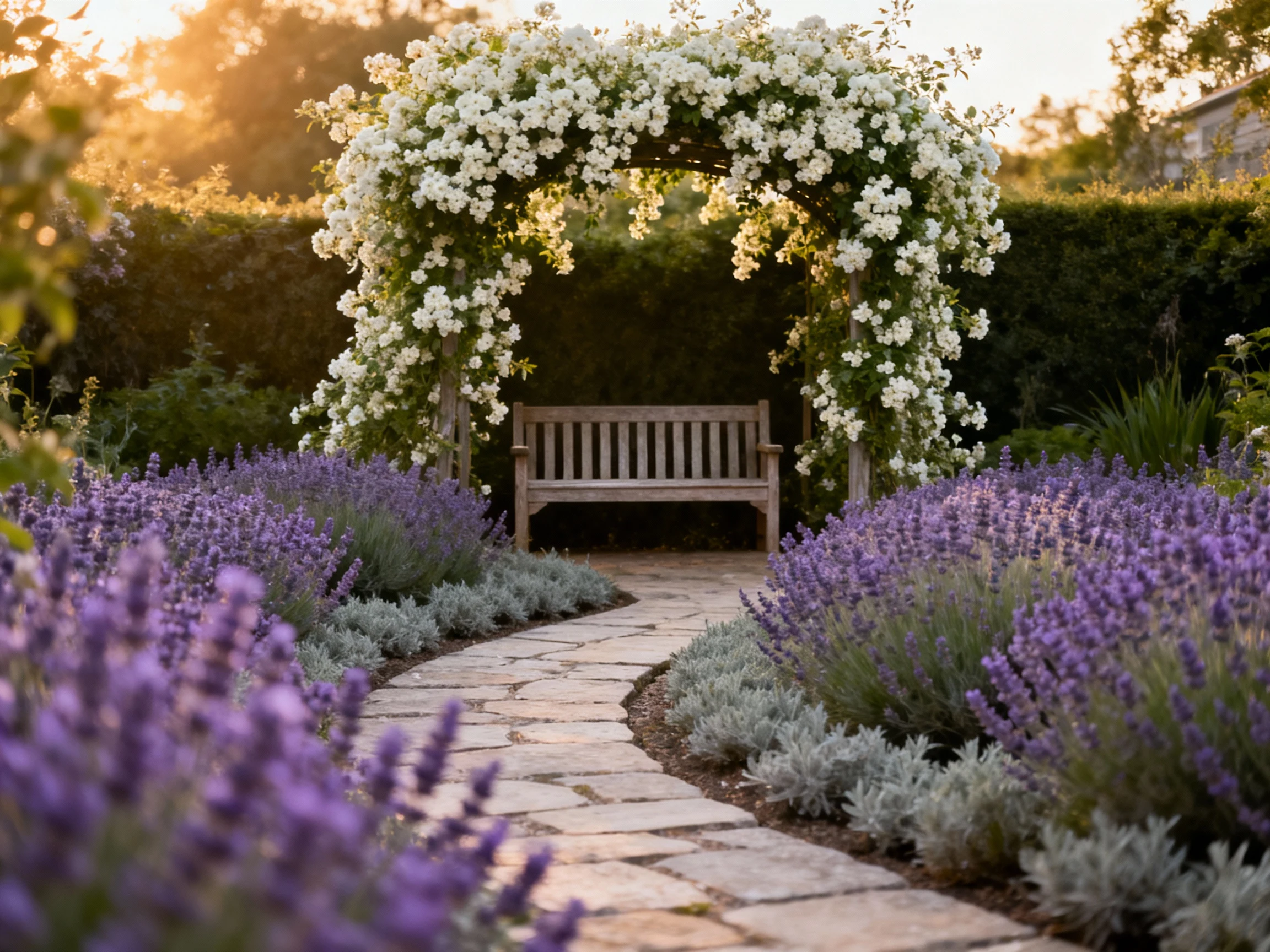
You add paths so you actually walk through and harvest. You tuck benches or a small table near your best scent spot for those quick “I need five minutes” breaks. You create a scene, not just a Pinterest board.
Lavender love: scent, calm, and bees
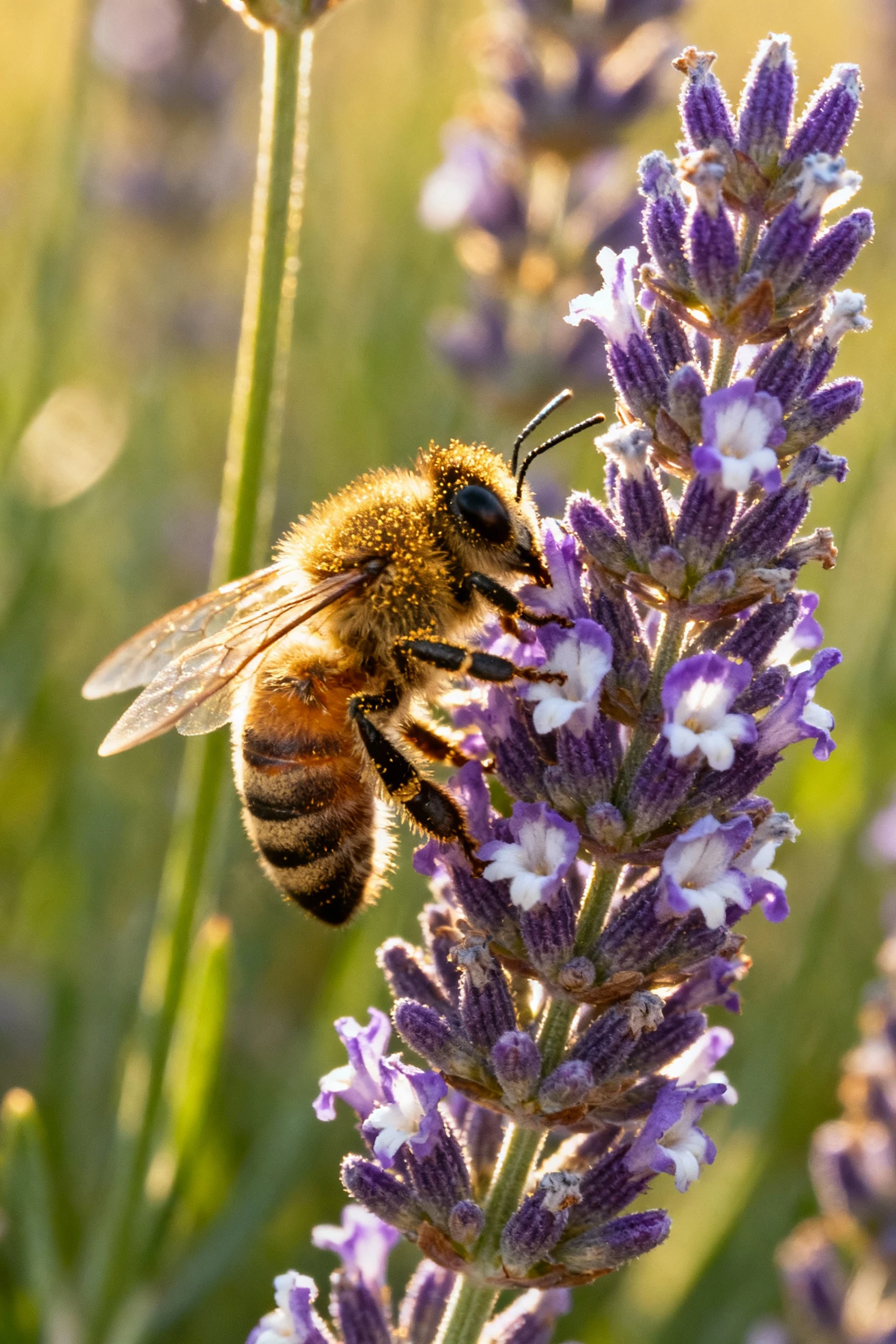
Lavender anchors healing gardens like a pro. You get a soothing scent, a haze of purple blooms, and an instant bee party. You plant it where you see it and breathe it daily.
Varieties worth trying
- English lavender (Lavandula angustifolia): Classic fragrance, great for drying. You grow it in Zones ~5–9.
- French/Spanish lavender (L. stoechas): Showy “rabbit ear” blooms. You grow it in warmer climates and use it for scent and style.
- Lavandin (L. x intermedia): Taller plants with strong scent and big harvests. You use it for sachets and quick crafts.
Quick care cheat sheet
- Full sun for 6–8 hours.
- Excellent drainage: Sandy or gravelly soil wins. You avoid heavy clay.
- Water deeply, then let dry: You skip constant moisture. You water less in cool seasons.
- Prune after bloom: You trim back by one-third, and you keep green growth on the plant. You skip hard cuts into woody stems.
Simple uses
You snip stems and hang them to dry for sachets. You infuse oil for balms. You add a pinch to shortbread because you live a little. FYI: Lavender supports relaxation, but you still listen to your body and keep things gentle.
Sage wisdom: flavor, focus, and resilience
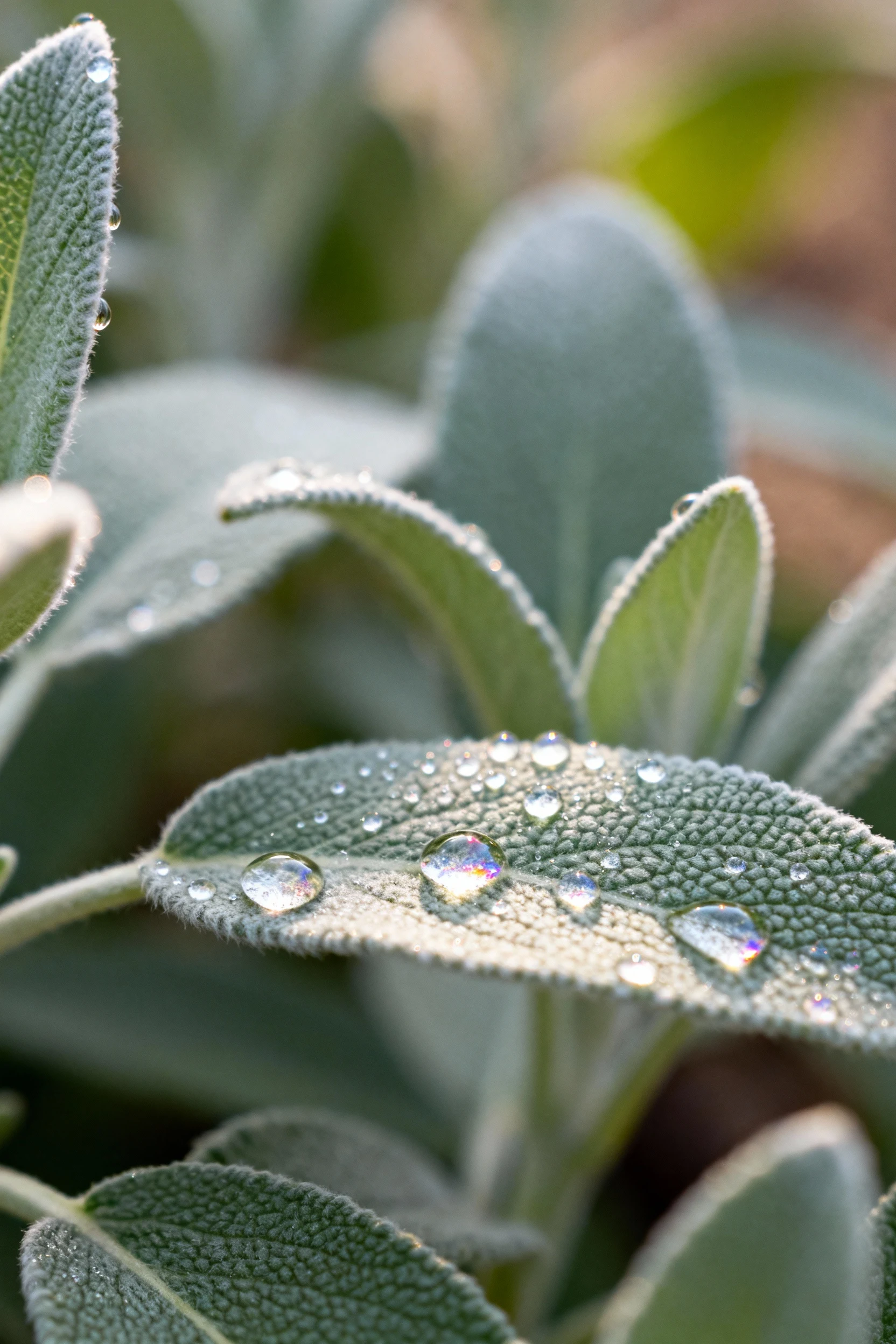
Sage brings earthy scent and gorgeous gray-green leaves. You use it in the kitchen, you admire it in flower, and you turn your planting beds into a vibe. Sage also handles heat and poor soil like a champ.
Culinary vs. ornamental
- Common sage (Salvia officinalis): Classic kitchen herb. You use it fresh or dried. Bonus flowers bring pollinators.
- Purple or variegated sage: You add color and still use it in food.
- Clary sage (Salvia sclarea): Aromatic and showy. You grow it for scent and style more than cooking.
Care tips
- Sun: Full sun gives dense growth and strong flavor.
- Soil: Well-drained, slightly lean soil works best.
- Water: Moderate watering, then dry out between sessions.
- Prune: You shape plants after bloom. You keep new growth coming.
Use ideas
You flash-fry leaves in butter for crispy garnish. You dry bunches and toss them into winter stews. You collect blossoms for bees and for your own enjoyment. You keep a pot near the grill for quick snips.
Jasmine joy: climbing fragrance therapy
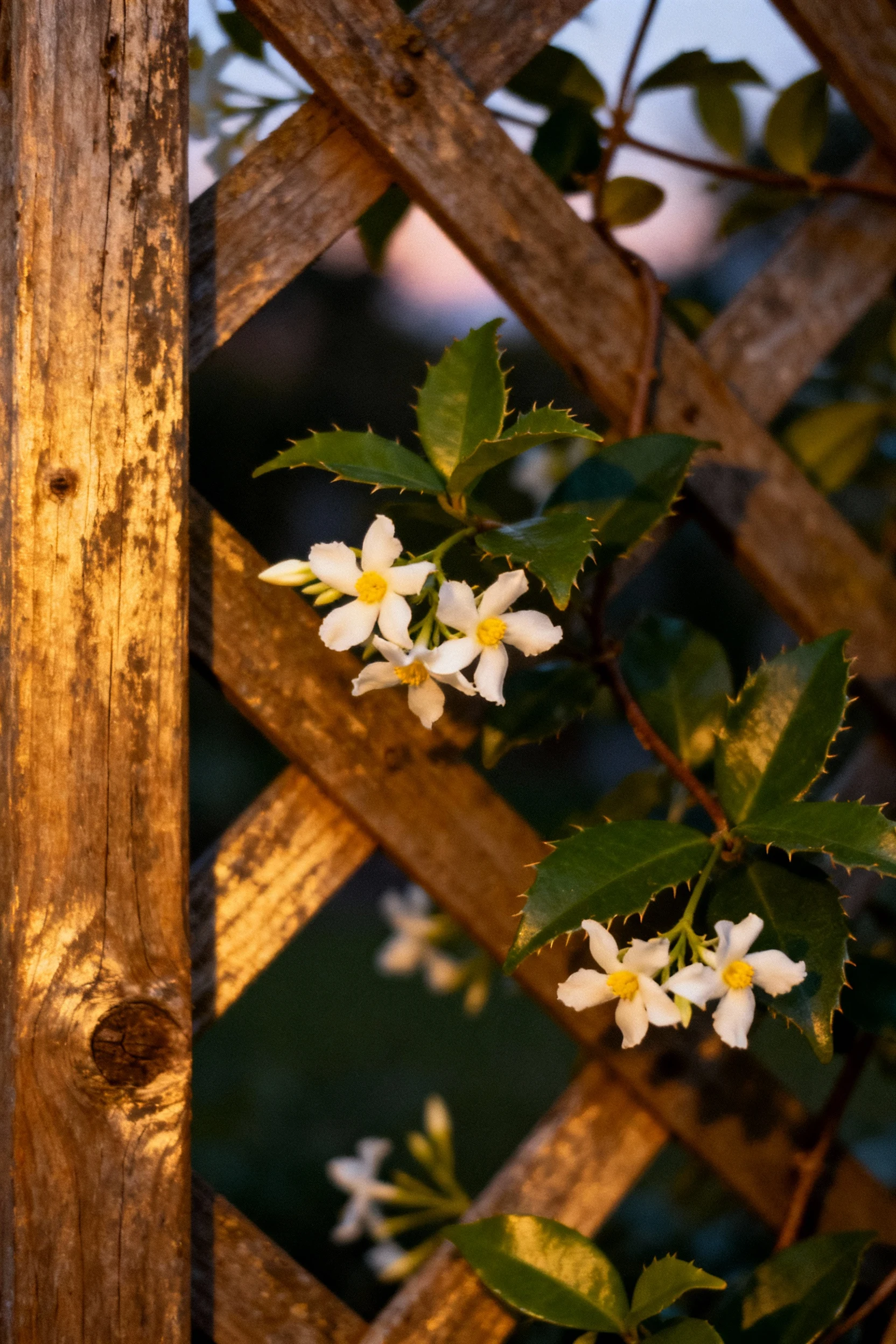
Jasmine transforms evenings. You step outside and the air turns sweet, and suddenly you forget your inbox exists. You give it a trellis or fence, and you let it decorate your vertical space.
Pick a jasmine
- Common jasmine (Jasminum officinale): Classic white flowers and summer bloom. You grow it in sun to part sun.
- Star jasmine (Trachelospermum jasminoides): Not a true Jasminum, but the scent says “yes.” You grow it as a vine or shrub in warmer zones.
- Night-blooming jasmine (Cestrum nocturnum): Big fragrance at night. You plant it away from windows if you want subtlety. You avoid it if strong scent triggers headaches.
Training and support
You install sturdy trellises, wires, or an arch. You tie vines loosely with garden tape and guide new shoots. You prune after a flush of flowers and keep the shape tidy.
Care rundown
- Light: Full sun for big blooms; part sun works too.
- Water: Keep soil evenly moist during establishment, then ease up.
- Feeding: Light compost in spring. You skip heavy fertilizer.
- Cold protection: In chillier zones, you mulch roots and shelter pots.
More plant MVPs: chamomile, calendula, mint, rosemary, lemon balm
You round out your healing lineup with cheerful blooms and reliable herbs. You start small and expand as you learn what you love.
Chamomile (Matricaria recutita or Chamaemelum nobile)
You harvest daisy-like flowers and dry them for tea. You enjoy apple-sweet aroma and gentle calm. You sow seeds in cool temps and let plants settle into part sun.
- Sun: Full sun to part sun.
- Water: Medium moisture. You avoid soggy soil.
- Tip: You pick flowers often to keep blooms coming.
You note possible ragweed sensitivities for some folks, so you start small and see how you feel.
Calendula (Calendula officinalis)
You plant cheerful orange and yellow blooms and enjoy nonstop color. You use petals as a garnish or in simple salves. You sow seeds directly and pinch spent flowers for a longer show.
- Sun: Full sun for best bloom.
- Water: Moderate and regular.
- Use: You dry petals for infusions or add them to salads for color.
Mint (Mentha spp.) — contain it!
Mint tastes great and spreads like a rumor. You keep it in a pot or use a root barrier. You harvest constantly and enjoy fresh tea all summer.
- Sun: Part sun to sun.
- Water: Keep moisture consistent. You avoid bone-dry soil.
- Varieties: Peppermint, spearmint, chocolate mint—pick your vibe.
Rosemary (Rosmarinus officinalis)
You plant rosemary for resilience and fresh aroma. You use it in marinades, roasts, or cocktails. You add height and structure to your herb bed.
- Sun: Full sun wins.
- Drainage: Essential. You plant on mounds if soil holds water.
- Prune: Light trims after bloom keep plants dense.
Lemon balm (Melissa officinalis)
You rub leaves and get a burst of lemon scent. You brew evening tea and wind down without drama. You grow it near pathways for easy snips.
- Sun: Part sun to sun.
- Water: Even moisture keeps leaves lush.
- Containment: You deadhead and thin out runners to control spread.
Harvest, dry, and DIY safely
You keep DIY simple and safe. You harvest clean, you dry gently, and you store with care. You listen to your body and avoid heroics.
Drying basics
- Harvest: You pick in the morning after dew dries.
- Prep: You bundle small bunches and hang in a dry, airy, shaded spot.
- Timing: You wait until stems snap and leaves feel crisp.
Teas and infusions
You steep fresh or dried herbs in hot water for 5–10 minutes. You taste before you add honey or lemon. You try blends—lavender + chamomile at night tastes dreamy.
Storage
- Containers: You use airtight jars and label with plant + date.
- Location: You store in a cool, dark cupboard.
- Shelf life: You aim to use within 6–12 months for best flavor.
Safety FYI
You confirm plant ID before use and avoid unknowns. You check meds and personal sensitivities with a healthcare pro if needed. You start with small amounts and watch how you feel. You enjoy the garden first, the “remedies” second—no stress.
Design moves that feel good
You arrange plants for beauty and daily rituals. You lean on texture, scent, and easy access.
- Layer heights: Lavender and rosemary in mid-back, chamomile and calendula upfront. Jasmine climbs and frames the view.
- Pathways and pockets: You add stepping stones and small seating nooks. You plant mint and lemon balm near those spots for quick grabs.
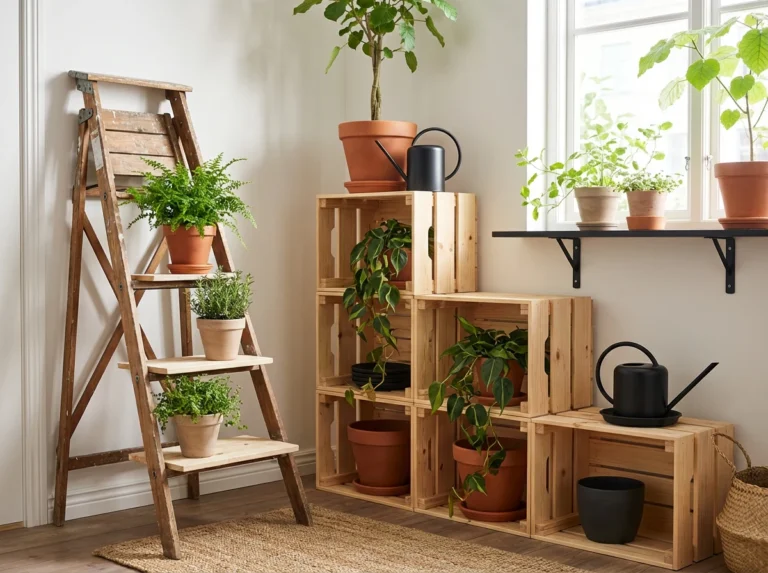
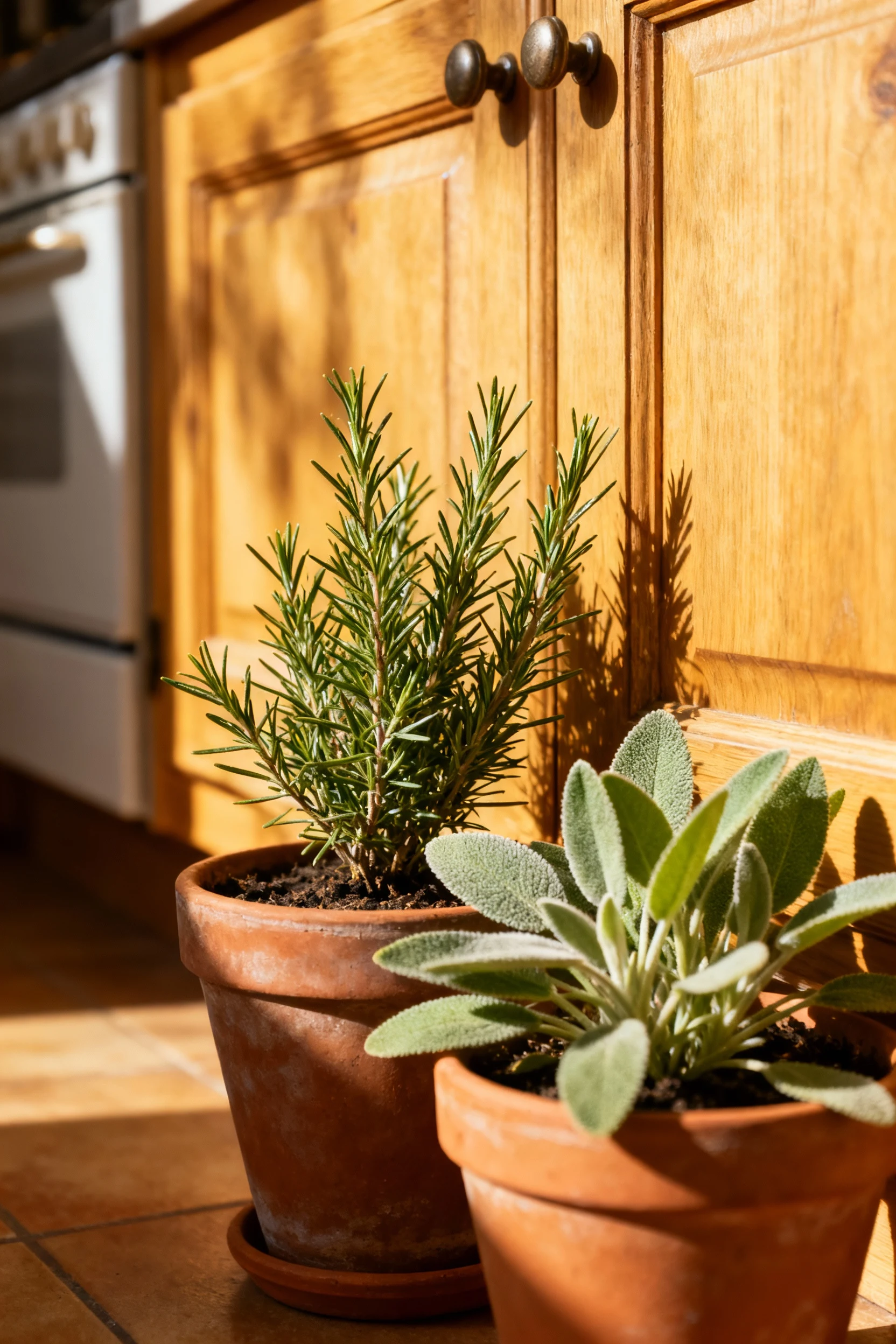
- Containers: You use terracotta pots for rosemary and sage by the kitchen door. You drop mint into a big pot so it doesn’t jailbreak.
- Seasonal pops: You tuck violas or nasturtiums between herbs for color and edible flowers.
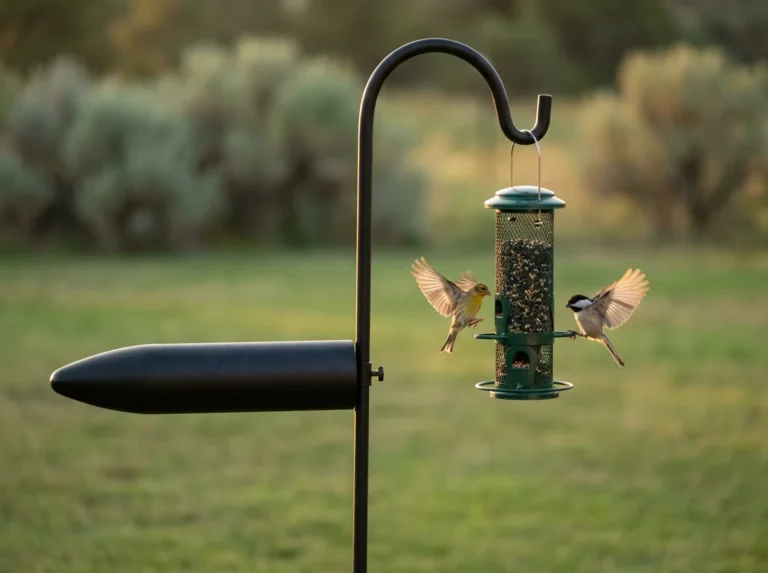
You also add a simple water source or bird bath. You draw in wildlife and keep the space dynamic. You watch bees bounce over lavender and you feel your mood lift—because of course it does.
Troubleshooting like a plant pro
Stuff happens. You pivot quickly and keep plants happy.
- Leggy growth: You chase more sun. You prune lightly to push new growth.
- Yellow leaves: You check drainage and watering. You adjust before you feed.
- Powdery mildew: You increase airflow, thin stems, and water at soil level.
- Root rot: You pull back on water and improve drainage. You repot into airy mix if needed.
- Pests: You rinse aphids off with water or use insecticidal soap. You invite ladybugs with diversity and zero panic.
You keep notes, because you learn faster that way. You track planting dates, prunes, and what worked. You improve your garden season after season.
FAQ
Do I need full sun for a healing garden?
You don’t need full sun for every plant, but you give your sun-lovers their spot. Lavender, rosemary, and sage thrive in full sun. Jasmine, chamomile, and lemon balm handle part sun. You mix zones and pick plants that match your yard.
Can I grow these in containers?
Yes, and you might prefer it for mint and lemon balm. You use large pots with drainage and a gritty mix for lavender and rosemary. You water containers more often and feed lightly with compost or a slow-release organic fertilizer. You move pots to chase sun through the seasons.
How do I keep mint from taking over?
You plant mint in a pot or use root barriers. You harvest often and remove runners. You never tuck mint into mixed beds without strict boundaries. You love mint, but you set rules.
Which plants help at night for relaxation?
You lean on lavender, chamomile, and jasmine. You brew a simple chamomile tea, you sit near jasmine, and you inhale lavender from a small sachet. You build a short nightly ritual and let your nervous system catch the hint.
What about kids and pets—safe or risky?
You research each plant and watch for sensitivities. You avoid unknown plants and thorny hazards in kids’ zones. You keep strong scents like night-blooming jasmine away from bedroom windows if anyone feels sensitive. You supervise, you teach, and you enjoy the garden together.
Do I need fertilizer for herbs?
You rarely need heavy fertilizer. You build soil with compost and let herbs stay lean for better flavor. You feed lightly in spring if growth stalls. You always fix light and drainage first.
Conclusion
You plant lavender for calm, sage for depth, jasmine for romance, and a few cheerful extras for balance. You set the garden up once and you enjoy daily micro-moments of peace. You harvest a bit, you sip a tea, and you invite bees to the party. IMO, that’s the easiest wellness upgrade you can grow with your own hands.