Prayer Garden Ideas for Backyards: Benches, Paths, and Simple Altars
You want a backyard that hushes your brain and lifts your heart, right? Skip the complicated Pinterest rabbit hole. Build a simple prayer garden that uses cozy benches, meandering paths, and a humble altar to anchor your space. It won’t demand a landscaping degree or a monk’s budget, promise.
Start with the feeling you want

Before you grab a shovel, decide how you want your garden to feel. Calm and minimalist? Sacred and cozy? Woodland hideaway with fairy vibes? Aim for one mood and let it guide everything else.
Pick one focal point to hold your attention. A stone altar, a favorite tree, a statue, or even a simple bowl of water can center the space. Then draw everything toward that point—your bench faces it, your path leads to it, your plants frame it. Give your garden a “north star,” and everything flows easier.
Quick planning exercise
- Write three words: “peaceful, fragrant, shaded” (just examples). Keep them visible while you plan.
- Choose your anchor: altar, tree, statue, or water bowl.
- Sketch a simple layout: bench + path + altar triangle.
- Set a budget and a weekend timeline. Boundaries keep the project fun, not chaotic.
Benches that invite stillness
Your bench carries the whole vibe. Go for comfort first. You can embrace wood for warmth, stone for permanence, or metal for durability. Try curved arms, a supportive back, and a natural finish.
Place the bench where you get dappled shade and a quiet view. If you face the bench toward the altar, your garden points your thoughts in the same direction. Keep a small side table nearby for a journal, tea, or a candle. Comfort matters, because you actually need to sit there.
The perfect perch checklist
- Seat depth around 18–20 inches for relaxed sitting.
- Backrest height that supports your shoulders.
- Weather-resistant materials: cedar, teak, powder-coated steel.
- Ground pads or pavers under the legs so the bench stays level.
- Add a cushion with outdoor fabric if you love long sessions.

DIY bench ideas
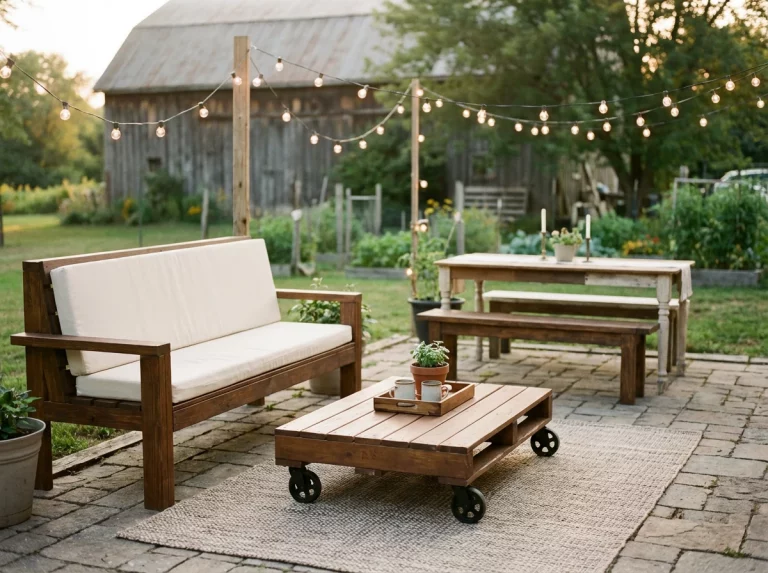
- Log-and-plank bench: Two short logs + one solid plank + hidden screws.
- Concrete paver bench: Two stackable blocks + a thick wooden top.
- Repurposed pew or church chair line-up: Nostalgia meets practicality.
Paint or stain the bench in a muted tone. Soft greens, charcoal, or natural wood keep the vibe grounded. Bright neon? Save that for another yard party.
Paths that guide your steps
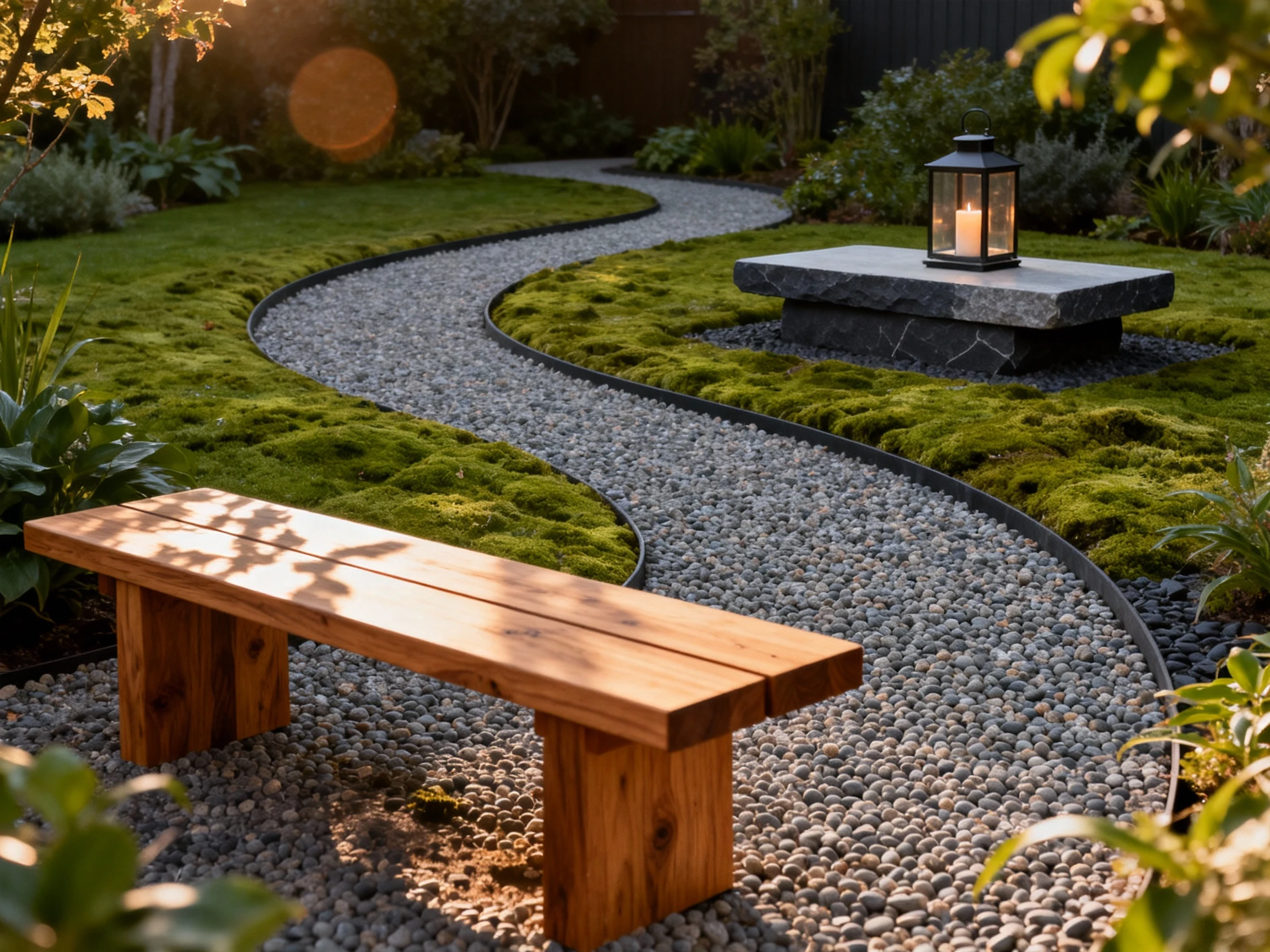
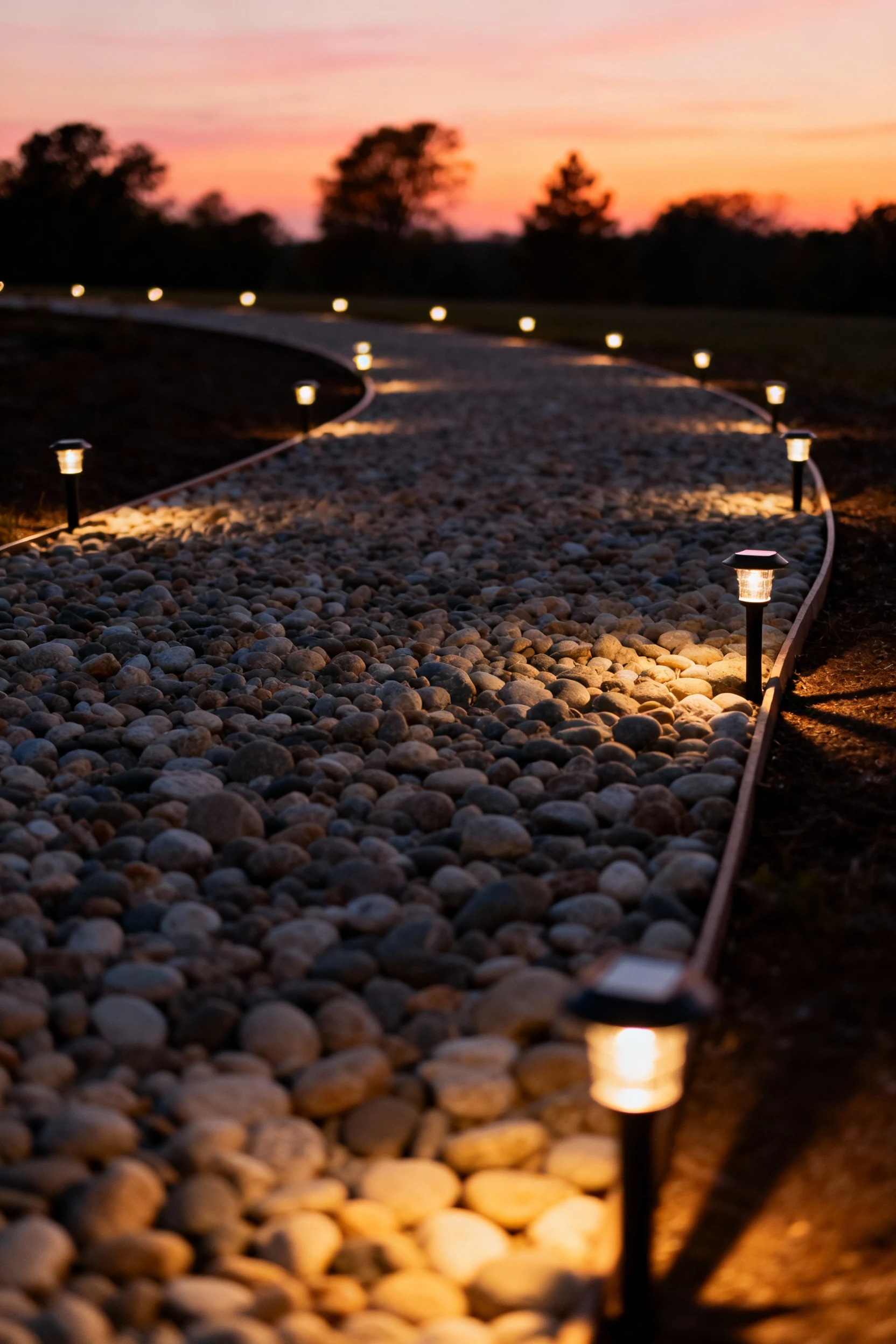
Paths turn your garden into a journey. Use gentle curves so you slow down naturally. Keep it simple with stepping stones, gravel, mulch, or brick. Straight lines feel formal; curves feel contemplative.
Lay a path that connects your entrance to the bench and altar. Keep it 24–36 inches wide for a comfortable walk. Add edging if your materials wander. Curve the path around plants to create small reveals.
Easy path materials: pros and notes
- Pea gravel: Affordable and quick. Rake it occasionally. Add a compacted base for stability.
- Mulch: Soft and earthy. Top it up yearly. Use edging so it doesn’t migrate.
- Stepping stones: Minimal digging. Space them for a natural stride.
- Brick or pavers: Clean look and long life. Slightly more effort, worth it long-term.
Path patterns with meaning
- Labyrinth-style loop: Walk slowly and pray as you turn.
- Three-station path: Pause at bench, altar, and a small water feature.
- Spiral path: Walk inward to the altar, walk outward when you finish.
Keep the path dry and clear. Trim low branches, remove slick moss, and sweep leaves. Safe paths protect your peace and your ankles.
Simple altars: small, sacred, and not fussy
Your altar doesn’t need drama. Use a flat stone, a low table, a stump, or a sturdy crate. Add one or two meaningful objects: a candle lantern, a small cross or icon, a bowl of water, or a smooth river rock engraved with a single word.
Set your altar in a quiet corner or under a tree. Keep it uncluttered so it invites focus. Rotate items seasonally if you love variety. Let the altar speak quietly.
Safety tips for candles and weather
- Use enclosed lanterns for candles. Open flames and breezes fight all the time.
- Keep flame away from low branches or fabric.
- Store matches and lighters in a weatherproof tin.
- Swap in LED candles during dry spells or windy nights. FYI, modern LEDs look shockingly good.
DIY altar in under an hour
- Pick a base: stone slab on level ground, or a small wooden crate.
- Place a cloth or runner for a soft touch. Use outdoor-friendly fabric.
- Add one focal item: lantern, icon, or a simple bowl of water.
- Flank with two small plants or votives for balance.
Want extra presence? Set a tall candle at dusk and a small bell for starting and ending prayer. Small rituals build a big sense of meaning.
Planting for peace: scent, softness, and seasons
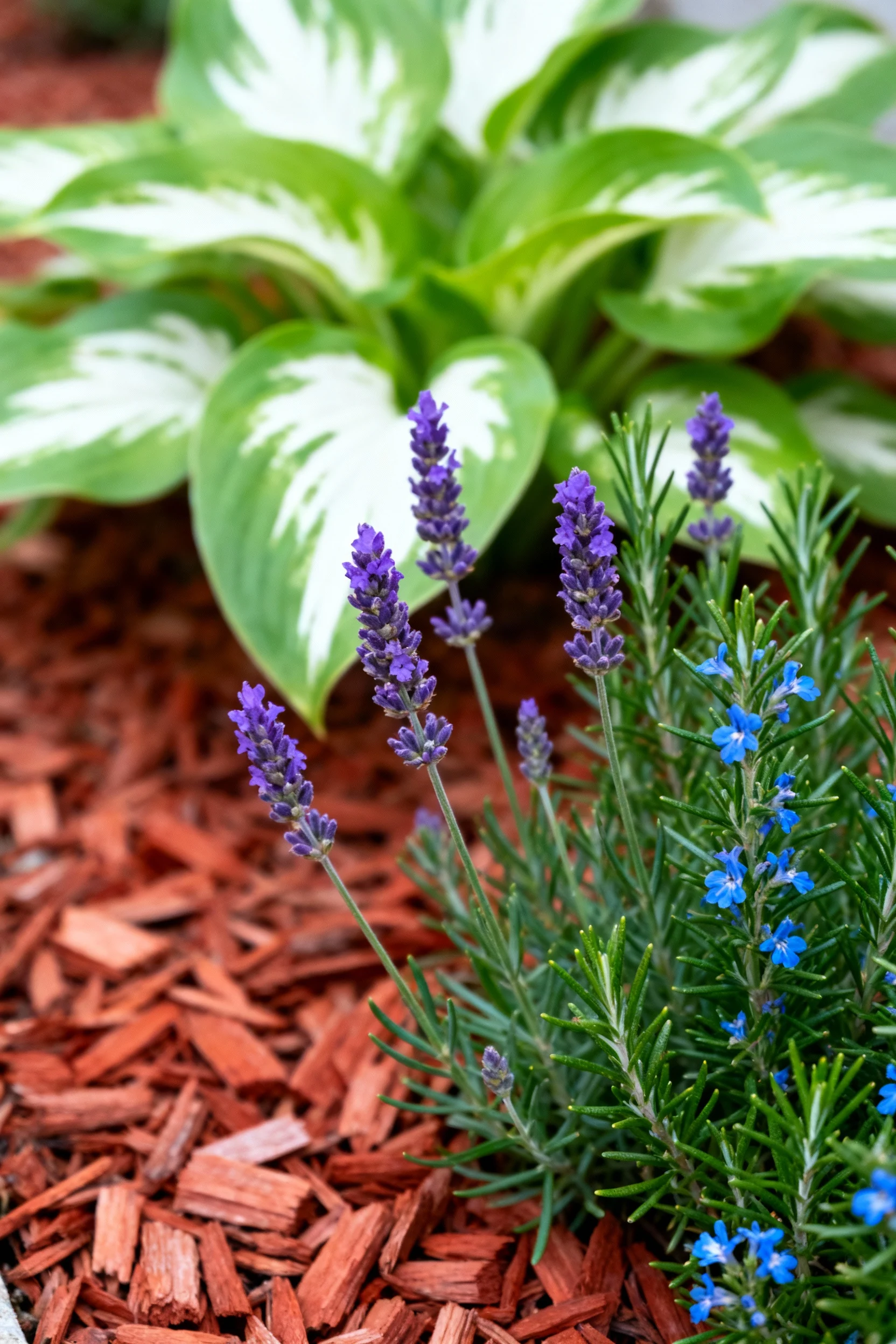
Plants carry mood better than any décor piece. Choose textures and scents that calm your nervous system. Lavender, rosemary, jasmine, and chamomile invite you to breathe deeper. Ferns, hostas, and ornamental grasses soften edges and add movement.
Mix evergreen structure with seasonal color. Use shrubs like boxwood or holly for year-round shape. Then tuck in flowering friends—salvia, hydrangea, roses if you like classic romance. Balance structure and surprise.
Small-space plant combos
- Sunny corner: Lavender + dwarf rosemary + dwarf sage.
- Shade nook: Hosta + fern + hellebore.
- Container trio: Olive or bay tree + thyme underplanting + trailing ivy.
Pollinator-friendly picks
- Salvia, bee balm, and coneflower keep bees and butterflies happy.
- Milkweed supports monarchs. Add a patch if you can.
- Native wildflowers fit your climate and need less drama.
Water deeply and less often so roots grow strong. Mulch around plants to keep moisture steady and weeds quiet. Prune lightly, and let the garden stay soft, not rigid. IMO, tidy chaos beats sterile perfection.
Privacy, sound, and shade
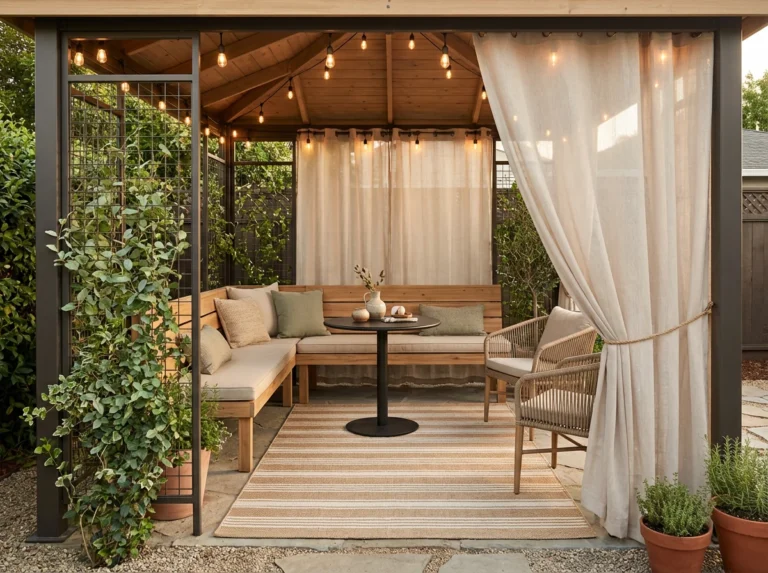
Privacy helps your mind settle. Use a trellis with climbing jasmine, a bamboo screen, or a hedge of laurel or viburnum. Even a simple lattice with ivy creates a green hush.
Sound shapes the experience. Add a small bubbling fountain or a clay pot water feature. Hang one or two tuned wind chimes in a sheltered spot. Soft sound sets the rhythm without stealing the show.
Plan for shade so you actually enjoy the bench. Small trees like serviceberry or Japanese maple throw gentle shade without eating your yard. Use a pergola if you crave structure and vines.
Quick privacy wins
- Move your bench out of the sightline from the house or street.
- Plant two tall grasses behind the bench for an instant screen.
- Angle your altar so you face inward, not toward neighbors.
Lighting that respects the moment
Evening prayer hits different, so plan kindness for your night walk. Use warm solar lights along the path. Add a few lanterns near the bench and altar for a gentle glow.
Avoid floodlights that scream “parking lot.” Keep light soft and low. Aim for cozy, not interrogation. Warm LEDs around 2700K create a candle-like mood.
Night-use checklist
- Mark every curve in the path with small stake lights.
- Place one lantern at the bench and one at the altar.
- Keep switches or remotes handy so you don’t fumble.
- Trim branches near lights so shadows stay friendly.
Layout ideas you can copy this weekend
Not sure where to start? Try one of these simple plans. They don’t need big budgets or weeks of work. You can tweak them for your space easily.
- The Triangle: Entry path curves to a bench, bench faces a simple altar, plants frame the edges.
- The Spiral: A stone spiral leads to a central altar with a bench tucked just off-center.
- The Woodland Walk: Mulch path under small trees, bench in a dappled pocket, altar on a flat stone.
- The Courtyard Calm: Paver patio, two benches, small table altar, pots with herbs for scent.
Start small and expand later. You don’t need to finish every detail at once. Build the core—bench, path, altar—and let the garden teach you what comes next. FYI, gardens love slow growth.
Maintenance that feels like a ritual
Keep maintenance gentle. Ten minutes once or twice a week beats a giant weekend slog. Sweep the path, water the containers, snip one or two spent blooms.
Refresh the altar monthly. Swap in seasonal branches, flowers, or stones. Re-center the space with a quick tidy. Care turns the garden into a living companion.
- Weekly: Sweep, water, and pick up fallen leaves.
- Monthly: Check lighting, prune lightly, rotate altar accents.
- Seasonal: Mulch, add new plants, reseal wooden surfaces.
FAQ: Prayer garden basics
How big should my prayer garden be?
Size doesn’t drive impact. Even a 6×8-foot corner works beautifully. Focus on one bench, one path, and one altar. Tight spaces actually sharpen your attention.
What if I have a super sunny yard?
Use a shade sail or plant a small tree for dappled cover. Choose sun-loving plants like lavender, rosemary, and salvia. Hydrate them deeply and mulch well. You stay cooler, your plants stay happier.
Can I make a prayer garden on a budget?
Absolutely. Salvage bricks for a path, use a crate or stump for the altar, and snag a secondhand bench. Add seeds and small starter plants. Keep the layout simple and intentional. Budget-friendly doesn’t mean joy-poor.
What if I don’t follow a specific faith?
Create a reflection space that honors gratitude and quiet. Use symbols that mean peace to you—stones, water, candles, poetry fragments. The garden serves your spirit, not a rulebook. IMO, your intention matters most.
How do I handle bugs and critters?
Invite beneficial insects with diverse plants and avoid harsh chemicals. Use citronella or catnip near seating for mosquitos. Keep food outside the space so you don’t host a raccoon picnic. Balance nature, don’t fight it.
Can I use wind chimes without annoying my neighbors?
Yes, if you choose soft, tuned chimes and hang them in a sheltered spot. Keep volume gentle and limit the number to one or two. Consider a spot that faces inward so the sound circles your space. Courtesy wins every time.
Conclusion
A backyard prayer garden doesn’t ask for perfection. It asks for intention, a comfy seat, a path that slows your step, and a simple altar that whispers “be here.” Build the bones, add plants that soothe, and let the space grow with you.
Start small this weekend. Place a bench, lay a path, set an altar. Then show up, breathe, and let your garden do its quiet work.