DIY Meditation Garden in Your Backyard: Step-by-Step Layout + Plant List
You don’t need a sprawling estate or a monk robe to build a meditation garden. You need a little space, a simple layout, and plants that whisper “chill.” I’ll show you how to design a soothing backyard retreat you’ll actually use, with a step-by-step plan and a plant list that won’t hijack your weekends. Ready to turn your yard into your favorite quiet place? Let’s map it out.
Pick Your Quiet Spot and Set the Vibe
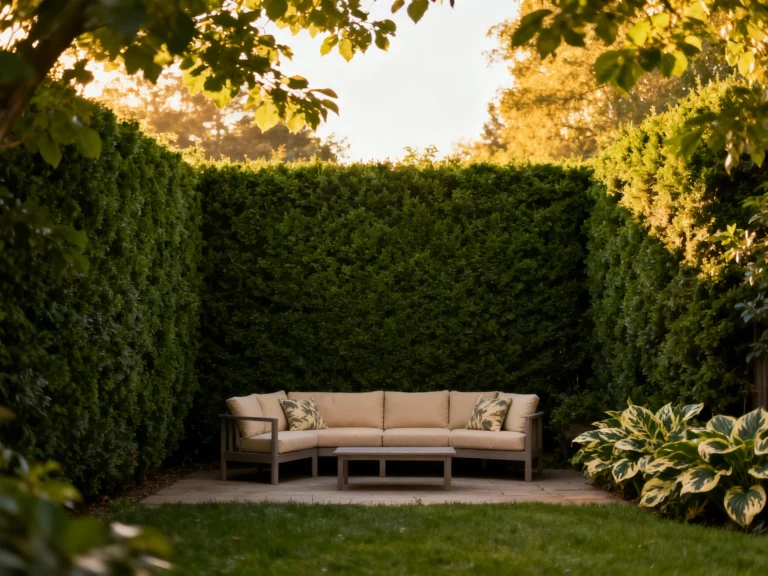
You can build a meditation garden almost anywhere: a sunny corner, a side yard, even a small patio. Aim for a spot that already feels calm, or at least controllable. You want privacy, stable light, and low foot traffic. Bonus points for a place you don’t see from the kitchen sink, because dishes kill the Zen.
Quick Site Checklist
- Privacy: Choose a spot that neighbors can’t stare into. Use screens or tall grasses if needed.
- Light: Track sun for a day. Full sun (6+ hours) works for aromatics like lavender. Dappled shade suits ferns and mossy vibes.
- Noise: Avoid HVAC units and barking-dog hotspots. Mask noise with a small fountain if you can’t escape it.
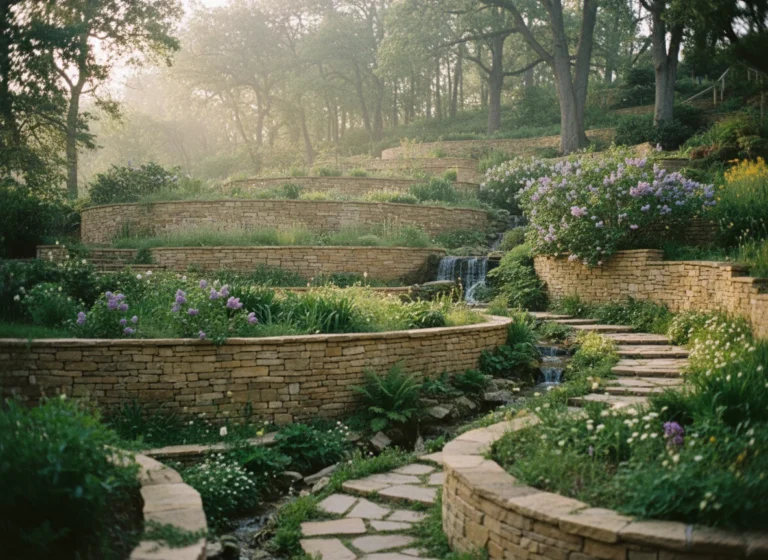
- Ground: Pick a level area or plan to level it. Uneven ground messes with posture and tea cups.
- Access: Keep it a few easy steps from your door, so you actually use it daily. FYI, long treks reduce follow-through.
Step-by-Step Layout That Actually Flows
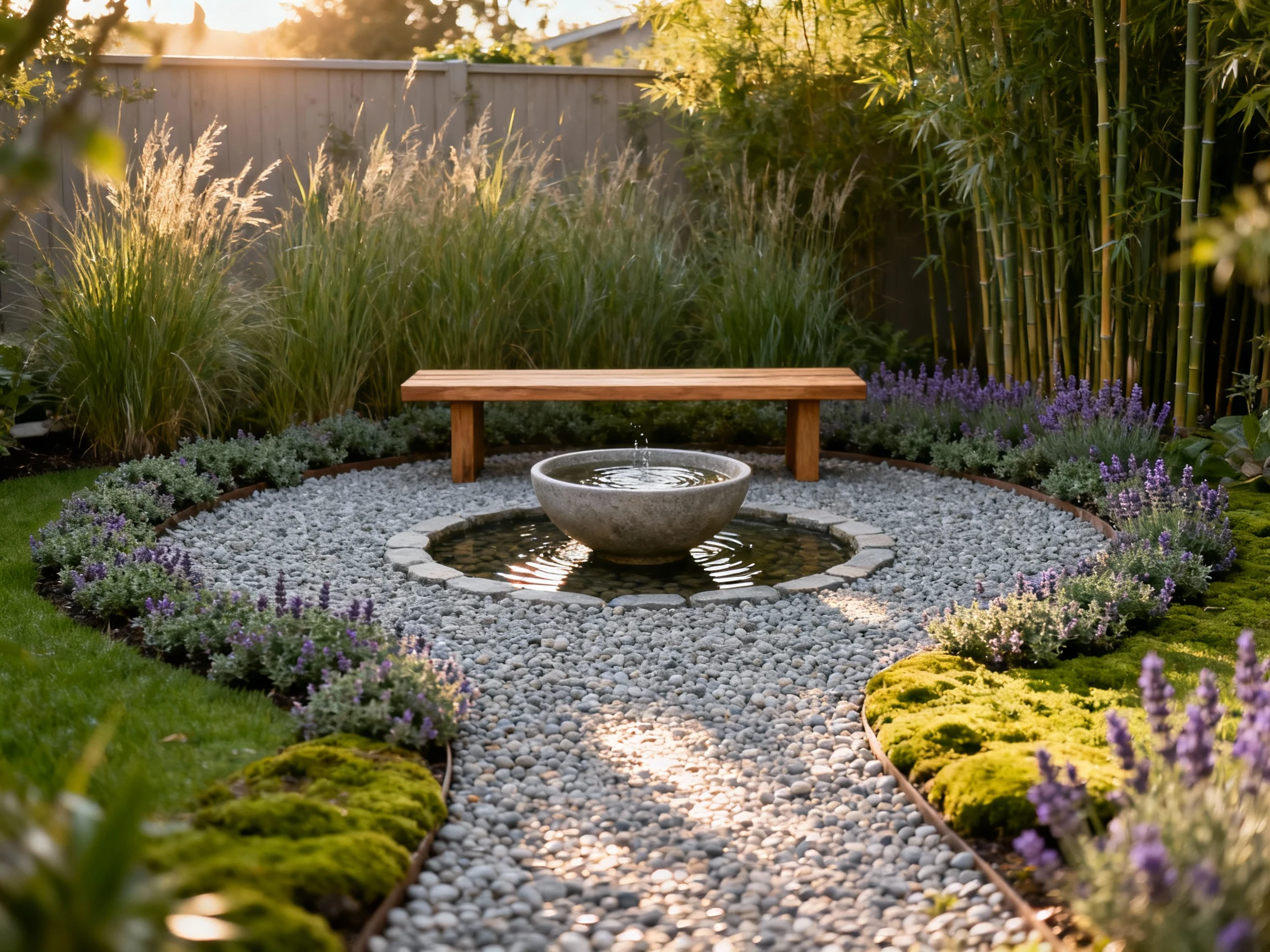
You want a layout that guides your body and brain into calm mode. Think simple shapes, clear paths, and one main focal point. Circles relax the eye. Straight lines focus attention. Mix both for balance.
- Define the boundary: Mark a simple shape: a 10–14 ft circle, a 12×12 ft square, or a skinny 4×16 ft “lane.” Use string and stakes to visualize.
- Create a center: Place a focal point (stone, bowl, lantern, small fountain) dead center or slightly forward of center for depth.
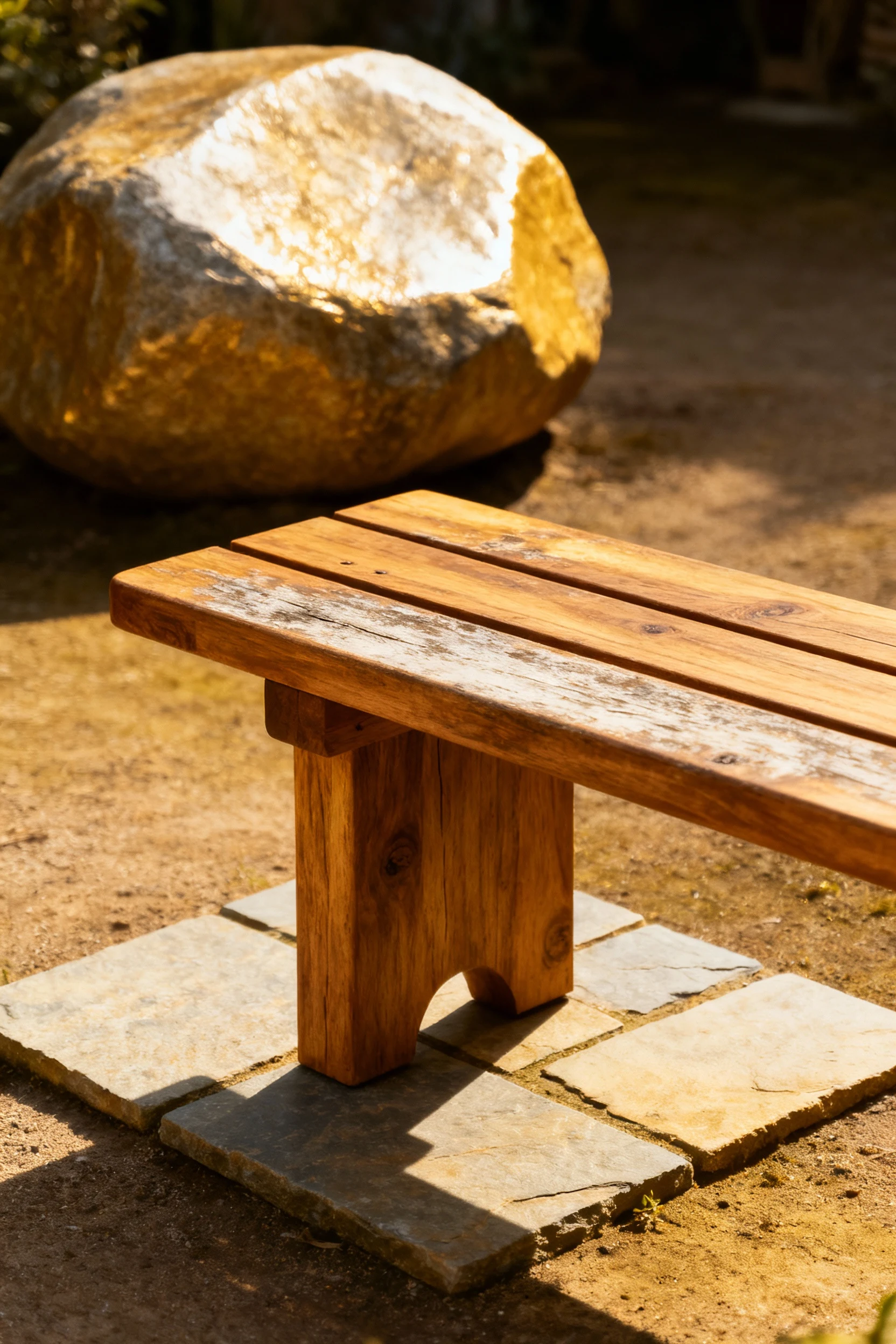
- Set the seat: Put a bench or cushion facing the focal point, 5–7 ft away. That distance feels intimate, not claustrophobic.
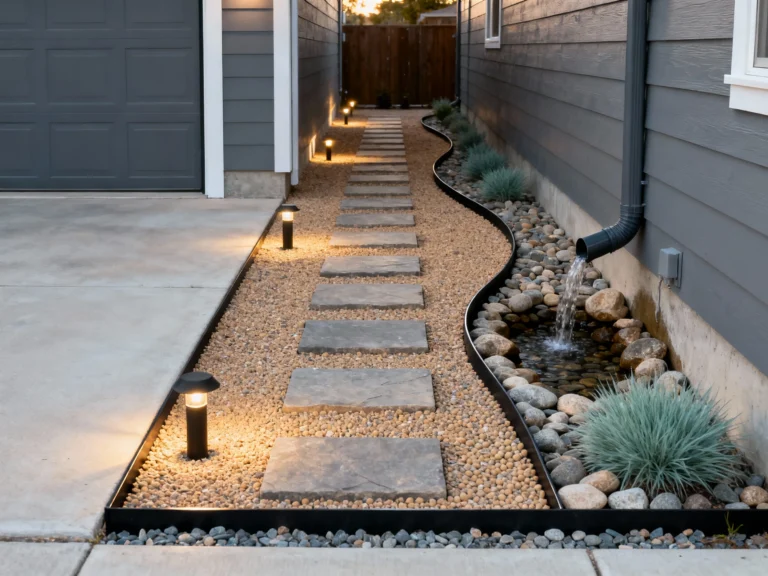
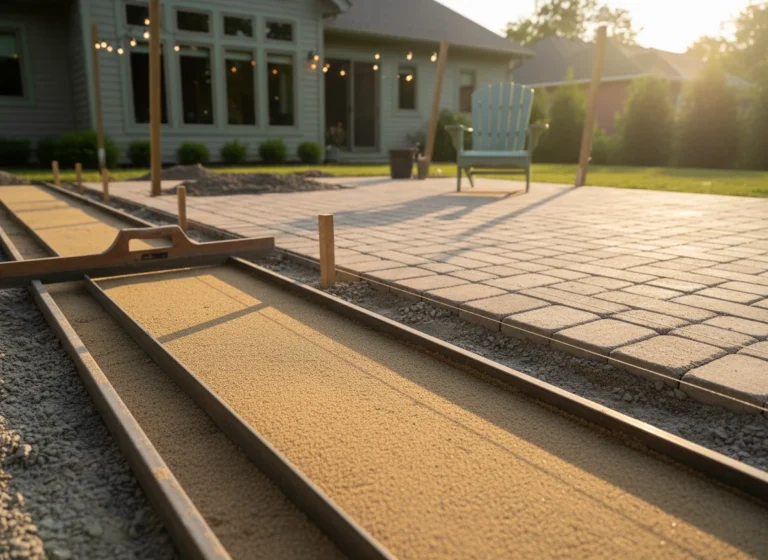
- Lay the path: Add a loop or entry path 30–36 inches wide. Use crushed gravel, stepping stones, or decomposed granite for that soft crunch that says “ahh.”
- Carve planting zones: Keep low plants near the seat, medium height at the edges, and tall screens for privacy. Layers calm the eye.
- Place accents: Add a bell, a single sculpture, or a lantern. Stop there. Less clutter equals more calm.
The Core: Seat + Center
- Seat: Choose a stone bench, teak stool, or all-weather floor cushion on a mat. Comfort counts, but keep it simple.
- Center: A smooth boulder, a bowl of water, or a sand raked basin makes a soft focal point. Avoid busy or blinking objects.
Paths and Boundaries
- Path width: 30–36 inches for walking, 24 inches for “slow meander.”
- Edge: Use steel edging, cobbles, or low herbs to keep materials in place.
- Surface: Pea gravel, decomposed granite, or wood chips each bring texture. Gravel gives gentle sound underfoot.
Groundcovers and Surfaces
- Soft seating pad: Flagstone or pavers under the seat keep it stable.
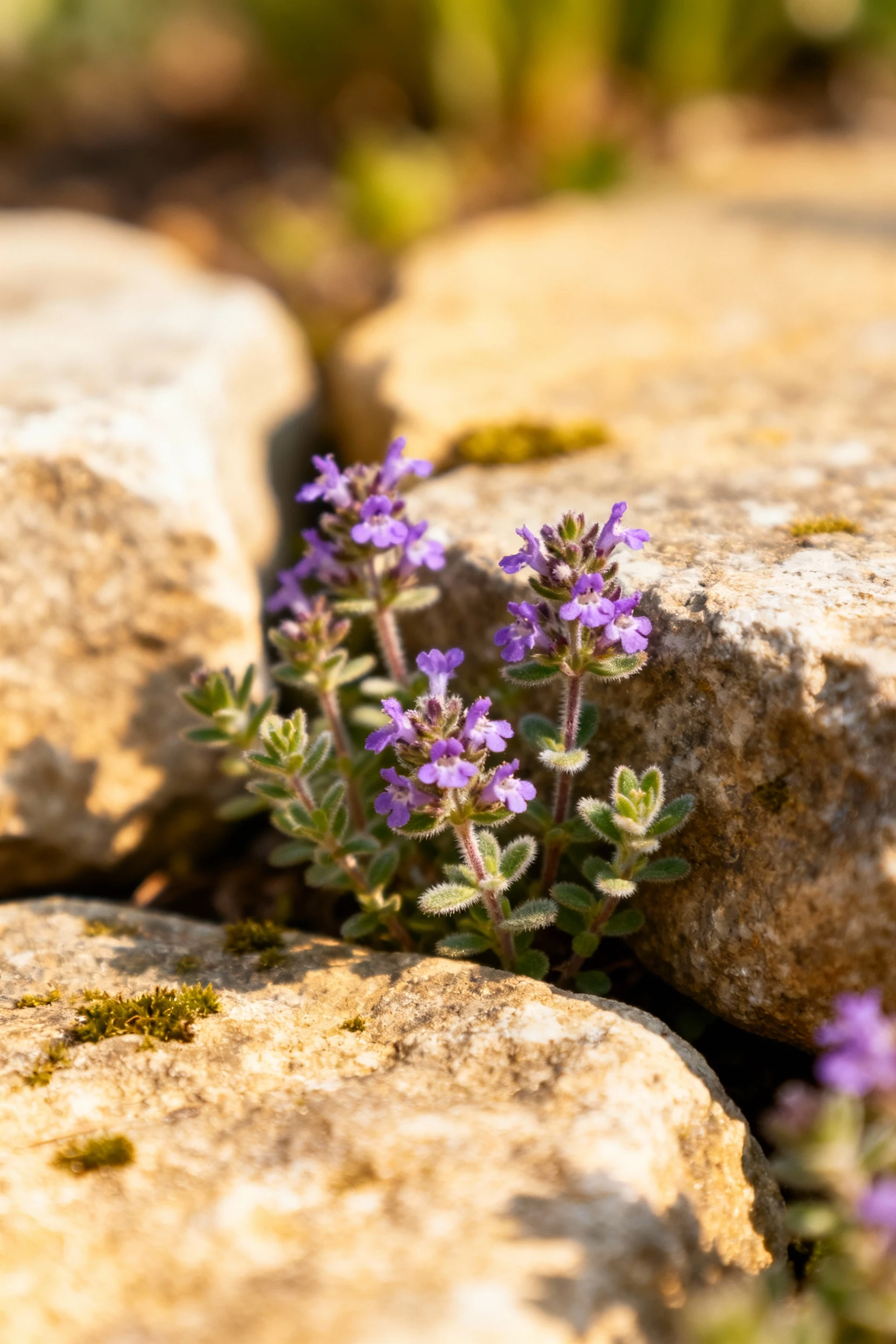
- Living carpet: Creeping thyme, Irish moss (Sagina), or blue star creeper create lush edges.
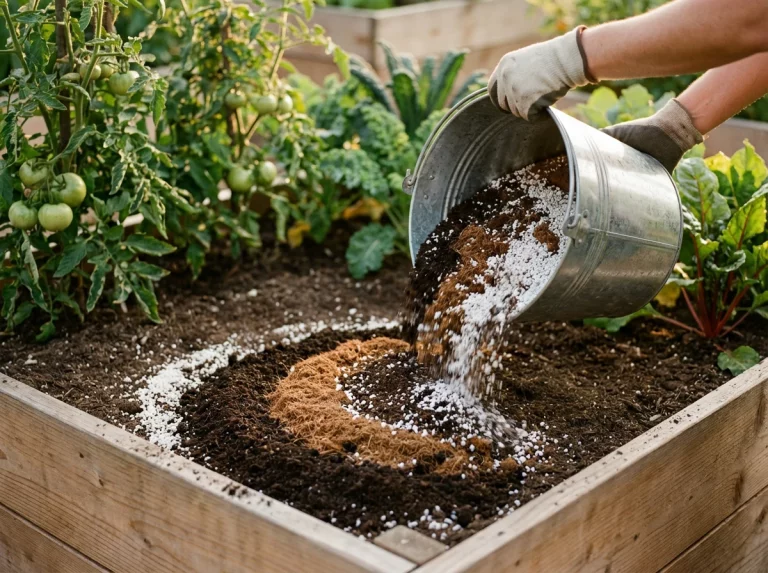
- Mulch: 2–3 inches of shredded bark or fine gravel keeps weeds down and the look clean.
Essentials: Seating, Surfaces, and a Focal Point
You can splurge or DIY this part. Either way, you want durable, low-fuss pieces that won’t distract you. Keep the palette tight: wood + stone + green. That combo always lands.
Low-Budget vs. Splurge
- Budget seat: Concrete pavers + outdoor cushion. Simple, comfy, weatherproof.
- Splurge seat: Teak bench or a sculptural stone bench. Heavy equals stable and safe.
- Budget focal point: Large smooth rock or a ceramic bowl with water. Add floating blooms for a tiny moment.
- Splurge focal point: Small recirculating fountain with hidden reservoir for continuous sound.
- Surfaces: Crushed gravel costs less and installs fast. Flagstone looks timeless but takes more prep.
One Focal Point, Not Five
Pick a single hero element. Your brain loves one clear anchor. Add quiet supporting characters (lanterns, a small bell) and stop. IMO, the “museum, not mall” rule applies here.
Plant List by Sun, Scent, and Low-Maintenance
Choose plants that look serene, stay manageable, and smell amazing without overwhelming you. Group them by light and purpose. Mix evergreen structure with seasonal softness so the garden feels alive year-round.
Sun Lovers (6+ hours)
- Lavender (Lavandula angustifolia, zones 5–9): Calming scent, gray foliage, neat mounds.
- Rosemary (Rosmarinus officinalis, zones 7–10): Upright or prostrate forms, culinary bonus.
- Thyme (Thymus serpyllum, zones 4–8): Creeping groundcover, soft underfoot, tiny bee magnet.
- Blue fescue (Festuca glauca, zones 4–8): Cool blue clumps, low fuss.
- Russian sage (Perovskia atriplicifolia, zones 4–9): Airy, silvery, long bloom; plant a few feet from the seat for gentle movement.
- Evergreen anchor: Dwarf boxwood (Buxus ‘Green Velvet’), or dwarf yaupon holly (Ilex vomitoria ‘Micron’ in warm zones).
Shade Seekers (dappled or 3–4 hours)
- Japanese forest grass (Hakonechloa macra, zones 5–9): Graceful, flowing texture.
- Hosta (zones 3–9): Bold leaves, endless varieties; pick blues or whites for calm tones.
- Ferns (Dryopteris, Athyrium, zones vary): Layer multiple species for movement.
- Hellebore (Helleborus, zones 4–9): Winter bloom, evergreen leaves, non-fussy.
- Sweet box (Sarcococca, zones 6–9): Tiny winter flowers with big fragrance near paths.
Groundcovers and Living Carpets
- Irish moss (Sagina subulata): Lush, soft, best in cool climates with moisture.
- Creeping thyme (Thymus): Sun, drought tolerant, light scent.
- Blue star creeper (Isotoma fluviatilis): Tiny flowers, fills joints between stones.
- Mondo grass (Ophiopogon): Dense clumps, evergreen, great edging.
Climbers and Screens
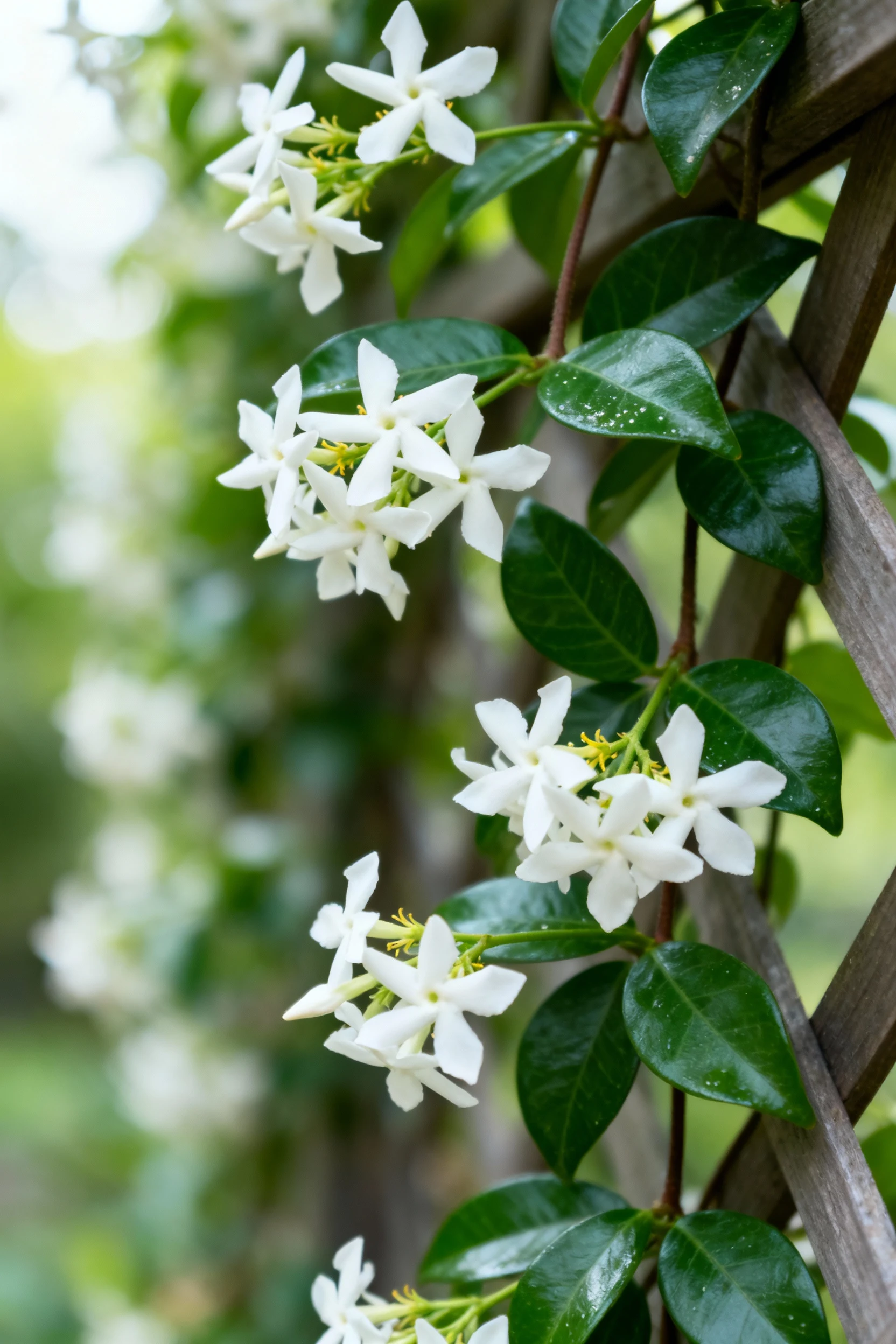
- Star jasmine (Trachelospermum jasminoides, zones 8–11): Strong fragrance, glossy leaves; trellis it for privacy.
- Climbing hydrangea (Hydrangea anomala petiolaris, zones 4–8): Elegant in shade on a wall or fence.
- Clumping bamboo (Fargesia, zones 5–9): Use clumping types only. Avoid running bamboo unless you love regret.
Trees and Structure (small-scale)
- Japanese maple (Acer palmatum, zones 5–8): Dappled shade, sculptural form.
- Serviceberry (Amelanchier, zones 4–9): Four-season interest with flowers, berries, fall color.
- Dwarf conifers (Pinus, Chamaecyparis): Evergreen bones for winter calm.
Container-Friendly Picks (patios and tiny yards)
- Dwarf olive (Olea europaea ‘Little Ollie’, zones 8–11): Silvery leaves, Mediterranean vibe.
- Herb trio: Lavender, thyme, and sage in a low bowl planter for scent layering.
- Lotus or dwarf water lily in a glazed bowl for a mini aquatic focal point.
Color palette tip: Stick to greens, silvers, whites, and soft purples. Save neon colors for the front yard party zone. Your meditation garden wins with calm tones and soft textures.
Add Gentle Sound, Lighting, and Privacy
You calm your mind with all the senses, not just your eyes. Add small sound, safe light, and a little cocooning. You don’t need big-budget fixtures to make it work.
Easy Water Feature in 20 Minutes
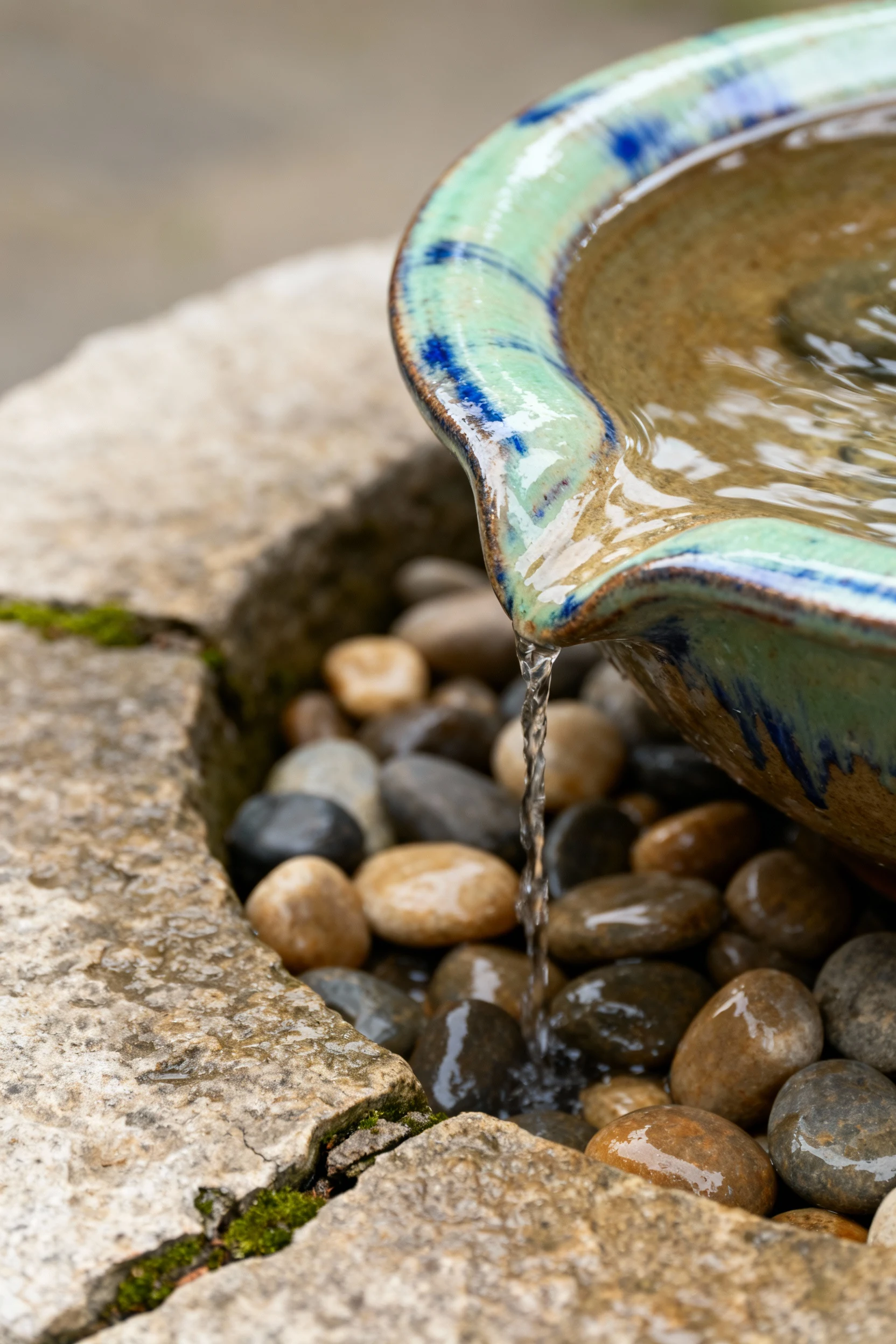
- Set a large glazed bowl on level pavers near your seat.
- Drop in a small solar or plug-in pump with a bubbler head.
- Hide the cord with stones and top the bowl with pebbles.
- Fill with water and test the flow. Aim for a gentle burble, not fire-hose energy.
Pro tip: Keep water moving to avoid mosquitoes. Add a mosquito dunk if needed and clean monthly.
Sound Layers (if water isn’t your thing)
- Wind chimes: Pick deep tones and hang them away from the seat so they whisper.
- Bamboo fountain (shishi-odoshi): Soft clack punctuates silence and masks street noise.
- Plant sound: Grasses and bamboo leaves create a low rustle in light wind.
Soft Lighting Checklist
- Path markers: Low, warm LEDs every 6–8 feet.
- Seat glow: A single lantern or hidden uplight behind your focal point.
- Power: Solar for easy install, low-voltage for reliability.
- Color temp: 2700–3000K warm white keeps it cozy, not spaceship bright.
Privacy Without Building a Wall
- Living screens: Clumping bamboo, tall ornamental grasses (Miscanthus, Panicum), or trellised jasmine.
- Portable panels: Lattice frames or reed fencing for instant coverage.
- Layer trick: Combine a 4 ft fence with a 2–3 ft hedge for depth and better sound baffling.
Maintenance That Won’t Ruin Your Zen
You built a peaceful space, not a second job. Set a simple routine that keeps it tidy with minimal effort. Consistency beats marathon cleanup.
15-Minute Weekly Routine
- Scan: Pick up leaves, spent blooms, and fallen twigs.
- Weed: Pull anything small by hand before it gangs up on you.
- Top off: Rake gravel smooth, fluff mulch where thin, adjust a stone if it wobbles.
- Water check: Deep water once a week for new plants; cut back as roots establish.
Seasonal Touches
- Spring: Lightly prune, feed with compost, reset edges.
- Summer: Deadhead lightly, monitor water, trim paths clear.
- Fall: Add mulch, cut back spent perennials (leave a few seed heads for winter interest).
- Winter: Brush snow off evergreens if needed, enjoy structure, plan swaps.
Mulch matters: 2–3 inches suppresses weeds and stabilizes soil moisture. Keep mulch a few inches away from stems to avoid rot. FYI, gravel mulch works best around Mediterranean herbs like lavender and rosemary.
Common Mistakes (and How to Fix Them Fast)
We all get excited and overdo it. Keep the garden calm by avoiding these frequent offenders. Fixes come quick if you catch them early.
- Too many plants: Solution: Repeat 3–5 favorites in groups. Repetition feels restful.
- Color chaos: Solution: Use a tight palette of greens, silvers, whites, and soft purples.
- High-maintenance divas: Solution: Swap for drought-tolerant, slow growers like lavender, hellebore, and dwarf conifers.
- Clutter: Solution: Remove decor until one focal point remains. Breathe. Instant calm.
- Wrong scale: Solution: Size the focal point to 1/8–1/6 of the space’s width. A 12 ft circle loves a 2–3 ft focal element.
- Water feature woes: Solution: Add a gentle pump, clean monthly, and use mosquito dunks as needed.
- Invasive plants: Solution: Choose clumping bamboo, not runners. Research “non-invasive” before planting anything you can’t spell.
FAQ
How big should my meditation garden be?
You can create a peaceful spot in as little as 6×6 ft. If you have room, 10–14 ft across gives you a seat, a focal point, and a loop path. Focus on clarity, not size. A tiny, well-edited space beats a sprawling mess every time.
What plants smell good without overwhelming me?
Stick with gentle aromatics like lavender, thyme, and star jasmine. Place strongly scented plants a few feet from your seat so they whisper, not shout. If you have allergies, choose texture-first plants like grasses, ferns, and dwarf conifers. IMO, a light mix of herb scent plus fresh green foliage hits the sweet spot.
Can I make this on a balcony or patio?
Absolutely. Use containers to create layers: tall screen (clumping bamboo or trellised jasmine), mid-height shrubs (dwarf olive or camellia, climate allowing), and a low bowl of herbs. Add a tabletop fountain or sound app if water isn’t practical. Keep one chair, one focal point, and a tight color palette.
How do I keep it low maintenance?
Choose slow-growing plants, mulch well, and automate watering with a simple drip line. Limit the plant palette and repeat in groups. Set a 15-minute weekly tidy ritual and stick to it. That rhythm keeps chores tiny and your space photo-ready.
What about wildlife and bugs?
Invite pollinators with thyme, lavender, and salvia, but avoid super-busy feeders right by the seat. Keep standing water minimal and moving to prevent mosquitoes. Birds love shallow water and shelter, so a small bowl and a dense shrub nearby work wonders. If critters snack, pivot to tougher plants like rosemary, hellebore, and ferns.
Do I need fancy tools?
Nope. Use a shovel, hand trowel, rake, pruners, and a level. A wheelbarrow helps with gravel or mulch. If you add lighting, a basic low-voltage kit and a rubber mallet make installation straightforward. Keep it simple so you can maintain the habit.
Conclusion
You don’t need perfection to find calm—you need intention, a clear layout, and plants that behave. Start with a simple boundary, a seat, and one focal point, then layer scent, sound, and soft light. Keep the palette tight and the maintenance tiny. Build it small, use it daily, and let your backyard handle the exhale.