15 Spiritual Garden Ideas for Backyards to Create a Peaceful Sanctuary
You don’t need a monastery to find stillness. You can carve out a sanctuary right in your backyard with a few mindful tweaks and a dash of intention. Think less “perfect landscaping,” more “soul-soothing hideaway you can’t wait to step into.” Ready to turn your outdoor space into your favorite place to breathe, reset, and just be?
Lay the Groundwork: Energy, Boundaries, and Flow
Your garden holds energy already. You’ll guide it with intention, simple boundaries, and paths that invite you to slow down. No need to summon a landscaping guru—just start small and build from there.
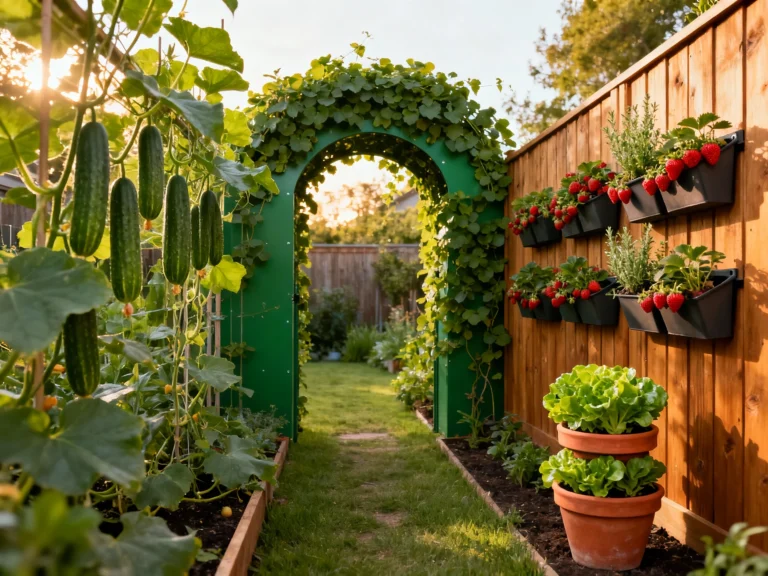
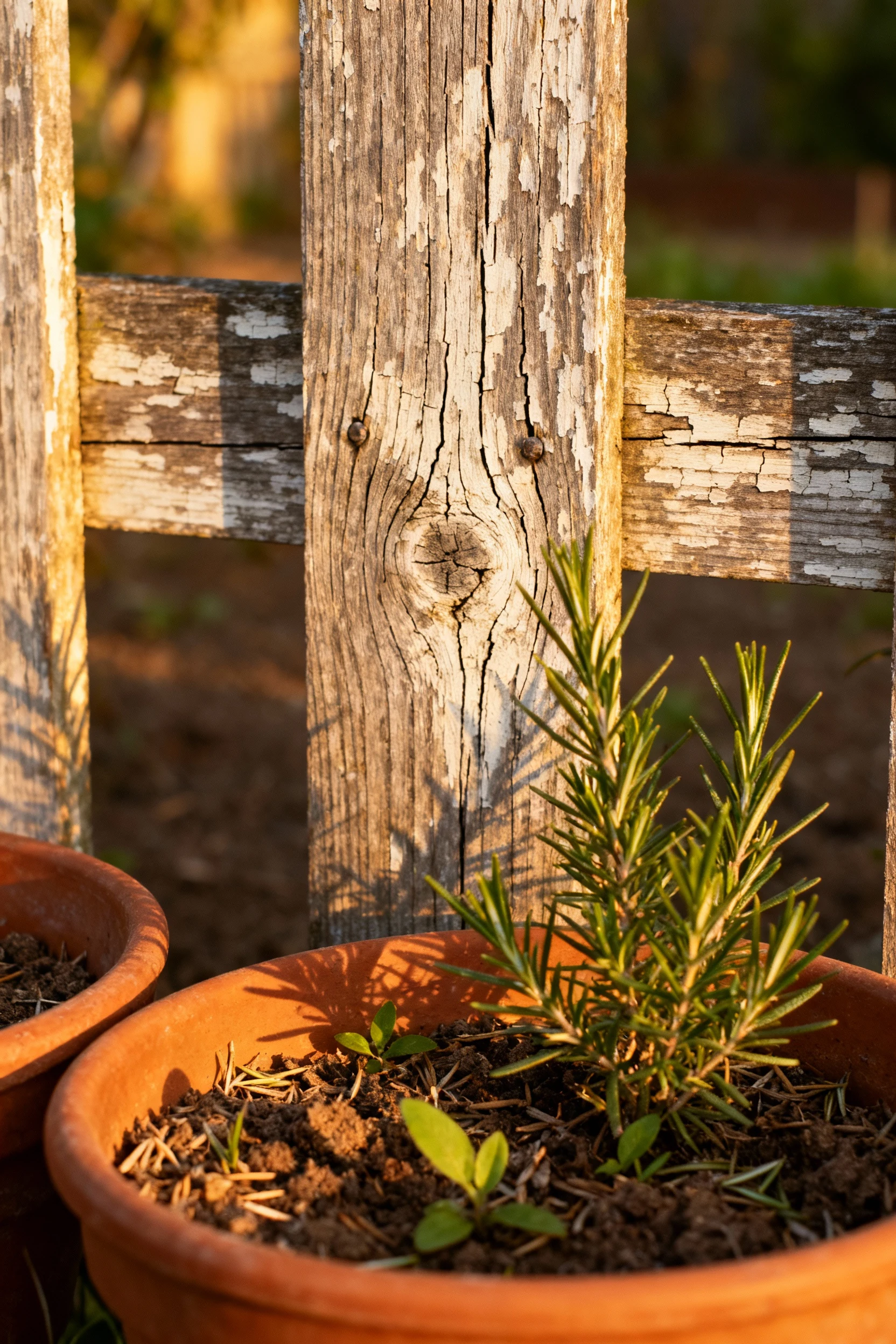
- Create a threshold and set an intention. Mark an entry with an arch, a simple gate, or two potted plants. Whisper a purpose when you cross—“I enter for peace.” A threshold shifts your mindset fast, like a mini ritual you can repeat daily.
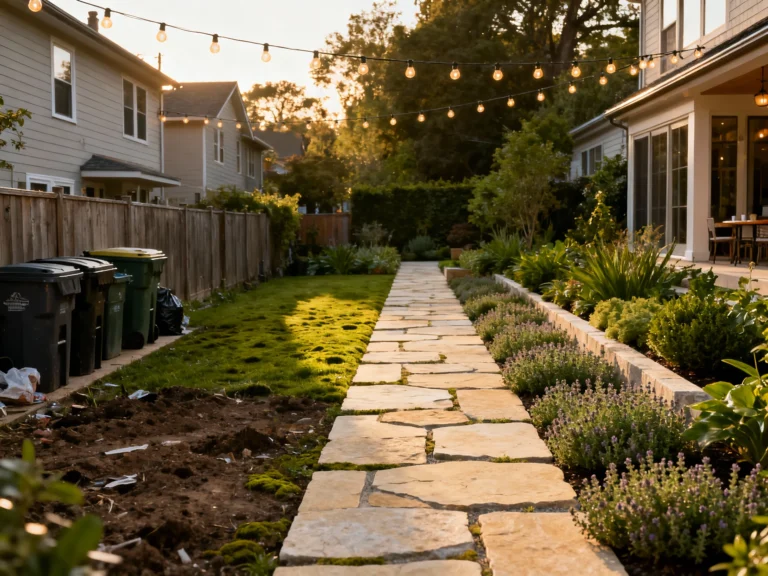
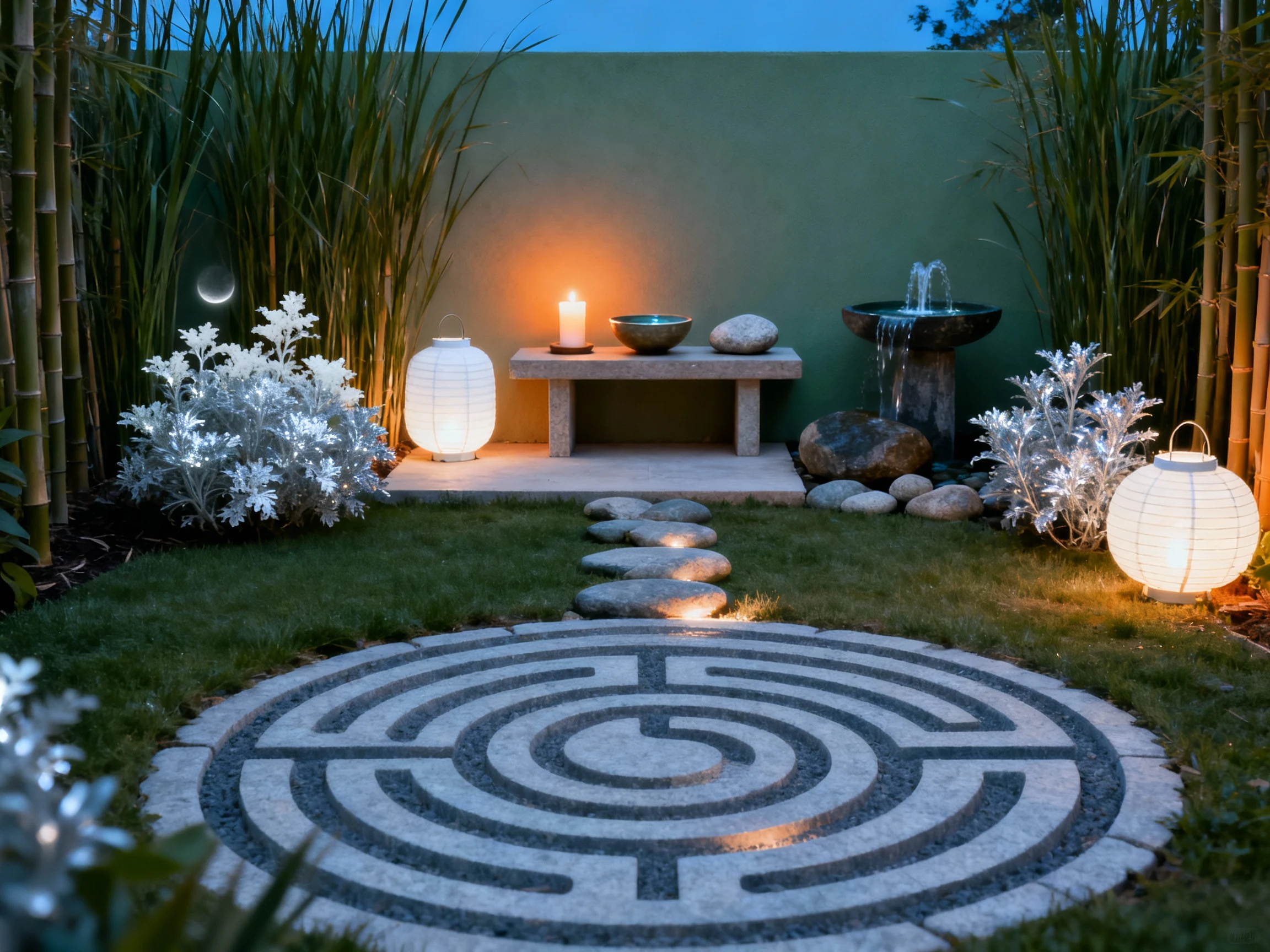
- Lay a grounding path or a mini labyrinth. Paths guide your pace and your thoughts. A tiny spiral or seven-circuit labyrinth feels meditative, even in a small yard. Use gravel, stepping stones, or painted pavers—your feet will do the rest.
- Define quiet zones with living walls. Use tall grasses, bamboo in containers, or trellised vines to shape a calm nook. Boundaries signal “shh, soul at work here.” They also block nosy neighbors and random leaf blowers (we can dream).
Mini Labyrinth Tips
– Sketch your pattern on cardboard first, then transfer it with a garden hose as a guide.
– Keep the path 12–18 inches wide for easy walking.
– Use contrasting materials (pebbles and mulch) so the lines stay clear.
– Place it where you won’t sprint through. You want meandering, not a finish line.
Tune the Senses: Water, Wind, and Sound

Your nervous system responds to water and gentle sound faster than any affirmation. So lean in. Invite soothing noise that nudges your brain into “ahhh” mode.
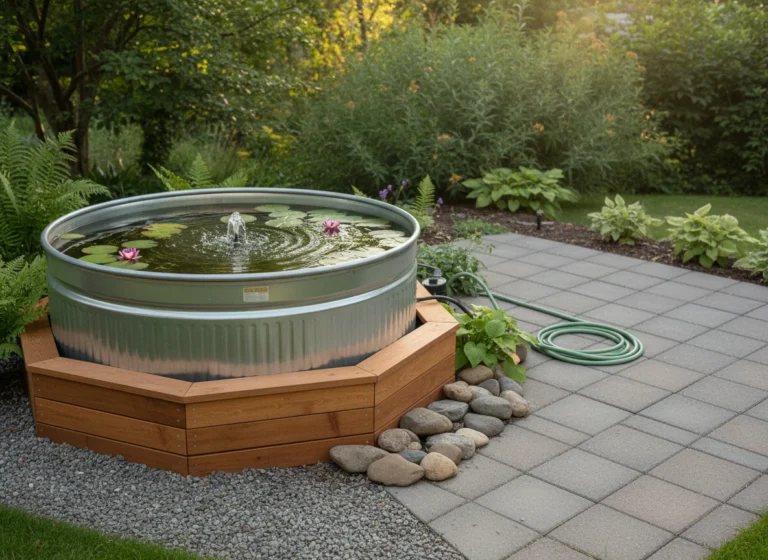
- Add a small water feature. A tabletop fountain, a recirculating urn, or a birdbath all deliver calm. Flowing water masks street noise and draws birds. Place it where you meditate, not across the yard—enjoy the splashes up close.
- Hang wind chimes or bells with intention. Choose tones you love—deep and mellow beats tinny every time. Metal chimes feel bright, bamboo sounds earthy, and bells add a temple vibe. Hang them where breezes kiss them, not where they clack like cutlery.
- Install a rain chain with a catch bowl. A rain chain turns storms into a show. Set a basin below with river stones for a soft gurgle. Add a floating candle on dry days and you’ve got instant altar energy.
Quiet vs. Lively Water
– Want serene? Choose a slow bubbler and a small pump.
– Want energizing? Go for a spillway or a two-tier fountain.
– Keep splashes low if you plan to meditate nearby. Your shoes will thank you.

Plant Allies: Scent, Moonlight, and Pollinators
Plants carry stories, medicine, and memory. Pick a few that match your vibe, then mix textures and bloom times so the garden supports you year-round.
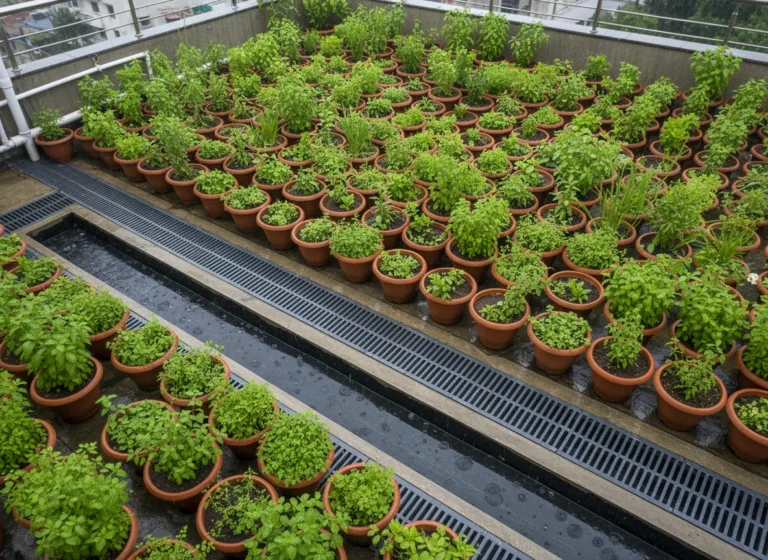
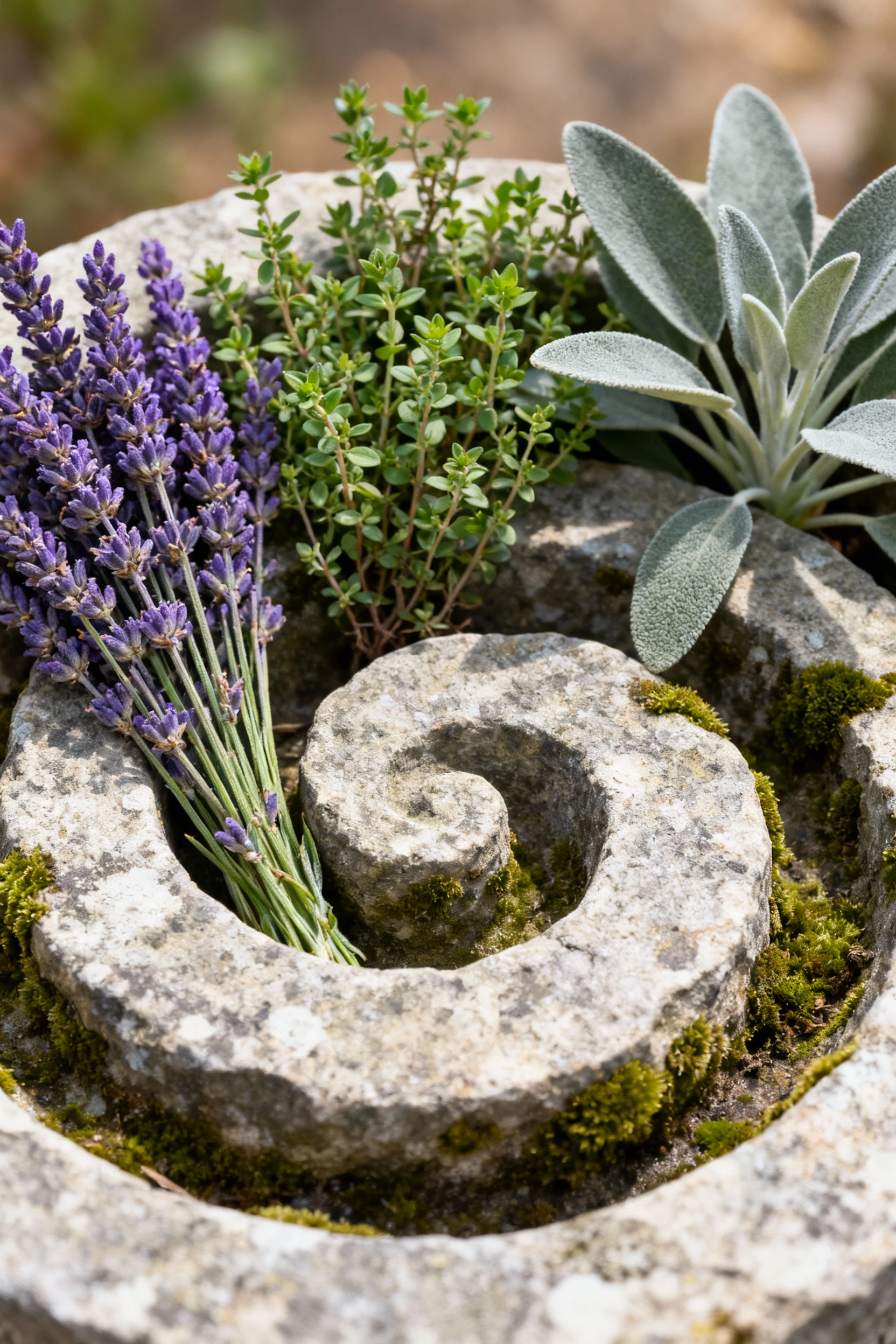
- Build an herb spiral for aromatherapy. Stack stones into a helical mound and plant rosemary, lavender, thyme, mint (in its own container), and sage. Rub leaves between your fingers before you sit down. You’ll anchor calm with scent in seconds.
- Grow a moon garden. White and silver plants glow after dusk—think jasmine, gardenia, white echinacea, lamb’s ear, and dusty miller. Add reflective gravel or pale pavers. Night meditation? Chef’s kiss.
- Create a pollinator sanctuary with native plants. Butterflies, bees, and hummingbirds bring life and wonder. Native flowers need less fuss and feed your local ecosystem. A living garden feels spiritual because it reminds you that everything connects.
Moon Garden Palette (Easy Wins)
– White blooms: nicotiana, shasta daisy, sweet alyssum, white salvia.
– Silvery foliage: artemisia, lamb’s ear, dusty miller.
– Night scent: jasmine, evening primrose, night phlox.
– Bonus: place a white rock or shell mulch to bounce moonlight.
Symbols, Altars, and Daily Ritual
Spiritual gardens thrive when you use them. Anchor your practice with places that hold meaning, not dust. A little ritual goes a long way.
- Create a simple outdoor altar or shrine. Use a stone slab, a wooden stool, or a weatherproof shelf. Add a candle, a bowl, a favorite photo, or found objects that speak to you. Rotate items with the seasons and keep it tidy—clutter blocks energy, IMO.
- Hang prayer flags or intention ribbons. Write wishes or mantras on fabric strips and tie them to a branch or pergola. Let the wind carry your words. Keep it respectful of your tradition (or your mix of traditions) and your neighbors’ sightlines.
- Design a meditation or tea nook. Lay an outdoor rug, add floor cushions or a low bench, and throw in a small side table. Shade the spot with an umbrella, a sail, or a vine-draped trellis. Your cat will absolutely claim it, because of course it will.
What Belongs on an Altar?
– Four elements: a candle (fire), a bowl of water, a stone (earth), and incense or a feather (air).
– Meaningful objects: a talisman, a shell, a photo, a handwritten intention.
– Nature tokens: leaves, petals, cones—offer them back to the earth after.
– Edit regularly. Altar creep equals visual chaos.
Weather-Proofing the Ritual Zone
– Choose outdoor-safe lanterns and LED candles for windy nights.
– Store cushions in a deck box to dodge mildew.
– Anchor rugs with pavers so they don’t audition for a kite festival.
– Keep a basket with matches, a lighter, and a small cloth—ritual within arm’s reach.
Earth, Fire, and Light: Elemental Balance
Invite the elements in a way that feels grounded, safe, and beautiful. You’ll feel the shift the moment you step out at dusk.
- Build a stone circle or crystal grid. Arrange river stones in a ring or lay a simple grid with quartz, amethyst, or obsidian. Sit inside for grounding or journaling. FYI: you don’t need giant crystals—hand-size works and your wallet won’t faint.
- Add a small fire bowl or candle hearth. Use a tabletop fire bowl, chiminea, or a metal dish with sand for candle clusters. Keep a lid and a bucket of water nearby because responsibility looks great on everyone. You’ll love the primal, soft focus glow.
- Layer soft lighting for night magic. Solar lanterns, path lights, and fairy strands create a star-field vibe. Aim lights downward and keep it warm-white to protect night creatures. Your nervous system reads “cozy,” not “runway.”
Safety First, Sanctuary Always
– Check local rules for open flames before you spark joy.
– Place fire features on non-flammable surfaces.
– Keep cords tidy and use outdoor-rated fixtures.
– Dim lights after 10 p.m. so moths and neighbors both chill.
Make It Personal (And Keep It Real)
You don’t need a giant backyard. You need a space that holds you. Choose ideas that match your routine and your climate, and you’ll actually use the garden, not just photograph it.
– Start with one corner. Create a micro-sanctuary instead of a half-finished yard.
– Edit weekly. Sweep, deadhead blooms, and reset your altar. Maintenance becomes meditation when you slow the pace.
– Use what you have. Old stools become pedestals, chipped bowls become offering dishes, and fallen branches become art.
– Honor the seasons. Rotate scents, swap fabrics, and mark solstices or new moons with tiny rituals.
– Invite life in. Keep fresh water for birds, let a small log pile host beneficial insects, and avoid harsh chemicals. A healthy web of life equals a healthier you, IMO.
FAQ
How do I start a spiritual garden if I only have a tiny patio?
Claim a single corner and treat it like a sacred stage. Add a small rug, one chair, a tabletop fountain, and a tray that holds your altar objects. Grow vertical with a trellis or shelving, and choose multi-taskers like lavender (scent), rosemary (culinary + grounding), and jasmine (night notes). Small spaces amplify intention when you keep them simple and consistent.
Which plants feel spiritual across different traditions?
Lavender, rosemary, sage, basil, and jasmine show up often because they support calm, clarity, and ritual. Evergreens like juniper or cedar bring resilience. Lotus or water lilies add contemplation if you have a pond. Native flowering plants matter too—they root you in your place, which makes any practice feel more authentic, FYI.
Can I build a labyrinth in a small yard?
Yes. Use a two- or three-spiral pattern with stepping stones or contrasting mulch. Keep the turns gentle so your steps stay mindful, not awkward. If space runs tight, paint a meditation spiral on a patio or deck and trace it barefoot with your feet or your eyes.
How do I keep the space peaceful if I live near traffic or noisy neighbors?
Stack your tools: a boundary hedge or screen, a burbling fountain near your seating, and low chimes that cover sharp noises. Aim speakers at your chair if you like soft instrumental tracks. Morning hours usually stay quieter—build a quick sunrise ritual and sneak peace in before the world revs up.
What does this cost to set up?
You can go big, but you don’t have to. Upcycle containers, gather river stones, and buy one small fountain or use a ceramic bowl with a bubbler pump. Start with three anchor items (seating, one sensory element, and an altar surface) and add over time. The most valuable upgrade—daily use—costs nothing.
Do I need to follow one spiritual tradition?
No. Build a practice that respects your background and any traditions you borrow from. Choose symbols that you understand and that feel right in your bones. The garden works best when you show up with sincerity and keep learning, not when you collect random “aesthetic” objects.
Conclusion
You don’t need acres or elaborate plans to build a sanctuary—you need presence, a few well-chosen elements, and the courage to claim your peace. Start with one idea, then layer others until the space feels like a deep exhale. Return often, tweak as you grow, and let the garden shape you back. That’s the quiet magic of a spiritual backyard—simple choices, daily rituals, and a place that meets you exactly where you are.