Small Japanese Zen Rock Garden Ideas with Gravel, Stones & Rake Patterns
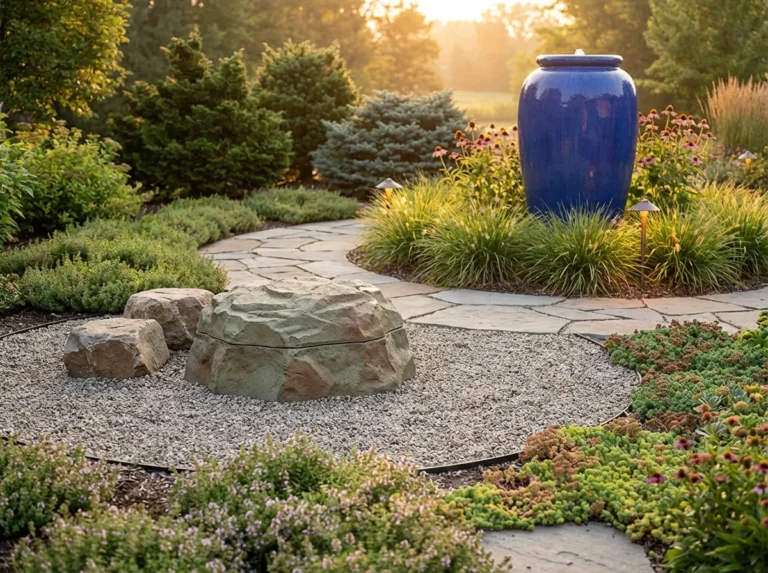
No yard? No problem. You can shape a pocket-size Zen rock garden that calms your brain and looks ridiculously good. A few stones, some gravel, and a rake with attitude turn any boring corner into a micro sanctuary. Ready to craft a tiny slice of stillness that you can redesign whenever your mood swings?
Why Go Small? The Zen Magic of Pocket Gardens

Small Zen gardens deliver impact without hogging space. You control every pebble, every ripple, and every glance because your layout stays tight and intentional. That focus invites you to slow down fast, breathe, and let your mind wander through simple shapes and textures.
Minimal size also means minimal hassle. You tweak patterns in minutes, not hours, and experiment without committing to a full backyard overhaul. Tiny scale amplifies every choice, so you create drama with the smallest move—a rotated stone, a new circle, a brighter gravel tone.
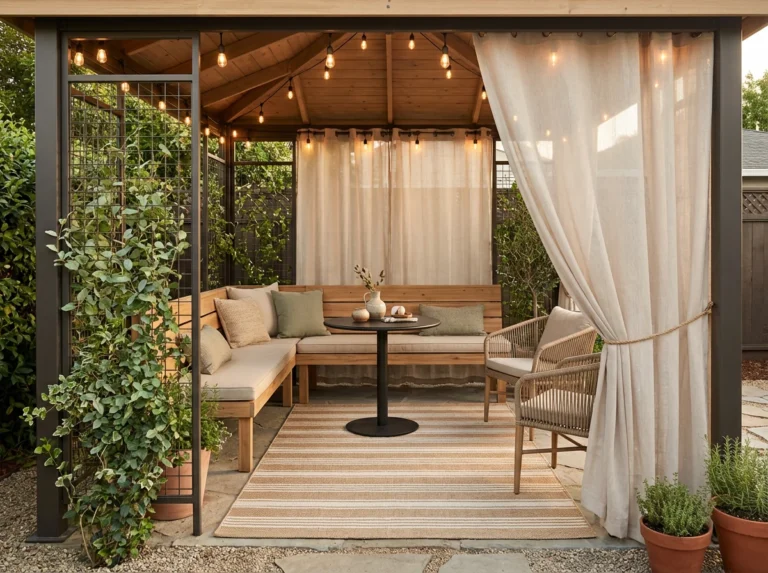
Plus, small looks good everywhere: balconies, side yards, entryways, tabletops, even office corners if you want to flex your serene side. You curate it like art, and you change it like mood lighting. That flexibility keeps it fun and fresh.
Gravel Choices That Actually Rake Well
Gravel sets the stage, so choose smart. You want gritty texture that holds a pattern, not slippery marbles that laugh at your rake. Focus on size, shape, and color, then prep your base like a pro.
Size & Shape: The Rake-Friendly Sweet Spot
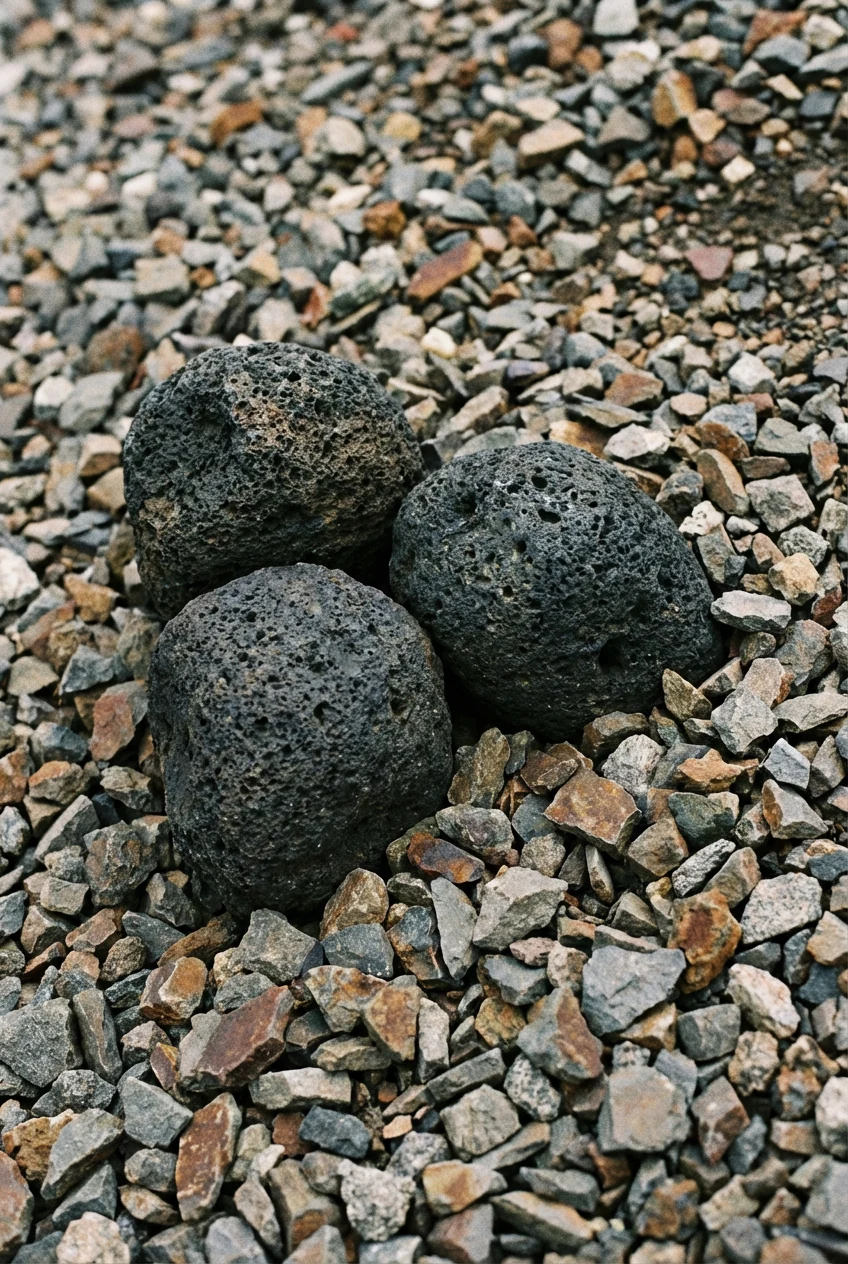
Go with angular gravel in the 3–6 mm range. Angular pieces grip together and keep lines clean when you rake. Rounded pea gravel looks cute but slides away and smudges your patterns.
Crushed granite hits the sweet spot for most small gardens. Decomposed granite works too, but it can compact over time. Test a small bag first, rake a few lines, and see if your spacing holds.
Color & Mood: Set the Tone
Gray granite creates a calm base and pairs with almost any stone. Soft off-white brightens shadows and makes your garden pop, but bright white glares under strong sun, FYI. Earthy browns feel grounded and warm if your space leans rustic.
Pick a color that plays nice with your stone choice. Dark stones on lighter gravel create strong contrast. Lighter stones on darker gravel deliver subtle mood and smoother transitions.

Base Prep: Keep It Clean and Level
- Lay a weed barrier under your gravel to stop random sprouts.
- Edge the area before you pour gravel so it stays in bounds.
- Spread gravel 2–3 inches deep for tabletop layouts and 3–4 inches for ground installations.
- Compact lightly with a hand tamper or board to remove soft spots and ripples.
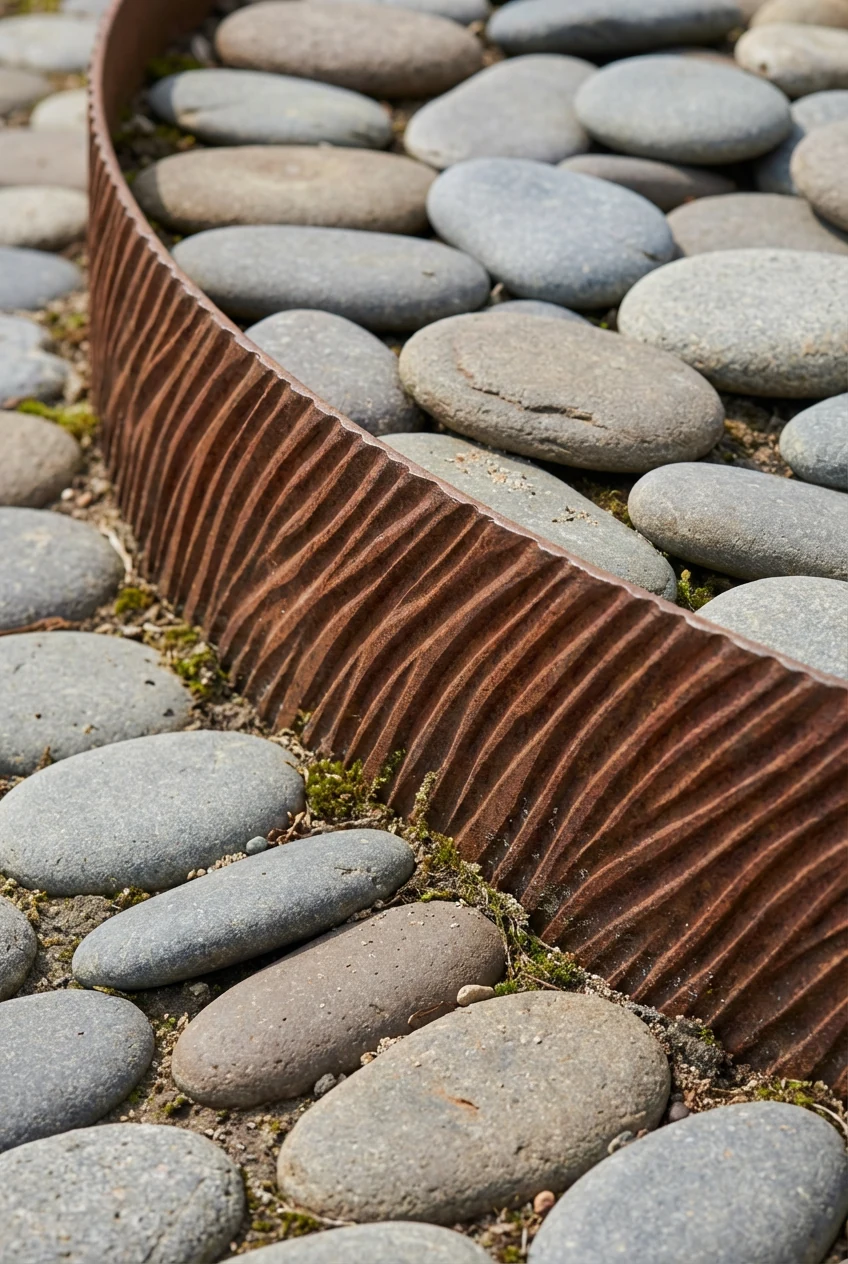
Stones: Placement, Meaning, and Drama
Stones carry the story. You create islands, mountains, shorelines, and journeys with simple shapes and smart placement. Aim for asymmetry and balance, not symmetry and perfection.
Triads & Asymmetry: Let Odd Numbers Lead
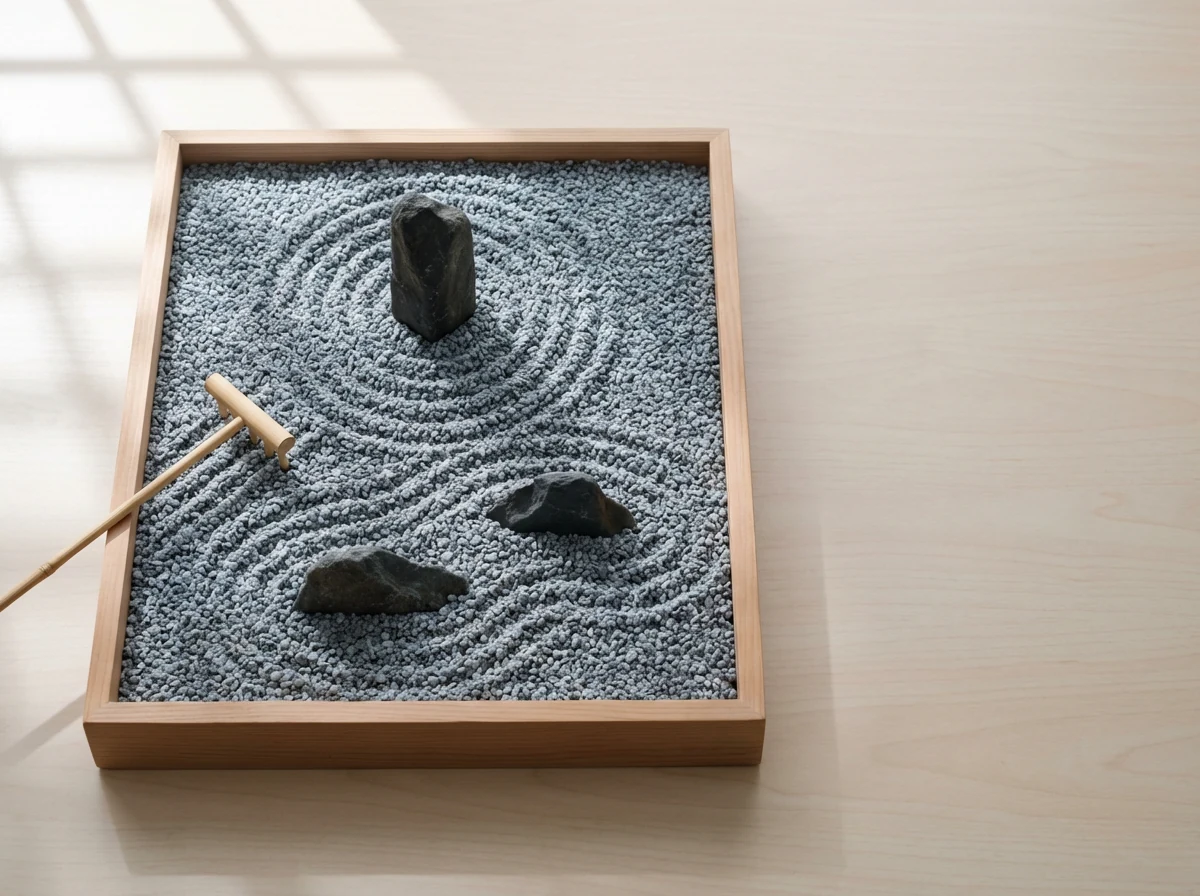
Work with threes for a classic triad. One taller stone anchors the scene, and two lower stones support and extend the form. Tilt the tallest stone slightly to feel organic, not stiff.
Place your triad off-center and leave generous open space for raking. Negative space matters, so resist the urge to fill every inch. Your eye needs room to wander and rest.
Anchors vs. Accents: Tell a Clear Story
Use one anchor stone that sets the mood—rugged granite, smooth river rock, or weathered basalt. Then sprinkle a few accent stones in smaller sizes to lead the eye and suggest flow. Keep a consistent stone type or at least a consistent finish to avoid a chaotic mashup.
- Upright stones feel like peaks.
- Low, flat stones read as islands or shorelines.
- Rounded stones soften the scene and invite gentle patterns.
Depth & Orientation: Make It Look Natural
Bury each stone by a third of its height for stability and realism. Rotate stones so their grain lines run with your intended flow. You don’t want stones that look dropped—set them like they’ve always lived there.
Rake Patterns: Stories in Sand
Rake patterns turn static gravel into moving water, wind, and rhythm. You guide the eye with lines and curves that loop around stones like currents around islands. Start simple, then layer complexity as your confidence grows.
Classic Waves
Pull gentle, parallel curves across the garden. Let the lines bend around stones so they read as currents meeting a shoreline. Keep spacing consistent for that soothing, hypnotic feel.
- Spacing: 1–2 inches for small gardens.
- Pressure: Light, steady, and confident.
- Flow: Start at the far edge and rake toward you.
Concentric Circles Around Stones
Create rings around an anchor stone to suggest ripples. Keep gaps consistent and smooth the ring edges if they wobble. Let circles meet straight lines or waves to form interesting intersections.
Meandering River Paths
Draw a single “river” that snakes through the garden from one edge to another. Flatten the river path slightly with a board to set it apart from the rest. Let support stones sit as islands along the route.
Geometric Grids (Modern Twist)
Pull crisp, straight lines across the garden in a grid or angled cross-hatch. You create a clean, contemporary vibe that plays well with minimal stone clusters. IMO this style pops in balcony and tabletop layouts.
Pro Raking Tips
- Smooth the surface first with a board or wide rake to erase old lines.
- Work from the back to the front so you don’t stomp over fresh patterns.
- Run a test line off to the side to dial spacing and pressure before you commit.
- Use consistent speed to avoid choppy lines and uneven depth.
Layouts for Tiny Spots
You don’t need a sprawling yard. You can build a micro Zen scene on a balcony, along a narrow side strip, or right on your coffee table. Here are flexible layouts that deliver big calm in small footprints.
Balcony Tray Garden
Use a shallow planter box or a custom tray with drainage holes. Line it with landscape fabric, add 2–3 inches of gravel, and set a small triad of stones off-center. Rake waves or a single path from corner to corner.
- Materials: Tray, fabric, gravel, 3–5 stones, mini rake.
- Style: Soft waves + one ripple circle around the anchor stone.
- Pro move: Edge the tray with thin cedar strips for warmth and contrast.
Narrow Side Yard Strip
Edge the strip with steel or stone to keep gravel tidy. Set a line of low, flat stones at varying intervals for rhythm. Rake diagonal waves that cross the strip so your eye moves along the path.
- Materials: Steel edging, weed barrier, 3–4 inches of gravel.
- Style: Diagonal waves + occasional circle around standout stones.
- Pro move: Tuck a small lantern at the end for evening glow.
Tabletop Zen Dish
Pick a wide, shallow ceramic bowl or wooden tray. Use fine, angular gravel and a single rounded stone as your focus. Rake concentric rings and rehearse chill whenever the next email pings.
- Materials: Dish, gravel, 1–3 stones, ultra-mini rake or fork.
- Style: Circles + one sweeping wave across the surface.
- Pro move: Add a tiny moss patch for texture and color.
Borders, Accessories, and Touches of Green
Edges frame your scene and keep everything neat. Accessories punctuate the mood without clutter. Add a whisper of green for life and seasonality, then stop before it turns into a shrub party.
Smart Edging
- Steel edging delivers clean lines and modern minimalism.
- Thin cedar or cypress warms the scene and echoes traditional vibes.
- Flat stone borders feel grounded and blend seamlessly with the theme.
Accessories That Don’t Steal the Show
- Mini stone lanterns add character and gentle height.
- Water basin (tsukubai) on the side suggests reflection without actual water.
- Simple bamboo divider or screen frames a corner and softens backgrounds.
Green Touches (Keep It Sparse)
- Tufts of moss along stones bring age and softness.
- One dwarf pine or small grass clump hints at landscape without overgrowth.
- Low groundcovers in tiny doses provide texture where gravel meets edges.
Place plants at the perimeter or near stones to protect your raking space. You create contrast without losing the dry landscape vibe. FYI, less really does look better here.
Maintenance and Seasonal Rituals
Zen gardens love attention, not stress. You maintain patterns and edges in quick sessions that feel meditative, not like yard work. Keep a small kit ready, and make raking a weekly ritual you actually enjoy.
Weekly 10-Minute Routine
- Brush off leaves and debris with a soft broom.
- Smooth the gravel surface with a board.
- Rake your chosen pattern with consistent spacing.
- Check stone positions and re-bury if anything shifts.
Seasonal Tweaks
- Spring: Top up gravel where foot traffic thins it.
- Summer: Adjust color contrast if glare hits hard; add shade if needed.
- Fall: Shift to bolder patterns to compete with leaf confetti.
- Winter: Use simplified lines; frost can highlight minimal patterns beautifully.
DIY Tools & Budget Hacks
- Build a mini rake from dowels and bamboo skewers; space tines with a scrap of cardboard.
- Use a garden cultivator for deeper lines and a comb for fine waves.
- Source stones from a landscape yard’s offcuts or riverbeds where permitted.
- Start small; upgrade gravel and edges after you refine your layout.
FAQ
What gravel holds rake patterns best?
Angular crushed granite in the 3–6 mm range holds shapes beautifully. The pieces lock together and resist sliding when you rake lines or curves. Rounded pea gravel looks neat but smears patterns, so save that for paths, not Zen circles.
How many stones should I use in a small garden?
Start with three to five stones for balance and clarity. Use one anchor stone and two to four supporting stones placed asymmetrically. Keep odd numbers and vary heights so the composition feels natural and dynamic.
Can I add plants without ruining the vibe?
Yes, in moderation. A tuft of moss near stones or one dwarf pine creates gentle contrast without overwhelming your patterns. Place plants at the edges or around stones and keep the main raking field open so lines stay crisp.
How often should I rake the garden?
Rake weekly or whenever you need a quick mental reset. Patterns fade with foot traffic and wind, so fresh lines keep the garden alive. Treat raking like a short ritual—you calm your mind and refresh the scene at the same time.
Will rain destroy my patterns?
Rain softens lines, but it won’t doom your garden. Let the surface dry, smooth it with a board, and rake again. If heavy water flows through the area, tuck a subtle border lip to keep gravel in place and maintain depth.
How do I keep cats out of the gravel?
Use tighter, angular gravel that feels less like a litter box and rake the surface regularly. Add low, spaced stones that break up open areas and reduce temptation. If a local feline ignores your artistry, install a discreet screen or a raised tray layout—cats respect elevation, apparently.
Conclusion
Small Zen rock gardens deliver big calm with simple parts: gravel, stones, and rake lines that tell a quiet story. You shape flow, play with contrast, and refine patterns in minutes, not hours. Build a tiny scene, tweak it when the mood hits, and enjoy that daily moment where everything slows down—no giant yard required.