small vegetable garden design
Small vegetable garden design matters way more than most people think. You can grow a surprising amount of food in a tiny space if you stop treating your garden like a random pile of plants and start treating it like a smart little system. Even a balcony, side yard, or postage stamp patio can turn into a productive veggie patch. You do not need a farm. You need a plan.
Start with the space you actually have
First things first: work with reality, not fantasy. If your backyard gives you six feet of sunny space near the fence, then that is your garden. Do not waste energy wishing for a charming half acre with perfect soil and a cute wooden gate straight out of a lifestyle magazine.
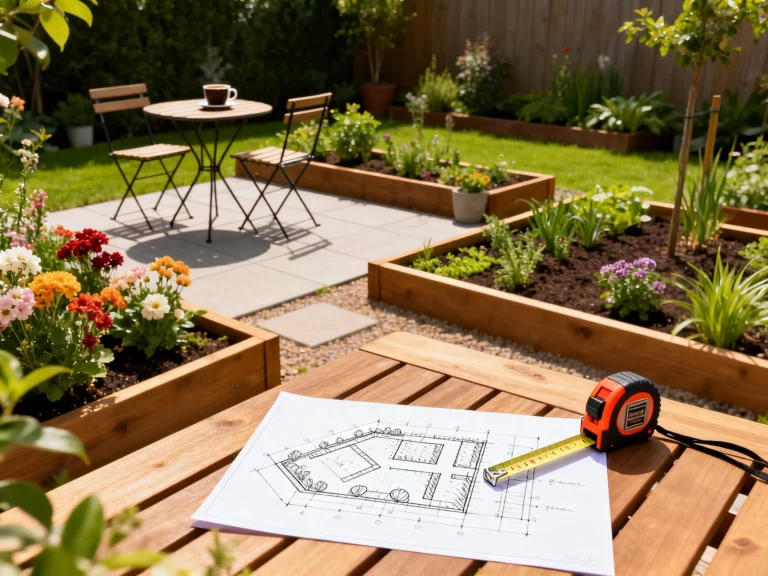
Grab a tape measure and figure out your exact growing area. Notice where the sun hits in the morning, afternoon, and evening. Most vegetables want at least 6 to 8 hours of sunlight, so this step matters a lot more than picking adorable pots.
Also, check how close your garden sits to a water source. Hauling watering cans across the yard sounds wholesome for about three days. After that, it becomes an upper body workout nobody asked for.
Watch the light before you plant anything
Sunlight decides what you can grow successfully. Tomatoes, peppers, cucumbers, and squash want lots of direct sun. Leafy greens, herbs, and a few root crops can handle a bit less, which makes them great for smaller or partly shaded spots.
If your space gets mixed light, design around it. Put sun lovers in the brightest section and tuck lettuce or parsley into the less intense corners. That one move can save you a lot of frustration later.
Choose a layout that keeps things easy
Small gardens win when they stay simple. You want a layout that lets you reach every plant, water quickly, and harvest without stepping on the soil like a confused giant. Easy access beats fancy design every single time.
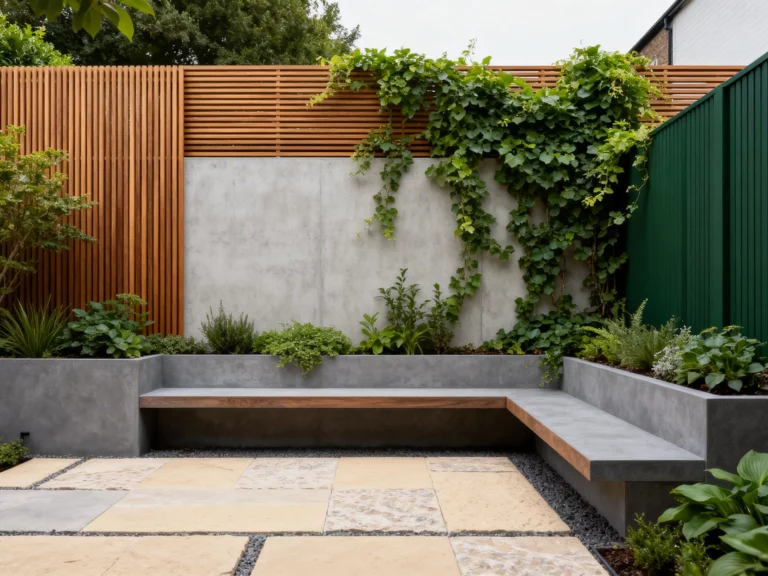
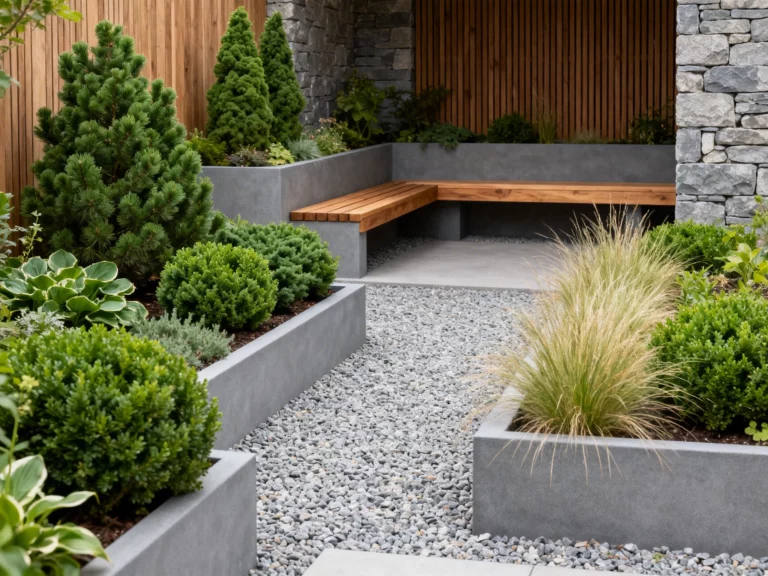
Raised beds work beautifully in small spaces because they look tidy and help you control soil quality. Containers also shine, especially on patios, decks, and balconies. If you garden directly in the ground, create clear paths so you do not compact the growing area.
IMO, the best small vegetable gardens use a few clean shapes instead of lots of awkward little pockets. Rectangles, squares, and rows make planning easier. They also make your space look more intentional, even if you still wear mismatched gardening gloves.
Popular small garden layout ideas
- One raised bed: Great for beginners who want one focused, manageable space.
- Two or three narrow beds: Perfect if you want better crop rotation and easier access.
- Container cluster: Ideal for patios, balconies, and renters.
- Vertical wall or trellis setup: Smart for growing up instead of out.
- Square foot style grid: Helpful if you love order and enjoy pretending you are very organized.
Narrow beds usually work best in small gardens. Aim for beds you can reach across from either side. That way, you never need to step into the planting area and squash your soil structure.
Grow up, not out
When space feels tight, think vertically. This sounds obvious, but plenty of people still plant everything at ground level and then wonder why their garden feels crowded by June. Vertical gardening gives you more room, better airflow, and often cleaner produce too.
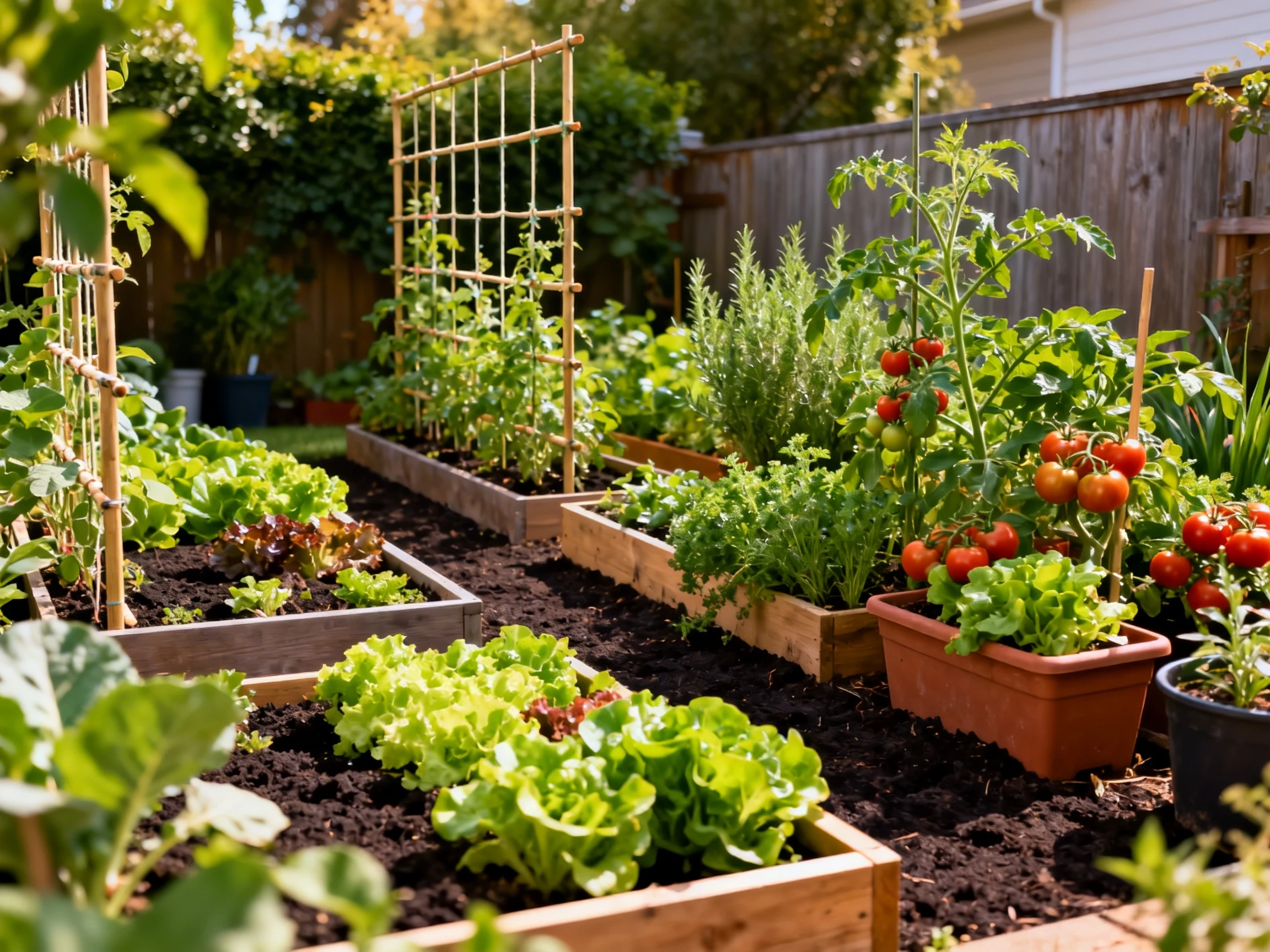
Use trellises, cages, stakes, or wall mounted supports for climbing crops. Beans, cucumbers, peas, and some tomatoes absolutely love this setup. Vertical growing can double your usable space without demanding extra square footage.
It also helps your garden look less chaotic. Plants with support systems stay where they belong instead of sprawling across pathways like they pay rent there. Very rude behavior, honestly.
Best vegetables for vertical gardening
- Pole beans
- Cucumbers
- Snap peas
- Indeterminate tomatoes
- Small melons with strong support
- Vining squash varieties in larger spaces
Just make sure taller crops do not cast too much shade on shorter ones. Place trellises on the north or west side if possible, depending on your light pattern. You want the sun to hit the whole garden, not just the tallest showoffs.
Pick plants that earn their spot
In a small vegetable garden, every plant needs to pull its weight. You do not have room for six pumpkin vines unless you enjoy gardening on hard mode. Focus on crops that give you a lot of food, grow vertically, or produce over a long season.
High value crops make the most sense in compact spaces. Think salad greens, herbs, tomatoes, peppers, green beans, radishes, scallions, and compact cucumbers. These either cost more at the store, taste much better fresh, or keep producing for weeks.
Skip giant space hogs unless you truly love them. Corn, full size pumpkins, and sprawling squash can dominate a tiny garden fast. Can you grow them? Sure. Should you? That depends on how much chaos you want in your life.
Go for compact and dwarf varieties
Seed catalogs and plant labels often include words like “bush,” “compact,” “patio,” or “dwarf.” Those labels matter. Breeders created many vegetable varieties specifically for smaller spaces, and they can perform beautifully in containers or raised beds.
Look for bush beans instead of pole beans if you do not want trellises. Try patio tomatoes if you only have a sunny corner. Compact zucchini even exists, which feels like a minor miracle.
Use succession planting for nonstop harvests
Small gardens need smart timing. Instead of planting everything all at once, sow quick crops in waves. Plant a row of lettuce now, another in two weeks, and another after that.
Once you harvest radishes or spinach, replant that space with something new. Succession planting keeps your garden productive for longer and squeezes more food out of every square foot. FYI, this trick makes a tiny garden feel weirdly efficient.
Design for healthy plants, not just good looks
A pretty garden feels nice, but a productive garden feels better. If your layout traps humidity, blocks airflow, or crams plants shoulder to shoulder, disease and pest problems will show up fast. Plants need room to breathe, even if your garden stays small.
Read spacing recommendations and take them seriously. I know, I know, tiny seedlings make those numbers look dramatic. But overcrowding leads to weaker plants, tougher harvesting, and tomato jungles that test your patience.
Group plants with similar needs together. Keep thirsty crops near each other and place herbs or drought tolerant plants in their own section. Smart grouping makes watering and care much easier, which means you will actually keep up with it.
Do not forget the paths
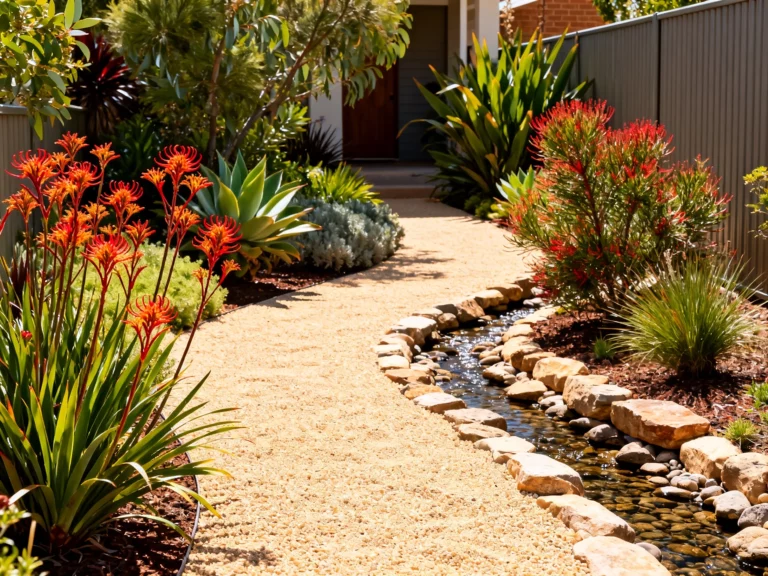
Paths sound boring until you try to harvest peppers while balancing on one foot between two overgrown beds. Even the smallest garden needs clear walking or reaching space. A narrow path of gravel, mulch, pavers, or stepping stones can make a huge difference.
Good paths also help with drainage and keep mud under control. Plus, they make the whole space feel finished. That matters more than people admit.
Make it attractive enough that you want to use it
Yes, function comes first. But if your garden looks inviting, you will spend more time in it, notice problems sooner, and harvest more often. Design affects behavior, and behavior affects results.
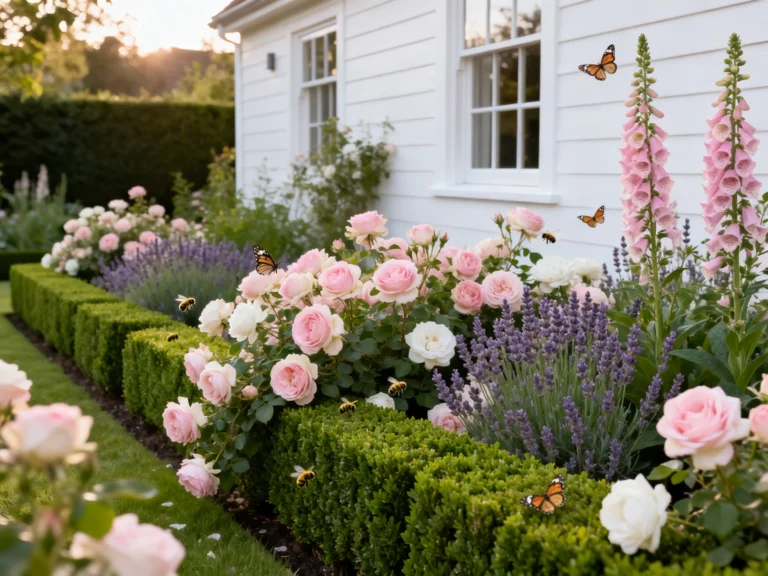
Mix vegetables with herbs and edible flowers for texture and color. Basil, nasturtiums, chives, calendula, and marigolds can make a small garden look lively instead of purely practical. You can absolutely grow food and make it look good at the same time.
Use matching containers if you like a tidy look. Add a simple arch, trellis, or border if that makes the space feel intentional. You do not need to turn your garden into a theme park, but a little style never hurts.
Also, keep tools nearby. A small bench, storage box, or hook for gloves and pruners can make gardening feel easier. And easier usually means more consistent, which is where the magic happens.
FAQ
What is the best layout for a small vegetable garden?
The best layout depends on your space, but raised beds, containers, and square foot style grids all work well. Choose a design that gives you easy access to every plant without stepping on the soil. Simple shapes usually beat complicated plans.
How much sun does a small vegetable garden need?
Most vegetables need 6 to 8 hours of direct sun each day. Fruiting crops like tomatoes and peppers need the most light. If your space gets less sun, focus on leafy greens, herbs, and a few root vegetables instead.
What vegetables grow best in a small garden?
Tomatoes, peppers, lettuce, spinach, radishes, herbs, green beans, scallions, and compact cucumbers usually perform well. These crops either stay manageable, produce a lot, or offer better flavor than store bought versions. Pick crops you actually eat, obviously.
Can I grow enough food in a tiny backyard or patio garden?
Yes, especially if you plan well. A small garden will not replace a full grocery run, but it can give you a steady supply of salad greens, herbs, tomatoes, beans, and more. Use vertical supports, succession planting, and compact varieties to boost production.
How do I keep a small vegetable garden from looking messy?
Stick with a simple layout, use supports for climbing plants, and define your paths clearly. Prune when needed and harvest regularly so plants do not get wild and floppy. Matching containers or neat bed borders can also make a huge visual difference.
Are raised beds better than containers for small vegetable gardens?
Both work well, so choose based on your space and budget. Raised beds hold more soil and often need less frequent watering. Containers offer more flexibility and work perfectly for renters, balconies, and tiny patios. FYI, plenty of gardeners use both together.
Conclusion
Small vegetable garden design does not need to feel complicated. Focus on sunlight, access, vertical space, and crops that actually deserve a spot in your garden. Keep it simple, keep it practical, and give yourself room to enjoy the process.
A small garden can produce a lot when you design it with intention. Start with one smart layout, learn as you go, and adjust along the way. Your future self, standing there with fresh basil and a handful of cherry tomatoes, will feel very smug about it.