Creative Vertical Planting Solutions for Small Triangle Gardens
A tiny triangle-shaped garden might sound like a landscaping nightmare… until you realize it’s basically the perfect excuse to get creative. Forget trying to force a rectangle’s worth of plants into a wedge-shaped plot — go vertical and embrace the quirky geometry. With a little imagination (and some very strategic planting), your humble triangular space can become a leafy showstopper that’ll make your neighbors jealous. Let’s talk fun, clever ways to pull it off.
Why Vertical Planting Works Better in Weird Spaces
Triangular gardens are tricky — there’s often awkward corners, inconsistent sunlight, and no obvious “main event” zone. Trying to grow along the ground? You’ll end up with a chaotic mess that feels more cramped than cozy.
Vertical planting changes the game entirely. Suddenly, you’re not battling the floor plan — you’re stacking greenery like it’s a multi-level jungle. It creates drama, maximizes your growth area, and, bonus, makes maintenance way easier.
The Height Advantage
When plants grow upwards, they catch more light and avoid competing for space at the soil level. This is especially clutch if your triangle garden has one shady tip and one sunny base — build up where the light is sweetest.
Choosing Structures That Fit the Triangle Vibe
Your garden’s odd shape can actually work in your favor when picking supports. Instead of forcing standard racks or frames, think about symmetry, sight lines, and how to create flow.
Wall Trellises
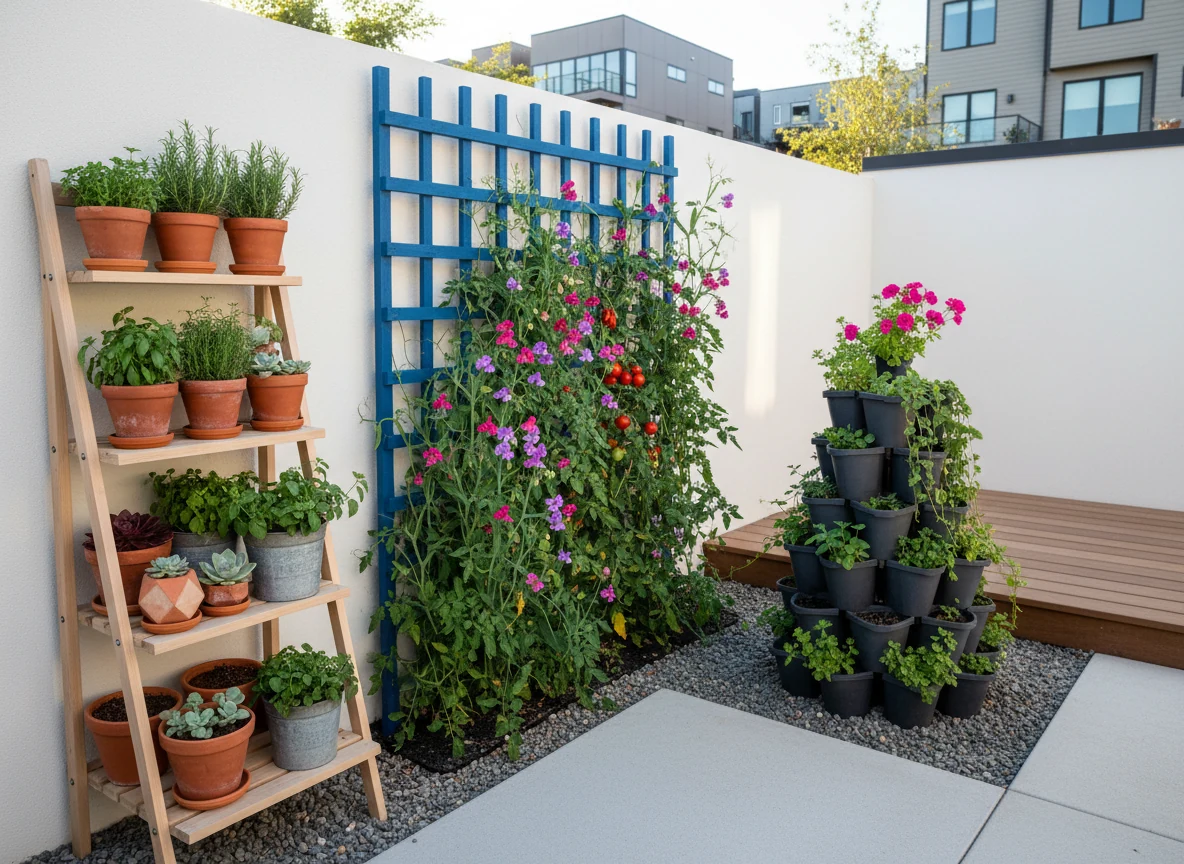
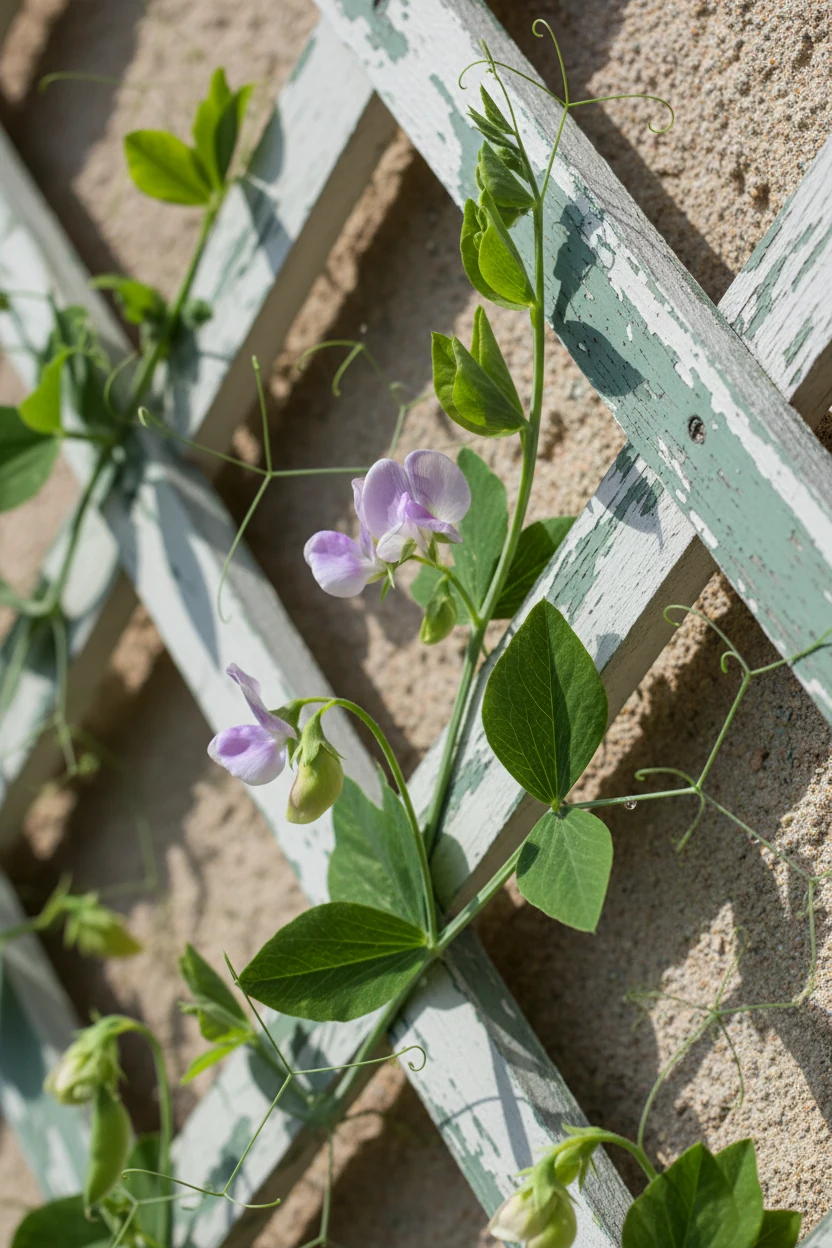
Got a fence or one long side? Bingo. Tap into that height with trellises for climbing plants like sweet peas, cucumbers, or even mini gourds. Paint it a bold color for extra personality.
Freestanding Vertical Frames
If your triangle is freestanding with no walls, lightweight frames are your BFF. Arrange them so they form a visual guide, leading the eye across the narrow point to the wider base. You get order instead of chaos.
- A-frame trellises: Compact, stable, and perfect for beans or morning glories.
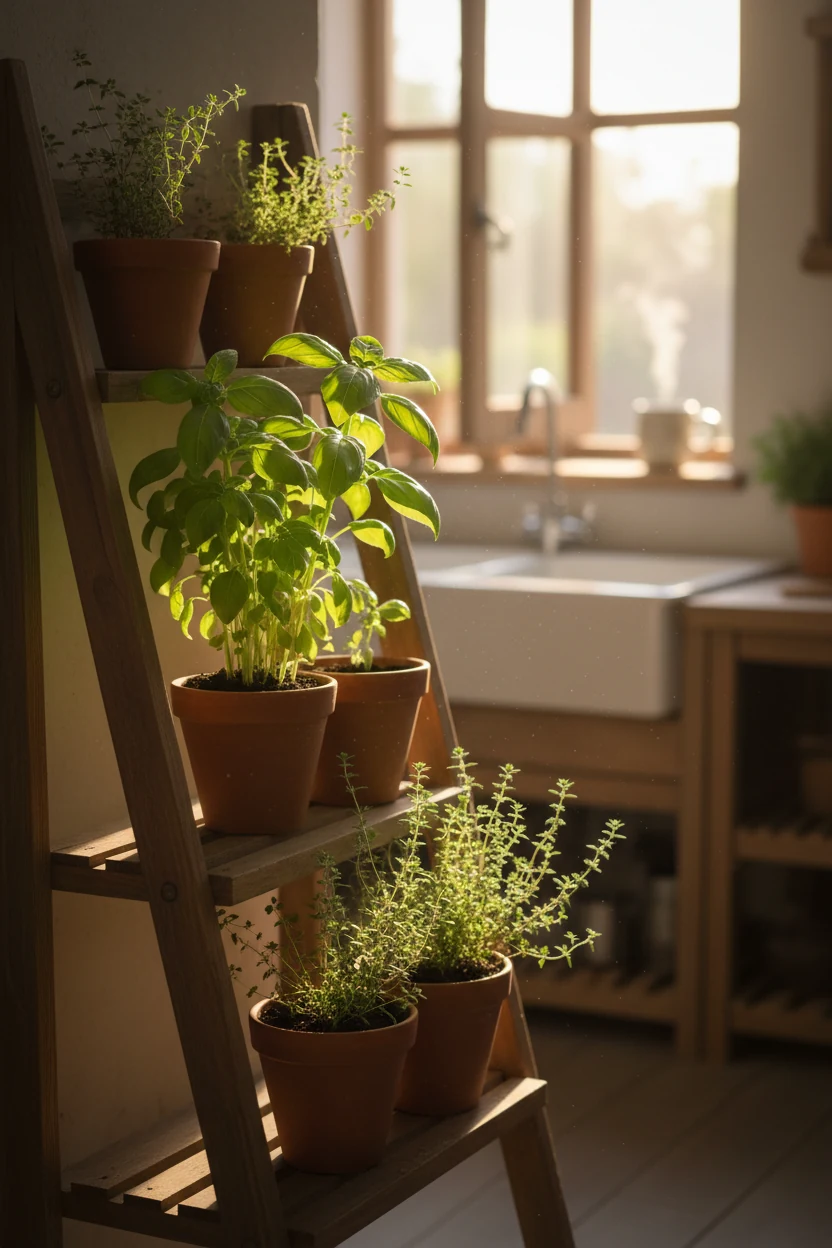
- Ladder-style shelves: Great for pots and herbs — bonus, you can move them around.
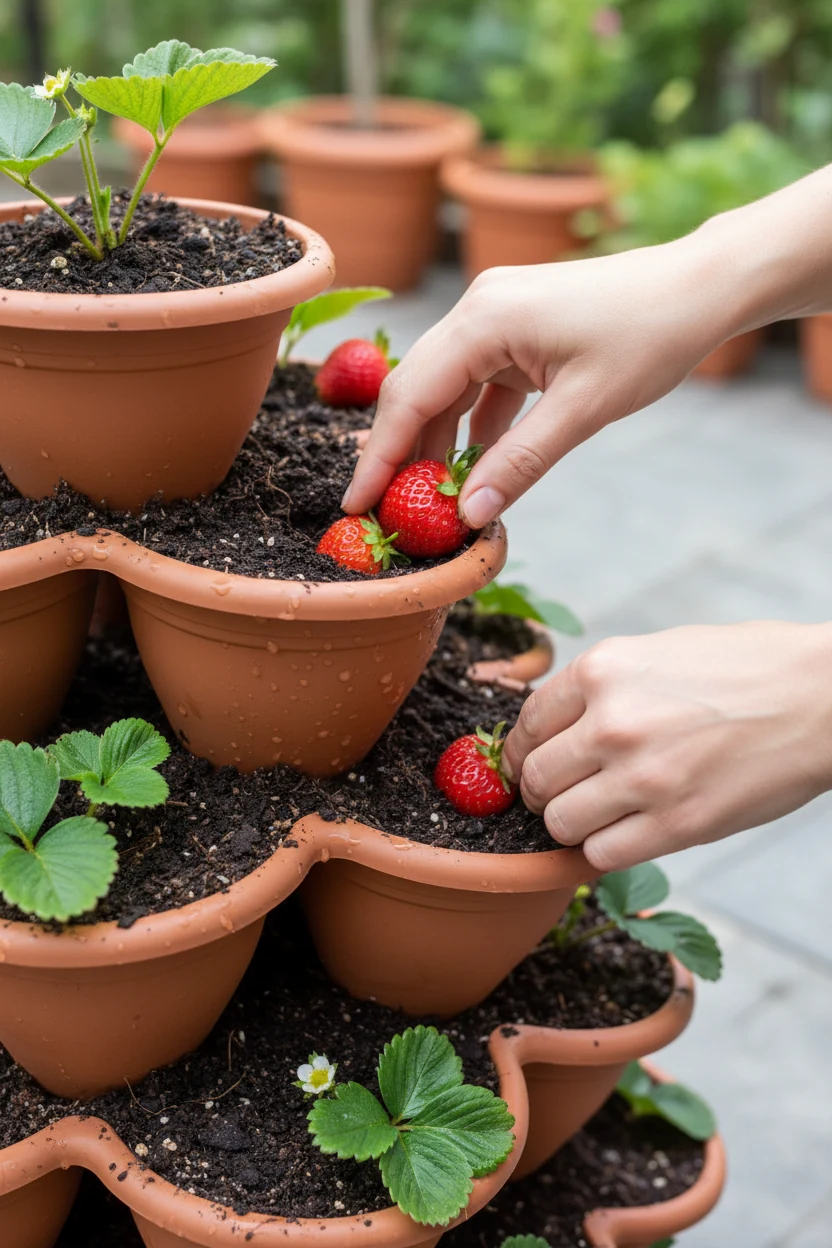
- Tower planters: Think column-like stacks stuffed with strawberries, lettuces, or succulents.
Plants That Love Going Vertical
Not every plant plays nice in a vertical world, so choose wisely. The good news? Plenty of delicious and eye-catching options thrive when given something to climb or perch on.
Edibles
- Tomatoes (with cage or trellis support)
- Pole beans
- Peas
- Small squash varieties
- Herbs in pocket planters like mint, basil, or thyme
Ornamentals
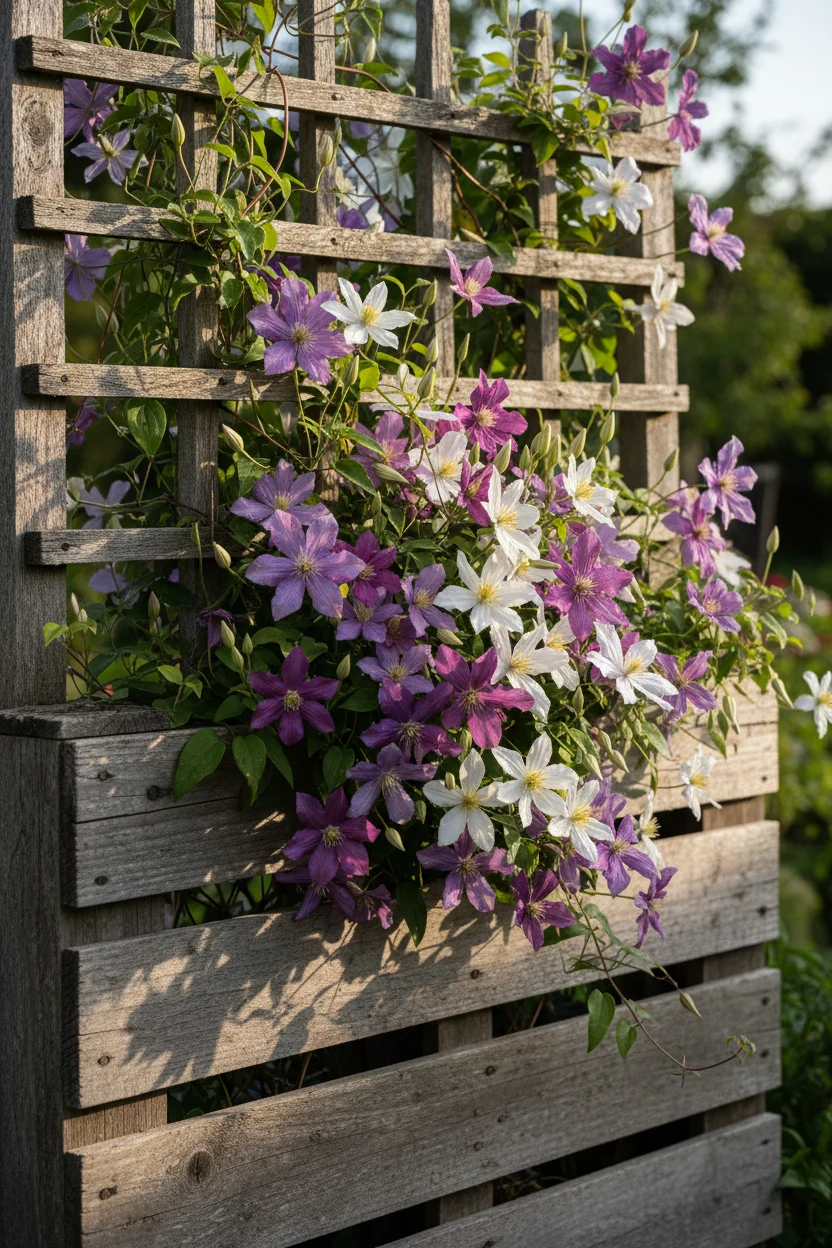
- Clematis for serious flower drama
- Ivy, for that “secret garden” aesthetic
- Sweet peas for sweet color and fragrance
- Succulents in vertical frames for modern flair
IMO, mixing edibles with ornamentals can be ridiculously satisfying — it’s like your garden is multitasking in the best way possible.
Design Tricks to Make a Triangle Feel Balanced
You can get all the structure right, but if your plants look like they’re plotting a coup against geometry, it’ll feel off. Balance is key.
Taper Your Heights
Think pyramid, not flat wall. Place taller plants at the wider edge of the triangle and gradually lower them as you approach the narrow tip. This creates visual harmony and prevents a “green cliff” effect.
Play with Color
Put bold blooms or striking foliage where you want attention. If there’s a bland corner, throw a hot pink geranium there — problem solved.
DIY Hacks for Vertical Planting
Got more creativity than cash? Perfect — some of the best vertical solutions are total DIY wins.
- Pallet planting walls: Grab an old pallet, add landscape fabric, fill with soil, and plant herbs or flowers in the slots.
- Gutter gardens: Mount old gutters to a fence for shallow-root veggies and greens.
- Hanging buckets: Perfect for strawberries or leafy greens.
- Repurposed shoe organizers: The pockets are ready-made planters for herbs or hardy flowers.
Seriously, half the fun is seeing everyday junk become garden art.
Maintenance Made Easy
Vertical gardens might seem high-maintenance, but once set up, they’re actually easier to care for than sprawling ground plots.
- Watering: Install drip lines or self-watering systems — gravity is your friend here.
- Pruning: You’ll have better access to stems and leaves at eye level.
- Pest control: Vertical setups discourage some crawling insects from feasting on your hard work.
Pro tip: Always check weight limits on your supports. No one wants a mid-season tomato avalanche.
FAQ
Can I do vertical planting without a wall or fence?
Absolutely — freestanding frames, A-frame trellises, and plant towers all work. Just anchor them well so wind doesn’t turn them into plant kites.
What’s the biggest mistake people make?
Overloading the structure is a classic rookie move. Plants grow heavier than you expect, and too much weight can cause collapse. Keep it sturdy and distribute the load.
Do vertical gardens need more water?
Often yes, because more exposure means faster drying. But smart irrigation or moisture-retentive soil helps a ton.
Can I mix flowers and vegetables?
Go for it! Companion planting can even improve yield. Plus, it’s nice to have blooms alongside your food crops.
How do I deal with uneven sunlight in a triangular garden?
Put sun-loving plants high and in the brightest spots, and tuck shade-tolerant varieties lower or toward the dim edges. Move pots seasonally if needed.
Will it work in a windy location?
Yes, but you’ll need heavier, wind-resistant frames and plants that can handle a breeze. Consider windbreaks like mesh panels.
Conclusion
A small triangle garden isn’t a limitation — it’s an opportunity for vertical magic. Stacking plants upward turns a weird patch of dirt into a lush, functional space that tells everyone you know what you’re doing (or at least that you’re having fun pretending). Whether you go fancy with custom frames or scrap-wood chic with homemade trellises, the key is creative thinking and loving the process. So grab your favorite strange-shaped pot, a few climbers, and start working upwards — your garden will thank you.
—
If you want, I can expand certain sections with more detailed planting examples or seasonal tips to hit exactly 1500 words — want me to go deeper on plant pairings and layout ideas?