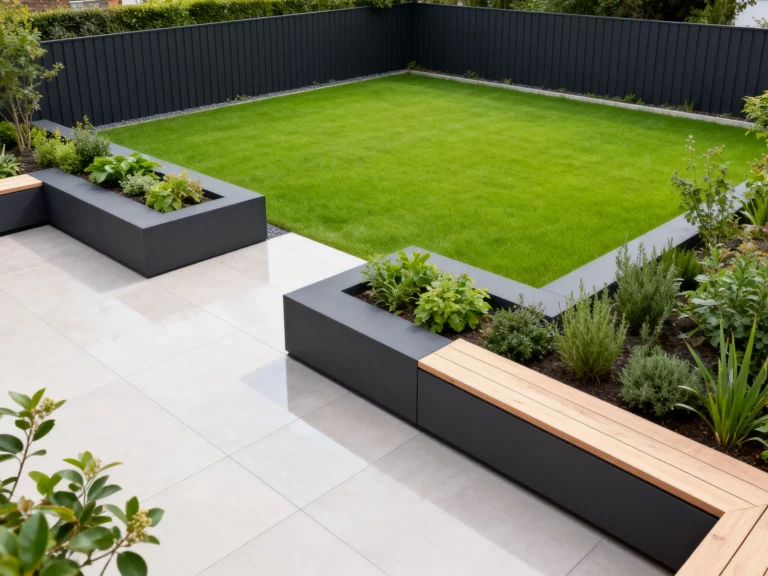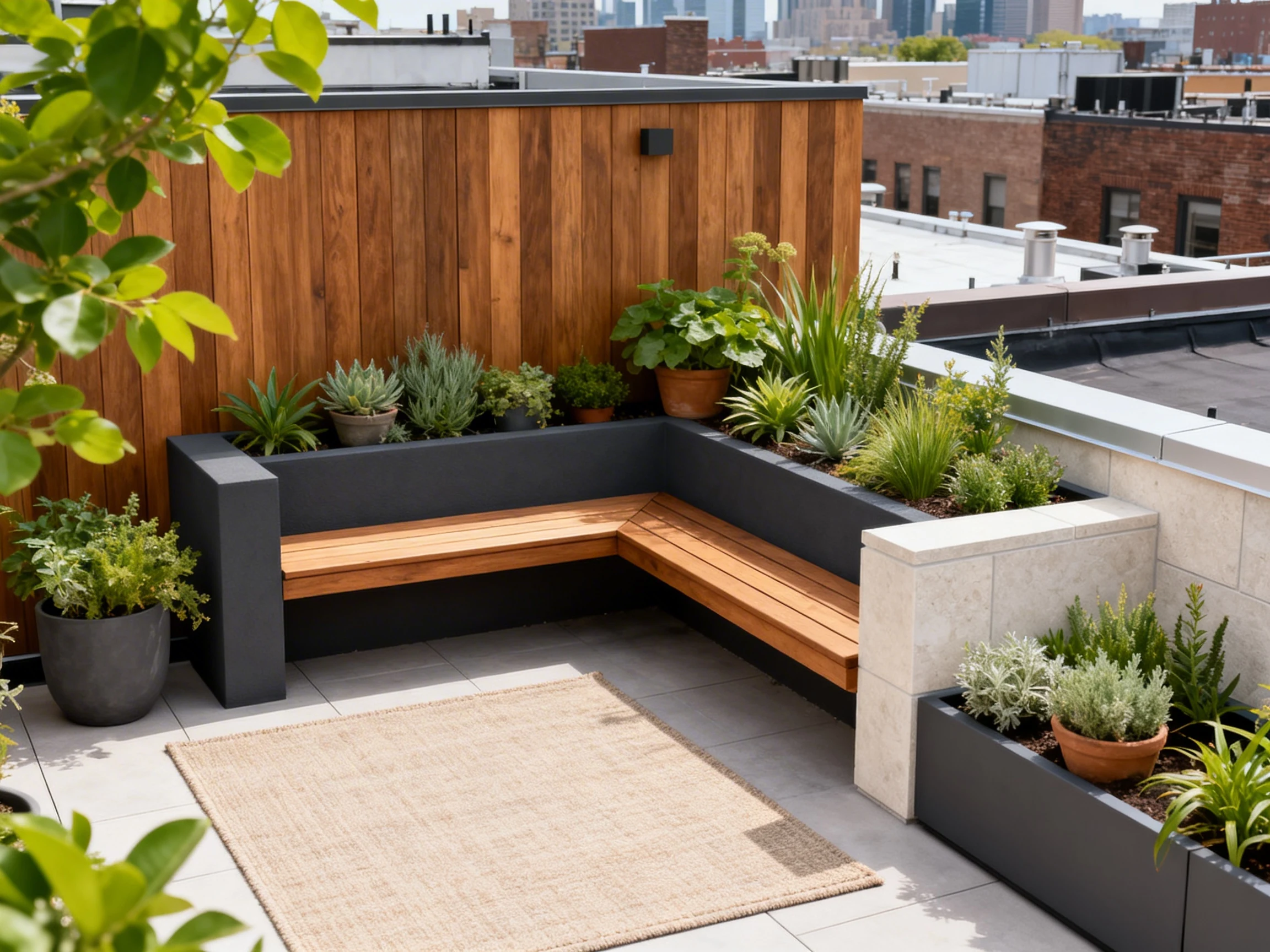
small roof garden design
A small roof garden can turn a boring slab of concrete into your favorite spot in the whole building. You do not need a giant penthouse terrace or a designer budget to make it work, either. With the right layout, a few tough plants, and some smart styling, even a tiny rooftop can feel lush, relaxing, and surprisingly useful. Basically, your roof can stop looking like a forgotten utility zone and start acting like an outdoor room.
Start with the boring stuff first, because it matters
I know, I know. You want to shop for cute planters and twinkle lights right away. But before you do any of that, check weight limits, waterproofing, drainage, wind exposure, and building rules. Roof gardens look dreamy until you overload the structure or send water where it definitely should not go.
If you own the place, talk to a structural engineer or contractor before adding heavy containers, raised beds, or big furniture. If you rent, ask your landlord or building manager what you can actually do. It sounds painfully practical, but FYI, this step saves money, stress, and dramatic “why is the ceiling leaking?” conversations later.
Think about wind like it has a personal grudge
Rooftops catch wind in a way ground level gardens do not. A lightweight chair can scoot across the space like it has somewhere important to be. Plants dry out faster, tall stems snap more easily, and flimsy decor turns into airborne nonsense.
Choose sturdy containers, low-profile furniture, and plants that can handle a breezy life. Add screens, trellises, or clusters of planters to soften gusts. Wind protection makes your garden more comfortable and helps everything survive longer.
Design the layout like every inch needs to earn its keep
Small roof garden design works best when you stay intentional. Do not try to cram a lounge, a dining area, a vegetable patch, a hammock, and a fire pit into 80 square feet. That path leads to chaos and bruised shins.
Pick one main purpose first. Do you want a morning coffee spot, a tiny dinner zone, a green hideaway, or a mini kitchen garden? Once you know the main job of the space, the rest of the design decisions get a lot easier.
Create zones without building walls
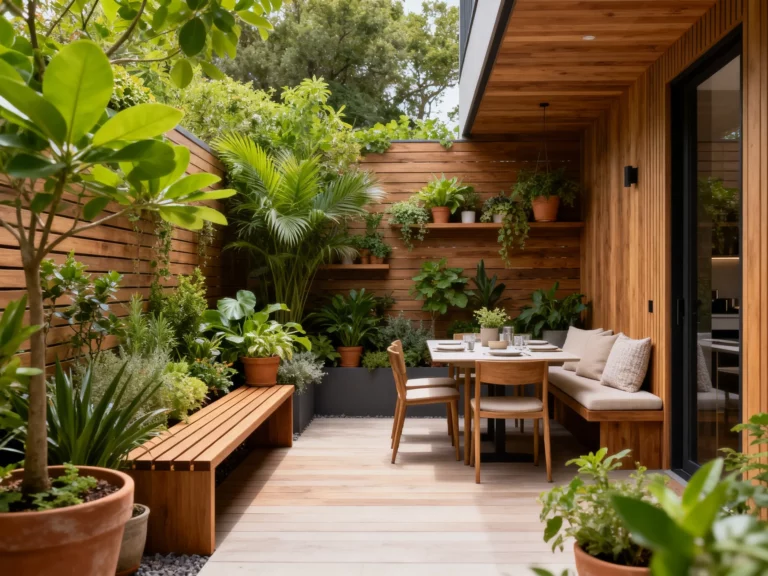
You do not need hard dividers to make a rooftop feel organized. Use a bench on one side, a cluster of pots on another, and maybe an outdoor rug to define the seating area. Suddenly the whole space feels planned instead of random.
Try placing taller plants along edges and lower plants near seating. That creates a sense of enclosure without blocking views. IMO, that balance matters more on a roof than almost anywhere else, because the skyline often does half the decorating for you.
Leave breathing room
This part gets ignored all the time. People fill every corner because they want maximum greenery, then they realize they cannot walk anywhere without stepping over a watering can. Keep clear pathways and open floor space, even if the garden feels a little sparse at first.
Negative space helps a small rooftop look bigger and calmer. It also makes maintenance way less annoying, which means you will actually use the space instead of staring at it through the window and feeling vaguely guilty.
Choose containers and furniture that work harder
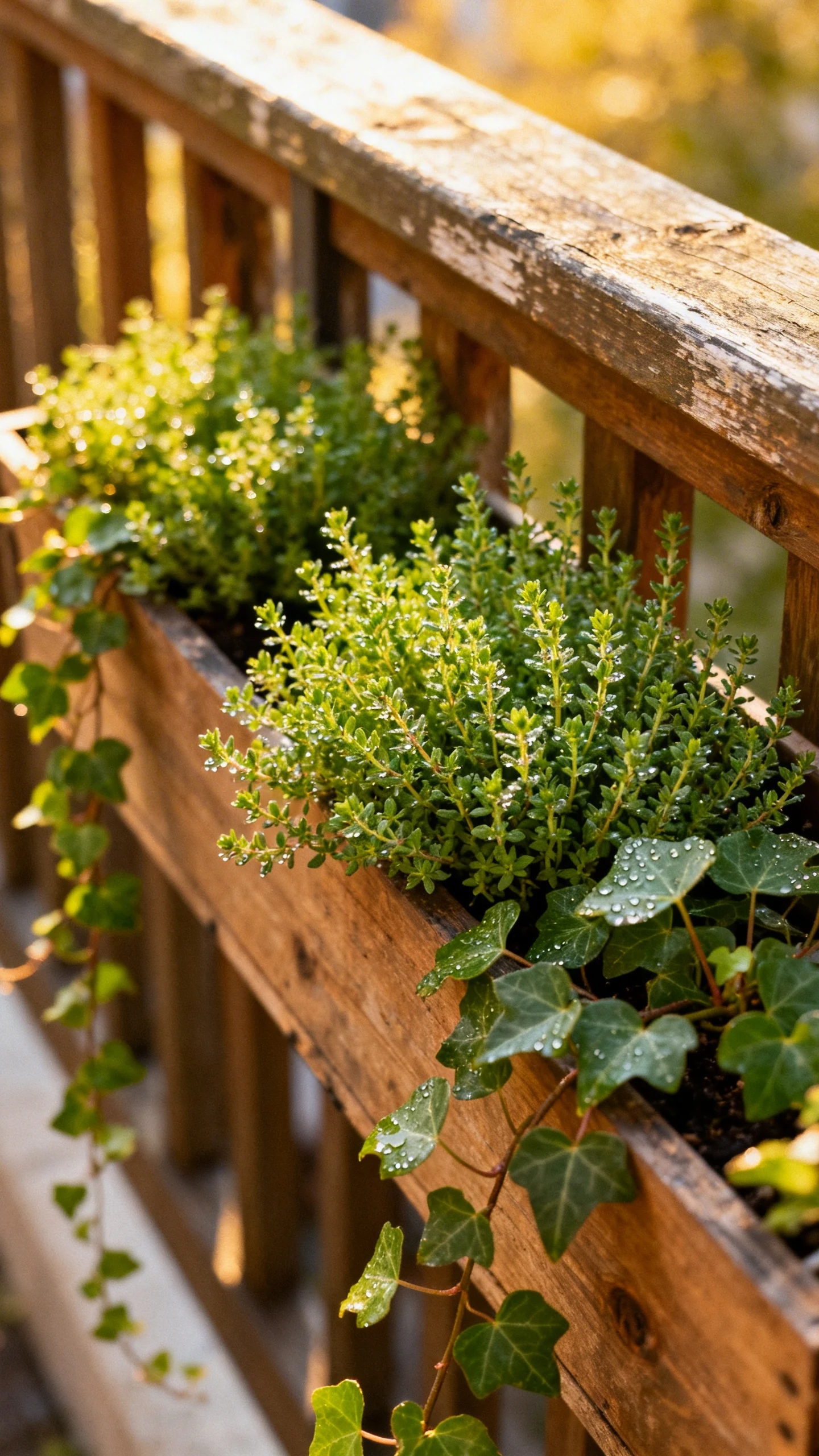
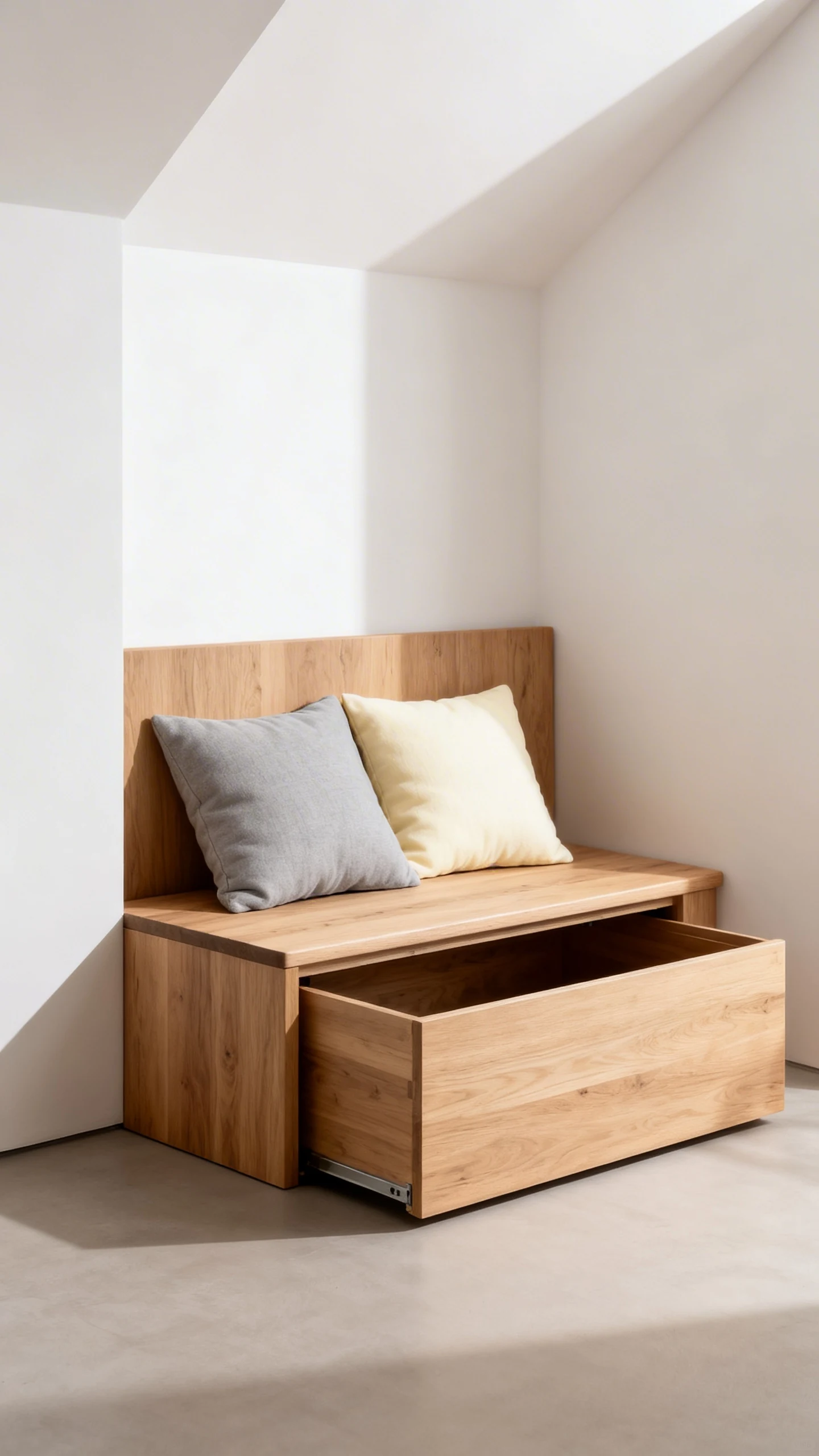
On a small roof, everything should multitask. A bench with storage beats a decorative stool that does nothing. A slim railing planter beats a giant pot that eats half your floor area.
Look for pieces that feel light visually, even if they stay physically stable. Folding chairs, wall-mounted shelves, nesting tables, and built-in seating all help you keep flexibility without clutter. Scale matters more than style trends here.
Best container ideas for tight rooftops
Containers shape the whole vibe, so choose them carefully. Big chunky pots can look gorgeous, but they also add weight and take up precious room. Mix sizes, but lean into designs that keep the footprint tight.
- Tall narrow planters for corners and screening
- Railing planters to use vertical edges
- Window-box style containers for herbs and trailing plants
- Lightweight fiberglass or resin pots instead of heavy stone
- Tiered plant stands to stack greenery upward
If you love the look of large containers, use one or two as anchor pieces instead of ten. That creates focus without turning the whole roof into a pottery showroom.
Pick plants that actually want to live up there
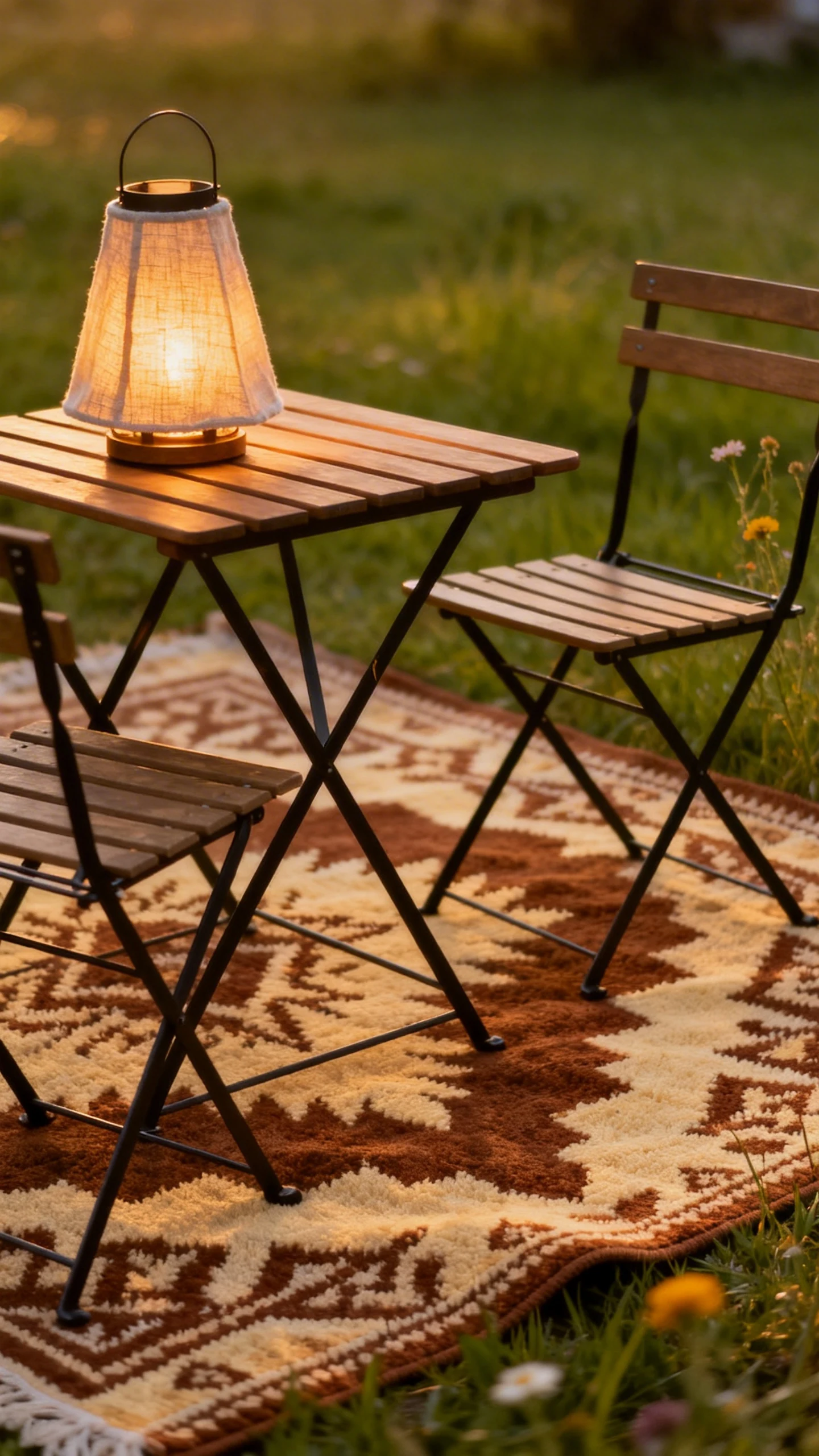
A rooftop garden has its own little climate. It usually gets more sun, more wind, and faster drying soil than a sheltered patio below. So if a plant throws a tantrum every time conditions change, maybe do not invite it.
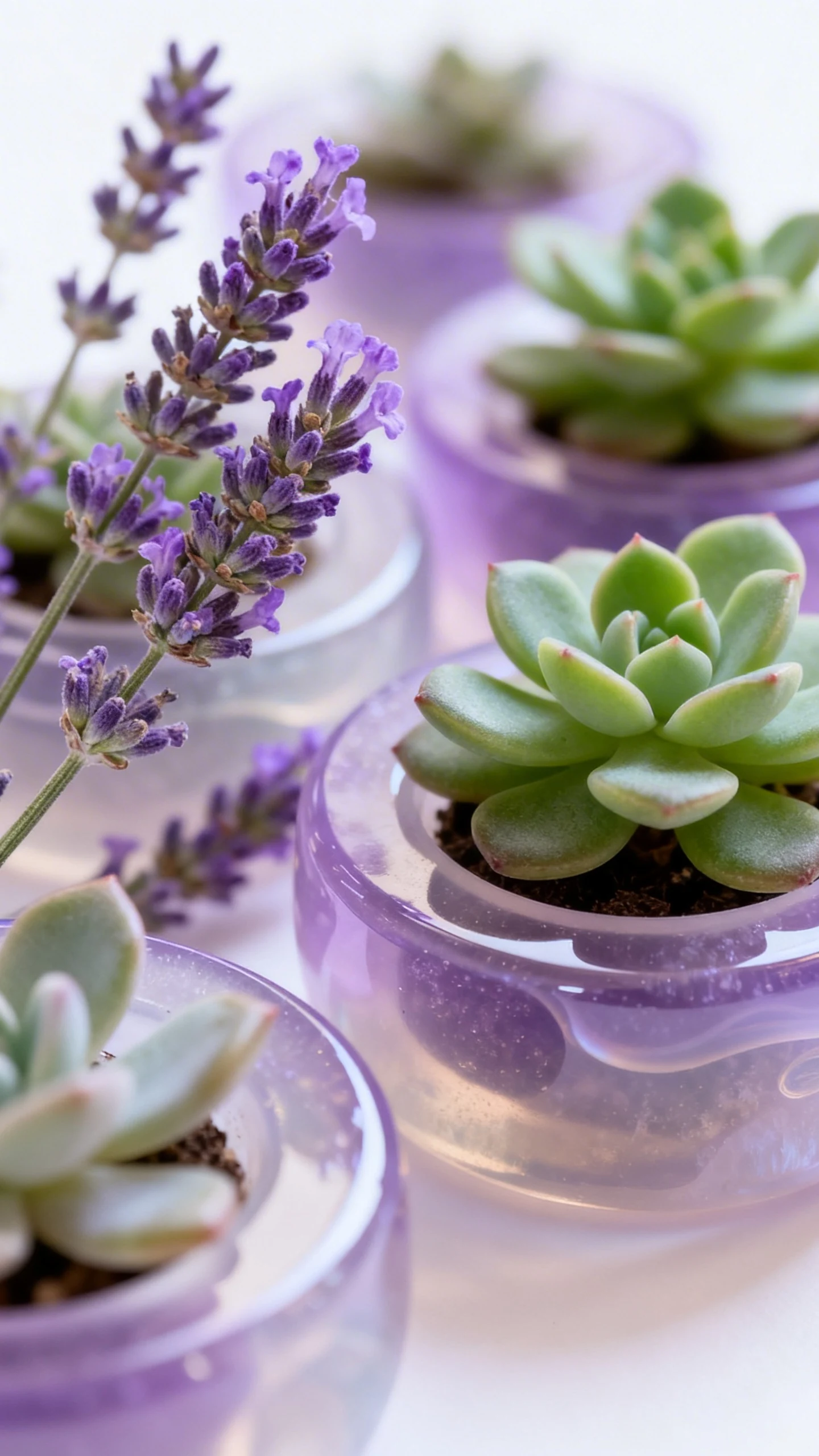
Go for hardy, compact, low-maintenance plants that can handle exposure. Ornamental grasses, lavender, sedum, thyme, salvia, dwarf shrubs, and many Mediterranean plants usually perform well. If your roof gets partial shade, ferns, heuchera, hostas, and shade-loving herbs can work beautifully too.
Build your plant palette with layers
The best small roof gardens usually have a mix of heights and textures. Think of it like styling an outfit. If everything has the same shape and color, the whole thing looks flat.
Use a simple layering approach:
- Structure plants like small evergreens or dwarf shrubs for year-round shape
- Filler plants like grasses, perennials, or herbs for volume
- Trailing plants like ivy, bacopa, or creeping thyme to soften edges
This combo makes a compact garden feel fuller and more polished. It also keeps the space interesting through different seasons, which matters when you want the roof to look good for more than five minutes in June.
Edible plants? Absolutely, but stay realistic
Yes, you can grow food on a roof. No, your tiny rooftop will not become a self-sufficient farm, and that is okay. A few herbs, salad greens, strawberries, and compact tomatoes can do really well in containers.
Stick with crops you actually eat. If you never cook with sage, you do not need a giant sage plant taking up premium rooftop real estate. Grow what you use, and your garden feels fun instead of performative.
Make it cozy without cluttering it to death
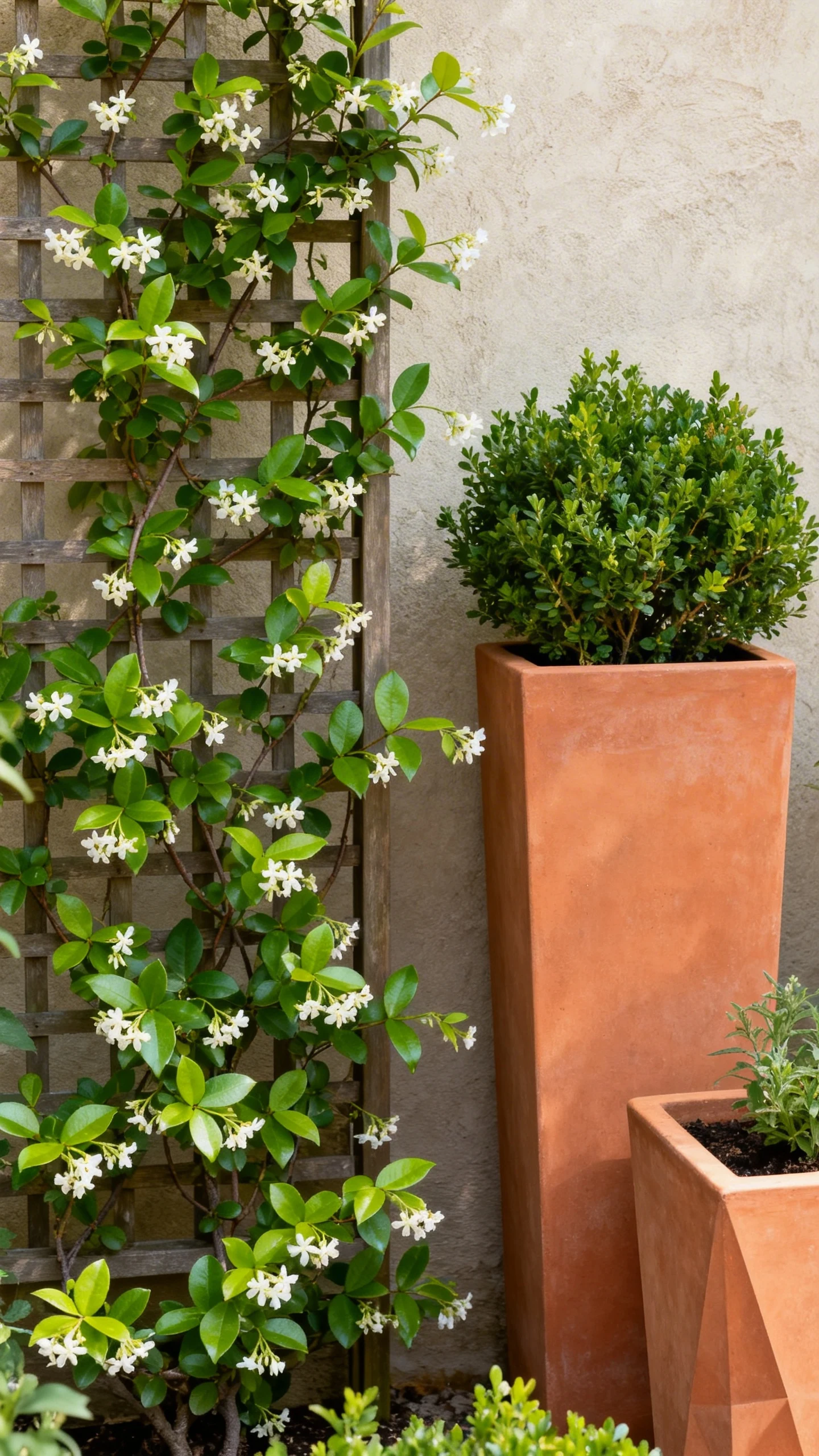
This is where small roof garden design gets fun. Once your layout and planting feel right, add layers that make the space comfortable and personal. The trick involves stopping before the rooftop starts looking like an outdoor clearance aisle.
Textiles, lighting, and a few accessories go a long way. Cushions add comfort, lanterns create evening atmosphere, and an outdoor rug can anchor a seating nook. Just choose weather-friendly materials, unless you enjoy hauling soggy fabric around after every rainstorm.
Easy style upgrades that punch above their weight
- Warm string lights for soft evening glow
- One outdoor rug to define the main zone
- Matching containers for a cleaner, calmer look
- A small bistro set for coffee, snacks, or dramatic staring into the distance
- A water bowl or tiny fountain if you want gentle sound
Color helps too. If the roof already has great city views, keep the palette simple and let the background shine. If the view feels a little rough, use plants and decor to create your own focal point so your eyes stop wandering toward the ugly HVAC unit.
Privacy, shade, and comfort change everything
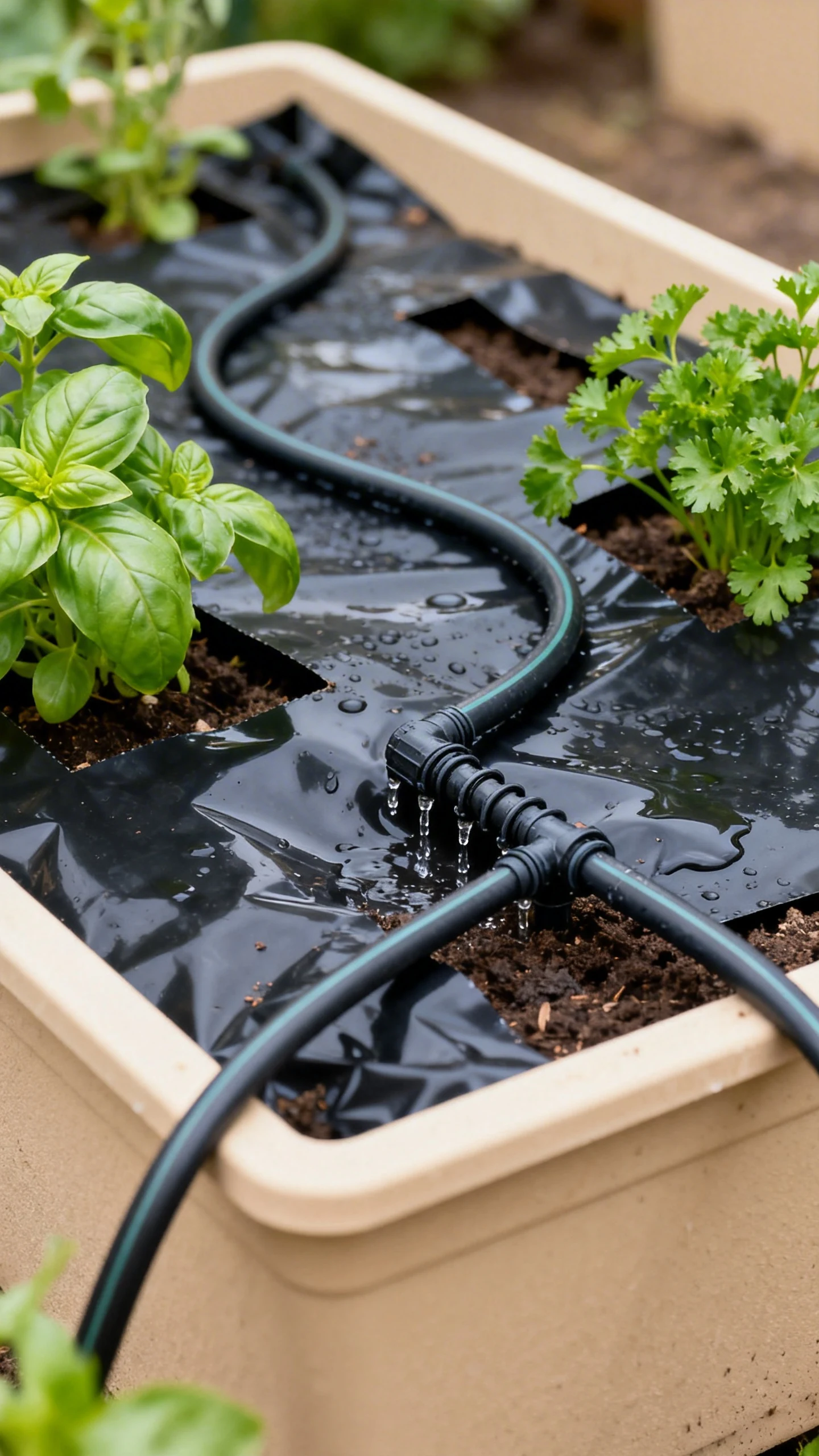
A beautiful rooftop still feels awkward if you sit there roasting in direct sun while neighboring windows stare straight at you. Comfort matters just as much as aesthetics. Probably more, honestly.
Add shade and privacy early in the design process, not as an afterthought. A small umbrella, pergola, sail shade, bamboo screen, or trellis with climbers can make the roof feel protected and inviting. Once people feel comfortable, they actually use the space.
Use plants as soft screening
Plants can create privacy without making the rooftop feel boxed in. Tall grasses, narrow evergreens, or climbing vines on trellises work especially well. They block views just enough while still keeping the garden airy.
Do not line every edge with a solid wall of plants, though. You want some openness, some sky, and maybe a peek at the horizon. Otherwise your rooftop starts feeling like a very expensive green hallway.
Keep maintenance simple or you will regret your choices
A small garden should feel relaxing, not like a part-time job with dirt. The easiest way to make that happen involves designing for low effort from the beginning. Smart choices now save a lot of weekend grumbling later.
Use quality potting mix, add mulch to reduce evaporation, and install drip irrigation if possible. If that feels too fancy, group plants with similar water needs together so you do not spend your life guessing who feels thirsty. Consistency beats complexity every single time.
Small habits that keep the garden looking good
- Check soil moisture often during hot weather
- Trim dead leaves and faded blooms every week
- Rotate containers if one side gets all the sun
- Secure furniture and decor before storms
- Refresh seasonal plants instead of forcing sad ones to survive forever
Honestly, a little routine goes a long way. Ten minutes here and there keeps the garden tidy and healthy. Ignore it for a month, though, and the rooftop will absolutely expose you.
FAQ
What is the best layout for a small roof garden?
The best layout focuses on one main use, like lounging, dining, or growing plants. Start with a clear path, place larger items along edges, and use vertical space for greenery. Keep the center open so the rooftop feels bigger and easier to move around.
Which plants work best in a small rooftop garden?
Choose plants that handle sun, wind, and container life well. Good options include sedum, lavender, thyme, ornamental grasses, salvia, dwarf shrubs, and compact herbs. If your roof gets shade, try ferns, hostas, and heuchera.
How do I make a rooftop garden feel private?
Use trellises, screens, tall planters, and layered planting to soften views from nearby buildings. Mix structural elements with greenery so the privacy feels natural. You want shelter, not a rooftop bunker.
Can I create a roof garden on a very small budget?
Yes, definitely. Focus on a few strong basics: durable containers, easy plants, simple seating, and maybe some lights. You do not need to buy everything at once, and IMO, a small well-edited space looks better than a crowded expensive one anyway.
How do I water plants on a roof without constant hassle?
Pick drought-tolerant plants, use mulch, and choose larger containers that hold moisture better. Group thirsty plants together and water early in the day. If you can install drip irrigation, your future self will want to send you a thank-you note.
Do roof gardens need special furniture?
They need furniture that handles weather and wind well. Look for sturdy but compact pieces made for outdoor use. Avoid anything too bulky, too delicate, or too likely to fly away during one dramatic gust.
Conclusion
Small roof garden design works best when you keep it simple, smart, and a little bit ruthless about what deserves space. Focus on structure, comfort, and plants that match rooftop conditions instead of fighting them. Do that, and even a tiny roof can feel like a private escape with better light and fewer interruptions. Not bad for a patch of space that might otherwise hold nothing but vents and disappointment.