small patio garden design
A small patio can do a lot more than hold two folding chairs and a pot that gave up last summer. With the right design, it can feel like a tiny outdoor room, a mini jungle, a coffee spot, or your personal escape hatch from noisy neighbors. You do not need a huge budget or a landscape architecture degree. You just need a smart plan, a little restraint, and maybe fewer impulse plant purchases than your heart wants.
Start with how you actually want to use the space
Before you buy a single planter, ask yourself one simple question: what do I want this patio to do for me? That answer shapes everything. If you want morning coffee and quiet, your layout will look different from a patio built for dinner with friends or a kid-friendly hangout.
Good small patio garden design always starts with function. I know, that sounds less exciting than picking cute pots, but it saves you from creating a beautiful space that annoys you every day. Nobody wants to squeeze sideways past a giant planter just to sit down.
Think about your top priority and build around it. Maybe you want a reading nook. Maybe you want herbs within arm’s reach of the kitchen. Maybe you want a space that looks lush enough to make people say, “Wait, this is your patio?” All valid goals.
Ask these practical questions first
- How many people need to fit comfortably?
- How much sun does the patio get each day?
- Do you need storage for tools, cushions, or watering cans?
- Do you want privacy from nearby windows or fences?
- How much maintenance will you honestly keep up with?
That last one matters a lot. If you love the idea of a packed tropical patio but hate watering, pruning, and cleaning, you will end up with a sad little jungle rebellion. IMO, the best patio garden matches your real habits, not your fantasy version of yourself.
Use layout tricks that make a tiny patio feel bigger
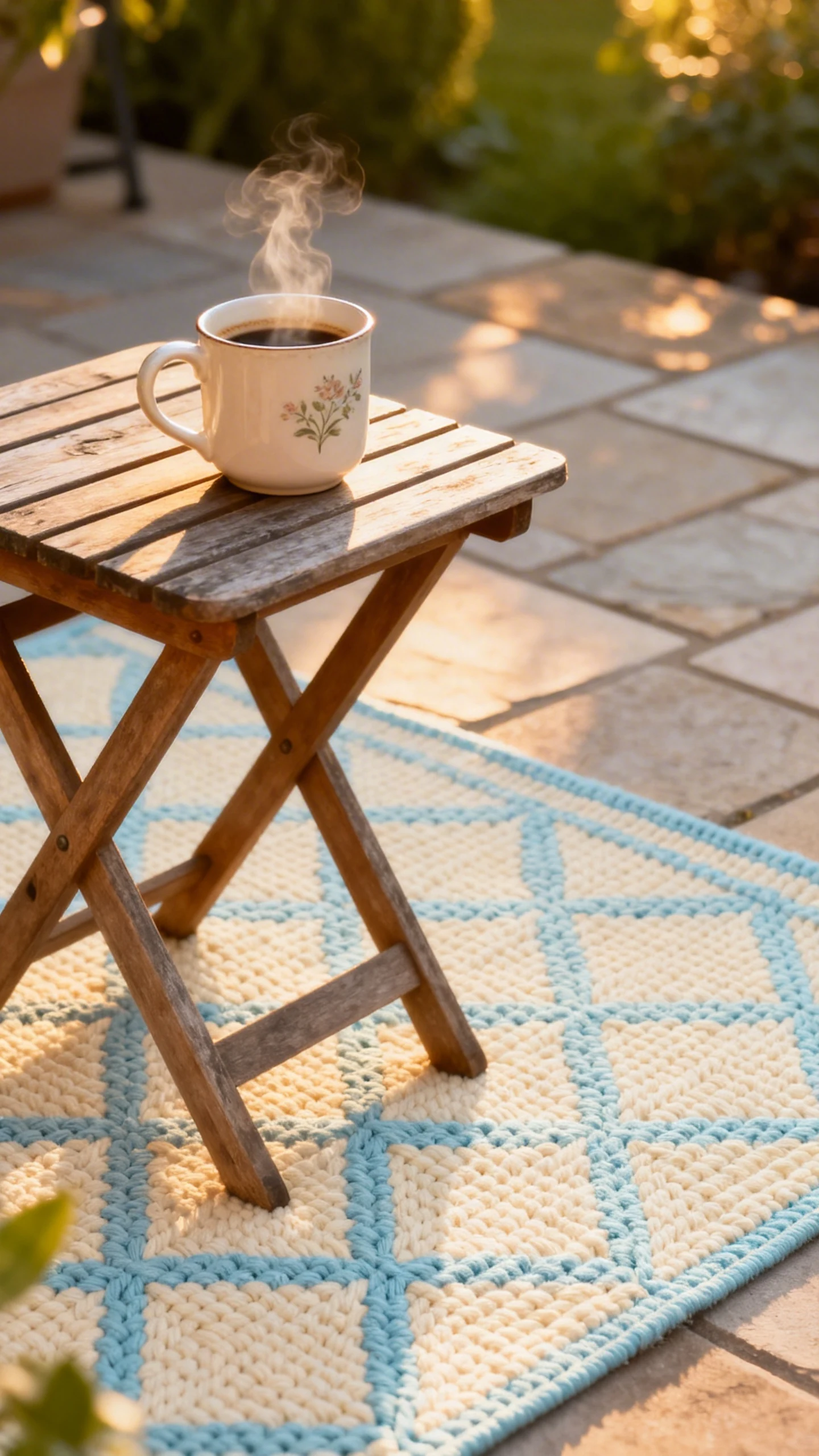
Small spaces need smart spacing. You do not have room for random clutter or oversized furniture that eats the whole patio in one bite. The goal involves creating flow, keeping pathways clear, and giving the eye somewhere nice to land.
Leave breathing room. A patio feels bigger when you can move through it easily. Even one clear path from the door to the seating area makes the whole space feel calmer and more intentional.
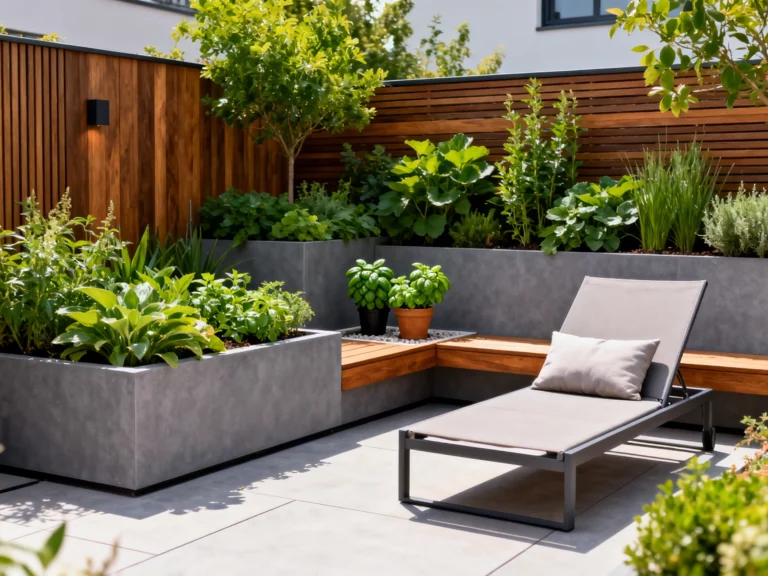
Try placing larger planters at the edges and corners instead of right in the middle. That move frames the space without turning it into an obstacle course. Corners often go ignored, but they can hold tall plants, stacked pots, or a narrow shelf with zero drama.
Think vertically, not just horizontally
When square footage runs low, go up. Vertical gardening gives you more greenery without stealing floor space. Wall planters, trellises, shelves, and railing boxes all pull their weight here.
Vertical layers create depth and make a patio feel lush faster. Put trailing plants high up, medium-height plants around eye level, and compact pots near the ground. That layering effect makes a tiny area feel designed instead of accidental.
If you rent, no panic. You can use freestanding ladder shelves, plant stands, or movable trellis panels. No drilling, no landlord side-eye, no issue.
Create zones, even if the patio feels ridiculously small
Yes, zones still work in small patios. You just need to keep them simple. One side can hold a chair and tiny table, while the other side holds your planters and herbs.
A small outdoor rug, a row of containers, or a bench can separate areas without boxing them in. Tiny spaces feel more polished when each part has a job. It sounds fancy, but really it just means your chair does not sit in the middle of six random pots like it lost a bet.
Choose plants that work hard and look good doing it
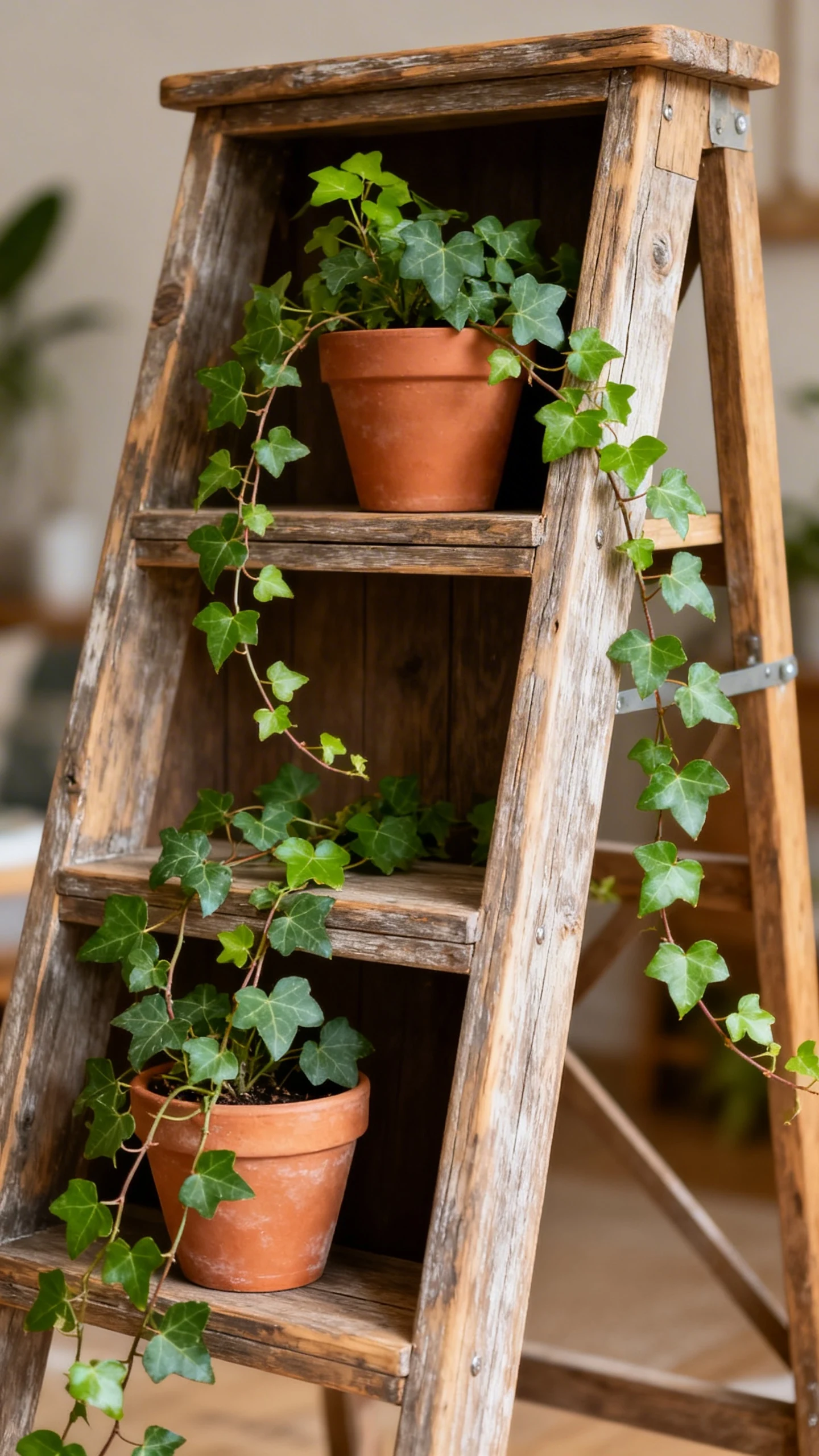
A beautiful patio garden does not need fifty different plants. In fact, fewer varieties often look better in a small space. A tight plant palette feels more cohesive, less chaotic, and way easier to maintain.
Pick plants based on light, climate, and effort level. Sun-loving plants need actual sun, not “sort of bright in summer if the clouds cooperate.” Shade plants will not magically thrive just because you believe in them.
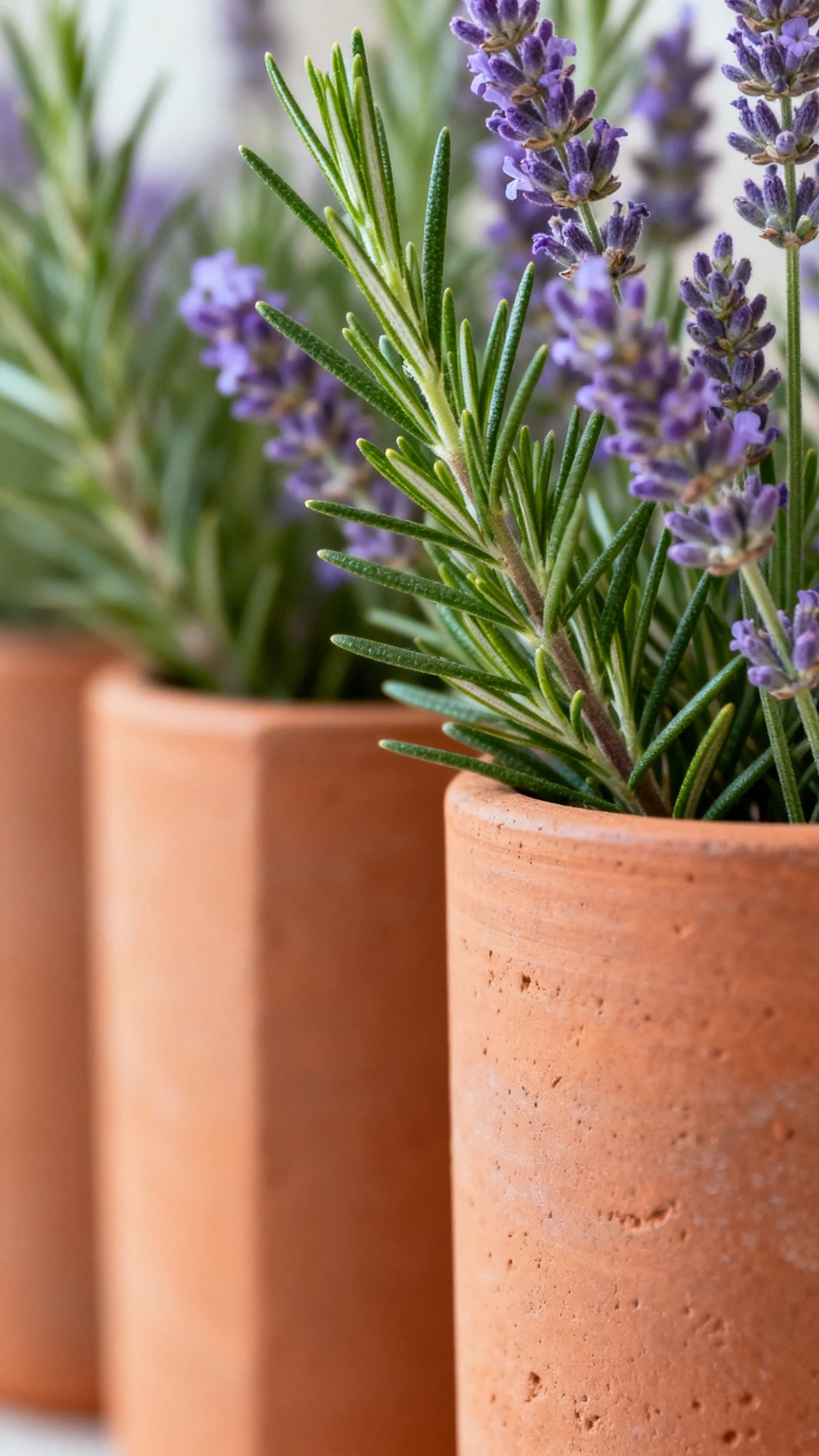
For sunny patios, try lavender, salvia, rosemary, petunias, geraniums, dwarf grasses, and succulents. For shadier spots, look at ferns, hostas, begonias, heuchera, ivy, and caladiums. If you want edible plants, herbs usually make the most sense because they stay useful, compact, and pleasantly bossy.
Mix plant shapes for a richer look
Small patio gardens need contrast. Pair upright plants with soft mounding ones and trailing varieties. That mix adds movement and keeps everything from looking flat.
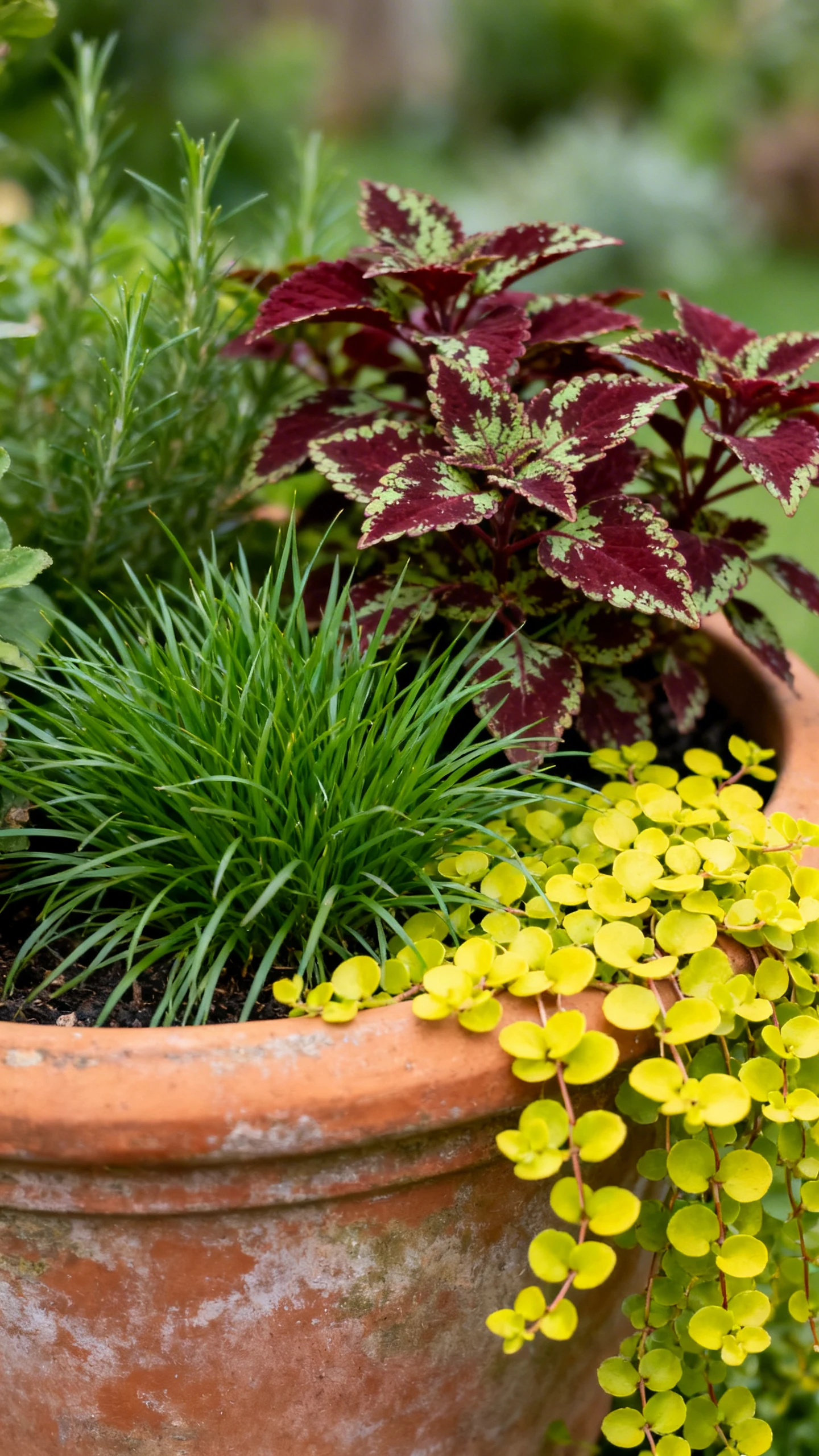
For example, a tall grass or narrow evergreen can anchor a corner. Around it, add medium fillers like coleus or compact flowering plants. Then let something trail over the side, like ivy, creeping Jenny, or sweet potato vine.
Use the thriller, filler, spiller idea if you want a quick container formula. It works because it gives every pot structure without requiring artistic genius. Honestly, some of us need all the help we can get.
Repeat plants and colors
Repetition brings order to small spaces. If you use the same plant in several containers or repeat the same two or three colors, the patio feels tied together. Random assortment can work, but it often drifts into “garden center clearance rack” territory.
Choose a color direction and stick with it. Maybe you want green and white for a calm look. Maybe you want bold pinks and purples because subtlety never paid your bills. Either way, consistency helps small patios feel bigger and cleaner.
Pick containers and furniture that pull double duty
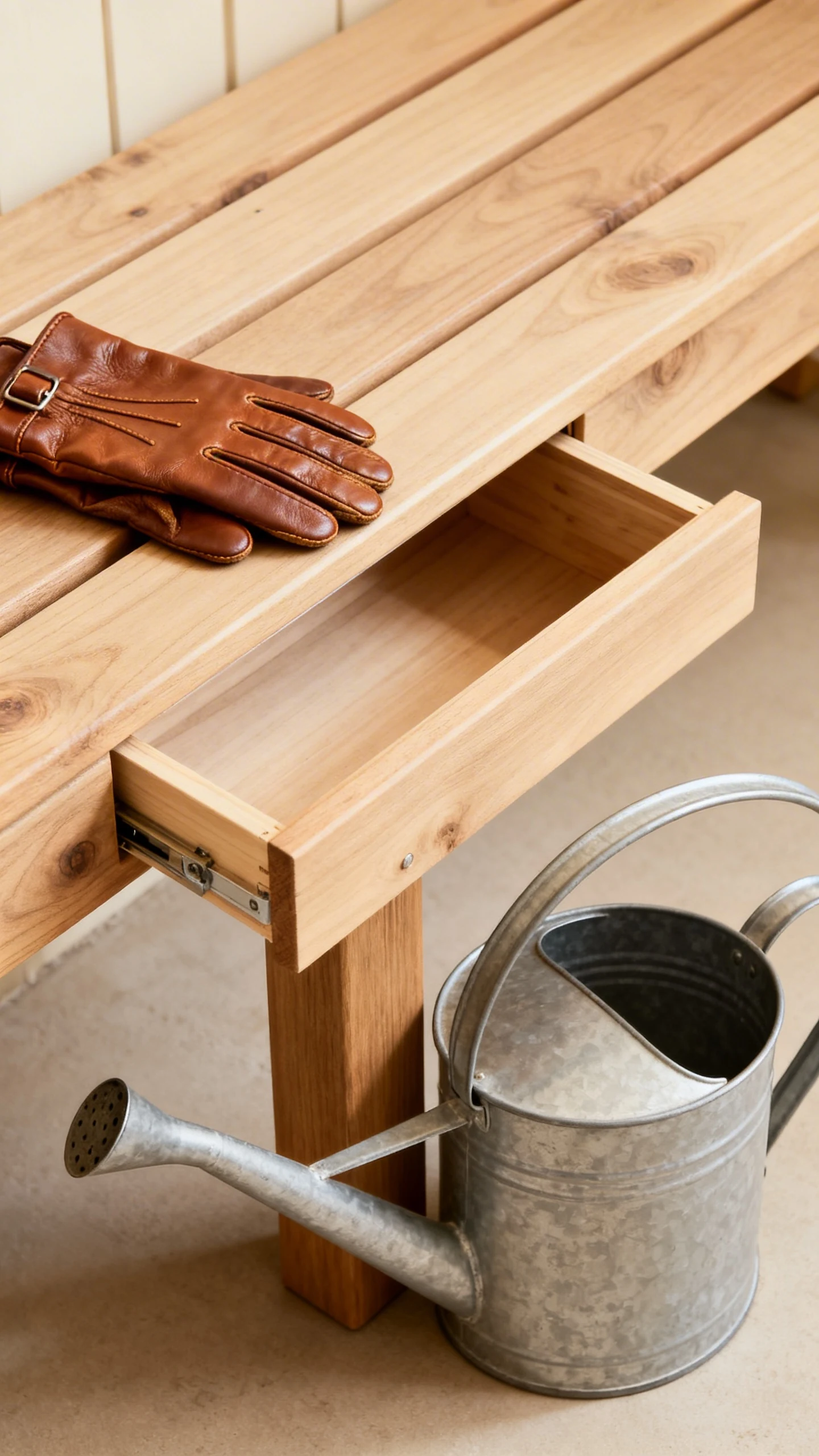
On a small patio, every piece should earn its spot. Huge bulky furniture usually looks awkward and leaves no room for plants. Tiny furniture can look flimsy, though, so aim for compact but sturdy.
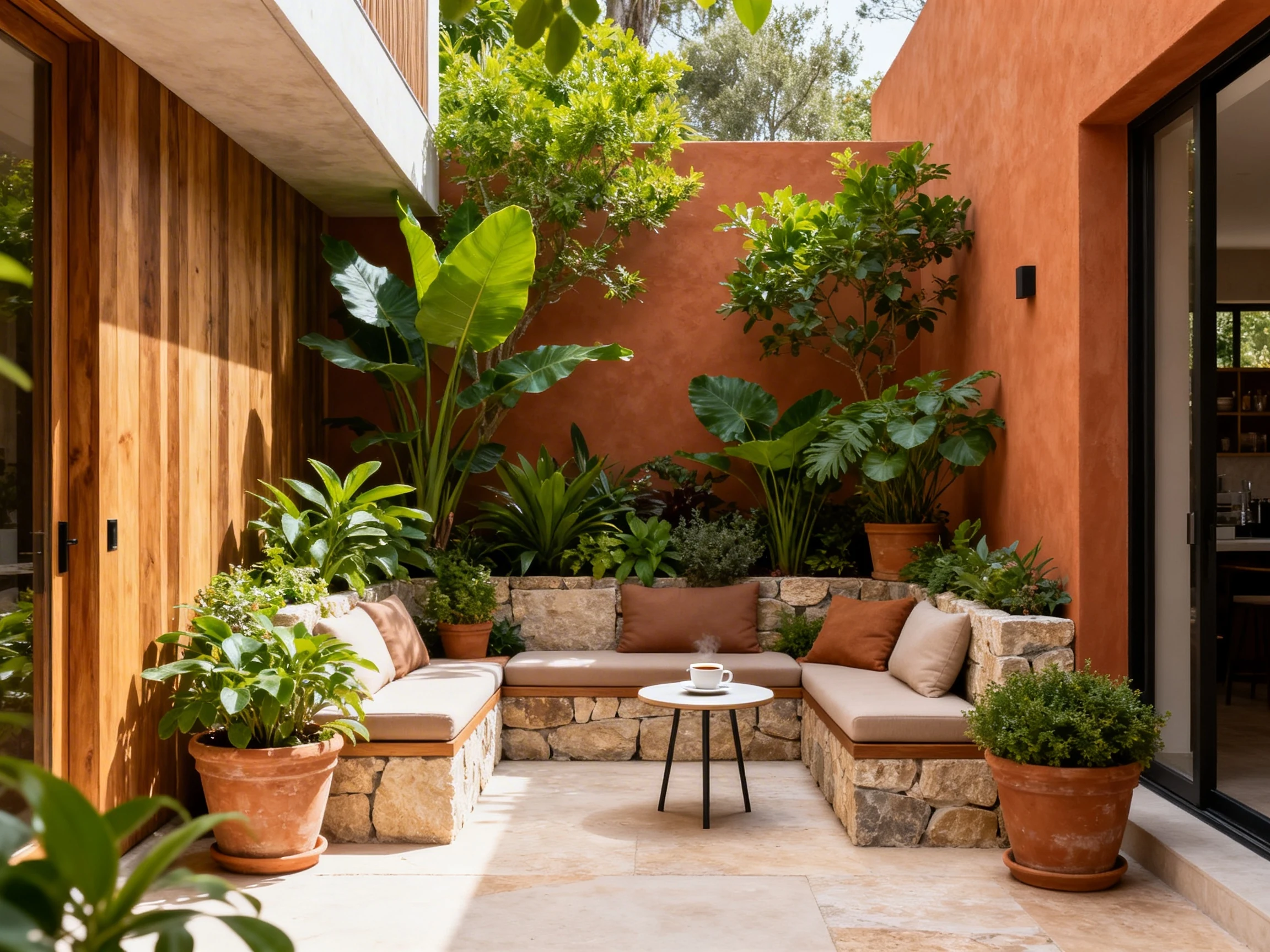
Foldable chairs, slim benches, and nesting tables work especially well. A bench with hidden storage earns extra points. You can stash tools, gloves, citronella candles, or the mystery plant labels you swear you will organize someday.
Containers matter just as much as furniture. Mismatched pots can look charming, but too many different styles create visual noise fast. Try sticking to one material or color family for a cleaner look.
Best pot styles for small patios
- Tall narrow planters save floor space and add height
- Window boxes and railing planters use edges efficiently
- Hanging baskets free up the ground
- Stackable planters fit lots of plants in a tiny footprint
- Lightweight resin or fiberglass pots look good without crushing your back
FYI, drainage still matters, even when the pot looks gorgeous. A beautiful planter without drainage turns into a root swamp. Your plants deserve better than that weird little tragedy.
Layer in privacy, shade, and atmosphere
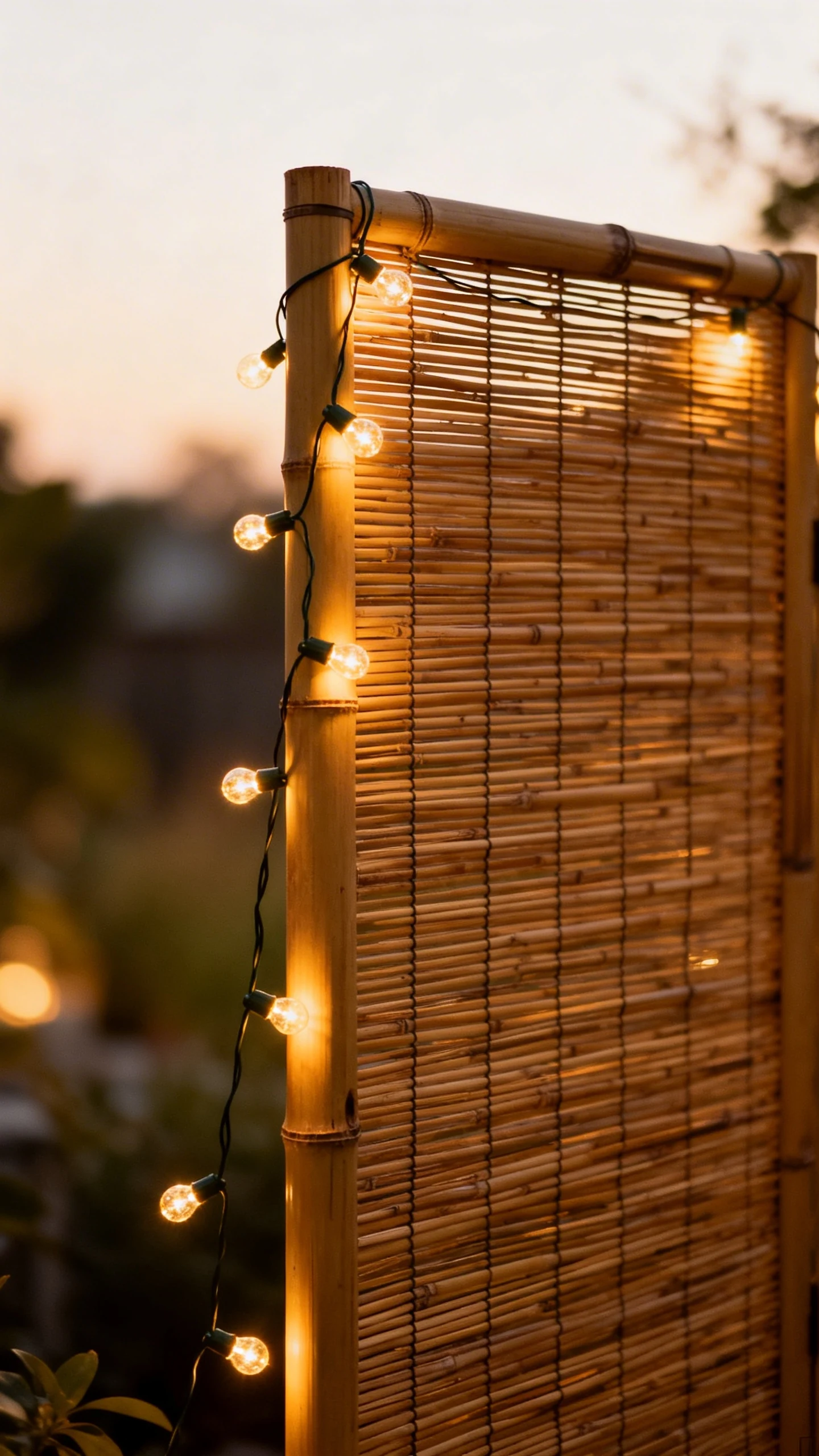
Plants alone do not create a great patio. The best small patio garden design also handles comfort. If the space feels exposed, too hot, or kind of bland at night, you will not use it much.
Privacy can come from plants, screens, or both. Tall grasses, bamboo in containers, trellis panels, and slim shrubs all help block views without making the patio feel boxed in. Even a row of medium-height pots can soften the edges and make the area feel more tucked away.
For shade, think umbrellas, pergola-style covers, outdoor curtains, or climbing plants on a trellis. You do not need a full construction project to make a patio more comfortable. Sometimes one smart shade solution changes everything.
Do not forget lighting
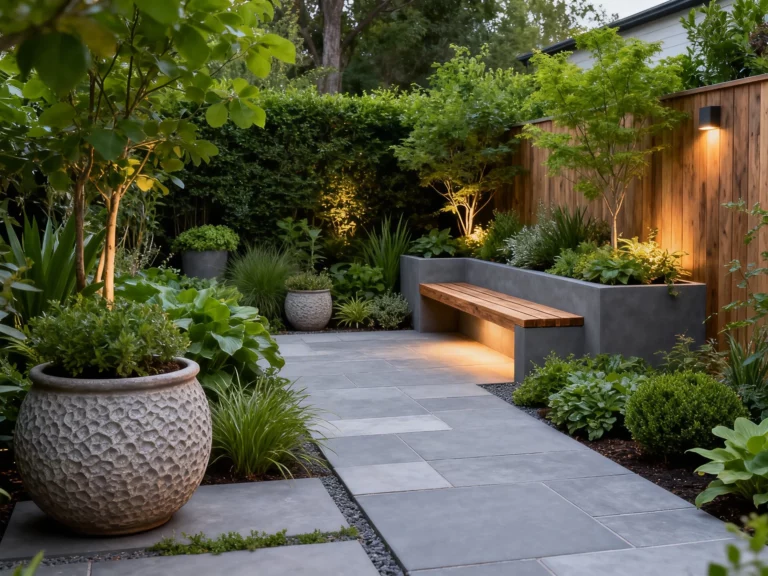
Lighting turns a basic patio into an actual vibe. String lights, solar lanterns, wall lights, and LED candles all work well. The trick involves keeping it warm and soft instead of bright enough for surgery.
Use a few low, warm light sources instead of one harsh overhead blast. Small patios feel more intimate when the light glows around the edges. Plus, plants look weirdly magical at night. It is science. Probably.
Keep the design simple enough to maintain
The prettiest patio in the world stops being pretty fast if it becomes a chore. Smart design includes maintenance from the start. If you make watering, sweeping, and pruning easy, you will keep the space looking good with way less effort.
Group plants with similar water needs together. That one move saves time and prevents half your containers from drying out while the other half drown. Add a watering can nearby or a slim hose reel if you have access to water outside.
Mulch the top of bigger containers to help hold moisture and reduce mess. Sweep regularly so fallen leaves and potting soil do not pile up and make the whole patio look neglected. A quick weekly reset works wonders, even if you only have ten minutes.
A simple setup that usually works
- Place seating first and keep pathways open.
- Add one or two tall anchor plants in corners.
- Use medium pots to soften edges and define zones.
- Hang or elevate trailing plants for vertical interest.
- Finish with lighting, a rug, or one decorative accent.
That order helps you avoid overfilling the space. People often buy plants first, then realize they built a lovely green barricade. Cute? Yes. Functional? Not exactly.
FAQ
What are the best plants for a small patio garden?
The best plants depend on your light and climate, but compact, reliable choices usually win. Herbs, dwarf grasses, succulents, ferns, begonias, geraniums, lavender, and ivy all work well in many patio setups. Choose plants that fit your conditions first and your style second. That sounds strict, but dead plants ruin the aesthetic pretty fast.
How do I make a small patio garden look bigger?
Use vertical space, keep the layout uncluttered, and repeat colors or plant types. Put larger pieces at the edges, leave a clear walkway, and avoid stuffing every inch with pots. A little empty space makes the whole patio feel larger. Weird but true.
Can I design a patio garden on a budget?
Absolutely. Start with a few strong containers, buy smaller plants, and let them grow in. You can also reuse pots, shop end-of-season sales, and grow easy plants from cuttings or seed. IMO, a small patio often looks better with a handful of well-chosen elements than a pile of expensive stuff anyway.
How do I create privacy on a small patio without making it feel closed in?
Use layered screening instead of one solid wall. Trellises with climbing plants, tall narrow pots, ornamental grasses, and outdoor curtains all help soften views while keeping the space airy. Partial privacy usually feels better than total blockage on a tiny patio.
How much furniture should I put on a small patio?
Less than you think. Pick the smallest setup that still supports how you want to use the space. A bistro set, one bench, or two compact chairs often works better than full lounge furniture that crowds everything else.
Do small patio gardens need a design theme?
No, but they do need consistency. You do not need to commit to “Mediterranean retreat” or “urban jungle chic” unless that helps you choose. Just keep your materials, colors, and plant choices somewhat connected so the patio feels intentional instead of random.
Conclusion
Small patio garden design works best when you stop trying to cram in everything and start choosing the right things. Focus on function, use vertical space, repeat a few strong elements, and keep maintenance realistic. That tiny patio can absolutely become your favorite spot at home. And honestly, if it also makes your neighbors a little jealous, that is just a bonus.