Modern Small Garden Landscaping Ideas with Clean Lines
Small gardens love clean lines. They frame the space, simplify decisions, and make every square foot work harder. No one needs a yard that feels like a crowded thrift store rack. We’ll carve clarity out of chaos and turn that tiny plot into a sleek, welcoming gem you actually want to hang out in.
Why Clean Lines Rule in Small Gardens
Clean lines shrink visual noise and crank up calm. When you define edges and surfaces clearly, you create instant order, which makes the space feel larger. You also make choices easier: fewer materials, fewer plants, fewer fussy curves. Less “stuff,” more intention.
Strong geometry also guides the eye. You can pull sightlines toward a focal point, redirect attention away from awkward corners, and create flow that feels natural. Set one dominant axis so the garden reads like a story, not a scattered group chat.
Clean lines simplify maintenance too. You mow, sweep, clip, and go live your life. Flat planes, crisp edges, and right-sized planting beds keep chores quick. Your weekend remains sacred. Your garden still looks dialed in.
Sketch the Bones: Layout, Geometry, and Flow
Start with a sketch before you buy anything cute. Map the property lines, doors, windows, and utilities. Draw rectangles, straight paths, and clear zones for seating, planting, and storage. Divide the space into 2–4 zones max so it stays coherent.
Use straight lines to connect functions: patio to door, grill to prep area, shed to path. Keep circulation logical. When you minimize weaving and meandering, the garden stops feeling cramped and starts feeling intentional. Your ankles thank you, BTW.
Simple Layouts That Always Work
- Linear Patio + Parallel Bed: A rectangular patio with a planting strip running alongside. Add a slim path at the far edge.
- Central Axis + Flanking Zones: Run a straight path down the middle. Place seating on one side and a planting bed on the other.
- L-Shaped Flow: An L-shaped path that frames two rectangular use areas (dining + lounge or veggie + play).
Path Strategy, No Overthinking
- Width: Go 36–42 inches for main paths, 24 inches for secondary. Narrow paths feel stressful.
- Lines: Keep paths straight and align edges with building lines.
- Terminations: End paths at a focal point: a tree, a bench, or a simple sculpture.
Hardscape Choices That Look Modern (and Survive Real Life)
Materials carry your design more than anything else. Choose a tight palette and repeat it consistently. Pick 2–3 materials max: one for major surfaces, one for edges, one accent. Done.
Concrete, large-format pavers, porcelain tiles, gravel, and steel make clean lines easy. Concrete offers seamless planes. Porcelain delivers crisp edges with low maintenance. Gravel keeps budgets sane and drainage happy. Match colors to the house so everything feels connected.
Material Cheat Sheet
- Concrete: Smooth, modern, customizable. Seal it to prevent stains.
- Porcelain Pavers: Thin profile, rectified edges, non-slip finishes, minimal upkeep.
- Large-Format Stone: Fewer joints, bigger visual impact. Pair with steel edging.
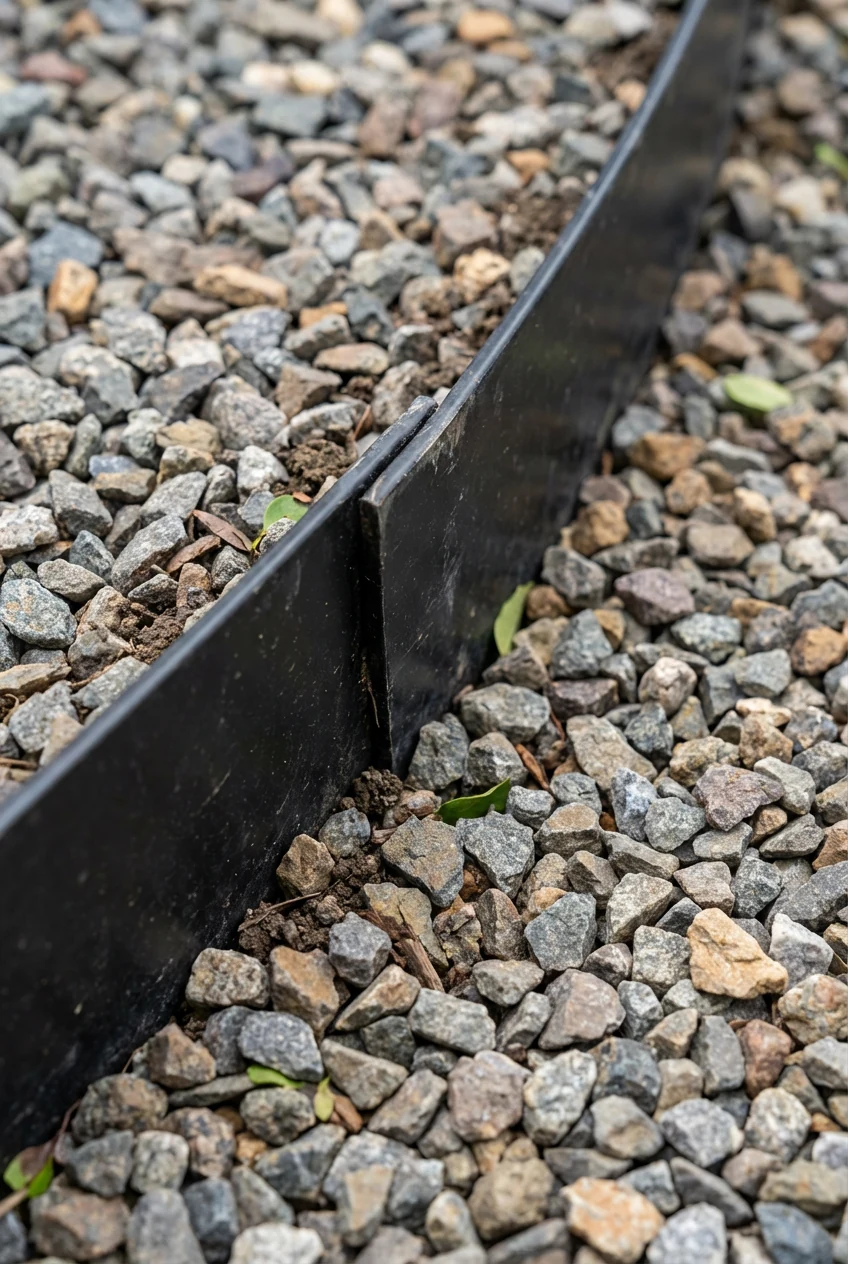
- Gravel: Budget-friendly, permeable, looks sharp with a clean border. Choose 3/8″ angular gravel.
- Corten or Galvanized Steel: Razor-sharp edges, sculptural planters, long life.
Drainage and Base Prep (Unsexy, But Critical)
- Grade: Pitch hard surfaces 1–2% away from buildings.
- Base: Compact 4–6 inches of road base under pavers or porcelain.
- Permeability: Mix permeable joints or gravel zones to relieve runoff.
Planting Palette: Structure First, Drama Second
Plants bring the soul, but structure still leads. Aim for a tidy backbone: hedges, clipped forms, upright grasses, and architectural shrubs. Layer texture and seasonal interest without chaos. Keep your palette tight: 6–10 species total for a small garden.
Choose shapes that reinforce lines: columnar, mounded, and ground-hugging forms keep the rhythm. Repeat plants so the eye stops hopping. You’ll create calm and avoid the “everything everywhere all at once” vibe. Fun movie, stressful garden.
Balance evergreen bones with perennials that swing through seasons. Go for grasses and bloomers that play nice with modern materials. Prioritize drought-tolerant, low-maintenance species if you want to water less and flex more.
Low-Fuss Plant All-Stars
- Evergreen Bones: Boxwood (clipped), Japanese holly, dwarf yew, wax myrtle (screen).
- Grasses: Feather reed grass (Calamagrostis), switchgrass, blue fescue.
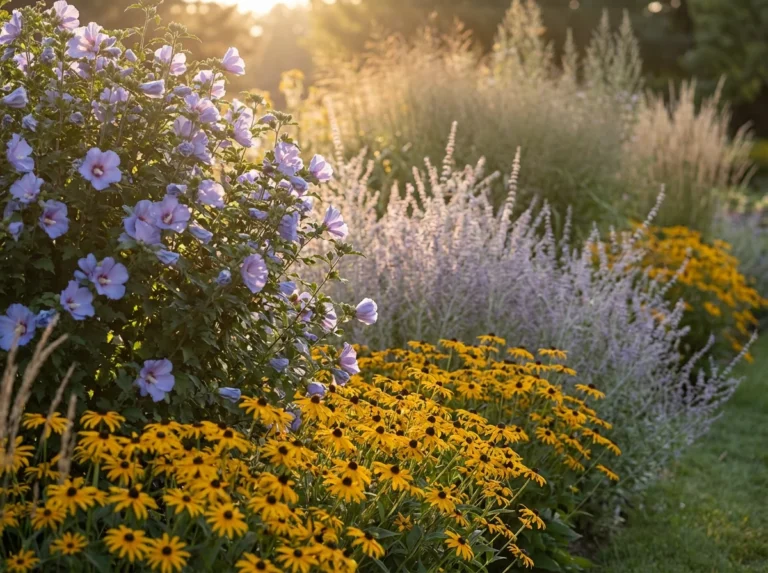
- Perennials: Nepeta, Salvia, Echinacea, Agastache for pollinators and color.
- Architectural Shrubs: Nandina ‘Firepower’, phormium (mild climates), loropetalum, dwarf olives.
- Compact Trees: Olive ‘Little Ollie’, Japanese maple (upright forms), serviceberry, bay laurel standards.
Color Strategy That Stays Crisp
- Base Palette: Silvery greens, deep greens, and whites keep things sleek.
- Accent: Pick one bold color (magenta, chartreuse, or burnt orange) and repeat it in 3–5 spots.
- Seasonal Punch: Use bloom cycles to refresh color without replanting every few months.
Vertical Solutions for Privacy and Storage
Small gardens need privacy without bulk. Sleek fencing, slim screens, and trellises create vertical structure and keep neighbors from joining your dinner uninvited. Use slatted designs to filter views while letting light and air flow.
Wall-mounted storage and fold-down furniture free up space. Hide bins and tools behind a matching screen or cabinet. Align vertical elements with the main garden axis. FYI: Match hardware finishes to keep the look intentional.
Slim Screens That Look Expensive (Without Being)
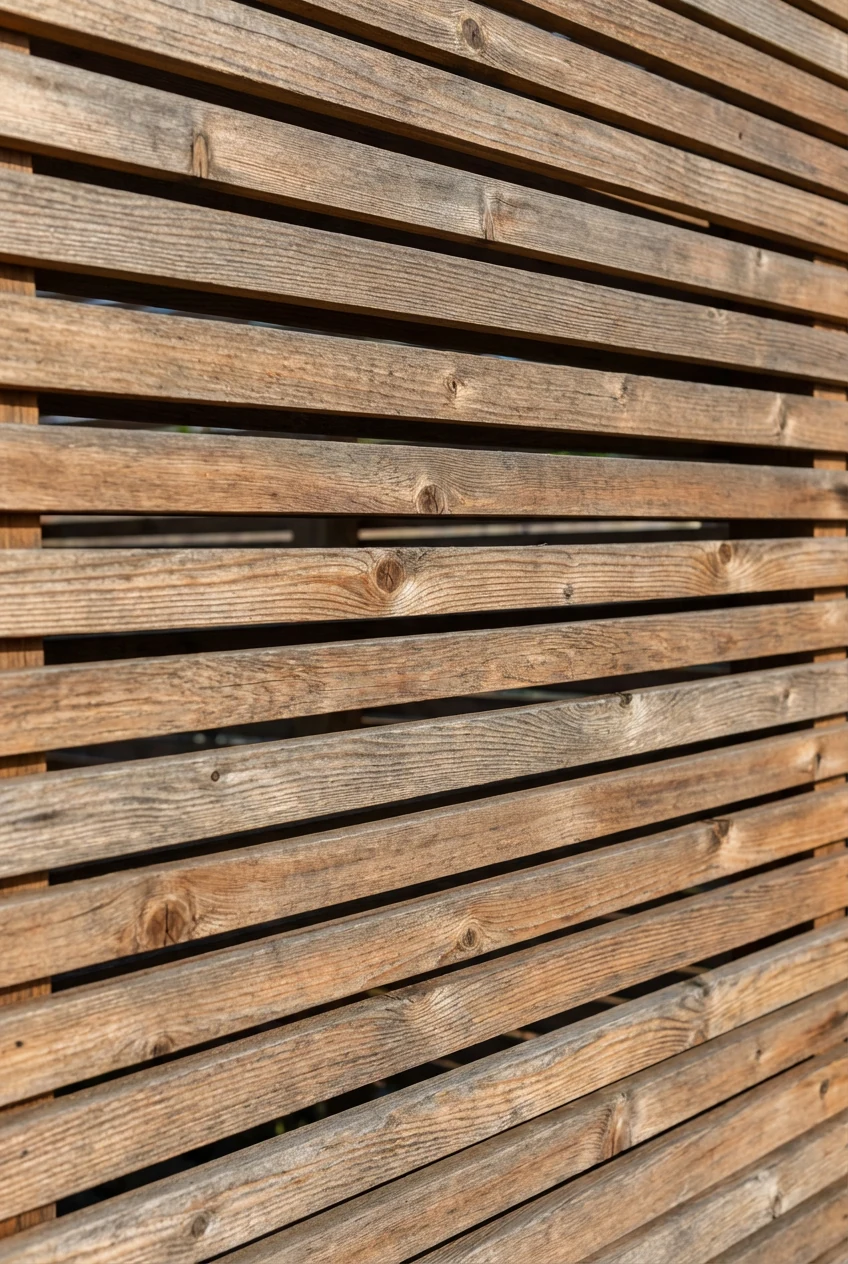
- Horizontal Cedar Slats: 1×3 or 1×4 boards with 1/2″ gaps for a crisp modern feel.
- Corten Panels: Pre-cut patterns add texture and depth while staying minimal.
- Black Powder-Coated Steel: Durable, thin profiles that disappear behind greenery.
- Trellis + Evergreen Vine: Star jasmine or clematis on a steel frame creates instant lush privacy.
Focal Points, Lighting, and Chill Ambiance
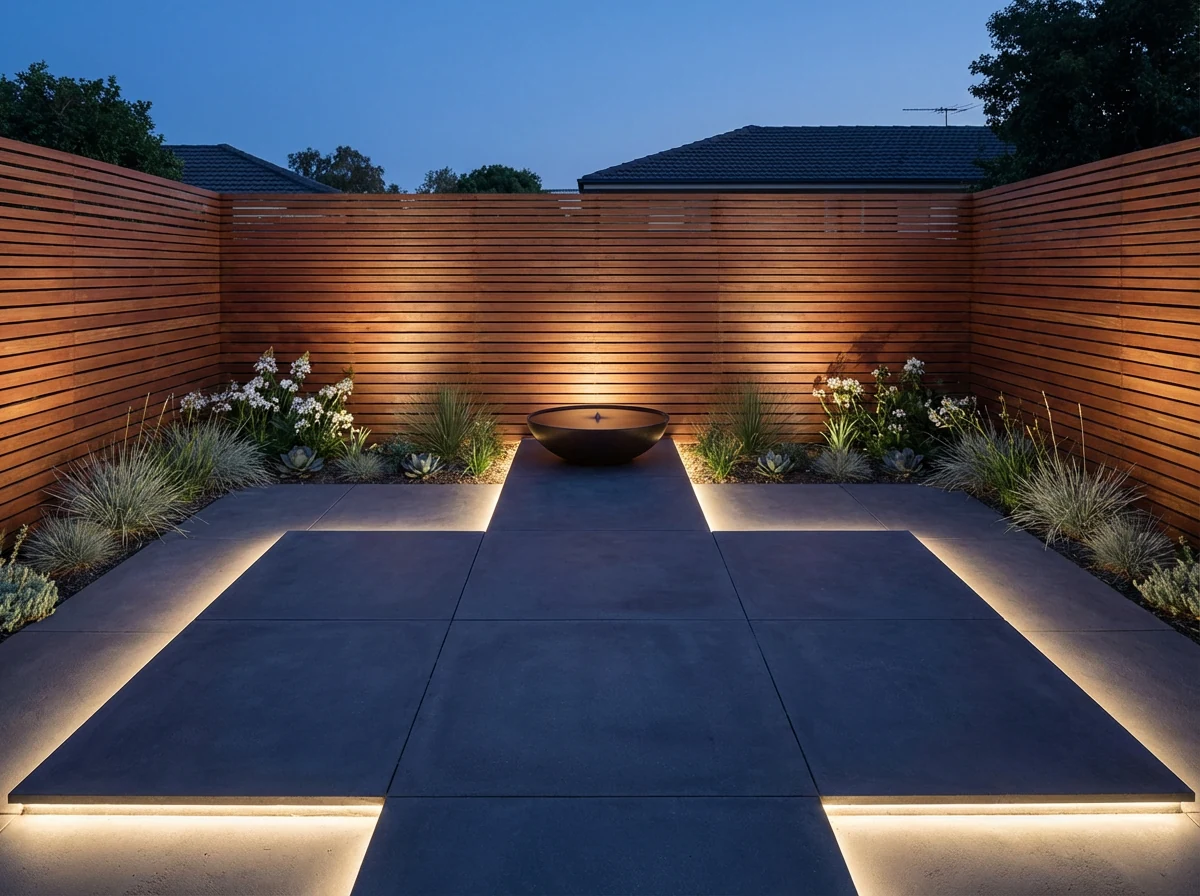
One focal point anchors the design and gives the garden a destination. Choose a compact fire bowl, a sculptural container, or a small water feature. Keep it simple. Place the focal point where paths terminate so it earns attention naturally.
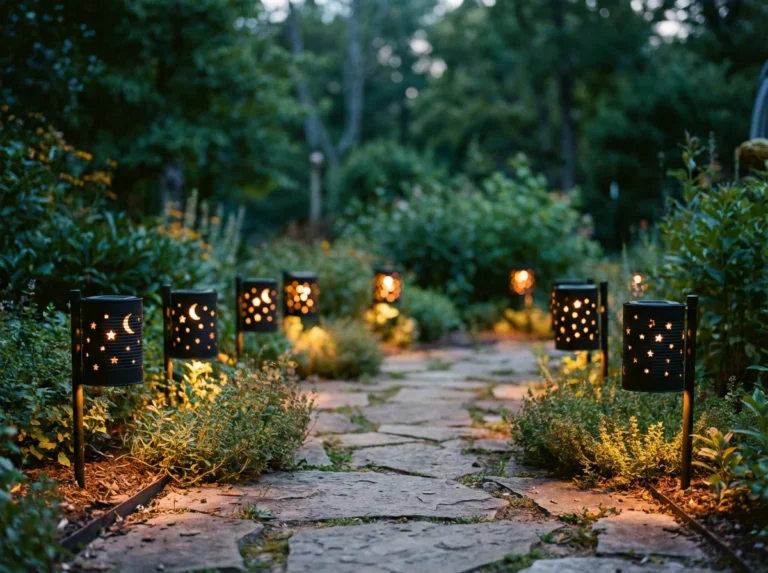
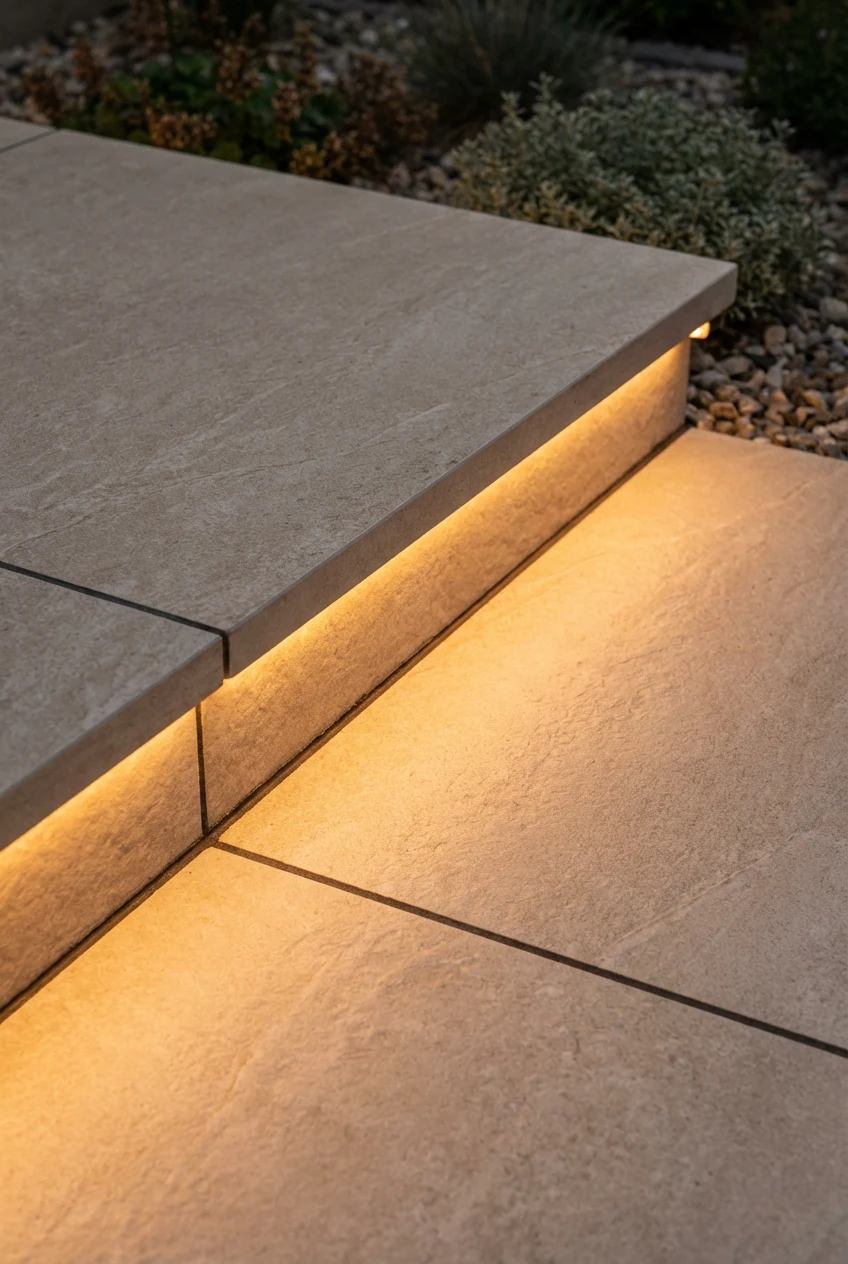
Lighting transforms the clean-line look at night. Use low-glare, warm LEDs and target edges, steps, and vertical planes. You’ll extend garden hours and create layered drama without lighting the whole neighborhood like a runway.
Sound and flame add sensory magic, but small spaces need restraint. Opt for subtle water movement, contained flames, and low-volume audio. Tie finishes together: black steel with black fixtures, concrete with matte gray. IMO, consistency beats a grab bag every time.
Compact Water Features That Don’t Hog Space
- Recirculating Basin: A small square or round bowl with a hidden pump.
- Wall Spout: A simple spigot into a trough for thin spaces.
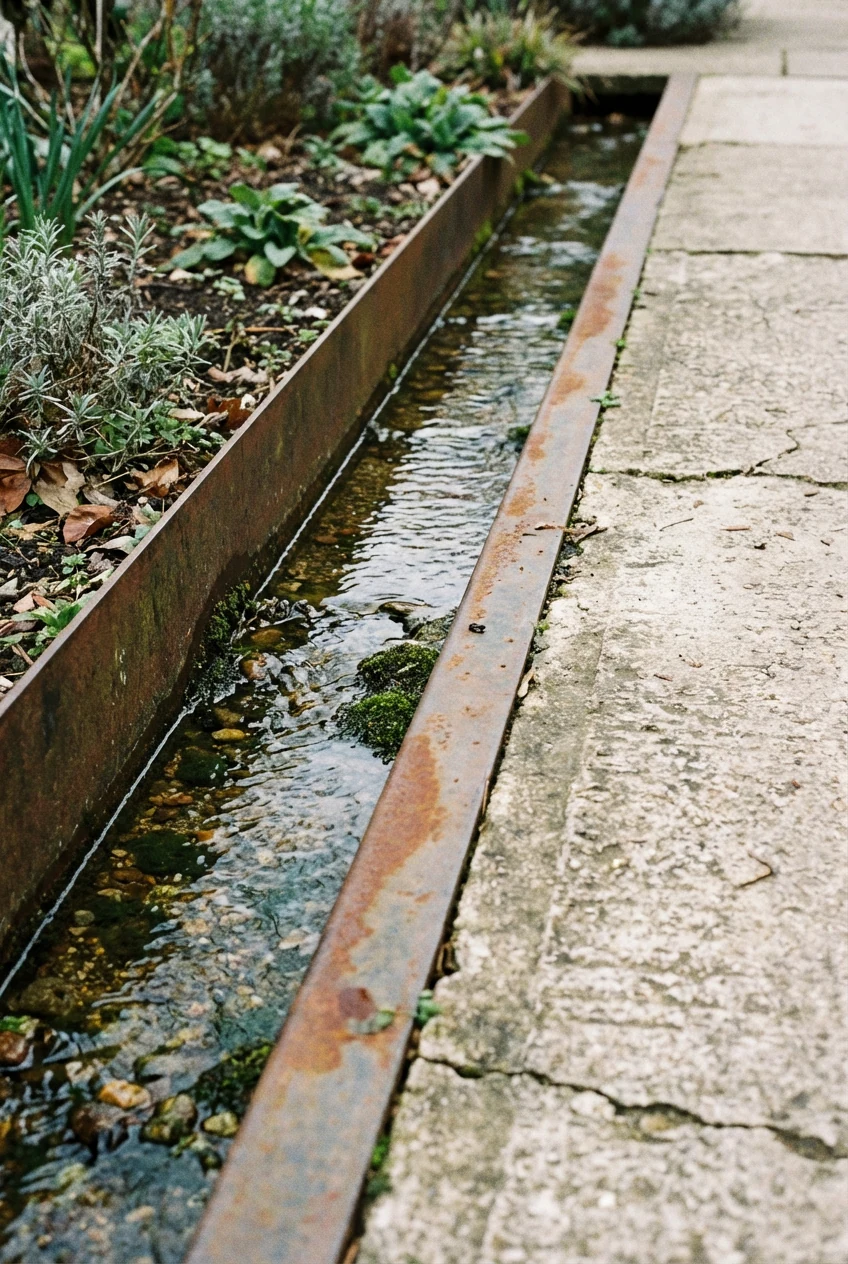
- Rill: A narrow channel along a path, edged in steel, with gentle flow.
Lighting That Highlights Clean Lines
- Edge Lights: Low, linear fixtures that trace paths and patio borders.
- Wall Washers: Grazing lights on fences or house walls for depth.
- Step Lights: Recessed fixtures on stairs or risers for safety and style.
- Accent Pins: Tiny spots for a tree trunk or sculpture—only one or two.
Containers, Edging, and the Details That Tie It Together
Details sell the modern vibe. Containers with simple forms pull the planting tight and add height where you need it. Edging defines transitions so surfaces don’t fray. Repeat shapes and finishes to keep everything cohesive.
Use rectangular beds, square planters, and consistent spacing. Group containers in threes and align them with your main lines. Keep mulch clean. Maintain sharp edges. IMO, edges do more heavy lifting than any single plant.
Edging Options That Stay Crisp
- Steel: Thin, durable, perfect for straight runs.
- Aluminum: Lightweight and clean, good near hardscape.
- Concrete: Poured or precast strips for a monolithic look.
- Hidden Plastic: Budget option, but only if you install it straight and tight.
Container Rules of Thumb
- Form: Stick to cylinders, cubes, and troughs with smooth sides.
- Finish: Matte black, charcoal, or light gray pairs well with most plants.
- Scale: Bigger than you think. Large containers read cleaner and need less watering.
- Placement: Align the front edges with paving joints or fence lines.
FAQ: Modern Small Garden Clean-Line Basics
How do I make a small garden feel bigger?
Use straight sightlines and clear zones. Keep furniture slim and scale it to the space. Repeat materials so the garden reads as one room, not 10 mini-scenes. Limit the palette and reduce visual clutter to create instant spaciousness.
Can I mix curves with clean lines?
Yes, but treat curves like accents, not the main show. Use one curved planter or a circular fire bowl to soften the overall geometry. Keep paths and major edges straight. Contrast works when you keep the lines dominant, not when you scatter curves everywhere.
What low-maintenance plants fit a modern vibe?
Try clipped evergreen shrubs, upright grasses, and long-blooming perennials like Nepeta and Salvia. Focus on foliage texture and reliable structure. Keep the plant list tight and repeat groups. Choose drought-tolerant varieties if you want easy care and strong style.
How much should I budget for a small modern garden?
Numbers vary, but plan for hardscape first. Expect most costs from paving, fencing, and lighting. Save with gravel, modular containers, and DIY planting. Invest in quality edges and surfaces because they define the look more than anything else.
What about kids and pets in a clean-line design?
Design zones with durability: gravel or porcelain for high-traffic areas, lawn or turf for play space. Choose non-toxic plants and secure any water features. Use storage benches for toys and gear. Keep edges smooth and paths wide for easy movement.
Do I need a designer, or can I DIY?
You can DIY a tight, modern look with a simple plan. Sketch zones, pick a small material palette, and tackle installation in stages. Hire a pro for grading, drainage, and electrical. Get help where safety and structure matter, then have fun with plants and styling.
Conclusion
Clean lines give small gardens the clarity they crave. You create strong bones, pick a lean palette, and let plants play backup, not chaos engine. The space breathes. You relax.
Start with a sketch, commit to 2–3 materials, and repeat forms until everything clicks. Add a focal point, light the edges, and keep maintenance simple. With a few sharp lines and thoughtful choices, your small garden lands a big, modern personality. And yes, you’ll want to linger there—preferably with snacks.