small garden design ideas layout
Small gardens can look amazing. They can also turn into cramped little chaos boxes if the layout misses the mark. The good news? You do not need a huge yard or a landscape architect on speed dial to make a tiny space feel stylish, useful, and way bigger than it actually is.
Start with how you want the space to feel
Before you buy a single plant or cute lantern, stop and ask yourself one thing: what do you want this garden to do? Relaxing corner? Outdoor dining spot? Mini jungle? Herb-packed workhorse? The layout gets much easier when you choose the mood and purpose first.
A small garden cannot do everything at once. Well, technically it can try, but then you end up with one chair, fourteen pots, a random water feature, and nowhere to stand. Pick one main goal and one secondary goal, and let that guide every design choice.
Questions worth asking early
These quick questions save a lot of later regret, FYI. You do not need a full design degree to answer them either.
- Do you want space for sitting, growing, or both?
- How much sun does the garden get each day?
- Will kids or pets use the space?
- Do you want low maintenance or are you happy to fuss over plants?
- Do you care more about privacy, color, or function?
Once you know the answers, your layout starts to reveal itself. That sounds dramatic, but it is true. A tiny garden works best when every corner has a job.
Use layout tricks that make a small garden feel bigger
This is where things get fun. A smart layout can stretch a small garden visually, even when the actual square footage stays very much not impressive. The goal is to lead the eye through the space instead of showing everything at once.
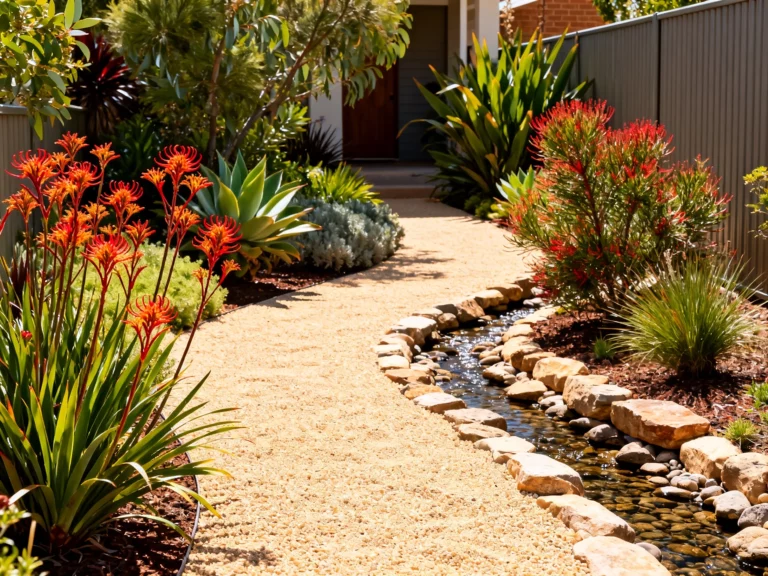
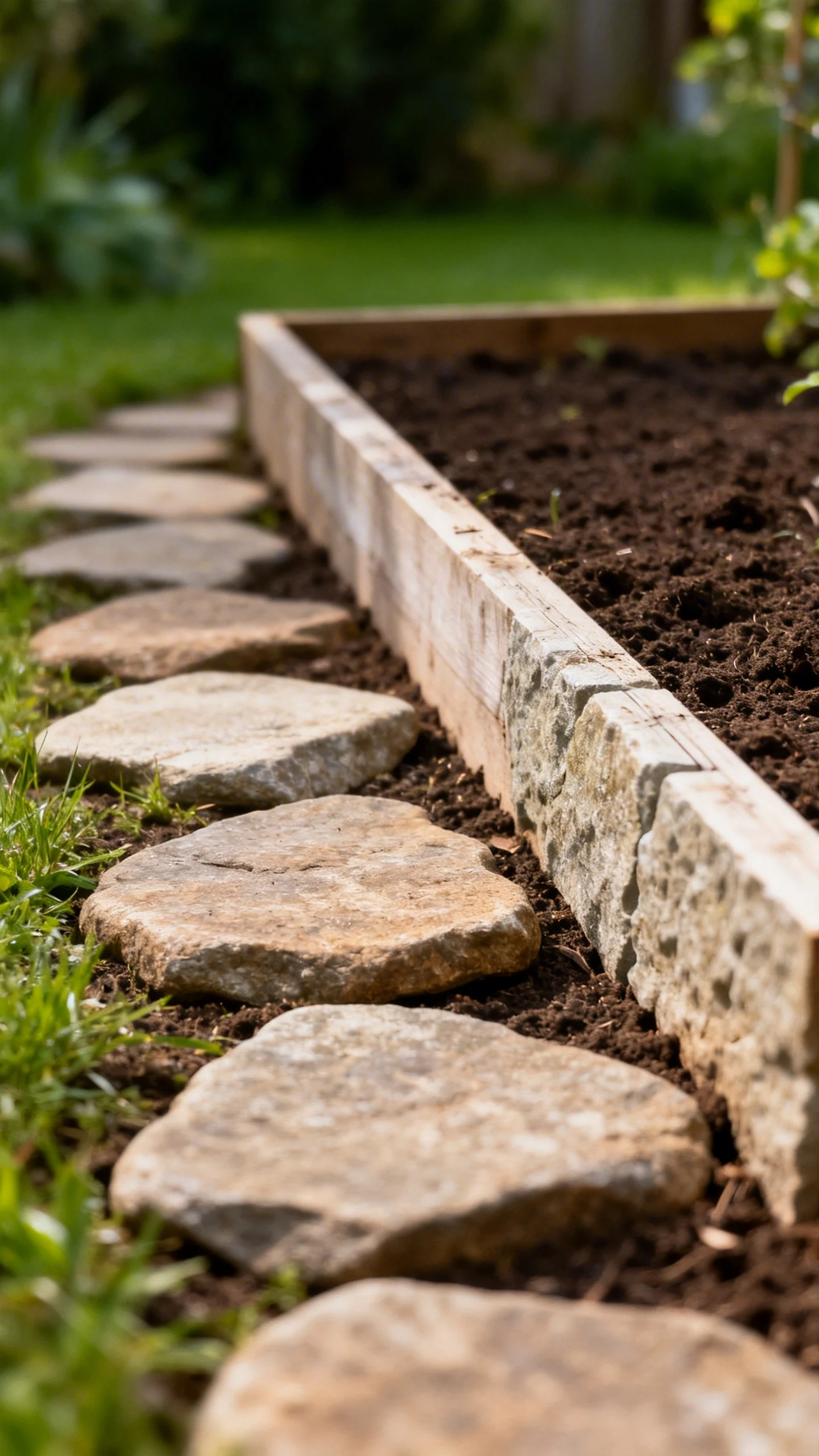
Straight lines create order, which works really well in compact gardens. A simple path, a line of planters, or a narrow strip of paving can make the whole space feel intentional. Curves also work, but use them carefully. Too many wiggly shapes in a tiny yard can look like the garden drank too much coffee.
Create zones without chopping up the space
Zoning matters, even in the smallest plot. You want your garden to feel like it has separate uses, but you do not want it to feel boxed in. That balance matters a lot.
Use changes in flooring, planters, or furniture placement to suggest different areas. For example, a small paved patch can define a seating area, while a raised bed marks the planting zone. Keep the transitions soft and simple so the space still reads as one connected garden.
Pull the eye outward
If you place your biggest focal point at the back, the space often feels deeper. Try a bold planter, a bench, a sculptural shrub, or even a painted wall at the far end. Your eye naturally travels there, which helps the garden feel longer.
Diagonal lines also help. A path laid on a diagonal, a corner seating setup, or angled paving can trick the brain in the best way. IMO, it is one of the easiest layout hacks for awkward little gardens.
Think vertically because the ground runs out fast
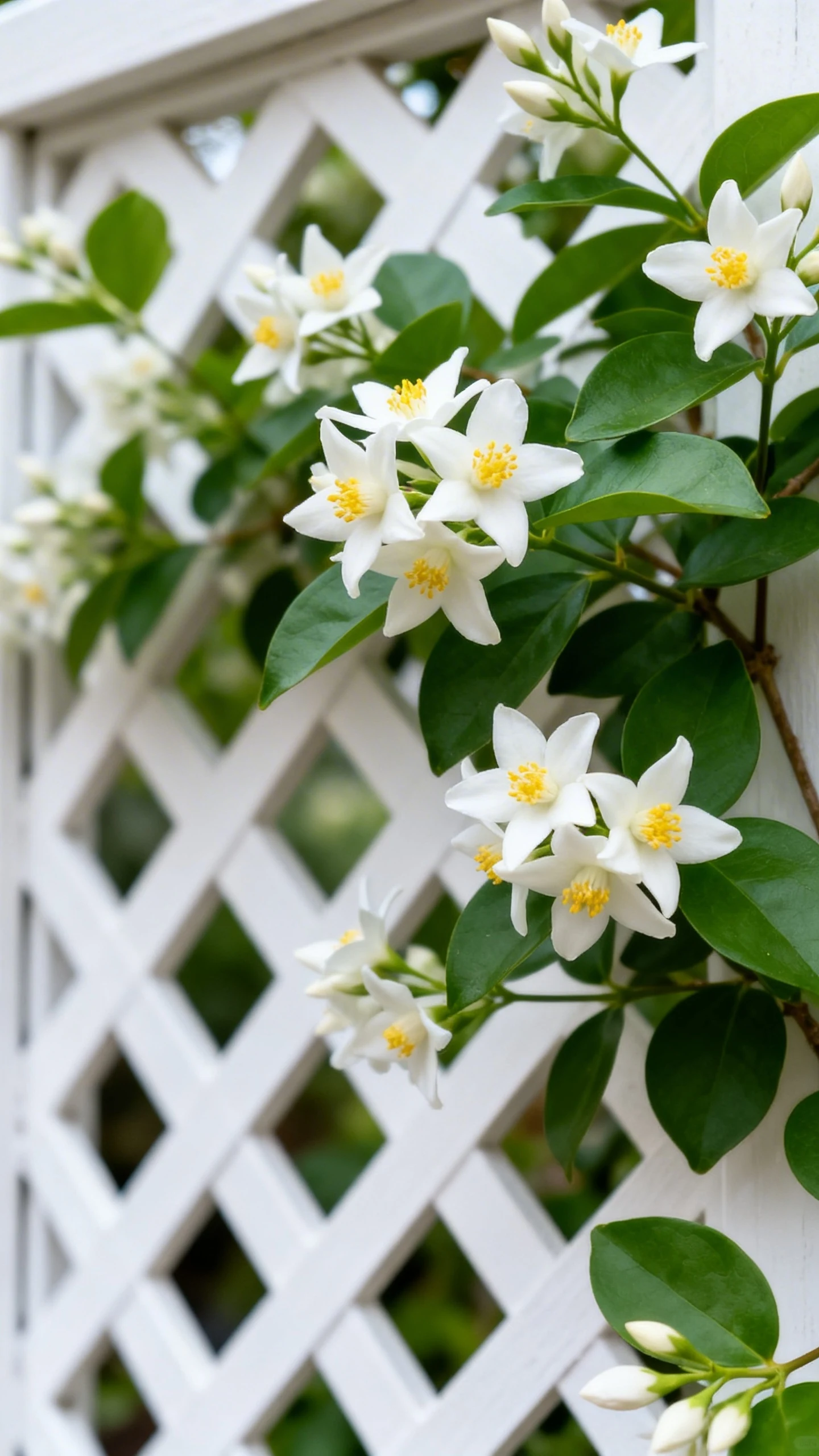
Small garden design loves vertical space. The floor fills up quickly, so go upward. Walls, fences, and trellises can carry a lot of the visual weight without stealing valuable walking room.
Climbers work brilliantly here. Jasmine, clematis, climbing roses, and ivy can soften harsh boundaries and add height. Vertical planting frees up the layout while making the garden feel lush instead of cluttered.
Best vertical features for compact gardens
You do not need a massive green wall that costs more than your sofa. A few simple features can do the job beautifully.
- Trellises attached to fences
- Wall-mounted planters for herbs or flowers
- Obelisks in beds or large pots
- Slim shelving for potted plants
- Arches or frames over narrow paths
Just keep it edited. Yes, that word sounds fancy, but it simply means do not stick twelve different vertical ideas into one tiny yard. One or two strong elements look much better than a whole collection of garden gadgets fighting for attention.
Choose furniture that fits the layout, not your wishlist
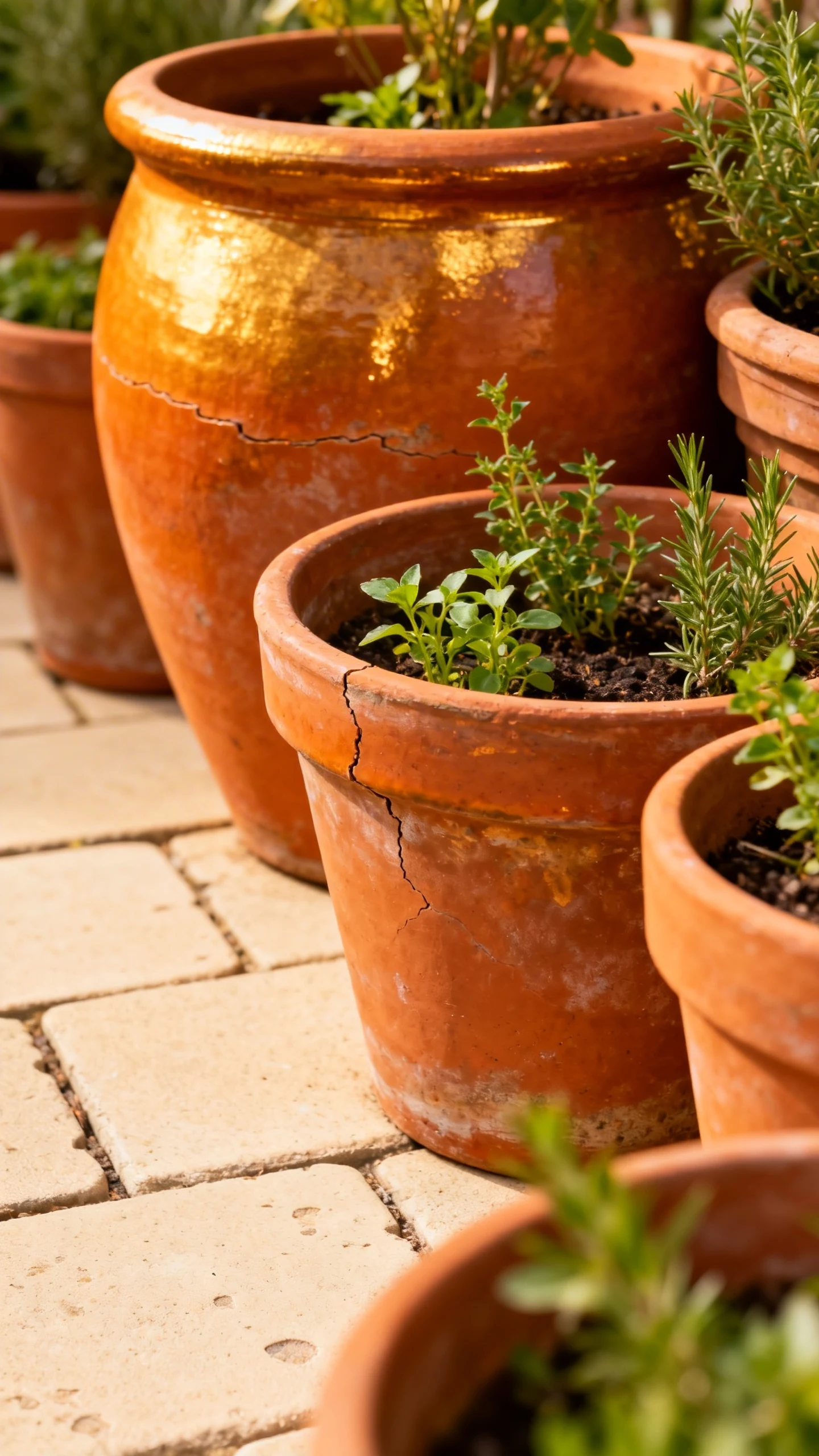
This part trips people up all the time. You see a dreamy outdoor sofa online, then try to squeeze it into a garden the size of a generous hallway. Suddenly the layout stops working, and everyone needs to turn sideways to walk through.
Scale matters more than style in a small garden. Pick furniture that suits the dimensions of the space first, then worry about the aesthetic. Slim benches, foldable chairs, built-in seating, and compact bistro sets usually win.
Built-in seating works ridiculously well
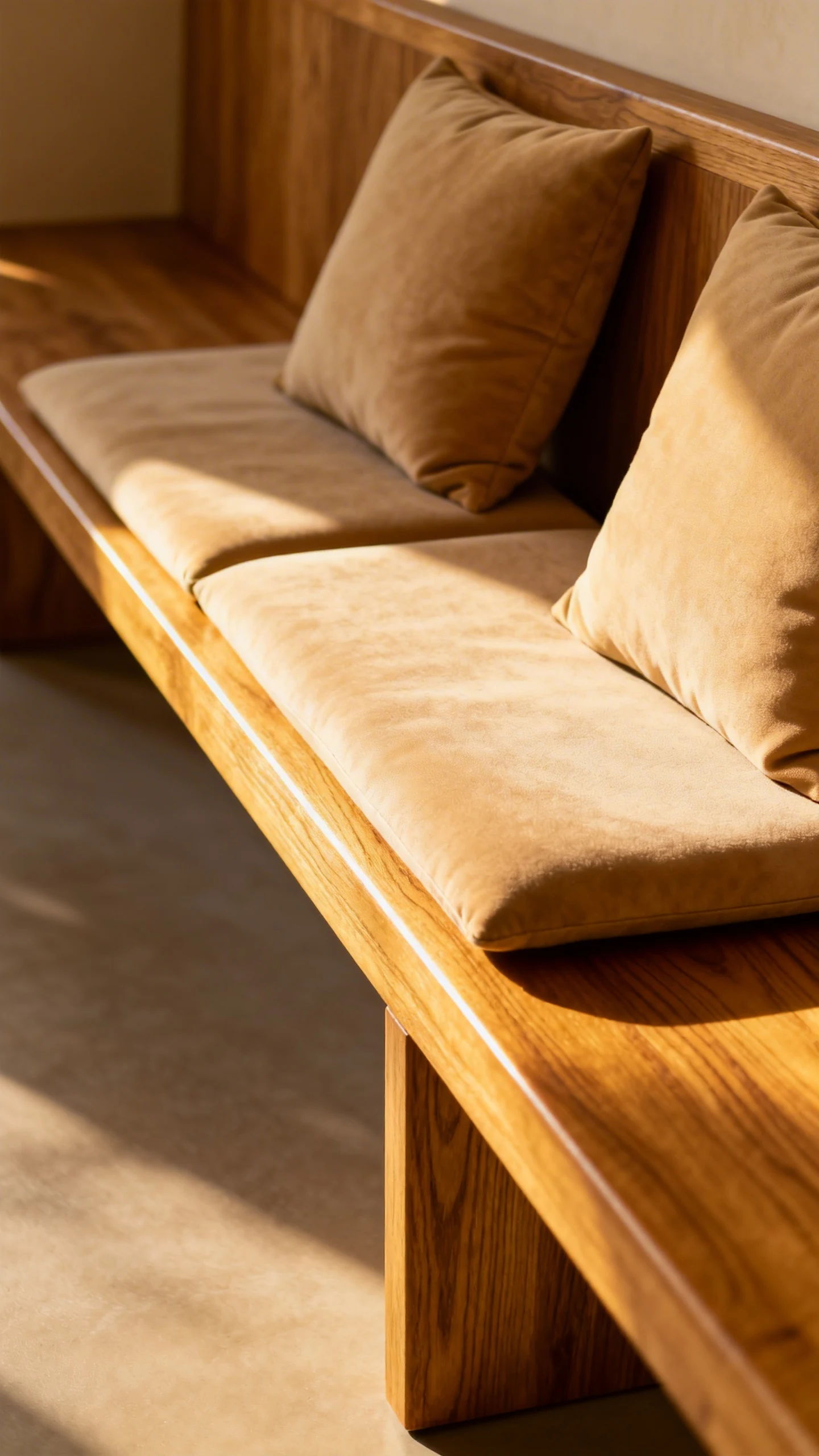
If you want the most out of a tight layout, built-in benches deserve serious attention. They sit neatly along edges, reduce visual clutter, and often include hidden storage. That means fewer random items lying around making the garden look messy.
Bench seating also helps define the shape of the garden. Run it along one wall or tuck it into a corner, and you instantly create a destination. Add cushions, and suddenly the place looks polished instead of accidental.
Leave breathing room
Not every inch needs filling. In fact, cramming too much into a small garden makes it feel smaller. Shocking, I know.
Leave clear walking paths and open surfaces around key pieces. Negative space gives the eye a place to rest, and that makes the whole layout feel calmer. A little emptiness can look very intentional when the rest of the design feels balanced.
Use planting to shape the layout, not just decorate it
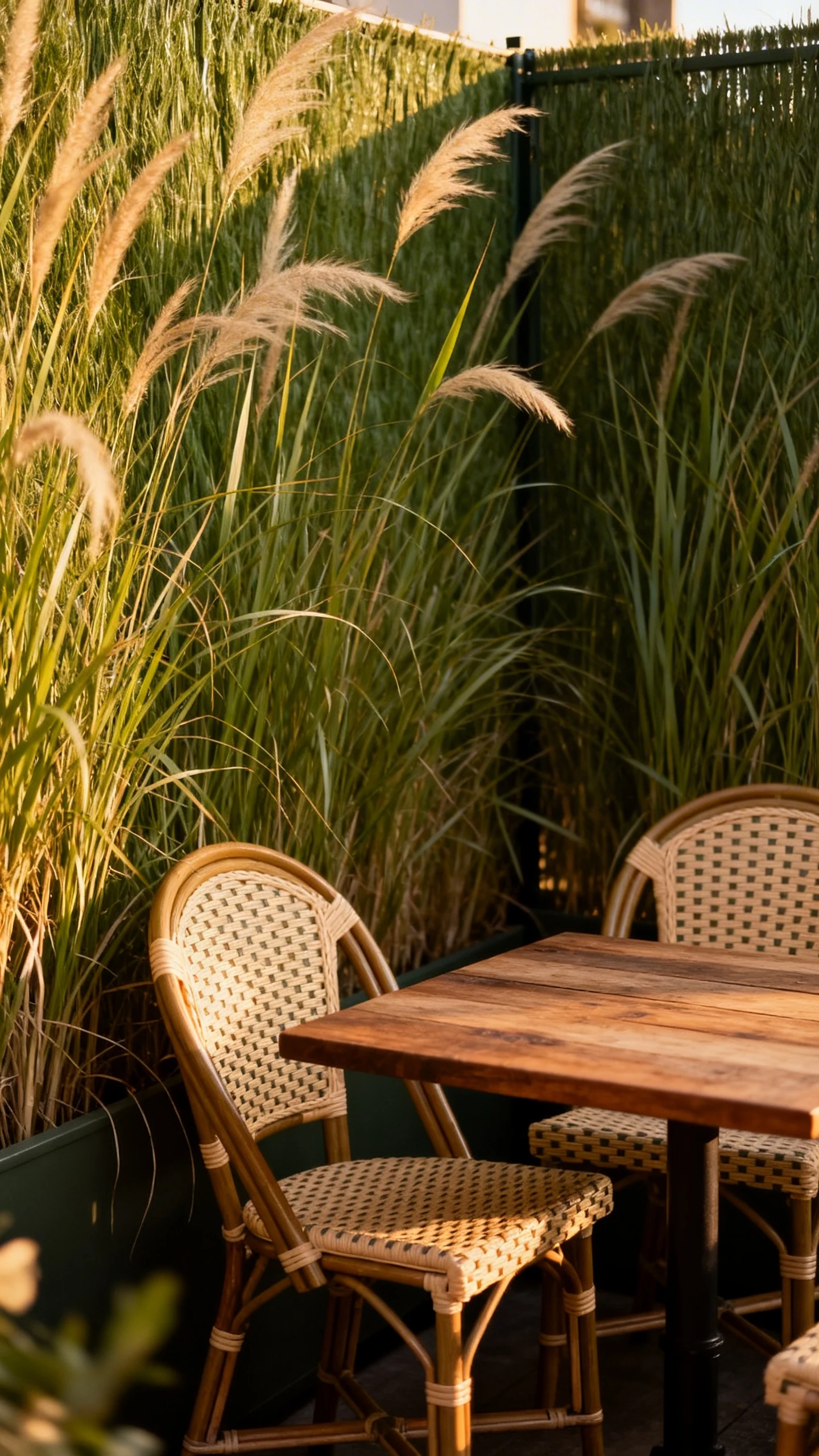
Plants do more than add color. They direct movement, soften edges, create privacy, and anchor different zones. In a small garden, planting forms part of the layout itself.
Think in layers. Put taller plants at the back or in corners, medium plants through the middle, and lower growers near the front. This arrangement keeps sightlines open while still giving the garden depth.
Stick to a tight plant palette
A small space benefits from restraint. Yes, every trip to the garden center whispers, “buy all of us,” but that path leads to visual chaos. Choose a limited set of plants and repeat them across the garden.
Repeating shapes, colors, or leaf textures makes everything feel cohesive. You can still mix things up, but do it with intention. Three well-chosen plant types repeated several times often look better than twenty unrelated ones stuffed together.
Use pots strategically
Containers offer flexibility, which helps a lot in awkward layouts. You can move them, group them, raise them, or swap them out seasonally. That kind of freedom matters when every inch counts.
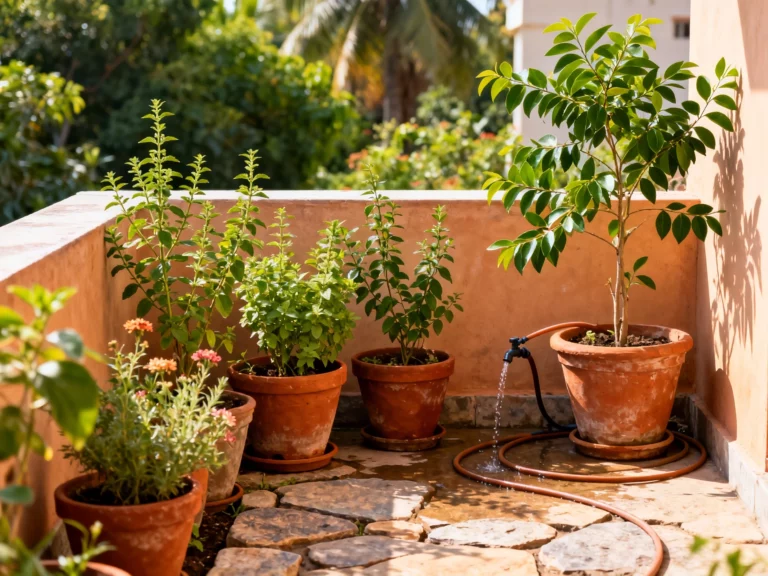
Use a few larger pots instead of loads of tiny ones. Bigger containers create stronger visual impact and reduce clutter. Also, fewer pots means less watering, which nobody complains about.
Privacy, light, and materials can make or break the design
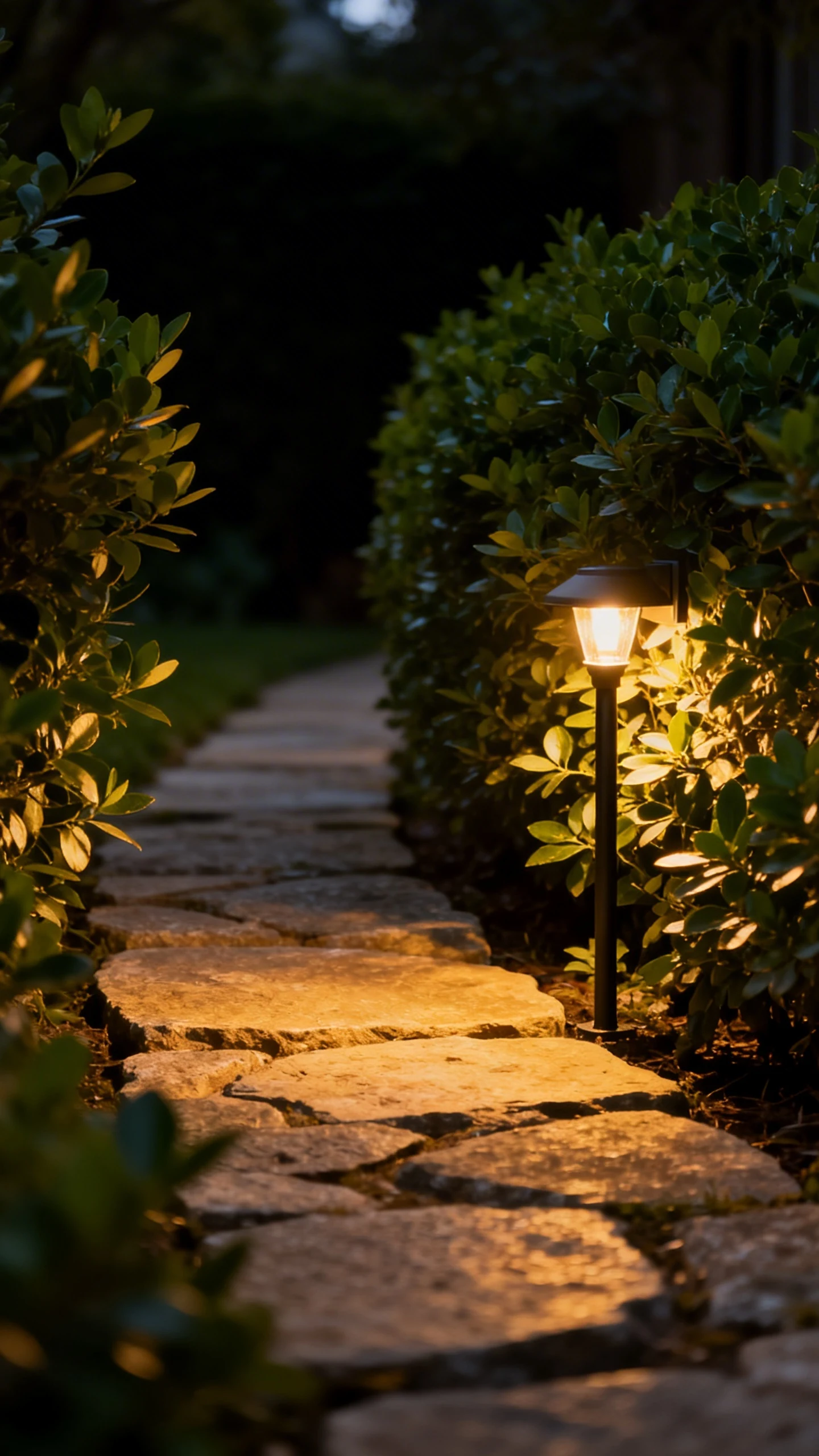
Layout does not stop at where the bench goes. Boundaries, finishes, and lighting shape the whole experience. Sometimes the difference between “cute little garden” and “slightly sad courtyard” comes down to these details.
For privacy, use slim screens, tall grasses, climbers, or espaliered shrubs. These options block views without making the garden feel sealed shut. Filtered privacy usually works better than heavy barriers in a small layout.
Choose materials that simplify the space
Too many finishes can make a small garden feel busy. Stick with one main paving material and maybe one accent texture, such as gravel, timber, or brick. A cleaner material palette gives the layout a stronger sense of order.
Light colors can open up the space, while darker tones create mood and contrast. Neither choice is wrong. Just stay consistent, because random material changes can make the garden feel chopped into pieces.
Do not ignore lighting
Good lighting stretches the use of a small garden well into the evening. It also adds depth by highlighting certain areas and leaving others softer. That contrast helps the layout feel more layered.
Use wall lights, spike lights, or string lights to guide the eye. Focus on paths, seating areas, and one or two feature plants. You do not need your garden to glow like a football stadium.
Popular small garden layout ideas that actually work
If you want practical inspiration, here are a few tried-and-true layout approaches. Each one suits different needs, but all of them work well in compact spaces. The trick lies in choosing the one that matches your lifestyle, not just your Pinterest mood board.
The courtyard layout
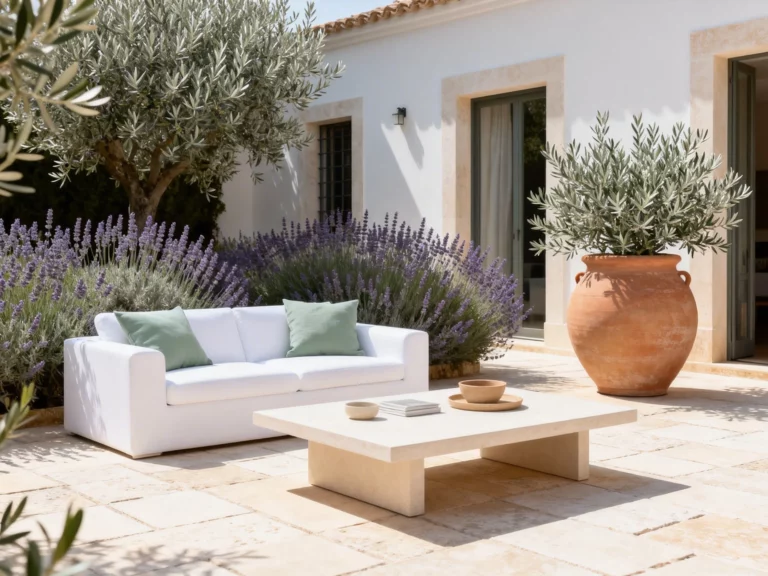
This layout centers around a small seating area, usually with planters or beds around the edges. It works brilliantly for square gardens and paved spaces. Keep the middle open, and let the perimeter do the heavy lifting.
The side-return layout
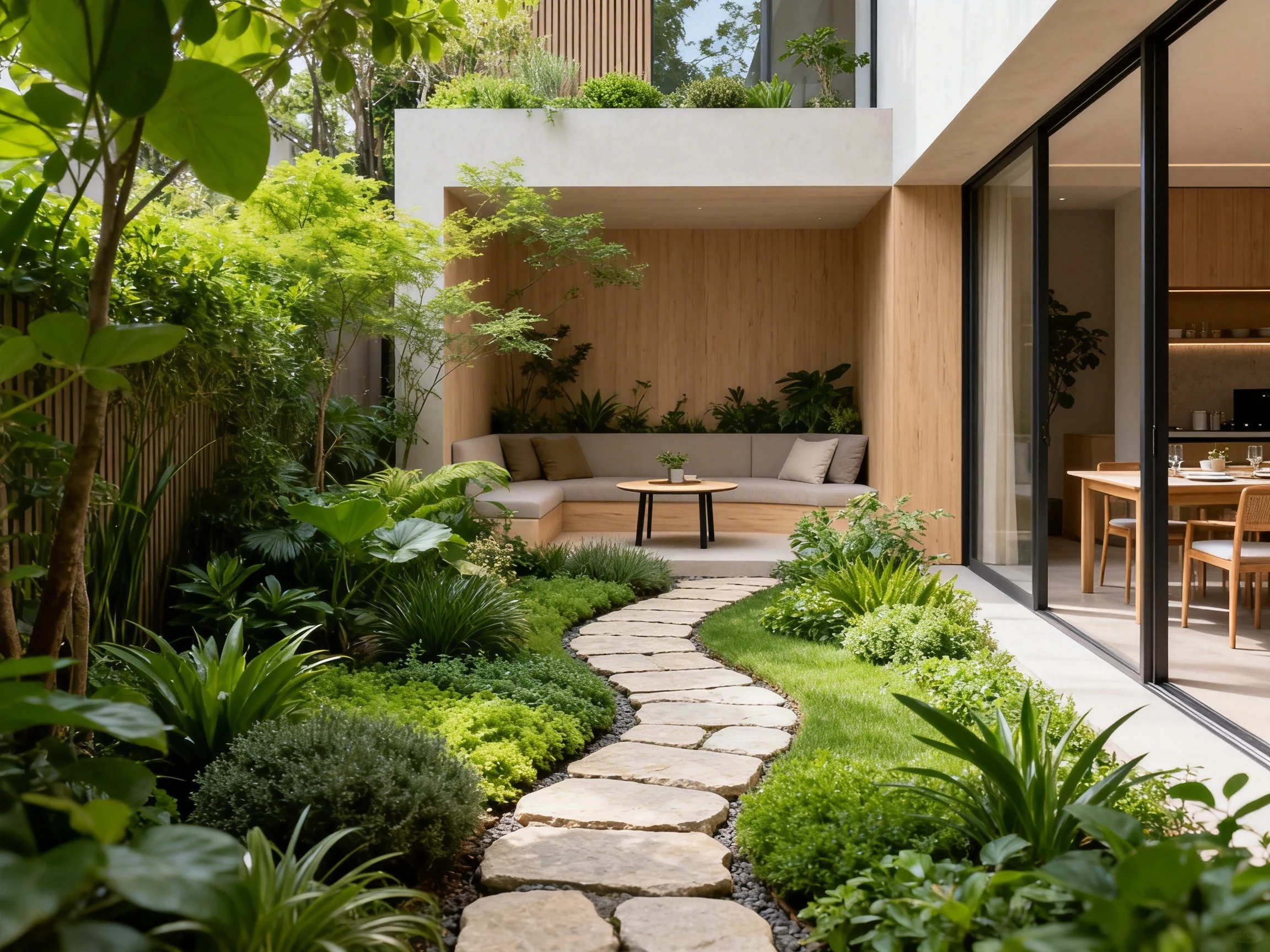
Long, narrow gardens need structure. Run a path along one side, then use the other side for planting, built-in seating, or a dining nook. This setup keeps movement easy and stops the layout from feeling like a tunnel.
The corner-focus layout
Place the main feature in one corner, such as a bench, pergola, or statement planter cluster. Then support it with simple planting around the rest of the garden. This layout feels relaxed and works especially well in awkward shapes.
The layered green retreat
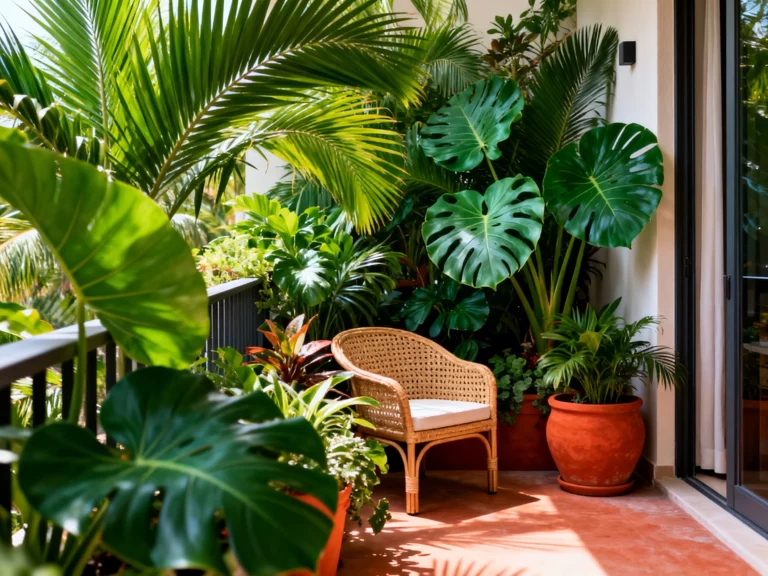
If you love plants more than furniture, build the layout around dense layered planting with just one small seat tucked in. Use vertical climbers, repeated foliage, and a narrow path. It feels lush, private, and slightly smug in a good way.
FAQ
How do I design a layout for a very small garden?
Start by deciding the garden’s main purpose. Then create one clear focal point, one practical route through the space, and one or two zones at most. Keep furniture compact, use vertical planting, and avoid stuffing every corner with stuff.
What makes a small garden look bigger?
Strong sightlines, limited materials, repeated planting, and vertical features all help. Place focal points at the far end, leave some open space, and use larger containers instead of many small ones. A clean layout always feels bigger than a cluttered one.
Should I use straight lines or curves in a small garden?
Both can work, but straight lines usually make planning easier and keep the space looking tidy. Curves add softness and movement, though too many can feel messy in a tight area. If you love curves, use one or two with confidence instead of a whole spaghetti map.
What are the best plants for a small garden layout?
The best plants depend on light and climate, but structure matters most. Choose a mix of vertical climbers, compact shrubs, and low-growing fillers. Repeat a few reliable plants instead of collecting random varieties that do not visually connect.
Can I fit a seating area into a tiny garden?
Yes, absolutely. A slim bench, foldable chairs, or a compact bistro set can fit into most layouts if you plan around them. Built-in seating often works best because it saves space and keeps the design looking neat.
How do I add privacy without making the garden feel enclosed?
Use screens, tall narrow plants, or climbers on trellises instead of heavy solid walls everywhere. Layering helps too. You want to soften views and create shelter, not build yourself a stylish outdoor cupboard.
Conclusion
The best small garden design ideas layout-wise come down to one thing: intention. When every path, planter, seat, and screen earns its place, a tiny garden can feel surprisingly generous. Keep it simple, think upward, and remember that a small space does not need more stuff, just better decisions.