small garden design
Small gardens can look incredible. You do not need acres of land, a full-time gardener, or a secret deal with the weather gods. You just need a smart plan, a little restraint, and the confidence to stop cramming every cute plant you see into one tiny patch. Yes, I said it.
Start with how you want the space to feel
Before you buy pots, lights, benches, or that dramatic olive tree you saw online, pause for a second. What do you actually want from your small garden? A calm coffee spot, a mini jungle, a neat modern space, or a place where herbs and tomatoes pull their weight?
The biggest mistake in small garden design usually starts here. People try to make one tiny space do absolutely everything, and the result feels crowded, messy, and slightly stressed out. A small garden needs a clear purpose, or at least a main vibe.
Think about how you will use it most days, not just on that imaginary summer evening when you somehow host twelve friends with perfect lighting and zero mosquito drama. If you mostly want to sit outside with a drink and ignore your phone for twenty minutes, design for that. If you love plants more than furniture, let greenery take the lead.
Pick a style and stick to it
You do not need to follow trends like they pay your rent. But choosing a rough style helps you make decisions faster and keeps the space from turning into a random garden yard sale. IMO, small spaces look best when the design feels intentional.
Some easy directions include:
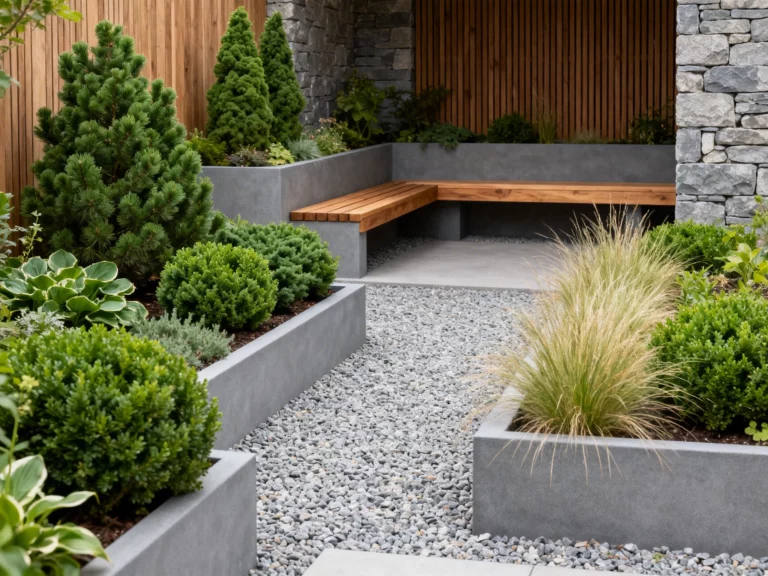
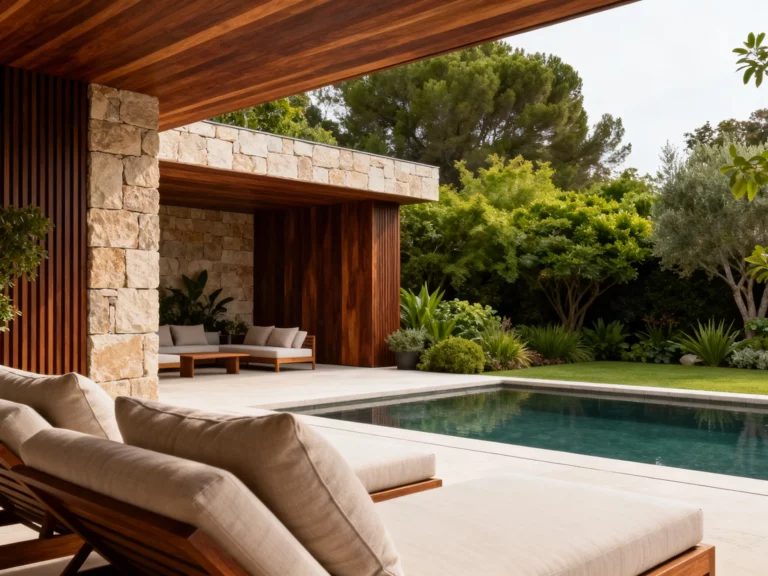
- Modern: clean lines, limited colors, architectural plants, simple furniture
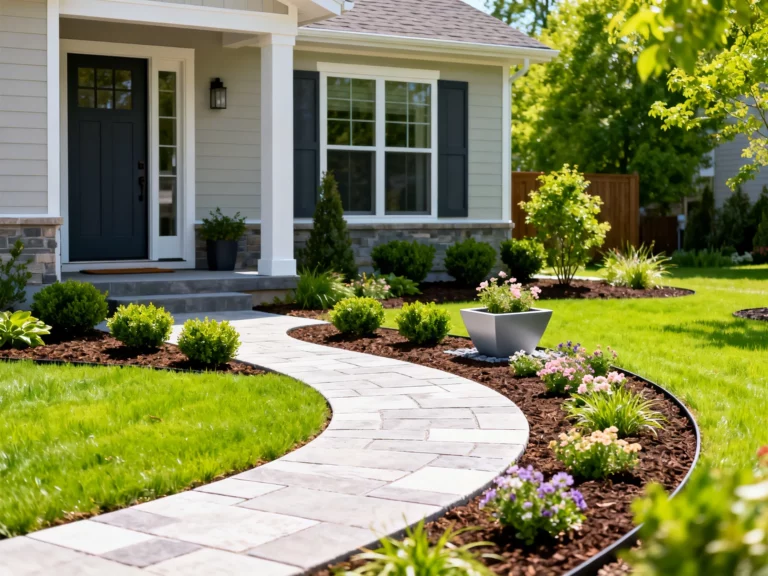
- Cottage: soft planting, romantic flowers, mixed textures, a slightly relaxed look
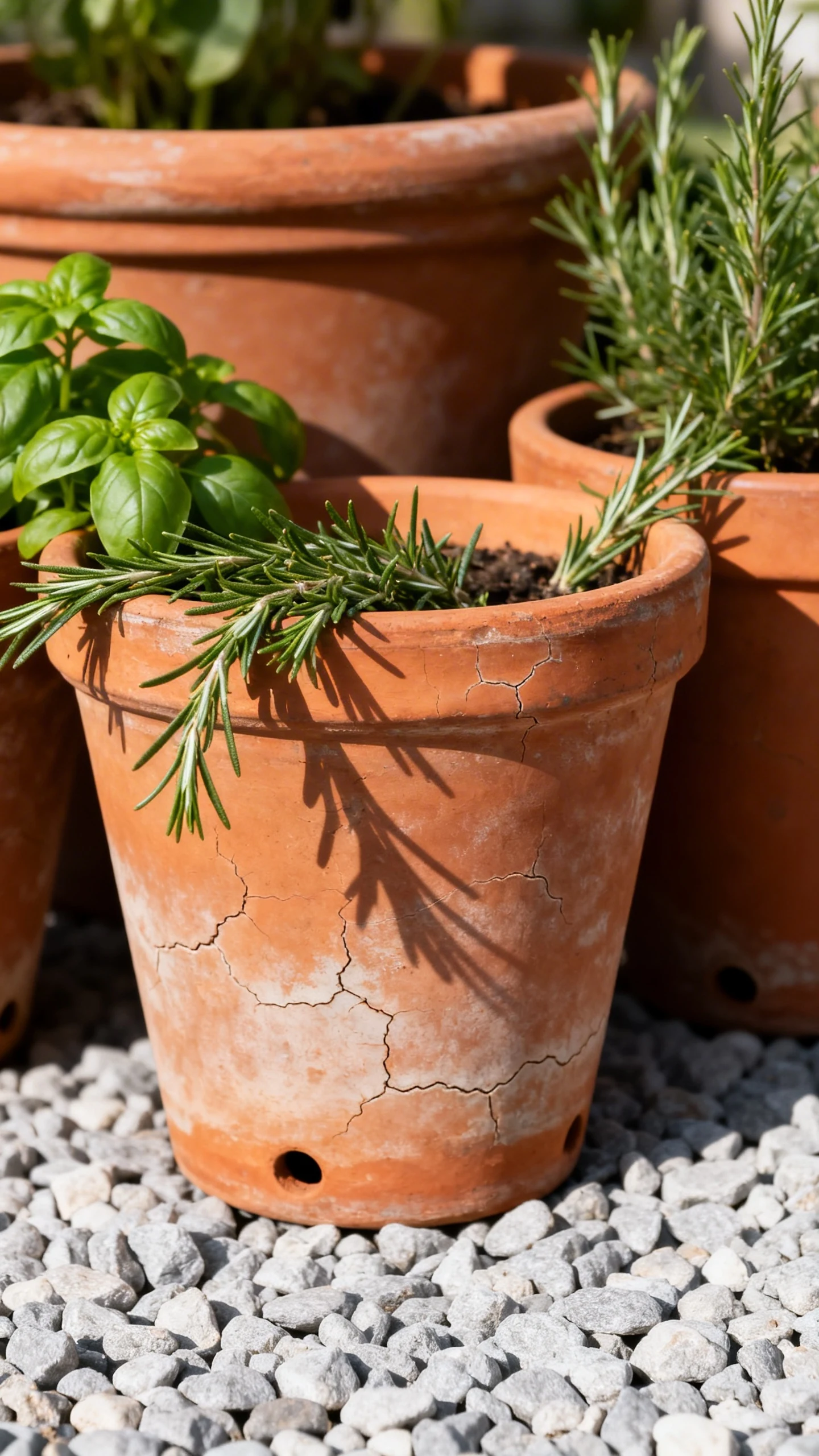
- Mediterranean: gravel, terracotta, herbs, olive tones, sun-loving plants
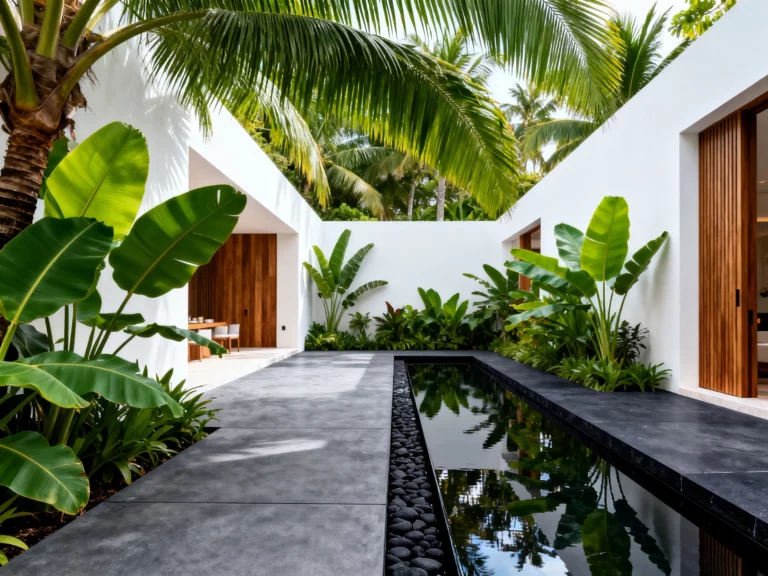
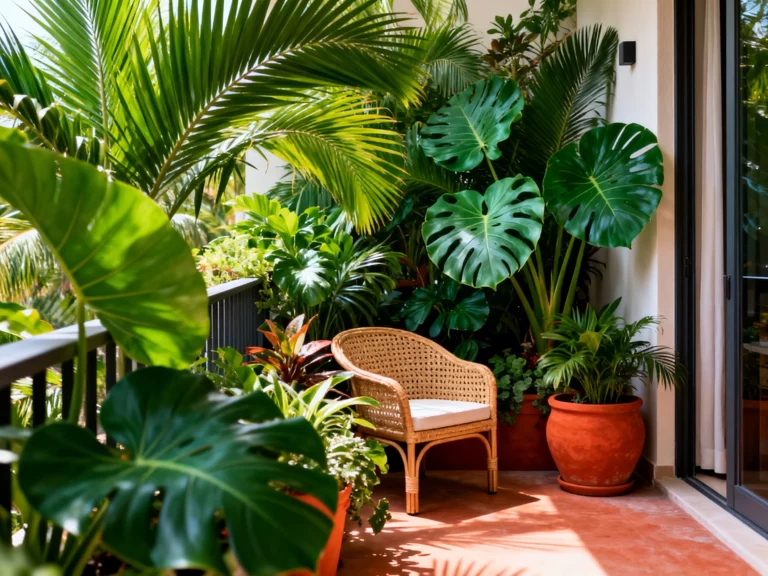
- Tropical: bold leaves, lush layers, deep green colors, lots of texture
- Edible: raised beds, compact fruit, herbs in pots, practical and pretty together
You can mix styles a little, sure. Just do not invite five design personalities into one tiny garden and expect them to behave.
Use layout tricks that make the space feel bigger
Small garden design really comes down to perception. You cannot magically stretch the boundaries, but you can absolutely make the space feel larger, calmer, and more balanced. That matters more than actual square footage.
Good layout beats expensive stuff every time. A clear path, a focal point, and sensible spacing can make a tiny garden feel polished. Random placement makes it feel like outdoor storage with leaves.
Create zones without building walls
You do not need heavy dividers or massive planters to break up a small garden. A rug, a shift in paving, a row of pots, or a bench in the right spot can suggest different areas. Suddenly the space feels layered instead of flat.
Maybe one corner holds a chair and side table for lounging. Another section handles planting. Even a tiny garden can have a sense of journey, which sounds dramatic, but honestly works.
Draw the eye through the space
Want the garden to feel longer or deeper? Give the eye somewhere to travel. Place a focal point at the back, like a statement pot, a small tree, a water bowl, or a painted wall.
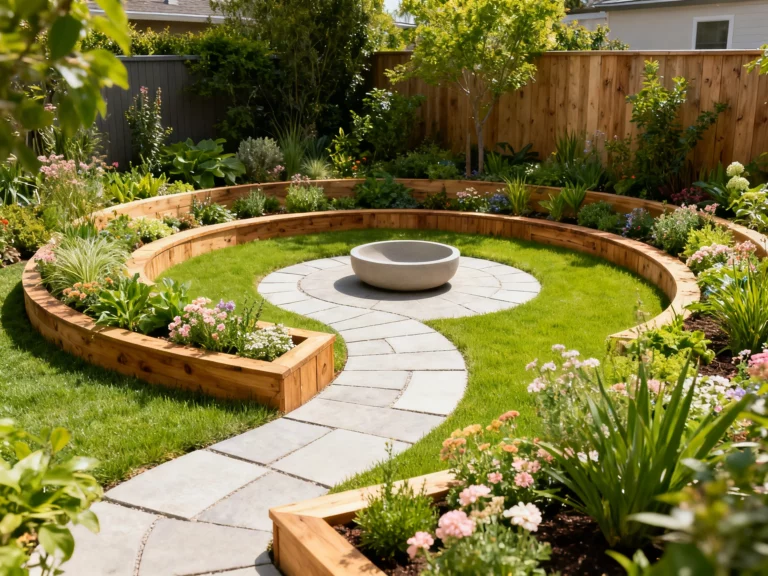
Lines matter. Diagonal paving, long planters, and narrow paths can stretch visual space. Curves can soften things too, but in very tiny gardens, too many wiggly edges can start to feel fussy. FYI, not every corner needs “character.” Sometimes it just needs to calm down.
Go vertical or go home
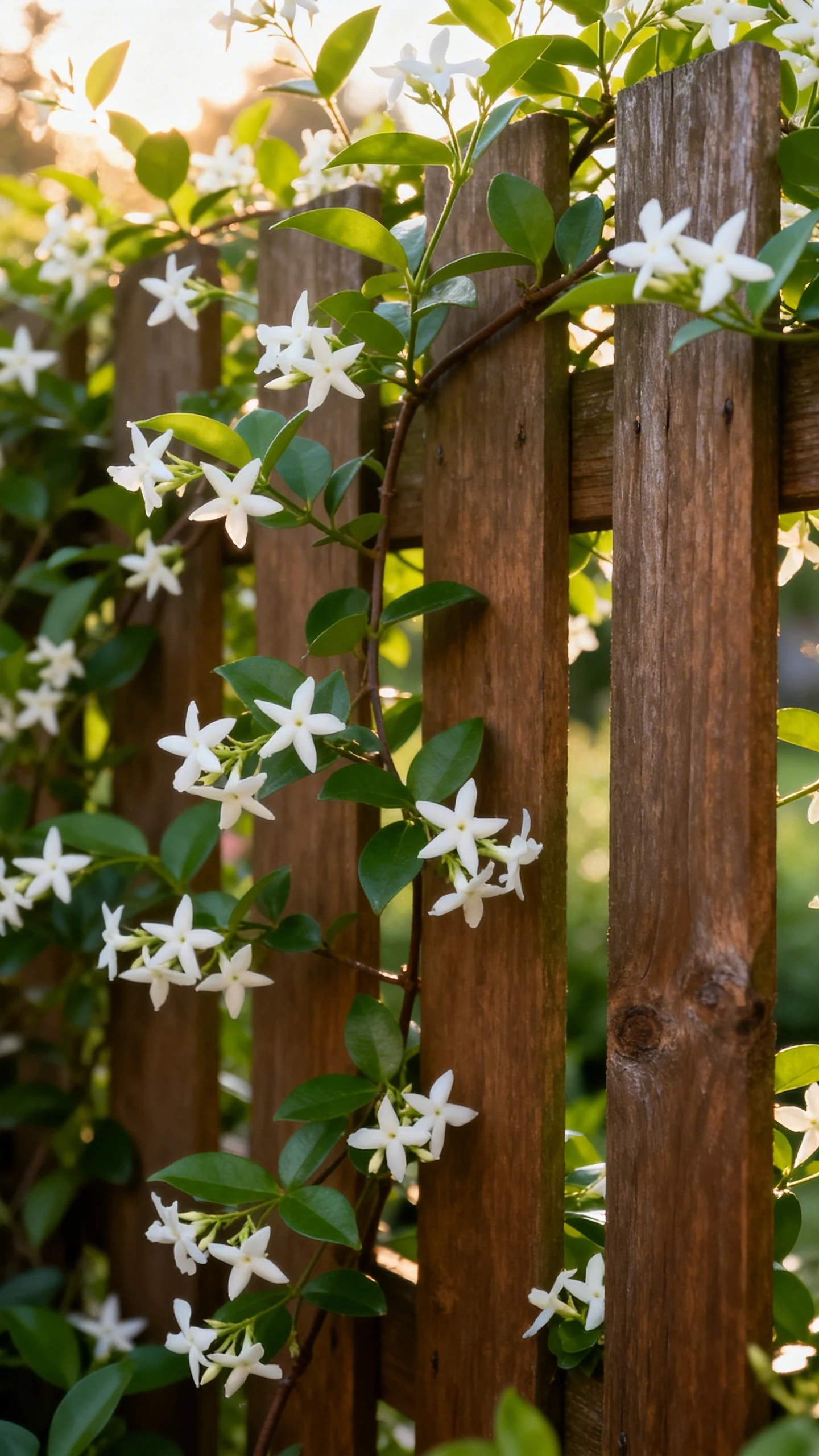
When ground space runs out, look up. Walls, fences, railings, and trellises give you valuable room for planting and styling. Vertical design adds depth fast, and it keeps the floor from becoming a chaotic obstacle course.
Vertical elements make small gardens feel finished. Bare walls often make a space feel boxy and exposed. Covering part of that vertical space with greenery, shelves, or decorative panels instantly adds warmth.
Best ways to use vertical space
- Climbers: jasmine, clematis, star jasmine, climbing roses, or ivy if you can keep it in check
- Wall planters: great for herbs, trailing plants, and flowers
- Trellises: useful and attractive, especially in narrow spaces
- Shelving: perfect for pots, lanterns, and tiny decorative touches
- Hanging planters: ideal if floor space feels precious, which it probably does
Just keep balance in mind. If every inch of wall holds something, the garden can feel busy instead of lush. You want layered, not cluttered. Big difference.
Choose plants that earn their keep
Plant choice matters even more in a small garden because every plant takes up visual and physical room. This is not the place for weak performers, floppy chaos merchants, or giant shrubs that pretend to be “compact” on the label. Read the tag, then distrust it a little.
Go for plants with long seasons of interest. That could mean evergreen structure, repeat flowers, striking foliage, scent, or edible use. In a small space, each plant should bring something useful to the party.
Think in layers, not just flower color
A good small garden usually combines height, middle structure, and low planting. That layering creates richness without requiring loads of square footage. A small tree or tall grass, some mounded plants, and a few trailing edges can do a lot.
Texture often matters more than color, honestly. Mix broad leaves with fine foliage, upright shapes with soft spills, glossy leaves with matte ones. The result looks thoughtful, even if you absolutely made some choices while holding coffee and guessing.
Reliable plant ideas for small gardens
- Lavender: compact, fragrant, and pollinator-friendly
- Boxwood alternatives: try soft, tidy evergreens if you want structure
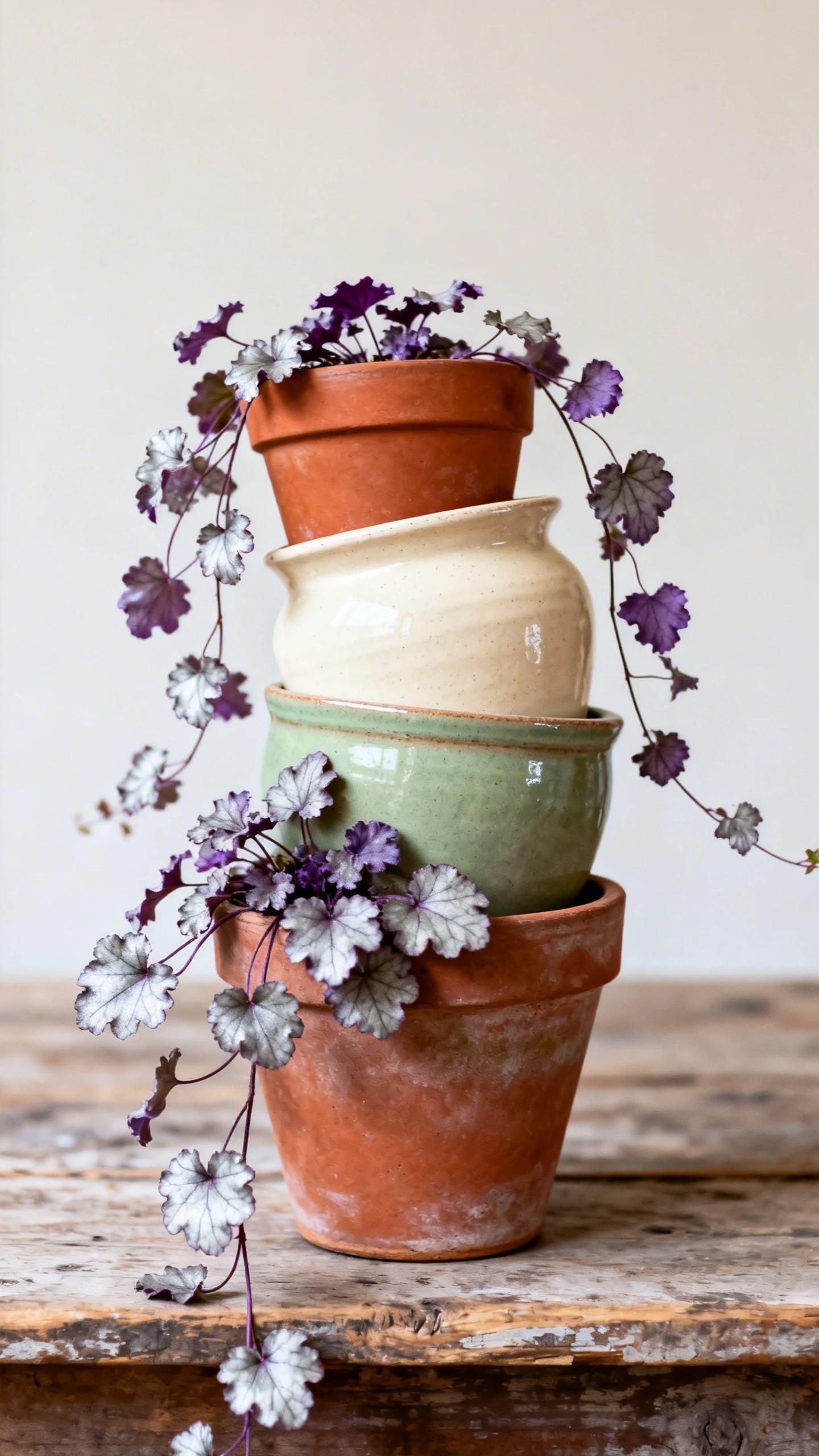
- Heuchera: colorful foliage and good in pots
- Salvia: long flowering and easygoing
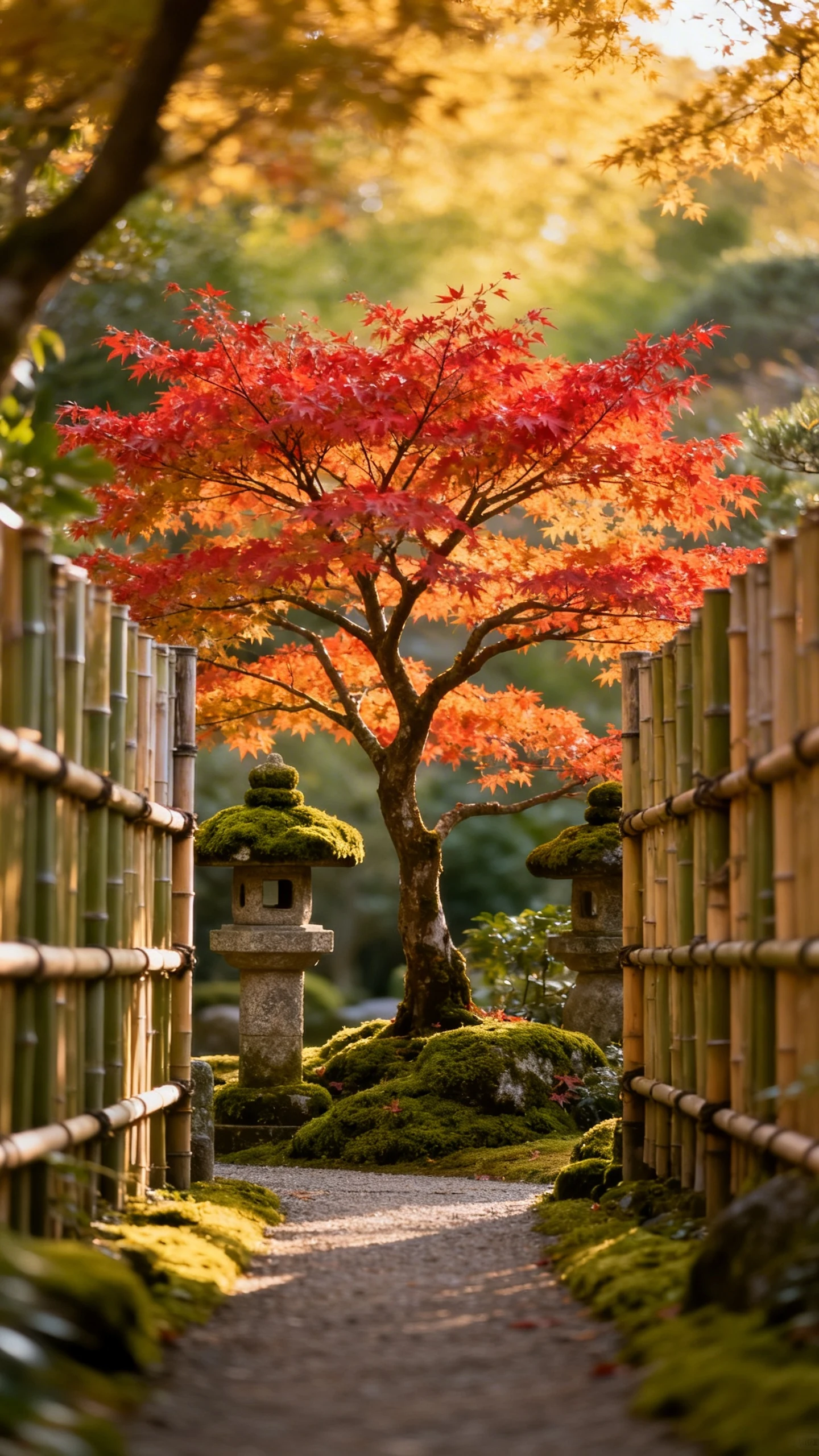
- Japanese maple: elegant shape for a focal point in the right spot
- Ferns: perfect for shady gardens with woodland vibes
- Herbs: practical, fragrant, and easy to tuck into containers
- Ornamental grasses: movement, texture, and low fuss
If you love color, limit your palette a bit. Too many flower colors in a tiny garden can start to feel like a confetti accident. A tighter mix usually looks more stylish and more relaxing.
Furniture, materials, and lighting can make or break it
You can have gorgeous plants, but if the furniture feels oversized or the materials clash, the whole garden loses its charm. In a small space, every object matters. That sounds intense, but it is also helpful because it forces better choices.
Choose fewer, better things. One sleek bench beats three awkward chairs. One lovely bistro set beats bulky furniture that blocks movement and bruises your shins every time you walk past.
Pick materials with intention
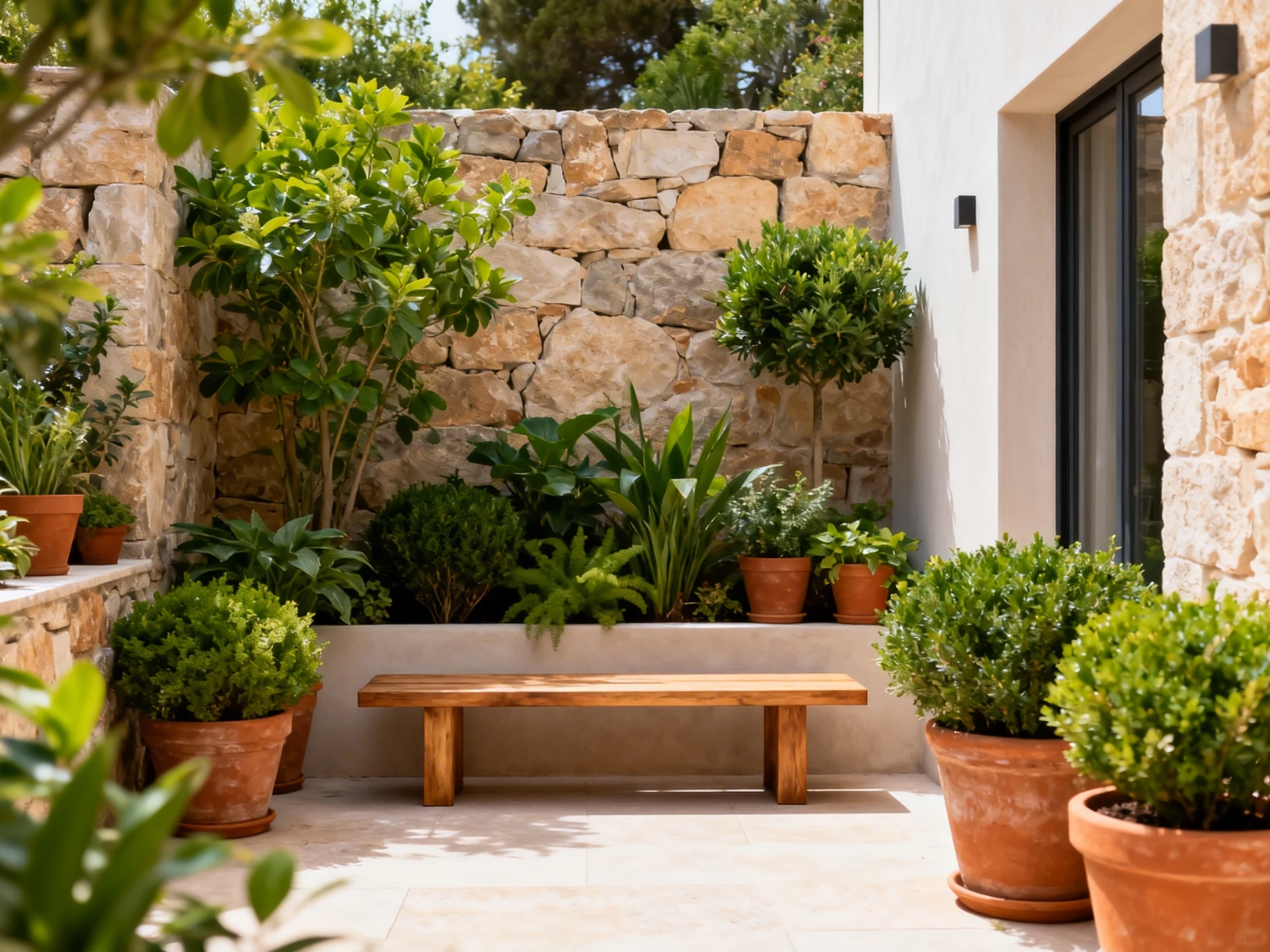
Try to keep hard landscaping simple. Repeating one or two materials creates unity and makes the garden feel larger. Think timber with gravel, stone with black metal, or pale paving with terracotta pots.
Lighter surfaces can brighten shady spaces. Dark finishes can look chic, especially with green foliage, but they need contrast or the space may feel boxed in. You want cozy, not cave.
Lighting deserves more respect
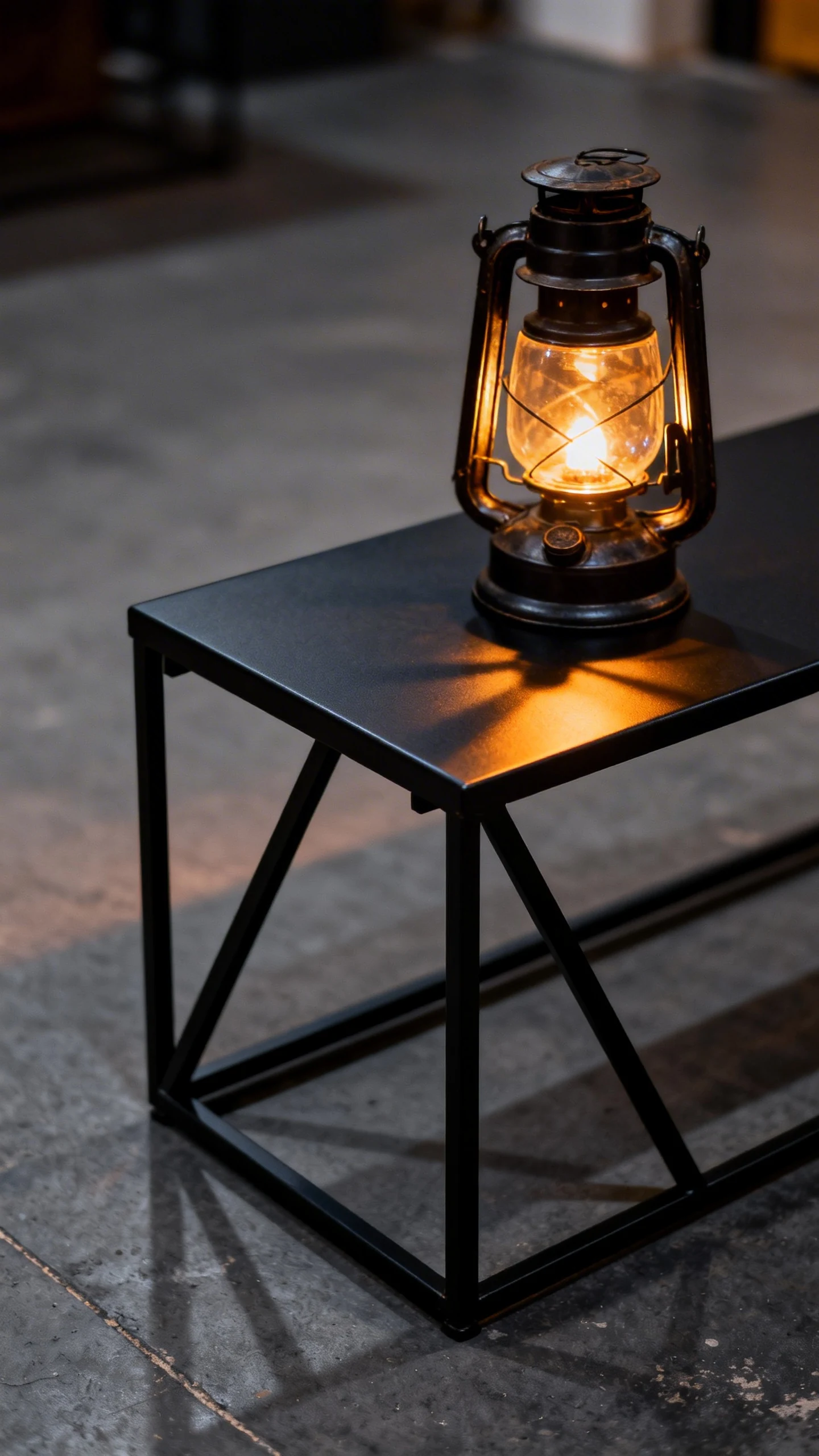
So many people treat outdoor lighting like an afterthought, and then wonder why the garden dies emotionally after sunset. A few well-placed lights completely change the mood. Wall lights, spike lights, lanterns, and warm string lights all work when used with restraint.
Warm light always wins for a welcoming feel. Highlight a tree, skim light across a textured wall, or softly light a seating area. No one wants their tiny garden to look like a convenience store parking lot.
Containers are your best friend
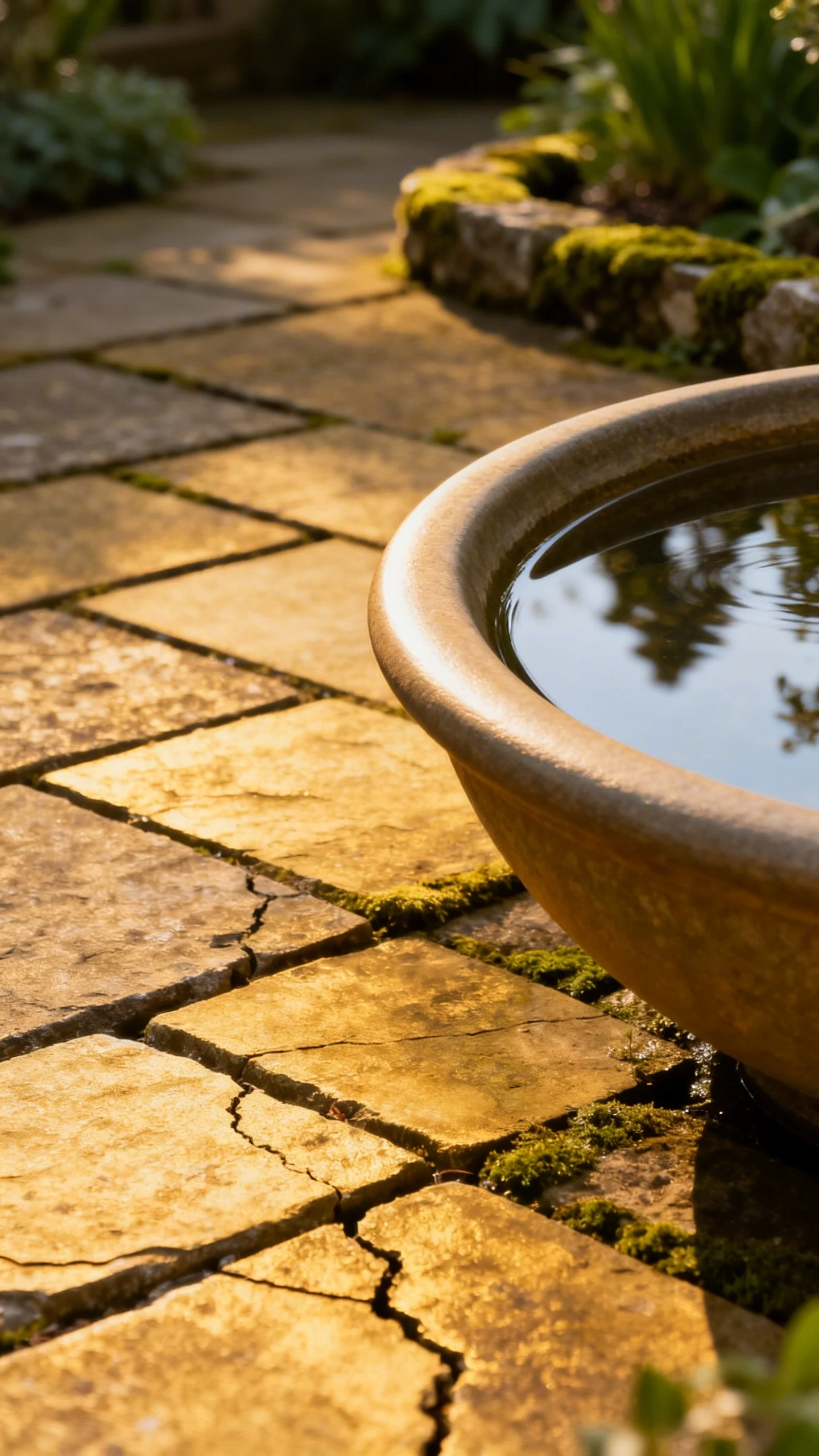
If your garden sits on a patio, balcony, courtyard, or rented space, containers do a lot of heavy lifting. They let you control soil, move things around, and swap plants with the seasons. They also help you create structure where the ground gives you nothing.
Use containers in groups rather than scattering random pots everywhere. Grouping different sizes together looks more deliberate and less like you rescued leftovers from a discount shelf. Matching pots create a clean look, while a coordinated mix adds personality.
How to make containers look stylish
- Pick a consistent color palette for pots.
- Use a mix of heights and widths.
- Repeat a few plant types for rhythm.
- Add trailing plants to soften edges.
- Leave some breathing room between groups.
Bigger pots often work better than tiny ones. They hold moisture longer, look more substantial, and give roots room to grow. Tiny pots look cute for about five minutes, then they dry out and start making demands.
Keep maintenance realistic
A beautiful small garden still needs care, but it should not become a second job unless you genuinely enjoy that. Design with your actual habits in mind. If you know you forget watering for days, build that truth into the plan instead of pretending future you will become wildly disciplined.
Low-maintenance design does not mean boring design. It means smart choices. Durable materials, mulch, drip irrigation, evergreen structure, and reliable plants can all cut down on work while keeping the garden attractive.
Leave room to move around easily. If you need to perform yoga poses just to deadhead a plant or clean a corner, the layout needs help. A small garden should feel easy to use, not like an obstacle challenge with hydrangeas.
FAQ
How do I make a very small garden look bigger?
Use a simple layout, keep the planting palette controlled, and add a focal point at the back to pull the eye forward. Vertical planting helps a lot too. Mirrors can work in some spaces, but use them carefully unless you want to confuse birds and yourself.
What colors work best in small garden design?
Soft greens, whites, muted purples, silvers, and a limited mix of accent colors usually look calm and spacious. That said, bold color can look amazing if you use it with confidence and repeat it intentionally. Chaos color is the problem, not color itself.
Should I use grass in a small garden?
Sometimes yes, often no. A tiny lawn can look neat and fresh, but it also needs maintenance and may not give enough practical value. If you want easy care, gravel, paving, or dense planting often makes more sense.
What is the best furniture for a small garden?
Foldable, slim, or built-in furniture usually works best. Look for pieces that fit the scale of the space and leave room to walk comfortably. A compact bench or bistro set often beats chunky lounge furniture, unless you enjoy squeezing sideways like a crab.
Can I grow vegetables in a small garden?
Absolutely. Herbs, salad leaves, chilies, tomatoes, dwarf beans, and strawberries all do well in small spaces and containers. Raised beds, railing planters, and vertical supports help you grow more without sacrificing the entire garden to one enthusiastic zucchini.
How many plants should I put in a small garden?
Enough to create fullness, but not so many that each one fights for light, air, and attention. A few strong repeats often look better than lots of one-off choices. Think edited abundance, not panic shopping.
Conclusion
Small garden design works best when you keep things simple, intentional, and a little bit bold. Focus on layout, use vertical space, choose hardworking plants, and resist the urge to overfill every corner. A small garden does not need to be huge to feel generous, stylish, and genuinely enjoyable. It just needs a plan and maybe a little self-control at the plant nursery.