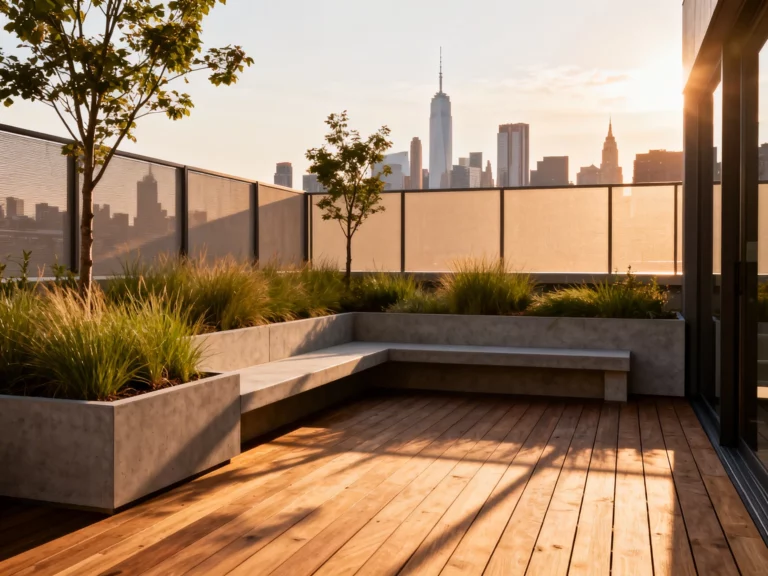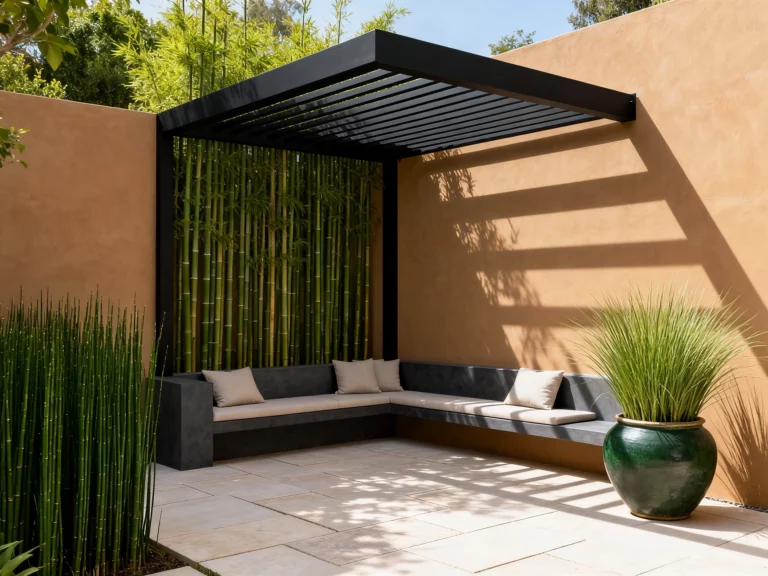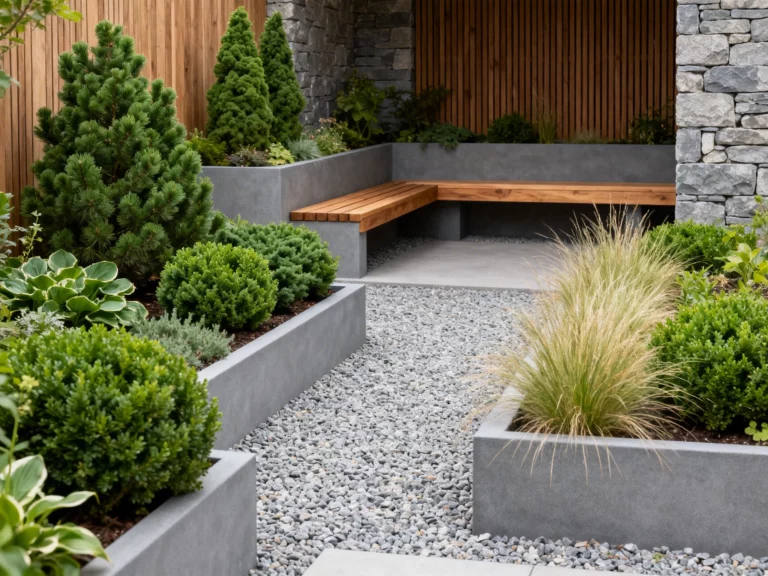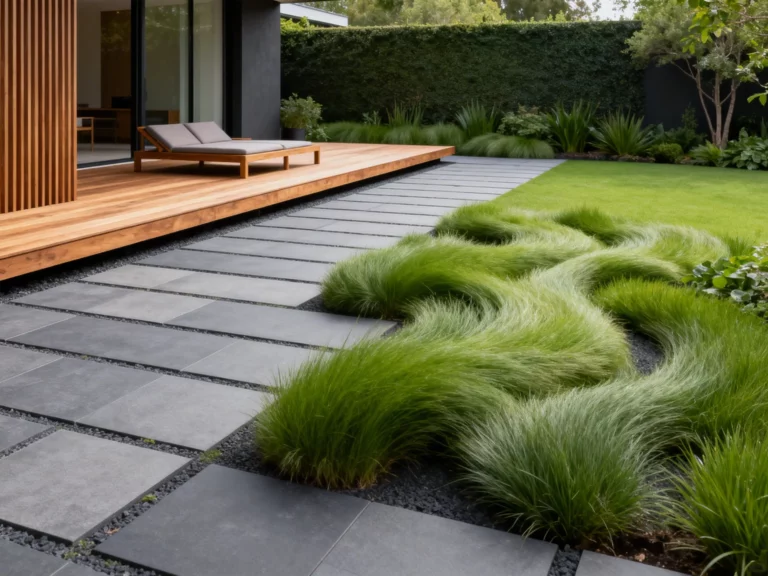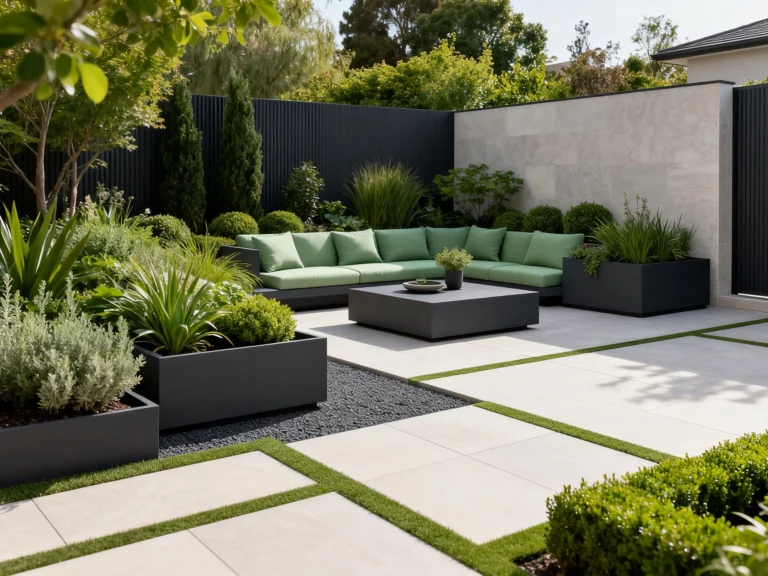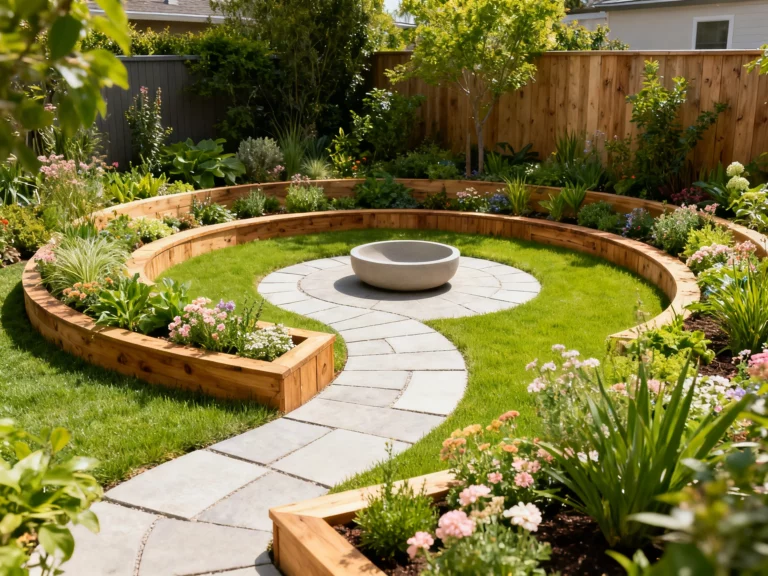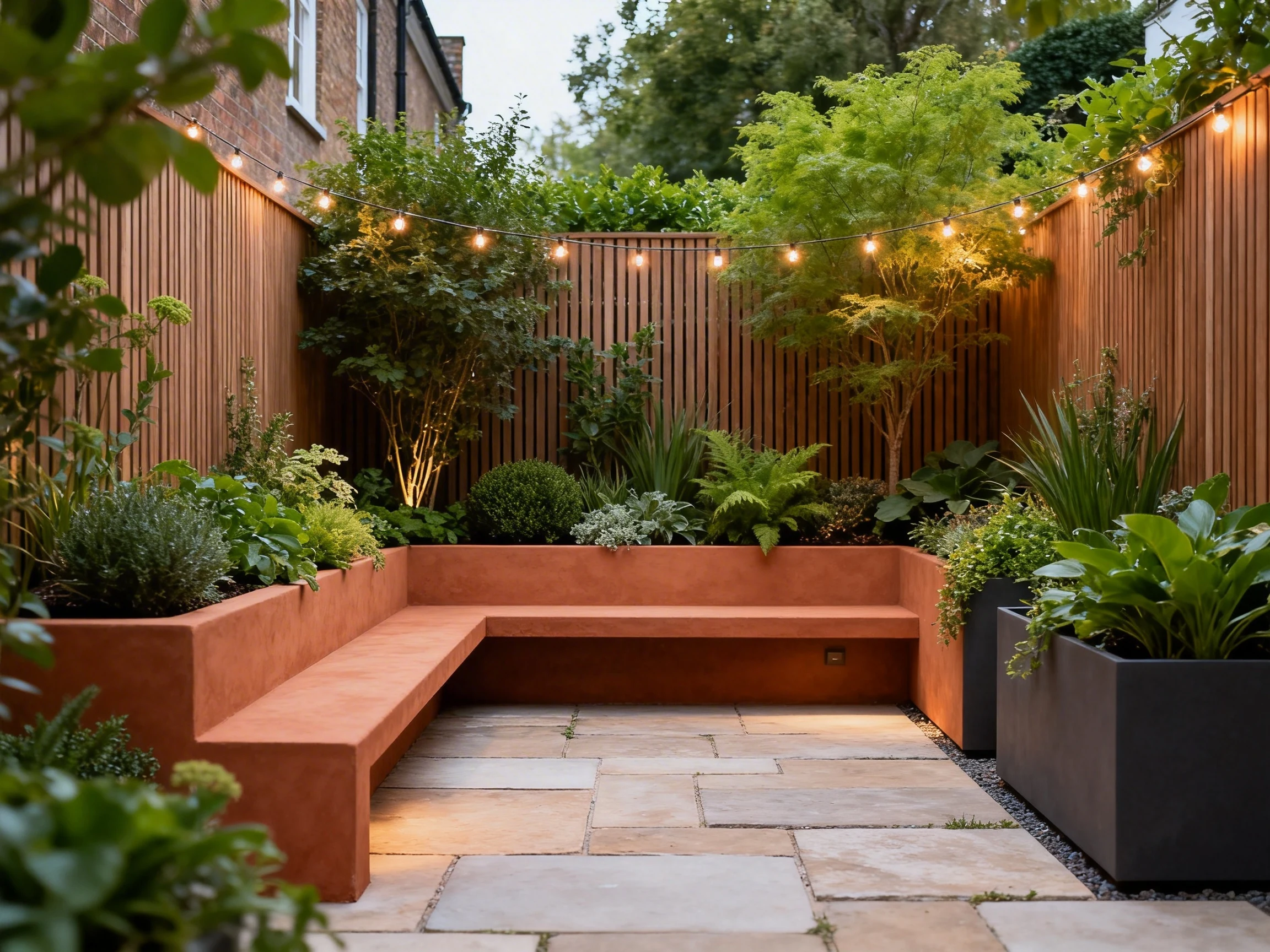
small courtyard garden design
Small courtyard gardens look charming in photos, but designing one in real life can feel like solving a puzzle with muddy shoes on. You want it to feel lush, useful, and a little magical, not like a sad rectangle with two pots and a folding chair. The good news? A tiny courtyard can punch way above its weight when you plan it well. You do not need acres of land. You need smart choices, a bit of restraint, and maybe the courage to say no to that third oversized planter.
Start with the feeling, not the furniture
Before you buy a single plant, ask yourself one thing: how do you want the space to feel? Relaxing? Tropical? Clean and modern? Cozy and leafy like a secret hideout? That mood should drive every decision you make.
People often jump straight to tables, benches, and decorative bits. I get it. Shopping feels more fun than planning. But in a small courtyard, random choices stack up fast, and suddenly the whole space feels crowded, confused, and slightly annoyed with you.
Pick a clear design direction early. That does not mean the space needs to look stiff or overly styled. It just means your paving, plants, colors, and seating should look like they belong in the same conversation.
Choose a style that suits your home
If your house has sleek lines and big windows, a modern courtyard with simple planting and clean materials usually makes sense. If your place leans older or cottage-like, softer planting and warmer textures often feel more natural. You can mix styles, sure, but IMO small spaces look better when you keep the visual drama under control.
Think of your courtyard as an outdoor room. The more it connects to your home, the bigger and calmer it feels. That visual flow matters a lot when every square foot counts.
Get the layout right before anything grows
A small courtyard does not forgive bad layout. Put one bulky bench in the wrong place, and suddenly everyone needs to sidestep like they are squeezing past strangers on a train. Good design starts with movement. You need clear paths, useful zones, and enough breathing room for the space to function.
Start by marking the main route through the garden. Where do people enter? Where do they sit? Where do you want the eye to land first? Once you know that, the rest gets much easier.
Split the courtyard into simple zones. You might have a seating area, a planting edge, and one focal point. That focal point could be a water bowl, a beautiful pot, a sculptural tree, or even a painted wall. You do not need five star attractions in a courtyard. One strong moment does the job.
Use shape to make the space feel bigger
Straight lines create order and make modern spaces feel crisp. Curves soften hard corners and can make a courtyard feel more relaxed. Both work. The trick involves choosing one main language and sticking with it.
Diagonal paving or a path that leads the eye across the longest line of the courtyard can make the area seem larger. A bench tucked into a corner often saves more room than freestanding furniture in the middle. Little shifts like that make a huge difference.
Scale matters more than people think
This part trips people up all the time. They buy tiny pots, tiny plants, and tiny accessories because the courtyard feels small. Then the whole space looks fussy and underwhelming. Weird, right?
Use fewer, larger elements instead of lots of little ones. One generous planter looks stronger than seven miniature ones. A built-in bench often works better than several small chairs. Scale creates confidence, and confident spaces always look better.
Plants make the magic, but only if you edit hard
Let us be honest. Plant shopping can destroy even the best design plan. You go in for one fern and come out with twelve unrelated things because they all looked cute in the nursery. Suddenly your courtyard theme becomes “confused garden center clearance table.”
Limit your plant palette. Choose a few reliable plant types and repeat them. Repetition creates rhythm, and rhythm makes a small space feel polished. It also stops the garden from looking cluttered, which matters a lot in a courtyard.
Think in layers. Use climbers or wall shrubs for height, compact shrubs or grasses for body, and a few trailing or ground-level plants to soften edges. That layered look brings depth into the space without eating up precious floor area.
Best plant types for small courtyards
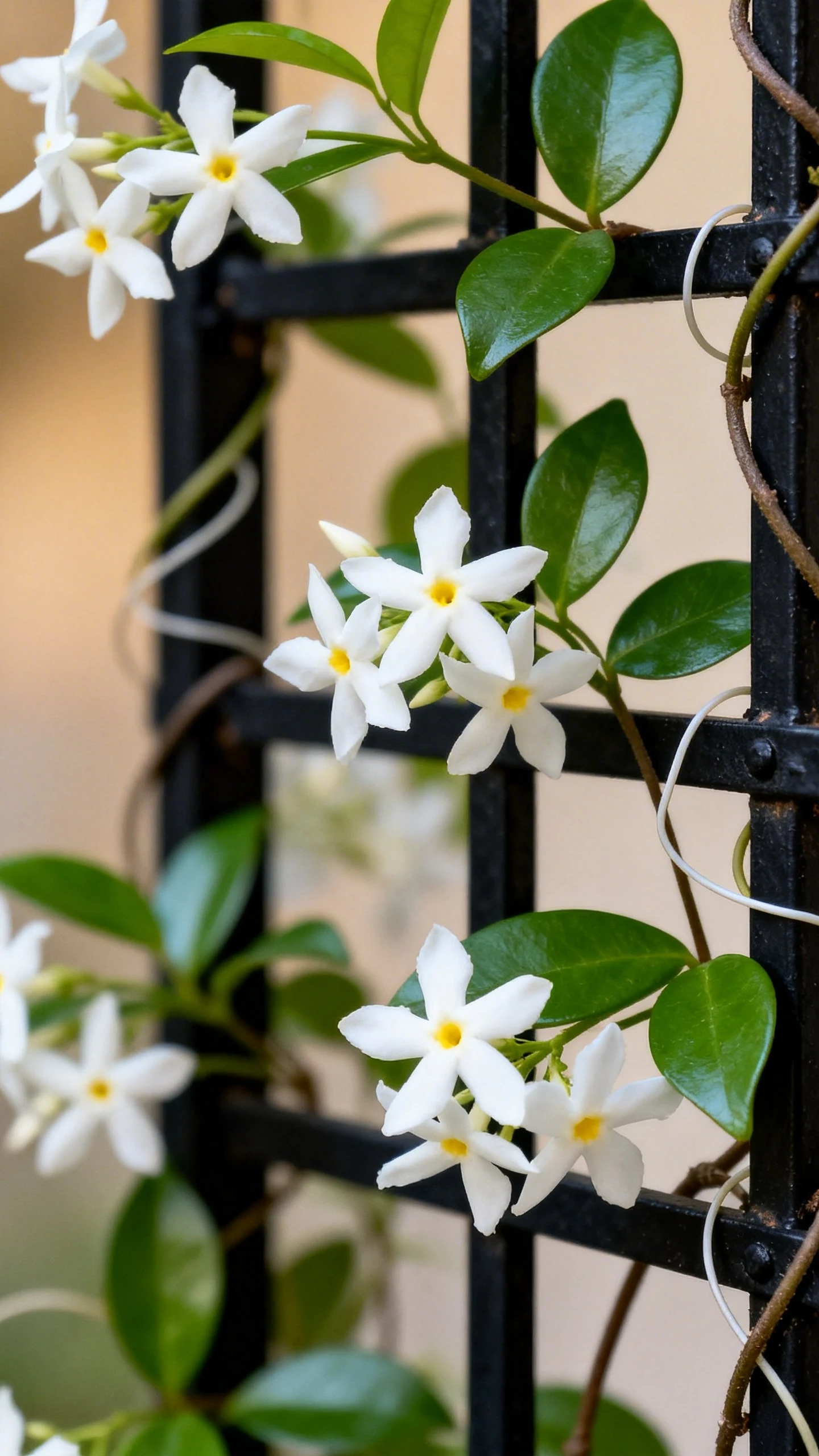
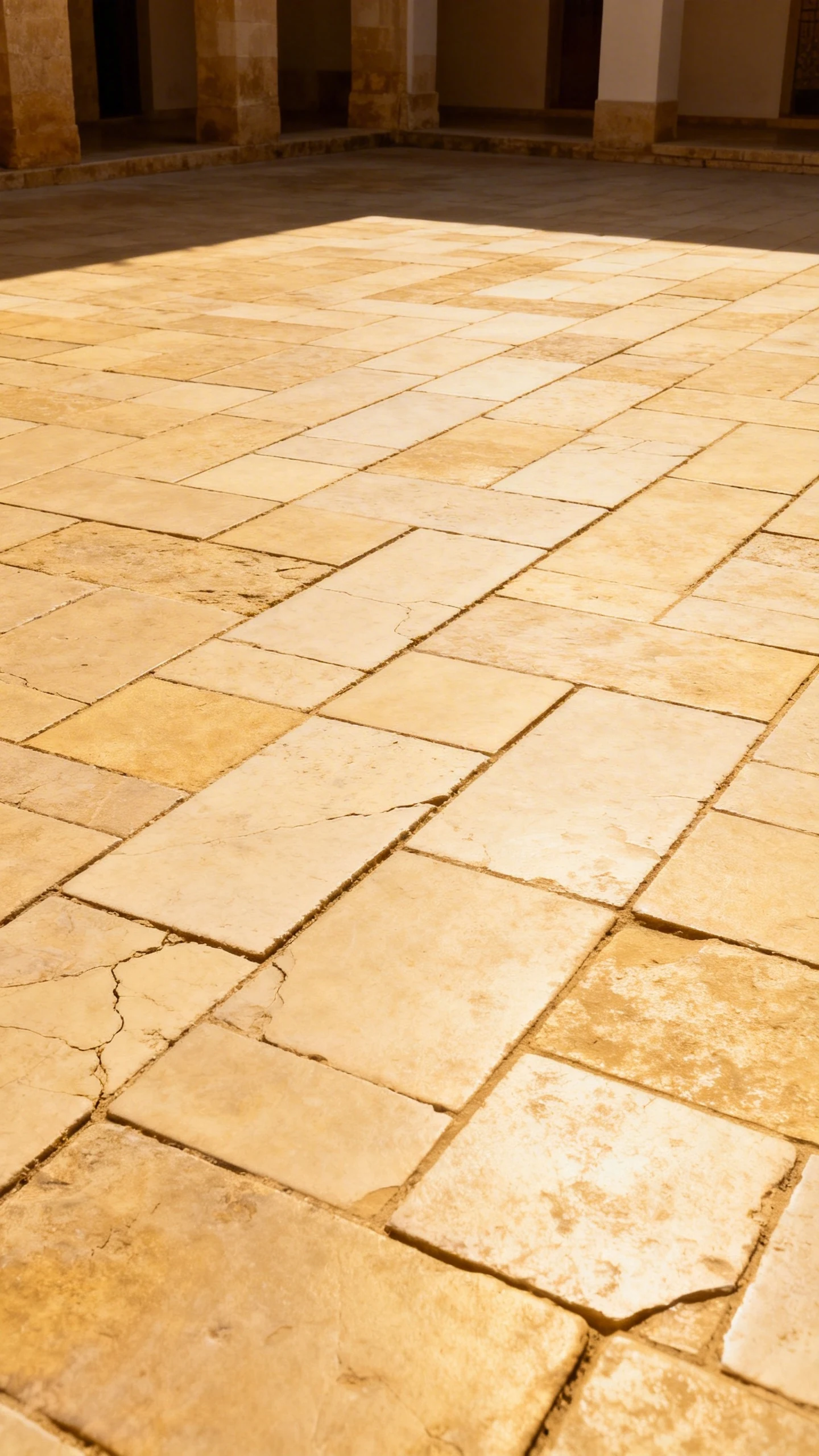
Vertical plants do a lot of heavy lifting here. Climbers like jasmine, star jasmine, clematis, or climbing hydrangea can cover walls and add softness fast. If your courtyard gets strong sun, Mediterranean options like rosemary, olive trees, and lavender can look amazing and smell even better.
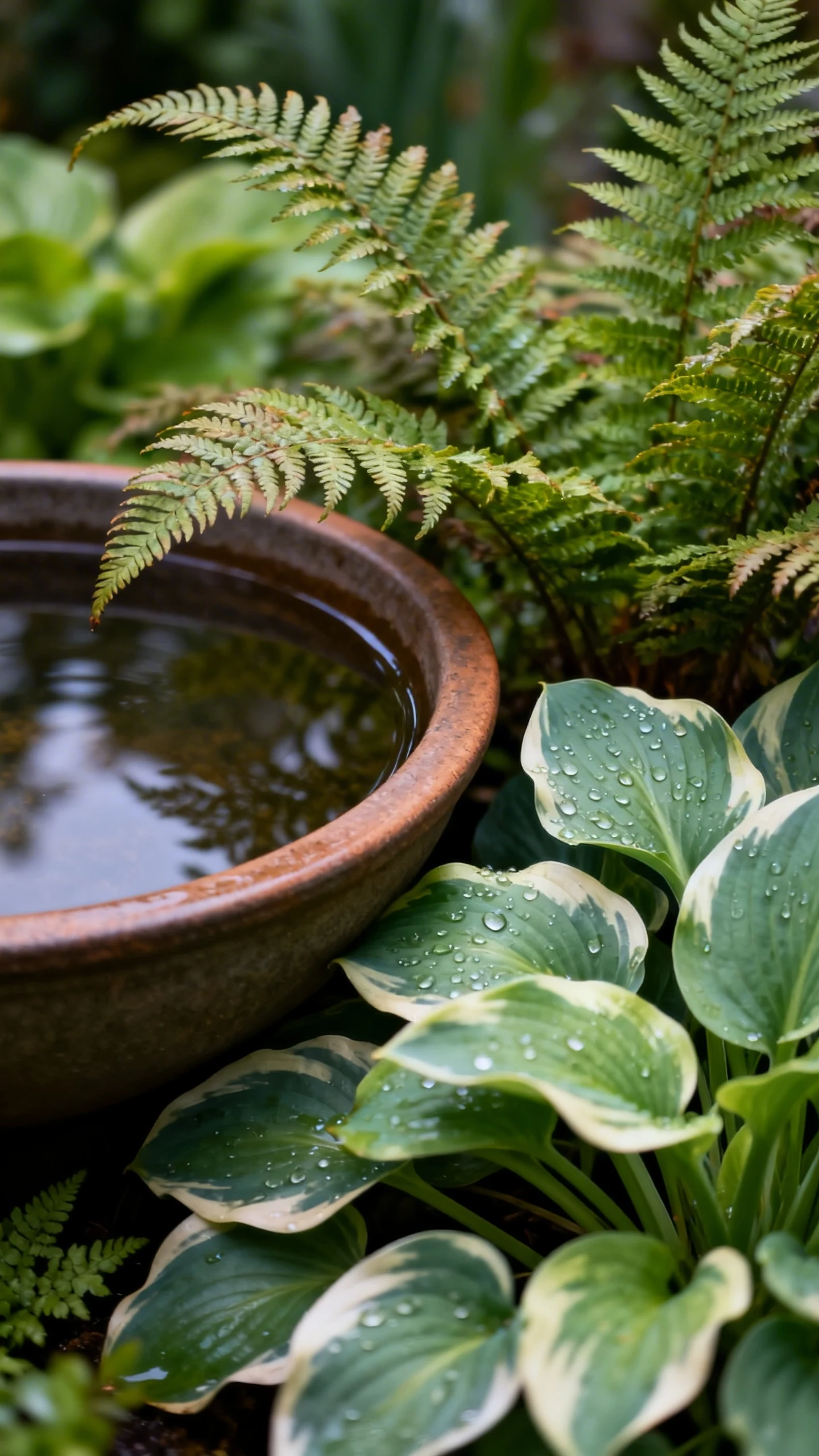
For shady courtyards, ferns, hostas, heucheras, and evergreen structure plants usually perform well. Bamboo can work too, but choose clumping types unless you enjoy unnecessary drama. FYI, a runaway plant in a tiny courtyard feels personal.
Small trees also work beautifully if you choose wisely. Japanese maple, multi stem birch, or dwarf olive trees can create a focal point without turning the courtyard into a forest. You want presence, not a giant root system plotting against your paving.
Use walls and height like a pro
Courtyards often have one major advantage: walls. Those walls give you privacy, shelter, and loads of vertical design potential. Do not ignore them. Vertical planting frees up floor space and makes the garden feel lush from top to bottom.
Try wall planters, trellis panels, espalier fruit trees, or climbing vines. Even a simple grid with a few trained plants can turn a plain boundary into a feature. Plus, it draws the eye upward, which makes the whole courtyard feel bigger.
Hardscaping sets the tone
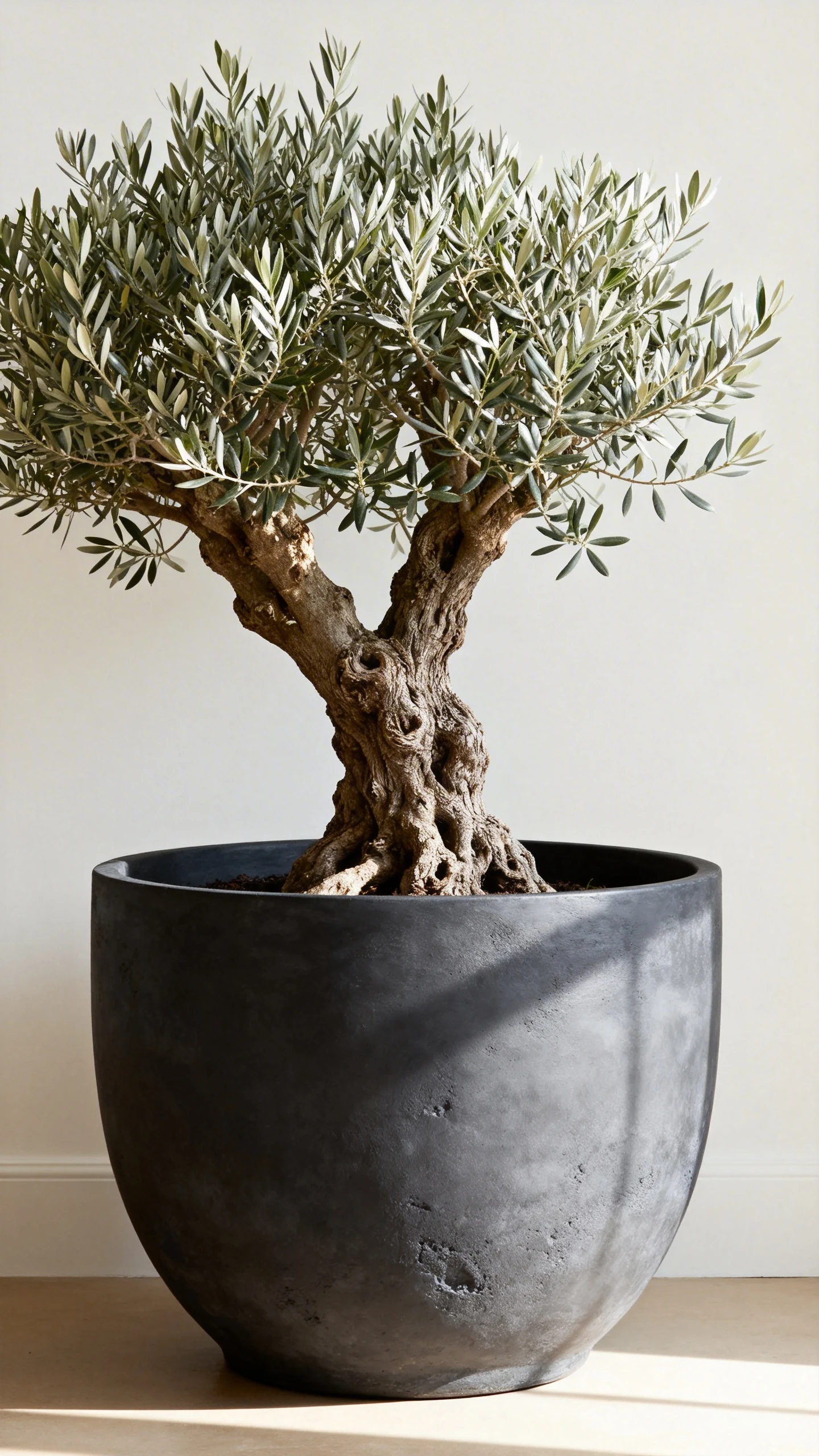
Plants get the glory, but paving, walls, edging, and built-in features do the serious work. Hardscaping creates structure and tells the eye where to go. In a small courtyard, that structure needs to feel intentional. Random material changes just make the space look messy.
Stick to a tight material palette. Two or three materials usually feel enough. For example, stone paving, timber seating, and metal planters can look clean and balanced. Add six more finishes, and the courtyard starts looking like a sample board gone rogue.
Light colored paving can brighten a dark courtyard, while darker materials can make a sunny one feel grounded and dramatic. Large format pavers often make a tiny space feel calmer because they reduce visual fuss. Tiny busy patterns can make the ground feel noisy, and nobody wants noisy ground.
Built-in features earn their keep
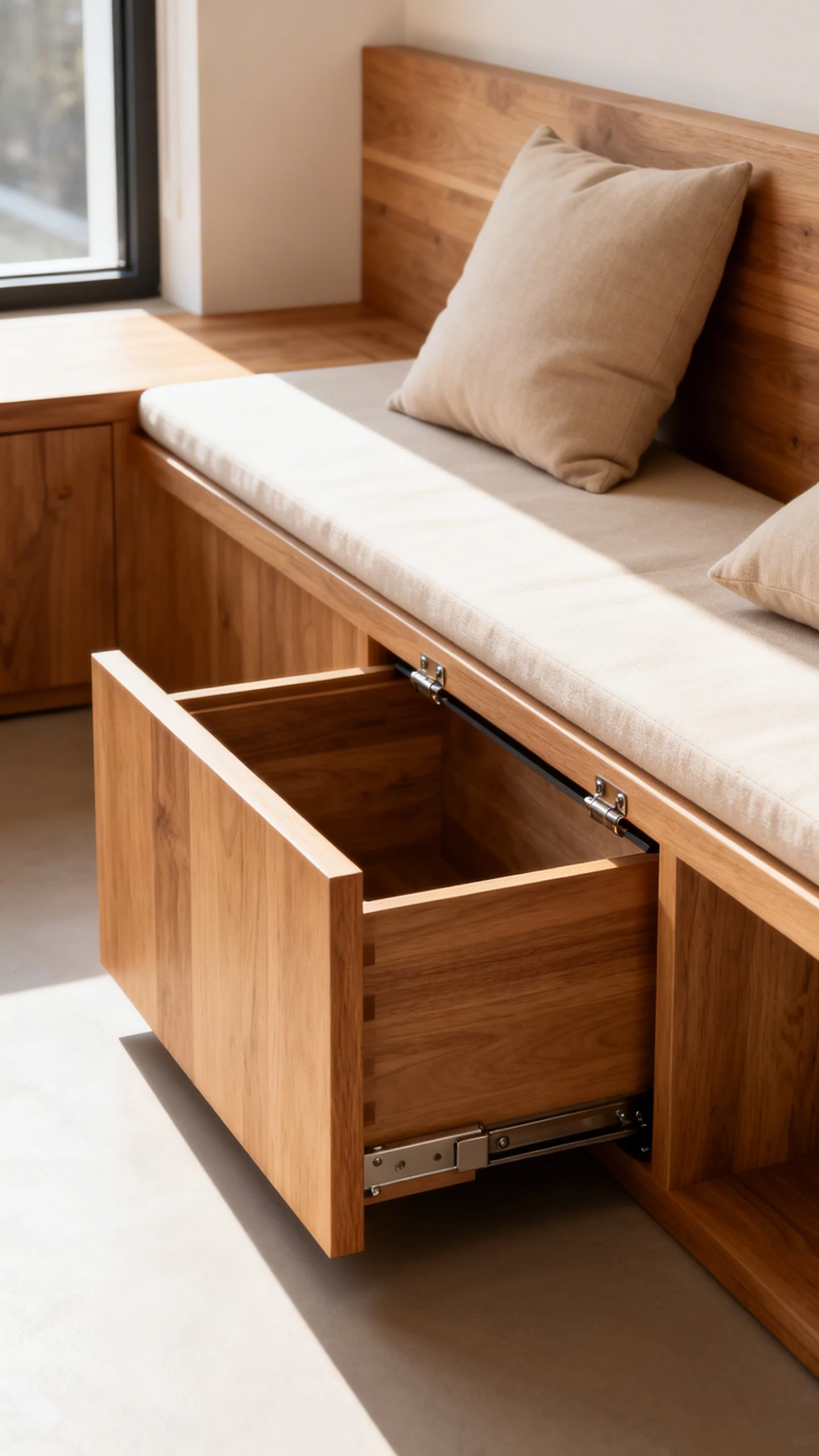
If you have the budget, built-in seating changes everything. It saves space, feels tailored, and often doubles as storage. That matters in a courtyard where every inch needs a purpose.
Built-in planters can also help define zones and keep the design neat. They create clean lines and make maintenance easier. Loose pots still have a place, of course, but too many can make the space feel temporary and cluttered.
Light, color, and little tricks that stretch the space
Small courtyard garden design relies on visual tricks. You cannot create more square footage, but you can absolutely fake a sense of openness. And honestly, that is half the fun.
Use a restrained color scheme. Greens, whites, soft purples, and muted tones usually make a small space feel calm and cohesive. Bright color can work too, but use it in controlled hits rather than everywhere at once. One hot pink cushion? Fun. Twelve neon pots? A cry for help.
Mirrors can make a courtyard feel larger, but only when you place them carefully. Reflect plants or light, not your recycling bins. Outdoor lighting matters too. Wall lights, uplighting on a feature plant, or subtle step lights can make the garden feel warm and inviting after sunset.
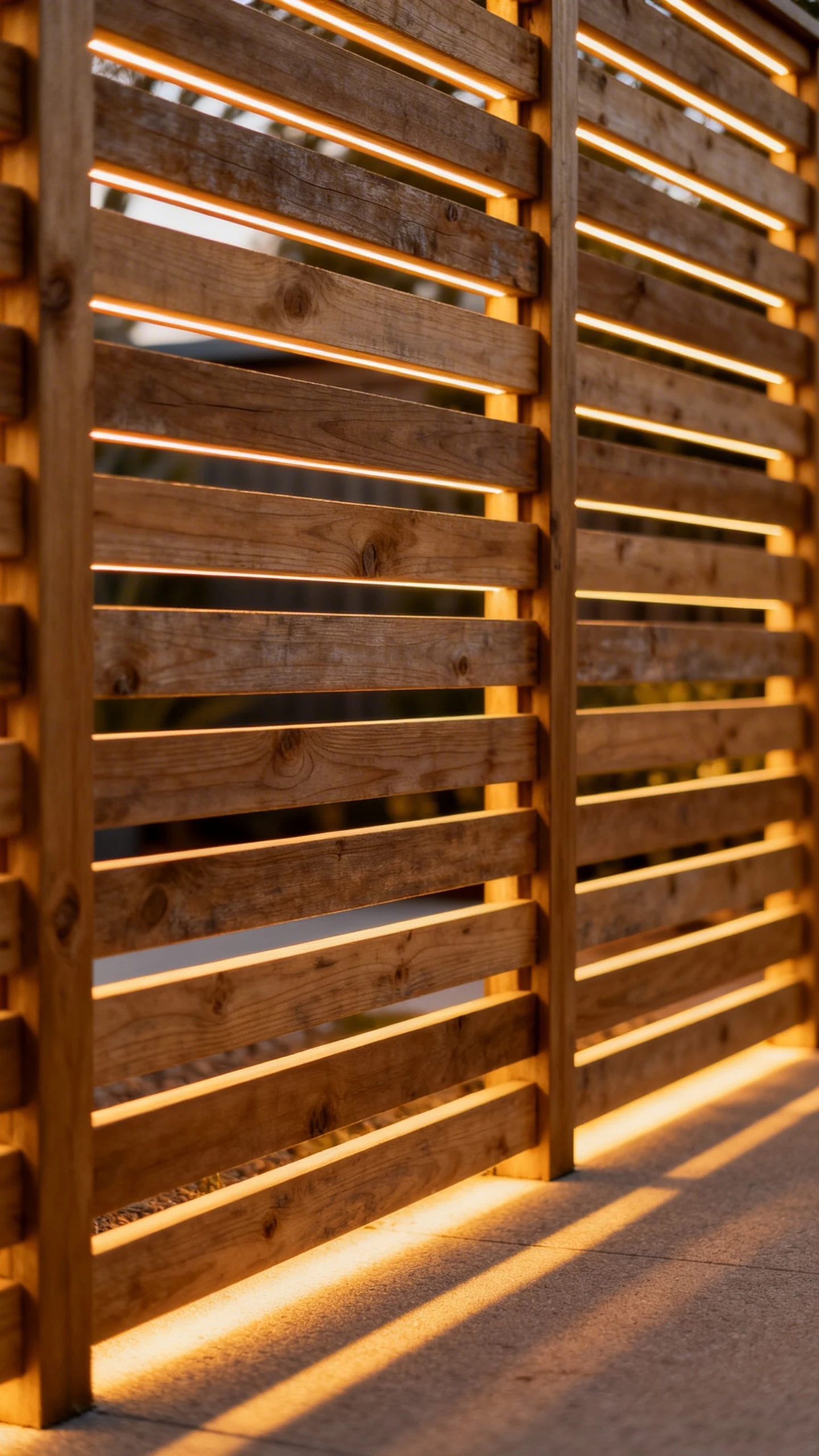
If privacy feels tight, screening helps. Slatted timber, metal panels, tall planting, or frosted glass can block awkward views without turning the courtyard into a bunker. The goal involves enclosure with airiness, not total lockdown.
Make it practical or you will stop using it
A beautiful courtyard that nobody uses becomes expensive scenery. Design for real life. Do you drink coffee outside in the morning? Need room for a small dining table? Want low maintenance because your schedule already looks chaotic? Be honest.
Match the design to your habits. If you love entertaining, prioritize seating and surfaces for drinks and plates. If you want a peaceful retreat, focus on comfortable seating, fragrance, and softer planting. If you barely keep houseplants alive, choose tougher species and simpler layouts. No shame there.
Watering also matters. Pots dry out fast in sheltered courtyards, especially in summer. A basic irrigation setup can save your plants and your patience. FYI, dragging a hose through a tiny courtyard every other day gets old very fast.
Think about storage too. Cushions, tools, watering cans, and all the not glamorous but necessary stuff need a home. Hidden storage inside a bench or a slim cabinet can keep the space looking calm instead of chaotic.
FAQ
What is the best layout for a small courtyard garden?
The best layout keeps circulation simple and gives every feature a job. Start with a clear path, then create one or two zones at most, such as seating and planting. Add one focal point, not five. Small spaces look better when they stay edited and easy to move through.
How do I make a small courtyard garden look bigger?
Use larger elements in smaller numbers, keep the material palette tight, and draw the eye upward with vertical planting. Mirrors, diagonal lines, and consistent colors also help. Most importantly, avoid clutter. A cramped courtyard rarely needs more stuff. It needs better choices.
Which plants work best in a courtyard garden?
That depends on light levels, but climbers, compact shrubs, ornamental grasses, and small feature trees usually work well. Shade lovers like ferns and hostas suit enclosed courtyards, while sunny spaces can handle lavender, rosemary, and olives. Choose plants with a clear purpose, then repeat them for a stronger design.
Can I design a courtyard garden on a budget?
Absolutely. Focus on a few high impact moves instead of trying to do everything at once. Paint the walls, improve the paving if needed, add one great seating area, and use repeated planting in simple containers. A budget courtyard can still look stylish if the design feels consistent.
Do courtyard gardens need a lot of maintenance?
Not necessarily. A smart plant palette, quality materials, and simple irrigation can keep maintenance manageable. Built-in planters, evergreen structure, and fewer pots also reduce the workload. If low effort matters, skip the high drama plants and keep things straightforward.
Should I use pots or built-in beds in a small courtyard?
Both can work, but built-in beds often look cleaner and save space. Pots give you flexibility and suit renters or anyone who likes changing things around. If you use pots, go for fewer and larger ones. That approach usually looks more polished and saves you from the crowded patio look.
Conclusion
Small courtyard garden design works best when you stop trying to cram in everything and start choosing the right things. Keep the layout clear, use plants with intention, and let walls and vertical space do some of the heavy lifting. A tiny courtyard can feel lush, stylish, and genuinely useful without turning into a cluttered obstacle course. Keep it simple, make it personal, and trust that a well designed small space can have way more charm than a huge garden with no plan at all.