small cottage garden design
A small cottage garden can look wildly romantic, a little unruly, and somehow completely inviting all at once. That’s the magic of it. You do not need a giant yard, a movie-set stone wall, or a full-time gardener named Nigel to pull it off. You just need a smart plan, a soft hand, and the confidence to let things get a tiny bit messy.
Why small spaces and cottage style work so well together
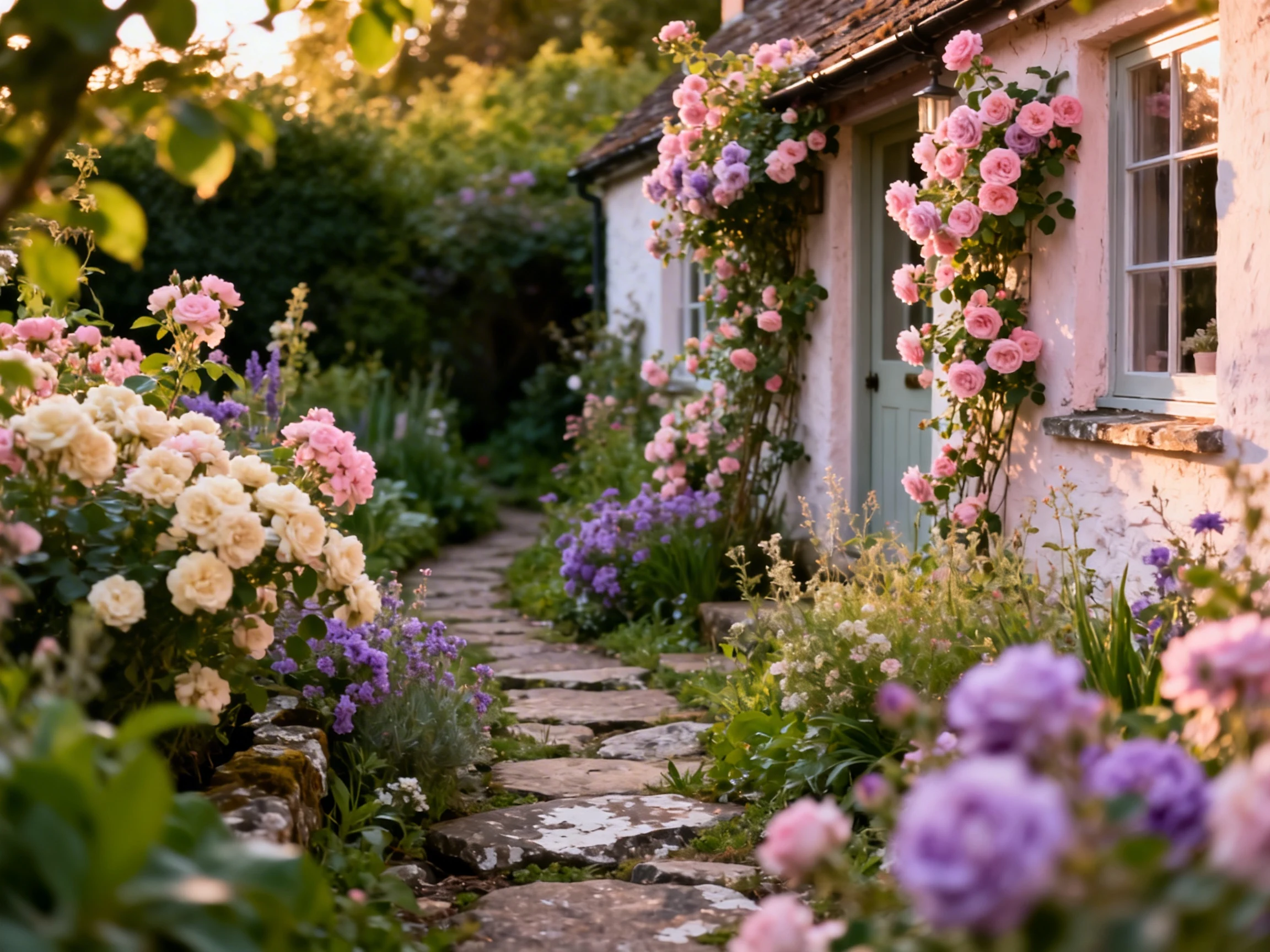
Cottage gardens thrive on abundance, and that sounds weird in a small space until you actually see it work. A compact yard, side garden, or even a tiny front patch can make flowers feel lush faster because everything sits closer together. You get that full, layered look without waiting for acres of planting to fill in.
The style also forgives imperfections, which I love. If a path curves a little awkwardly or plants lean into each other like tired party guests, the garden often looks better for it. Small cottage garden design works best when it feels personal, soft, and slightly untamed.
That said, “untamed” does not mean “chaos with a trowel.” You still need structure underneath the charm. Think of it like bedhead hair that somehow looks good because someone actually owns a brush.
Start with the bones before you buy a single plant
The fastest way to waste money in a small garden? Buying armfuls of pretty plants before you figure out the layout. I get the temptation. One trip to the nursery and suddenly you “accidentally” own six salvias, three roses, and a plant you cannot pronounce.
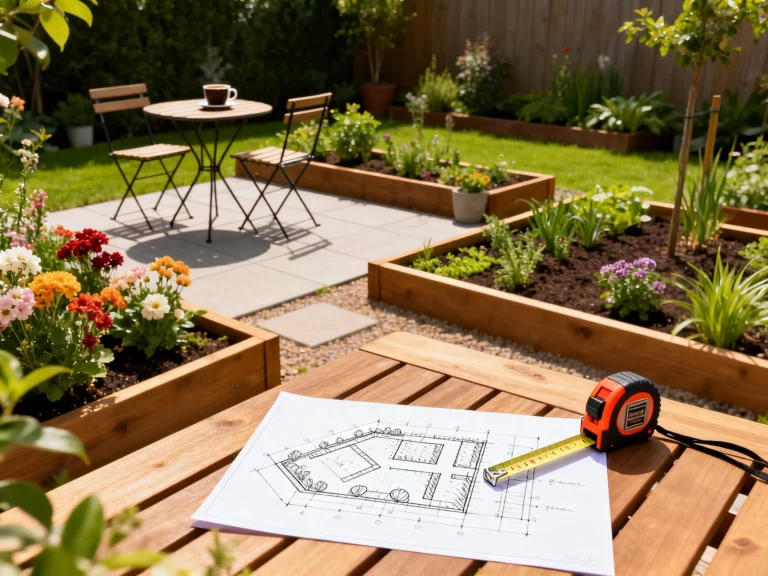
Start with paths, edges, and focal points. Decide where people will walk, where the eye should land, and where plants can spill without blocking everything. In a small space, every choice shows, so the layout matters a lot.
Use simple paths to create that cozy cottage feel
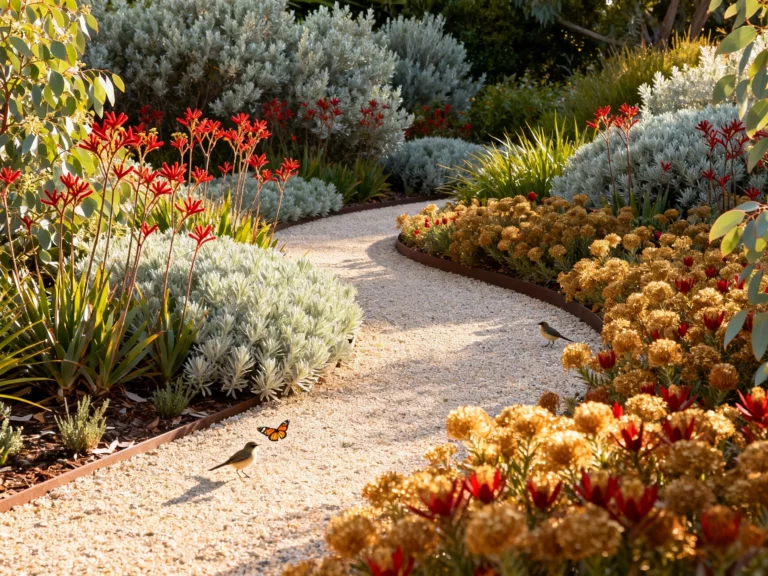
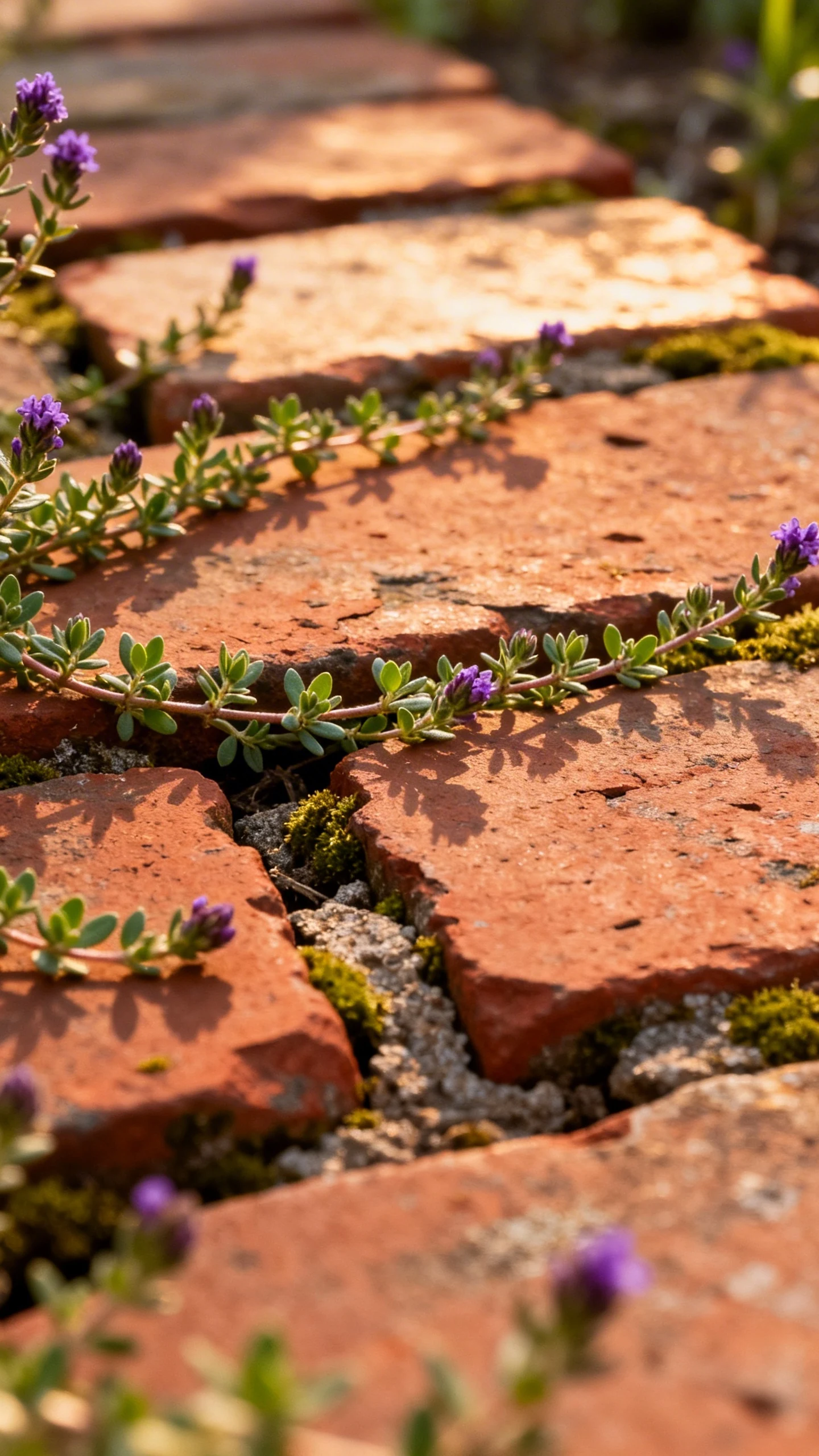
A narrow gravel path, stepping stones, or reclaimed brick instantly gives a small garden character. Curves usually feel softer than straight lines, even in a tiny area. You do not need a giant winding walkway either, just enough movement to make the space feel discovered instead of dumped together.
Paths should invite you in, not bully you with hard geometry. Cottage gardens like a little romance. Harsh, overly formal lines can feel like they wandered in from a corporate office park and killed the vibe.
Add one anchor feature
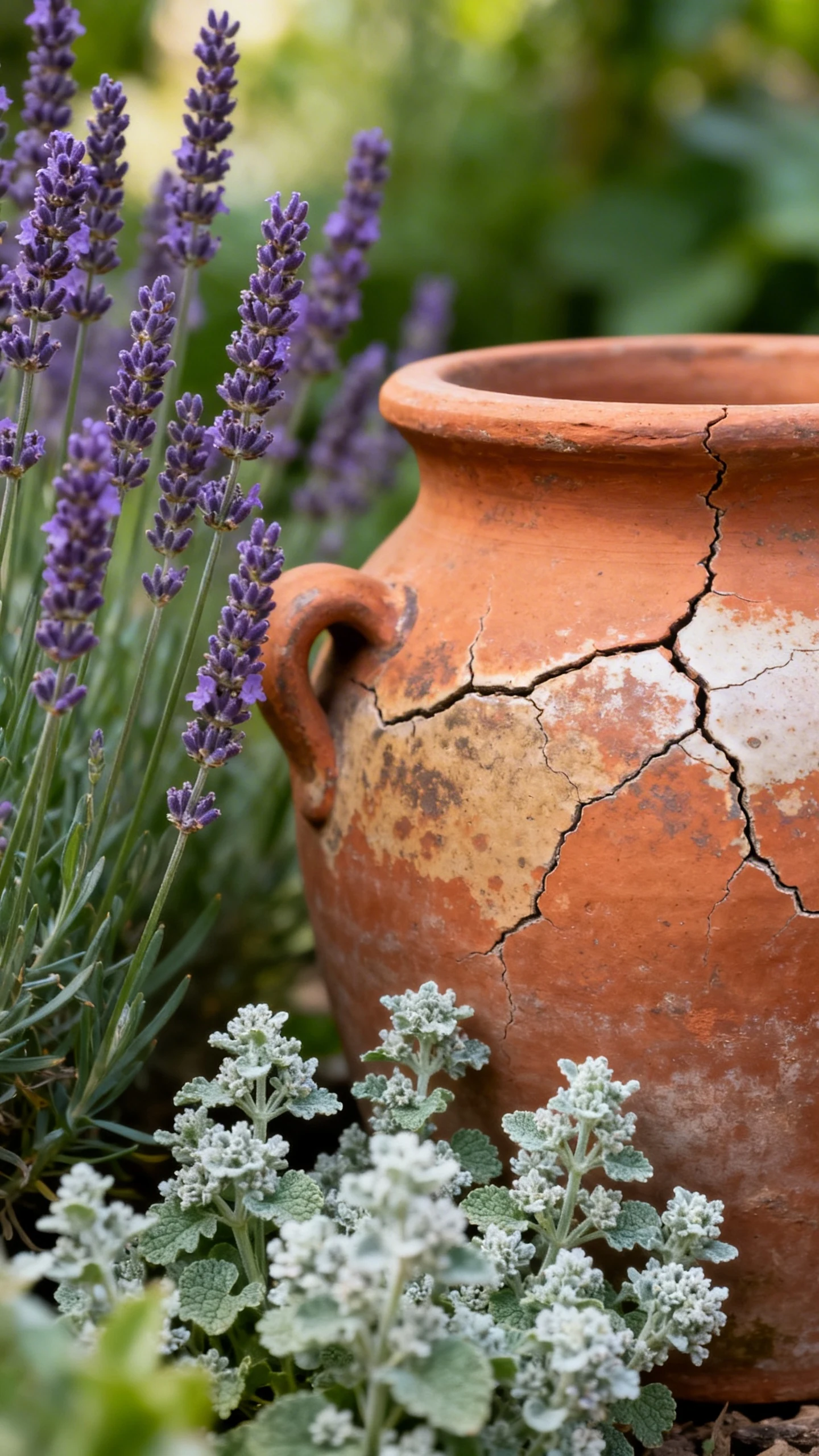
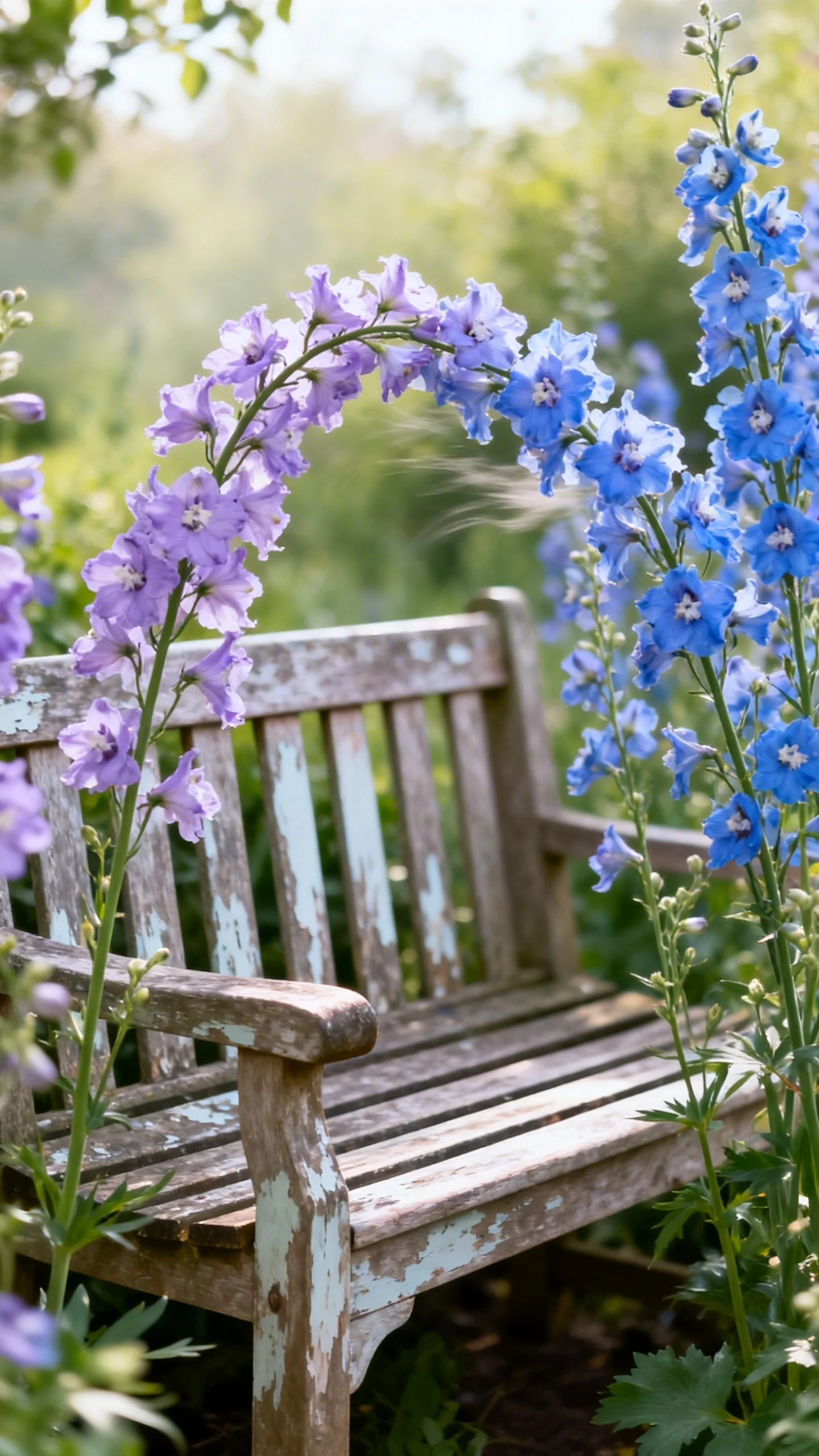
Every small cottage garden needs something solid and steady. That could be a bench, a birdbath, an obelisk, a clipped shrub, or even a big vintage pot. Without an anchor, all the frothy planting can start to feel visually jittery.
Pick one feature that suits the space and let it ground the whole design. FYI, “small” does not mean “fill every inch with tiny stuff.” Sometimes one confident element makes the space feel larger and calmer.
Choose plants that layer, repeat, and earn their keep
This style loves abundance, but small spaces do not tolerate random plant shopping very well. You need plants that look good together, bloom at different times, and behave at least somewhat decently. A few well-chosen repeat performers beat a crowded collection of one-offs every time.
Repeat colors, shapes, and plant varieties throughout the garden. Repetition creates rhythm, and rhythm keeps a lush cottage planting from looking like a clearance rack exploded. If you love a plant, use it in more than one spot.
Build in layers
The classic cottage look depends on vertical layering. Put taller plants toward the back or center, medium growers in front of them, and low spillers at the edge. This simple trick gives even the smallest bed that dense, overflowing look everyone wants.
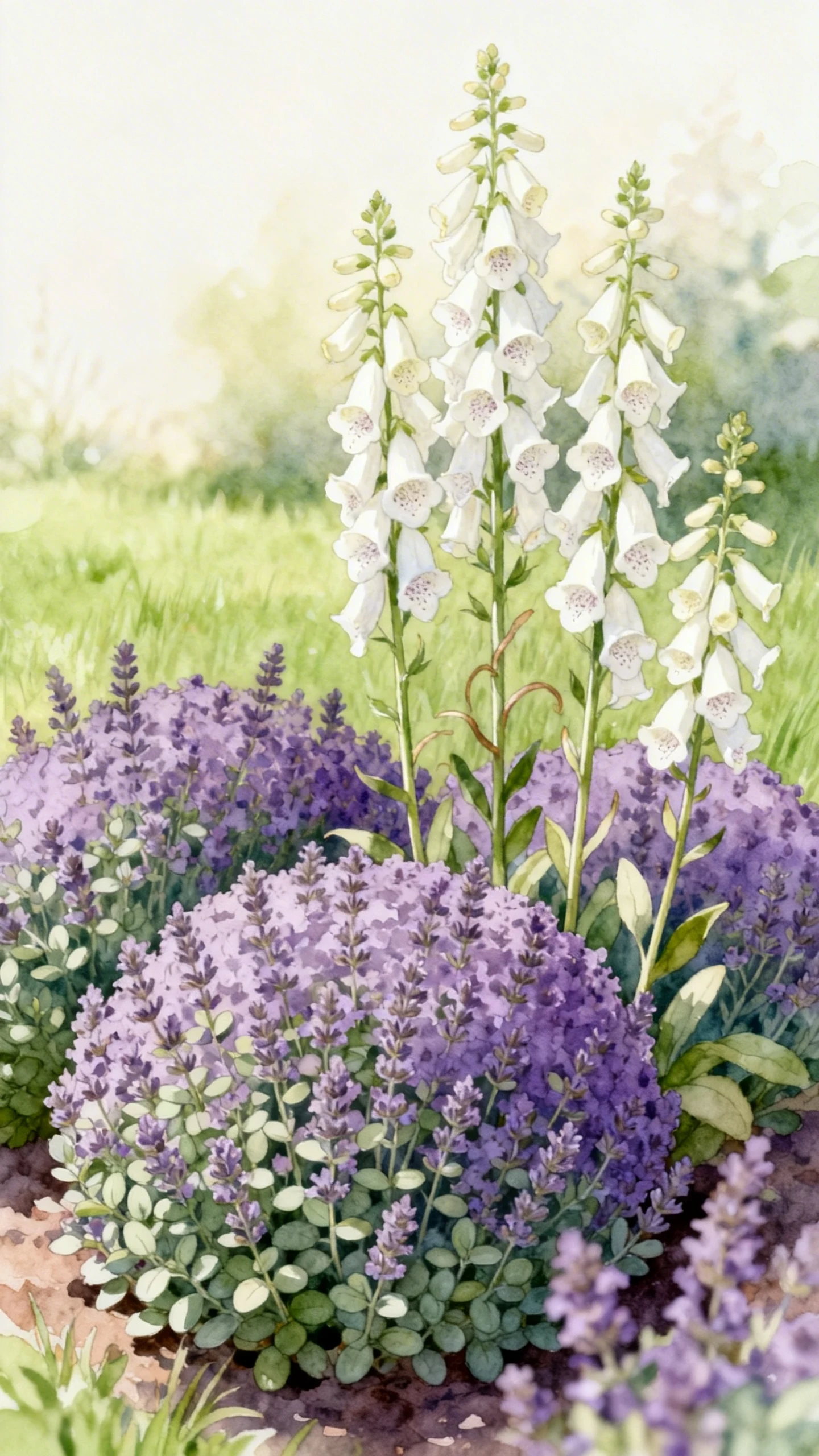
Try combining upright foxgloves, mounded catmint, and trailing alyssum or thyme. Mix airy textures with chunkier forms. The contrast makes the garden feel richer, and honestly, it stops everything from blending into one floral blob.
Great plant choices for a small cottage garden
You have plenty of options, but some plants really shine in compact cottage spaces. Look for a mix of long bloomers, fragrant favorites, and a few structural plants. The goal is lush beauty with a bit of discipline, which sounds like a life lesson, but here we are.
- Roses, especially compact shrub or climbing varieties
- Lavender for scent and neat edging
- Salvia for long flowering and pollinator appeal
- Catmint for softness and easy color
- Foxglove for vertical drama
- Delphinium if you love a little high-maintenance glamour
- Geraniums, the hardy kind, for filler and long season interest
- Sweet peas on a trellis for old-school charm
- Boxwood or dwarf evergreen shrubs for structure
- Herbs like thyme, sage, and chives for beauty you can actually use
IMO, herbs belong in almost every small cottage garden. They smell amazing, flower beautifully, and make you look weirdly competent when you snip some for dinner. That’s a win on several levels.
Color, clutter, and that perfectly imperfect look
Cottage gardens look relaxed, but strong color choices keep them from turning chaotic. Pick a loose palette and stick with it. You do not need strict matching, but you do need some harmony unless you enjoy visual shouting.
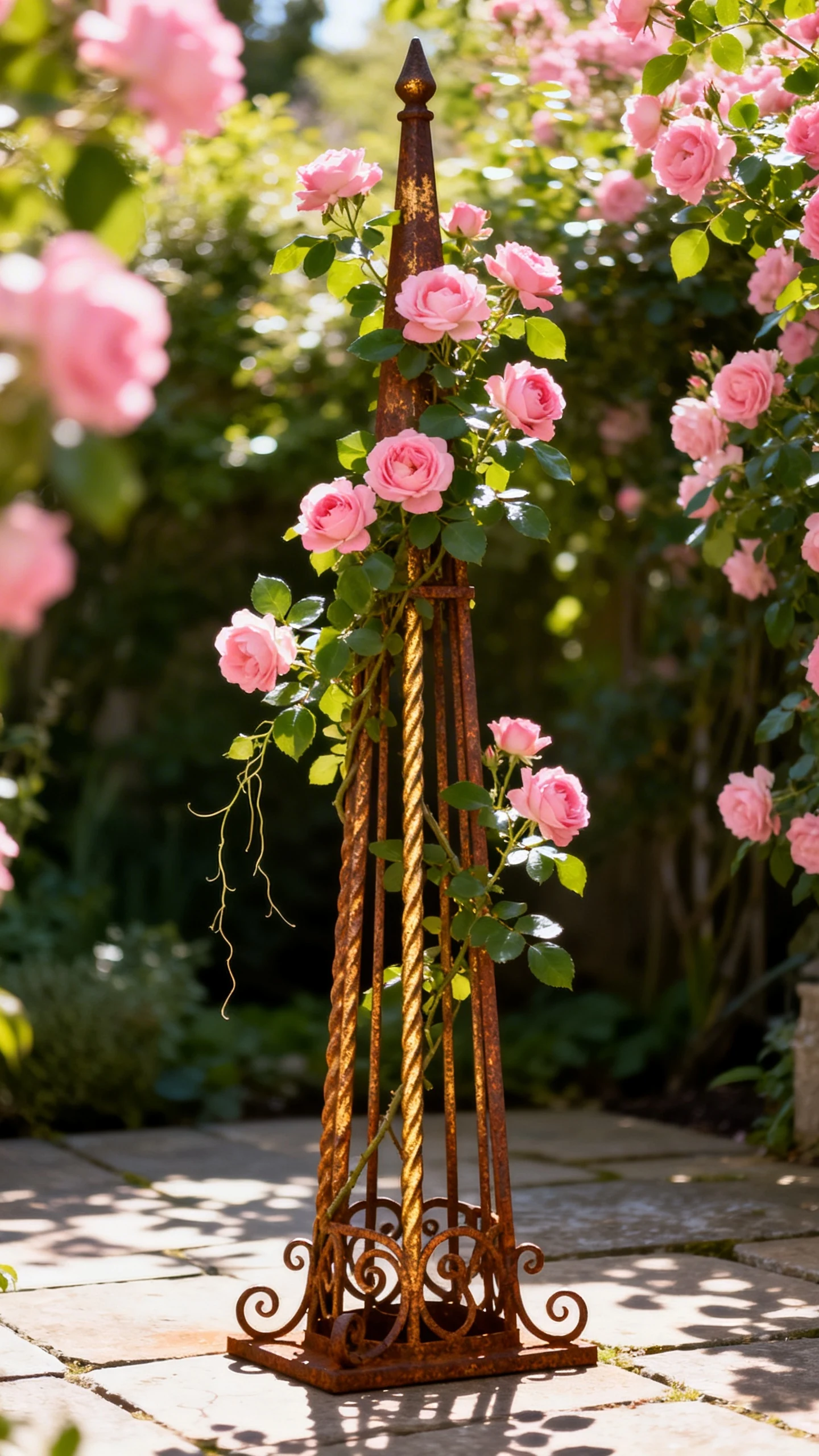
Soft pinks, purples, blues, and whites create that classic romantic look. Warmer mixes with apricot, red, and yellow feel brighter and more cheerful. In a small garden, too many competing colors can make the space feel cramped, so edit a little.
Let plants mingle, but set limits
One of the best parts of cottage style comes from self-seeding flowers, soft edges, and plants leaning into the path. That loose interaction creates charm fast. But if everything flops everywhere, the garden starts looking less “English countryside” and more “I gave up in June.”
Use low edging plants, small supports, and occasional pruning to hold the composition together. Let some stems wander. Just do not let the whole place stage a botanical coup.
Decor matters, but do not over-accessorize
Yes, cottage gardens love vintage touches. A weathered pot, an old gate, a simple trellis, or a rustic watering can can all add personality. But a tiny space packed with “adorable” objects can feel cluttered in about five seconds.
Choose decor that plants can soften over time. Terracotta pots, natural wood, stone, and metal age well and support the mood. Plastic ornaments in bright colors usually kill the charm faster than you can say “discount fairy village.”
Make a small garden feel bigger than it is
This part matters because nobody wants a beautiful garden that also feels cramped. Small cottage garden design works best when it creates layers of interest without choking the space. You want coziness, not shrub-induced panic.
Vertical elements help more than people realize. Trellises, arches, obelisks, and climbing plants draw the eye upward and free up ground space. Even one climbing rose or clematis can add serious drama without hogging the whole bed.
Use boundaries cleverly
Do not treat fences and walls like dead zones. They can become some of the prettiest parts of the garden. Train climbers, hang a few containers, or paint the fence a soft dark shade to help greenery pop.
Darker backgrounds often make plants stand out and create depth. It sounds like a tiny cheat, and it is, but it works. In garden design, we absolutely accept legal trickery.
Think in moments, not one giant view
A small garden feels more interesting when it reveals itself bit by bit. Place a pretty pot at the end of a path. Tuck a bench behind taller flowers. Let a climber frame a gate or entry so the space feels layered and intimate.
This approach gives the garden a story. Even in a very small footprint, little visual pauses make the space feel richer and more spacious. People love a sense of discovery, even if the “journey” lasts twelve steps.
Keep it beautiful without turning gardening into a full-time job
Cottage gardens have a reputation for looking carefree, but somebody still has to deadhead, trim, and stop aggressive plants from swallowing the mailbox. The good news? A small space stays manageable if you stay lightly involved. Think regular touch-ups, not endless toil under a floppy hat.
Choose a few low-fuss stars and mix them with a handful of diva plants. If every plant demands constant attention, you will resent the whole setup by midsummer. That is not romance. That is yard-based betrayal.
- Mulch well to keep weeds down and soil moist
- Deadhead repeat bloomers for longer flowering
- Divide enthusiastic perennials before they take over
- Use discreet supports early so plants do not collapse later
- Water deeply instead of constantly sprinkling
- Leave room for air flow so mildew does not crash the party
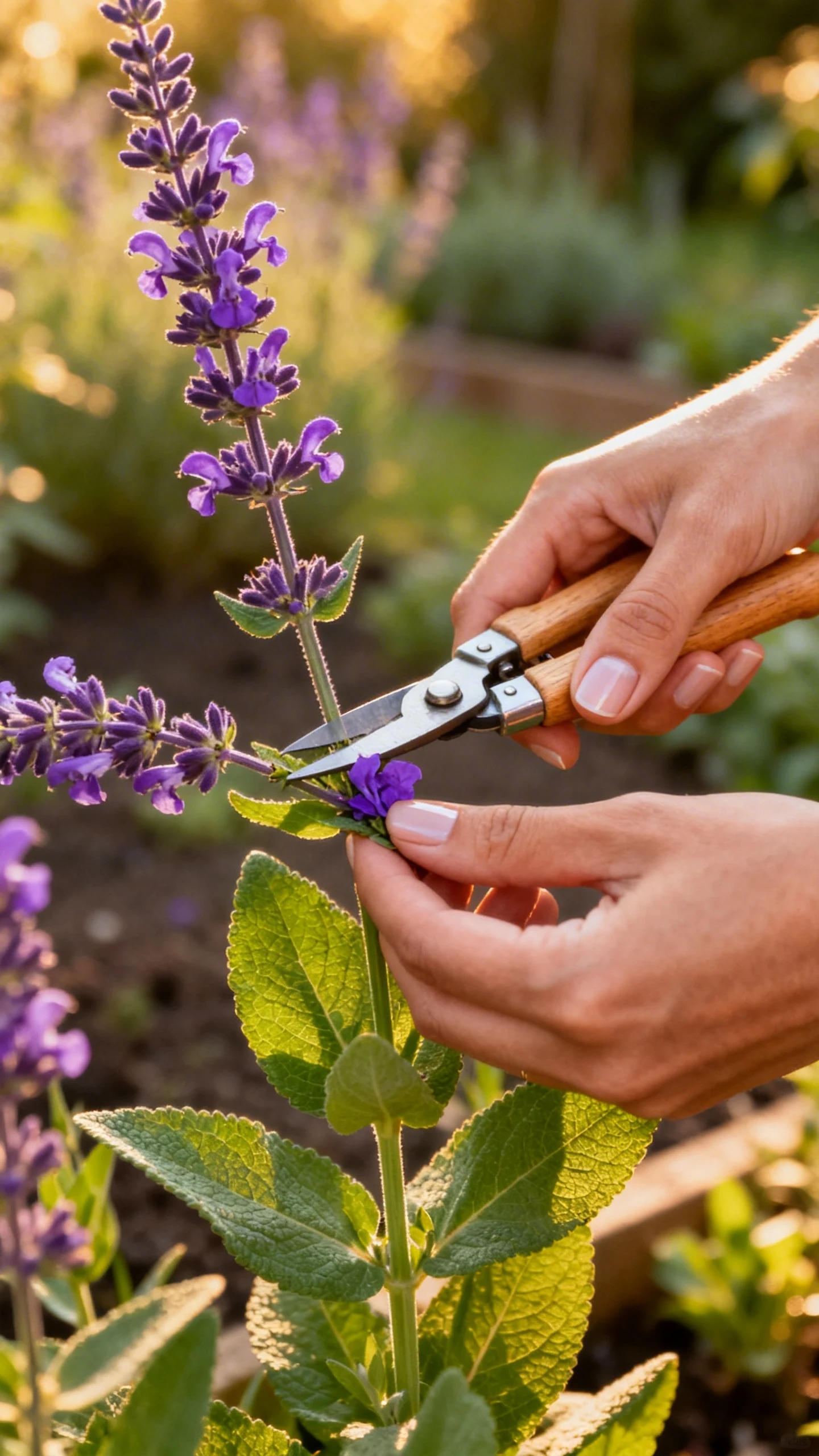
A quick weekly wander with pruners solves a lot of problems. Trim a little, tie a stem, pull a weed, admire your work, repeat. Honestly, that gentle maintenance rhythm suits cottage gardens better than dramatic once-a-month rescue missions.
FAQ
What is the best layout for a small cottage garden?
The best layout uses simple structure with soft planting. Start with one path, one focal point, and layered beds around them. Keep circulation easy, then let the planting add the romance and fullness.
Can I create a cottage garden in a very small backyard?
Absolutely. Even a tiny yard can carry cottage style if you use vertical planting, repeated plant groups, and a restrained color palette. Small spaces often make the look feel even more charming because everything reads as lush and intimate right away.
Do cottage gardens always look messy?
No, and this myth needs a little pushback. A good cottage garden looks relaxed, not neglected. The difference comes from hidden structure, repeated planting, and regular light maintenance.
Which flowers work best for beginners?
Start with easy, reliable plants like lavender, salvia, catmint, hardy geraniums, cosmos, and sweet alyssum. Add a rose or two if you feel brave. These plants give strong cottage style without demanding your soul in return.
How do I keep a small cottage garden blooming for longer?
Mix plants with different flowering times and include repeat bloomers. Deadhead often, feed when needed, and add a few annuals for backup color. That combination keeps the garden lively from spring well into autumn.
Can I use containers in a cottage garden design?
Yes, and you should if space feels tight. Containers add height, flexibility, and extra planting pockets near doors, paths, and seating areas. Terracotta pots look especially good because they age beautifully and fit the cottage mood without trying too hard.
Conclusion
Small cottage garden design succeeds when you mix structure with softness and charm with a little restraint. Keep the layout clear, repeat your plants, and let abundance build in layers instead of clutter. The result feels cozy, personal, and gloriously alive. And really, who does not want a garden that looks like it has a secret and smells like lavender?