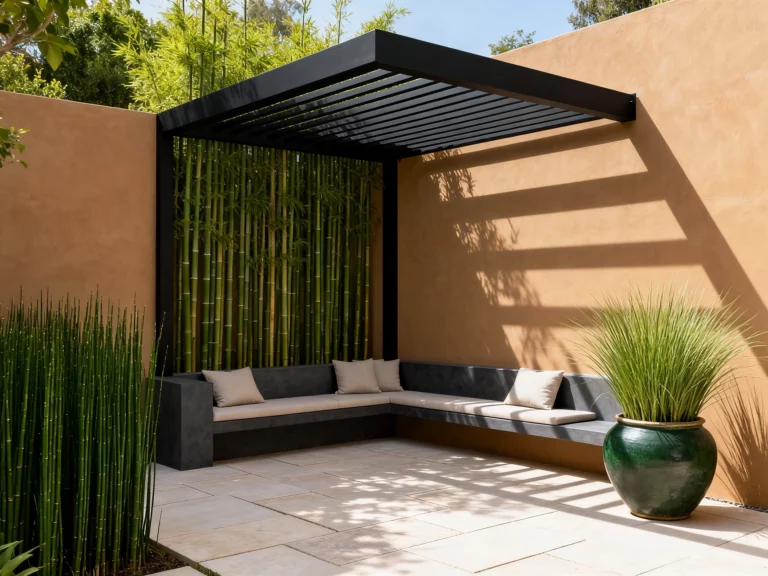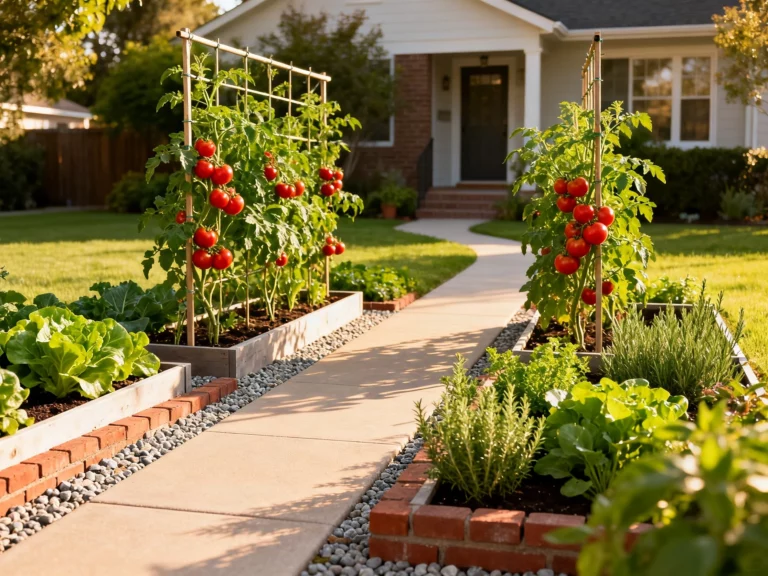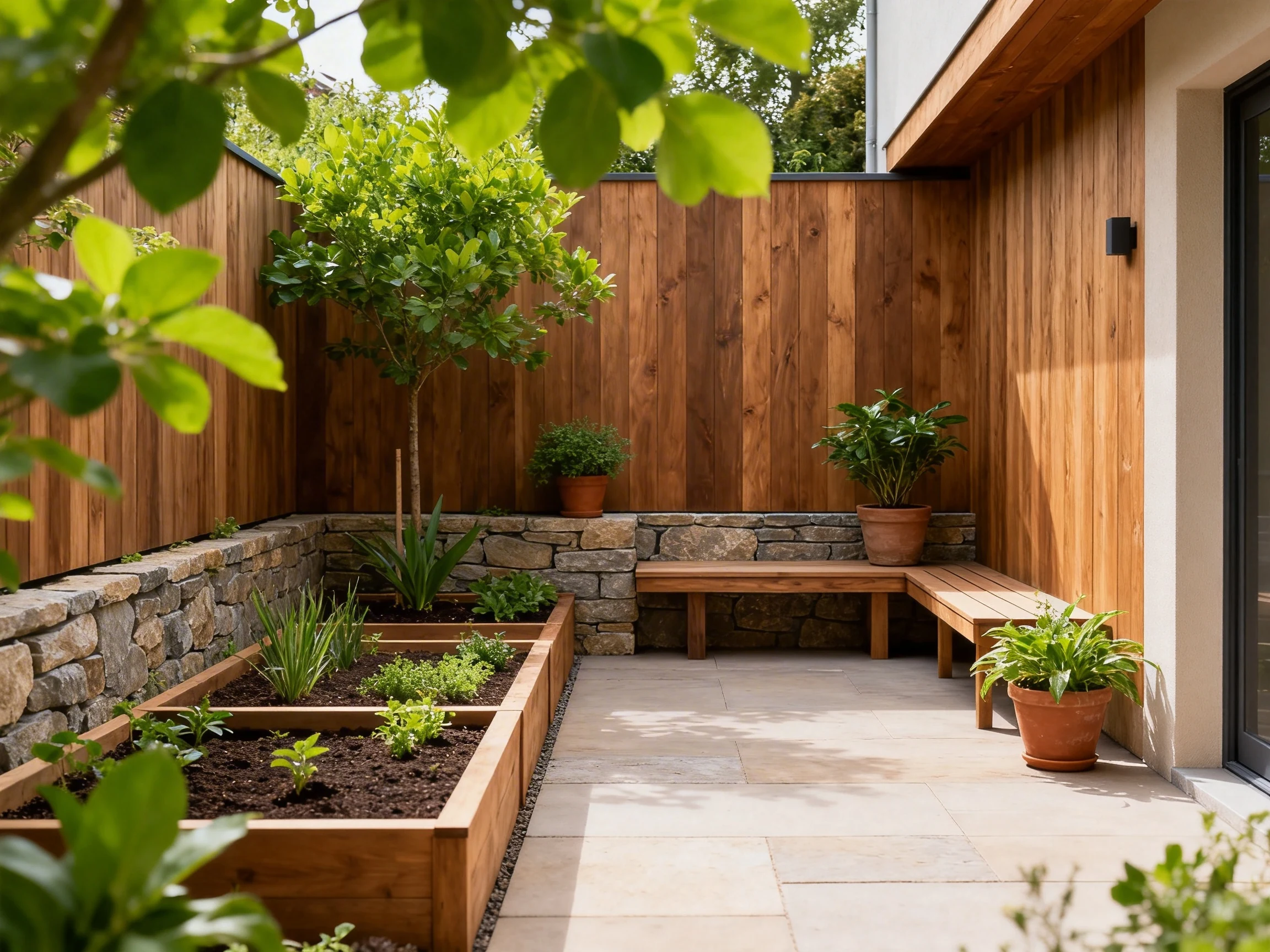
small backyard garden design
Small backyard garden design can feel like a puzzle, but honestly, that’s half the fun. A tiny yard forces you to make smart choices, skip the fluff, and build a space you’ll actually use. You do not need a huge lawn, a landscape crew, or a secret degree in garden wizardry. You just need a plan, a little restraint, and the courage to stop buying random plants because they looked cute at the nursery.
Start with how you want the space to feel
Before you buy a single pot or shovel one inch of dirt, ask yourself a simple question: What do I want this backyard to do for me? Do you want a cozy place for coffee, a mini veggie patch, a kid-friendly hangout, or a low-maintenance escape from your screen? Your answer shapes every design choice that comes next.
Small spaces work best when they have a clear purpose. If you try to cram in a dining set, a fire pit, raised beds, a trampoline, and a pond, your yard will look like it had a stressful day. Pick two or three priorities and let everything else support them.
Think about mood too. Maybe you want lush and romantic with climbing vines and soft lighting. Maybe you want clean and modern with straight lines and black planters. IMO, choosing a vibe early saves you from the classic small-yard problem: buying things that look nice alone but weird together.
Make a quick backyard wish list
Keep it simple. Write down what you really want, what you sort of want, and what you can absolutely skip. This list becomes your filter when you start shopping, and trust me, you need a filter.
- Must-have: a small seating area, herb planters, privacy screening
- Nice-to-have: string lights, birdbath, raised vegetable bed
- Skip: oversized furniture, giant water feature, anything that requires a weekend of maintenance every week
Measure first, dream second
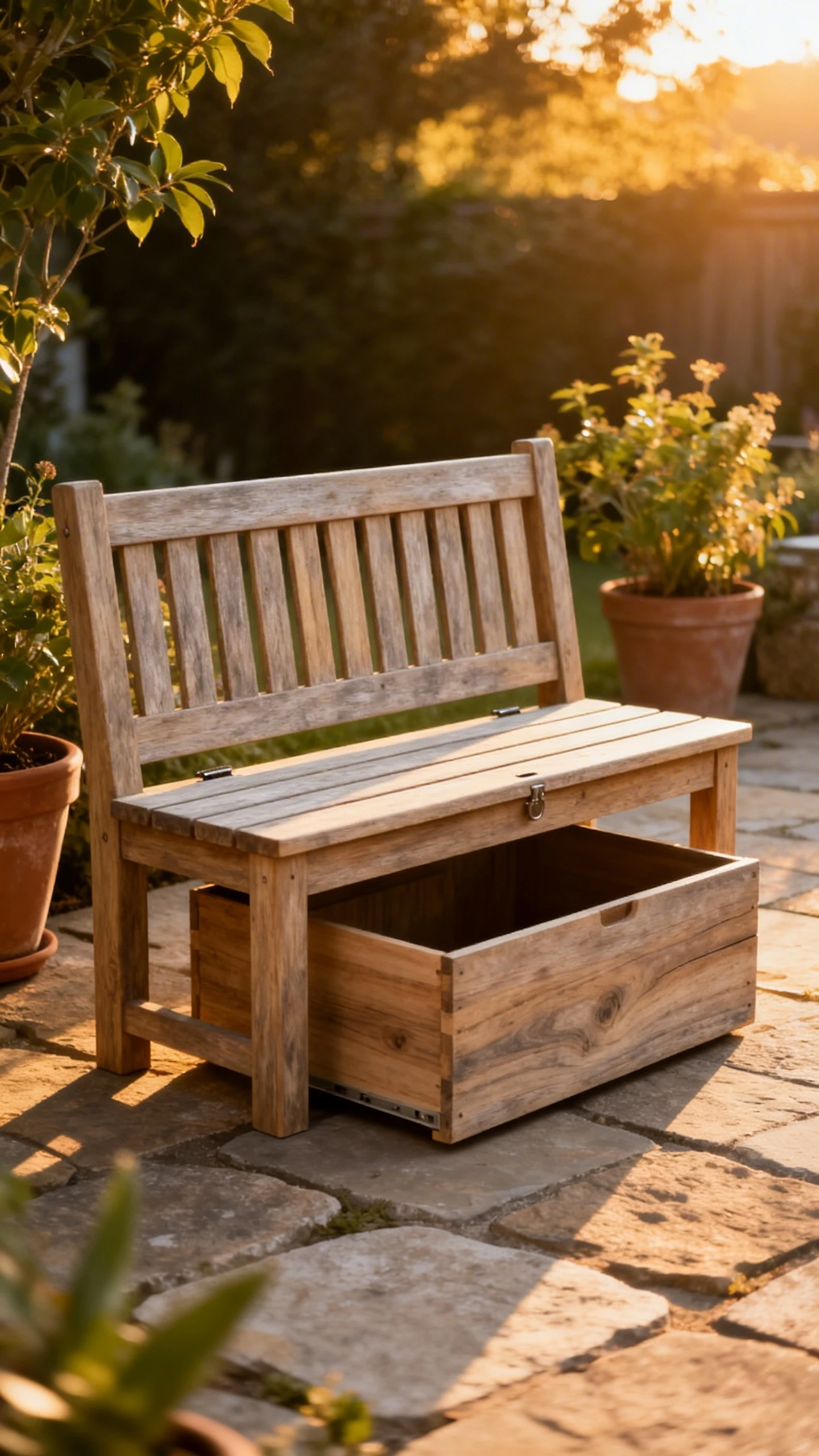
I know, measuring sounds boring. But nothing kills garden excitement faster than dragging home a bench that eats half your patio. Accurate measurements make a small backyard feel intentional instead of awkward.
Sketch the yard on paper and mark doors, fences, existing trees, utility boxes, and sunny or shady areas. You do not need an architecture background for this. A rough map works fine, as long as you know where things actually sit.
Pay attention to movement. Can you walk comfortably from the back door to the gate? Can someone pull out a chair without performing a yoga twist? In a small yard, every pathway matters because every inch matters.
Know your light before you plant
Watch your yard for a few days and note how the sun moves across it. A spot that looks sunny at 9 a.m. might sit in shade by lunch. Plants have opinions about this, and they express those opinions by looking terrible when placed wrong.
Full sun plants need real sun, not your hopeful guess about sun. Shade plants give you more flexibility, and many of them look lush and calming in small spaces. Match the plant to the light, and life gets easier fast.
Create zones so the yard feels bigger
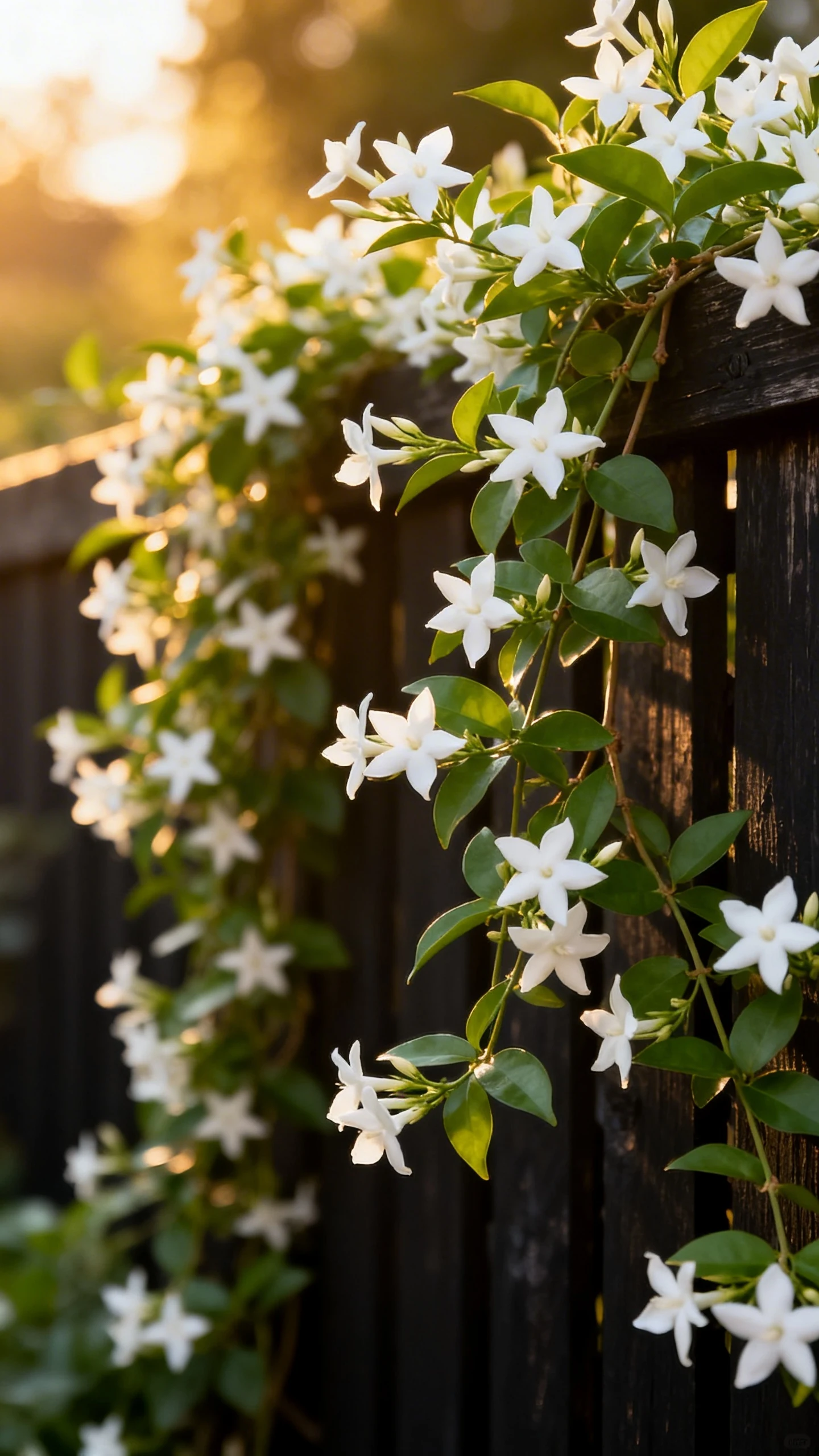
This sounds backward, but dividing a small backyard into zones actually makes it feel larger. One open blob of space often looks unfinished. A few clearly defined areas create depth and purpose.
You might have a tiny dining corner, a planting zone, and a narrow path between them. Or maybe you use one side for a bench and containers, and the other side for herbs and a gravel strip. Even subtle separation helps, especially when you use different materials or plant heights.
Try not to line everything up around the edges like awkward party guests. Pull a planter inward. Angle a chair slightly. Add a small focal point at the back of the yard so your eye travels through the space instead of stopping at the fence.
Use vertical space like a genius
When the ground space runs out, go up. Walls, fences, railings, and trellises give you room for greenery without stealing valuable floor area. Vertical elements also make the yard feel layered, which reads as more spacious.
Consider climbing jasmine, clematis, or even espalier fruit trees if you feel fancy. Hang planters on a fence, install a slim shelving unit for potted herbs, or use a trellis to create privacy. FYI, vertical gardening also makes your backyard look more designed and less like you abandoned some pots outside.
Choose furniture and hardscaping that fit the scale
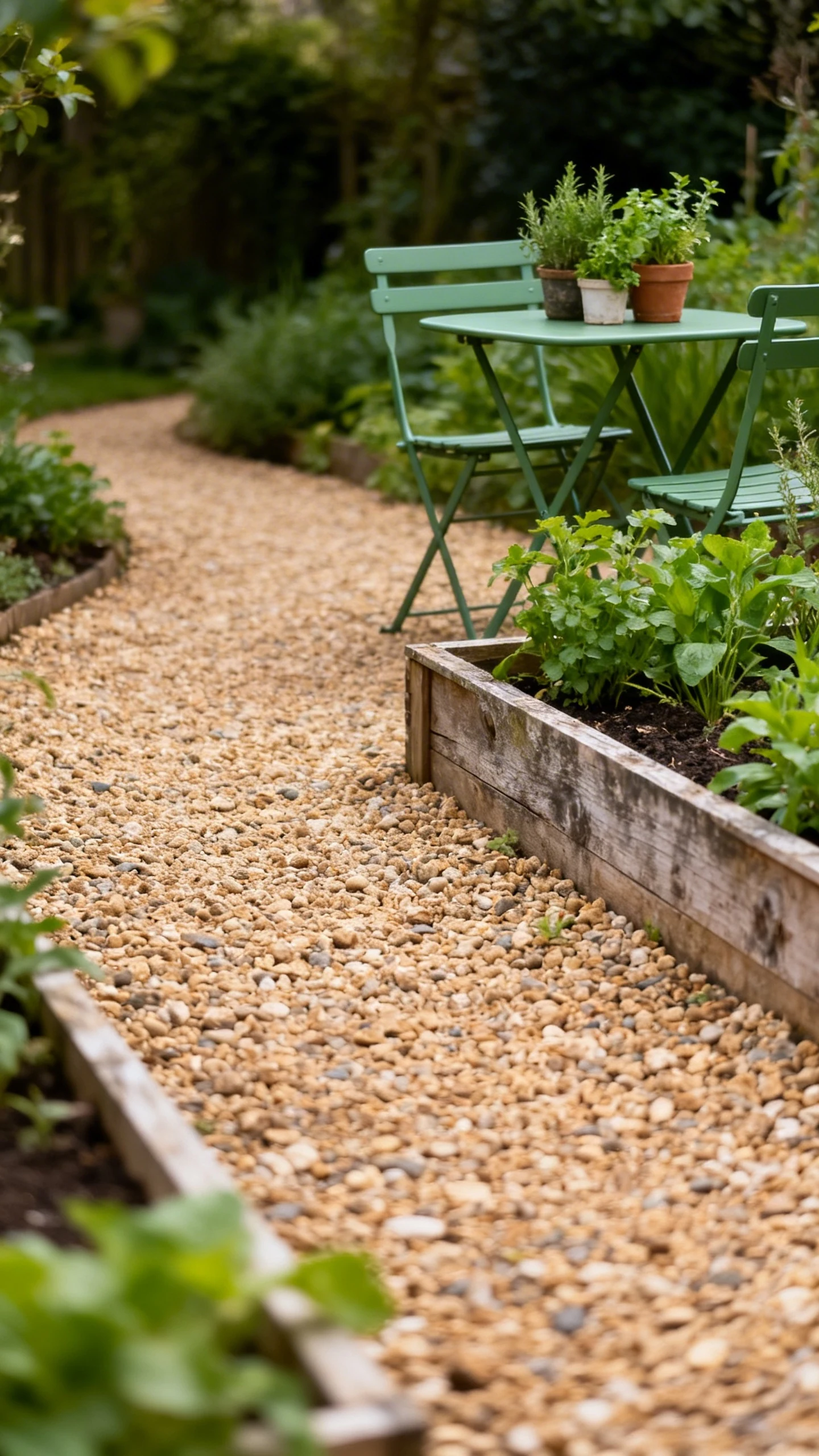
Small backyard garden design lives or dies on scale. A giant sectional might look dreamy online, but in a tiny yard it will dominate everything like a diva. Choose furniture with a smaller footprint and cleaner lines.
Look for foldable chairs, narrow benches, bistro sets, or built-in seating. Pieces that serve more than one purpose win every time. A bench with storage, for example, gives you seating and a place to hide tools, cushions, or the mysterious tangle of hoses that appears every summer.
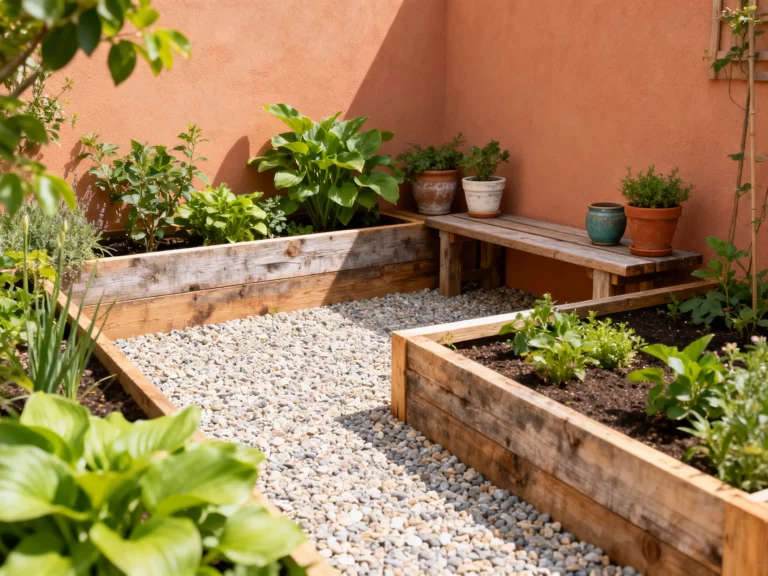
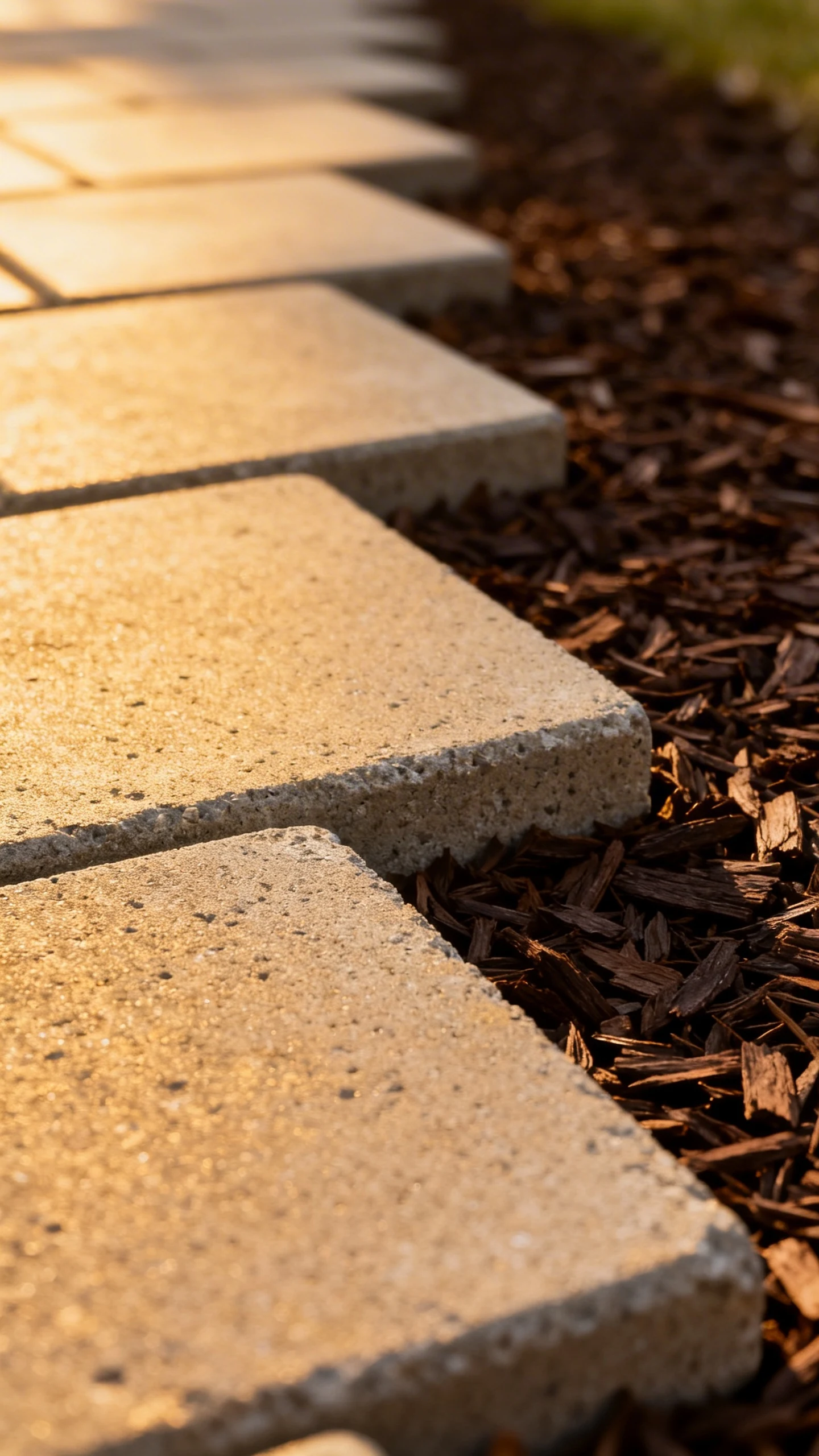
Hardscaping matters too. Gravel, pavers, decking, and stepping stones all change the feel of a yard. In smaller spaces, simpler patterns usually work best because busy designs can feel cramped fast.
Best materials for a small yard
You do not need the most expensive materials on the planet. You need materials that look clean, hold up well, and help the yard feel cohesive.
- Gravel: affordable, easy to install, great for seating areas and paths
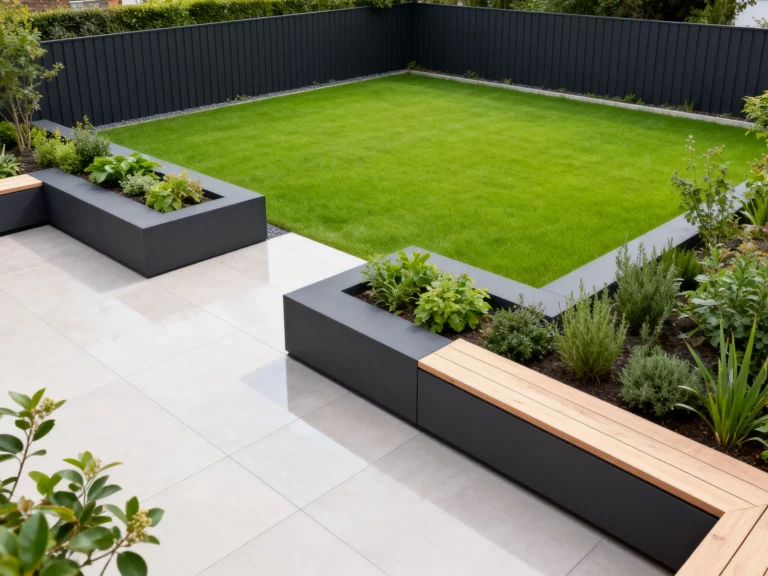
- Large pavers: fewer visual breaks, which makes a space look bigger
- Wood decking: warm and inviting, especially for modern or cozy styles
- Mulch: useful in planting beds and easier on the budget
Stick to a limited palette. Too many materials create visual clutter, and clutter shrinks a space fast. IMO, two main materials plus greenery usually hit the sweet spot.
Pick plants that earn their keep
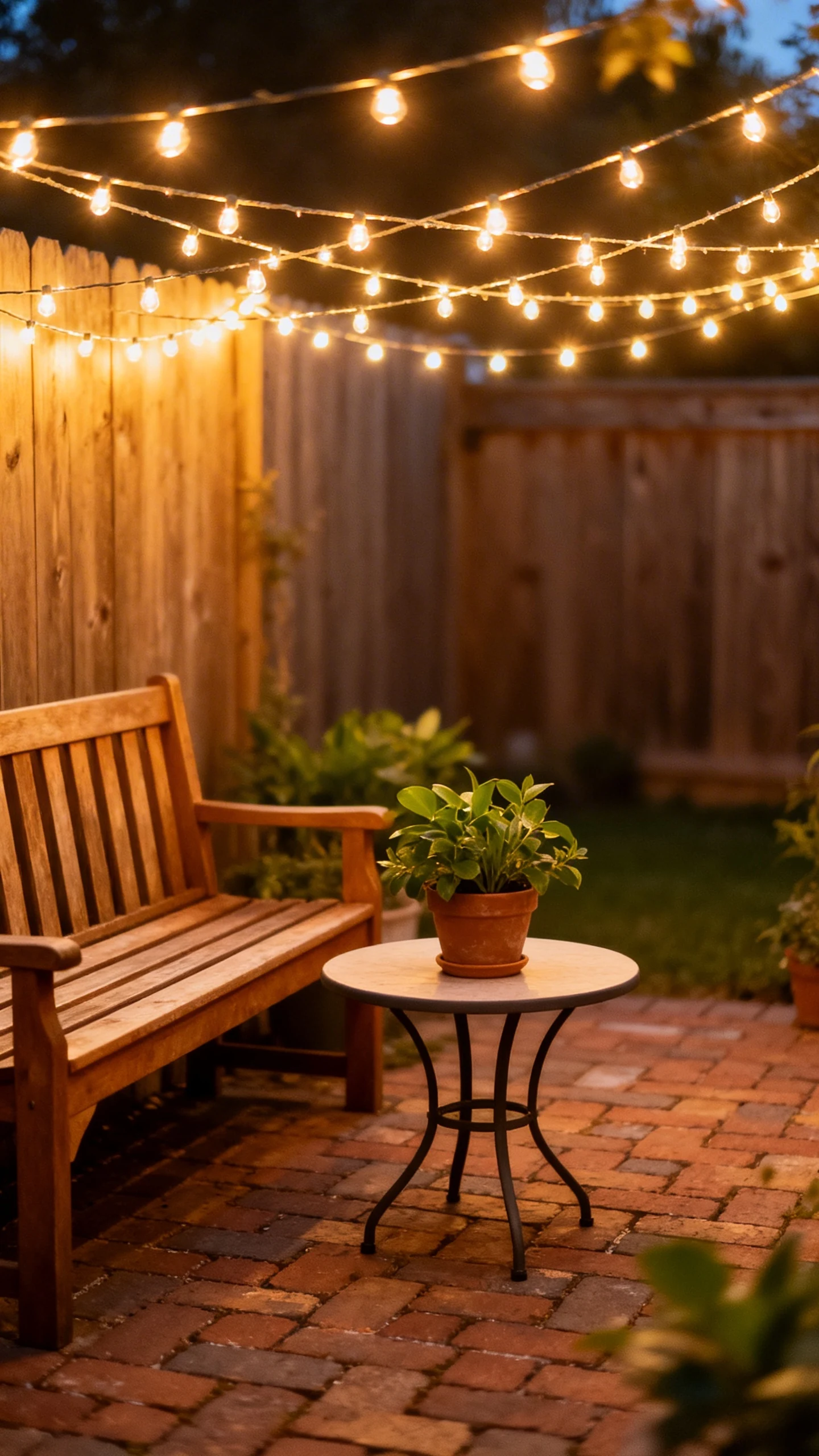
In a small backyard, every plant should bring something useful to the party. Maybe it adds color, texture, privacy, fragrance, or food. If a plant needs constant babysitting and gives you nothing back, you can politely show it the exit.
Layering matters more than quantity. Use taller plants in the back or corners, medium plants in the middle, and lower growers near paths or edges. This creates depth without turning your yard into a leafy traffic jam.
Repeat a few plant varieties instead of collecting one of everything. Repetition makes a space feel calm and intentional. A random mix can work in cottage gardens, sure, but in a small yard it often looks like your shopping cart made the design decisions.
Good plant choices for small backyard gardens
You want plants with strong form, long interest, and manageable size. Here are some reliable favorites.
- Boxwood or dwarf shrubs: structure without overwhelming the space
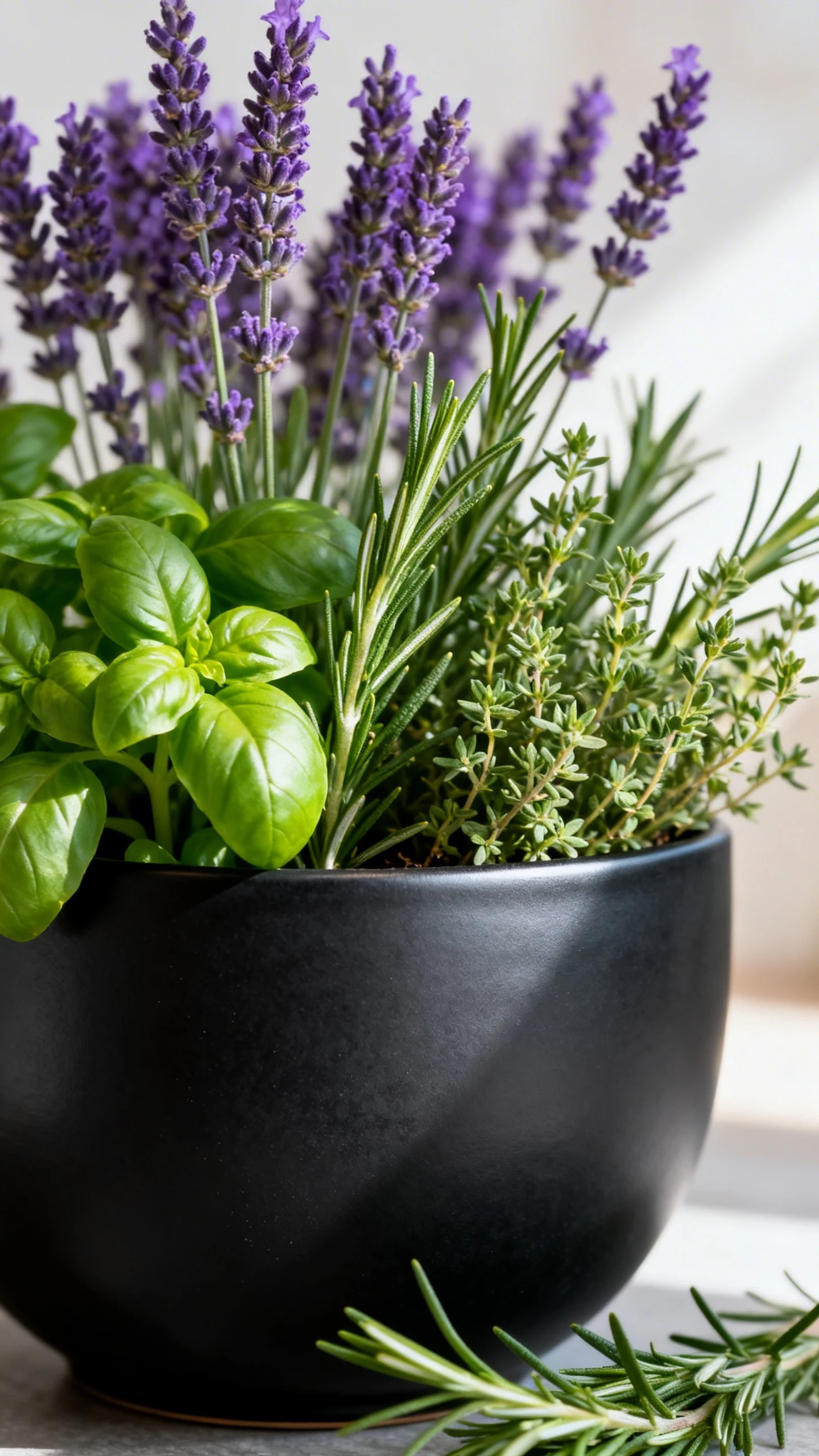
- Lavender: fragrance, color, and pollinator appeal
- Ornamental grasses: movement and softness
- Hydrangeas: big impact in a compact footprint
- Herbs: useful, attractive, and perfect for containers
- Climbers: ideal for vertical interest and privacy
Mix evergreen plants with seasonal bloomers so the yard never looks completely empty. If you only plant for spring, your backyard might peak early and then spend the rest of the year looking mildly disappointed.
Make privacy and atmosphere part of the design
Small backyards often sit close to neighbors, which means privacy matters. No one wants to sip tea while feeling observed by three second-floor windows. The good news? You can create privacy without making the space feel boxed in.
Use layered screening instead of one harsh solution. A trellis with climbers, tall containers with grasses, and a slatted panel can work together beautifully. Soft privacy feels better than solid walls in tight spaces because it keeps the yard airy.
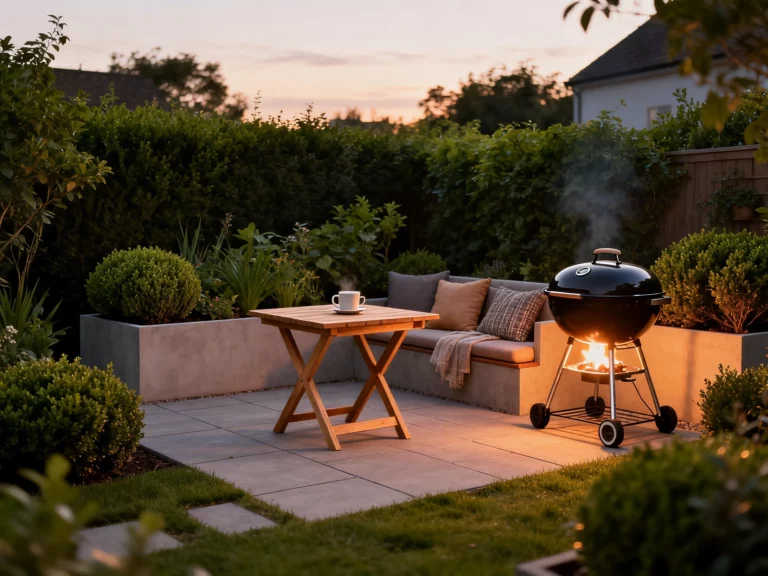
Atmosphere matters just as much as layout. Add warm lighting, a small water bowl, textured pots, or a simple outdoor rug. These details turn a backyard from functional to inviting, and inviting is the whole point, right?
Easy ways to add character
- String lights: instant charm, minimal effort
- One statement pot: adds a focal point without clutter
- A mirror on a fence: creates depth if placed carefully
- Outdoor cushions: color and comfort in one move
- A small sculpture or birdbath: personality without chaos
Do not over-accessorize. This is a garden, not a yard sale with foliage. A few thoughtful details go much further than ten tiny decorative objects scattered everywhere.
Keep maintenance realistic
A beautiful backyard that drains your energy every weekend will get old fast. Design for the version of you that feels a little lazy on Sunday afternoon, because that version deserves joy too. Low-maintenance choices keep the garden enjoyable long term.
Choose plants suited to your climate, group plants with similar water needs, and leave enough room for growth. Crowding plants might look full at first, but later it creates trimming, disease, and general garden drama. Nobody asked for drama from a shrub.
Install drip irrigation if you can. Use mulch to hold moisture and cut weeds. Pick durable furniture finishes and easy-care materials so you spend more time sitting in the yard than fixing the yard.
FAQ
How do I make a small backyard look bigger?
Use a limited color palette, repeat plant varieties, and create clear zones. Add vertical elements like trellises or wall planters to draw the eye upward. Large pavers, simple layouts, and a focal point at the far end also help the space feel deeper and less cramped.
What is the best layout for a small backyard garden?
The best layout depends on how you want to use the space, but simple usually wins. Include one main seating area, one planting zone, and a clear path between them. Avoid stuffing every edge with stuff, because breathing room makes the yard feel more polished.
Which plants work best in a tiny backyard?
Choose compact shrubs, climbing plants, herbs, ornamental grasses, and a few reliable flowering plants. Look for varieties with long seasonal interest and manageable growth. If a plant wants to become a giant monster in three years, skip it unless you enjoy regret.
Can I include a vegetable garden in a small backyard?
Absolutely. Raised beds, vertical planters, and containers make growing vegetables very doable in a small space. Focus on high-reward crops like lettuce, herbs, tomatoes, peppers, and beans instead of trying to recreate a full farm behind your house.
What colors work best for small backyard garden design?
Soft greens, neutral hardscaping tones, and a few repeated accent colors tend to work really well. Dark fences can make plants pop, while lighter tones can brighten shady spaces. The main trick involves consistency, not chasing every color trend you see online at midnight.
How much furniture should I put in a small backyard?
Less than you think. Start with the essentials, such as a compact table and chairs or a bench, then stop and assess the space. You need room to move, garden, and breathe, not an outdoor furniture showroom squeezed into twelve square feet.
Conclusion
Small backyard garden design works best when you stay focused, keep the layout simple, and choose elements that truly earn their place. You do not need a massive budget or a huge lot to create something charming, useful, and full of personality. A small yard can feel incredibly special, and honestly, it often feels more inviting than a giant space that nobody knows how to use. Plan smart, plant well, and give yourself a backyard that makes you want to step outside more often.