small back garden design
Your back garden might be tiny, but it still wants to live its best life. You don’t need a sprawling estate, a full-time gardener, or a suspiciously large budget to make it look amazing. You just need a plan, a little restraint (I know), and a few smart design tricks. Ready to make that small space feel weirdly spacious?
Start With One Clear Job for the Garden
Before you buy anything, ask yourself one question: what do you actually want to do back there? Sip coffee in peace? Host friends for drinks? Grow tomatoes that taste like sunshine and smug satisfaction? Your answer decides everything.
A small garden can’t do ten jobs at once without looking like a cluttered yard sale. Pick one main purpose, then add one “nice-to-have.” That’s it. You can absolutely bend the rules later, but start simple.
A tight brief creates a calm design, and calm makes a small space feel bigger. When you know the goal, you stop impulse-buying random pots like they’re collectibles.
Quick “Garden Brief” Prompts
If you feel stuck, run through these. How many people will use the space at the same time? Do you want sun, shade, or a bit of both? Do you want a low-maintenance vibe or do you secretly enjoy pruning like a garden goblin?
Also, be honest about time. If you barely remember to water your houseplants, don’t design a garden that needs daily attention. Your future self deserves better.
Make the Space Look Bigger (Without Lying to Yourself)
Small garden design mostly involves optical tricks, and honestly, I respect the hustle. You can stretch the vibe of the space with layout, color, and a couple of strategic illusions. No, you don’t need to build a tiny Versailles.
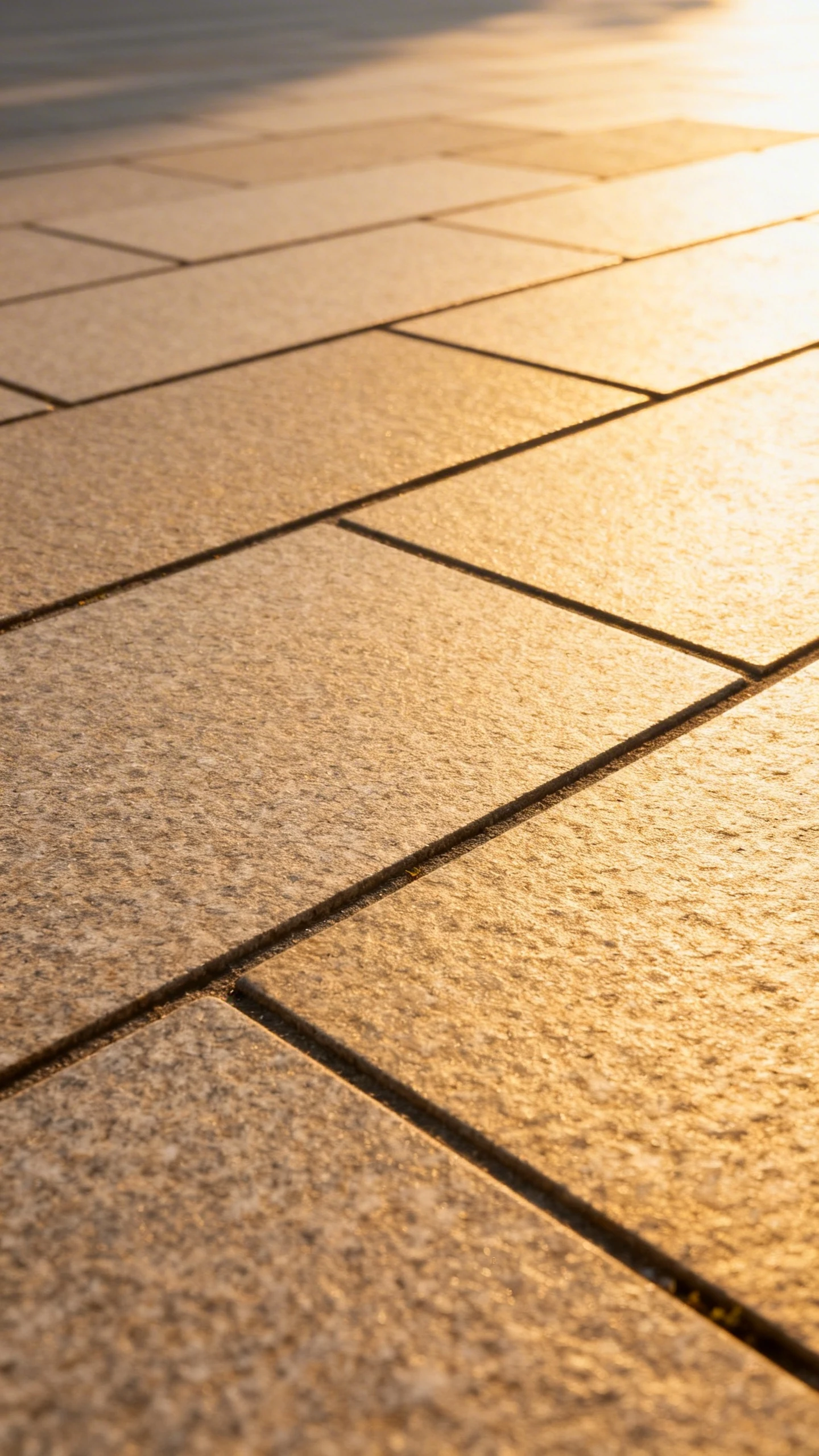
First, keep the ground plane simple. Too many different paving materials or fussy patterns chop up the view. You want the eye to glide, not trip.
Second, use vertical space like it owes you rent. Walls and fences count as real estate. Treat them like it.
Paths, Angles, and “The Eye Line”
A straight path screams “small rectangle,” which might not help. Try a gentle diagonal line with paving or decking. That diagonal pulls the eye across the longest dimension and makes the space feel deeper.
If you can, hide the whole garden in one glance. Put a tall plant, a screen, or a feature partway down the view so the space reveals itself in layers. Your brain reads that as “more garden,” even if the tape measure disagrees.
Mirrors: Cheeky but Effective
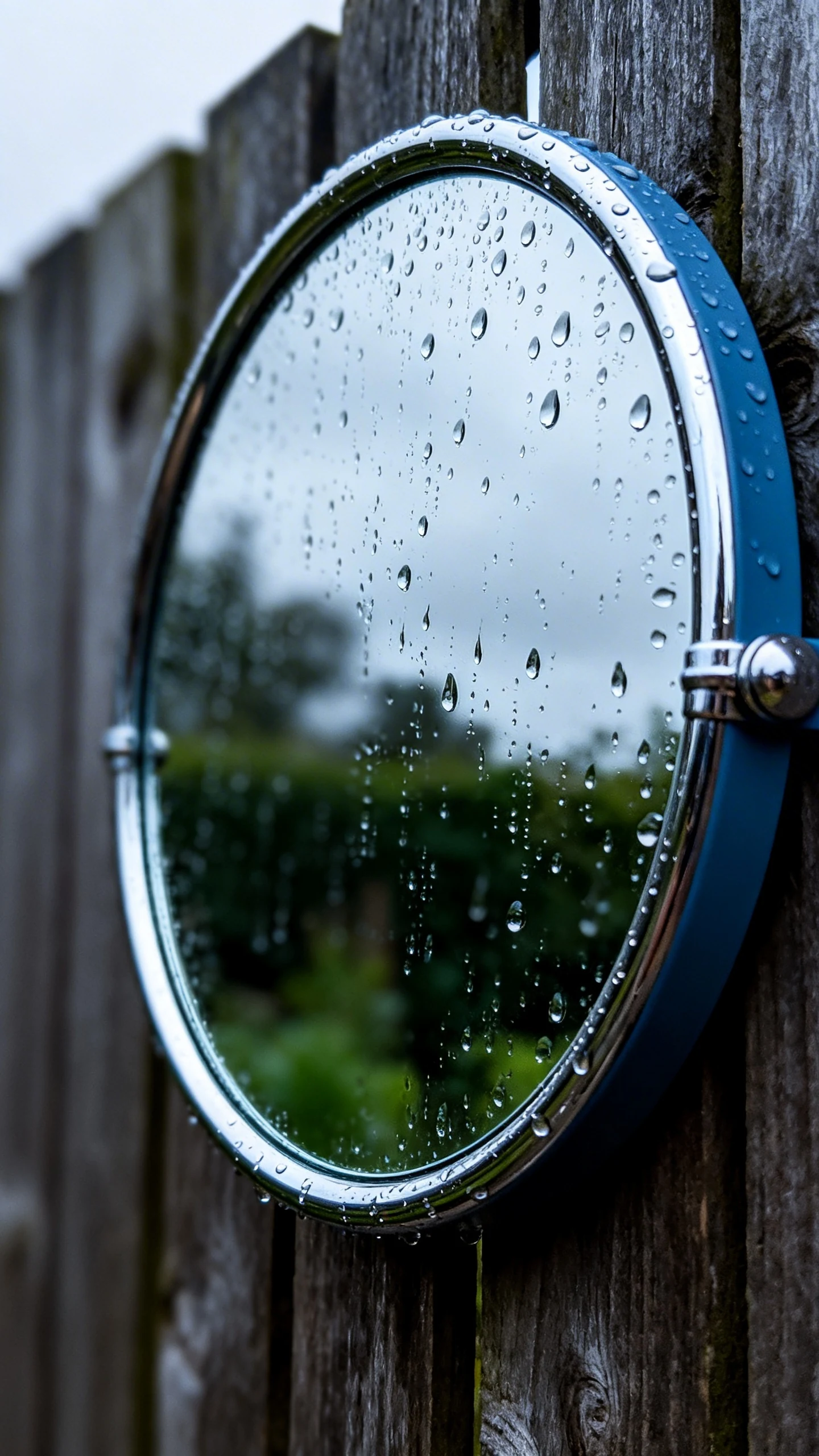
Yes, garden mirrors work. They also attract the occasional confused bird, so don’t place them directly opposite feeders. Use a weatherproof mirror on a fence to bounce light around and create a fake “window” effect.
Keep the mirror subtle. If it looks like you stuck a hallway mirror outside, the magic dies instantly.
Choose a Layout That Fits Real Life
Layout beats decor every time. You can buy the cutest chair in the world, but if you wedge it into an awkward corner, you’ll never sit in it. You need zones that flow naturally, even in a small footprint.
Think in blocks: a seating spot, a bit of greenery, maybe a slim storage area. When each zone has a job, the whole garden feels intentional instead of accidental.
Three Layout Ideas That Always Work
- The “Back Wall Lounge”: Put seating at the far end to pull you through the space and make it feel longer.
- The “Side Strip Planting”: Keep planting tight to one side so you preserve open floor space.
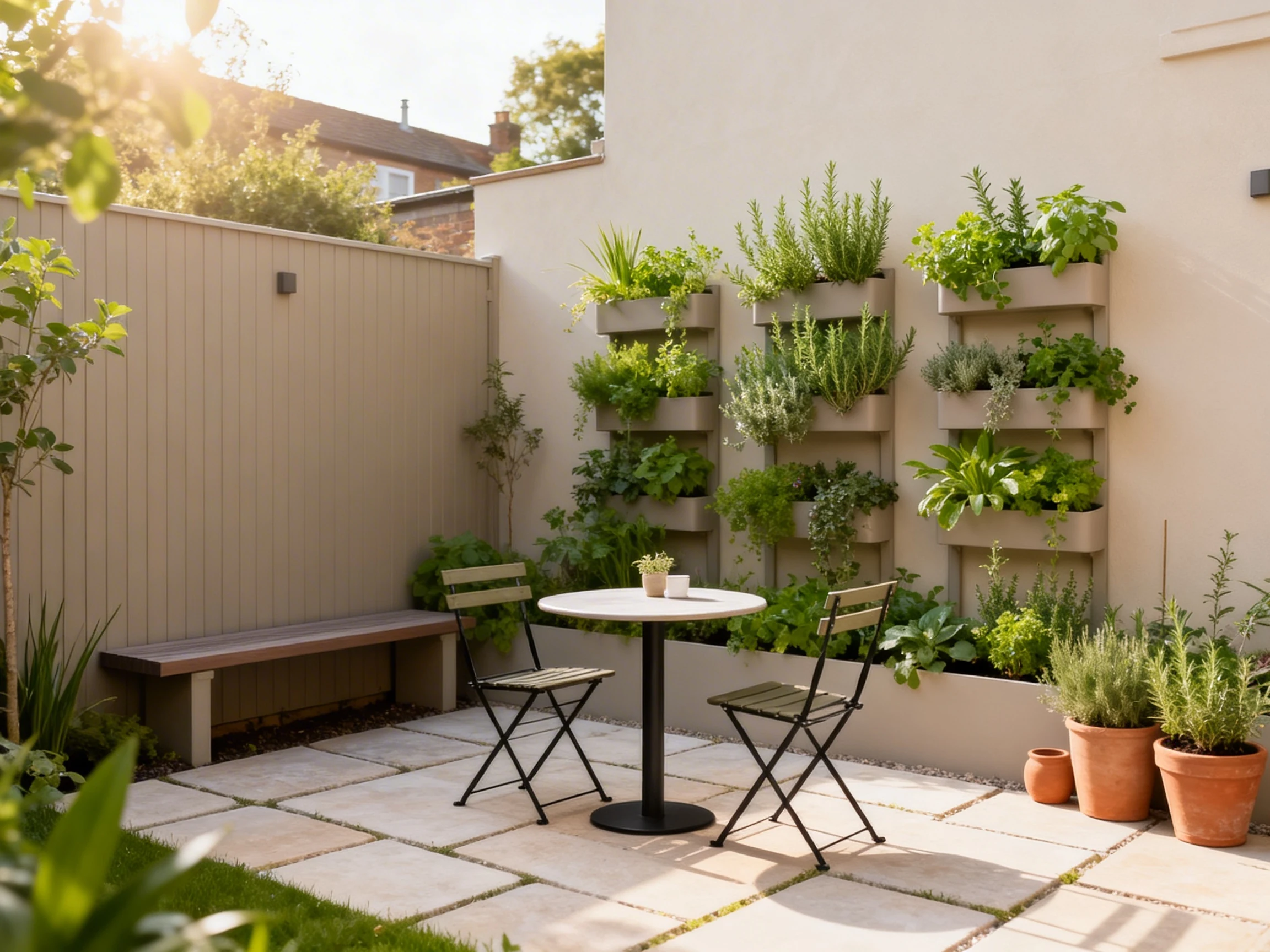
- The “Corner Nook”: Tuck a small bistro set into a corner and use planting to soften the edges.
FYI, corners feel dead when you ignore them. If you give a corner a purpose, the whole garden suddenly feels designed.
Don’t Oversize the Furniture
I know the temptation: a big outdoor sofa looks inviting. In a small garden, it often eats the entire space and leaves you with a sad little walkway. Choose furniture with slimmer frames, open legs, and lighter colors.
Measure before you buy, and leave enough space to walk comfortably. If you have to shuffle sideways past a chair, the layout fails.
Planting for Small Gardens: Less Chaos, More Impact
Planting makes a small garden feel lush, but you need a strategy. If you cram in twenty different plants, the space starts to look busy. If you repeat a few plants, the space looks calm and “designed,” even if you winged it.
Pick a tight palette: maybe two main greens, one flowering plant, and one texture plant. Repeat them in a few spots. Your garden instantly looks cohesive, and you stop playing botanical roulette.
IMO, the best small gardens feel like a tiny oasis, not a plant adoption center.
Go Vertical With Climbers and Wall Planters
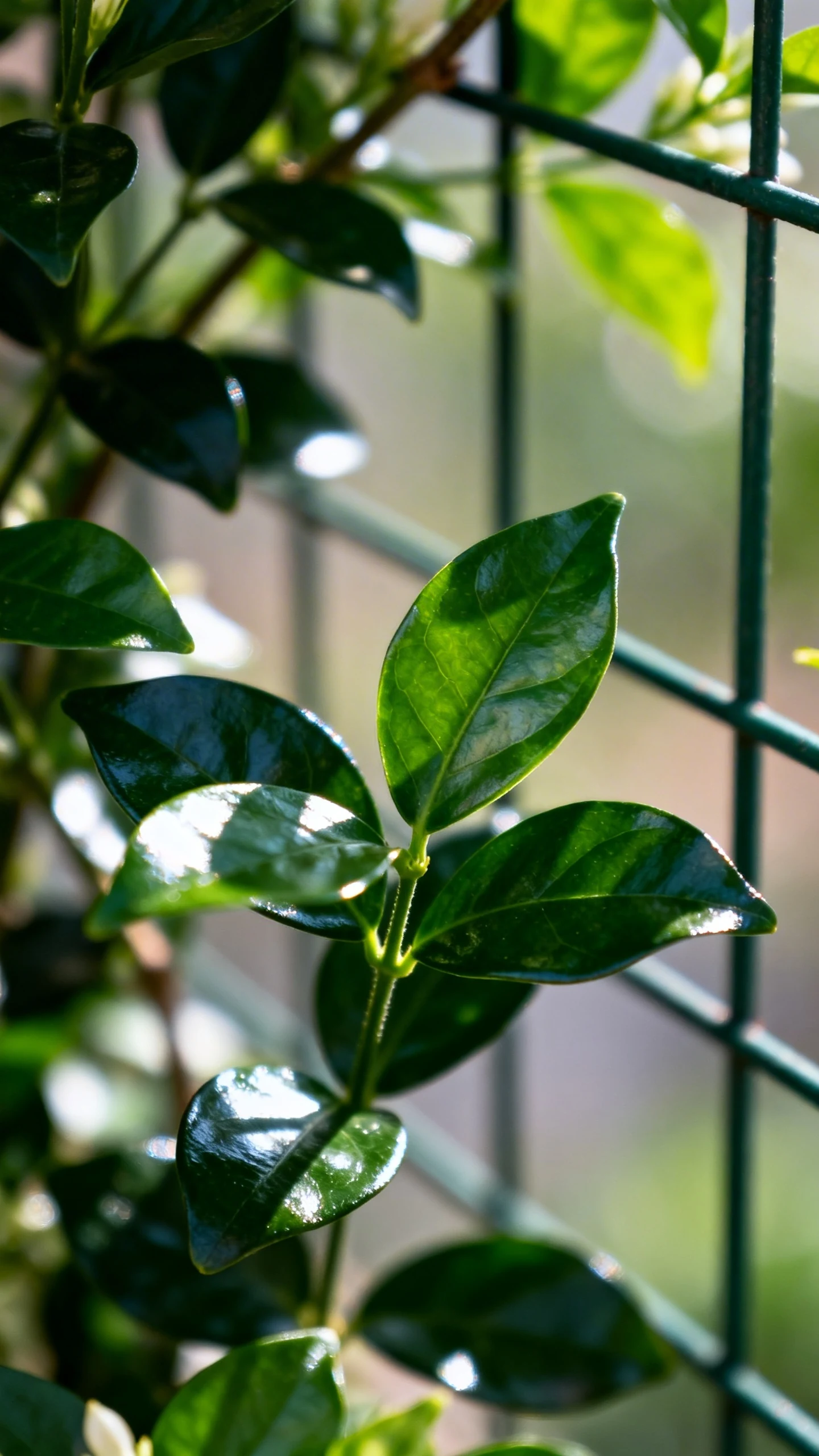
Climbing plants give you height and privacy without stealing floor space. Try jasmine for scent, clematis for flowers, or ivy if you want the “enchanted cottage” vibe and don’t mind regular trimming.
Wall planters and trellis panels also add greenery at eye level, which makes the garden feel fuller. Eye-level planting changes the whole mood because you experience it as you sit, not just as you look down.
Smart Plant Picks for Small Spaces
- Evergreen structure: box alternatives, yew, or compact shrubs to anchor the look year-round.
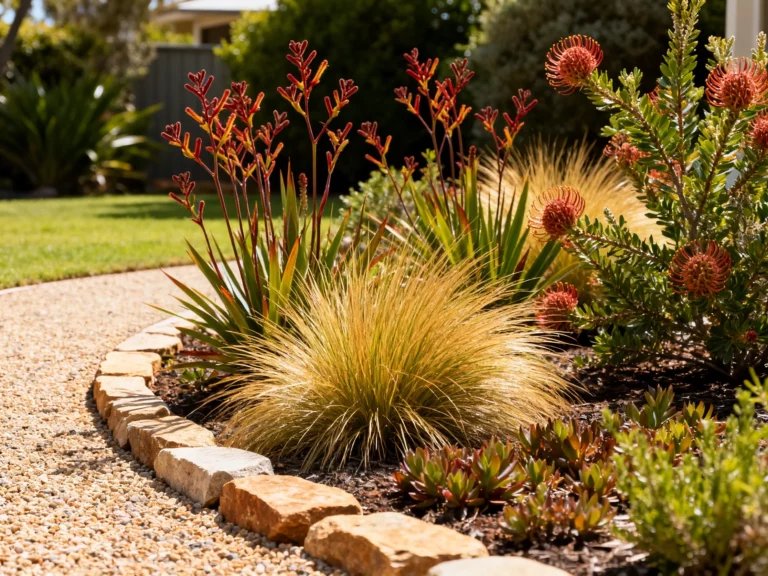
- Grasses: they add movement and look fancy without trying too hard.
- Herbs: practical, fragrant, and they make you feel like you’ve got your life together.
- Multi-stem small trees: think acer or olive in a pot for height and drama.
Also, leave breathing room between plants. You want the garden to feel lush, not like it’s fighting itself.
Materials, Color, and Lighting: The “Finish” That Makes It Feel Expensive
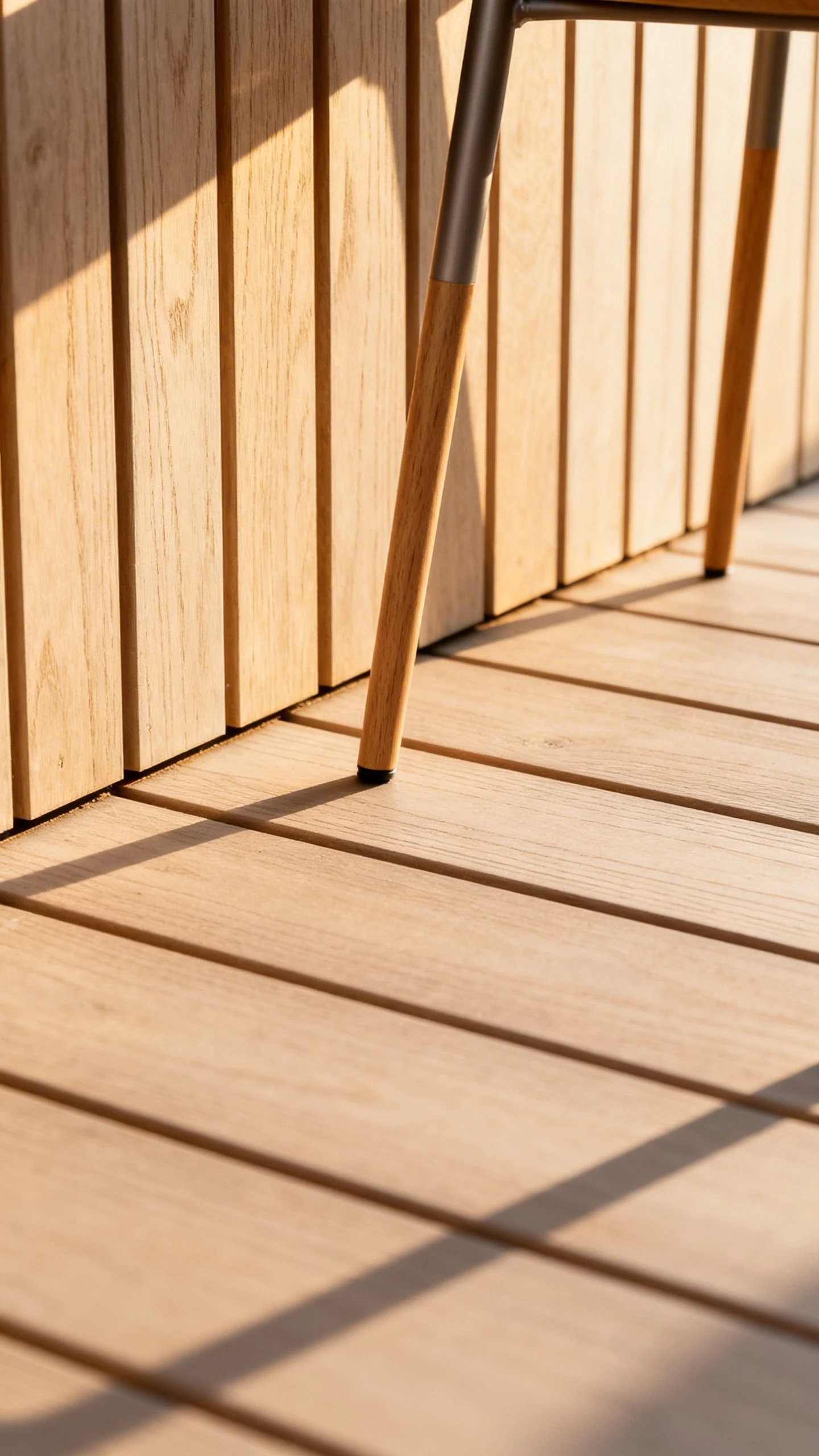
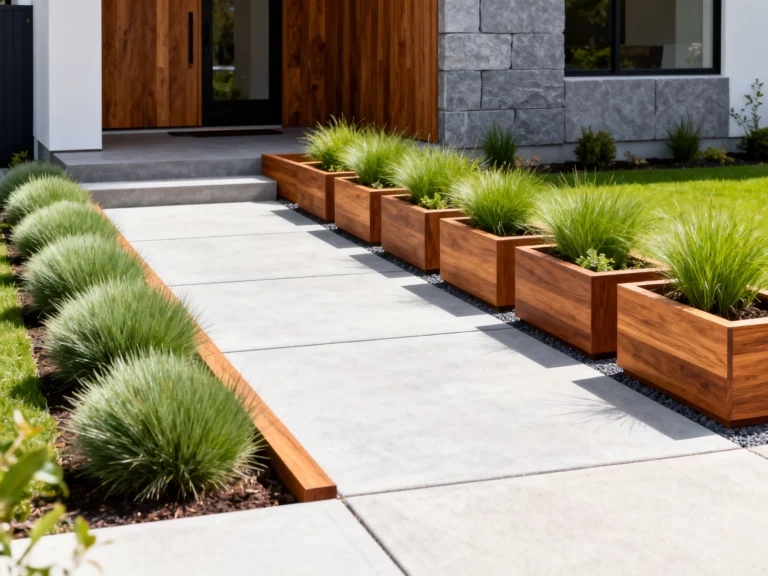
Finishes matter more in a small garden because you see everything up close. A few well-chosen materials beat a messy mix every time. Keep your hardscape simple and let texture do the heavy lifting.
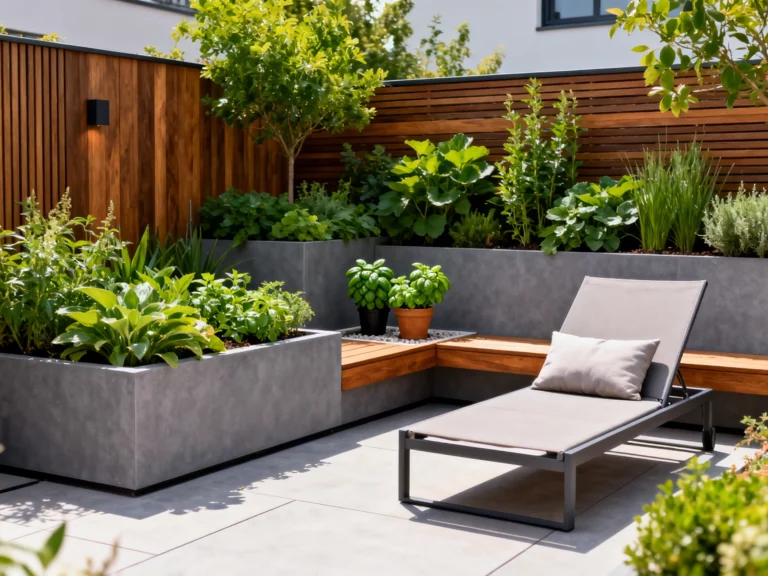
Light colors can open up the space, but they also show dirt. Dark colors feel cozy, but they can shrink the space if you overdo them. Aim for balance: neutral paving, warm wood tones, and greenery to soften it all.
Consistency sells the design. If you repeat the same finish across planters, fencing, and furniture, the garden looks intentional even on a budget.
Lighting That Feels Like a Cheat Code
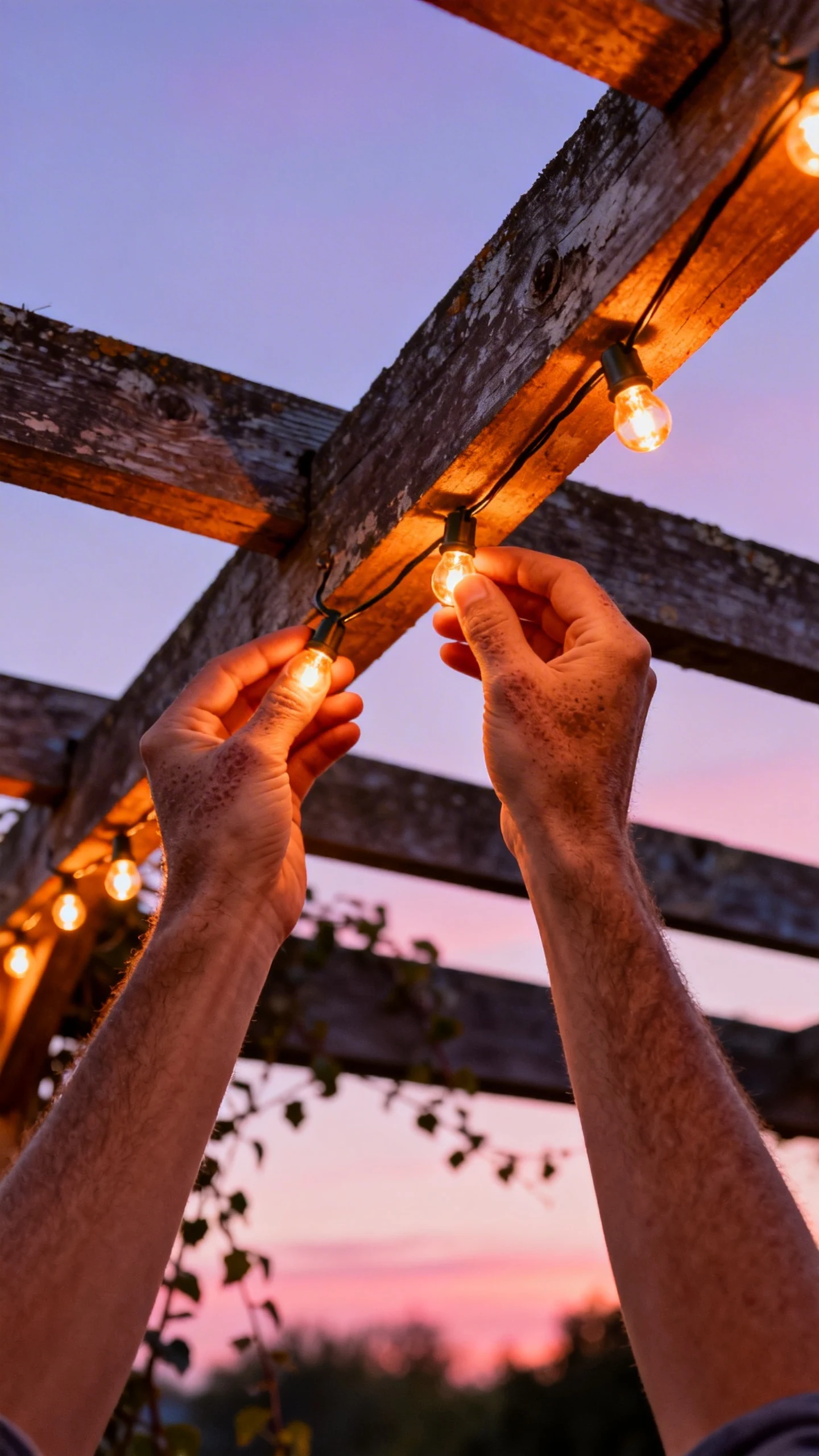
Lighting turns a small garden into an evening hangout, and it makes everything look better. It also distracts from flaws, which feels like a personal win. Use a mix of soft ambient lights and a couple of highlights.
- String lights: easy, cozy, and instantly social.
- Solar spikes: good for paths, but don’t rely on them for dramatic effect.
- Wall uplights: make fences and plants look taller.
- Candle lanterns: perfect for mood, slightly chaotic in wind.
Put lighting on timers if you can. You’ll actually use it, and you won’t stand outside fiddling with switches like you’re defusing a bomb.
Privacy, Storage, and the Unsexy Stuff (That Makes Everything Better)
Small gardens need boundaries and order. Without them, the space feels exposed and cluttered. With them, it feels like a private little room outdoors.
Start with privacy. Add a slim trellis topper, tall planters, or a pergola-style frame. You don’t need to block everything; you just need to soften the sight lines so you can relax without waving at every neighbor’s window.
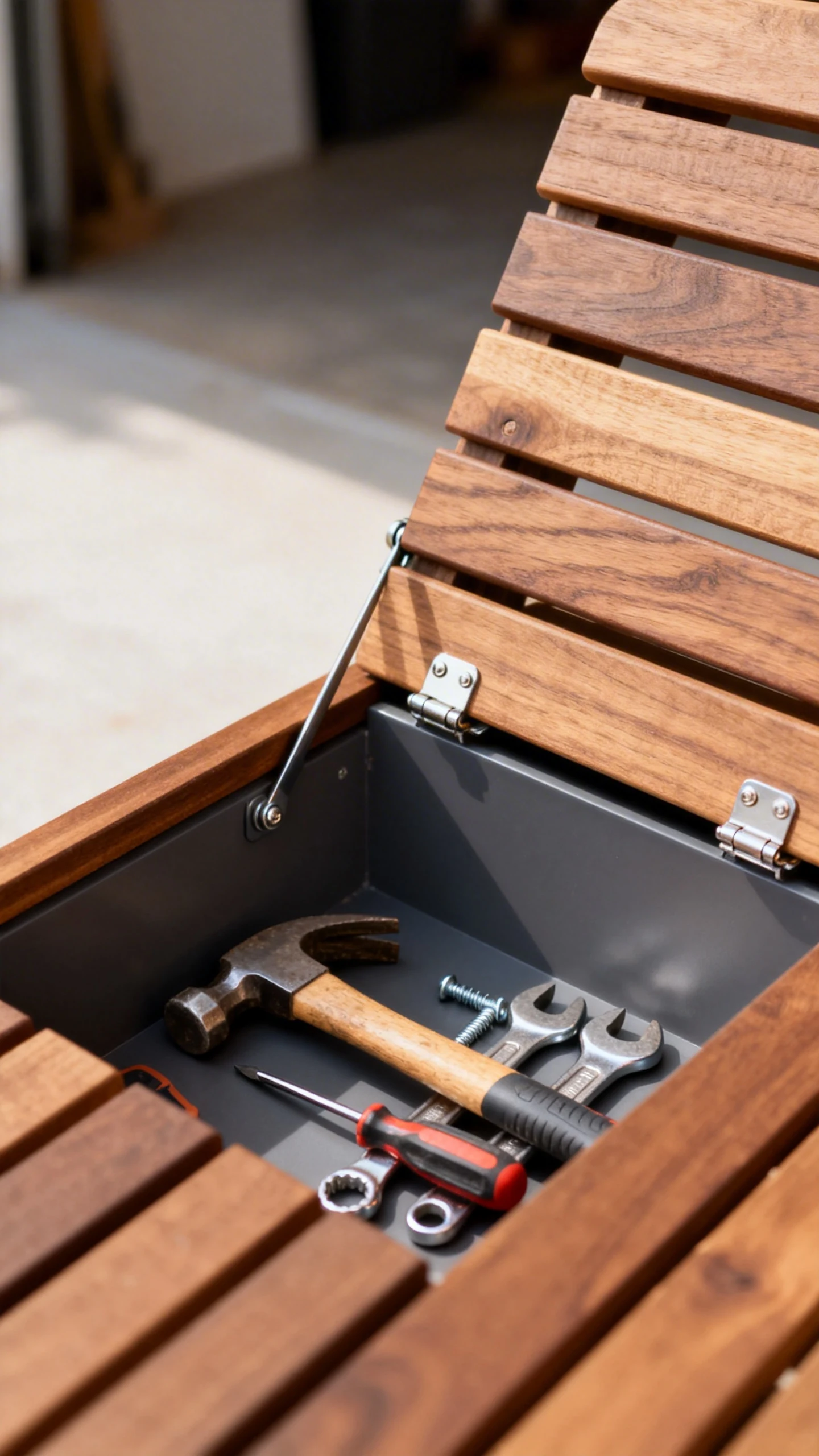
Then tackle storage. If you leave tools, bags of compost, and kid toys out in the open, the garden will always look messy no matter how pretty the plants look.
Low-Key Storage Ideas
- Built-in bench storage: seating plus hidden chaos.
- Vertical tool rack: tidy, practical, and weirdly satisfying.
- Slimline shed: fits tight spaces and keeps things dry.
- Deck box: quick fix for cushions and small tools.
Honestly, storage gives you the biggest “before and after” change for the least effort. It won’t look glamorous on day one, but you’ll thank yourself every weekend.
FAQ
How do I design a small back garden on a budget?
Choose one main material for the ground, then spend on a couple of “hero” items like a statement planter or a small tree. Use gravel, reclaimed paving, and DIY planters to save money. Focus on clean edges and repetition because they make everything look more expensive than it was.
What’s the best seating for a small garden?
Go for a bistro set, a slim bench, or modular pieces you can move around. Avoid bulky furniture that blocks walkways and kills the flow. If you want lounging comfort, add cushions and a throw instead of upgrading to a giant sofa.
How can I add privacy without making it feel boxed in?
Use partial screening like slatted panels, tall grasses in planters, or climbers on a trellis. Let light and air through, but break up direct views. Layered privacy feels softer and makes the garden feel more spacious.
What plants work best for a low-maintenance small garden?
Pick hardy shrubs, evergreen structure plants, and a few tough perennials that return each year. Add grasses for movement without extra work. Use pots for plants that need special care so you can control the soil and water more easily.
Should I use decking or paving in a small back garden?
Paving lasts longer and feels solid, while decking feels warm and casual. Choose based on your style and how much maintenance you want. If you want the easiest upkeep, pick paving with simple lines and keep joints clean.
Conclusion
Small back garden design doesn’t require magic, just smart choices. Give the space one clear purpose, keep the layout simple, and use vertical planting to add depth. Add lighting, hide the clutter, and repeat a few key elements for a pulled-together look. Then actually sit out there and enjoy it, because that’s the whole point, right?