Modern Sidewalk Edging Ideas for a Clean, Minimalist Look
Clean lines make sidewalks look intentional, not accidental. The right edging frames your path, keeps materials in place, and says “I meant to do that” without shouting. If you love simple, calm spaces that still feel sharp, minimalist edging hits the sweet spot. Let’s build that quietly stunning walkway you’ll brag about (in a humble way, of course).
Why Edging Matters (More Than You Think)
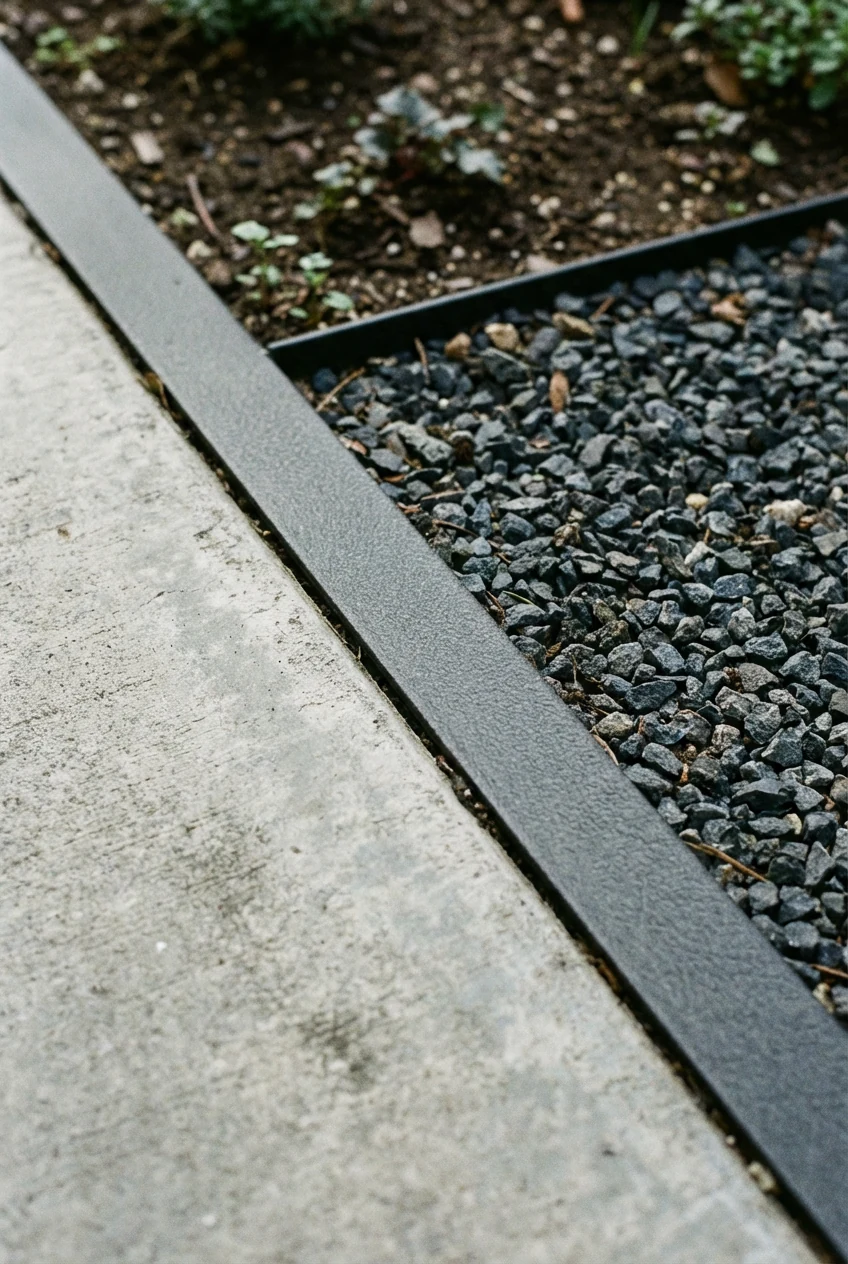
Edging doesn’t just decorate your sidewalk. It defines the path, controls soil and mulch creep, and sets the vibe for the whole front yard. You want a crisp line? Edging makes it happen and keeps it that way.
Minimalist edging does two big jobs:
- It creates order. Clean boundaries make everything feel tidy and deliberate.
- It reduces maintenance. Proper restraint keeps gravel, soil, and turf in their lanes.
Think of edging like the frame on a piece of art. The picture carries the emotion, but the frame makes it pop, quietly. You don’t need something flashy. You just need something precise.
Materials That Nail the Minimalist Look
Minimalism loves simple materials with solid detailing. You’ll find a few winners show up again and again because they just work.
Powder-Coated Steel Edging
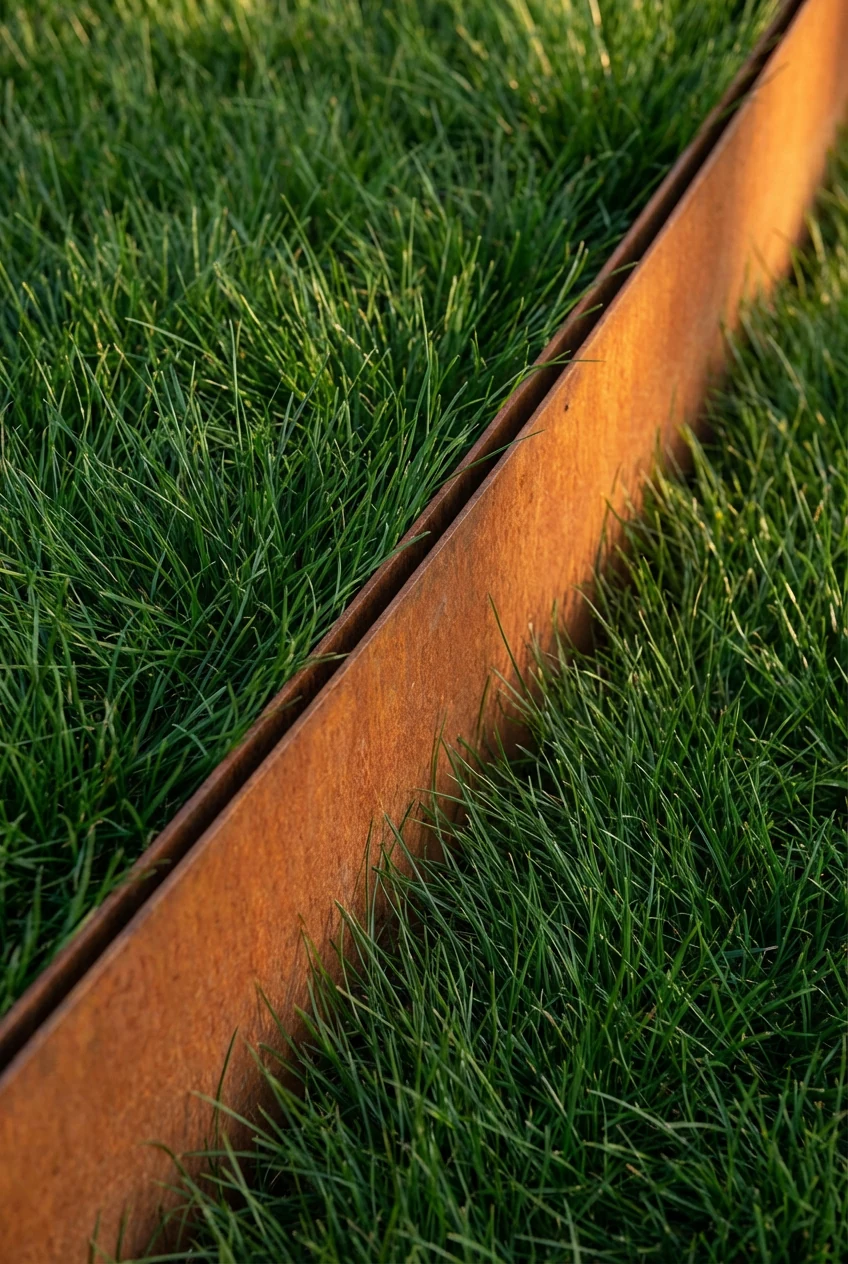
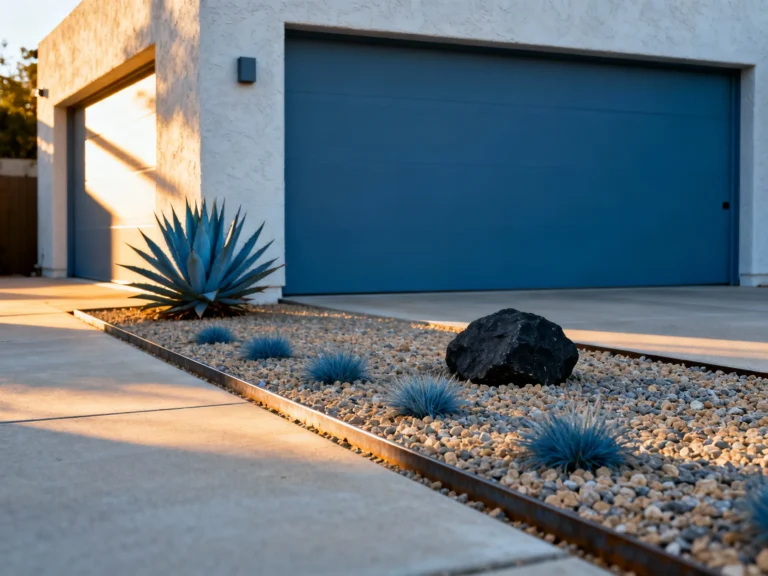
Steel edging gives razor-sharp lines and ridiculous durability. It bends cleanly for subtle curves and stakes securely so it won’t wander.
- Best for: Modern lawns, gravel paths, concrete walks that need crisp borders.
- Look: Thin, discreet, clean shadow lines.
- Pros: Long-lasting, tight curves, sleek profile.
- Considerations: You need a rubber mallet and patience. Edges can heat up in hot climates.
Corten Steel (Weathering Steel)
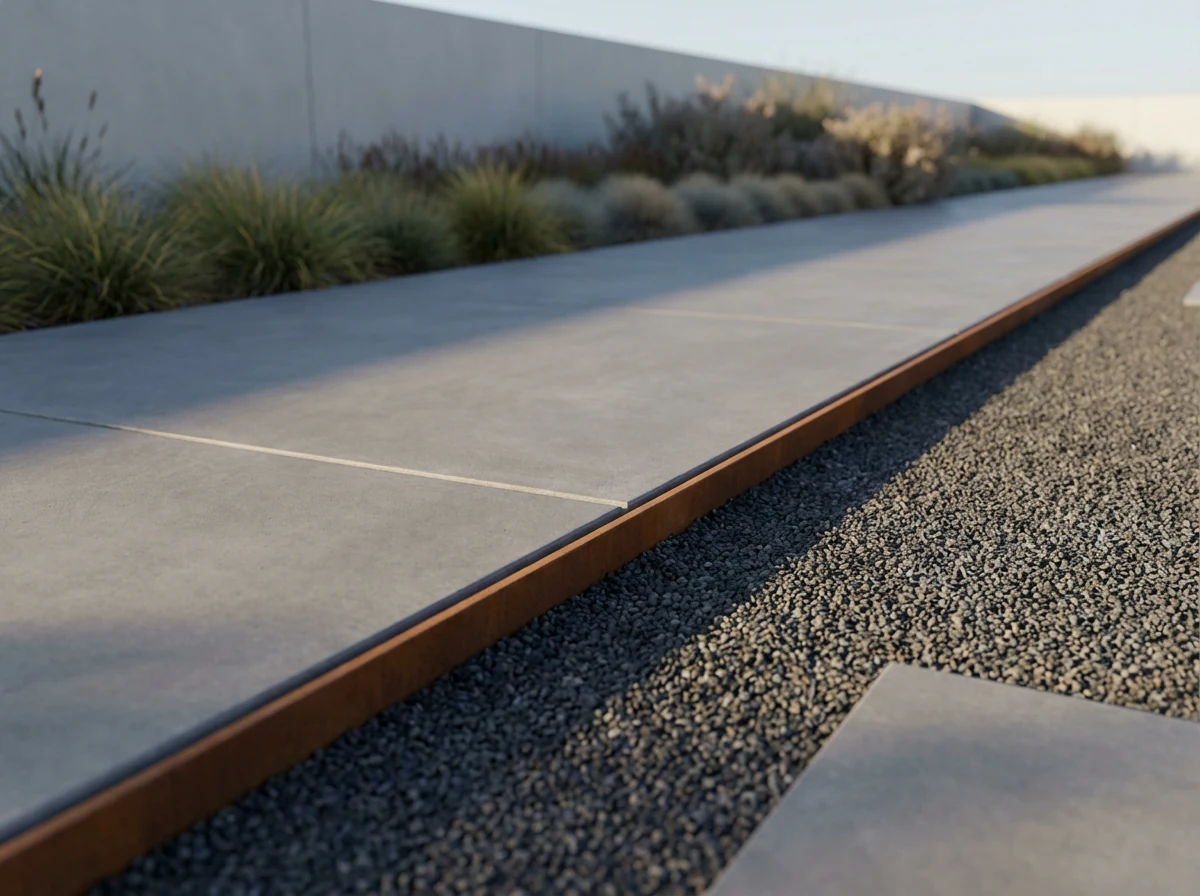
Corten develops a warm, rusted patina that still reads clean and modern. You get geometry and softness at the same time.
- Best for: Contrasting soft plantings, gravel strips, and concrete.
- Look: Matte, earthy orange-brown with strong lines.
- Pros: Low maintenance after patina forms, killer contrast with greenery.
- Considerations: It can mark nearby surfaces during early patina. Keep it off light pavers.
Cast-In-Place Concrete Mow Strip
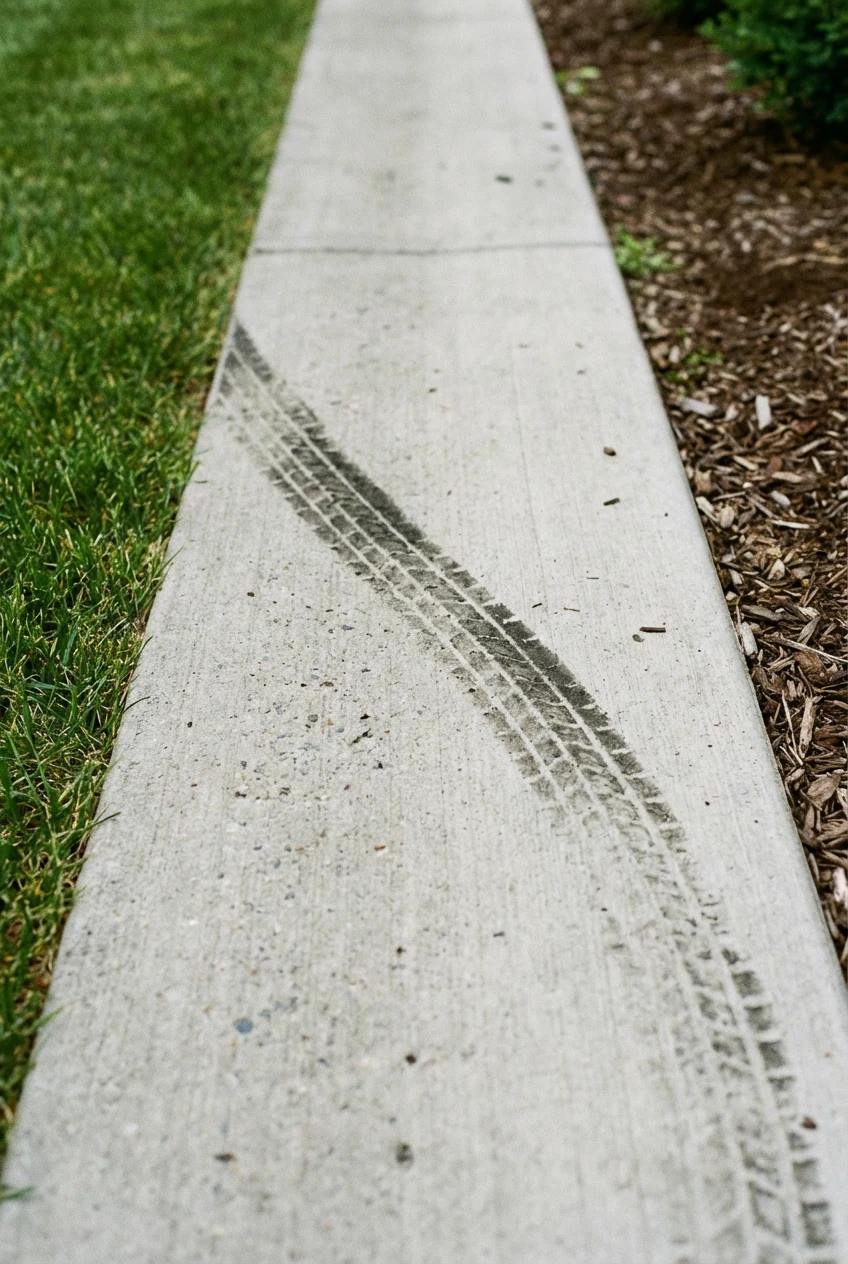
You pour a narrow ribbon beside the sidewalk for a seamless, flush look. It locks in turf or gravel and creates an ultra-clean edge.
- Best for: Lawns that butt right up to the walk, minimalist front yards.
- Look: Smooth, monolithic, almost invisible.
- Pros: Stable, easy to maintain, perfect for a mower wheel.
- Considerations: You need forms, a good base, and control joints. Cracks happen if you rush.
Large-Format Paver Border (Soldier Course)
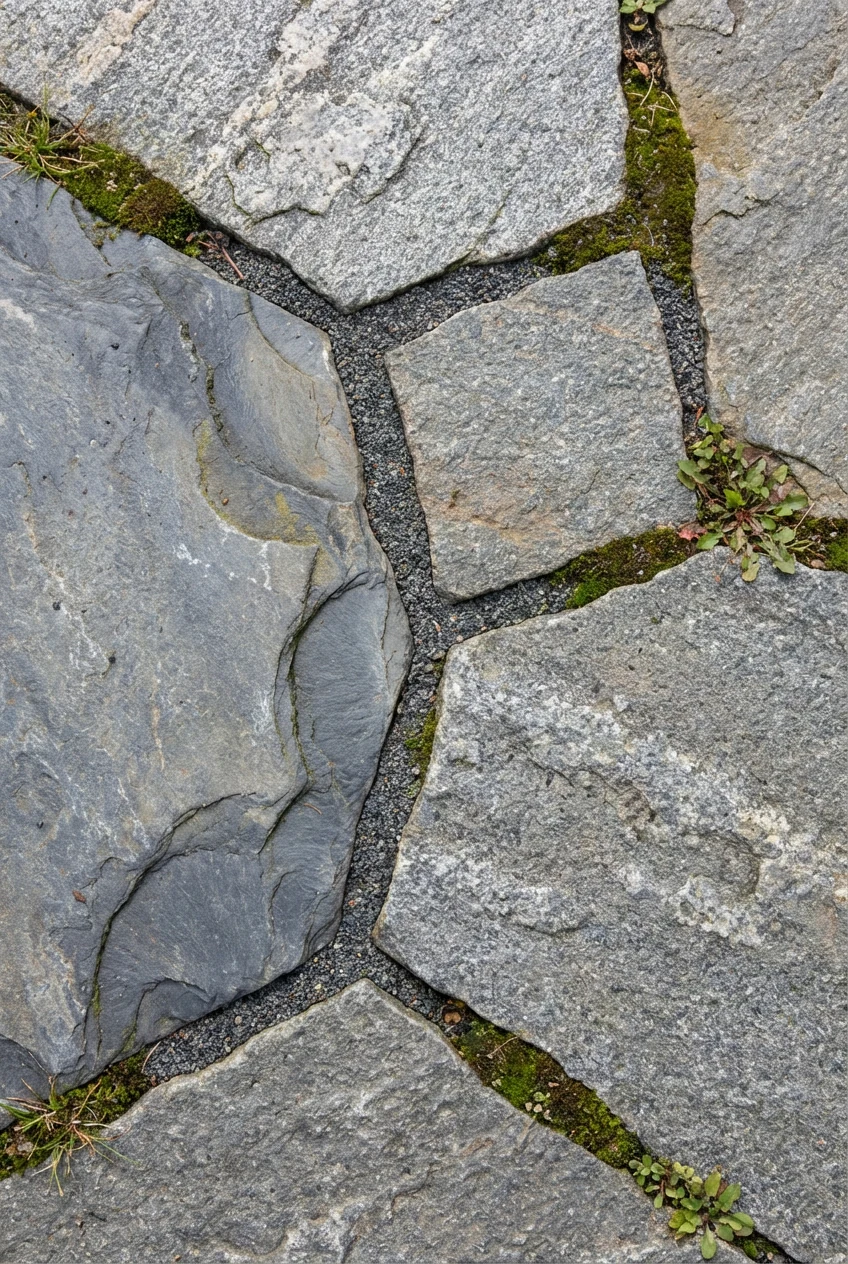
Run a clean row of rectangular pavers along the sidewalk for a finished, architectural edge. You can set them flush for a seamless plane.
- Best for: Contemporary homes, sidewalks with adjacent beds or gravel.
- Look: Strong linear rhythm, tight joints.
- Pros: High-end feel, repairable, lots of color options.
- Considerations: Needs a solid base and edge restraint. Joints need sand or polymeric sand.
Aluminum or Composite Edging
Aluminum reads sleek and resists corrosion. Composite gives a uniform look with easy curves.
- Best for: Subtle borders where you don’t want a heavy material presence.
- Look: Minimal profile, consistent finish.
- Pros: Lightweight, DIY-friendly, clean lines.
- Considerations: Less robust for high-traffic or heavy soils without good staking.
Resin-Bound Gravel Strip
Create a narrow belt of resin-bound aggregate between sidewalk and planting. It drains well and looks calm.
- Best for: Low-maintenance, permeable borders, modern aesthetics.
- Look: Smooth pebbled texture, consistent color.
- Pros: Weed-resistant, stable, nice underfoot.
- Considerations: You need a clean base and forms. Heat and UV quality matters for longevity.
Design Moves: Lines, Proportions, and Transitions
You want minimalism, not monotony. You get that through careful proportions and intentional breaks.
Flush vs. Proud (Raised) Edge
A flush edge slides into the scenery and keeps a pure plane. A proud edge creates a delicate shadow line that looks sharp in sunlight.
- Flush: Best beside lawns and resin-bound gravel. Zero trip hazard.
- Proud 1/2″ to 1″: Best beside planting beds or mulch to hold materials in place and accent the path.
Color and Texture Palette
Stick to two to three materials tops. Mix smooth (concrete) with matte (steel) or fine aggregate (gravel). Keep color temperatures consistent: cool gray concrete loves charcoal steel; warm sand pavers love corten or tan gravel.
Straight Lines vs. Gentle Arcs
Straight lines scream modern, but tight curves can still feel clean if you keep them subtle. Avoid wiggly edges. If you need a bend, use one consistent radius so it looks intentional, not accidental.
Installation Basics (Without Wrecking Your Weekend)
You don’t need to become a contractor. You just need a plan, the right tools, and a calm playlist.
Tools you’ll actually use:
- Flat shovel, spade, and a trenching tool
- Rubber mallet and dead blow hammer
- Level, string line, and stakes
- Hand tamper or plate compactor
- Gravel base (compacts well), landscape fabric, and edging spikes
- Safety gear: gloves, eye protection, and hearing protection
Steel or Aluminum Edging: Quick Steps
- Set a string line to define your edge and check the grade.
- Cut a shallow trench to seat the edging. Keep depth consistent.
- Lay edging, join sections, and place hidden stakes on the “bed” side.
- Check level and reveal as you go. Tap down gently with a mallet.
- Backfill and compact on both sides. Sweep clean to admire your straightness.
Concrete Mow Strip: Quick Steps
- Excavate for a compacted base (typically 4″ of road base).
- Set forms tight to the sidewalk with a consistent width (6–8″ looks crisp).
- Place rebar or mesh for strength if your soil moves a lot.
- Pour, screed, and float. Cut control joints every 4–6 feet to prevent random cracks.
- Cure properly. Don’t rush it. Sealing helps with stains.
Paver Border (Soldier Course): Quick Steps
- Excavate and compact a base, then add a thin bedding layer of sand.
- Set a straight guide and lay pavers snugly with consistent orientation.
- Add a hidden edge restraint on the outside to lock them in.
- Compact lightly and sweep polymeric sand into joints. Mist to set.
Call before you dig. You don’t want to meet a utility line. Also, slope everything slightly away from the house. Water always wins, so give it a path.
Low, Clean Planting and Groundcovers That Work
Minimalism doesn’t mean sterile. It means deliberate. Plant fewer varieties, repeat them more, and keep everything low and tidy.
- Grasses: Blue fescue, Carex ‘Evergold’, or dwarf mondo for texture without chaos.
- Groundcovers: Creeping thyme, sedum, or cotoneaster dammeri for tight carpets.
- Accent bands: Black mondo grass or liriope for a graphic, low border.
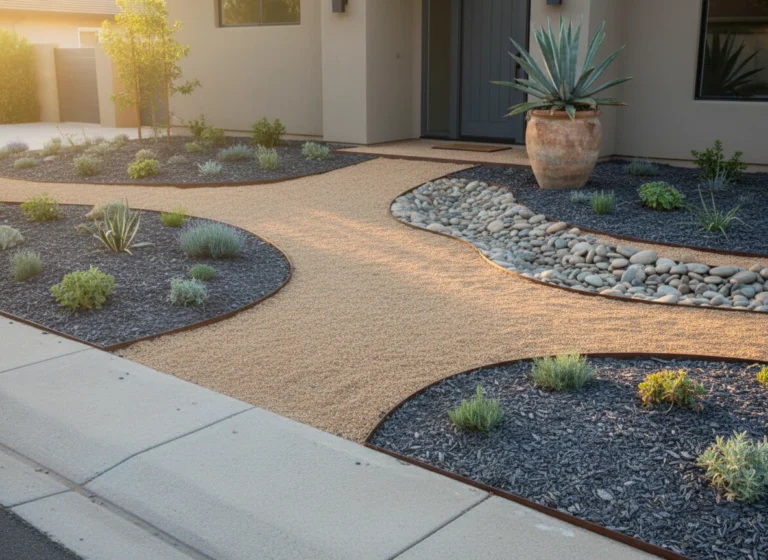
- Gravel mulches: 1/4″ to 3/8″ crushed stone in one color for a zero-clutter look.
The No-Mulch Minimalist Look
Swap bark for single-color gravel or resin-bound aggregate. You still suppress weeds, but you ditch the messy edges. Keep depths consistent: 2″ for loose gravel, thinner for resin-bound.
Weed Management (The Unsexy Hero)
Lay landscape fabric under loose gravel and overlap seams. Edge the fabric cleanly under steel or paver borders so you never see it. Spot-spray or hand-pull early offenders before they throw a party.
Lighting, Drainage, and Details That Actually Matter
Clean design lives or dies in the details. You can’t fake precision in daylight or at night.
- Lighting: Recessed paver lights or low-profile path lights keep things sleek. Aim for soft wash, not runway landing strip.
- Drainage: Use a subtle swale, a linear channel drain, or gravel pockets near low spots. Keep edges permeable where you can.
- Transitions: Add a 1/2″ reveal with steel for a delicate shadow line. Or go fully flush for a seamless plane.
- Hardware: Hidden stakes, stainless screws, and tight joints make a huge difference.
If you add lighting inside a gravel strip, run conduit before you lay base. Future-you will send you a thank-you text. Waterproof connections and keep transformer access easy.
Budget, Maintenance, and Common Mistakes
You can get a minimalist look at different price points. You just need to prioritize clean geometry and proper prep.
Rough budget tiers (materials only):
- Wallet-friendly: Aluminum or composite edging, simple gravel borders.
- Mid-range: Powder-coated steel edging, soldier-course pavers.
- Splurge-worthy: Corten steel, cast-in-place concrete, resin-bound gravel strips.
Maintenance cheats:
- Run a string trimmer wheel along mow strips for perfect lines.
- Top up gravel annually and re-sand paver joints as needed.
- Wash concrete and seal every few years if stains bug you.
- Brush debris off lighting and keep drains clear. FYI, five minutes now saves a weekend later.
Common mistakes (and easy fixes):
- Too many materials: Cap it at three. Pick a hero and two supporting actors.
- Complicated curves: Use one radius. Repeat it. Consistency reads clean.
- Weak base prep: Compact in lifts. No shortcuts, unless you enjoy ripples.
- Trip lips: Keep proud edges under an inch and consistent.
- No drainage plan: Grade away from structures and include a place for water to go. IMO, nothing ruins “minimalist” faster than puddles.
Project Ideas You Can Steal
You don’t need reinvention. You need clarity and a tape measure.
- Monochrome concrete + steel: Smooth gray walk with a 3″ steel strip and a 12″ band of charcoal gravel.
- Warm corten + lawn: Corten edge with a 1/2″ reveal holding a tight fescue lawn flush to the sidewalk.
- Resin-bound ribbon: A 6–8″ resin-bound gravel belt as the only border, with downlights washing the concrete.
- Soldier-course sync: Large-format paver row aligned with sidewalk joints for a rhythmic, gallery-like feel.
Want to go extra-clean? Align every change—joints, lights, plant gaps—with a consistent module (say 24″). That grid makes the whole space feel designed, not improvised.
Durability and Climate Considerations
Your climate should guide your picks. Hot, cold, wet—they all mess with materials differently.
- Freeze-thaw zones: Add base depth, use proper drainage, and cut control joints in concrete. Steel and pavers handle movement well.
- Hot, sunny regions: Dark metals heat up. Keep them out of direct foot traffic or go aluminum with a lighter finish.
- Coastal areas: Choose powder-coated aluminum or stainless hardware. Rinse occasionally to fight salt.
- Rain-heavy climates: Keep edges permeable where possible and avoid dams against hardscape.
FYI, a good geotextile under base material helps everywhere. It stops base from pumping into native soil and keeps your edges crisp longer.
FAQ
What’s the easiest minimalist edging for a first-time DIYer?
Aluminum edging wins for most beginners. It bends easily, stakes quickly, and creates a clean line without heavy tools. If you want something slightly bolder but still manageable, try steel with pre-punched stakes and straight runs.
Can I place edging flush with the sidewalk without creating drainage issues?
Yes, as long as you maintain a slight slope away from the walk and keep adjacent surfaces permeable or graded. Use compacted base and landscape fabric under gravel so water moves through cleanly. If you see puddles, add a small swale or a narrow linear drain.
How do I keep gravel from creeping onto the sidewalk?
Use a physical restraint like steel edging or a paver border and choose angular gravel that locks together. Keep the gravel 1/4″ below the sidewalk surface so it doesn’t wander under feet. A quick monthly broom pass keeps everything tight.
Will corten steel stain my concrete?
Early on, runoff can carry pigments that mark light-colored concrete. Set corten a few inches away with a gravel buffer, or let it patina off-site before installation. After the patina stabilizes, staining drops way down.
Do I need to seal my concrete mow strip?
You don’t have to, but sealing helps with oil, leaf tannins, and general grime. Choose a breathable, penetrating sealer to avoid a plasticky look. Reapply every couple of years if you like the just-poured vibe.
What edging height looks best with a minimalist design?
Aim for flush to 1″ proud, depending on the adjacent material. Flush edges feel seamless with turf or resin-bound gravel, while a slight reveal creates a crisp shadow next to planting beds. Keep the height consistent along the entire run so it reads intentional.
Conclusion
Minimalist sidewalk edging thrives on restraint, precision, and a few smart material choices. Pick one or two clean borders, align your details, and give water somewhere to go. Do that, and your sidewalk will look sharp every day, without begging for attention—and that quiet confidence beats flashy any time.