Sunny Side of Garage Landscaping Ideas: Heat- and Drought-Tolerant Picks
You know that scorched strip next to the garage that fries everything by July? Let’s turn it into a sun-loving superstar instead of a crispy plant graveyard. The trick: pick the right plants, use smart design, and lean into the heat instead of fighting it. You’ll spend less time watering and more time high-fiving yourself every time you pull into the driveway.
Know Your Sunny Side: Heat, Light, and Microclimates

That strip by the garage doesn’t just get sun. It also gets reflected heat from the wall and driveway, plus hot wind, and often the worst soil on your property. No wonder your hydrangea cried.
Take a few days and watch the area. Where does afternoon sun slam hardest? Does water drain away or puddle? Do car doors need space? Answer those and you’ll design like a pro.
Quick Site Checklist
- Sun hours: Count full-sun hours (6+). Afternoon sun hits harder than morning sun.
- Heat sources: Note light-colored walls, metal doors, and concrete that radiate heat.
- Wind channel: Garages create wind tunnels. Choose sturdy plants.
- Soil reality: Expect compacted builder fill. Plan for improved drainage or raised beds.
- Clearances: Leave 12–18 inches from the foundation. Keep plant height below mirrors and visibility lines near the driveway.
Drought-Tough All-Stars: Plants That Laugh at Heat
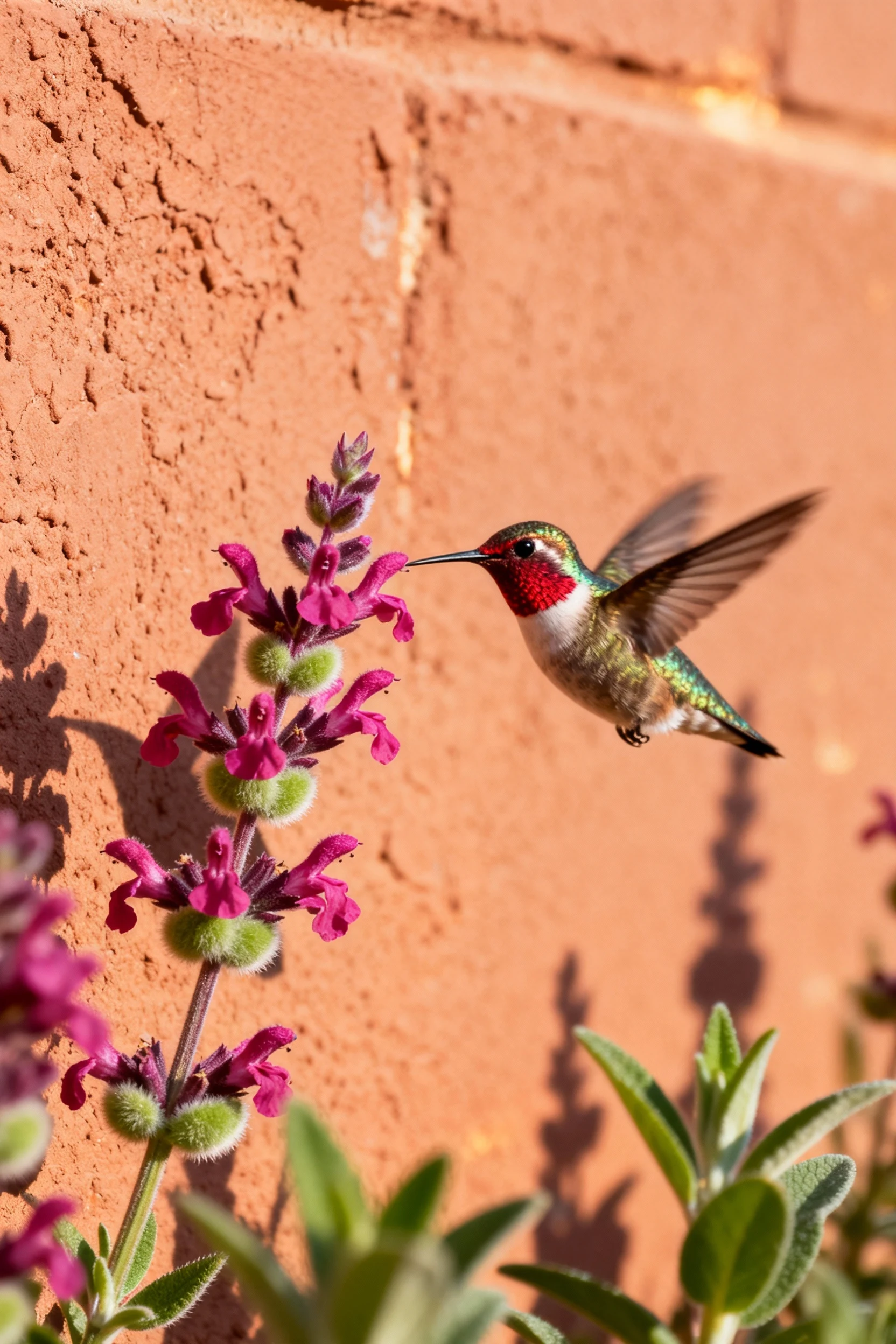
You want plants that say, “105°F? Cute.” Choose varieties that thrive in full sun, shrug off drought, and handle reflected heat. Mix forms and textures for a tight, modern look or a breezy, coastal vibe.
Succulents and Spiky Sculptures
These handle radiant heat like champs and look amazing against a garage wall.
- Agave parryi (artichoke agave): Compact, architectural, blue-gray leaves.
- Hesperaloe parviflora (red yucca): Coral-red wands all summer, pollinator magnet.
- Yucca rostrata: Slim trunk, spiky pom-pom top, ultra-sculptural.
- Opuntia (prickly pear): Flowers, fruit, and presence. Use a spineless variety if you prefer fewer surprises.
- Delosperma (ice plant): Low, mat-forming groundcover with neon blooms.

Ornamental Grasses That Move and Glow
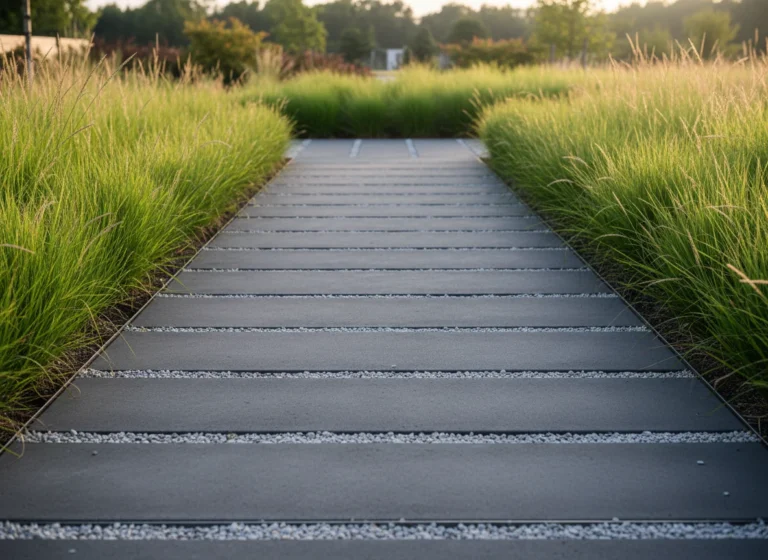
Grasses soften spiky shapes and add movement in hot wind.
- Muhlenbergia capillaris (pink muhly): Cotton-candy plumes in fall.
- Bouteloua gracilis (blue grama): Native, tough, quirky eyebrow seedheads.
- Schizachyrium scoparium (little bluestem): Blue summer foliage turns copper in fall.
- Festuca glauca (blue fescue): Small tufting clumps for edging.

Color Pops for Pollinators
You can get flowers without babying them. Promise.
- Salvia greggii (autumn sage): Blooms for months, hummingbirds approve.
- Gaillardia (blanket flower): Warm tones, long bloom, zero drama.
- Verbena rigida: Low, spreads, steady purple flowers.
- Lavandula (lavender): Fragrant, neat mounds, bees throw parties.
- Echinacea (coneflower): Heat-tolerant, sturdy, great with grasses.
Herbs, Shrubs, and Groundcovers With Grit
Build your backbone with small shrubs and honest groundcovers.
- Salvia rosmarinus (rosemary): Upright or trailing, edible, indestructible.
- Santolina chamaecyparissus (lavender cotton): Silver balls, tidy texture.
- Leucophyllum frutescens (Texas sage): Purple bursts after summer rain.
- Teucrium fruticans (bush germander): Silvery foliage, great hedge alternative.
- Dymondia margaretae (silver carpet): Tight groundcover that laughs at heat and light foot traffic.
- Thymus serpyllum (creeping thyme): Fragrant, low, great between pavers.
FYI: Check regional lists for invasiveness. For example, common lantana runs wild in some climates, even though it handles heat like a champ.
Design Moves That Beat the Heat
You won’t win a water fight with a south-facing garage. So don’t start one. Use design that saves water and makes the space look intentional.
Plant in Layers, Not Clumps
Think foreground, mid, and accent. Line the front with low groundcovers or grasses, stack mid-height perennials behind them, then drop in a few sculptural anchors near the wall. You’ll get structure all year and bloom waves in season.
Mulch That Matters
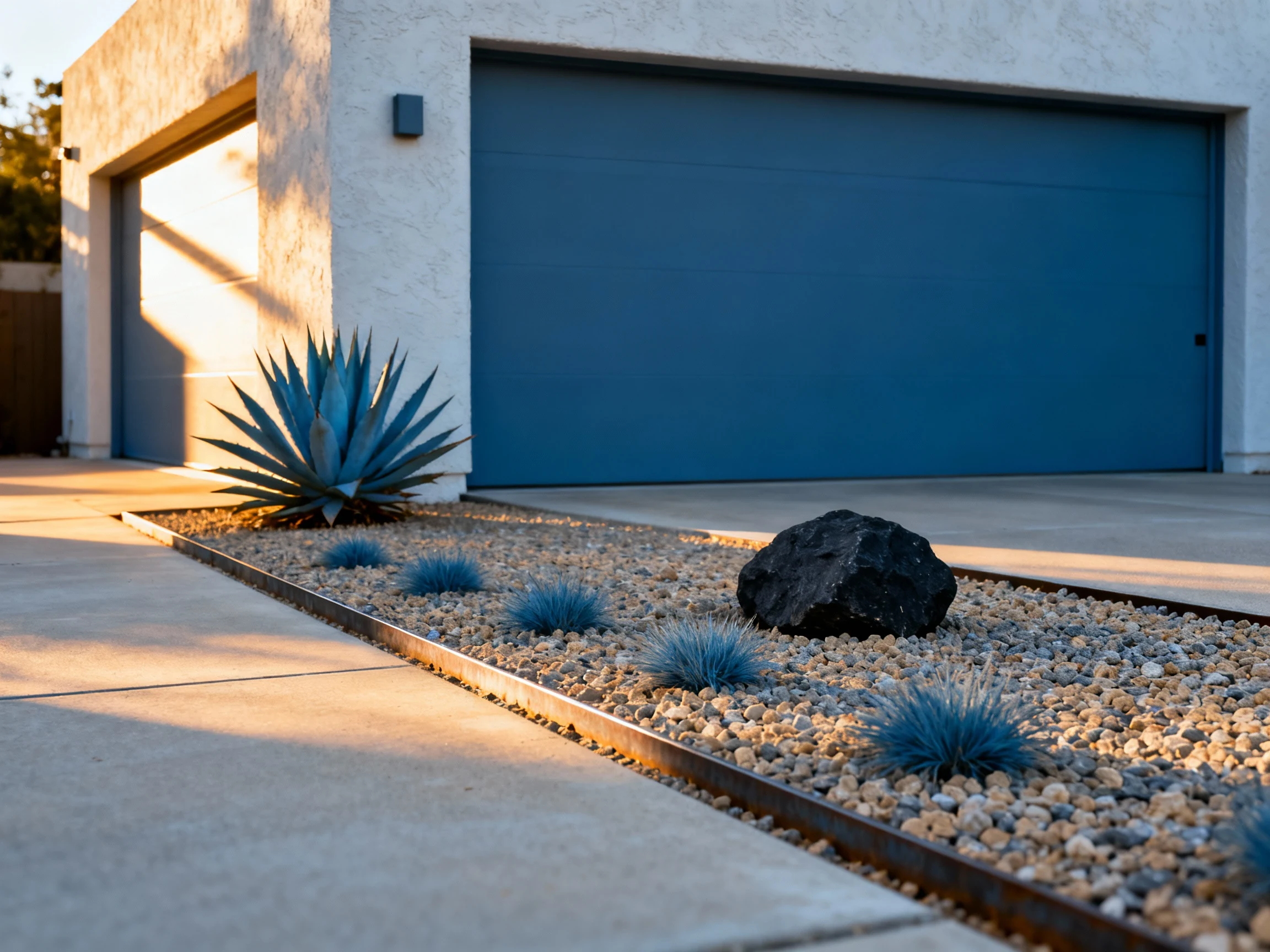
Rock mulch reflects light, so choose 3/8″ crushed gravel in tan or gray, not white marble chips. Spread 2–3 inches deep. You’ll insulate roots, reduce weeds, and keep soil temps more stable. Avoid bark against the garage; it cooks and invites termites in some regions.
Color and Materials
Light-colored walls bounce heat. Offset that with blue-gray foliage (agaves, festuca) and darker gravel. Add one or two boulders to ground the space. Coordinate metal house numbers and a mailbox to tie the look together.
Containers on the Hot Side
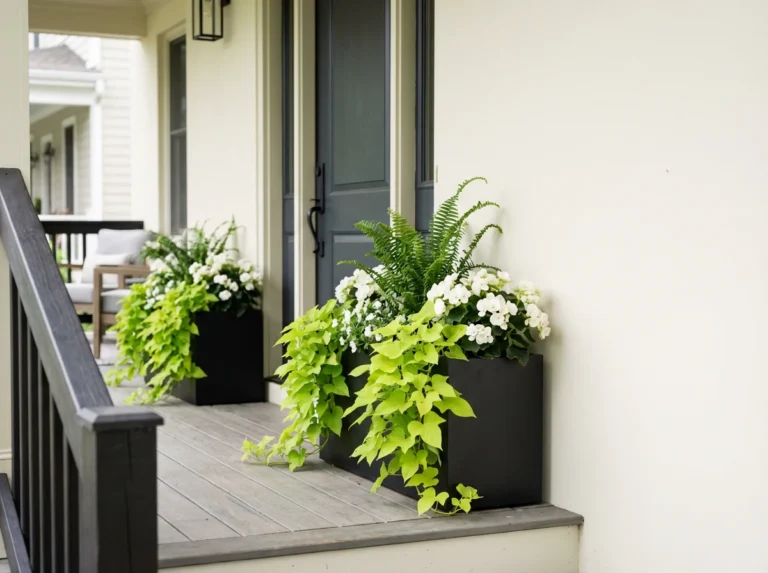
Use large, light-colored pots that don’t heat up like a cast-iron skillet. Plant heat-lovers like bougainvillea, dwarf olives, or aloes. Group containers in odd numbers and run drip emitters up through the drainage hole for stealth watering.
Smarter Watering With Less Water
You can keep a sunny garage strip looking lush without constant hose time. The secret: deep, infrequent watering and efficient delivery.
Drip Done Right
- Run a 1/2″ mainline behind plants, not right at the foundation.
- Use two emitters per shrub (one on each side) to encourage wide roots.
- Choose 0.5–1 gph emitters for most plants; go lower for succulents.
- Add a pressure regulator, filter, and simple battery timer. You’ll thank yourself in July.
Water-Wise Schedule
Water deeply and less often. Let the top couple inches of soil dry between sessions. In hot months, run drip 1–2 times per week and adjust run time to your soil: longer for sandy, shorter for clay. In cool seasons, cut way back or turn it off after rains.
Soil and Drainage Fixes
Garages usually sit on compacted soil. Loosen the top 8–10 inches before planting. Blend in coarse sand or small gravel for drainage where succulents dominate, and add a modest amount of compost around perennials and grasses. Consider a low berm along the wall to lift roots out of heat-soaked soil.
Extra-Credit Water Savers
- Ollas (buried clay pots) in vegetable or herb zones along the garage.
- Rain chains and barrels to harvest quick storms for spot watering.
- Greywater from laundry for trees or shrubs (check local codes).
Small-Space Layouts for the Skinny Strip
Skinny doesn’t mean boring. It just means you edit harder and repeat more.
Quick Templates You Can Steal
- The Ribbon Repeat: Alternate 3–4 plants down the length: blue fescue, autumn sage, dwarf rosemary, and ice plant. Repeat every 3 feet. Clean, modern, cohesive.
- Spikes and Waves: Anchor with Hesperaloe every 6–8 feet. Fill between with Gaillardia and creeping thyme. Add one accent boulder per 10 feet.
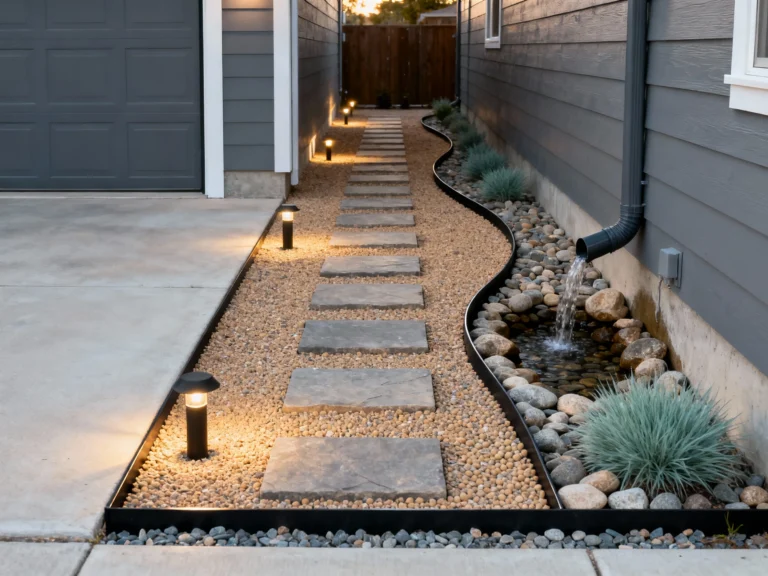
- The Gravel Garden: Lay 1–2 foot stepping pads for car door clearance. Plant pockets with agave, bush germander, and Dymondia. Top with crushed gravel.
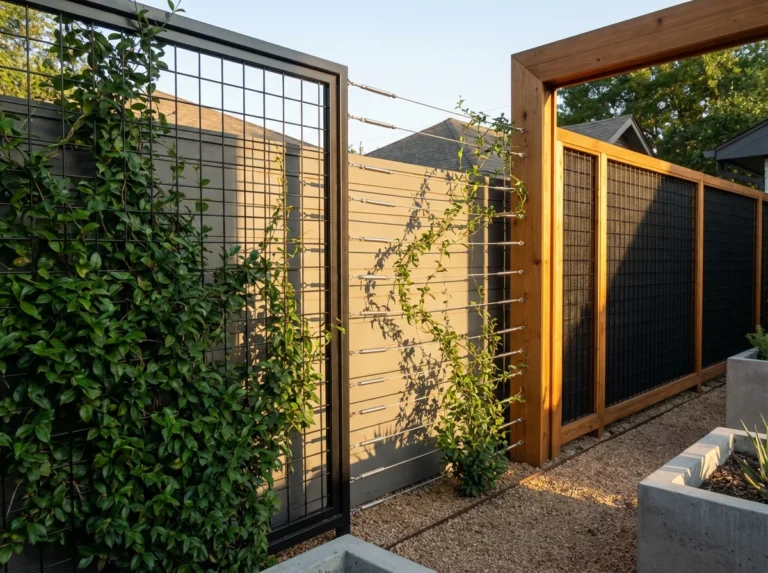
- Vertical Assist: Install a freestanding trellis 6–12 inches off the wall. Grow star jasmine in hot-but-not-blast zones or Tecoma stans where it bakes. Keep vines off stucco if your HOA has feelings.
- Container Spine: Place three large pots down the line: aloe, dwarf olive, and lavender. Underskirt with thyme. Connect with gravel for one continuous look.
IMO, the Ribbon Repeat delivers the most curb appeal per dollar and keeps maintenance low.
Spacing That Saves You Later
Space plants for their mature size, not for instant fullness. You’ll reduce pruning and diseases and save water. If it looks sparse early on, add decorative gravel, pavers, or seasonal pots while plants grow in.
Low-Maintenance, Not No-Maintenance
You can’t ghost your garden, but you can keep chores light. A hot, sunny strip rewards short, regular check-ins.
- Spring: Cut back grasses, shape rosemary and germander, refresh thin gravel areas.
- Summer: Deadhead gaillardia and salvia for more bloom. Check drip lines and emitters.
- Fall: Divide crowded perennials, plant new grasses, add bulbs like alliums for surprise spring pops.
- Winter: Pull any weeds before they set seed. Clean leaves away from the foundation.
Keep plants 12–18 inches from the wall. You’ll protect siding, reduce pests, and create an easy maintenance alley.
Curb Appeal Extras Without Extra Water
You can elevate the whole facade with a few smart add-ons.
- House numbers: Oversized, matte black or brushed metal numbers pop against light walls.
- Lighting: Solar path lights or low-voltage bullet lights aimed at a specimen plant. Keep it subtle and warm.
- Boulders and art: One great boulder beats five random rocks. Add a weatherproof sculpture for personality.
- Edging: Steel or stone edging keeps gravel crisp and your driveway clean.
- Mailbox makeover: Paint to match trim, then plant drought-tough bloomers at the base. Instant charm.
FYI: A tidy edge and consistent gravel color do more for curb appeal than most people expect. The brain loves clean lines.
FAQ: Sunny Side Garage Landscaping
Do I need to amend soil, or should I just plant into the existing dirt?
Check what you’ve got first. If you see compacted clay or construction rubble, loosen it and build structure. For succulents, focus on drainage with coarse sand or small gravel; for perennials and grasses, blend in a bit of compost, not a ton. You want fast-draining soil that still holds enough moisture to carry plants through hot weeks.
How often should I water a heat-tolerant strip?
Water deeply and infrequently. In summer, aim for 1–2 times weekly with drip, long enough to soak 8–12 inches down. In spring and fall, cut that in half. In winter, turn it off unless you live somewhere bone-dry without rain.
Will rock mulch make the area hotter?
White rock will. Crushed gravel in tan, gray, or mixed earth tones absorbs less heat and still gives you weed suppression and moisture savings. Keep it 2–3 inches deep, and don’t bury plant crowns. Pair gravel with shade-casting foliage where possible to moderate temps.
Can I grow vines on the garage wall?
You can, but do it thoughtfully. Use a freestanding trellis spaced off the wall to protect siding and allow airflow. Choose heat-tough vines like Tecoma stans or star jasmine (in very hot zones, give jasmine a touch of afternoon shade). Keep growth trimmed so you don’t block sight lines near the driveway.
What if I only have 12 inches of width to work with?
Go vertical and rhythmic. Use a narrow row of blue fescue or creeping thyme at ground level, then add wall-mounted planters or a thin trellis with airy vines. Containers also work: line three tall, narrow pots and tie them together with matching gravel underneath.
Are native plants always better here?
Natives usually handle local heat and drought beautifully, and they support wildlife. That said, Mediterranean-climate plants also thrive in harsh, sunny strips. Mix smart: use regionally native grasses and perennials with Mediterranean herbs and a few sculptural succulents for a resilient, low-water palette.
Conclusion: Turn the Hot Zone into a Hero
That sun-blasted garage side doesn’t need pity. It needs tough plants, clean design, and efficient watering. Lean into texture, repeat your winners, and give roots good drainage. Do that, and your “problem area” becomes your favorite welcome-home view, IMO.