25 Side of Garage Landscaping Ideas for Small Spaces (Easy & Budget-Friendly)
Your garage side probably looks like the land that time forgot—skinny, shady, and awkward. Good news: you can turn that sliver into a seriously charming, low-maintenance moment without draining your wallet. We’re talking vertical plants, clever hardscape, and storage that actually looks cute. Ready to make neighbors rubberneck while they walk their dogs? Let’s go.
Measure, Prep, and Set the Rules (Small-Space Reality Check)
Before you buy a single plant, figure out what you’re working with. Measure the width from your garage wall to the fence or property line. Check where water flows from the roof and downspouts. Watch the sun for a day or two to see shade patterns. These few minutes save a lot of headache later, IMO.
What to note before you plant
- Minimum clearance: Leave 24–36 inches for trash cans, ladders, meters, or maintenance access.
- Soil quality: That side often holds compacted builder fill. You fix it fast with raised beds, compost, or gravel-and-pot combos.
- Drainage: If water pools, you add a dry creek bed or redirect a downspout. Plants hate wet socks.
- HOA/permits: FYI, confirm fence heights, wall attachments, and rain barrels rules.
Plant picks by sun exposure
- Full sun (6+ hours): Lavender, rosemary, star jasmine, blue fescue, daylilies.
- Part shade: Heuchera, carex, ferns, hydrangea (compact types), ajuga.
- Deep shade: Hosta, hellebore, pachysandra, ivy (trained), cast-iron plant.
Vertical Wins: Grow Up, Not Out
When space runs tight, you go vertical. The wall and eaves become your best friends. These ideas give you color and texture with almost no footprint. Zero backbreaking digging required.
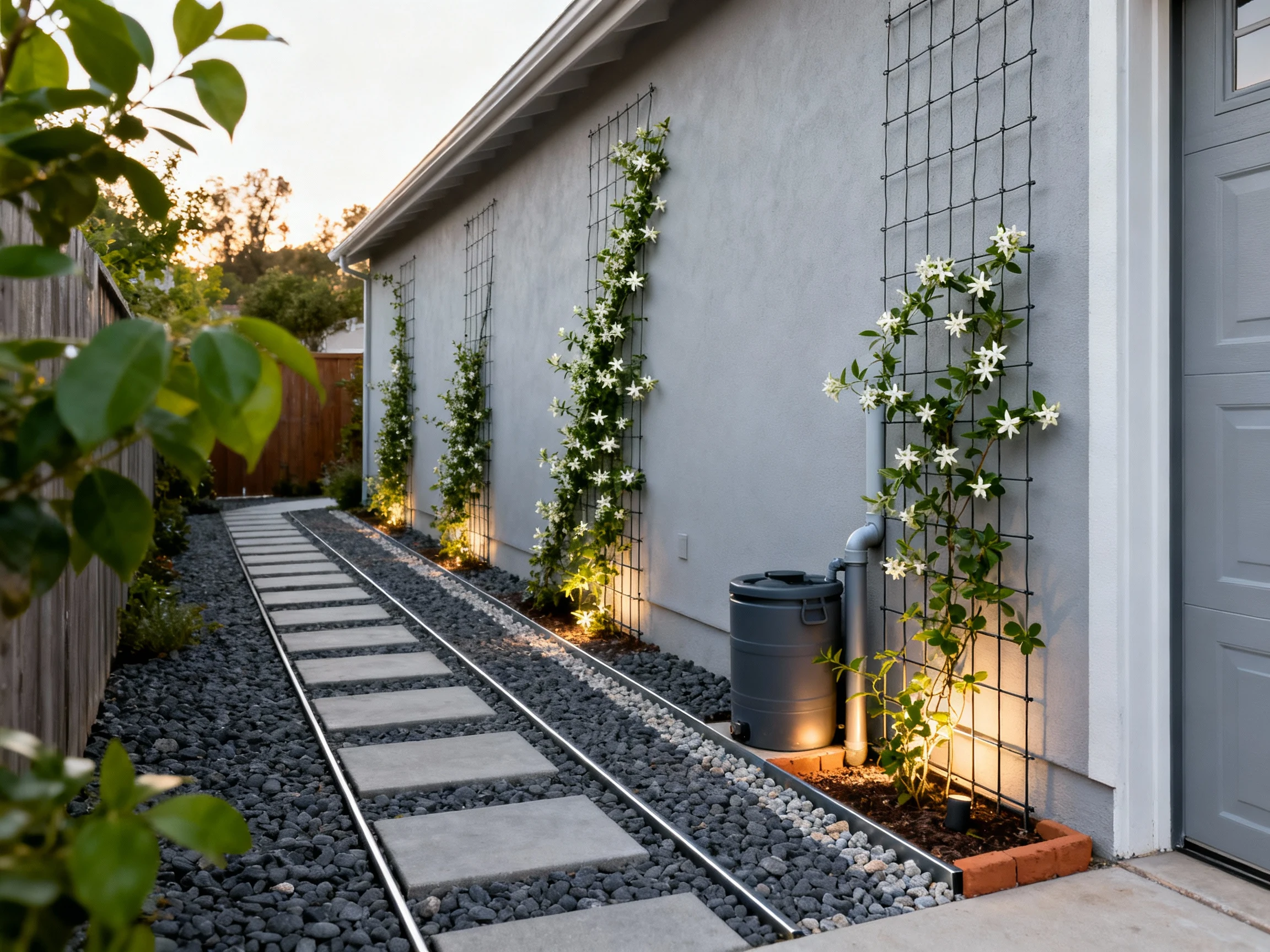
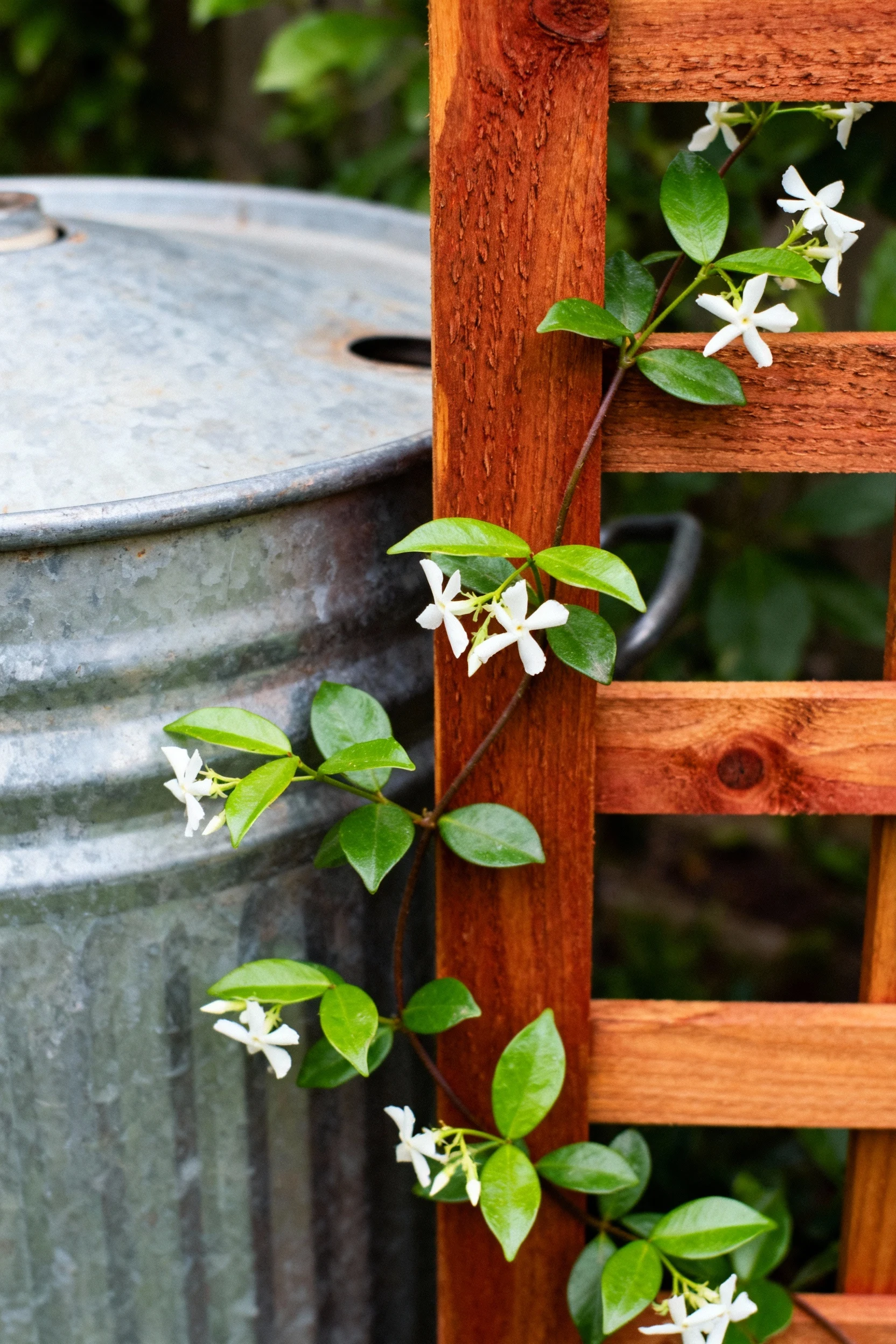
- Slim trellis with climbers: Attach a narrow wood or metal trellis and plant star jasmine, clematis, or mandevilla at the base. You get height, fragrance, and an instant “wow” line right along the wall.
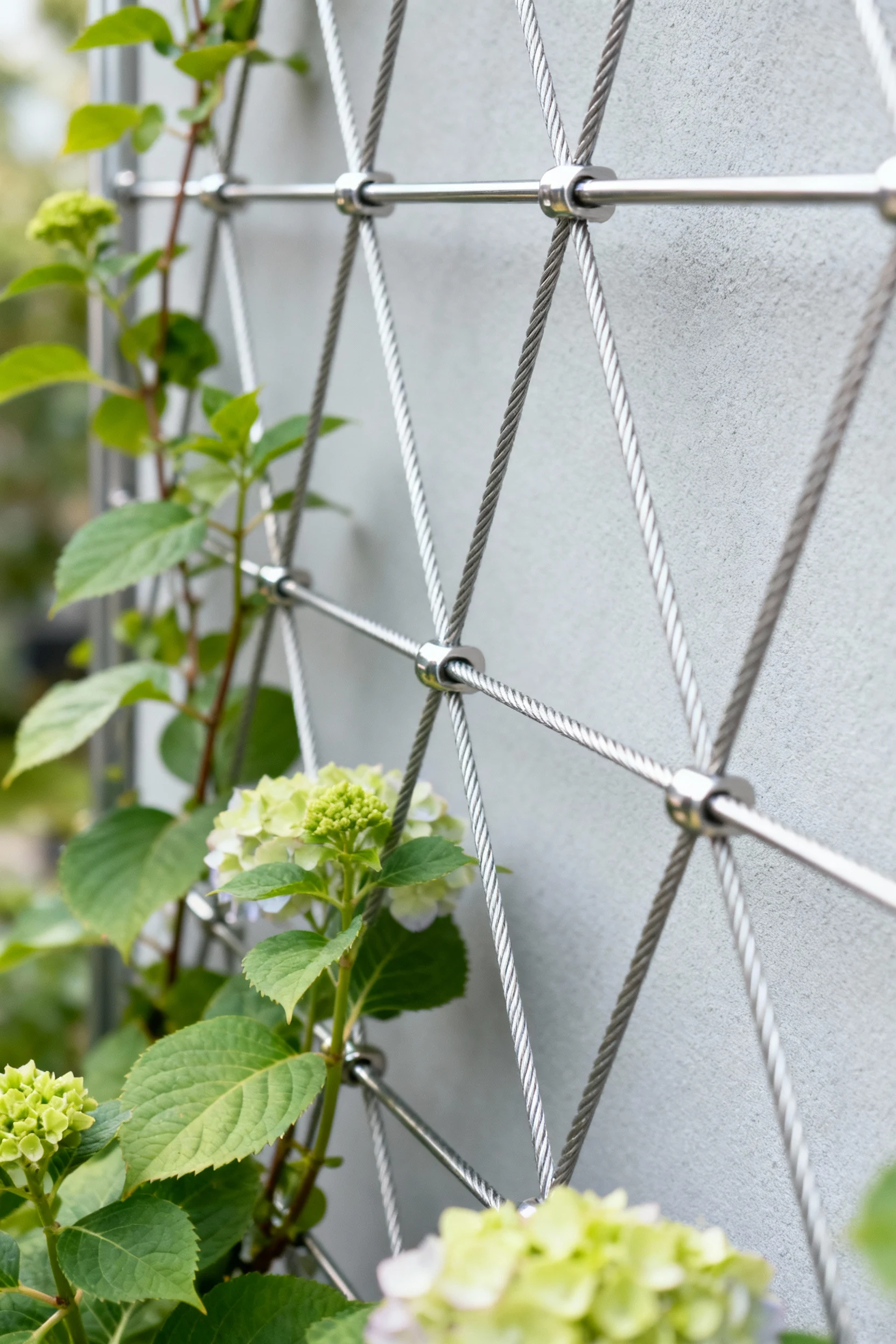
- DIY cable trellis: Screw eye bolts into studs and run stainless steel wire diagonally. Train bougainvillea or climbing roses if you have sun, or climbing hydrangea for shade. It looks modern and costs less than you think.
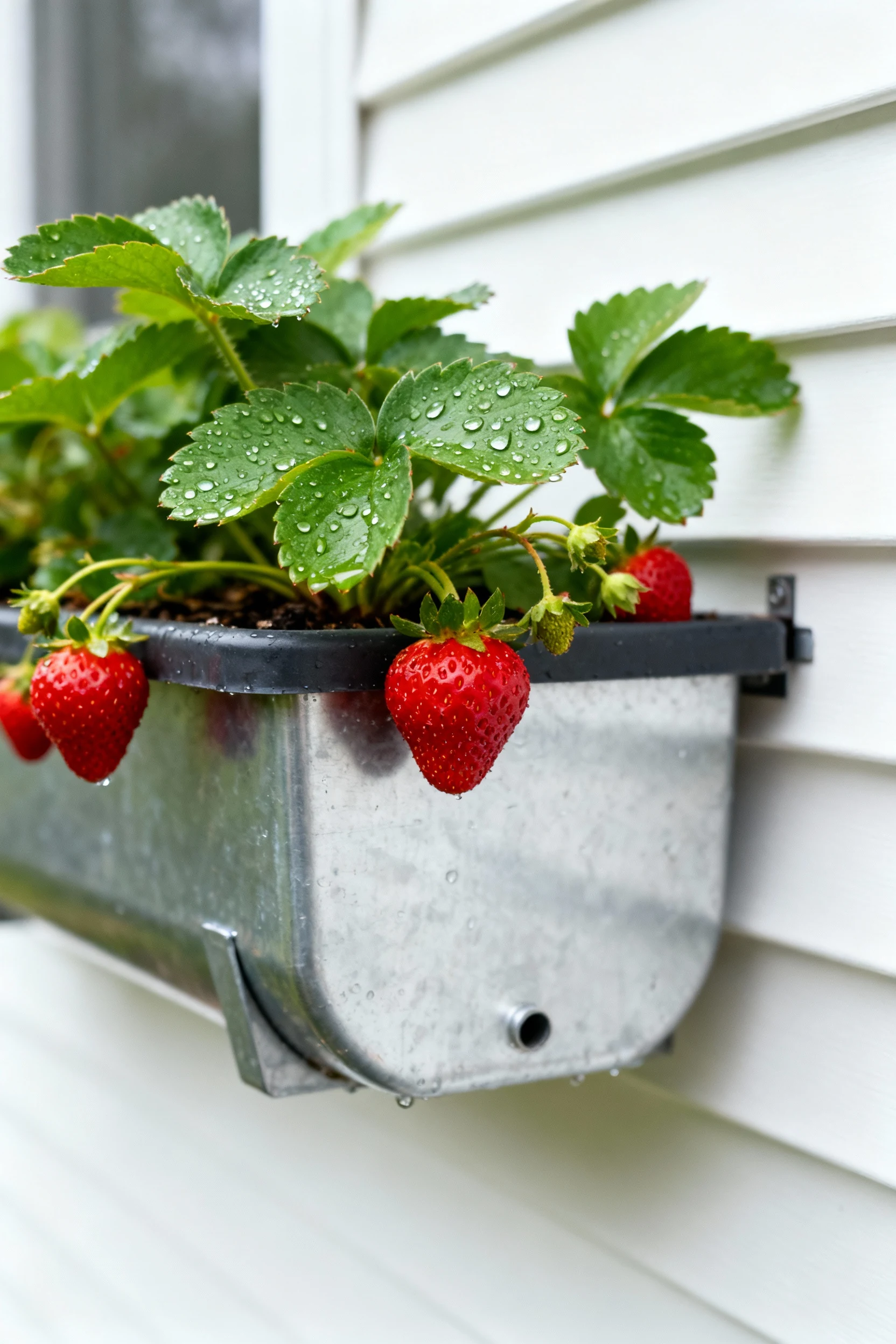
- Gutter garden planters: Mount cut sections of clean aluminum gutters as slim trough planters. Grow strawberries, succulents, or trailing herbs where pots won’t fit.
- Over-the-door shoe organizer planter: Hang a fabric pocket organizer, poke drainage holes, and fill with hardy herbs or lettuces. Water gently and harvest like a kitchen ninja.
- Ladder plant stand: Lean a narrow ladder or A-frame shelf against the wall and load it with small pots. Paint it a fun color and swap plants by season for easy refreshes.
- Espalier a fruit tree: Train a dwarf apple or pear flat against a simple wire frame. You get fruit, sculpture, and instant “whoa, fancy” vibes in a few inches of depth.
- Hanging baskets under the eaves: Use sturdy brackets and plant trailing petunias, ivy, or dichondra ‘Silver Falls’. The plants soften the straight line of the roof and steal zero floor space.
- Magnetic herb rack: Mount a sheet of metal (or use a metal garage wall) and stick magnetic spice tins with drainage holes. Fill with thyme, oregano, and mint (mint in a tin keeps it from taking over your life).
Vertical install tips
- Hit studs or use sleeve anchors in masonry. Your future self will thank you.
- Add spacers behind trellises for airflow, which keeps walls dry and plants happy.
- Use a soaker hose or drip line at the base so you don’t spray the wall constantly.
Skinny Planting Beds That Punch Above Their Weight
Even a 12–18 inch strip can look lush when you choose the right plants and edging. Keep the palette simple and repeat plants for rhythm. You’ll make the space look longer and cleaner at the same time.
- Gravel strip with pockets: Lay landscape fabric, add gravel, and cut small openings for tufted grasses and succulents. You get drainage, texture, and minimal weeding.
- Evergreen ribbon: Plant a repeating run of dwarf boxwood, compact yew, or ‘Sky Pencil’ holly. This anchors your design year-round and pairs with seasonal color in pots.
- Four-season mix: Combine hellebores (late winter bloom), heuchera (colorful leaves), and Japanese forest grass (soft movement). Shade? No problem. Interest? Nonstop.
- Bulb-and-perennial blend: Tuck in daffodil and allium bulbs between low perennials. The bulbs pop early, then foliage hides under summer plant growth. Sneaky-smart layering.
- Steel or paver edging: Drive in metal edging or set a soldier course of bricks to define a slim bed. Strong edges make small spaces look intentional and tidy.
- Feature stone with groundcover: Drop in one pretty boulder and surround it with creeping thyme or sedum. It reads designer without reading “expensive.”
Plant spacing for skinny beds
- 12–18 inches on center for small perennials and grasses.
- 24 inches for compact shrubs to avoid constant pruning.
- Repeat 3–5 plants in a pattern for a calm, modern look.
Hardscape Hacks That Look Custom on a Budget
You can’t plant where you need to walk, so carve a practical path that still looks great. Mix gravel, pavers, and simple drainage features. You’ll control mud, guide traffic, and frame your plants.
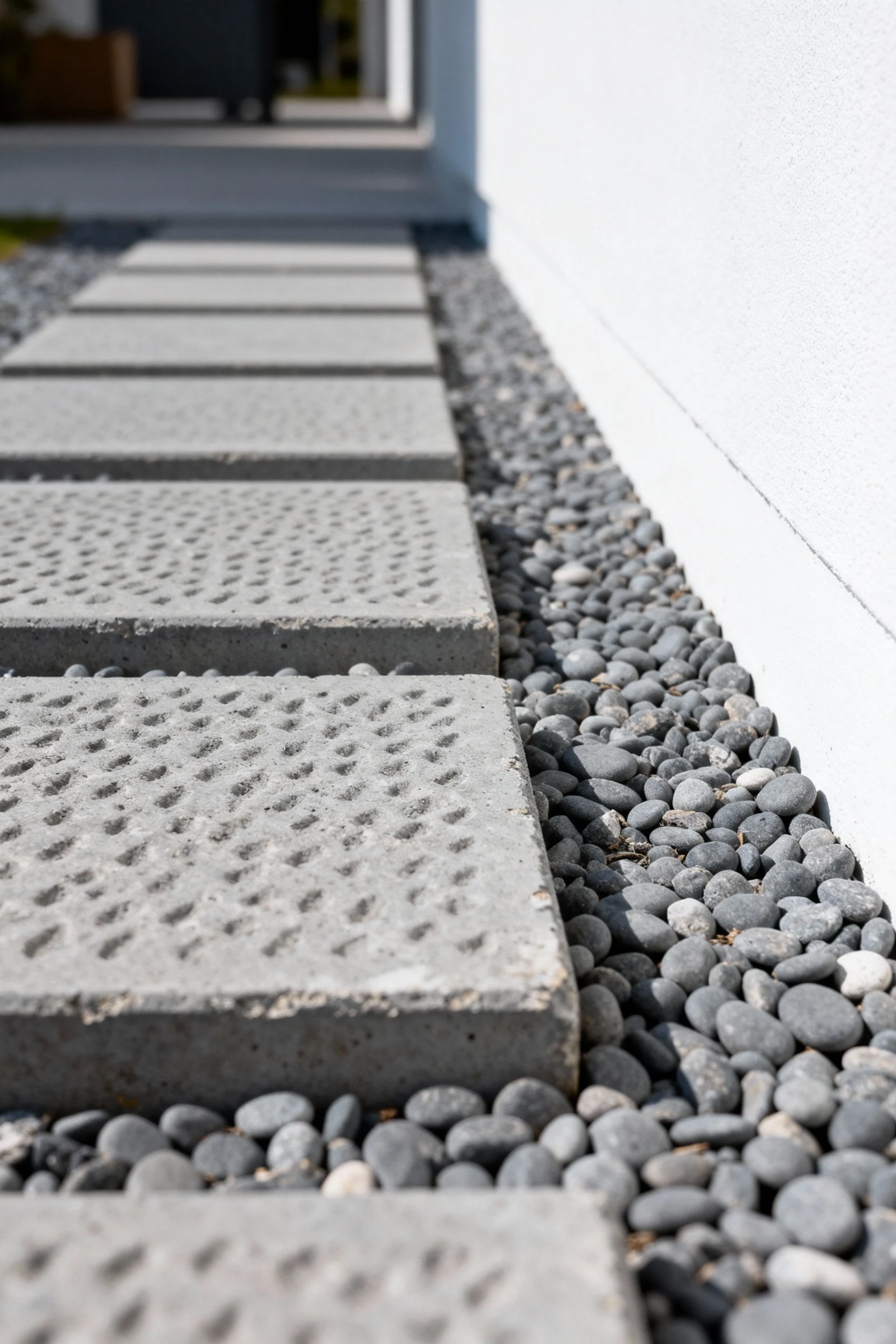
- Stepping-stone run: Set 12×12 or 16×16 concrete pavers in gravel along the garage. Keep a 2–3 inch gravel border against the wall for splash control.
- Reclaimed brick edge and pea gravel path: Lay bricks on edge to define the path, then fill with compacted gravel. It feels cottage-y and costs far less than poured concrete.
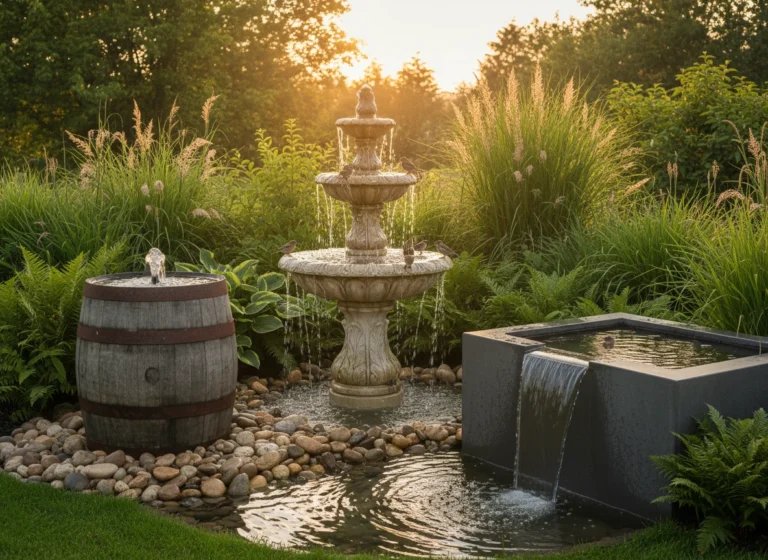
- Rain barrel corner: Park a rain barrel by a downspout and screen it with a mini trellis and vines. Free water plus a tidy, intentional look.
- Dry creek for runoff: Create a shallow swale lined with river rock to catch roof overflow. Add a few larger stones and drought lovers nearby for a natural vibe.
- Low pallet screen: Stand a cut pallet on edge, stain it, and use it as a backdrop for pots. You get privacy, a design focal point, and zero fuss.
Budget material checklist
- Gravel and pavers: often on sale or found secondhand.
- Bricks and stones: check marketplace listings or salvage yards.
- Wood: fence offcuts or pallets for screens and shelves.
Style, Storage, and Smart Function
That strip still needs to work hard. Hide the ugly stuff and bring in a little charm. A few screws and a Saturday afternoon can change everything, IMO.
- Decorative hose reel board: Mount a painted board with a sturdy hose holder, then frame it with two small pots. Function meets cute—no more hose spaghetti.
- Fold-down potting shelf: Hinge a small board to the wall with two folding brackets. Pot plants, set drinks, or stage lanterns—then fold it flat.
- Pegboard tool wall: Install weather-resistant pegboard or slotted rail and hang hand tools, twine, and gloves. It keeps everything off the ground and ready to grab.
- Slim storage bench: Build or buy a narrow bench with a flip-top lid. Hide fertilizers and extra pots while giving yourself a seat or staging area.
Quick styling cheats
- Pick a two-color palette for pots and repeat it. Consistency reads elevated.
- Mix one statement pot with a few budget ones to stretch the look.
- Group in odd numbers (3s, 5s) for instant design harmony.
Lighting, Finishes, and Low-Maintenance Upgrades
Good lighting and a few finishes make the narrow side feel intentional at night and day. You highlight plants, guide steps, and extend your outdoor hours. Small changes, big payoffs.
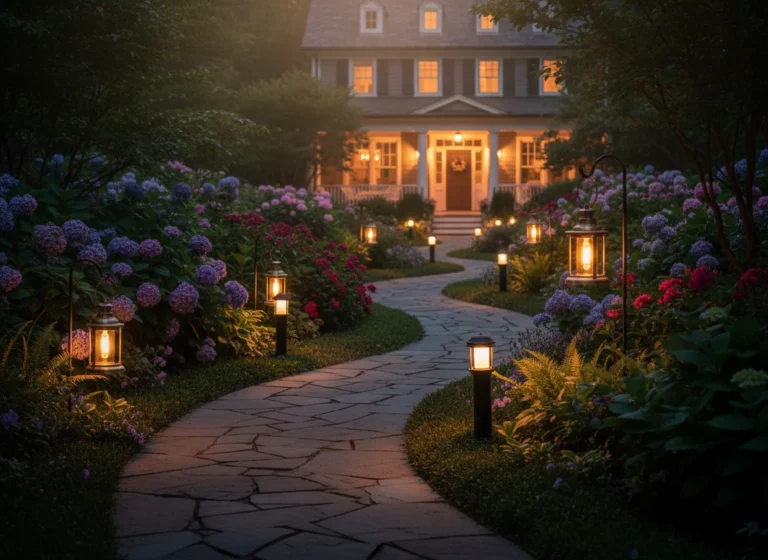
- Solar path or wall lights: Stick solar stakes along the path or mount solar sconces. You avoid wiring and you get safe, moody glow instantly.
- Fresh paint and bold numbers: Paint the garage side a light, clean color to brighten the corridor. Add modern house numbers or a small mural panel for a surprise moment.
Keep it low effort
- Use drip irrigation with a battery timer so you stop babysitting plants.
- Mulch 2–3 inches to squash weeds and lock moisture.
- Choose drought-tolerant plants so missed waterings don’t trigger drama.
FAQ
How do I landscape along a garage when I only have 18 inches of space?
Go vertical and keep planting simple. Add a narrow trellis or cable system, run a single row of compact shrubs or grasses, and edge the rest with gravel and stepping stones. You’ll keep it tidy, walkable, and surprisingly lush.
What plants survive next to a hot garage wall?
For sun-baked walls, choose heat lovers like lavender, rosemary, lantana, sedum, and blue fescue. If you want climbers, try star jasmine or bougainvillea where winters stay mild. In colder zones, pick clematis or hardy roses and mulch well.
Can I put planters on my garage wall without causing damage?
Yes—hit studs or use masonry anchors, add spacers to keep planters off the surface, and include drainage trays or holes. Keep irrigation gentle and aim water at soil, not the wall. Regularly check for moisture buildup and clean behind mounts once a season.
How do I deal with a downspout that floods the side yard?
Extend the downspout with a flexible pipe to a dry creek bed or rain garden area. Add a splash block or catch basin at the base and grade the gravel path slightly away from the wall. Pair that with drought-friendly plants that tolerate occasional soakings.
What’s the cheapest way to make it look finished fast?
Edge the strip with steel or bricks, lay gravel, and drop in three statement pots with repeating plants. Mount a hose reel and one solar sconce. In a single afternoon, you’ll go from “utility alley” to “oh hi, design.”
How do I keep maintenance low on such a narrow space?
Choose evergreen structure plants, layer mulch, and automate watering. Prune lightly a few times a year instead of heavy cuts. Keep tools on a pegboard right there so you fix little things in minutes, not months.
Conclusion
The side of your garage doesn’t need to stay a forgotten slice of blah. You can stack vertical plants, carve a clean path, and sneak in storage—all on a shoestring. Keep the palette tight, repeat shapes, and let lighting do the heavy lifting. Give yourself one weekend, and you’ll create a narrow alley that feels like a polished, purposeful part of your home, IMO.