Side of Garage Landscaping Ideas with Rock & Gravel: No-Grass Designs for Curb Appeal
You know that awkward strip along the side of your garage? The one that collects weeds, rogue soccer balls, and maybe a lonely trash can? Let’s turn it into something you actually love. Rock and gravel landscaping can make that side look sharp, stay low-maintenance, and boost curb appeal without a single blade of grass. Ready to build a no-mow zone that looks intentional and polished?
Reclaim the Forgotten Strip: Why It’s Worth It
The side of your garage sets the tone for your whole property. When it looks tidy and intentional, everything else feels elevated. Plus, rock and gravel landscapes keep maintenance low while still giving you texture, color, and structure.
And yes, you can do it on a weekend. With a clear plan and the right materials, you’ll get instant curb appeal without a sprinkler in sight. Love that for you and your Saturday.
Rock & Gravel 101: Materials That Make It Work
Think of your side-yard like a mini outdoor room. The “flooring” sets the vibe. You’ll want a combo of rock sizes, tones, and textures for depth, but not so much that it looks chaotic. Pick a simple palette and repeat it down the length of the space.
Popular Rock Types (and Where They Shine)
- Pea gravel (3/8″): Small, rounded stones. Great for paths and soft crunch underfoot. Use with a stabilizer for fewer “escapee” pebbles.
- Decomposed granite (DG): Packed and compacted, it creates a smooth, natural-looking surface for walking or seating nooks. Add a stabilizer for durability.
- Crushed stone (3/8″–3/4″): Angular, locks together well, drains quickly. Perfect for base layers and areas near downspouts.
- River rock (1″–3″): Smooth and chunky. Use it to frame dry creek beds, around downspouts, or as borders that pop.
- Mexican beach pebbles: Sleek, dark, modern. Pricey, but a little goes a long way as accent bands or around focal plants.
Color and Size: Keep It Cohesive
- Match your house tones: Warm stucco? Choose tans and golds. Cool gray siding? Go slate, charcoal, or blue-gray.
- Mix sizes intentionally: Use larger river rock to outline a “dry creek,” then fill paths with pea gravel or DG for walking comfort.
- Control the chaos: Edge your materials to keep them in place and to create clean lines people notice from the street.
Layouts That Actually Work in Narrow Side Yards
Narrow spaces demand simple, bold moves. You don’t need a hundred plants and five rock varieties. Pick a layout and repeat the pattern so it looks curated, not cluttered.
Three Go-To Layouts to Steal
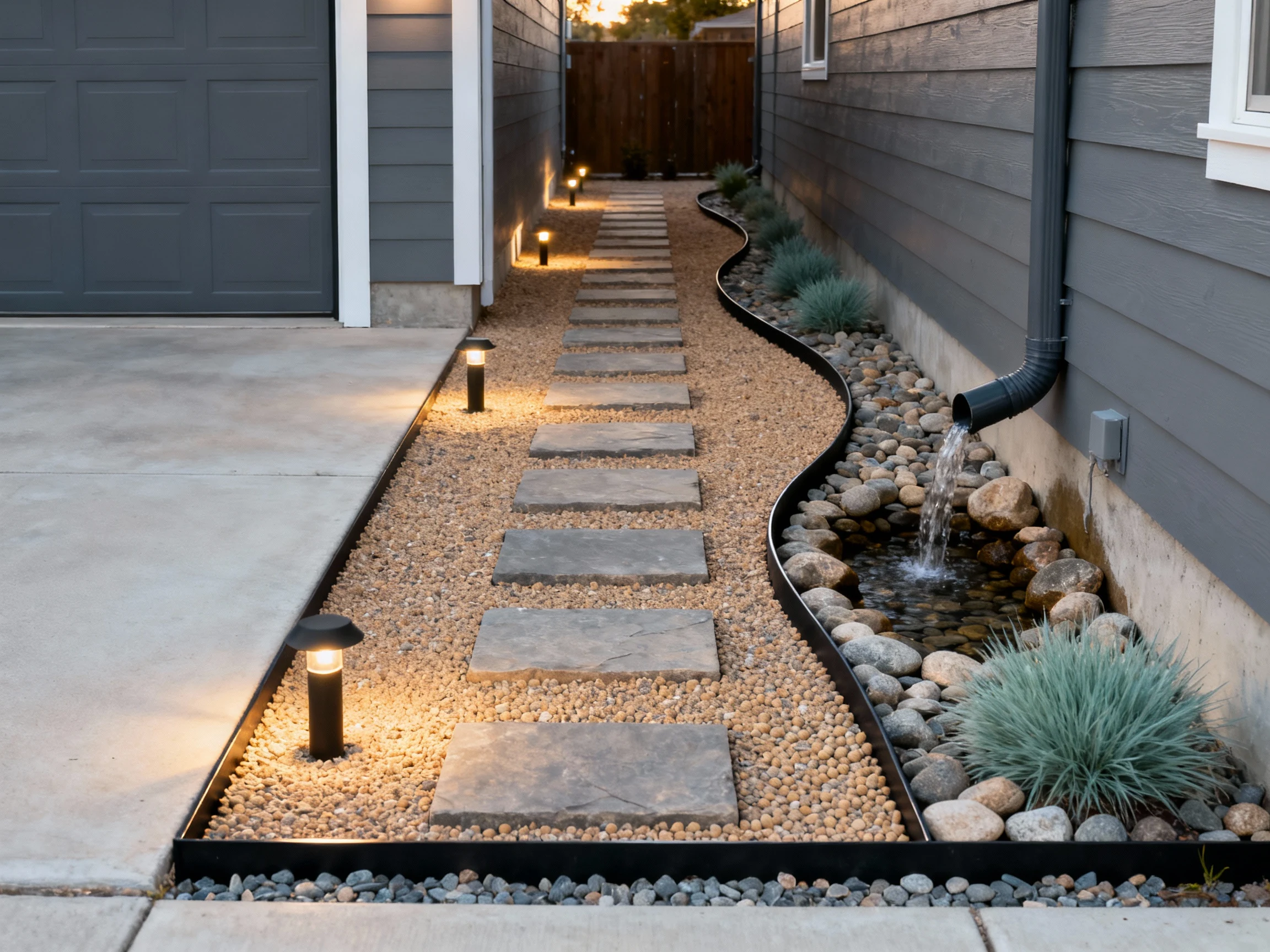
- Modern Ribbon: Two parallel bands—one for stepping stones in DG, one for a low-maintenance planting strip with larger river rock as mulch. Clean, linear, and HOA-friendly.
- Dry Creek Bed: Curve a “stream” of river rock from the front to the back. Flank it with gravel mulch and tough plants. Bonus: it doubles as a drainage path.
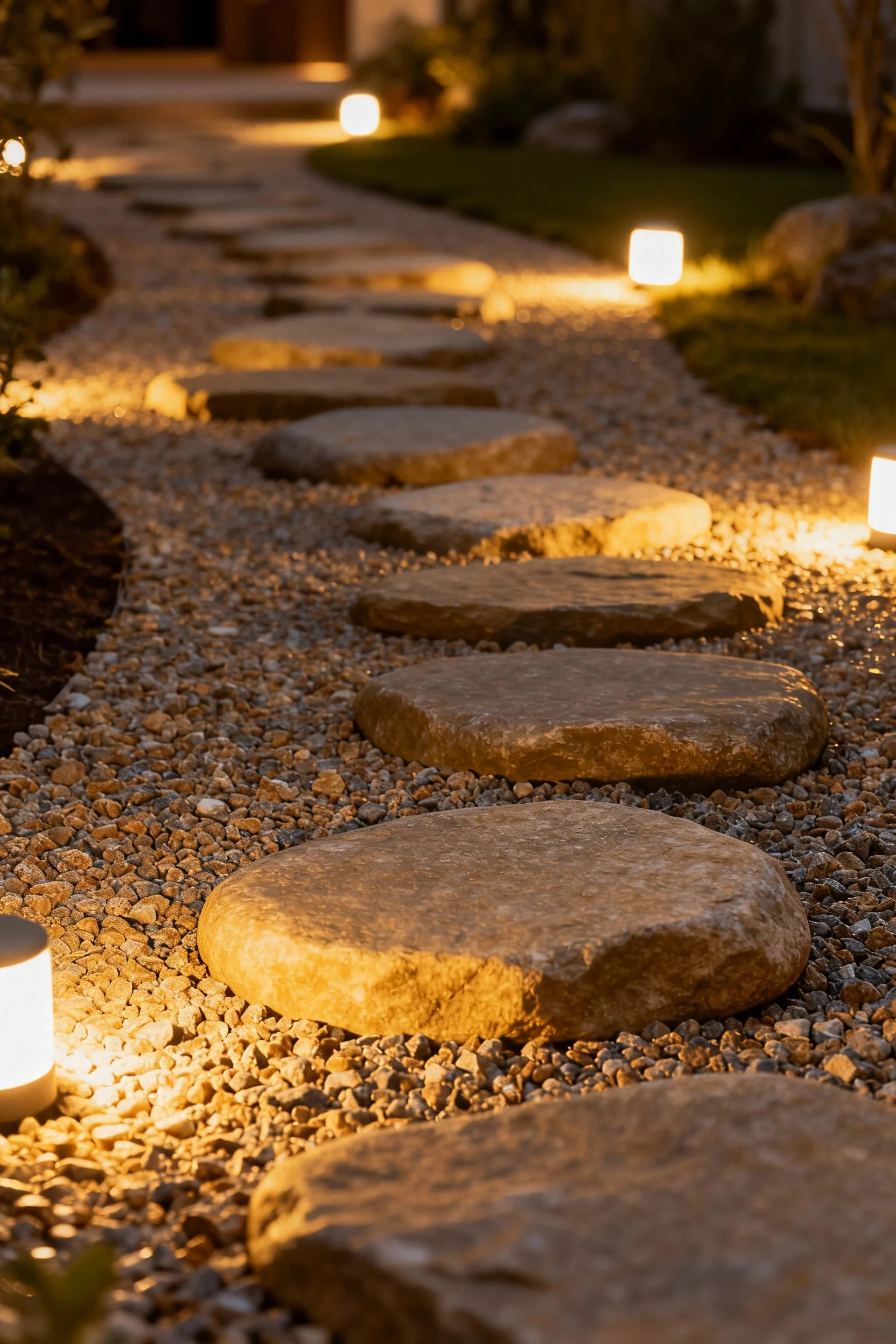
- Stepping Stone Path: Oversized pavers set in pea gravel or DG. Add groundcovers in the gaps if you’ve got partial sun. Minimalist but welcoming.
Edging Matters (A Lot)
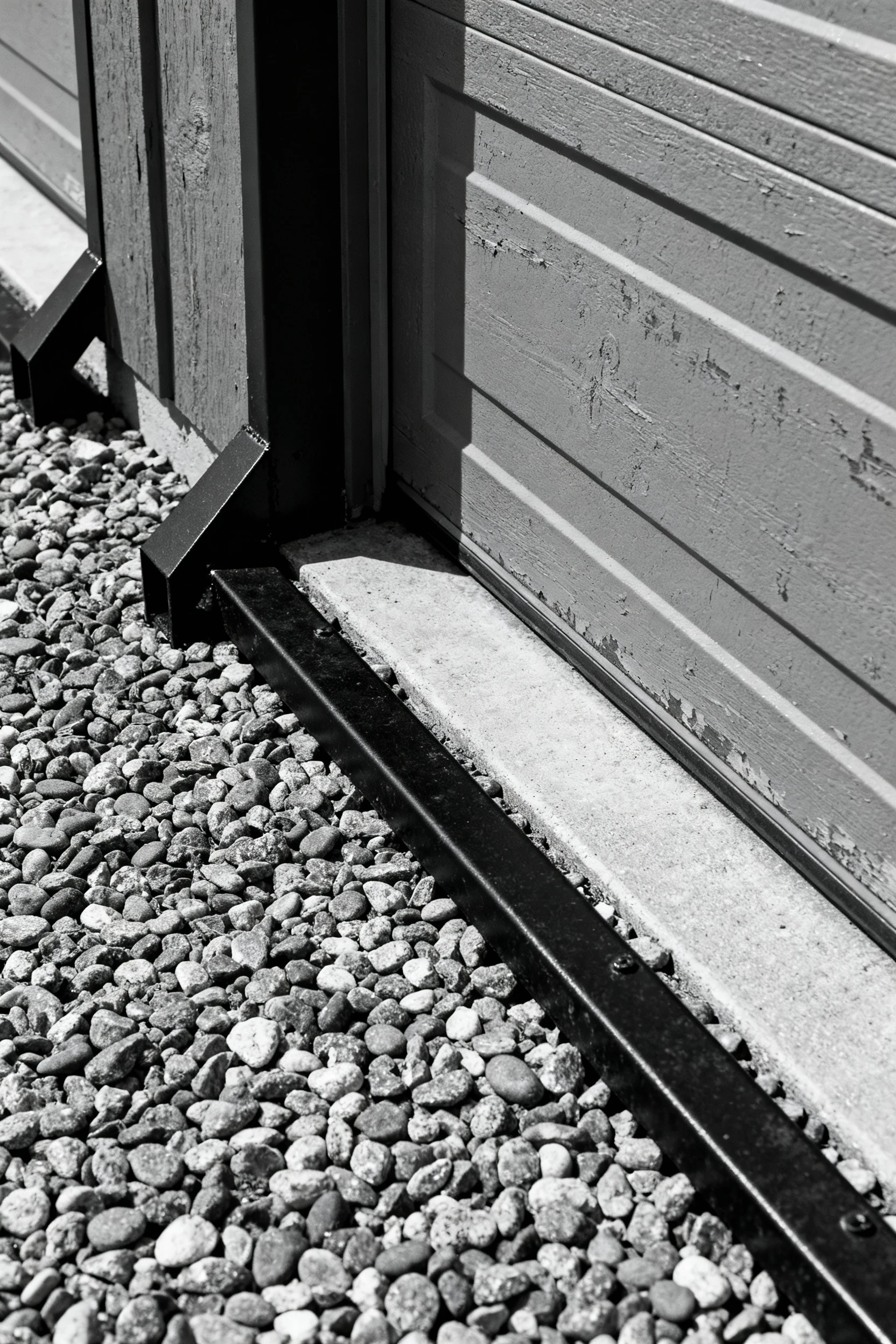
- Metal edging: Low-profile, crisp lines, easy curves. Great for modern looks.
- Paver edging: Adds a classic border and keeps gravel neatly inbounds.
- Bender board or composite: Budget-friendly and flexible; works well along curves or fences.
- Pro tip: Edge every interface—gravel to planting, gravel to driveway, gravel to foundation. You’ll thank yourself later.
No-Grass Planting Ideas That Won’t Babysit You
Gravel and rock do the heavy lifting, but plants add life and movement. Choose low-water, low-fuss options that thrive in your light conditions. Evergreen structure + seasonal texture = year-round curb appeal.
Foolproof Plant List by Sun Exposure
- Full sun (6+ hours):
- Blue fescue, feather reed grass, or dwarf fountain grass (movement and shape)
- Lavender, rosemary, or thyme (scent and pollinators)
- Yarrow, salvia, or black-eyed Susan (color pops that love heat)
- Agave or yucca for sculptural drama (use sparingly unless you enjoy danger leaves)
- Part sun / bright shade:
- Boxwood, dwarf nandina, or Osmanthus (structure without fuss)
- Heuchera, carex, or liriope (texture and contrast)
- Hydrangea paniculata in bright shade (if you want seasonal blooms)
- Dense shade:
- Hosta, ferns, and hellebore (lush and elegant)
- Japanese forest grass for soft movement
- Evergreen shrubs like aucuba or yew for backbone
Containers vs. In-Ground
- Containers: Great for narrow spaces and for avoiding utility lines. Choose tall, slim planters to add height and keep the footprint small.
- In-ground: Feels more natural and usually cheaper long-term. Use larger river rock as mulch for a clean, finished look.
- Combo approach: Anchor with 2–3 in-ground shrubs, then pepper in planters near the garage door for a “wow” moment.
Drainage, Weed Control, and Underlayment (AKA The Boring Stuff That Matters)
This is where most DIYs go sideways. You want water to move away from the foundation and weeds to stay gone. Prep makes the difference between “magazine” and “meh”.
Base Layers, Simplified
- Grade: Ensure a slight slope away from the garage—about 1/4″ per foot. Use a long level or string line to check.
- Excavate: Remove 2–4″ of soil depending on your gravel depth and edging height.
- Weed barrier: Lay commercial-grade landscape fabric (not plastic). Overlap seams by 6–8″.
- Base rock: Add 2″ of compactable base (Class II/road base). Compact with a hand tamper or plate compactor.
- Top layer: Spread your chosen gravel 1.5–2″ deep. Rake smooth and compact lightly if using DG.
Weed Prevention That Actually Works
- Thicker gravel layer reduces light and discourages germination.
- Pre-emergent herbicide in spring and fall (if you use chemicals) stops seeds from sprouting. FYI, always follow labels.
- Smart plant spacing shades the gravel and blocks weed growth over time.
- Quarterly rake-and-tidy keeps debris off the surface so seeds don’t settle in.
Finishing Touches That Bring the Curb Appeal
Details make it feel designed, not “I dumped rocks and ran.” Add lighting, repeat a couple of materials, and hide the ugly stuff. One or two intentional accents beat clutter every time.
Lighting: Small Fixtures, Big Upgrade
- Low-voltage path lights set 6–8 feet apart along the stepping stones or plant strip.
- Uplights at a small tree or sculptural plant create drama without being extra.
- Solar options work fine if wiring feels intimidating. Choose warm white for a cozy vibe.
Simple Add-Ons with Outsized Impact
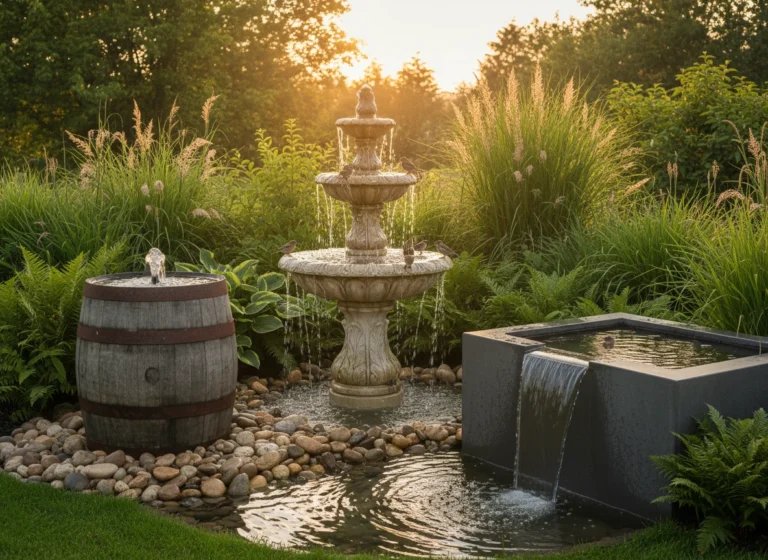
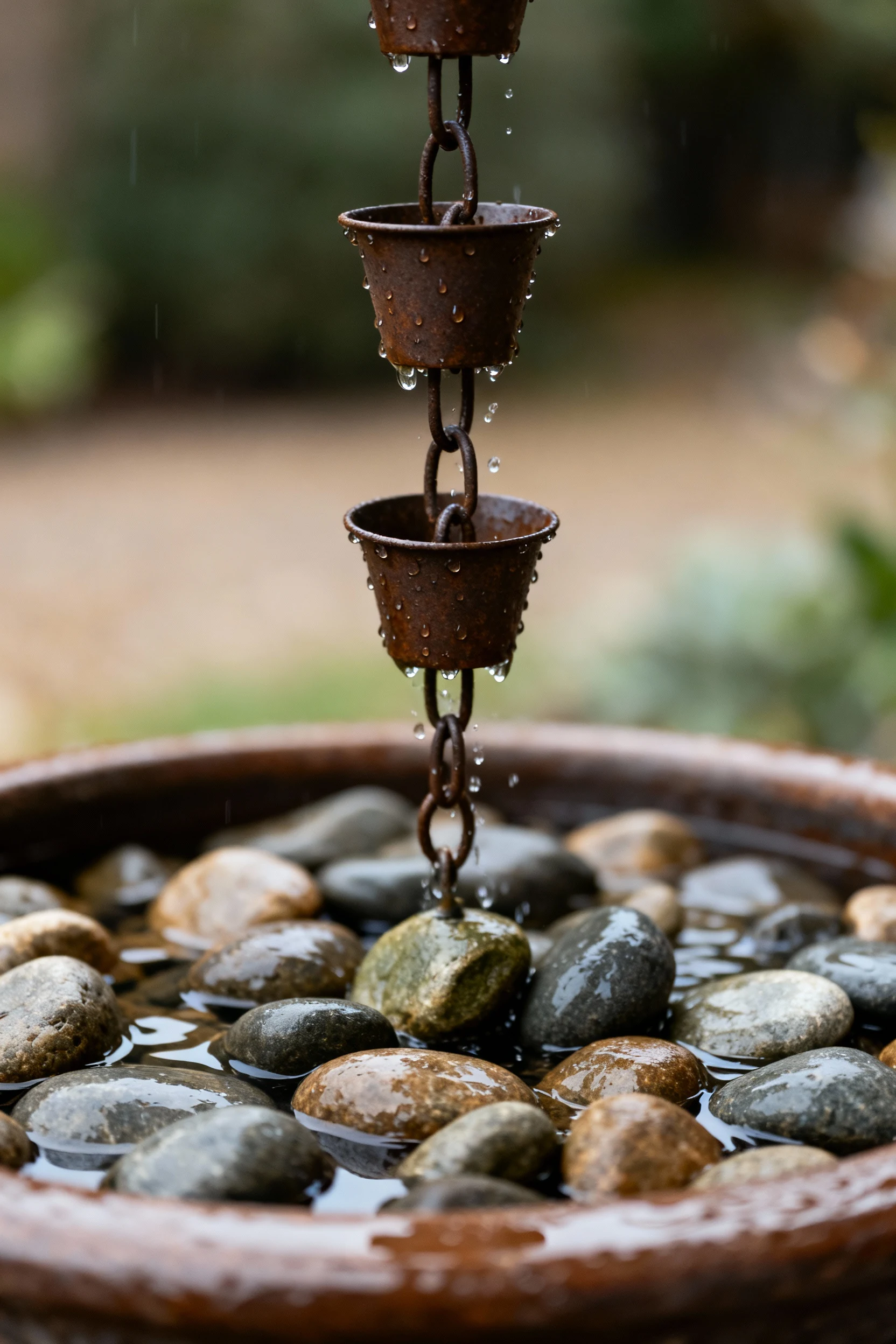
- Rain chain into a river rock basin near the downspout = function meets art.
- Hose pot or wall reel that matches your metal edging. Clean and coordinated.
- Gravel “parking pad” for bins or a mower replacement. Keeps things tidy and intentional.
- House numbers or a slim trellis on the garage wall for vertical interest.
Budget, Tools, and a Weekend Game Plan
Let’s make this practical. You can create a polished side-of-garage landscape without going feral at the garden center. Plan your materials, rent what you need, and batch your steps.
Typical Costs (Ballpark, IMO)
- Gravel/stone: $40–$120 per cubic yard depending on type and region.
- Edging: $1.50–$5 per linear foot for metal or composite.
- Landscape fabric: $0.10–$0.30 per sq ft for commercial-grade rolls.
- Plants: $10–$40 each depending on size and species.
- Lighting: $30–$80 per fixture for quality low-voltage or good solar.
- Tool rentals: Plate compactor ~$60–$90/day if you go DG or heavy base layers.
Weekend Project Plan
- Friday night: Measure, sketch, and order materials for pickup. Call 811 if digging (seriously, do it).
- Saturday AM: Clear the area, set string lines, and excavate to depth. Install edging.
- Saturday PM: Lay fabric and base. Compact thoroughly. Hydrate yourself; you’ve earned it.
- Sunday AM: Spread top-layer gravel. Set stepping stones. Plant your key shrubs or place containers.
- Sunday PM: Add lighting, rake in final patterns, and snap that humble-brag photo.
Pro Tips & Common Mistakes
- Don’t skimp on compaction or your stones will wander like toddlers.
- Keep gravel below concrete edges by 1/2″–1″ so it doesn’t spill onto walks and driveways.
- Plan drainage first, aesthetics second. Water always wins.
- Repeat materials from front to side yard so the whole property feels cohesive.
Design Ideas to Steal (and Make Your Own)
Sometimes you just need a visual nudge. Here are plug-and-play combos that deliver every time. Mix, match, and tweak to fit your house style.
- Minimalist Modern:
- DG path with black metal edging
- Two bands of Mexican beach pebbles at the foundation
- Three dwarf olives or bay laurels, evenly spaced
- Warm white path lights, simple wall-mounted hose reel
- Coastal Cool:
- Pea gravel with bluestone stepping pads
- River rock dry creek at the downspout
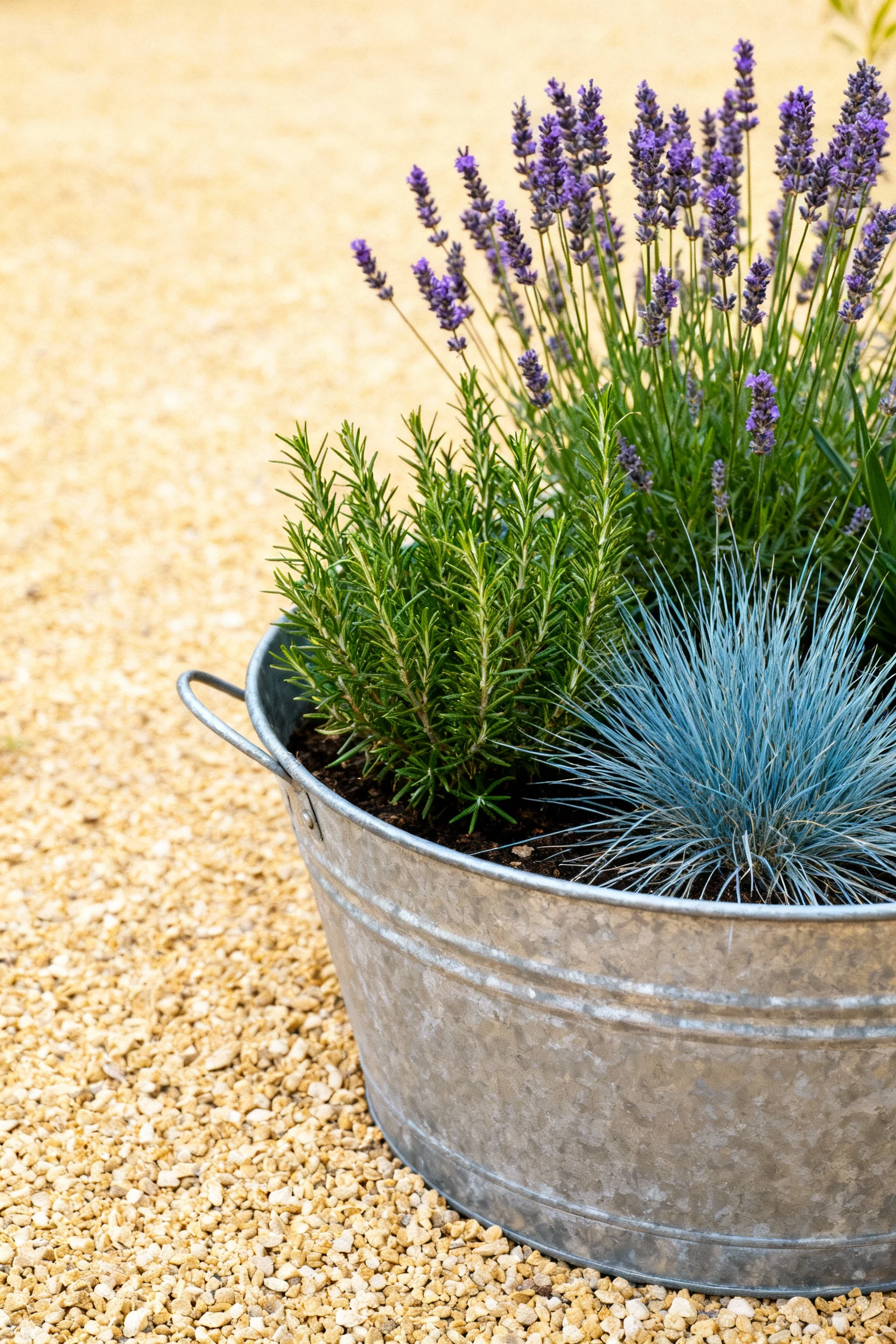
- Lavender, rosemary, and blue fescue for texture
- Galvanized planters and a rain chain to a pebble basin
- Cottage-Adjacent (minus the lawn):
- Crushed granite path
- Planting pockets with heuchera, salvia, and dwarf boxwood
- Brick soldier-course edging
- Soft, warm string lights on a small trellis panel
- Desert-Ready:
- Crushed rock in tan with spaced pavers
- Agave, red yucca, desert spoon as focal points
- River rock “mulch” rings around plants
- Matte black fixtures and a slim steel planter
Maintenance: The Five-Minute Routine
You picked rock and gravel for a reason. Keep it easy. Micro-maintenance beats overhaul every time.
- Blow or sweep leaves monthly so they don’t turn into compost (aka weed fuel).
- Top off gravel lightly every 1–2 years where you see dips.
- Snip plant stragglers once a season. That’s it.
- Check edging stakes annually and re-seat any that wiggle.
- After heavy storms, rake the surface to smooth and redistribute.
FAQ
Will rock and gravel make my side yard hotter?
Light-colored gravel reflects more heat, while dark stone absorbs it. If you live somewhere toasty, choose lighter tones and add plants for shade and evapotranspiration. You can also mix in stepping stones that stay cooler underfoot.
How do I keep gravel out of the driveway and sidewalk?
Install solid edging and keep gravel set slightly lower than hard surfaces. Use compactable bases like DG or crushed stone under pea gravel to lock it in. A quick monthly sweep keeps everything where it belongs.
Can I use landscape fabric under everything?
Yes, but choose commercial-grade fabric, not flimsy weed cloth. Overlap seams generously and stake it well. Avoid plastic sheeting because it traps water and messes with drainage and soil health, IMO.
What’s the best rock for a path I actually walk on?
Decomposed granite with stabilizer feels firm and smooth. Pea gravel works too if you use edging and a compacted base. Larger crushed rock feels awkward underfoot, so save that for decorative borders or drainage zones.
Do I need a permit or HOA approval for this?
Most areas won’t require a permit for simple rock and gravel installs. However, HOAs often care about visible materials and colors. Send a quick sketch and materials list to get ahead of any surprises—faster than arguing later, FYI.
How do I handle downspouts in a rock landscape?
Extend the downspout into a river rock basin or dry creek bed that slopes away from the foundation. Use larger stones at the outlet to reduce splash, then taper to smaller gravel. If runoff is heavy, add a buried drain line as backup.
Conclusion
The side of your garage doesn’t need grass to look gorgeous. With the right rock, clean edging, and a few tough plants, you’ll get a crisp, low-maintenance look that boosts curb appeal immediately. Keep the layout simple, plan for drainage, and repeat materials for cohesion.
Roll up your sleeves for a weekend and you’ll have a space that looks intentional, functions better, and doesn’t beg for weekly mowing. That’s a win for your schedule, your water bill, and your sanity—triple threat, IMO.