Shepherd Hooks for Bird Feeders: Best Height & Placement
You want more birds, fewer squirrels, and zero toppled feeders. Shepherd hooks can deliver that magical trifecta—if you set them up right. Height and placement make or break your feeding station. Get those two dialed, and you’ll turn your yard into a bird hotspot instead of a squirrel buffet. Let’s get you there without the trial and error (and without the airborne seed showers).
Shepherd Hooks 101: Why Use Them for Bird Feeders?
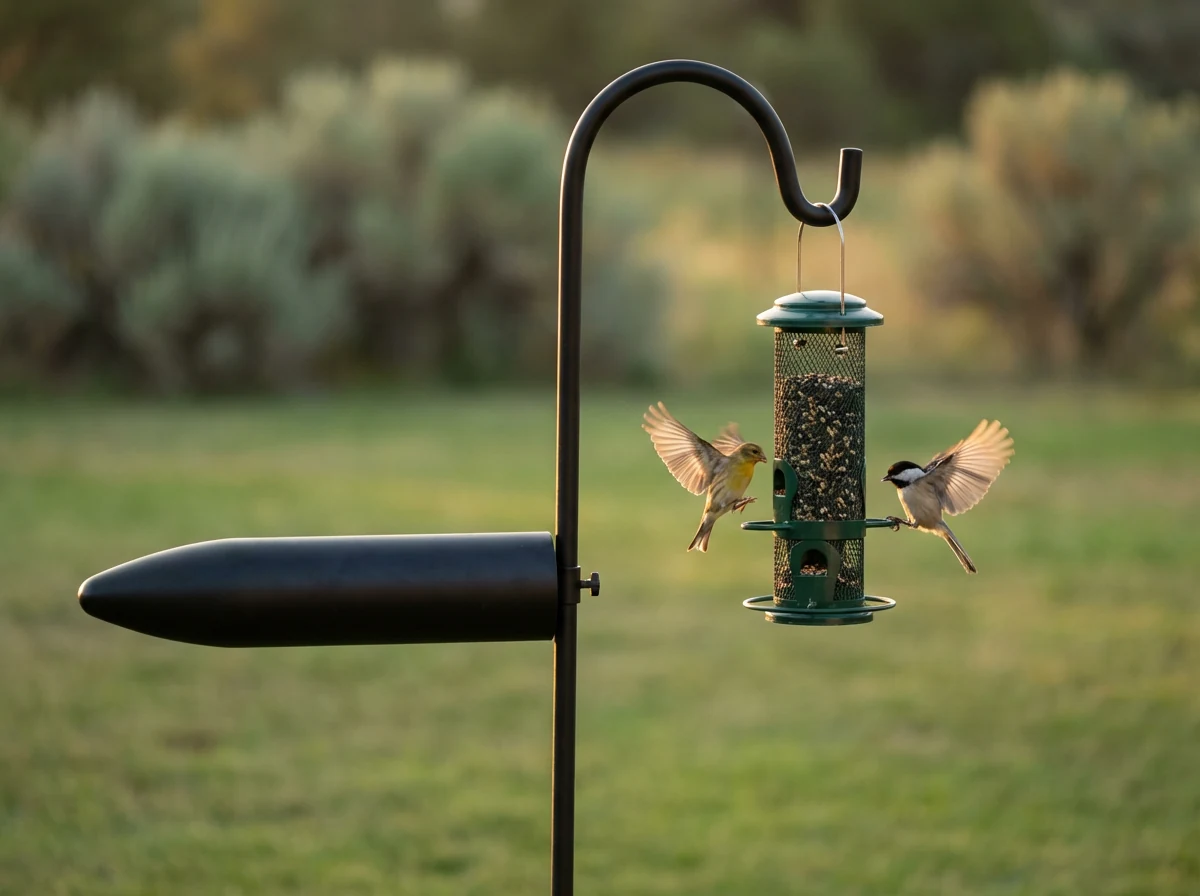
Shepherd hooks keep things simple and flexible. You can move them easily, hang multiple feeders, and skip drilling into the house. They also create clean sightlines so birds feel safe and you get a front-row view.
They beat hanging from trees for a big reason: squirrels. Tree branches basically scream “launch pad.” Shepherd hooks let you place feeders where critters can’t jump as easily. Plus, they look good. A sleek black hook with a classic curve? Chef’s kiss for your garden vibes.
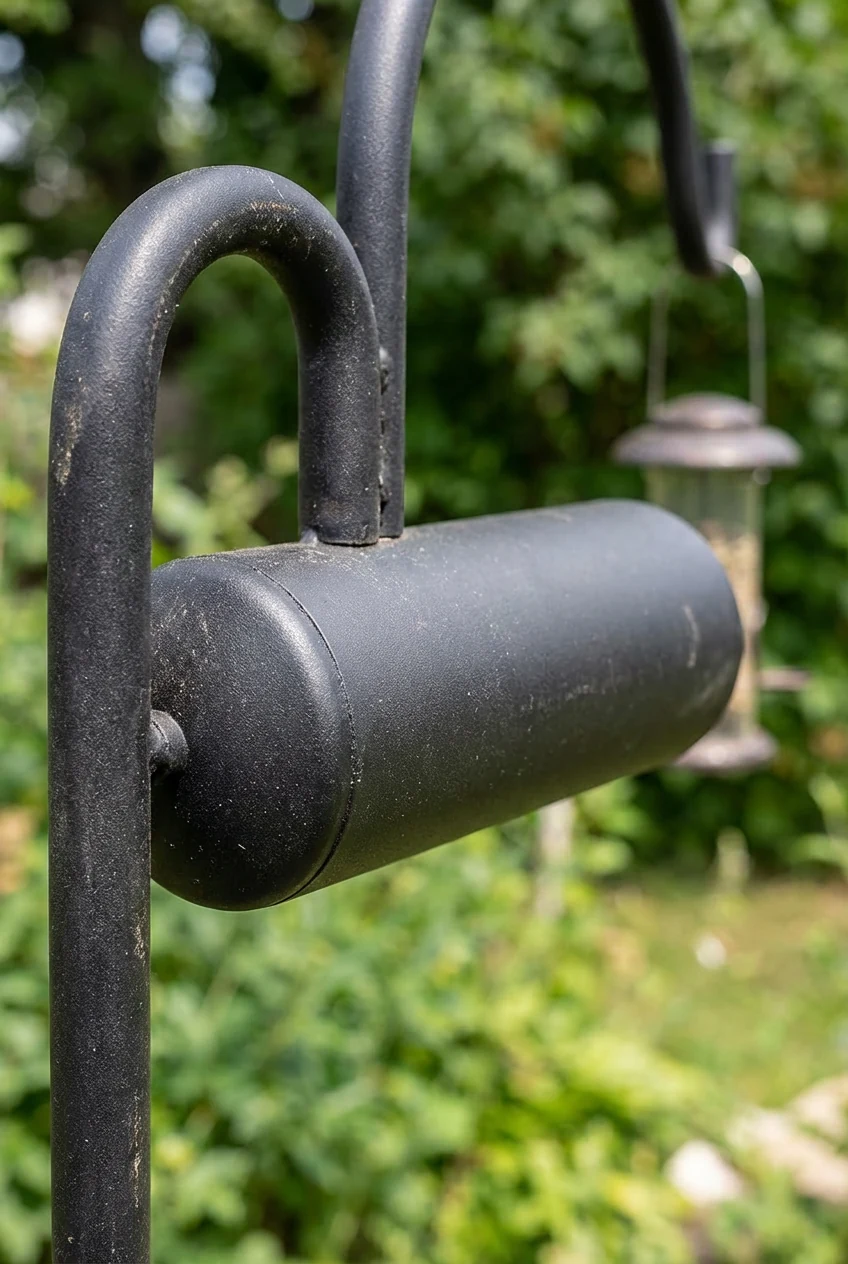
Bonus: Shepherd hooks let you add baffles (the squirrel-blocking tubes and domes) exactly where they work best.
The Sweet Spot: Best Height for Bird Feeders
You want birds to spot the feeder, avoid window collisions, and escape predators quickly. Height helps with all of that. Different feeders work best at different heights, and the hook height needs to match.
Seed Feeders
Most seed feeders shine when you set the bottom of the feeder around 5–6 feet off the ground. That height gives small birds a quick escape and keeps you from bending like a contortionist to refill.
– Target: Bottom of feeder at 5–6 feet.
– Keep the hook tall enough to account for the hanger chain or S-hook. For most setups, a 7–8 foot shepherd hook hits the mark.
– If deer or raccoons visit, bump the bottom to 6.5–7 feet and add a proper baffle.
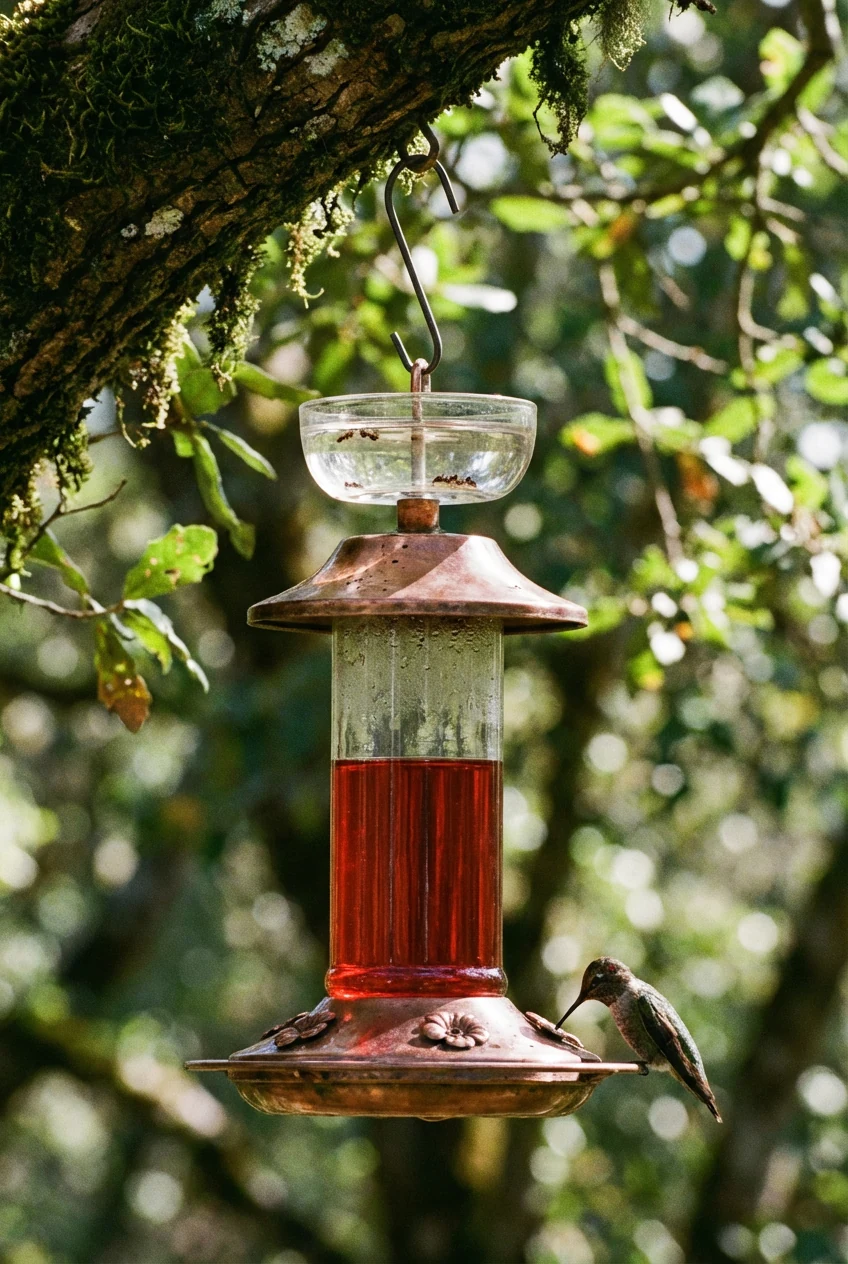
Hummingbird Feeders
Hummingbirds don’t need as much height. They care more about visibility, safe staging perches, and nectar quality.
– Target: 4–6 feet high so you can swap nectar fast.
– Place in bright shade or dappled light to slow nectar spoilage.
– Add an ant moat above the feeder so you don’t end up hosting an ant convention.
Suet and Mealworm Feeders
Woodpeckers, nuthatches, and bluebirds appreciate some height but also want comfort.
– Suet: 5–7 feet high. Shade helps reduce melting and mess.
– Mealworms: 4–6 feet near a perch. Bluebirds like a clear view and fast fly-ins.
– Use a dome baffle overhead if you battle grackles or rain.
Bottom line: Think “bird comfort first, refilling convenience second, squirrel access never.”
Placement Strategy Birds Love (and Squirrels Hate)
Placement turns a decent setup into a reliable bird magnet. You want cover nearby, but not so close that predators grab an easy meal.
Distance from Cover and Windows
Birds like to zip to cover if a hawk shadows your yard. Shrubs and small trees help them feel secure. Too close, though, and cats ambush.
– Place feeders 10–15 feet from dense cover. Birds can dash to safety, but predators can’t sneak right up.
– Windows matter. To reduce collisions, place feeders either within 3 feet of a window or more than 10 feet away. That sweet spot keeps panic flights short or distances big enough to avoid hits.
– Consider your viewing angle. If you want photos, keep the background uncluttered and the sun behind you in the morning or afternoon.
Predator Awareness and Escape Routes
Give birds clear approach lanes and exit routes. Your hook placement should create space, not a maze.
– Avoid corners and tight alcoves where birds feel trapped.
– Don’t place feeders near brush piles where cats lurk.
– Keep a couple of twiggy perches nearby (not touching the feeder) so small birds can stage before landing.
Pro tip: Rotate feeder positions a few feet every couple of weeks to disrupt predator patterns.
Choosing the Right Shepherd Hook
Not all hooks handle real-world conditions (wind, wet soil, hungry raccoons). A good hook saves you from sagging arms and midnight feeder theft.
Height, Weight Rating, and Gauge
Match the hook to your feeder type and local wildlife pressure.
– Height: 7–8 feet works for most seed feeders. Go 6–7 feet for hummingbird and mealworm setups.
– Weight rating: Choose at least 10–15 pounds for seed feeders with metal housings. Heavier if you hang a platform tray or double-arm setup.
– Metal gauge and diameter: Thick, powder-coated steel resists bending. A 1/2 inch diameter pole works for small loads; go 5/8–3/4 inch if wind and raccoons test your patience.
Base Styles and Soil Types
Your soil dictates your stability strategy.
– Two- or three-prong step-in bases: Great for loam and clay. Press when soil is moist for a straighter install.
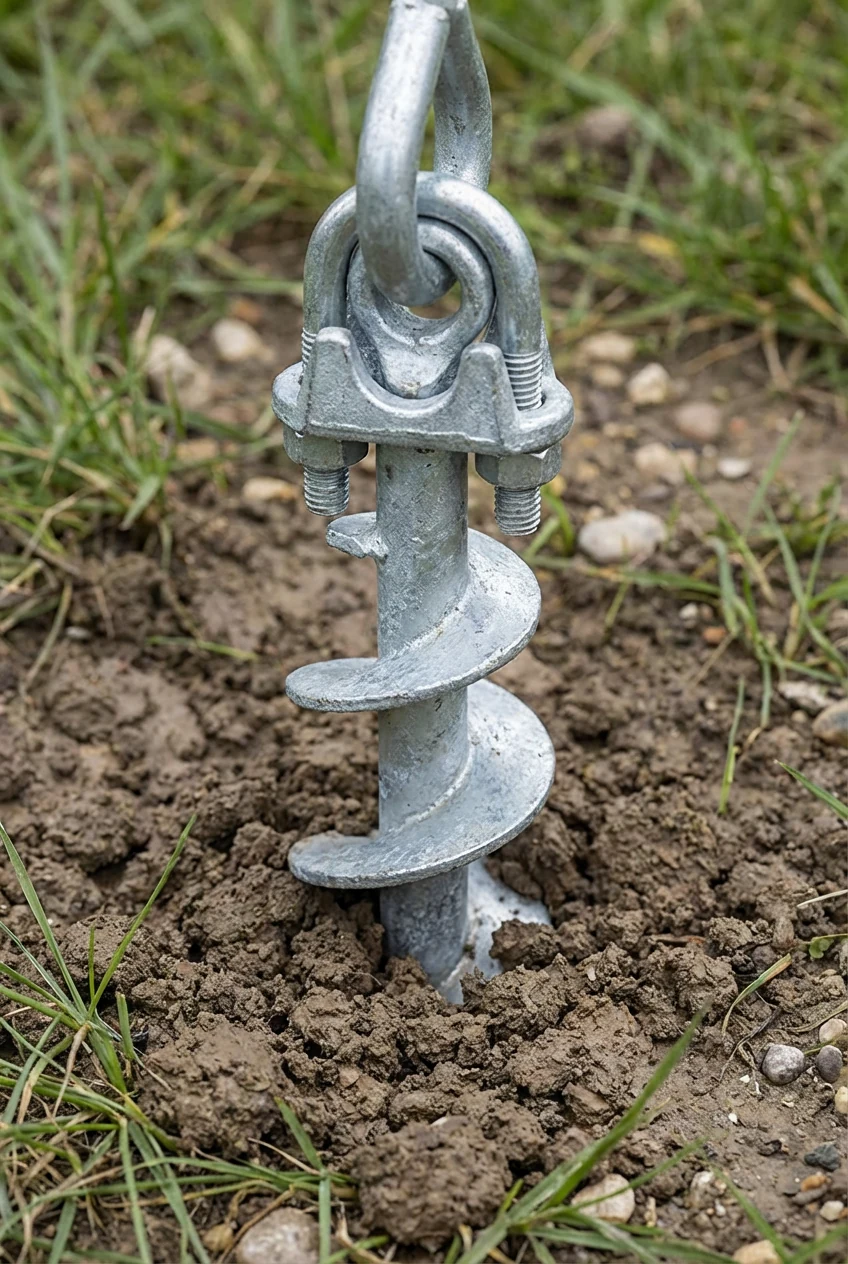
– Spiral ground anchors or augers: Best for sandy soil or windy sites. Tie the hook to the anchor with a sturdy clamp or U-bolt.
– Permanent sleeves: For heavy stations, set a short pipe in concrete and drop the hook inside. That sounds extra, but it creates rock-solid stability.
Rock-Solid Installation and Stability Tips
Nothing kills the vibe like a tipsy hook. Get the install right once and enjoy the drama-free refills.
Step-by-Step: Setting a Shepherd Hook
1. Choose the spot with your clearances in mind: 10–15 feet from cover, 8–10 feet from any jump-off points, safe window distances.
2. Test the soil with a screwdriver. If you hit rock-hard ground, water the area or shift a foot.
3. Step the prongs in while bracing the shaft to keep it plumb. Don’t stomp like you’re putting out a campfire; steady pressure wins.
4. Hang the feeder empty first. Check swing range and clearance.
5. Add seed or nectar and reassess balance.
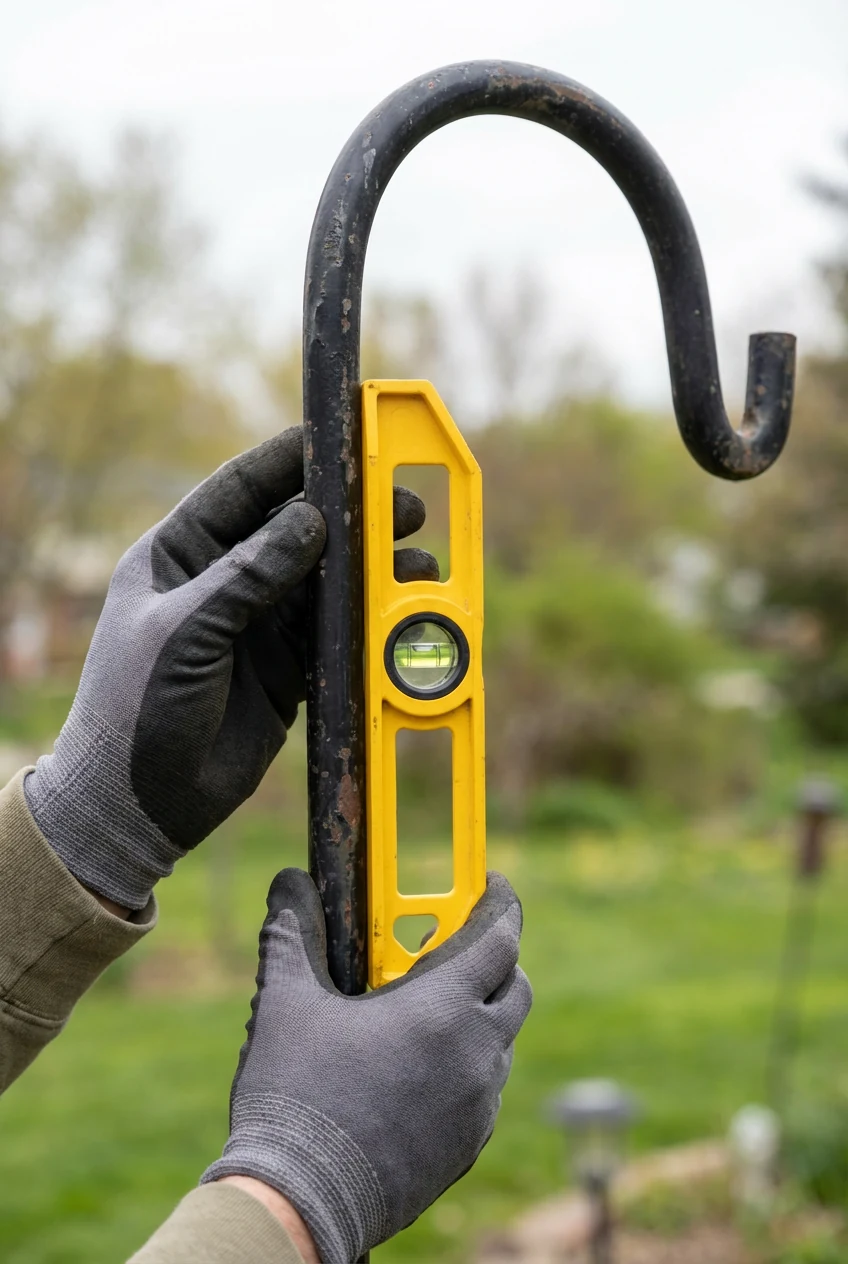
Use a small torpedo level against the pole. Plumb now, fewer headaches later.
Wind, Weather, and Sway Control
Wind will try to yeet your feeder. You can fight back.
– Face the hook opening away from prevailing wind to reduce bounce-outs.
– Use closed S-hooks or carabiners to keep feeders from jumping off.
– Add a stabilizer stake or zip-tie the pole to a hidden rebar rod in the ground for extra rigidity.
– During storms, lower the feeder one notch or move to a lee side temporarily. No shame in a tactical retreat.
Squirrel, Raccoon, and Deer Countermeasures
You can’t negotiate with squirrels. You can out-engineer them.
Baffles That Actually Work
Not all baffles perform equally. Size and height matter.
– Torpedo/Tube baffle: Choose 6–8 inch diameter, 18–24 inches long. Mount it so the top of the baffle sits at 4.5–5 feet above ground. Squirrels can’t jump past it from below.
– Dome baffle (overhead): Use an 18–24 inch dome above the feeder if squirrels drop from above or to deter rain.
– For raccoons, raise the baffle higher: top at 5.5 feet. They’re strong, acrobatic, and unamused by your efforts. Make them work for it (they’ll fail, which we love).
Smart Spacing and Deterrents
Squirrels jump like tiny parkour athletes.
– Keep feeders 8–10 feet from horizontal launch points (rails, fences, roofs, branches).
– Don’t grease poles. It harms wildlife and makes a nasty mess. Use baffles and proper spacing instead.
– Seed choices matter. Safflower seed deters many squirrels. Hot-pepper-treated seed can help too (wash your hands, FYI).
– Use catch trays to reduce spillage. Less ground seed = fewer rodents and less midnight raccoon rave.
Remember: Bigger pole diameters don’t stop squirrels. Proper baffles and spacing do.
Seasonal Tweaks and Maintenance
Birds change their habits with the seasons, and so should you. Move hooks, swap feeders, and keep things clean.
Summer Shade vs. Winter Sun
– In summer, move hummingbird feeders to bright shade to slow nectar fermentation. Shift seed feeders to partial shade to reduce spoilage.
– In winter, give birds sunny, wind-sheltered placements. South or southeast exposures warm cold mornings.
– Adjust height slightly if snow piles up. Deep snow shortens the effective distance to your baffle (squirrels say thanks if you ignore this).
Cleaning and Rust Control
Clean feeders often so you support healthy flocks, not germ clinics.
– Seed feeders: dump and scrub every 2–4 weeks; more often in wet weather.
– Hummingbird nectar: replace every 1–3 days in heat, 3–5 days in mild temps. Rinse with hot water and scrub with a bottle brush; a mild vinegar solution helps.
– Touch up chips on powder-coated hooks with rust-inhibiting paint. Wipe poles now and then to keep grime from damaging the finish.
IMO, a simple cleaning calendar saves you birds, money, and headaches.
Common Mistakes to Avoid
Let’s dodge the stuff that ruins good setups.
– Hanging feeders from tree branches “just for now.” Translation: “Free buffet for squirrels.”
– Setting the baffle too low. If the top sits under 4.5 feet, squirrels vault it like Olympians.
– Placing feeders right beside dense shrubs. Birds love cover but hate ambush zones.
– Ignoring window distances. Collisions hurt birds and your mood.
– Overloading a skinny hook with a heavy steel feeder and 10 pounds of seed. The Leaning Tower of Peasants isn’t a vibe.
Fix these five, and you outsmart 90% of feeder problems instantly.
Quick Setup Recipes (Because You Asked)
Sometimes you just want the answer, no fluff.
- All-purpose seed feeder: 7.5 ft hook, torpedo baffle with top at 5 ft, bottom of feeder at 5.5–6 ft, 12 ft from trees, more than 10 ft from windows.
- Hummingbird station: 6 ft hook, ant moat, partial shade, 5 ft height, near nectar flowers, within 10–15 ft of small trees for perches.
- Suet for woodpeckers: 7–8 ft hook, dome baffle overhead, 6 ft height, in shade, 12 ft from cover to deter ambushes.
- Urban squirrel gauntlet: 8 ft heavy-gauge hook, 24-inch torpedo baffle with top at 5.5 ft, seed mix in weight-rated feeder, zero nearby launch points within 10 ft.
FAQ
What height keeps squirrels off my shepherd hook?
Use a torpedo-style baffle and set the top at 4.5–5 feet above the ground. Then keep the feeder another 12–18 inches above that. Also maintain 8–10 feet of clearance from horizontal launch points. That combo stops 99% of direct assaults. The other 1%? They’ll glare at you from the fence.
How far should a shepherd hook be from my house and windows?
For windows, place feeders either within 3 feet or more than 10 feet away to reduce collisions. From the house, give yourself 8–10 feet minimum if squirrels can jump from a porch railing or roof. If your home creates a wind tunnel, adjust a few feet left or right to calm the swing.
Can I hang multiple feeders on one hook?
Yes, if the hook supports the weight and stays balanced. Use a double-arm hook for even distribution, keep the total load within the manufacturer’s rating, and hang lighter items (like a hummingbird feeder) opposite heavier ones. Add a ground anchor or stabilizer if things start to wobble.
Do shepherd hooks rust, and how do I prevent it?
Powder-coated steel holds up well, but chips can rust. Touch up dings with rust-inhibiting paint, and avoid weed-whacking the base (nothing shreds coatings faster). If you live near the coast, rinse salt spray occasionally and store the hook in off-season if you can.
What’s the best place for a hummingbird feeder on a shepherd hook?
Aim for 4–6 feet high in bright shade near nectar-rich flowers. Keep it visible from your window but away from ant trails and dripping sap sources. Add an ant moat and clean the feeder often—daily checks in hot weather, IMO. Hummers will reward you with close-up visits.
Will deer reach my feeders on a shepherd hook?
Deer can browse surprisingly high. Keep the bottom of your seed feeder at 6.5–7 feet if deer stop by. A tall dome baffle also helps interfere with their reach. If deer still succeed, shift the station inside a fenced area or move it closer to the house where deer hesitate.
Conclusion
Set the right height, nail the placement, and add the right baffles—you win. Birds get a safe, reliable snack spot. Squirrels get baffled (literally). You get a great show every day without endless tinkering. That’s a solid trade, FYI, and the kind of setup you’ll brag about to anyone who’ll listen.