Small Shady Backyard Ideas: Layout Plans, Plants & Lighting Tips
You look at your backyard and see shade, shade, annnd more shade. But that doesn’t mean you need to settle for a gloomy patch of lawn and one confused hosta. You can design a small shady backyard that feels lush, cozy, and totally intentional. Let’s turn that “dark corner” vibe into a space you love hanging out in—even on cloudy days.
First, map the shade and plan smart layouts
You need to know where the light lands before you pick plants or build seating. Grab your phone and take photos every two hours from morning to late afternoon. You’ll spot “bright shade,” “dappled shade,” and serious “deep shade.” That matters, because different spots support different plants and layouts.
Now get ruthless about zones. You can divide even the tiniest yard into a few clear areas: a seating pocket, a planting bed, and a tidy path. Keep circulation simple. Curves feel natural under trees, while straight lines feel modern and clean. Both work, but pick one style and stick with it.
Microzones you can actually exploit
- Bright shade near reflective surfaces: White fences, pale walls, or metallic planters bounce light. Use this zone for flowers and variegated foliage.
- Dappled shade under high canopy: Great for ferns, hydrangeas, and a compact bistro table.
- Deep shade along solid walls or under dense evergreens: Lean on texture—think moss, glossy leaves, and sculptural hardscape.
Go-to layout formulas for tiny yards
- L-shaped lounge: Tuck a corner bench along two sides, then angle a path to it. This opens the center for plants.
- Loop path: Create a mini walking loop with stepping stones. Place focal plants or lanterns along bends.
- Diagonal flow: Run a walkway corner-to-corner. Diagonals stretch the space visually. Add a small landing pad for chairs.
Hardscape that loves low light
Shade rewards texture more than color. So lean into materials with character. Rough stone, smooth pavers, and warm wood look killer in dim light. Mix two max. Go beyond that and you’ll invite visual clutter.
Keep things bright but not sterile. Pale gravels and light-gray pavers reflect ambient light and lift the mood. Avoid glossy flooring that gets slippery when wet. Your tailbone will thank you.
Cozy seating pockets
- Corner bench + cushions: Built-in benches save space and anchor the layout.
- Foldable bistro set: Small and flexible. Store it when you want more open room.
- Low Adirondack chairs: Classic, comfy, and sturdy under trees.
Vertical surfaces and mirrors
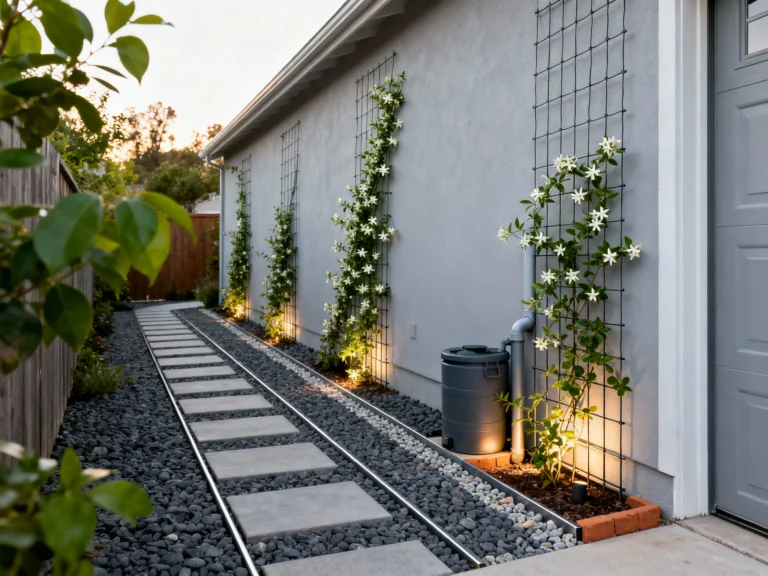
- Trellised panels: Train shade-tolerant climbers like ivy or climbing hydrangea.
- Outdoor-safe mirrors: Use narrow mirrors to bounce light. Angle them so they reflect plants, not your neighbor’s trash bins.
- Painted fences: Soft gray, warm beige, or sage distracts from low light and looks elegant.
Small water features (if you’re into a vibe)
- Bubbler bowl: Gentle sound, minimal splash, great for shade.
- Wall fountain: Saves space and creates instant focus.
- FYI: Add a pump with good circulation and keep up with cleaning. Mosquitos love stagnant water more than you love your new plants.
Plants that thrive in shade (and actually look happy)
Shady backyards are foliage playgrounds. You’ll build a layered look with leaves, textures, and seasonal pops. Flowers still show up—just pick the right ones. IMO, a mix of ferns, hostas, and a few shade bloomers nails the vibe.
Foliage stars
- Hosta: Endless varieties. Variegated types brighten dark corners.
- Japanese forest grass (Hakonechloa): Soft, flowing texture that glows in light shade.
- Heuchera (coral bells): Purple, lime, and caramel foliage for year-round color.
- Ferns: Athyrium (Japanese painted), Dryopteris (wood fern), and Polystichum (shield fern).
- Brunnera ‘Jack Frost’: Silvery leaves, teeny blue flowers in spring.
Flower pops for shade
- Astilbe: Feathery plumes in pink, white, and red. Loves moist soil.
- Hellebores: Winter-to-early spring blooms that shrug off shade.
- Hydrangea (macrophylla or serrata): Mopheads or lacecaps for bright shade. Keep soil evenly moist.
- Foxglove (digitalis): Dappled shade champion, tall spires that make drama.
Edible options for low light
- Leafy greens: Lettuce, spinach, arugula thrive in bright shade.
- Herbs: Mint (contain it!), parsley, chives, cilantro handle partial shade.
- Raspberries: Some varieties fruit in part shade. Give them air flow and a trellis.
Groundcovers that win in shade
- Sweet woodruff: Fragrant, tidy, and delicate.
- Pachysandra or vinca: Tough, evergreen carpets. Control edges so they don’t stage a coup.
- Moss: If your yard grows moss naturally, lean in. It’s low-key magical.
Native shade plants (highly recommended)
- Foamflower (Tiarella): Frothy blooms and lovely foliage.
- Solomon’s seal (Polygonatum): Arching stems, elegant variegation.
- Wild ginger (Asarum): Glossy leaves, great groundcover.
- Ferns: Local species handle your climate and soil better than divas.
Pro tip: Layer heights: tall shrubs in back, medium perennials in the middle, low groundcovers in front. This creates depth and makes a small space feel bigger.
Lighting tips: make shade glow at night
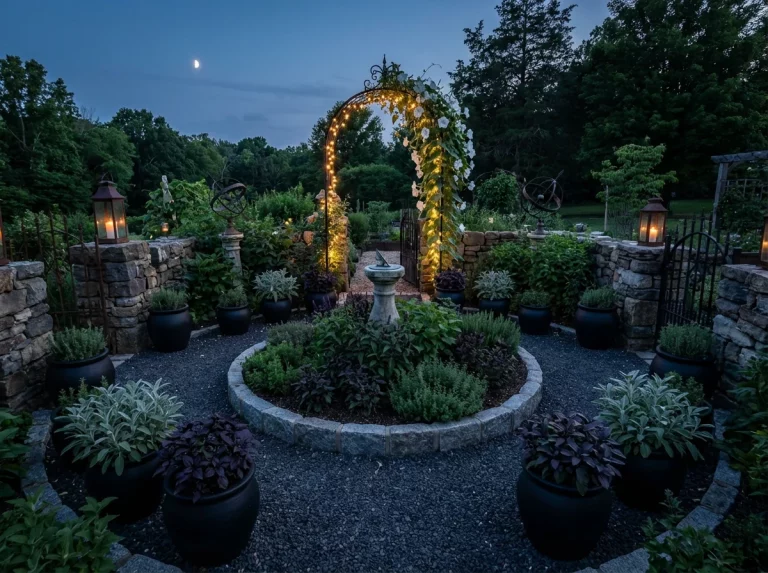
Shade looks moody in the best way after dark, so embrace it. Layer warm LED lights and highlight textures. Avoid blasting the space like a stadium. You want cozy, not interrogated.
Layer your lighting
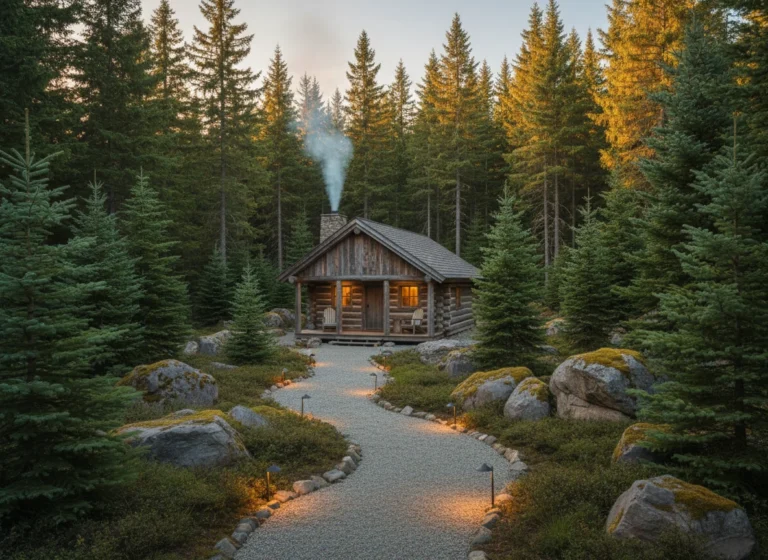
- Path lights: Low, warm fixtures along the walkway. Space them evenly.
- Uplights: Aim at trunks, stone walls, or large-leaf plants for drama.
- Downlights: Mount on fences or pergolas to mimic moonlight.
- String lights: Zig-zag a short run over the seating pocket. Instant charm.
- Lanterns: Battery or candle-style for flexible glow.
Power options
- Low-voltage wired: Reliable and bright enough for safety.
- Solar: Works in bright shade only. In deep shade, solar throws a tantrum. FYI.
- Plug-in + smart plugs: Simple setup and easy scheduling.
Safety and placement
- Highlight edges: Light steps, grade changes, and corners.
- Warm color temp (2700–3000K): Cozy and flattering. Save cool white for garages.
- Shield glare: Use hoods or aim lights away from eyes and neighbors.
Moisture, drainage, and soil fixes
Shade often equals damp, and damp can equal sad plants. Fix the water situation first. You’ll improve plant health and reduce pests. Your shoes will stay cleaner, too.
Quick drainage upgrades
- Elevate beds: Add 8–12 inches with rich soil. Roots breathe better.
- Permeable paths: Use gravel, open-joint pavers, or decomposed granite.
- French drain: Bury a perforated pipe in gravel along low spots. Direct the water away.
- Rain garden: Plant moisture lovers where water collects. Astilbe and sedges say thanks.
Smart irrigation in shade
- Drip lines + emitters: Water at roots, not leaves.
- Moisture meters: Check before you water. Shade soil stays damp longer.
- Morning watering: Leaves dry during the day. Less fungus, fewer regrets.
Slug and snail management
- Copper tape: Wrap planters and raised beds.
- Iron phosphate bait: Pet-safe and effective.
- Cleanup crew: Remove dense debris and keep edges tidy. Slugs love a messy buffet.
Style moves: color, texture, and tiny backyard tricks
Shade thrives on subtlety, so you play with layers and contrast. Use a restrained palette and repeat textures to create a calm, “I meant to do that” feel. Add a couple of bold accents for personality. Done.
Color palettes for shade
- Cool calm: Grays, deep greens, silver foliage, soft blues.
- Woodland warm: Mossy greens, warm wood, cream blooms, bronze heuchera.
- Monochrome magic: All green with texture shifts—fern fronds, glossy leaves, velvety moss.
Small space illusions
- Diagonal lines: Lay pavers or decking diagonally to stretch sightlines.
- Tiered planters: Stack heights to add depth without eating floor space.
- One big focal point: A statement shrub, sculptural planter, or wall fountain grounds the layout.
- Reflective accents: Light-colored gravel, pale pots, and slim mirrors brighten everything.
Maintenance without the drama
Shady yards can look great with low effort if you plan right. Keep airflow and edges clean. Check lighting and hardscape seasonally. You’ll spend less time fussing and more time lounging.
- Prune for air: Lift tree canopies and thin shrubs lightly each spring.
- Leaf management: Mulch fallen leaves or compost them. Avoid smothering groundcovers.
- Moss and algae: Sweep paths and scrub gently with a diluted vinegar solution if they get slick.
- Fertilize lightly: Use compost and a slow-release organic blend. Shade plants hate overfeeding.
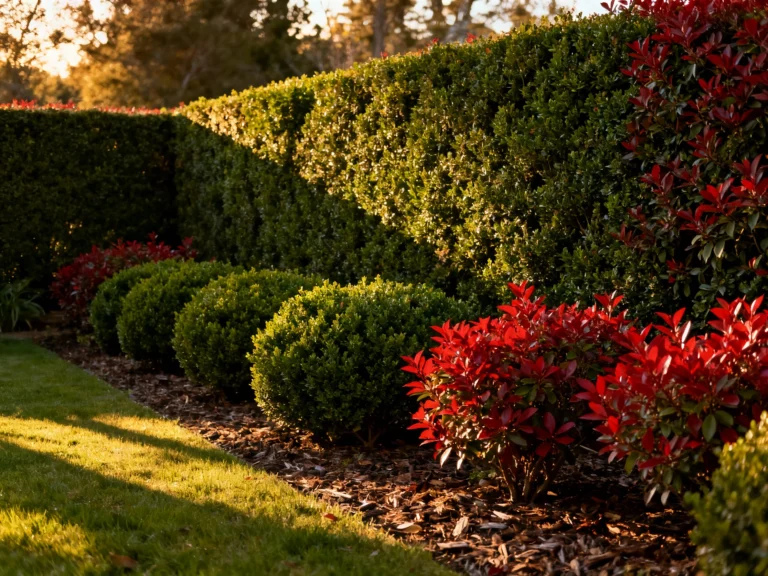
- Refresh mulch: 2–3 inches of shredded bark keeps soil cool and neat.
- Lighting check: Replace dead bulbs and tweak angles. Small adjustments make big differences.
FAQ: small shady backyard questions
Can I grow vegetables in a shady backyard?
Yes, just pick the right crops. Leafy greens like lettuce, spinach, and arugula handle bright shade. Herbs like parsley, mint, and chives do fine with morning sun and afternoon shade. Skip fruiting vegetables (tomatoes, peppers) unless you get at least 4–6 hours of direct sun.
What’s the difference between bright shade and deep shade?
Bright shade reflects good ambient light but gets little direct sun. Plants still photosynthesize happily. Deep shade sits close to walls or dense trees with minimal light. Choose tougher foliage plants there, then use lighter hardscape and mirrors to bounce extra glow.
Do solar lights work in shade?
Sometimes. Solar lights need strong sun to charge, so they work best in bright shade near open sky. In deep shade, solar gets moody and underperforms. Use low-voltage wired or plug-in fixtures for consistent light where shade stays heavy. IMO, wire it once and enjoy it forever.
How do I deal with soggy soil in shade?
Elevate planting beds, add compost for structure, and switch paths to permeable materials. Install a French drain along the lowest edge if water pools. Plant moisture-loving species where you can’t fully dry the area—think astilbe, ligularia, and sedges—and keep irrigation modest.
Any low-maintenance plant combos for tiny shade spaces?
Try hosta + ferns + heuchera for layered foliage all season. Add a hydrangea or hellebores for flowers, and finish with sweet woodruff or wild ginger at ground level. Repeat the combo in two or three spots for a cohesive look that requires minimal fuss.
How do I add privacy without blocking the little light I have?
Use open-lattice screens and tall, narrow shrubs with airy habits, like serviceberry or yew pruned high. Mount trellises and train climbers selectively so light can filter through. Keep the lower half denser for privacy and the upper half lighter to preserve brightness.
Conclusion
Small and shady doesn’t equal dull. You can design smart zones, embrace textured hardscape, and plant a killer shade palette that turns your yard into a chill retreat. Layer warm lighting and fix moisture issues, then sprinkle in a few bold accents for personality. FYI: shade gardens age gracefully, so your space will only look better every season—no sunburns required.